



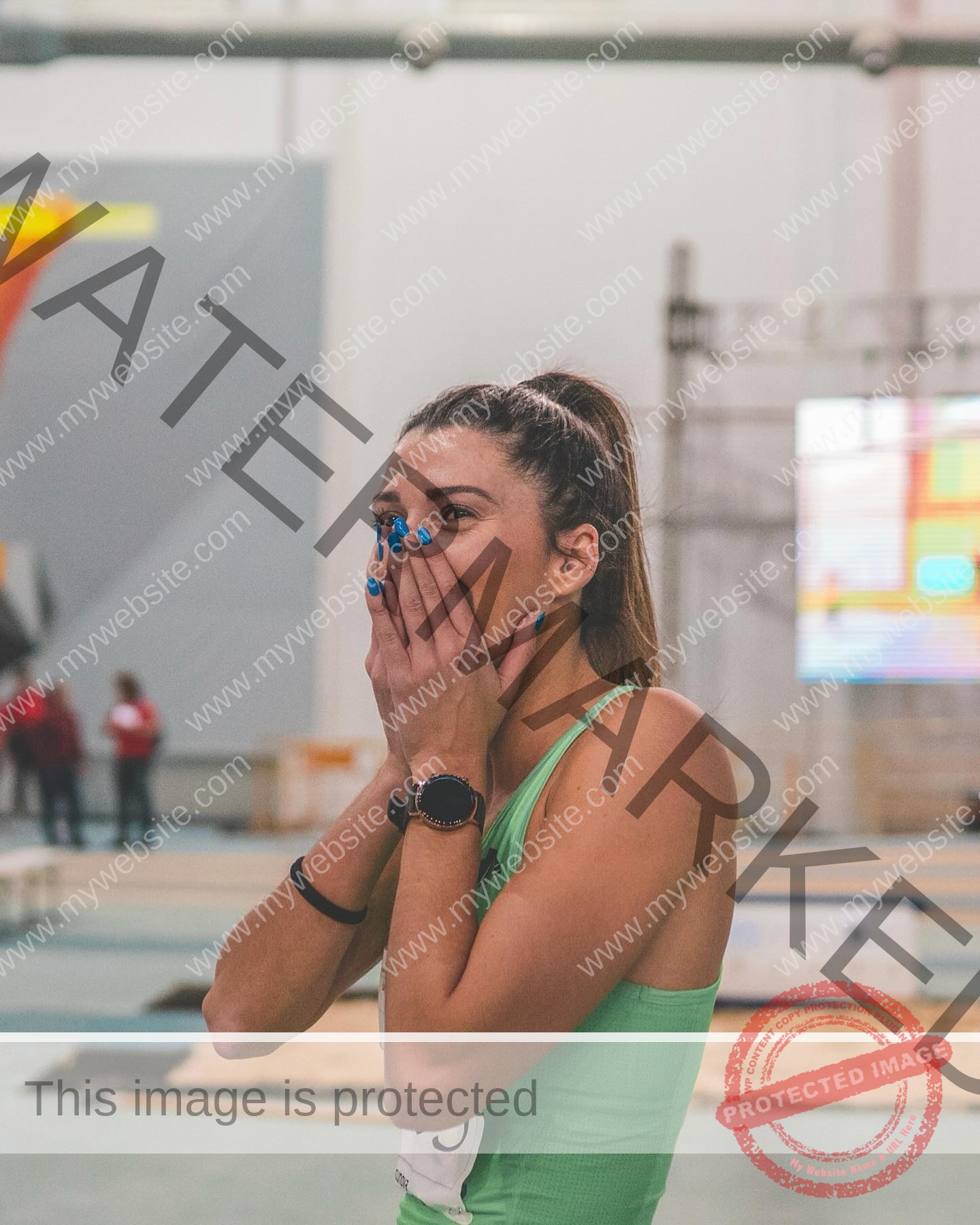
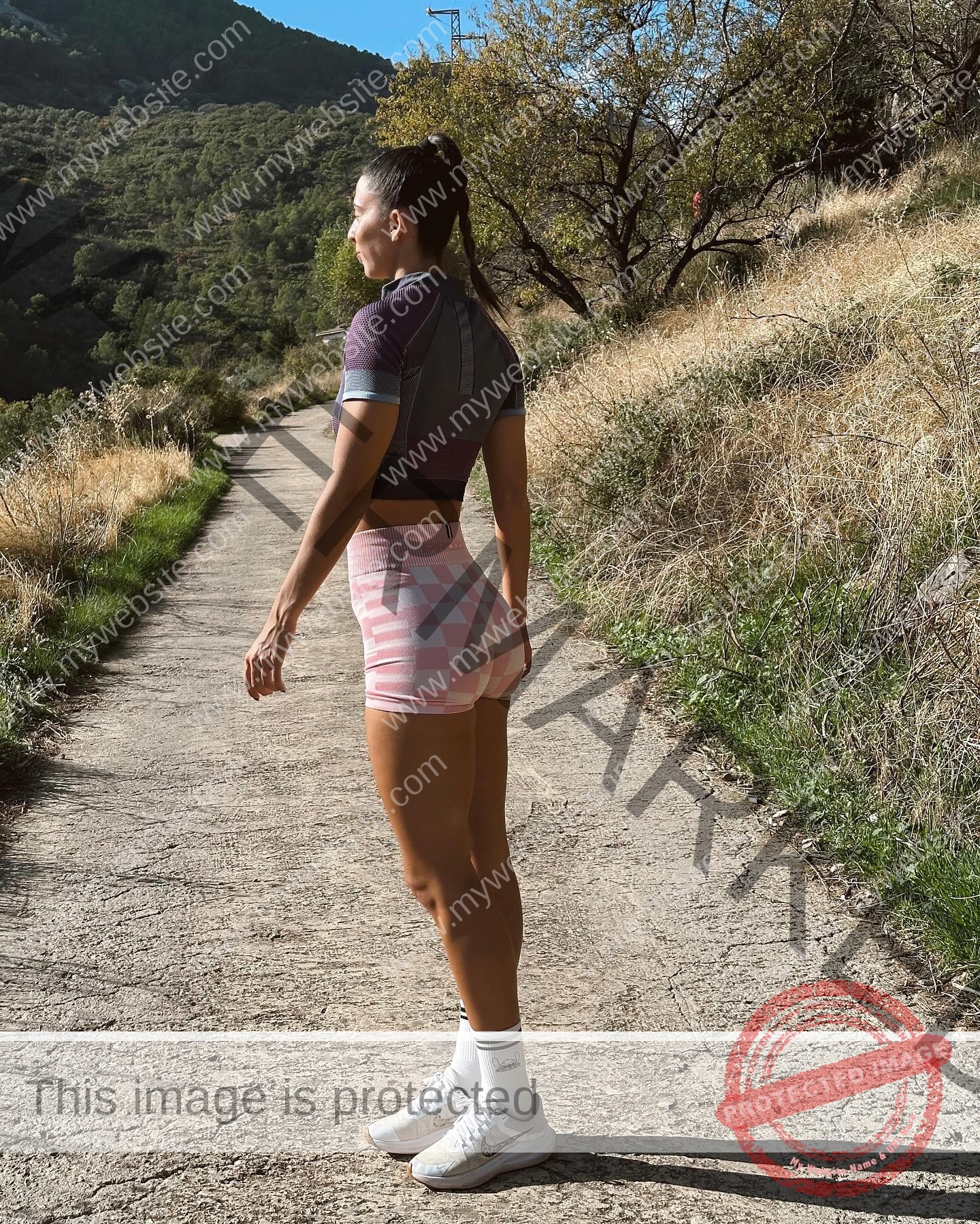
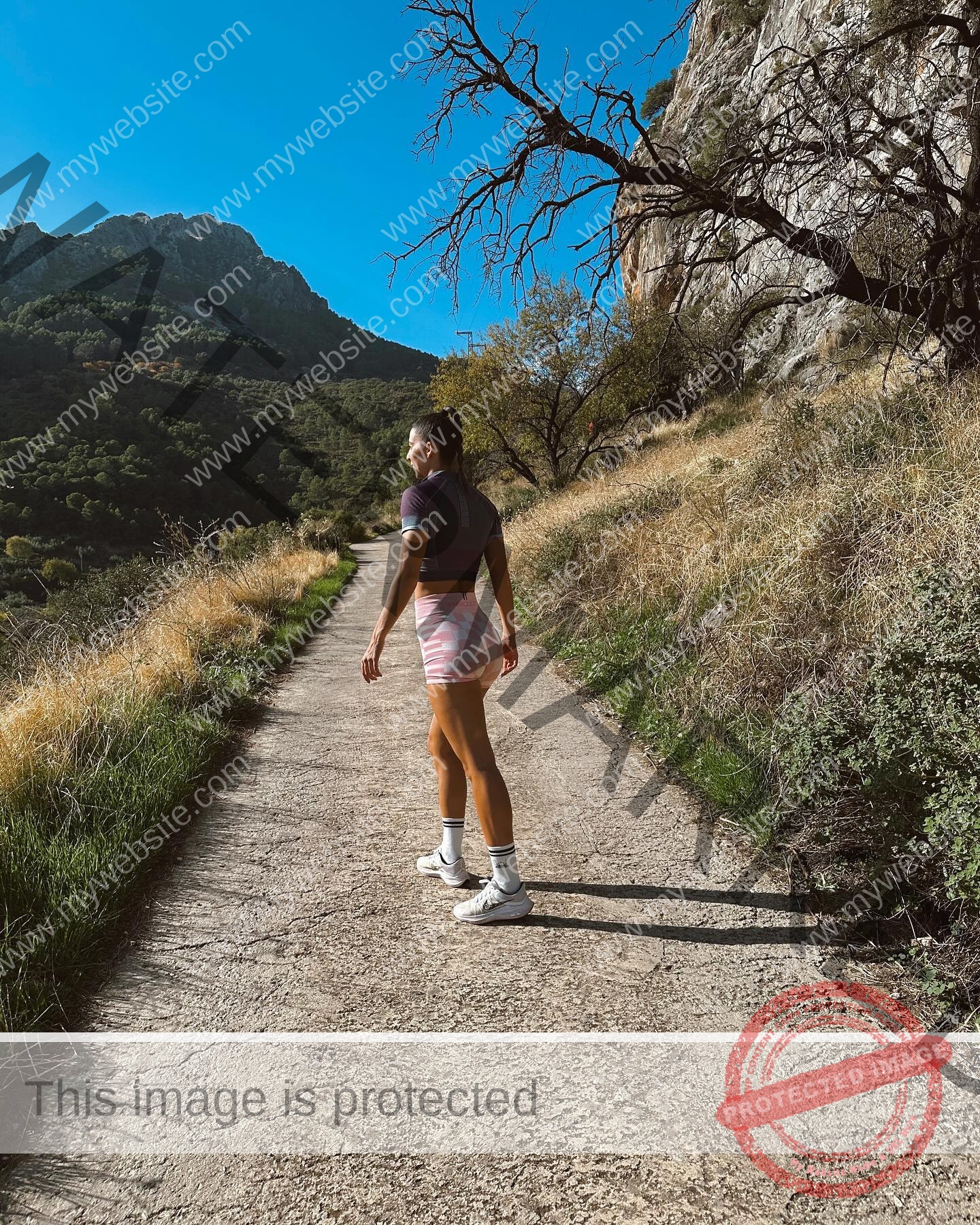
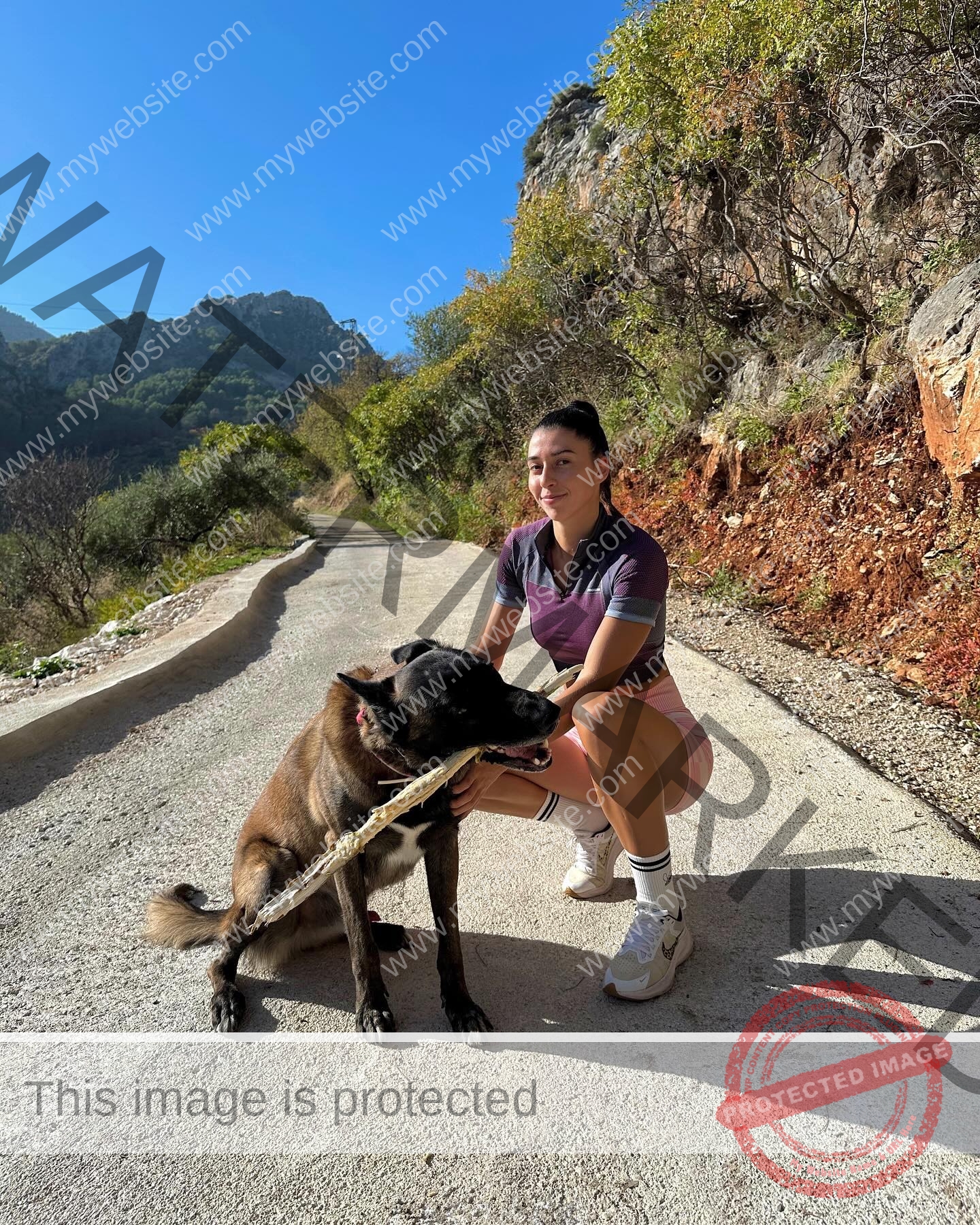
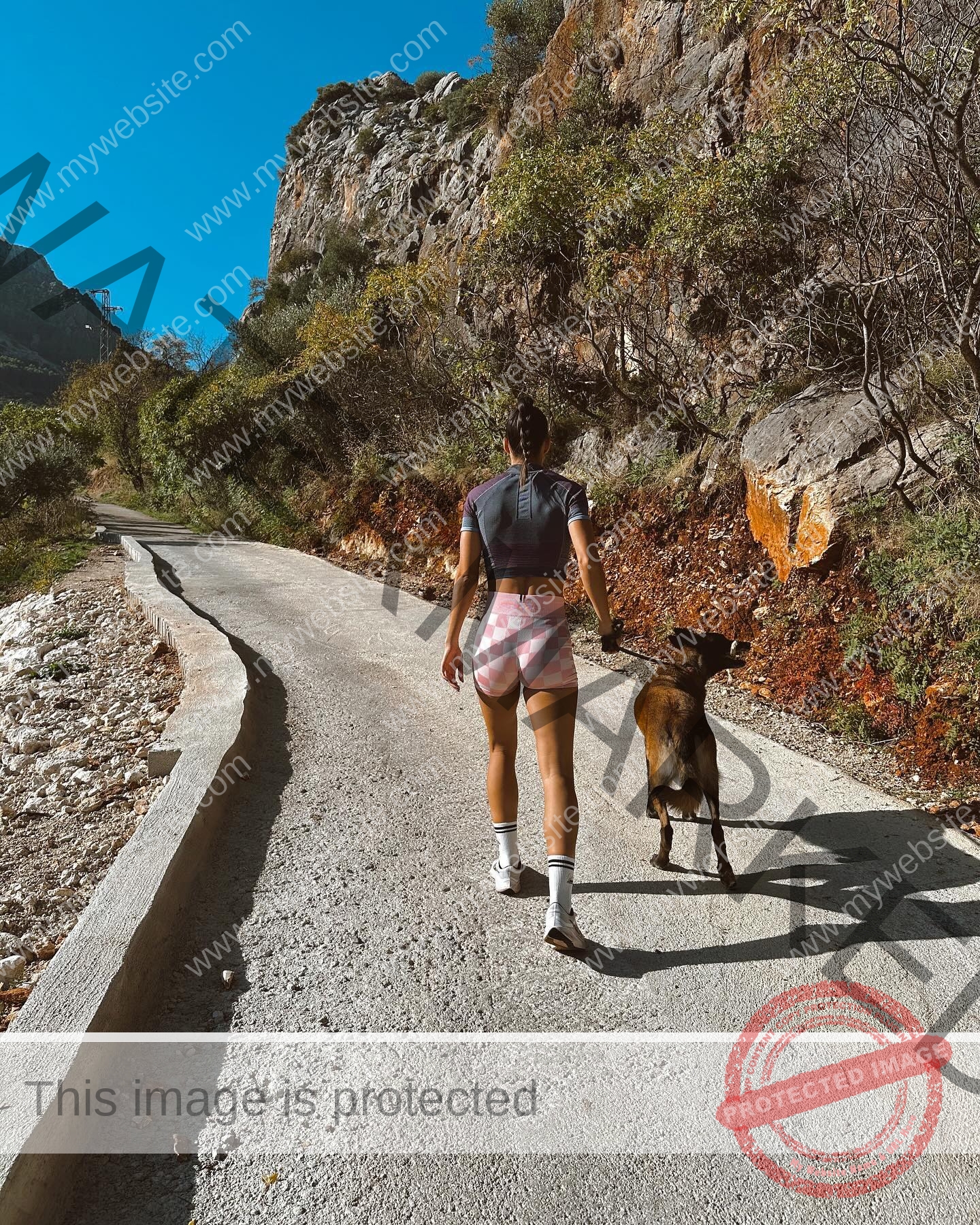
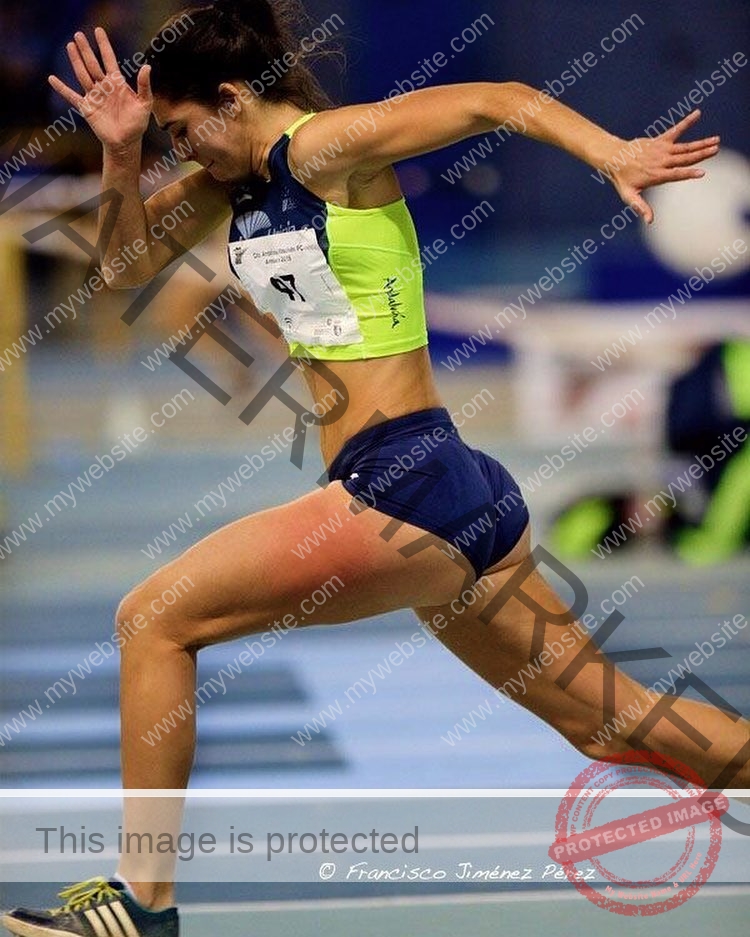
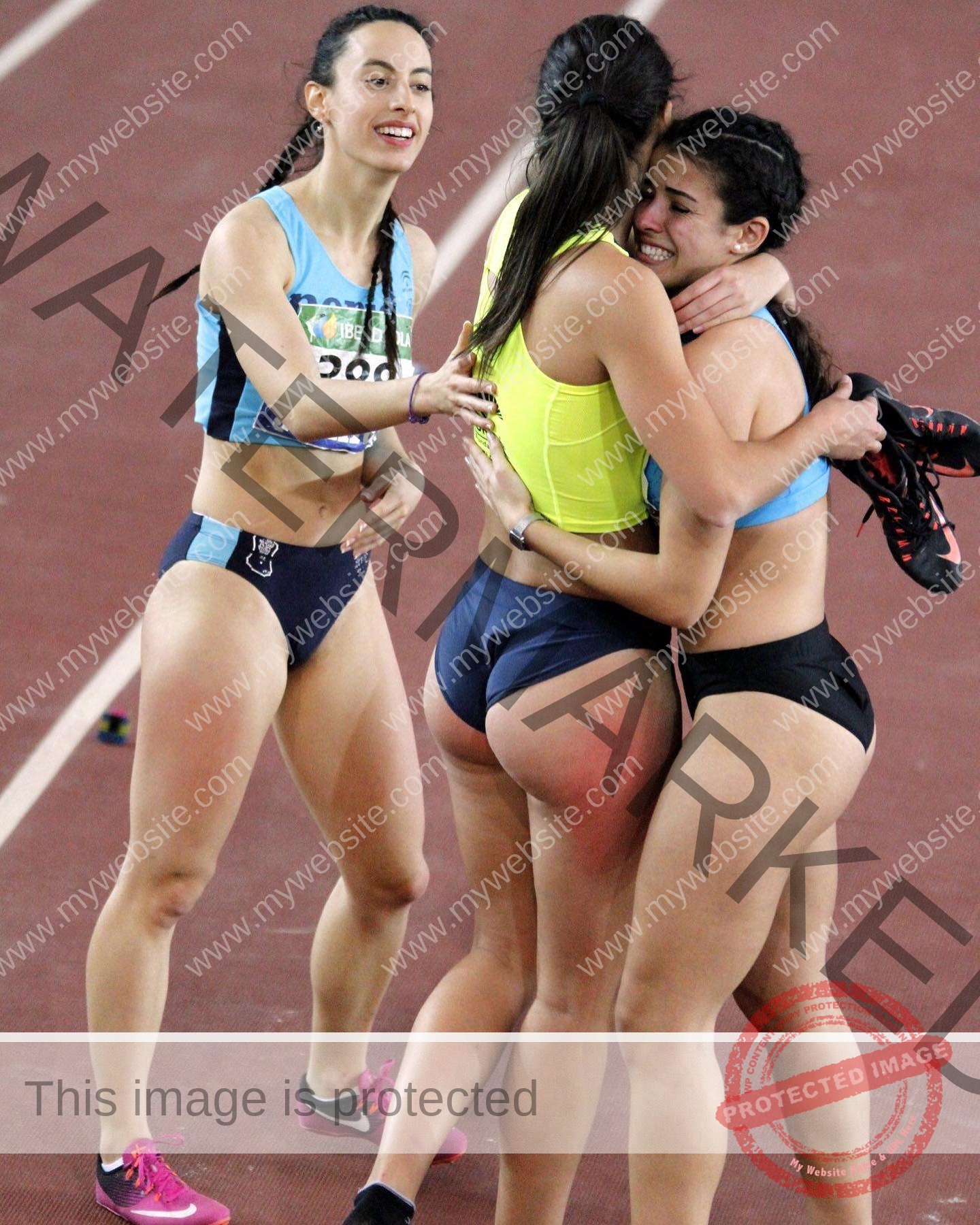
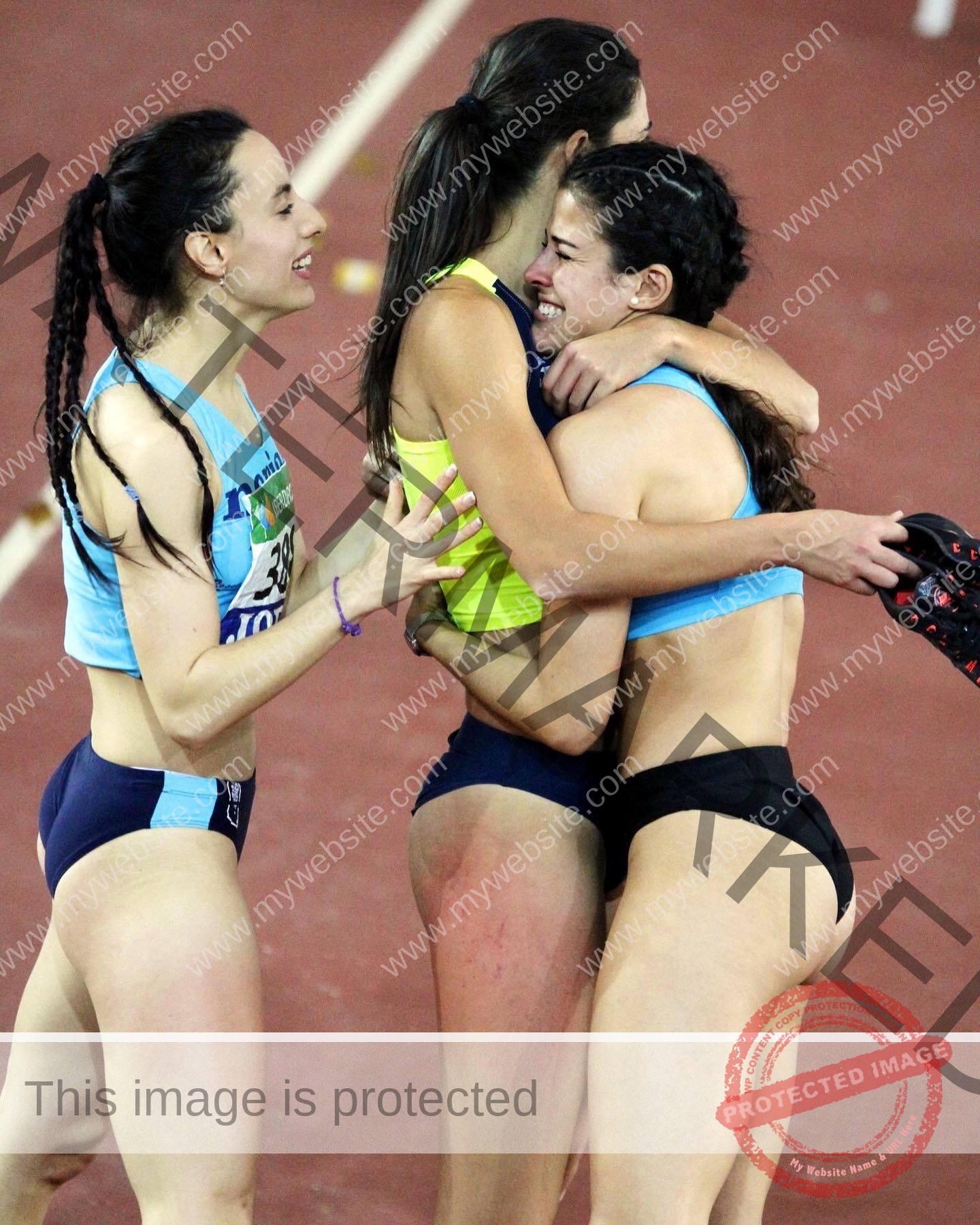
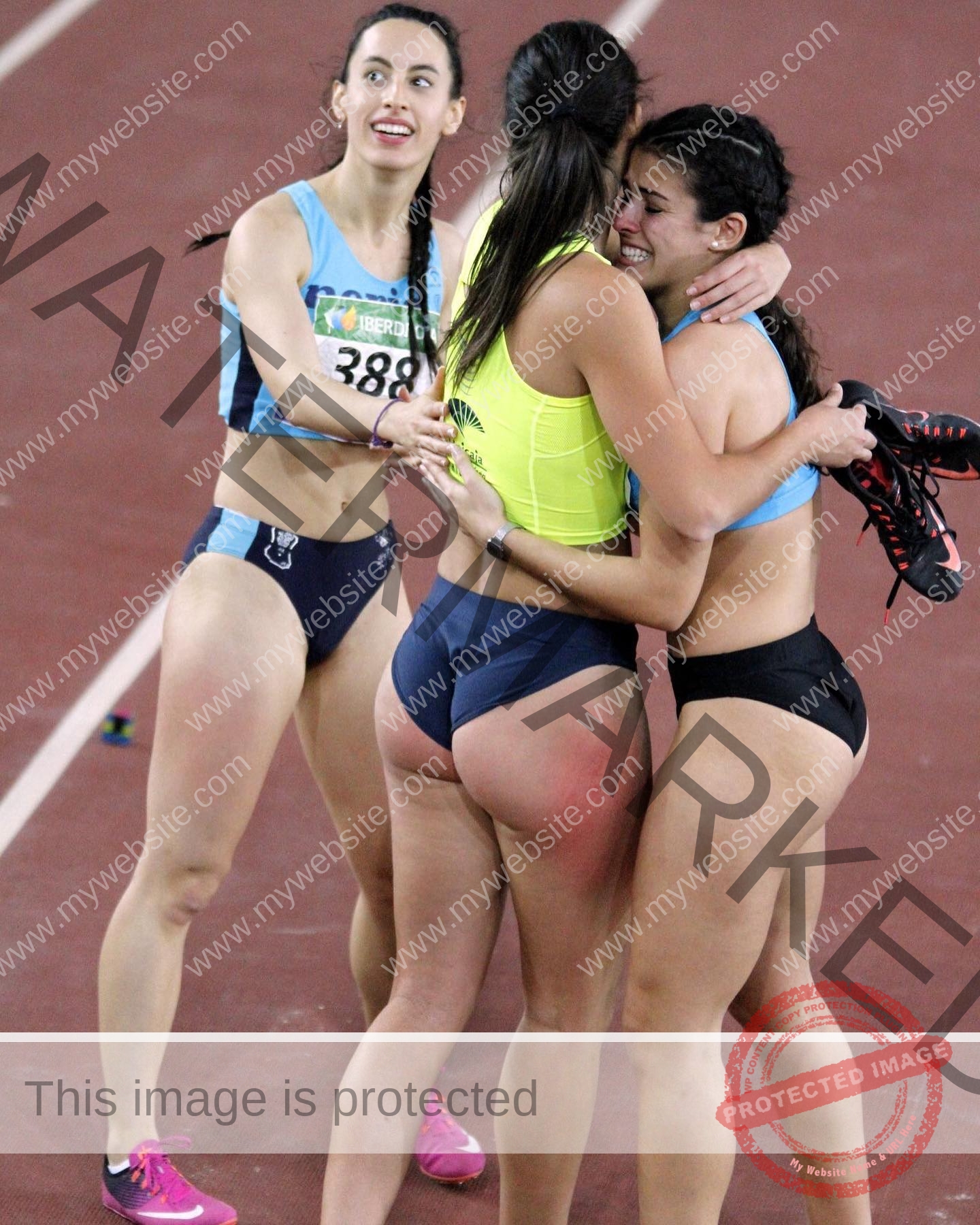
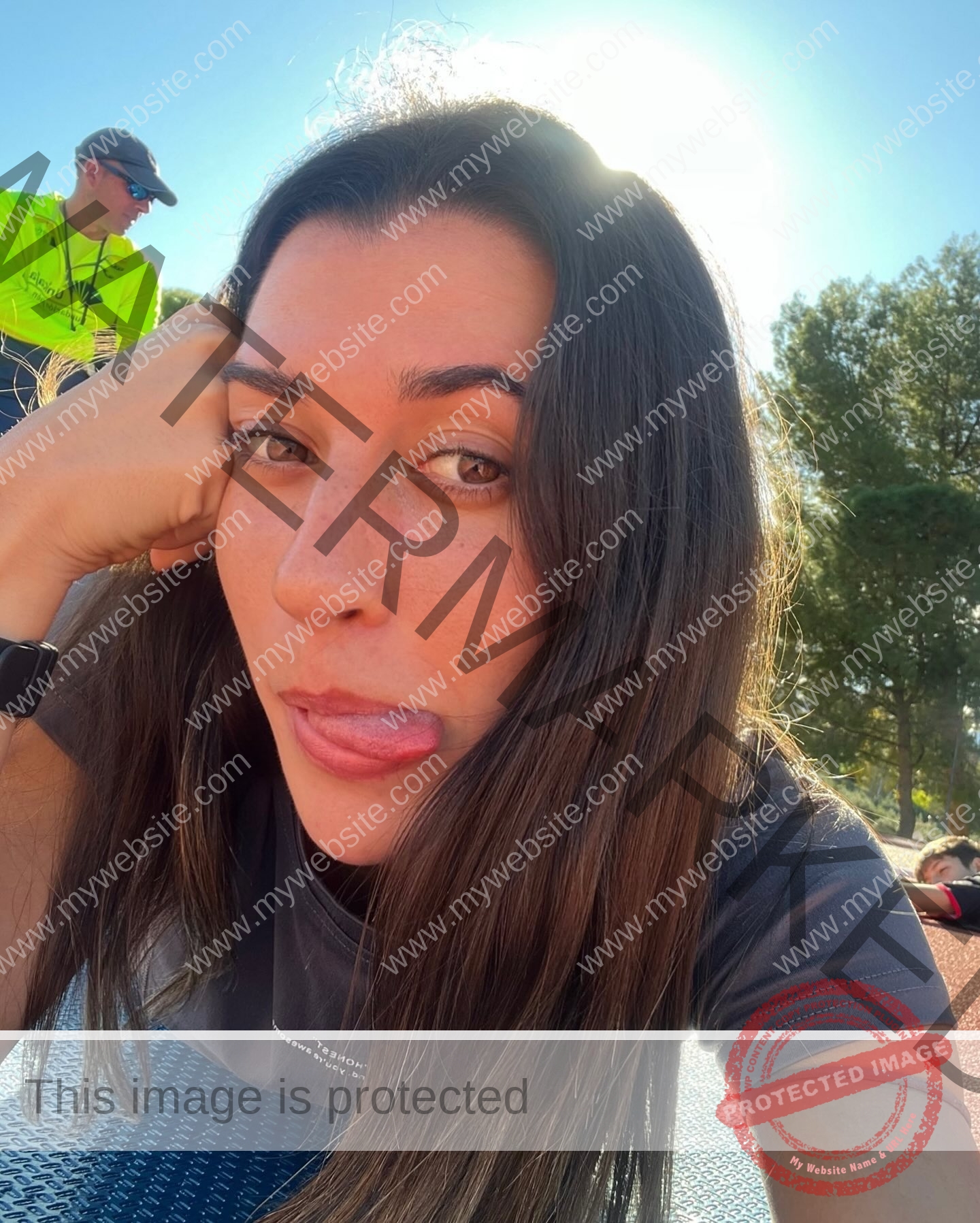
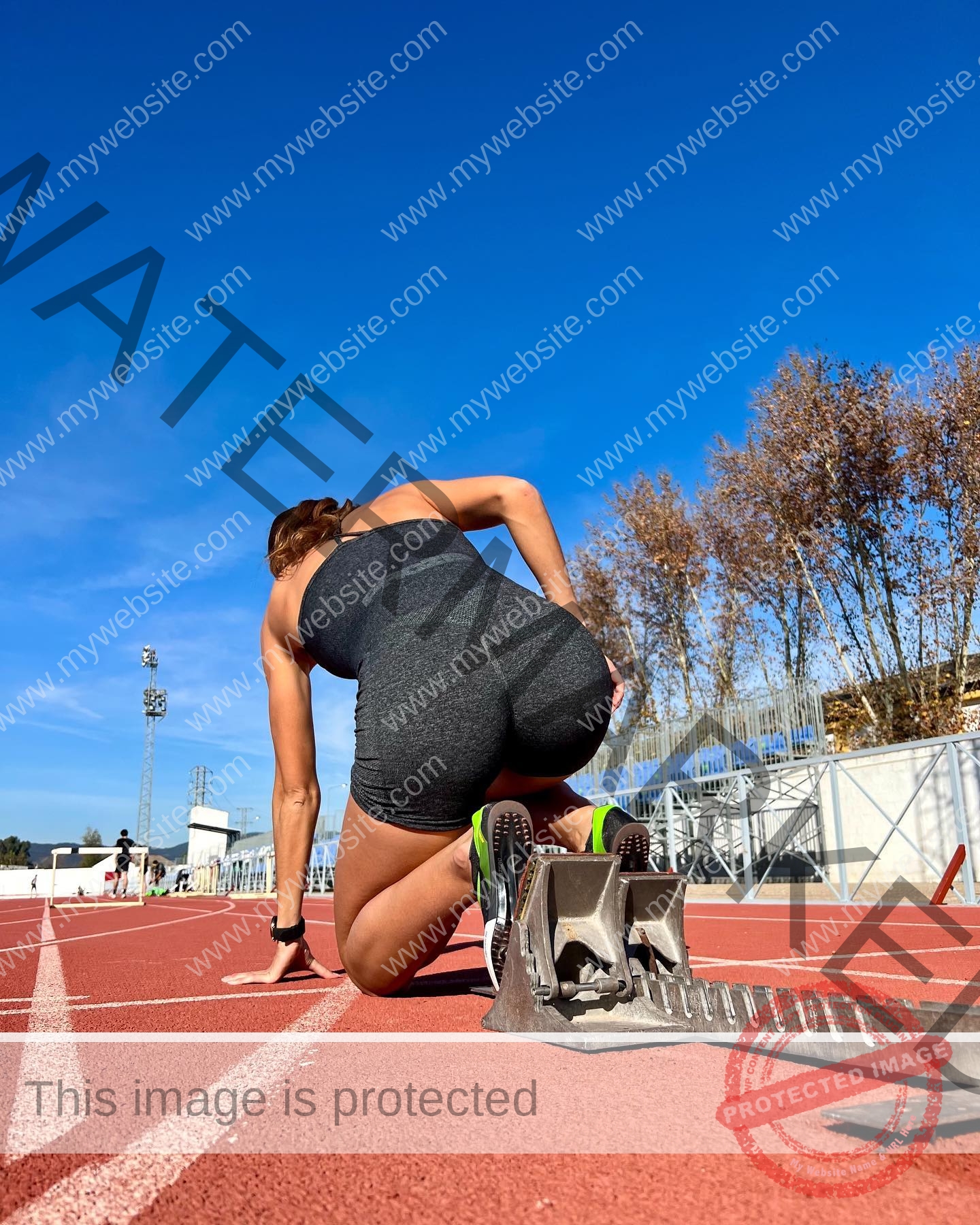
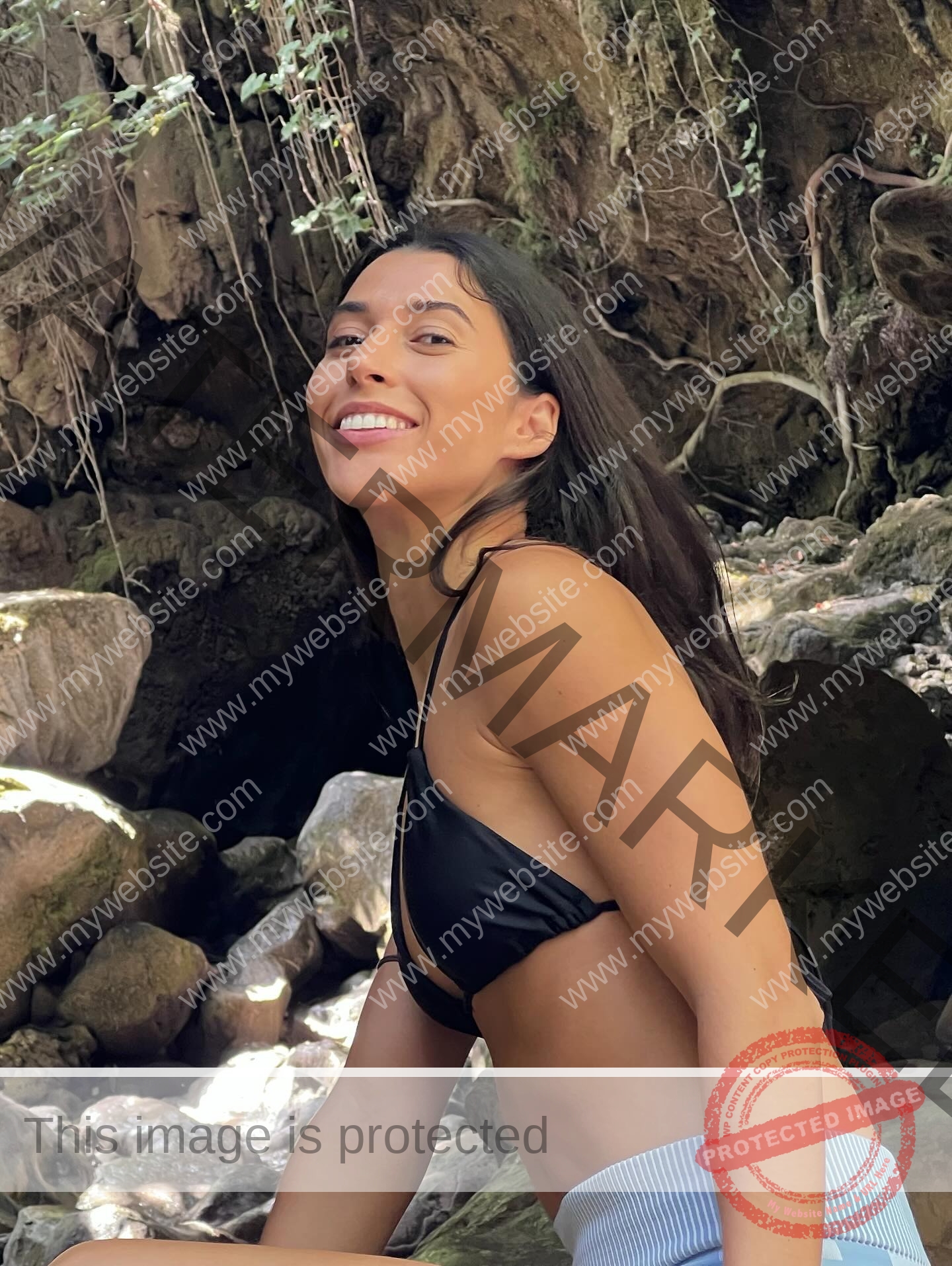
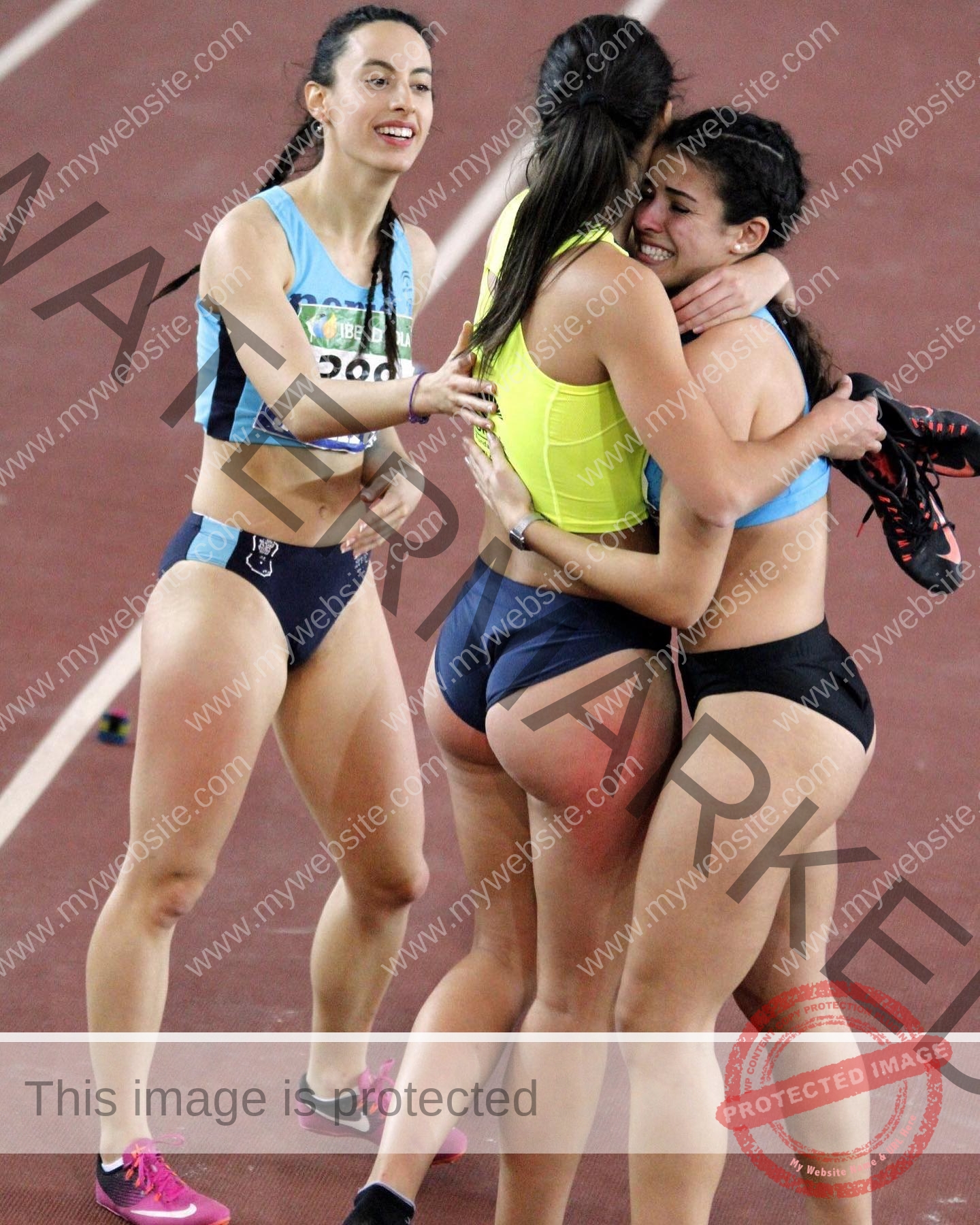
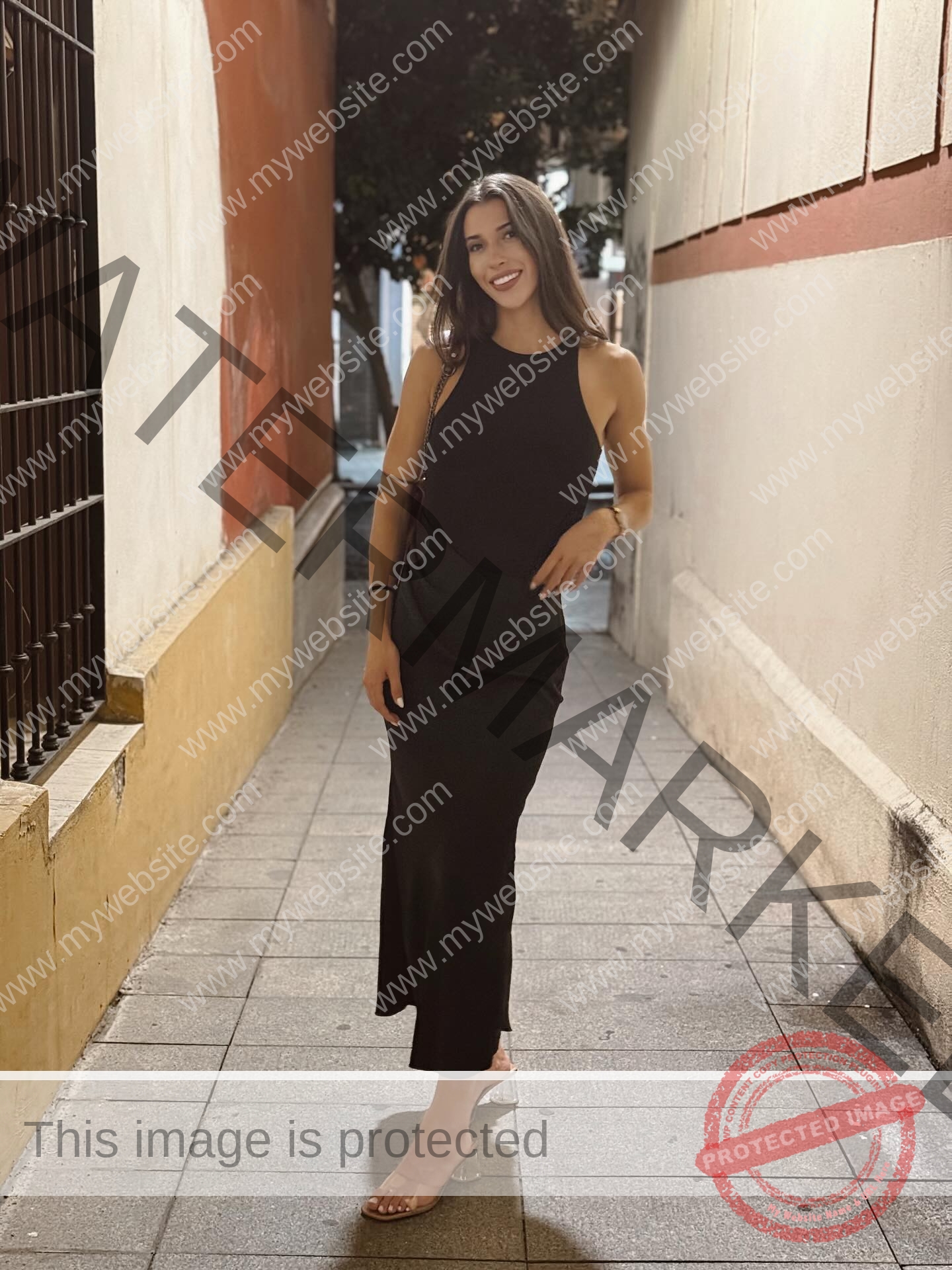


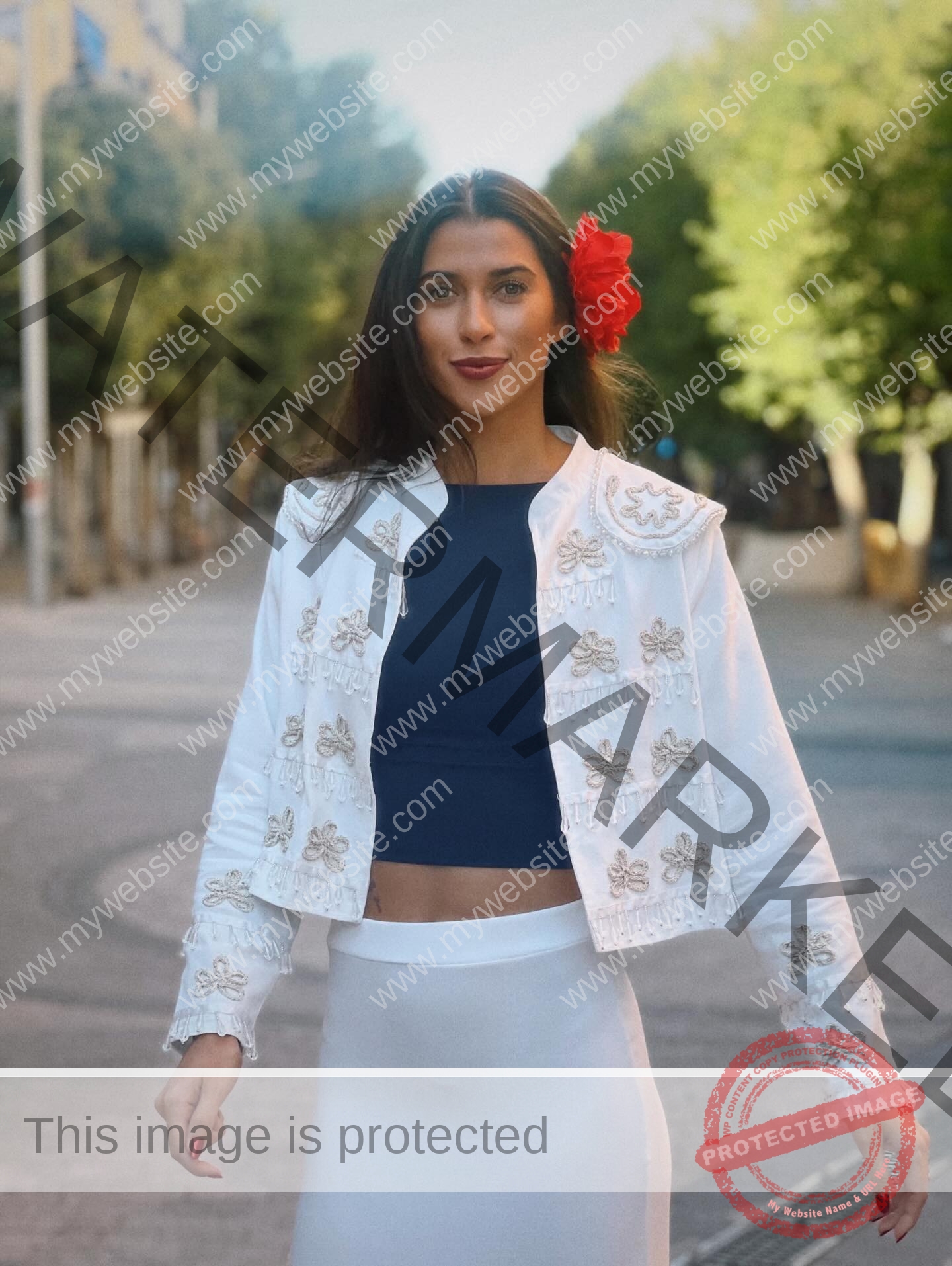

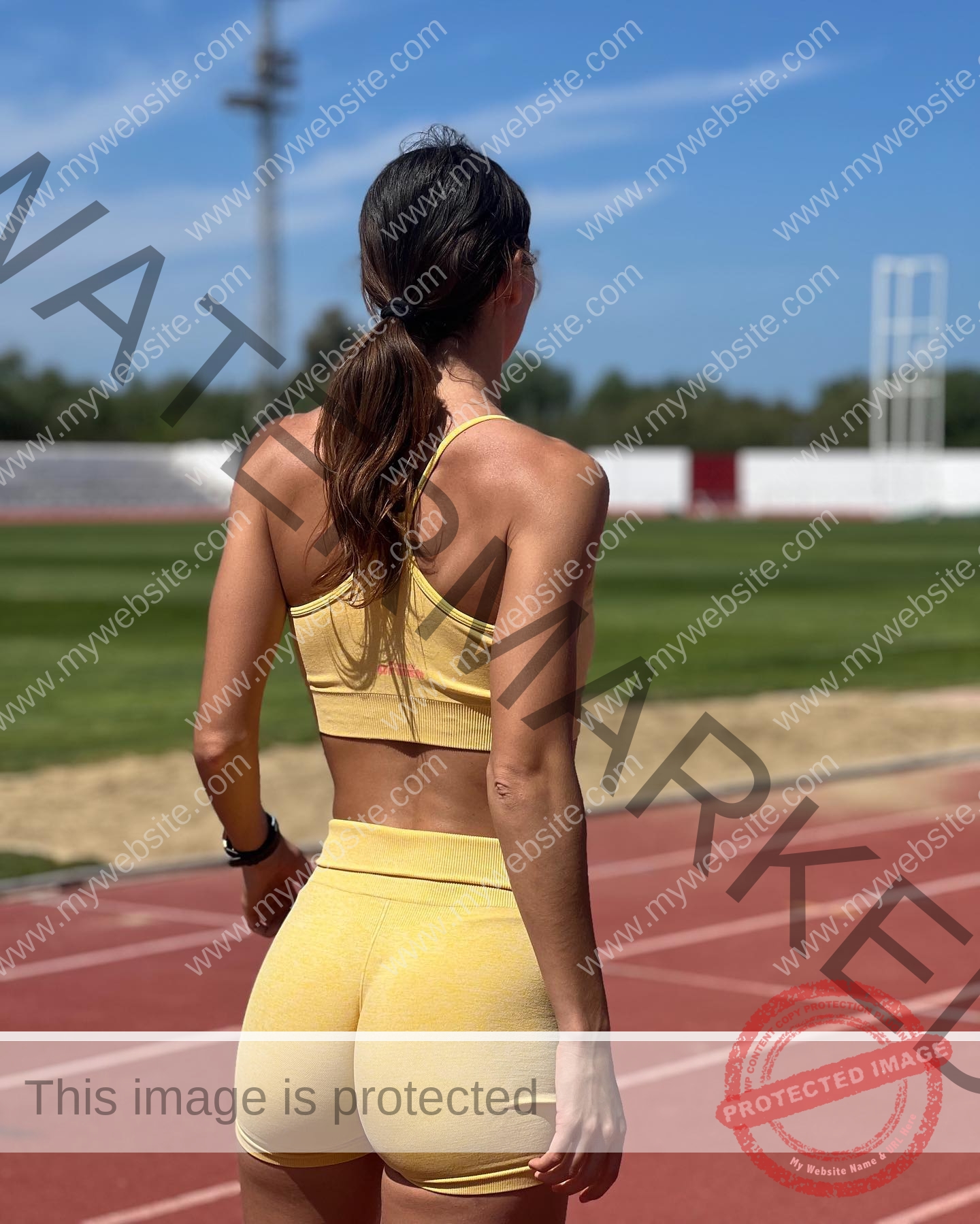

Hija de su tierra: La historia de Sheila Prados
There are athletes who grow up beside sport the way other children grow up beside music or art — not as spectators, but as participants in a culture that runs through the family. Sheila Prados Toledano is one of those athletes. Born on February 28, 1997, in Jaén, the olive-oil capital of Andalusia tucked into the rugged foothills of the Sierra Morena in southern Spain, Sheila arrived into a household where competition was simply part of the air. Her father, José Luis Prados, had played professional football for clubs including Real Oviedo, Zaragoza, and Real Jaén — a career that brought him across the map of Spanish football and made sport a lived reality at home, not merely something that happened on television.
Growing up with that kind of background shapes a child differently. Sport is not abstract; it is a schedule, a discipline, a set of sacrifices, and occasionally a reward. From a young age, Sheila understood that. She also understood, in the way that athletically gifted children instinctively understand, that she was fast. Notably, unusually fast — and that when obstacles were placed in her path, she seemed to clear them more naturally than almost anyone around her.
The Early Years: Choosing Her Lane
Sheila began competing in athletics at the age of six, enrolling in one of the local athletics schools that form the backbone of grassroots track and field development throughout Spain. In those early years, as is typical in Spanish athletics education, she sampled a wide range of disciplines. The philosophy behind the schools is to let young athletes discover where their natural aptitudes lie before committing to a single event, and for Sheila that process of discovery took the better part of her formative years.
She was, by her own account, drawn in two directions simultaneously. Athletics and football competed for her time and her identity. Her father’s world pulled in one direction; the track pulled in the other. When her parents eventually told her she would need to choose, she made her decision for a reason that is almost charmingly honest: as a small girl, she was a little embarrassed about scoring goals. That self-consciousness, which most young players eventually outgrow, happened to redirect her toward a track career. Whatever the reason for the choice, the sport gained a genuinely talented practitioner.
In those early sessions at the athletics school, Sheila showed a particular aptitude for the sprint-based events and for the multi-event formats that require all-around explosive athleticism. She competed in combined events disciplines as a junior, but the 100 metres hurdles and the long jump gradually revealed themselves as her strongest disciplines — not coincidentally, two events that share much of the same training foundation, built on horizontal speed, elastic strength, and technical precision in takeoff and clearance.
Her brother Óscar Prados, who would eventually become her coach, was already an established figure in the hurdles and throwing events coaching world in Andalusia. The family dynamic that would come to define Sheila’s career — the sister-athlete, the brother-coach — was beginning to take shape long before it was formalised.
Youth and Junior Career: The Making of a Hurdler
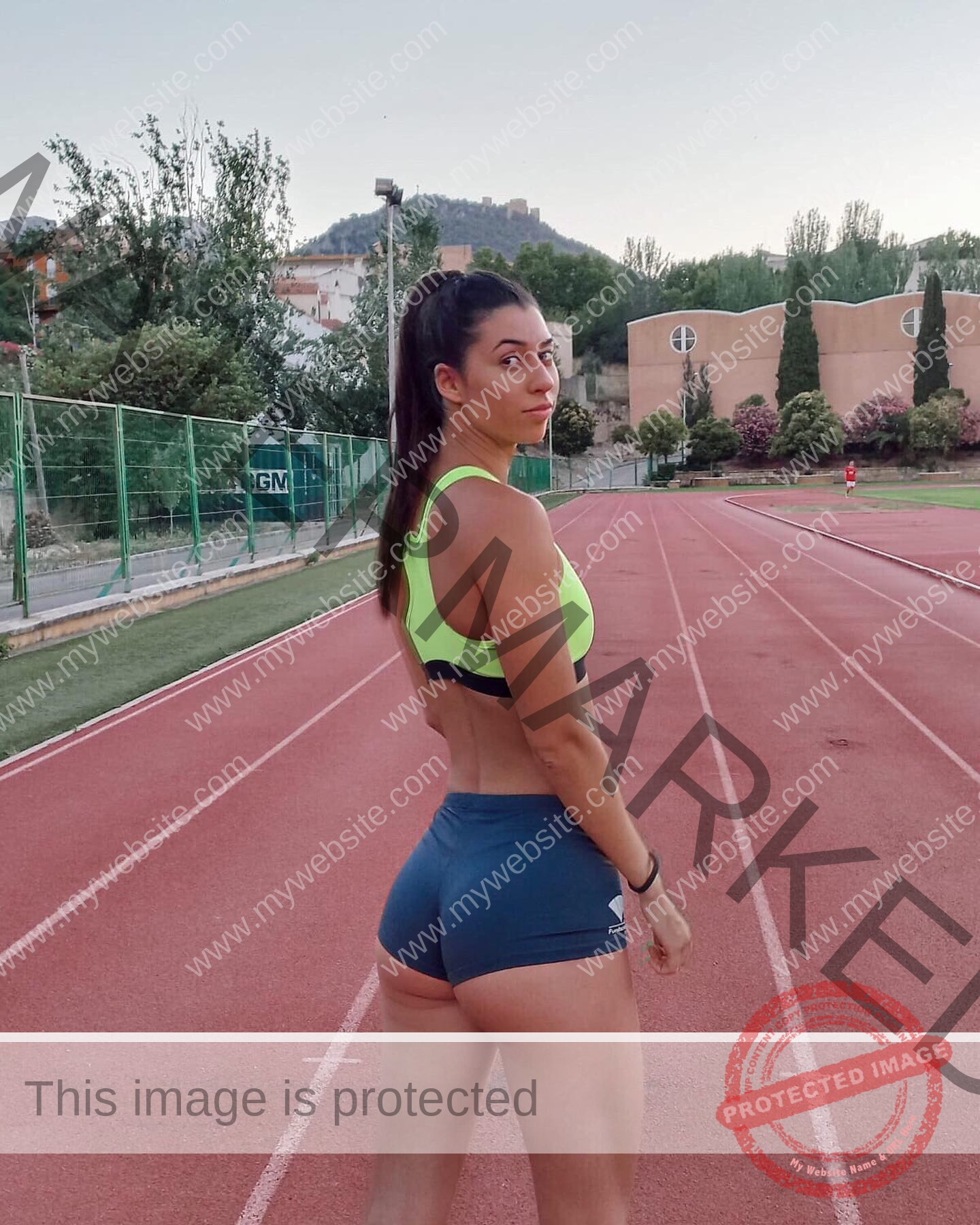
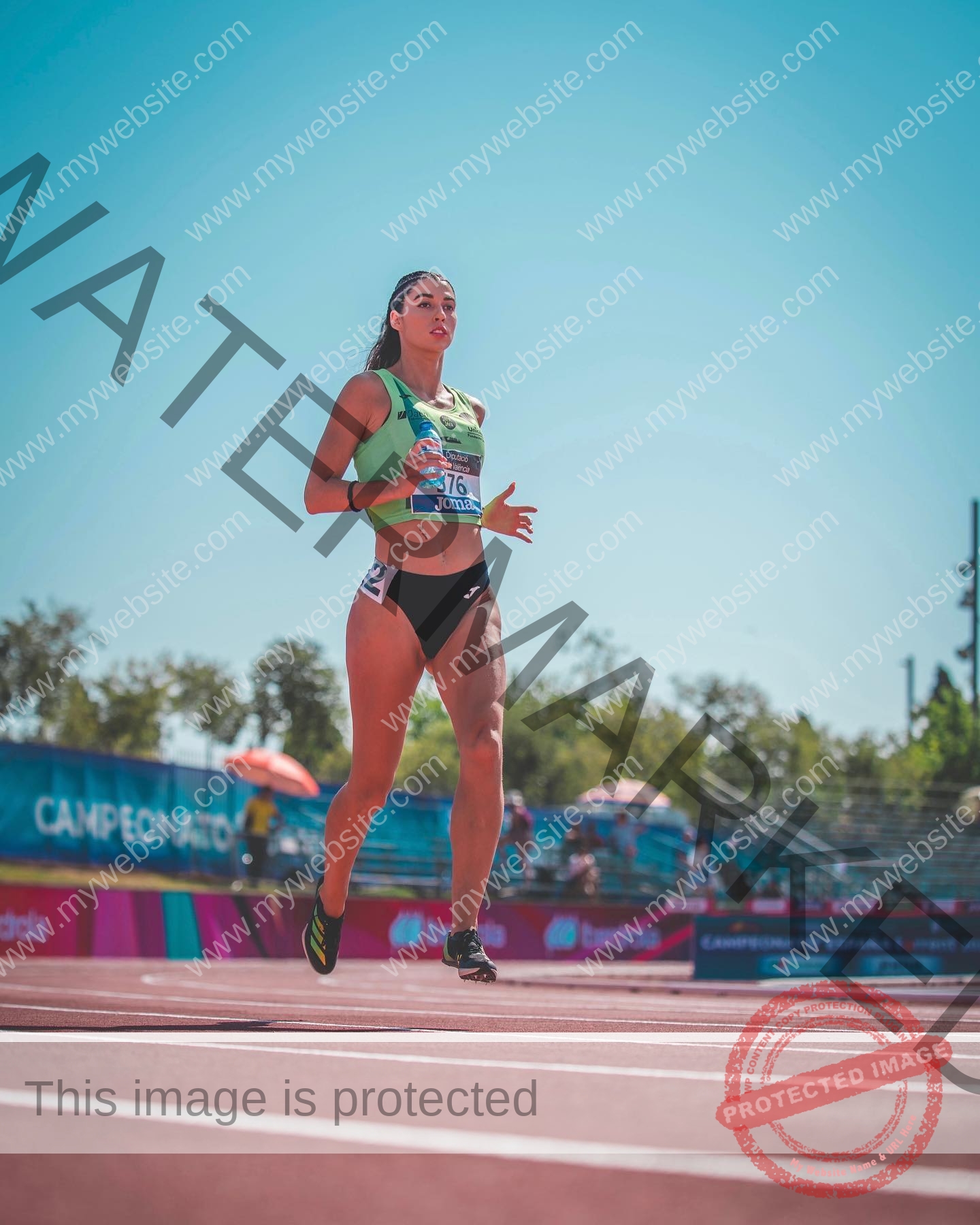
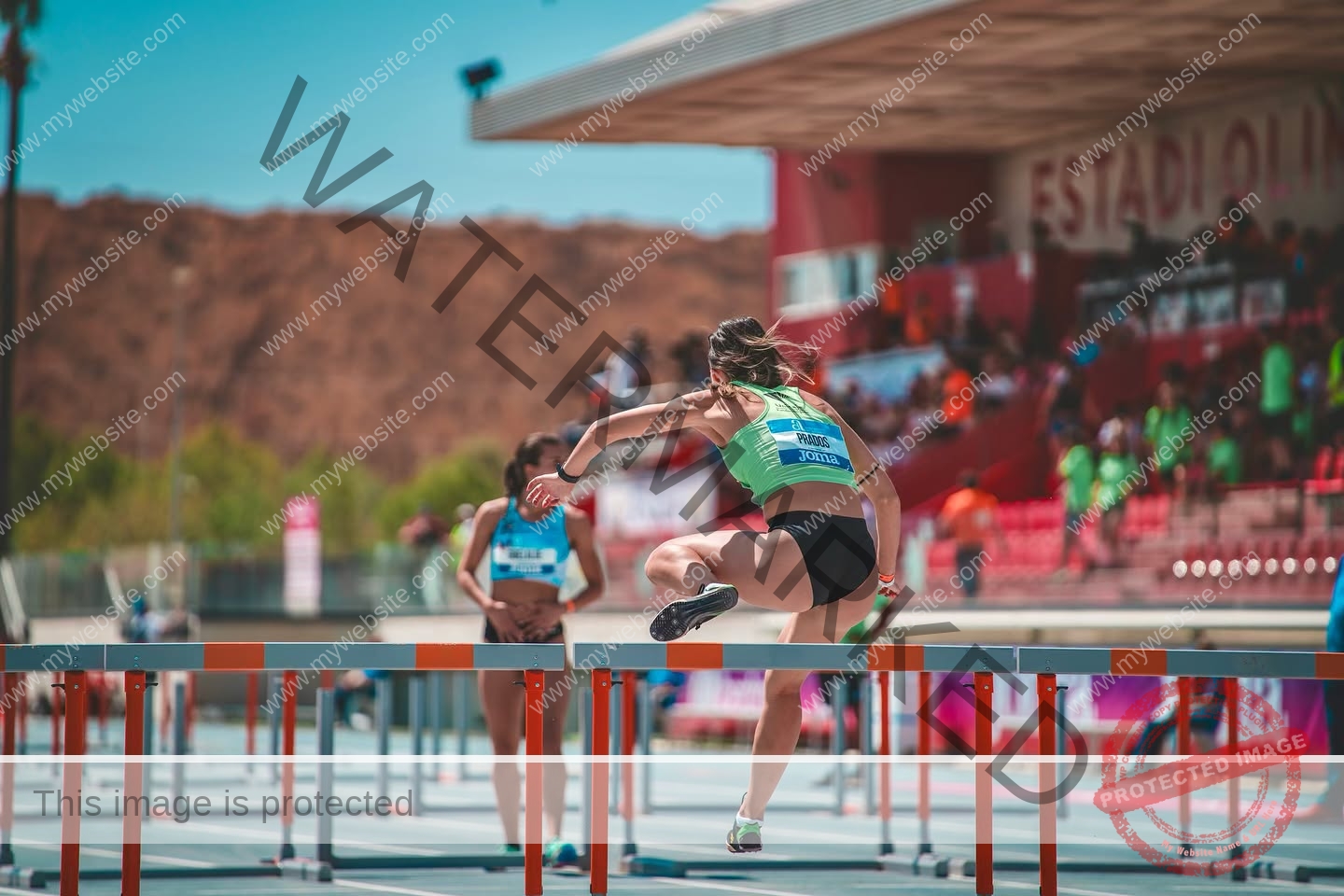
As Sheila moved through the junior ranks of Spanish athletics, her talent in the 100 metres hurdles became increasingly evident. The event demands a rare combination of gifts: the flat-out sprinting speed of a 100-metre runner married to the rhythm, coordination, and technical precision required to clear ten barriers at 84-centimetre height over a course of just under 13 seconds at elite level. Those who do it well make it look effortless; those who do it poorly learn very quickly that the hurdles do not forgive mistakes in stride pattern or clearance angle.
Sheila did it well. By her mid-teens, she was competing regularly in regional competitions in Andalusia and establishing herself as one of the better junior hurdlers in the south of Spain. The payoff came at the LXII Spanish Junior Athletics Championships, held in Valladolid — a moment Sheila has described, years later, as the one she holds more dearly than any other in her career.
She arrived in Valladolid without any particular expectation of contention. She was somewhere in the middle of the field, neither a favourite nor a complete unknown. What followed surprised everyone, including herself. She cleared the preliminary rounds with authority, advanced through the semifinal, and then in the final — despite the heavy favourite being the Basque hurdler Nora Orduña, who had already broken 14 seconds that season — Sheila ran a massive personal best of 14.14 seconds to claim the silver medal. She took more than a second off her own time in a single race, the kind of performance that announces a competitor has found something new inside herself.
“I remember going to that championship not last, but somewhere in the middle — like I had no real chance of anything,” she recalled years later. “I qualified, I ran my semifinal, I made the final, and honestly nobody expected me to finish second. And then in the final I took a second off my personal best. It was a rush of adrenaline, a feeling that I had no limits. That memory is the one that has stayed with me most clearly.”
That silver medal at the Spanish Junior Championships, earned with a then-personal best of 14.14 in the 100 metres hurdles, remains the foundational moment of Sheila Prados’s competitive story — the first significant validation that the sacrifices and the training were building toward something real.
The Difficult Middle: University, Solitude, and the Decision to Commit
Not every athlete’s path is a continuous upward arc. Sheila’s was not. In the years following her junior success, she made the decision to study veterinary science in Córdoba — a demanding academic programme that took her away from Jaén, away from her training group, and, critically, away from her brother and coach. What followed was one of the harder periods of her athletic life.
Training alone, without anyone to observe her technical work, without the structure of a proper group environment, she found herself simultaneously exhausted by the academic demands and undernourished in the competitive sense. Athletics had always been her outlet, her source of happiness. Suddenly it felt like one more obligation layered on top of a schedule that left no room for anything. She began to lose results, and with results, motivation.
“I arrived from the university and literally didn’t have time to train — or the little time I had, I had to spend studying,” she said. “I was in two minds. I didn’t know whether to abandon the degree or continue with athletics. There was a moment when I even thought I might have to leave athletics. I was burning out completely. But I was also alone — no training group, no coach, nobody watching my technique sessions. I started to demotivate massively because I wasn’t seeing results.”
The moment of crisis resolved itself through a conversation with Óscar. He told her what he saw clearly from the outside: she was young, her development trajectory remained strong, and she had years of improvement ahead of her if she was willing to commit fully. He laid out what that commitment would look like — a professional approach to diet, rest, psychological work, the whole structure of elite athletic preparation — and he told her that trying to do everything halfway was not going to work for either her athletics or her studies.
She chose athletics. It was, as she has said, the moment when the sporting side of her life became genuinely professional rather than aspirational.
Finding the Right Structure: Unicaja Atletismo Jaén Paraíso Interior
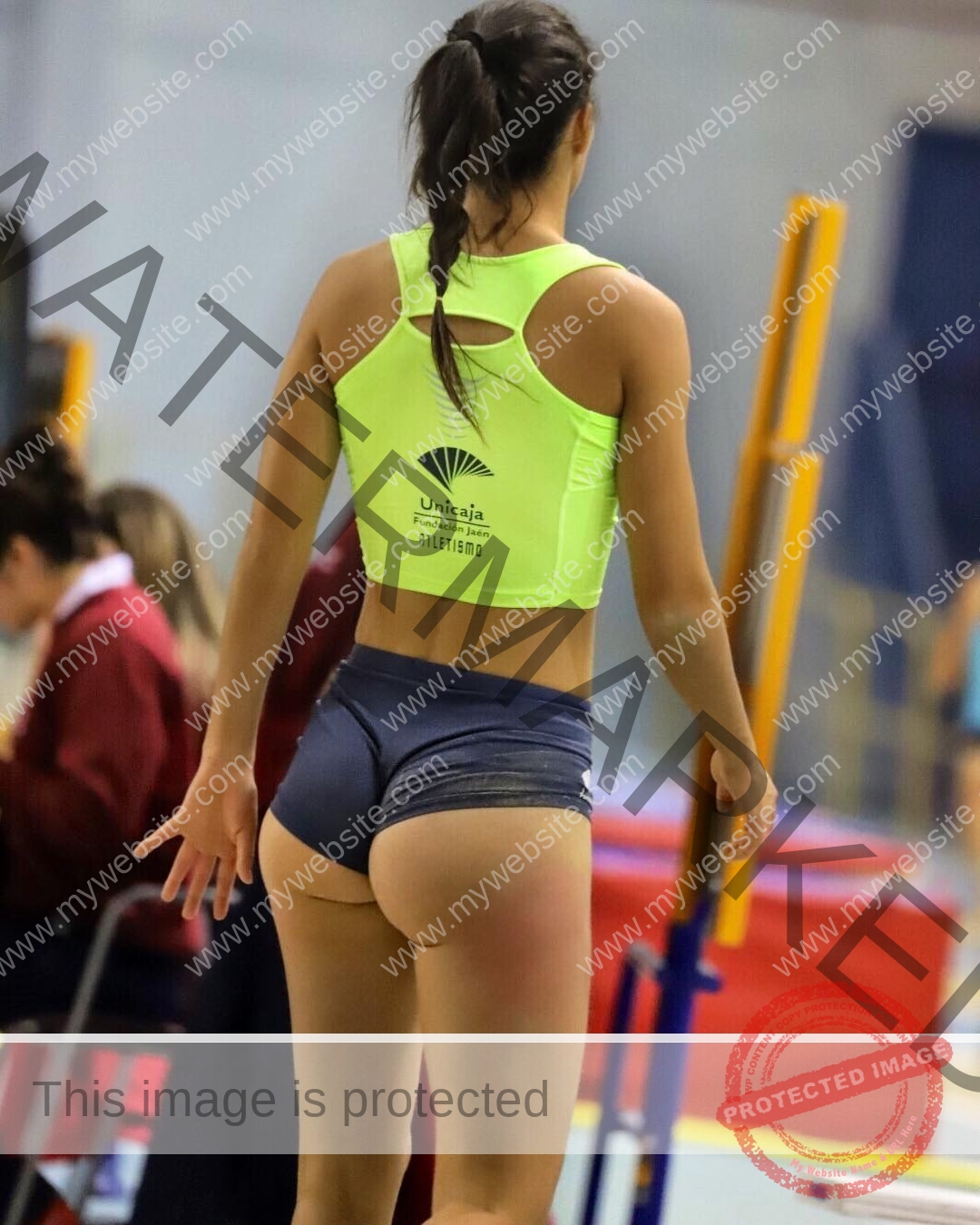
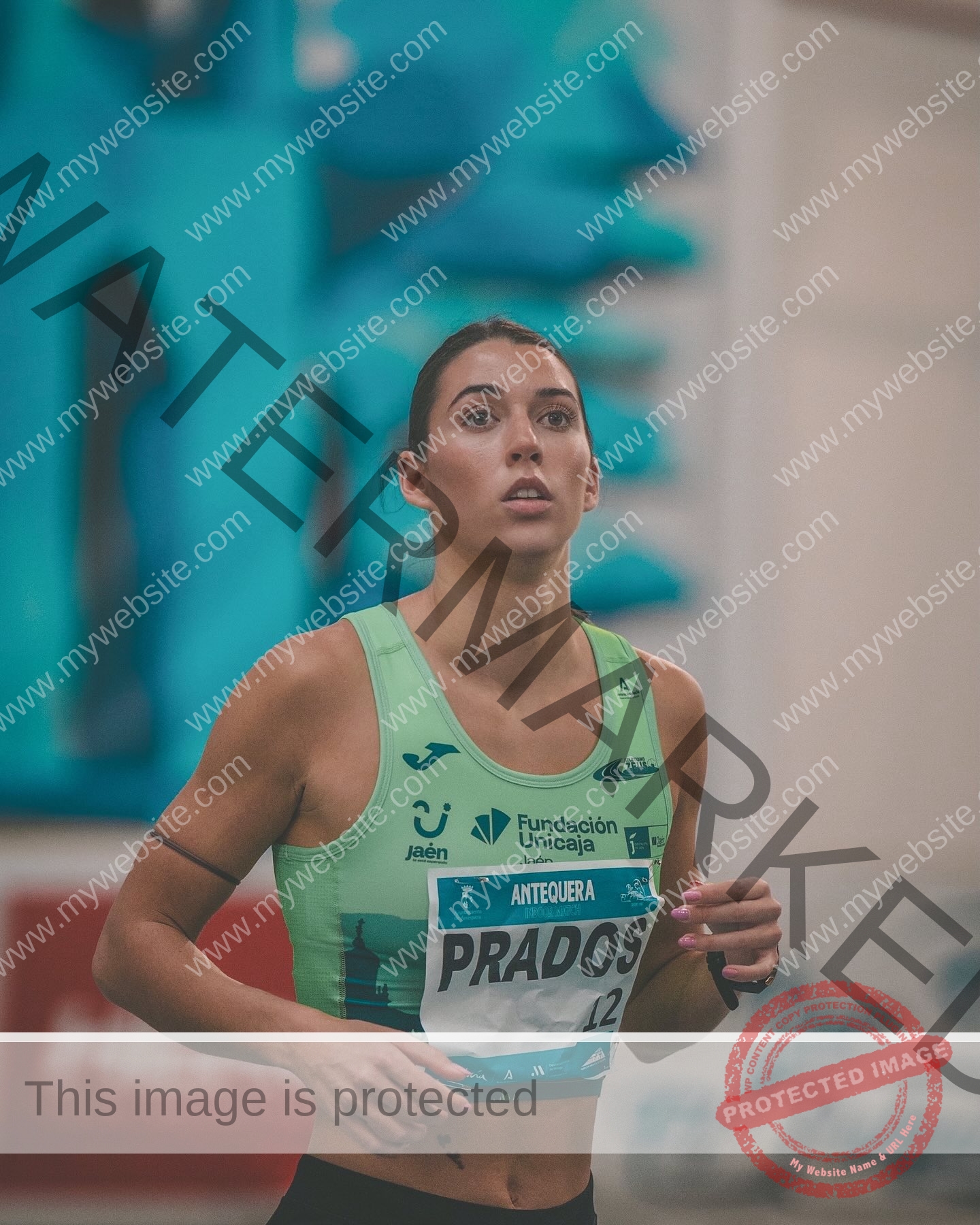
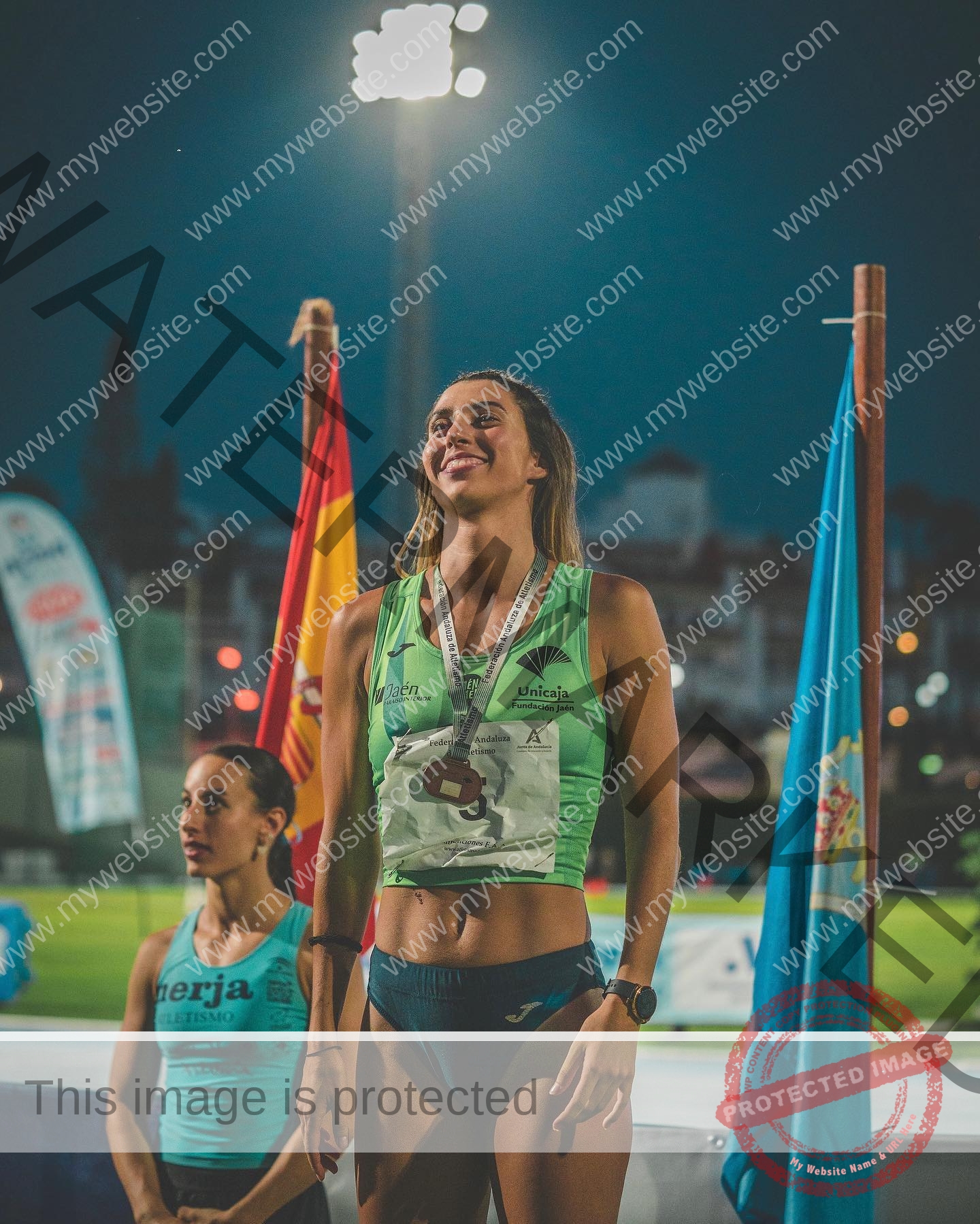
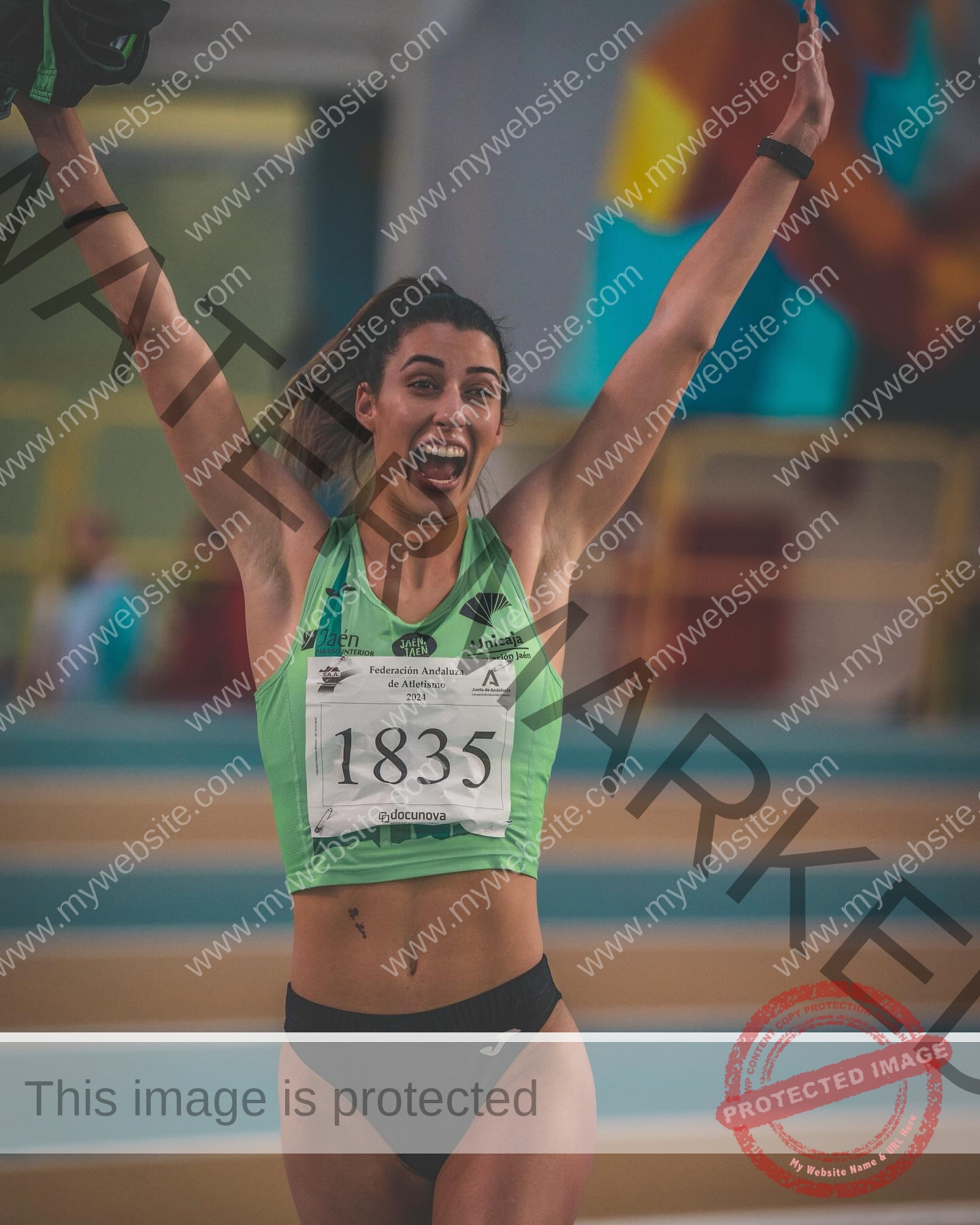
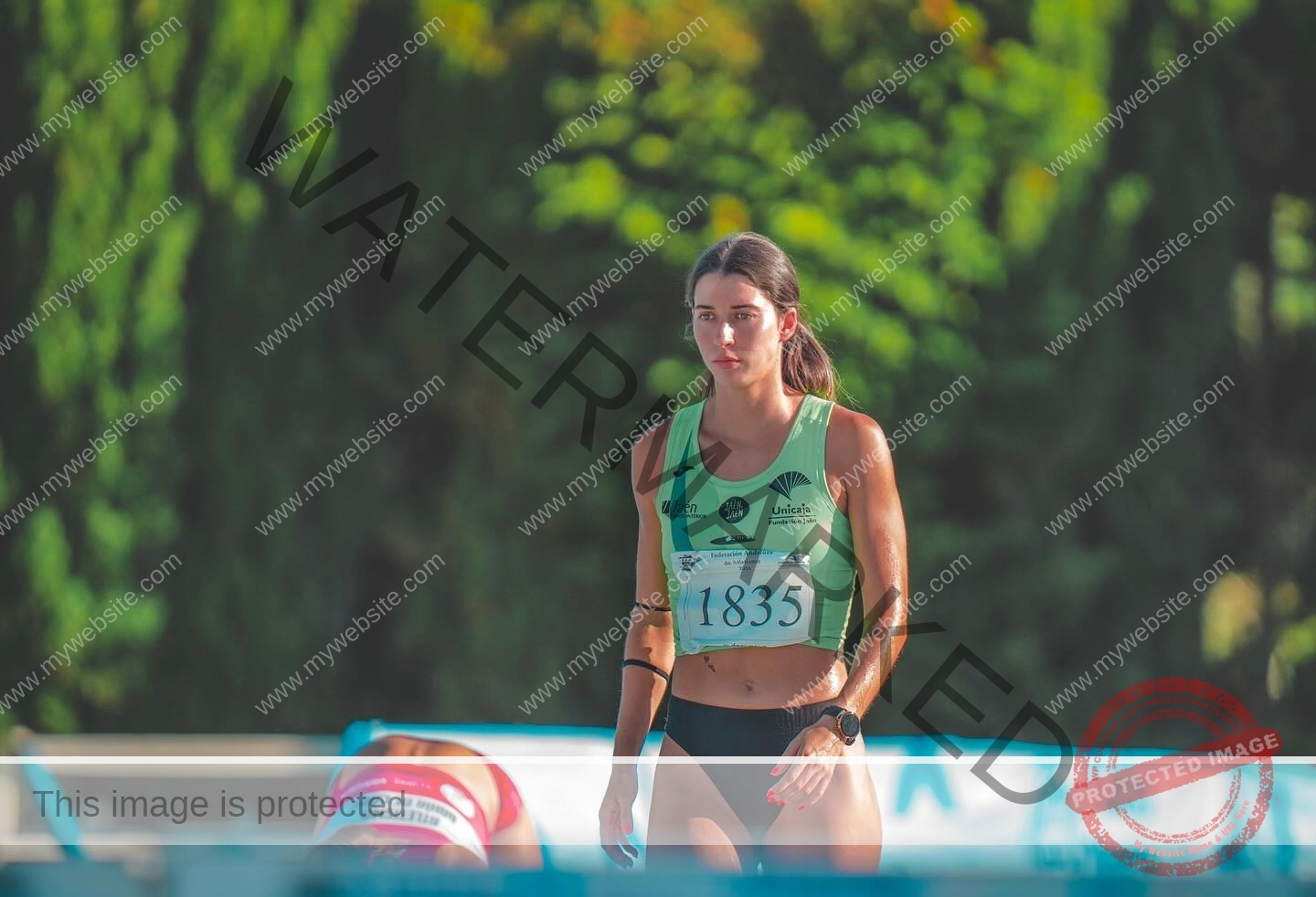
Sheila competes under the colours of the Club Atletismo Unicaja Jaén Paraíso Interior, one of the premier athletics clubs in Andalusia and a consistent presence in the Division of Honour of Spanish athletics — the top tier of club competition in the country. The club, based in Jaén and backed by the Unicaja banking foundation, has built a programme that mixes elite international talent with locally developed athletes from the province of Jaén, and Sheila represents both of those strands simultaneously: a product of the local system who has worked her way into the elite category.
Her coach and brother, Óscar Prados, is widely regarded as one of the better hurdles and throws coaches in Andalusia. The arrangement is openly unusual — a sibling relationship that must simultaneously function as a technical and professional one — and Sheila has spoken candidly about both the advantages and the complications it creates. Óscar holds less back with her than with other athletes; the trust between them is total, but so is the directness of his coaching. He pushes her harder, expects more, and brings a level of personal investment to her preparation that goes beyond the coach-athlete relationship. In return, she benefits from a training plan built around the most detailed possible understanding of who she is as a competitor.
“He adapts himself — trying to be a coach, but also being a brother,” she said. “There are good and bad aspects. The bad one is that he has too much confidence with me, so he’s harder on me than with everyone else. But then he worries enormously about me, because he’s my brother. I wouldn’t change my coach. It all stays in the family.”
As part of her professional approach, Sheila also works with a sports psychologist. She has been open about the mental demands of high-level athletics — the pressure that accumulates not just in competition but throughout the daily grind of training — and she treats psychological preparation with the same seriousness as physical preparation. She does daily exercises designed to manage competition nerves and maintain the kind of focused calm that allows a hurdler to tune out everything except her own lane and her own race.
The Dual-Event Years: Hurdles and Long Jump
For much of her senior career, Sheila competed in both the 100 metres hurdles and the long jump — a pairing that is more natural than it might initially seem. The technical demands of the two events overlap significantly: both require explosive sprint speed off a short run-up, both reward the ability to generate horizontal velocity and convert it into displacement or clearance height, and both are trained with many of the same plyometric and sprint-based sessions. Sheila found she could manage both disciplines within a single training week without the kind of conflict that would arise from, say, trying to combine hurdles with an 800-metre programme.
Her long jump personal best of 5.94 metres, set in June 2017, represents serious club-level competition for a hurdler, and she continued competing in the event alongside her primary hurdles focus for several years. Eventually, as the demands of elite hurdling became more specific and the margins of improvement in both events required more dedicated preparation, the long jump gradually receded from the programme. But for a meaningful portion of her career it was a genuine secondary discipline, one she enjoyed and was good enough at to reach Spanish Championship standards.
In her own words: “The long jump and the 100 metres hurdles have compatible training. It’s not like combining hurdles with an 800 metres — that would be completely incompatible. In the long jump you need a lot of elastic work because it’s a jump, not a sprint race, but otherwise the training is very similar. I managed it well.”
The Breakthrough Years: 2021 and Beyond
One of the cleaner markers of Sheila Prados’s arrival as a genuine national-level competitor came at the Spanish Indoor Athletics Championships of February 2021, held in Gallur, Madrid. Competing in the 60 metres hurdles — the indoor equivalent of her primary outdoor event — she advanced through the semifinals with authority, surviving a tight photo finish that had her waiting anxiously for the result before learning she had qualified among the best times. In the final, she competed in the same race as some of the best Spanish indoor hurdlers of the era and finished sixth — a result that placed her solidly among the eight best hurdlers in the country at that moment.
Sixth place at a national championship is not a podium, but it is a statement. It confirmed that the work being done in Jaén was translating into results that mattered at the national level, and it established a baseline from which the next years of improvement would be measured.
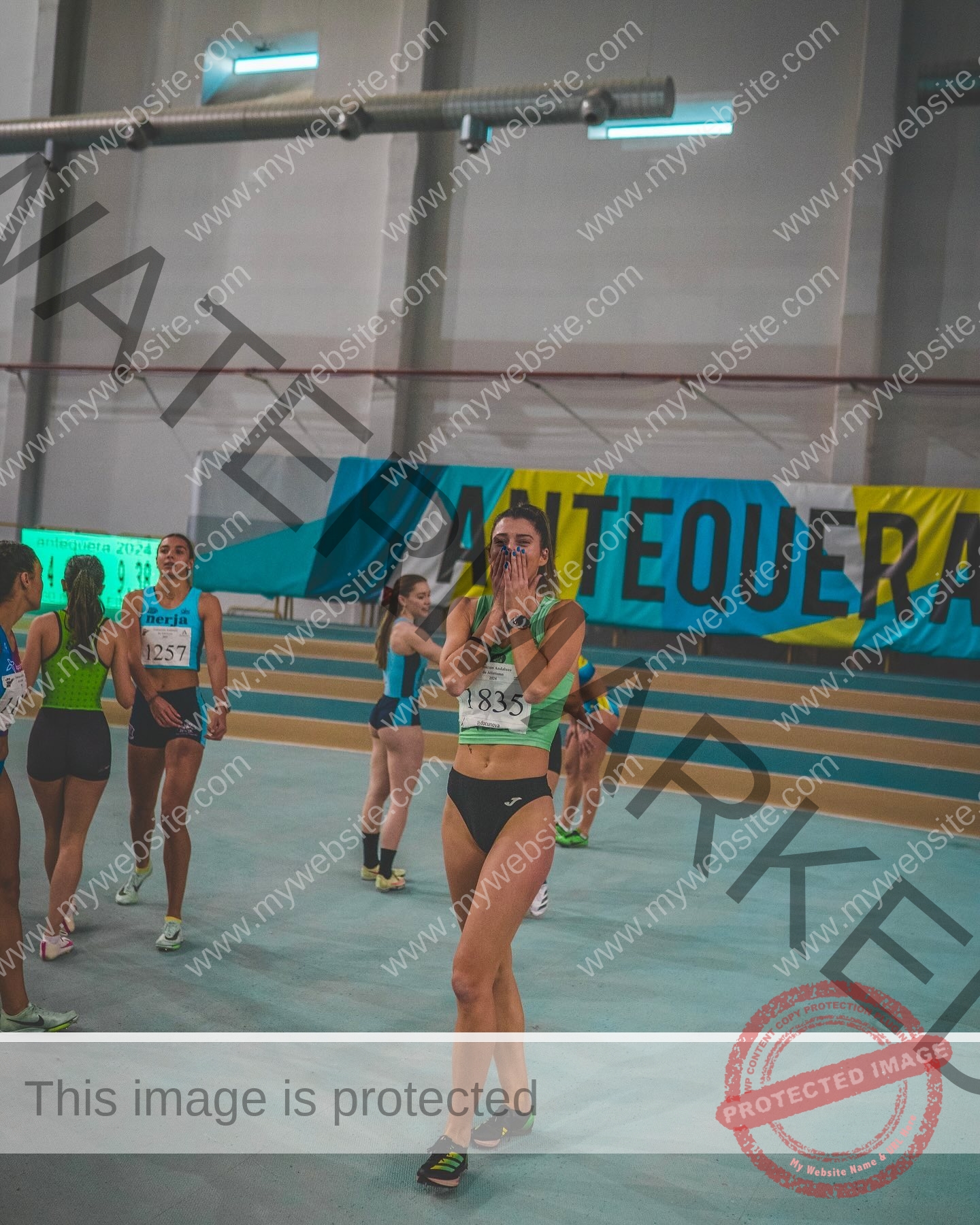
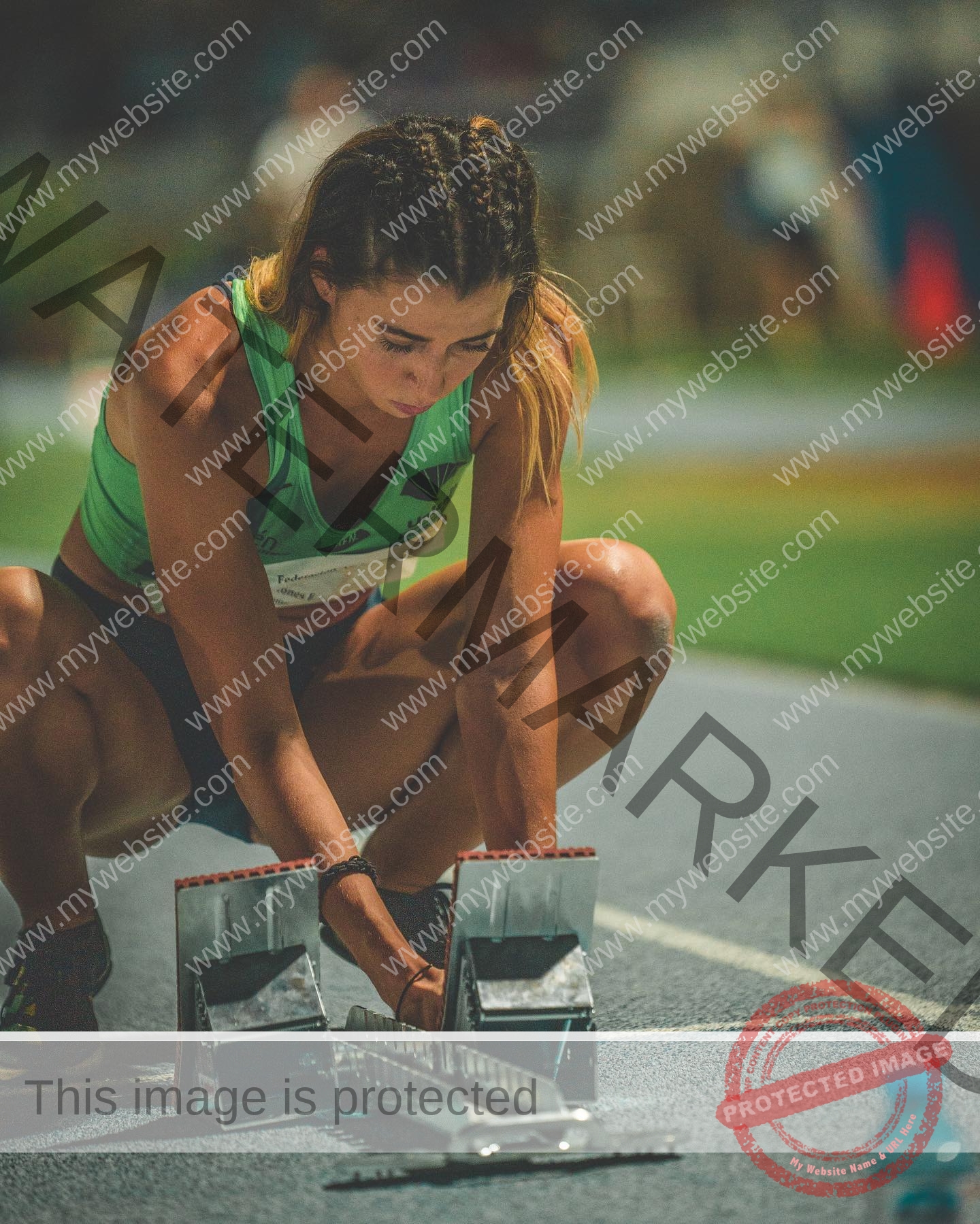
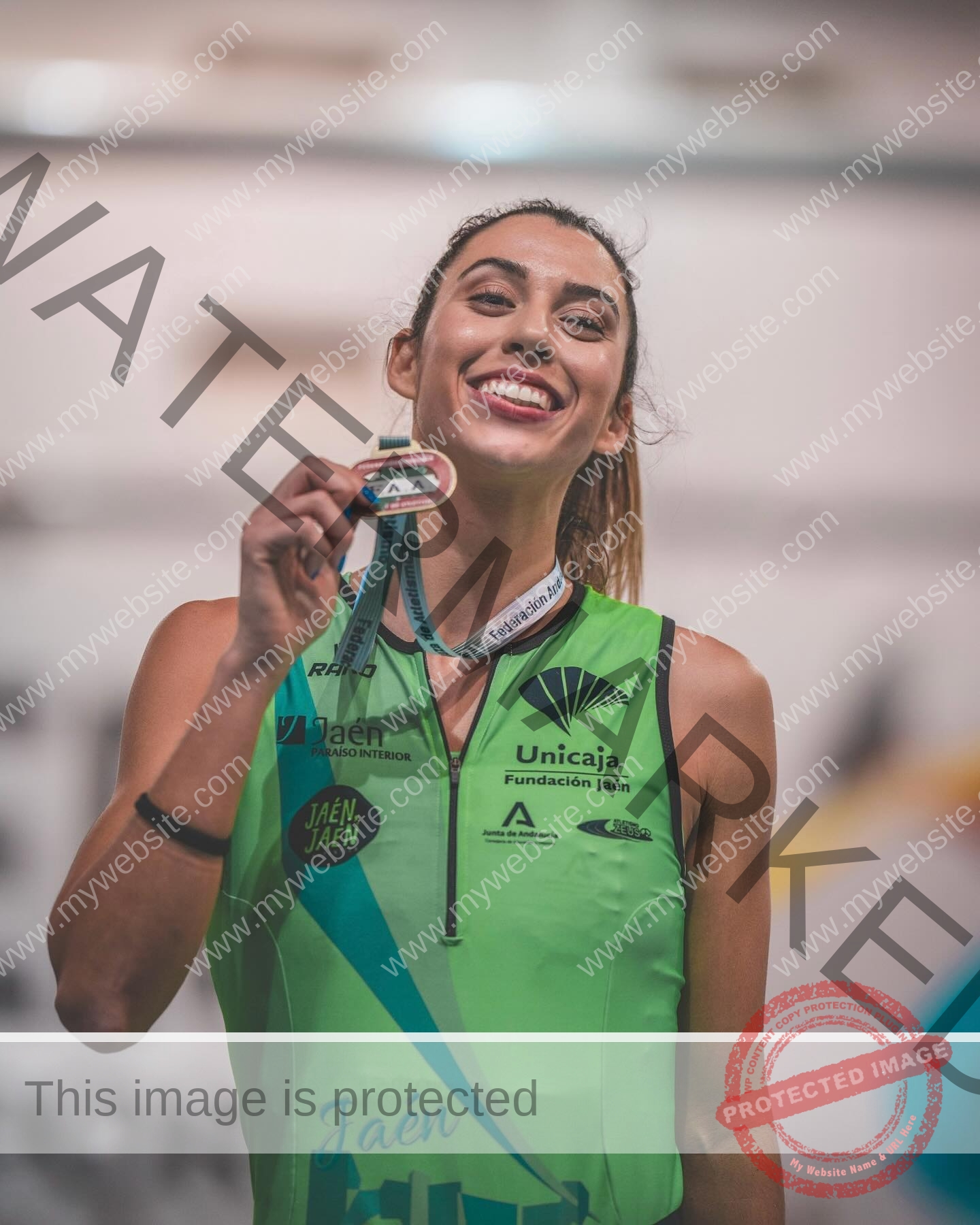
The 2024 indoor season was one of the best of her career up to that point. In January of that year, competing at the Centro de Tecnificación de Atletismo in Antequera — the only indoor athletics facility in Andalusia, a venue that has become something of a home track for Unicaja athletes — she won the Andalusian Indoor Championships in the 60 metres hurdles with a new personal best of 8.39 seconds. That time also earned her a bronze medal in the long jump on the same afternoon, demonstrating that the dual-event abilities had not diminished. The 8.39 in the 60 metres hurdles established her personal best at the time and placed her among the leading indoor hurdlers in Spain for that season.
The Jaén-based athletics news site El Deporte de Jaén described the performance as “stellar,” and the description was accurate. Running 8.39 in front of her home region’s federation, winning the Andalusian title outright, was exactly the kind of performance that consolidates an athlete’s standing at the top of the regional hierarchy.
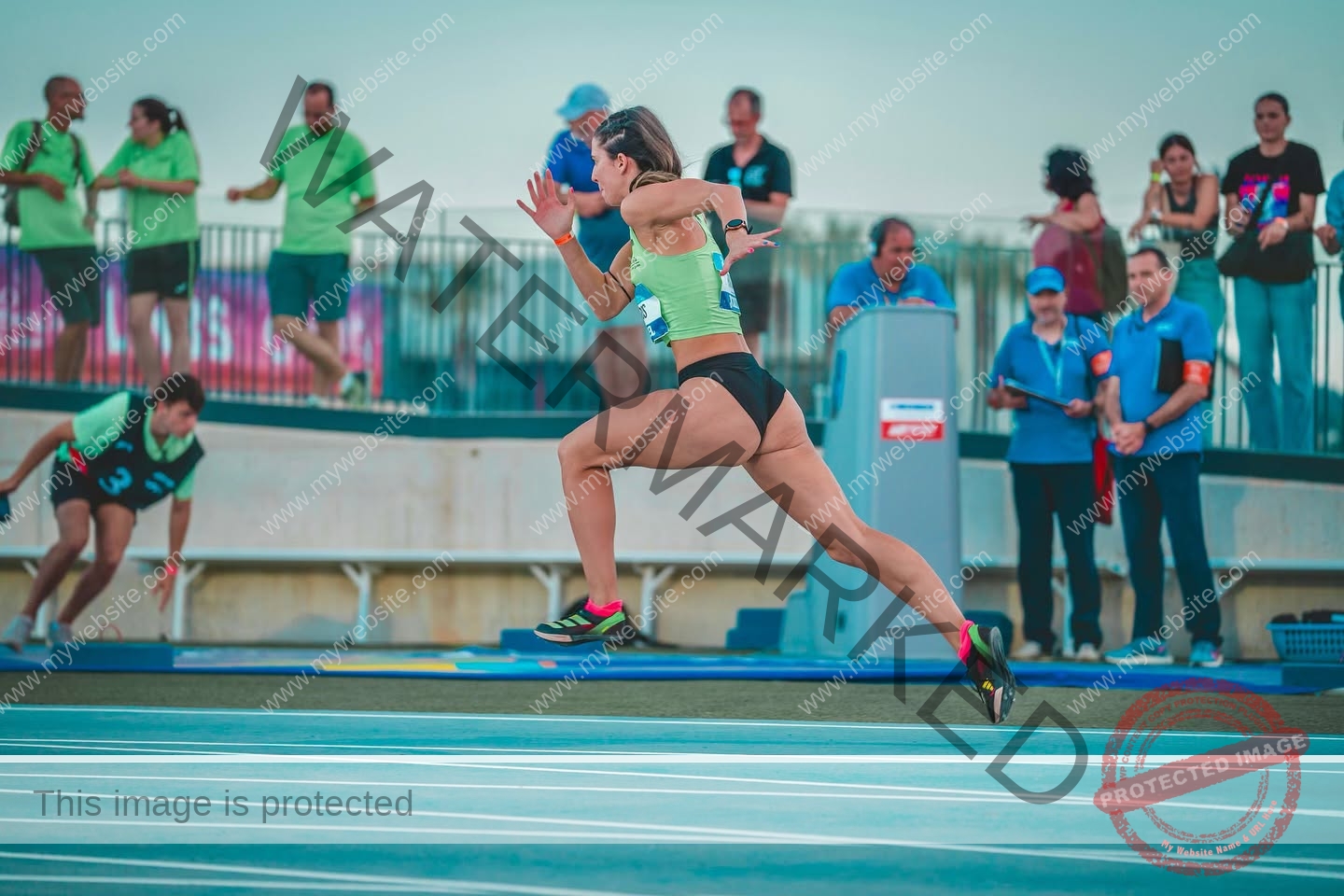
The outdoor season of 2024 pushed those standards even further. At the Andalusian Absolute Athletics Championship that June, Sheila ran a 13.57 in the 100 metres hurdles to claim the silver medal, establishing a new provincial record for the province of Jaén in the process. She also earned a bronze in the 100 metres flat that same day — further evidence of the underlying sprint speed that makes her hurdles work. The 13.57 stands as her outdoor 100 metres hurdles personal best, and it ranks among the better times in recent Spanish absolute athletics at that distance.
At the Spanish Absolute Athletics Championships in June 2024, held across multiple days, Sheila reached the 100 metres hurdles final — but was disqualified after touching the third hurdle with her hands on the way through. It was a frustrating outcome at the biggest domestic meet of the outdoor season, but her presence in a national championship final confirms the level she has reached. Reaching the final of the Spanish Absolute Championship is not an easy thing; only eight women in the country compete for the title on that day.
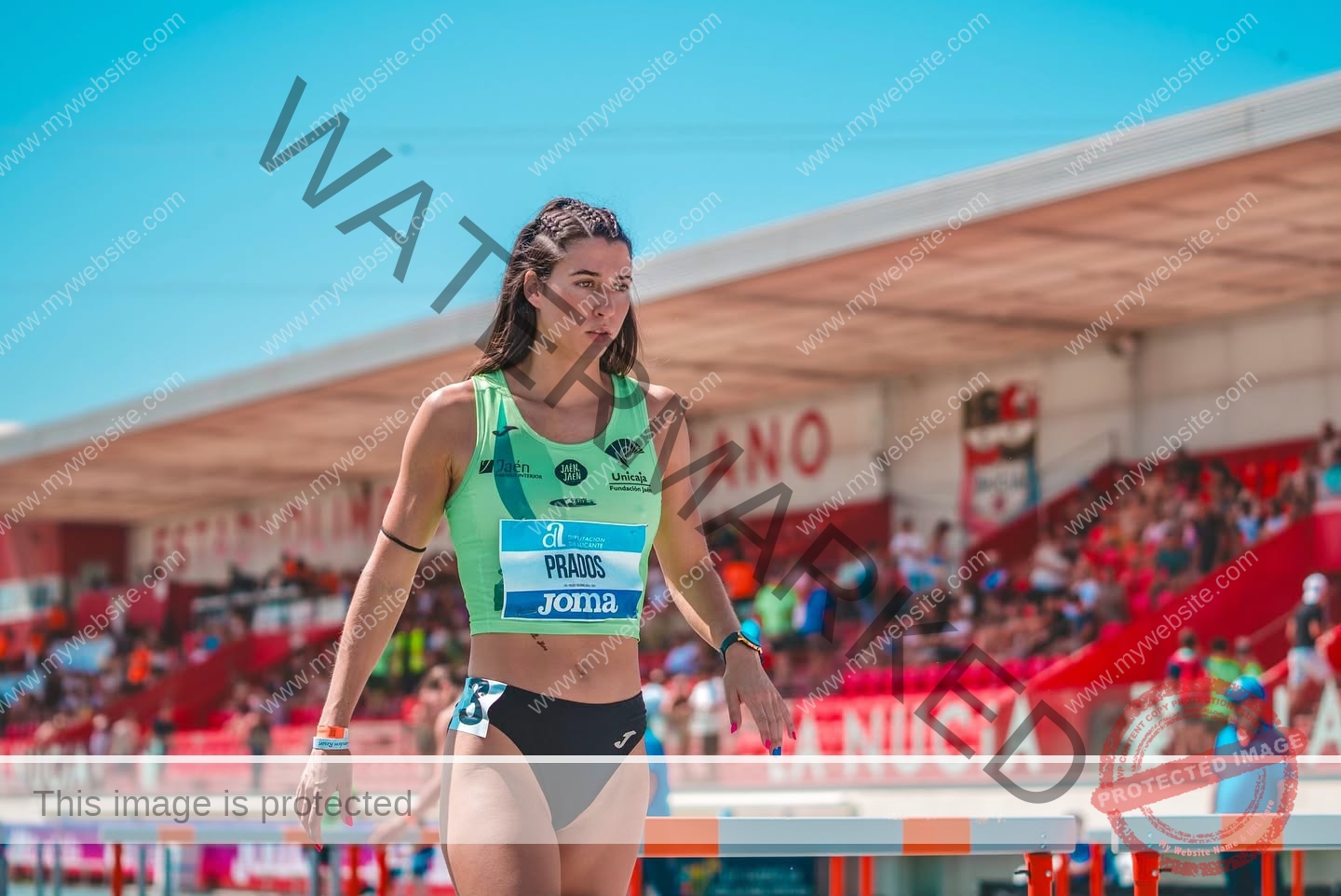
Her relay performance that same summer added another dimension. On June 30, 2024, she contributed a leg to a 4×100 metres relay for her club at the Estadi Olímpic Camilo Cano in La Nucia, with the team clocking 45.96 — a mark that World Athletics records as her relay personal best and that further underscores the raw sprint quality underpinning her hurdles ability.
The 2025 Indoor Season: Andalusian Champion and National Contender
The 2024–25 indoor season brought more evidence of continuing development. Sheila opened her indoor year at the Antequera facility with a strong 8.46 at a meeting earlier in January, then returned two weeks later at the Andalusian Indoor Championships to win the title outright with an 8.48. The margin over her closest rivals was clear: her Unicaja teammate Wayra Romero Usuga finished second in 8.64, and the bronze went to Alba Lobato of Club Atletismo Nerja in the same time. Sheila had been the best in the region in both the semifinal and the final.
More significantly, the 8.48 cleared the qualifying standard for the Spanish Absolute Indoor Championships — the national championship held in Madrid’s Gallur facility in February 2025. That standard admission is not guaranteed for every regional champion; it requires meeting a specific time barrier, and doing so opens the door to the largest stage in Spanish indoor athletics.
In mid-February 2025, at the Copa Iberdrola — the Spanish Club Championships held on the indoor track at the Palacio Velódromo Luis Puig in Valencia — Sheila raced to a second-place finish in the 60 metres hurdles in 8.41, her best time of the 2025 indoor season to that point. The winner of that final, Claudia Villalante, ran 8.24 to claim the top spot, but Sheila’s 8.41 placed her among the best eight or nine hurdlers in Spain on the indoor ranking list — exactly where she needed to be heading into the national championships. Sports reporter coverage from the Linares Deporte website described her as one of the ten best indoor hurdlers in the national absolute ranking at that stage of the season.
At the 2025 Spanish Absolute Indoor Championships in Madrid, competing against the strongest indoor 60-metre hurdlers in the country, Sheila was among the qualifiers who competed for a final berth — a consistent demonstration that the work she has been doing with Óscar continues to push her closer to the very top of the national pool.
Sponsorships and Public Profile
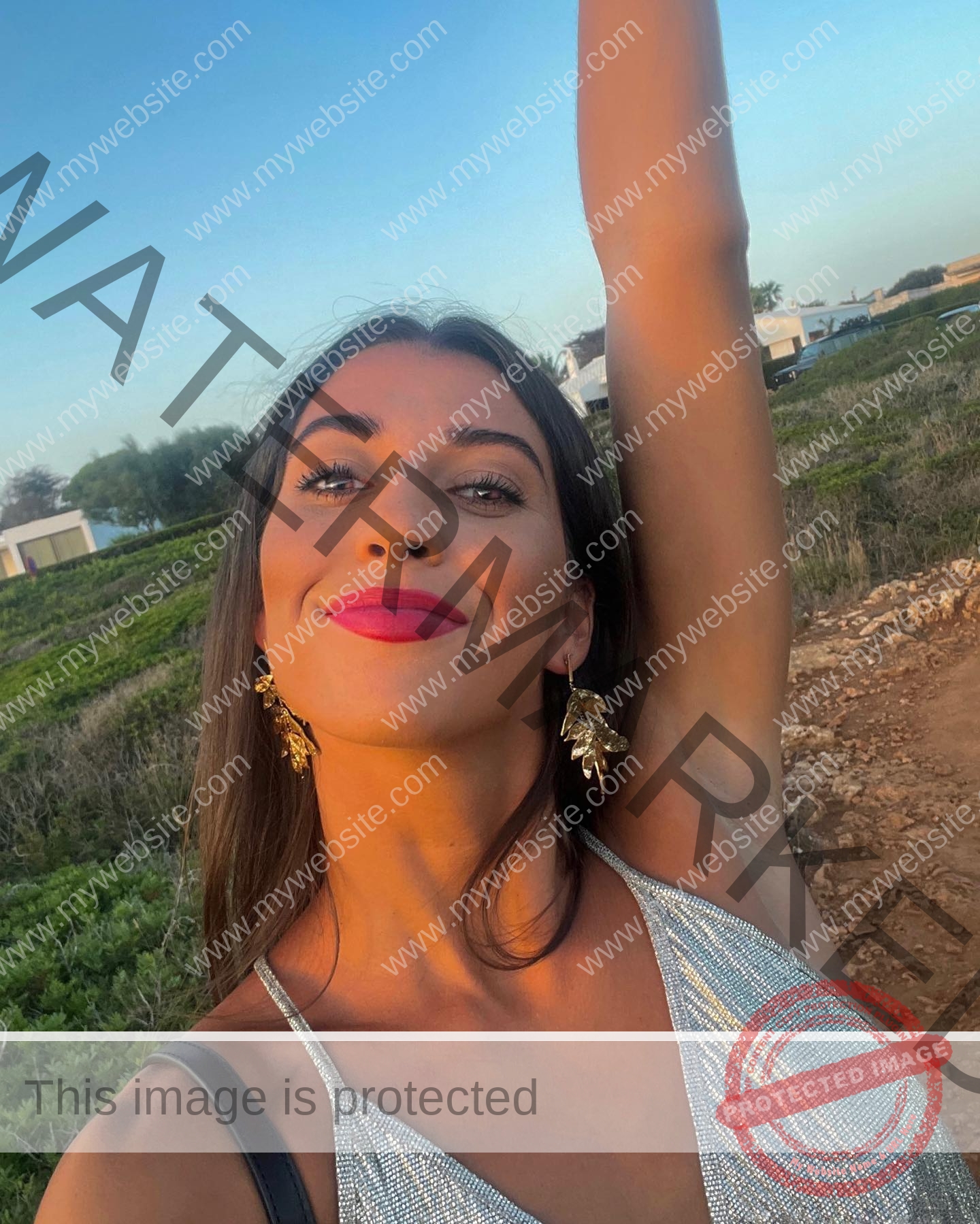
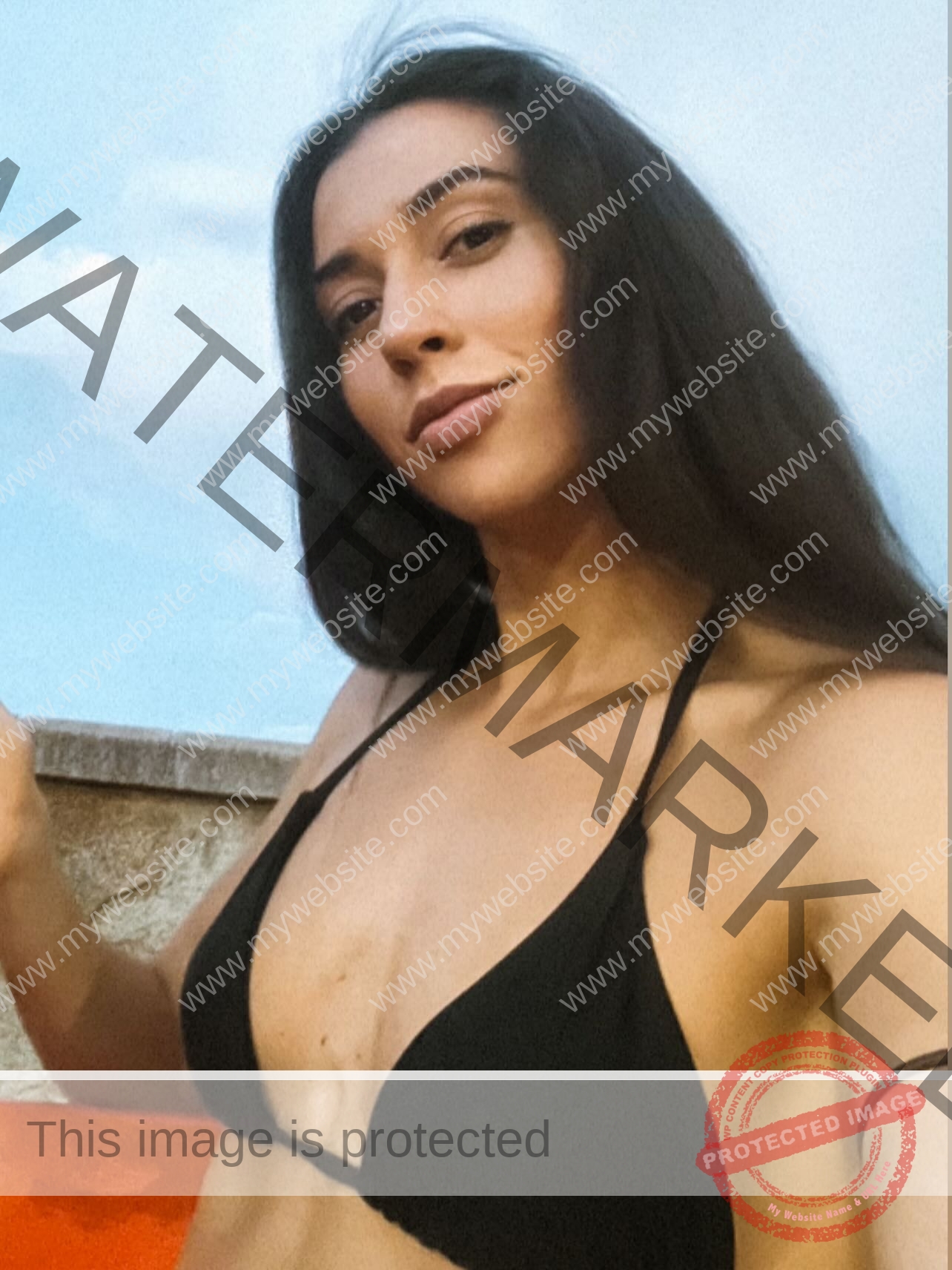
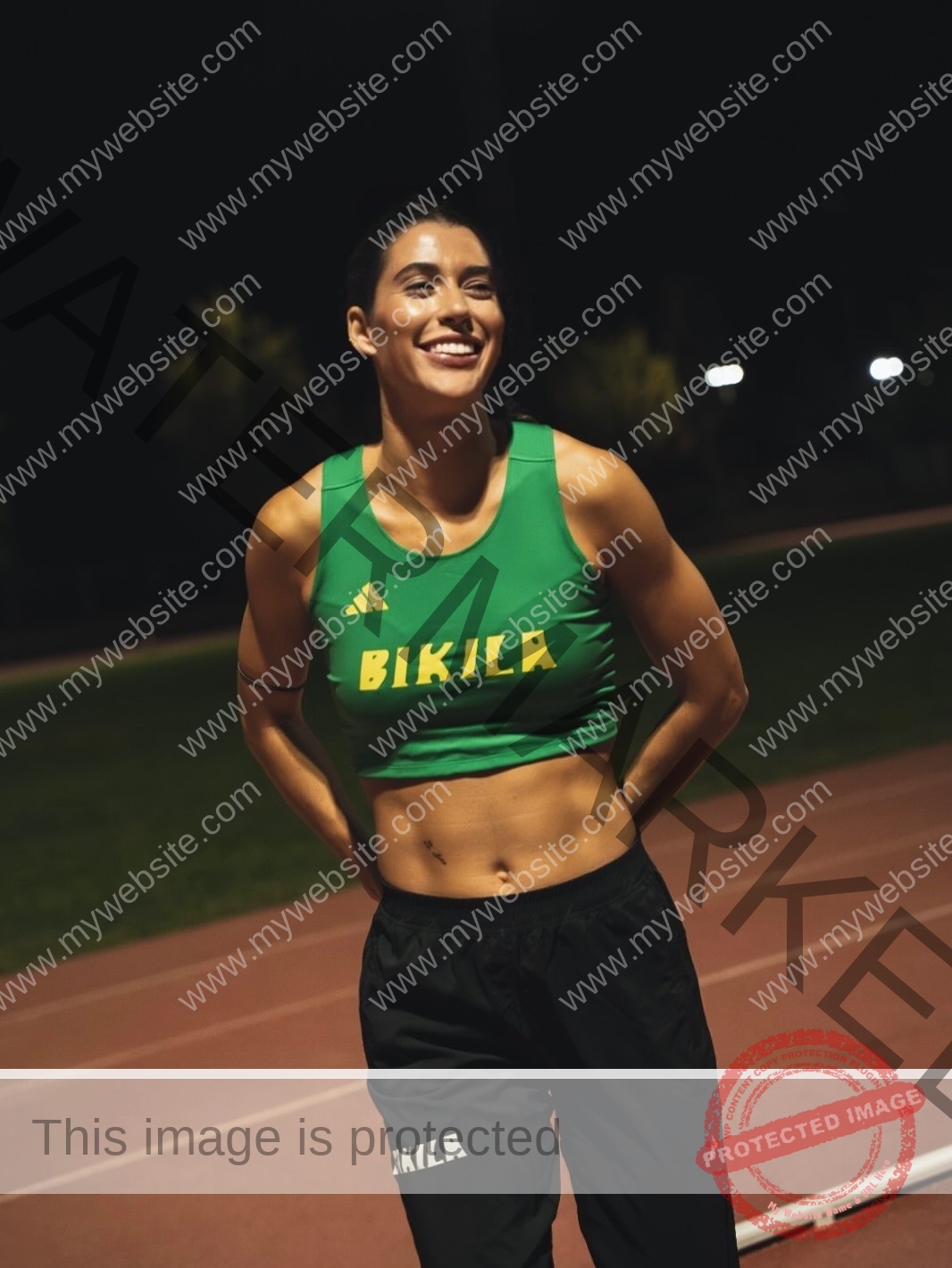
Sheila Prados has developed a meaningful public presence through social media that complements her competitive career. Her Instagram account, @sheila_pra, has accumulated approximately 32,000 followers, a significant audience for a club-level athlete who has not yet competed in major international championships. Her Instagram bio identifies her as a professional athlete representing Spain, and she is partnered with two sponsors: Adidas España, whose equipment she wears in competition, and Bikila Tiendas, a Spanish chain of specialist running shops, for which she has a discount code (SHEILAPRA) that her followers can use for purchases. Her TikTok presence at the same handle (@sheila_pra) lists the same two sponsorships.
The Adidas partnership in particular represents meaningful commercial recognition for an athlete at her level of competition. Adidas’s involvement in Spanish athletics is substantial, and being associated with the brand gives Sheila a profile that goes beyond the regional athletics circuit where most of her competitive activity takes place. On X (formerly Twitter), she maintains a presence at @SheilaPrados, where she identifies herself as a “Spanish Athlete 60/100m hurdles.”
She has also participated in public events beyond pure athletics, including a colloquium on women’s sport, overcoming adversity, and success organised by the media outlet Palabra de Fútbol — a conversation that took place at the cultural hall of the Diputación de Jaén. Her willingness to speak openly about the psychological demands of elite sport, the sacrifices involved, and the support structures she has built around her training reflects a thoughtful engagement with her role as a public figure in the athletic community of Jaén.
Her profile within the city of Jaén is genuinely significant. She was received at the Ayuntamiento de Jaén by the alcalde (mayor), Julio Millán, alongside the president of the Fundación Unicaja Jaén and the president of Unicaja Atletismo — recognition of the status she has earned within the provincial sports community through her Andalusian title and national championship appearances.
Athletic Identity and Competitive Philosophy
What comes through clearly in Sheila’s public statements about her career is a self-awareness that is uncommon in athletes of any level. She understands what the event demands physically, technically, and mentally. She understands the sacrifices the professional lifestyle requires — the restricted social life, the carefully monitored diet, the sleep discipline, the inability to travel freely during competition periods. And she has made the calculation, clearly and deliberately, that those sacrifices are worth making for the joy the sport brings her.
“Athletics has been my escape route and my happiness since I was six years old,” she has said. “My whole life has revolved around it. I can’t conceive of what my life would be without going to train every day, without my routine. It would be very strange the day it’s no longer part of my life.”
Her athletic heroes reflect her event group and her broader sporting sensibility. She has cited Allyson Felix — the American 400-metre specialist and twelve-time Olympic medalist who built one of the most complete careers in the history of women’s sprinting — as a figure she admires, alongside Rafael Nadal, whose combination of relentless work ethic and competitive mental fortitude crosses sport boundaries.
Her goals are stated clearly and without artifice. The medium-term objective is a medal at the Spanish Absolute Athletics Championship — the national title or at least a podium placement that would represent the summit of domestic competition. The longer-term ambition, which she names without pretension but also without false modesty, is to reach a European Championship, a World Championship, or an Olympic Games — the grand stage that any serious athlete carries in mind, even when daily reality involves club league matches and regional championships.
“My dream, like any athlete’s dream, would be to compete at a European Championship, a World Championship, or the Olympics,” she has said. “That’s the goal. That’s what we’re working toward.”
World Athletics Profile and Career Statistics
Sheila Prados holds a World Athletics profile (athlete code 14540315) that documents her international competitive record across her primary and secondary events. As of the most recent update, her World Athletics personal bests are as follows:
- 100 metres hurdles (outdoor): 13.57 — Campeonato de Andalucía Absoluto, June 15, 2024
- 60 metres hurdles (indoor): 8.39 — Centro de Tecnificación de Atletismo, Antequera, January 27, 2024
- 4×100 metres relay: 45.96 — Estadi Olímpic Camilo Cano, La Nucia, June 30, 2024
- 100 metres (flat): 11.96 — June 15, 2024
- Long jump: 5.94 metres — June 4, 2017
World Athletics currently ranks her in the global overall ranking of women’s athletics and she has an active competition record in both the 60 metres hurdles and the 100 metres hurdles categories. The 2026 season’s best performances are noted as active on her profile, reflecting an athlete who continues to compete at the senior absolute level.
Her 13.57 outdoor personal best in the 100 metres hurdles is a time that sits comfortably within the Spanish absolute top tier and represents a significant improvement over the marks she was running in the earlier years of her senior career, when times in the 14.00-14.50 range were more typical of her competition results.
The Road Ahead
Sheila Prados is 28 years old, born in early 1997, and at an age where many hurdlers are entering their peak competitive years. The physiological profile of the 100 metres hurdles specialist tends to favour athletes in their mid-to-late twenties and into their early thirties — events that require the combination of maximum sprinting speed and technical coordination often improve with experience in ways that pure sprint events do not. The technical work compounds over years of focused practice; the racing intelligence deepens; the ability to manage competition pressure, which Sheila has worked on specifically with her sports psychologist, becomes more reliable.
The gap between her current best of 13.57 and the elite European level in the event — where the top performers operate in the 12.80–13.10 range — is real and requires honest acknowledgment. But the gap between where she started and where she is now is equally real. The progress from the 14.14 of her junior national silver medal to the 13.57 that broke the provincial record in 2024 represents genuine, sustained development over a decade of committed work.
She trains with her brother and coach Óscar in Jaén, competes for one of Andalusia’s top clubs, holds sponsorships with Adidas and Bikila Tiendas, has won regional championships, has competed in national championship finals, and holds a growing social media presence that gives her a platform in a sport that does not always make it easy for mid-tier athletes to build public recognition. She works with a psychologist, follows a professional nutrition and recovery programme, and has made the deliberate choice to build her life around athletics rather than treating it as an adjunct to other ambitions.
That commitment, more than any single race result, defines what Sheila Prados has become. A jiennense who grew up around football, started athletics at six, fell in love with the hurdles, nearly quit in a Córdoba apartment, and decided instead to commit completely to the sport that has been her constant companion. The goal of a European or World Championship remains ahead of her. The progress has been real. The story is not finished.
Personal Bests at a Glance
- 100m Hurdles (outdoor): 13.57 — Campeonato de Andalucía Absoluto, 15 June 2024 (Provincial record of Jaén)
- 60m Hurdles (indoor): 8.39 — Campeonato de Andalucía PC, Antequera, 27 January 2024 (Andalusian Indoor Champion)
- 100m (flat): 11.96 — 15 June 2024
- 4x100m Relay: 45.96 — La Nucia, 30 June 2024
- Long Jump: 5.94m — 4 June 2017
Key Career Honours
- Subcampeona de España Junior (100m hurdles) — 14.14, Valladolid, 2015
- Campeona de Andalucía (60m hurdles, indoor) — 8.39, Antequera, January 2024
- Campeona de Andalucía (60m hurdles, indoor) — 8.48, Antequera, February 2025
- Subcampeona de Andalucía Absoluta (100m hurdles) — 13.57, June 2024 (new provincial record)
- Silver medal, Campeonato de España de Clubes (Liga Iberdrola Short Track), 60m hurdles — 8.41, Valencia, February 2025
- Finalist, Campeonato de España Absoluto de Atletismo, 100m hurdles, 2024
- Finalist, Campeonato de España PC Absoluto, 60m hurdles, 2021 (6th place)
- Multiple Andalusian regional championship appearances and podium finishes across hurdles and long jump
Club and Professional Information
- Club: Unicaja Atletismo Jaén Paraíso Interior
- Coach: Óscar Prados (brother)
- Hometown: Jaén, Andalusia, Spain
- Date of Birth: 28 February 1997
- Sponsors: Adidas España; Bikila Tiendas (discount code: SHEILAPRA)
- Instagram: @sheila_pra (approx. 32,000 followers)
- TikTok: @sheila_pra
- X (Twitter): @SheilaPrados
- World Athletics profile: athlete code 14540315
