

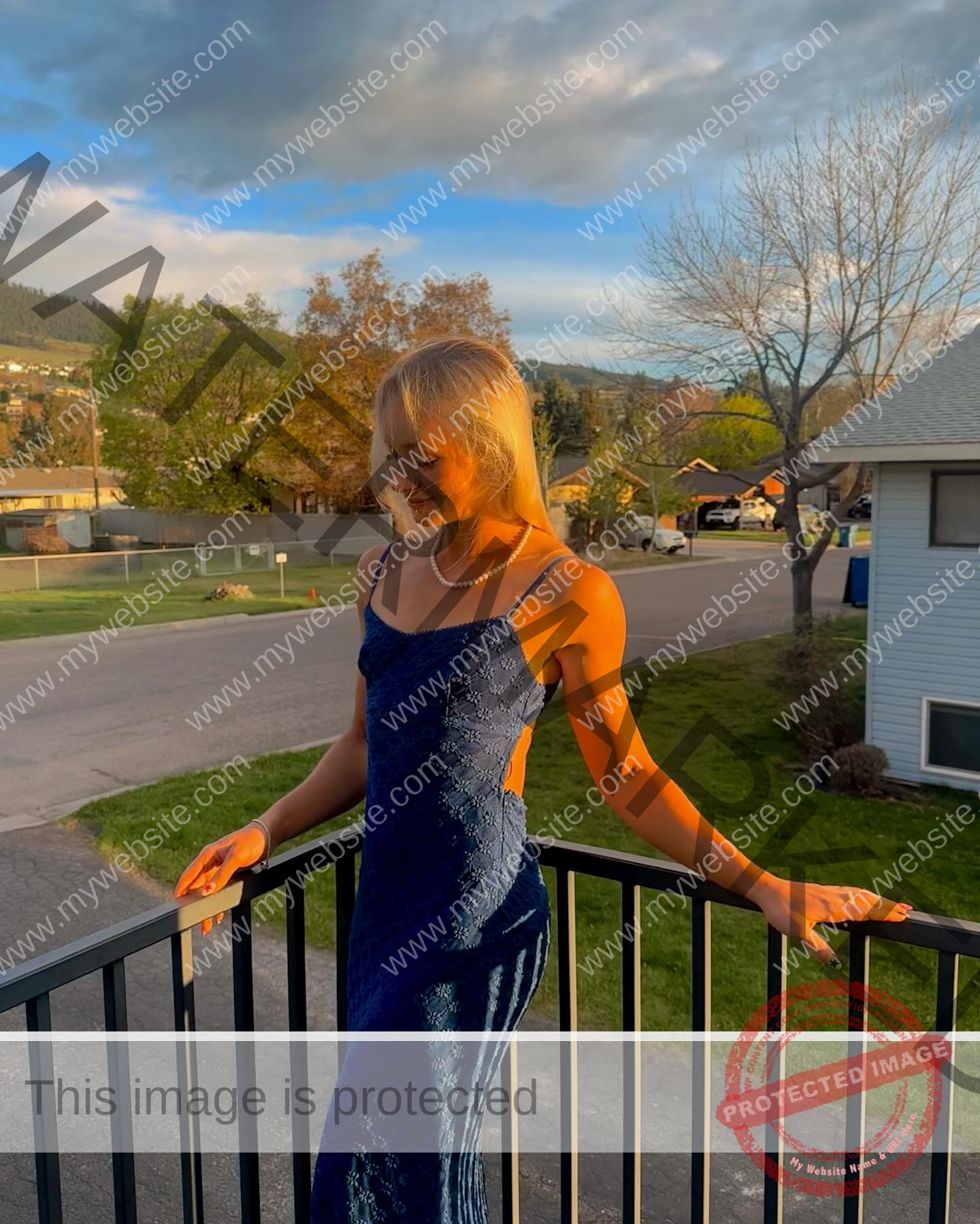
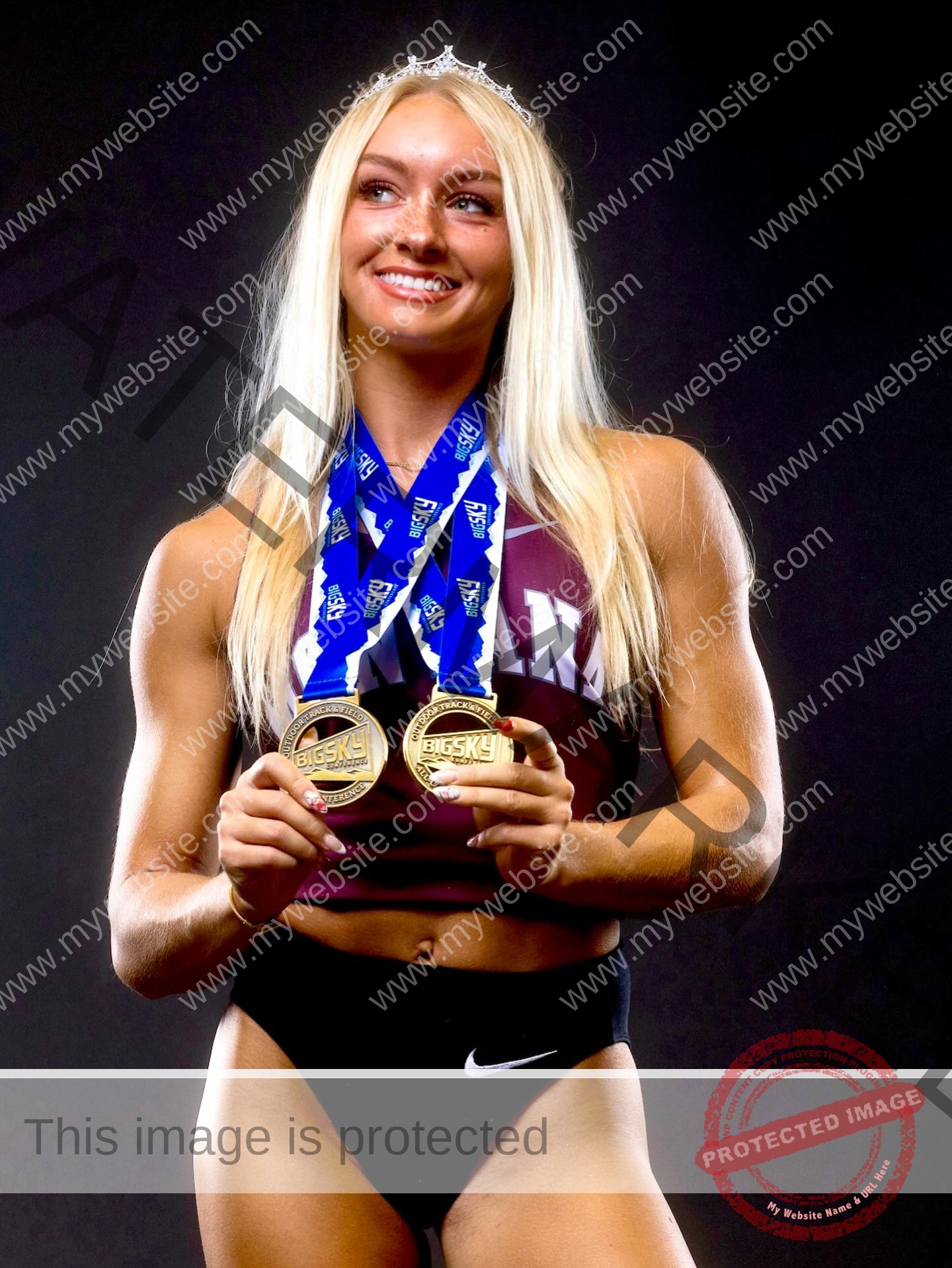


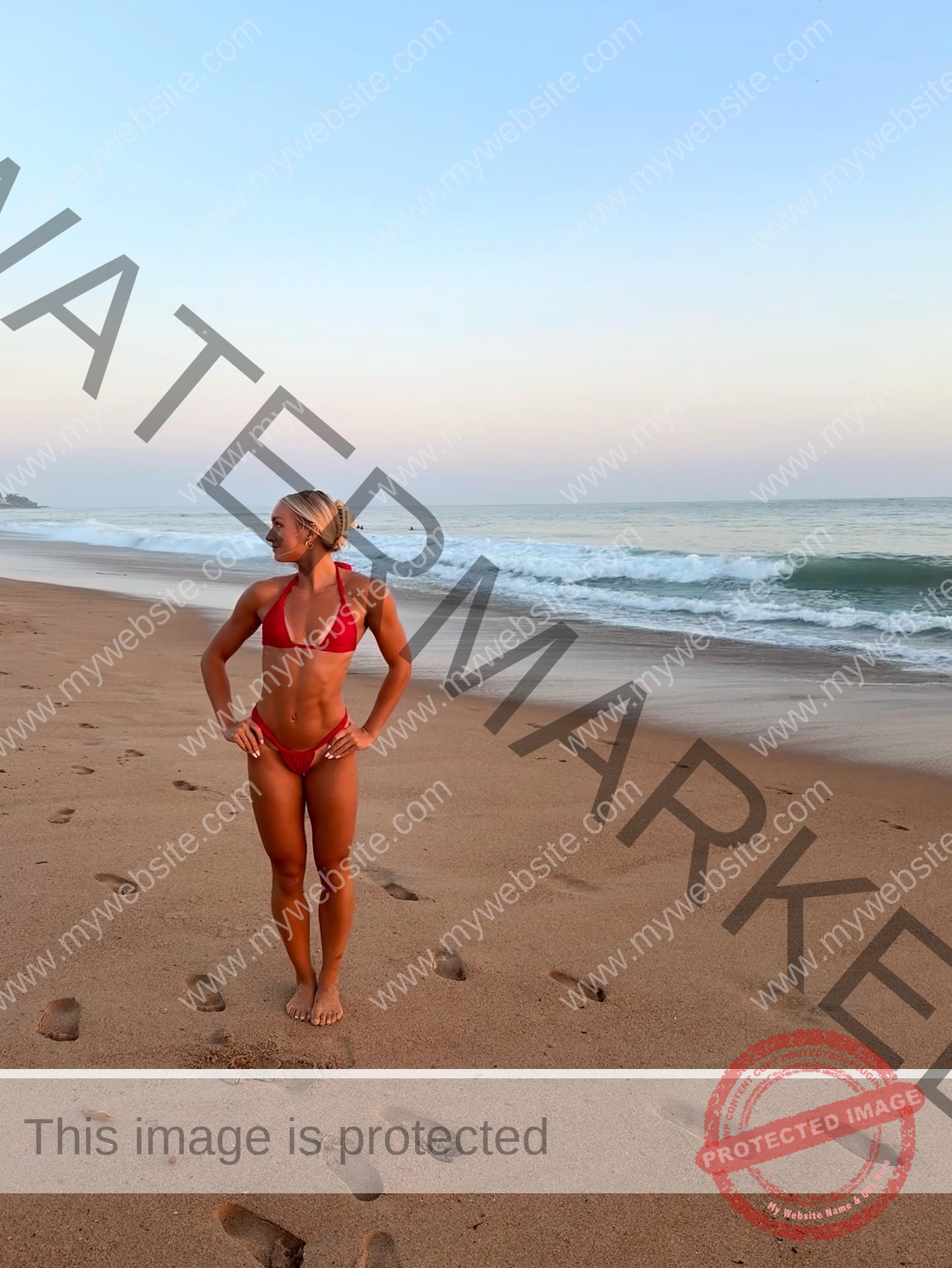
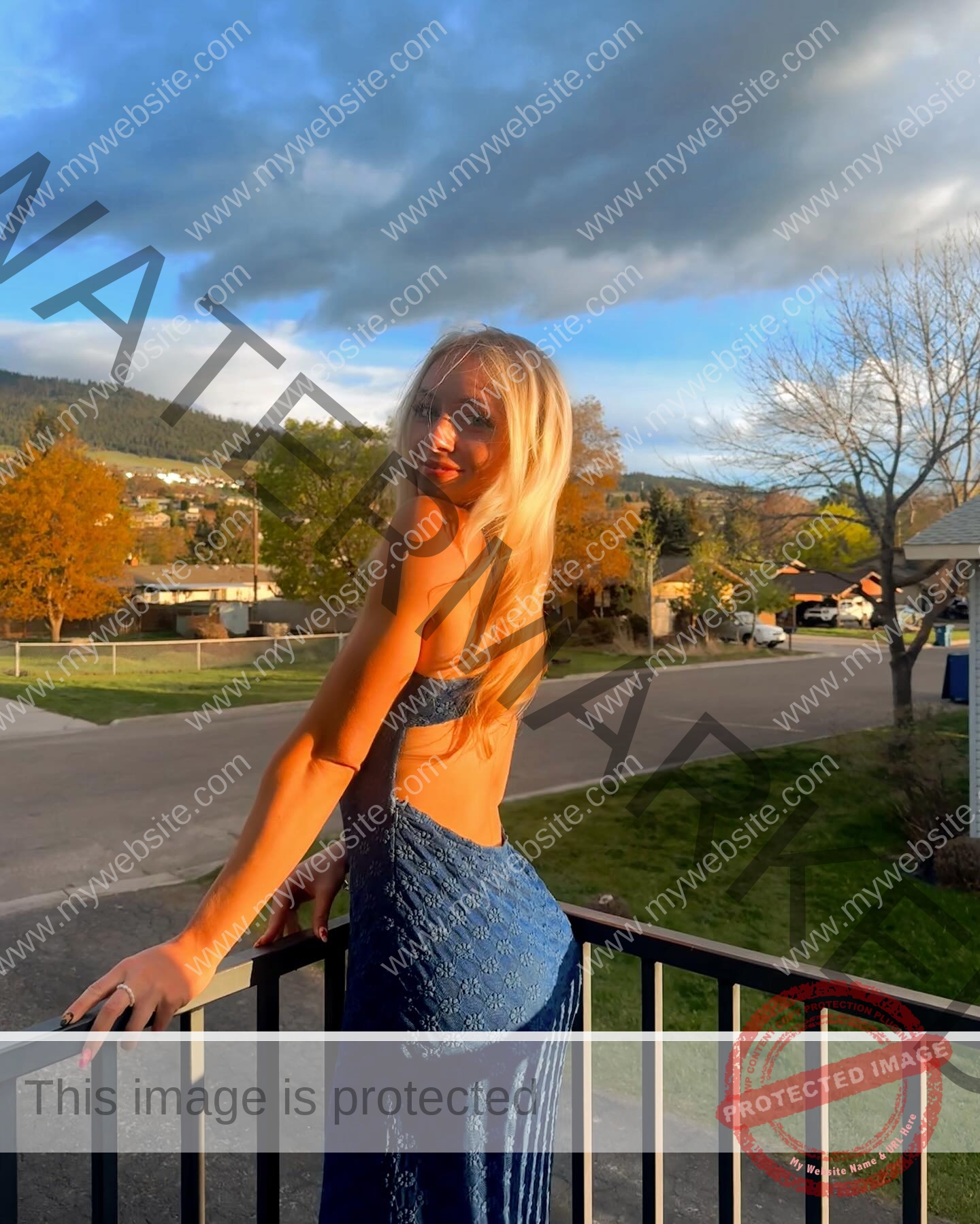
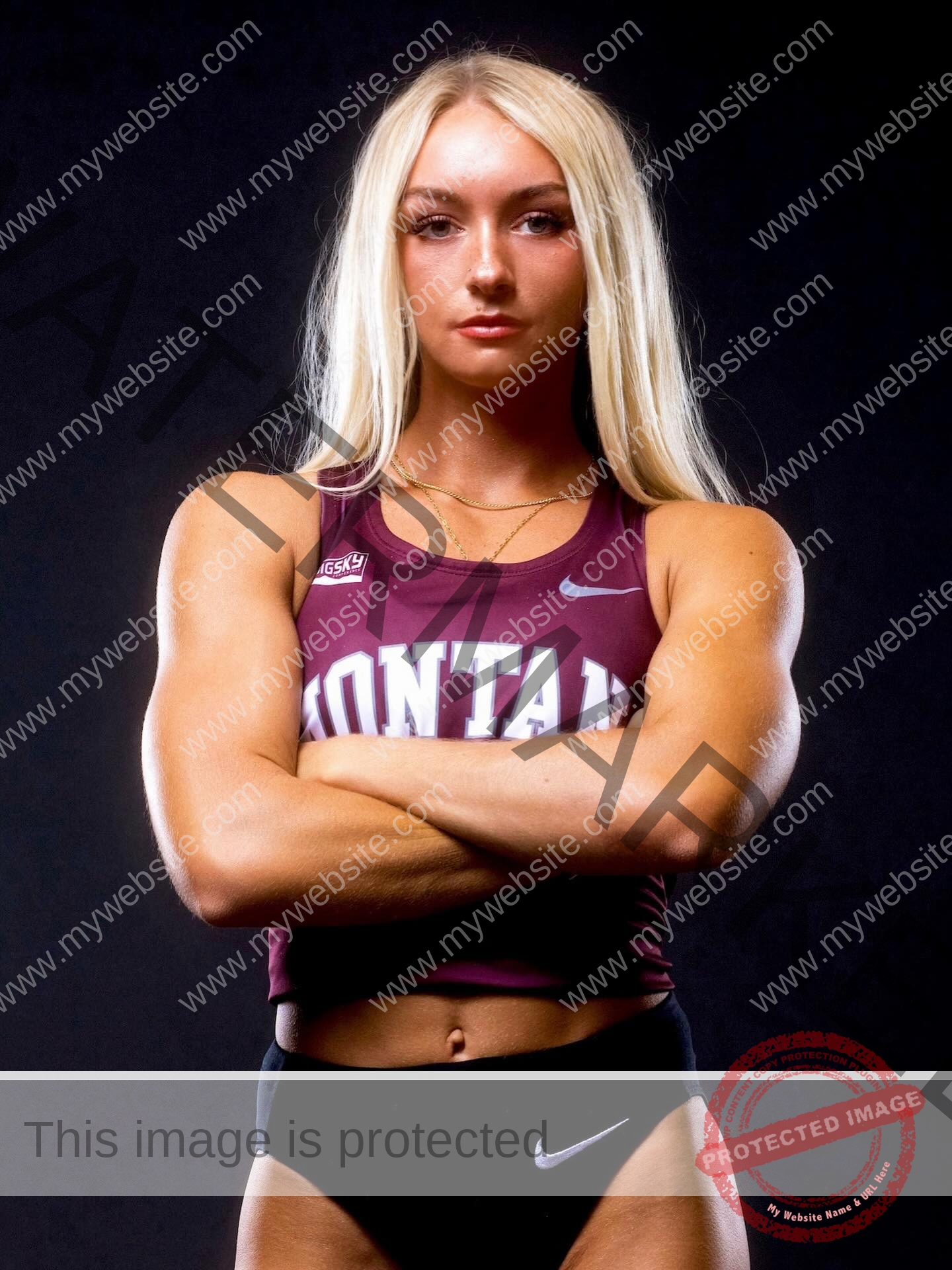
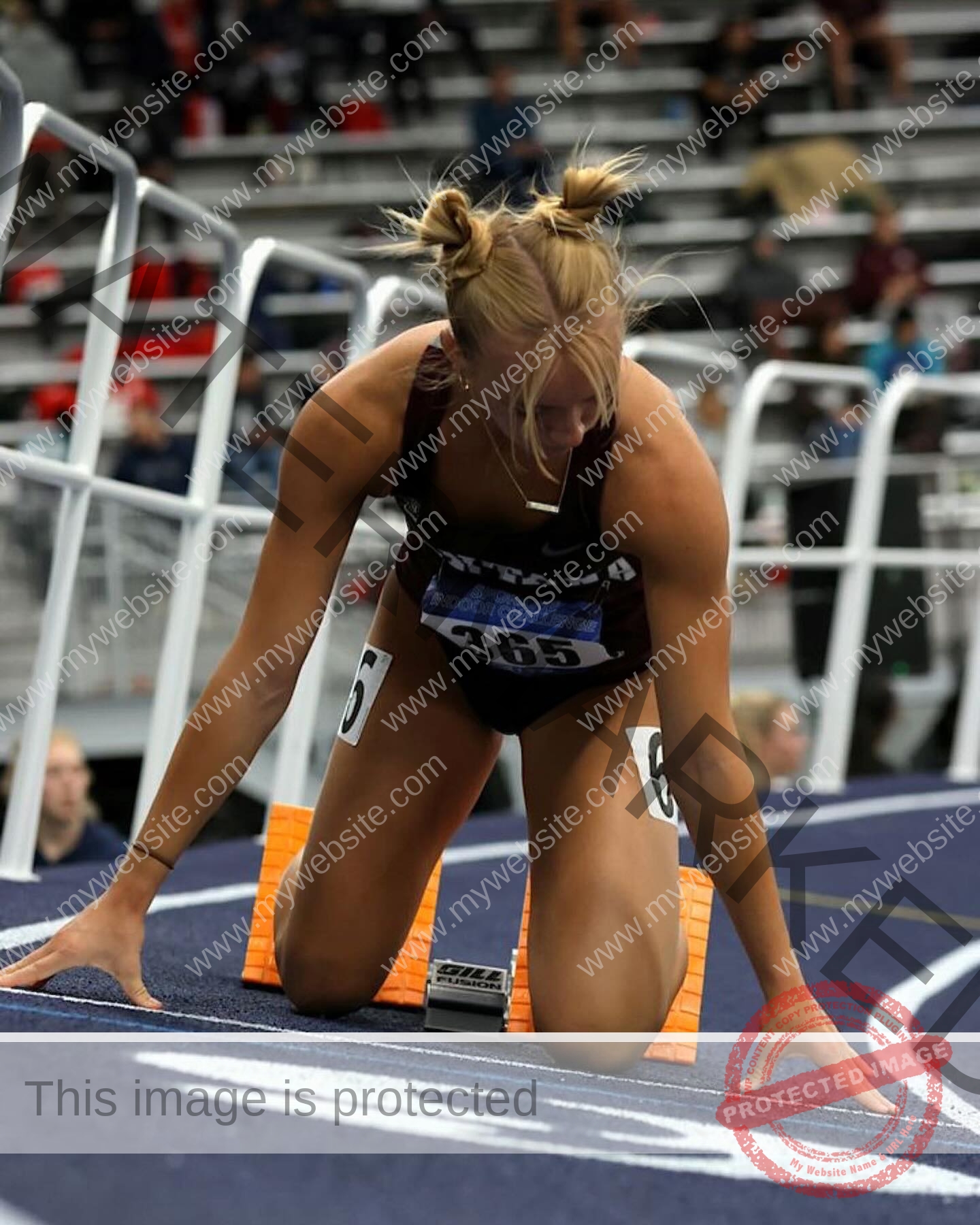





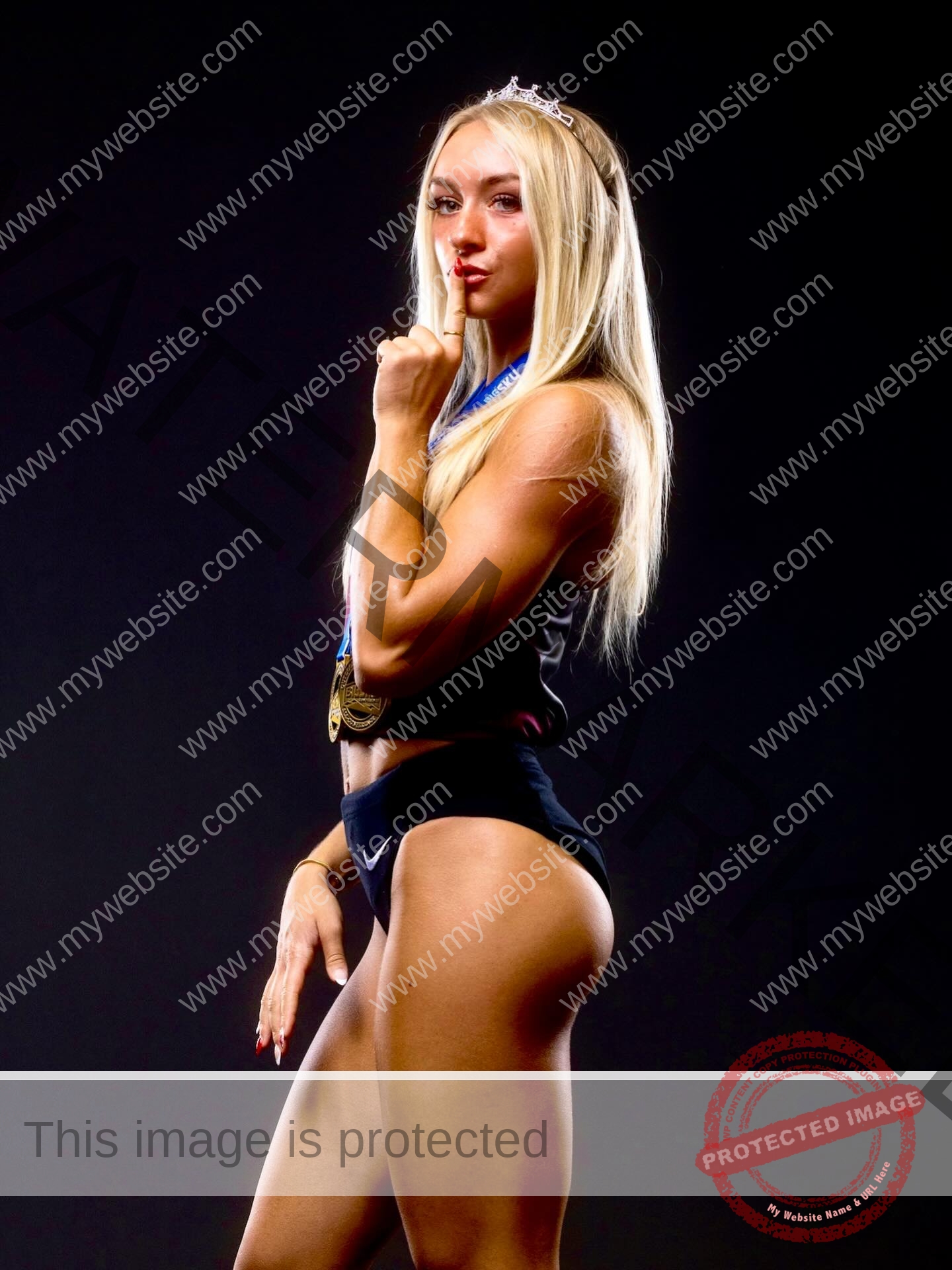
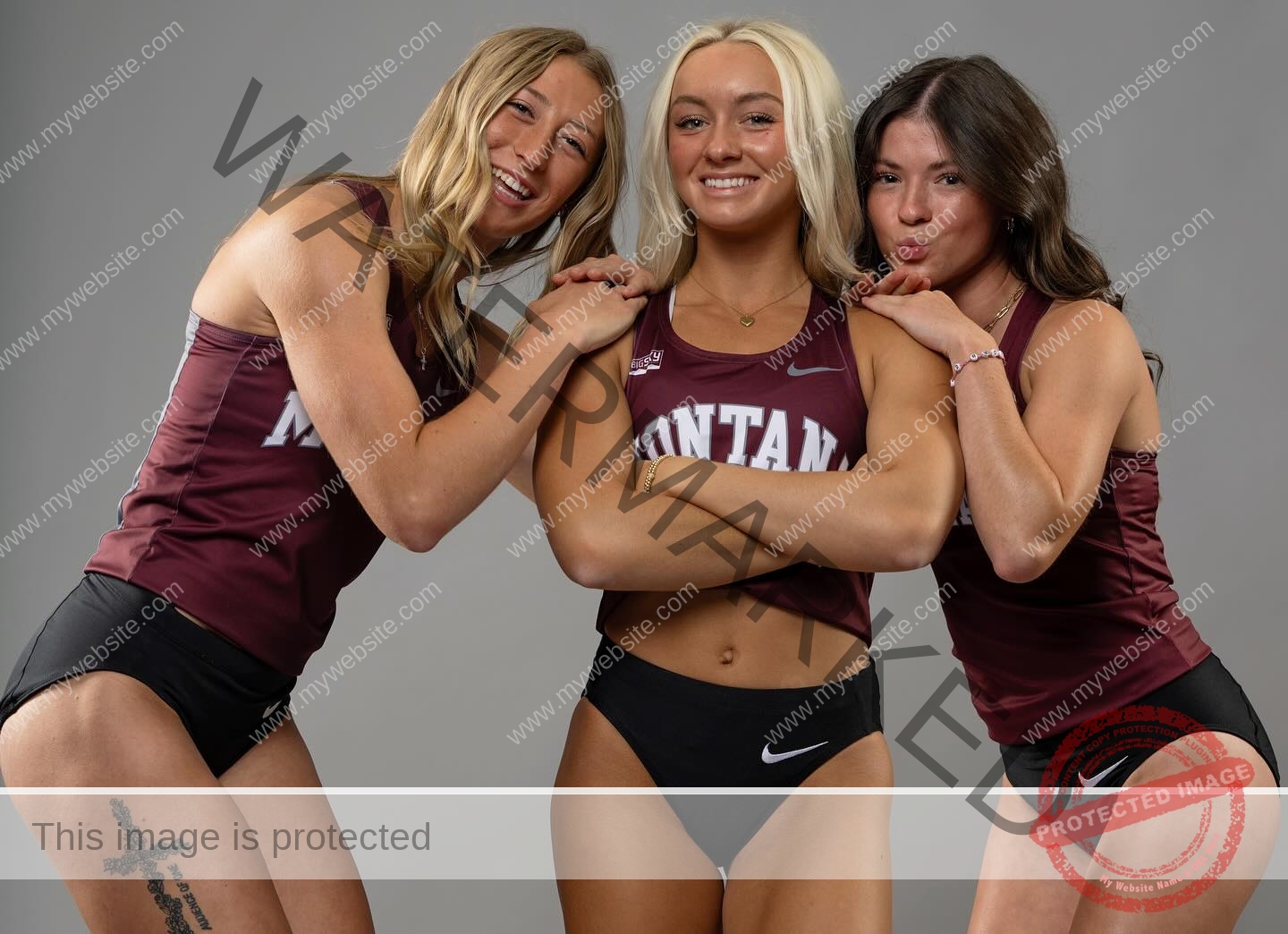
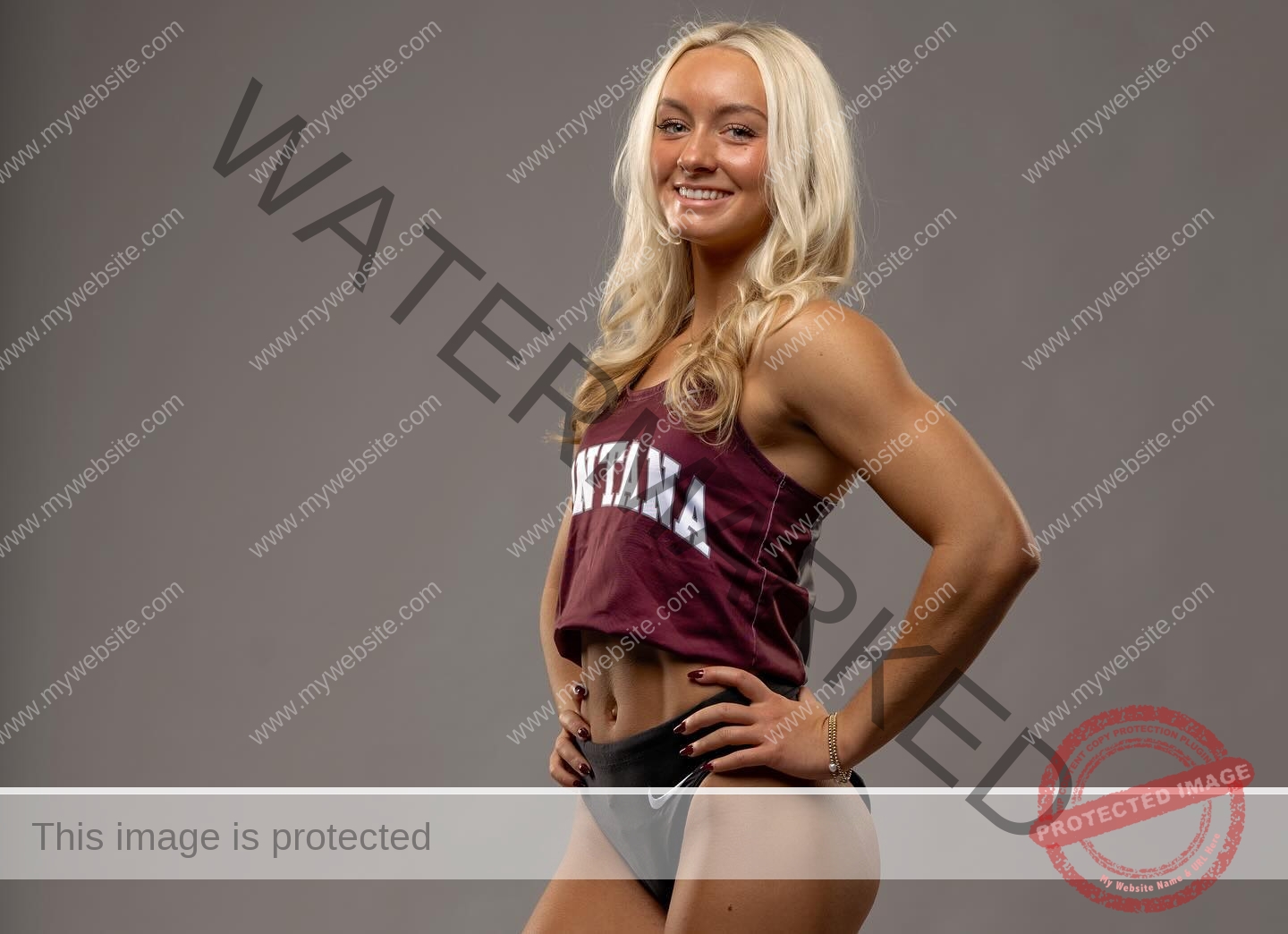
Tara Ohlwiler: Southern California Speed Finds a Home in the Montana Mountains
The Bengal Invitational in Pocatello, Idaho is not exactly the most glamorous meet on the collegiate track and field calendar. But on a spring afternoon in early May 2025, it became the venue where Tara Ohlwiler did something no woman had done before her in the 100 years of University of Montana track and field. She crossed the finish line in 11.53 seconds — faster than anyone wearing a Grizzly uniform had ever run the 100 meters — then jogged back toward her team with what could only be described as the casual ease of someone who expected nothing less.
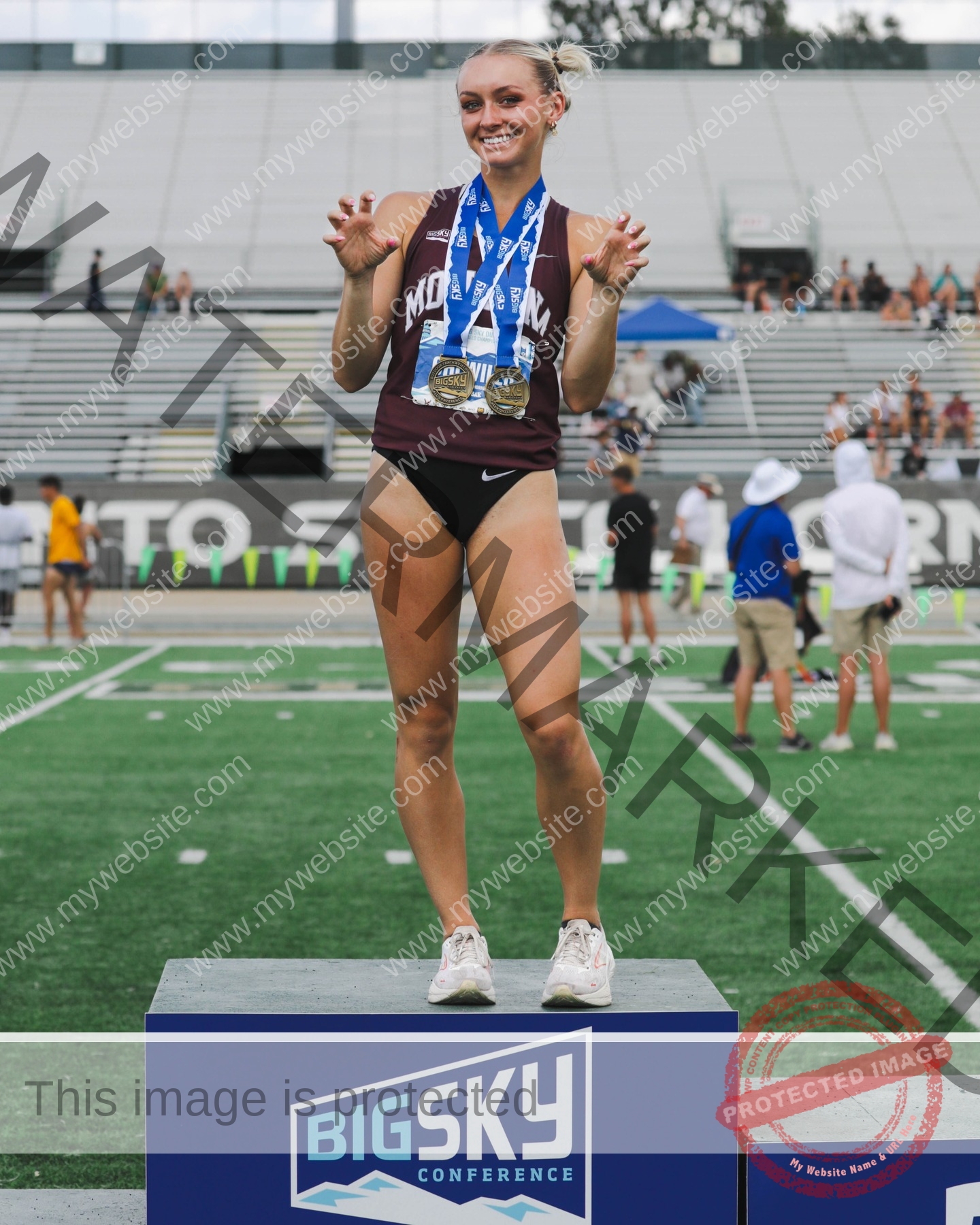
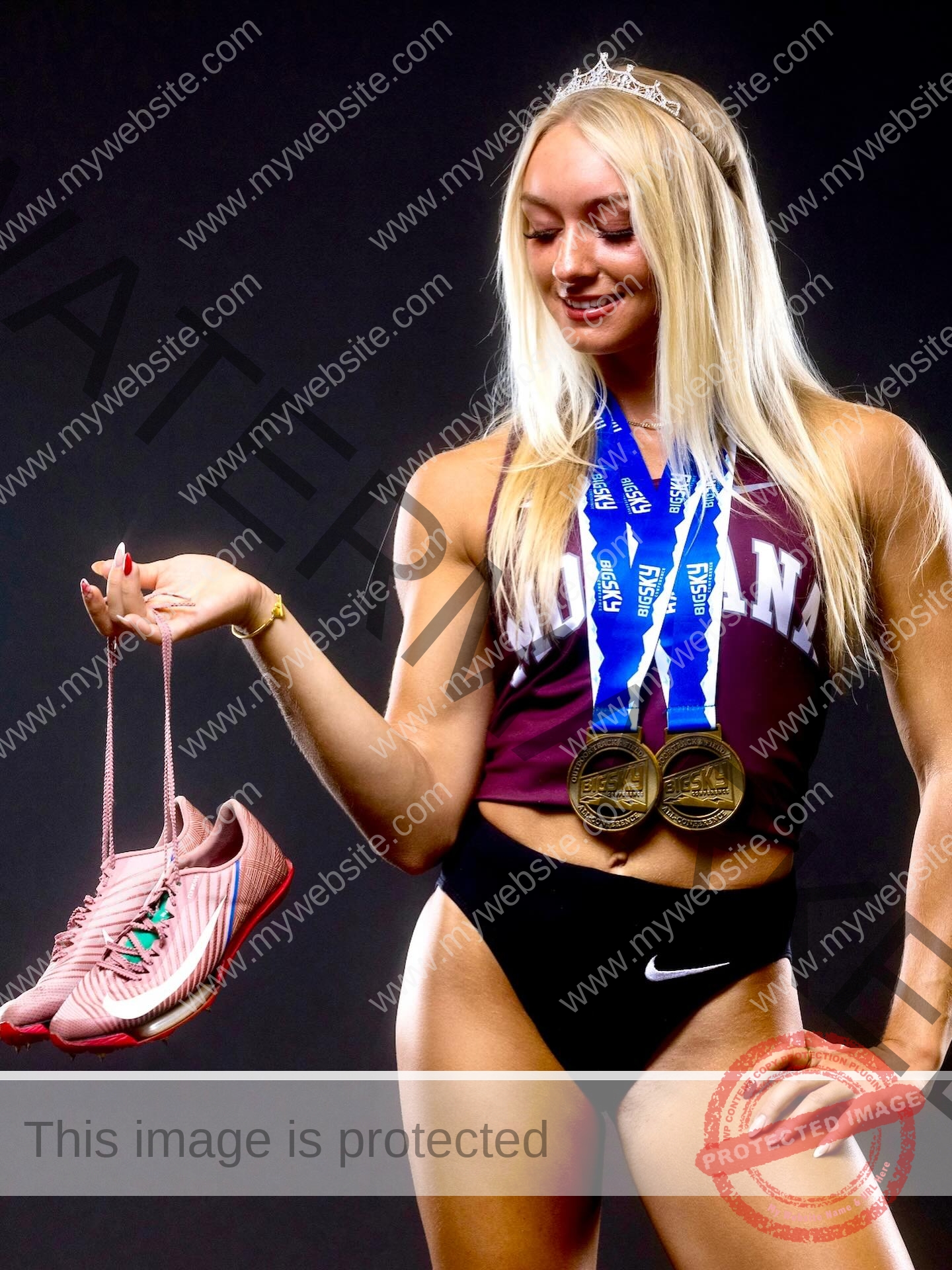
That run was the latest in a series of record-shattering performances from the Mission Viejo, California native who has spent two years methodically rewriting the Montana sprinting record book. She arrived in Missoula as a recruited athlete with solid but unspectacular high school marks. She left her sophomore year as the fastest woman in program history in both the 60 meters and the 100 meters, a two-time Big Sky Conference outdoor champion, and arguably the most decorated sprinter the Grizzlies have had in nearly four decades.
In her junior year, she’s still at it.
Roots in Mission Viejo: A Multi-Sport Kid from the South Coast
Tara Ohlwiler grew up in Mission Viejo, in the heart of South Orange County, California — one of the most consistently sports-rich regions in the United States, a place that takes high school athletics seriously and produces Division I athletes with reliable regularity. She attended Trabuco Hills High School, a public school in Mission Viejo that competes in the South Coast League of the CIF Southern Section.
Ohlwiler’s athletic identity in high school was not defined by track and field. For most of her adolescence, she was primarily a soccer player. Her NCSA recruiting profile, written during her high school years, describes someone who had been playing soccer for nearly 13 years — since early childhood — and who described it as the sport that had shaped her identity. She served on her school’s Associated Student Body (ASB), described herself as naturally competitive in both athletics and academics, and emphasized the importance of being a positive teammate as a core personal value.
Track and field, in other words, was something she came to relatively late and relatively naturally. Her athletic gifts — the explosive fast-twitch muscle fiber, the acceleration, the coordination — were not developed specifically for the starting blocks. They were forged on the soccer pitch over more than a decade, then redirected onto the oval. That background as a soccer player, with its demands on lateral quickness, sustained speed in short bursts, and competitive instincts under pressure, translated directly to the 100 and 200 meters in ways that would eventually show up in the record books.
She graduated from Trabuco Hills in 2023, also having competed in the school’s track and field program. Her high school track marks — a 12.15 in the 100m and an adjusted 25.90 in the 200m by the end of her senior season — were competitive enough for Division I recruiting interest but not the marks of a blue-chip sprinting recruit. What showed up in those times was the foundation of a sprinter still learning the technical nuances of the event, not yet fully converted from a multi-sport athlete into a pure track specialist.
Choosing Montana: A Long Way from Orange County
When Tara Ohlwiler chose the University of Montana in Missoula, she was making a decision that — on paper — seemed like an unusual one. Mission Viejo to Missoula is not a typical recruiting pipeline. The distance is substantial, the climate is radically different (Orange County beach weather versus Rocky Mountain winters), and the Big Sky Conference, while respected, is a different competitive universe from the Power Five programs that dominate the sprint recruiting landscape. But coach Doug Fraley’s program had built a reputation as a serious developmental environment for sprinters, and Ohlwiler was clearly the kind of athlete who improves with proper coaching, good training infrastructure, and time.
She enrolled at Montana for the fall of 2023, classified as a member of the class of 2023. What she walked into was a program in the middle of a generational rebuild under Fraley — a program that was beginning to put serious marks on the Big Sky Conference performance lists and develop conference contenders in the sprint events.
Freshman Year (2023–24): Setting the Foundation and Feeling the Injury Pain
Ohlwiler’s freshman year at Montana was a year of adjustment, development, and — unfortunately — injury. The indoor season showed genuine early progress, with marks of 7.61 seconds in the 60m and 25.05 in the 200m. At the 2024 Big Sky Indoor Championships, she placed 10th in the 60m and 16th in the 200m — conference experience in a freshman year that signaled she belonged at this level, even if she was still developing.
The outdoor season was cut short. Ohlwiler missed significant time in the spring of 2024 with an injury, limiting her competitive appearances and capping her development in the 100m at 12.15 seconds — well off the pace that would emerge once she returned to full health. That experience of losing most of an outdoor season to injury, while frustrating in the moment, planted a seed of urgency for what came next.
Her freshman academic performance was strong enough to earn her the Academic All-Big Sky honor during the indoor season — a distinction that recognizes student-athletes who maintain high academic standing alongside their competitive responsibilities. It’s a detail that speaks to her character as a student-athlete, not just a competitor.
Sophomore Year Indoors (Winter 2025): Records Begin to Fall
If Ohlwiler’s freshman year was about finding her footing, her sophomore year was about burning the record book. It started almost immediately.
The indoor campaign of 2024-25 opened with promising times, and by the time the Grizzlies traveled to Spokane for the Whitworth Invitational in February 2025, something special was clearly building. In the 60m prelims, Ohlwiler ran a 7.57 — close to the school record — and the coaching staff knew the final would be even faster. They were right. In the final, she ran 7.53 seconds, breaking Emma Normand’s program record of 7.56 that had stood since 2022. It was Ohlwiler’s first Montana school record, and it came with room to spare. She backed it up with a personal best in the 200m (24.57) in the same meet to cap an impressive weekend.
“Tara Ohlwiler nearly broke the record in the prelims of the women’s 60-meter by running a time of 7.57 to reach the finals,” the Montana athletics department noted in its official recap. “The sophomore from Mission Viejo, Calif. didn’t miss her chance in the final.” Her time put her in the discussion among the Big Sky’s best, sitting tied for fourth in the conference standings.
She carried that momentum through the rest of the indoor season. At the Big Sky Indoor Championships, she placed fourth in the 60m and 10th in the 200m — solid conference results that contributed to Montana’s women’s team finishing higher than its preseason predictions. Coach Fraley was already identifying her as one of the program’s key outdoor threats heading into the spring.
Sophomore Year Outdoors (Spring 2025): Records Broken, Titles Won, History Made
The outdoor season of 2025 was Tara Ohlwiler’s coming-out party — and it unfolded in stages, each more impressive than the last.
The season opened at the Griz-Cat Dual in late March, and Ohlwiler wasted no time announcing herself as a serious contender. She finished second in the 100m with a PR time of 11.86 — already threatening Catie Buck’s existing program record of 11.80 — and won the 200m in 24.64. “Tara had a really good start to her outdoor season after being hurt and not able to compete much last outdoor season,” head coach Doug Fraley said. “She was really eager to take what she had been doing during the indoor season and convert that to a longer distance in the 100.”
Then came the Montana Open on April 26, 2025 — the Grizzlies’ final home meet of the outdoor season at Dornblaser Field in Missoula. With her teammates in the stands and the home crowd watching, Ohlwiler stepped to the line in the 100m and exploded out of her blocks. She knew her start had been the focus of her practice work that week. She had spent days drilling the opening steps. On race day, it clicked.
“I got out of my blocks and thought, ‘Yep, this is going to be a good race,'” Ohlwiler said. “I felt like I was really working on my starts at practice because that can really make or break a race. As soon as I got out and started my stride cycle, I knew it was going to be a good one.”
She won the 100m in 11.61 seconds — obliterating Buck’s record by 19 hundredths of a second, the largest single-race improvement to a Montana school record in memory. “She did more than just break it on Saturday, she obliterated the previous mark,” head coach Fraley said. An hour later, she came back and won the 200m in a then-PR of 23.95, breaking the 24-second barrier for the first time in her career. It was her second program record of the year and one of the great single-afternoon sprinting performances in Montana program history. “When I first crossed the line, I just had my fingers crossed because all I wanted today was the school record,” Ohlwiler said. “I was just so happy for both myself and my teammates because we were all trying to have a good race in our last home meet.”
But she wasn’t finished. The following weekend at the Bengal Invitational in Pocatello — the site of that year’s Big Sky Outdoor Championships — Ohlwiler broke her own 100m record again. She ran 11.53 seconds, winning the event and matching the top time in the Big Sky Conference that year. The new mark became, and remains, the Montana school record in the women’s 100 meters.
By the time the 2025 Big Sky Outdoor Track and Field Championships arrived in Sacramento, Ohlwiler entered ranked third in the 100m and fourth in the 200m. She had been running better than anyone else in the conference over the previous weeks. The championships brought one final, pivotal challenge: the 4x100m relay came before her individual events, and a relay exchange error involving her created an early obstacle. A less resilient competitor might have let it rattle them. Ohlwiler channeled it instead.
In the 100m final, she broke out of the blocks with what Fraley described as a great start and led wire to wire, crossing in 11.72 seconds to become the first Montana woman to win the Big Sky 100m title since 1987. That’s a 38-year gap in the win column for the program, closed by a sophomore from Southern California who had arrived in Missoula with a 12.15 PR.
One hour later, she was back on the track for the 200m final. She started a bit slower than usual and trailed through much of the race — then used the final section of the homestretch to run past her rivals in a sprint. Her 23.67-second clocking was a personal best by nearly 30 hundredths and came within a tenth of the Montana school record in the event. She was the Big Sky outdoor 200m champion.
With the two titles, Ohlwiler joined Paula Good Pease as the only two women in Montana program history to win both the 100m and 200m at the same Big Sky Championship. “It is really, really difficult to win both of those in the same day,” Fraley said. “We knew Tara was ready coming in and I thought that she had a chance to do it, but you still have to go out there and do it, and boy did she do it in style. To match the feat of a Montana legend like Paula is really something special.”
“The mindset was to be mentally strong. It’s really what conference championships come down to,” Ohlwiler said. “I learned last year that anything can happen… I said I just need to scratch it and accept that everyone is in the same boat as you and everyone’s here to try hard. You just need to try a little bit harder than everybody else and that’s what’s going to make a win.”
Her 20 individual points at the 2025 Big Sky Championships were the most of any woman on the team. Montana’s women finished third overall with exactly 100 points — the first time since 2002 that both Grizzly teams had crossed the century mark at the same championship meet. Ohlwiler was the engine that made the women’s sprint performance possible, and she received Academic All-Big Sky honors for the outdoor season as well, having maintained her academic standing throughout the championship campaign.
Junior Year Indoors (Winter 2026): Podium Finishes and New PRs
Tara Ohlwiler returned to Montana for her junior year as the defending Big Sky outdoor 100m and 200m champion, the school record holder in the 60m and 100m, and one of the most anticipated sprint performers in the conference. She opened the 2025-26 indoor season at the Bobcat Preview in December 2025, running 7.53 in the 60m in the season opener — matching her school record in her first race back.
The indoor regular season saw her competing at the top of the Grizzly sprint group alongside freshmen Callie Wilson, whose record-breaking emergence added a new dimension to Montana’s sprint depth. At the Carignan Classic in Bozeman in February 2026, Ohlwiler placed third in the 200m (24.50) behind Wilson and was sixth in the 60m final (7.60) — solid but not dominant results that reflected the reality of competing in a sprint group that had gotten significantly faster around her.
At the 2026 Big Sky Indoor Championships in Pocatello, Idaho at the end of February, Ohlwiler delivered her best indoor championship performance yet. She ran a personal best of 7.42 seconds in the 60m — a lifetime best that placed her fourth, just off the podium in an extremely fast field. One event later, she came back in the 200m finals with what Fraley described as “a lot of toughness and maturity” and ran 23.88 seconds — a significant indoor personal best — to claim third place and earn All-Conference honors. She scored 11 points for Montana across the two events, the second-highest individual women’s contribution on a Grizzly squad that finished third overall. The women’s 4x400m relay team also broke a school record with Ohlwiler’s relay teammates performing at the championship level.
“Tara, along with the rest of our women’s sprint group, had a terrific meet,” Fraley said. “Tara just missed the podium in the 60 with a lifetime best and then coming back in the 200 really determined to get on the podium and running a big indoor PR to get that third spot. It showed a lot of toughness and maturity on her part.”
The 2026 outdoor season is just getting underway at the time of this writing, with the bulk of competition scheduled for spring.
Program Records and Personal Bests
Tara Ohlwiler currently holds two University of Montana program records:
- 60m (Indoor): 7.53 seconds — Whitworth Invitational, Spokane, WA, February 15, 2025
- 100m (Outdoor): 11.53 seconds — Bengal Invitational, Pocatello, ID, May 3–4, 2025
Her complete career bests as of the 2026 indoor championships:
- 60m (Indoor): 7.42 seconds (Big Sky Indoor Championships, February 2026 — new personal best)
- 100m (Outdoor): 11.53 seconds (official school record); adjusted: 11.56 seconds
- 200m (Indoor): 23.88 seconds (Big Sky Indoor Championships, February 2026)
- 200m (Outdoor): 23.67 seconds (Big Sky Outdoor Championships, May 2025)
To understand the magnitude of her improvement from freshman to sophomore year: she arrived at Montana with a 12.15 100m and an adjusted 25.90 200m. By the end of her sophomore outdoor season, those marks had become 11.53 and 23.67 — improvements of 62 hundredths in the 100m and over two seconds in the 200m. That kind of development in a single year of healthy competition is exceptional by any standard.
Historical Context: What These Marks Mean for Montana
The Grizzlies’ women’s sprint program had produced good athletes over the years, but genuine conference-level speed in the flat sprint events had been elusive. Catie Buck’s 11.80 from 2022 was the program record that Ohlwiler eventually surpassed — and that 11.80 had itself been a significant mark in program history. The previous Big Sky 100m title for a Montana woman before Ohlwiler’s 2025 championship win had come in 1987, nearly four decades prior. Paula Good Pease, the last woman to complete the 100m/200m double at the Big Sky Championships before Ohlwiler, is remembered as a program legend.
Ohlwiler arrived as a sophomore with no expectation of that legacy on her shoulders — and delivered it anyway.
The Big Sky Conference sprints are competitive. The conference has historically produced women who go on to professional careers and international competition. Running 11.53 in the 100m and 23.67 in the 200m doesn’t just win conference championships; it represents genuinely fast college sprinting by national standards. For the University of Montana, a mid-major program in a mid-size Montana city, to have produced a sprinter at that level through its own coaching and development system is a meaningful marker of how far Fraley’s program has come.
Off the Track: Academic Honors and Campus Life
Ohlwiler has earned Academic All-Big Sky honors in three separate championship seasons: the 2024 indoor season, the 2025 indoor season, and the 2025 outdoor season. The award recognizes student-athletes who maintain strong academic performance alongside their competitive responsibilities, and holding it across three consecutive championship windows while competing at a high level athletically reflects the kind of dual commitment that her high school NCSA recruiting profile promised years earlier.
She described herself in that same profile as someone who sees being a positive teammate and serving as a leader as core values — traits that show up in how Montana’s program talks about her. In competition recaps, Ohlwiler is consistently described in the context of her team’s collective performance, not as a solitary star. When she broke the 100m school record at the Montana Open, her first public comment was about being happy for herself and her teammates — “because we were all trying to have a good race in our last home meet.”
No World Athletics Profile Yet — But That May Change
As of early 2026, Tara Ohlwiler does not have a public World Athletics athlete profile, which is consistent with her stage of development. Her marks — as fast as they are for the conference level — do not yet put her on the international radar in the way that might trigger a World Athletics registration for major international competition. She has not, to date, competed for the United States in any USATF-sanctioned international event. The 11.53 100m personal best and 23.67 200m are legitimate collegiate-level marks, but the barrier to meaningful international competition in the flat sprints is steep, and Ohlwiler is a junior with two seasons of eligibility remaining.
The trajectory, however, is exactly the kind that coaches and scouts watch closely. A sprinter who improved by over half a second in the 100m in a single healthy season, who runs 23-low in the 200m at a conference-level meet, and who continues to lower her personal bests heading into her junior outdoor season is one who may not remain internationally invisible for long — particularly if the 2026 outdoor season brings the next wave of improvement that her indoor championship performances suggest is coming.
Social Media
Tara Ohlwiler is active on Instagram at @tara__ohlwiler (two underscores), where she posts about her competition season, life at Montana, and the ongoing chapter of her athletic career. She can also be followed through the Montana Grizzlies track and field Instagram account at @montanagriztfxc, which documents the full team’s competition season and provides another lens into her development as a Grizzly.
What Comes Next
Tara Ohlwiler enters her junior outdoor season as Montana’s defending Big Sky champion in both flat sprint events, the holder of two program records, and one of the most intriguing developmental stories in mid-major track and field. She’s a junior, which means there is still time — and quite a bit of it — to continue the trajectory she has been on.
The 2026 outdoor season will be the real test of where she stands after the improvements of her sophomore year. Can she defend the 100m title, particularly now that the field has gotten faster around her? Can she push her 200m personal best closer to — or past — the Montana school record of 23.57? Can she qualify for the NCAA Outdoor Championships, where the Big Sky’s best sprinters are measured against the national field?
Those are the questions the 2026 outdoor season will answer. For a Southern California kid who came to Missoula as an unheralded freshman and turned herself into a program record holder and conference champion by her sophomore year, the bar for what seems possible has already been raised several times over. Whatever the answer turns out to be, Montana’s fastest women’s sprinter in nearly four decades will be the one running toward it.
