
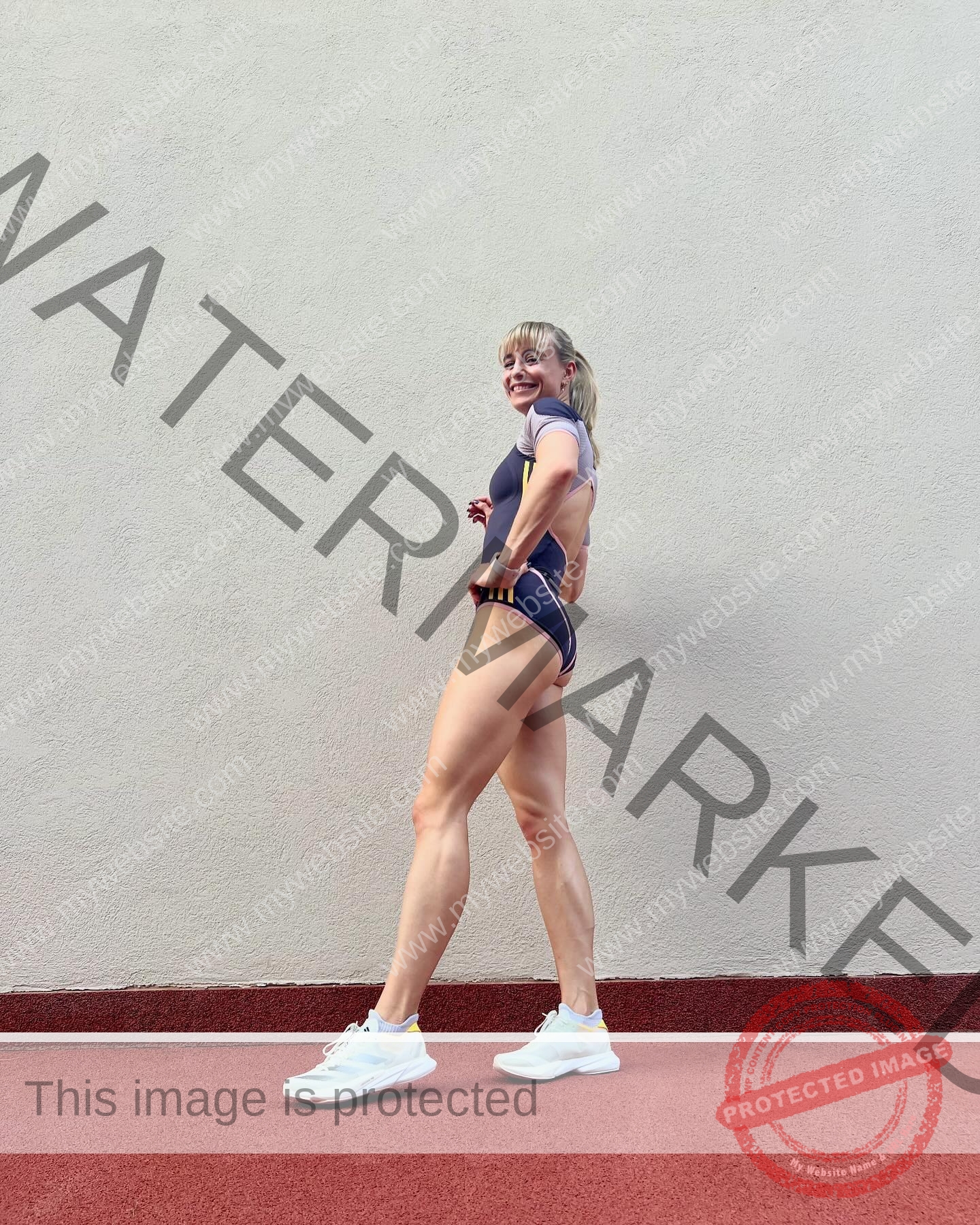
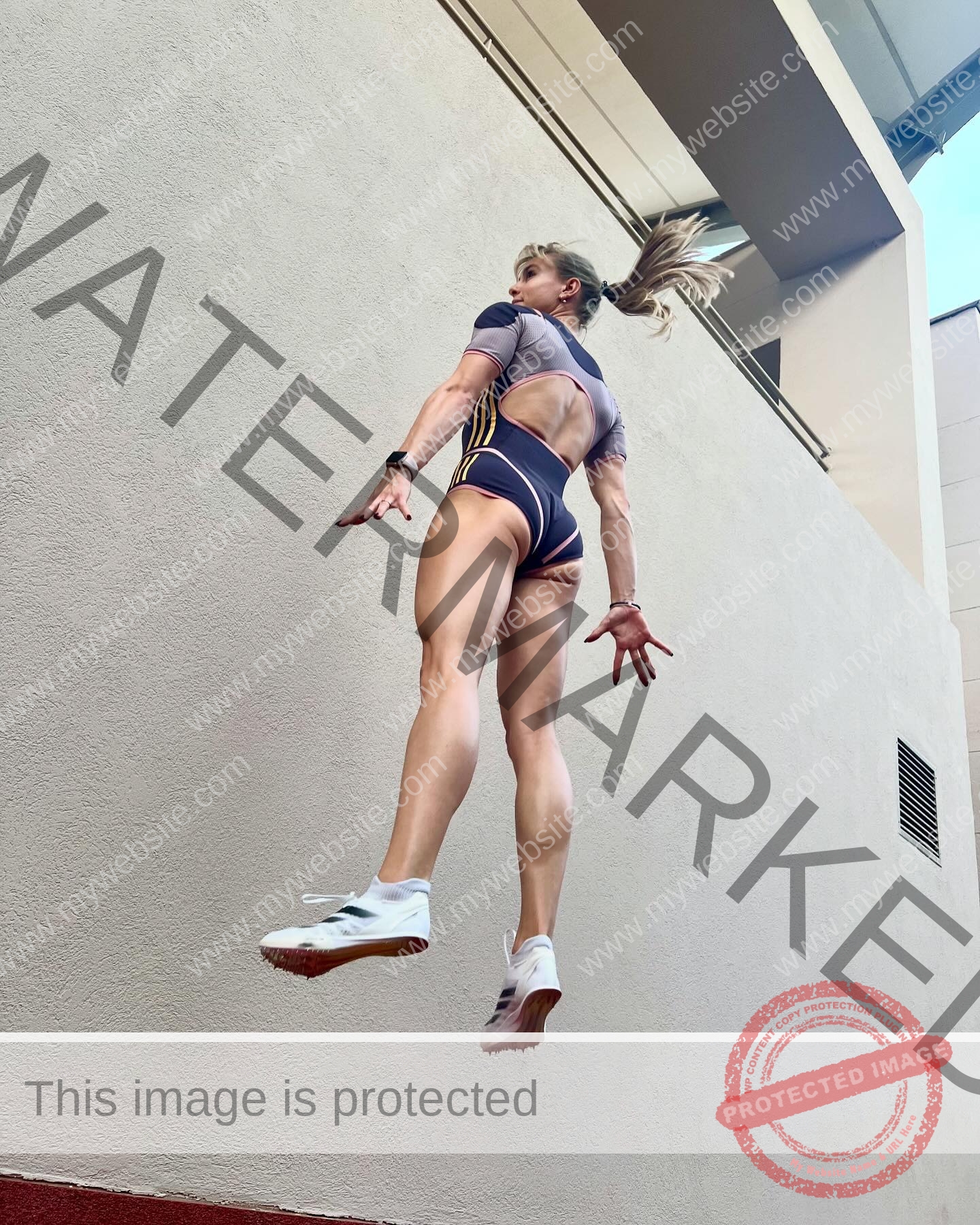
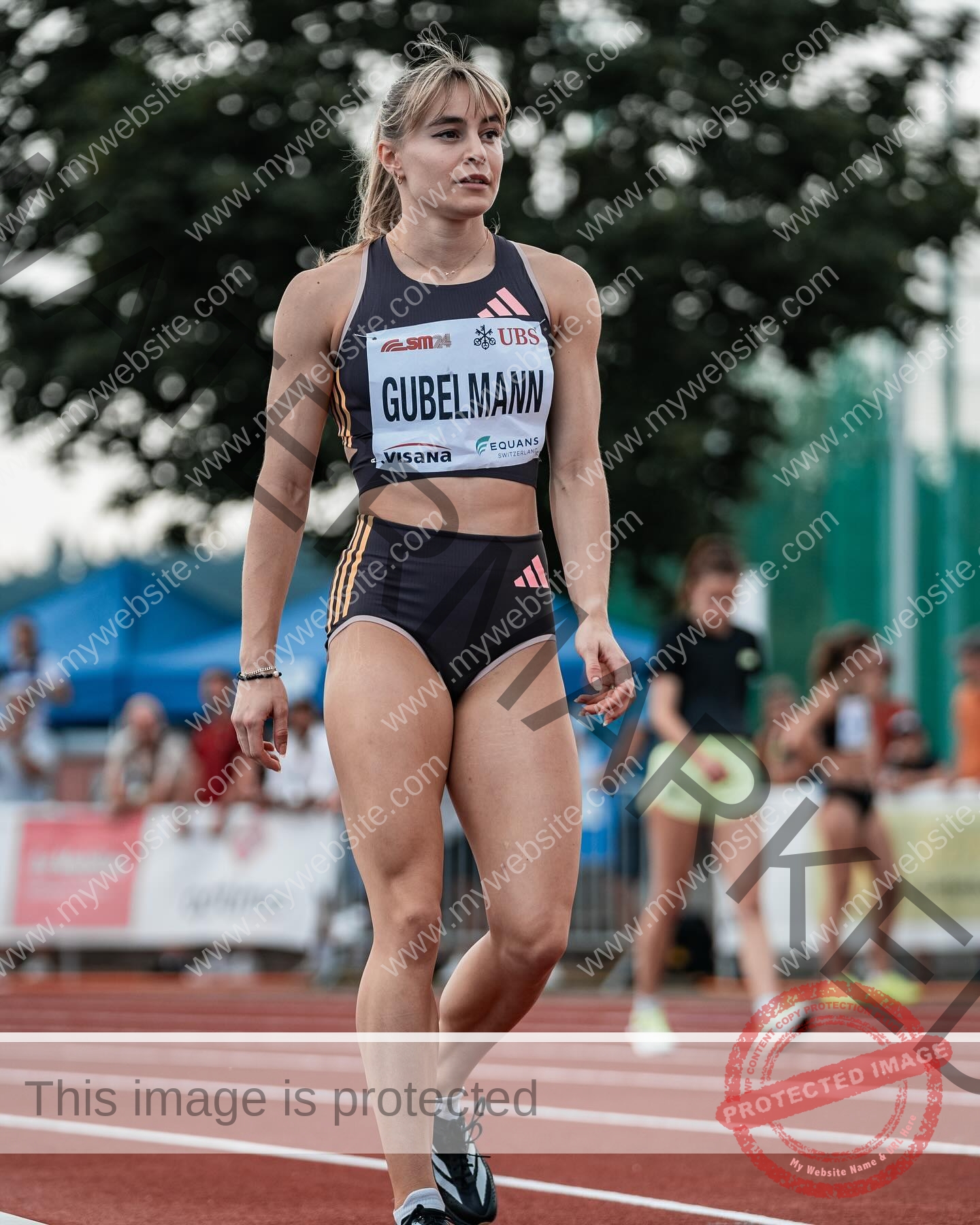
Catia Gubelmann: Switzerland’s 400-Metre Champion with a Story Worth Knowing
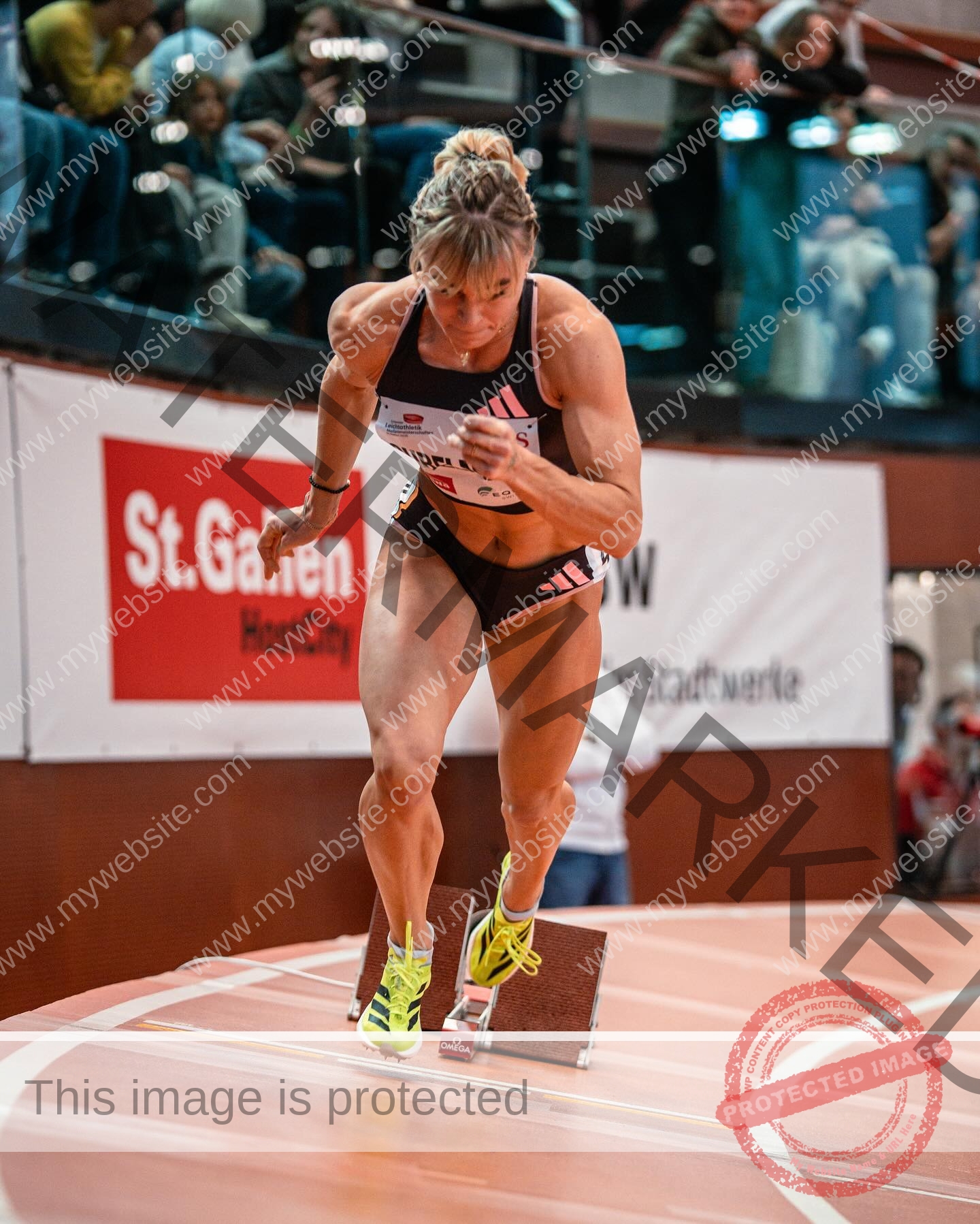
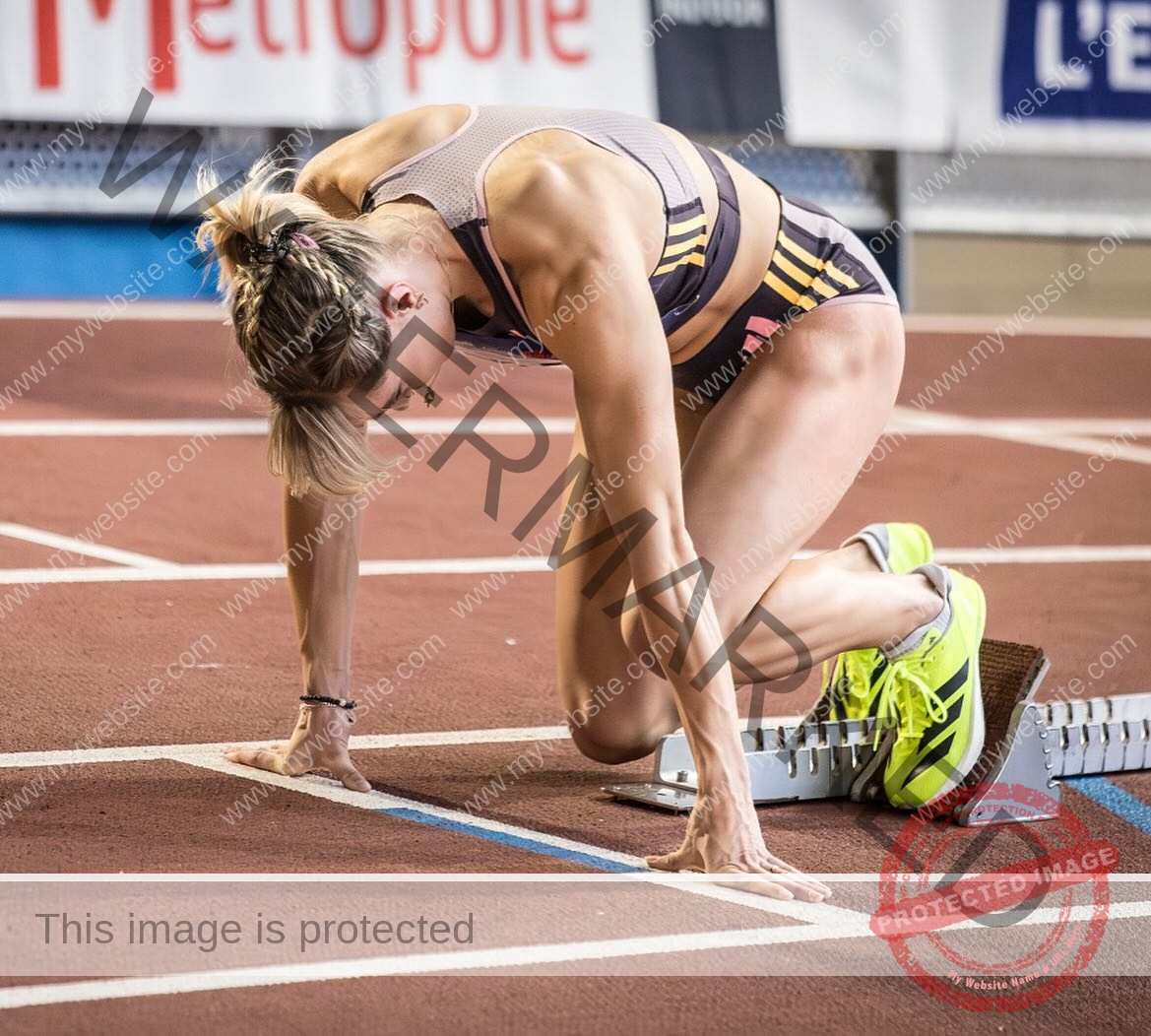
There is an essay that Catia Gubelmann wrote as a secondary school student at the Kantonsschule Zürich Oberland, assigned during an English class. The task was to write about a place. She chose the place she knew better than any other: the starting block. She described the crowd noise disappearing the moment she settles in, the transformation of anxiety into positive energy, the moment when nothing can hold her back. The essay, written by a teenager who was still years away from her first national title, captures something essential about who she is as an athlete — and, it turns out, about who she had to become to get there.
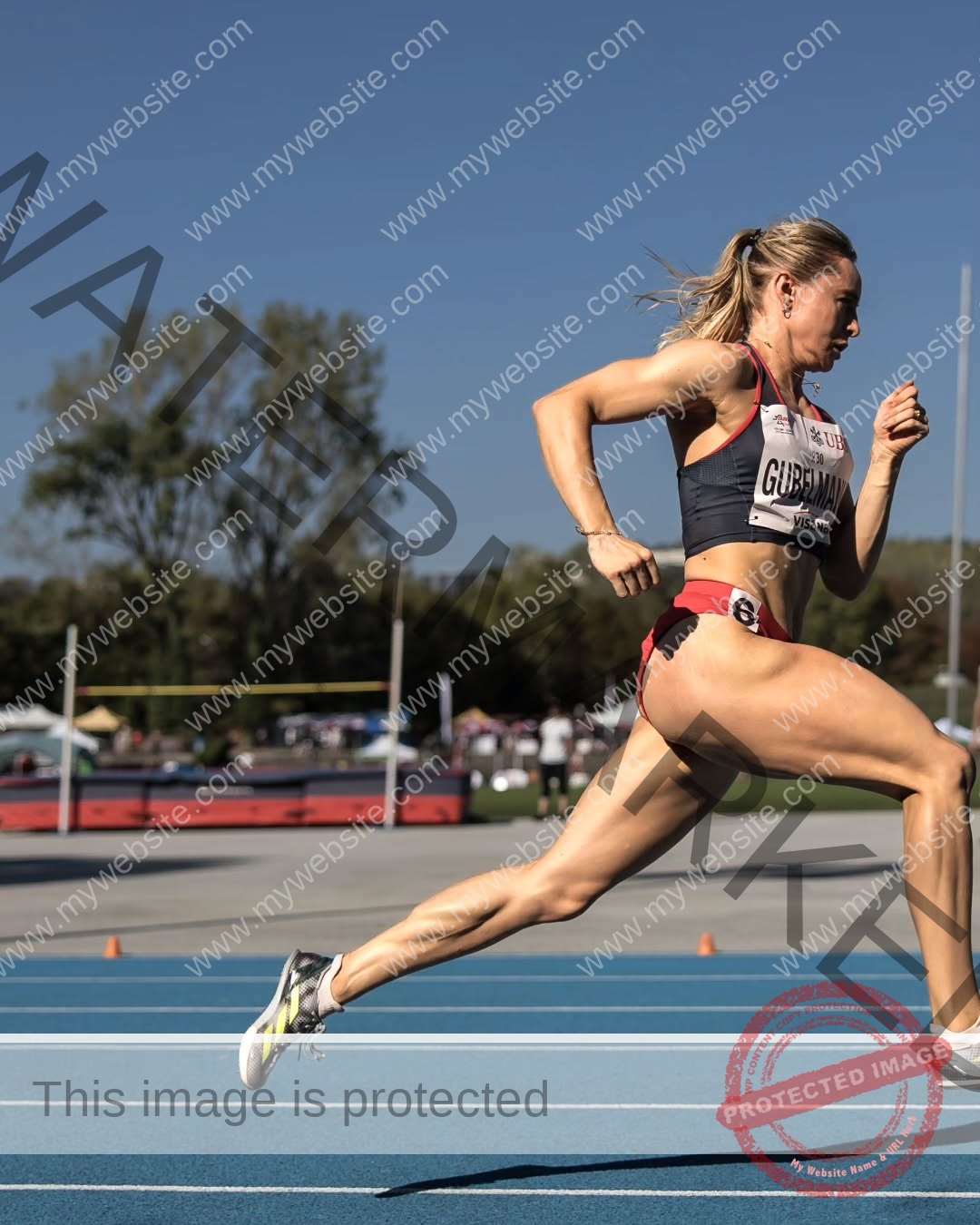
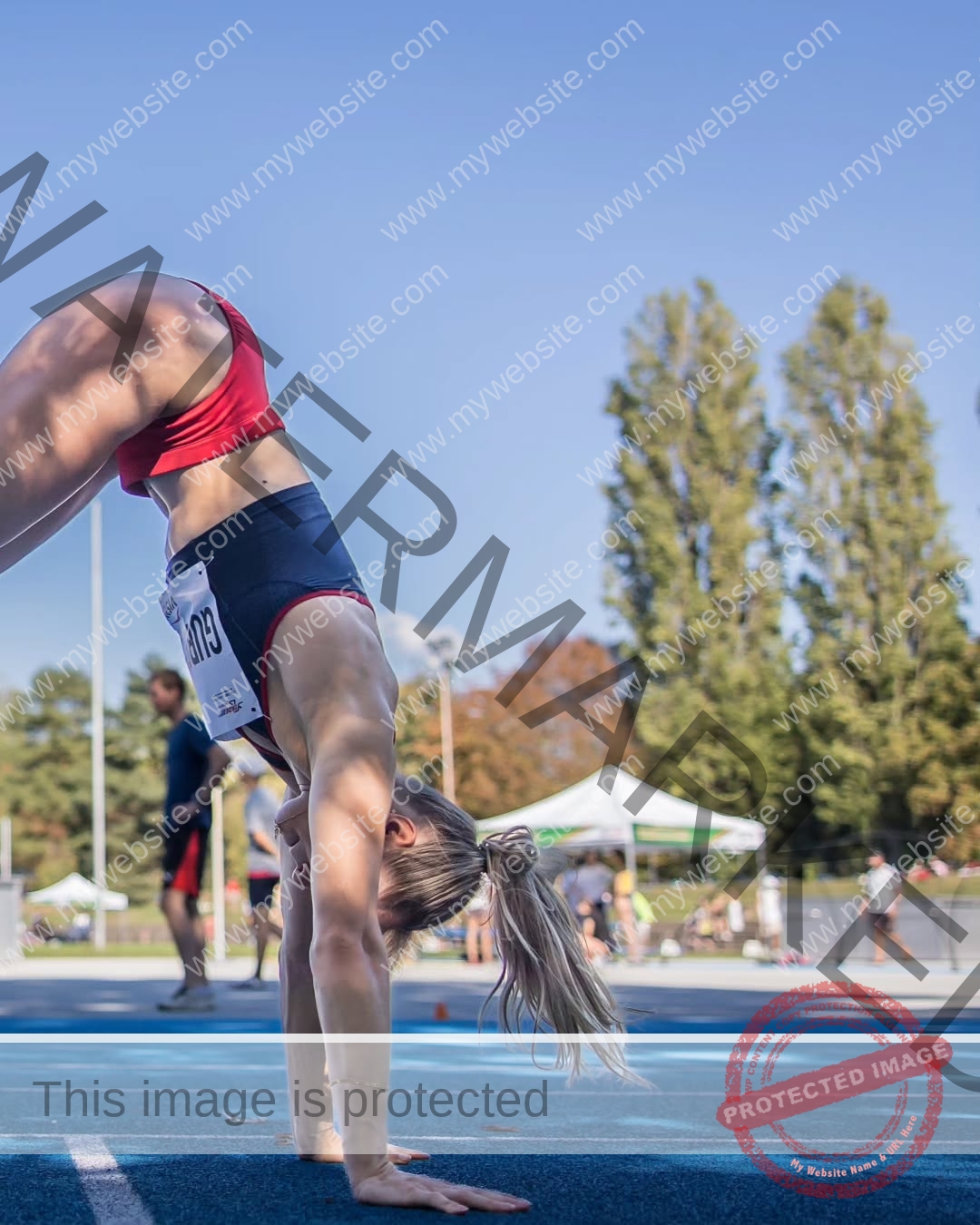
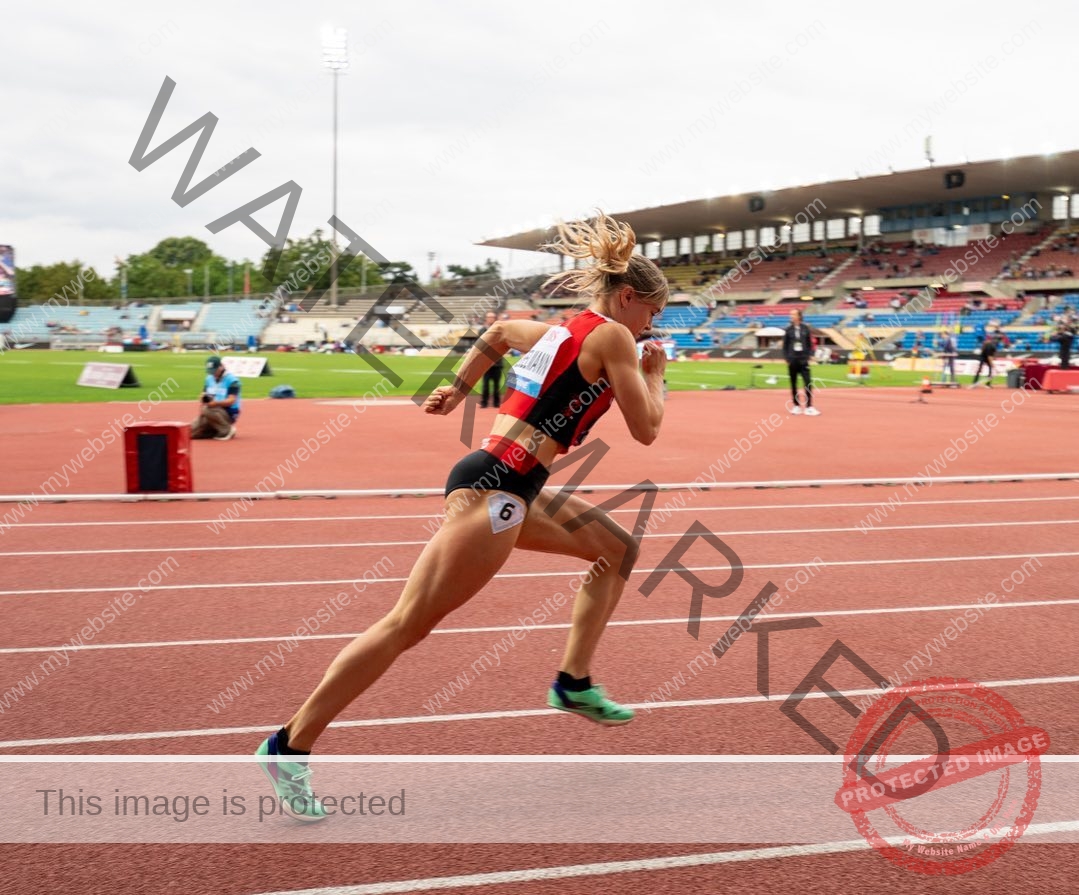
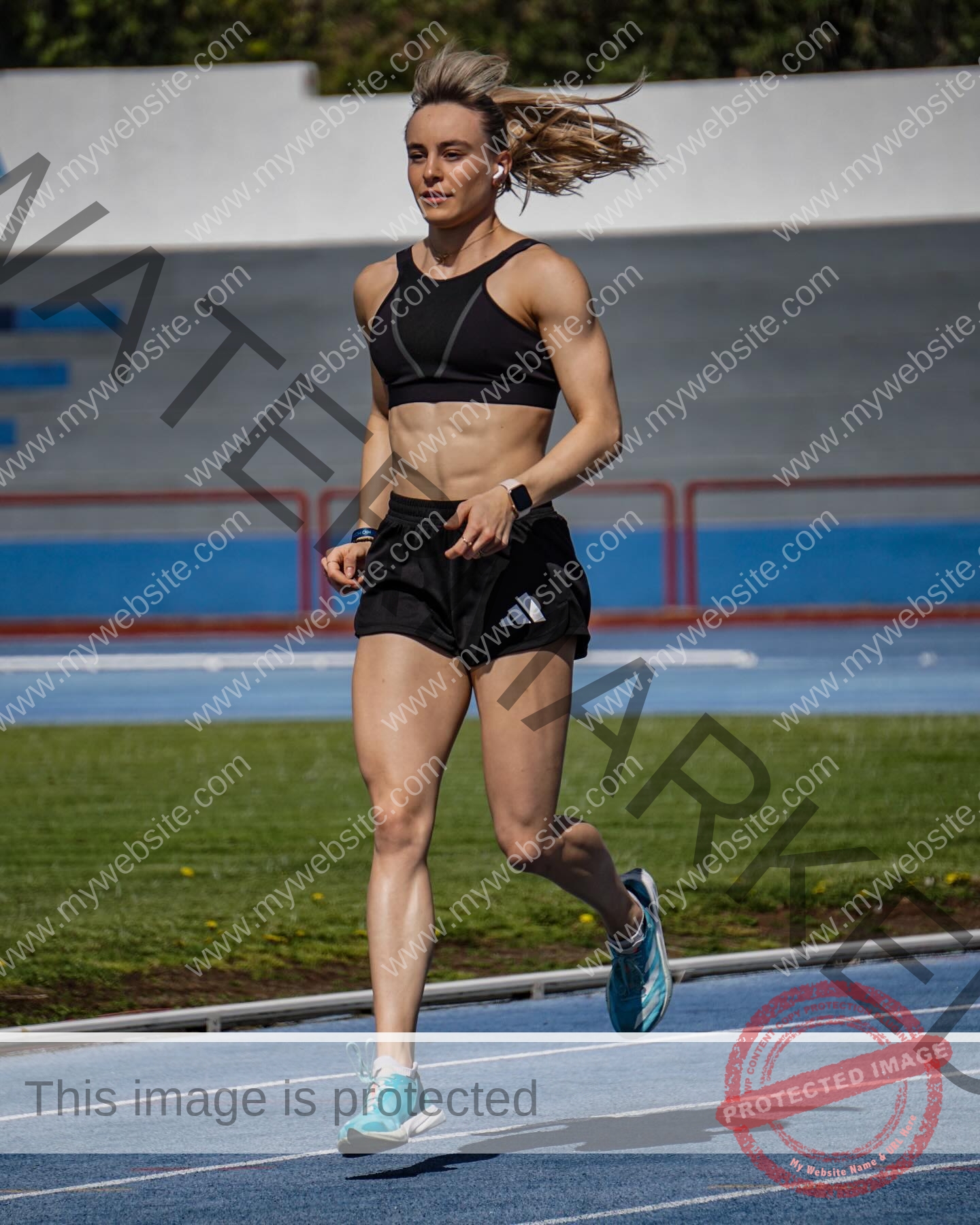
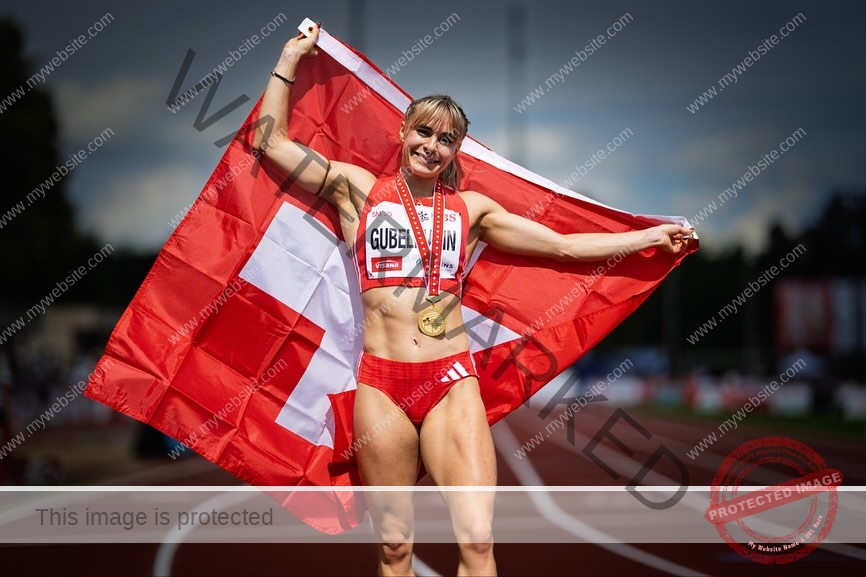
Catia Gubelmann is Switzerland’s national 400-metre champion, both indoors and outdoors. She is a European Under-23 silver medallist, an Olympian, a World Championships competitor, and one of the more compelling figures in Swiss athletics today. She is also someone who has spoken with unusual openness about an ADHD diagnosis that came only after a personal crisis — and who has turned that openness into a source of strength, both for herself and for others.
Background: Uster, Zürich, and a Sporting Family
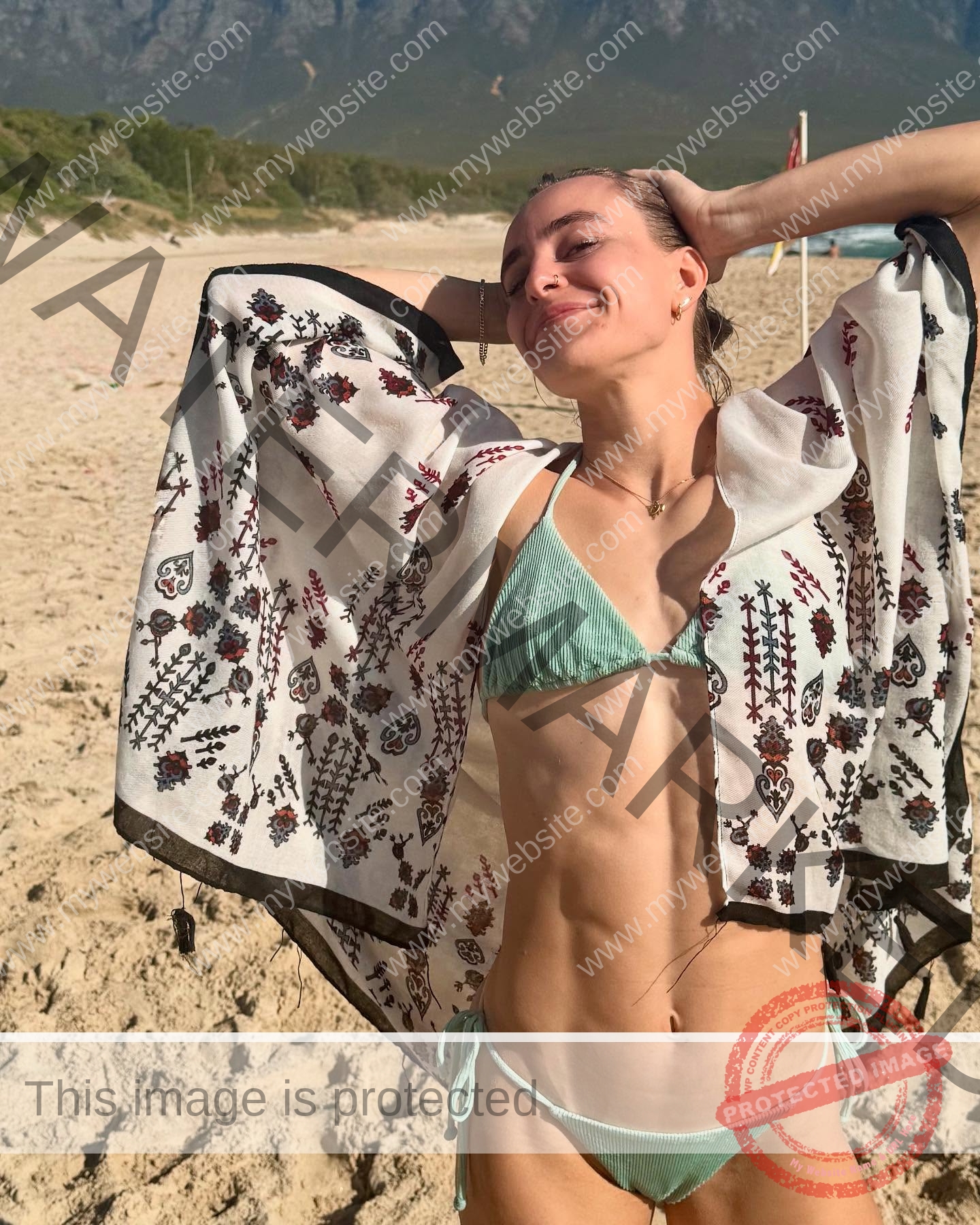
Catia Gubelmann was born on 23 August 2001 and grew up in the Zurich metropolitan area, closely associated with the town of Uster — the Zürcher Oberland community northeast of Zurich that would later award her its annual Sports Prize. She lives in Zurich and has described herself in press materials as a “busy bee,” a self-characterisation that anyone who has followed her career will find apt.
Her father, Dr. Hanspeter Gubelmann, is one of Switzerland’s most prominent sports psychologists — a Fachpsychologe für Sportpsychologie with more than 30 years of experience working with elite athletes across dozens of sports, internationally known for his long collaboration with Olympic ski jumping champion Simon Ammann among many others. Growing up with a father who has spent his career understanding the mental dimensions of high performance gave Catia an unusual vantage point on both the opportunities and the pressures of elite sport. It also, as events would later show, provided her with a crucial source of support at a critical moment.
Sport entered her life early. She first joined TV Uster, the local sports club, where her athletic gifts quickly became evident. She transitioned to LC Uster, where she trained in a mixed-gender, mixed-age technical group that she found welcoming and productive — until she wanted a more targeted development environment.
The Heptathlon Years and the Move to Manuel Evangelista
The decision that would eventually shape her career came when she joined the newly-formed multi-events group under coach Manuel Evangelista at TV Unterstrass in Zurich, later competing under the club name LAC TV Unterstrass. The group was populated by young, ambitious female athletes of a similar age — an environment that, by her own account, suited her well. Evangelista became not just her technical coach but a pivotal figure in her personal story.
In her early years at TV Unterstrass, Catia competed primarily in the heptathlon — the seven-discipline combined event that demands technical proficiency in hurdles, high jump, shot put, 200 metres, long jump, javelin, and 800 metres. She placed seventh at the Swiss Under-20 Championships in the heptathlon, and her European Athletics historical profile shows periods when she was ranked in the heptathlon as well as the 200 metres, long jump, and 100 metres hurdles. The multi-event background gave her a physical foundation — versatile strength, a range of technical skills, and the psychological stamina that comes from competing across an entire day — that has served her well as she has narrowed her focus.
As a teenager, she wrote her school essay about the 100 metres start, describing herself in lane four, feeling the adrenaline, and crossing the finish line with a longer “braking distance” than the others — she notes she never wanted to stop. The writing is that of a young athlete already deeply introspective about what happens in her body and mind during competition.
Her early 100-metre personal best stood at 12.62 seconds, and her 200-metre mark was 25.65 seconds, marks logged while she was also competing in the heptathlon disciplines. She won the Ostschweizer (East Swiss) U18 Championships over 200 metres. Her trajectory was clear enough that she was also recovering from a knee ligament injury, with reports from 2019 noting she was working to improve on those sprint times after returning to health.
The Crisis and the Diagnosis
To understand Catia Gubelmann’s athletic story, you need to understand what happened three months before her Matura — the Swiss school-leaving examination equivalent to the Abitur. She suffered a breakdown and attempted suicide. She was hospitalised in a psychiatric facility.
She has spoken about this publicly and with remarkable candour, because she believes it is important. The experience in the psychiatric ward was deeply difficult — a hospital environment that, as she has put it, is no place for someone whose relationship with movement is as fundamental as breathing. She was initially given a diagnosis of borderline personality disorder, a label that didn’t fit and that her father and coach refused to accept uncritically.
It was Evangelista — her coach, who has two daughters of his own, one with ADHD and one with attention deficit syndrome — who recognised something different in her behaviour. He had seen it for years: the emotional volatility when things went wrong in training, the impulsivity, the concentration difficulties, the struggle with the complex technical sequences of the heptathlon disciplines. He pushed for a re-evaluation. He even accompanied her to the psychologist who conducted the formal assessment. The result was a correct diagnosis: Attention Deficit Hyperactivity Disorder.
The relief was immediate and profound. Not because the diagnosis changed her, but because it explained her — the childhood difficulty forming close friendships, the reading struggles she had masked with elaborate workarounds (she famously borrowed audiobooks from the library when her class was assigned novels, memorised the texts, and read aloud in class from memory, until the day she kept reading past the end of a page she had not turned), the frustration that sometimes expressed itself physically in training, the lifelong sense of being somehow different from her peers without understanding why.
She began a course of behavioural therapy and started taking Ritalin. The transformation was significant. She describes it with an image: competing without medication was like trying to run a high jump approach while crowds of strangers walked through your runway. With Ritalin, the runway was clear. For the first time, she had an unobstructed path to her own potential.
The medication requires a Therapeutic Use Exemption (TUE) for competition, since methylphenidate is a prohibited stimulant in sport without such approval. She obtained hers approximately six months after her diagnosis. And she went public — becoming, by her own account, the first Swiss athlete to speak openly about an ADHD diagnosis. The response was extraordinary: more than 100 athletes wrote to her after the first article was published, some already diagnosed, some recognising themselves for the first time. The diagnosis, she has said, was not a limitation to be managed but an explanation that made her whole life more legible.
Her Instagram bio still carries the note: “busy bee with ADHD.”
The Pivot to 400 Metres and the 2023 Breakthrough
Around 2022 and into 2023, Catia and her coaching team made a deliberate decision to shift focus from the heptathlon to the 400 metres — and specifically to the individual quarter lap. The reasoning was partly physical (at a reported height that her club describes with characteristic Swiss understatement as simply requiring discussion about event suitability), partly tactical, and partly a reflection of where her talent most clearly shone.
The decision paid off almost immediately. The 2023 season was the one that announced her to the Swiss athletics public. Competing for LAC TV Unterstrass at the Swiss Championships in Bellinzona, she entered the 400-metre final as one of the medal contenders, backed by the strong marks she had posted across the summer. She delivered.
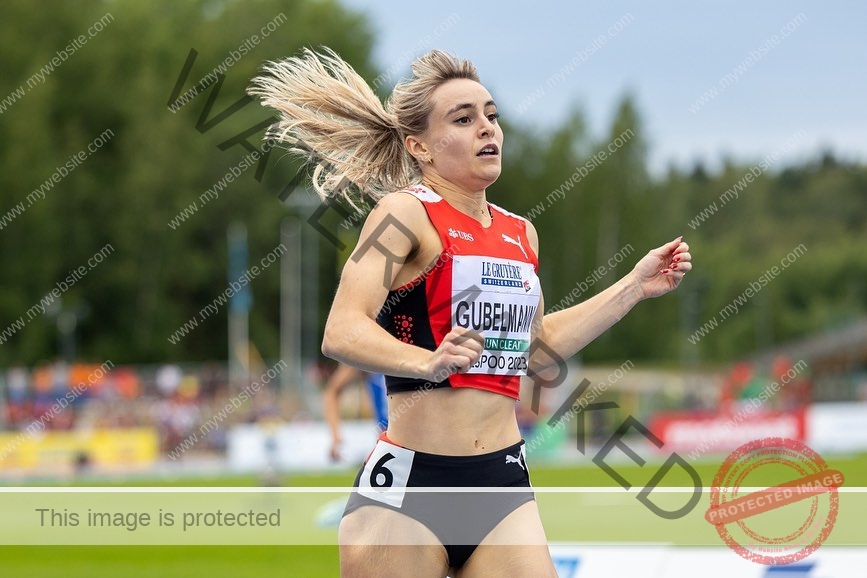
But it was the international stage that provided the season’s centrepiece. Selected to represent Switzerland at the European Athletics Under-23 Championships in Espoo, Finland, she competed in both the individual 400 metres and the 4×400-metre relay. In the individual event, she ran 53.13 seconds in the semifinal — a competitive result in a deep field — but it was as anchor of the Swiss relay team that the moment of her career to that point arrived.
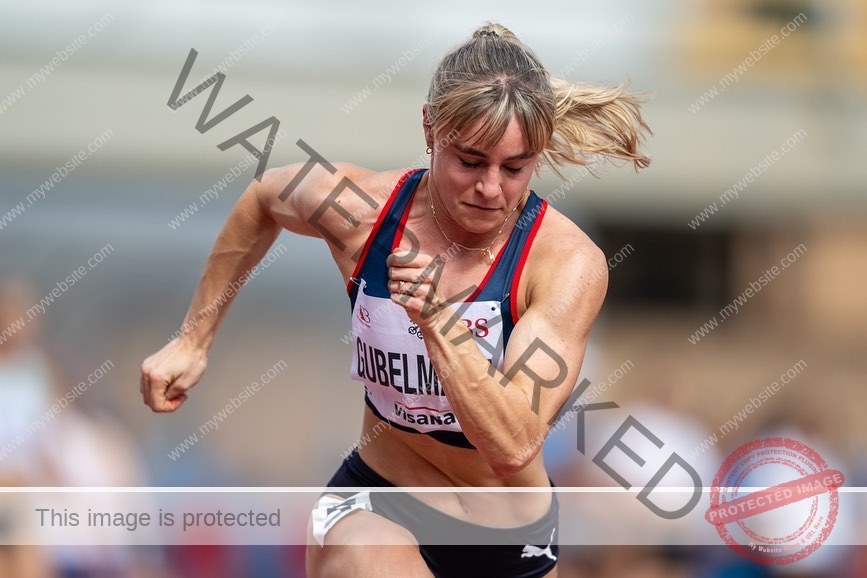
The 4×400-metre relay final was a race of lead changes and tactical running. Switzerland came to the fore with a strong 51.58-second split from Giulia Senn in the third leg. Then it was Catia’s turn. Running the anchor, she surged past Poland entering the home straight and held the lead as France, Spain, Poland, and Norway came hard behind. France’s Louise Maraval, the 400-metre hurdles silver medallist, produced a devastating 50.61-second anchor leg and timed her finish perfectly. At the line, it was the French by two hundredths of a second. Switzerland took silver in 3:30.62.
Two hundredths. Catia Gubelmann had been in front with the gold in sight. She held on for silver. The natural reaction was mixed — and she didn’t try to hide it. “The emotions were still with me,” she said a few days later, ahead of the Swiss Championships. But she had made her peace: “The joy clearly outweighs everything now. I won silver and didn’t lose gold.” That reframing — silver won rather than gold lost — is the kind of mental clarity that training in a household shaped by sport psychology tends to produce.
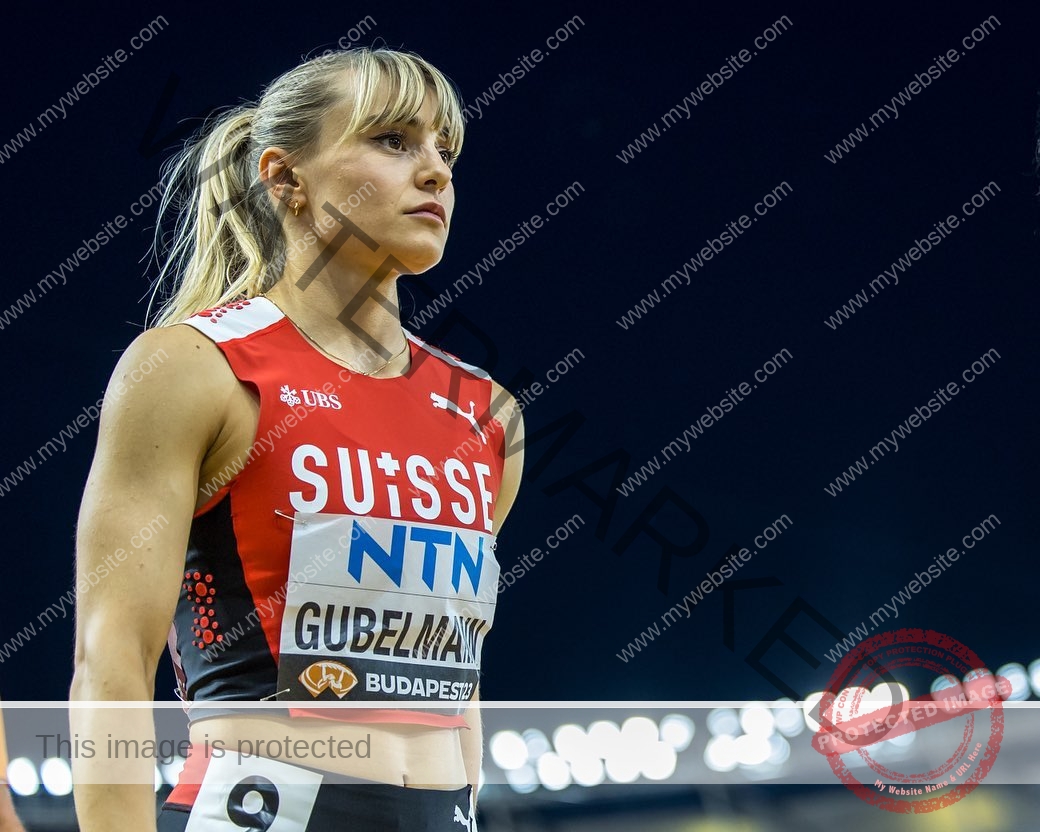
The same summer, she ran her individual 400-metre PB of 52.51 seconds in the Espoo semifinal — confirming that the event transition was producing rapid improvement. She went on to compete with the Swiss 4×400 relay team at the World Athletics Championships in Budapest, where the squad was eliminated in the heats with a time of 2:39.07. The global stage was new, the experience valuable.
For her 2023 performances, the city of Uster later awarded her its Sports Prize — a recognition worth 10,000 Swiss francs — honouring a daughter of the region who had made it to the national team and the world championship stage in a single remarkable summer.
2024: Paris and Growing Stature
The 2024 season brought more international experience and the closest thing yet to an Olympic moment. Catia was selected to represent Switzerland at the World Athletics Relays in Nassau, Bahamas in May 2024, competing in the women’s 4×400 relay — a significant stepping stone in the relay’s development and qualification process for Paris.
When the Swiss Olympic team for Paris 2024 was assembled, Catia was initially named as one of the candidates for the final relay spots, which were decided after a late-July selection meet. She was selected as a relay squad member, travelled to Paris with the Swiss athletics delegation — which was the largest Switzerland had sent to a Summer Olympics since the 1984 Los Angeles Games — and was part of the support structure for the women’s 4×400 team. The experience of being inside an Olympic Games, however one arrives there, is formative, and her inclusion in the Paris delegation, even in a reserve capacity, reflected the standing she had earned.
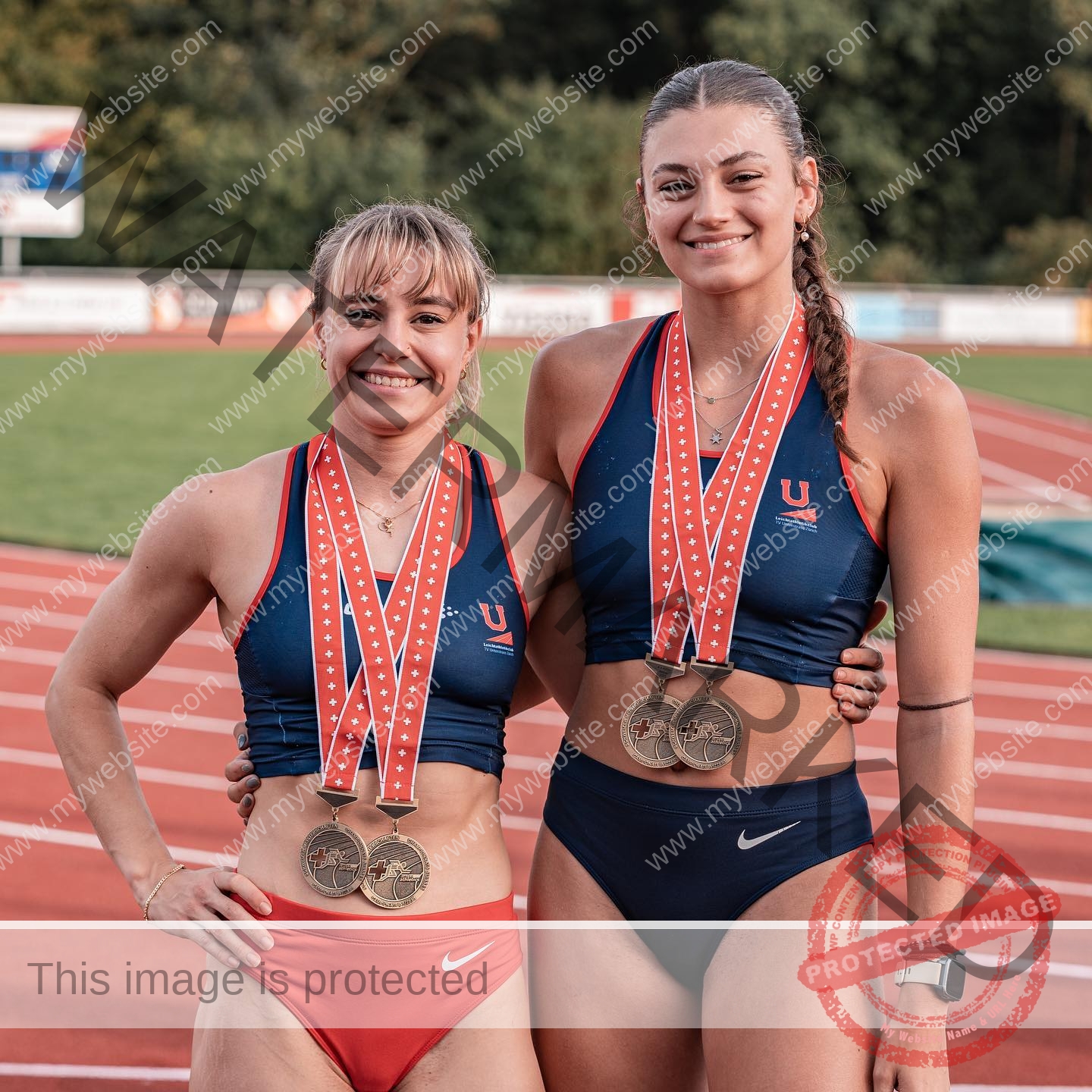
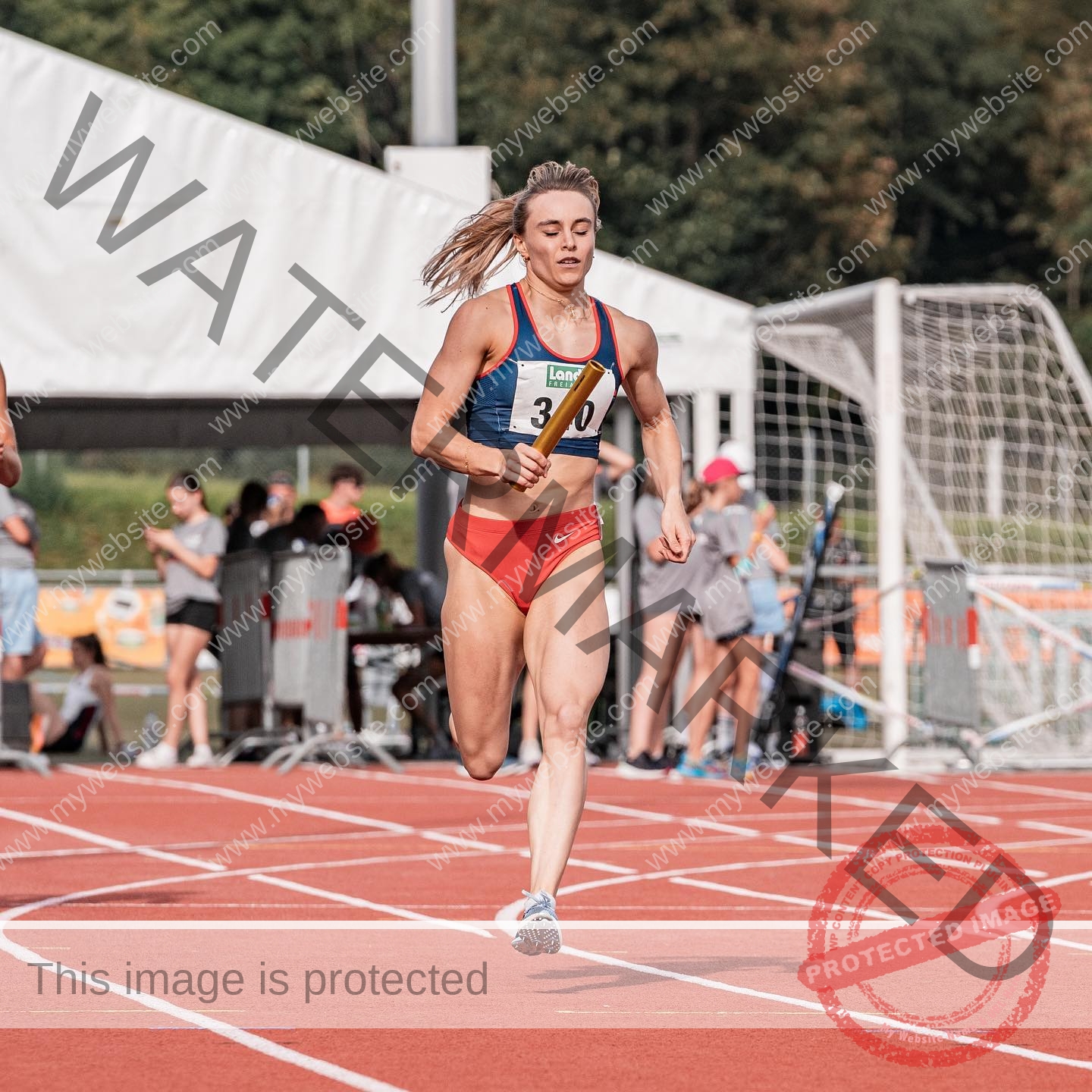
She also won the Swiss national relay title in the mixed 4×400 relay in 2024, anchoring a LAC TV Unterstrass squad that took the championship by a clear margin.
2025: National Champion, Twice
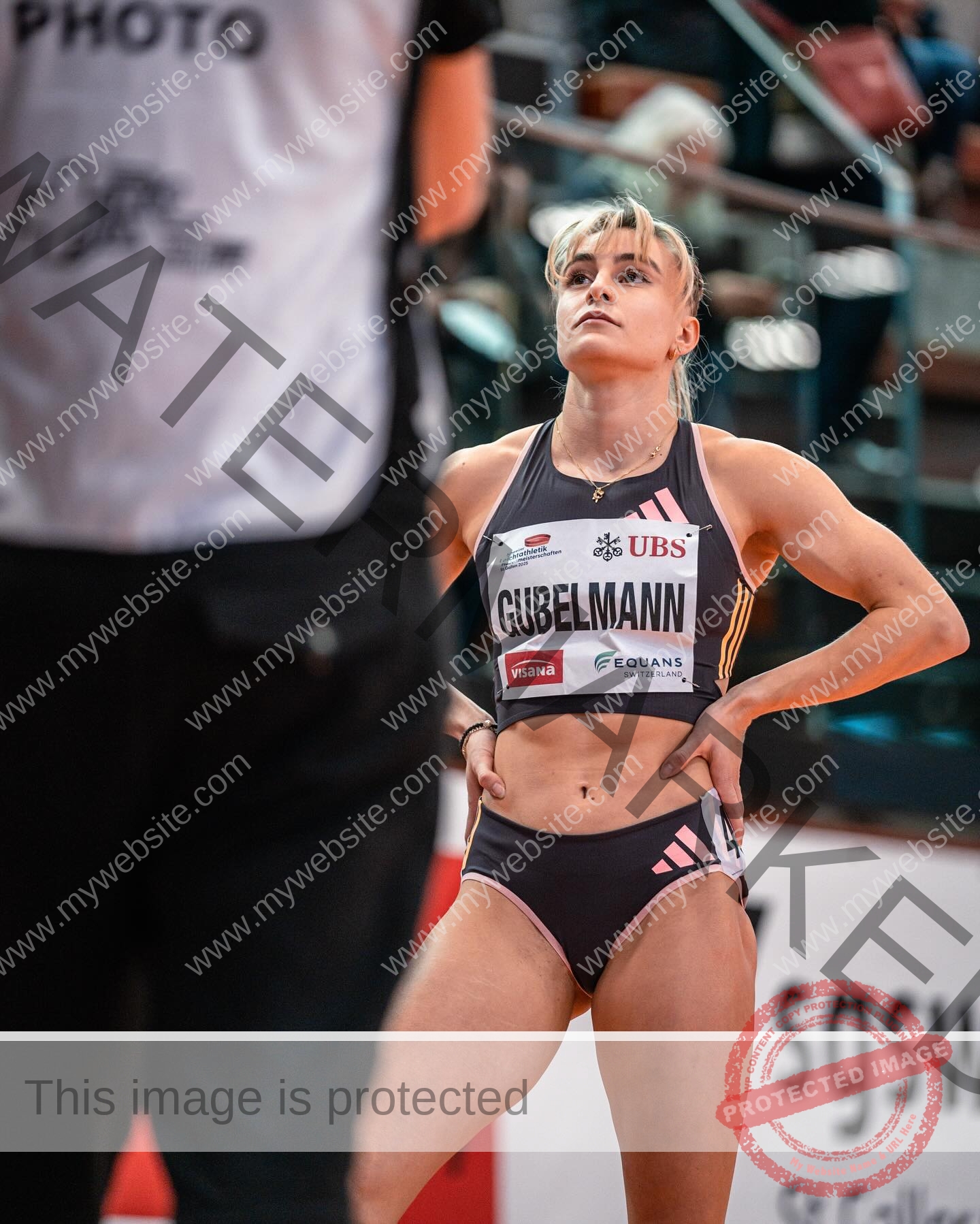
The 2025 season was the one in which Catia Gubelmann formally claimed the top position in Swiss women’s 400-metre running. In February 2025, at the Swiss Indoor Athletics Championships in St. Gallen, she won the 400-metre indoor title with a time of 52.94 seconds — her first gold at a Swiss national championship. The margin was 0.30 seconds over second place, and her club, LAC TV Unterstrass, celebrated the result warmly. She had entered the A-final having qualified comfortably, and she delivered with authority.
In the same indoor season, she posted a personal best of 52.92 seconds in the short-track 400 metres — the indoor measurement — on 8 February 2025, a mark that ranks as one of her best performances through the indoor calendar.
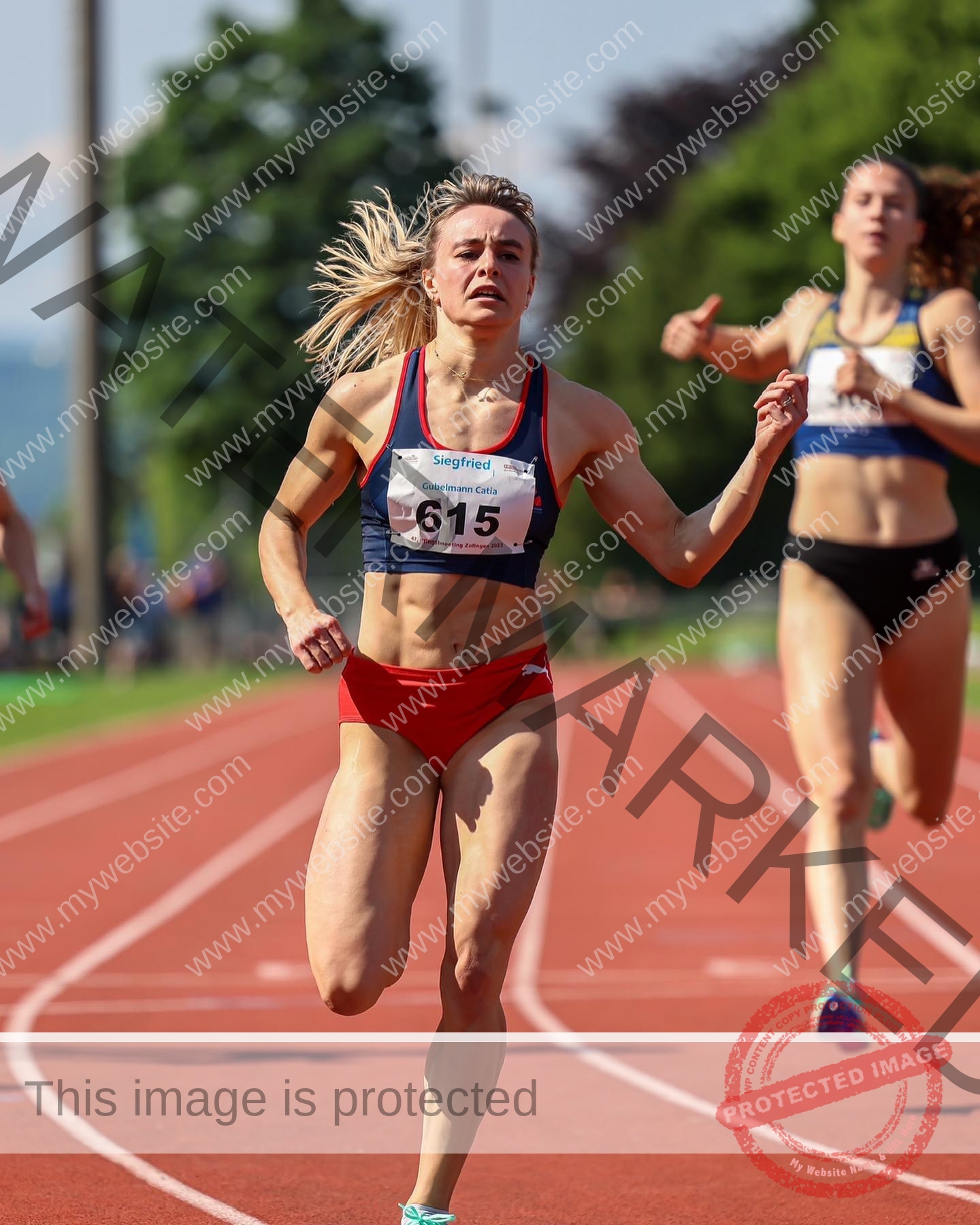
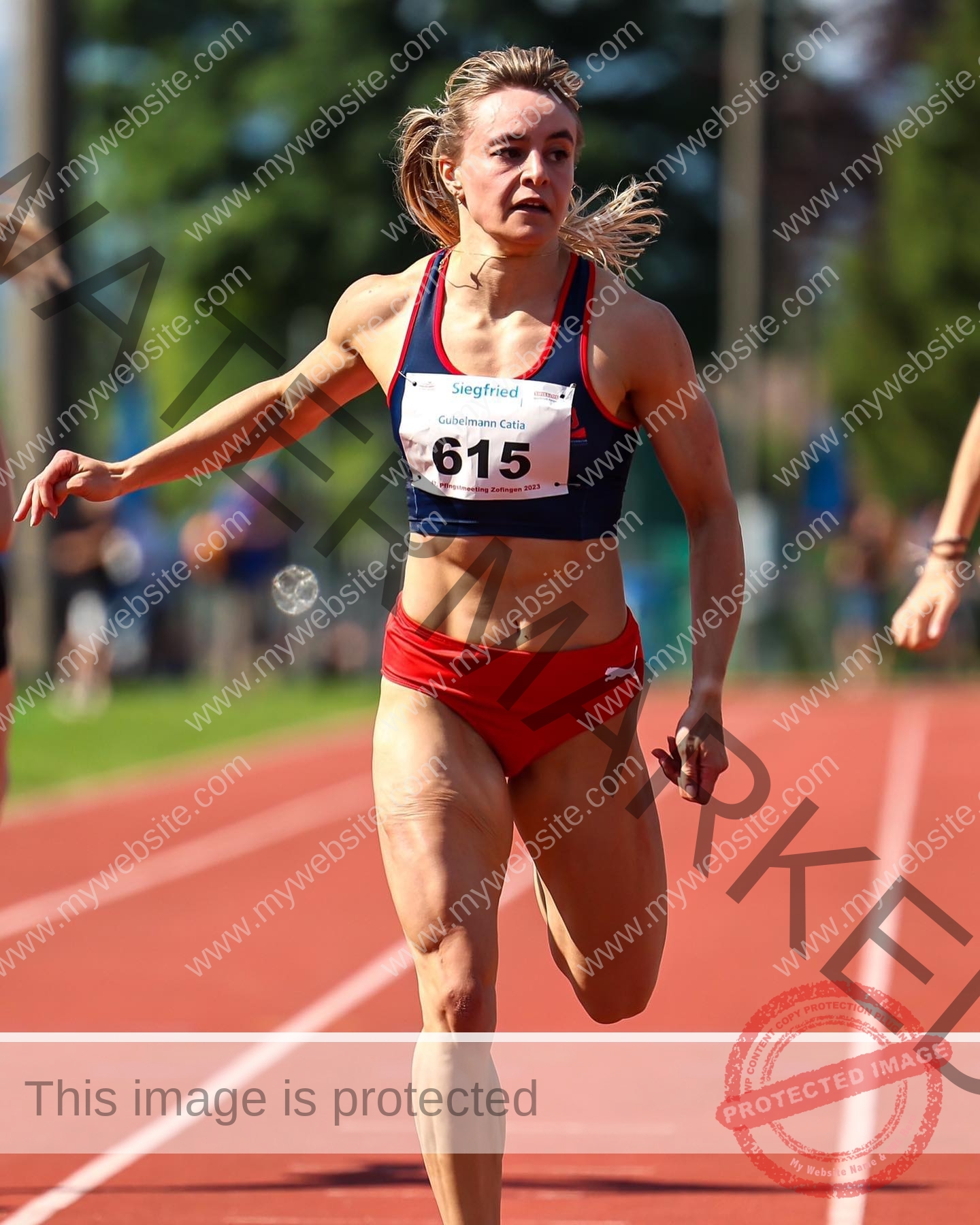
The outdoor season of 2025 brought the landmark she had been building toward. On 29 May 2025 at the Stadion Hard in Langenthal, Catia set a new personal best of 52.02 seconds — her fastest time over 400 metres and the mark that stands as her official outdoor PB. She won the Swiss outdoor national championships that summer as well, completing the domestic double of indoor and outdoor titles in the same calendar year. It was a result that confirmed her as the leading Swiss 400-metre runner of her generation.
Internationally, 2025 was also active. At the European Athletics Team Championships First Division in Madrid, she ran 52.15 seconds to take second place in the B-final of the 400 metres, and competed in the mixed relay. In July, she represented Switzerland at the FISU World University Games in Bochum, Germany, where she reached the 400-metre final and placed sixth with a time of 52.83 seconds — having run 52.68 in her heat and 52.44 in her semifinal, showing the capacity to run fast repeatedly across a multi-day competition.
The season culminated at the World Athletics Championships in Tokyo in September 2025, where she ran as part of the Swiss women’s 4×400 relay squad. The team ran 3:27.46 — a performance that stands as her 4×400 relay personal best — but just missed the final. The standard at a world championship relay final is exceptionally high, and the gap to the qualifying marks reflected the level Switzerland is approaching rather than a ceiling it has hit.
Personal Bests and World Standing
As of early 2026, Catia Gubelmann’s personal bests stand at 52.02 seconds in the outdoor 400 metres (Langenthal, 29 May 2025) and 52.92 seconds in the indoor 400 metres (February 2025). Her 4×400 relay personal best of 3:27.46 was set at the Tokyo World Championships in September 2025. Her 200-metre best of 23.72 seconds dates to May 2023. She holds the Swiss national titles in both indoor and outdoor 400 metres from 2025.
On the World Athletics rankings, she currently sits at #102 in the world in the women’s 400 metres — a figure that tells you something real about where Swiss women’s sprinting sits in the global picture, and where she specifically stands within it. The World Athletics scoring system gives her 400-metre PB a score of 1126, reflecting a performance level that is competitive on the European circuit and approaching the kind of marks that bring athletes into contention for World Championships finals participation.
Club, Coach, and Academic Life
Catia competes for LAC TV Unterstrass, the Zurich-based athletics club she joined when she moved into Manuel Evangelista’s multi-events group. Her coach, Evangelista, has been central to her development across the full arc of her career — both the technical evolution and, crucially, the personal journey around her ADHD diagnosis. His willingness to question an initial diagnosis, to do his own reading, and to advocate for a proper assessment reflects a level of athlete-centred coaching that goes well beyond technique.
She is a student at the Fernfachhochschule Schweiz (the Swiss Distance University of Applied Sciences), studying business economics and sports management. The combination of elite athletics and distance-learning university study is demanding for anyone; for an athlete with ADHD who has had to develop sophisticated strategies for managing concentration and workload, it is an achievement that deserves acknowledgment alongside her track results.
Advocacy, ADHD, and Public Voice
Catia Gubelmann has been, by her own deliberate choice, the most public Swiss athlete on the topic of ADHD in sport. She was the first, she notes, to speak openly about her diagnosis in Switzerland, and the response — over 100 messages from athletes across sports after her first public interview — confirmed that the topic was both urgent and underserved. She continues to speak about it in interviews, on her own platform, and through her willingness to be featured on athlete mental health platforms.
Her perspective is nuanced. She does not frame ADHD as something to be overcome or hidden but as a characteristic that, once understood, can be managed and even leveraged. She acknowledges the real challenges — the impulsivity, the difficulty with sustained concentration, the social dimensions, the complex relationship with the TUE process required to compete while taking Ritalin. But she also notes that sport has always been, in her experience, a place where she felt at home. Movement, she has said, was always like therapy for the ADHD, even before the diagnosis gave it that name.
She also speaks to the systemic gaps: coaches and training environments often lack the knowledge to work effectively with athletes who have neurodivergent profiles. She has called for something analogous to academic reasonable adjustment in sport — the kind of accommodation that her university studies allow but that her athletic training has not always provided. These are not abstract critiques but observations drawn from specific experiences, including the challenge of having her personal coach absent from international competition because Swiss Athletics rules limit who can travel with the national squad.
Social Media and Sponsorships
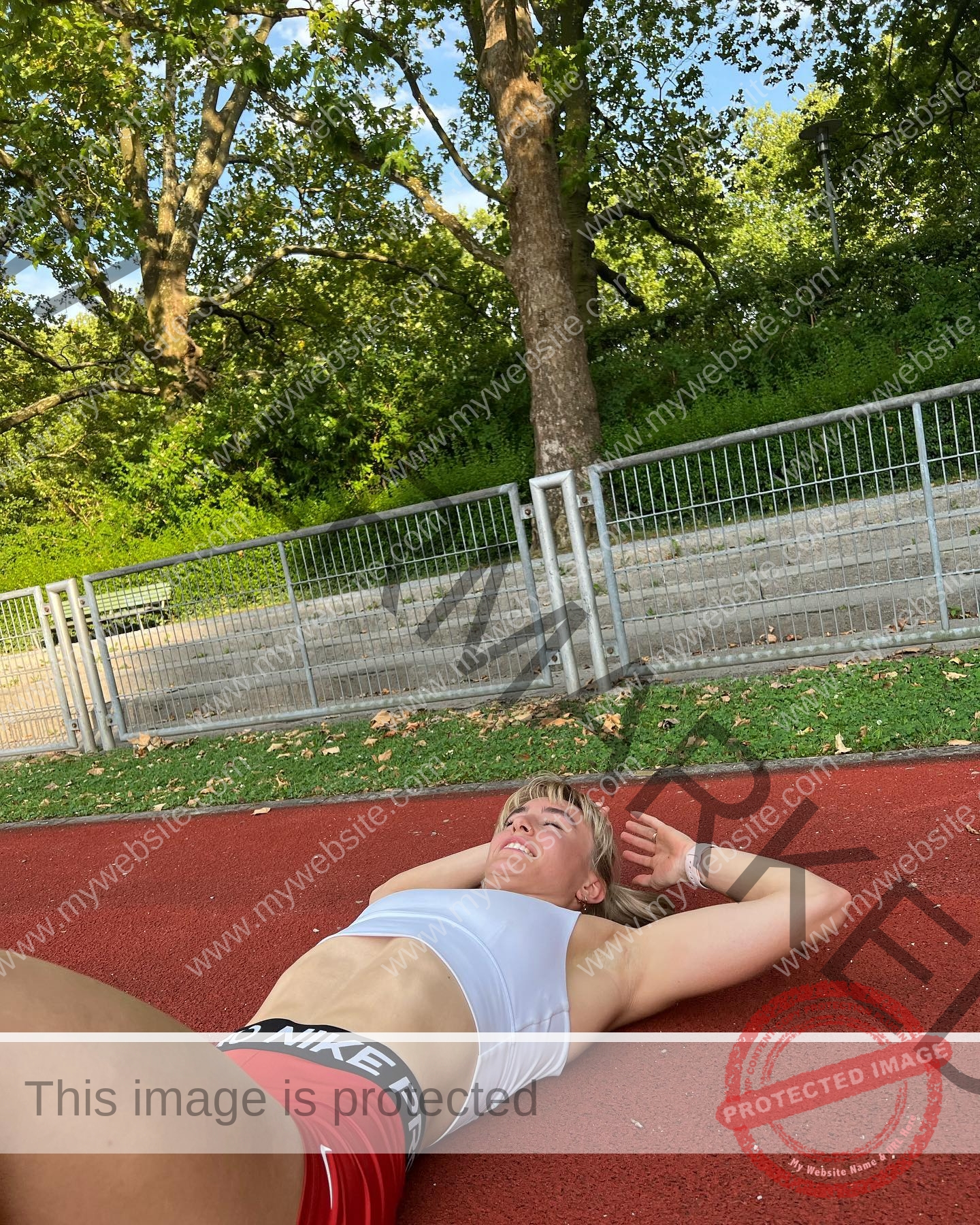
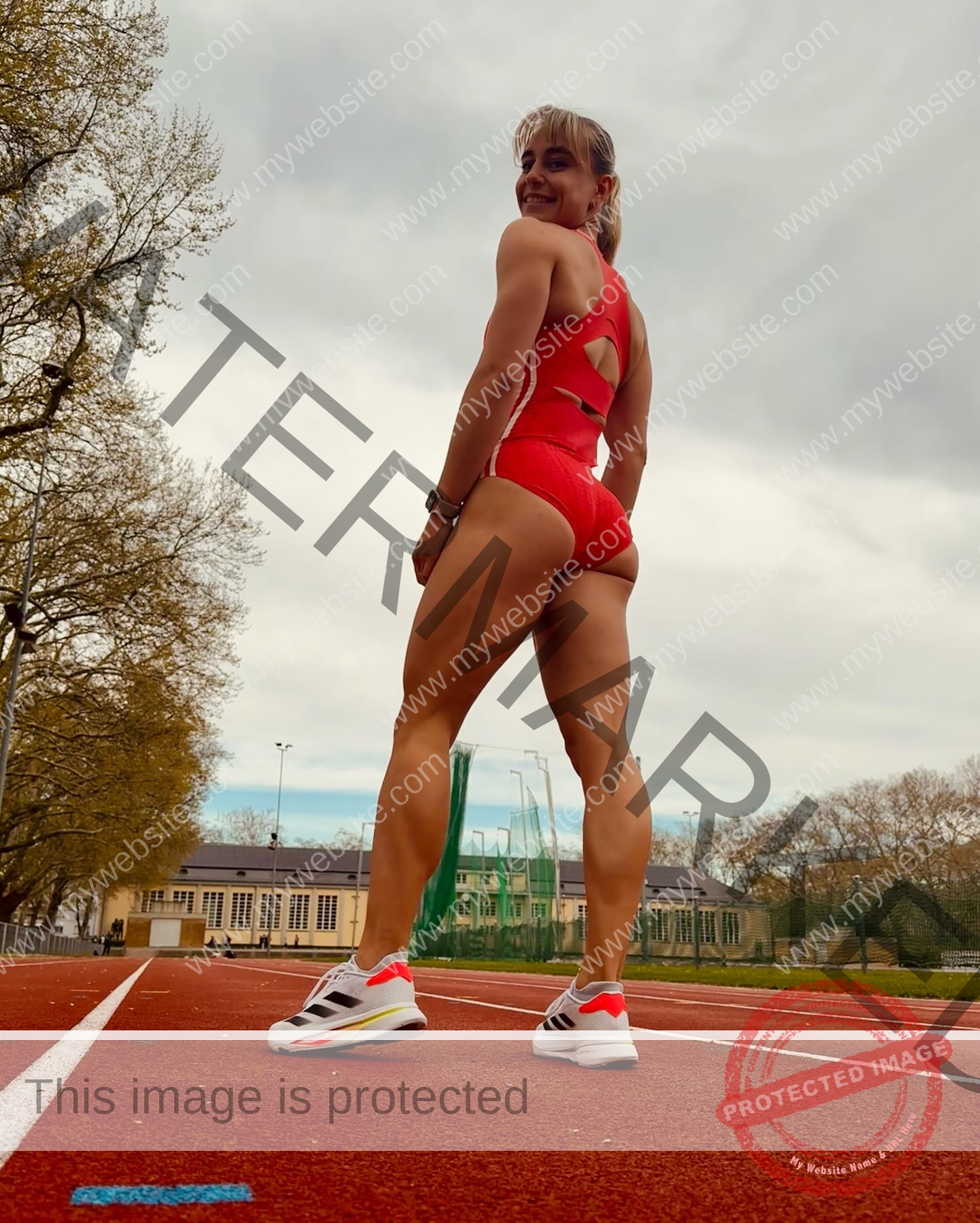
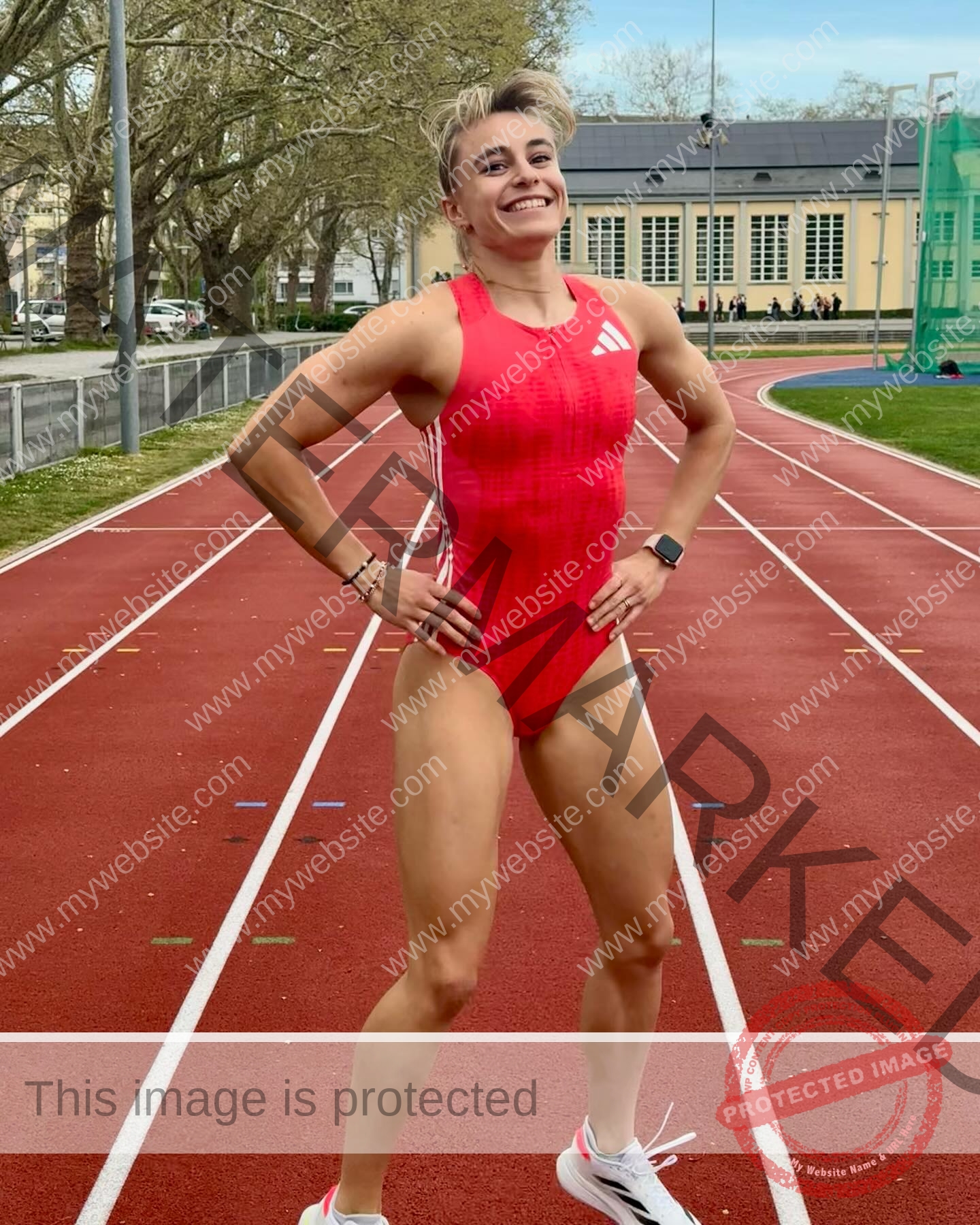
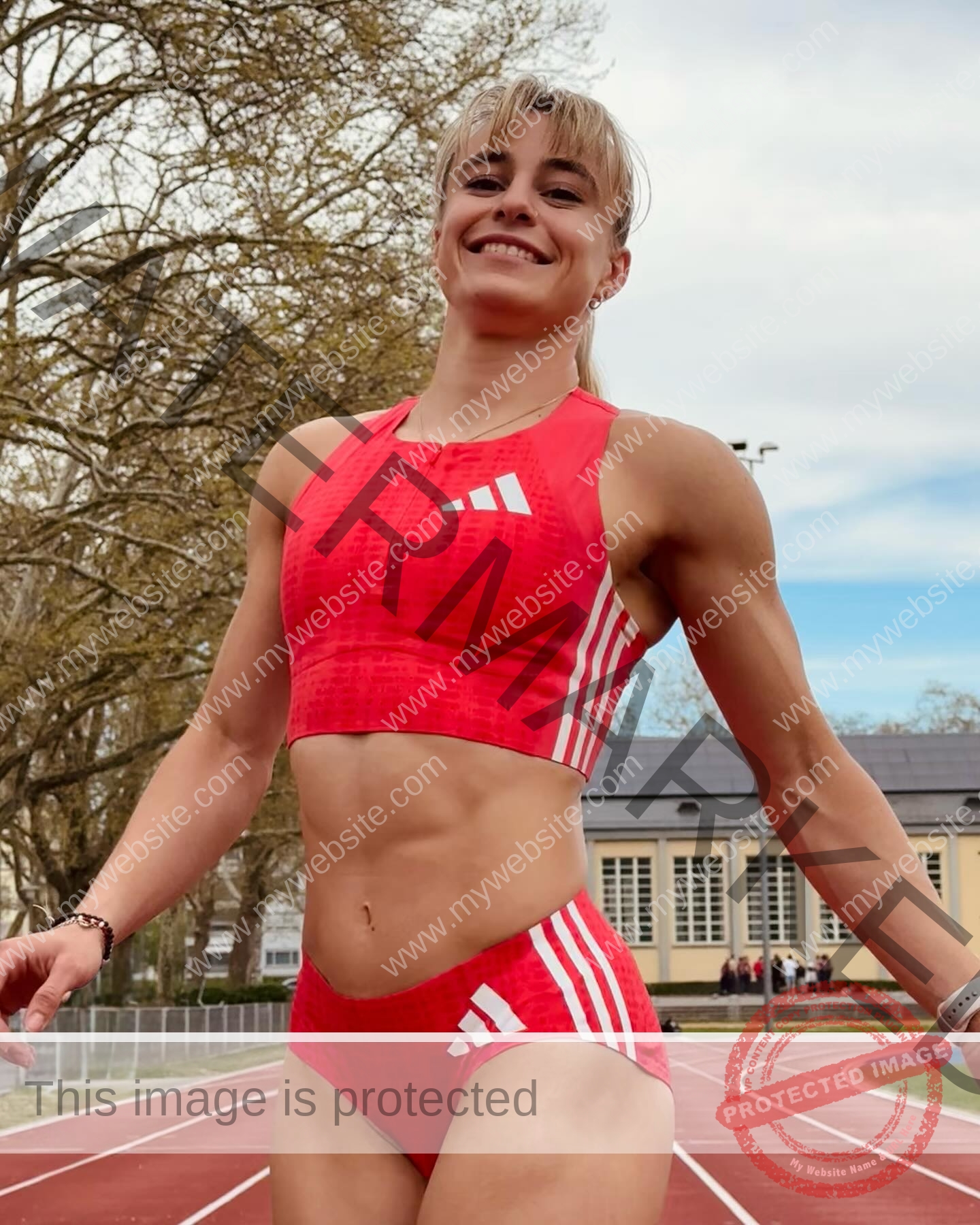
Catia Gubelmann maintains an active presence on Instagram at @catiagubelmann, where she has approximately 3,500 followers and posts across her competitive season, training life, and personal advocacy work. The account reflects her character well — engaged, direct, with a warmth that comes through even in a primarily sports-focused feed. Her Instagram bio identifies her as an Adidas athlete, confirming a sponsorship arrangement with the global sports brand. She also maintains an X (formerly Twitter) account.
She has her own website at catiagubelmann.ch, where she offers speaking engagements, workshops, and interviews — positioning herself as both an athlete and a voice on the topics of mental performance and neurodiversity in sport. The site reflects an entrepreneur’s instinct alongside the competitor’s focus, consistent with her sports management studies.
Her primary confirmed sponsor is Adidas, which she lists on her Instagram profile. As her national and international profile continues to grow, further commercial opportunities would be a natural progression for an athlete with both strong athletic credentials and a distinctive personal story.
Looking Ahead
Catia Gubelmann has stated clearly that her long-term goal is the Olympic Games in Los Angeles in 2028 — and specifically to reach the final there. That ambition requires continued improvement in the 400 metres, likely toward the 51-second range that brings athletes into Olympic semi-final contention, along with the relay performances that have already taken her to a World Championships.
The trajectory she has described is one of steady development rather than overnight transformation. She was seventh in the Swiss Under-20 Heptathlon in one year, a European U23 relay silver medallist the next, Swiss national champion the year after that, and now a World Championships competitor and double national titleholder. The pace of improvement is real and sustained.
Her public goals for the intervening seasons include the World Athletics Championships in Tokyo (already achieved with the relay in 2025) and continued development through the European circuit. The roadmap to Los Angeles 2028 is clear enough — more consistent sub-52 performances, more relay experience at major championships, continued development under Evangelista’s coaching.
What makes Catia Gubelmann’s story worth following is not just the times or the titles. It is the particular quality of her journey — from a multi-event club athlete in Zurich who struggled to be understood, through a crisis that could have ended everything, to a national champion who runs for Switzerland at World Championships and speaks openly about her ADHD to anyone who needs to hear it. She has said that the diagnosis was a journey to knowing herself. The results suggest the journey is far from over.
Personal bests (as of April 2026): 400m — 52.02 (Langenthal, 29 May 2025); 400m indoor — 52.92 (February 2025); 4x400m relay — 3:27.46 (Tokyo, September 2025); 200m — 23.72 (May 2023). Club: LAC TV Unterstrass, Zurich. Coach: Manuel Evangelista. World ranking: #102 (400m). Born: 23 August 2001, Switzerland. Honours: Swiss National Champion (outdoor 400m, 2025; indoor 400m, 2025); European U23 Championships 4x400m relay silver (2023); Uster Stadtpreis (Sports Prize), 2024. Sponsorship: Adidas.
