













Sarah Schwarz: Perth’s Comeback Sprinter Who’s Rewriting Her Own Story
Every now and then a story emerges from the world of athletics that has almost nothing to do with trophies and qualifying standards, and everything to do with what makes sport worth watching in the first place. Sarah Schwarz is one of those stories. A Perth-based sprinter competing in the 100 meters and 200 meters, Schwarz walked away from the track at 16 and spent a decade building a professional life and a pair of university degrees — before deciding, in January 2024, that she had one more chapter left to write on the track. In just over two years since that decision, she has rebuilt herself from scratch, dropped nearly a full second off her 100-meter time, earned an official World Athletics ranking for Australia, and accumulated a social media following of more than 177,000 people who, it turns out, were waiting for exactly this kind of story.
Born and Raised in Perth, Western Australia
Sarah Schwarz was born on July 22, 1997, in Perth, Western Australia, making her 28 years old as of 2026. While specific details about her early upbringing are not exhaustively documented, the texture of her childhood comes through in small details she’s shared publicly: her mother’s Filipino cooking — fried chicken and rice that she describes as her ultimate comfort food — suggests a multicultural family background in a city that is one of the most geographically isolated major urban centers on earth, yet home to a diverse and tightly-knit community.
Perth’s athletics community, organized under Athletics West, has a long tradition of developing sprint talent in the Australian system, and it is within that ecosystem that a young Sarah first discovered a love for sprinting. The specifics of how and when she first laced up spikes are not publicly known, but what is clear is that by her mid-teens she was competitive enough to be actively involved in organized athletics — and good enough that stepping away from it represented a genuine sacrifice.
Walking Away: A Decision at 16
At 16 years old, approaching Year 12 — the final, high-stakes year of secondary education in Australia — Sarah made the decision that many young athletes face and few openly talk about: she chose her studies over her sport. The HSC-equivalent pressure of Year 12 in Western Australia is real and consequential, and Sarah prioritized her academic future. She stepped away from athletics entirely.
It was a decision that, by her own later admission, took on more weight with every passing year. The sport she loved receded into memory, replaced first by the demands of university and then by the rhythms of full-time professional life. But the pull never fully disappeared. As she would later explain in her own words, she always thought about getting back into it — but the more time passed, the more barriers she constructed in her own mind. What had started as a reasonable decision at 16 gradually accumulated the psychological weight of an unfinished story.
University and Career: Building a Foundation
After completing secondary school, Sarah enrolled at university and pursued a genuinely demanding academic path. She earned a Bachelor of Science in Sport Science — a degree that, for someone with her athletic background, was both a natural fit and a rigorous intellectual challenge — and then continued to a postgraduate qualification, completing a Master of Exercise Physiology. That combination represents years of dedicated study in the science of human movement, training adaptation, and sports performance.
The Master of Exercise Physiology in particular is a clinically oriented qualification in Australia, typically involving both research coursework and practical clinical placement, preparing graduates to work with athletes and patients on rehabilitation, performance optimization, and exercise prescription. The irony of spending years studying the physiology of athletic performance while not competing herself is not lost on Sarah, and it contributes to one of the most distinctive dimensions of her story: when she did return to sprinting, she brought with her a deep scientific understanding of what her body was doing and why.
After completing her degrees, she moved into full-time employment — what she affectionately refers to in her public persona as the “9-5” or “corporate gal” life. The combination of graduate-level qualifications and professional employment in a field adjacent to exercise science gave her a stable platform, but also, as the years accumulated, a growing sense that something was missing. The track beckoned.
The Comeback: January 2024
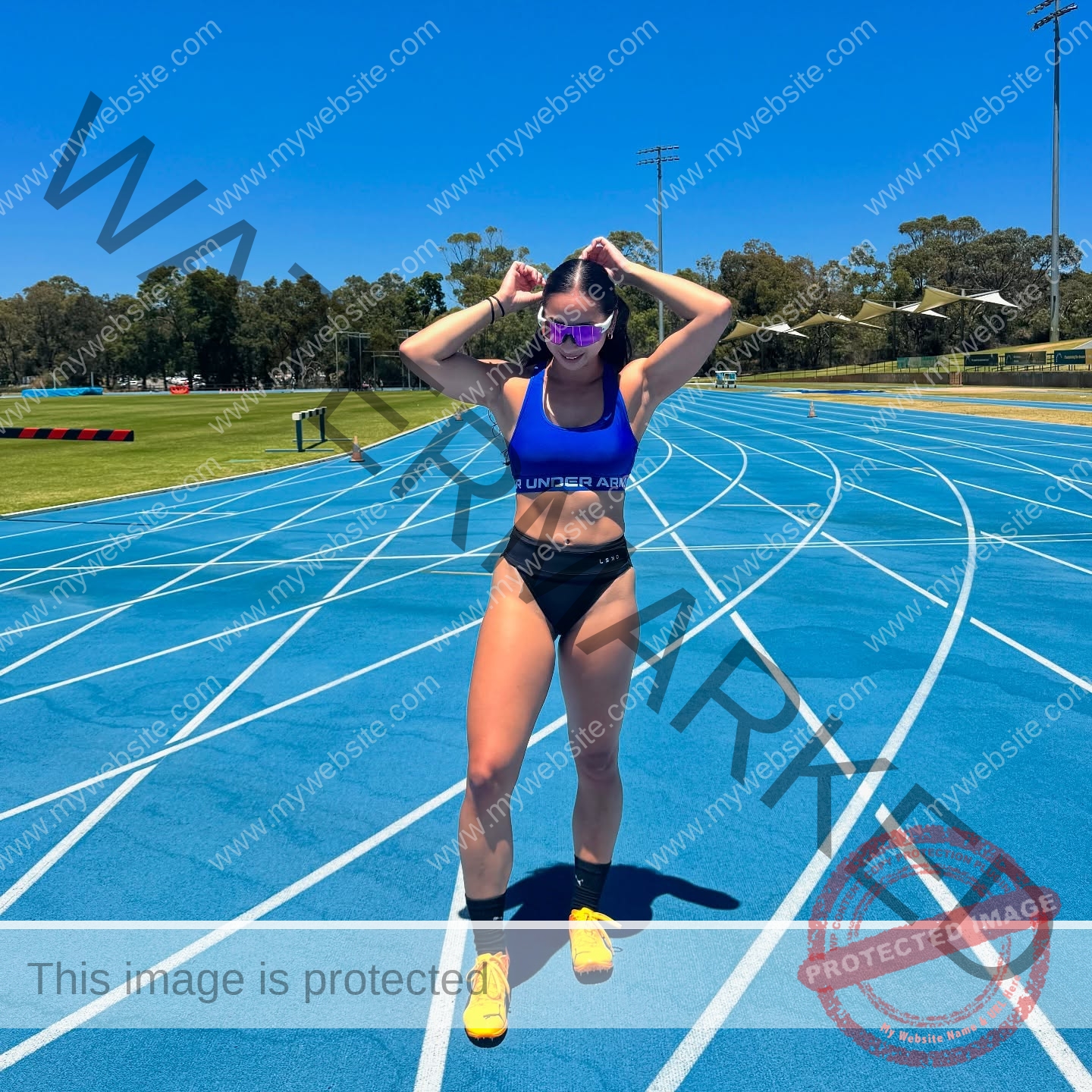
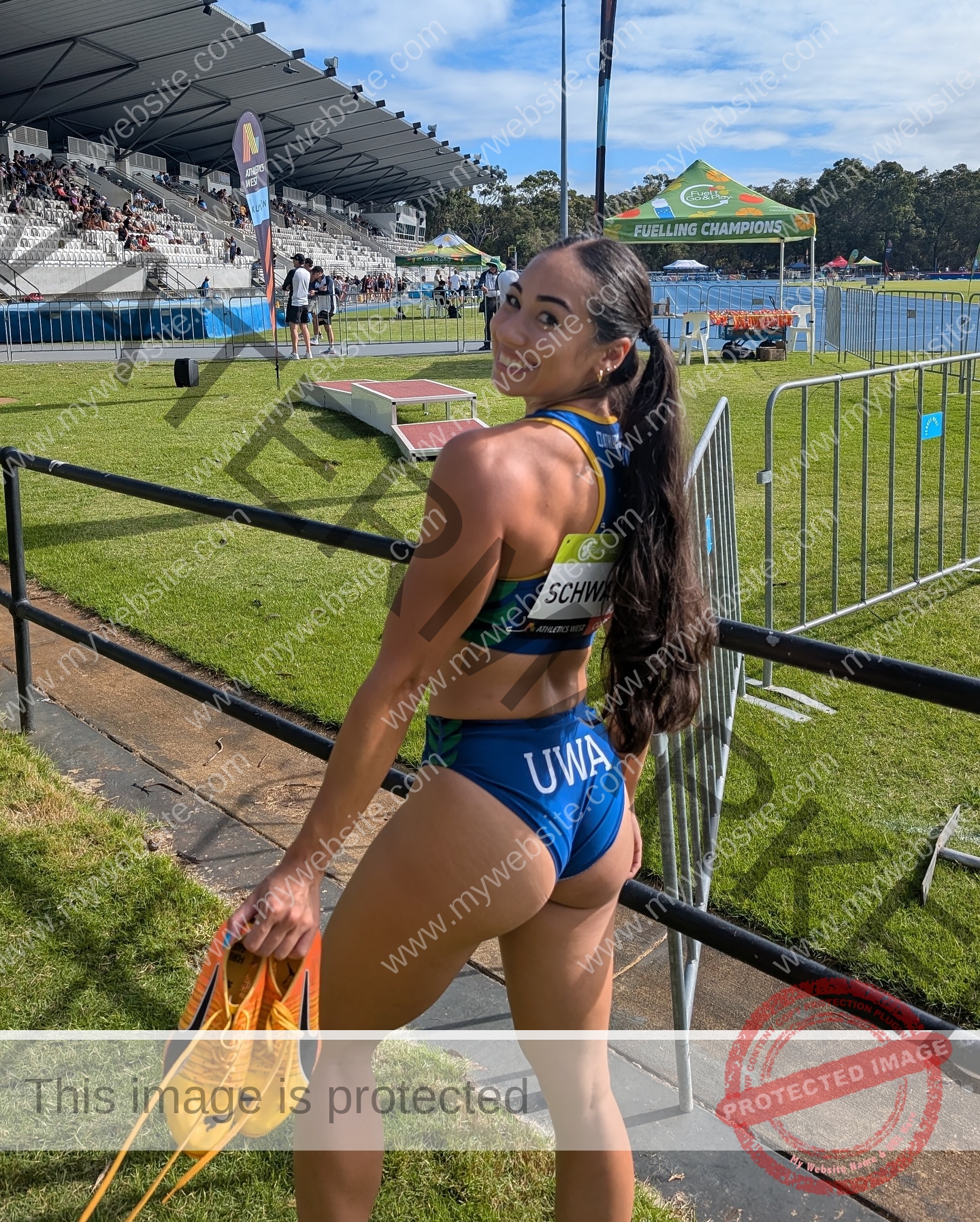
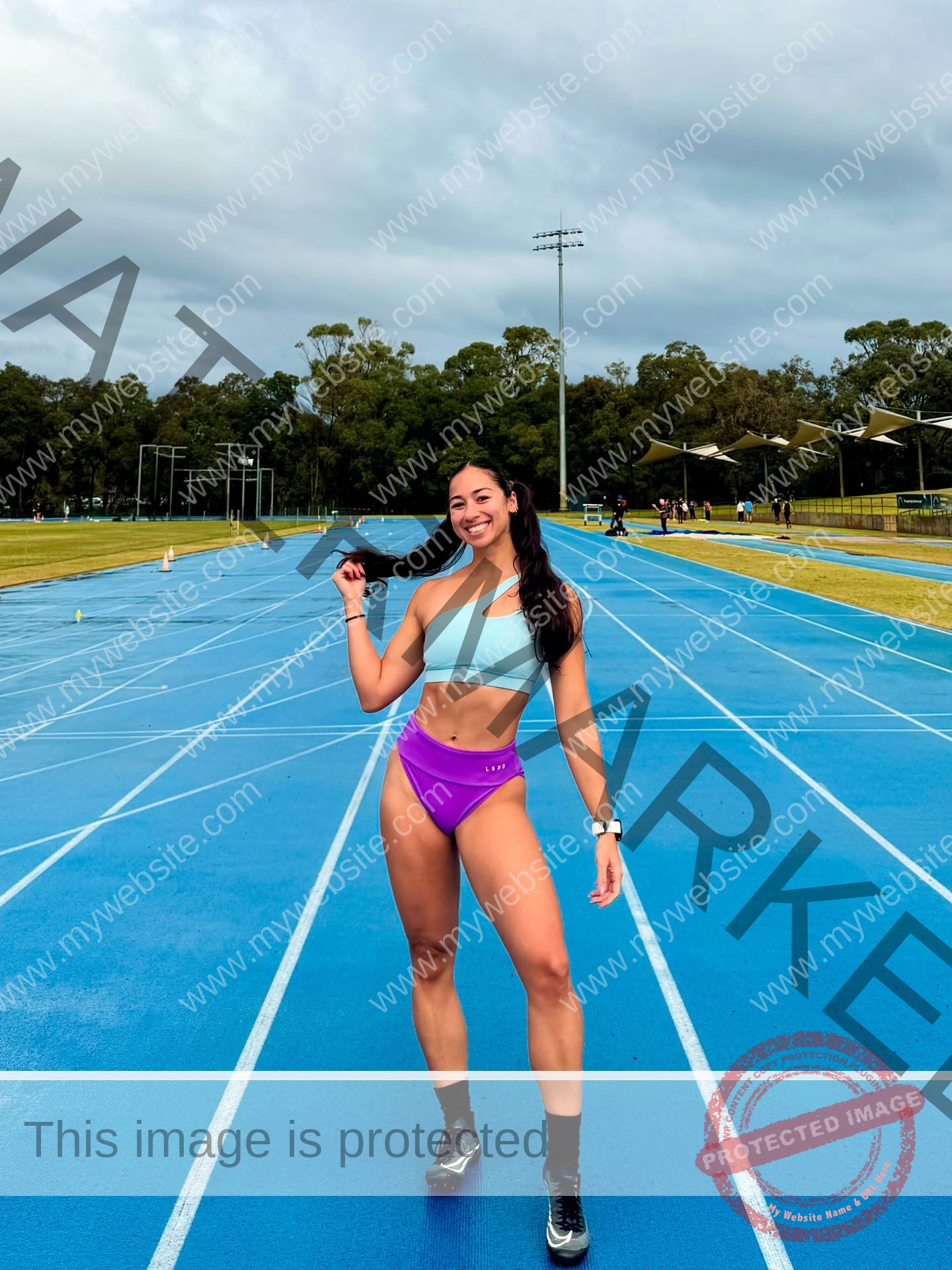
In January 2024, at the age of 26, Sarah Schwarz joined a track squad in Perth and returned to competitive sprinting after a ten-year absence. The decision, she has said, was driven by a desire for a meaningful pursuit outside of her working life — something that would allow her to set concrete goals and chase them. She wanted the structure, the community, and the specific kind of satisfaction that competitive athletics provides.
The squad she joined was Kinetic Track Squad, a Perth-based training group that has appeared in her social media content and represents the competitive environment in which she has developed her comeback. Training under a coaching structure for the first time in a decade, she began the methodical process of rebuilding speed, strength, and race-craft from the ground up.
Her first competitive result after returning tells its own story. In February 2024 — barely a month into her comeback — she entered a 100-meter race and clocked 13.27 seconds. For a former youth sprinter returning after a decade away, that is a honest starting number: rough around the edges, carrying the rust of years away from the blocks, but with enough raw material visible to give a coach reason for optimism. She set herself a target: break 13 seconds by the end of the 2023/24 athletics season.
She got there. By the close of that first competitive season, she had clocked 12.6 seconds — a drop of nearly seven-tenths of a second in a matter of months. In sprint terms, that is a substantial improvement, the kind of number that confirms two things simultaneously: that the body still has the motor, and that the training is working.
The 2024/25 Season: Going Faster
Coming into her second season of competition, Sarah arrived with genuine momentum and a clear stated goal: qualify for the Australian National Championships. That ambition represents a significant step up from club-level competition in Western Australia. The Australian Athletics Championships attracts the country’s elite senior talent, and qualifying for the open division requires a level of performance that puts an athlete squarely in the national conversation.
The 2024/25 season produced a string of results that confirmed her trajectory. Her World Athletics profile, which began to be populated with official data as she accumulated results at registered competitions, shows a 200-meter performance of 26.50 seconds recorded on November 22, 2024 — a solid early-season effort. The season continued to build from there, and by the end of the 2024/25 Australian season she had established herself as a legitimately competitive sprinter in the Western Australian system.
The 2025/26 Season: Personal Bests Across the Board
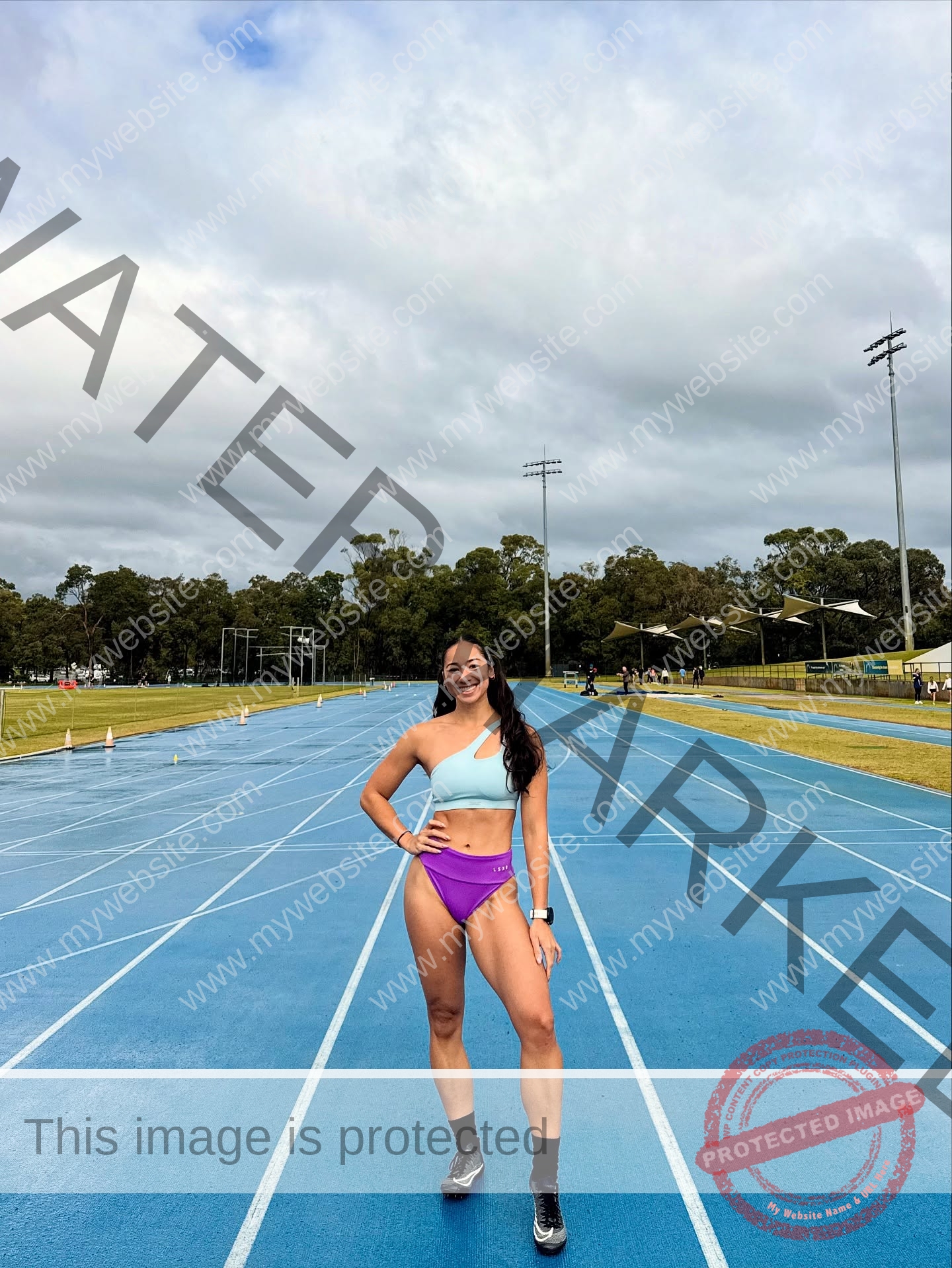
The 2025/26 season has been, without question, the best of Sarah’s comeback. The results across her three primary events tell a consistent story of an athlete who has found her stride and is now racing with confidence and technical control.
The indoor 60 meters — an event that rewards pure acceleration and early-phase mechanics — has seen her deliver a personal best of 7.89 seconds, recorded on January 31, 2026. That is a meaningful mark for a 28-year-old club-level sprinter in the Australian system: competitive, respectable, and reflective of genuine technical progress.
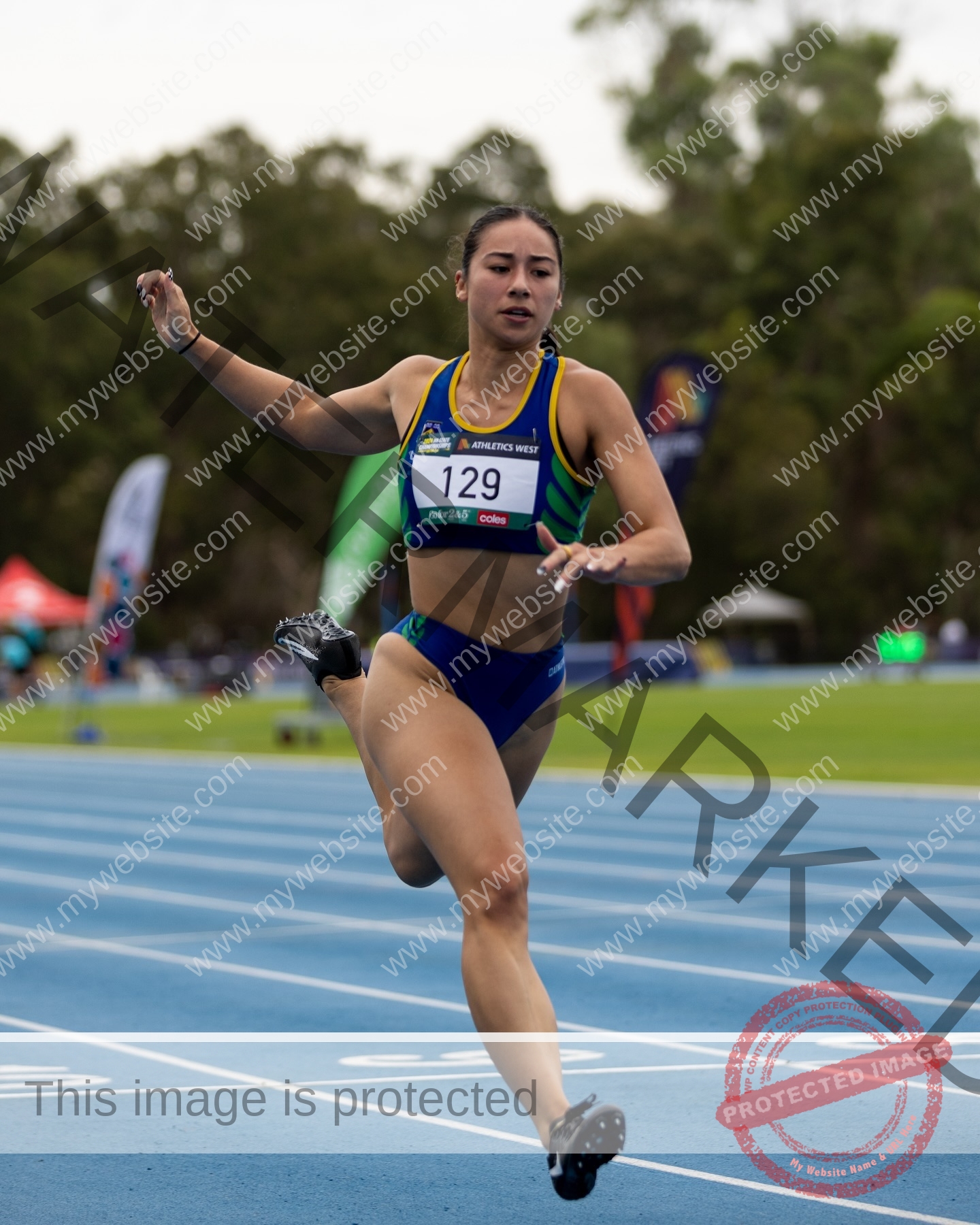
Her 100 meters personal best stands at 12.36 seconds, set on January 24, 2026 — a time that represents a near-one-second improvement on where she started just two years earlier. From 13.27 to 12.36 in approximately two years of training is a rate of improvement that most coaches would consider genuinely impressive, particularly for an athlete well past the developmental years. Her World Athletics profile carries a wind-assisted 200-meter performance of 25.59 seconds recorded on March 8, 2026, alongside a legal best of 26.50 from the previous season.
These times have earned her an official World Athletics ranking for Australia in the women’s 100 meters, placing her in the global database as a registered competitor for her nation. It is an achievement that would have seemed abstract at best during her decade away from the sport.
The Science Behind the Speed
What makes Sarah’s comeback particularly interesting from a technical perspective is the knowledge base she brings to it. A Master of Exercise Physiology isn’t just a credential that looks impressive on a LinkedIn profile — it is, in the context of a sprint athlete, a genuine competitive asset. She understands the principles of periodization, the physiology of fast-twitch muscle recruitment, the biomechanics of force application through the ground, and the nutritional science of fueling and recovering from high-intensity training. She has studied the very processes that her body is undergoing.
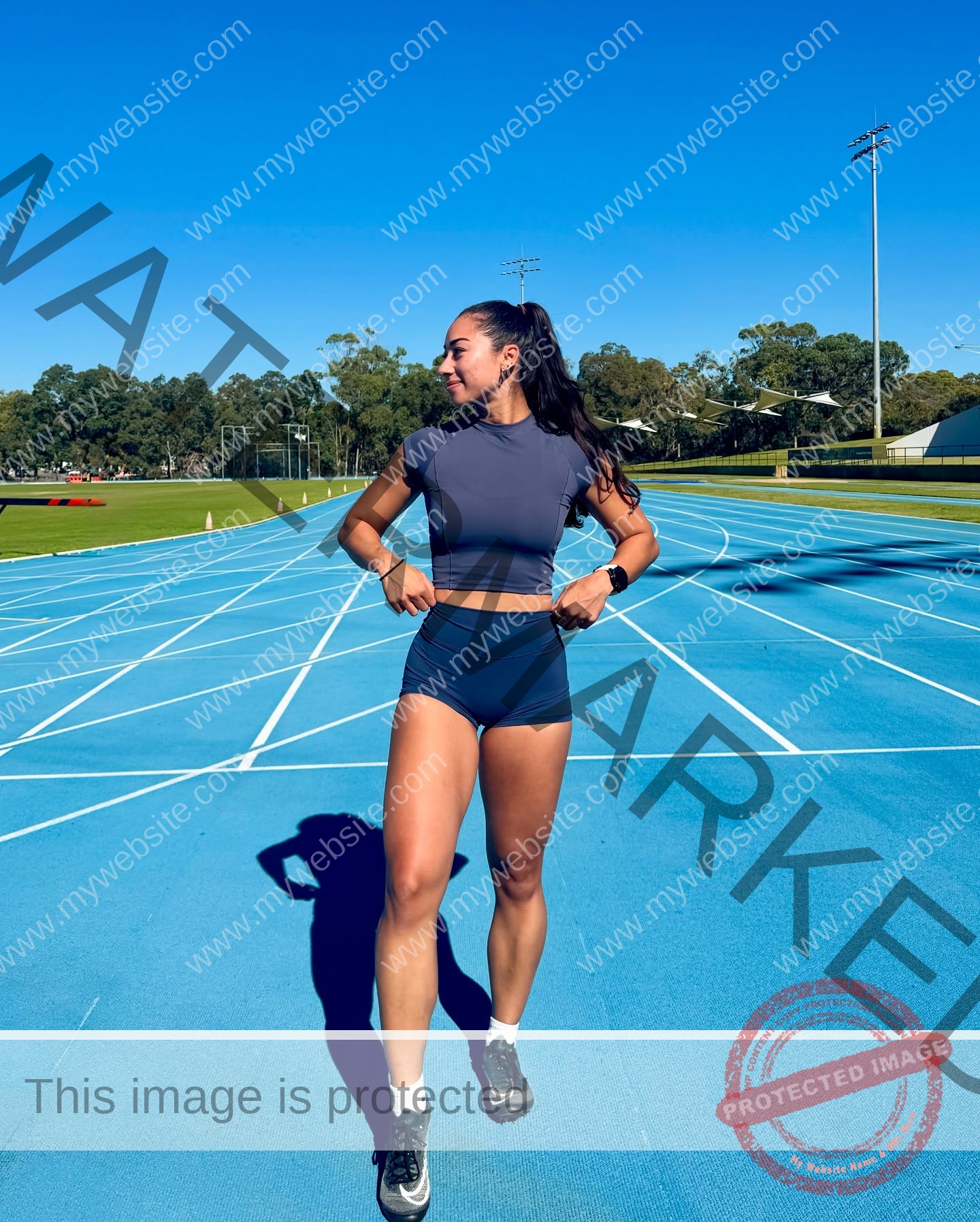
Her weekly training structure, which she has shared publicly, reflects that knowledge: Monday is a full-body pull session at the gym; Tuesday goes to the track; Wednesday is a full-body push session in the gym; Thursday returns to the track; Friday is rest; Saturday is a legs-focused gym session; and Sunday is track work emphasizing speed endurance. That is a disciplined, well-structured program that balances the neuromuscular demands of sprint training with appropriate recovery — the kind of structure you’d expect from someone who has studied exercise science at the postgraduate level and applies it to herself.
Balancing Track and Boardroom
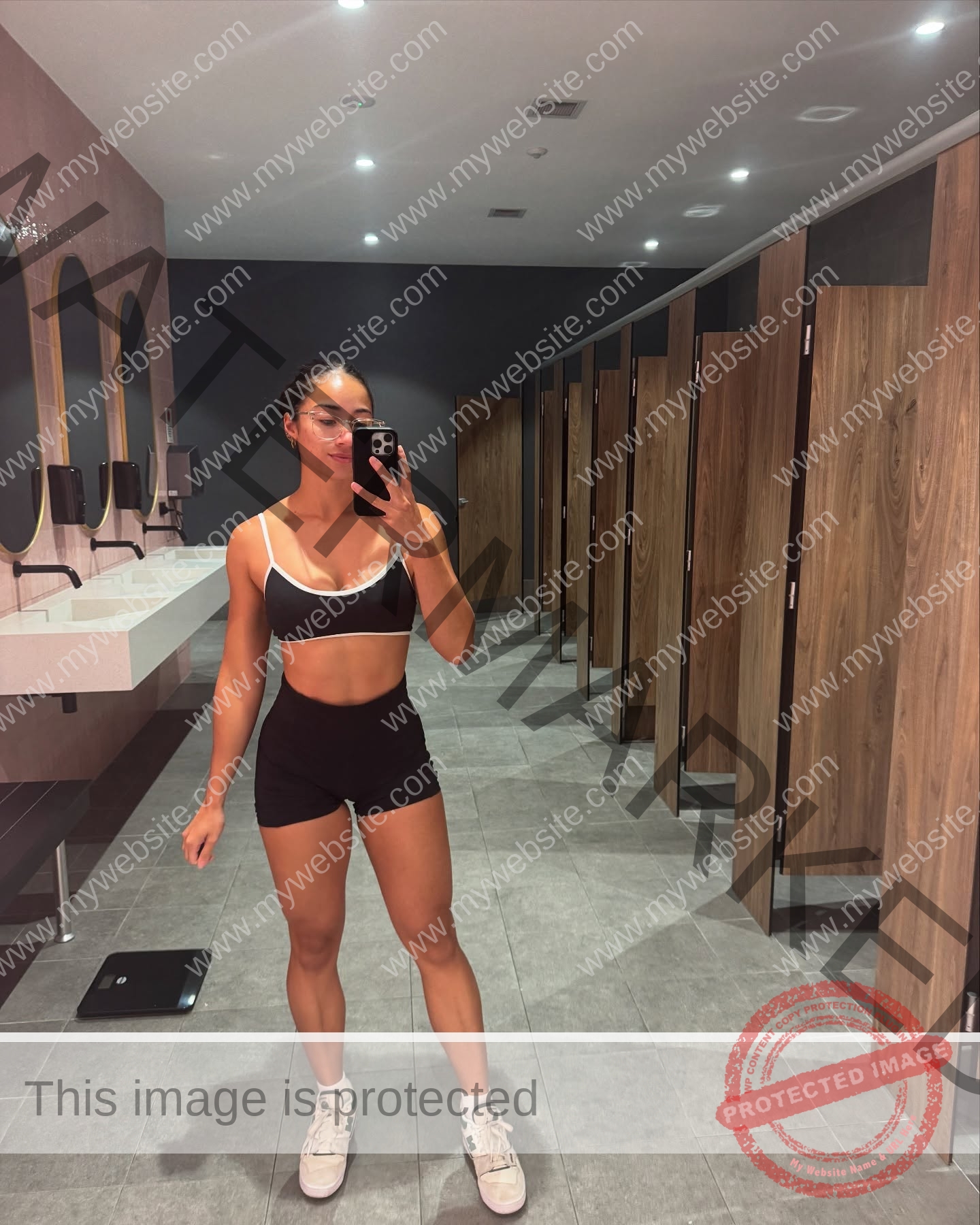
Perhaps the most relatable element of Sarah’s story — and certainly the one that has driven her social media success — is the logistical reality of pursuing serious athletic competition while maintaining a full-time professional career. She is, as she puts it herself, an “avg corporate gal getting back into sprints.” That description is both self-deprecating and entirely accurate: she holds a master’s degree, works full-time, and trains six days a week.
The practical reality of this life shows up in small details. Her go-to breakfast is protein oats with sliced apple, eaten at her office desk because it’s quick to make in the office kitchen. She does her post-training supplement routine in the car on the way home or to work. Her weekday evenings are structured around training sessions that eat into the hours most employed Australians spend unwinding. She keeps her diet flexible rather than obsessive because, as she has reasoned, a sustainable approach is more important than a theoretically optimal but practically difficult one.
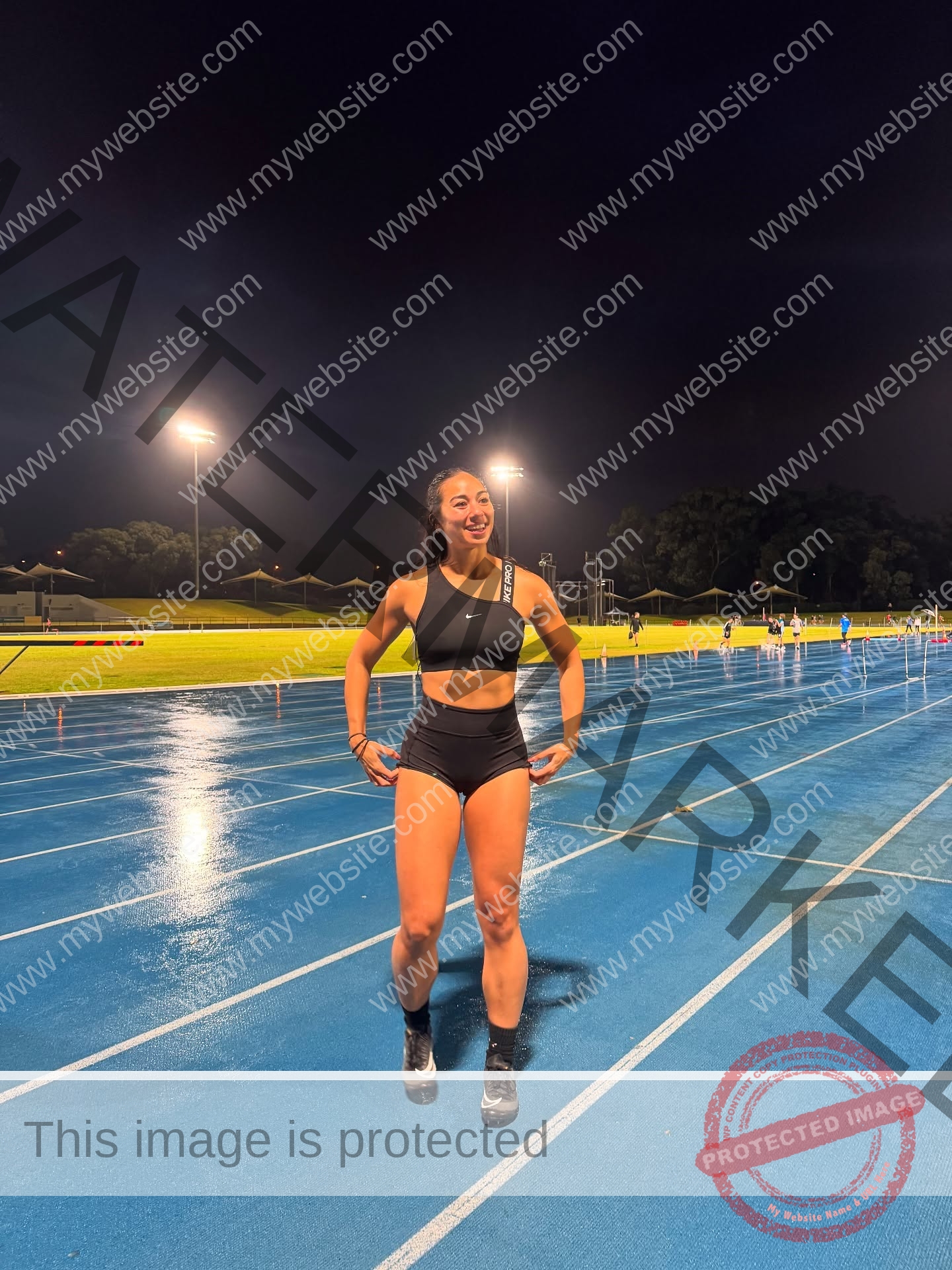
Evenings and weekends are organized around the track schedule. Sunday sessions — the long, grinding speed endurance work that separates sprint training from casual fitness — are a fixture, and she has spoken honestly about the love-hate relationship most serious runners develop with those particular sessions. It’s the unglamorous, weekly grind that makes the times on the results sheet possible.
Social Media: Building a Community
One of the more unexpected dimensions of Sarah’s comeback has been the online response to it. Her Instagram account, @sarahschwarzz, has accumulated more than 177,000 followers — a number that puts her, by any reasonable measure, in the category of a genuine social media presence. Her TikTok account, @sarah.schwarzz, has racked up over 142,000 likes and 14,000 followers with content that is direct, unfiltered, and consistently good-humored.
The appeal is not hard to understand. In a social media landscape often dominated by either elite athletes operating at levels that feel unreachable, or fitness influencers whose relationship to actual competition is unclear, Sarah occupies an unusual and genuinely refreshing middle ground. She is unambiguously a real athlete — she races against the clock, competes against other humans, has good races and bad ones — and she is equally unambiguously a regular person with a job and a life. Her content about racing against competitors with birth years starting with “20” (i.e., those born in the 2000s), the generational dynamics of being coached by someone younger, and the frankly relatable misery of Sunday speed sessions has struck a chord with an audience that recognizes the experience she’s describing.
She has also been candid about the psychological dimension of her comeback — specifically, the barriers she put up during her decade away and how, looking back, they seem almost comically small compared to what she feared they would be. That honesty resonates with anyone who has ever talked themselves out of trying something difficult, and then eventually tried it anyway.
Sponsorship: Bulk Nutrients
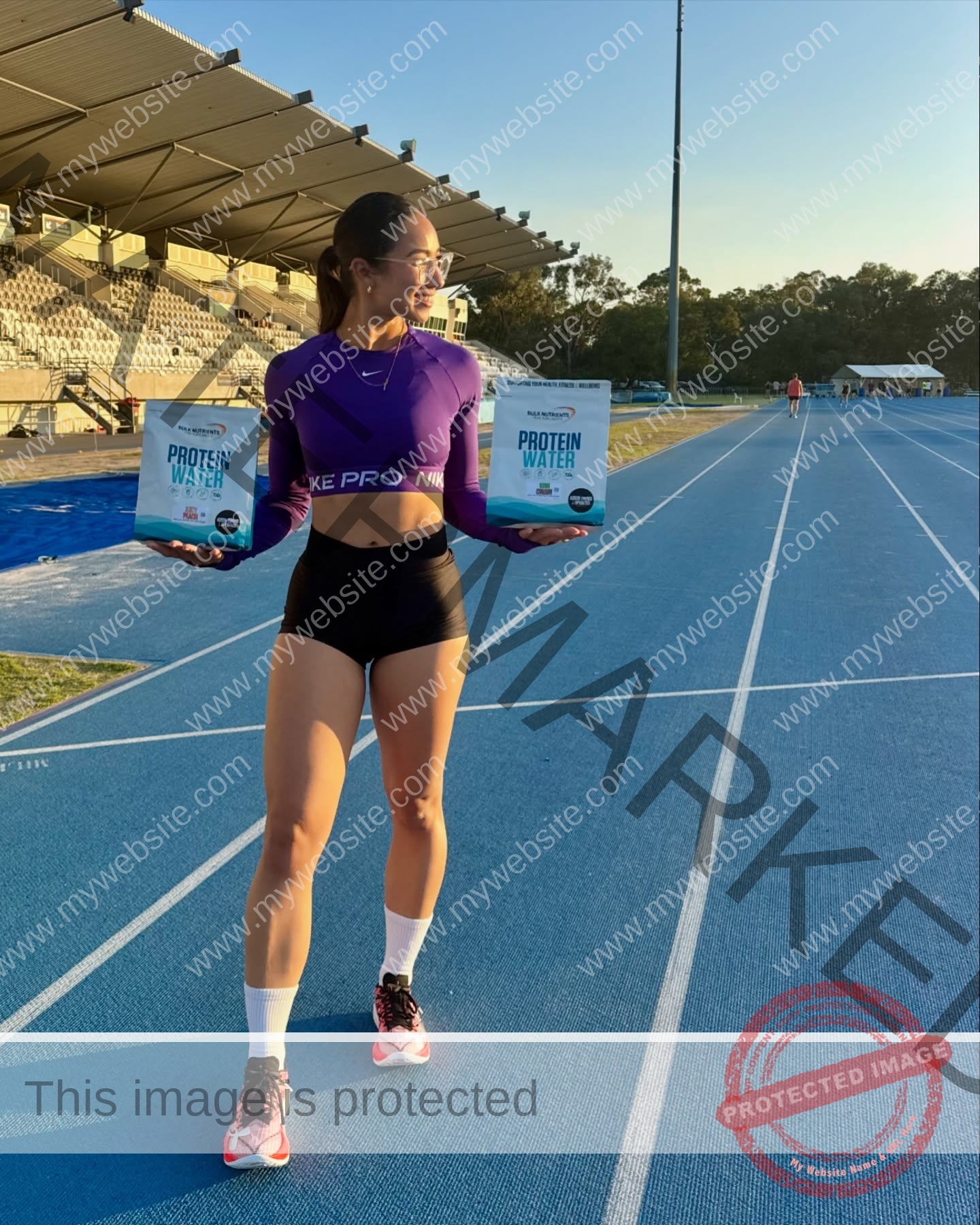
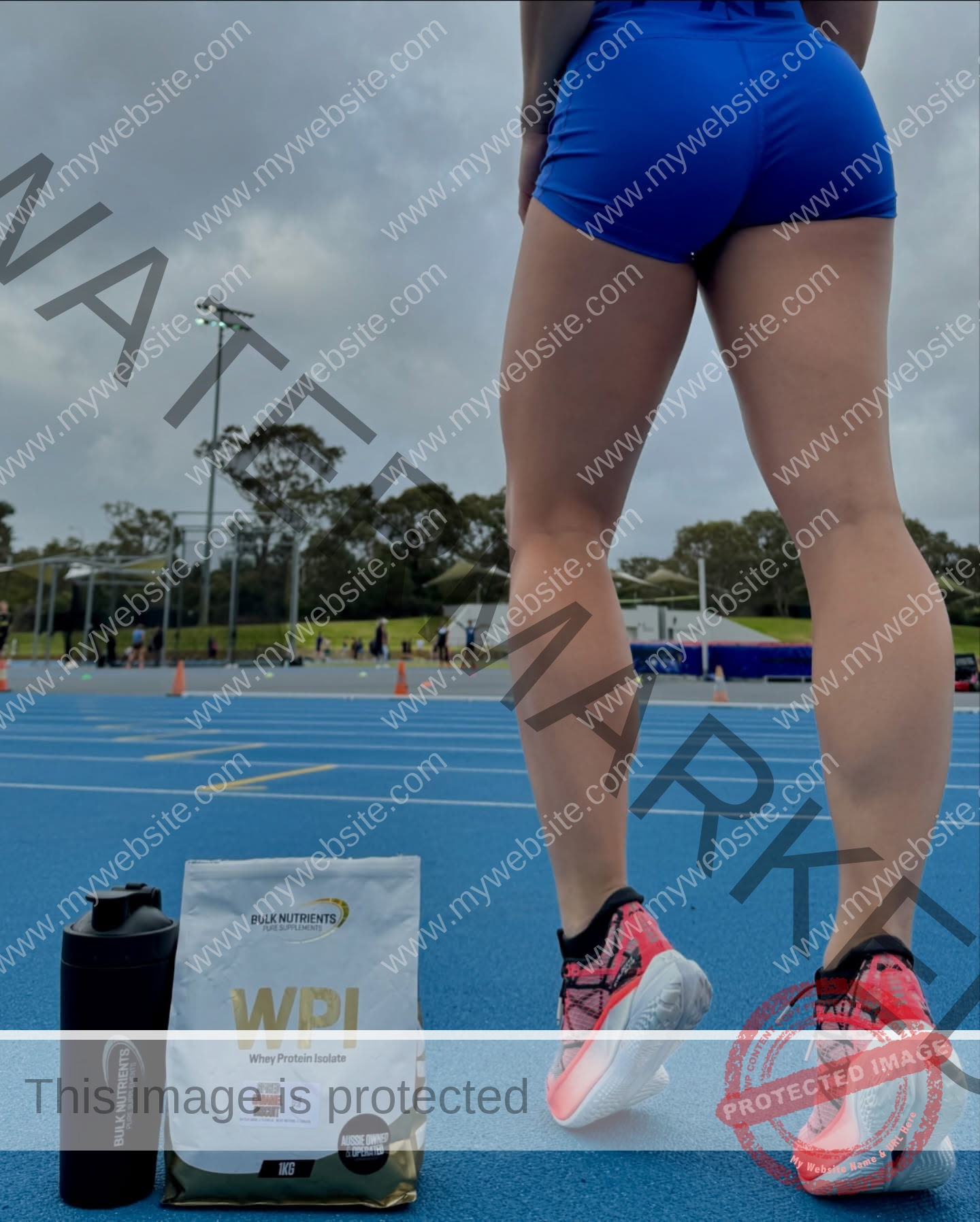
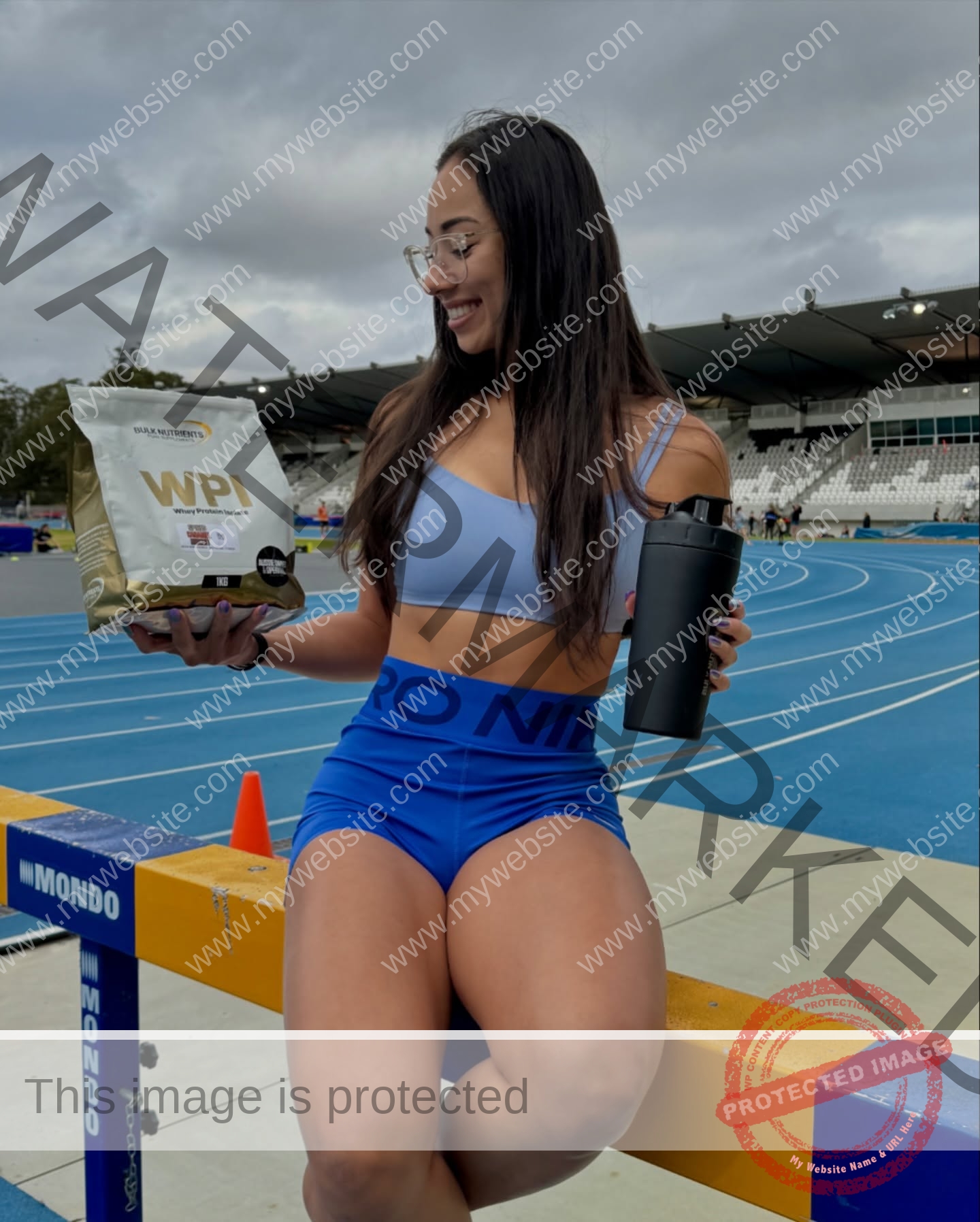
As her profile has grown, Sarah has attracted commercial interest from the Australian supplements sector. She is a sponsored athlete with Bulk Nutrients, one of Australia’s most established sports nutrition companies, headquartered in Tasmania. Her page on the Bulk Nutrients website showcases her as a case study in balancing athletic performance with professional life, and her recommended products reflect her practical, unfussy approach to supplementation: Whey Protein Concentrate for its taste and cost-effectiveness, and Creatine Monohydrate for the genuine strength improvements she has experienced since incorporating it into her routine.
The sponsorship is a natural fit — an Australian brand backing an Australian athlete whose story speaks directly to the amateur-competitive market that makes up the bulk of the supplements industry’s actual customer base. She is not claiming to be a world-beater. She is claiming to train seriously while working a full-time job, and showing that it’s possible to do both well with the right nutritional support.
Personal Bests and World Athletics Profile
As of April 2026, Sarah Schwarz’s official personal bests are as follows:
- 60 meters: 7.89 seconds (January 31, 2026)
- 100 meters: 12.36 seconds (January 24, 2026)
- 200 meters: 26.50 seconds (legal; November 22, 2024) / 25.59 seconds (wind-assisted; March 8, 2026)
Her World Athletics athlete code is 15136501, and she competes representing Australia. Her current ranking in the women’s 100 meters sits in the vicinity of #3,600 globally — which, for an athlete who was running 13.27 barely two years ago, is a meaningful position on the international ladder. The ranking exists because she is competing officially at registered meets and submitting legitimate performances to the world governing body — the administrative infrastructure of a genuine competitive athlete.
What Comes Next
The goal that Sarah stated upon returning — qualifying for the Australian National Championships — remains a meaningful benchmark. The Australian Championships are a serious, elite event, and reaching the qualifying standard in the women’s 100 meters requires a performance level beyond where she currently sits. But her trajectory over the past two years is hard to argue with. From 13.27 to 12.36 in two seasons, with a 25.59 wind-assisted 200 meters now in her recent results, the picture is one of consistent, disciplined improvement.
What is perhaps more interesting than the specific target is the broader question of where the ceiling is. Sprint physiology is unforgiving: the mechanics of explosive muscle recruitment don’t improve at the same rate in an athlete’s late twenties as they do in an athlete’s early twenties. But Sarah brings something to the equation that most athletes don’t have at any age: a master’s-level understanding of exercise physiology applied to her own training, genuine psychological motivation, and the kind of internal accountability that comes from walking away from something for a decade and choosing to come back on your own terms.
She is also, already, something more than just a competitive sprinter. She has built a genuine community around her story — one that includes plenty of people who will never compete at any level but find something real and useful in watching someone navigate the intersection of ambition, full-time work, and the specific love that sport can represent. Whether or not she ever stands on a start line at the Australian National Championships, the story she is telling right now, in real time, is already worth following.
Personal bests current as of April 2026. World Athletics profile: athlete code 15136501. Instagram: @sarahschwarzz. TikTok: @sarah.schwarzz. Bulk Nutrients ambassador page: bulknutrients.com.au.
