
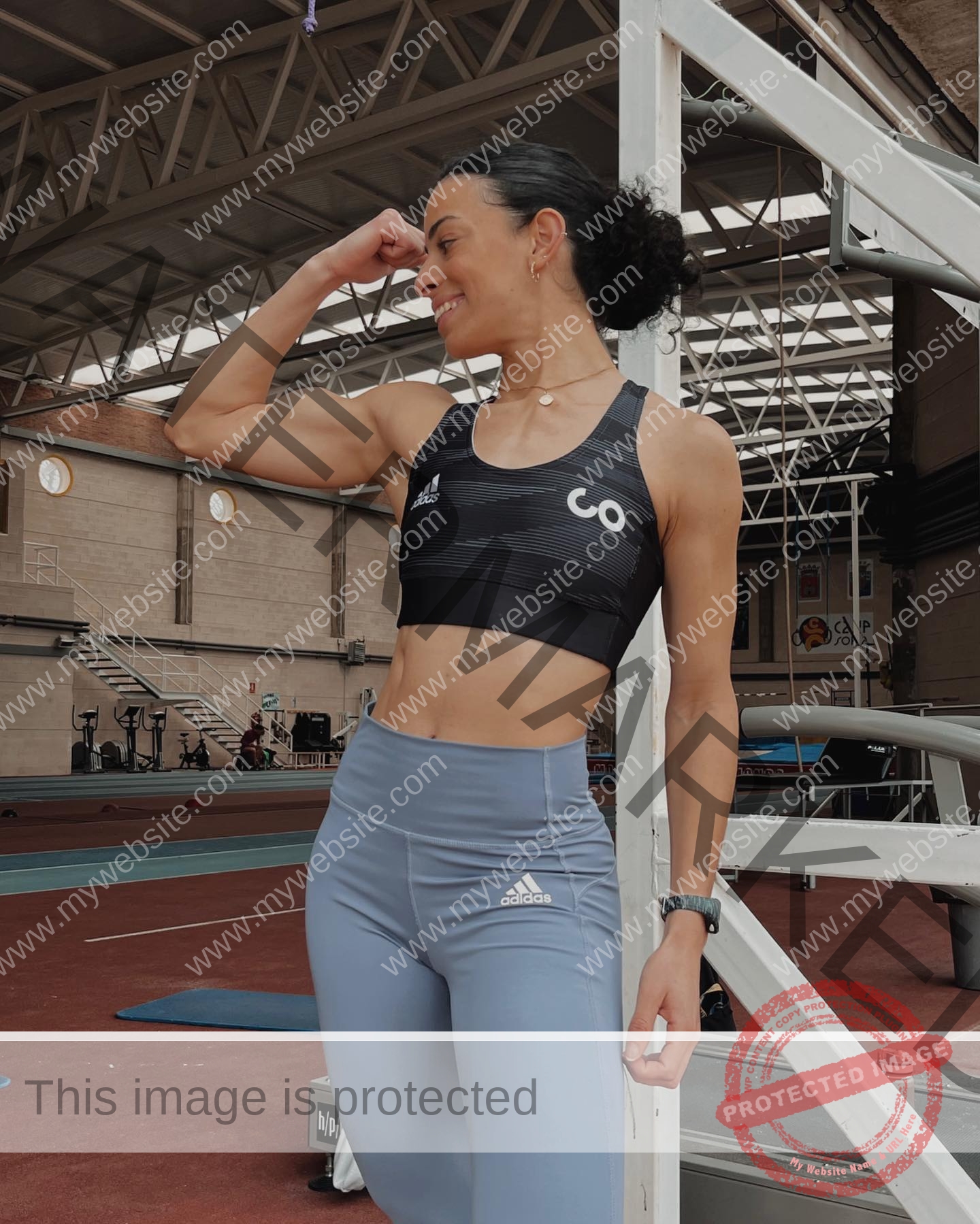


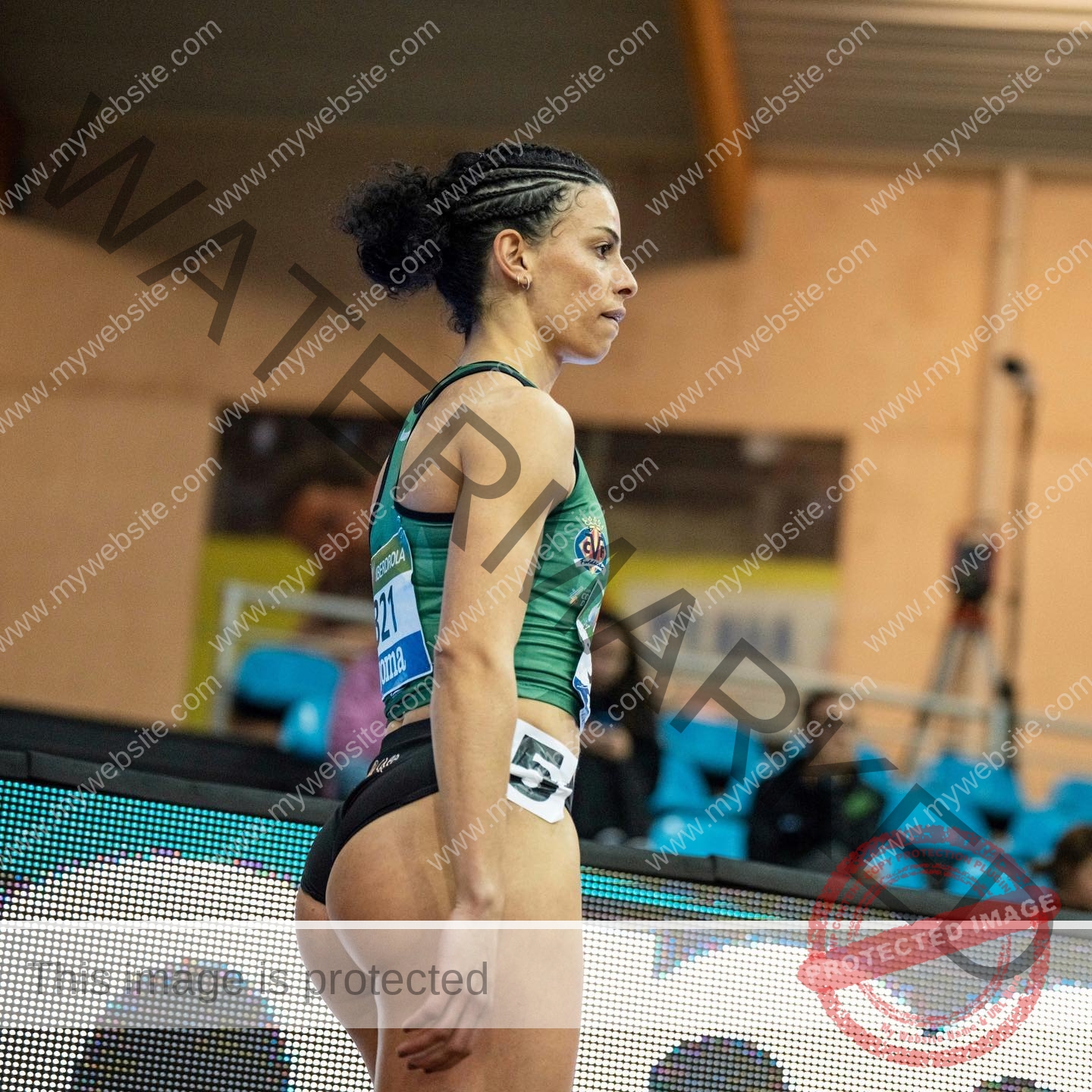
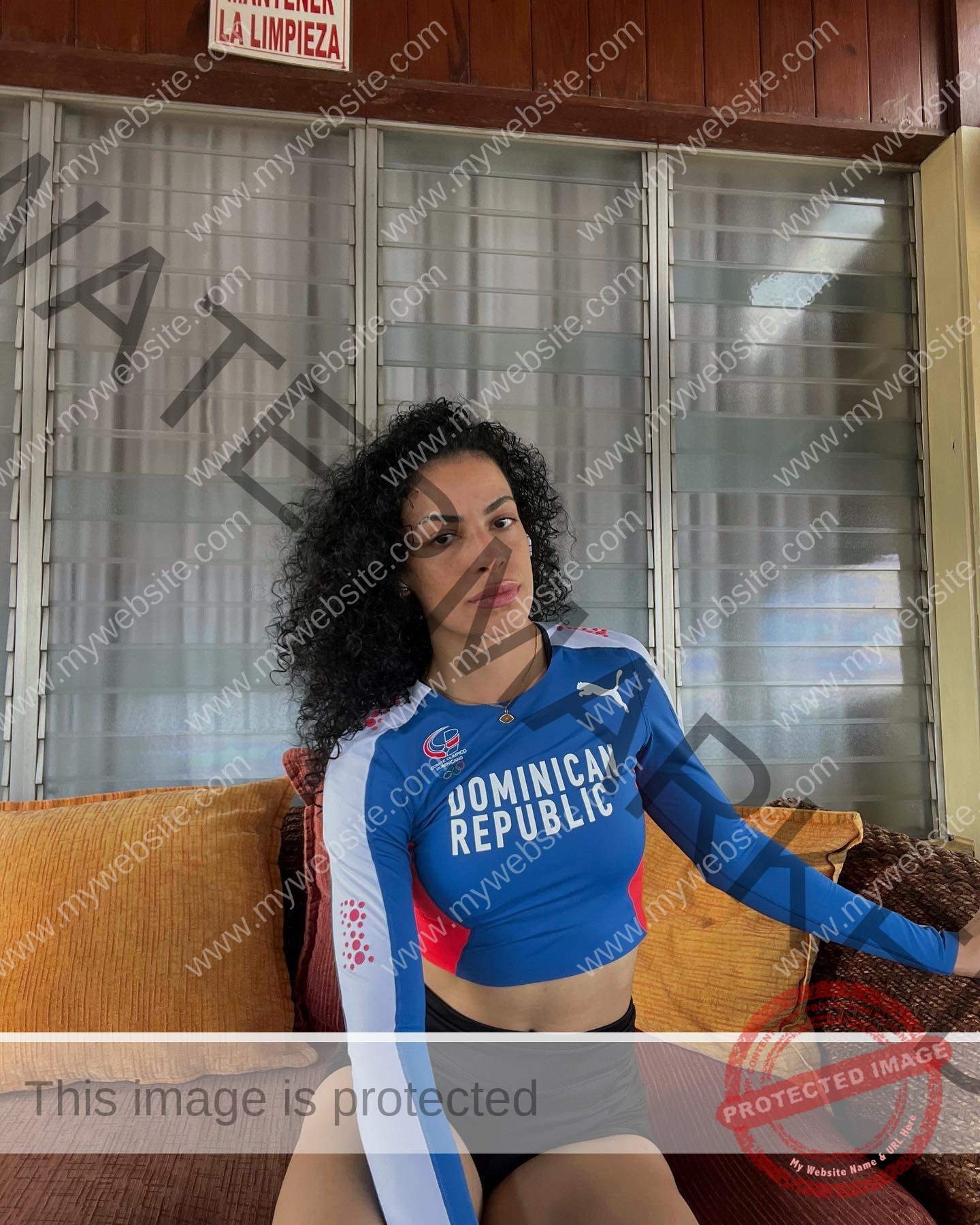
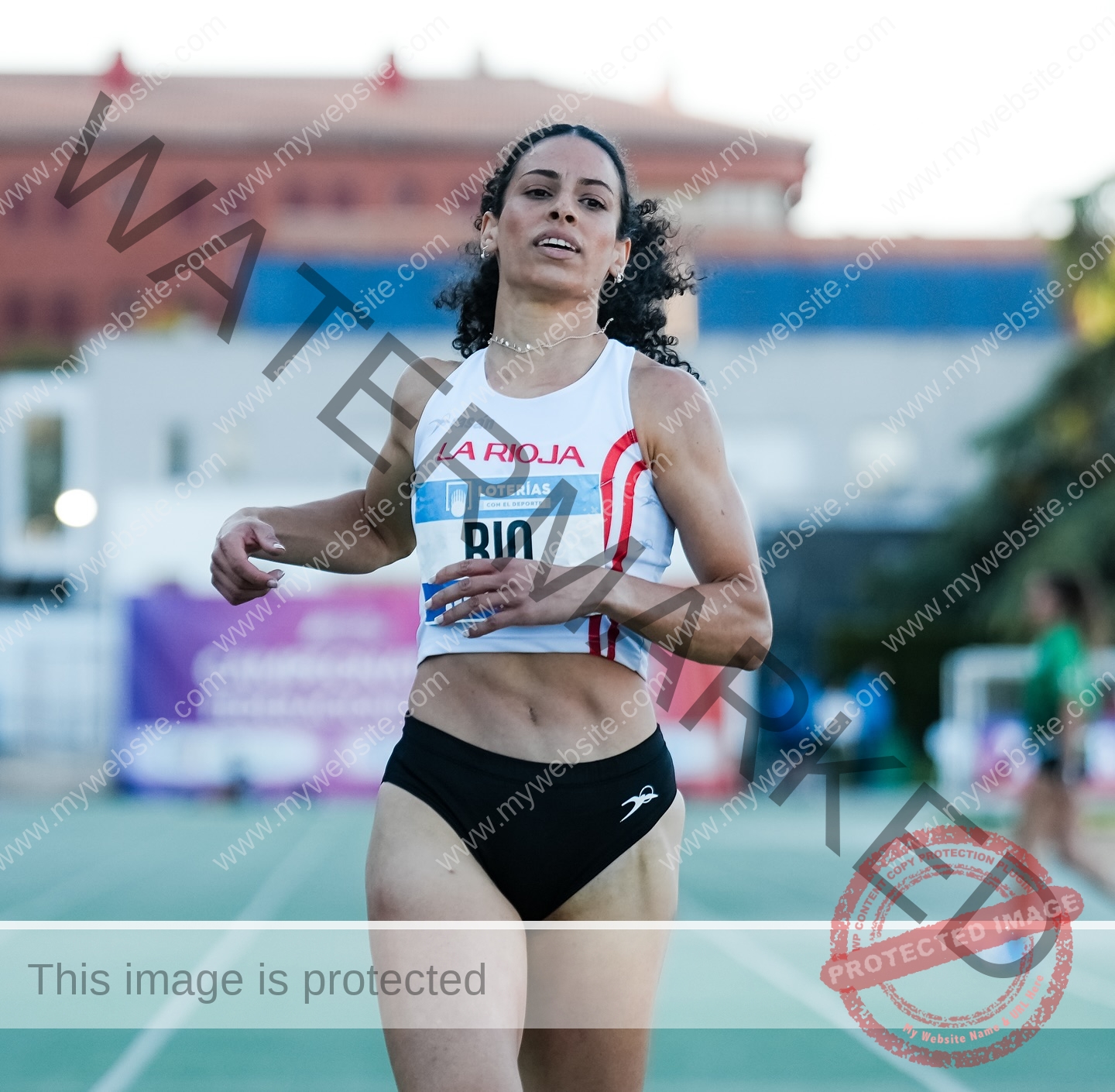
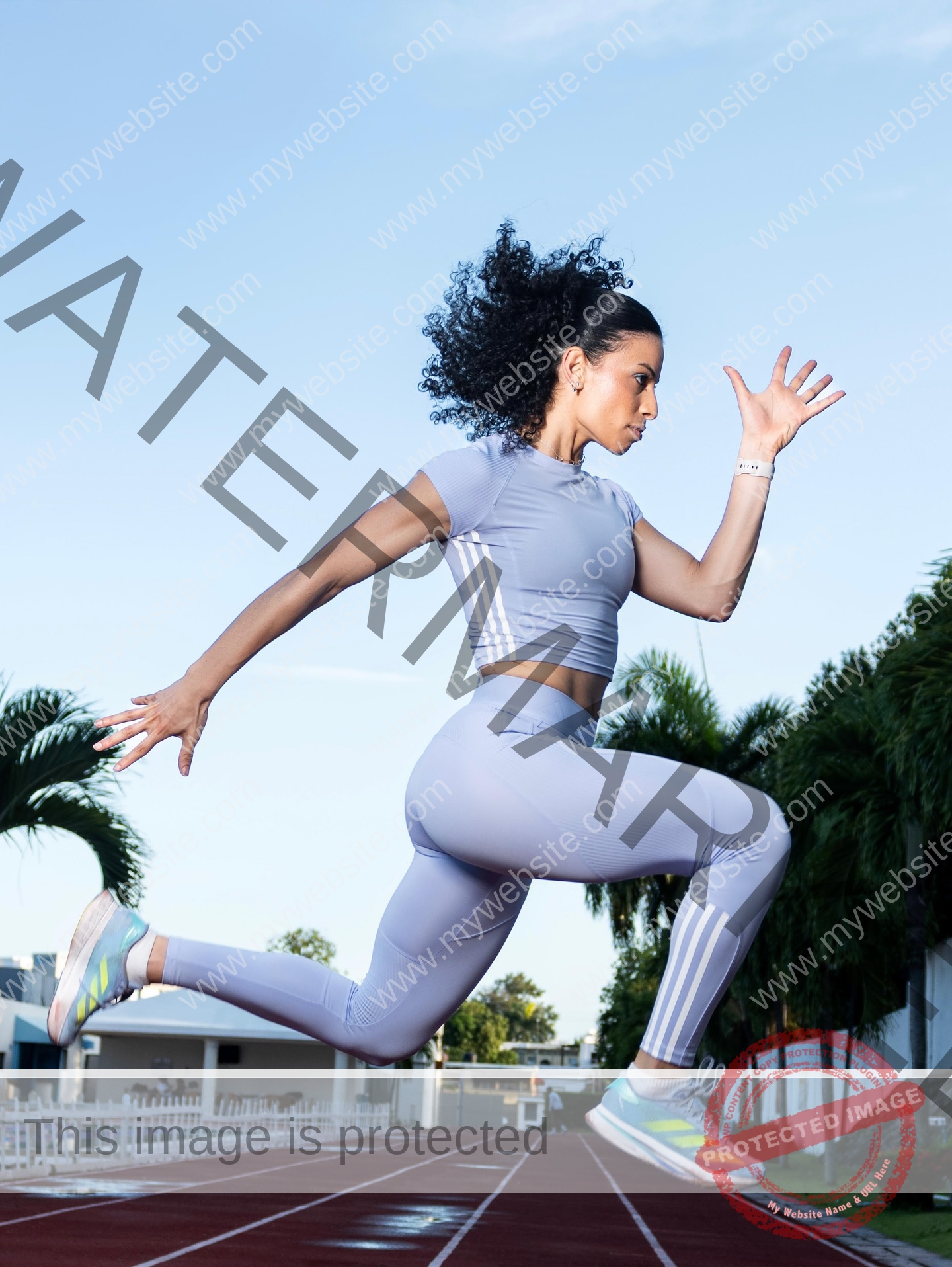
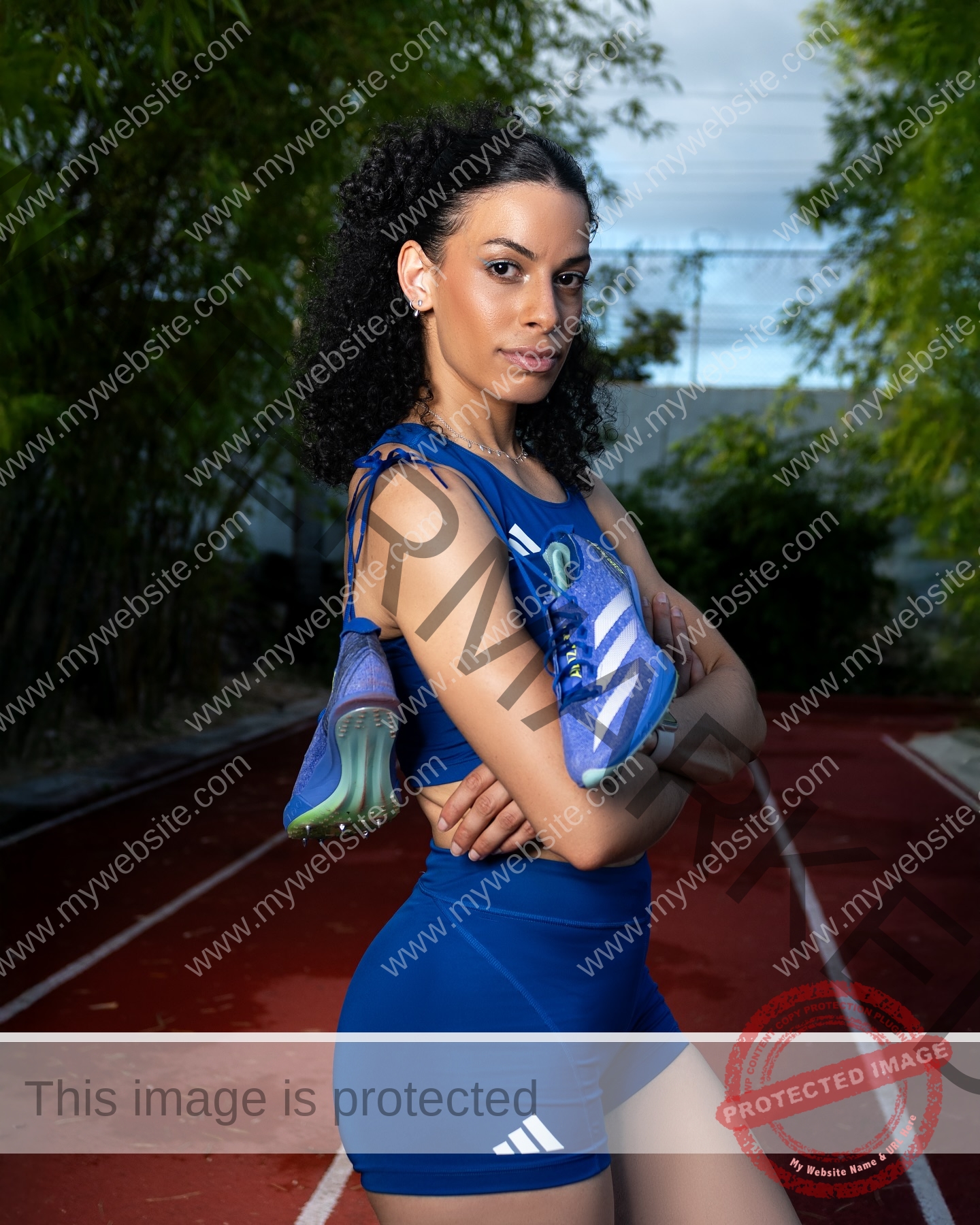

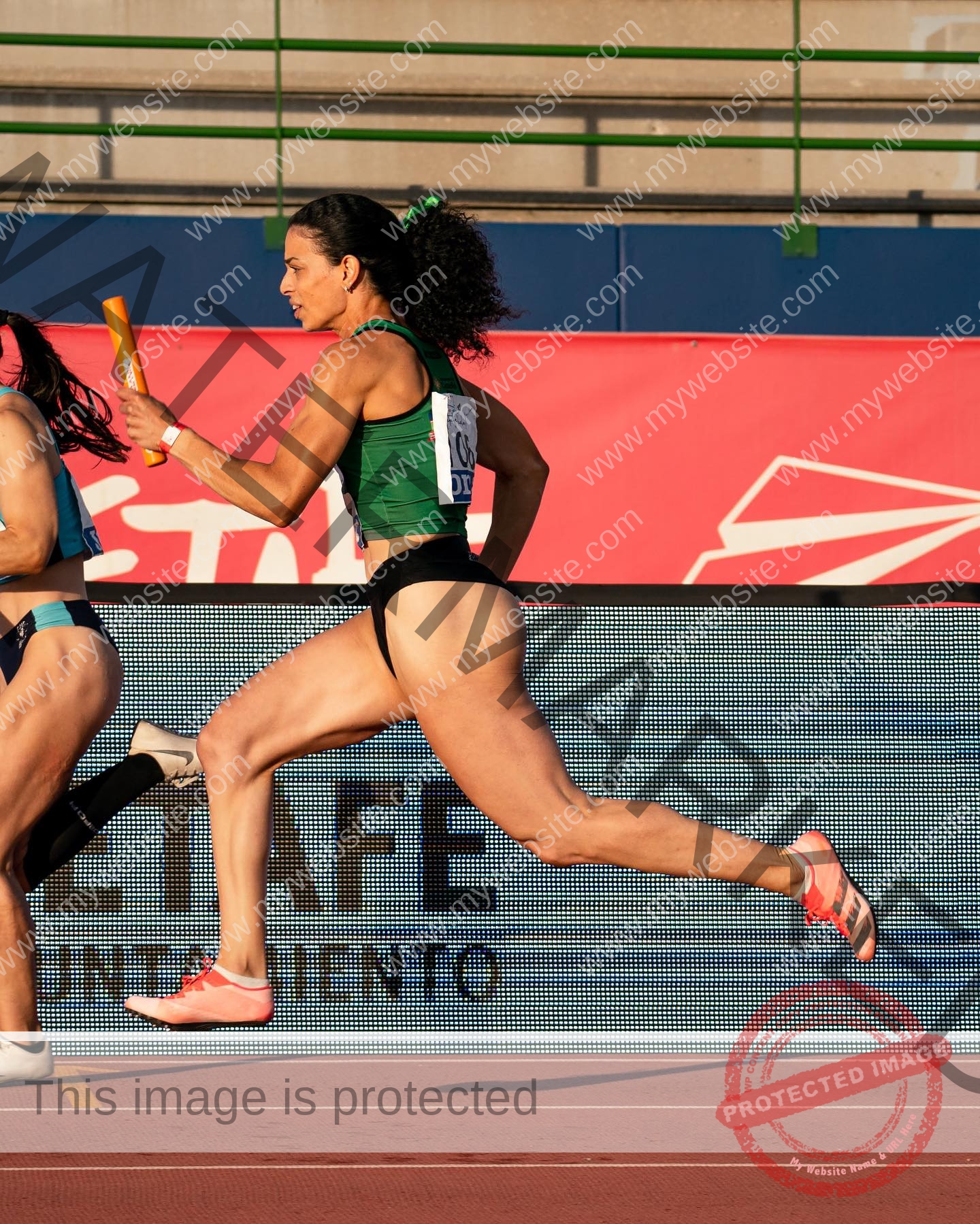
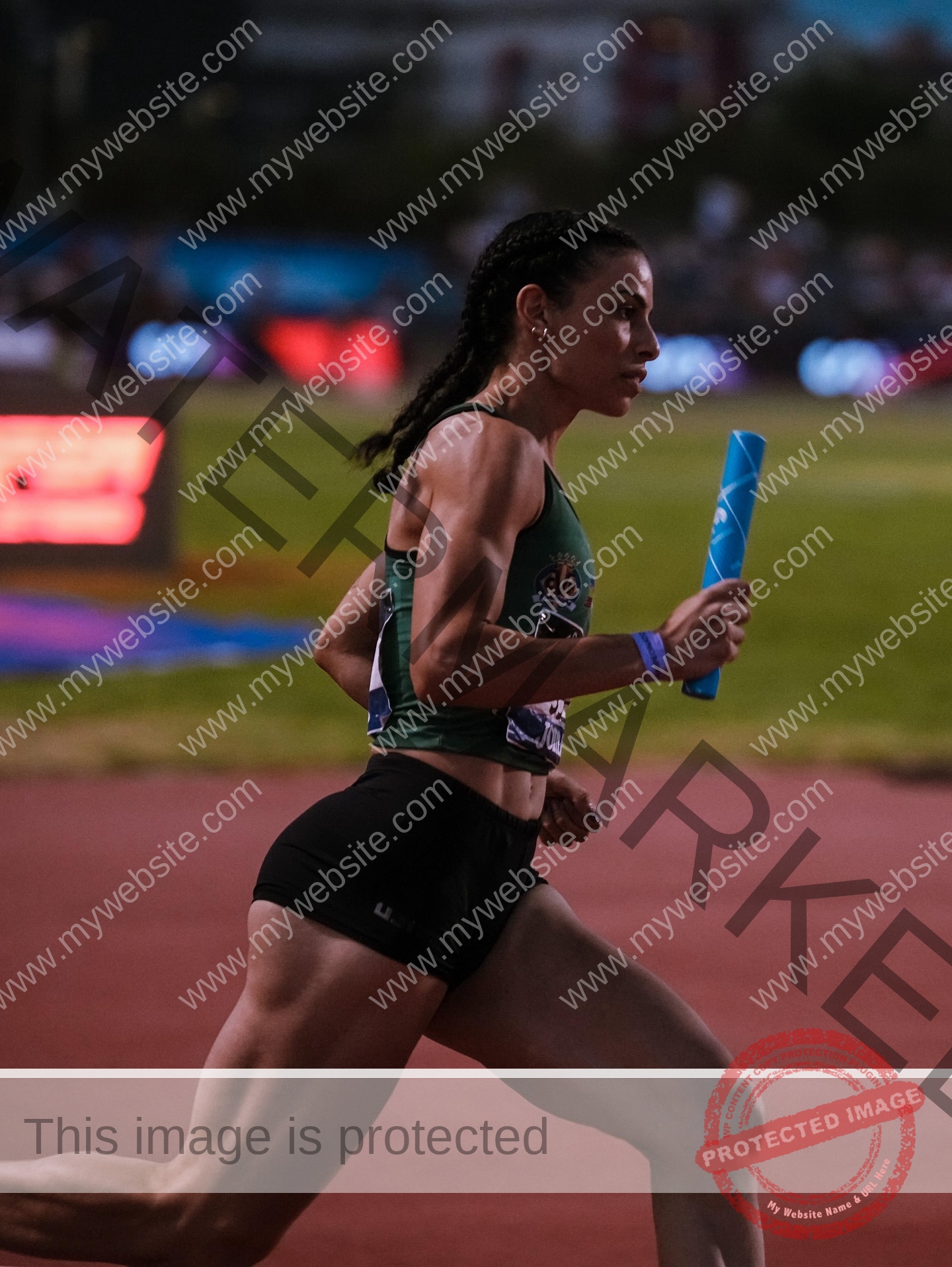
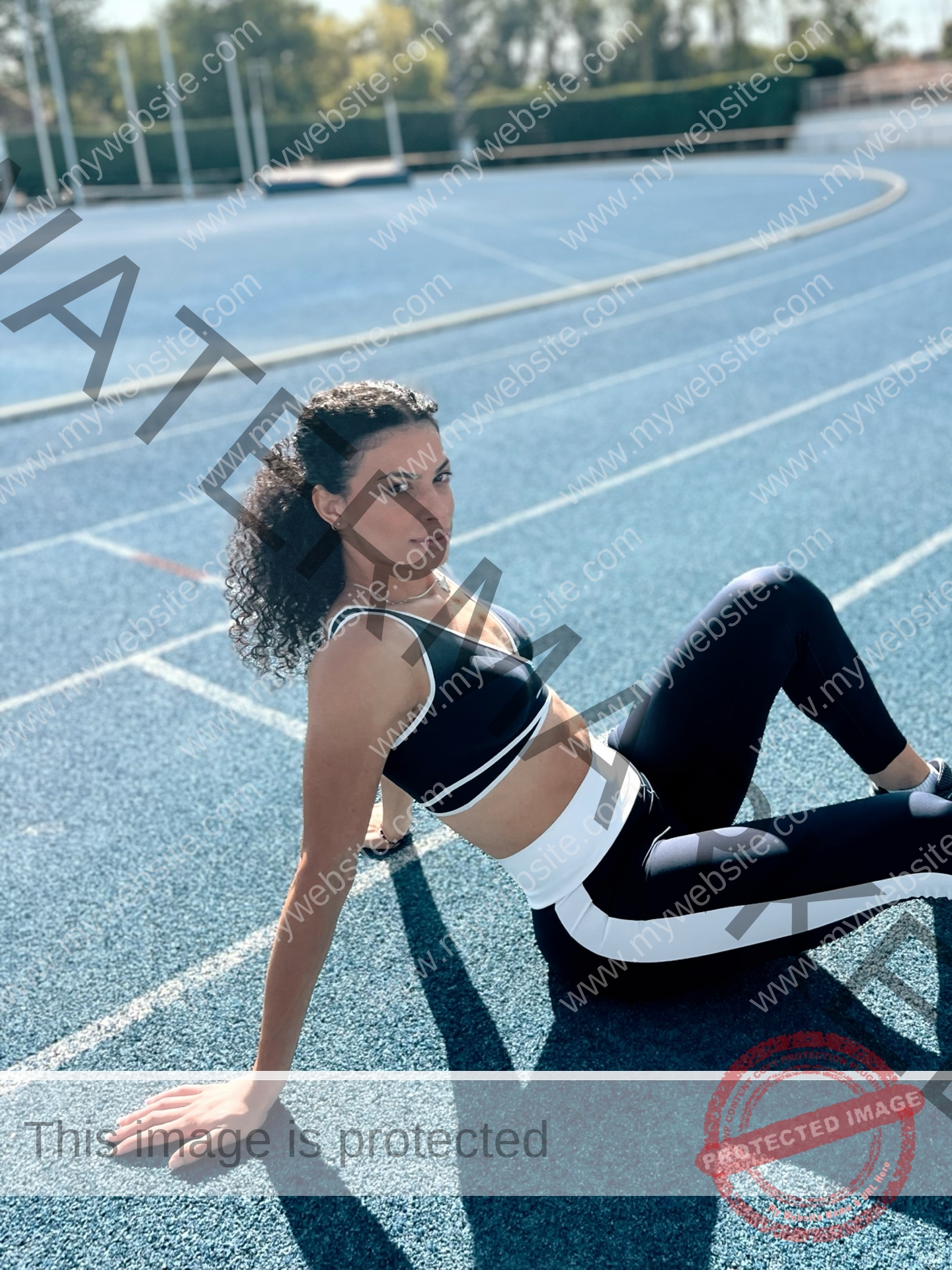
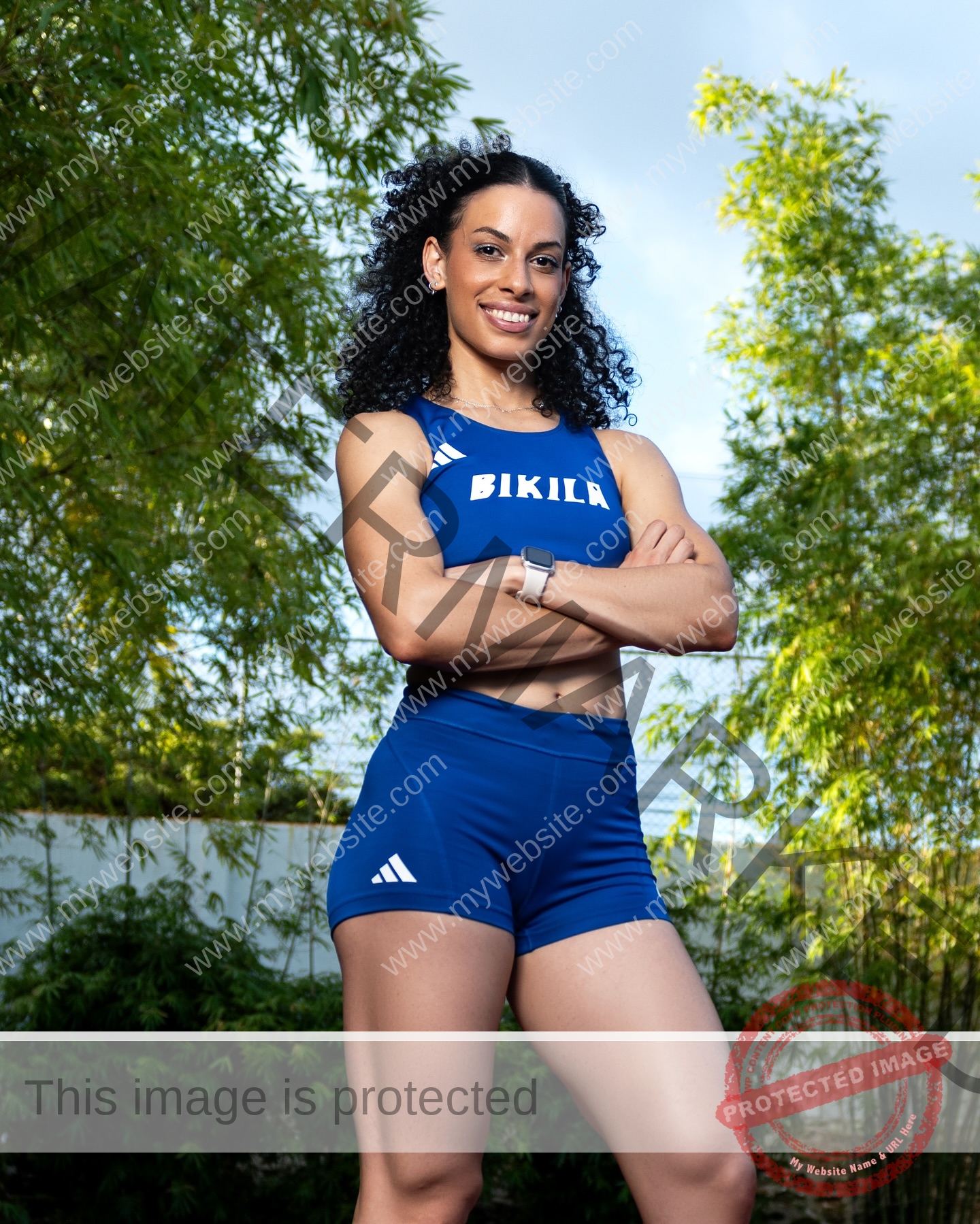
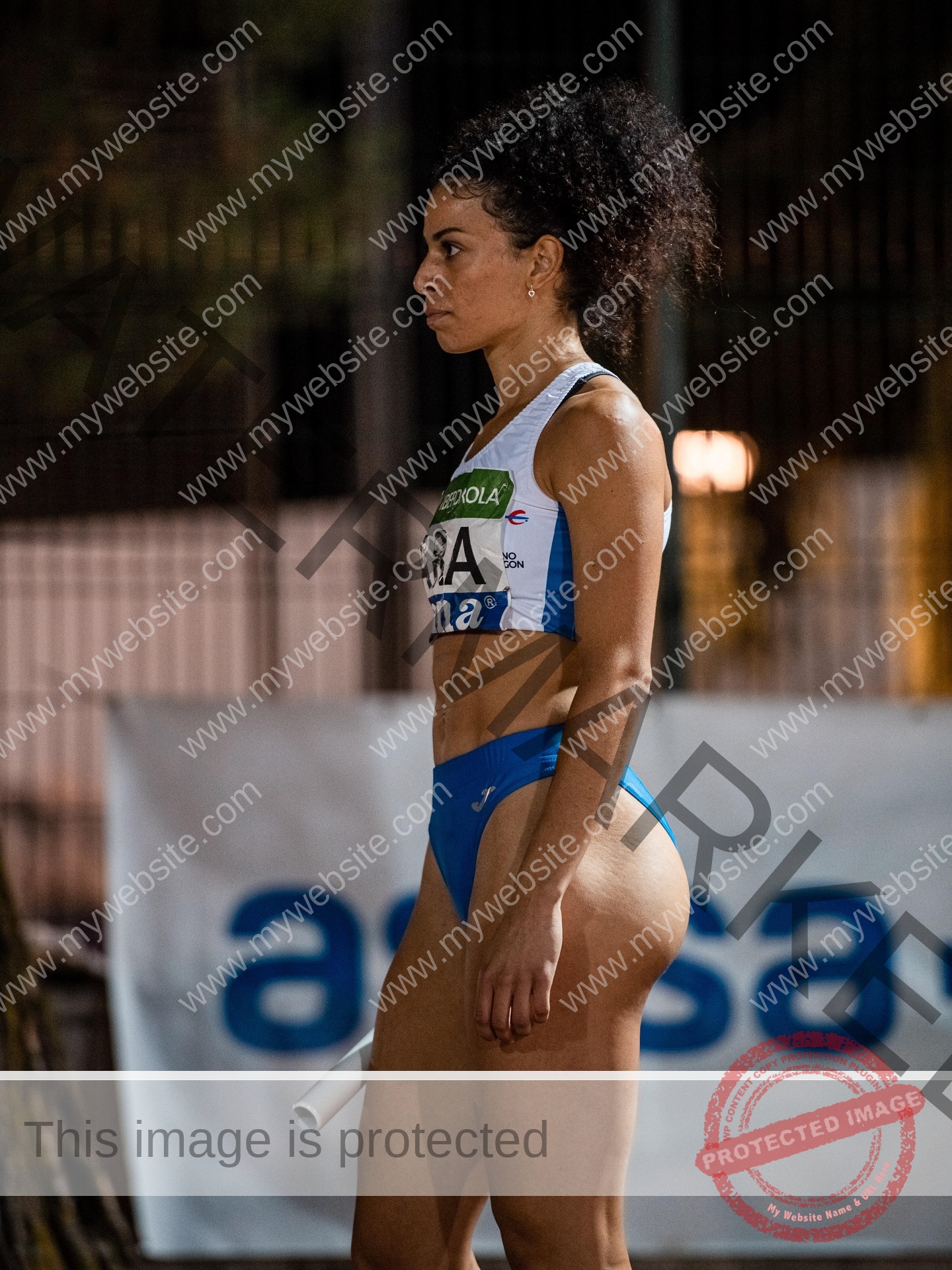
Bianca Acosta: The Dominican Sprinter Who Found Her Stride in Spain
The story of Bianca Acosta is, at its heart, a story about belonging in two places at once. Born on the northern coast of the Dominican Republic, raised from the age of eight in the Ebro valley of northeastern Spain, trained on the tracks of Aragon, Soria, and La Rioja, and now competing under the flag of her birth country — Acosta is a genuinely bicultural athlete who has carved out a competitive career across two sporting traditions, two national identities, and more than a decade of persistent, largely self-funded effort.
She is a multiple Spanish national champion, the holder of the Aragon outdoor 200m absolute record, the La Rioja 400m short track absolute record, and — as of February 2025 — the Dominican Republic national record in the 400m short track. She is 28 years old, currently competing for Club Atlético San Sebastián in Spain’s Liga Iberdrola División de Honor, representing the Dominican Republic internationally, and eyeing the 2026 Central American and Caribbean Games in Santo Domingo as her next major international target. The long game has always been her game.
Río San Juan: Caribbean Origins
Bianca Acosta was born on March 8, 1997, in Río San Juan, a coastal municipality on the northern shore of the Dominican Republic in the province of María Trinidad Sánchez. Río San Juan is a town of modest size known primarily for its fishing culture, its lagoons, and its stretch of Atlantic coastline — not, historically, a wellspring of track and field talent. Acosta has noted with pride that she is the only athlete from Río San Juan to have represented the Dominican Republic at the international level, a distinction she carries with genuine weight.
She left the island at age eight when her family relocated to Spain. The move placed her in the Ebro river basin of Aragon, one of Spain’s largest and most sparsely populated autonomous communities, where her childhood and adolescence would unfold in a Spanish school system, in Spanish sports clubs, and in a country that would become, in every practical sense, the place she calls home. She holds Spanish nationality alongside Dominican, a dual citizenship that would later become central to the most consequential decision of her athletic career.
The Karate Kid Who Discovered a Track
Acosta did not arrive at athletics the way most elite sprinters do — through youth development programmes, talent identification, or an early coaching relationship. Instead, she came to the track sideways, through karate. As a teenager in her Aragonese hometown, she was a dedicated karate practitioner, and it was during karate warm-up runs that she first noticed something. She was fast. Noticeably fast. The kind of fast that other people comment on.
“I started to run in my village in Zaragoza at 16 years old, quite late to be starting athletics,” she has said. “I was doing karate and I was good at running. We warmed up by running, and that’s when I realised I liked it. I signed up for athletics and combined both sports.” The dual practice continued for a period — karate and track, two very different disciplines but both demanding precision, discipline, and explosive physical output. Eventually the track won out, but the mental toughness and physical coordination that karate demands left their mark on how she moves and competes.
When she turned eighteen she made her first major athletic decision: she moved to Zaragoza, the capital of Aragon, to train under a proper club coaching structure. The city offered more serious training resources than her village, and the Aragonese athletics circuit gave her competitive experiences she couldn’t find at home. She was competing under the Aragonese federation’s colours, and her times in the 200 metres began to attract attention within the regional circuit.
Rising Through Aragon: 2017–2019
Acosta’s early competitive career was built through the Spanish regional system, beginning in Aragon and later expanding to national competition. She competed at the sub-20 and sub-23 levels through the late 2010s, accumulating regional medals and improving her times consistently across the 100m, 200m, and relay events.
By 2019 she had joined Facsa-Playas de Castellón, one of Spain’s most prestigious athletics clubs, running for their División de Honor women’s squad and competing at the senior national level. The move to a top-division club reflected her status as an athlete who had matured beyond the regional level and was ready to test herself against Spain’s best. She was registered at the time in Zaragoza and competed on the Aragonese circuit while also representing her club at national division meets.
A 2019 interview with Diario Libre, the Dominican Republic’s leading digital newspaper, found her at age 22, describing her goals and her situation with candid directness. She had already won a bronze medal at the Spanish senior national championships — a landmark result for an athlete still in her sub-23 years — and had the Aragon 200m absolute record in her sights. She was being supported at the time by Adidas, which covered her kit, making her one of the few sponsored sprint athletes competing at the regional-to-national threshold in Spanish athletics. She was also competing in the Juegos Deportivos Militares (Military Games) in the Dominican Republic each year, maintaining her connection to her birth country through those competitions, even as she built her career on Spanish soil.
The Aragon Record and Italian Debut: 2018
The most significant individual performance of Acosta’s early career came on June 22, 2018, at an athletics meeting in Madrid. She ran 23.76 seconds in the 200 metres — a time that ended more than thirty years of dominance of the Aragon regional record in the event. The previous mark had stood since 1997, and its longevity spoke to how rarely a sprinter of genuine quality had emerged from the Aragonese system. Acosta’s 23.76 was immediate confirmation that she was not a regional curiosity but a legitimately fast athlete competing at national-level standards.
That same year she represented Spain at a senior international competition in Italy — her first appearance in an international match for the Spanish national side, a significant milestone for a 21-year-old who had only been competing seriously for three years.
Soria, the University Scholarship, and Building a Career
At some point in her early senior career, Acosta accepted an athletic scholarship to study and train in Soria, the small Castilian city best known for its medieval architecture and its brutal winters. Soria’s university athletics scholarship programme — which recruits promising regional athletes and gives them housing and study opportunities in exchange for representing the city’s athletics clubs — was a route that allowed her to combine competition with academic progress. She has described the experience as formative, even if the conditions weren’t always straightforward.
“I come from Soria,” she told a La Rioja sports media outlet in 2025. “There we were given scholarships — they give scholarships to many athletes from outside the city to live there and study at the University of Soria.” It was part of a pattern of resourcefulness that has characterised her career: finding the combination of training access, competition, and livelihood that allows her to keep running despite the financial realities of being a mid-tier national athlete in a country where the sport doesn’t pay most competitors a living wage.
Acosta has been unusually candid about the economics of her sport. “It doesn’t give me a living, because athletics is complicated,” she told reporters in 2025. “You have to be at a much higher level or have sponsors who support you. In my case it doesn’t give me a living. So I combine it and we get by.” As of 2025, she is working professionally as a nutritionist — a field she studied alongside her athletics training — and balancing that career with competition. The combination of athletic and professional identity is one she describes not as a compromise but as simply the reality of being an honest, working athlete.
The National Championship Years: 2021–2023
Acosta’s peak years of competition under Spanish colours came between 2021 and 2023, when she established herself as one of Spain’s most consistent senior sprint performers at the national championship level.
In 2021, competing for Playas de Castellón, she was registered at the national championship in the 200 metres as a sub-23 athlete still building toward her prime. She represented Spain in international competition, including a trip with the national team to Italy, and competed at the Juegos Deportivos Militares in the Dominican Republic, where she won a medal in the 400 metres. Diario Libre covered her performance at those games and noted her ambitions to qualify for the European Championships that summer — a competition that would have represented her first major international individual event, though the specific entry standards proved elusive that cycle.
By 2022, she was at the peak of her Spanish career. At the National Championships in Nerja, Acosta was part of Spain’s gold-medal winning women’s 4×100 relay team that ran 44.04 seconds on June 26, 2022 — a personal best in the relay and one of the standout results of the meeting. The 44.04 remains her best ever relay performance and stands as the best team mark recorded on her World Athletics profile. She also competed in the 200 metres at the national championships, finishing as a finalist and registering 24.45 as her national best in the event that season. She had at this point been recognised by World Athletics as a three-time Spanish national champion — reflecting titles accumulated across 200m and relay events through this peak period.
In February 2023, at the Spanish Indoor National Championships in Ourense (now styled the Pista Corta championships), she ran 24.08 in the 200m short track — a personal best indoors and the best indoor 200m of her career — and contributed to a 4×400 relay effort of 3:38.96. She was also part of the Playas de Castellón relay squad that ran 3:38.19 at the Spanish National Championships (outdoor) in Torrent in July 2023, further confirming her value as a relay athlete at the national club competition level.
The Nationality Change: From Spain to Dominican Republic (2024)
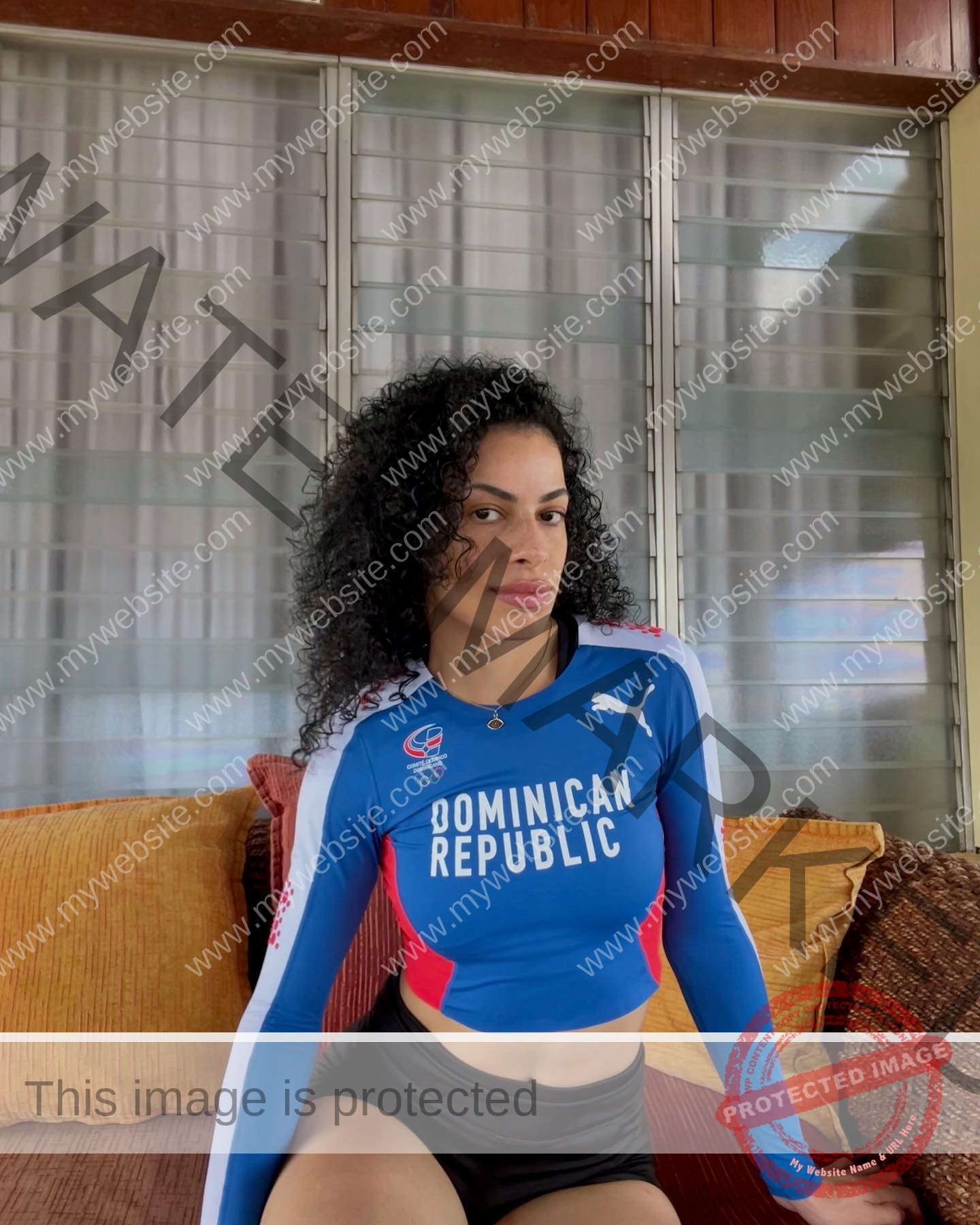
The most significant decision of Acosta’s career came in 2024, when she formally changed her competitive nationality from Spain to the Dominican Republic. The process — governed by World Athletics Rule 4.4.2 — was completed on June 27, 2024, with World Athletics confirming her eligibility to represent the Dominican Republic in international competition from June 28, 2024 onwards. She had been representing Spain exclusively until that date.
The background to the switch was a mixture of personal pride, strategic opportunity, and honest self-assessment. “I have dual nationality,” she explained in an interview. “Every year I go to compete [in the Dominican Republic] and last year I changed my nationality to go to the Olympics with the country.” The 2024 Paris Olympics were the immediate target — if she could make the Dominican relay team for the 4×400, she would be competing at a Games rather than watching as a non-qualifier with her Spanish club.
The mechanics of the switch created a brief competitive limbo, however. In 2024, before the transfer was finalised, she had qualified for the World Athletics Relays with the Spanish national squad — but the still-pending nationality change prevented her from competing. Then, once the switch was approved, she was selected for consideration for the Dominican Olympic team, but the federation ultimately chose another athlete with matching times. “They decided to take another athlete who had the same mark as me,” she recounted, “and so by those circumstances I ended up not going to the Paris Games.”
It was a genuinely difficult situation — having been stateless in competitive terms for the crucial qualifying window, then being passed over despite having done everything asked of her. She was characteristically clear-eyed about it: disappointing, but not the end of the story. The Dominican Republic federation had formally backed the switch and remained committed to her inclusion in the national programme. The Armada (Dominican Navy athletics squad), under the coordination of director Joel Capellán, had been her competitive home during her annual Dominican competition appearances, and they confirmed her continued support. The Olympic target, she said, simply moved from Paris to Los Angeles.
The nationality change also created a brief media confusion: the Spanish news agency EFE reported incorrectly that Acosta had been cleared to compete for Spain, when in fact the World Athletics ruling was the opposite. Acosta corrected the record directly. “La noticia es falsa,” she told Diario Libre from Spain. “My illusion is to run for the Dominican flag.” The clarity of her preference was unambiguous.
La Rioja, Atlético San Sebastián, and the 2025 Season
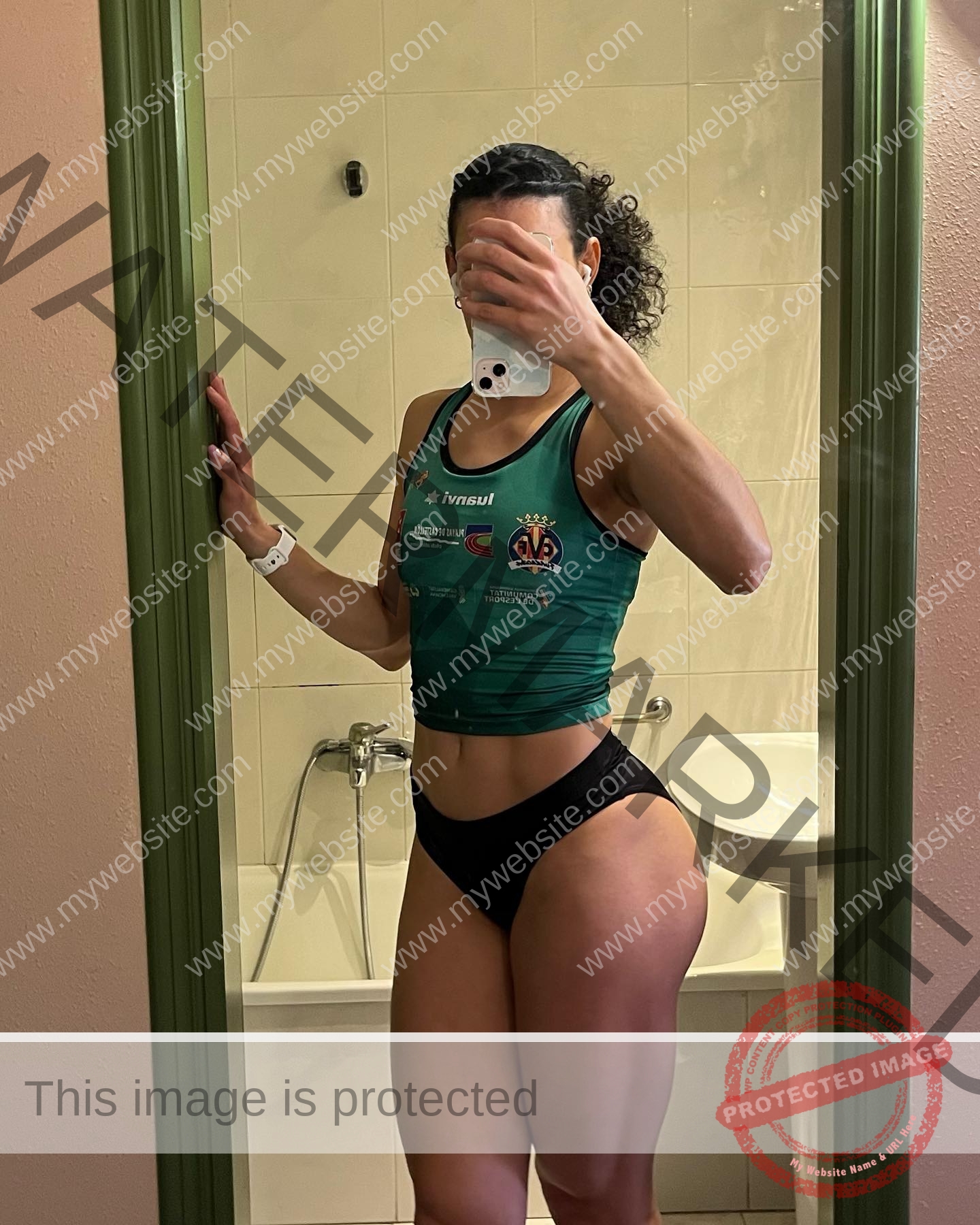
By the 2024–2025 season, Acosta had relocated to La Rioja, the small wine-country autonomous community in northern Spain, joining Club Atlético San Sebastián — the Donostia-based club that fields a highly competitive women’s División de Honor squad including athletes like international sprinter Aitana Rodrigo (200m 23.69) and multi-event competitors Irati Mitxelena and Naiara Estanga. She trains under Héctor Barrasa, her current coach, who guides her programme in La Rioja.
The move to a new region came with its own challenges. She described coming to Logroño without institutional support, “risking it by working in a bar to be able to live” while she got established — a frank admission about the precarious finances of non-elite athletics. La Rioja’s athletics facilities are, by her account, genuinely excellent, and she has expressed some frustration that the regional system doesn’t offer the same athlete scholarship support that Soria did. But the training environment and club structure have clearly paid competitive dividends.
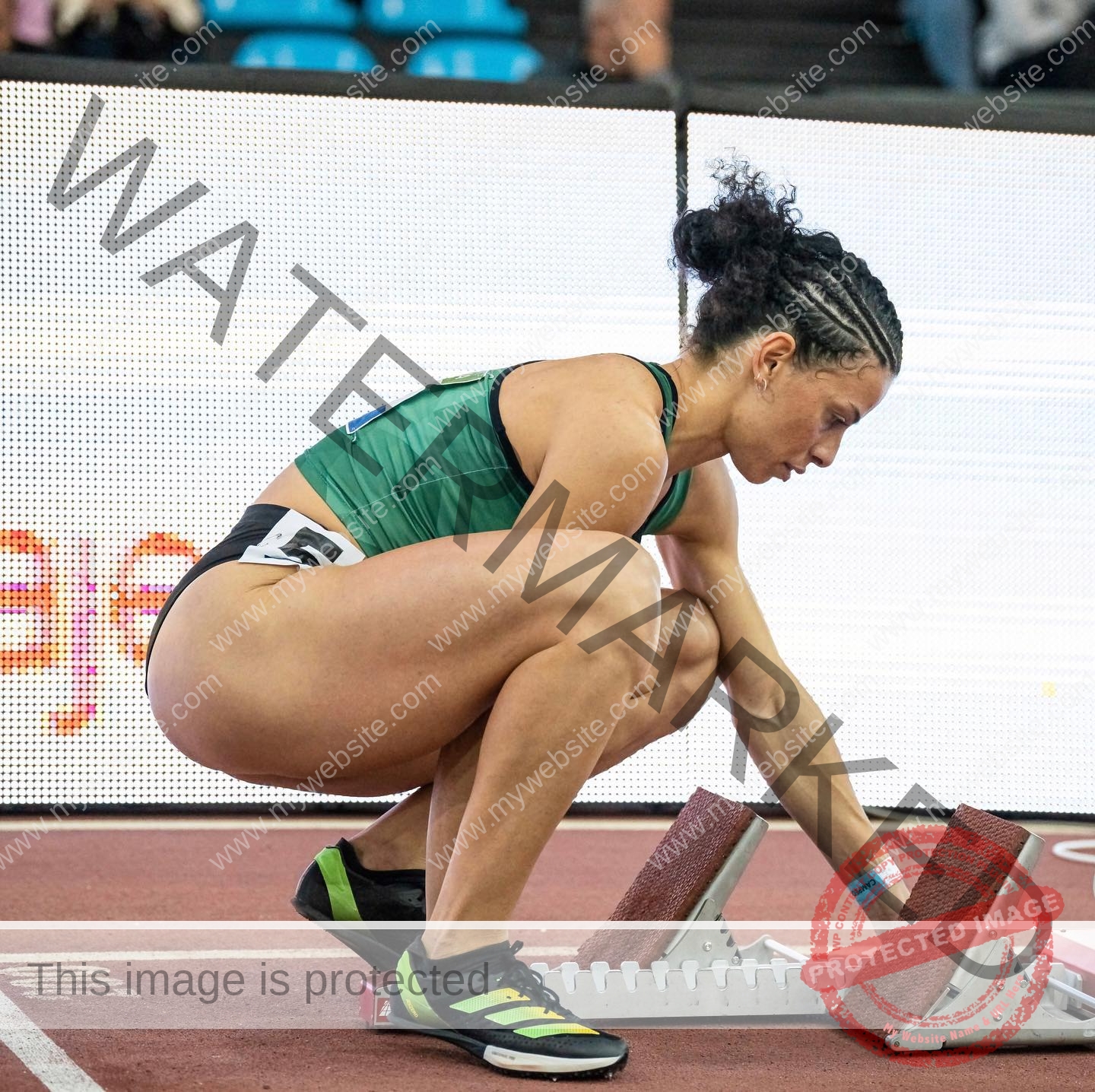
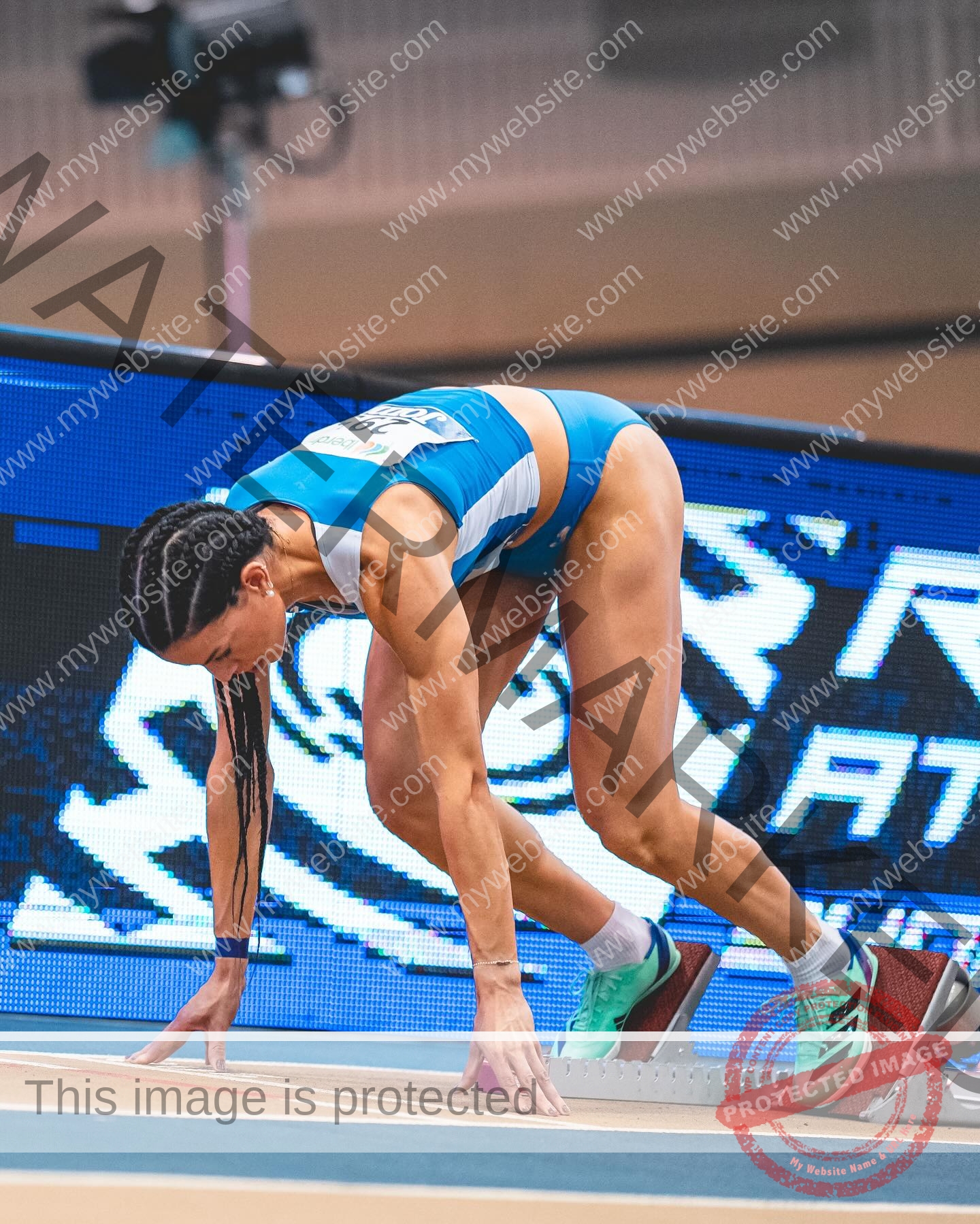
On February 22, 2025, at the Campeonato de España Absoluto Short Track (formerly the Indoor Nationals) in Madrid’s Gallur athletics facility, Acosta ran 54.32 seconds in the 400 metres short track — a time that landed simultaneously as three separate records. It was her own personal best in the 400m short track, breaking her previous indoor best. It was the new absolute La Rioja regional record in the 400m short track, beating Miriam Bravo’s 2002 mark of 54.60 (and also the previous mark set by Eliani Casi, who does not hold Spanish nationality). And it was a new Dominican Republic national record in the 400m short track, surpassing the previous Dominican mark of 55.25 held by Libia Jackson. Three records in a single race, at one of Spain’s most important indoor meetings.
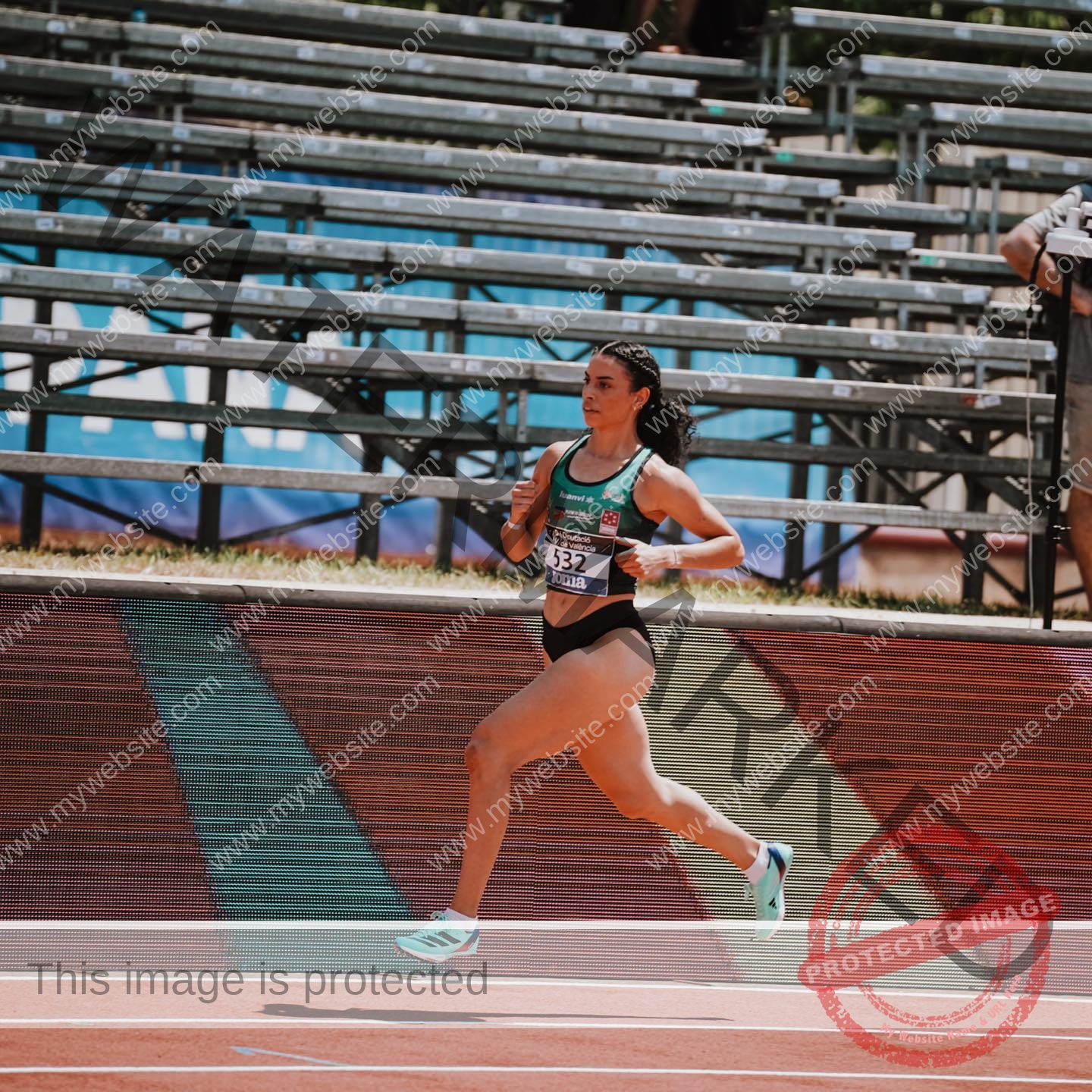
Through the 2025 outdoor season she continued representing Atlético San Sebastián in Liga Iberdrola División de Honor, with the club entering the national final in Soria in June with a 400m mark of 54.23 as her season best, holding her own in a field that included several of Spain’s top-ranked women’s athletics clubs.
Eyes on Santo Domingo 2026
In July 2025, Diario Libre published an interview with Acosta looking ahead to the 2026 Central American and Caribbean Games, to be held in Santo Domingo — the centennial edition of the regional multi-sport event and the first time it will be hosted by the Dominican Republic since 1974. For Acosta, the prospect of competing internationally in the country of her birth, representing the Dominican Republic, carries a significance that transcends athletics results.
“My great objective is simply to represent the country,” she told Diario Libre, “because for me that is a pride: to be like the only athlete from Río San Juan to represent the country.” The road to selection is competitive — the Dominican Republic’s women’s 400m programme is anchored by reigning Olympic and world champion Marileidy Paulino, one of the dominant forces in global women’s athletics, and the relay programme operates at a consistently high level. Acosta is realistic about where she fits. “I’m training the 400 metres; I’d be part of the relay,” she explains. “If not, the 200 metres, which I’m also running.”
She has already been a medallist for the Dominican Republic at the Juegos Deportivos Militares — military international competitions that represent her first Dominican international results — and the national athletic federation’s continued engagement with her selection gives her reason for optimism. The 2028 Los Angeles Olympics remain her ultimate individual goal, particularly given that the Dominican Republic’s relay programme is a consistent qualifier for global major championships. “In my country the 4×400 relay is very good,” she noted. “We have the Olympic champion in the event and the relay usually qualifies for the World Championships.”
Personal Bests and Career Records
- 100 metres: 12.17 (2019)
- 200 metres (outdoor): 23.76 — June 22, 2018, Madrid (Aragon absolute regional record)
- 200 metres short track (indoor): 24.08 — February 19, 2023, Madrid, Spain (Spanish National Championships)
- 400 metres short track (indoor): 54.32 NR — February 22, 2025, Madrid (La Rioja absolute regional record; Dominican Republic national record)
- 4×100 metres relay: 44.04 — June 26, 2022, Nerja, Spain (Spanish National Championships)
- 4×400 metres relay short track: 3:38.96 — February 11, 2023, Ourense, Spain
- 4×400 metres relay (outdoor): 3:38.19 — July 30, 2023, Torrent, Spain
World Athletics lists her current world ranking at #507 in the women’s 400 metres, competing under Dominican Republic colours. Her athlete code is 14713388. The profile notes three Spanish national championship titles won while competing for Spain, prior to her nationality transfer on June 27, 2024.
Profile: Who She Is
Bianca Acosta is, by self-description, an athlete who has built her career through persistence rather than institutional support. She has navigated regional scholarship programmes, club transfers, and a nationality change — all without the kind of federation infrastructure that surrounds higher-ranked international competitors. She is a working professional as well as a competitive athlete, currently practising as a nutritionist alongside her training. She brings to that profession the same practical intelligence she brings to competition: an interest in the science of what the body does and how to support it.
The dual identity — Dominican by birth, Spanish by upbringing and residence, Riojan by current address — is something she wears comfortably. She returns to the Dominican Republic to compete each year, keeps her ties to Río San Juan alive through those visits, and has pursued the formal competitive nationality change with her eyes open about what it means and what it costs. The missed Paris opportunity was a genuine blow, and she has been candid about how frustrating the bureaucratic timing was. But the response has been characteristic: look forward, identify the next opportunity, and keep training.
Her ambitions for 2026 and beyond include competing internationally for the Dominican Republic at the highest level she can reach — whether in the individual 200m or 400m or as part of the relay programme — while continuing to compete in Spain’s Liga Iberdrola with Atlético San Sebastián. The two worlds run parallel, and she continues to move between them with the ease of someone who has been doing it all her life.
Social Media
Bianca Acosta is active on TikTok under the handle @biancaaaacosta, where she documents training sessions, competitions, and aspects of her life as an athlete. Her World Athletics profile (athlete code 14713388) can be followed at worldathletics.org for updated competition results and rankings under Dominican Republic colours.
Bianca Acosta (born March 8, 1997, Río San Juan, Dominican Republic) competes for Club Atlético San Sebastián in Spain and for the Dominican Republic internationally in the 200 metres, 400 metres, and relay events. She trains under coach Héctor Barrasa and is registered with World Athletics (athlete code 14713388) under Dominican Republic nationality from June 28, 2024.
