
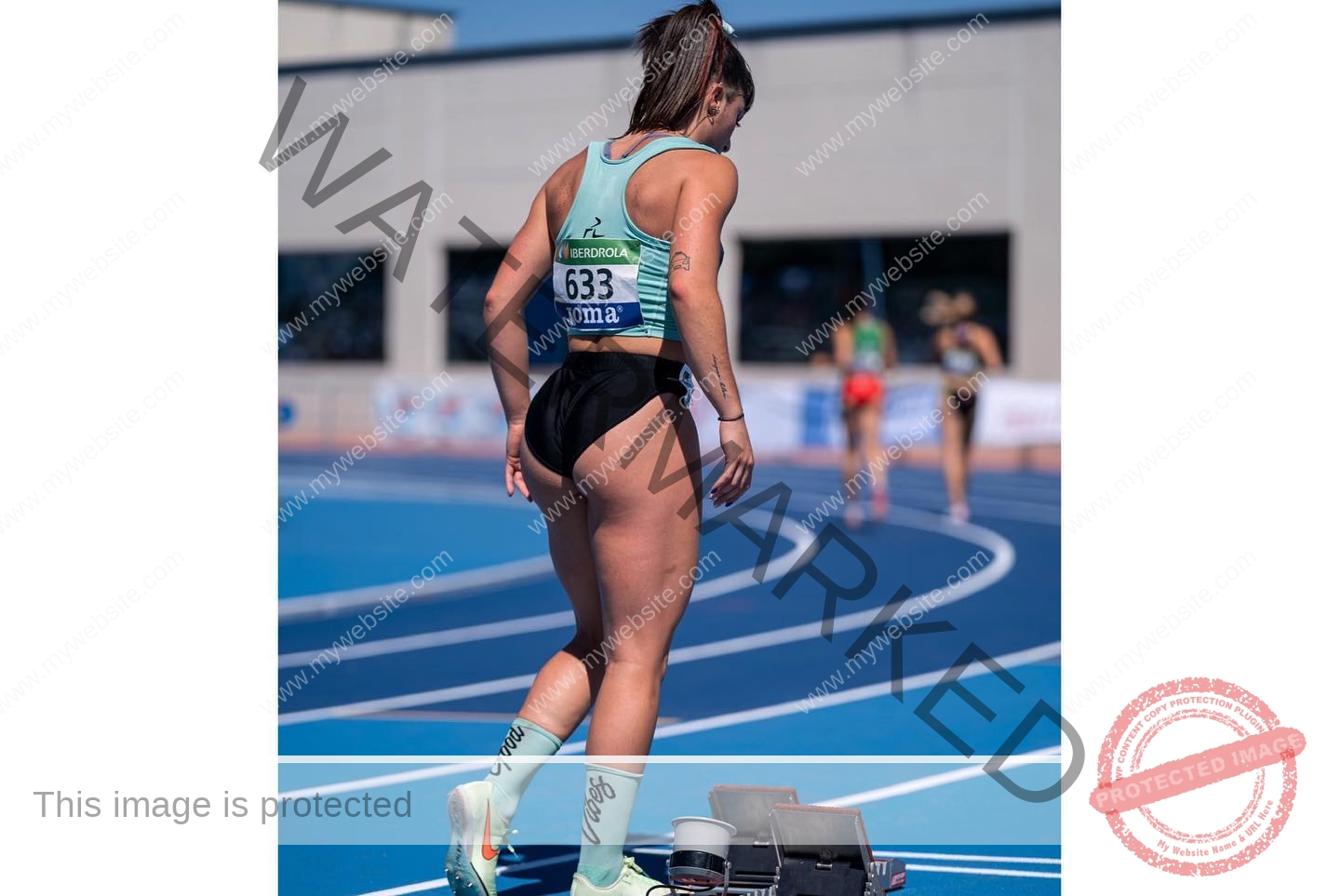
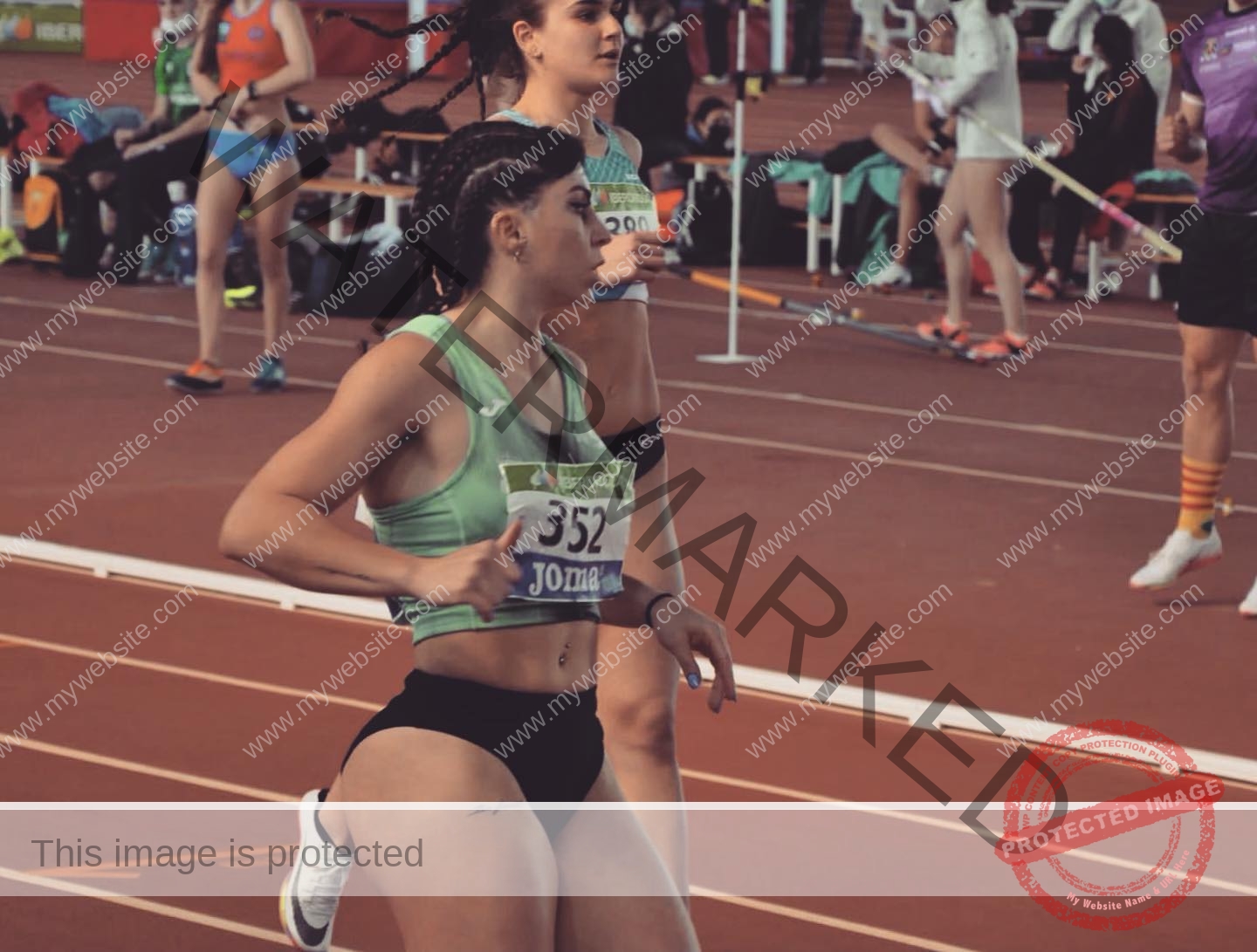
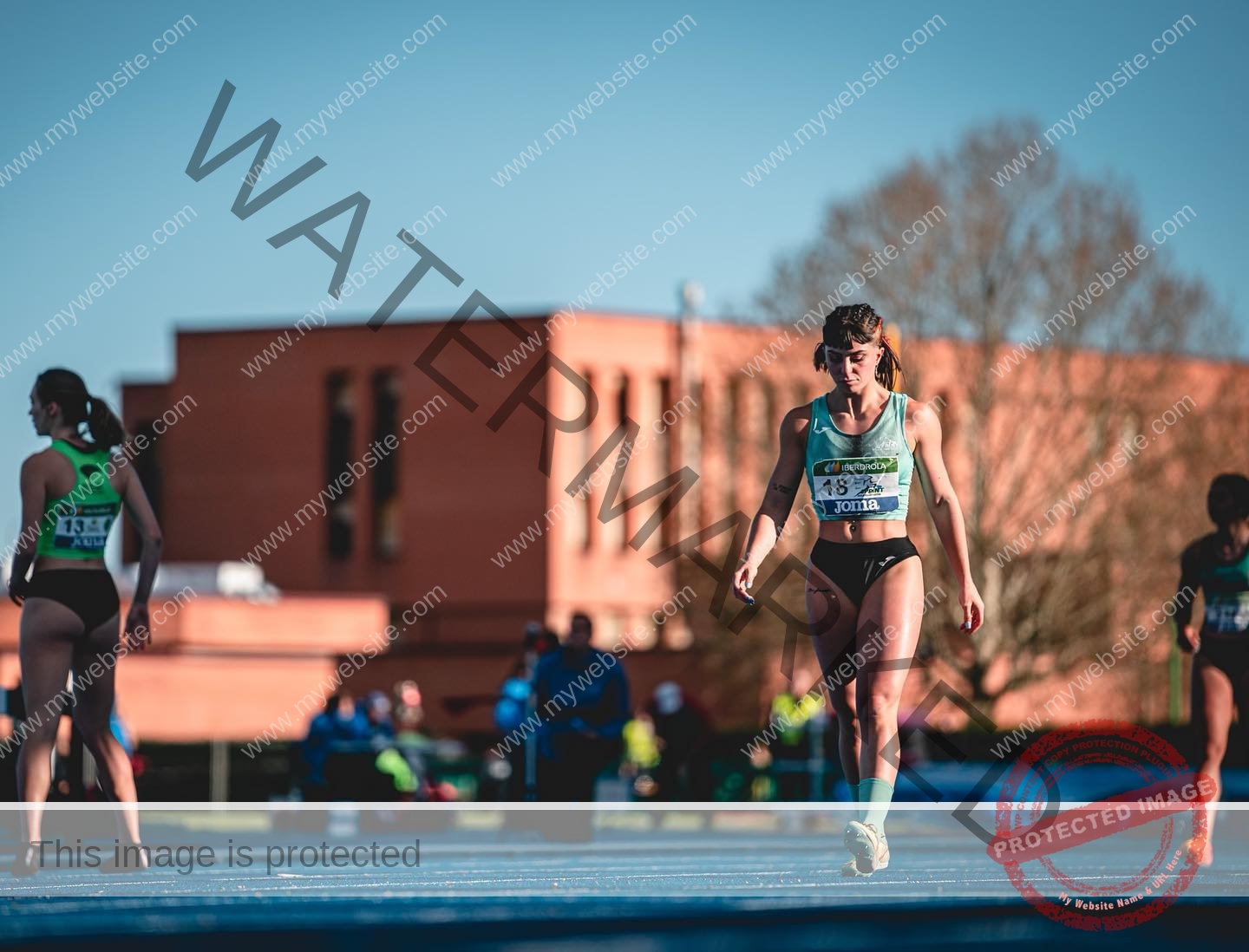
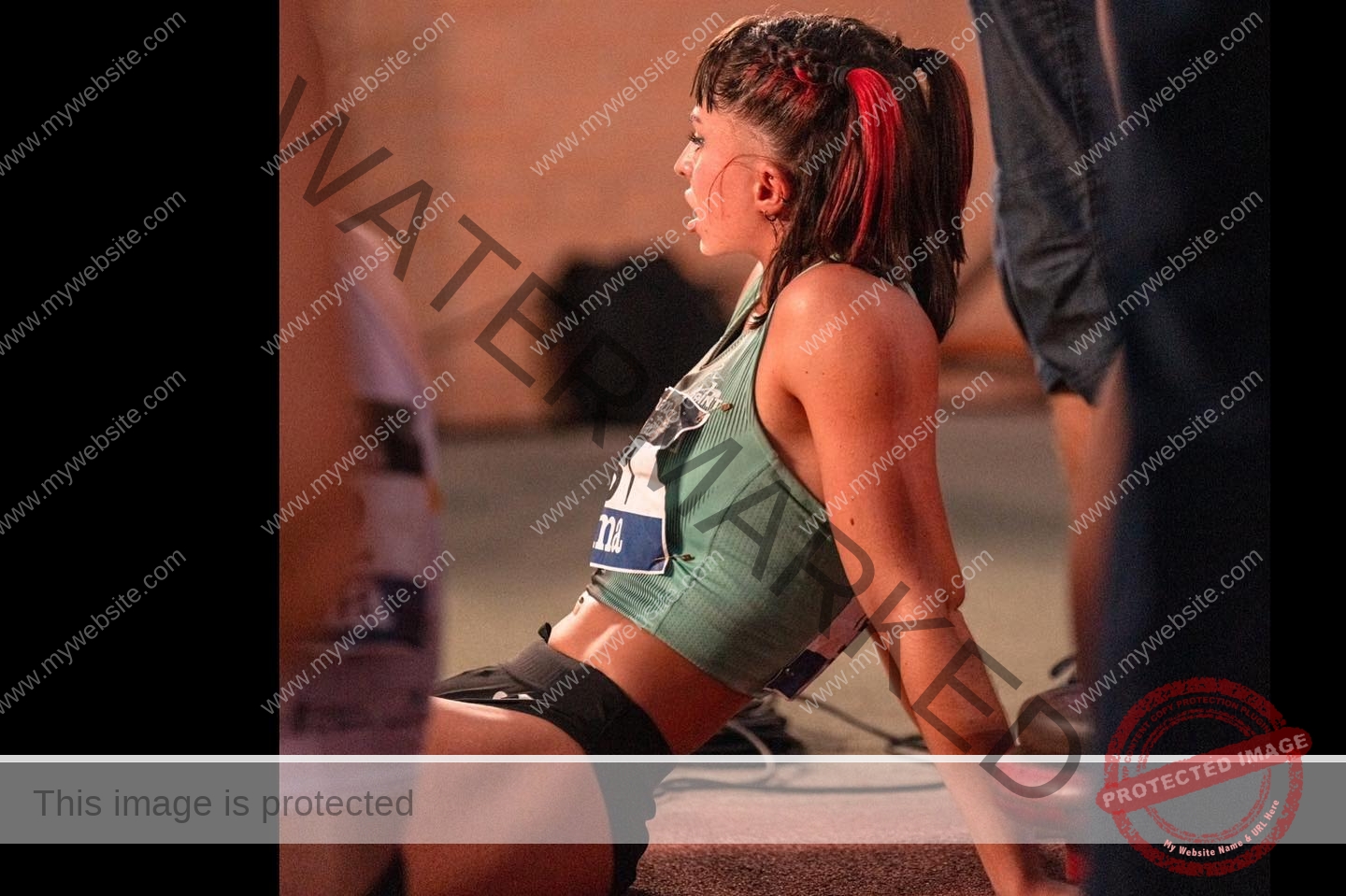










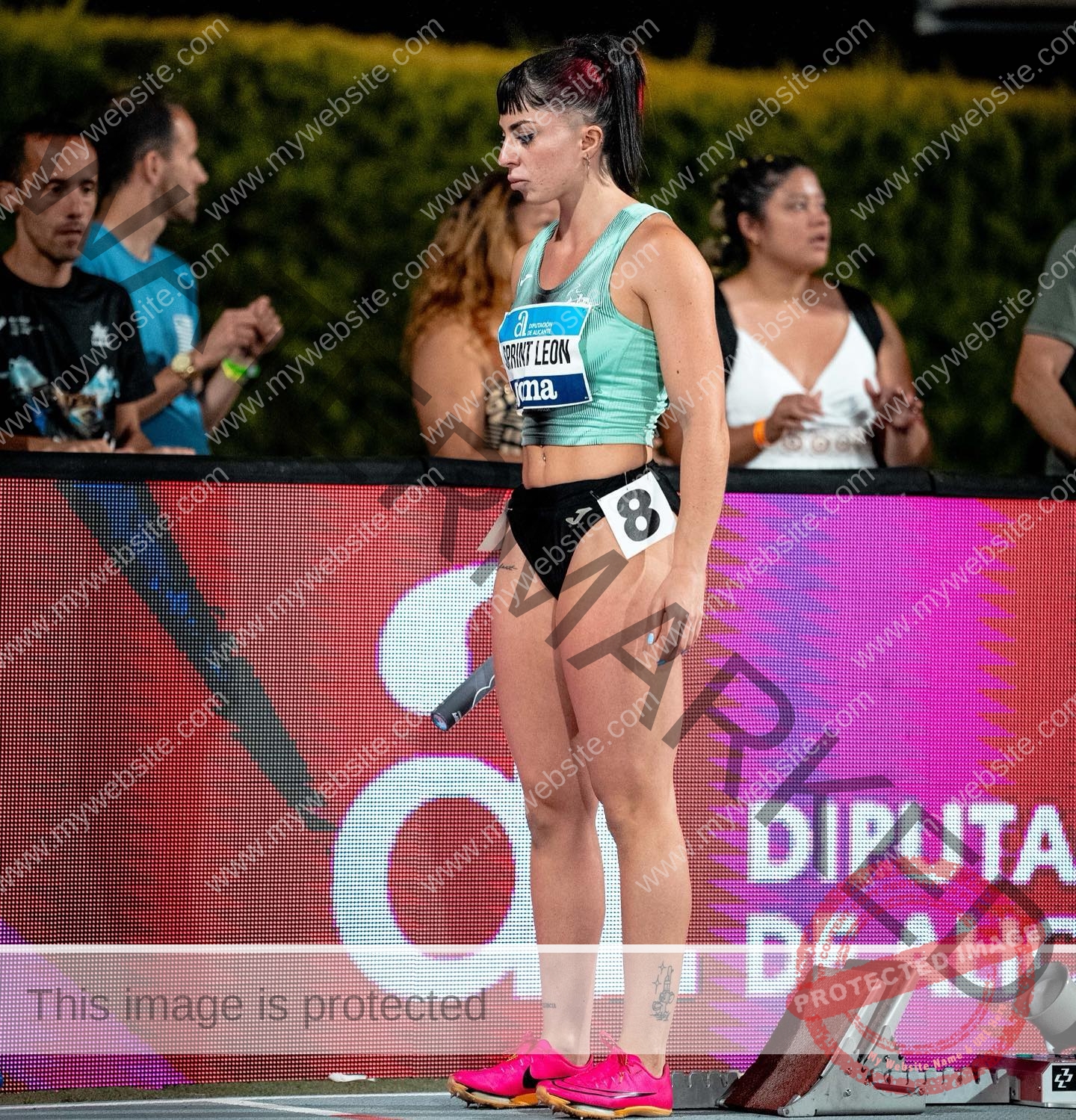
Olga Guerra: A Steady Presence in Spanish Sprinting
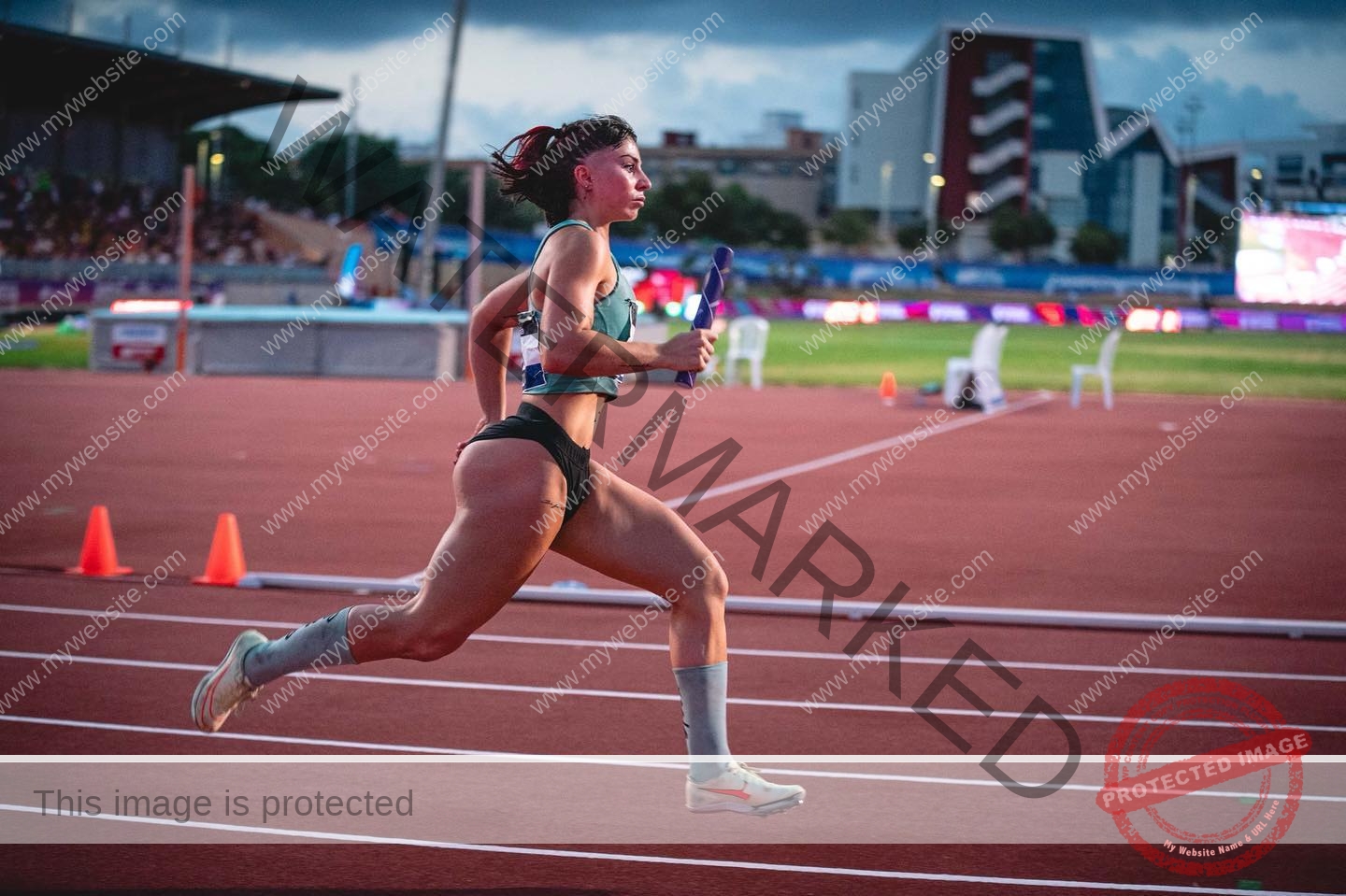
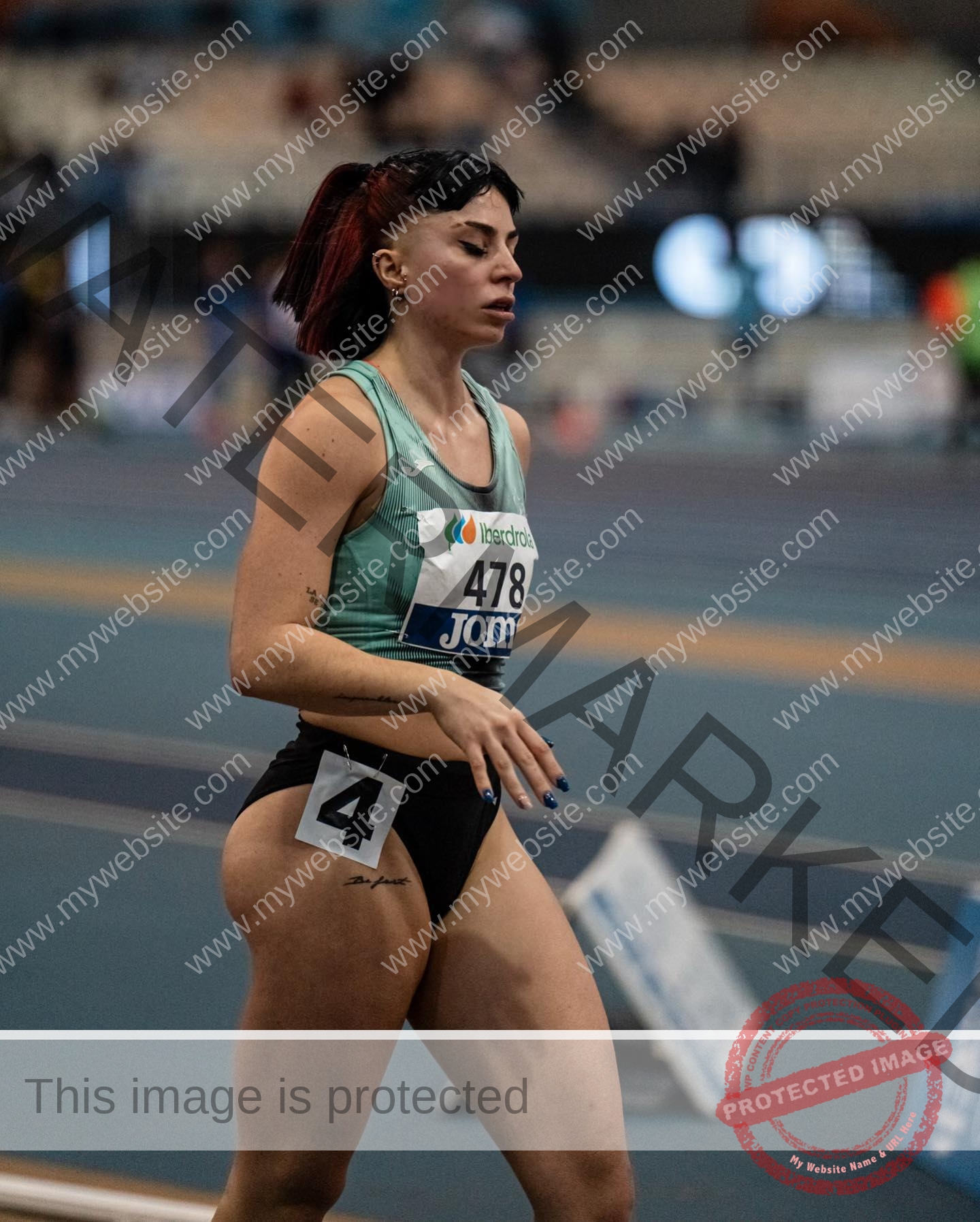
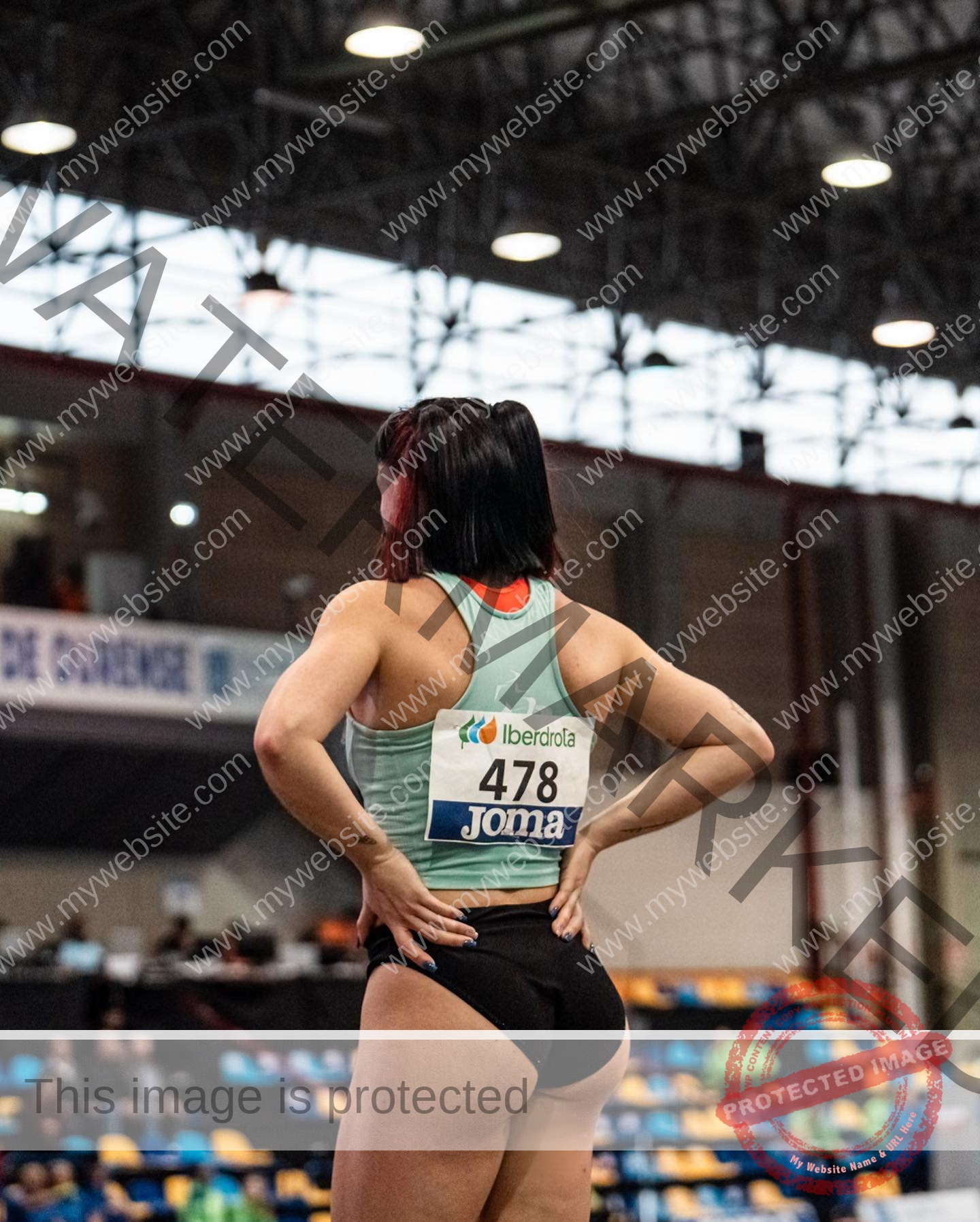
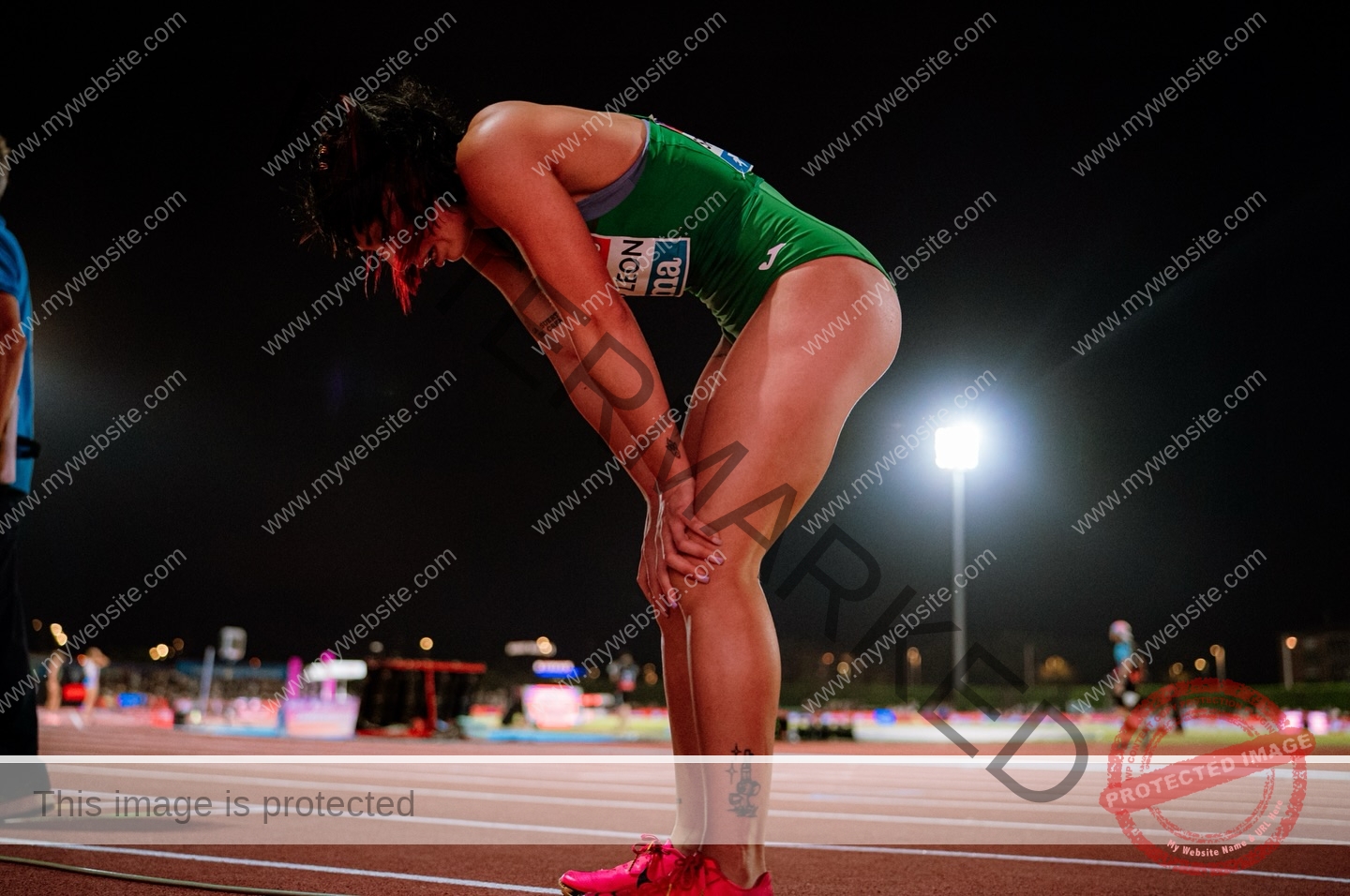
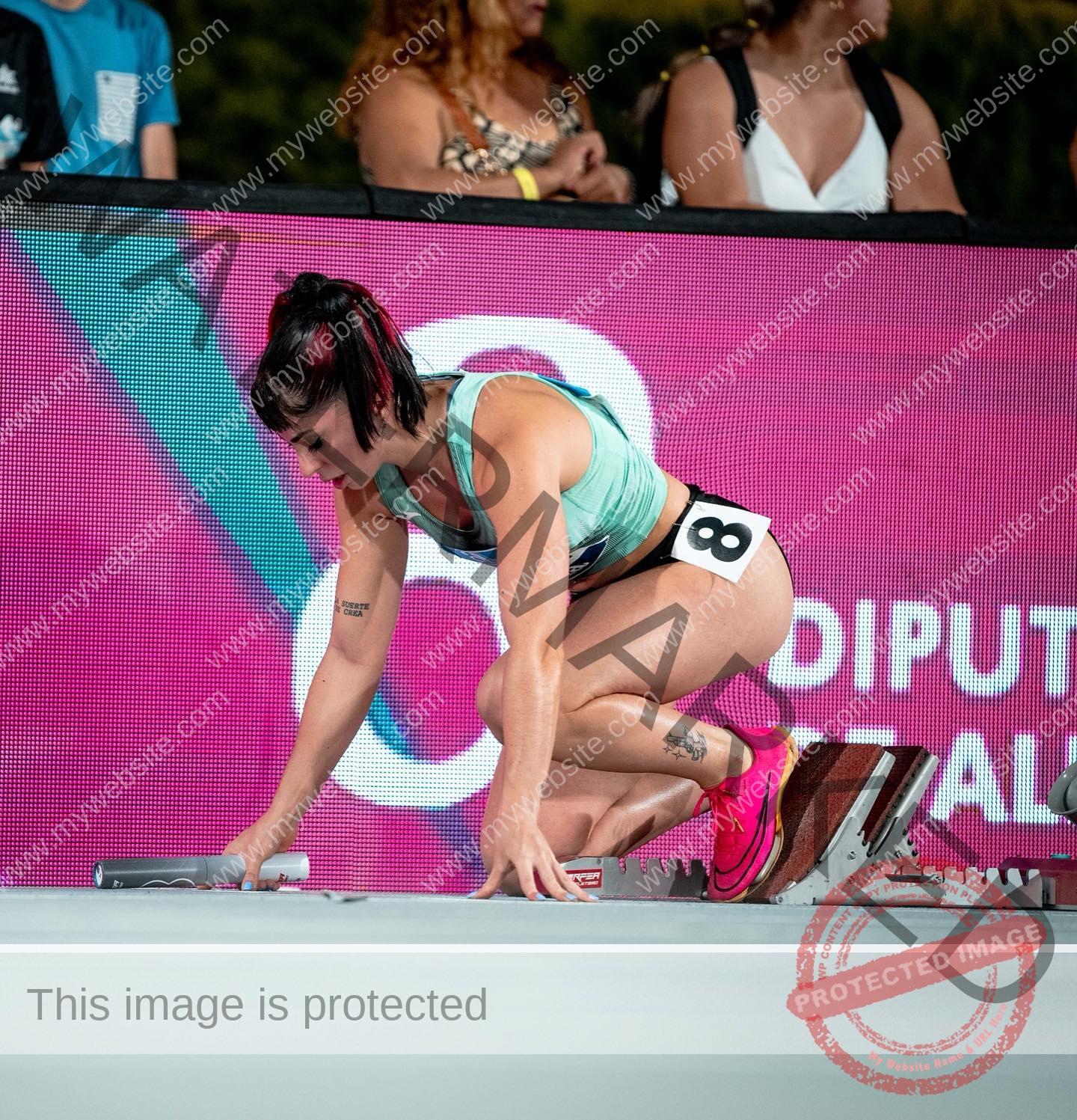
Spanish sprinter Olga Guerra has built her athletics career through consistency, versatility, and years of competition at the national level. Competing primarily in the 100 meters and 200 meters, Guerra has represented Spanish club athletics with distinction while developing into one of the dependable sprint athletes on the domestic circuit. Although she has often competed outside the global spotlight reserved for medal-winning international stars, her career reflects the depth and competitiveness of modern Spanish athletics.
Born on July 14, 2000, Guerra emerged during a strong era for Spanish women’s sprinting, one in which improved training systems, stronger club structures, and deeper relay programs created new opportunities for athletes across the country. Over the course of her development, she became known as a technically disciplined sprinter capable of contributing both individually and in relay settings.
Early Life and Introduction to Athletics
Publicly available information about Olga Guerra’s childhood and family background remains relatively limited, something that is not uncommon for athletes whose careers have primarily unfolded within the domestic European athletics structure rather than through global media coverage. What is clear, however, is that Guerra entered athletics during a productive period for Spanish track and field development, especially in sprinting events.
Like many Spanish athletes, Guerra likely developed through the country’s highly competitive club system, which serves as the backbone of athletics development in Spain. Regional competitions, age-group championships, and club leagues play an enormous role in shaping young athletes, and Guerra steadily progressed through those ranks as a developing sprinter.
From an early stage, her event profile suggested a balance of raw speed and sprint endurance. Rather than specializing exclusively in the shortest sprint event, Guerra demonstrated capability across both the 100 meters and 200 meters, a combination that often indicates strong foundational sprint mechanics and adaptability.
Youth Development and Junior Competition
As Guerra moved through the youth and junior levels of Spanish athletics, she established herself as a competitive national-level sprinter. Spain’s junior sprinting scene is particularly demanding because of the country’s deep club culture and year-round competition calendar, and athletes who remain competitive through the transition from junior to senior athletics typically possess both resilience and long-term discipline.
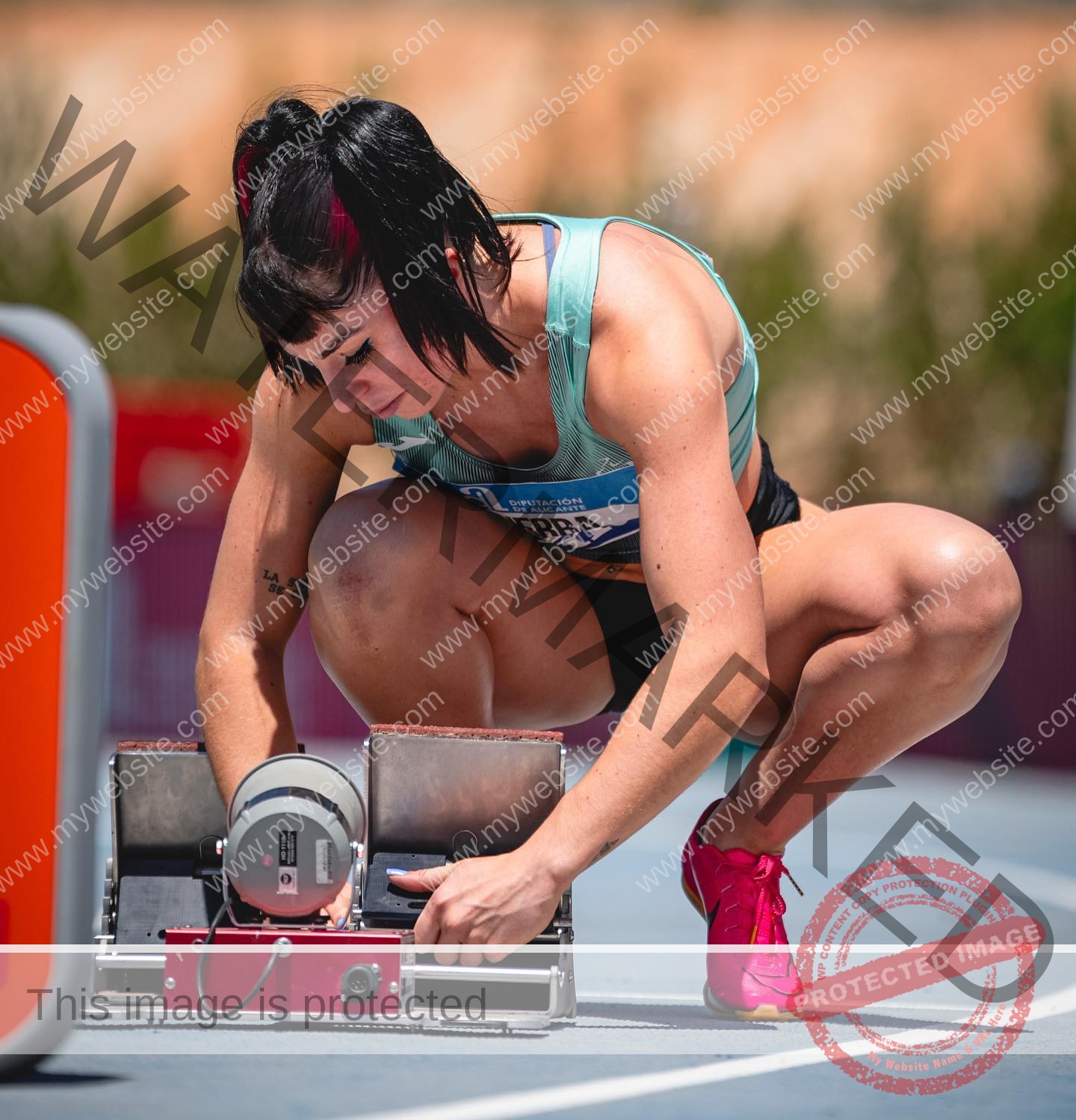
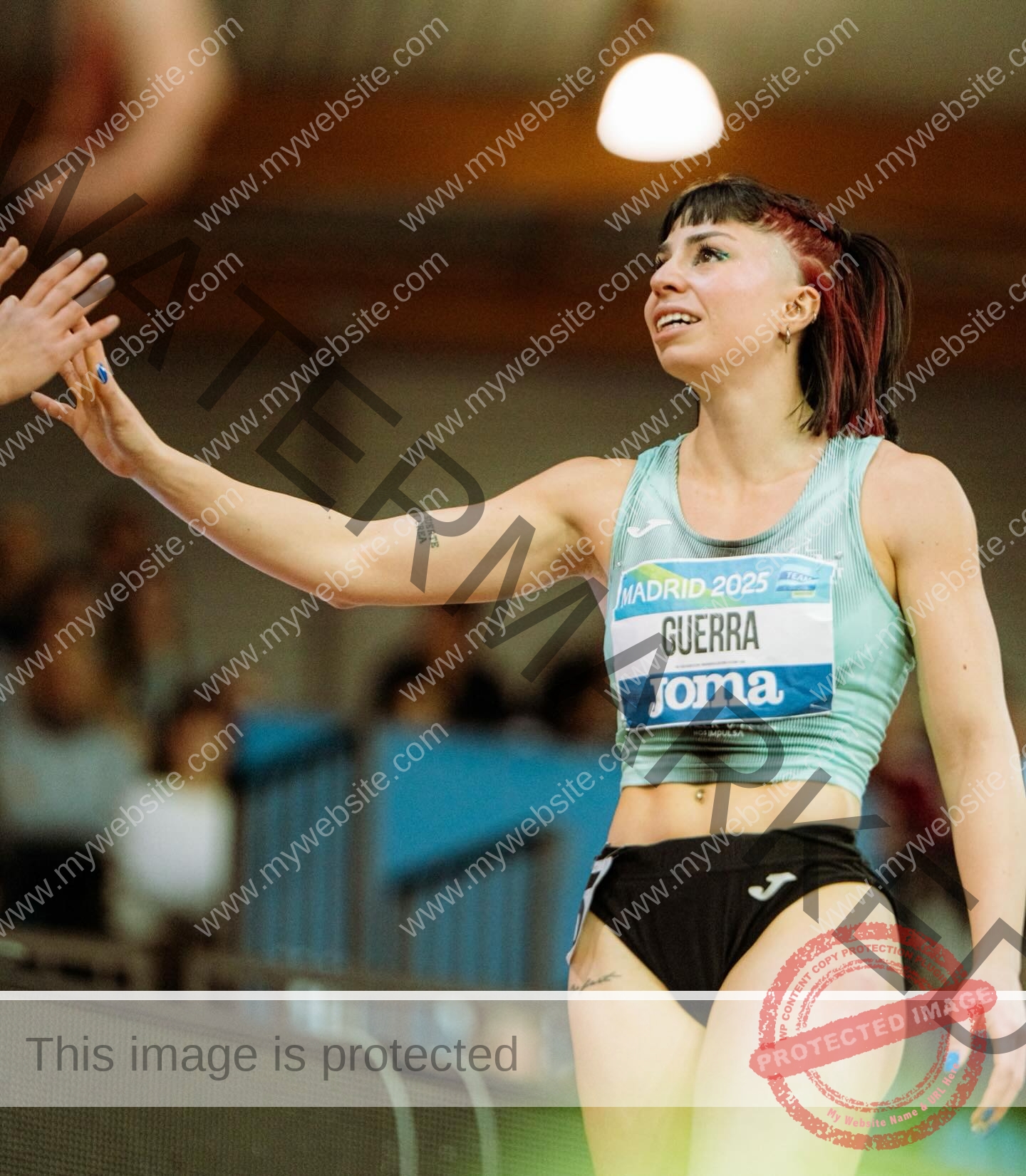
During these developmental years, Guerra gained experience across indoor and outdoor competition formats. Indoor sprinting in Spain is highly valued as a developmental environment because it emphasizes acceleration, reaction time, and technical precision. Athletes who consistently compete indoors often emerge with refined sprint mechanics that translate well outdoors.
Guerra’s progression through youth athletics coincided with an era in which Spanish women’s sprinting was steadily improving at both national and international levels. Younger athletes benefited from stronger relay programs, better access to high-level coaching, and increased visibility for female athletes in Spanish athletics.
Transition to Senior Athletics
The jump from youth competition to senior-level sprinting is one of the most difficult transitions in athletics. Many promising junior athletes struggle to maintain progression once they begin competing against experienced national-level sprinters. Guerra, however, continued to establish herself within the Spanish athletics structure.
By the early 2020s, she had become an active competitor in major domestic competitions, including national championships and Spanish club events. Her performances demonstrated reliability across multiple sprint distances and reinforced her value within team-based competitions.
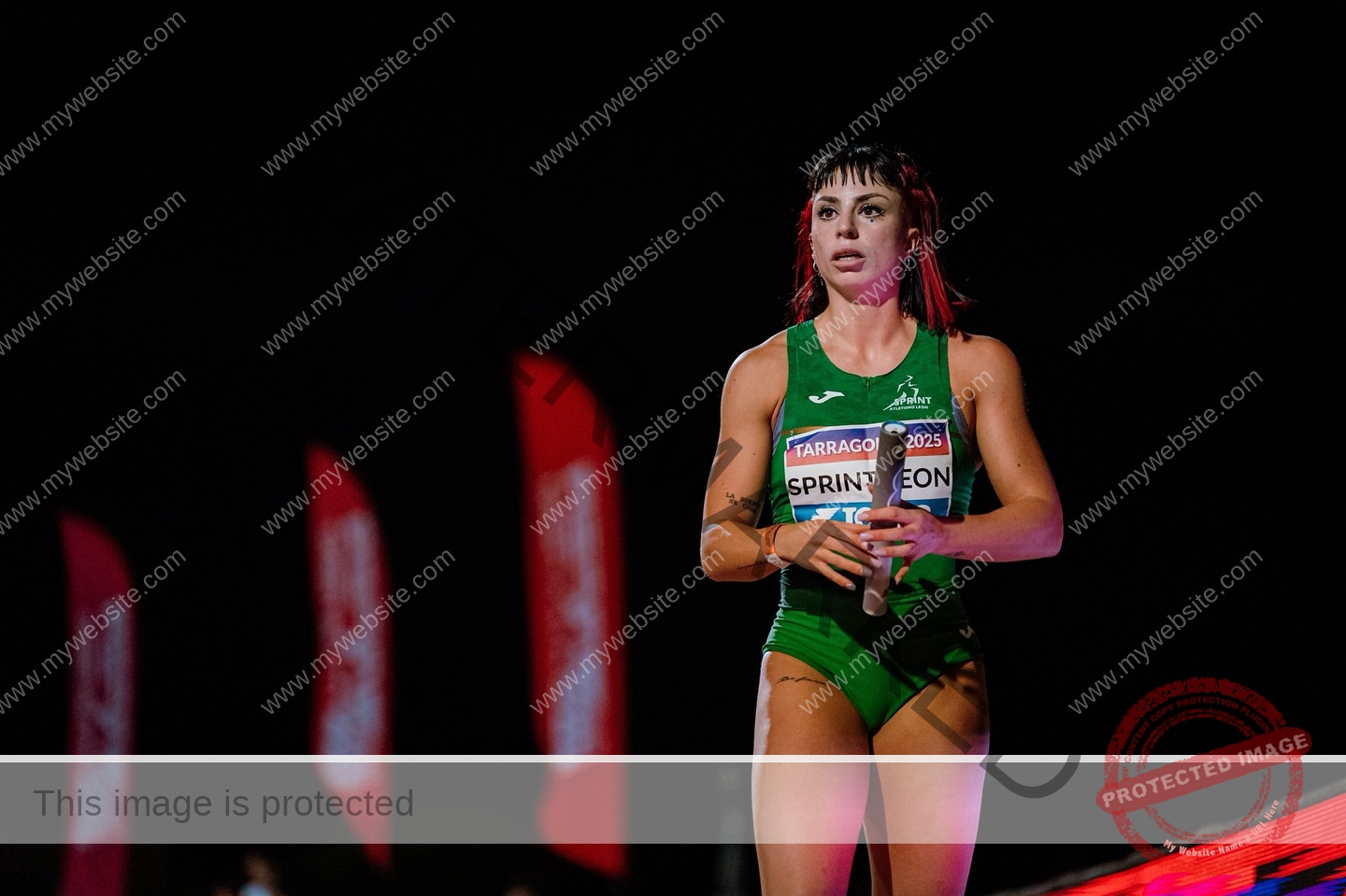
One of the most important aspects of Spanish athletics culture is the interclub league system, where athletes represent clubs in high-level national competitions throughout the season. Guerra became a familiar presence in these competitions, contributing points and performances in sprint events for her club.
In 2022, she competed in the Spanish National Championships in the 200 meters, representing Universidad de León Sprint Atletismo. Her inclusion in national-level championship competition reflected both her standing within the club system and her ability to compete against some of the country’s top sprinters.
Sprint Profile and Competitive Style
Olga Guerra has primarily specialized in the 100 meters and 200 meters, two events that demand different strengths despite their close relationship.
The 100 meters rewards explosive acceleration, reaction speed, and top-end velocity. The 200 meters, meanwhile, requires athletes to combine speed with rhythm, curve-running ability, and sprint endurance. Guerra’s willingness to compete in both events highlights her versatility as a sprinter.
Over the years, she has produced performances that positioned her competitively within Spanish national athletics. Her times have consistently reflected a solid national-level standard, particularly in club competition settings where tactical consistency and reliability are highly valued.
According to her World Athletics profile, Guerra has competed extensively in domestic Spanish competitions while continuing to improve her sprint credentials through regular high-level racing.
Personal Bests and Performance Progression
Throughout her senior career, Guerra has steadily developed her sprint résumé.
Among her most notable marks:
- 100 meters: 12.27
- 200 meters: 24.93
These performances place her among the broad competitive depth of Spanish women’s sprinting, a category that has become increasingly competitive in recent years.
The sub-25-second barrier in the 200 meters is often viewed as an important benchmark for domestic-level female sprinters in Europe, and Guerra’s performances around that range underscore her ability to compete consistently in high-level national competition.
Her race schedule has included appearances at club championships, national-level competitions, and regional athletics meetings across Spain.
Club Athletics and Team Contributions
Spanish athletics relies heavily on its club system, and Guerra’s career has been shaped significantly by that environment.
Representing Universidad de León Sprint Atletismo, she competed in one of Spain’s strongest athletics ecosystems. Clubs in Spain are not merely training groups; they function as year-round competitive organizations that create opportunities for athletes to compete regularly against elite domestic talent.
In club competition, versatility is extremely valuable. Athletes capable of racing multiple sprint events or contributing in relay settings are often essential to team success. Guerra’s ability to race both the 100 meters and 200 meters made her an important contributor during league competition.
In April 2026, she competed in the Spanish Clubs Championships División de Honor Liga Iberdrola in León, racing both the 100 meters and 200 meters. She recorded times of 12.27 in the 100 meters and 24.93 in the 200 meters during that competition.
The División de Honor league represents the highest level of club athletics in Spain, and participation alone reflects a high competitive standard.
The Competitive Landscape of Spanish Women’s Sprinting
Guerra’s career has unfolded during a period of substantial progress for women’s sprinting in Spain.
Historically, Spain was more closely associated with middle-distance running, race walking, and technical events than with elite sprinting. Over the last decade, however, Spanish women’s sprinting has experienced major growth, especially in relay development and depth across national championships.
The emergence of stronger relay teams and improved sprint programs has elevated the overall competitive standard. Athletes like Guerra have contributed to that deeper national ecosystem, helping strengthen the quality of domestic sprint competition.
Even athletes who do not become major international stars play a critical role in sustaining elite-level national athletics systems. Strong domestic competition pushes standards upward, improves relay depth, and creates the environment necessary for future international breakthroughs.
Training, Longevity, and Athletic Discipline
Sprint careers require exceptional discipline, especially for athletes competing primarily at the national and club levels. The demands of year-round training, travel, recovery, and competition are substantial, and maintaining performance over multiple seasons requires consistency that is often overlooked outside the sport.
Athletes in Guerra’s position frequently balance athletics with education, work responsibilities, or other professional commitments while continuing to compete at a high level.
Remaining active in national-level sprinting into adulthood is itself a significant accomplishment. Many talented youth athletes leave the sport before reaching full senior maturity due to injuries, financial limitations, or the difficulty of balancing athletics with daily life. Guerra’s continued presence in Spanish competition demonstrates persistence and long-term commitment to the sport.
Social Media and Public Presence
As with many contemporary athletes, social media has become an important part of maintaining visibility within the athletics community. While Guerra has maintained a more understated public profile compared to internationally famous athletes, her competition history and club affiliations have kept her connected to Spain’s active athletics culture.
Athletes competing within the Spanish club system often develop strong relationships with teammates, coaches, and local athletics communities, even without major international media attention.
Current Career Status and Outlook
As of 2026, Olga Guerra continues to compete in Spanish athletics competition, including high-level club events. Her recent performances in the División de Honor league demonstrate that she remains active within one of the country’s strongest competitive athletics environments.
For sprinters, experience often becomes increasingly valuable with time. Technical refinement, race management, and training efficiency can help athletes continue competing effectively even as the younger generation emerges behind them.
Whether through individual sprint races or contributions to relay and club competition, Guerra remains part of the competitive structure that supports Spanish athletics at the national level.
Legacy Within Spanish Athletics
Olga Guerra’s career reflects the reality of high-level athletics beyond the small group of globally famous stars. Competitive national-level athletes form the foundation of every successful athletics nation, and their contributions are essential to maintaining standards, developing younger athletes, and strengthening club competition.
Through years of dedication in sprint events, Guerra has established herself as a respected competitor within Spanish athletics. Her career illustrates the persistence, professionalism, and consistency required to remain active in one of track and field’s most demanding disciplines.
In a sport where progress is measured in hundredths of a second, athletes like Olga Guerra embody the quiet determination that drives athletics forward year after year.
