








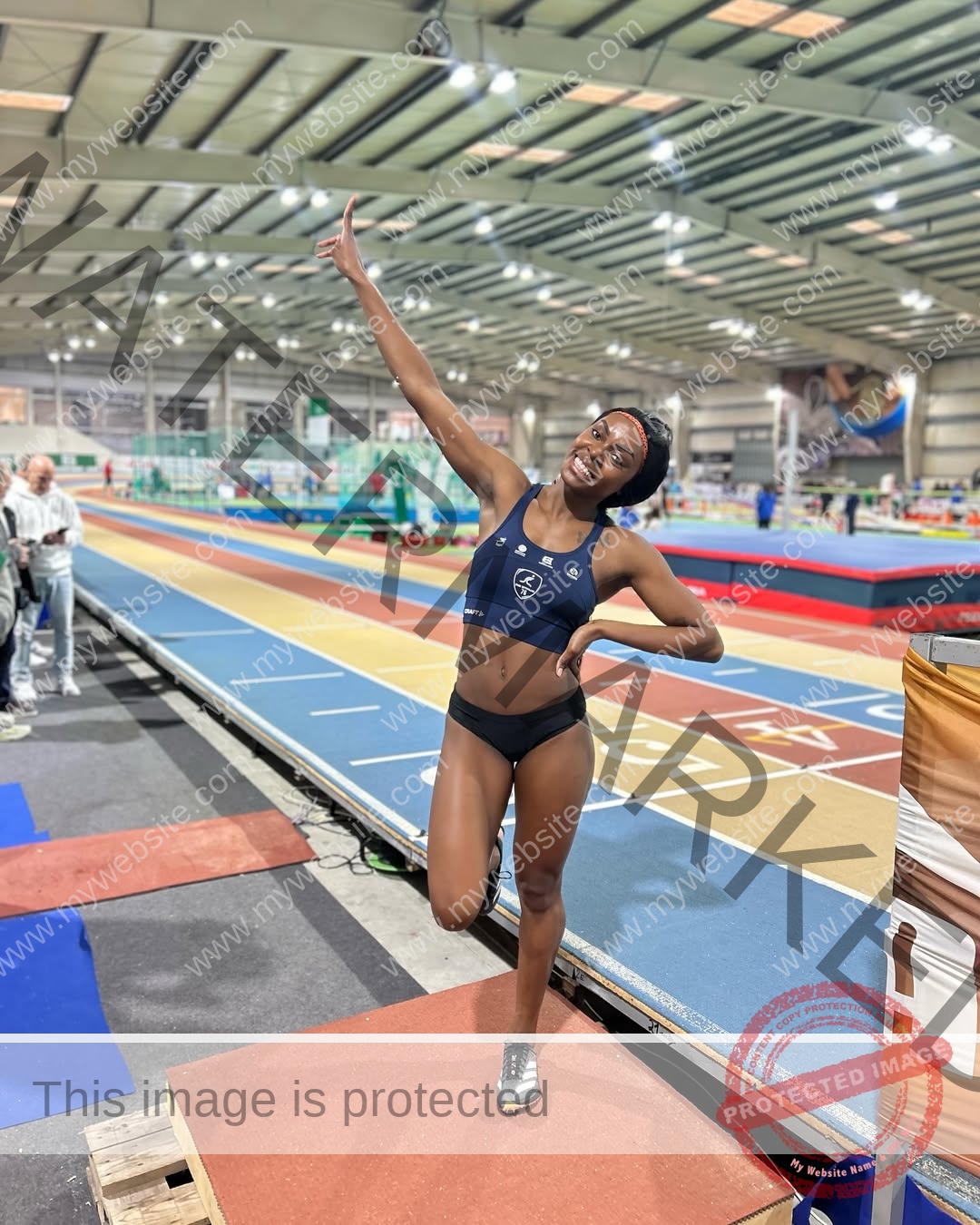
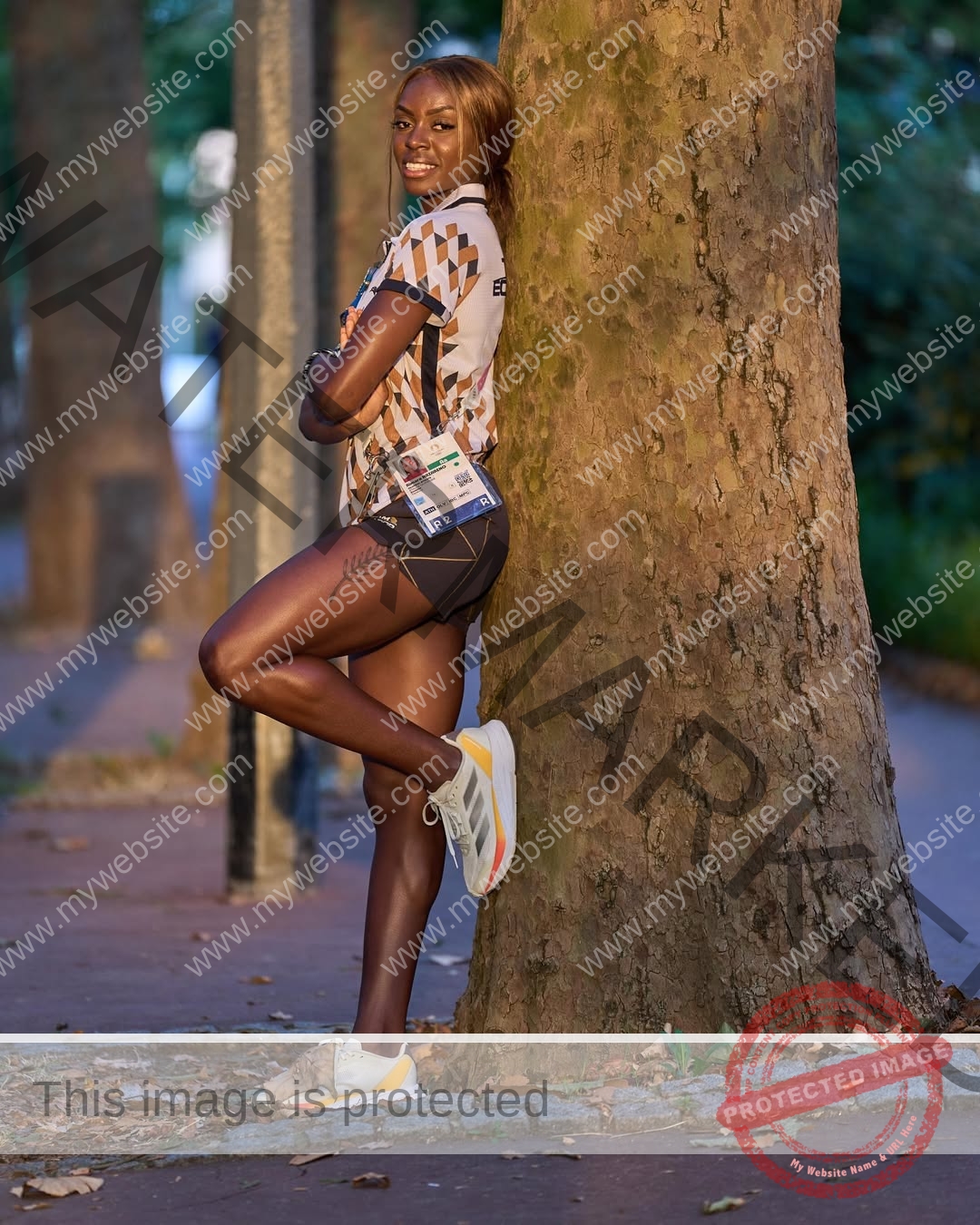


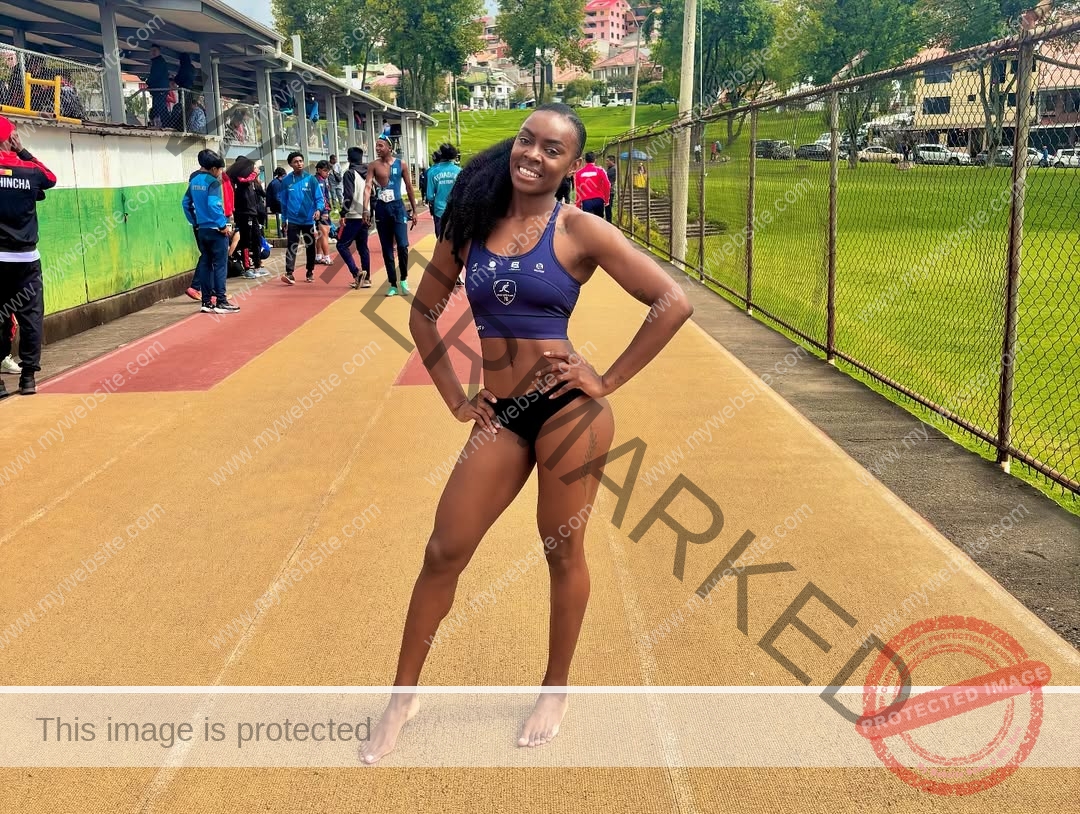
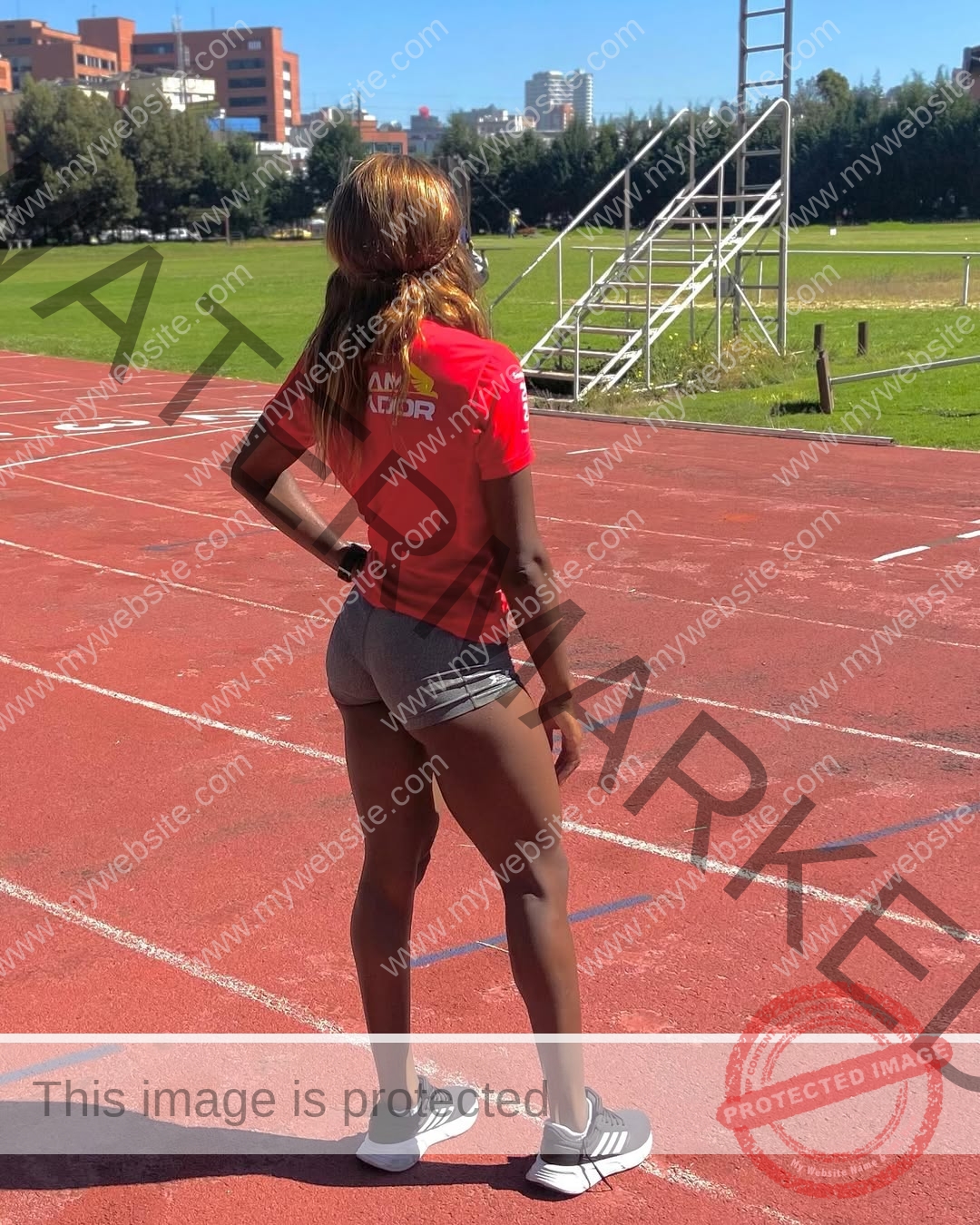

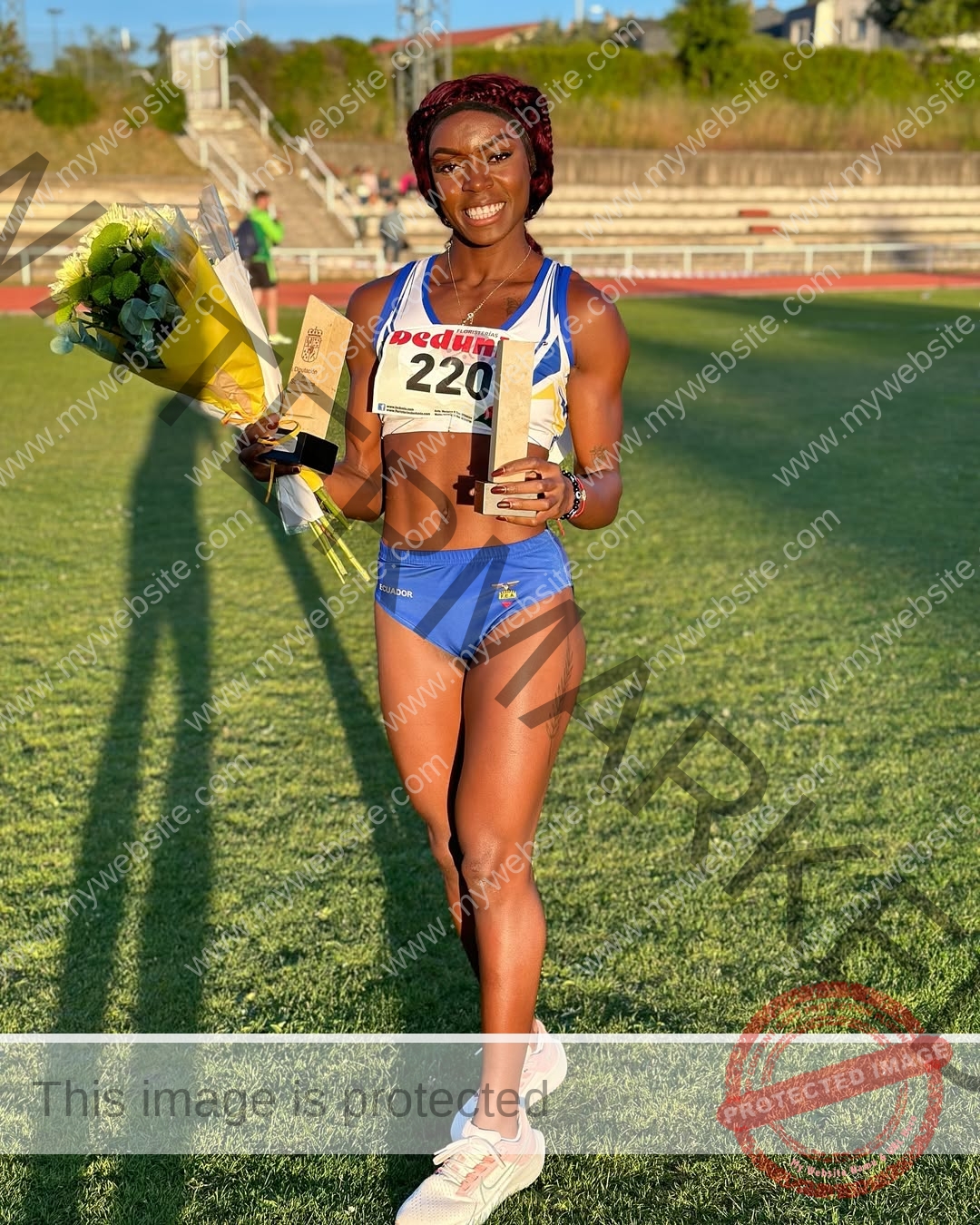
Aimara Nazareno: Ecuador’s Emerging Sprint Star Carrying a Family Legacy Onto the World Stage
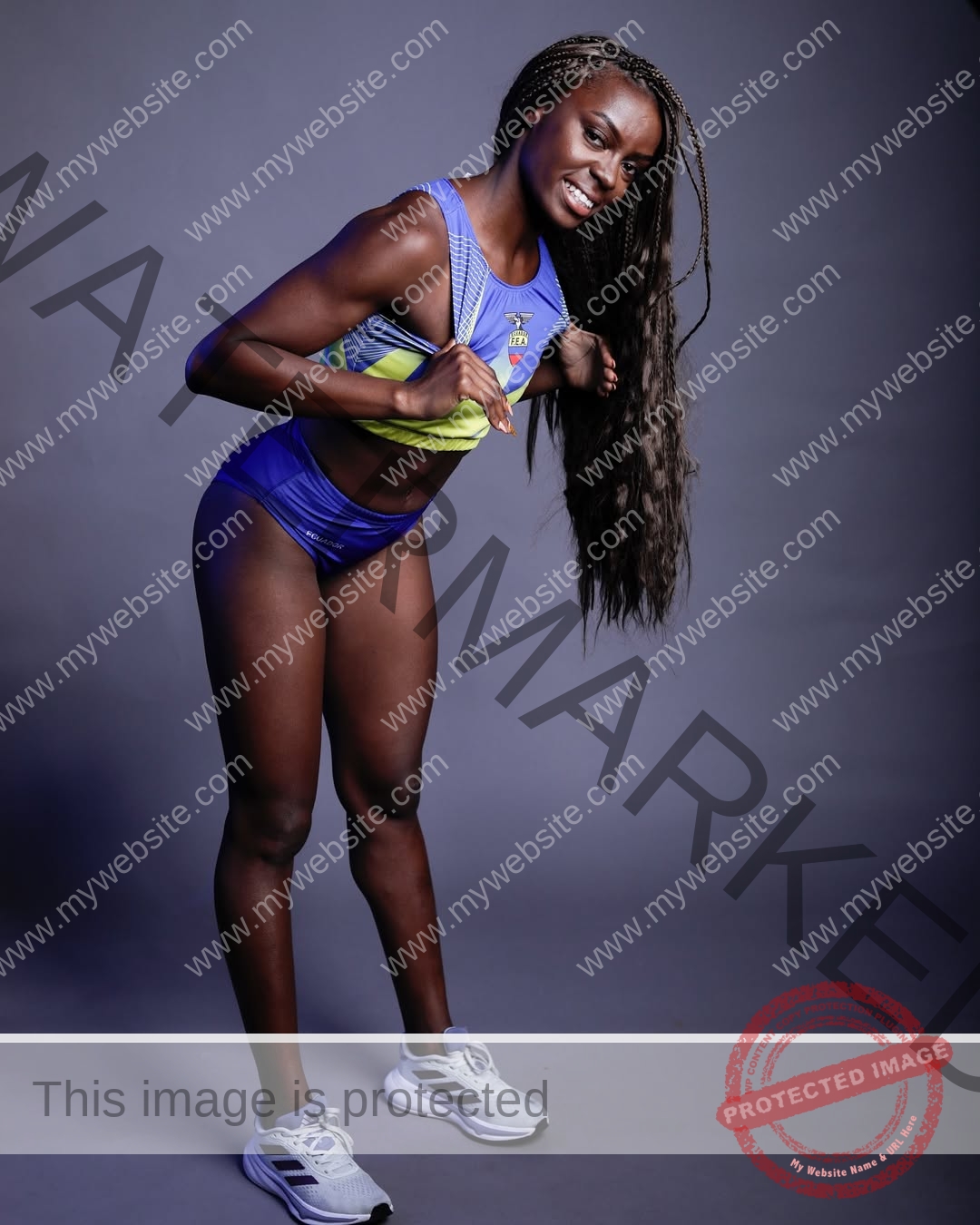
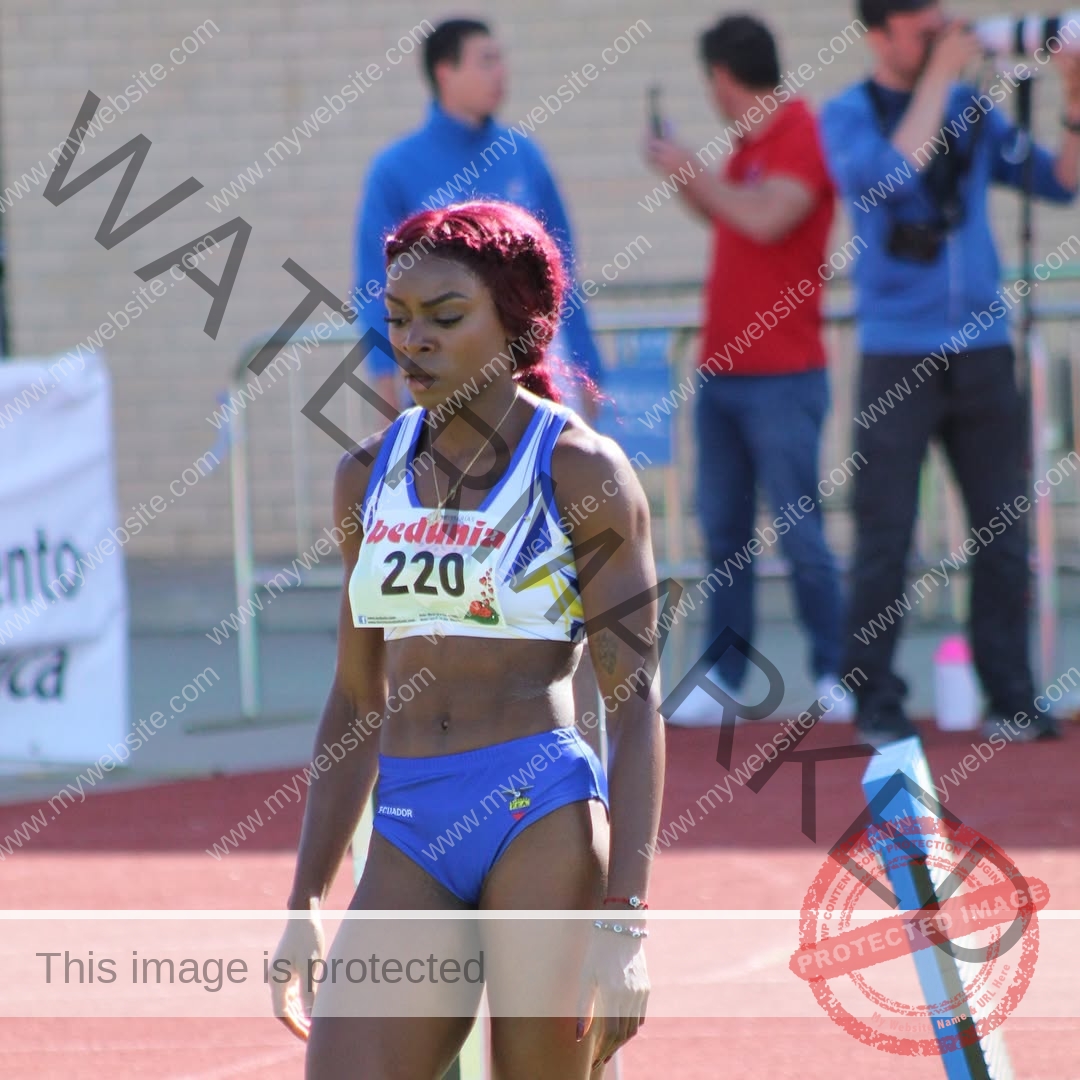
Ecuadorian sprinter Aimara Nazareno has steadily developed into one of the most important figures in her country’s new generation of women’s sprinting. Known for her explosive starts, composure under pressure, and versatility across both the 100 and 200 meters, Nazareno has become a central piece of Ecuador’s relay program while also emerging as a formidable individual competitor on the South American circuit.
Still in the early years of her senior career, she has already represented Ecuador at the Olympic Games, the Youth Olympic Games, Pan American competition, World Relays, South American Championships, and numerous international meets. Her rise has mirrored the growing strength of Ecuadorian sprinting, particularly among the women’s relay teams that have become increasingly competitive on the continental stage.
Born into a family with strong athletic roots, Nazareno’s progression from a young hurdler in Guayaquil to an Olympian has been marked by persistence, adaptability, and consistent improvement against increasingly elite competition.
Early Life and Athletic Background
Aimara Melisa Nazareno Mina was born on November 30, 2001, in Guayaquil, Ecuador, in the coastal province of Guayas. Growing up in one of Ecuador’s most sports-oriented regions, she developed an interest in athletics at a young age and quickly gravitated toward speed-based events.
Her athletic lineage also helped shape her path. Aimara is the niece of Franklin Nazareno, the Ecuadorian sprinter who represented the country at the 2016 Olympic Games in Rio de Janeiro. Having an Olympian in the family gave her an early example of what was possible at the highest level of the sport.
Nazareno began practicing athletics around the age of 13 or 14. Initially, she competed in longer sprint events, including the 300 meters, but eventually found her calling in explosive sprinting and hurdling events. Her early coaches recognized her natural acceleration and reaction time, qualities that later made her especially valuable as the opening leg of relay teams.
During her teenage years, she trained extensively at the Modelo Alberto Spencer stadium in Guayaquil, balancing the demands of school with increasingly serious national-level competition.
Youth Career and International Breakthrough
Nazareno’s first major international exposure came during the 2018 Youth Olympic Games in Buenos Aires, Argentina. Competing for Ecuador in the 100-meter hurdles, she gained valuable experience against some of the world’s top young athletes.
At the Youth Olympics, she recorded strong performances in both rounds of competition, including a 13.73 performance in the final stage of the event. Although she did not medal, the competition proved to be a major developmental milestone and established her as one of Ecuador’s rising sprint talents.
At that stage of her career, hurdles remained her primary discipline. Her technical background over hurdles would later contribute to the strong mechanics and rhythm that became hallmarks of her flat sprinting.
As she matured physically and competitively, Nazareno gradually shifted greater focus toward the flat sprints, particularly the 100 meters and 200 meters. The transition proved highly successful.
Transition Into Senior Sprinting
By the early 2020s, Nazareno had become a regular member of Ecuador’s national sprint setup. Her development coincided with a broader surge in Ecuadorian women’s sprinting, led by athletes such as Ángela Tenorio, Gabriela Anahí Suárez, Nicole Caicedo, and Nicole Chalá.
Nazareno became especially important in relay competition. Coaches valued her quick reaction time and consistency under pressure, often placing her on the crucial opening leg of the 4×100 relay.
In interviews, she noted that she particularly enjoyed leading off relays because of the adrenaline and the importance of delivering a clean start for the team.
The Ecuadorian women’s relay squad became one of South America’s most competitive sprint groups during this period. Training camps in Quito and other national team environments helped build chemistry among the athletes and elevate Ecuador’s international standing in sprint relays.
South American and Continental Success
One of Nazareno’s major breakthroughs came in 2022 at the South American Under-23 Championships in Cascavel, Brazil. There, Ecuador captured relay gold, further confirming the country’s growing depth in women’s sprinting.
By 2023, Nazareno had firmly established herself at the senior continental level.
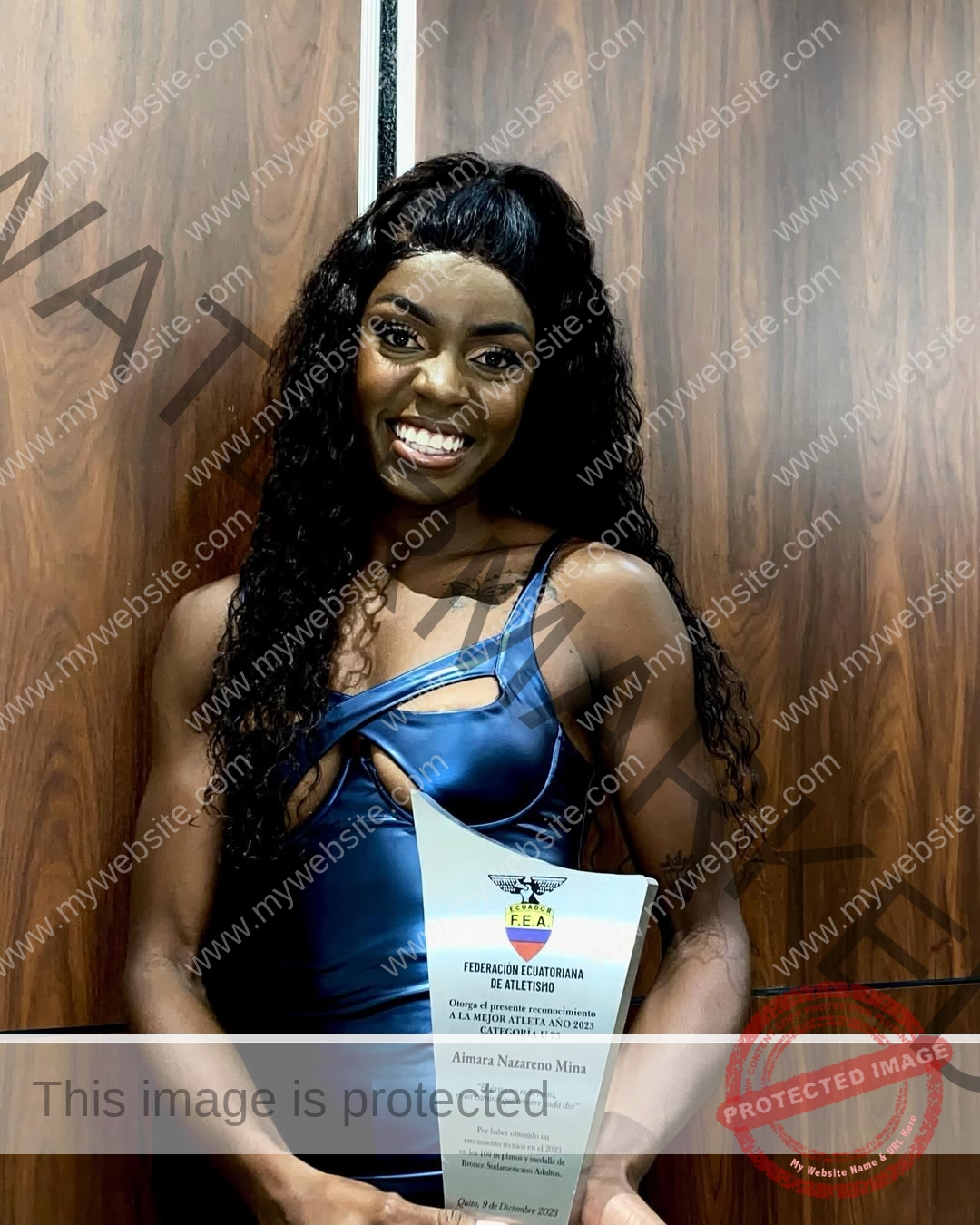
At the South American Athletics Championships in São Paulo, Brazil, she won a bronze medal in the women’s 100 meters against a highly competitive field. The medal represented one of the most important individual achievements of her career to that point and demonstrated her ability to contend with elite South American sprinters.
Later that year, she represented Ecuador at the 2023 Pan American Games in Santiago, Chile. Competing in the 200 meters, she advanced to the final and entered medal contention against some of the hemisphere’s top sprinters. Although she was later disqualified following a false start in the final, merely reaching that stage of the competition marked another important step in her progression.
National Champion and Olympic Year
The 2024 season became the most important year of Nazareno’s career so far.
In April 2024, she won the Ecuadorian national championship in the 100 meters, confirming her status as one of the country’s premier female sprinters. During the same national championship period, she also posted major performances in the 200 meters, continuing to demonstrate her versatility across sprint disciplines.
Her performances throughout the qualification cycle helped Ecuador secure relay opportunities at major international competitions, including the World Athletics Relays.
Nazareno ultimately earned selection to represent Ecuador at the 2024 Olympic Games in Paris. For any athlete, reaching the Olympics is a defining milestone, but for Nazareno it also carried additional significance because of her family history in Ecuadorian sprinting.
Competing on the Olympic stage elevated her profile nationally and further solidified her standing as one of Ecuador’s leading female track athletes of her generation.
Running Style and Strengths
Nazareno is known for her explosive acceleration and strong opening phase in sprint races. Her background in hurdling contributed to disciplined sprint mechanics and efficient stride rhythm, particularly during transition phases of races.
She has shown the ability to contribute effectively in both individual and relay competition, an increasingly valuable skill at the international level.
Teammates and coaches have frequently praised her calm demeanor during high-pressure races, especially in relay environments where baton exchanges and race execution can determine outcomes by fractions of a second.
Personal Bests and Career Progression
Throughout her senior career, Nazareno has steadily lowered her times across multiple sprint disciplines. Her progression in the 100 meters has been especially notable, with repeated improvements against stronger international competition.
She has also maintained competitive marks in the 200 meters and relay events, making her one of Ecuador’s most versatile sprint athletes.
Her World Athletics profile documents a broad competition history that includes national championships, South American events, Pan American competition, relay championships, and international invitational meets.
Social Media and Public Presence
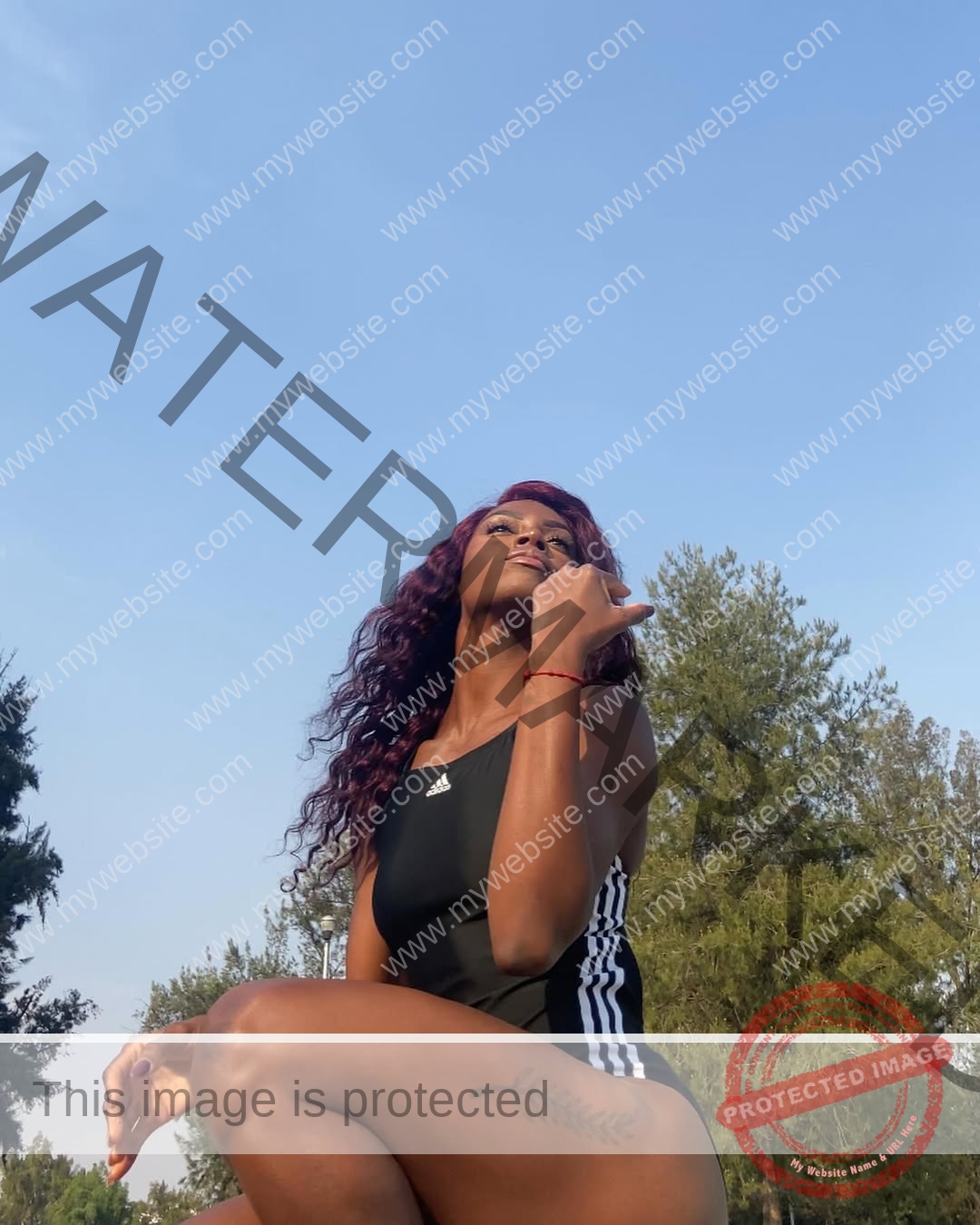
As her profile has grown, Nazareno has developed a stronger social media presence, where she shares training sessions, travel experiences, competition highlights, and moments from national team camps.
Her online presence reflects both the demanding realities of elite sprint training and the pride she takes in representing Ecuador internationally.
She has also become an increasingly recognizable figure for younger Ecuadorian athletes, particularly aspiring female sprinters looking to break into international competition.
The Future
With Olympic experience already on her résumé before reaching her athletic prime, Aimara Nazareno remains one of Ecuador’s most promising sprint talents heading into the latter half of the 2020s.
Her continued development in the 100 meters and 200 meters, combined with Ecuador’s improving relay infrastructure, positions her to remain a major contributor at South American Championships, Pan American competition, World Relays, and future Olympic cycles.
For Ecuadorian athletics, Nazareno represents more than individual success. She is part of a broader generation helping elevate the country’s standing in sprint events traditionally dominated by larger athletics nations.
And for Aimara Nazareno herself, the trajectory continues upward — from a talented teenager in Guayaquil to an Olympian carrying both national expectations and a family legacy onto the international stage.
