



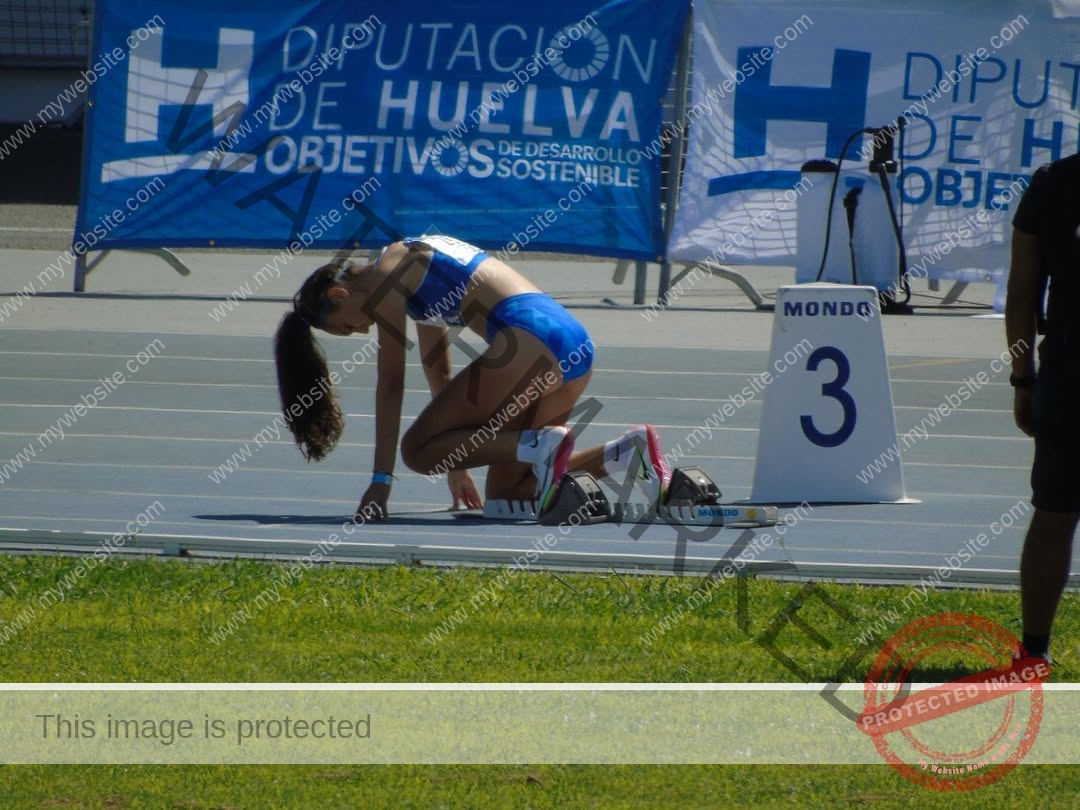
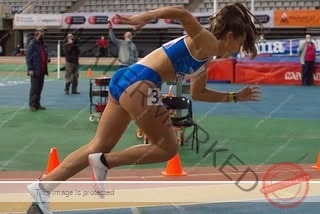
From the Costa Valenciana to the National Stage: The Rise of Sprinter Olaya Cháfer
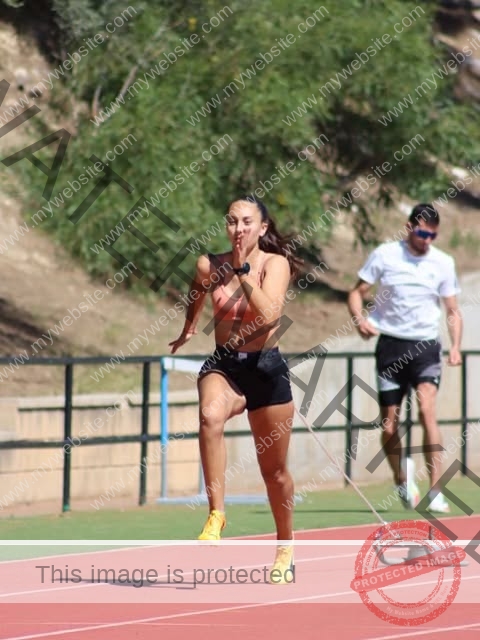
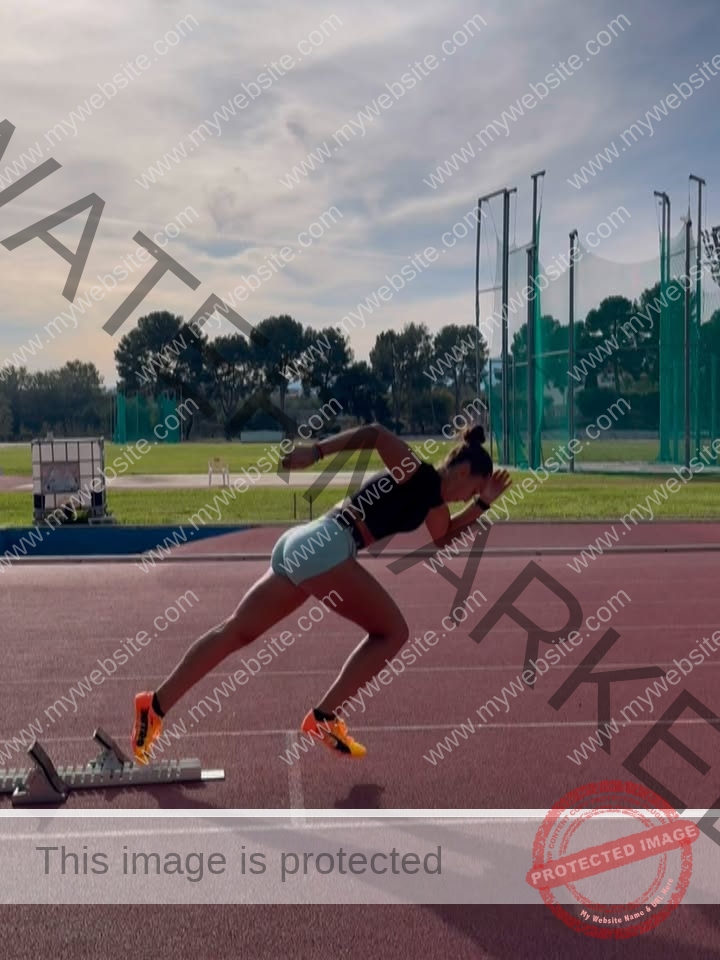
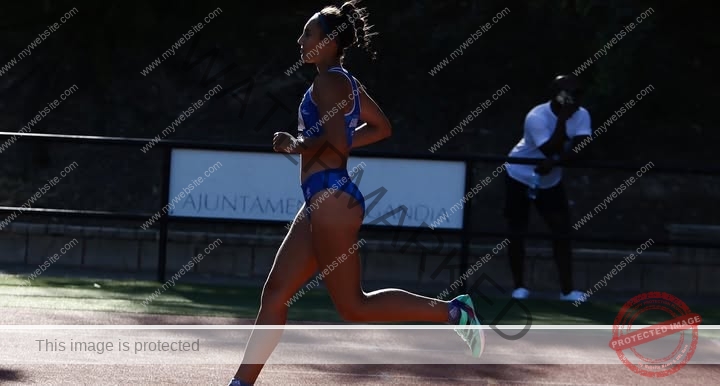
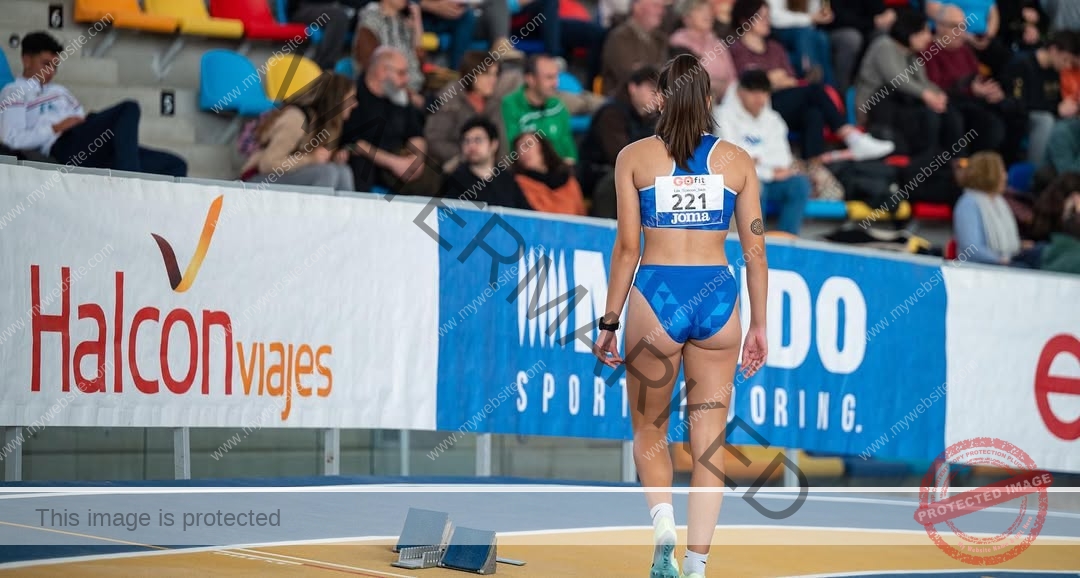
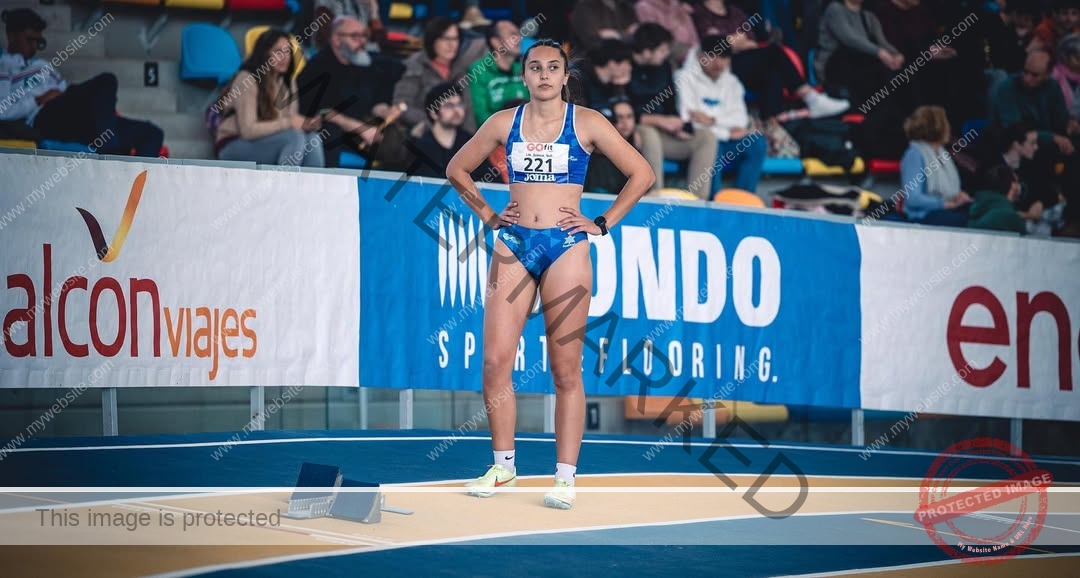
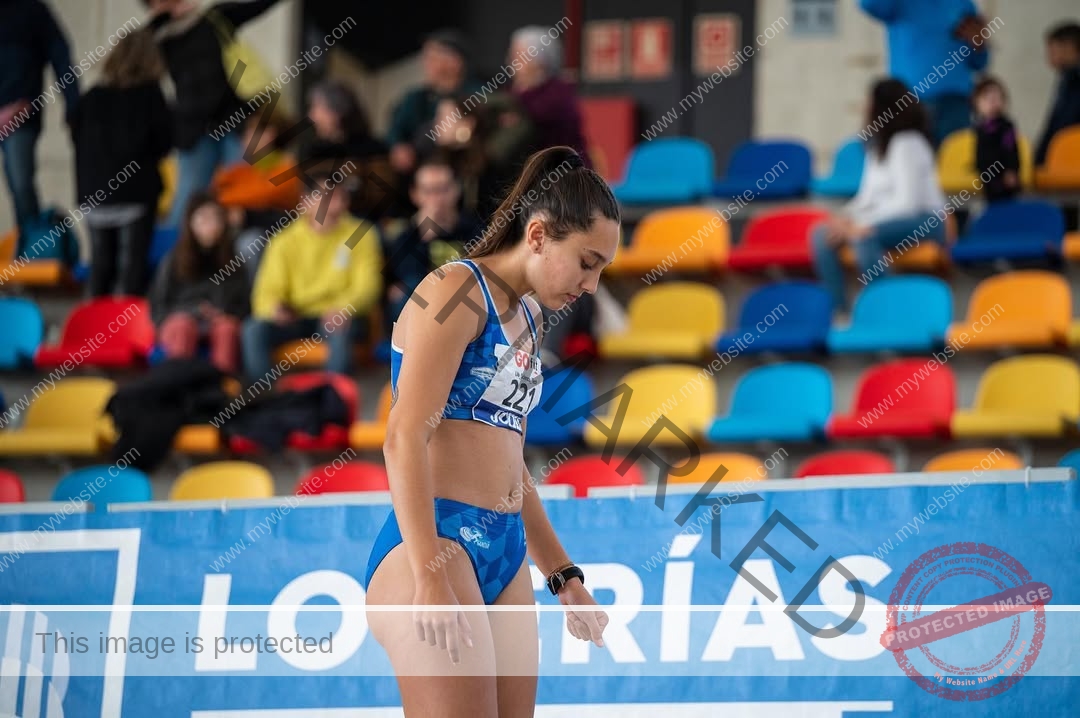
On the Mediterranean coast of Spain, where the comarca of La Safor meets the sea and the orange groves give way to the city of Gandía, a young sprinter has been quietly building a career that looks more promising with each lap of the track. Olaya Carolina Cháfer, born on July 21, 2004, is one of the most intriguing young sprint talents to emerge from the Valencian Community in recent years — a compact, explosively quick runner whose combination of raw speed and competitive fire has already put her name on regional and national radar while she is still in the early chapters of an athletic life that has plenty of story left to tell.
Roots in Gandía and Early Beginnings
Gandía is a city of roughly 75,000 people that carries an outsized reputation in Spain: a historic ducal city, famous for its summer beaches, for its connection to the Borja family dynasty, and for an easy, sun-drenched quality of life that has made it one of the most beloved corners of the Valencian Community. It is also, quietly, an athletics town — home to one of the region’s most energetic club programs and a track facility, the pista Toni Herreros, that regularly hosts open competition and even international invitational meets.
It was in this environment that Olaya Cháfer first found her footing as a sprinter. Exactly when she first laced up a pair of spikes is not documented in the public record, but her earliest results on World Athletics — a 300-metre personal best of 40.88 seconds run in Gandía itself on June 1, 2019 — place her on competitive tracks at the age of fourteen, competing at an already respectable level in the junior sub-categories of Spanish athletics. A 300m of 40.88 at that age is not an elite mark, but it is a mark that points clearly toward the 200m and 400m events that would soon become her primary battleground, and it was run on home soil, which has a particular significance: it suggests that by 2019 Cháfer was already a serious, club-embedded competitor rather than a weekend novelty.
Club Atletisme Gandia and Toni Puig
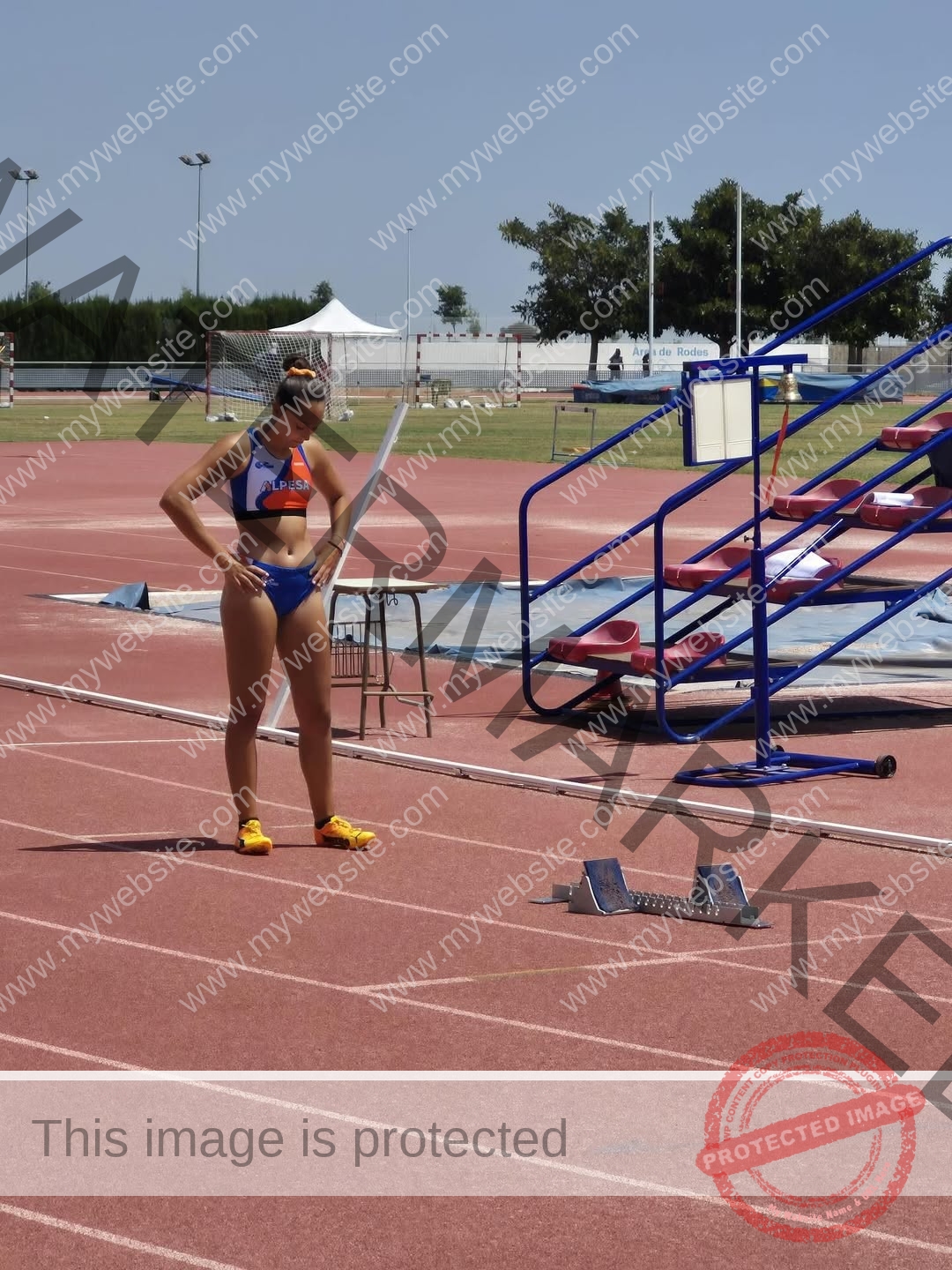
The institutional context for Cháfer’s development is the Club Atletisme Gandia, which was founded in 2018 and quickly grew into one of the more ambitious clubs in the Valencian athletics landscape. By 2022 the club had taken on a corporate sponsorship from Mandriladora Alpesa and rebranded as Club Atletisme Gandia Alpesa — a move that reflected its growing aspirations and its arrival in the upper tiers of Spanish club competition. The technical director of the club’s track program, and the man most responsible for the development of its sprint athletes, is Toni Puig, a coach of national standing whose credentials include serving as the head of the Spanish national relay program and whose record of developing young Valencian sprinters has made him one of the most respected figures in the region’s athletics community.
Under Puig’s guidance, the club has become a genuine home for sprint talent: the presence of hurdler Quique Llopis, a European U23 medallist, at the club demonstrates the level of ambition and technical quality that defines the program. Within that environment, Cháfer developed not only as an athlete but eventually as a contributor to the club’s coaching infrastructure — by the time the club’s official website was updated in the early 2020s, her name appeared alongside Puig and trail coach Arcadi Margarit as one of the three coaches running the club’s youth school (escuela), a role that speaks to how thoroughly she has given herself to the Gandía athletics community even while pursuing her own competitive career.
A Breakthrough Moment: 25.01 at Fifteen
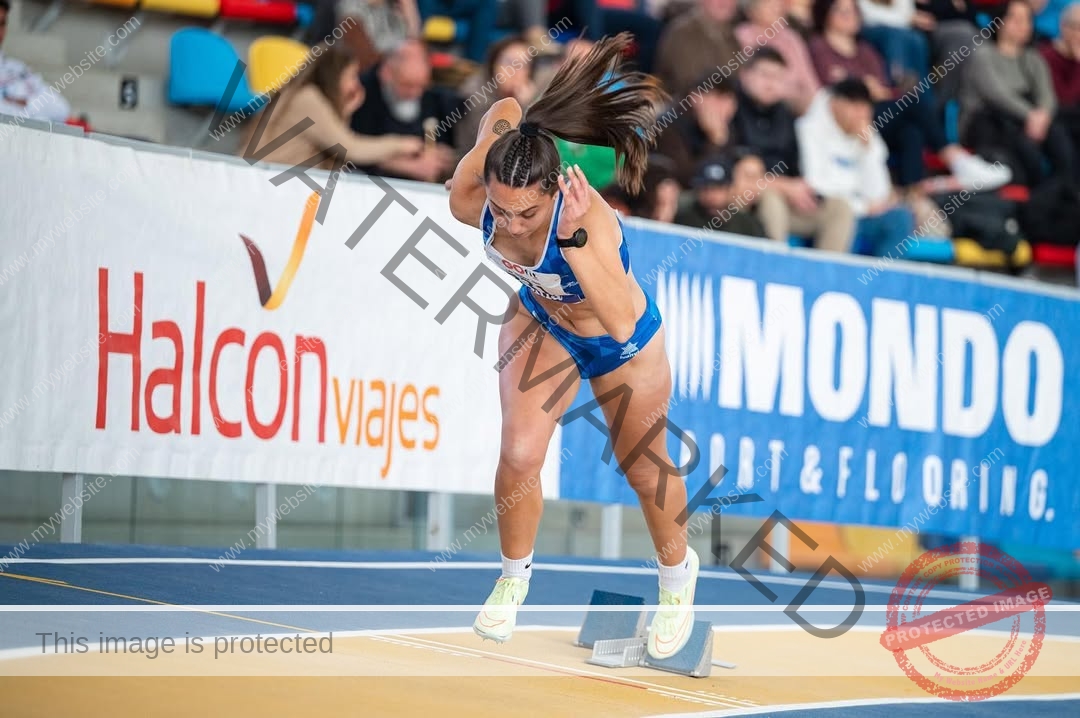
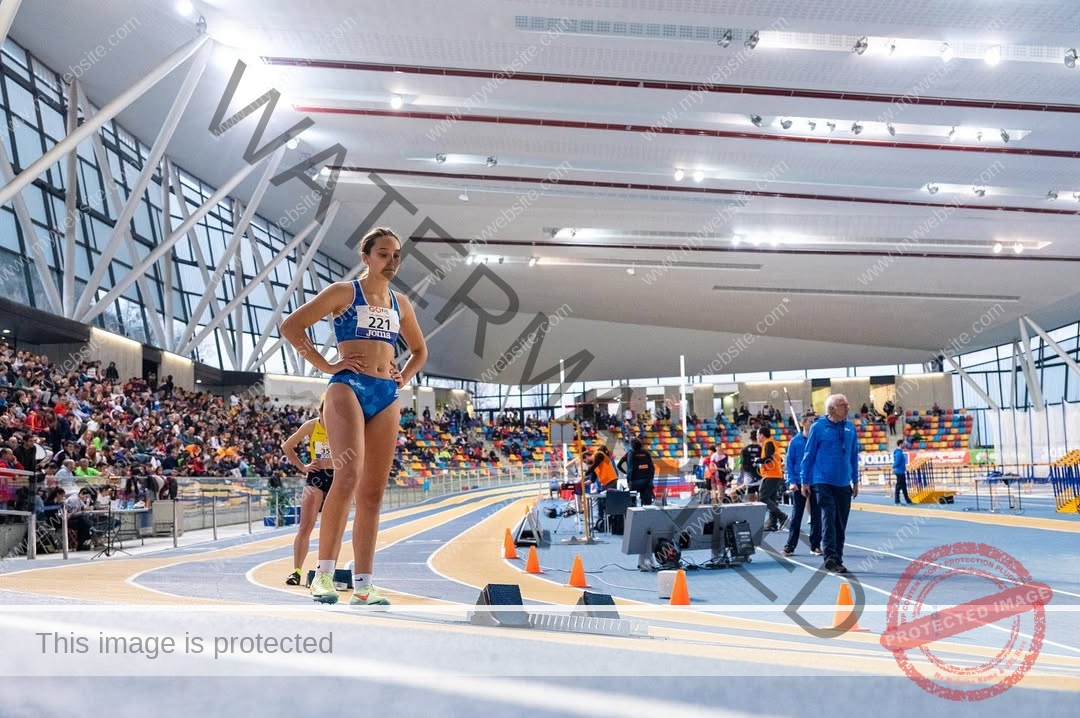
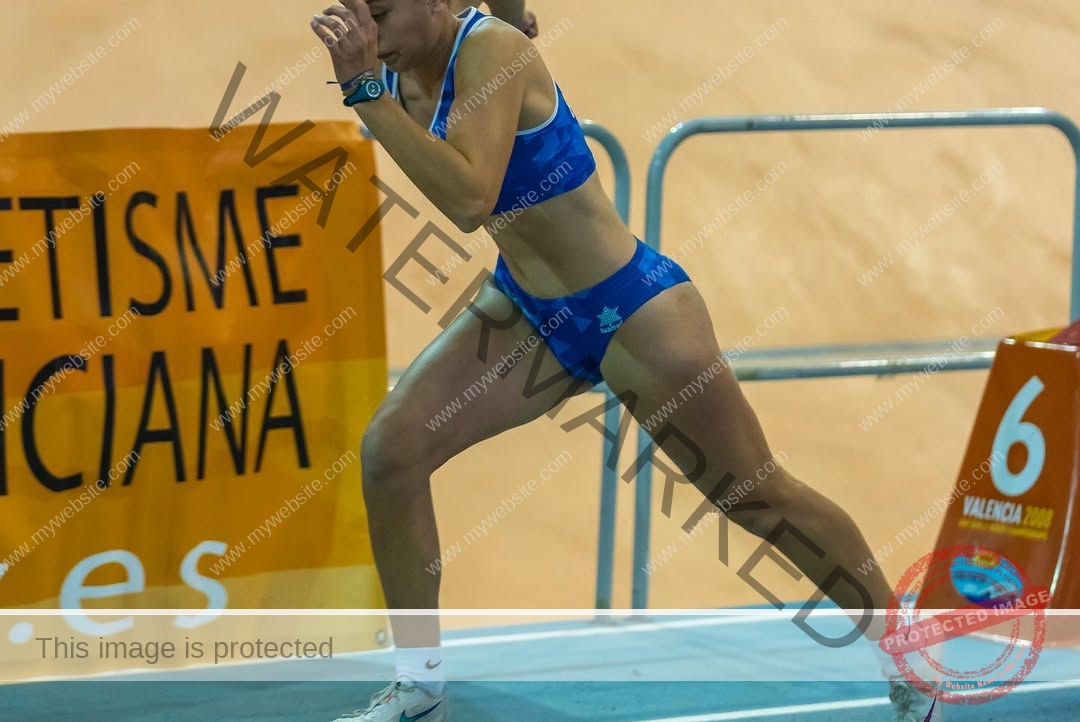
The performance that first announced Olaya Cháfer to the wider Spanish athletics world came on March 8, 2020, at the Velódromo Luis Puig in Valencia — the iconic indoor short-track venue that serves as the cathedral of Valencian athletics and one of the most frequently used national championship sites in Spain. At fifteen years old, competing on the 200-metre short-track indoor circuit, Cháfer stopped the clock at 25.01 seconds. It is the performance that World Athletics currently lists as her all-time personal best in the event, a mark that has held up even as her career has evolved and expanded.
A 25.01 short-track 200m at fifteen years old is a genuinely impressive number. For context, that time placed her in very select company among Spanish women’s sprinters of her age cohort, and the World Athletics scoring algorithm assigned it a score of 992 points — a figure that reflects world-class potential rather than merely domestic promise. The fact that this performance came in Valencia’s most prestigious indoor venue, rather than a local competition, also suggests that Cháfer was already competing at a level beyond the purely regional scene. It remains the capstone result of what was, by any measure, an exceptional early career trajectory.
Building the Personal Best Portfolio
The period from 2019 through early 2022 represents the core of Cháfer’s early competitive buildup, and the personal bests she accumulated during that window paint a picture of a well-rounded short-sprint athlete with particular strength in the 60-to-200-metre range. On December 18, 2021, she returned to the Velódromo Luis Puig and ran 7.91 seconds in the 60 metres, a time that earns a World Athletics score of 923 — again, an above-average mark for a seventeen-year-old Spanish sprinter operating on the national circuit. Then on January 15, 2022, still at the Luis Puig, she ran 58.91 seconds in the indoor 400 metres, demonstrating the kind of speed endurance that makes a 200m specialist genuinely threatening over the full lap.
Taken together, this collection of marks — a 40.88 over 300m outdoors, a 25.01 over the short-track 200m, a 7.91 in the 60m, and a 58.91 over the 400m — describes an athlete who is not a one-event wonder but a versatile sprinter capable of competing at the short end of the speed spectrum as well as the middle distances. The 400m time in particular is notable: a sub-59 indoor 400m at seventeen, combined with a 25.01 over 200m at fifteen, suggests that Cháfer has the physical toolkit to develop into either a pure 200m specialist or a true 200m/400m double-threat, depending on how her training and physical maturation unfold.
The Regional Championship Stage
At the Campeonato Autonómico Individual Absoluto — the Valencian Community’s own individual open championship — Cháfer delivered one of the more memorable performances of her regional career when she won the absolute women’s 200m title with a time of 25.28 seconds, competing for CA Gandia at the Estadio Lluís Puig in Valencia. The win placed her atop the podium in a full-senior, all-categories competition, no small feat for an athlete still in the junior age bracket at the time. The result confirmed what her personal best portfolio had already suggested: that Cháfer was not merely competitive against her peers within youth categories but capable of competing on the absolute senior stage at the regional level.
In July 2023, she represented CA Gandia Alpesa at the Campeonato Autonómico Individual Sub-20 (Junior) al Aire Libre, contested at the Gaetà Huguet track in Castelló. Though she finished fifth in the final of the women’s 100 metres — the club’s medal focus that day went to other events — her presence in the final of a regional junior championship speaks to the continuity of her competitive engagement across the transition from the younger age categories into the U20 tier.
On the National Stage: Sabadell and Beyond
The most significant national result of Cháfer’s junior career to date came at the Spanish National Junior (Sub-20) Championship held in Sabadell, in March 2023. Competing in the 200 metres — her signature event — she finished tenth overall, a result that placed her squarely within the national conversation without yet breaking into the medal positions. A tenth-place finish at a national championship sounds modest in isolation, but for a Spanish sprinter whose development base is a mid-sized Valencian club rather than one of the country’s traditional track powerhouses, it represents a meaningful national footprint. It confirmed that Cháfer was not merely a regional star but a genuine participant in the national sprint hierarchy.
A Period Away and a Comeback to Watch
Like many young athletes navigating the competing demands of sport, education, and personal development, Cháfer went through a period of reduced competitive activity. According to local media coverage from the Gandía area, she was essentially absent from competitive athletics for approximately two years before making a highly anticipated return in May 2025.
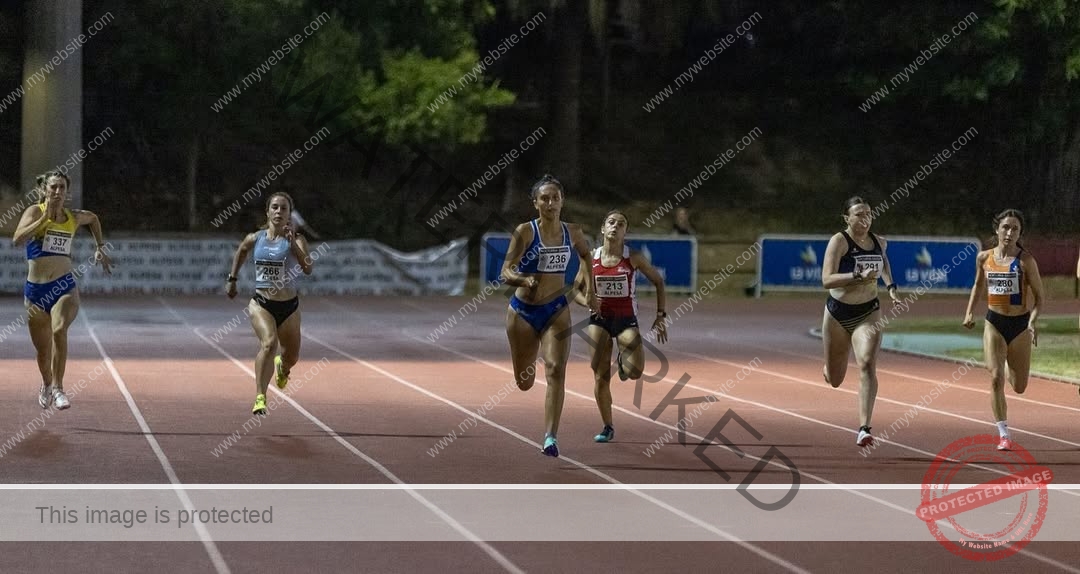
That comeback unfolded in Valencia, in a regional outdoor competition that served as the Club Atletisme Gandia Alpesa’s opening sally of the 2025 outdoor season. Cháfer entered the 400 metres — an event longer than her usual competitive home — and ran 59.63 seconds, a time that local media immediately recognized as remarkable given the context. As Onda Naranja COPE, the Gandía-area radio and news outlet, described it at the time, the performance was “impresionante” — impressive — representing “un regreso a las pistas por todo lo alto” (a return to the tracks in the best possible way). A 59.63 over 400 metres as a first competitive outing after nearly two years away, at the age of twenty, is exactly the kind of result that announces someone is not simply coming back but coming back to compete.
Athlete and Coach: A Dual Role
One of the more distinctive aspects of Olaya Cháfer’s relationship with her sport is that she has embraced it not only as a competitor but as someone who gives the sport back to the next generation. Her role as a youth athletics coach within the Club Atletisme Gandia Alpesa’s escuela program — working alongside head coach Toni Puig — reflects a maturity and commitment to the sport that goes beyond simply showing up for training sessions and meets. Many young athletes pass through a club and move on; Cháfer has made herself part of the club’s fabric in a way that speaks well of both her character and her long-term investment in the Gandía athletics community.
It is worth noting, too, that the Cháfer surname has roots in Gandía’s sporting history. The name appears in connection with the Valencian athletics world in a broader sense, and Olaya’s deep ties to the city and the local club suggest that she is, in the truest sense, a homegrown product — someone for whom the Toni Herreros track in Gandía is not just a venue but a home ground in the fullest meaning of the phrase.
Personal Bests at a Glance
- 60 metres (indoor): 7.91 — Velódromo Luis Puig, Valencia, December 18, 2021
- 200 metres (indoor short track): 25.01 — Velódromo Luis Puig, Valencia, March 8, 2020
- 300 metres (outdoor): 40.88 — Gandía, June 1, 2019
- 400 metres (indoor): 58.91 — Velódromo Luis Puig, Valencia, January 15, 2022
The Road Ahead
As of 2025, Olaya Carolina Cháfer is twenty years old — an age at which even the most precocious athletes are just beginning to arrive at their physical prime. Her personal best portfolio was established in large part while she was still a teenager, which means that the window for genuine improvement is wide open. The return to competition in May 2025, and the quality of her performance in that first outing back, suggests that the layoff did not diminish her fundamental speed or her competitive instincts.
The question for the next chapter of her career is how she manages the transition into full senior competition at the national level. The Spanish women’s sprint scene — built around the 60m, 100m, and 200m events indoors and outdoors — is competitive but navigable for an athlete with Cháfer’s toolkit. A sub-25 200m or a sub-58 400m would catapult her into a different tier of national conversation, and neither mark looks unreachable given what she has already demonstrated. Her work within the Gandia Alpesa coaching structure gives her daily access to one of the best sprint development environments in the Valencian Community, and the mentorship of Toni Puig — a coach who has guided Spanish relay squads at the international level — is an asset that few young Spanish sprinters can claim.
For a city like Gandía — proud of its athletes, passionate about its local club, and always ready to celebrate a hometown talent who takes on the national stage — Olaya Cháfer is exactly the kind of story worth following. A young woman who found her gift on the track, developed it with discipline and consistency under one of Spain’s better sprint coaches, stepped away when life required it, and came back running. The best of her career, in all likelihood, is still to come.
Olaya Carolina Cháfer competes for Club Atletisme Gandia Alpesa in Gandía, Valencian Community, Spain. She is registered with the Royal Spanish Athletics Federation (RFEA) and holds an active World Athletics profile. No verified personal social media accounts have been confirmed at time of publication.
