




Speed and Legacy: The Story of Basque Sprinter Nora Lamosa
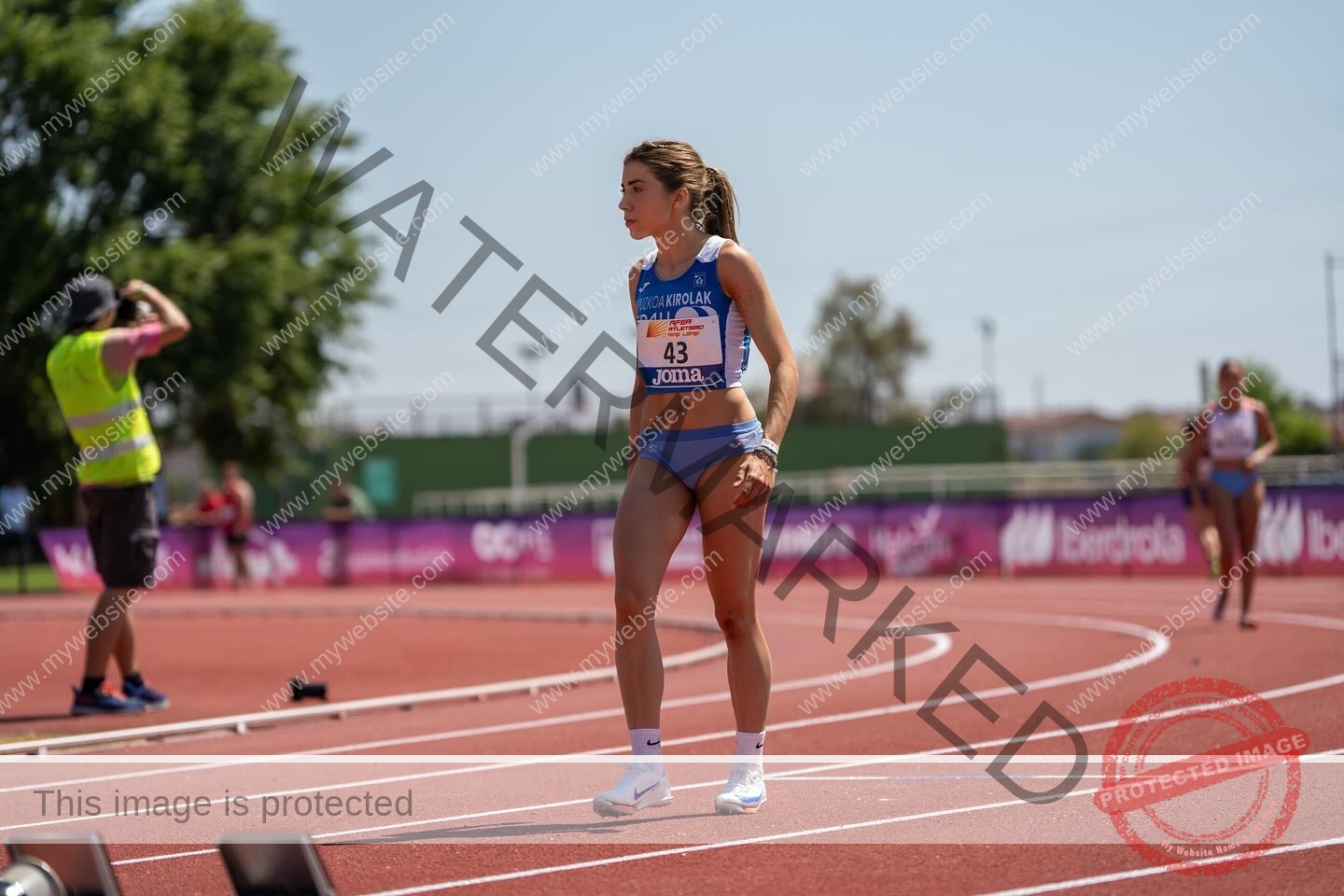
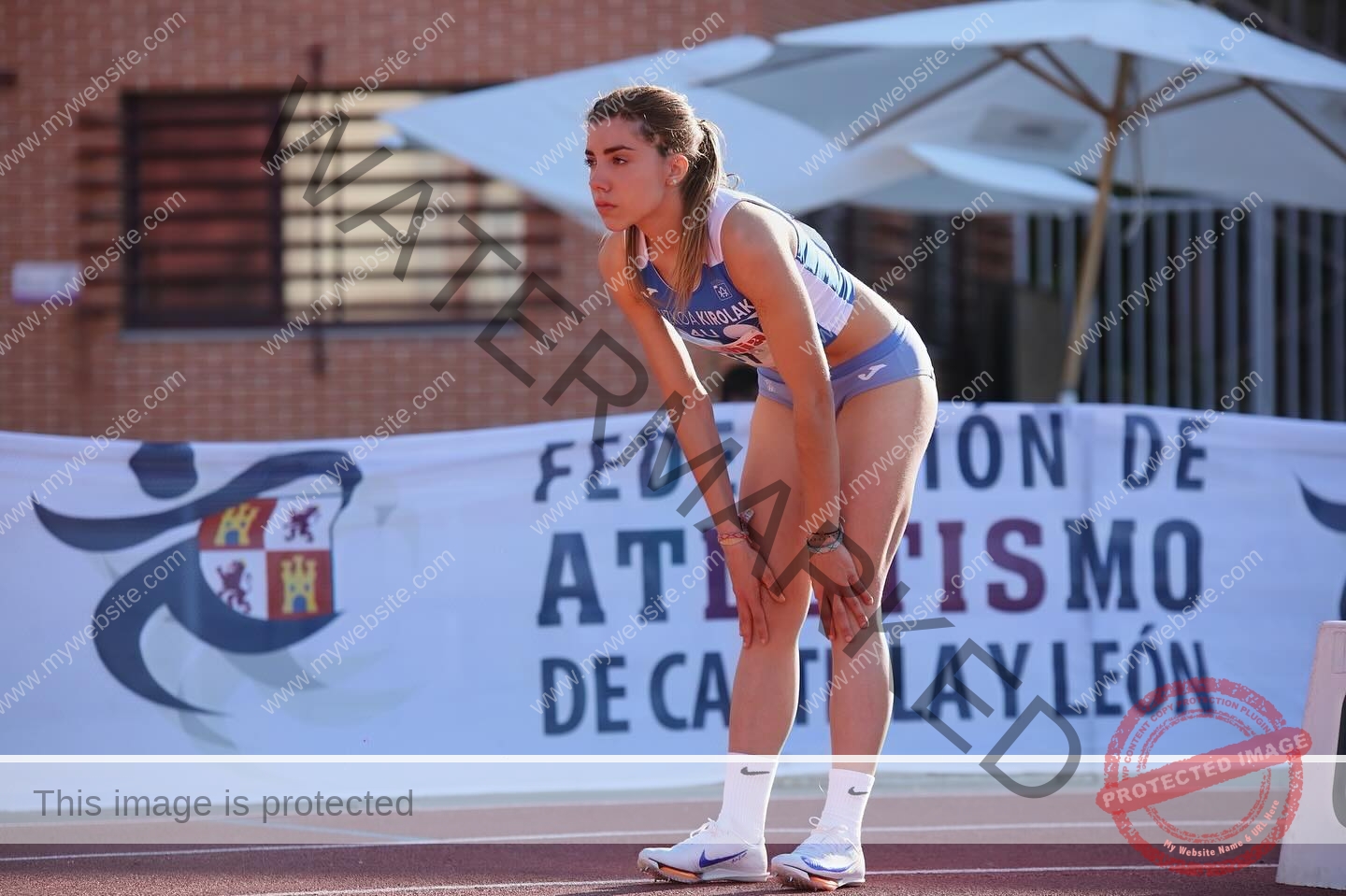
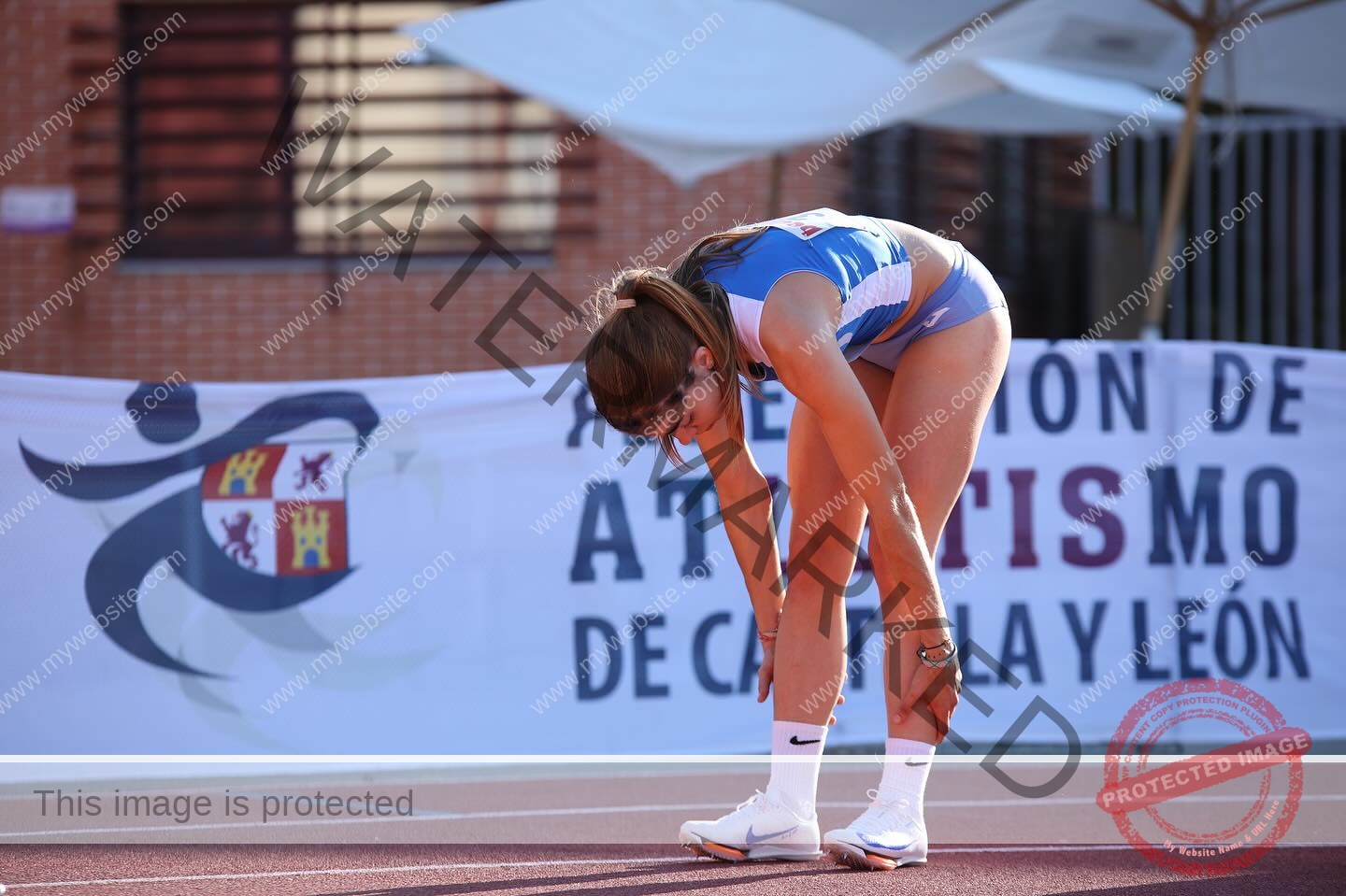
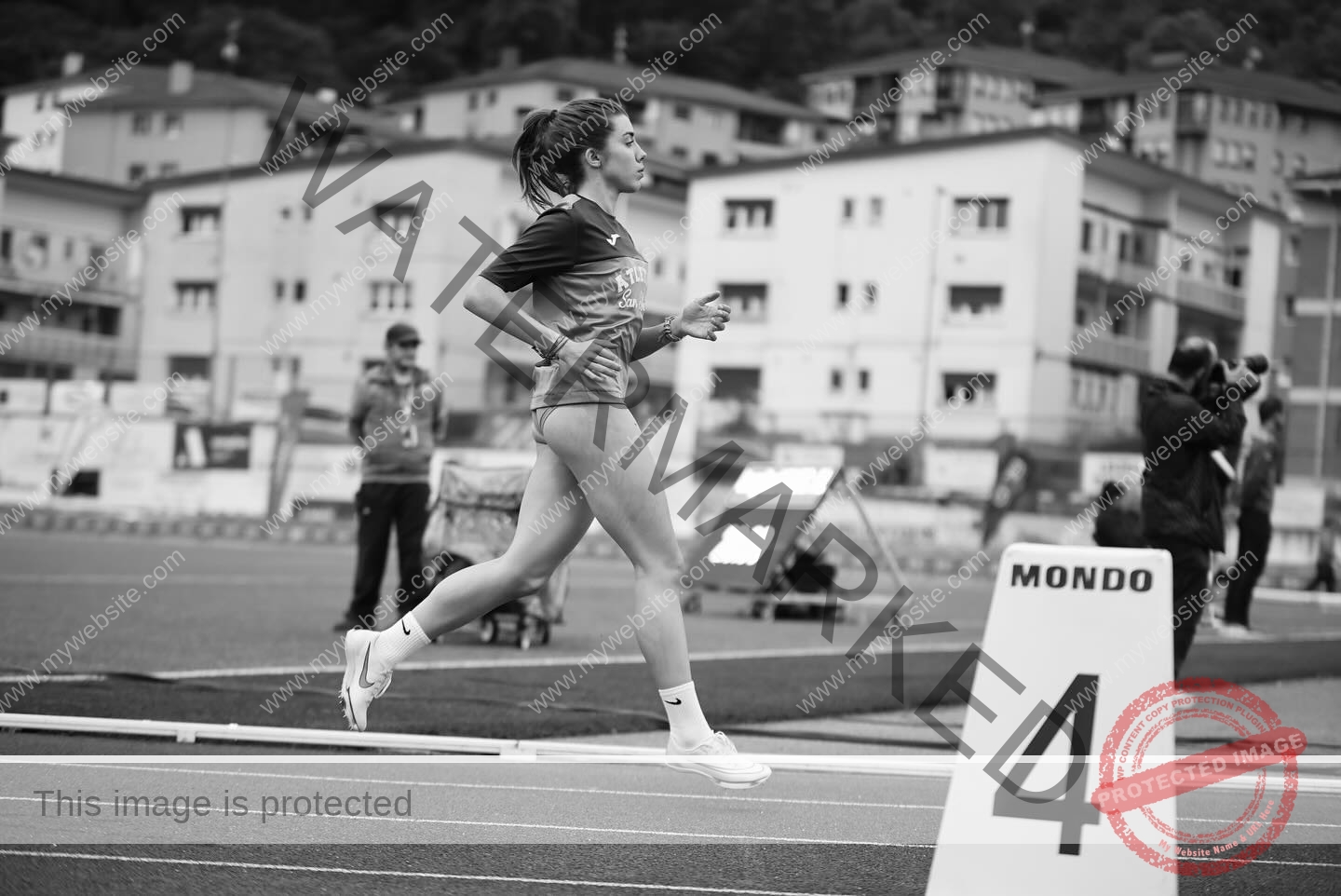
In San Sebastián, a city that has given the world some of its most celebrated kitchens and most fiercely loyal athletes, Nora Lamosa Arzac is building a career on the track that carries a story far richer than her times alone can tell. Born on February 9, 2005, into one of the Basque Country’s most storied families, she is a 400-metre specialist and relay contributor with a genuine feel for speed — a young sprinter whose ability to cover ground is matched by the depth of the world she comes from.
At twenty-one, Lamosa is still very much at the beginning of her athletic journey. But what she has already assembled — a competitive profile on the national club circuit, a place in one of Spain’s most ambitious athletics programs, and a personal biography that any profile writer would call extraordinary — suggests that the chapters ahead are going to be worth reading closely.
A Family Woven Into Basque Culture
To understand Nora Lamosa is to understand where she comes from, and where she comes from is unlike anywhere else in the world of Spanish sport.
Her mother is Elena Arzak, the four-time Michelin-starred chef and co-head of Restaurant Arzak in San Sebastián — one of the longest-running three-star establishments in Spain and a landmark of global gastronomy. In 2012, Elena was named the World’s Best Female Chef by the prestigious Restaurant magazine’s World’s 50 Best Restaurants list, a distinction that put a face and a name to what the Basque culinary revolution had always stood for. Her grandfather, the legendary Juan Mari Arzak, is widely regarded as the founding father of la Nueva Cocina Vasca — the movement that began in the 1970s and became the philosophical ancestor of Spain’s entire modern food revolution. The family’s restaurant, which traces its roots to a humble tavern opened in 1897 by Nora’s great-great-grandparents, is now a four-generation institution that has shaped how the world thinks about Basque identity.
Nora’s father, Manuel Lamosa, is an architect, and it is from him that she carries her surname. The family name is the hyphen that links two very different creative worlds — the precision of engineering and design on one side, the instinct and craft of elite cookery on the other. Nora, it turns out, has carved her own path through both: she is currently studying engineering in her second year at Tecnun, the prestigious School of Engineering of the University of Navarra, based in San Sebastián. As she noted at a February 2025 alumni event alongside her mother, her great-grandfather’s contribution to Basque cuisine was fundamentally about innovation, curiosity, and the courage to break from convention — values that map neatly onto a young engineer-in-training who also happens to chase 400-metre personal bests on the weekends.
Growing up in this household, Nora was immersed in a culture of craft and excellence from an early age. The family’s relationship with the restaurant means that standards are not abstract concepts — they are dinner conversation, they are the smell of the kitchen, they are decades of history walking through the door every evening. If that upbringing instilled anything, it was probably a tolerance for demanding environments and a comfort with high expectations. Both transfer remarkably well to competitive athletics.
The Athletic Landscape of Gipuzkoa
Gipuzkoa, the smallest of the three Basque provinces and home to San Sebastián, punches far above its weight in Spanish athletics. The province has produced an extraordinary density of competitive track athletes over the decades, supported by a network of active clubs, strong federation structure, and a culture of sport that is embedded in Basque civic life. The Federación Guipuzcoana de Atletismo keeps a close eye on promising young athletes from across the province, and the competition calendar at the regional and provincial level is robust enough to develop genuine talent long before it reaches the national stage.
Lamosa’s early competitive career took place within this environment, competing under the banner of Atlético San Sebastián — known by its abbreviation AT.SS — one of the city’s historic clubs and a program with a long track record of developing international-calibre athletes. The club trains at the Miniestadio de Anoeta in central San Sebastián, a venue that has been central to Gipuzkoa athletics for generations.
Her primary event from the outset was the 400 metres — the longest of the pure sprints, a notoriously demanding event that tests both raw speed and the ability to sustain it through extreme physical fatigue in the final stretch. The 400m requires a very specific athletic profile: explosive enough to open fast, strong enough not to die in the back straight, and disciplined enough to manage energy distribution over a distance that takes most elite women somewhere between 50 and 60 seconds to complete. Lamosa’s willingness to embrace this event, rather than gravitate toward the shorter and more glamorous 100m or 200m, says something about her athletic character.
Early National Competition: Making Her Mark at Sub-20 Level
By early 2023, Lamosa was competing at the national Sub-20 (Junior) level, representing AT.SS on the RFEA circuit. At the Spanish National Sub-20 Championship held indoors in Sabadell — one of the most competitive junior track meets on the Spanish calendar — she ran the 400 metres in 59.30 seconds, finishing 13th overall in the national standings. That result, which placed her inside the top fifteen junior 400-metre runners in the country, was a meaningful benchmark for a seventeen-year-old from a mid-sized regional club, competing against athletes from Spain’s most resourced and established programs.
The same season, regional results showed her running 57.74 in the 400 metres at the Gipuzkoa level — a mark that indicated she had already pushed comfortably below the one-minute barrier and was building toward genuinely competitive sub-58 territory. At the Gipuzkoa provincial championships for Sub-18 and Sub-20 athletes, held at the Miniestadio de Anoeta, her times placed her among the fastest 400-metre runners in the province.
These early results established her baseline: a 400m runner capable of competing at the national sub-20 level, rooted in the fertile athletics culture of Gipuzkoa, with room to grow.
Stepping Up: Super Amara BAT and the División de Honor
At some point between her junior career and the 2025 competitive season, Lamosa made the move from Atlético San Sebastián to Super Amara BAT — the Bidasoa Atletiko Taldea, based in the border cities of Irún and Hondarribia on the edge of the French border. The transition was a significant step up in competitive environment. Super Amara BAT is one of the most ambitious and well-organized athletics clubs in the Basque Country, with a track program that trains elite athletes and competes at the highest levels of Spanish club competition. The club’s women’s team had made history in the 2024 season by qualifying for the first time for the Liga Iberdrola División de Honor final, finishing among the eight best clubs in the country — a benchmark achievement for a regional program competing against powerhouses like Valencia and Playas de Castellón.
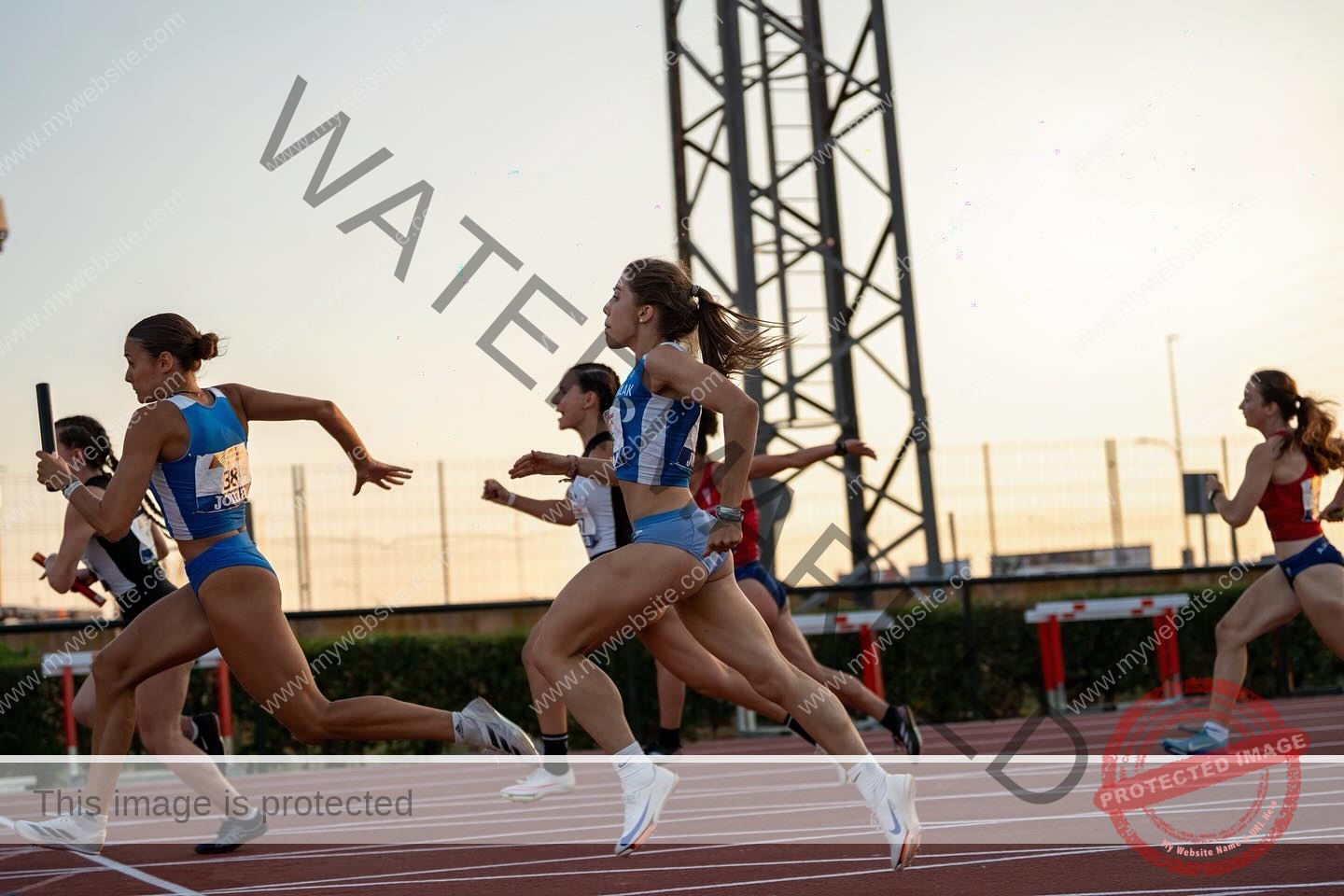
For the 2025 División de Honor season, Lamosa was named in the Super Amara BAT women’s squad for the 4×400 metres relay. Alongside teammates Eliani Casi, Clara Lozano, and Bianca Costa, she was listed as one of the club’s relay contributors — a role that reflects the trust the club’s coaching staff placed in her ability to run a competitive leg at the highest level of Spanish club athletics.
That trust was rewarded with results. On June 15, 2025, competing at the Estadio Los Pajaritos in Soria — the venue for the División de Honor league encounter where Super Amara BAT faced Playas de Castellón, Atletismo Alcorcón, and Las Celtíberas de Soria — the BAT women’s 4x400m quartet ran 3:41.70. That time stands as Lamosa’s current best relay performance as listed by World Athletics and represents a meaningful contribution to a squad competing among Spain’s national elite.
The 2025 Liga Iberdrola encounter in Soria was part of a season in which the Super Amara BAT women’s squad was pushing once again for a top-eight national finish, with athletes of Carla Arwen Martínez (who had won the national sub-20 60m title the previous year), Leire Martiarena, Alaine Aguerralde, and others providing the core of the sprint squad. For Lamosa, being listed as one of the relay athletes alongside competitors of this calibre represented both an endorsement of her ability and a genuine developmental challenge.
Individual Bests and the 2024–2025 Season
Lamosa’s individual personal bests reflect a sprinter whose strongest suit is the 400 metres but who has the speed to contribute across the short-sprint relay events as well. Her 200m personal best of 25.25 seconds was set at the Spanish Short Track Championship in Salamanca on March 9, 2024 — a performance on one of the most demanding short-track indoor circuits in Spain that demonstrated the raw speed underpinning her 400m work.
In relay events, her contributions have been consistent. A 4x400m short-track relay time of 3:46.01, run at the Velódromo Luis Puig in Valencia on February 15, 2025, and a 4x100m relay leg as part of a 46.68 team clocking in Badajoz on July 6, 2025, show that she can contribute meaningfully across both the short and long relay disciplines. World Athletics notes that she had season’s bests on record as recently as 2026, indicating she remains in active competition as her career progresses into its next phase.
The arc of her results — from a 59.30 at the national Sub-20 championship in 2023 to relay legs at División de Honor level in 2025 — describes a steady, purposeful progression rather than a sudden surge. That kind of consistent development, built on real competition rather than artificially protected environments, tends to produce durability.
Engineering and Athletics: Balancing Two Demanding Worlds
What makes Lamosa’s story particularly interesting is the context in which she is pursuing her athletics. She is not a full-time track athlete. She is a second-year engineering student at Tecnun, the University of Navarra’s School of Engineering, located on the Ibaeta campus in San Sebastián — one of the most academically rigorous engineering programs in Spain. Tecnun alumni go into aerospace, automotive, renewable energy, and industrial design. The school’s admission and retention standards are not for the faint-hearted.
In February 2025, Nora accompanied her mother Elena to a Tecnun Alumni Meeting session at the school, where Elena spoke about the history of the Arzak brand and the philosophy of the Nueva Cocina Vasca. During the presentation, Nora contributed reflections on her grandfather Juan Mari Arzak’s role in the movement, noting that his approach was fundamentally about “the renewal of traditional Basque cuisine and the dignification of the profession” — grounded in the recovery of traditional recipes, the valorization of local and seasonal ingredients, and the expansion of culinary creativity through innovation and research. The fact that she was co-presenting at an alumni event at her own university as a second-year student says something about her poise and her comfort in intellectually demanding settings.
Balancing serious academic study with competitive athletics at the regional and national level is genuinely difficult, and it requires the kind of organizational discipline and time management that, ironically, her training as an engineer is probably helping to build. The dual identity — engineering student and competitive 400-metre runner — is not a contradiction. It is a portrait of someone whose ambition does not stop at the track’s edge.
Personal Bests at a Glance
- 200 metres (indoor short track): 25.25 — Salamanca, March 9, 2024
- 400 metres: 57.74 — Gipuzkoa regional competition
- 4x100m relay: 46.68 (team) — Badajoz, July 6, 2025
- 4x400m relay: 3:41.70 (team) — Soria, June 15, 2025
- 4x400m relay short track: 3:46.01 (team) — Velódromo Luis Puig, Valencia, February 15, 2025
The Basque Club World and What Comes Next
Within the Basque Country athletics scene, Super Amara BAT represents something significant: a club built on community pride and serious athletic ambition, competing against national powerhouses with far more resources and doing so consistently. The club’s trajectory in recent seasons — reaching the División de Honor final, developing youth athletes who regularly reach national-level competition, and attracting top-tier Basque talent — has made it a genuine reference point for the province.
For Lamosa, competing within this environment provides the right kind of pressure. The club’s women’s squad in 2025 included athletes capable of national titles and records, which means that training and competing alongside them lifts the standard daily. That is precisely the environment that accelerates development in a young 400-metre runner who still has years of physical and technical improvement ahead of her.
She is twenty-one years old. Her 400-metre ability is still maturing. Her 200m speed base is solid. Her relay experience at División de Honor level gives her a competitive reference point that most athletes her age simply do not have. And she is pursuing all of this while completing a serious engineering degree in one of Spain’s most challenging universities.
No verified public social media accounts for Lamosa have been confirmed at the time of publication, and no individual sponsorships have been reported. Her club, Super Amara BAT, maintains an active Instagram presence at @bat_atletismo and regularly features its athletes across disciplines.
Something Worth Watching
Nora Lamosa Arzac is a young athlete with an uncommon life story, a steady competitive record, and the kind of institutional support — in terms of club, federation, and family — that gives talented athletes the best possible chance to develop on their own timeline. She carries one of the most recognized names in Basque culture without either trading on it or being defined by it, forging her athletic identity through her own times on the track.
She is the granddaughter of the man who changed how Spain eats. She is the daughter of the woman named the world’s best female chef. And she is, in her own right, a sprinter who gets up early enough to train before her engineering seminars, then goes back to the track in the afternoon, and does it again the next day. In a sport where the best stories are usually about people who find a way to outwork what circumstances dealt them, Nora Lamosa is writing something a little different: a story about someone who takes the extraordinary inheritance she was given and adds something entirely her own to it.
The next few years will be telling ones. Keep an eye on the 400-metre results from Spain.
Nora Lamosa Arzac is a Spanish sprinter representing Super Amara BAT (Bidasoa Atletiko Taldea), based in Irún and Hondarribia, Gipuzkoa. She competes under the Royal Spanish Athletics Federation (RFEA) and holds an active World Athletics profile. She is currently a second-year engineering student at Tecnun, the School of Engineering of the University of Navarra, in San Sebastián.
