
Chieri’s Fastest: The Rise of Italian Quarter-Miler Clarissa Vianelli
Chieri is a hilltop comune in the metropolitan province of Turin, most famous in Italian sporting culture for its volleyball club and its centuries-old tradition of textile manufacturing. It is not, at first glance, the kind of place you would associate with the cutting edge of Italian sprinting. But in Clarissa Vianelli, the small Piedmontese city has produced one of the most exciting young 400-metre talents the country has seen in years — a quarter-miler who has, by the age of 20, broken a 27-year-old Italian national category record, won a European under-23 silver medal in the relay, made her senior national team debut on the international stage, and just recently joined one of Italy’s most prestigious athletics groups, the G.S. Fiamme Oro Padova.
Her path to that point has not been without its share of frustration and controversy, but the way she has responded to each setback — with a next race, a personal best, a new national record — says something important about who she is as a competitor.
Roots in Piedmont
Clarissa Vianelli was born on November 9, 2005, in the Piedmont region of northern Italy. She grew up in and around Chieri, the compact historic town roughly fifteen kilometres southeast of Turin, where the Novatletica Chieri athletics club has long served as the primary home for the area’s track and field athletes. It is a club that operates, in Chieri’s coach Serena Putinati’s own words, as “a small reality” in a town where volleyball — specifically the city’s celebrated women’s volleyball tradition — pulls much of the local sporting attention. But small does not mean inconsequential, and in Clarissa Vianelli, Novatletica Chieri has demonstrated that a provincial club with the right coaching and the right talent can produce athletes of national and international significance.
Clarissa’s coach from the beginning has been Serena Putinati, a “navigated technician” in the description of Italian athletics media — an experienced coach who has guided several Piedmontese athletes into national prominence. Putinati’s influence on Clarissa’s development has been fundamental, a relationship that has spanned from the young athlete’s earliest competitive years all the way through her first senior international appearances and, as of 2026, continues even as Clarissa competes under the Fiamme Oro banner.
The club also became notable for something of an athletic family coincidence. Alongside Clarissa, a second Vianelli — Martina Vianelli, a sprinter competing at the same club — has developed as a key relay teammate. The two share a surname but are not sisters; the coincidence has nonetheless given the Novatletica Chieri relay squads a distinctive identity, with both Vianellis contributing significantly to the club’s national-level relay performances.
Academic Balance: The Dual Career Approach
One detail that distinguishes Clarissa’s profile beyond pure athletic achievement is her commitment to parallel academic development. She enrolled at the Università di Torino in the programme of Economia Aziendale — business economics — shortly after finishing secondary school, and the university’s dual career programme for elite athletes formally recognises and accommodates her training and competition schedule. The balance between elite sport and rigorous university study is never easy, and Clarissa has spoken candidly about the added challenges it creates for winter training, when the outdoor fields of Chieri are cold and late-evening sessions are sometimes the only option available. That she has continued to produce national-level performances while navigating first-year university demands is a testament to her organisation and dedication.
Early Career: The Allieve Years
Clarissa’s early competitive career through the Italian athletics youth system placed her squarely in the sprint and quarter-mile disciplines from the outset. Her progression through the allieve (under-18) age group brought her to the attention of national selectors after a series of strong performances in 2022, the first year she competed at the top level of Italian youth athletics.
At the Italian Under-18 Championships in 2022, she placed fourth in a 400-metre final of notably high technical quality — a result that was just outside the medals but demonstrated she was operating at the national level. That performance was sufficient to earn her a call-up to the Italian squad for the European Under-18 Athletics Championships, held that summer in Jerusalem, Israel. It was her first appearance in the national jersey, and she made it count.
The European Under-18 Championships in Jerusalem do not feature the traditional 4×100 or 4×400 relays — instead, they use the staffetta svedese, the Swedish relay, in which the four legs are run over progressively longer distances of 100, 200, 300, and 400 metres respectively. Clarissa, as the natural 400-metre specialist, anchored the Italian women’s team in this formation. Italy’s Swedish relay team — featuring Alice Pagliarini, Ludovica Galuppi, Valentina Vaccari and Clarissa Vianelli — reached the final with a qualifying time of 2:11.20, and in that final claimed the silver medal. It was Clarissa’s first international medal, and on the day she was the only Piedmontese athlete in the relay who brought home a medal from the Israeli capital.
That silver medal in Jerusalem remains a fixture on her competitive CV and is the achievement that earned her recognition as an “European U18 Championships silver medallist” on her World Athletics profile.
The Junior Years: Building Toward the National Podium
The 2023 and 2024 seasons saw Clarissa operate primarily in the juniores (under-20) category, producing a consistent run of strong results that made her name increasingly familiar to the Italian athletics public.
The 2023 campaign included a silver medal at the Italian Junior Indoor Championships over 400 metres, then the outdoor junior nationals brought a gold in the 4×100 relay and another silver in the individual 400 metres. These were the kinds of results that mark an athlete as a regular presence on the national junior podium — not yet a dominant force, but reliably excellent.
The outdoor 2024 season represented Clarissa’s most consequential year to that point, and also her most painful. In May, competing in Mondovì, she ran 53.99 seconds for the 400 metres — a significant personal best and a time that met the qualifying standard for the World Under-20 Athletics Championships in Lima, Peru. She had done what the sport asks of athletes: she had hit the standard, earned her seat at the table. Then, at the Italian Junior Championships in Rieti in late July, she finished third in the 400 metres — a bronze medal, her best individual result at the national junior level to that point.
And then she did not go to Lima.
The selection process for the Italian junior team for the Lima World Championships produced considerable controversy, with Clarissa among the most prominent athletes affected. In the individual 400 metres, the federation chose to send 17-year-old Elisa Valensin, an allieve competitor who had emerged as a spectacular talent in the 2024 outdoor season, in preference to Clarissa. More stinging still was the exclusion from the relay squad, where three younger athletes were selected despite Clarissa’s superior qualifying credentials. The episode generated significant debate in the Italian athletics community, with Clarissa’s coach Serena Putinati speaking publicly about what she characterised as insufficient communication between the national federation and the clubs in the periphery — and about the broader injustice of asking young athletes to “sacrifice everything” for a dream that could then be taken away without adequate dialogue.
Clarissa herself absorbed the disappointment with remarkable composure. “It was a not-good moment in my career,” she said in a February 2025 interview with Atletica Magazine, “but I consider it a closed chapter. From the start I was already thinking about the 2025 season. That I would demonstrate my value with results and with the passion and love I have for this sport.” That statement turned out to be something of a preview of what was coming.
The Breakout: Indoor 2025
If 2024 ended with frustration, the opening weeks of 2025 reframed the narrative entirely. The transformation was immediate and spectacular.
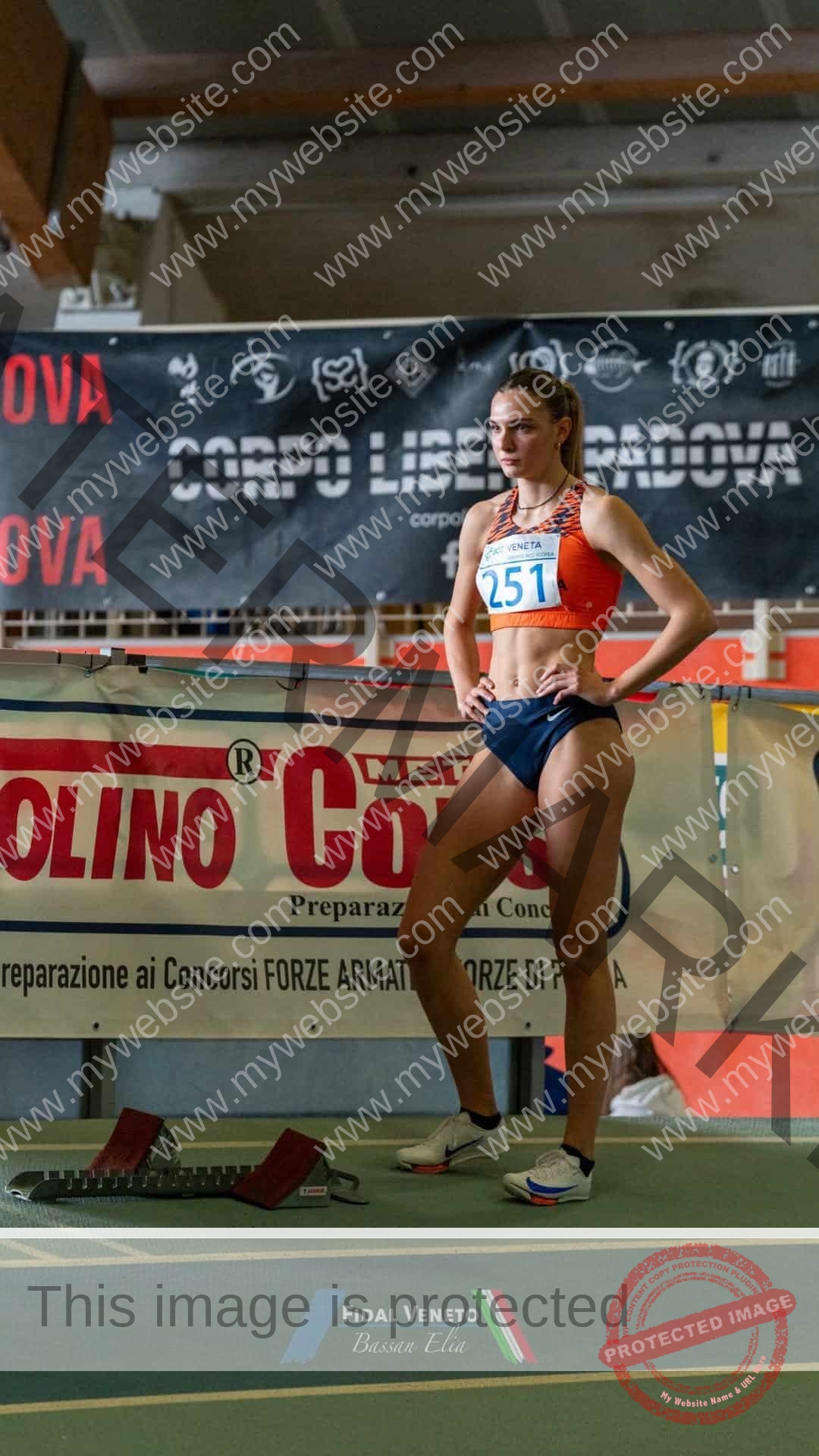
On January 11, 2025, at Padova’s Palaindoor venue, Clarissa ran 23.83 seconds for the 200 metres short track — an outstanding indoor sprint time that placed her top of the national under-23 (promesse) lists in the event. One week later, on January 18 at the same Padova venue, she returned for the 400 metres short track and produced what the FIDAL immediately described as a demolition of her previous indoor personal best: 53.73 seconds, compared to a prior indoor best of 56.15 from 2023. The margin of improvement — nearly two and a half seconds in a single jump — was extraordinary. More importantly, 53.73 was the qualifying standard for the European Under-23 Athletics Championships in Bergen, Norway, confirming at the first outdoor qualifier of the indoor season that she was very much in contention for a significant summer.
The FIDAL’s official report on the Padova meeting called the performance “super,” noting that with those times Clarissa had moved to the top of the national under-23 seasonal lists in both the 400 and 200 metres simultaneously. She also ran 7.49 for the 60 metres at the same meeting, taking another personal best in the sprint and establishing herself across the full sprint range.
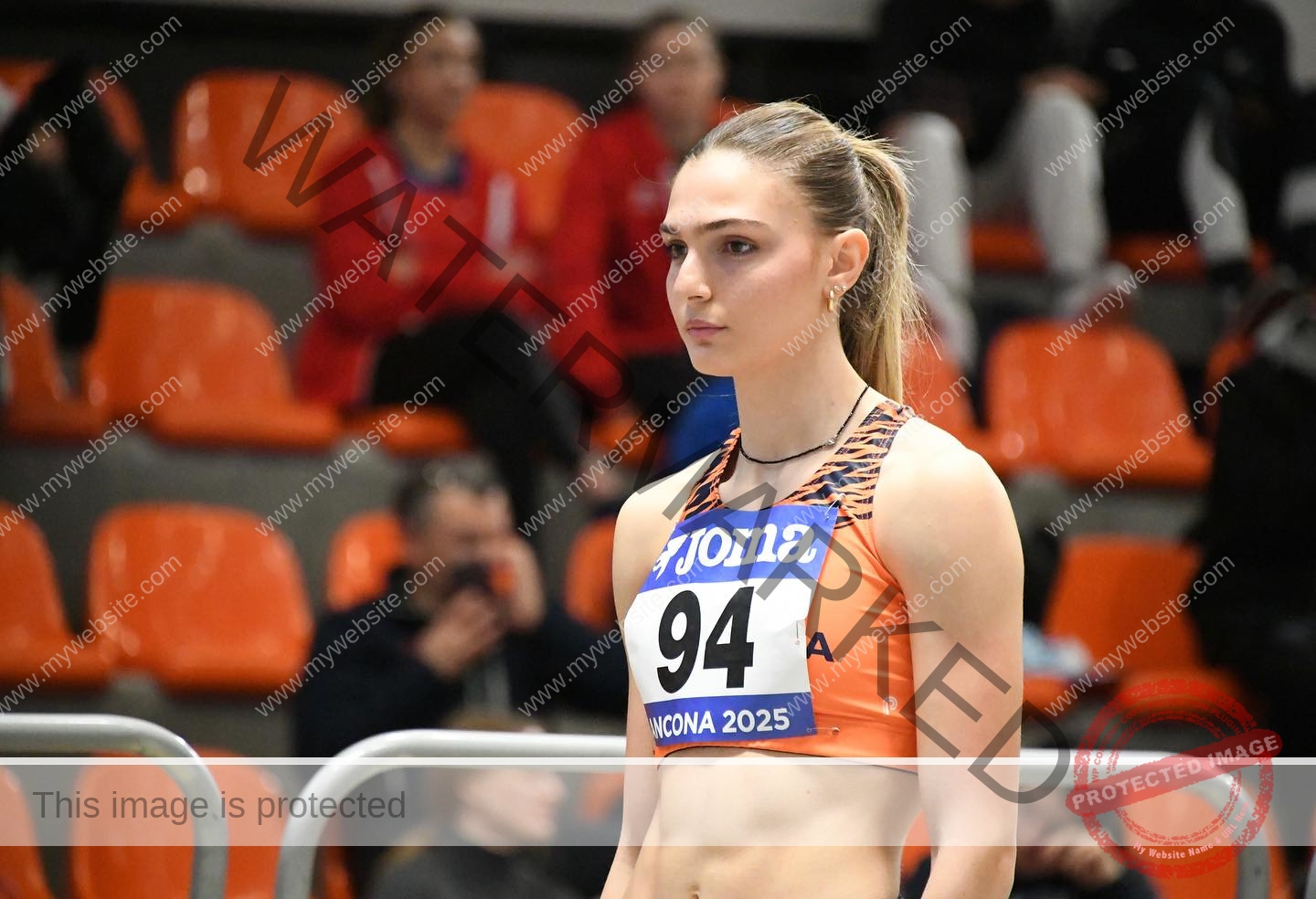
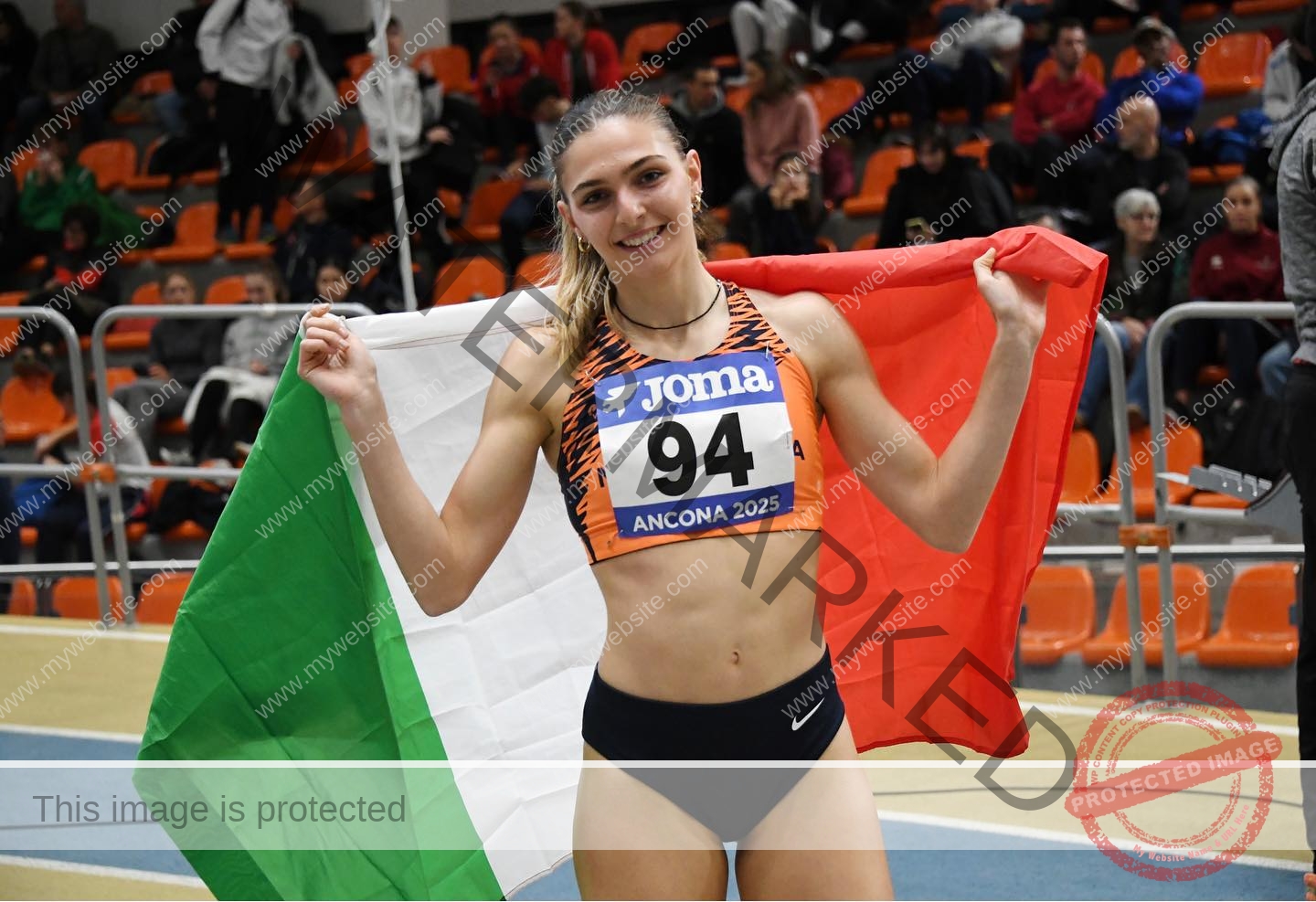
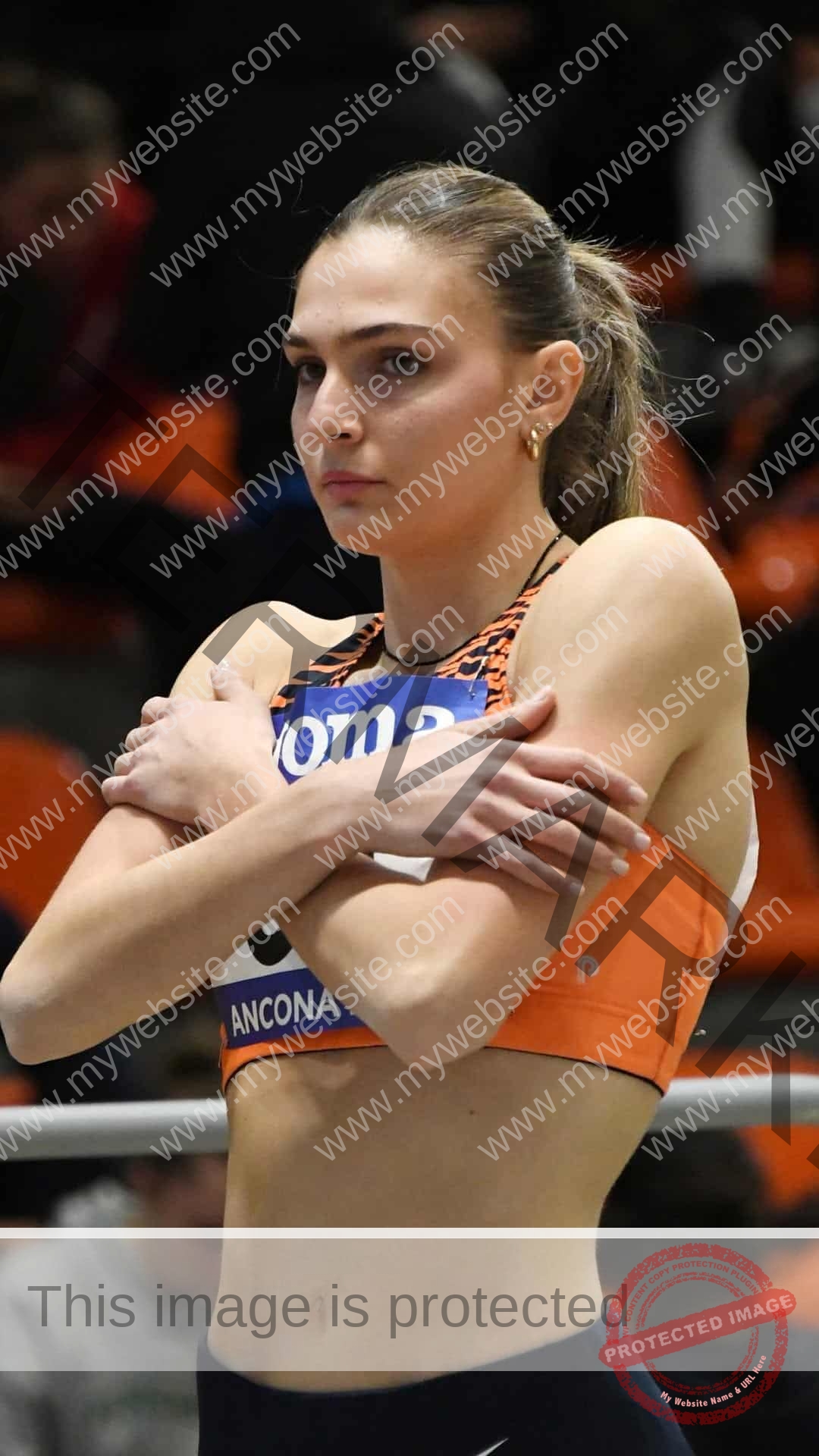
The Italian Indoor Championships for Under-20 and Under-23 athletes, held in Ancona in early February, produced the definitive statement. In the 400 metres under-23 final, Clarissa dominated — winning by nearly a second in a field that included some of Italy’s best junior and under-23 quarter-milers — running 54.06 to claim her first Italian national title. She also ran a leg in the under-23 4×400 relay, anchoring the Novatletica Chieri team of Gaya Bertello, Martina Vianelli and Giorgia Palumbo to victory in 1:40.21 — a second Italian title in the same weekend.
The municipality of Chieri received the four athletes in the town hall’s council chamber, where the mayor and the sports assessor presented formal recognition of their achievements. The mayor called them “extraordinary athletes who, thanks to their talent, passion and daily commitment, have brought the name of Chieri high” — a moment of civic pride that spoke to how much the small city had invested in following Clarissa’s career.
April 2025: Breaking a 27-Year Record
The outdoor 2025 season opened with another landmark moment that captured Italian athletics by surprise. On April 12, competing at the prestigious Viva l’Atletica meeting in Busto Arsizio — an invitational event featuring some of Italy’s top female sprinters, including senior internationals Virginia Troiani and Anna Polinari — Clarissa lined up in the 300 metres.
She finished third in the race, behind Polinari (37.01) and Troiani (37.42), but her time of 37.64 seconds carried a significance beyond the placement: it was a new Italian under-23 record on the 300 metres, breaking the category best of 37.67 set by Lombardy’s Virna De Angeli on May 2, 1998 in Chiasso, Switzerland. Twenty-seven years after De Angeli had set that mark, Clarissa Vianelli wiped it from the record books by three hundredths of a second. The news spread quickly through the Italian athletics community, with the FIDAL’s official channels prominently featuring the record in their reporting of the meeting’s results. “After almost 27 years,” the federation’s note read, “the 19-year-old Piedmontese removes the Italian Under-23 best from the Lombard Virna De Angeli.”
It was a record that underscored the breadth of her sprinting range — a 300 metres mark set in a field with senior international competitors was a statement that her abilities extended well beyond the age-group bubble.
Senior National Team Debut: Guangzhou, May 2025
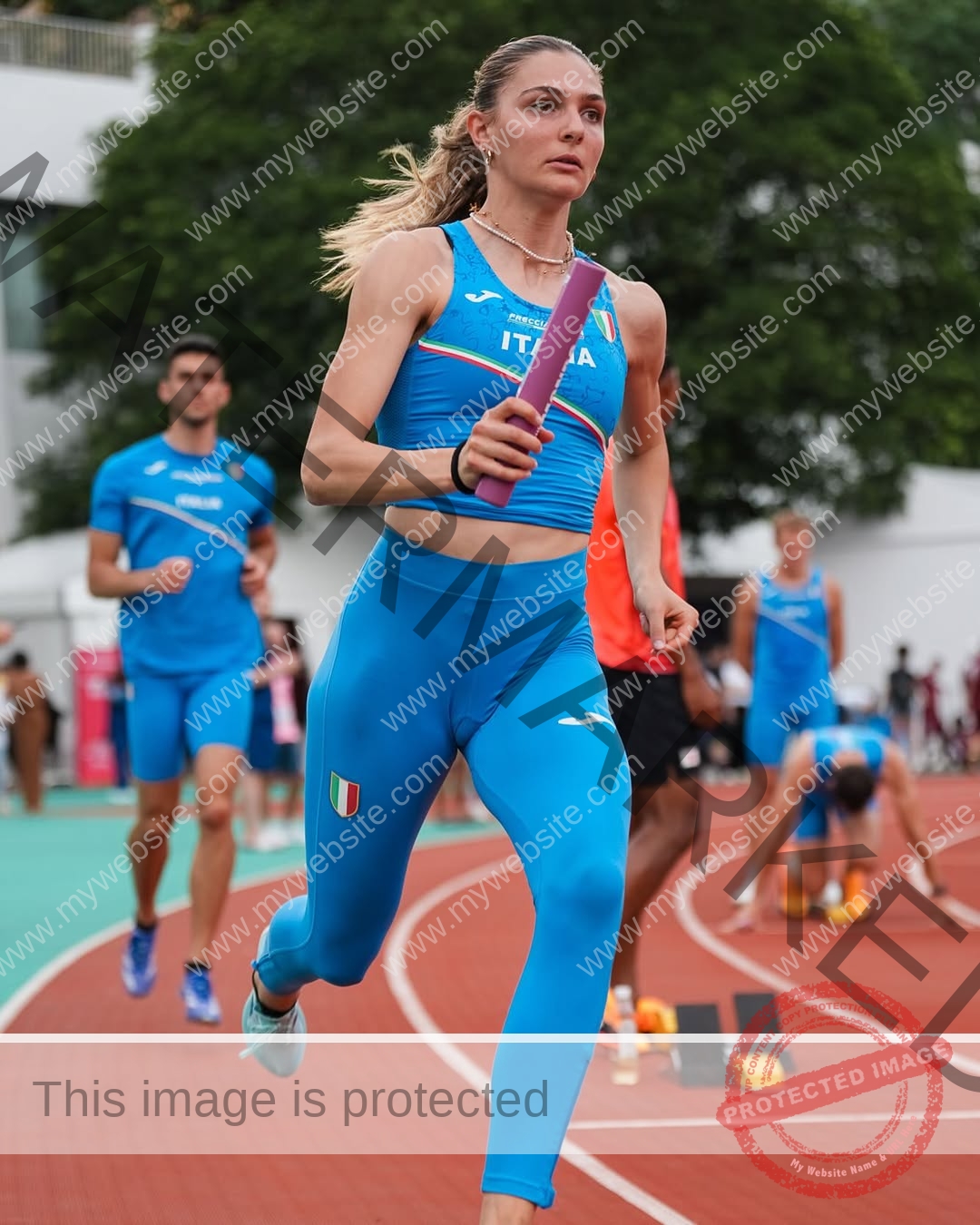
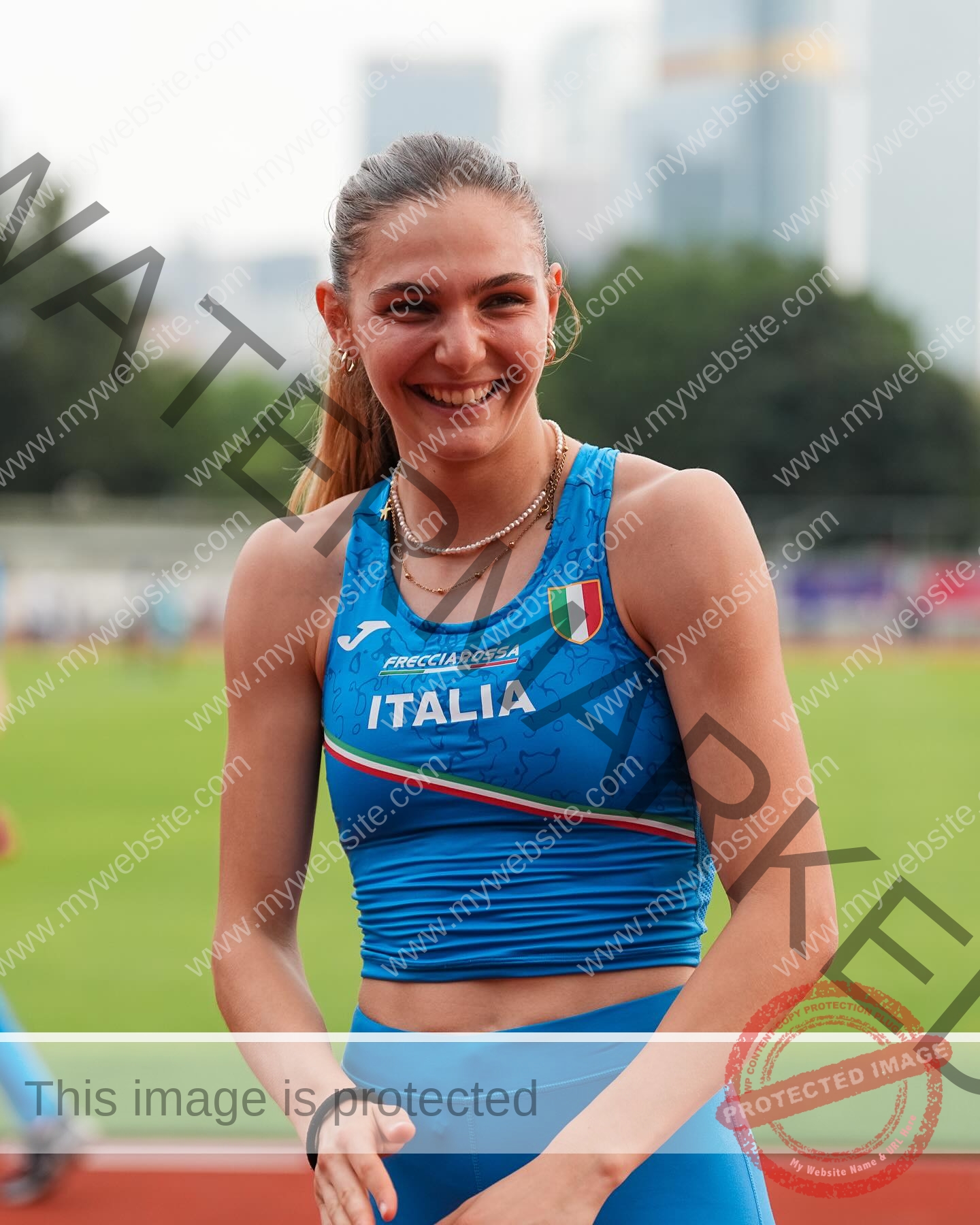
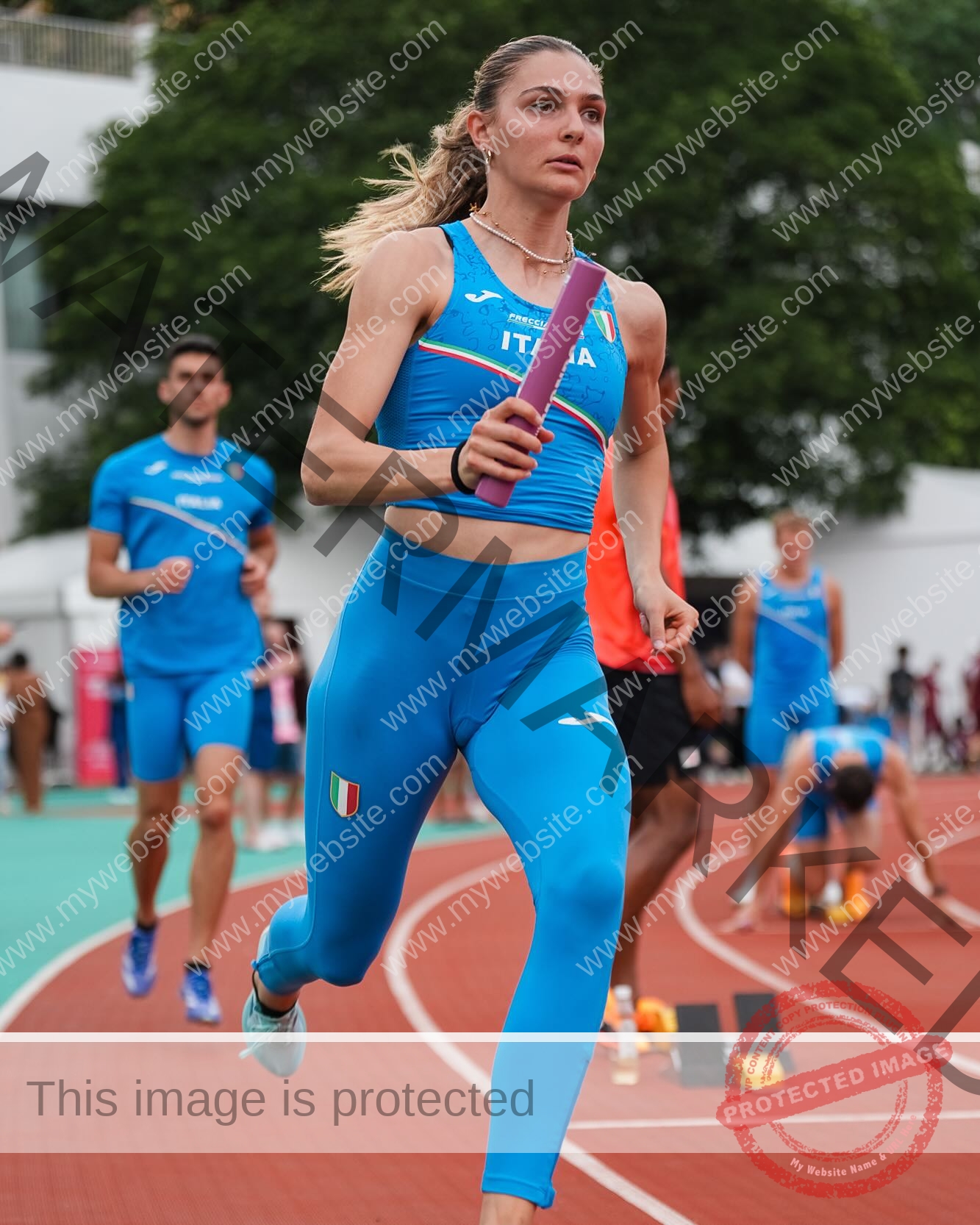
The most significant milestone of 2025 arrived in May, when Clarissa was named to the Italian national team for the World Athletics Relays in Guangzhou, China — one of four athletes making their senior azzurri debut at the event, alongside Gaya Bertello, Alice Pagliarini and Francesco Domenico Rossi. The Italian squad for Guangzhou included Olympic champions, World Championship medallists, and European champions; that Clarissa was included alongside those names confirmed her arrival at the highest level of Italian athletics.
The World Athletics Relays in Guangzhou, held on May 10–11, served as a key qualifier for the Tokyo 2025 World Athletics Championships, with the top 14 teams in each relay event earning berths to the September worlds. Clarissa competed in the women’s 4×400 metres, and Italy’s team — which included Clarissa, Ilaria Accame, Alessandra Bonora, Rebecca Borga, Alice Mangione, Linda Olivieri, Anna Polinari and Virginia Troiani — produced a relay best of 3:31.73 on July 20, 2025. Italy secured a place at the Tokyo World Championships through the relay pool, qualifying for the global stage in a discipline that is central to Clarissa’s competitive identity.
European Under-23 Championships: Bergen, July 2025
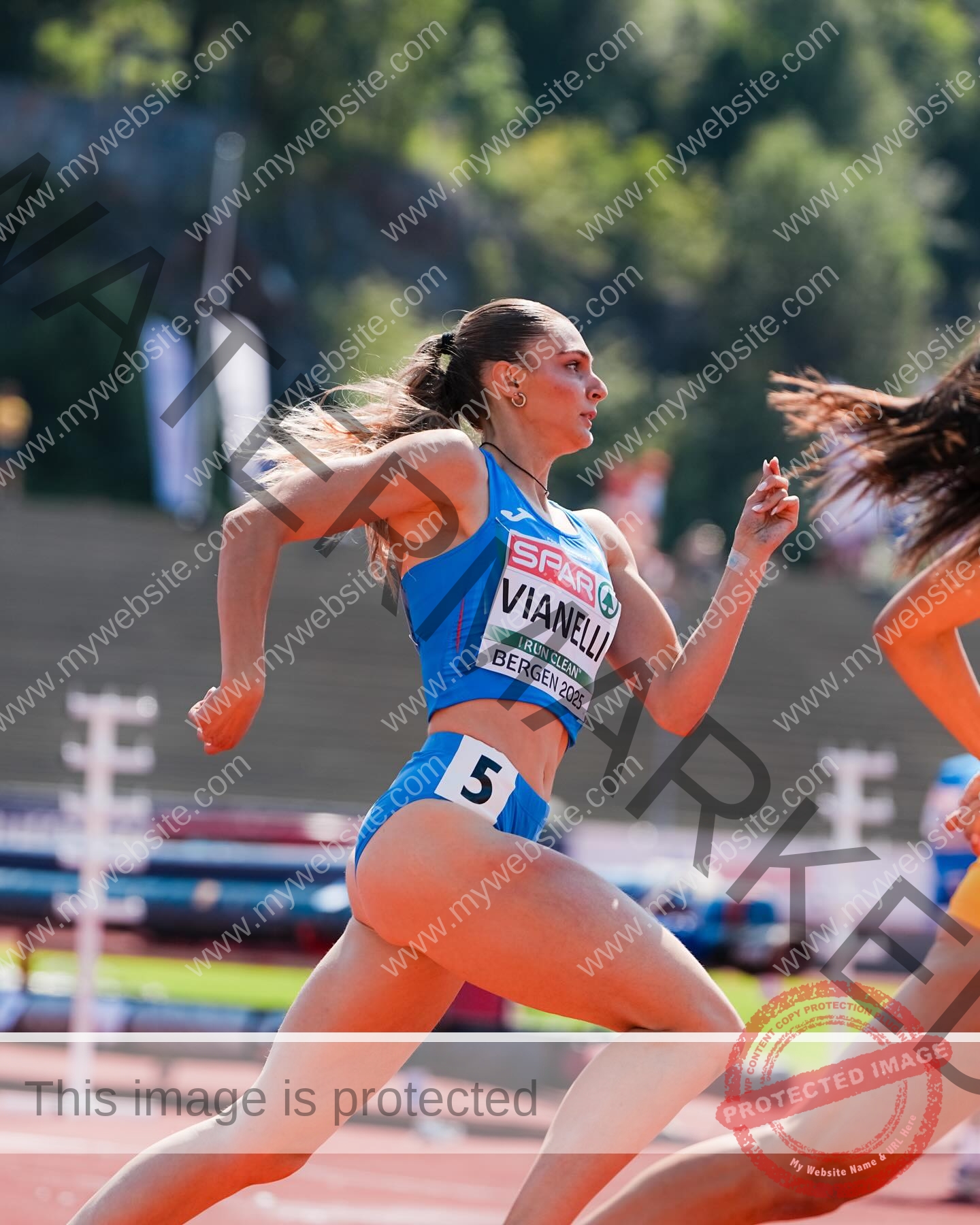
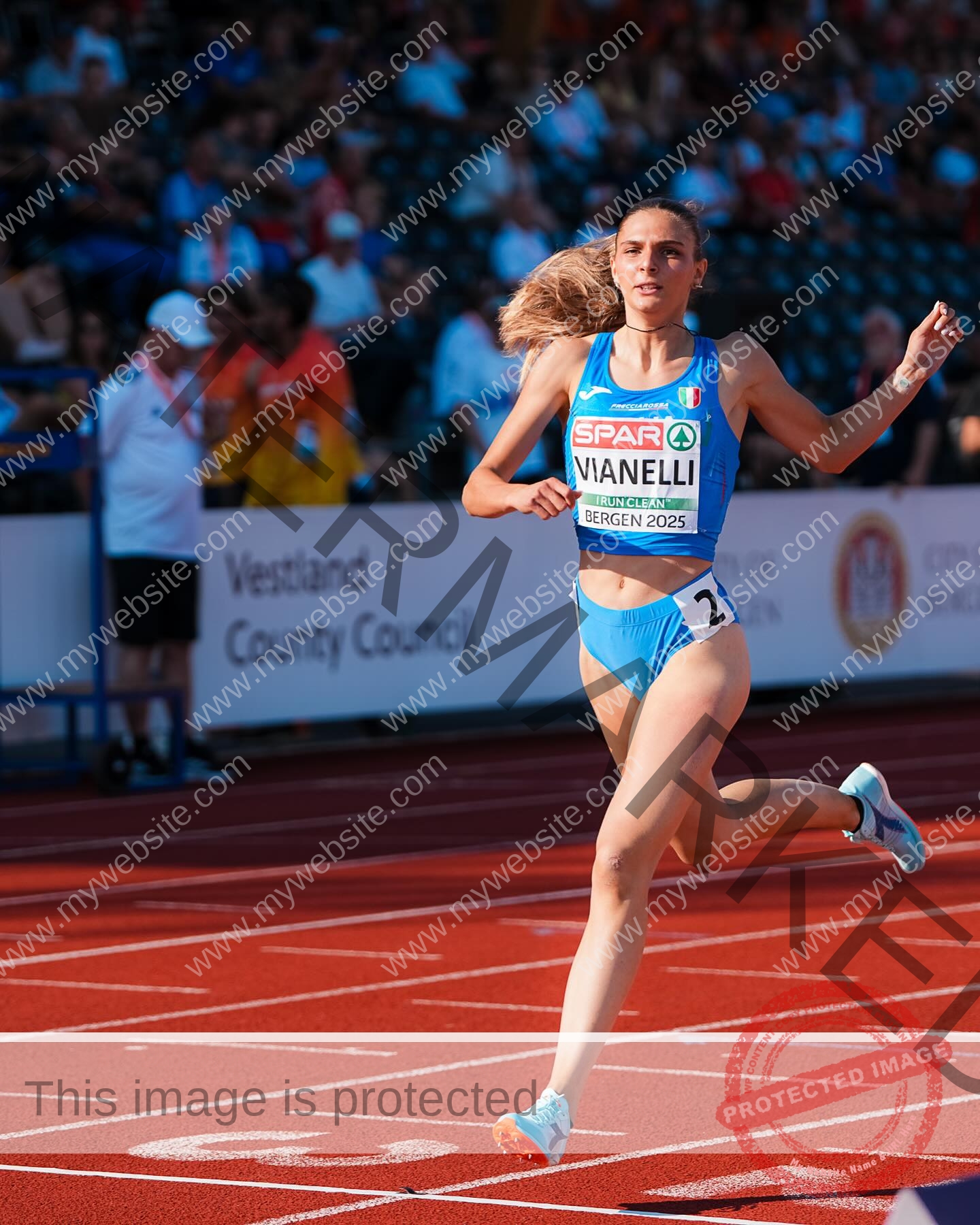
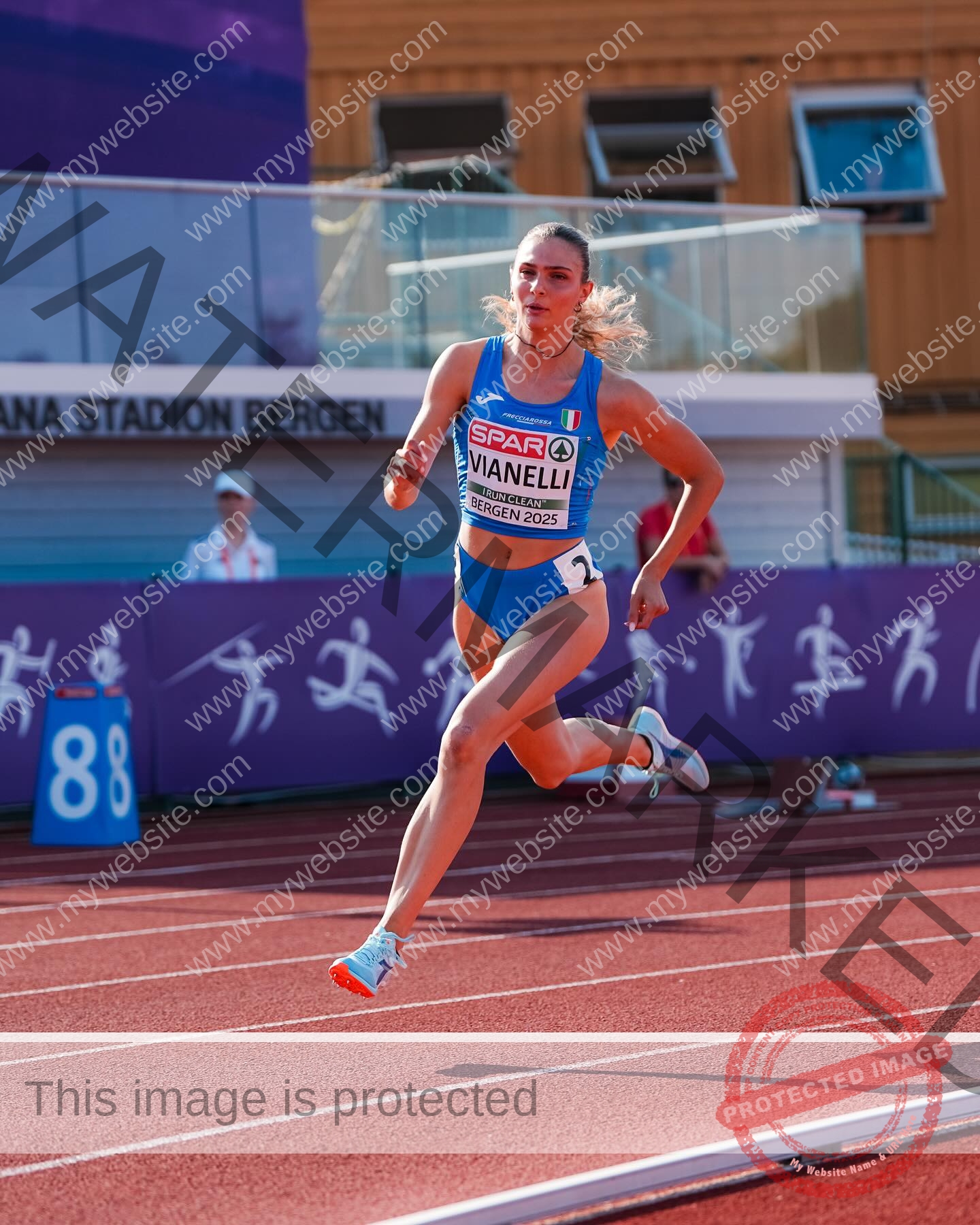
The European Under-23 Athletics Championships in Bergen, Norway, provided Clarissa with her most significant individual international platform to date. Competing in the 400 metres, she placed ninth in her event — a result that reflected both the high standard of the European under-23 field and her own continued development. Reports from within Italian athletics noted that she was “the best of the azzurre on the lap of the track” — a performance that, while not a medal, confirmed she was able to compete credibly at the top level of European under-23 athletics.
In the 4×400 relay, Italy produced a result of collective significance: the squad, which included Clarissa, helped set a new migliore prestazione italiana (MPI) for the under-23 category in the event — a national category record that placed the Italian women’s under-23 relay among the continental elite.
The relay team finished eighth in the Bergen final — a creditable result in a European under-23 field of considerable depth.
The Autumn and New Records in 2025
The outdoor summer continued to produce performances that refined Clarissa’s standing within Italian athletics. At the Vigevano meeting in June, she ran a personal best of 53.64 for the 400 metres — a result that demonstrated her continued progression beyond the 53.73 indoor benchmark. At the Boissano Atletica Estate in late June, she won the 200 metres in 23.98 and the 300 metres in 37.84. At the Italian outdoor junior/under-23 championships in Grosseto, she contributed to a team 4×100 relay title with the Novatletica Chieri squad of Giorgia Palumbo, Martina Vianelli and Gaya Bertello — the club’s 45.77 winning the national relay gold.
The outdoor championships at Caorle in August also saw her race, described in FIDAL preview coverage as one of the athletes to watch in the 200 metres, with her outdoor 200 personal best standing at 23.83 from the Padova indoor performance and her 400 best at 53.10 at some point in the season.
The Move to Fiamme Oro: 2026
The most structurally significant development of Clarissa Vianelli’s career to date came at the start of 2026, when she was announced as one of four new entrants to the Gruppo Sportivo Fiamme Oro Padova — the prestigious police athletics group that represents one of Italy’s elite sporting organisations. The Fiamme Oro is one of Italy’s most storied athletics groups, home to multiple Olympic and World Champions, and joining it represents an institutional recognition that an athlete has the profile to justify that level of support and infrastructure.
The FIDAL’s official profile of the new Fiamme Oro recruits cited her as “protagonist in the past season in the quartet that established the Italian under-23 best of the 4×400 metres” and noted her appearances in the blue at the European Under-23 Championships in Bergen and the World Athletics Relays in Guangzhou. She remains coached by Serena Putinati even within the new Fiamme Oro environment — a continuity of coaching that is relatively unusual at this level and speaks to the strength of the Putinati-Vianelli relationship.
The 2026 indoor season opened immediately with strong performances under the new banner. At the January indoor meeting in Bergamo, she won the 60 metres in 7.62 seconds, running away from a competitive field that included club teammate Anna Maccagnola (7.79). The result reflected her continued development across the sprint distances, not merely her headline 400-metre event.
Then, on April 25, 2026, came a performance that nearly produced another Italian record. Competing in Cuneo in the 300 metres, Clarissa ran 36.88 seconds — a time that came within four hundredths of the Italian under-23 record that she herself had set in Busto Arsizio in April 2025 (37.64), and that closely approached the updated Italian record of 36.84 set by Sara Cirillo shortly before. Her 36.88 marked a further progression in the 300 metres — an event that functions for her as a key indicator of 400-metre fitness — and confirmed that the performances of the preceding months had not been an upper limit but a platform. Her World Athletics score for that 300-metre performance (1126 points) now leads all her career performances in terms of the scoring algorithm, placing it as the highest-quality mark of her career to date.
Personal Bests and Career Statistics
The following represent Clarissa Vianelli’s career best performances through spring 2026:
- 300 metres: 36.88 (April 25, 2026, Cuneo) — World Athletics score 1126
- 4×400 metres relay: 3:31.73 (July 20, 2025) — World Athletics score 1124
- 200 metres (short track/indoor): 23.83 (January 11, 2025, Padova) — World Athletics score 1099
- 400 metres (short track/indoor): 53.73 (January 18, 2025, Padova) — World Athletics score 1094
- 400 metres (outdoor): 53.10 (2025 season)
- 60 metres: 7.49 (January 18, 2025, Padova)
Club, Coaching, and Identity
The story of Clarissa Vianelli’s development is inseparable from the story of Novatletica Chieri and the Piedmontese athletics ecosystem she grew up in. For Serena Putinati, who has navigated her athlete through national title wins, international medals, selection controversies, and a move to one of Italy’s elite sports groups, the relationship represents a decade of investment in a talent that is still clearly ascending. Putinati has spoken publicly and with conviction about the importance of maintaining a direct line of communication between elite coaching staffs in smaller clubs and the national federation’s technical decision-makers — a advocacy that came to the fore during the Lima controversy and that reflects a broader principle about how Italian athletics develops and retains its talent base outside the major metropolitan clubs.
The relay culture at Novatletica Chieri also forms a distinctive part of Clarissa’s athletic identity. The club’s under-23 women’s relay squad — with the two Vianellis (Clarissa and Martina), Gaya Bertello and Giorgia Palumbo running together — has been among the most competitive club relay units in Italian under-23 athletics, winning national relay titles in both indoor and outdoor competition. Gaya Bertello, in particular, has been Clarissa’s most frequent close competitor and a complementary presence on the sprint and relay scene — two athletes whose careers have developed in parallel and who have lifted each other’s performances in the process.
Social Media and Sponsorship
Clarissa Vianelli’s move to the Fiamme Oro represents the most significant institutional sponsorship of her career, placing her within the network of one of Italy’s major corporate athletic groups — the police’s sports division, which provides athletes with training infrastructure, facilities, competition support, and a structured athlete development environment. The Fiamme Oro’s involvement signals a multi-year investment in her development, with the expectation that she will continue to progress toward senior international competition at the European and world level.
She is active on Italian social media channels in the manner typical of young Italian elite athletes, maintaining an online presence that documents her training, competition, and the day-to-day balance of elite sport and university life that characterises her current chapter.
Looking Ahead
At 20 years old, Clarissa Vianelli is in the first year of eligibility for the under-23 category and has years of major championship opportunities still ahead of her. Her World Athletics ranking of approximately #263 in the women’s 400 metres globally is already notable for an athlete at this stage of career development, and the trajectory of her personal bests — from 56.15 indoors in 2023 to 53.73 indoors in January 2025 to 53.10 outdoors by summer 2025 — suggests an athlete whose limits have not yet been tested.
The European Athletics Championships are scheduled for Birmingham in 2026, and while the senior fields there will be among the deepest in the world, the 400 metres is an event where Italy’s women have genuine depth and where Clarissa’s times are moving in the right direction. The European Under-23 Championships will continue to offer a platform through 2027. And beyond that, the Olympic cycle points toward Los Angeles 2028, when Clarissa Vianelli will be 22 — precisely the age at which the best 400-metre runners in the world are typically beginning to reach their competitive peak.
The Lima controversy feels like a distant footnote now, if it ever felt like anything more — quickly overwritten by an Italian indoor title, a national category record in the 300 metres, a senior debut at the World Athletics Relays, a European under-23 relay record, and a transfer to Italy’s most prestigious athletics group. Clarissa Vianelli did, as she promised, demonstrate her value with results. And she appears far from finished doing so.
Career Highlights at a Glance
- Born: November 9, 2005, Chieri (Torino), Piedmont, Italy
- Club: G.S. Fiamme Oro Padova (from 2026); formerly Polisportiva Novatletica Chieri
- Coach: Serena Putinati
- University: Università di Torino — Economia Aziendale (Dual Career programme)
- Events: 400m, 300m, 200m, relay
- World Athletics Rankings (2025–26): approximately #263 women’s 400m
Personal Bests:
- 300m: 36.88 (April 25, 2026, Cuneo)
- 400m (outdoor): 53.10 (2025)
- 400m short track (indoor): 53.73 (January 18, 2025, Padova)
- 200m/200m short track: 23.83 (January 11, 2025, Padova)
- 4x400m relay: 3:31.73 (July 20, 2025)
- 60m: 7.49 (January 18, 2025, Padova)
Selected Honours:
- European Under-18 Championships silver medal — Swedish relay, Jerusalem 2022
- Italian Under-23 Indoor 400m Champion, 2025 (Ancona, 54.06)
- Italian Under-23 Indoor 4×400m Relay Champion, 2025 (Ancona, 1:40.21)
- Italian Under-23 4×100m Relay Champion (outdoor), 2025 (Grosseto, 45.77)
- Italian Under-23 record — 300 metres, 37.64 (April 12, 2025, Busto Arsizio)
- Italian Under-23 Championships 400m runner-up, 2023 (indoor), 2024 (outdoor, bronze)
- European Under-23 Championships, Bergen 2025 — 9th in 400m individual; 8th in 4×400m relay (Italy set MPI U23)
- World Athletics Relays, Guangzhou 2025 — senior national team debut, 4×400m
