


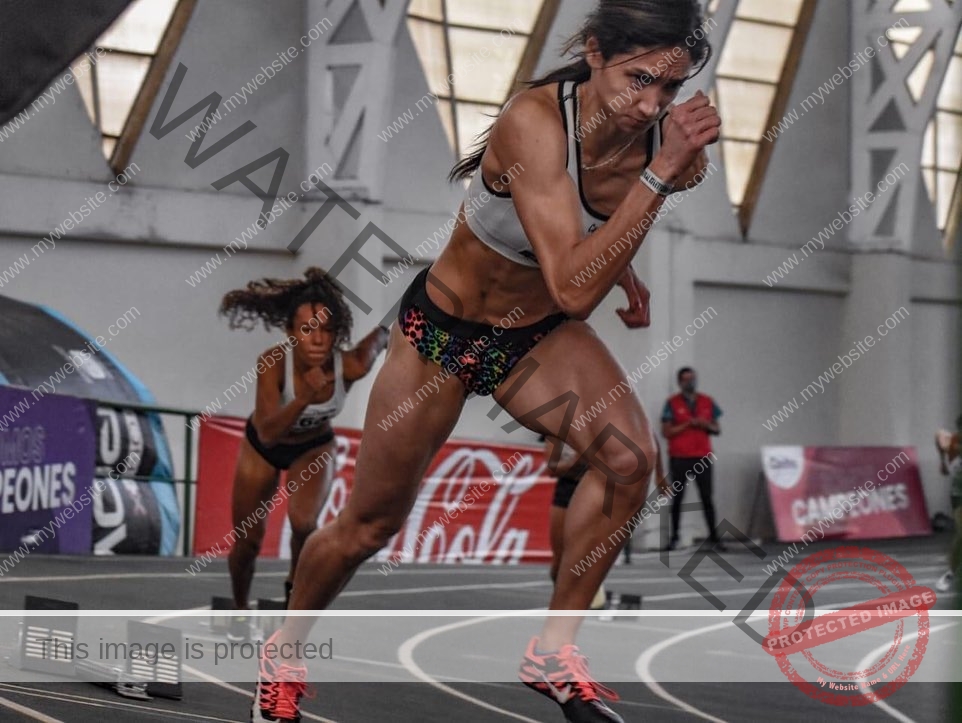
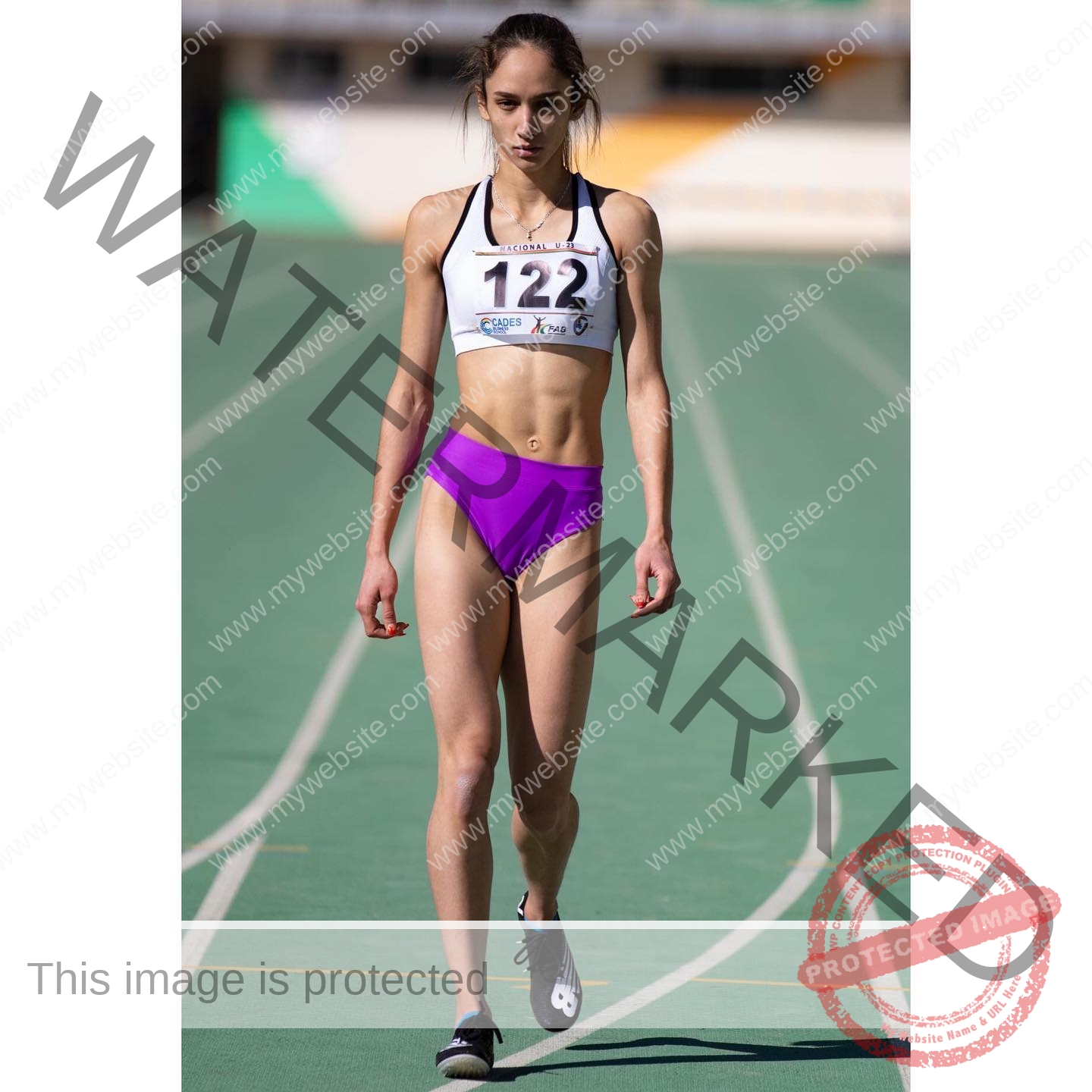
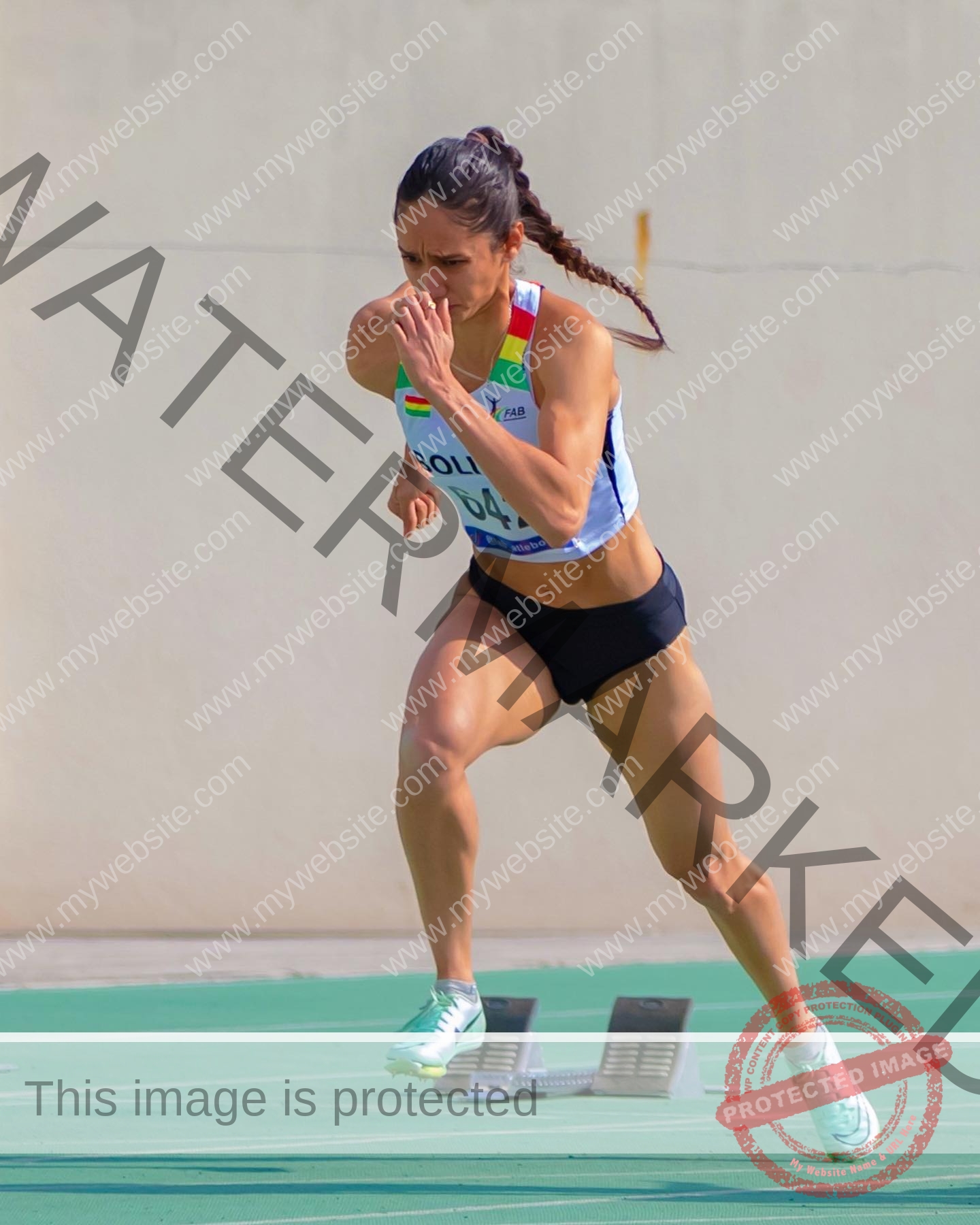
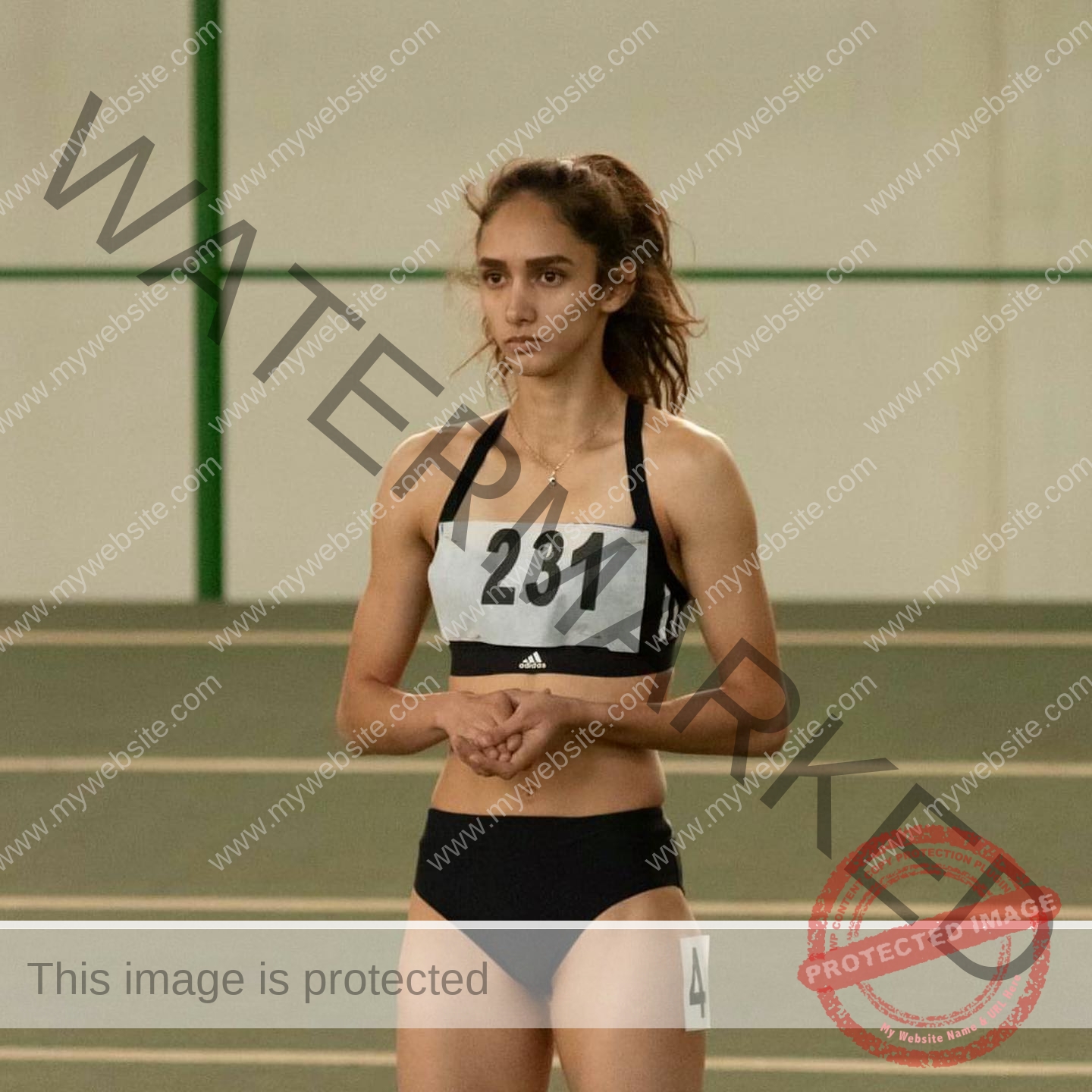

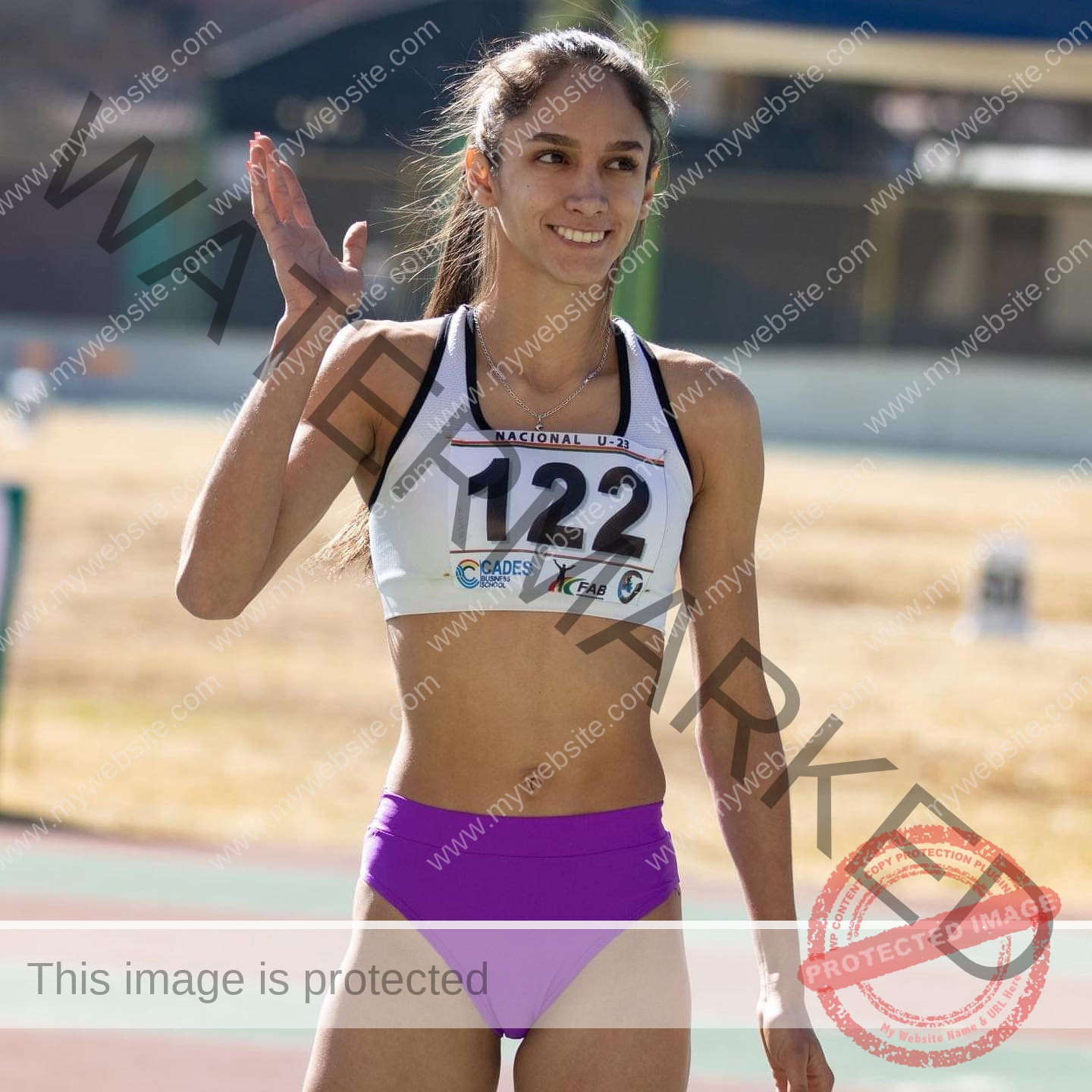
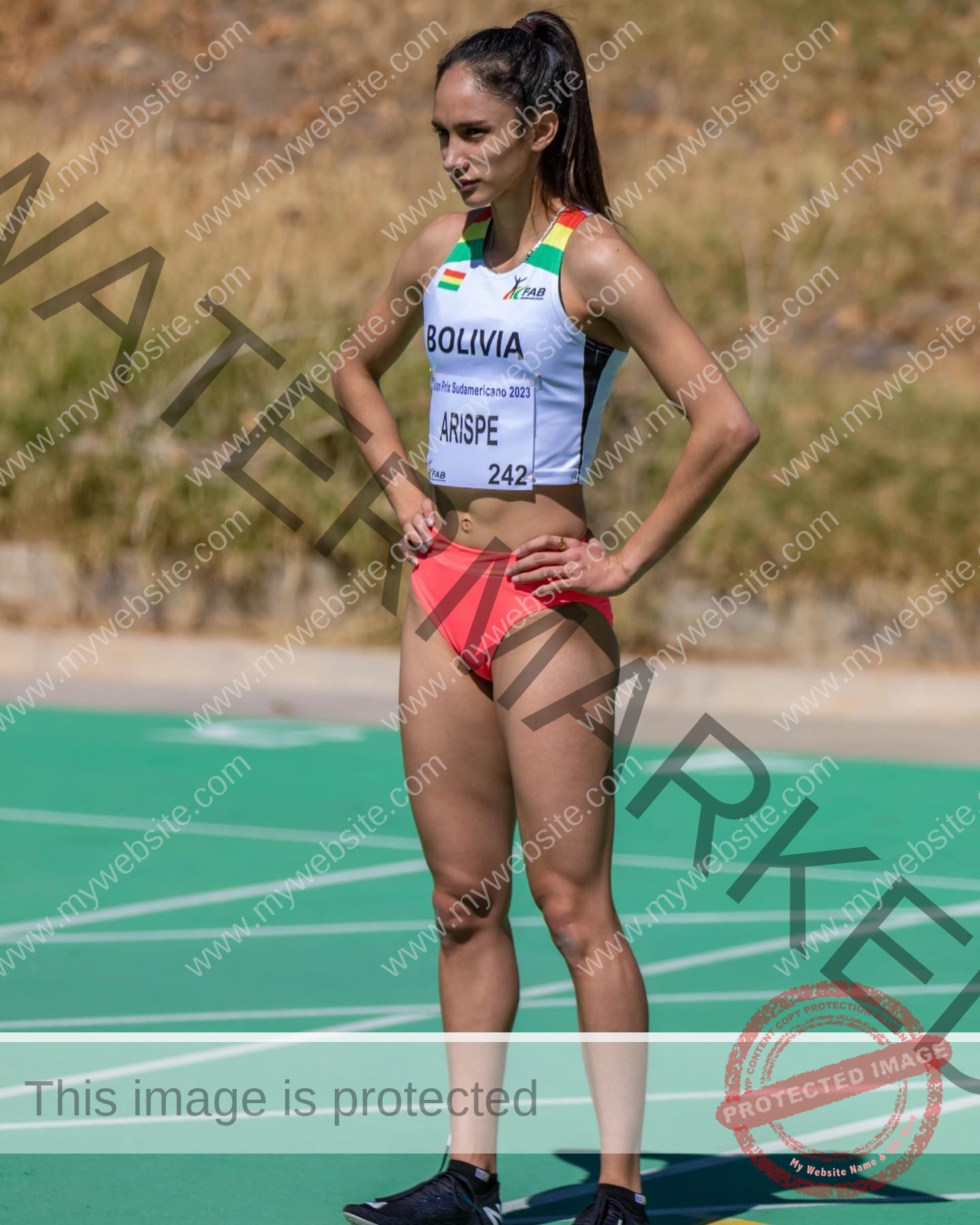
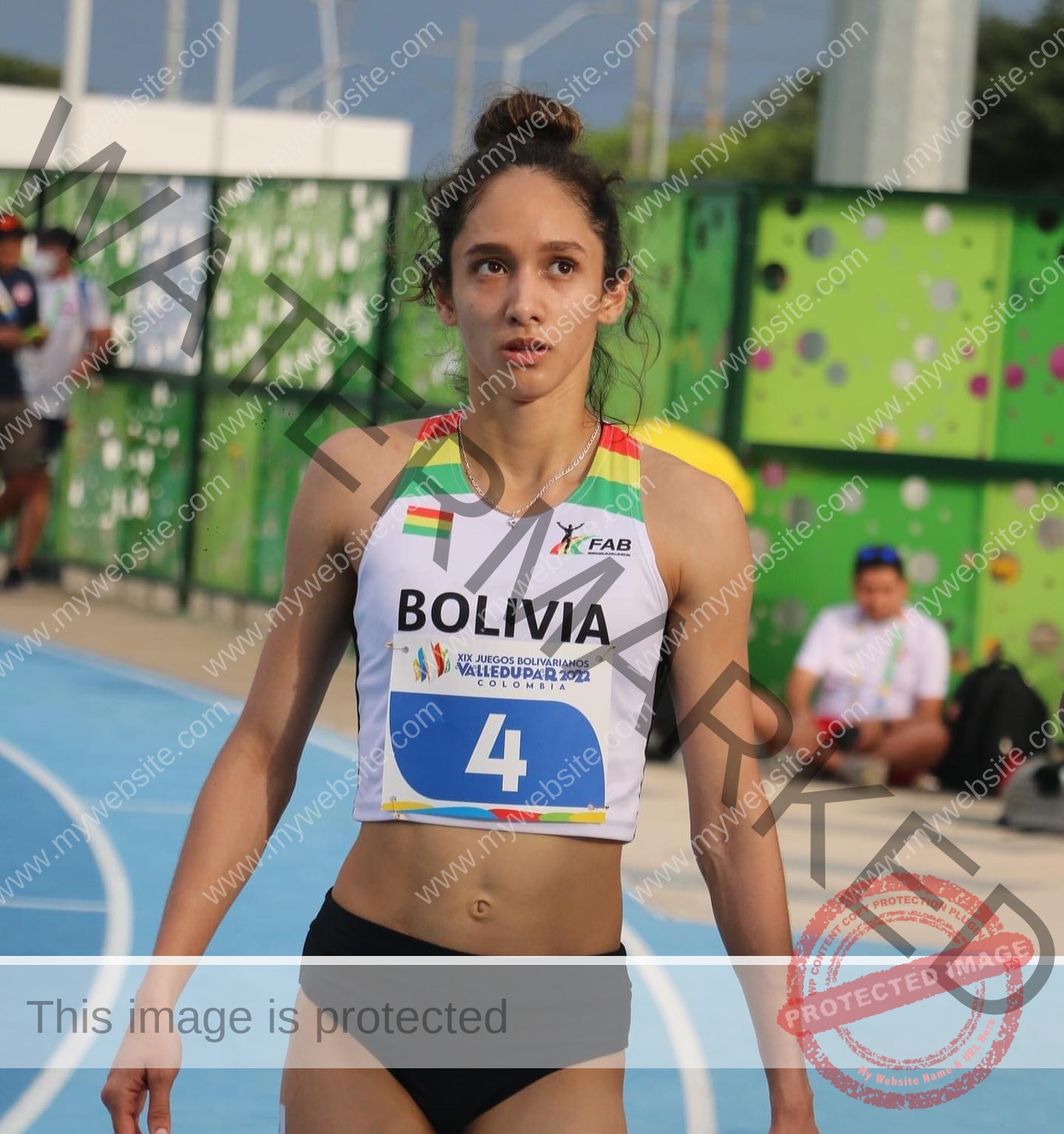
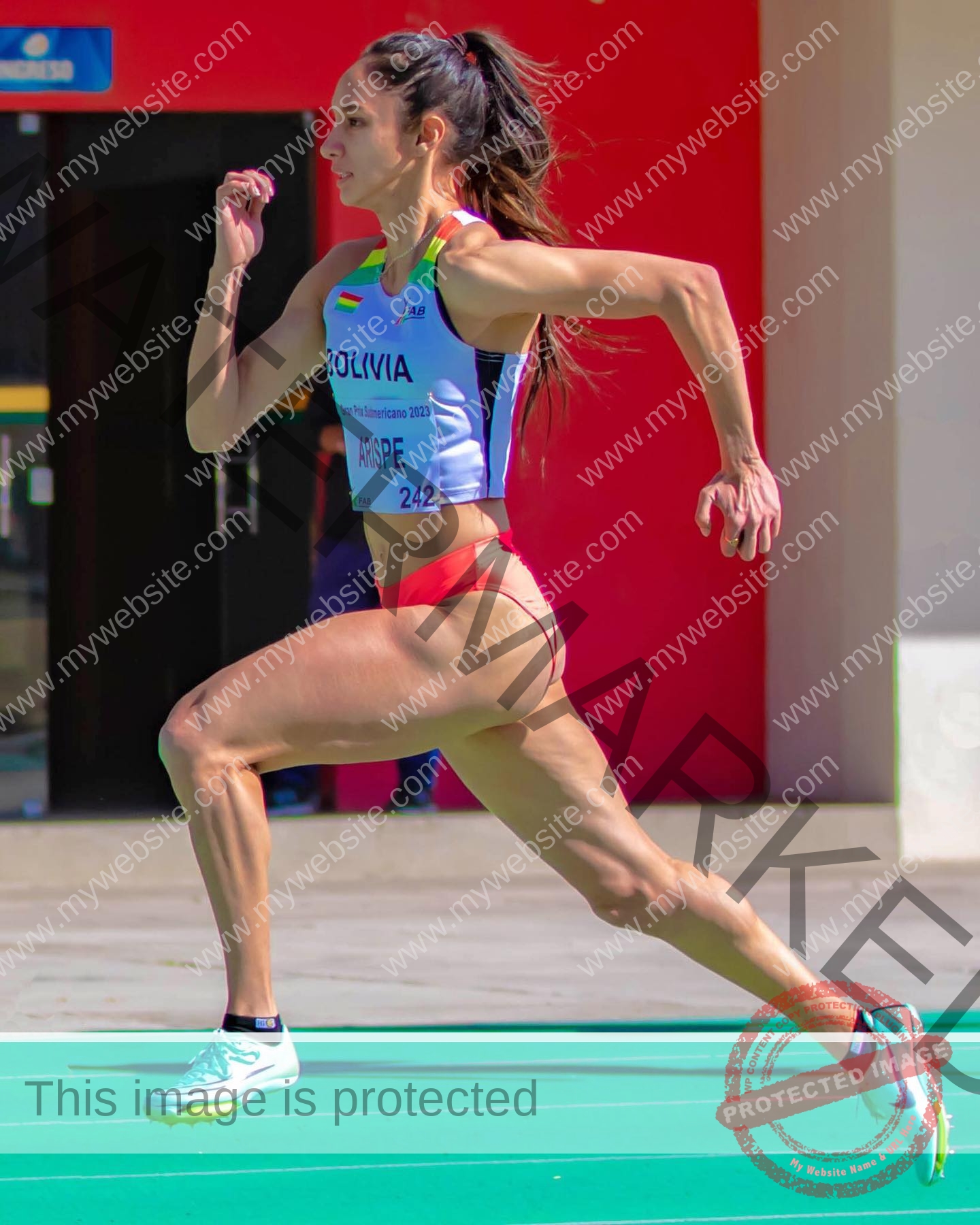
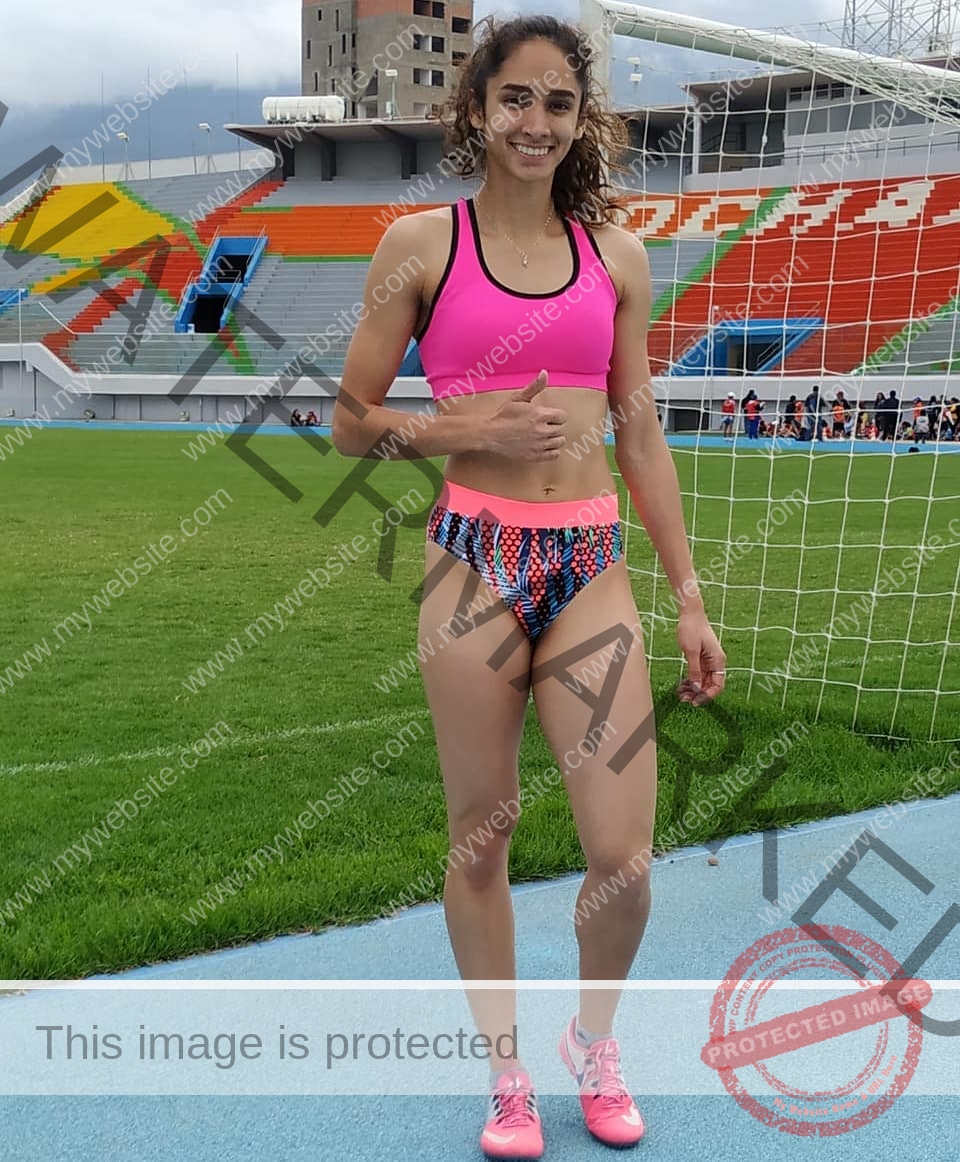
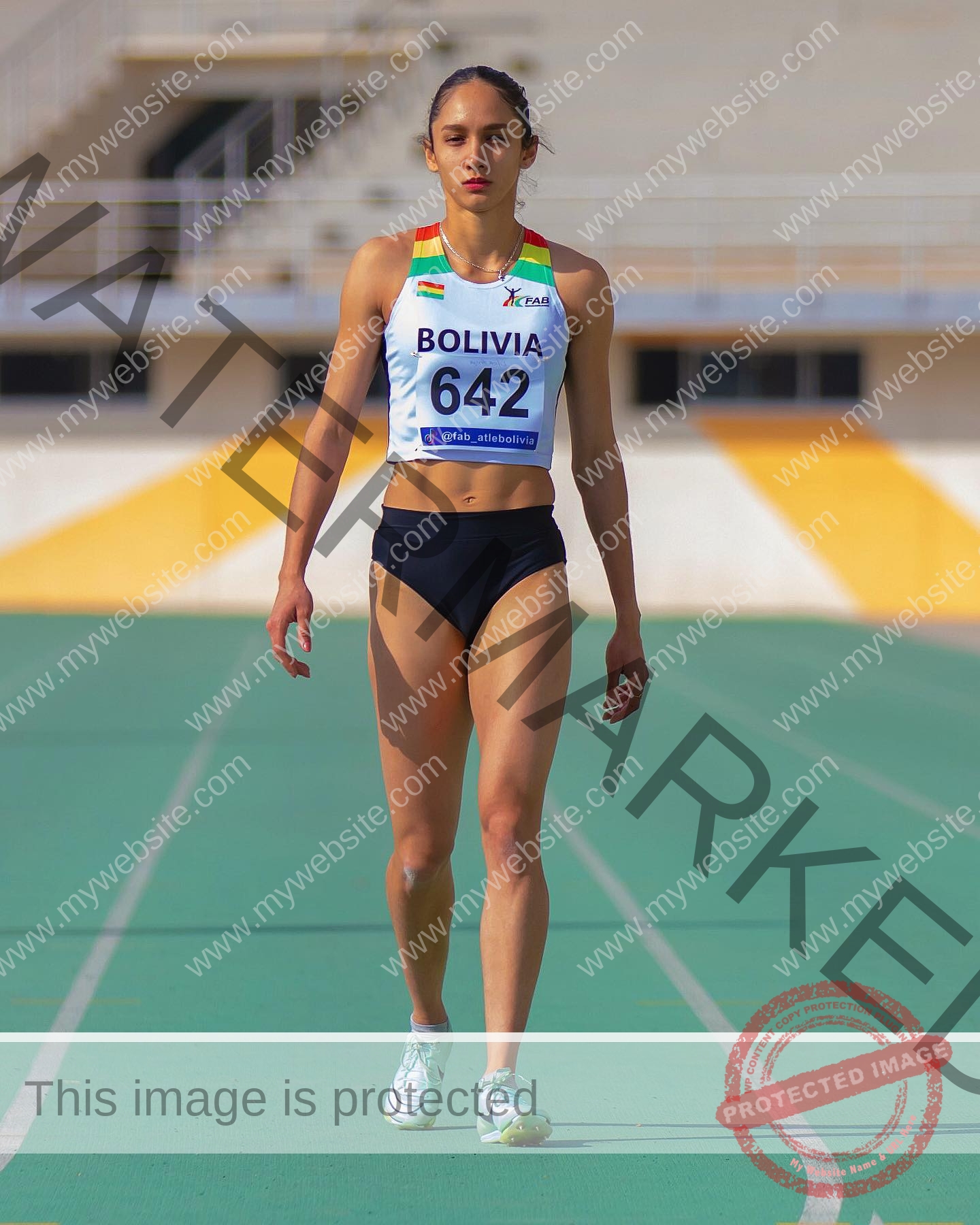
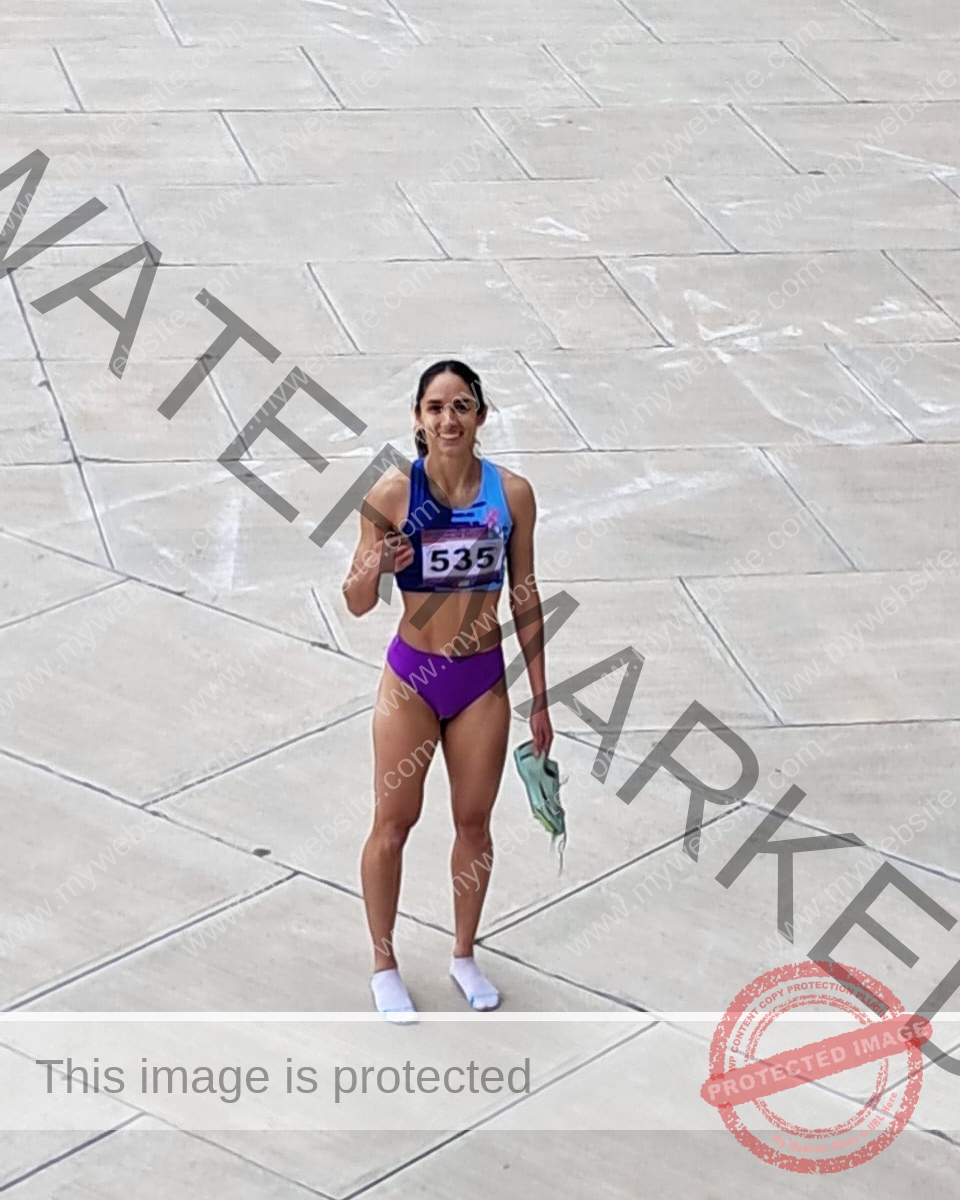
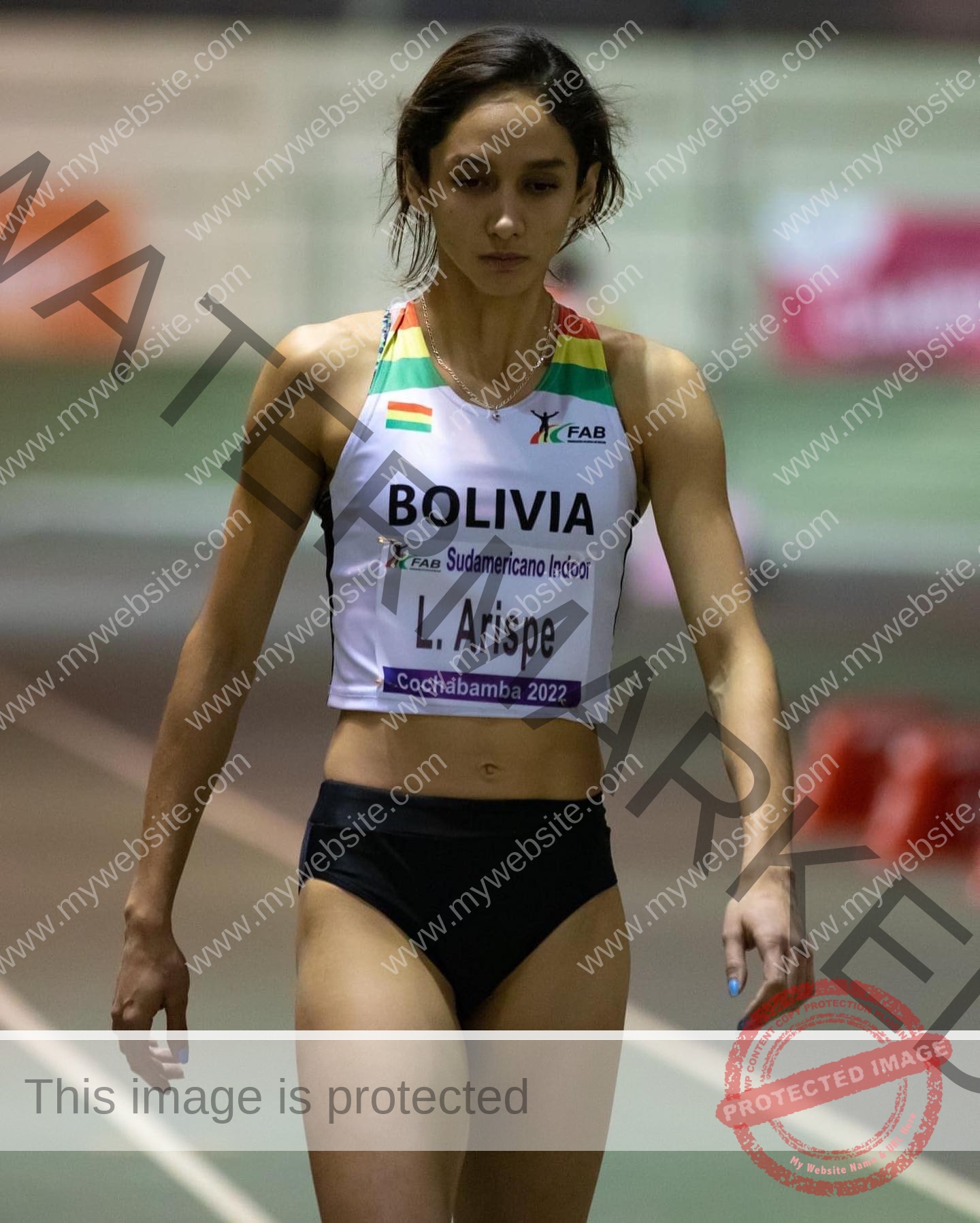
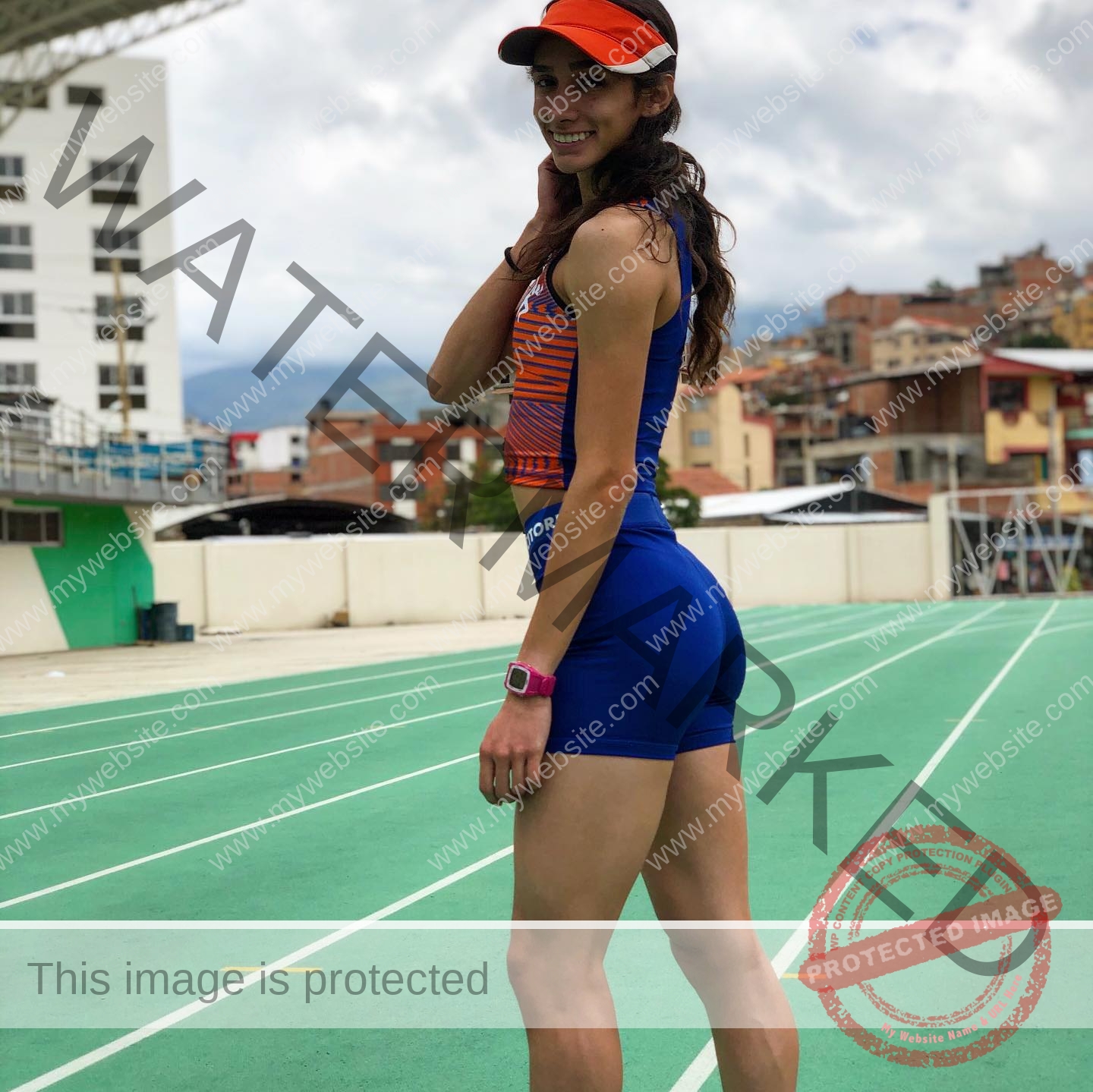
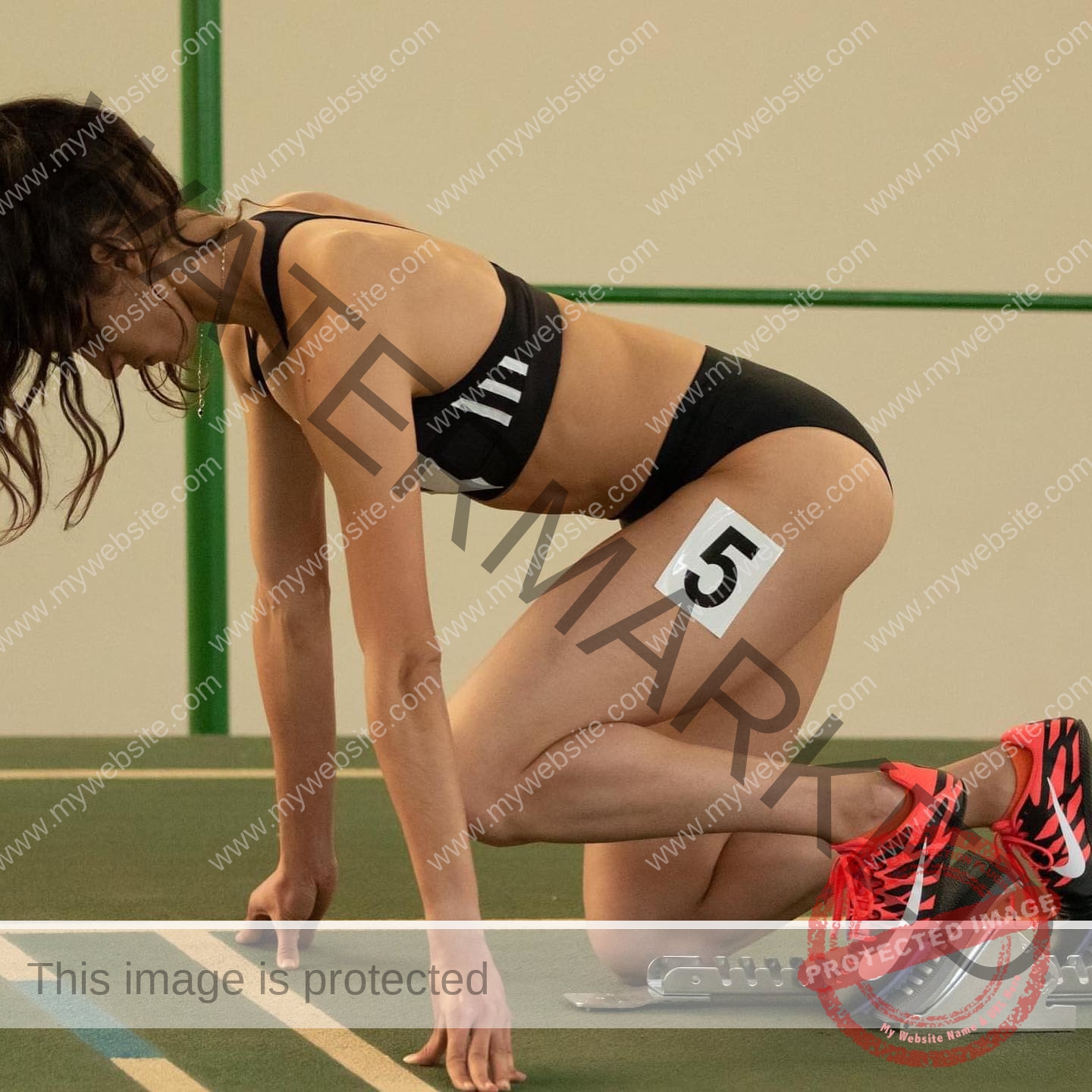
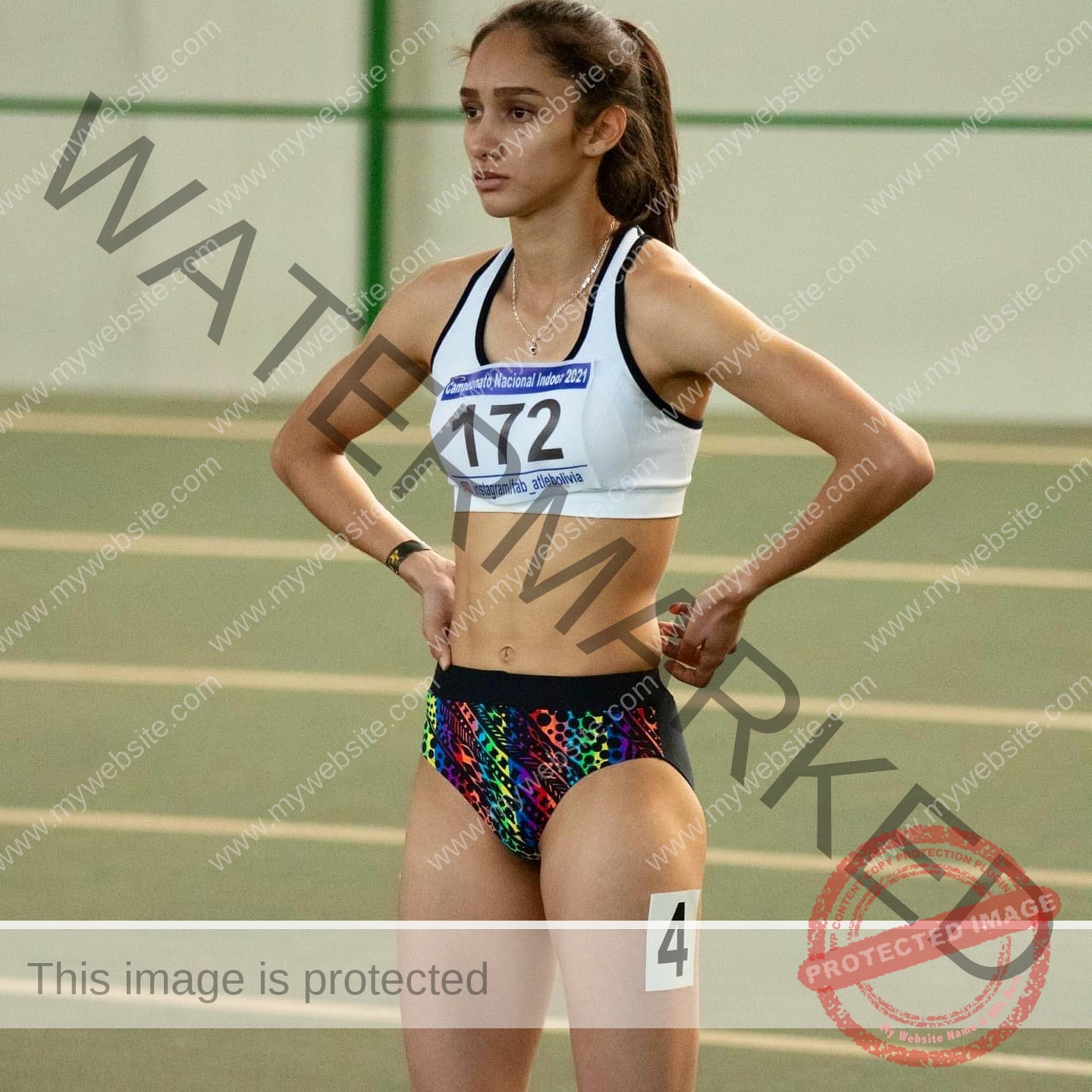
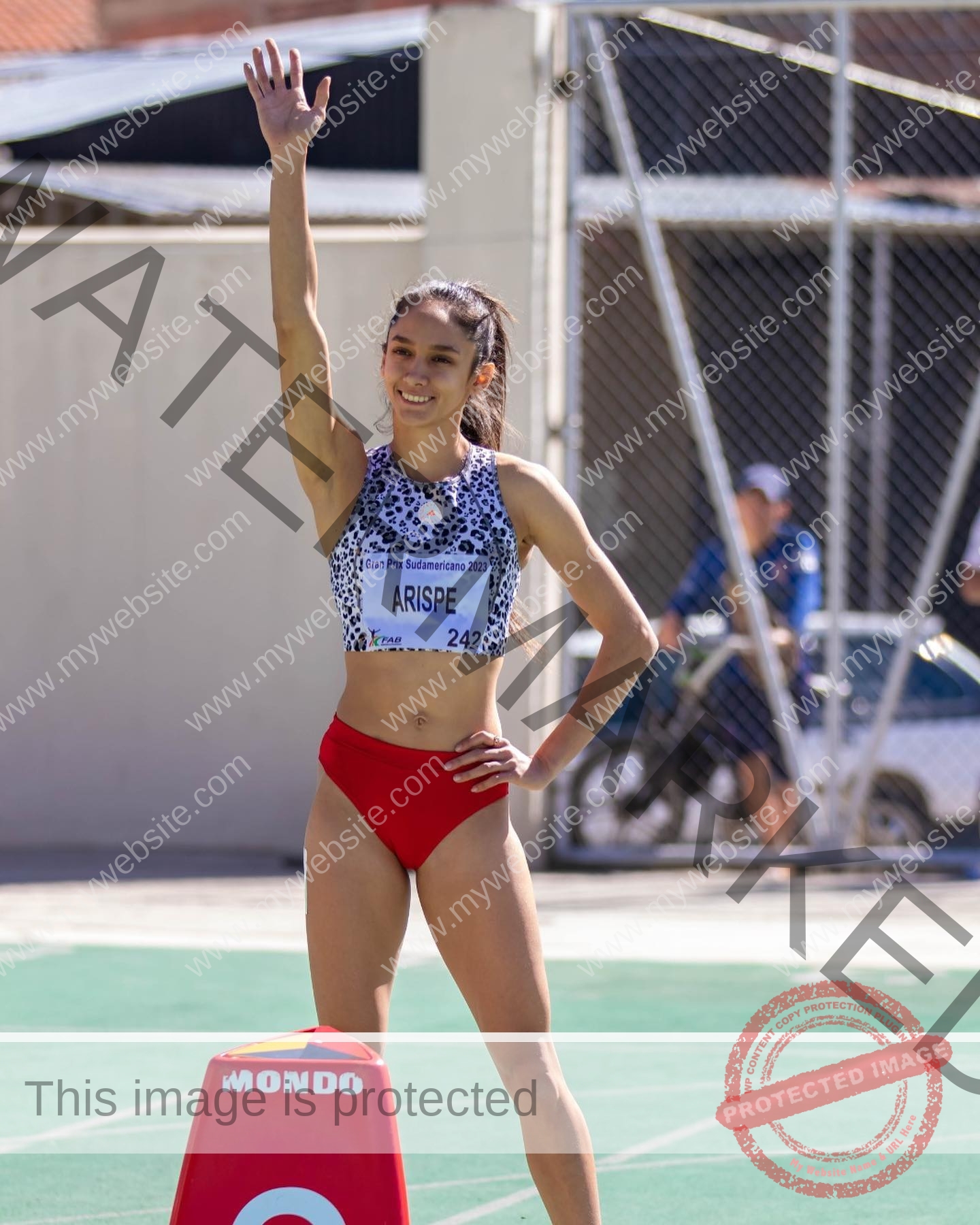
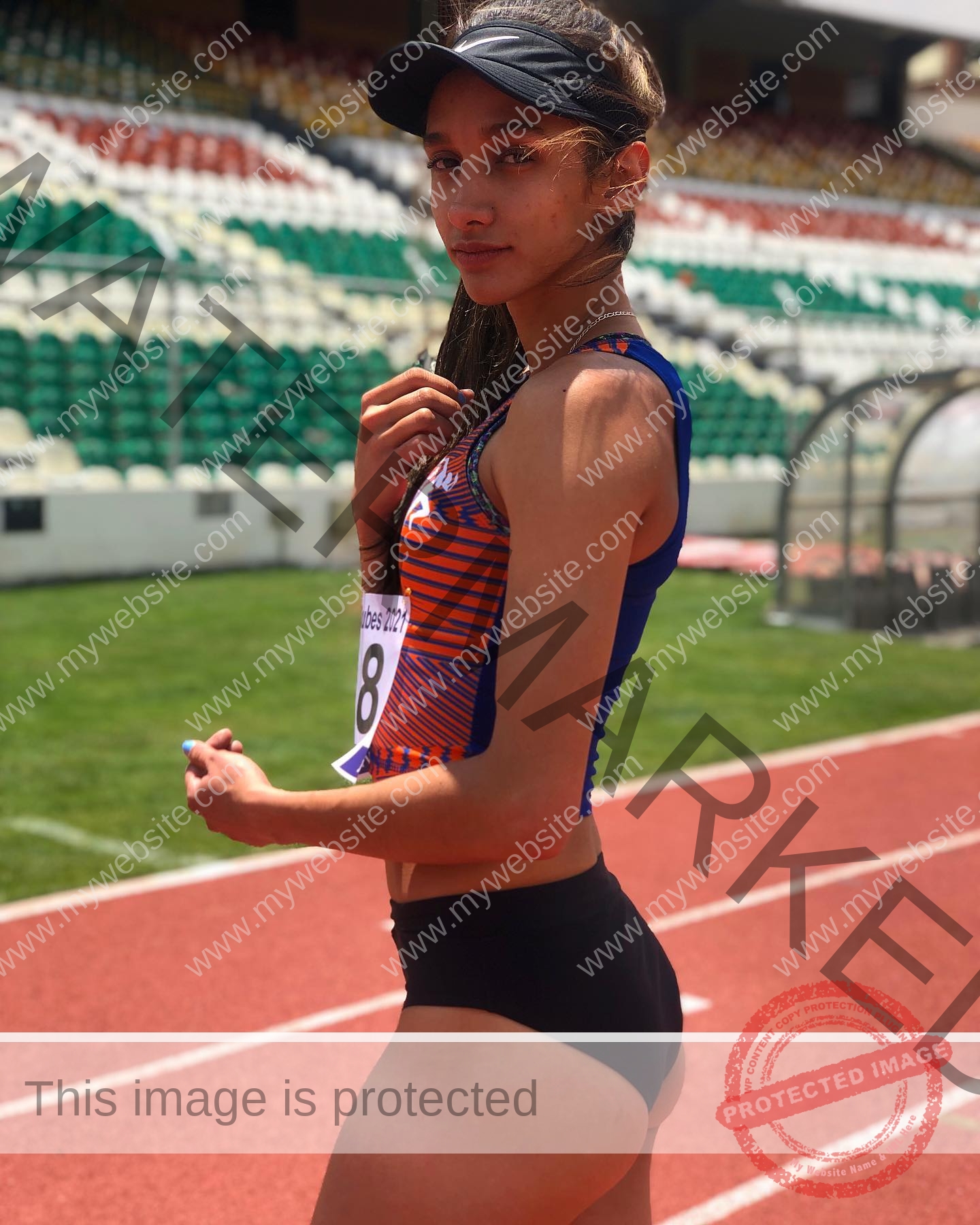
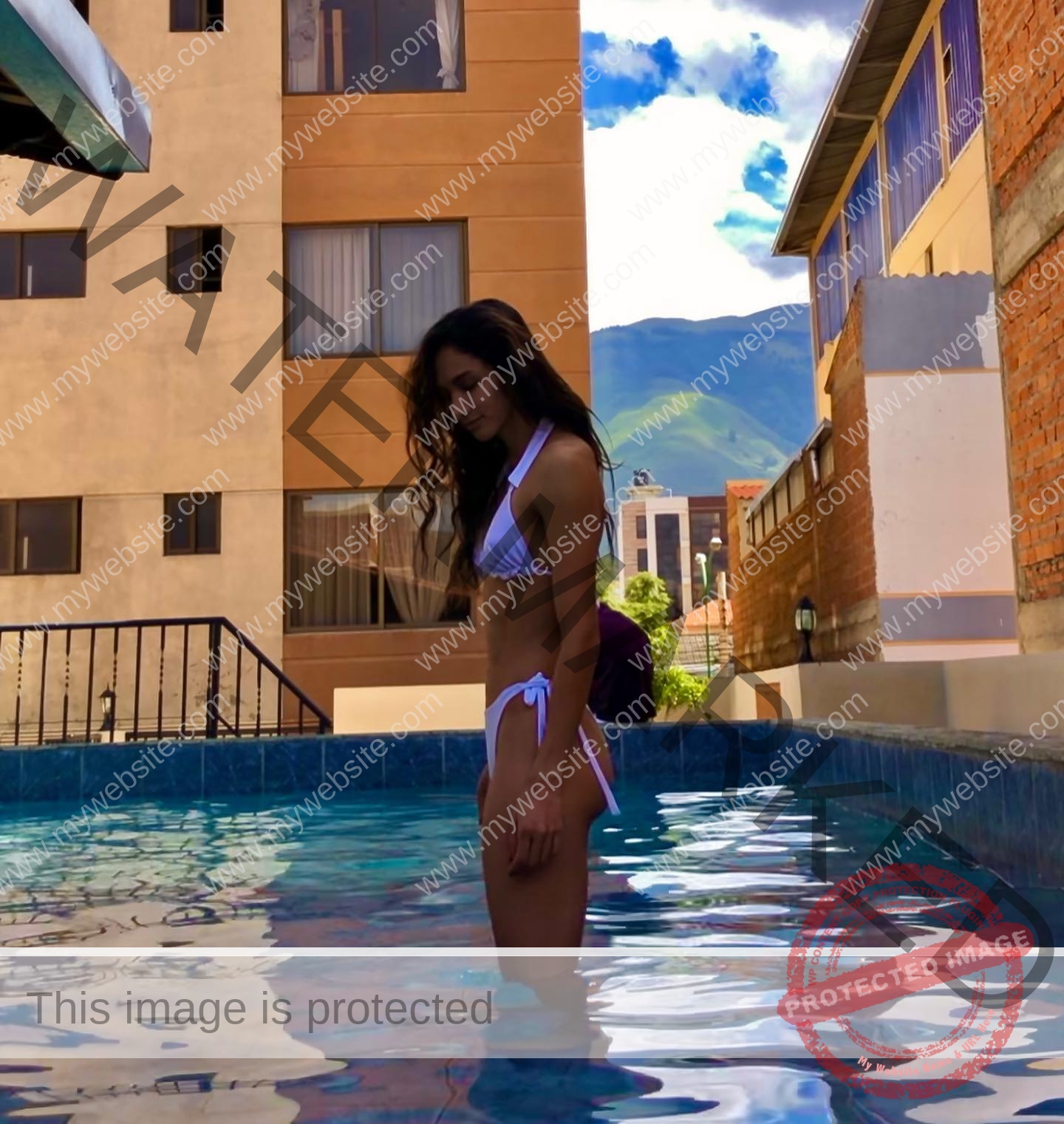
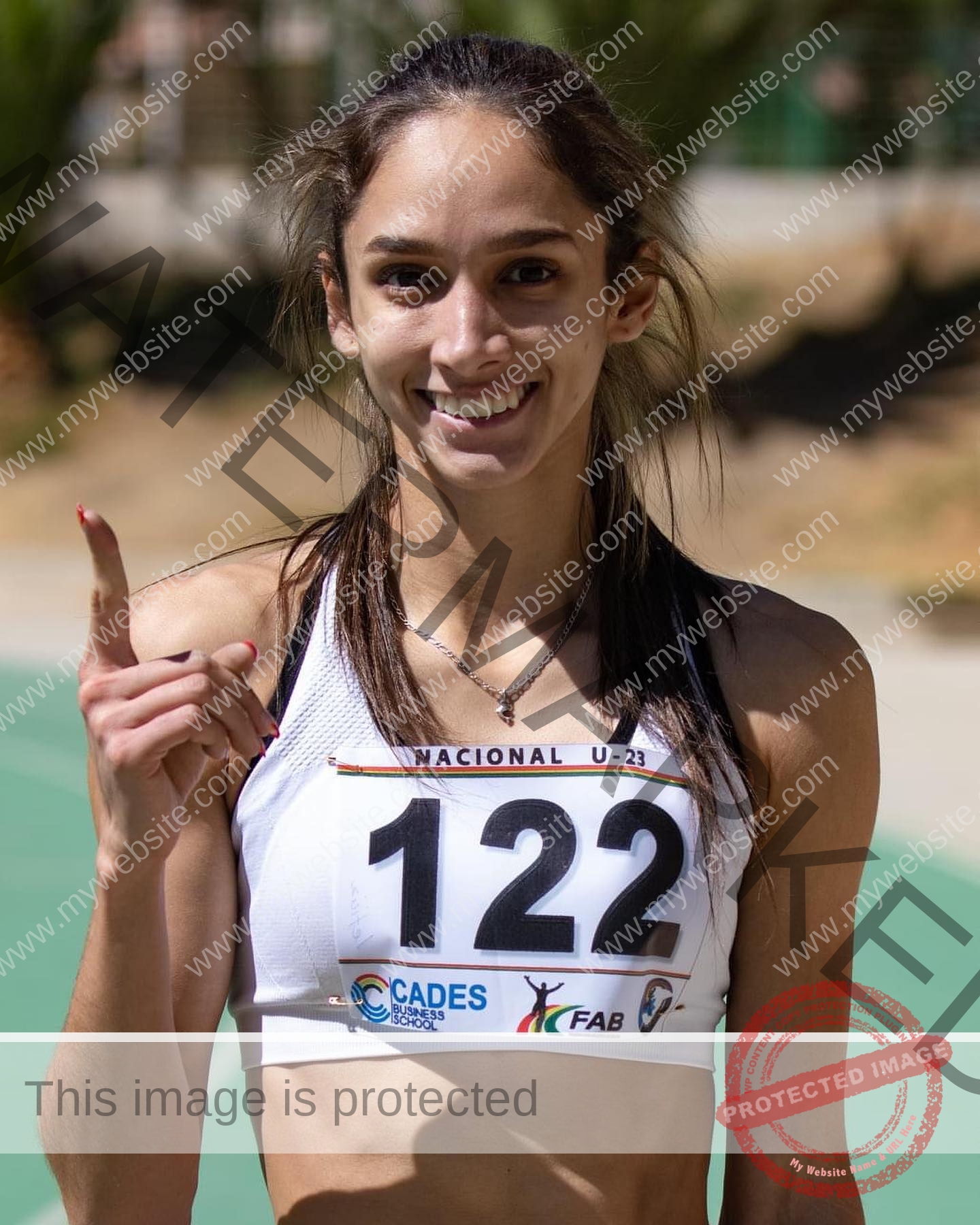
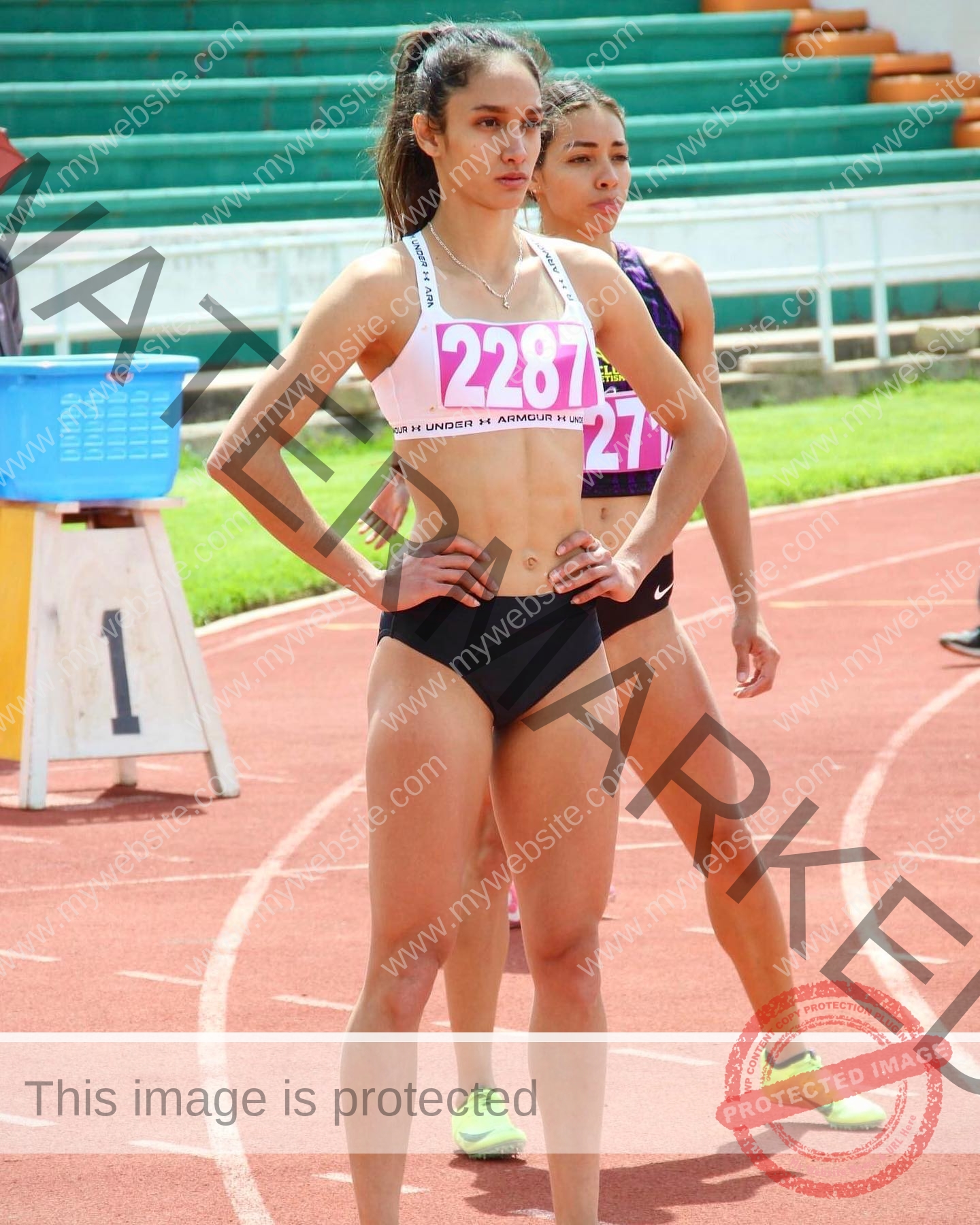

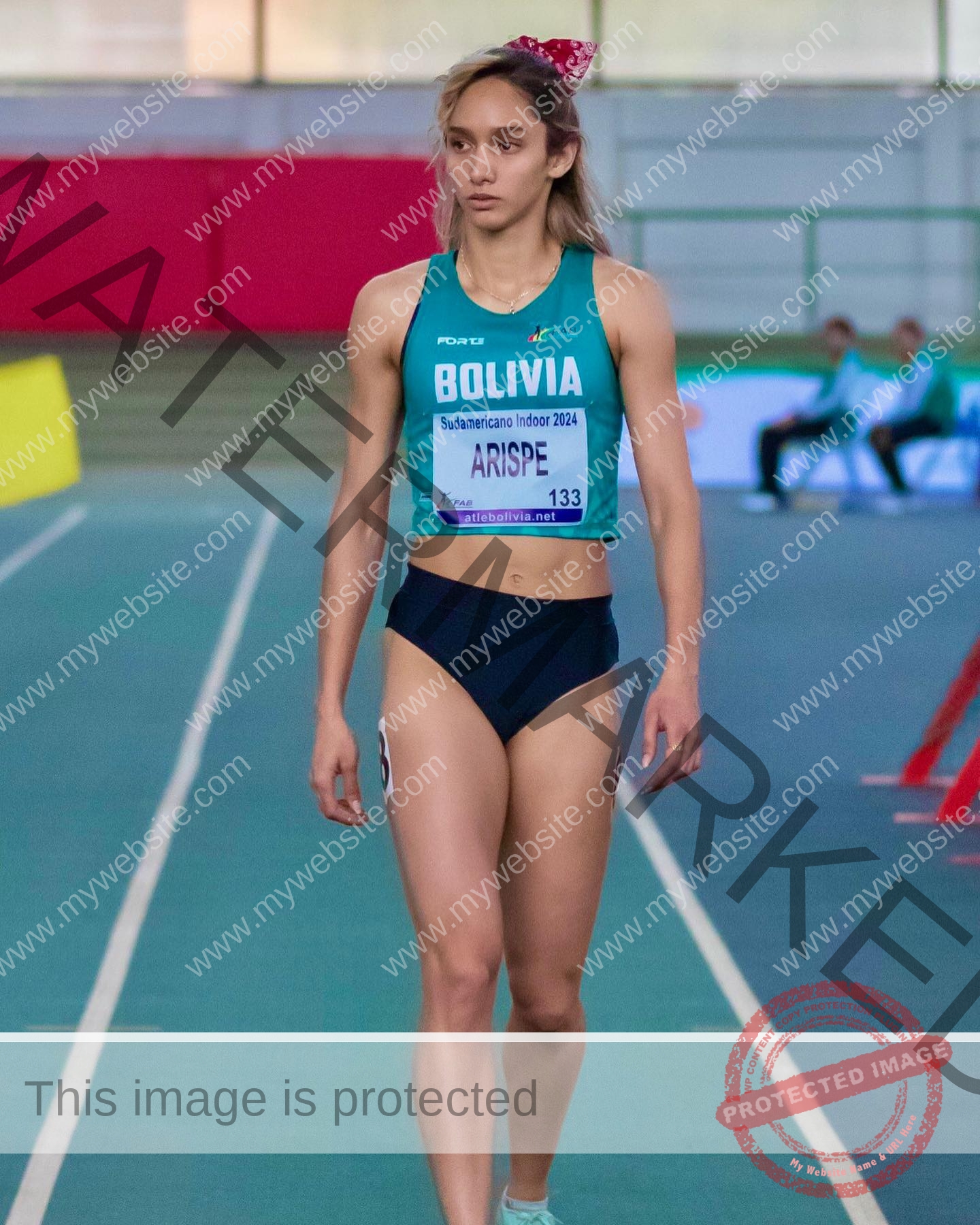


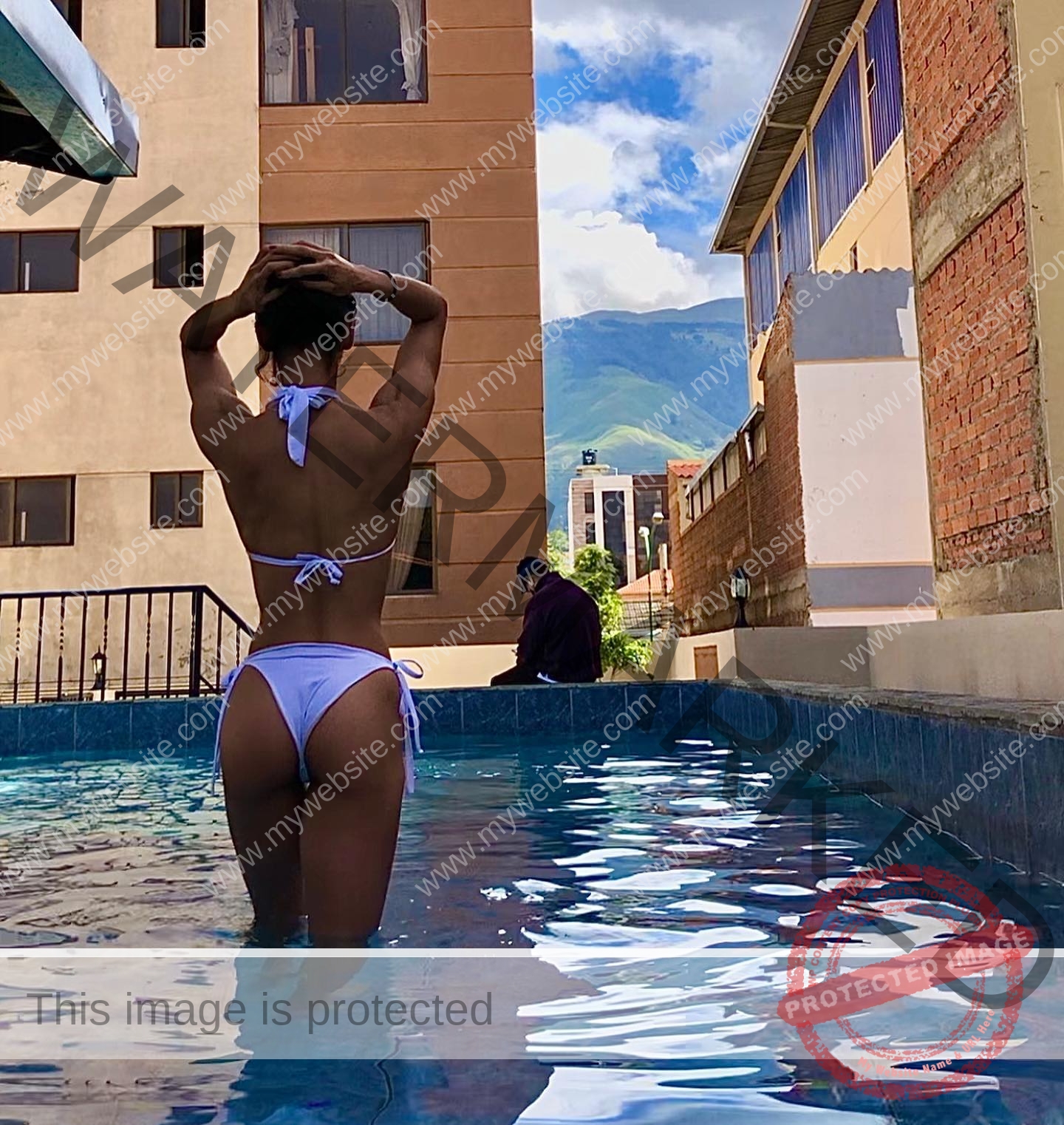
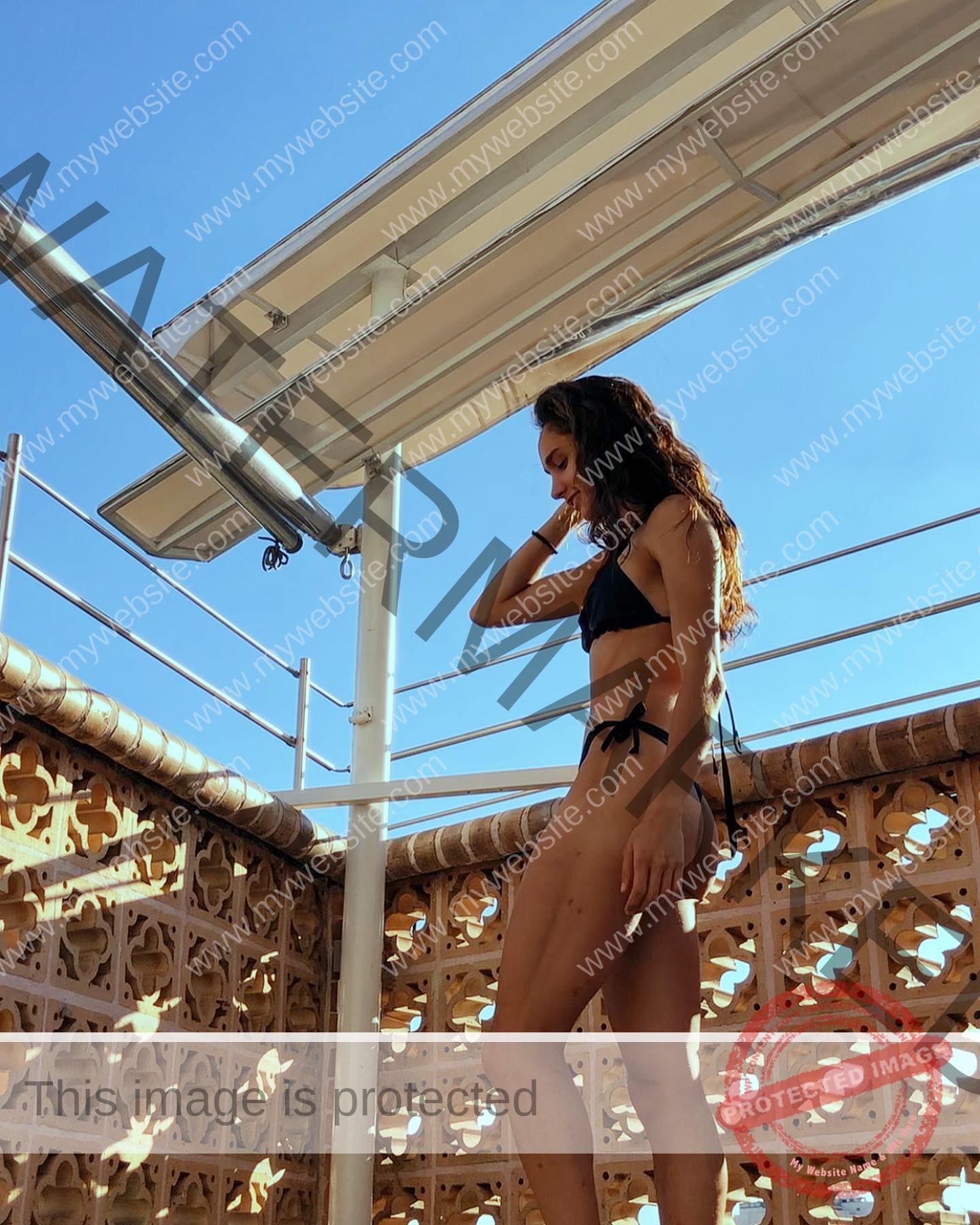
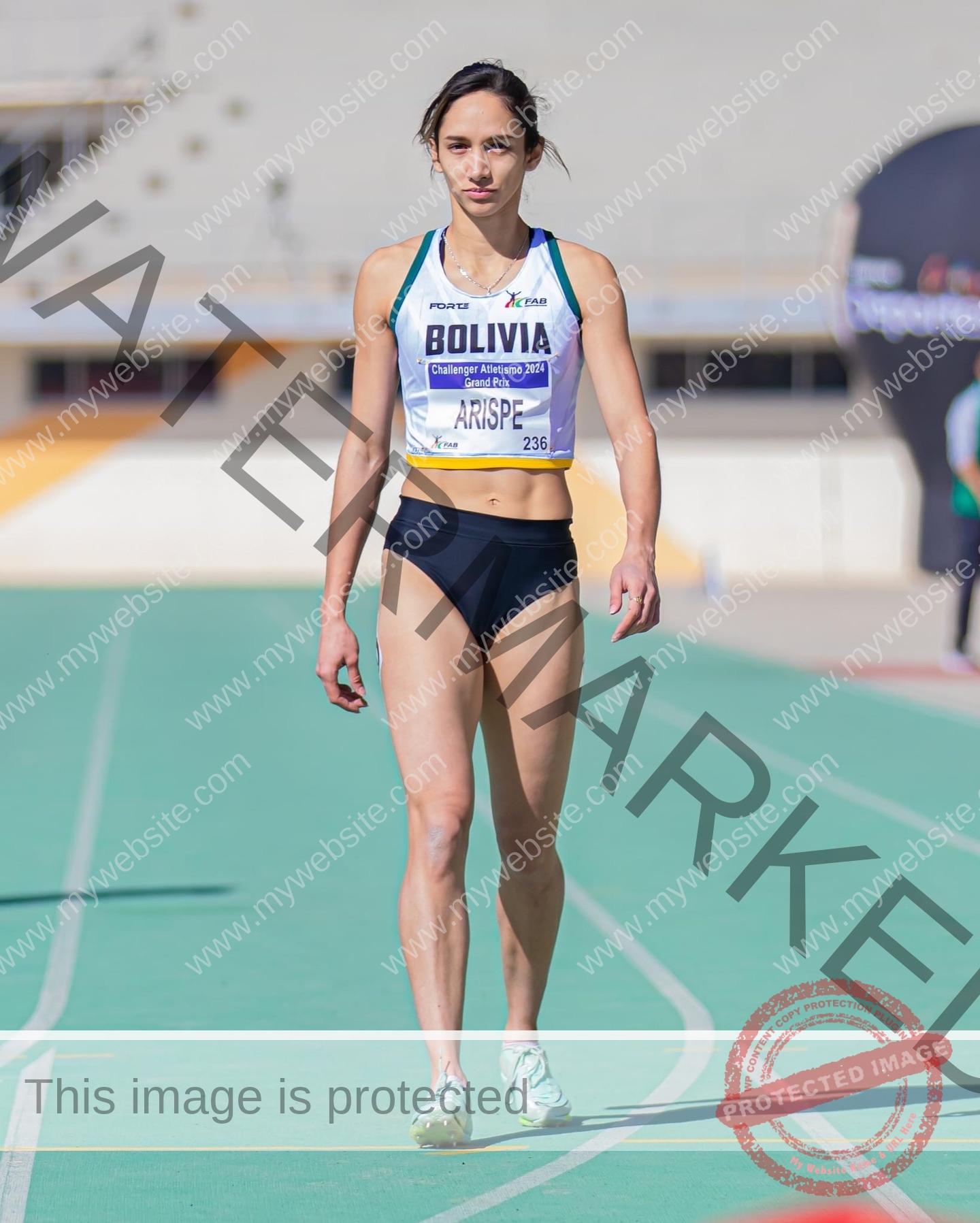
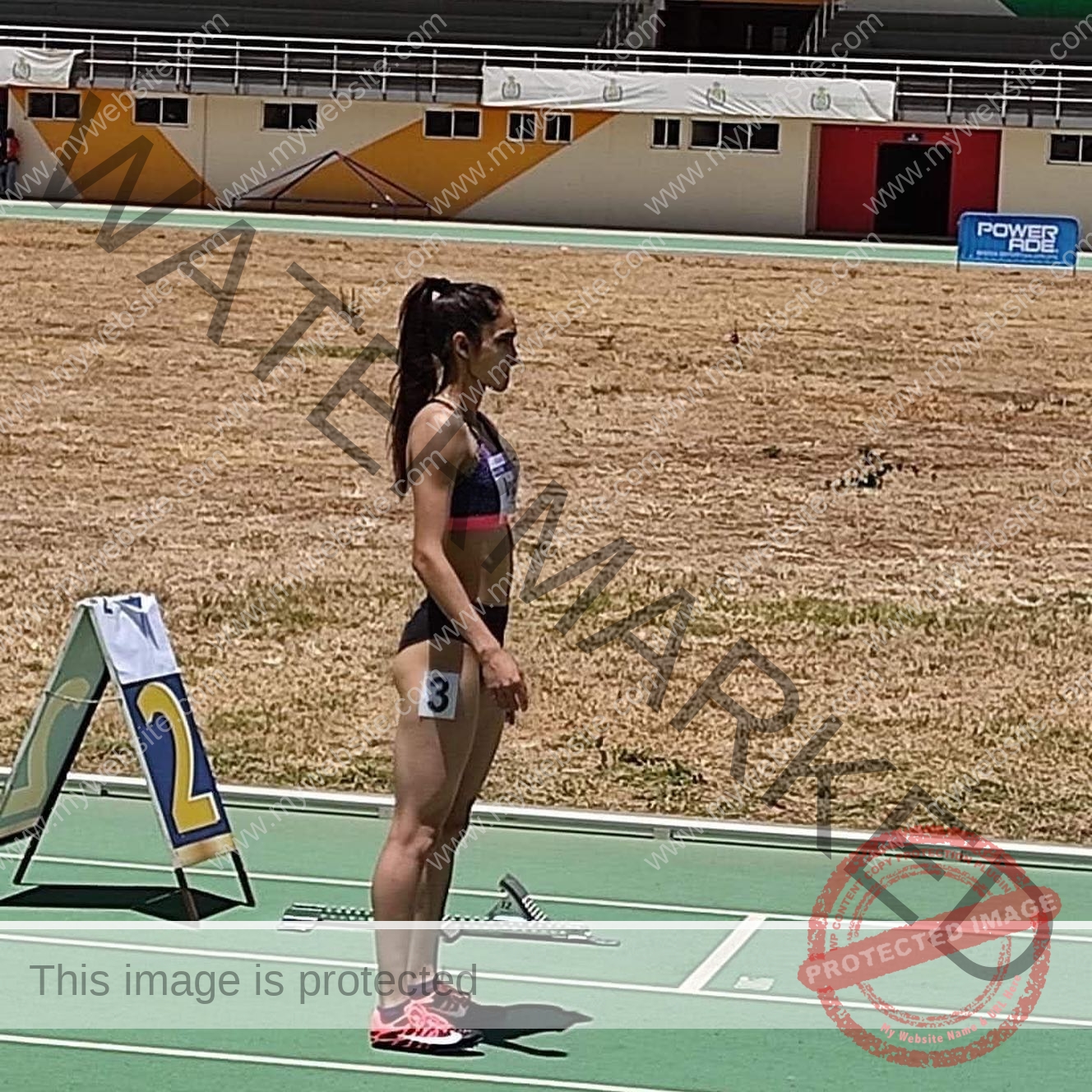
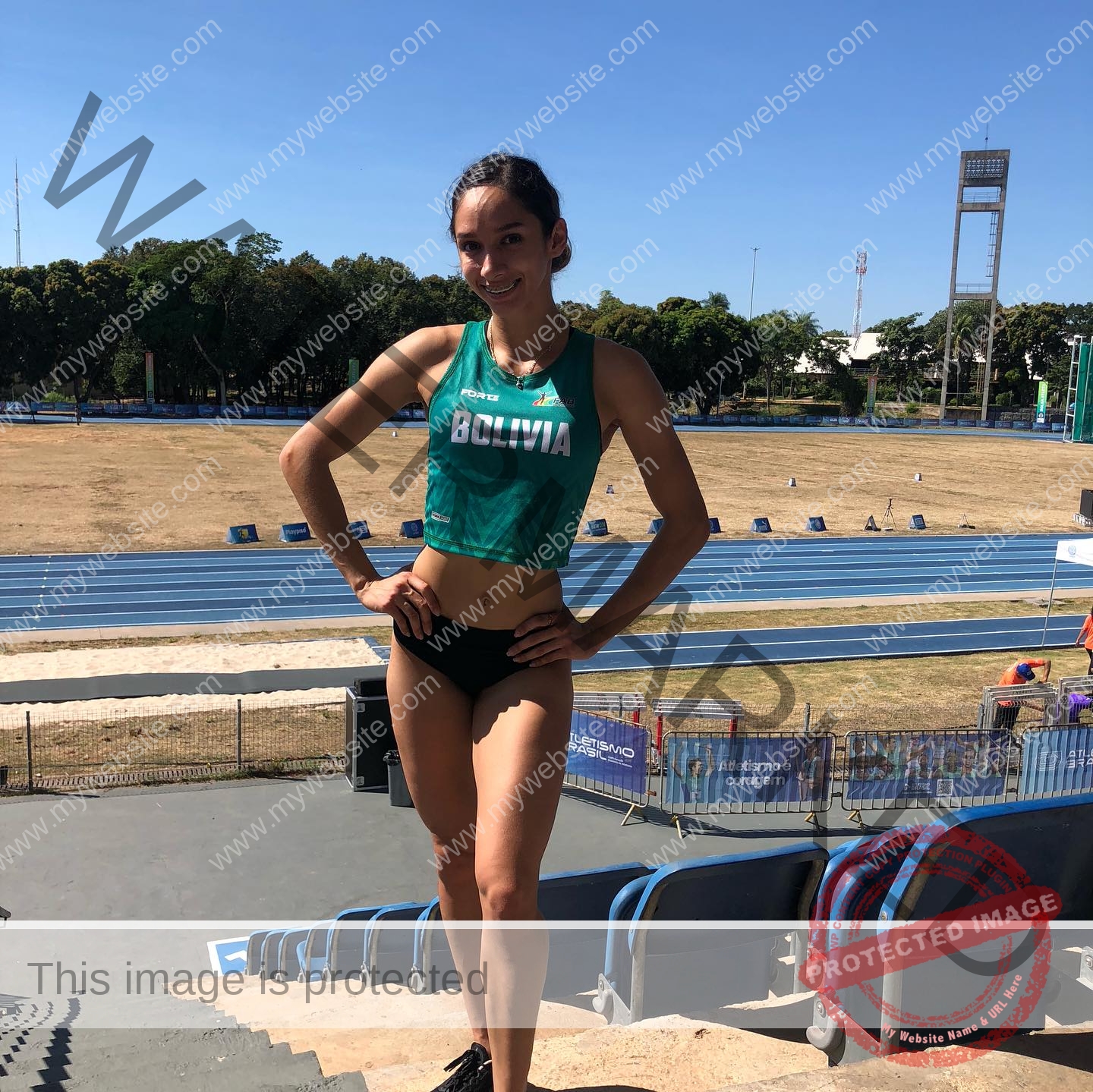
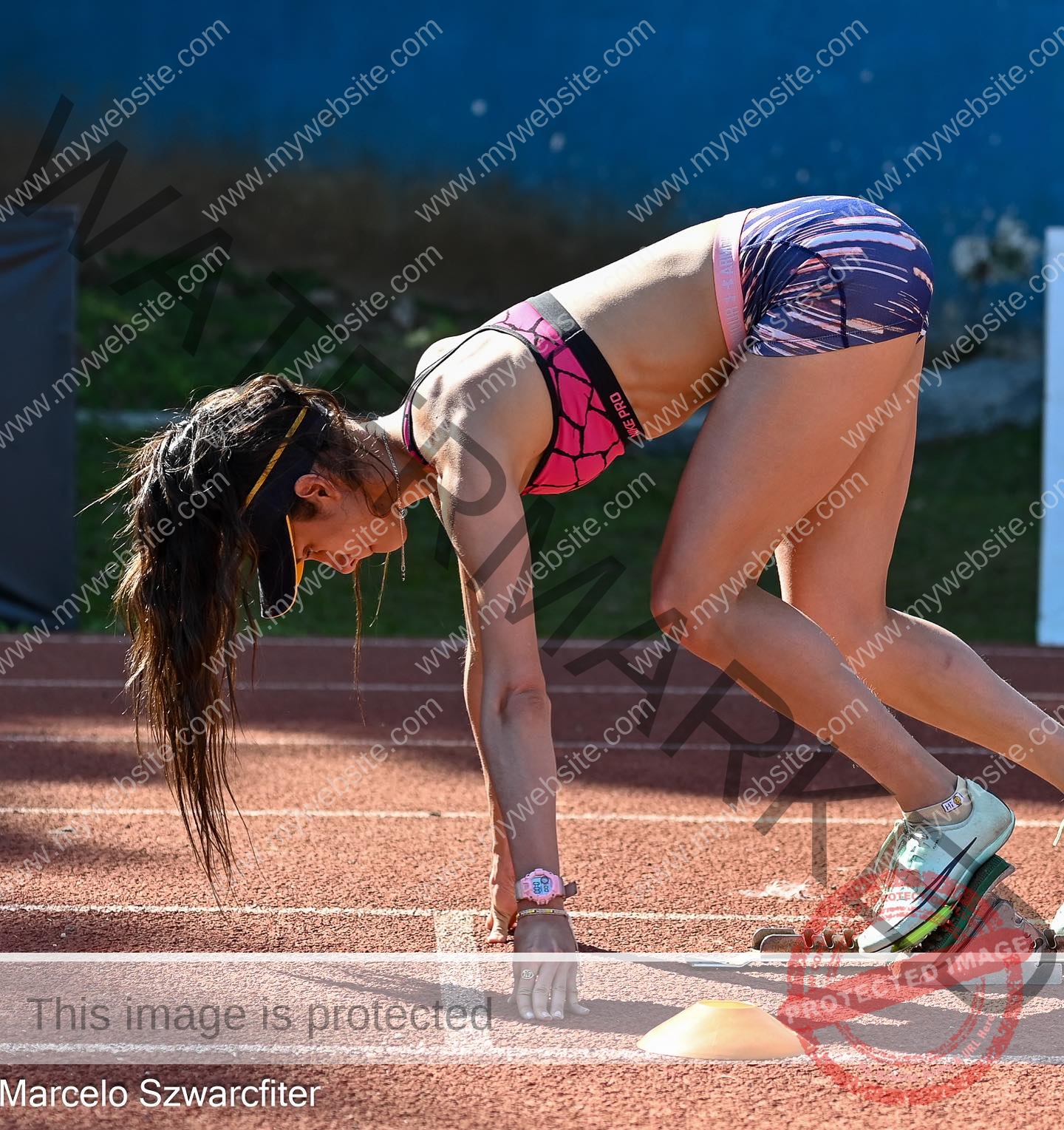
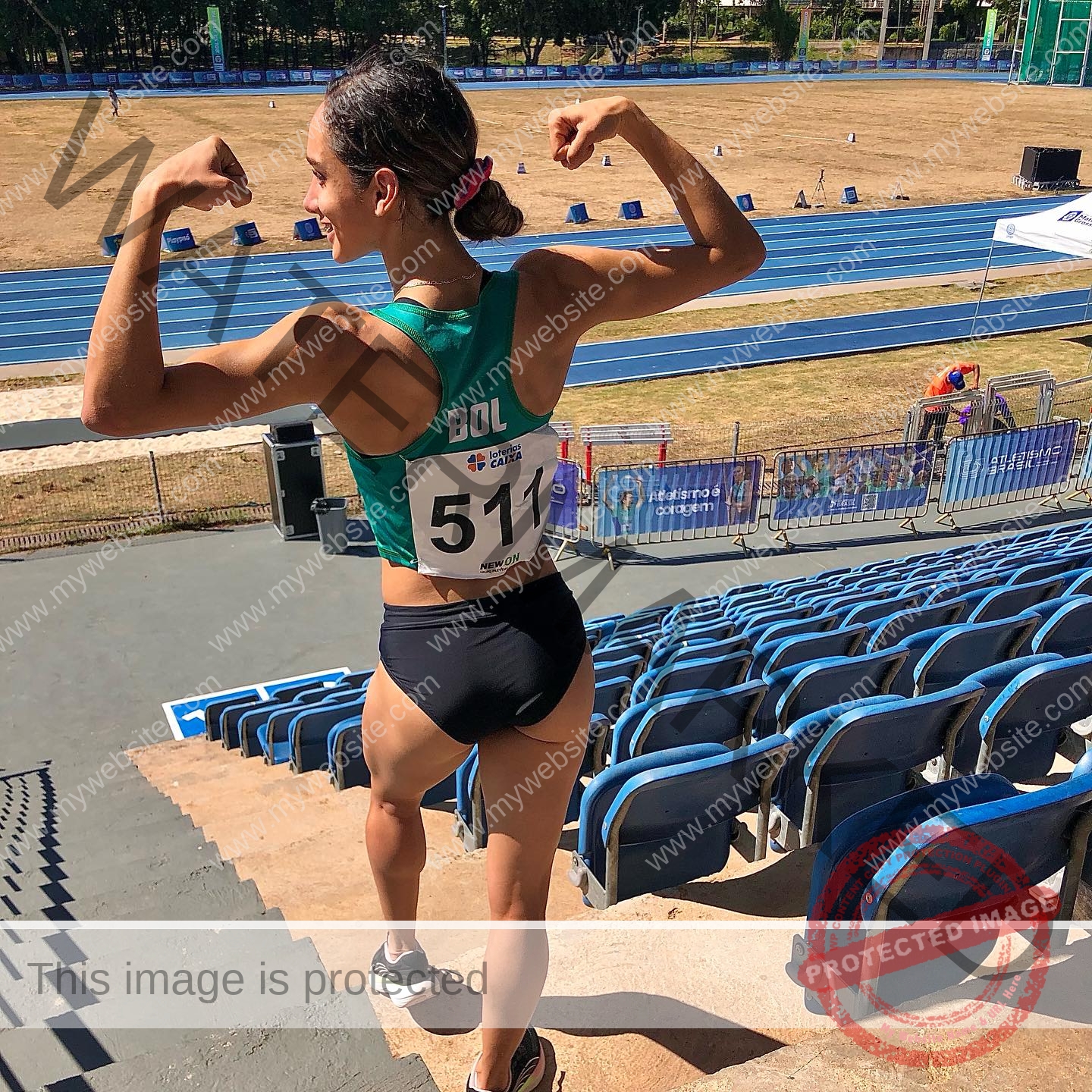
Leticia Arispe: Bolivia’s Fastest Woman and the “Gazelle” of the Andes
There is a story in Bolivian athletics circles about how Leticia Andrea Arispe Soria first arrived on the national stage. It was 2017, and the then-eighteen-year-old from Cochabamba stepped onto the track for the Gran Prix Sudamericano in Santa Cruz with almost no competitive background to speak of. She ran the 100 metres in 12.95 seconds — a perfectly respectable time for a newcomer, but hardly the stuff of records. What set her apart that day was not the clock. It was what happened in the years that followed: a relentless, year-by-year drop in her times, an accumulating pile of national titles and records, and an increasingly prominent place among the best sprint athletes in South America.
Today, Leticia Arispe is Bolivia’s national record holder in the 100 metres, the 200 metres, and an anchor leg in the 4×100 relay. She has competed at South American Championships, Bolivarian Games, Ibero-American Championships, and South American Indoor Championships. She is known to her friends and family by the nickname “Chichita,” and to the Bolivian press as “la gacela” — the gazelle — a tribute to the fluid, effortless power of her stride. She is 26 years old and still getting faster.
From Santa Cruz to Cochabamba: Early Life
Leticia Arispe was born on January 26, 1999, in Santa Cruz de la Sierra, Bolivia’s largest city and its commercial capital. Though she was born there, her family moved to Cochabamba — Bolivia’s third-largest city, nestled in a valley at roughly 2,500 metres altitude in the Andes — while she was still young, and it is Cochabamba that she considers home. She grew up, trained, studied, and built her athletic career in the city, representing it in national competitions and earning her university degree from its institutions.
At 1.68 metres tall and 53 kilograms, she possesses the classic build of a sprinter: lean, long-legged, and explosive. But she did not come to the track immediately. Her first sport, which she took up at age five in 2004, was karate. Under a coach named Reinaldo Villa, she trained for six years and earned her yellow belt before deciding at age eleven that the sport was too physical for her tastes. She stepped away from karate and, for a time, away from competitive sport altogether.
It was her parents, John Arispe and Mercedes Soria, who nudged her back toward athletic competition. In 2017, they encouraged her to try track and field at the Club Atlético Vincitori in Cochabamba. Within months, she was not just training — she was competing. The club was directed by coach Héctor Fernández, a veteran of Cochabamba athletics who had previously helmed the club under its earlier name, Froebel, before renaming and revitalizing it with a young roster. Fernández would become central to everything that followed in Arispe’s career.
First Steps on the Track: 2017–2019
Arispe’s debut in serious competition came in August 2017, just months after she first laced up her spikes, at the Gran Prix Sudamericano in Santa Cruz. Her time of 12.95 in the 100 metres placed her squarely in the back half of the field, but what the numbers do not capture is the immediate hook — the feeling of competition, of striving, of testing herself against others, that she would later describe as capturing her attention and never letting go. “Me comenzaron a llamar la atención las competencias,” she said in an interview years later, recalling how drawn she felt to the competitive arena right from the start.
Over the next two seasons, she improved incrementally. The Bolivian athletics circuit, concentrated at the Cochabamba municipal athletics track and the Félix Capriles stadium, gave her regular competition, and Fernández’s coaching gave her the technical foundation she needed. By the end of 2019, the trajectory was clear: Arispe was moving toward something.
The Pandemic Year and a Breakthrough: 2020
The COVID-19 pandemic that shut down global athletics in 2020 hit Bolivia particularly hard. The country’s strict quarantine measures in the early months of the pandemic brought training to a complete halt. Arispe, like athletes everywhere, had to watch a competitive season she had carefully planned simply disappear. By her own candid admission, the sudden collapse of her schedule tested her in ways she had not anticipated.
“Estuve a punto de rendirme y dejarlo ahí, pero seguí,” she confided to Bolivian newspaper Opinion. She was close to quitting. Close to walking away from the work she had put in and the progress she had built. What saved her, she said, was her coach Fernández, who encouraged her to resume training in the parks during periods when restrictions eased slightly, and the support of her parents, who had been with her at every practice and competition since the beginning.
That resolve paid off with remarkable speed. In December 2020, at the Gran Prix Sudamericano Julia Iriarte in Cochabamba, Arispe won the 100 metres. Her opponent in that race was María Ignacia Montt of Chile, a well-established regional sprint talent. Finishing ahead of Montt represented a significant statement — a Bolivian sprinter beating a genuine South American contender in her specialty event. Bolivia took notice.
The Emergence: 2021
The 2021 season was the year Leticia Arispe became Bolivia’s fastest woman in recorded history, and the story of how it happened is worth telling in sequence.
In February 2021, at the second National Indoor Championship in the 60 metres, she claimed her first national indoor title. In April, at the first velocity evaluation event of the outdoor season at Cochabamba’s municipal stadium, she won the 100 metres in 11.91 seconds — with a slight headwind (-0.2 m/s) — and ran 24.36 in the 200 metres, breaking the existing U23 national record previously held by Leslie Arnez (24.44) since 2010. The 11.91 placed her fourth in Bolivian history in the event, behind only the national record of 11.84 held by Alinny Delgadillo from the 2018 South American Games.
Then, in May, she competed at the South American Senior Championships in Guayaquil, Ecuador — her first senior continental championship. She finished sixth in the 100 metres and seventh in the 200 metres. The results were not podium finishes, but they were exactly what a developing sprinter needs: a stage, top-level competitors, and the experience of racing under pressure in an international environment. She returned from Guayaquil energised rather than discouraged, telling the press she was looking forward to competing again.
The summit of her 2021 season arrived in June at the Gran Prix Julia Iriarte in Cochabamba. In the 200 metres, she crossed the line in 24.29 seconds — a new absolute Bolivian national record in the event, eclipsing the previous standard of 24.33 set by Leslie Arnez back in 2012. In the 100 metres, she equalled the existing national record of 11.84 held by Delgadillo. Two records — one broken, one matched — in a single afternoon, on a home track, in front of friends, family, and the Bolivian press. It was the kind of performance that changes the conversation around an athlete.
After the race, she told Los Tiempos: “Estoy muy contenta porque he podido demostrar que la fe no importa si me la tienen los demás, sino tengo que tenerla yo misma y confiar en Dios por sobre todas las cosas en mi entrenamiento.” The faith she spoke of was not passive. It was the active belief that consistent work, if done right, will eventually produce the results it promises.
She also set records that season at the National U23 Championships in August, where she posted 11.88 in the 100m and improved her own U23 200m record to 24.25, winning both events and cementing her status as the dominant sprint force in Bolivian women’s athletics across all age categories.
Growing Reputation: 2022
By early 2022, Arispe had acquired a comfortable dual identity in Bolivia: she was known nationally as the country’s best sprinter, and locally in Cochabamba as the city’s ambassador on the national track scene. The press had taken to calling her “la gacela” — the gazelle — a nod to the elegance and speed of her running.
The marquee moment of her 2022 season came on home soil. The second South American Indoor Championships was held in Cochabamba — Bolivia hosting the continent’s premier indoor athletics event — with athletes from thirteen nations competing over two days. In the 60 metres final, Arispe ran 7.56 seconds. The podium was claimed by Brazil’s Rosângela Santos (7.24), Rosa Victoria (7.25), and Chile’s Macarena Boriel (7.43) — three of the continent’s genuine elite short-sprint athletes. Arispe finished fifth overall and first among Bolivian athletes, breaking her country’s absolute indoor record in the process.
“Ha sido un honor correr con ellas,” she said of the Brazilians and Chilean on the podium. It was honour enough to share the track with them — and that phrasing captures something genuine about who she is as a competitor. She is not intimidated by the company of champions. She is inspired by it.
That same year, she was included in Bolivia’s 206-athlete delegation for the Bolivarian Games in Valledupar, Colombia — a multi-sport continental event that served as one of her most high-profile international appearances to that point. She also competed at the South American Games in Asunción, Paraguay, further expanding her international experience.
Off the track, Arispe was finishing her university studies. She had been enrolled in a law degree at a Cochabamba university for several years, and by 2022 was preparing her thesis — a work on doping in sport from a criminal legal perspective, titled “La incorporación del dopaje como delito en el Código Penal.” It was, characteristically, both intellectually rigorous and directly relevant to the world she inhabits as an athlete. She was already working part-time in her father’s law practice.
Sustained Excellence: 2023–2024
The 2023 and 2024 seasons consolidated Arispe as the defining figure in Bolivian women’s sprinting. She continued accumulating national titles — her tally now stands at six outdoor national championships and two national indoor titles according to World Athletics — and remained a fixture in Bolivia’s delegation for South American and Bolivarian circuit competitions.
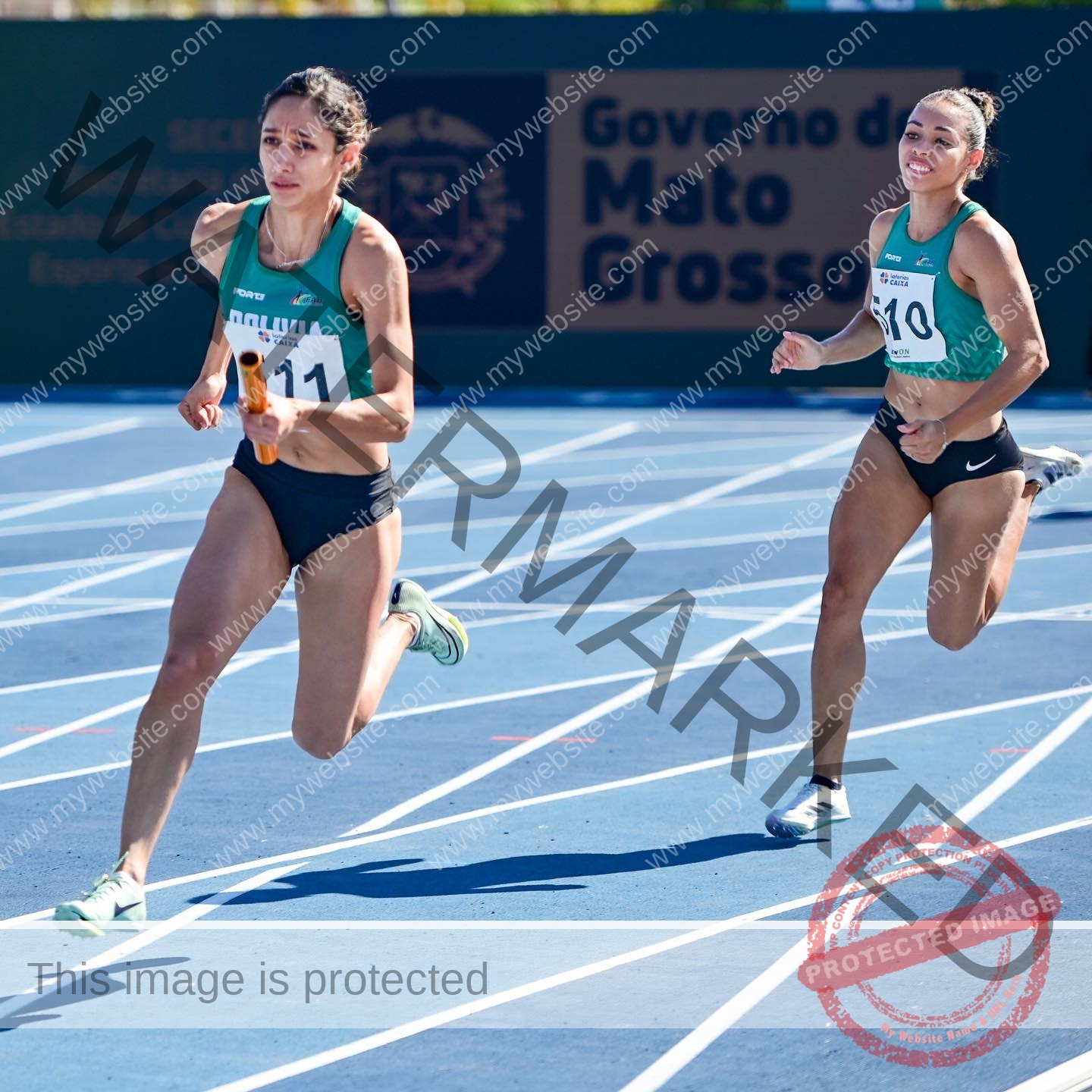
The single most significant performance of this period, and the defining mark of her outdoor career, came on May 10, 2024, at the Ibero-American Athletics Championships held at the Pista de Atletismo da Universidade Federal do Mato Grosso in Cuiabá, Brazil. There, competing among the best sprinters from the Spanish- and Portuguese-speaking athletics world, she ran 11.63 seconds in the 100 metres — a new Bolivian absolute national record, breaking Delgadillo’s longstanding mark of 11.84 from 2018 by an enormous margin of 21 hundredths. It was a performance that placed Bolivia on the continental sprint map in a way no Bolivian woman had managed in years.
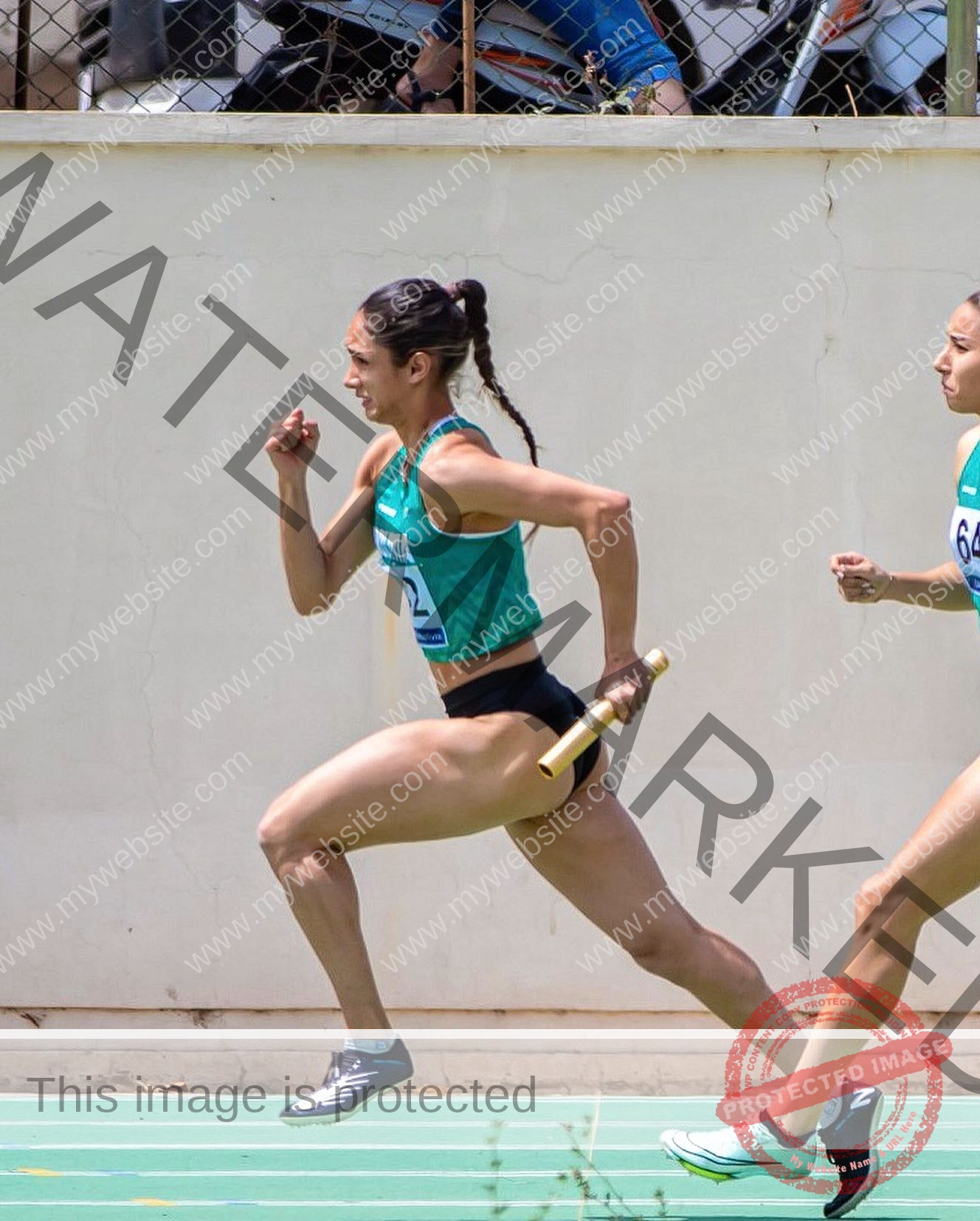
Two days later, on May 12, she was a member of Bolivia’s 4×100 metre relay squad — alongside Guadalupe Tórrez, Alinny Delgadillo, and Lauren Mendoza — that ran 45.09 seconds, another new Bolivian national record. That mark stands as the best relay time ever recorded by a Bolivian women’s 4×100 squad. Both records, set within 48 hours at the same venue, gave Bolivia two national records to celebrate in a single championship.
The 2025 Season: New Heights Indoors and Out
Arispe entered 2025 as the defending holder of Bolivia’s 100m, 200m, and 4x100m relay records, and she wasted no time adding to her collection.
On February 20, 2025, at the fourth edition of the South American Indoor Championships — again held in Cochabamba, Bolivia’s now-established home for the continent’s indoor athletics calendar — she ran 7.46 seconds in the 60 metres, a new personal best and Bolivian indoor record. Bolivia finished second in the overall championship points standings, an impressive result for the host nation against South American athletics powerhouses like Brazil. The event drew athletes from across the continent to the high-altitude track at the Estadio Municipal, and Arispe’s performance stood as one of the highlights of the Bolivian programme.
In April 2025, she posted a new personal best in the outdoor 200 metres, running 24.06 seconds on April 5 at the Cochabamba municipal stadium — her fastest ever over that distance and a mark that pushed her personal record in the event below 24.10 for the first time.
Later in 2025, she returned to peak form at the National Interclub Championships in October, posting 24.07 in the 200 metres — the best technical mark of the meeting — for her Club Atlético Vincitori, which she has represented throughout her entire career. That competition served as the qualifying event for the Bolivarian Games, and Arispe secured her selection for Bolivia’s athletics squad heading to Lima and Ayacucho, Peru, for the twentieth edition of the Juegos Bolivarianos, held in November–December 2025. She was selected for the 100 metres and 200 metres individual events, a recognition of her continued status as Bolivia’s pre-eminent female sprinter.
Coach, Club, and the Cochabamba Track Scene
Throughout her entire career, from her first months on the track in 2017 through 2025 and beyond, Arispe has trained under one coach: Héctor Fernández, the longtime Cochabamba-based coach who directs Club Atlético Vincitori. It is a relationship she credits extensively for her development. “Entreno bajo la dirección de Héctor Fernández, a quien debo mis éxitos y además creo que no lo defraudé,” she has said.
Fernández’s approach involves daily two-to-three-hour track sessions at the Gobierno Autónomo Municipal de Cochabamba athletics facility, with additional time at the Félix Capriles stadium when available. Intensity increases as competition approaches. The training philosophy balances technical development with physical conditioning — a balance that has paid off in Arispe’s consistent progression across every season of her career.
Club Vincitori, formerly known as Club Froebel, is one of Cochabamba’s most prominent athletics clubs, and Arispe has been one of its most prominent members for nearly a decade. The club’s roster includes multiple nationally competitive athletes across sprint and field events.
Altitude and Adversity: The Bolivian Context
Running at altitude is a fact of life for Bolivian athletes. Cochabamba sits at approximately 2,500 metres above sea level — high enough that oxygen availability affects sprint performance, and high enough that times run there carry an asterisk in the minds of athletics statisticians comparing marks across venues. This context matters when evaluating Arispe’s career, because some of her best performances — including the national record runs and the 60m indoor marks — have been achieved at altitude, where times tend to be slightly slower than at sea level due to the thinner air.
Her sea-level performances, including the 11.63 in Cuiabá and strong showings at South American Championships in Guayaquil and Buenos Aires, demonstrate that her speed translates cleanly to international competition. The 11.63 at Cuiabá — a sea-level venue — is genuinely fast at the South American senior women’s level and reflects an athlete who can compete on any track under any conditions.
Beyond altitude, Arispe has been candid about the institutional realities facing Bolivian athletics. The federation often relies on athletes to fund portions of their own travel to international competitions. She has spoken publicly about the need for more consistent government and private-sector support for individual sport disciplines in Bolivia, not just as a personal concern but as a systemic issue affecting the development of talented athletes across the country. “Sueño con que el deporte individual crezca en Bolivia y tenga más apoyo estatal,” she told Los Tiempos in 2021 — a sentiment she has returned to in subsequent years.
The Athlete as Lawyer: Life Beyond the Track
One of the more distinctive aspects of Arispe’s profile is her parallel career as a legal professional. She completed her undergraduate law degree from a Cochabamba university and wrote her thesis on the criminalization of doping in sport under Bolivian penal law — a subject that sits at the precise intersection of her two worlds. She was already working in her father John Arispe’s law practice while still completing her thesis, and has continued to balance both paths.
This dual identity — elite sprinter and practicing lawyer — is unusual enough in any athletics context, and particularly notable in Bolivia, where the financial rewards of domestic athletics rarely allow full-time professional training. It also reflects something about her character: she is thorough, she plans ahead, and she does not put all of her eggs in one basket. She has even expressed ambitions to one day obtain an athletics scholarship or contract in Spain, ideally with a club that would allow her to train under more resourced conditions while continuing to develop professionally. “Mi idea es obtener una beca para correr en un Club de Atletismo en España con salario,” she confided to the press in 2022.
Personal Bests and Records
- 100 metres: 11.63 NR — May 10, 2024, Cuiabá, Brazil (Ibero-American Championships)
- 200 metres: 24.06 — April 5, 2025, Cochabamba, Bolivia
- 60 metres (indoor): 7.46 — February 20, 2025, Cochabamba, Bolivia (South American Indoor Championships)
- 200 metres short track (indoor): 24.78 — February 5, 2021, Cochabamba, Bolivia
- 4×100 metres relay: 45.09 NR — May 12, 2024, Cuiabá, Brazil (Ibero-American Championships)
Her World Athletics profile also notes a personal best of 400m — she has competed at the longer distance in relay contexts — and lists her across events including 100m, 200m, 60m, 400m, 4x100m relay, 4x400m relay, and 200m short track. She holds six outdoor national titles and two national indoor titles.
International Competition Record (Summary)
Her international resume spans the full breadth of South American and regional athletics competition: the South American Senior Championships (Guayaquil 2021, Mar del Plata 2025), the South American Indoor Championships (Cochabamba 2022, Cochabamba 2024, Cochabamba 2025), the Ibero-American Championships (Cuiabá 2024, where she set her 100m national record), the Junior Pan American Games (Cali 2021), the Bolivarian Games (Valledupar 2022, Lima–Ayacucho 2025), and the South American Games (Asunción 2022). World Athletics ranks her at #1061 in the women’s 100 metres and #1141 in the women’s 200 metres globally, with South American Championship results placing her in the top 8 of the continental ranking on two separate occasions.
Looking Ahead
The goal she has stated most consistently, across interviews spanning the full arc of her career, is simple and unambiguous: to compete at the Olympic Games and at a World Athletics Championship. She clarified in 2021 that she was not targeting Tokyo — Paris 2024 was the horizon she had in her sights. Paris came and went without her qualifying time, but the next Olympic cycle is already in view. The LA 2028 Games represent a realistic target for an athlete who ran 11.63 at age 25 and continues to improve.
Her 2025 season — with a new 60m indoor personal best (7.46) in February and a new 200m personal best (24.06) in April — showed that she is not done getting faster. An athlete who is still posting personal bests at 26 across multiple events is an athlete with room still to grow. Sub-11.50 in the 100 metres is a realistic ceiling for someone who has already reached 11.63; if she can approach that mark at sea level, she would be among the top tier of South American women’s sprinters.
The Bolivarian Games in Lima and Ayacucho in late 2025, and whatever competition calendar 2026 brings, will be the next chapters in a story that has been building, methodically and with remarkable consistency, since a young woman from Cochabamba first stepped onto a track eight years ago and decided she liked what she felt.
Social Media
Leticia Arispe maintains a presence on social media platforms. The Federación Atlética de Bolivia regularly features her on its official Facebook page (@AtleBolivia) and social channels, where she is frequently highlighted as one of the federation’s flagship athletes. Those wishing to follow her career can also track her official World Athletics profile (athlete code 14790684) for result updates and rankings.
Leticia Andrea Arispe Soria (born January 26, 1999) competes for Bolivia in the 100 metres and 200 metres. She is registered with World Athletics (athlete code 14790684) and trains with Club Atlético Vincitori in Cochabamba under coach Héctor Fernández.
