









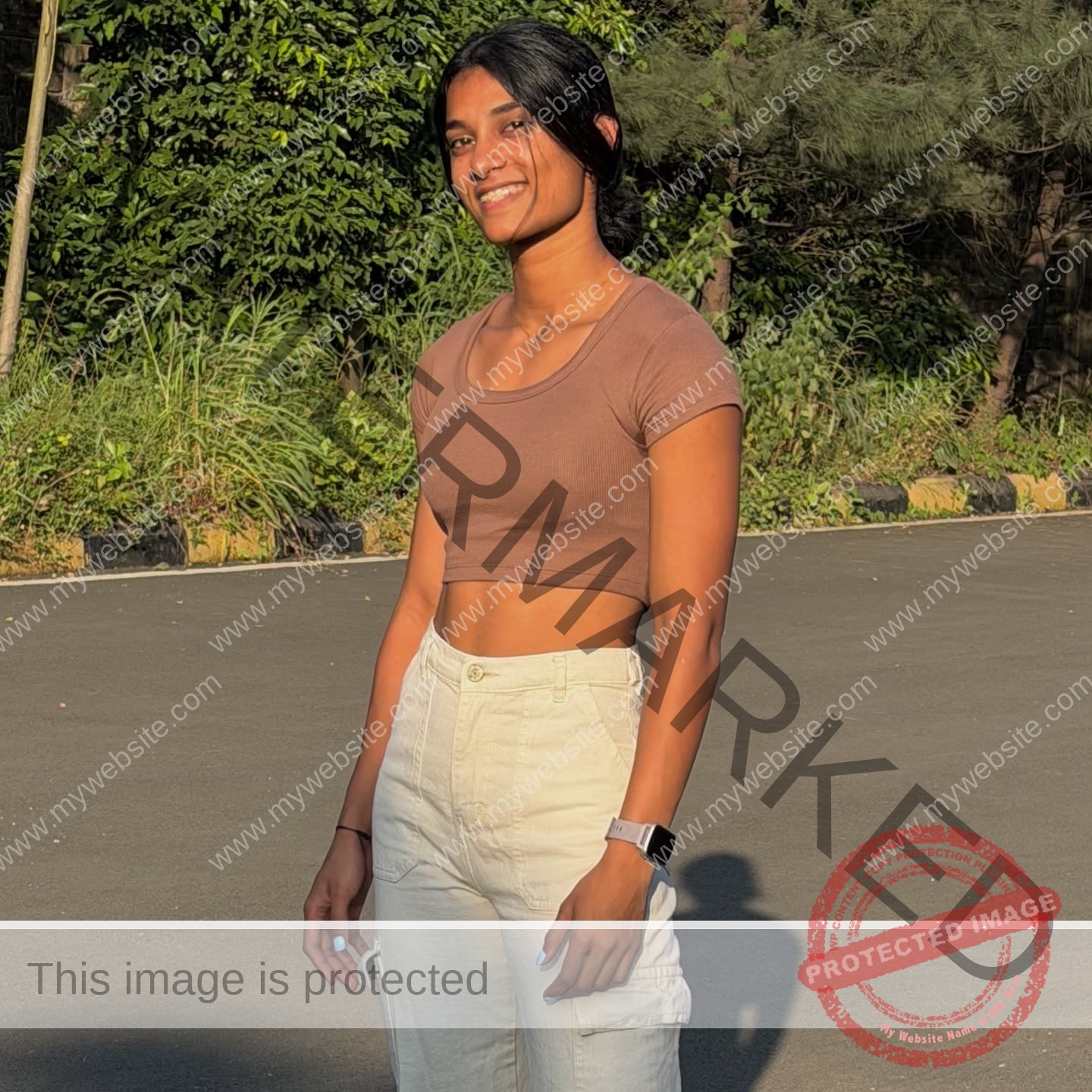
Sakshi Chavan: India’s Sprint Sensation from Aurangabad Taking the Track by Storm
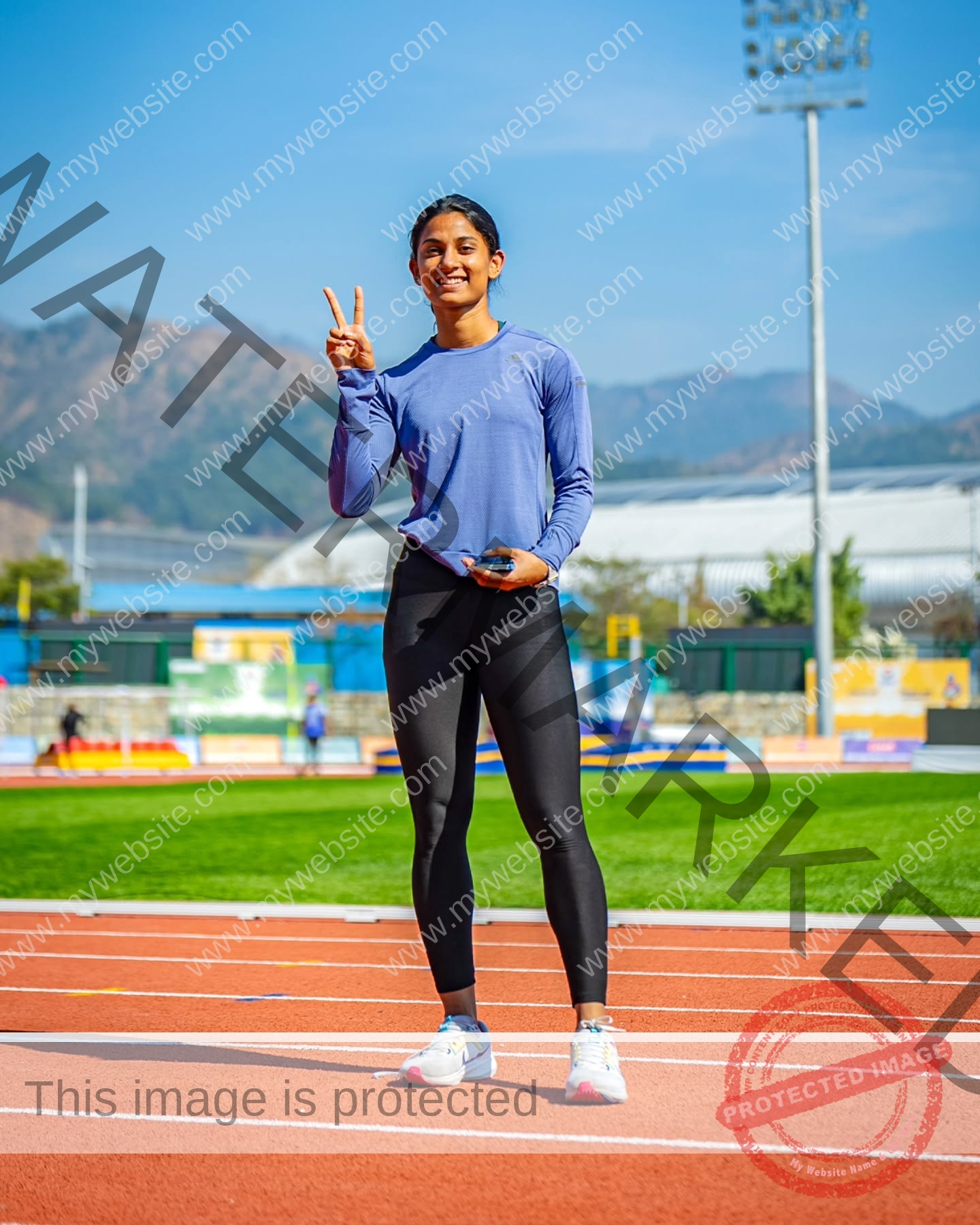
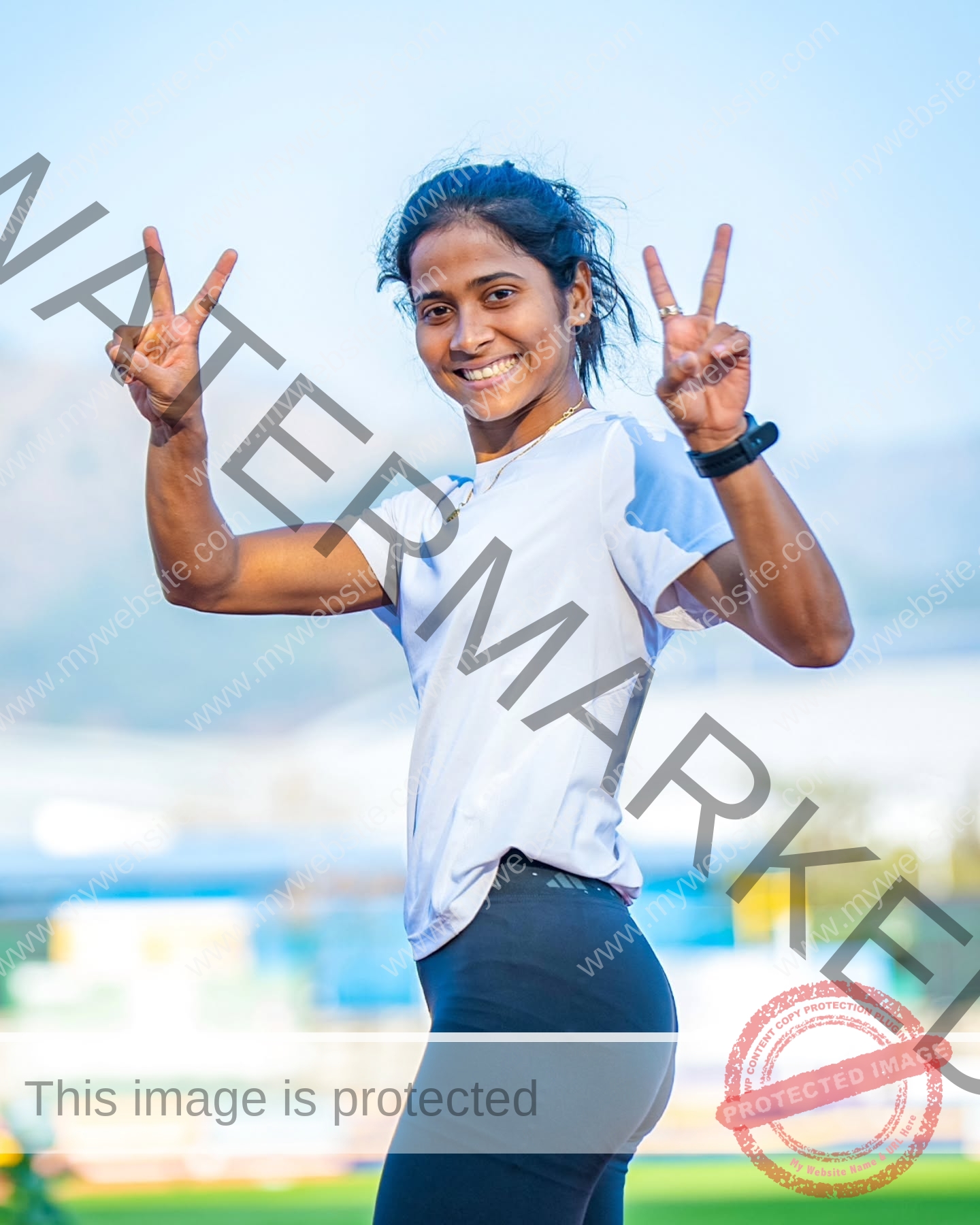
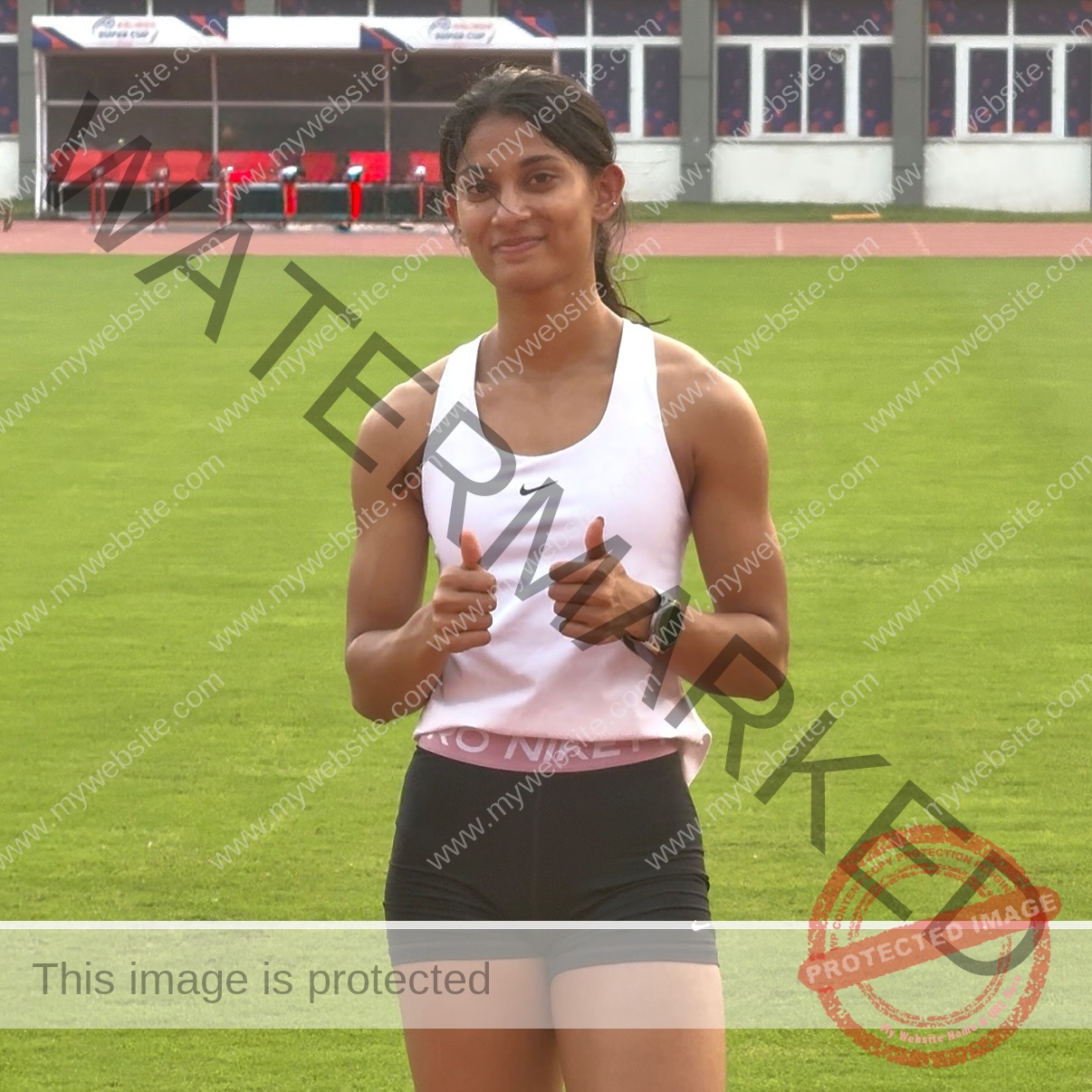
In the broader conversation about India’s rising generation of sprinters, one name has been gathering momentum with every race: Sakshi Champalal Chavan. Born in Chhatrapati Sambhaji Nagar — the city in Maharashtra’s Marathwada region historically known as Aurangabad — she is a product of a part of the country where world-class sports infrastructure has historically been scarce, where serious athletes have often had to build their careers despite the system rather than because of it. That she has emerged as one of India’s most promising young sprinters, with a World Athletics ranking, international championships experience, and personal bests that are rapidly approaching the senior national elite, makes her story as much about perseverance as it is about speed.
Early Life: Growing Up in Marathwada
Sakshi Chavan was born on January 18, 2005, in what is now officially known as Chhatrapati Sambhaji Nagar, a city of roughly 1.5 million people in the Marathwada region of Maharashtra. The city, situated along the Kham River and known historically for its proximity to the UNESCO World Heritage sites of the Ajanta and Ellora caves, is a significant educational and industrial center in Maharashtra — but it has not traditionally been known as a springboard for elite sprinting talent.
Specific details about her early childhood and the precise circumstances that drew her to athletics are not exhaustively documented in the public record, but the broader picture is clear. She was a naturally gifted runner who found her way into competitive athletics while still very young, competing through the Maharashtra state system and attracting attention at the youth level. Her full name — Sakshi Champalal Chavan — reflects a Marathi heritage, and from Aurangabad, she navigated her way into national-level youth competition with a combination of raw speed and competitive instincts.
What is documented, and has become central to her narrative, is that the early years of her athletic development took place without the kind of infrastructure that athletes in larger metropolitan centers or state-backed programs could access. When injuries arrived — and for a young sprinter, they often do — the consequences of inadequate facilities were severe. “When I was in the U16 category, I had a partial ACL tear,” she has recalled. “I struggled through all of this as there were no recovery methods, physiotherapy in Aurangabad at that time. I used to go to an orthopaedic, but that was insufficient to treat a sports injury. Injuries that could have recovered in two months took nearly six months to a year to recover.” It is a story that echoes through Indian athletics — raw talent making do with whatever resources are available, paying a physical price that better-resourced athletes never have to.
Entering the National Picture: Youth and Junior Athletics
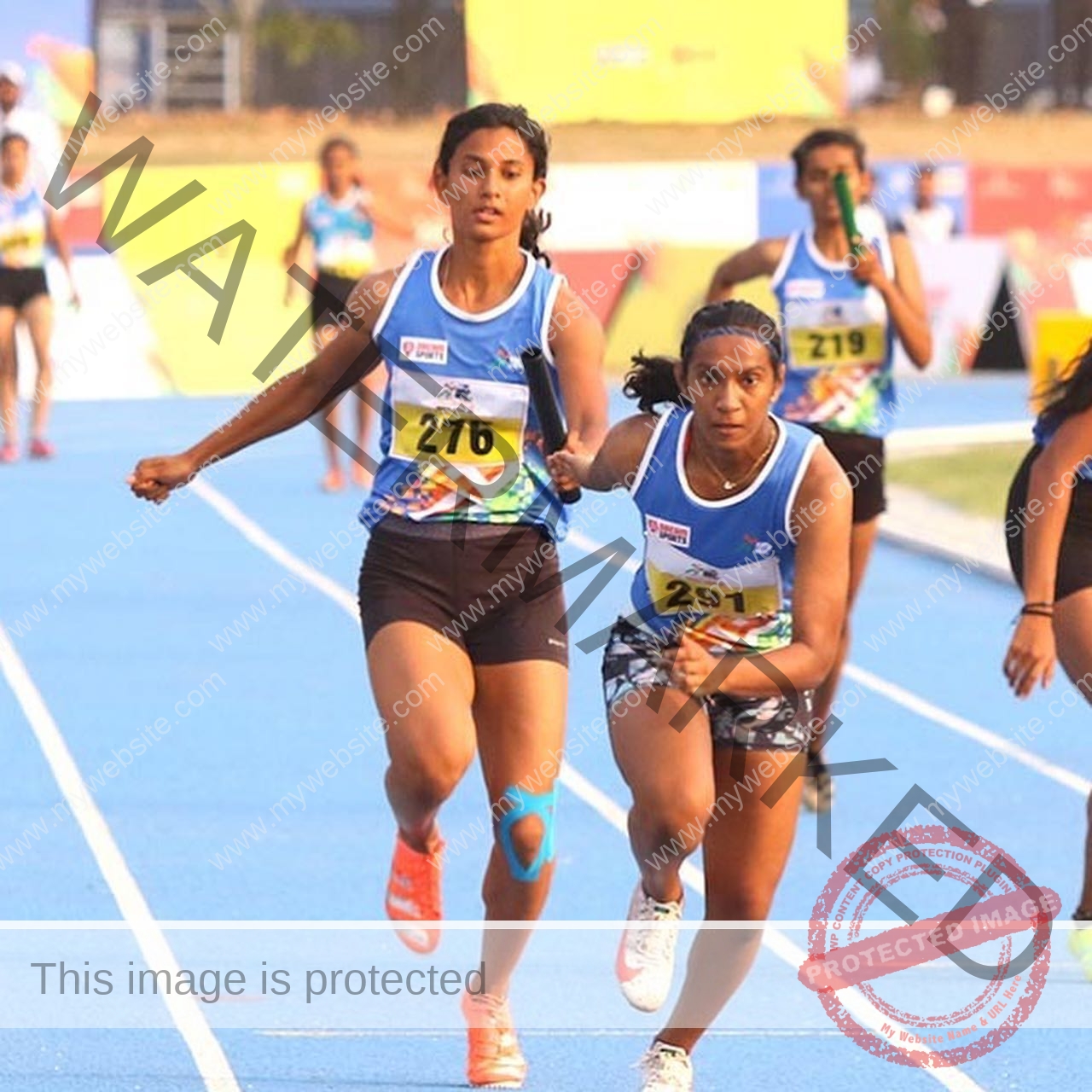
Despite those early challenges, Sakshi’s trajectory through the youth competition system was impressive enough to earn her national recognition. Her Instagram biography references an 11.7-second performance at the U14 level that stands as a national record for that age group — a marker of the exceptional natural speed she brought to the sport from an early age. By the time she reached the Asian Youth Athletics Championships in 2022, she was already a recognized name in Indian youth sprinting, selected for the national squad in the women’s 100-meter medley relay.
That appearance at the Asian Youth Athletics Championships was a significant milestone — her first taste of continental competition on the international stage, representing India in Kuwait. Competing in relay events at that level, alongside other elite young Asian sprinters, provided the kind of competitive benchmark that accelerates development. It was also the beginning of her understanding of what the international stage demands, both physically and mentally.
Competing under the state banner of Gujarat at the national junior championships — a common administrative arrangement for Indian athletes whose training base may differ from their state of birth — Sakshi continued to feature prominently at the national junior level through 2023 and into 2024. At the 38th National Junior Athletics Championships in November 2023, she placed third in the U20 100-meter final with a time of 11.87 seconds, demonstrating consistency at the national level even as other competitors set records around her.
Joining the Reliance Foundation Program
The turning point in Sakshi’s development came when she was accepted into the Reliance Foundation athletics program — a high-performance pathway that has become one of the most significant private sector investments in Indian athletics. Reliance Foundation, through its youth sports arm, provides athletes with access to world-class coaching, sports science, medical support, and training facilities in Mumbai — the kind of integrated high-performance environment that was simply unavailable to a young sprinter from Aurangabad.
She has been vocal about what that shift meant. The program brought her under the guidance of James Hillier, the Director of Athletics at Reliance Foundation, whose approach — incorporating dynamic, varied training routines rather than rote repetition — marked a sharp departure from what she had experienced previously. Crucially, it also brought with it the medical infrastructure that had been so conspicuously absent in her youth: physiotherapists who understood sports injuries, ice bath recovery facilities, strength and conditioning specialists, and nutritional support. “People look for individual components like physiotherapy, ice baths, strength and conditioning — but we have everything,” she has said, describing the shift. “The main thing is recovery. The food, the coaches and the training plan has helped me a lot to perform to the best of my abilities.”
She gives specific credit to several individuals within the Reliance ecosystem: Bhagyashree ma’am, Relga ma’am, Debi sir, and senior athlete Sonia Baishya, who provided mentorship alongside the technical staff. It is a community she describes with genuine warmth — one that gave her both the tools to perform and the human support network to deal with the psychological pressures of competitive athletics.
The 2024 Asian U20 Championships and a Season of Setbacks
The 2024 season was meant to be the culmination of Sakshi’s junior career at the international level. She had qualified for the Asian U20 Athletics Championships in Dubai in April 2024, where she was part of the Indian 4×100-meter relay team — a squad that was considered among the favourites for the gold medal. The relay, however, ended in heartbreak: a baton drop by a teammate led to disqualification before the team could show what it was capable of.
That disappointment was quickly followed by a far more serious problem. With the World Athletics U20 Championships in Lima, Peru, on the horizon later that year, Sakshi tore her hamstring in training — a devastating injury for any sprinter, and particularly cruel timing. She watched the World Junior Championships unfold from the sidelines, unable to compete. “I watched stories of my friends on social media going to the World Championship and felt helpless,” she recalled. The mental challenge of that period was as demanding as the physical recovery. “Mentally, you have to be very strong as an athlete in between all the setbacks and comebacks. If you are not performing, people will talk about you. Even if you perform well once, people will say that this was just one performance and nothing more.”
A second injury disrupted her plans for the SAAF Junior Athletic Championships later in the year. Then the National Junior Athletics Championships — her final opportunity to compete as a U20 athlete — was postponed at short notice, just days before she was due to compete. The chain of setbacks would have broken many athletes. Sakshi kept working with the physiotherapists, maintaining her gym sessions and conditioning even while injured, and waited for her moment.
The 39th National Junior Athletics Championships: A Triumphant Exit
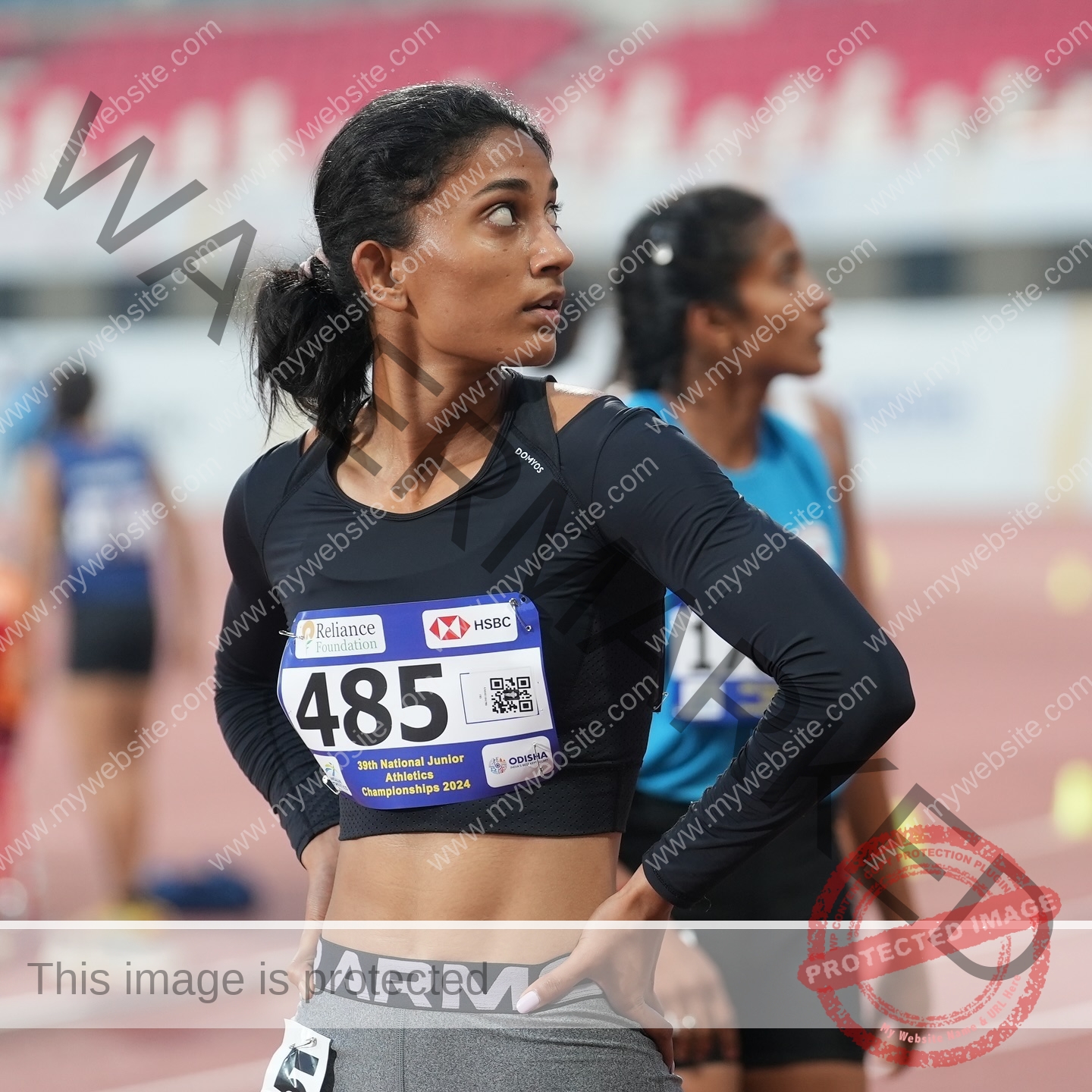
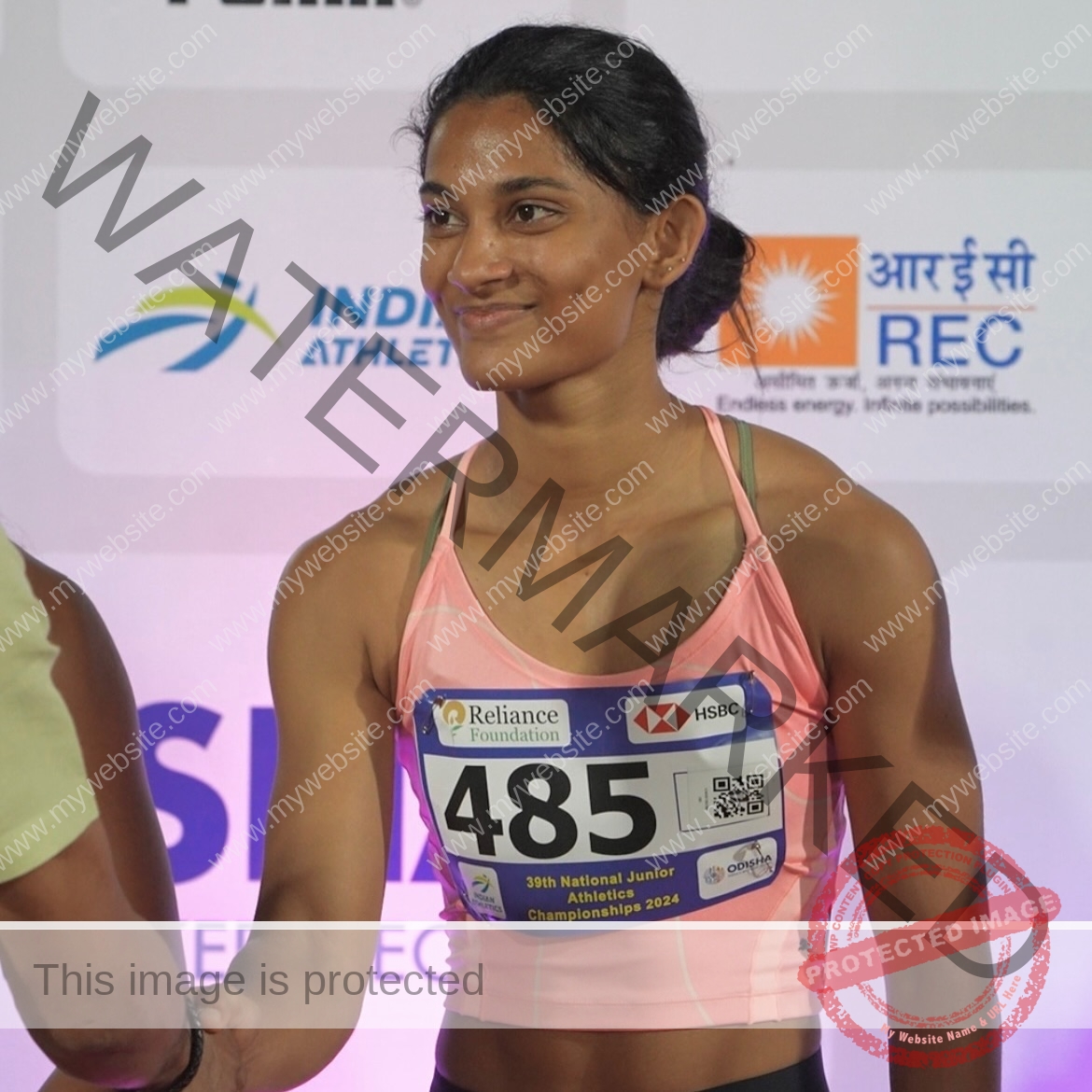
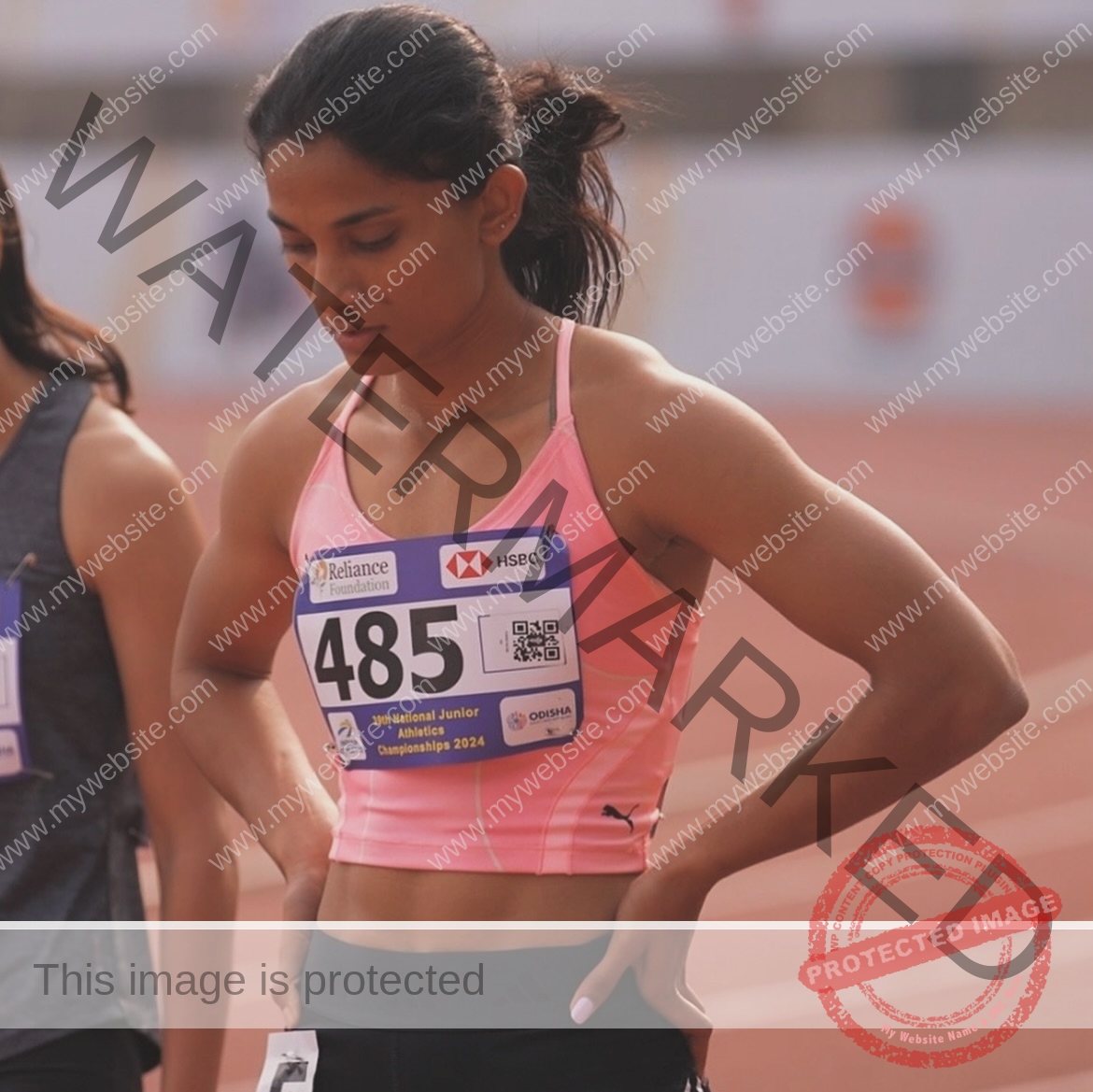
When the rescheduled 39th National Junior Athletics Championships finally arrived in Bhubaneswar, Odisha, in December 2024, Sakshi Chavan delivered a performance that erased every difficult moment of the preceding year. In her final appearance as a U20 athlete, she won the gold medal in the women’s 100 meters with a personal best of 11.86 seconds — a time that also set a new meet record, breaking the previous mark of 11.76 seconds. She then backed it up the following day with a gold in the 200 meters, clocking 24.14 seconds — a time that shattered the meet record of 24.24 seconds set by the celebrated Jisna Mathew all the way back in 2017. A seven-year-old record, erased in the last junior race of her career.
The sprint double earned her the U-20 Best Female Athlete award for the tournament — the highest individual honor available at the competition. She was the second consecutive Reliance Foundation athlete to receive the award, following Sabita Toppo from the 2023 edition. The head coach of the Odisha Reliance Foundation High Performance Centre, Martin Owens, was expansive in his praise: “Sakshi was just amazing and won her races comfortably and is a real class athlete.”
What stands out most in Sakshi’s own description of those races is her composure. “Before the 100m final, I knew this was the last junior race I was taking part in and I was sentimental,” she said. “The main thing was no foul start. Once you foul start, everything is finished.” And when it came to the 200m: “I knew I was very close to the meet record, and the first thing I told myself was ‘Don’t make a foul start and you will get the double gold. So I knew if I had to win the double gold, I had to run fast.'” That calm, analytical approach under pressure — she describes herself as instinctively quiet where many sprinters are loud and demonstrative — is one of her most distinctive qualities. “Sprinters are supposed to be aggressive, but I am very calm. During competitions also, people shout, but I am silent. Even my coaches ask me to shout a bit, even the commentators highlight how easy and relaxed I look.”
Moving Into Senior Competition: The 2025 Season
Turning 20 in January 2025, Sakshi stepped fully into the senior ranks and wasted no time demonstrating that the transition was one she was ready for. The 2025 season saw her systematically lower her personal bests across events — the unmistakable sign of an athlete in full developmental momentum.
At the National Inter-State Senior Athletics Championships in Chennai in August 2025, she was part of India’s mixed 4×400-meter relay team that clocked 3:27.40 — a strong team performance that reflected both her individual speed and her growing versatility in relay configurations.
At the National Open Athletics Championships in late September 2025, she won the women’s 200-meter title outright with a career-best time of 23.78 seconds — a significant marker that put her firmly among India’s leading female sprinters. Her performance at the National Open was headline-worthy: in a field that included established senior competitors, the 20-year-old from Aurangabad crossed the line first, edging Neeru Pathak (23.87) and Simran Kaur (24.41). The 23.78 represented a nearly half-second improvement on her junior personal best from just months earlier, and placed her among the top performers in the 200 meters at the senior level in India.
Her 100-meter personal best also came down sharply in 2025. On October 16, she ran 11.62 seconds — matching the mark that had been set at the National Open by the 100-meter winner Sneha SS, and reflecting a rapid trajectory of improvement across the short sprints.
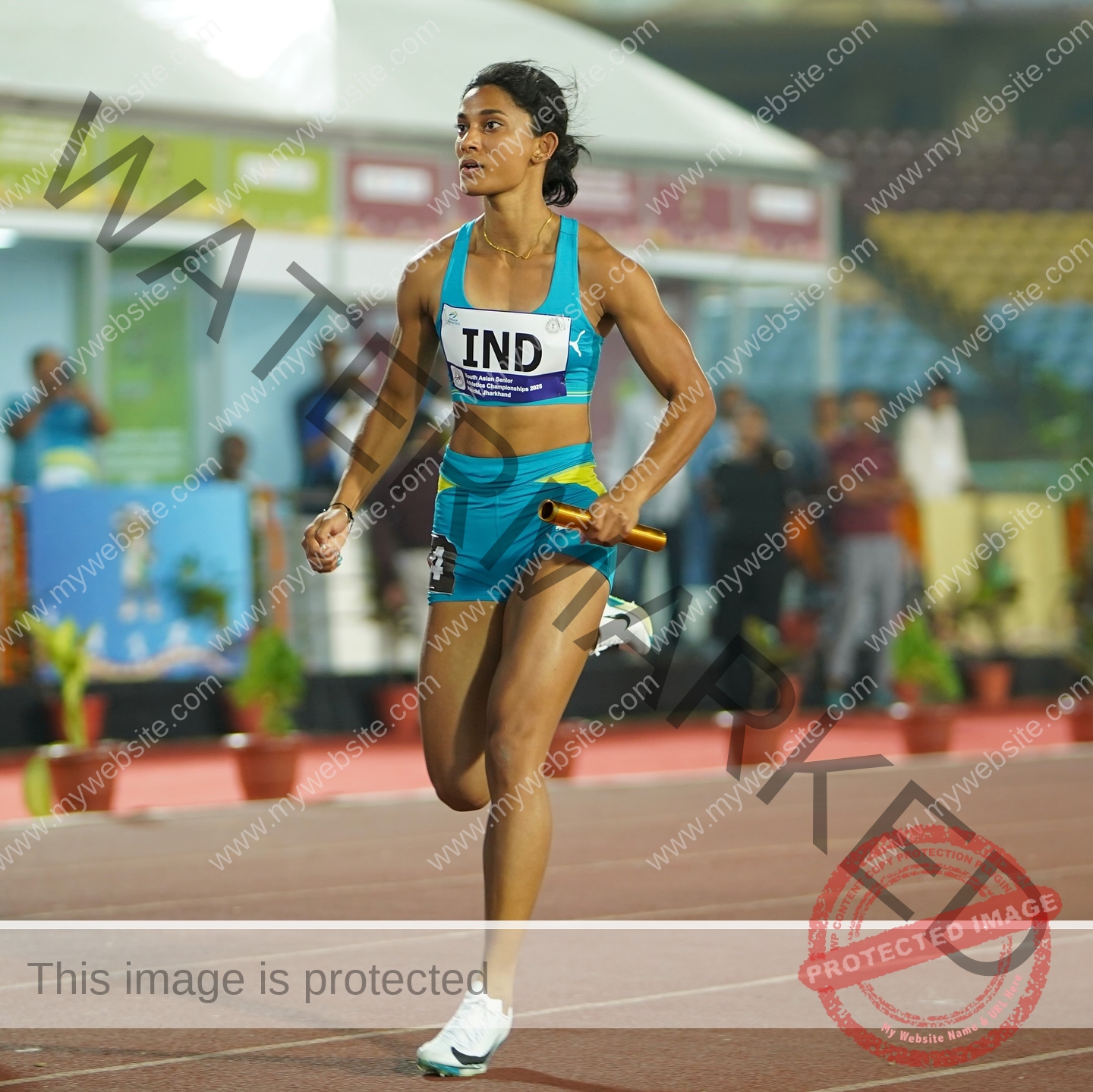
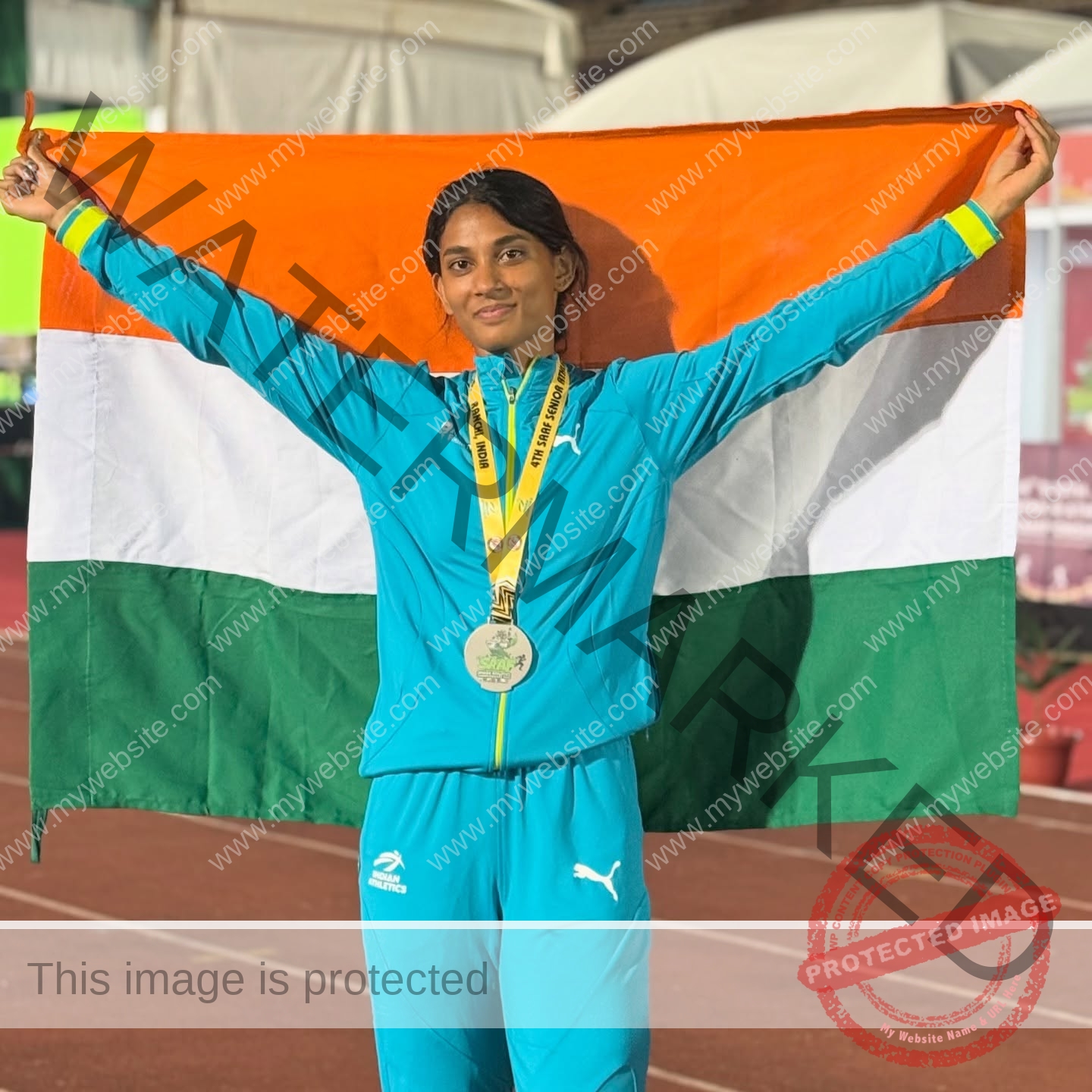
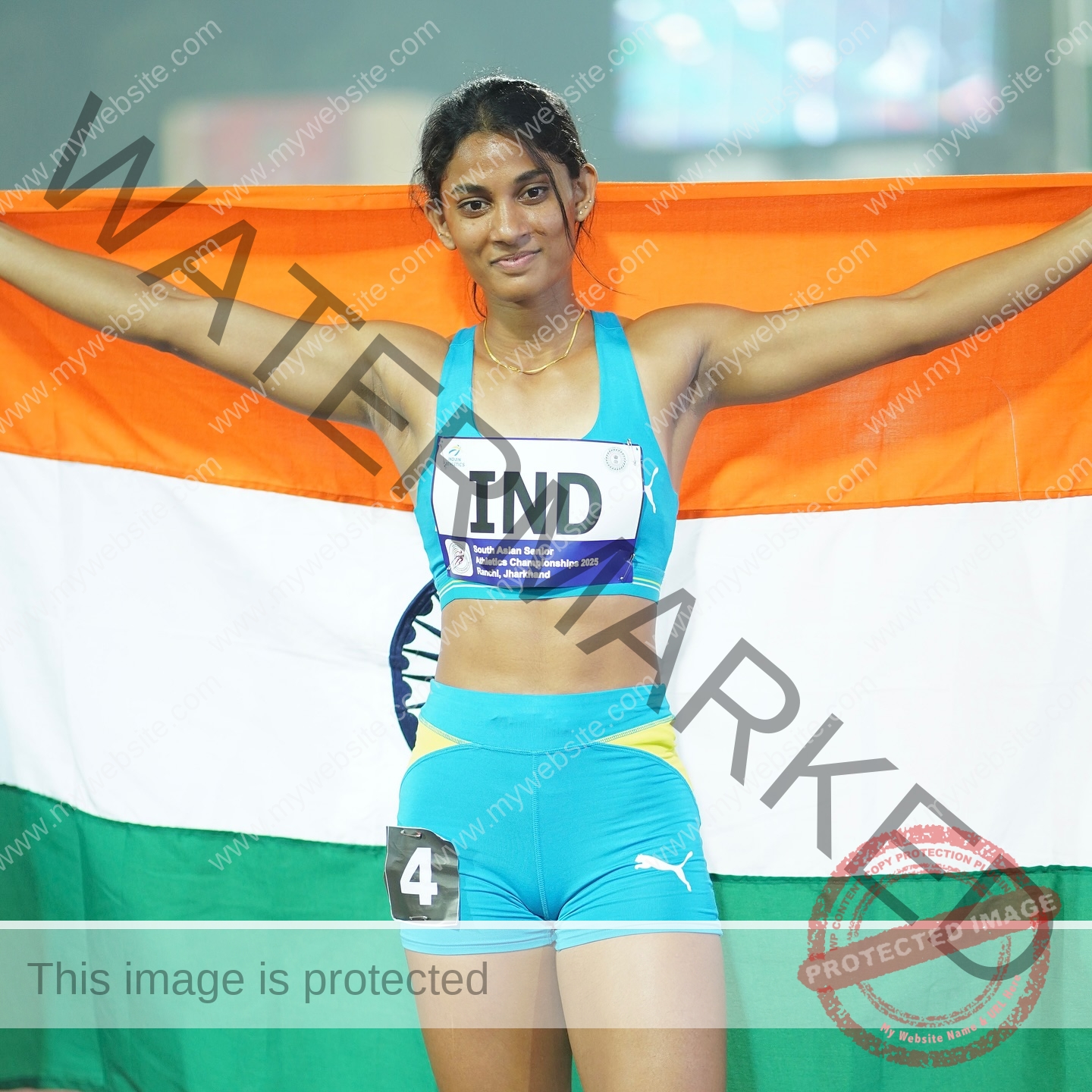
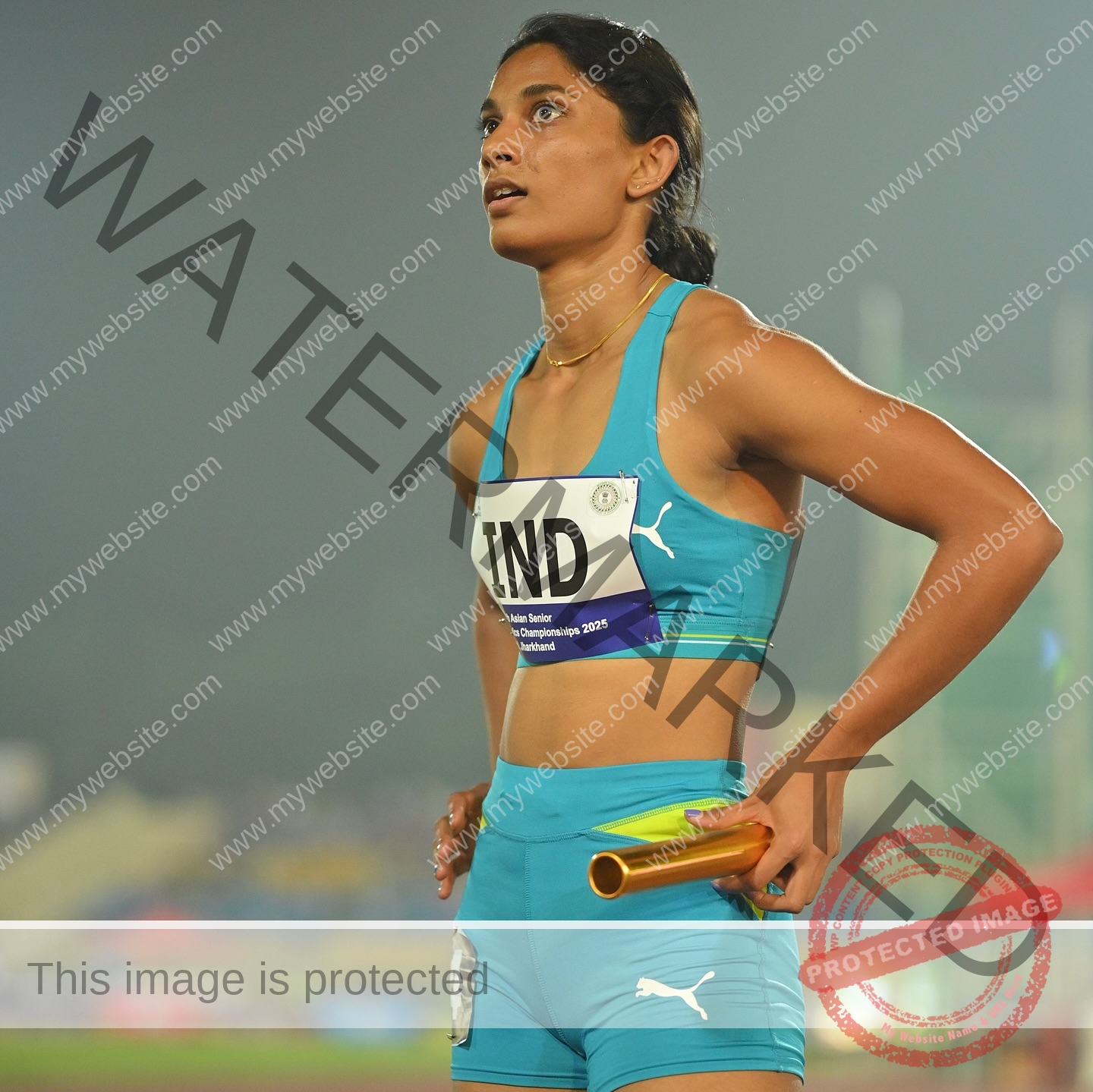
At the South Asian Senior Athletics Championships in Ranchi, held at the Birsa Munda Stadium in October 2025, Sakshi competed as one of India’s lead sprinters in the women’s events. She ran 23.91 seconds in the 200-meter final, earning silver behind Sri Lanka’s Mohammad Yamick Fatima (23.58), who broke the meet record set by the legendary PT Usha in 1997. Competing against and being beaten by a record-breaking performance does nothing to diminish Sakshi’s result — 23.91 is a serious time, and her presence as a key component of India’s team at the regional championships reflects her standing in the national sprinting hierarchy. She also contributed to India’s 4×100-meter relay team at those championships, anchoring a unit that ran 44.93 seconds for silver — the relay personal best that now stands as her top mark in that event on the World Athletics database.
Personal Bests and World Athletics Rankings
As of early 2026, Sakshi Chavan’s official World Athletics personal bests are as follows:
- 100 meters: 11.62 seconds (October 16, 2025)
- 200 meters: 23.78 seconds (September 30, 2025, National Open Athletics Championships)
- 4×100-meter relay: 44.93 seconds (October 25, 2025, South Asian Athletics Championships, Ranchi)
- 4×400-meter relay (mixed): 3:27.40 (August 21, 2025, Chennai)
- 4×400-meter relay: 3:46.71 (March 24, 2024, Chandigarh)
Her World Athletics athlete code is 14921177, and she represents India internationally. Her current rankings place her approximately #510 globally in the women’s 200 meters and around #737 in the 100 meters — significant positions for a 20-year-old who is only now entering her full senior season and still clearly on an upward trajectory.
The Motivational Architecture of a Champion
There is a detail about Sakshi’s life that her profile at Reliance Foundation captures beautifully, and which says much about who she is as an athlete. She keeps the Indian national flag in her room. She keeps the bib number from the Junior Asian Athletics Championships — the one that ended in disqualification — pinned up as well. And she keeps her target times visible, positioned in front of her bed so that they are among the last things she sees at night and the first things she sees in the morning. “I have the Indian flag in my room, the bib number that I got at the Junior Asian and the timings that I want to achieve that are in front of my bed,” she said at the start of 2025, describing the physical reminders that anchor her ambition. The bib from the disqualified relay — that failed attempt at something she had worked hard for — is not something she has put away. It is displayed, alongside the flag and the goals, as part of the motivational architecture of her training life.
Her stated philosophy for 2025 was characteristically clear-eyed: “I want to keep talking positively to myself. Everything will come true.” It is not an empty mantra. Coming from someone who has dealt with a partial ACL tear at U16, a hamstring tear that cost her the World Junior Championships, multiple injury layoffs, and a relay disqualification at the continental championships — all before turning 20 — it reads as something closer to hard-won wisdom.
Social Media and Sponsorship
Sakshi maintains an active presence on Instagram under the handle @sakshichavan100m, where she has built a following of more than 43,000 people. Her bio describes her as a “Track and Field Athlete, Youth & Jr. Asian Games, AIU gold medalist, 11.7s U14 NR” and notes her location as Mumbai — the city where the Reliance Foundation training facilities are based. A second Instagram account, @sakshichavan__100m, has approximately 19,000 followers with similar content.
Her primary institutional affiliation and support system is through Reliance Foundation Youth Sports, the athletic development program of one of India’s largest conglomerates. The Reliance Foundation’s support encompasses not just coaching and training facilities but also medical care at the Sir HN Reliance Foundation Hospital — an integrated model that has become central to the careers of a number of India’s most promising young athletes.
Looking Ahead
The numbers suggest that Sakshi Chavan’s senior career is beginning at a promising level, but the gap she is chasing is still meaningful. India’s senior 100-meter national record stands at 11.02 seconds (set by Dutee Chand), and the 200-meter record is 22.82 seconds (also Dutee Chand). Sakshi’s current personal bests of 11.62 and 23.78 position her as a strong domestic competitor and a genuine asset for India in regional competitions — but the national records and the world-class thresholds that would bring her into the orbit of the Olympics or World Championships are still several tenths away in both events.
At 20 years old, there is every reason to believe those gaps can narrow. Sprint development curves are not linear, and the kind of trajectory she has shown — from 11.87 at the junior nationals in 2023 to 11.62 at the national championships in 2025, a drop of a quarter-second in two years — points toward an athlete who has not yet found her ceiling. The combination of natural speed, the technical environment of the Reliance Foundation program, and the mental resilience she has already demonstrated under adversity makes for a compelling case that her best running is still ahead of her.
For Sakshi Chavan, there is an Indian flag on her wall, a bib number from a race that went wrong, and a set of target times that she wakes up to every morning. That, in its own way, tells you everything you need to know about how seriously she is taking what comes next.
Personal bests current as of April 2026. World Athletics profile: athlete code 14921177. Instagram: @sakshichavan100m. Supported by Reliance Foundation Youth Sports.
