
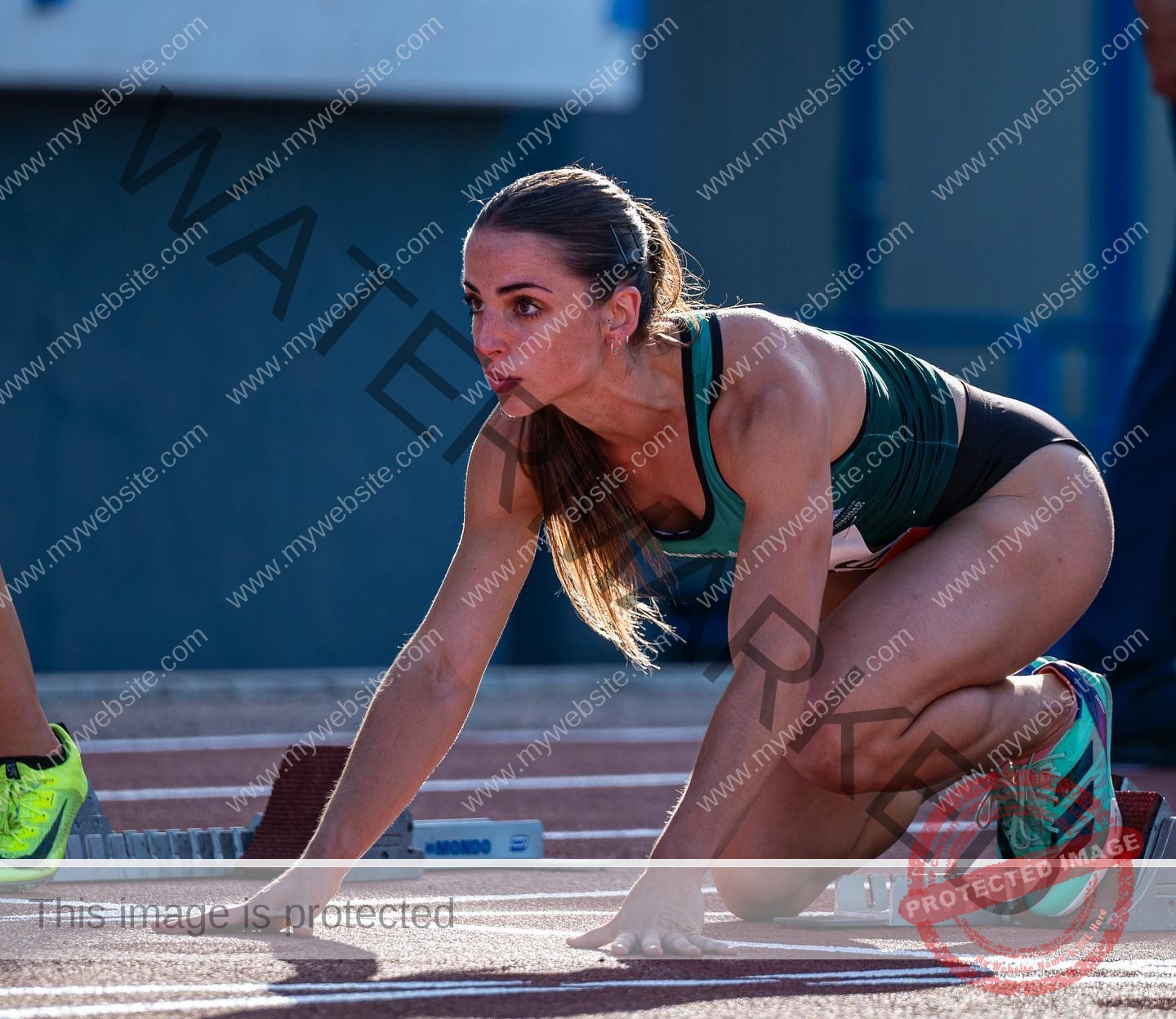
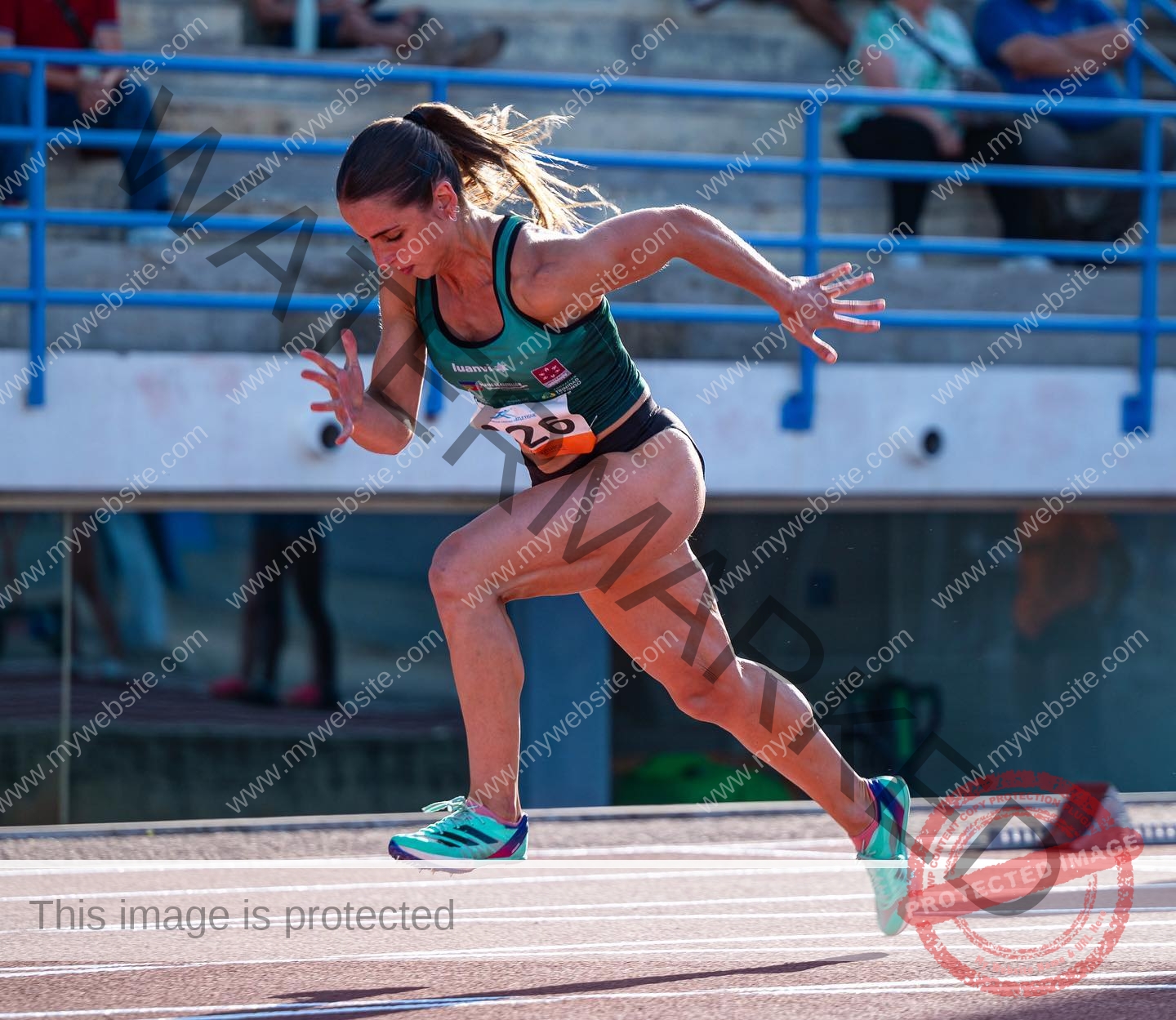
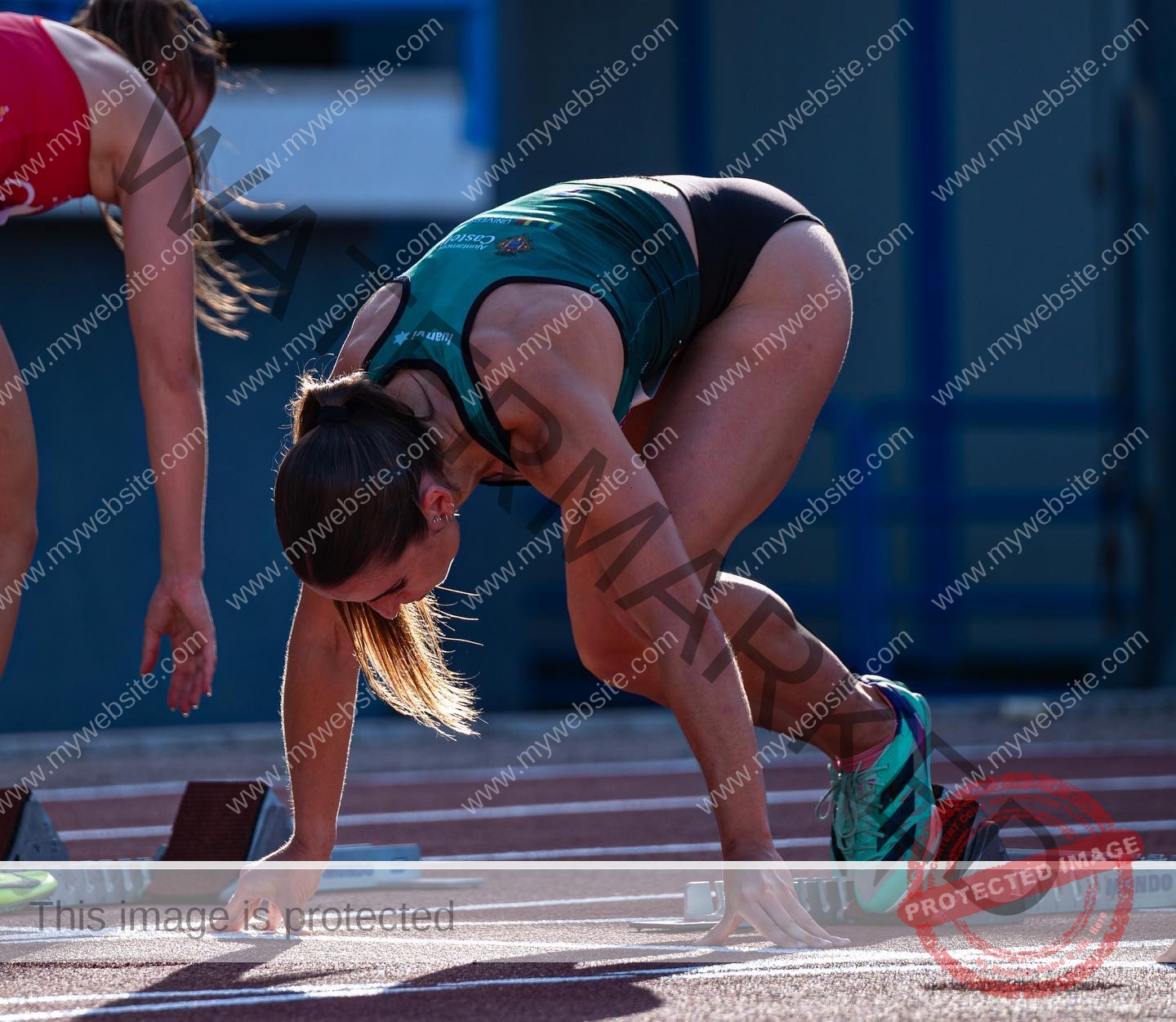
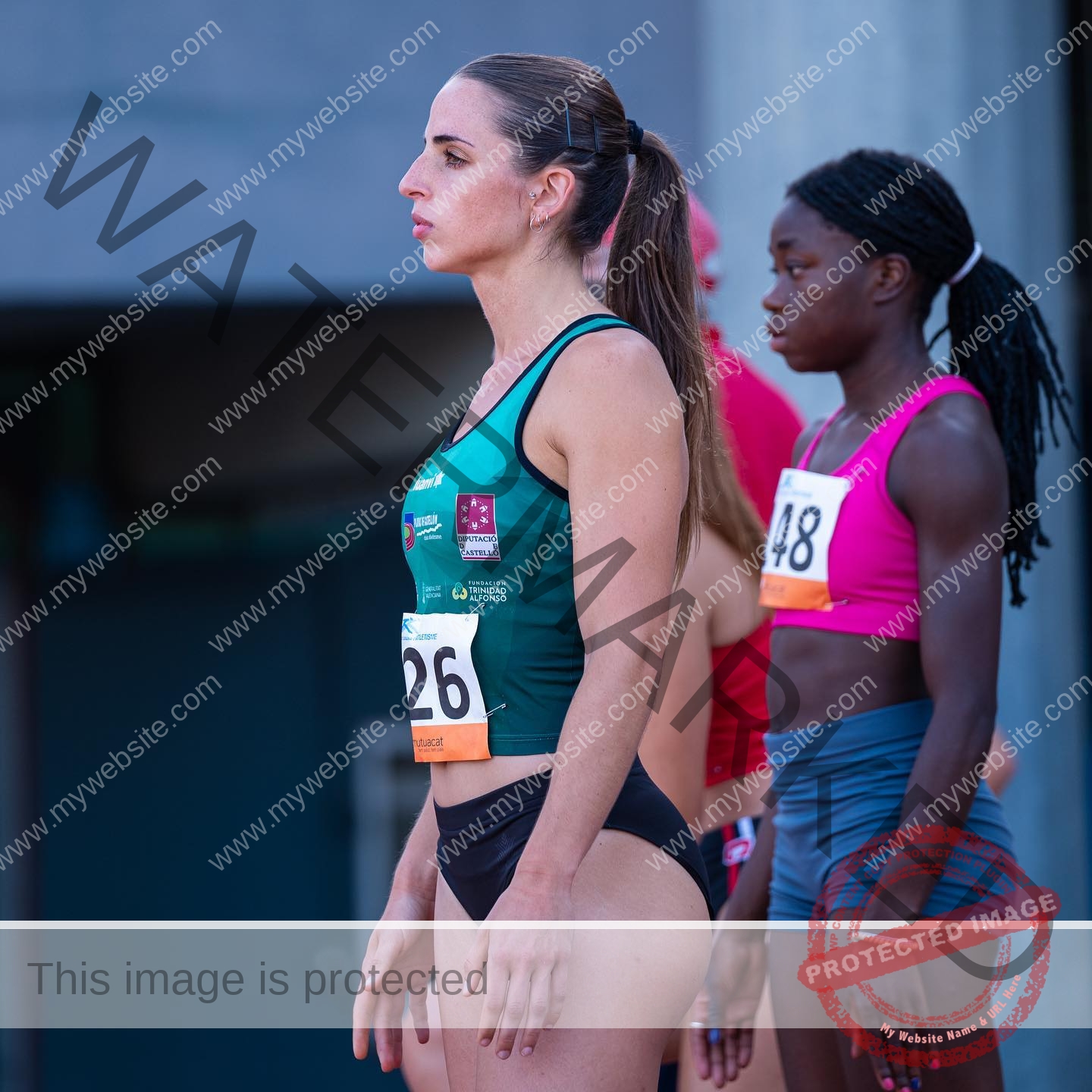
Ona Rossell Font: The Sprinter from Calella Who Made the Long Way Back
Ona Rossell Font’s story begins, as so many of the most compelling ones do, with a detour. Born in Calella, a small coastal town on the Maresme coast north of Barcelona, she grew up as a sprint talent who showed up in Spanish athletic databases before she was even old enough to vote. She reached the cadet national finals, she posted marks that put her in the historical records of Catalan athletics, and then — in 2016, while practising the long jump — she snapped her ankle so badly that it required three operations and four years of rehabilitation. Four years. The kind of injury that ends careers ended hers before it had truly started, and then she built it again from scratch.
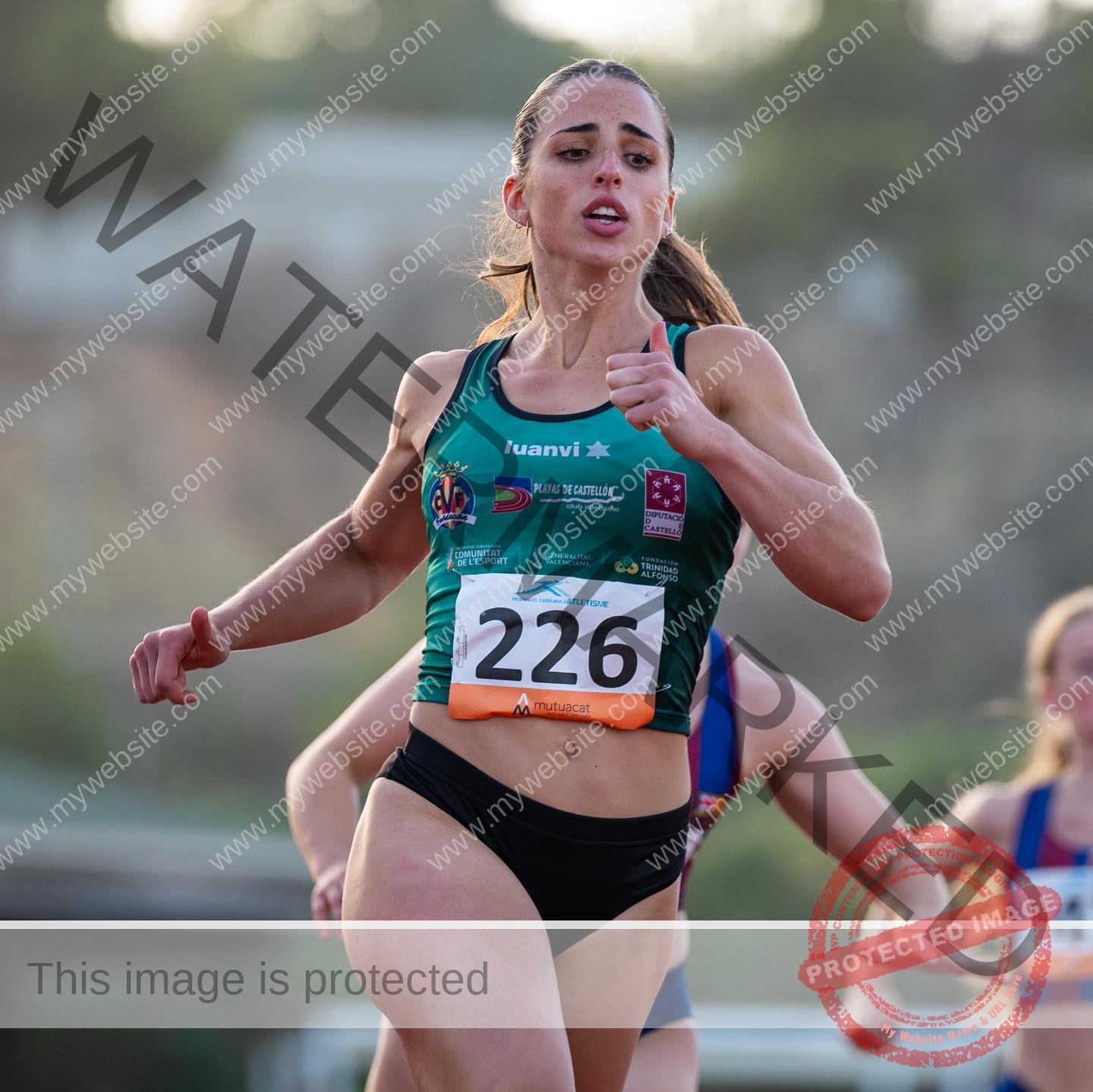
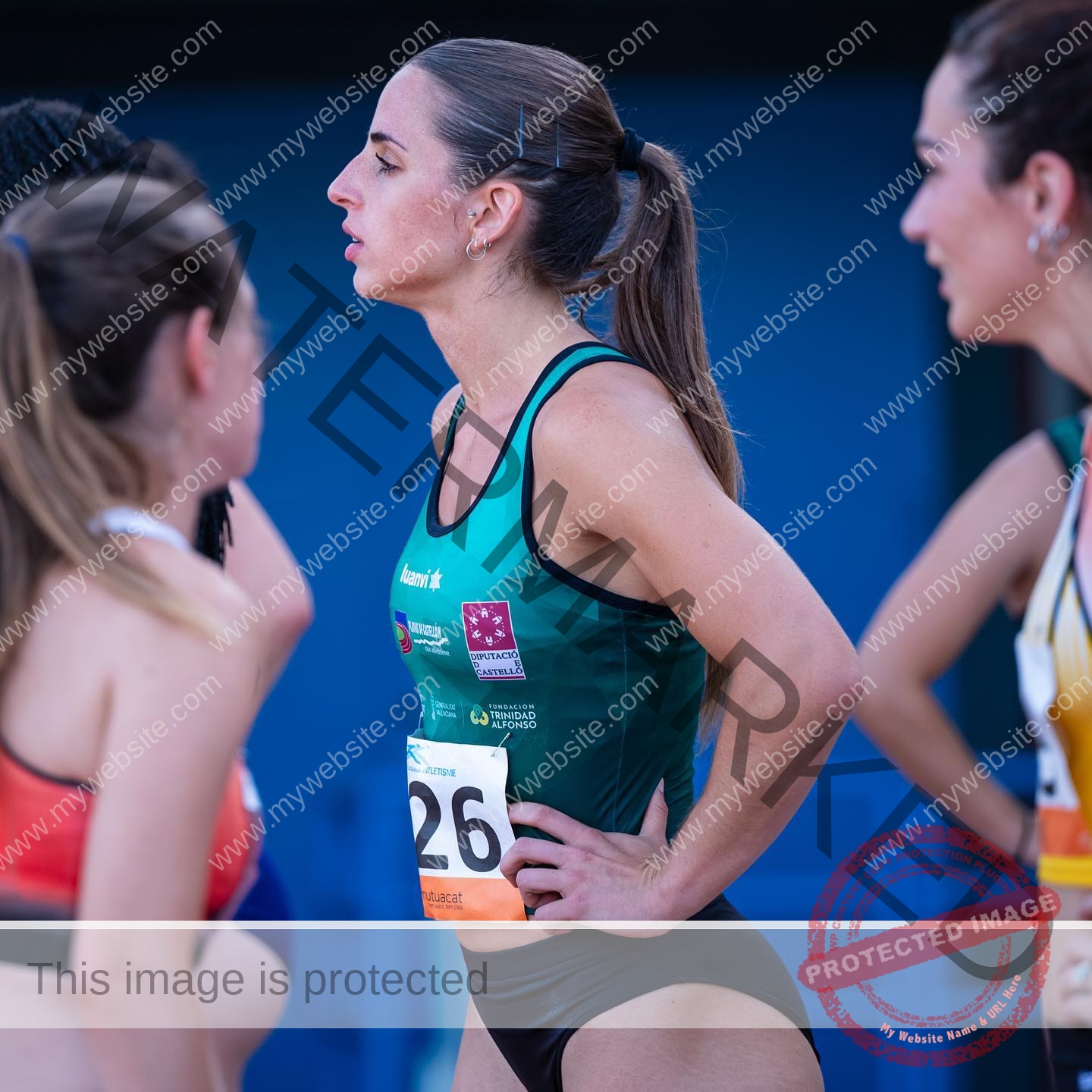
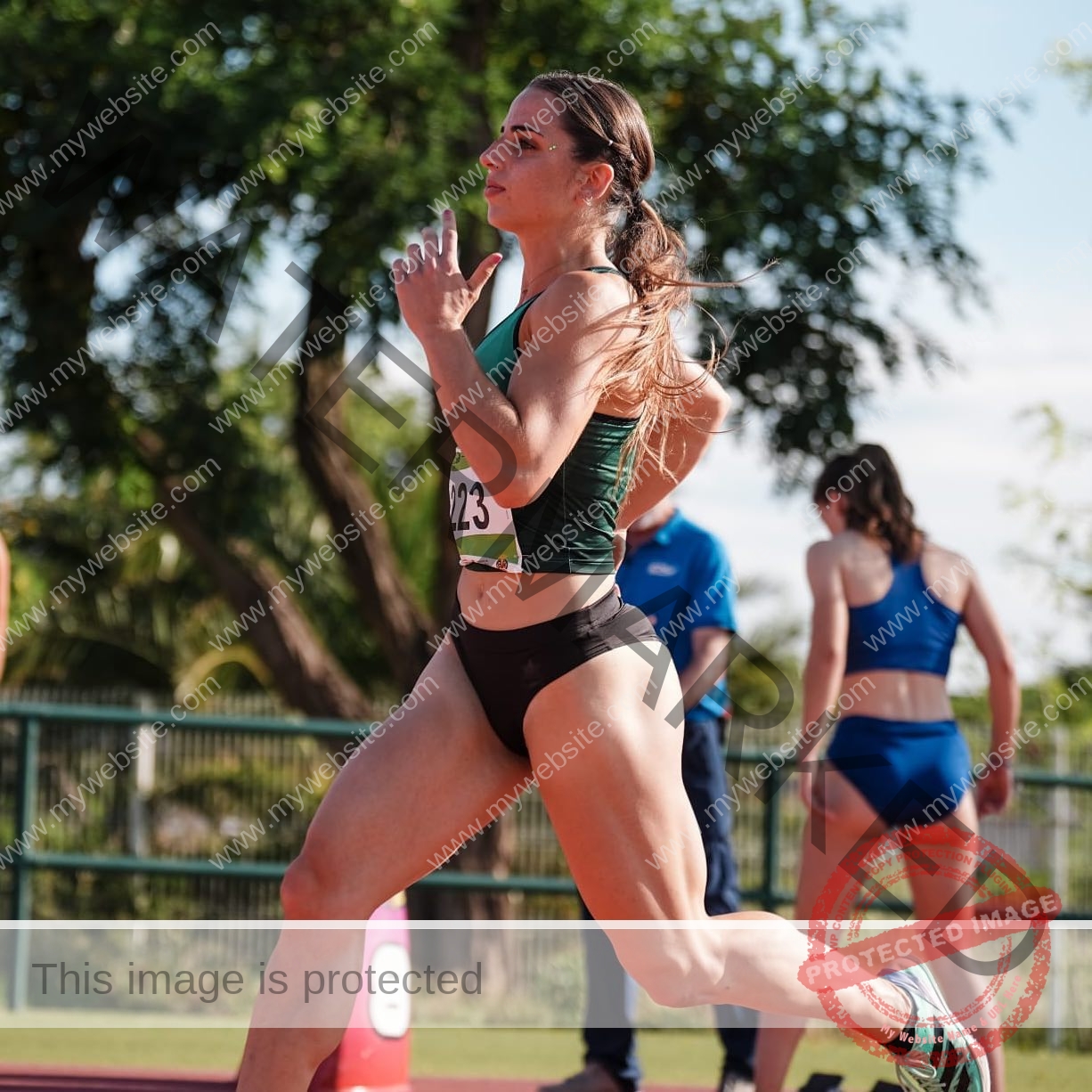
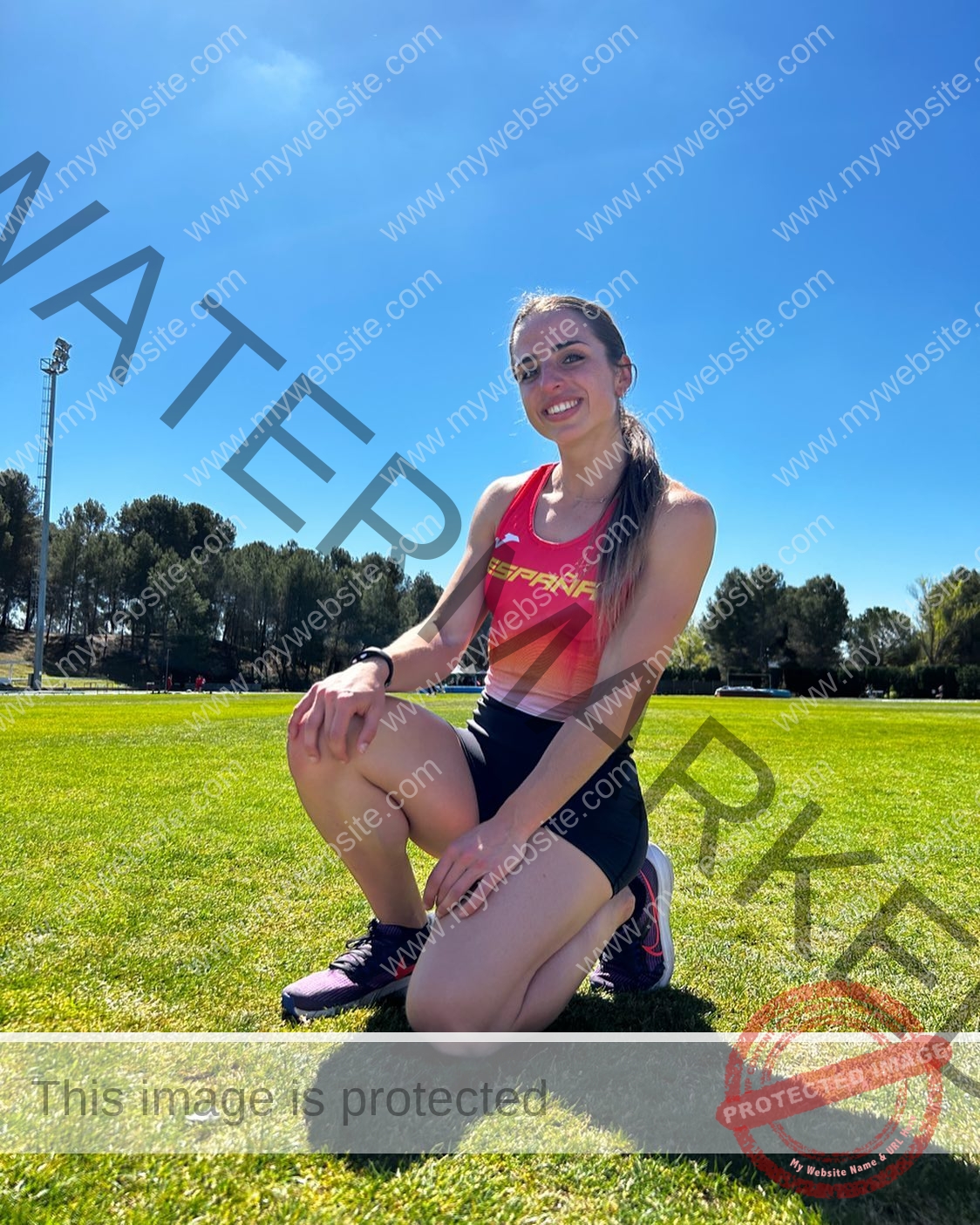
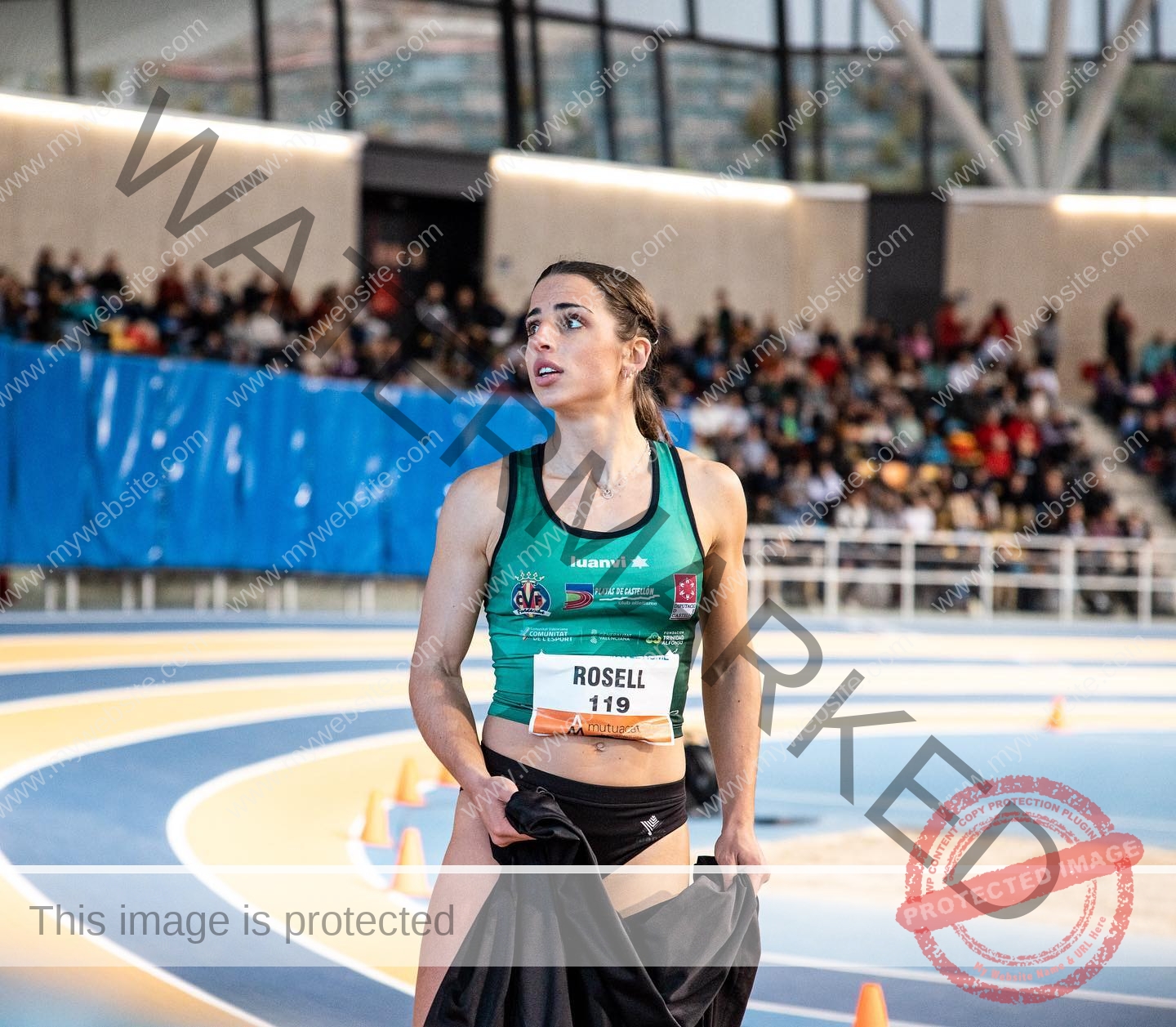
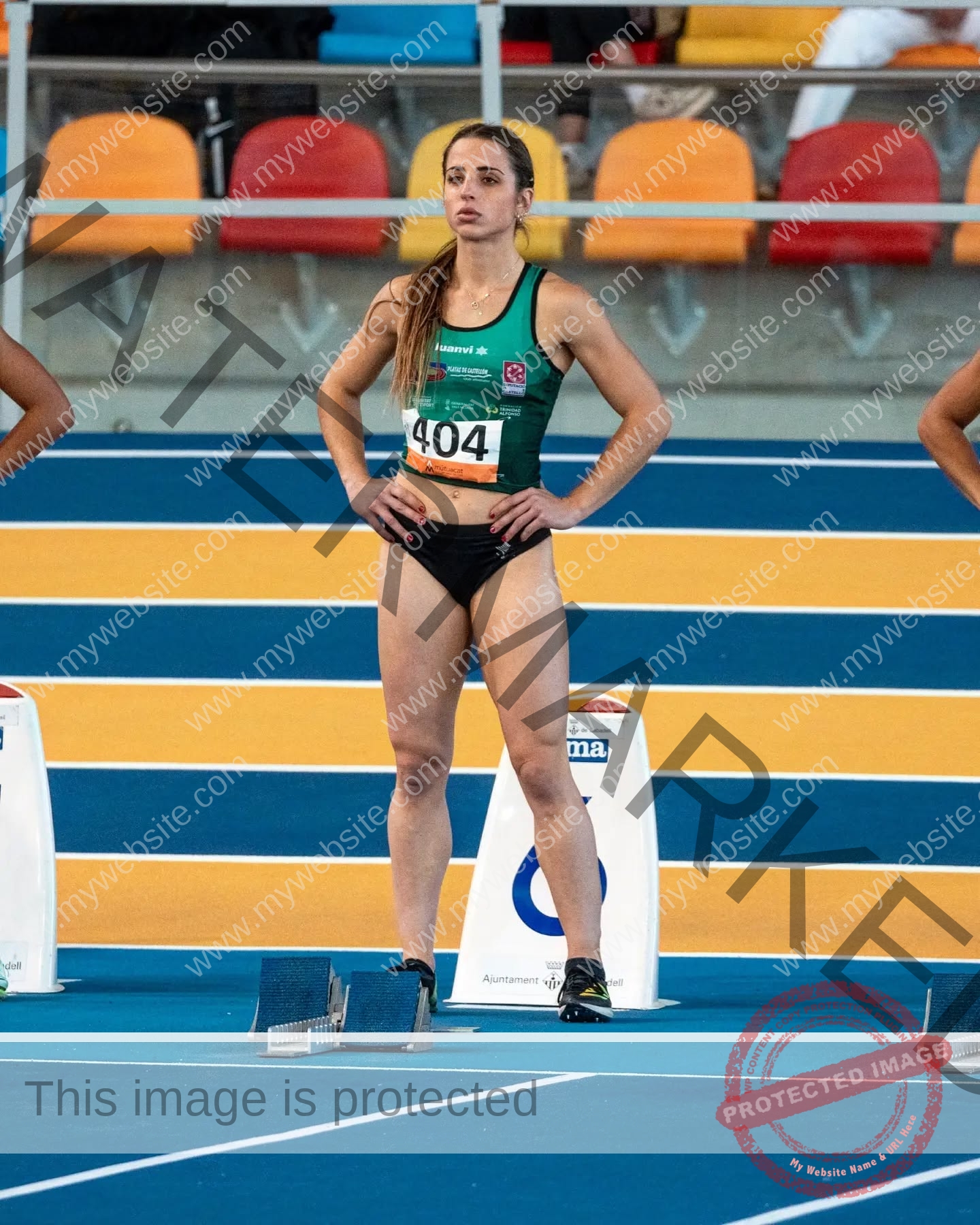
Today, Ona Rossell Font is a three-time Spanish national champion, a member of the Facsa-Playas de Castellón squad — one of Spain’s premier athletics clubs — a registered physiotherapist and sports performance trainer, and one of the most reliable sprint finalists in the Spanish domestic circuit. She lives and trains more than 600 kilometres from her home in Catalonia, in Villarrobledo in the interior of Castile-La Mancha, where the environment allows her to combine her two vocations with more focus than she could manage back along the coast. She is 27 years old. She is, in every meaningful sense, still getting started.
Calella, Maresme, and the Early Years
Ona Rossell Font was born on February 19, 1998, in Calella, a coastal municipality of roughly 18,000 people in the Maresme comarca, about 50 kilometres north of Barcelona along the Mediterranean coast. She is Catalan in the fullest sense: language, culture, and competitive club affiliation all rooted in the region from her earliest years. She trained for much of her youth with Club d’Atletisme Calella, the local athletics club that served as the base for her early development.
Her sprint talent was visible early. The cadet years — the sub-16 category in Spanish athletics — already showed a teenager capable of competing at the highest domestic level. At the Campionat d’Espanya de Pista Coberta Cadets held in Oviedo, the young Rossell won her heat and her semi-final in the 60 metres, posting times below eight seconds in all three rounds, and finished just two hundredths of a second outside the bronze medal in the final. The Calella club noted pointedly that among the top five finishers at the Spanish cadet indoor championships, she was the only athlete born in 1998 — a first-year cadet competing against athletes a year older. The promise was obvious.
She continued building through the U17 and U18 categories, competing in the 60 metres, 100 metres, and 200 metres for Club Atletisme Calella on the LANSW (Little Athletics NSW equivalent) Catalan circuit. Between 2013 and 2016 she accumulated regional finalist and medallist results that established her firmly within the top tier of her age group in Catalonia and, nationally, on the fringes of the best in Spain.
The Ankle, the Operations, and Four Years of Rehabilitation
In 2016, the trajectory was interrupted in the most abrupt way possible. While practising the long jump — a secondary event alongside her sprint disciplines — Rossell injured her ankle. The damage was severe enough to require surgery. And then, after that surgery, it required another. And then a third. Three operations, and four years in rehabilitation — effectively her entire sub-20 competitive window gone, the years when Spanish athletics expected to see her move from cadet promise to junior national contender replaced by recovery rooms, physiotherapy sessions, and the grinding patience of an athlete whose body had betrayed her at the worst possible moment.
It is precisely this experience — the years of rehabilitation, the intimate daily education in what injury does to a human body and how to coax it back to function — that drove her toward the study of physiotherapy. She enrolled at Tecnocampus, the higher education campus associated with Pompeu Fabra University in Mataró, and pursued a professional qualification as a physiotherapist, readaptation specialist, and physical trainer. The dual identity that would define her adult career — elite sprinter and credentialled health professional — was forged in those four years when she could only observe the sport from the outside and learn, in the most personal way imaginable, how muscles and tendons and joints work and fail.
She returned to competition in 2019, tentatively. By February 2020, with her body finally reassembled and her training having reached the consistent level that serious sprint work demands, she ran 7.35 seconds in the 60 metres at the Campionat de Catalunya de Pista Coberta in Salamanca. The time placed her seventh in the all-time list of Catalan women at the distance — a mark achieved in only her first full season back from a four-year absence. The athletics world in Catalonia took notice of what was described, accurately, as an “extraordinary progression.”
The Pandemic Year and National Breakthrough: 2020
The 2019-20 indoor season produced the 7.35 personal best in February 2020 — a time that established Rossell as a genuine contender at the national level and came close to the 7.30 standard that would have qualified her for the World Athletics Indoor Championships. She was 0.05 seconds away from a world championship qualifying mark in a season that was, by any objective measure, a triumph of recovery. In the same championship she finished fourth at the Spanish Absolute Pista Cubierta in Gallur, Madrid — just outside the national medals but inside the final, competing against athletes who had spent those four years she was rehabilitating building their international careers.
Then COVID-19 arrived. The outdoor season collapsed. Rossell, training in Calella and dealing with an additional complication — the municipal athletics track at La Muntanyeta was under construction and unavailable, forcing her to train in parks and open spaces rather than proper athletics facilities — somehow maintained form through lockdown and the months that followed. “In the end, what matters is to keep working, to put effort into everything and train for what you want. Then things start to happen,” she said at the time.
When competition resumed in the autumn of 2020, she made the most of it. At the Campionat d’Espanya de Federacions Autonòmiques — Spain’s regional federations championship — she collected silver in the relay. And at the national sub-23 championships, she won. Campiona d’Espanya in the 100 metres, sub-23 category. Her local outlet in Calella published the news under the headline that it had come “after a four-year injury and despite the pandemic.” The subtext was clear: this woman had earned it the hard way.
Establishing Herself: 2019–2022
Through the 2019 and 2020 seasons, Rossell had been competing for Cornellà Atlètic — a Barcelona-area club where she was able to access technical coaching while training primarily on the Maresme coast. Her results in those seasons at the sub-23 national championships and the Catalan circuit established her as a serious contender: sub-23 national silver in the 60 metres indoors (2019), sub-23 national gold in the 100 metres outdoors (2020), and a series of results in the Catalan absolute rankings that placed her among the region’s top two or three sprinters.
In February 2020, she had also posted a time that made the Spanish athletics press sit up: 7.35 in the 60m at Salamanca, which placed her as subcampeona de España sub-23 for that event. A preview piece in Carrer Lliure, Catalonia’s primary athletics media publication, described her as “the sensation of the season due to her great progression” and noted that the Catalan indoor championships had featured “a new duel” between her and Jaël-Sakura Bestué — already by then emerging as one of the great Spanish sprinters of her generation. Being the second name in that duel was not embarrassing; it was a measure of the level Rossell had reached.
At some point in the early 2020s she moved to Facsa-Playas de Castellón, the Valencian club that represents one of Spain’s most powerful athletics programmes. The move was significant: Playas competes consistently in the División de Honor of Spain’s Liga Iberdrola, the women’s premier team competition, and the squad around Rossell included Paula Sevilla, Lucía Carrillo, Bianca Acosta, Esther Navero, and other athletes at or near the absolute senior national level. Training and competing in that environment accelerated her development.
The 2022 national championships at Nerja were a landmark. On June 26, at the Estadio Enrique López Cuenca, Rossell ran the anchor leg of Playas de Castellón’s women’s 4×100 relay team — alongside Bianca Acosta, Lucía Carrillo, and Paula Sevilla — and the squad won the national title with a time of 44.04 seconds, which also set a new club record. It was the first time Rossell had a gold medal from the absolute national championships, and it came as part of a relay team whose combined quality was formidable. World Athletics lists the 44.04 as the best relay performance of her career, and it stands as her most consequential competitive team result.
Champion of Catalonia: 2023
The 2023 outdoor season brought further evidence of Rossell’s place among the upper tier of Spanish women’s short sprinters. Coming off an injury that required specific physical preparation through most of July, she nevertheless competed in the Campionat d’Espanya, representing Catalunya. At the national championships in Pamplona she finished second in the 100 metres representing the Catalan federation — silver in the regional federations championship. Then at the absolute national championships in Torrent, Valencia, she reached the 100 metres final and finished eighth, with a time of 11.92 — a finalist in the most competitive short sprint field in Spain, even if the placing wasn’t yet threatening the podium.
More significantly, she won the Campionat de Catalunya in both the 100 metres and 200 metres. The regional championships had never been a stepping stone for Rossell; she was by this point their dominant force in the sprint events, and claiming the double in both flat sprint distances cemented her status as the fastest woman in Catalonia outside of Jaël-Sakura Bestué — the national record holder who competes in a different category entirely.
The 2023 season also brought another national title, this time for Playas de Castellón in the 4×100 relay at the absolute national championships. Three Spanish national championship titles in total now graced her record, according to her World Athletics profile, confirming her as a multiple champion at the highest domestic level.
The Move to Villarrobledo and a New Chapter
At some point in 2024 or 2025, Rossell made a significant life decision: she relocated to Villarrobledo, a municipality in the province of Albacete in Castile-La Mancha, more than 600 kilometres from her native Calella. The motivation, as she explained in a January 2026 interview with Betevé — Barcelona’s public broadcaster — was that the environment allowed her to combine her two professional callings with a focus and dedication that had been harder to achieve while living in Catalonia. In Villarrobledo she could train, work as a physiotherapist, and devote herself to both with fewer distractions and a cleaner daily structure.
The interview, part of the athletics podcast “Més que córrer” (More than running), also documented the role that physiotherapy has played in her athletic identity. The discipline is not just her profession; it has shaped how she understands and manages her own body, particularly in the context of having navigated a three-operation ankle injury and four years of rehabilitation. Florence Griffith-Joyner — the American world record holder in the 100 and 200 metres — was featured alongside Rossell in the podcast episode, as an athlete whose story (speed, controversy, and record-breaking at the summit of the sport) offers a useful counterpoint to Rossell’s own quieter, more incremental path back to elite competition.
Her LinkedIn profile describes her professional identity as: “Fisioterapeuta · Readaptadora · Preparadora física · Atleta de velocidad.” The order matters: she names her health profession first, and her athletics career last. It is not a declaration of priorities so much as an honest description of what she does — four roles, pursued simultaneously, from a base in the Manchegan interior far from where she grew up.
The 2025 Season: Personal Bests at 27
The 2025 outdoor season was the most productive of Rossell’s post-injury career in terms of individual 100 metres times. On June 7, 2025, she ran 11.52 seconds in the 100 metres — a wind-assisted mark. On June 15, she ran 11.57 — legal. On July 2, she equalled that 11.57. The legal 11.57 represents the best official 100 metres time of her career and confirmed that, at 27, she is still improving as a sprinter. World Athletics currently lists 11.57 as her personal best in the 100 metres, with the mark recorded twice in the summer of 2025 as her peak performance. Her world ranking stands at #377 in the women’s 100 metres — competitive at a European level and reflective of consistent finalism at the Spanish national standard.
In the Catalan all-time rankings, her 11.65 — recorded at Ciudad Real on July 12, 2025 — places her third among all-time Catalan women in the 100 metres, behind only Jaël-Sakura Bestué (11.19) and Ericka Badeau Maseras (11.42). The ranking confirms that in a region with Spain’s deepest sprint tradition, Rossell has become one of the defining names of her era.
At the Campionat de Catalunya, the 2025 rankings list her with a 60 metres mark of 7.36 — placing her second in Catalonia behind only Bestué (7.18) in that season’s rankings, with Andreea Florina Sabou (7.46) third. The depth of her consistency across both indoor and outdoor sprint events makes her a cornerstone of any Catalan or Playas de Castellón relay calculation.
The 2025–26 Indoor Season and Valencia
The 2025-26 indoor season has kept Rossell at the sharp end of the Spanish absolute 60 metres competition. For the 62nd Campionat d’Espanya Absolut Short Track held in Valencia in late February 2026, she was listed among the main contenders in the 60 metres with a personal best of 7.32 — placing her in the same conversation as Aitana Rodrigo (7.29), Elena Guiu (7.27), and Jaël-Sakura Bestué (7.18). The Spanish athletics media preview described her as part of the group that “completes the lineup” alongside the headline names — a characterisation that reflects both the depth of the field she now regularly inhabits and the steady level she brings to each major competition. For a field that includes Olympic finalists and national record holders, being named as a reliable contender is its own form of recognition.
In recent seasons she has been a regular at major national competitions, including the Campionat d’Espanya Absolut outdoors (2023: national finalist in 100m, national champion with the 4×100 relay), the Copa Iberdrola (Division of Honor team competition with Playas de Castellón), and the indoor short-track championships where the 60 metres has been her primary winter event. Her club’s División de Honor squad — one of Spain’s strongest women’s athletics programmes — continues to give her access to consistent high-level relay competition alongside teammates of the quality of Paula Sevilla and Lucía Carrillo.
Club History and Career Arc
From Club d’Atletisme Calella through Cornellà Atlètic and on to Facsa-Playas de Castellón, Rossell’s club career traces the path of an athlete who grew from a local talent into a national-level competitor. Playas de Castellón, founded in 1981, has been one of Spain’s most consistently competitive women’s programmes for decades, and the resources and competitive environment the club provides — regular Division of Honor competition, relay squads at the national level, and access to training environments designed for serious development — have been central to the improvement she has shown since joining the squad.
The arc of her career also includes a chapter that many athletes never navigate successfully: the return from a career-threatening injury, not after one or two years but after four, and the rebuilding of a competitive profile from near-zero. Her 2020 national sub-23 title came when she was 22 — an age at which many of her peers from the cadet years had already been competing internationally for half a decade. She was, in athletic terms, starting almost from scratch. That she has since built toward national relay gold, Catalan absolute championships, and a 60m personal best of 7.35 that ranks her among the best Catalan women ever at the distance is a genuinely unusual achievement.
Personal Bests and Career Records
- 100 metres: 11.57 — June 15, 2025 (also equalled July 2, 2025)
- 100 metres (wind-assisted): 11.52 — June 7, 2025
- 60 metres (indoor): 7.35 — February 15, 2020, Salamanca
- 200 metres: personal best in the low 23s (Catalan circuit, outdoor)
- 4×100 metres relay: 44.04 — June 26, 2022, Nerja (Spanish National Championships, gold medal)
World Athletics lists three national championship titles on her profile (athlete code 14458891) and ranks her currently at #377 in the women’s 100 metres globally. In the Catalan all-time women’s rankings, she appears in the top three at 60 metres and the top five at 100 metres.
Dual Identity: Athlete and Professional
What makes Ona Rossell Font’s story distinctive beyond the athletic results is the genuine professional life she has built alongside it. She holds qualifications as a physiotherapist, a readaptation specialist, and a physical performance trainer — all obtained through Tecnocampus in Mataró, where she studied while returning from her ankle injury and in the years that followed. She practices professionally in Villarrobledo, combining client work with her own training and competition schedule.
The combination is not unusual in Spanish athletics — many athletes at the national-but-not-fully-professional level work alongside their competitive careers — but the specific pairing of physiotherapist and sprinter has a particular resonance in her case. It was her injury that drew her toward the profession, and the knowledge she accumulated in formal study has directly shaped how she manages her own physical condition. “La fisioteràpia ha format part de la seva vida des que va decidir que volia convertir-se en professional d’aquesta especialitat. A més a més, li ha permès conèixer més el seu cos i aplicar aquesta capacitat en l’altra vessant, la de velocista” — physiotherapy has formed part of her life since she decided to become a professional in that field, and it has allowed her to know her own body better and apply that knowledge to her running. It is, as these things go, a genuinely tidy closed loop.
Social Media and Public Presence
Ona Rossell Font maintains an Instagram presence under the handle @onarossell, where she has around 5,600 followers and describes herself as: “Atleta de velocidad del @atletismoplayas — Fisioterapeuta — CAFyD — BCN / VDO” (the last being Villarrobledo, her current base). The account documents her training, competition appearances, and life between two locations separated by six hours of driving. She also maintains a LinkedIn profile in her professional physiotherapy identity and has been featured on Betevé, Barcelona’s public broadcaster, as part of their athletics podcast series. Her World Athletics profile (athlete code 14458891) is maintained at worldathletics.org and updated with results from sanctioned competitions.
Ona Rossell Font (born February 19, 1998, Calella, Catalonia, Spain) competes for Facsa-Playas de Castellón in the 60 metres, 100 metres, and relay events. She is registered with World Athletics (athlete code 14458891) and practices professionally as a physiotherapist and performance trainer based in Villarrobledo, Albacete.
