














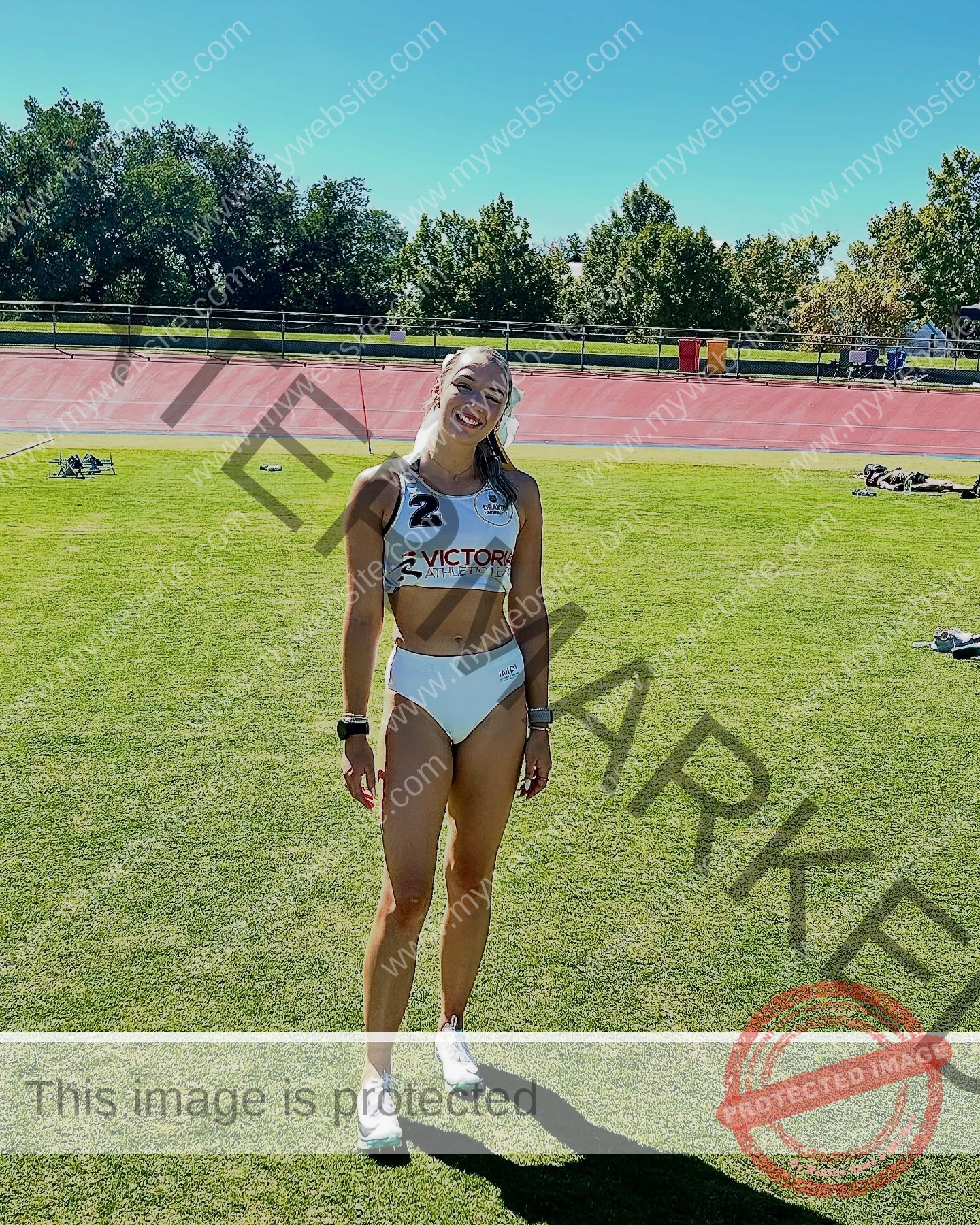
Lucy Carter: Emerging Australian Sprint Talent Building Momentum on the Domestic Circuit
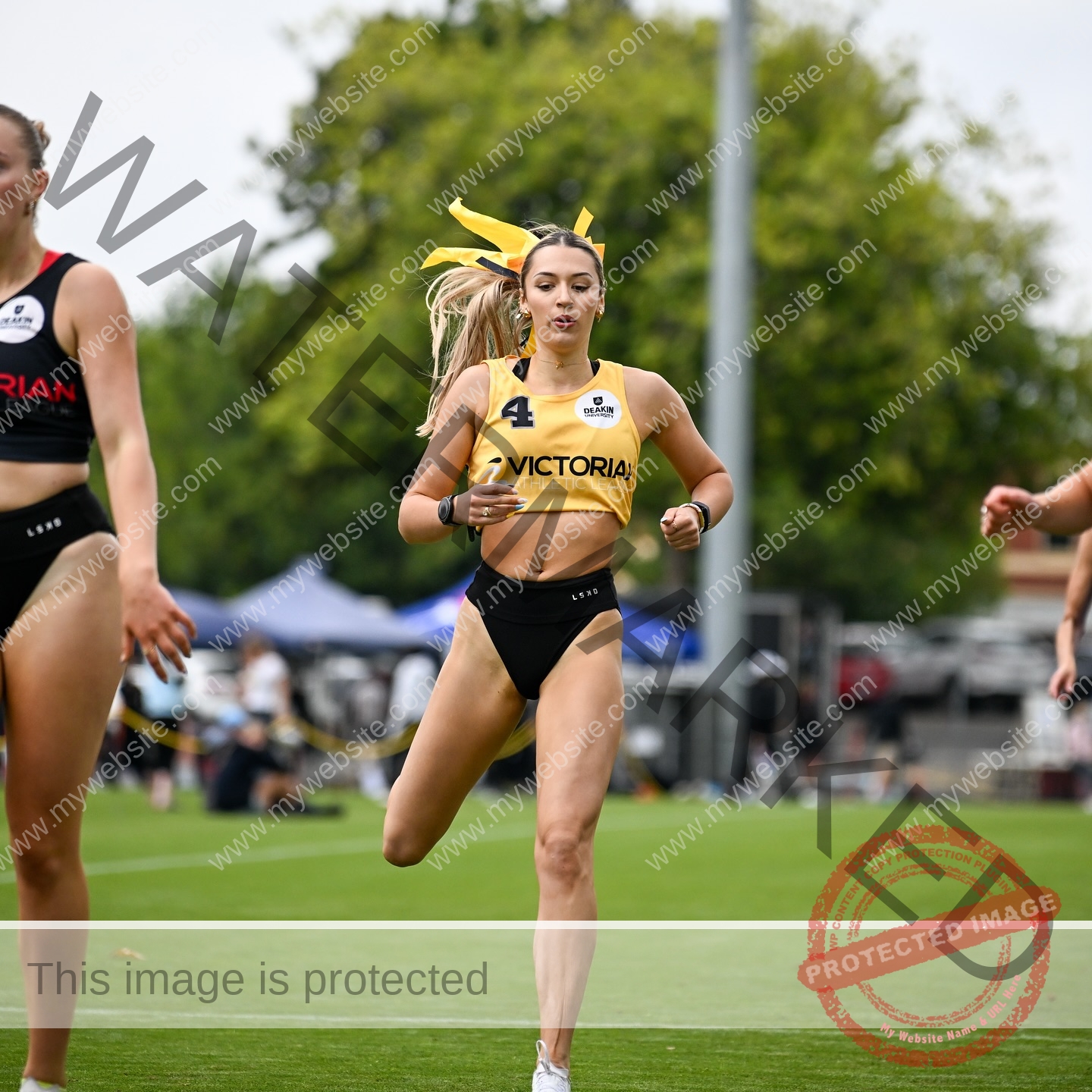
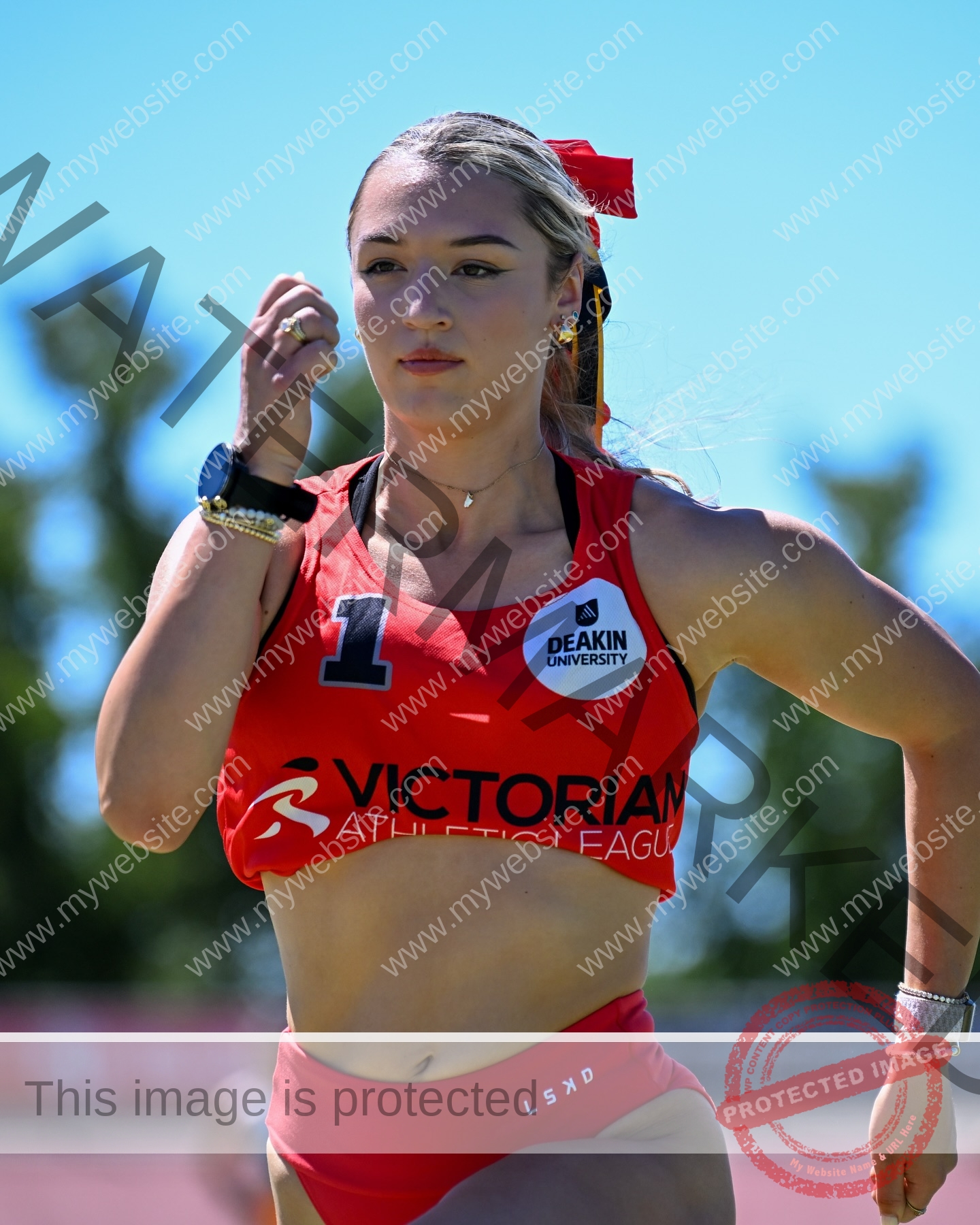
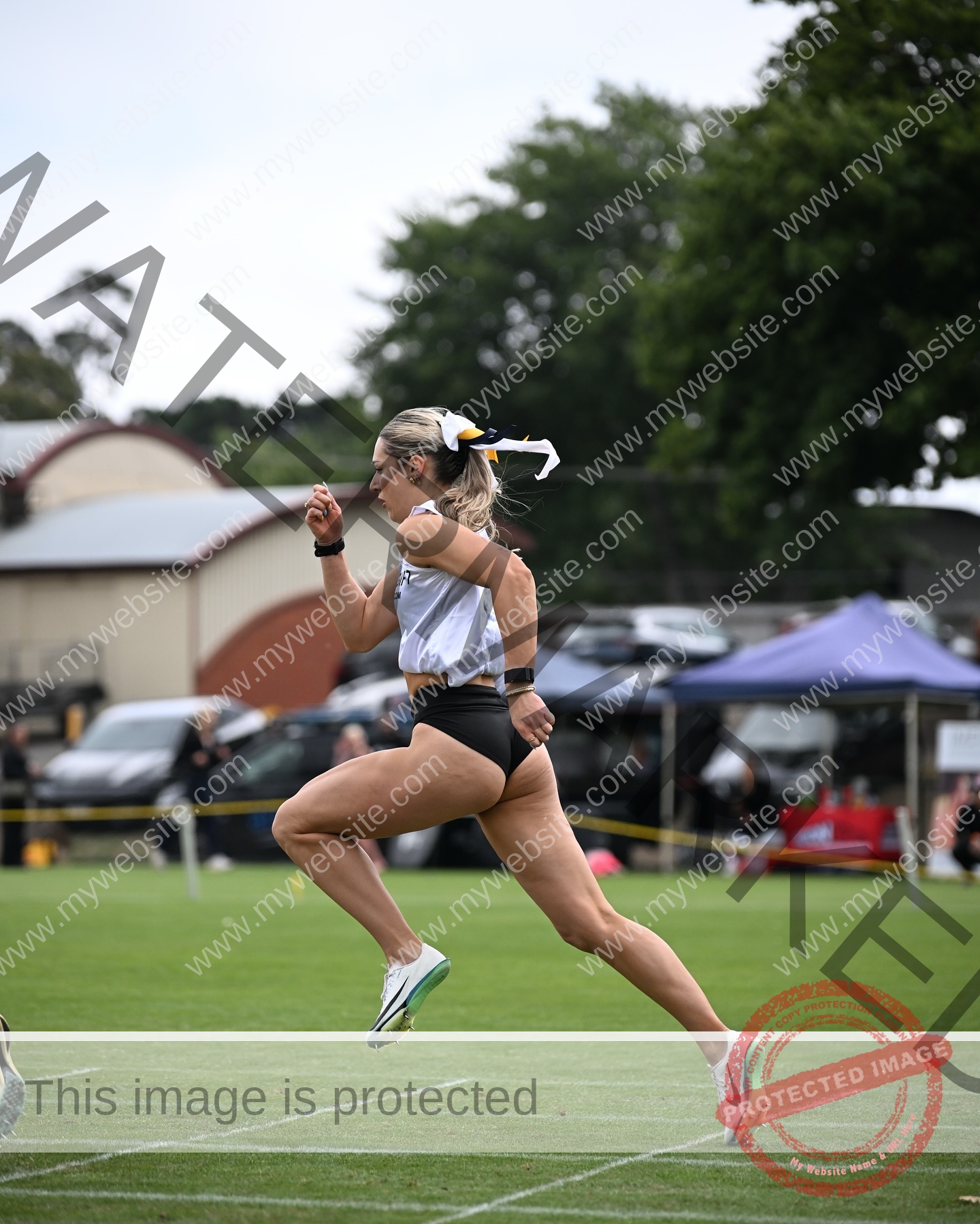
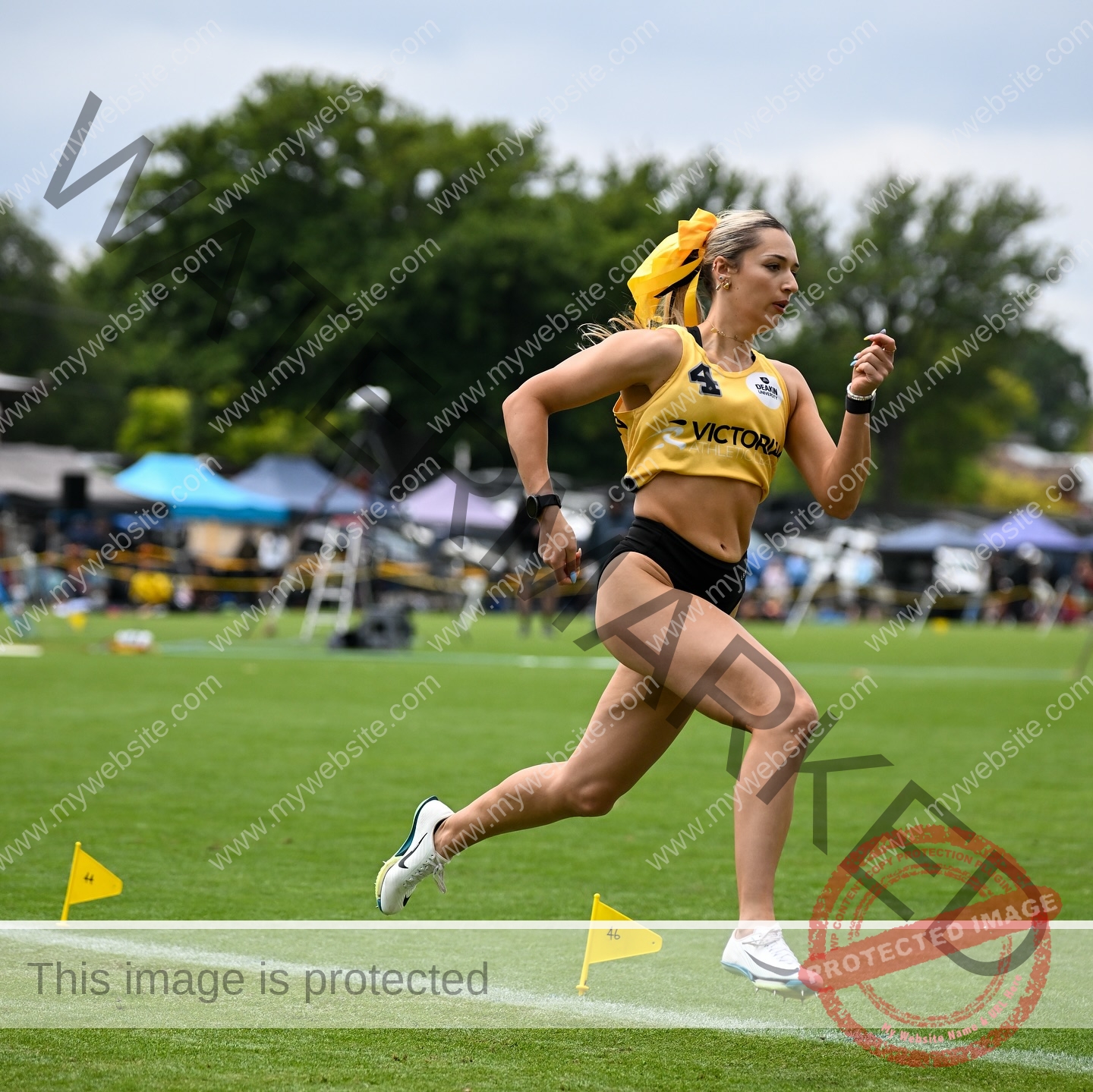
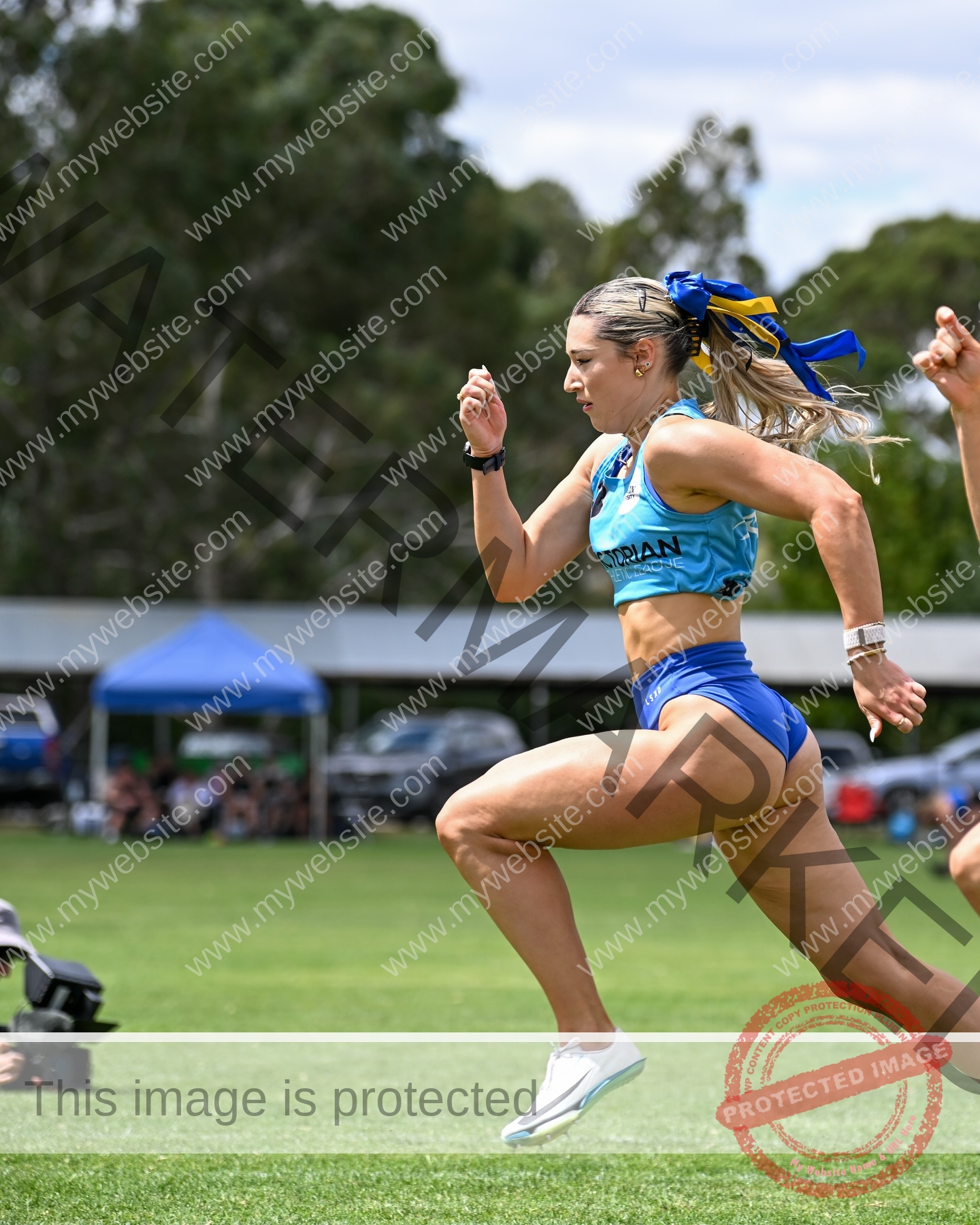
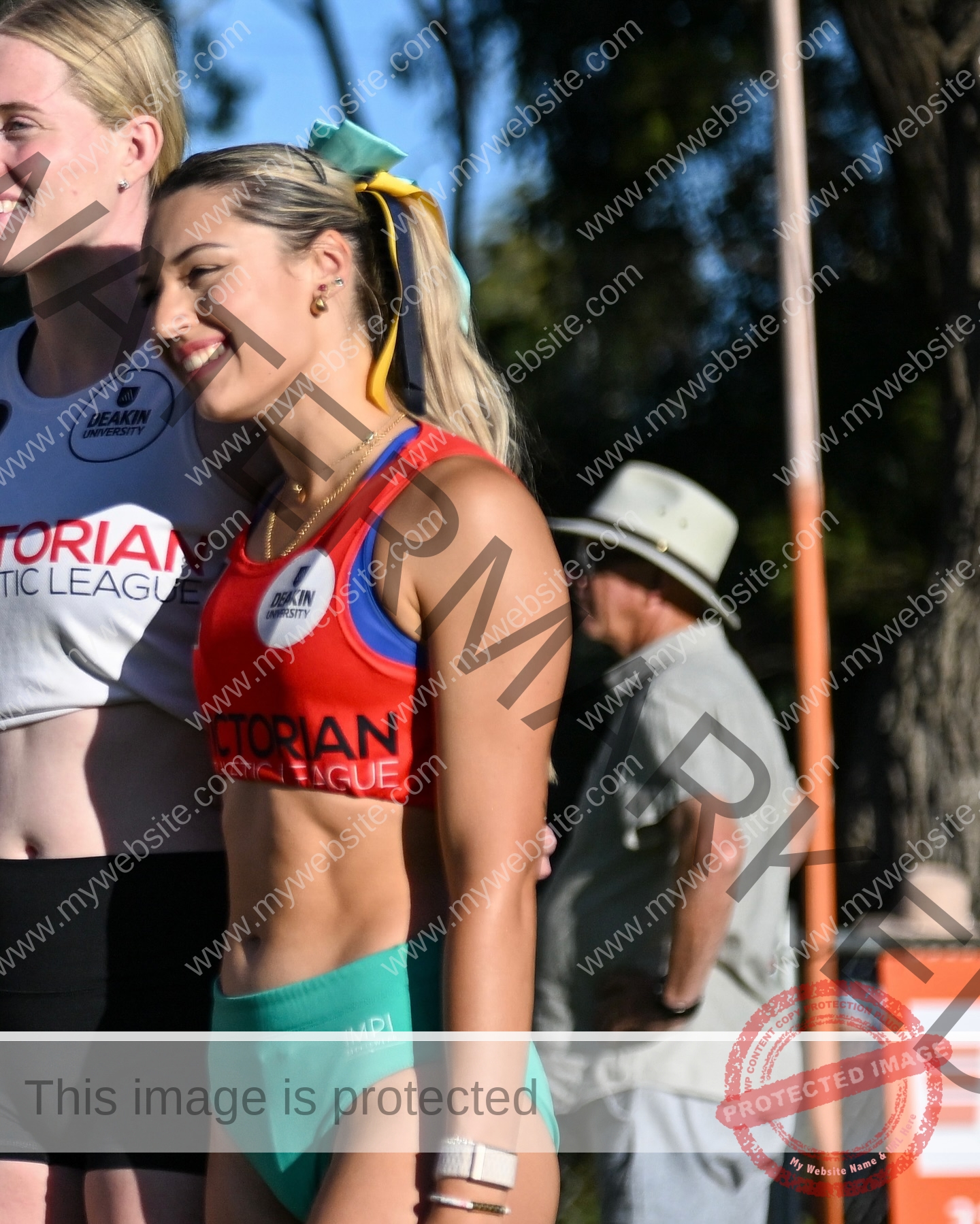
Australian sprinter Lucy Carter represents a growing generation of athletes helping sustain the country’s long-standing tradition of speed and track-and-field depth. While much of her career has unfolded outside the glare of international media attention, Carter has steadily built a competitive résumé through domestic meets, state-level competition, and appearances on Athletics Australia and World Athletics performance lists.
Born on March 14, 2002, Carter competes primarily in the sprint events, specializing in the 100 metres and 200 metres. As with many developing Australian athletes, much of her progression has come through the country’s strong club athletics structure, where consistent competition and gradual improvement often lay the foundation for future breakthroughs.
Publicly available biographical information about Carter remains relatively limited compared to Australia’s internationally established stars, but her competitive record reflects an athlete who has remained committed to the sport through the important developmental years that often determine long-term success in sprinting.
Early Athletic Development
Like many Australian sprinters, Carter appears to have developed through local athletics pathways that place heavy emphasis on school competition, club athletics, and regional carnivals. Australia’s athletics system has historically relied on those grassroots structures to identify and cultivate talent, particularly in sprint events where athletes often mature physically and technically over several years.
Carter’s emergence into recognized national databases came during her late teenage years and early twenties, a period when athletes begin transitioning from junior competition into open-age racing. That transition can be one of the most difficult stages in athletics, particularly in sprinting, where performance improvements are often measured in fractions of a second.
Her continued presence on official rankings and competition results suggests an athlete who has maintained consistent involvement in the sport while refining technique, race execution, and speed endurance.
Sprinting Career and Competitive Progression
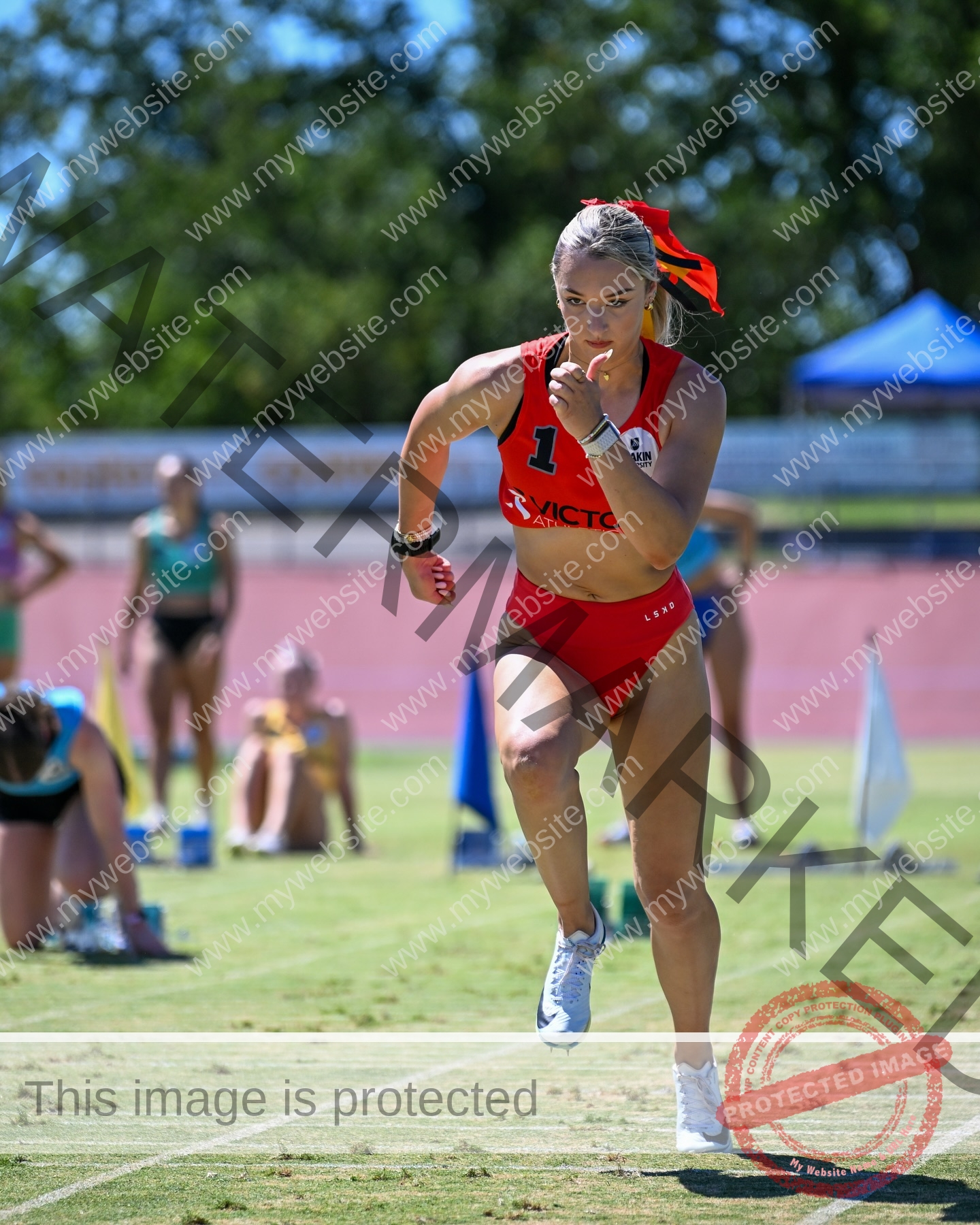
Carter’s official World Athletics profile lists her primary events as the 100 metres and 200 metres, the two cornerstone sprint disciplines in track and field.
Her recorded personal bests include:
- 100 metres: 12.58 seconds
- 200 metres: 25.85 seconds
Those performances place her within the competitive Australian domestic sprint landscape and reflect a developing athlete continuing to build experience at senior level competition.
Sprint progression in Australia can often be gradual, especially outside the fully professional tier of the sport. Athletes frequently balance training with study, work, travel demands, and the realities of competing across a geographically large country with a relatively small athletics calendar compared to Europe or the United States.
Carter’s performances across multiple seasons demonstrate persistence and durability within that environment. Maintaining active competition status over several years is itself notable in athletics, where injuries, financial strain, and burnout regularly shorten careers before athletes fully mature competitively.
Tasmanian Athletics Connection
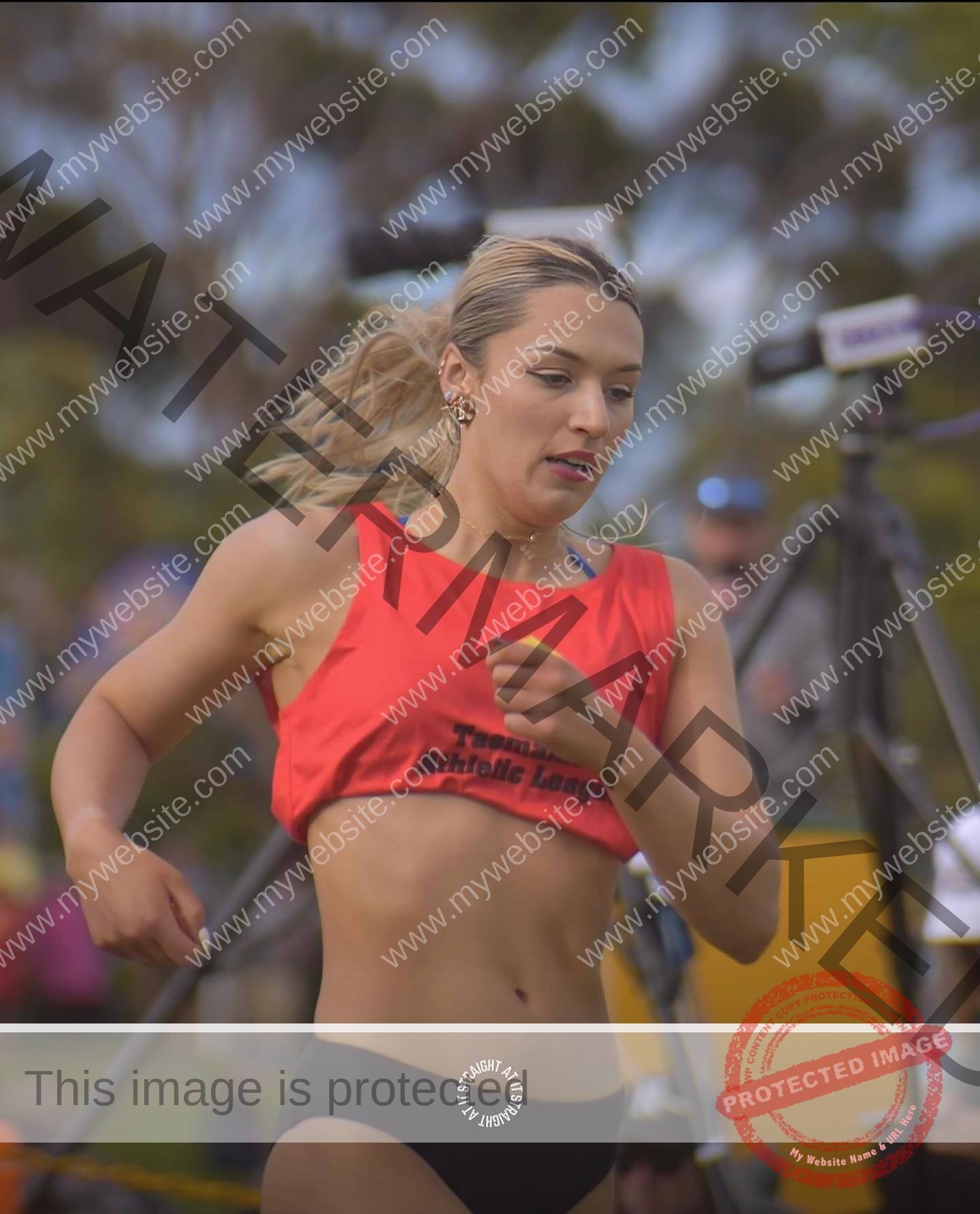
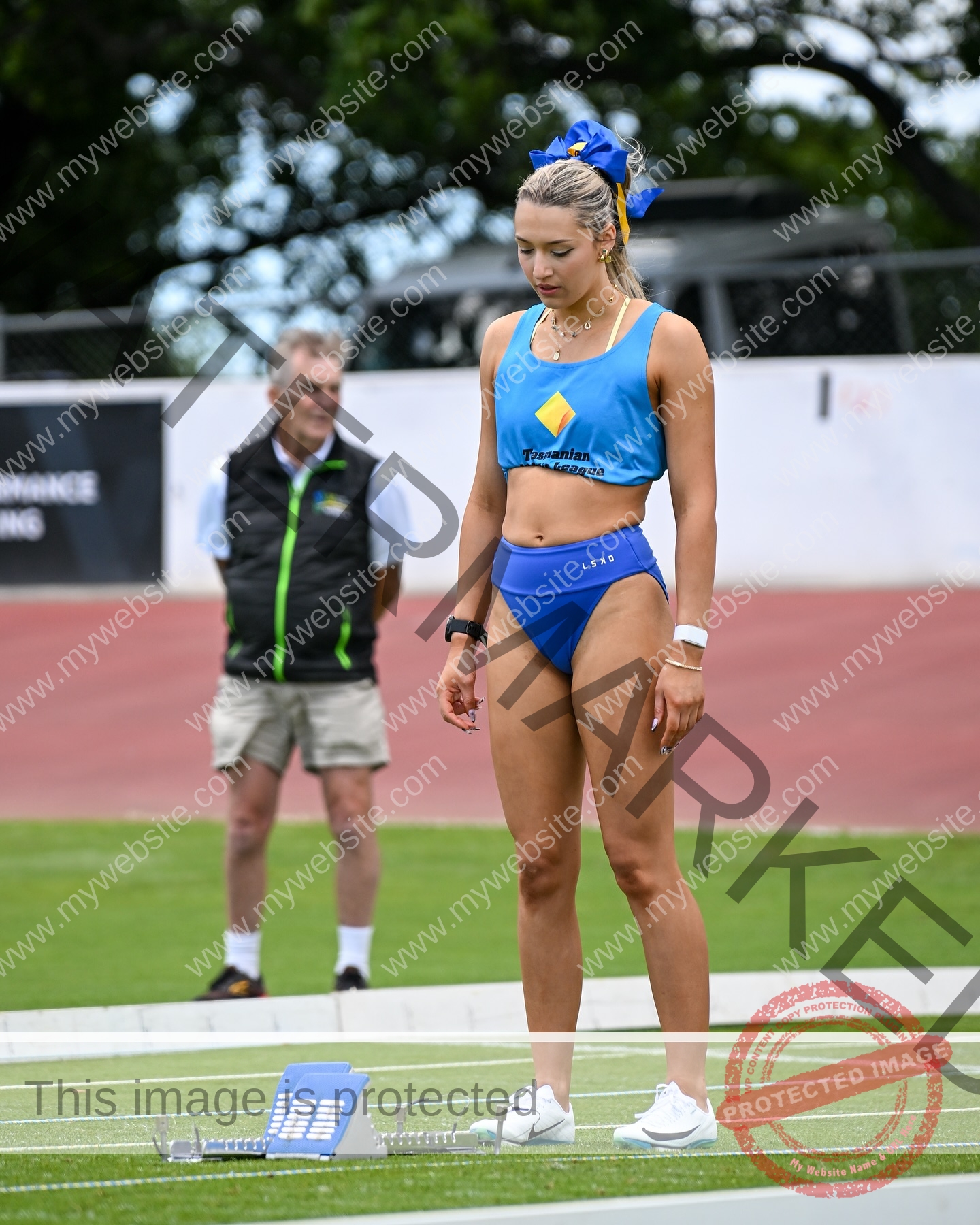
Carter has also been associated with Tasmania’s athletics scene, including competition connected to the historic professional running circuit that remains deeply embedded in Australian sporting culture.
One of the most notable moments publicly linked to Carter came at the prestigious Devonport Gift meeting in Tasmania. Reports surrounding the event described a dramatic comeback story after disappointment the previous year, with Carter producing a breakthrough performance in front of strong local support.
The Devonport Gift is one of Australia’s iconic professional footraces and holds special significance within Tasmanian athletics. Success at those events often requires not only raw speed, but tactical awareness, race composure, and the ability to perform under unusual handicapped racing conditions.
Her success there helped raise her profile within the local athletics community and demonstrated her competitiveness beyond traditional amateur track racing.
Australian Athletics Landscape
Competing as a sprinter in Australia comes with unique challenges. The country has produced elite global performers across multiple generations, from Olympic finalists to Commonwealth champions, but the pathway beneath that elite tier is intensely competitive.
For athletes like Carter, progression depends heavily on incremental improvement, access to coaching, and staying healthy enough to consistently race. Sprinting is one of the most unforgiving disciplines in athletics; even modest performance jumps can require years of technical refinement and physical development.
Australia’s domestic sprinting depth has improved significantly in recent years, particularly among women, making advancement through national rankings increasingly difficult. Carter’s ability to remain active and competitive within that environment speaks to both resilience and dedication.
Training and Athletic Profile
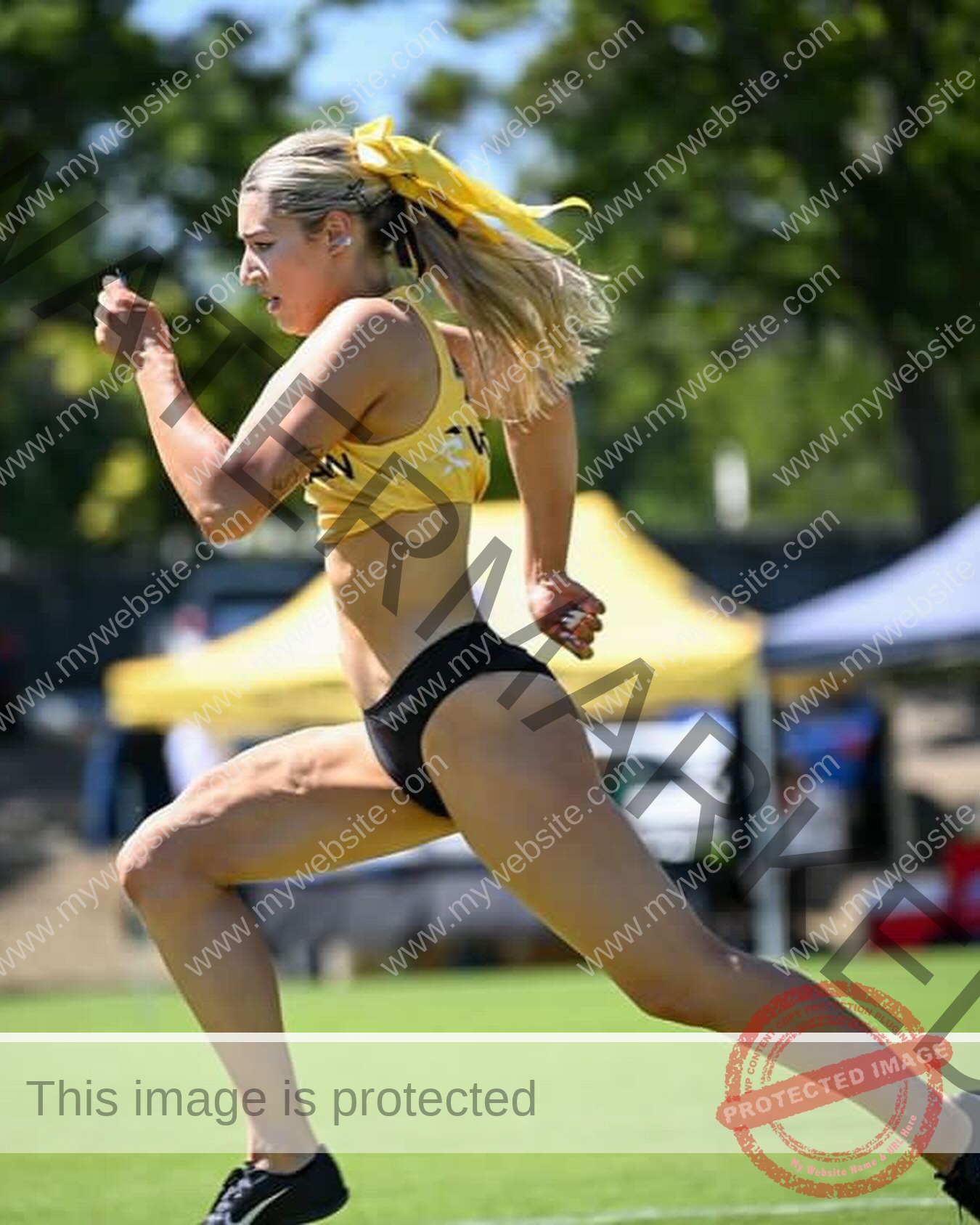
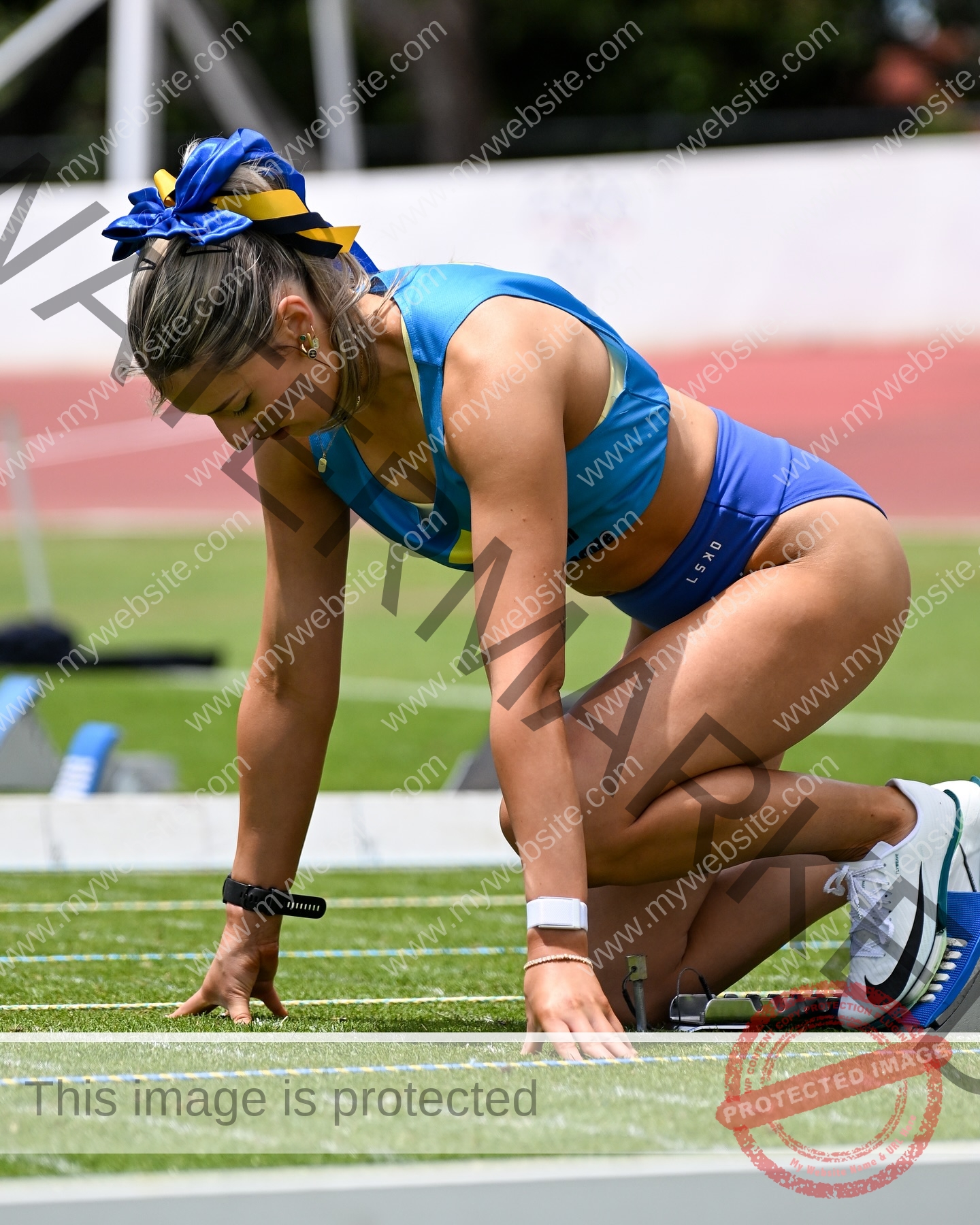
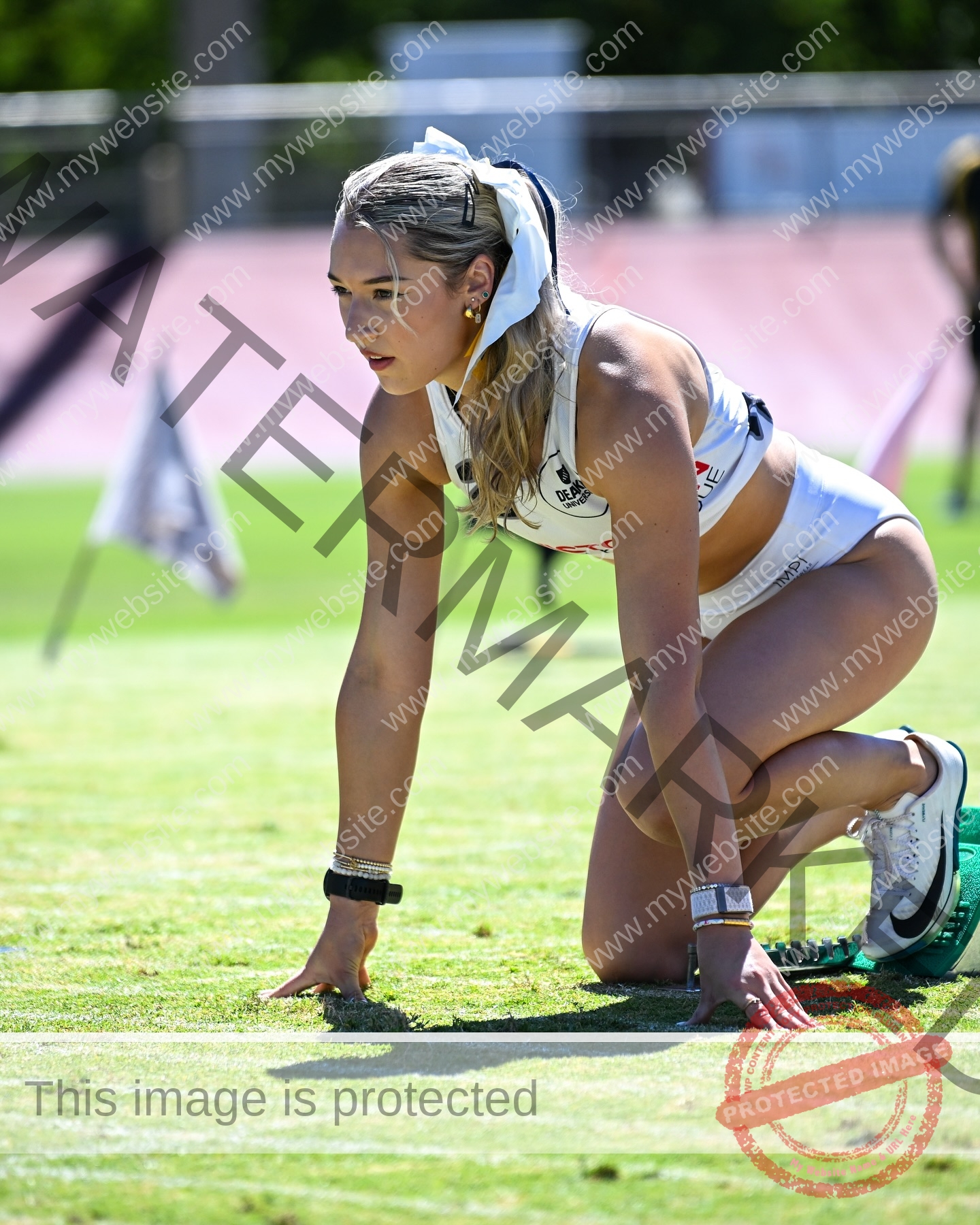
Though detailed public information about Carter’s coaching setup and training base has not been widely published, her event profile suggests a classic short-sprint emphasis built around acceleration, maximum velocity mechanics, and transitional speed between the 100m and 200m disciplines.
Athletes who compete in both events typically develop complementary strengths:
- explosive starting ability,
- turnover efficiency,
- curve-running technique in the 200m,
- and the ability to maintain sprint mechanics under fatigue.
As athletes move through their early twenties, those physical and technical systems often continue evolving rapidly, leaving room for significant future progression.
Presence Within Australian Athletics
Carter’s career reflects an important part of the athletics ecosystem that often receives less international attention: the committed domestic competitor who continues developing through club competition, state championships, and national-level opportunities.
Australia’s athletics culture has long depended on athletes in exactly that position. Many eventually break through into higher-profile competition later in their careers after years of steady development.
Even beyond elite outcomes, athletes like Carter contribute significantly to the health of the sport through competition depth, club representation, and participation in Australia’s enduring sprinting tradition.
Personal Life and Public Profile
Carter has maintained a relatively private public presence compared to some modern athletes whose careers are heavily driven by social media exposure. Public interviews, long-form feature stories, and extensive personal background information have remained limited as of 2026.
No major sponsorship agreements or commercial partnerships have been widely publicized to date.
Social Media
Lucy Carter maintains a limited but growing online presence connected to athletics and competition.
Instagram: @lucy.carter_
Looking Ahead
At just 24 years old, Carter remains within an age range where many sprinters continue making substantial improvements. Women’s sprinting careers frequently peak later than casual observers expect, particularly for athletes developing through domestic systems rather than immediate junior stardom.
Her continued appearances in Australian competition suggest an athlete still actively building her career and seeking further progression on the national stage.
Whether through traditional track racing, Tasmania’s rich professional running circuit, or broader Australian athletics competition, Lucy Carter has already established herself as part of the country’s next wave of sprint talent — an athlete whose persistence, competitive resilience, and ongoing development continue to shape her place within Australian track and field.
