


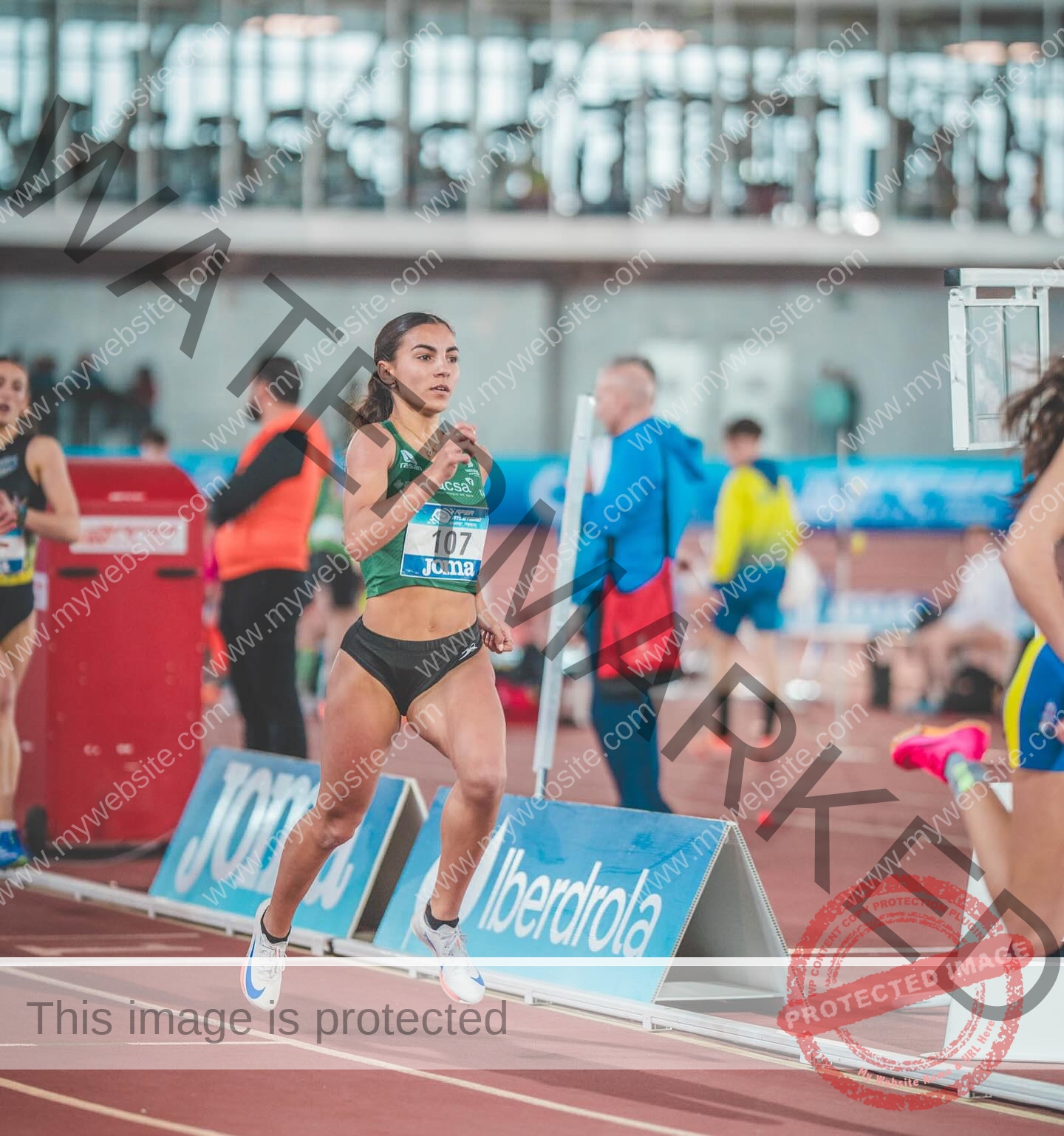
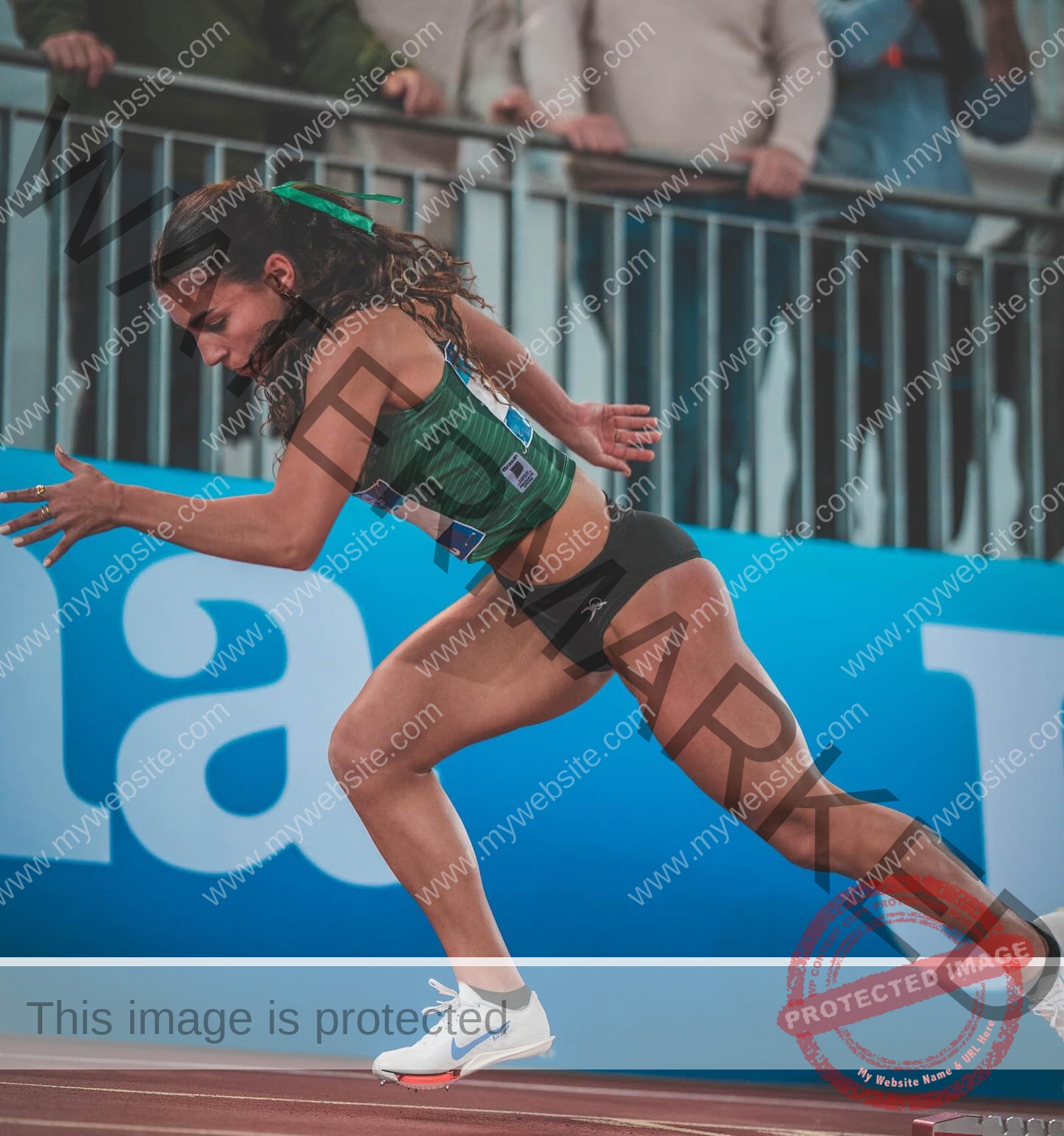
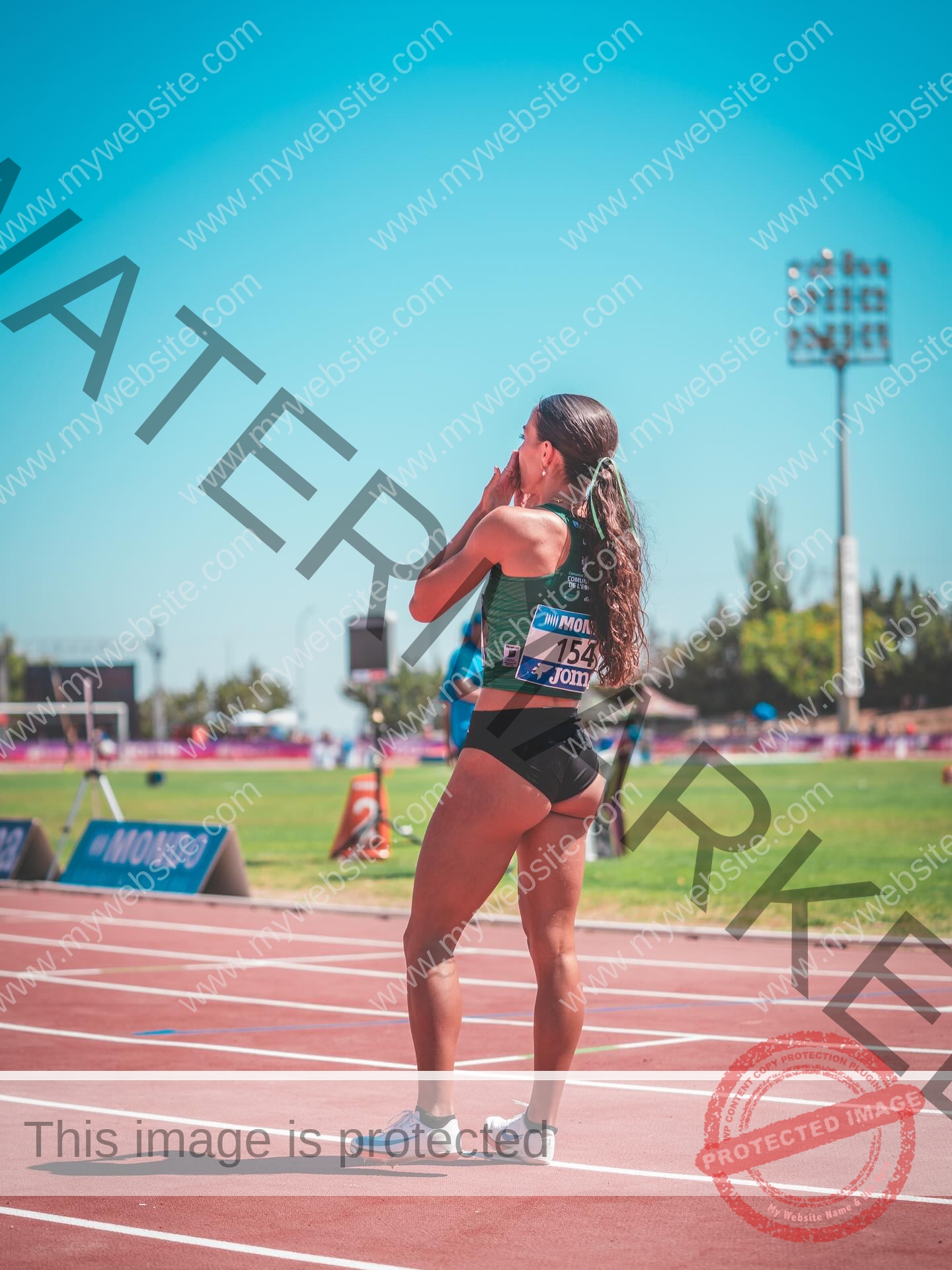
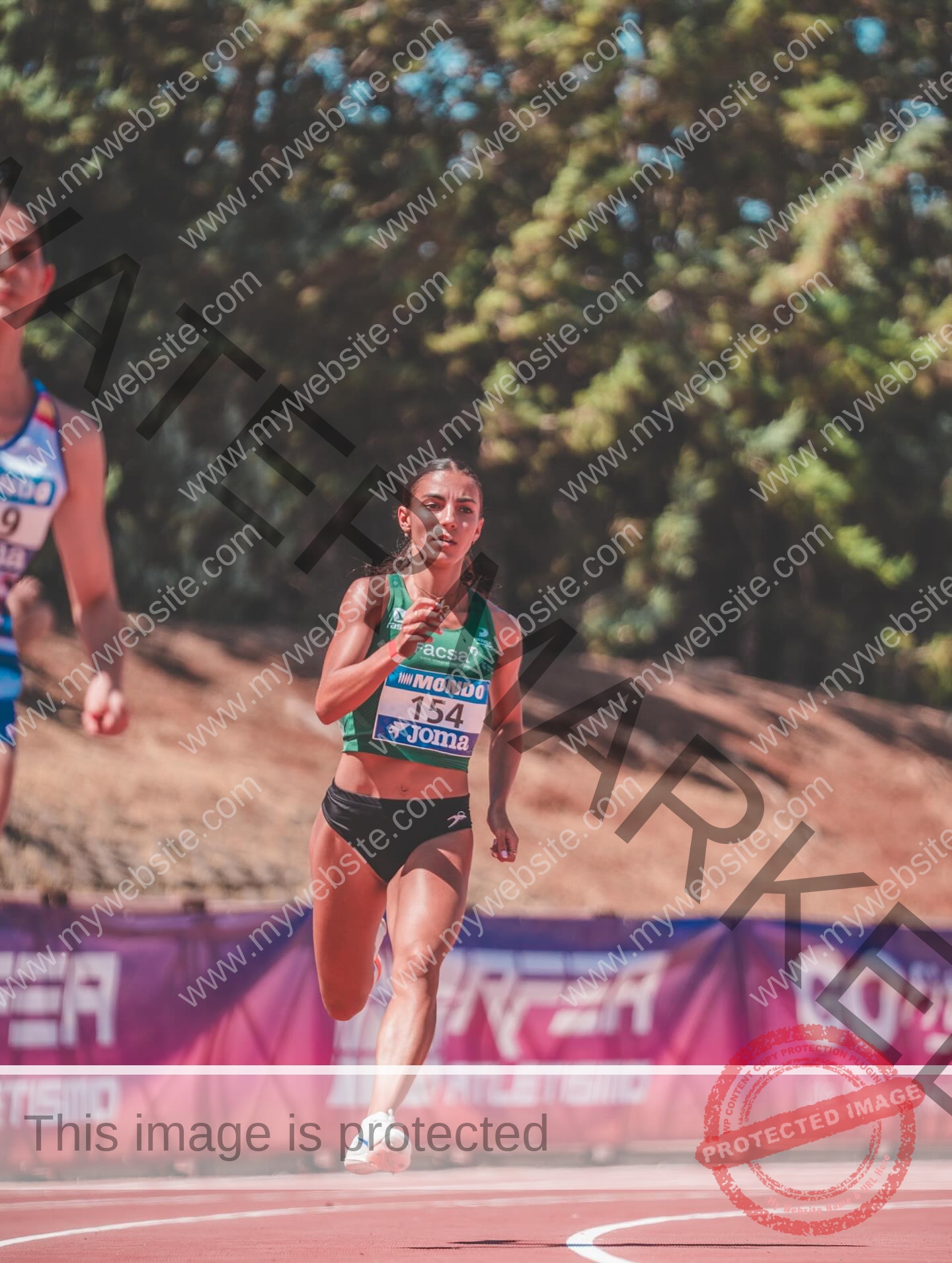
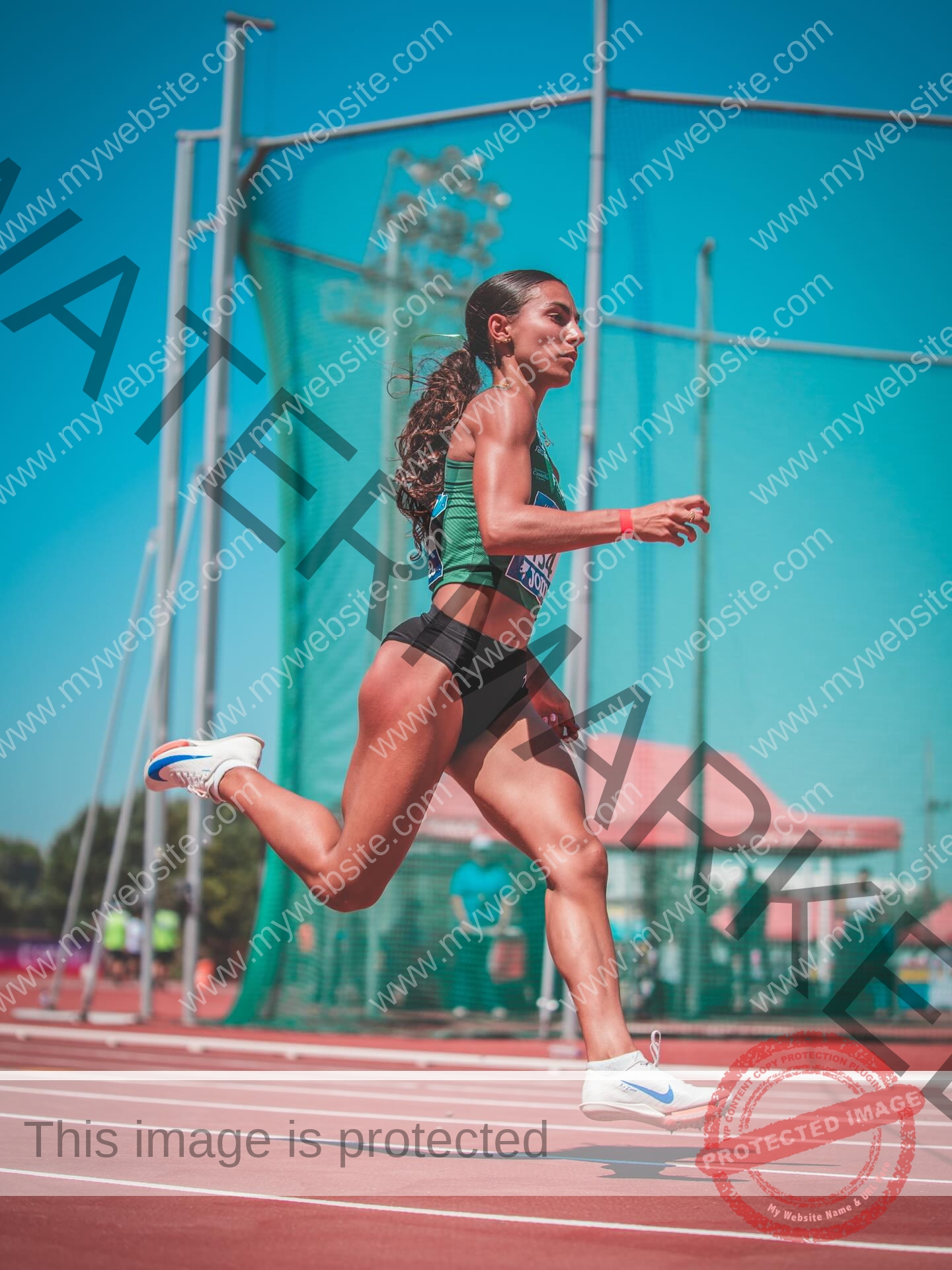
# Julia García: Facsa-Playas de Castellón’s 400-Metre Prospect Making Her Mark in Spanish Junior Athletics
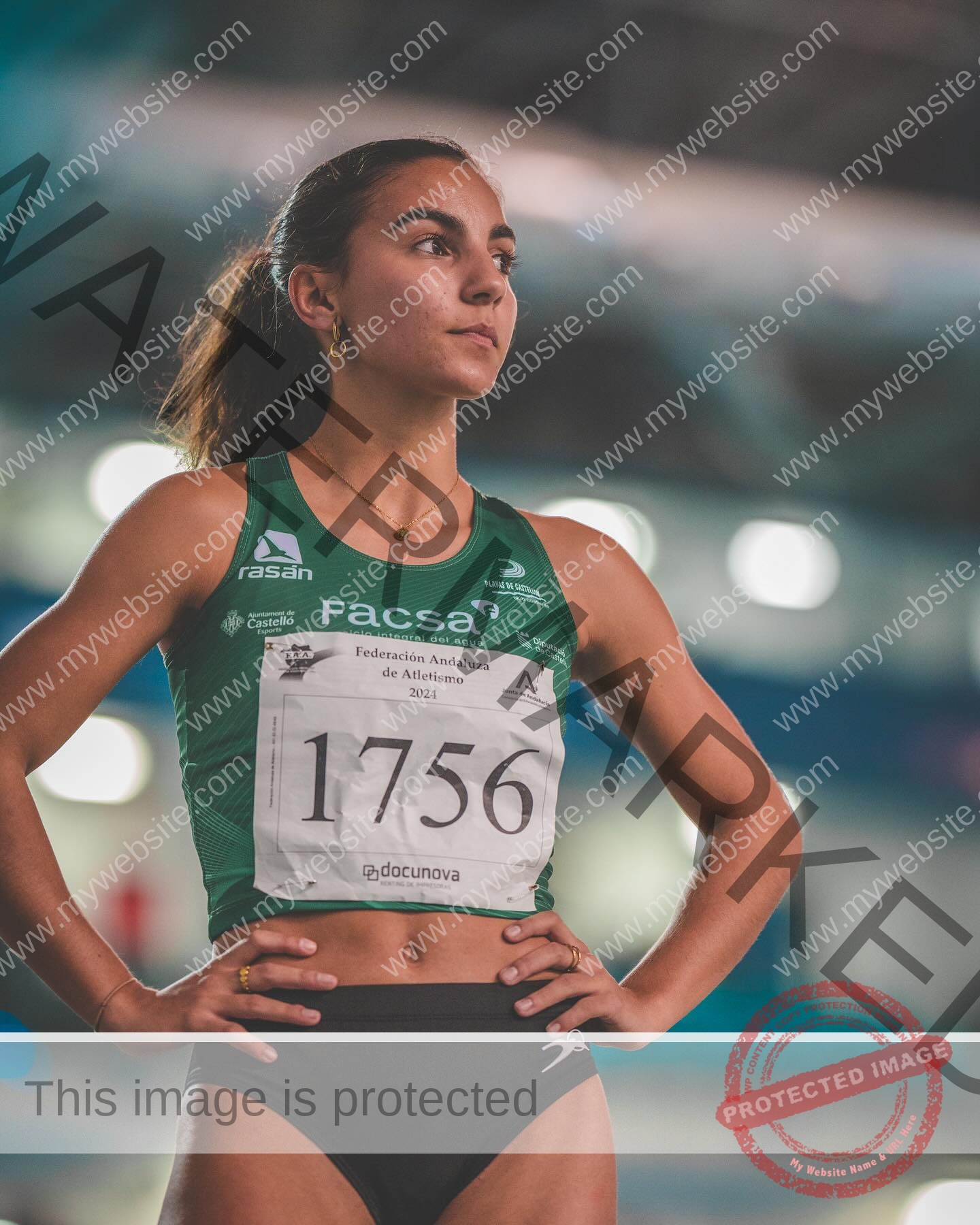
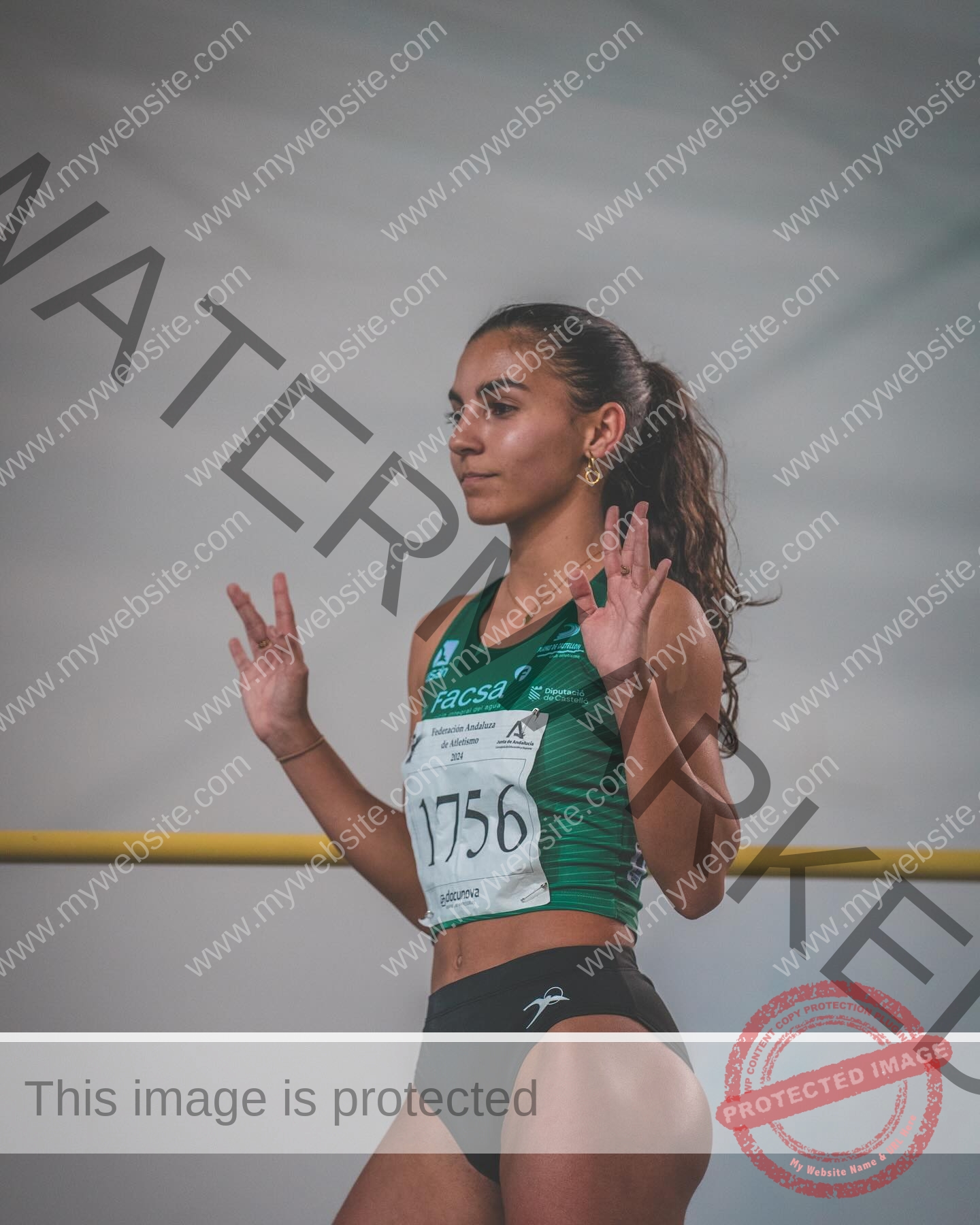
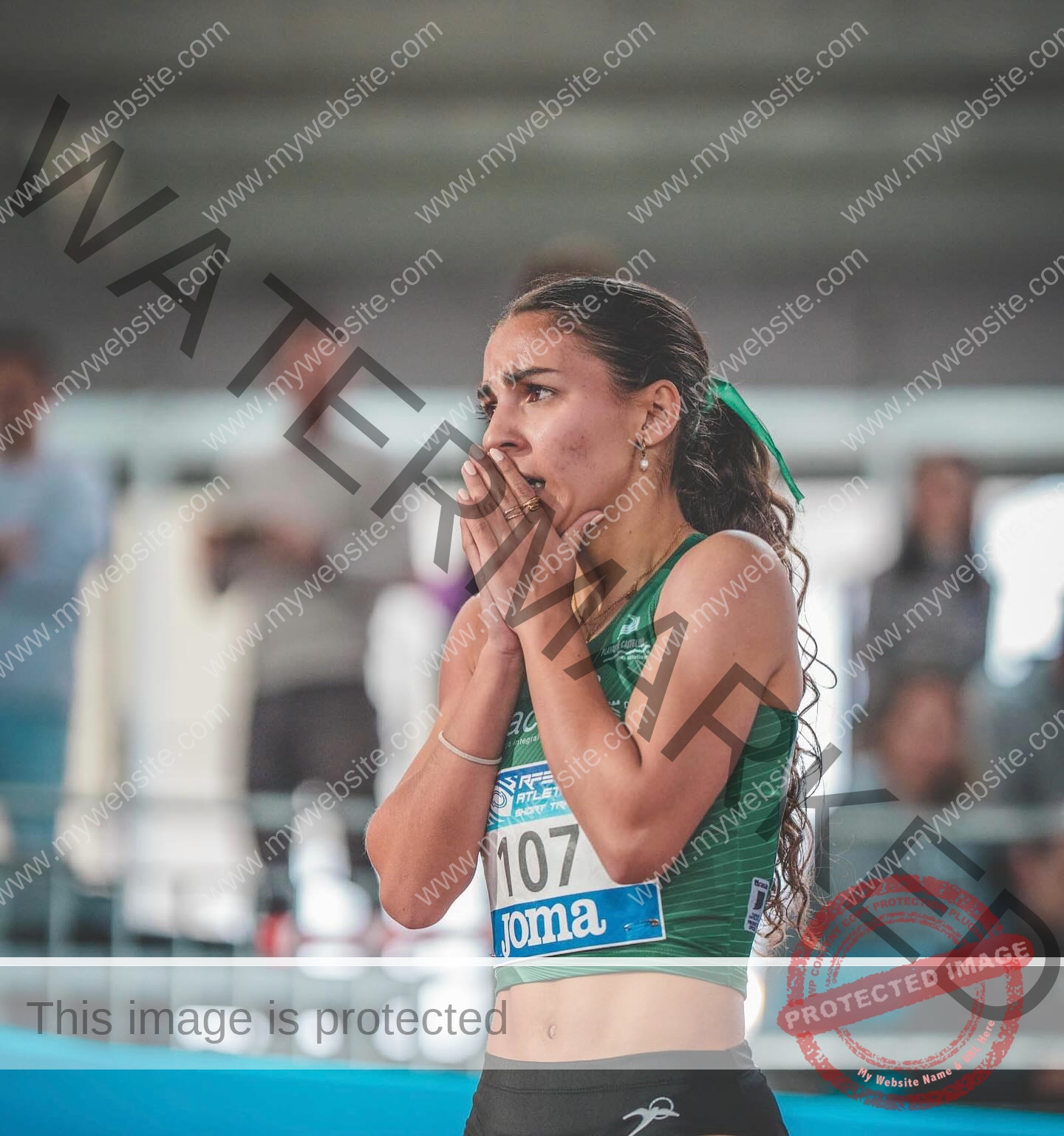
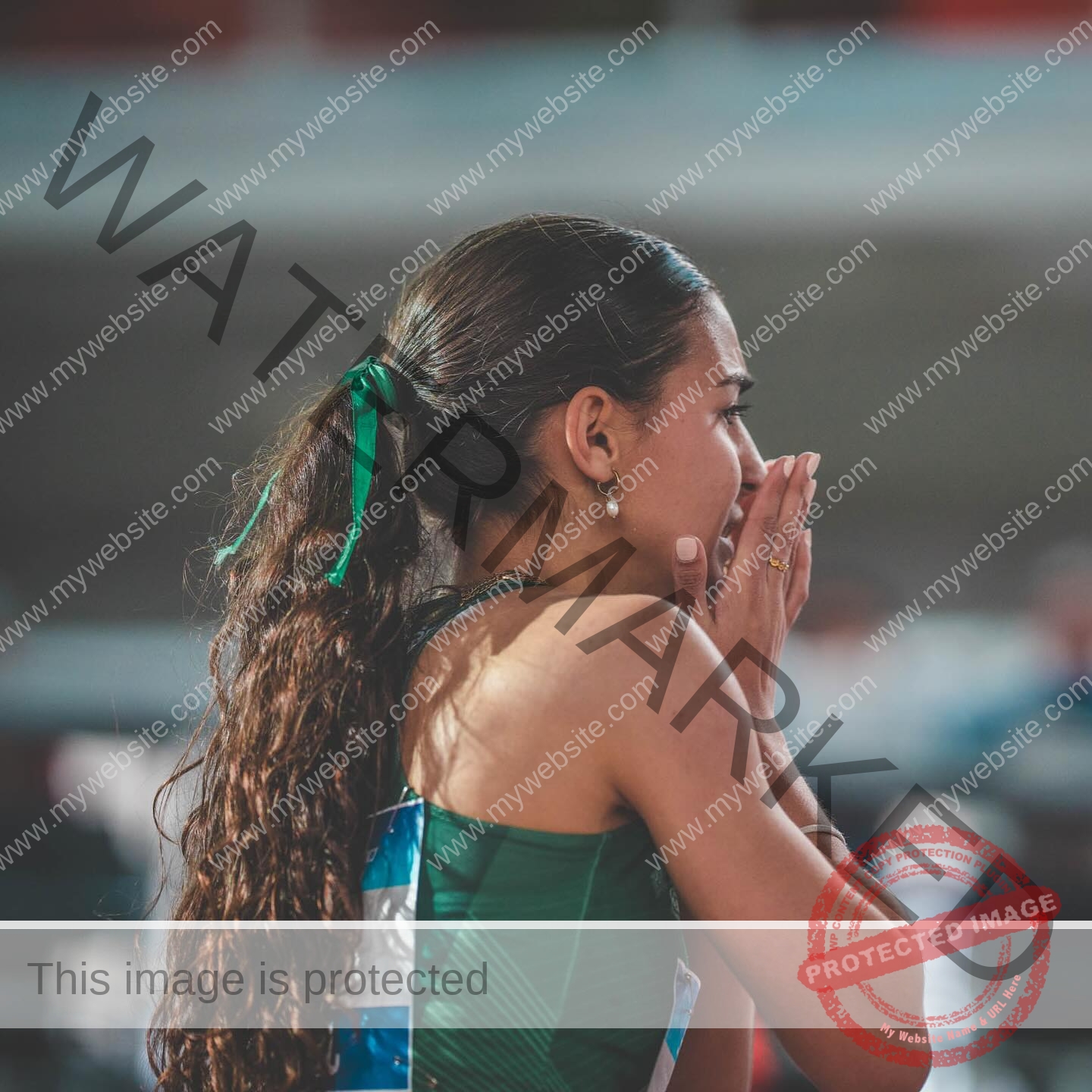
Spain has long produced a steady stream of quality quarter-milers, and the country’s deep developmental infrastructure — anchored by clubs like Facsa-Playas de Castellón, one of the most decorated athletics organisations in the country — continues to funnel gifted young sprinters toward the elite ranks. Julia García, born February 23, 2007, is one of the more compelling names currently navigating that pipeline. A 400-metre specialist with a performance curve that has been pointing consistently upward, she has turned heads in Spanish national junior competition and begun building the kind of résumé that earns a seat in the conversation about the country’s next generation of sprinters.
## Background and Early Life
Julia García was born in the Sevilla province of Andalusia, in the municipality of Coria del Río — a riverside town roughly fifteen kilometres south of Seville on the banks of the Guadalquivir. Coria del Río is not a large city, but it has produced more than its share of athletes thanks to a community athletics culture that is unusually vibrant for a town of its size. The Club Deportivo Juventud Atlética Coriana, which has been tracking and developing young runners from the area for well over a decade, is where García first began competing.
García’s early athletic potential was evident from a young age. As a pre-teenager competing in the category of alevín — Spain’s youngest competitive athletics tier — she was already distinguished by what observers described as exceptional raw speed combined with a competitive mentality and seemingly boundless motivation. The combination of natural velocity and an unwillingness to sit still on a race weekend made her one of the most active and recognizable young competitors in Sevillan and Andalusian athletics. By her first full alevín season she had already accumulated podium finishes in local cross country, popular road races, and provincial track circuits across events ranging from the 60 metres to the 1,000 metres — demonstrating versatility and fitness far beyond what her age might suggest.
She was described by those who coached and watched her during these formative years as a “temible competidora” — a fearsome competitor — a reputation built not just on talent but on an approach to training and racing that simply refused to rest on what she had already achieved. That mentality would travel with her as she matured and moved up through the Spanish athletics system.
## The Move to Facsa-Playas de Castellón
As García’s times improved and her ambitions grew, her trajectory brought her to one of Spain’s most prominent athletics institutions. The Facsa-Playas de Castellón — commonly known simply as Playas de Castellón — is a club with an extraordinary record in Spanish junior and club athletics. With 19 national club team titles on the men’s side and a dominant run of 14 female national club championships — including 11 consecutive titles from 2015 onward — Facsa-Playas de Castellón is the kind of environment where ambitious young athletes come to accelerate their development. The club trains at the Complejo Deportivo Gaetà Huguet in Castellón, and its roster typically includes some of the most promising sub-18 and sub-20 talent in the country.
García’s arrival at the club coincided with her move into more structured high-performance training as a teenager, and the progression in her results reflects what access to elite coaching infrastructure can produce. From the provincial Andalusian club circuit to a national powerhouse, the transition was a meaningful step in her development as a quarter-miler.
## Establishing Herself: The Sub-18 Years
García’s emergence as a genuine national-level prospect in the 400 metres became clear during the 2023–2024 cycle, when she was competing in the under-18 category. By the beginning of 2024, in the indoor short track season, she was already logging times of 56.52 for the 400 metres — a mark that placed her second in the Spanish sub-18 national rankings at that stage of the year.
As the outdoor season built toward the summer national championships, García continued to improve. By mid-2024, she had lowered her mark to 56.35 — good enough to rank first among all Spanish sub-18 athletes in the 400 metres heading into the Campeonato de España Sub-18 outdoor championships. In the preview coverage from Facsa-Playas de Castellón ahead of that championship, she was listed among the club’s medal candidates and identified as the national leader in her event entering the competition.
She delivered at the national championships, earning a silver medal with a time of 57.24 — a result that confirmed her standing as one of the premier under-18 quarter-milers in Spanish athletics. As part of a Facsa-Playas club team that was formidably deep in women’s events, her silver was one of several contributions that underscored the club’s collective strength.
## European DNA Sub-20 Championships
In September 2024, García competed as part of the Facsa-Playas de Castellón team at the European DNA Sub-20 Club Championships — an international club athletics competition for under-20 athletes from across Europe. Competing in the mixed 4×400 metre relay alongside her Playas teammates Sergio Callado, Adrián Gómez, and Berta Clavera, the quartet produced a time of 3:35.57 — a performance that was reported as the best ever Spanish club mark in the event. The relay team earned the silver medal, with García’s contribution a meaningful part of a record-setting run.
The Federación Andaluza de Atletismo — the regional body that covers Andalusia — specifically highlighted the achievement in a dedicated news article, noting that García had helped the squad to a subcampeonship (runner-up finish) at the European level. For a teenager still in the sub-18 age category, competing on a relay team that sets a national club record at an international junior club championship is a significant benchmark.
## 2025: Breaking Through the 56-Second Barrier
The 2025 season marked a genuine step forward in García’s individual development. After the consistent improvements through the sub-18 campaign, she moved into the under-20 category and promptly posted the kind of times that begin to attract broader attention.
In the indoor season, competing at the Pista Cubierta Carlos Gil Pérez in Salamanca on March 8, 2025, García ran 55.64 for the 400 metres short track — a new personal best that moved her into the 55-second bracket for the first time in her career. That mark, scored at 1,024 points on the World Athletics scoring tables, is a meaningful performance level for a sub-20 athlete.
She then backed it up outdoors. On June 28, 2025, at the Estadio Enrique López Cuenca in Nerja, García lowered her outdoor 400-metre personal best to 55.43 — a further improvement that stood as her all-conditions best and one that placed her solidly in the competitive tier for Spanish junior quarter-miling. At the end of 2025, competing in the sub-20 pista cubierta clubs national championship in Ourense in December, she contributed a bronze medal performance in the individual 400 metres to Facsa-Playas de Castellón’s women’s team gold-winning campaign. The club edged out Diputación Valencia Club de Atletismo by a single point, with García’s third-place finish one of several crucial contributions to the team total.
## 2026: Continued Development
The 2026 indoor season showed García continuing to grow. On January 24, 2026, at the Centro de Tecnificación de Atletismo in Antequera, she ran 25.13 for the 200 metres — both an outdoor-equivalent personal best and her best mark over the shorter distance, reflecting improvements in her base speed alongside her quarter-mile endurance. In February 2026, she anchored or contributed to a Playas de Castellón 4×400 relay team that clocked 3:44.80 at the Velódromo Luis Puig in Valencia — another team-level result that speaks to her growing role in the club’s relay squads.
Her World Athletics global ranking of #887 in the women’s 400 metres — positioning her inside the top 900 worldwide across all age groups while still a teenager — offers a useful frame of reference for where she sits on the broader international spectrum. At 19 years old, with her best competitive years firmly ahead of her, that placement is a reasonable foundation to build from.
## The 400 Metres: A Demanding Event
The 400 metres is one of the most physiologically demanding events in all of athletics — a full lap of the track run at a pace that requires both the explosive capacity of a sprinter and the metabolic endurance of a middle-distance runner. Elite women’s 400-metre competition at the world level takes place in the 48–51 second range, with strong national-level senior competition typically spanning from the low 52s into the mid-54s in Europe. The Spanish national record, held by Aauri Bokesa, stands in the low 51-second bracket. For a developing sub-20 athlete to be running 55.43 outdoors and 55.64 indoors places García meaningfully on the developmental curve for the event — competitive in European junior terms, with a clear road ahead toward the senior ranks.
The Spanish women’s 400 metres has historically been one of the country’s stronger events at the international level, with athletes like Bokesa, Laura Bueno, and others maintaining Spain’s presence in European and global finals. García is part of the generation being developed to carry that tradition forward.
## Club Identity and the Facsa-Playas de Castellón Environment
Competing within the Facsa-Playas de Castellón system is itself a significant part of García’s story. The club is one of the largest and most well-resourced in Spain, regularly fielding the most participants at national championships and consistently competing for club team titles across age categories. The women’s sub-20 team that took gold in Ourense in December 2025 was led by Spanish champions and European-level athletes including Naida Calonge (triple jump), Gara Gumbau (shot put), and Mara Rolli (1,500 metres) — the kind of environment where a developing 400-metre sprinter can train alongside athletes pushing toward the highest levels of Spanish and European competition.
For García, who made the journey from Coria del Río in Seville to this elite club context, the transition represents exactly the kind of progression that Spanish athletics is built to enable: a talent identified in the Andalusian provincial system, developed through regional competition, and elevated to a national powerhouse for the next stage of her growth.
## Social Media and Public Profile
Julia García maintains a presence on social media consistent with her age and career stage. Her World Athletics athlete profile (athlete code 14971543) documents her sanctioned competition results. The Facsa-Playas de Castellón club maintains active social media channels on Instagram and other platforms (@atletismecastello) where García and her teammates are regularly featured ahead of and following major competitions.
## Sponsorships
Facsa-Playas de Castellón athletes, including García, compete under the club’s colours and benefit from the club’s institutional sponsorship arrangements. The club’s title sponsor Facsa (Fuerzas y Aprovechamientos del Cantábrico, S.A.) provides the naming rights for the athletics section, which is one of the most prominent branded athlete environments in Spanish track and field. Individual commercial sponsorships for athletes at García’s career stage are not yet publicly documented, which is consistent with the usual pattern in Spanish junior athletics where personal commercial arrangements typically develop alongside senior international results and national championship titles.
## A Young Career in Progress
Julia García represents the kind of athlete whose biography at this stage is, in an important sense, an introduction rather than a complete portrait. Born in 2007, competing with one of Spain’s elite clubs, posting personal bests of 55.43 for the outdoor 400 metres at 18 years old, contributing to relay teams that set national club records — these are the early chapters of a career whose middle and later sections will be determined by the seasons that lie ahead.
The Spanish athletics system produces a steady number of athletes who run fast as teenagers and are never heard from again, and it produces others who turn a foundation of early results into careers of genuine consequence at the European and world level. Which category any individual athlete ultimately falls into is never knowable in advance, but the trajectory of García’s development — the consistency of her progress, her competition environment, the improvement in her marks across the 200 and 400 metres — points toward an athlete who has more ahead of her than behind.
Coria del Río remains a small town on the Guadalquivir, and Facsa-Playas de Castellón remains one of Spain’s great athletics clubs. Julia García arrived in that story by way of Sevilla and the Andalusian provincial circuit, and what she does with the runway that club affords her will be worth following as the 2026 season and the seasons beyond it unfold.
—
*Julia García was born February 23, 2007, in Coria del Río, Sevilla, Spain. She competes for Facsa-Playas de Castellón in the 400 metres. Her World Athletics profile (athlete code 14971543) can be found at worldathletics.org.*
