
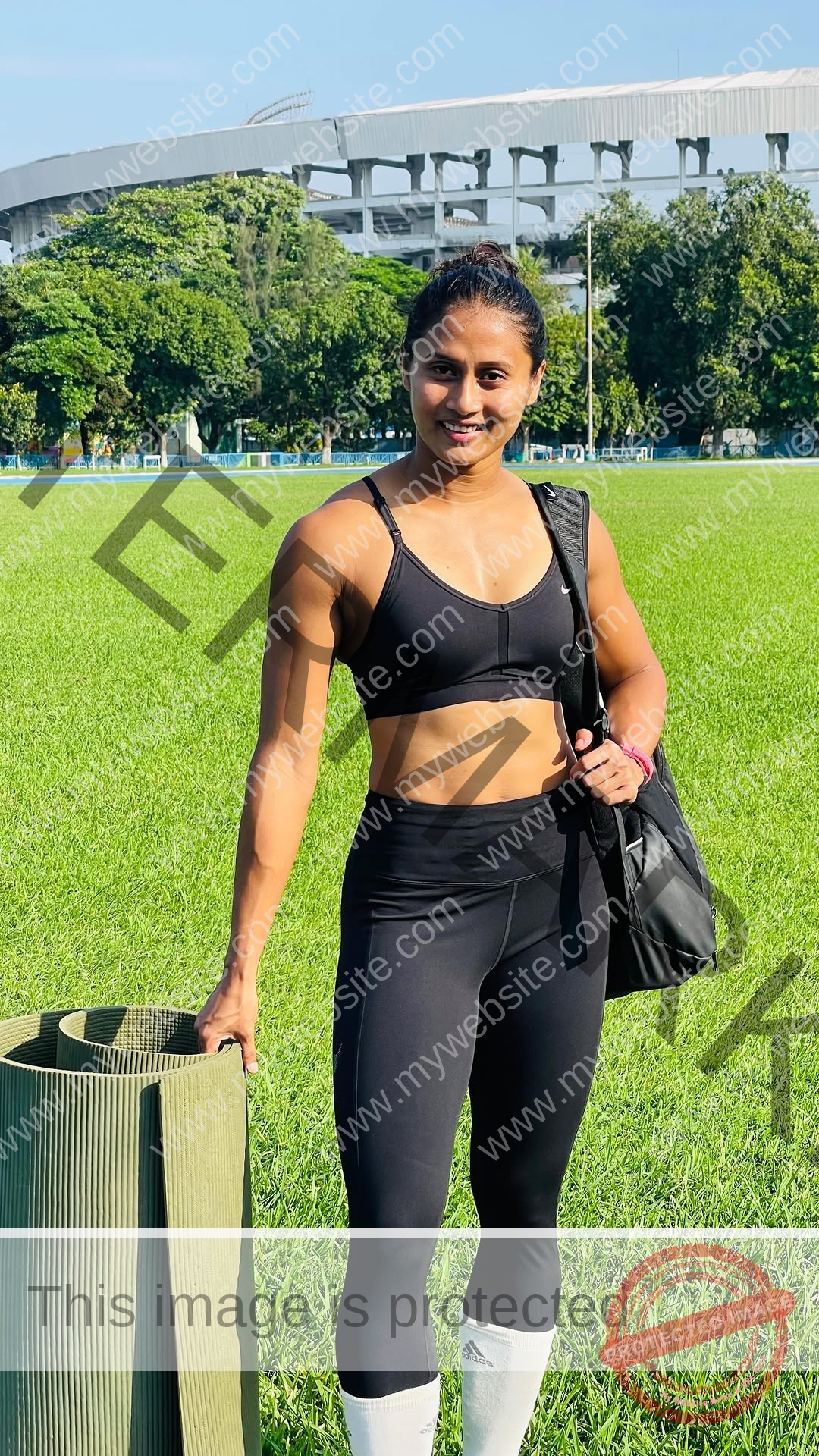
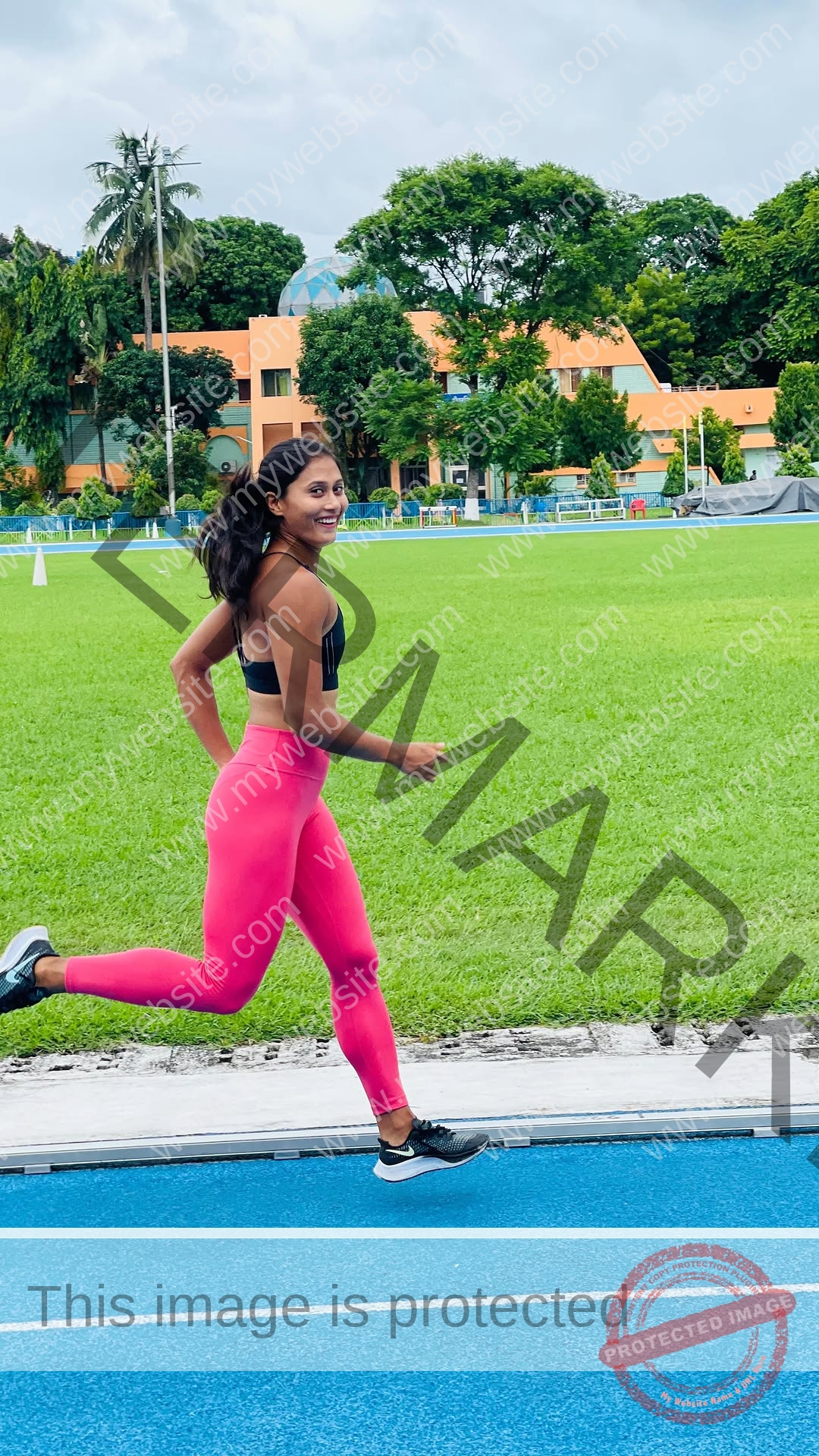
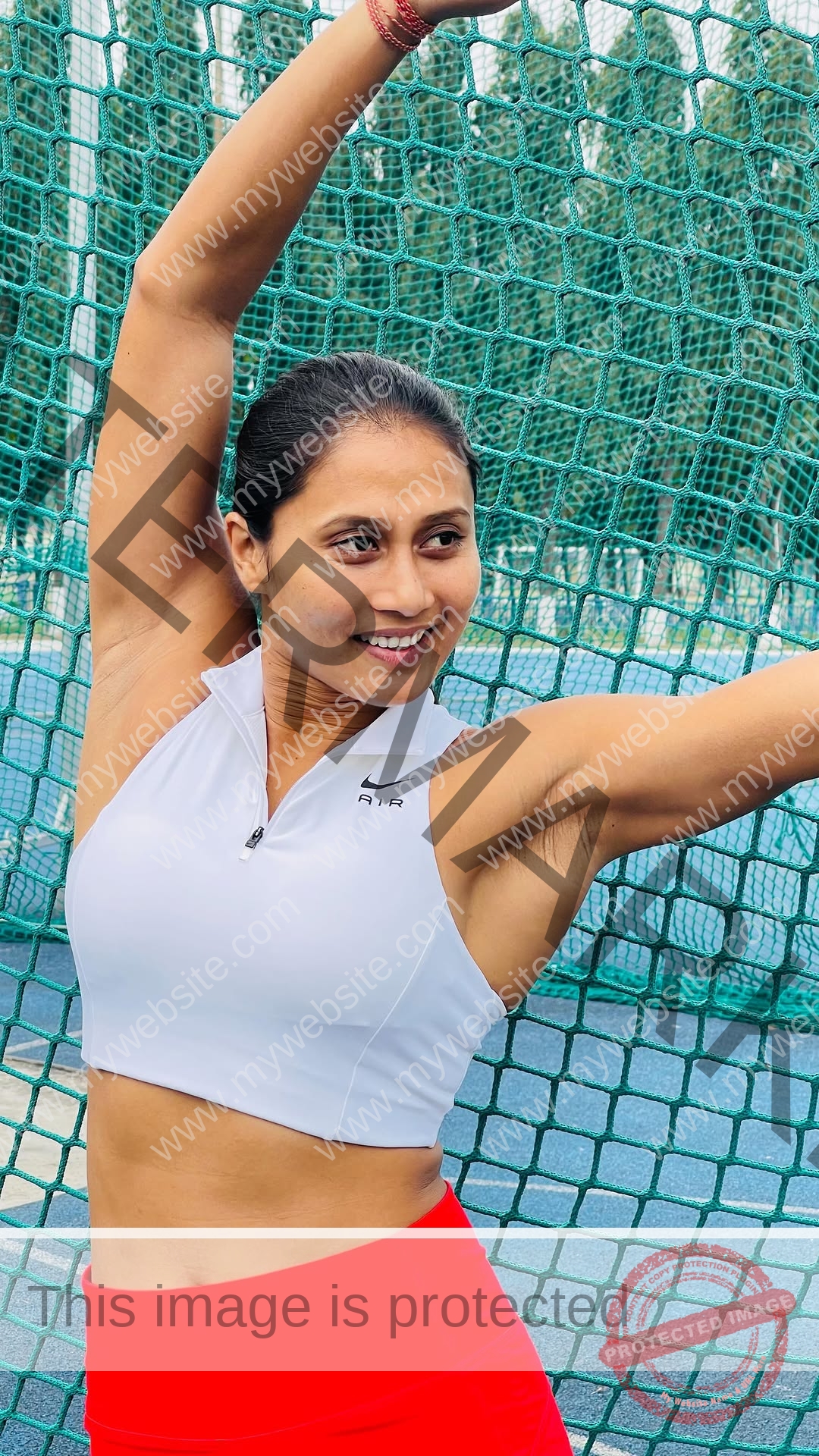
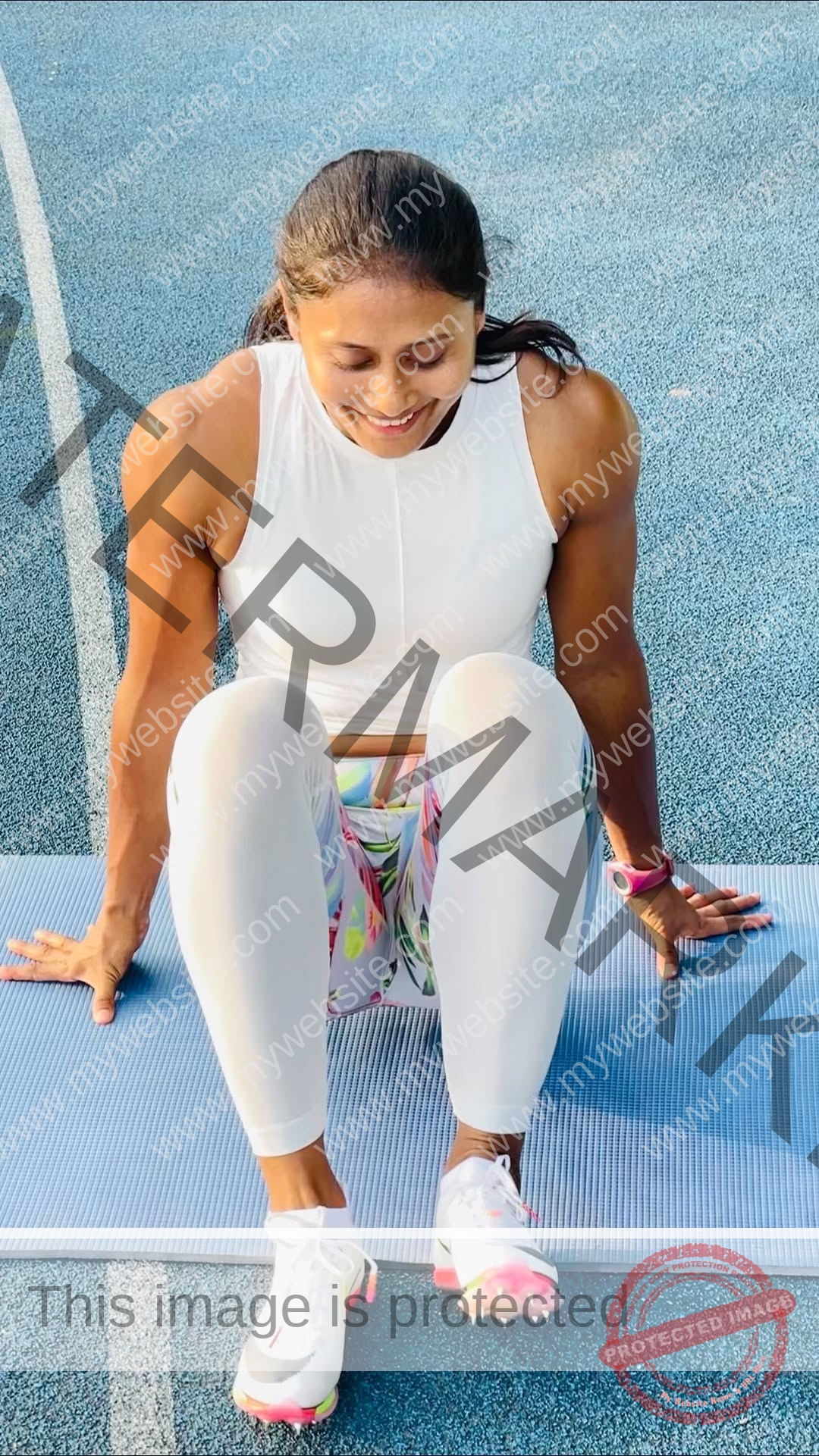
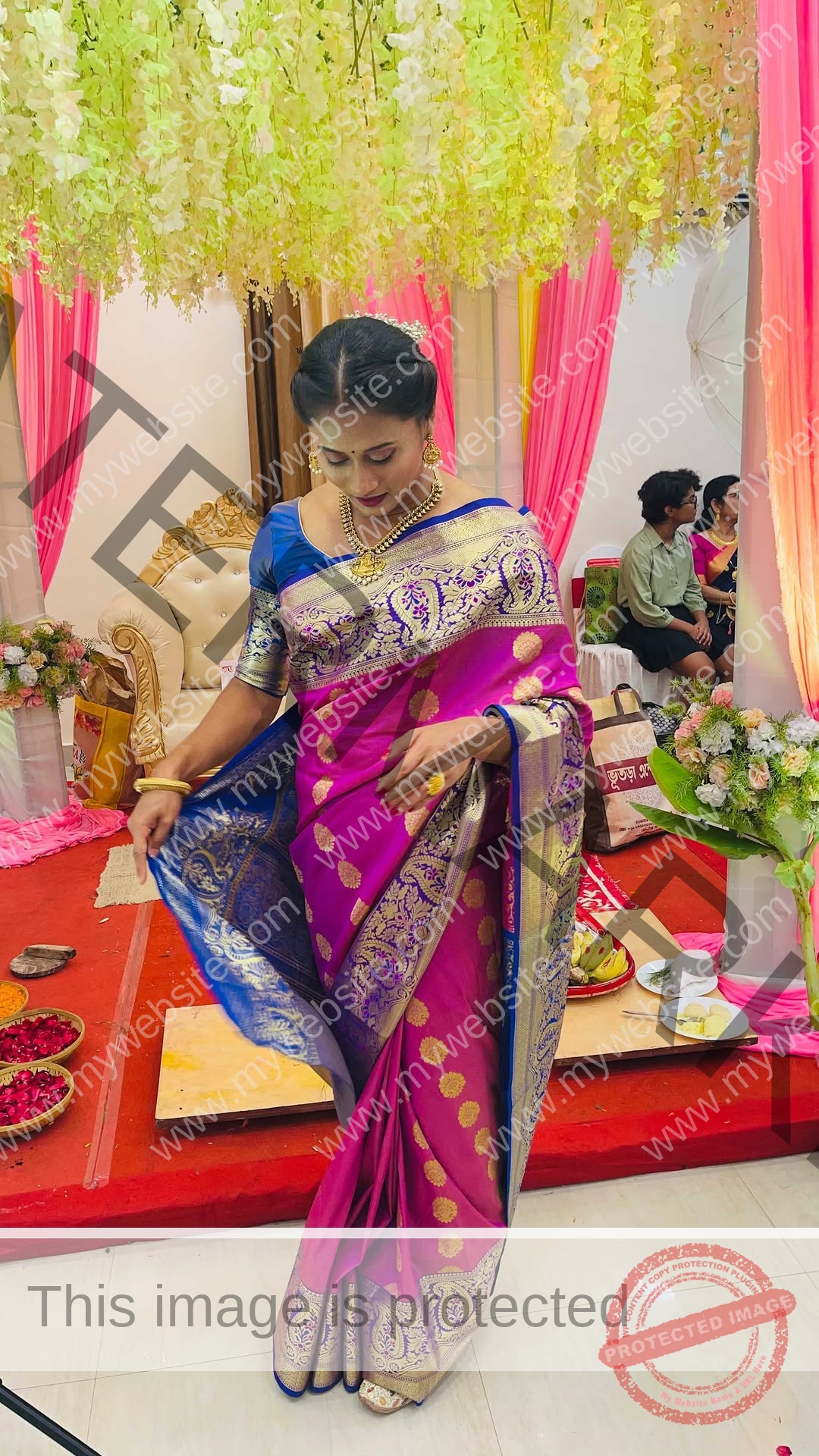
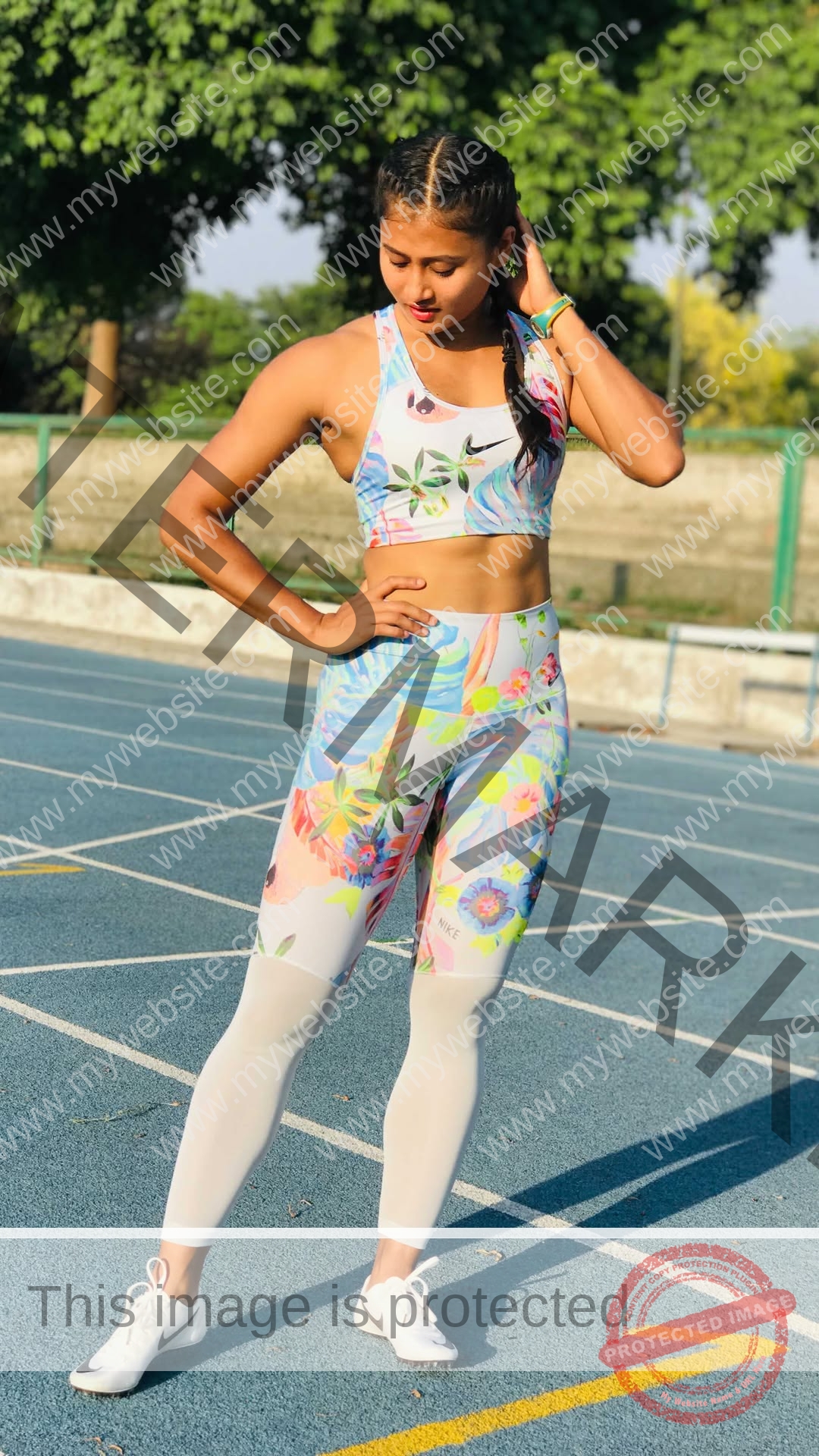
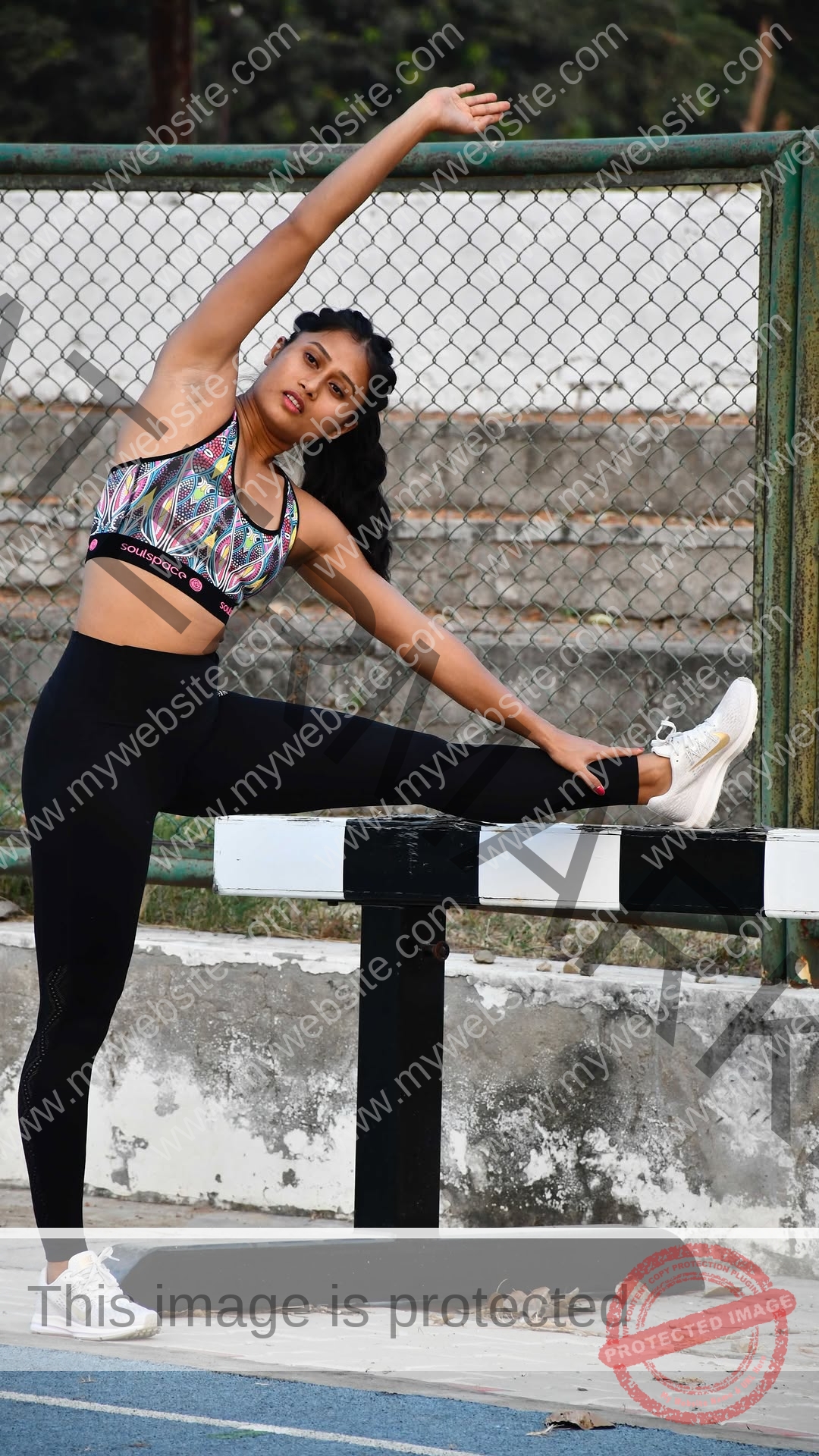



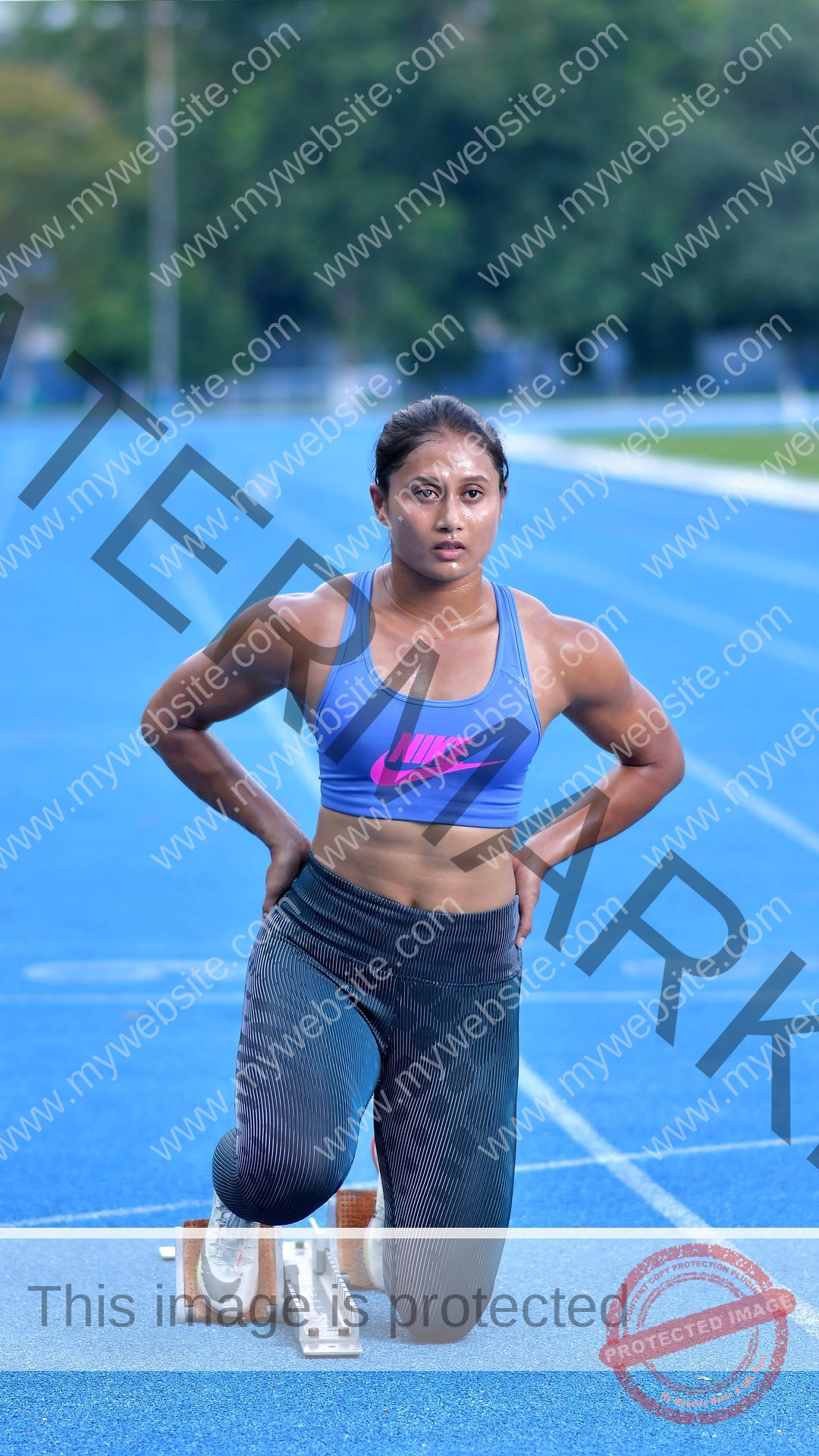
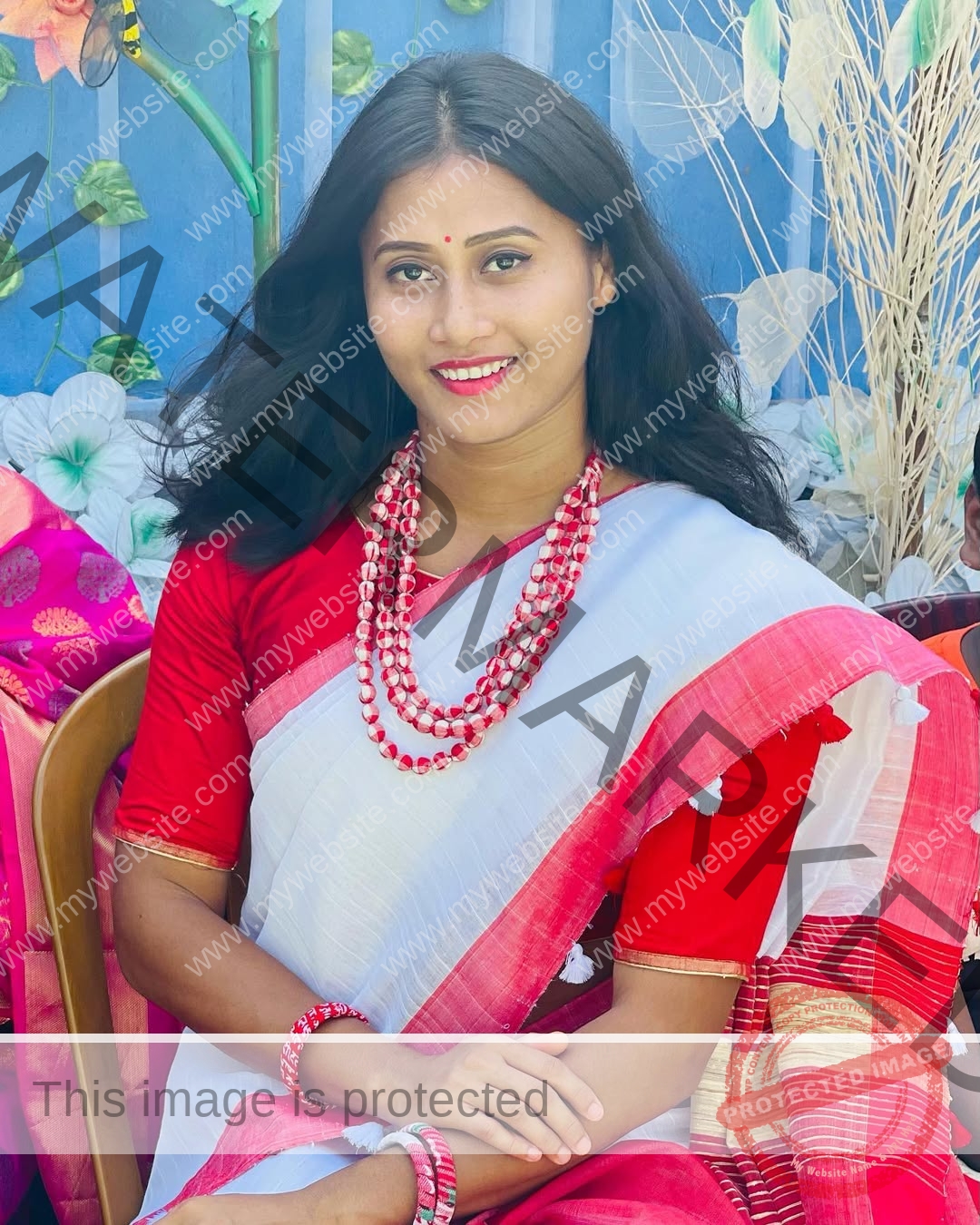
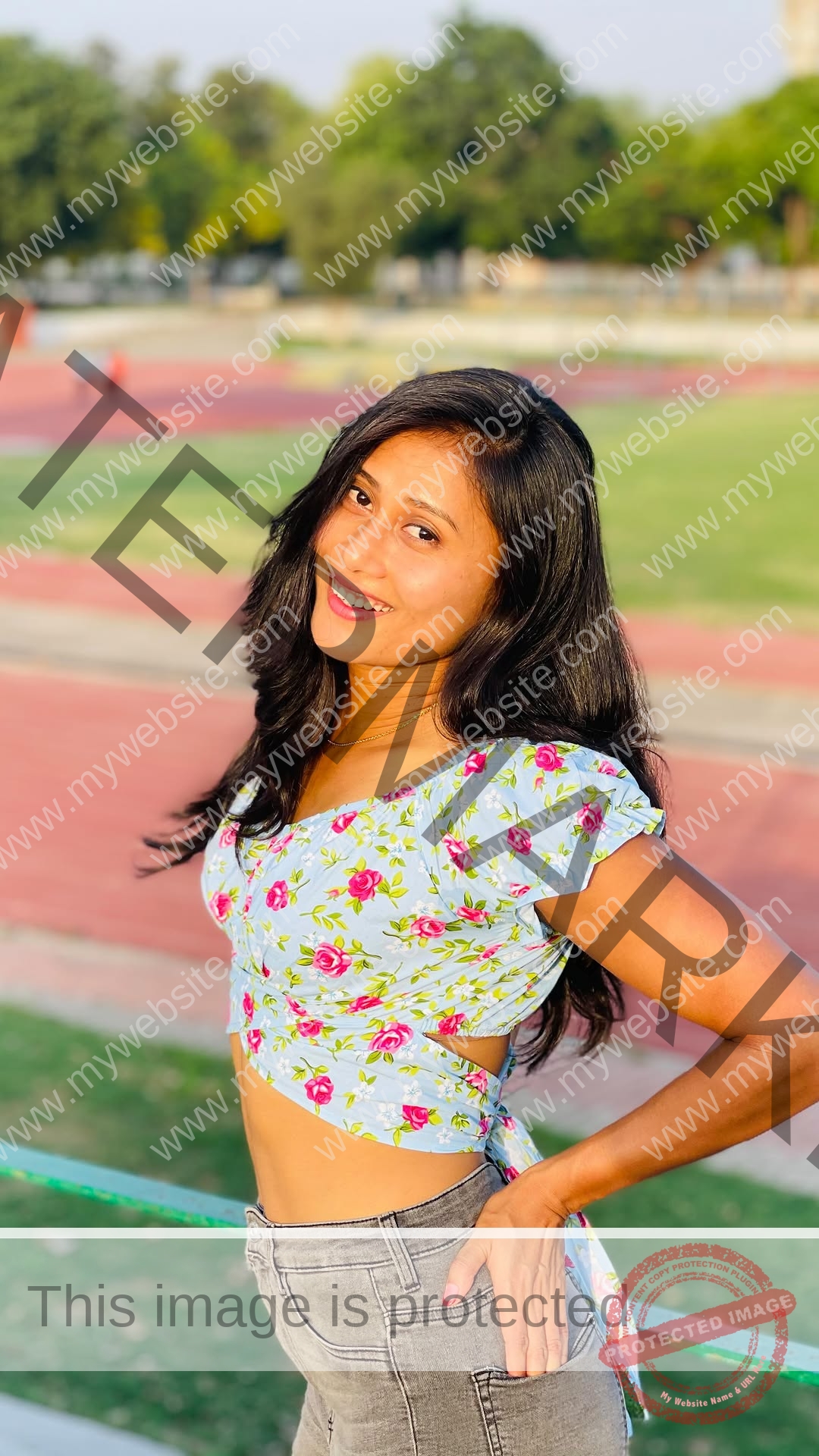
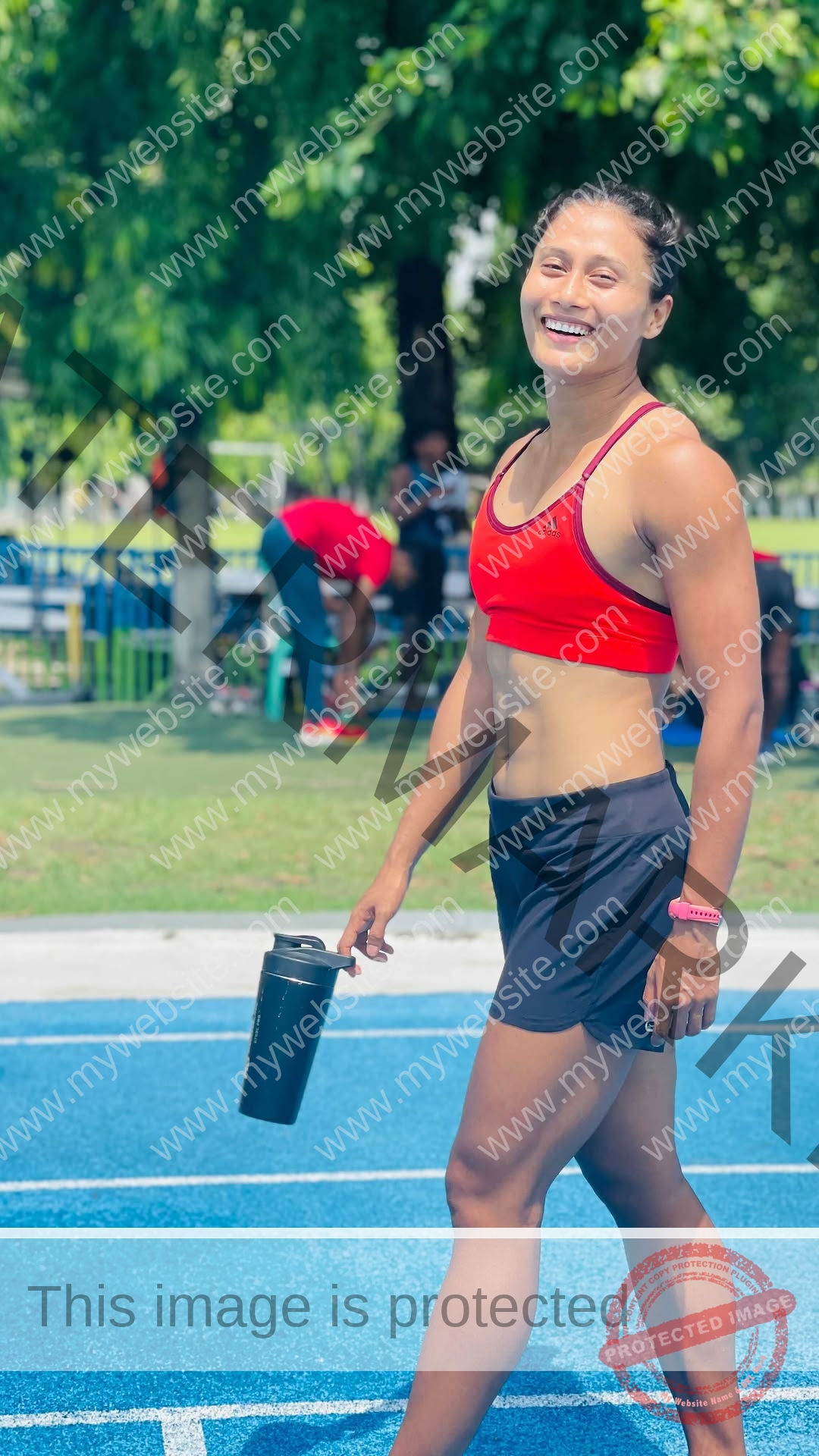
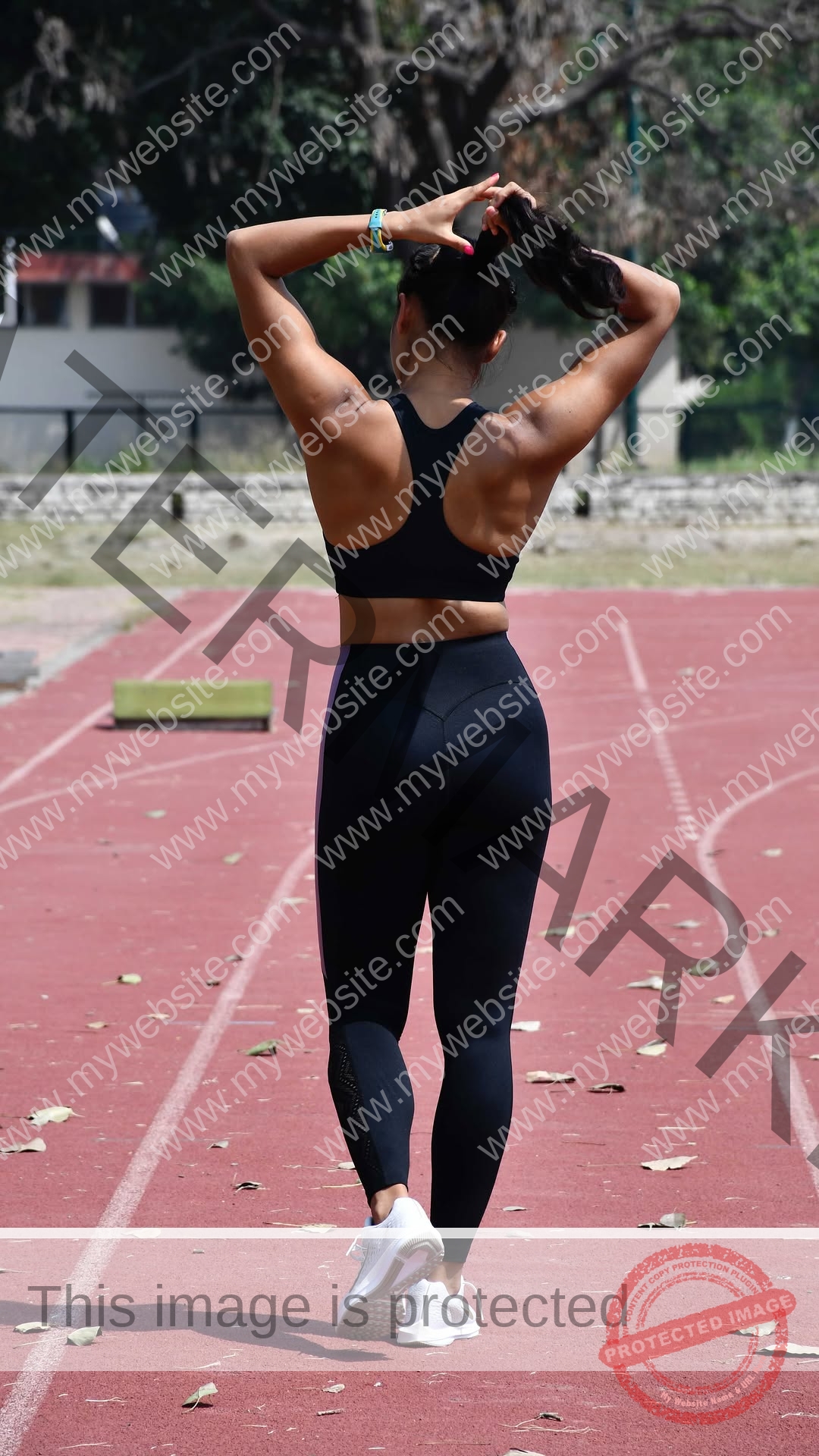
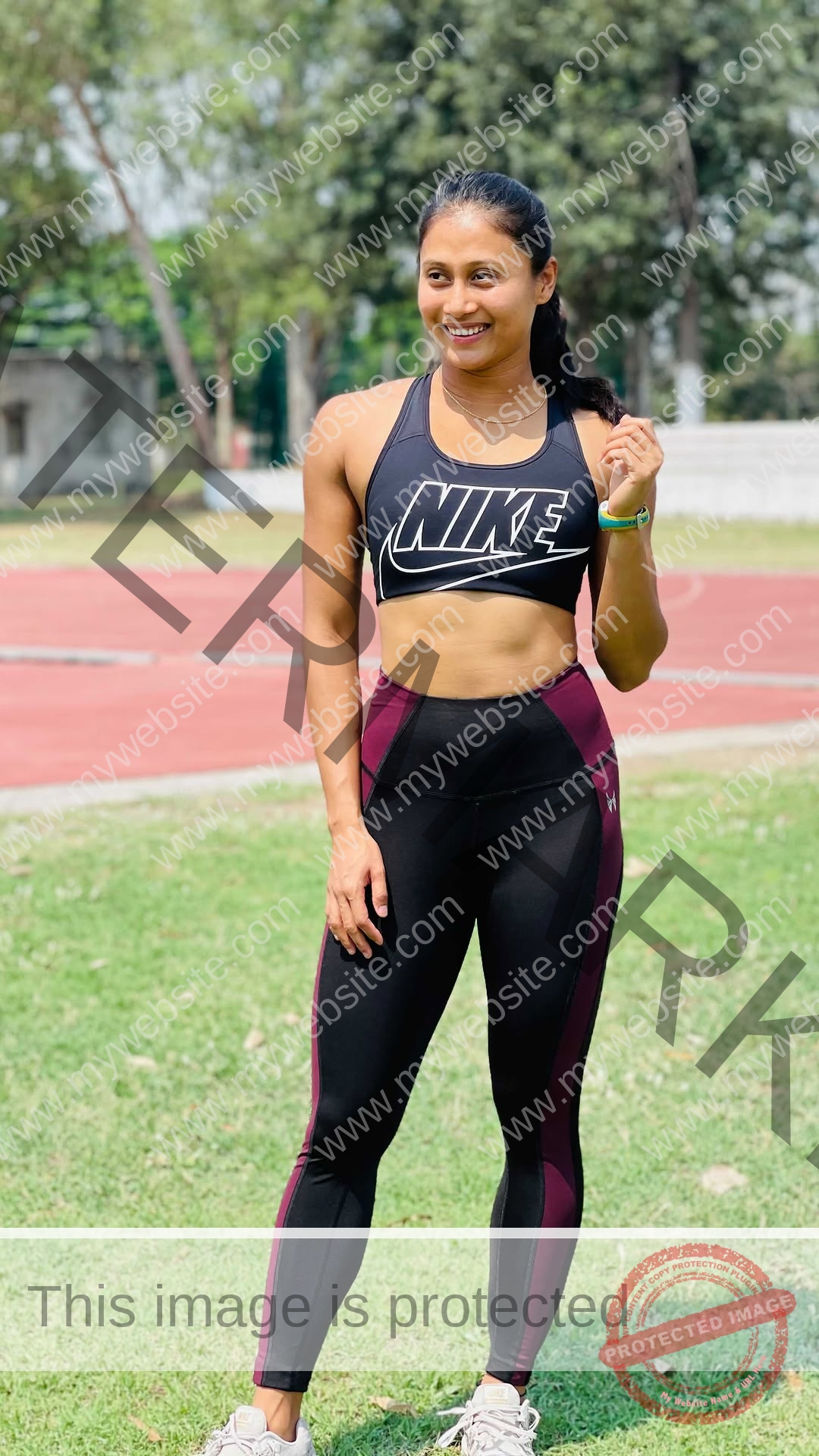

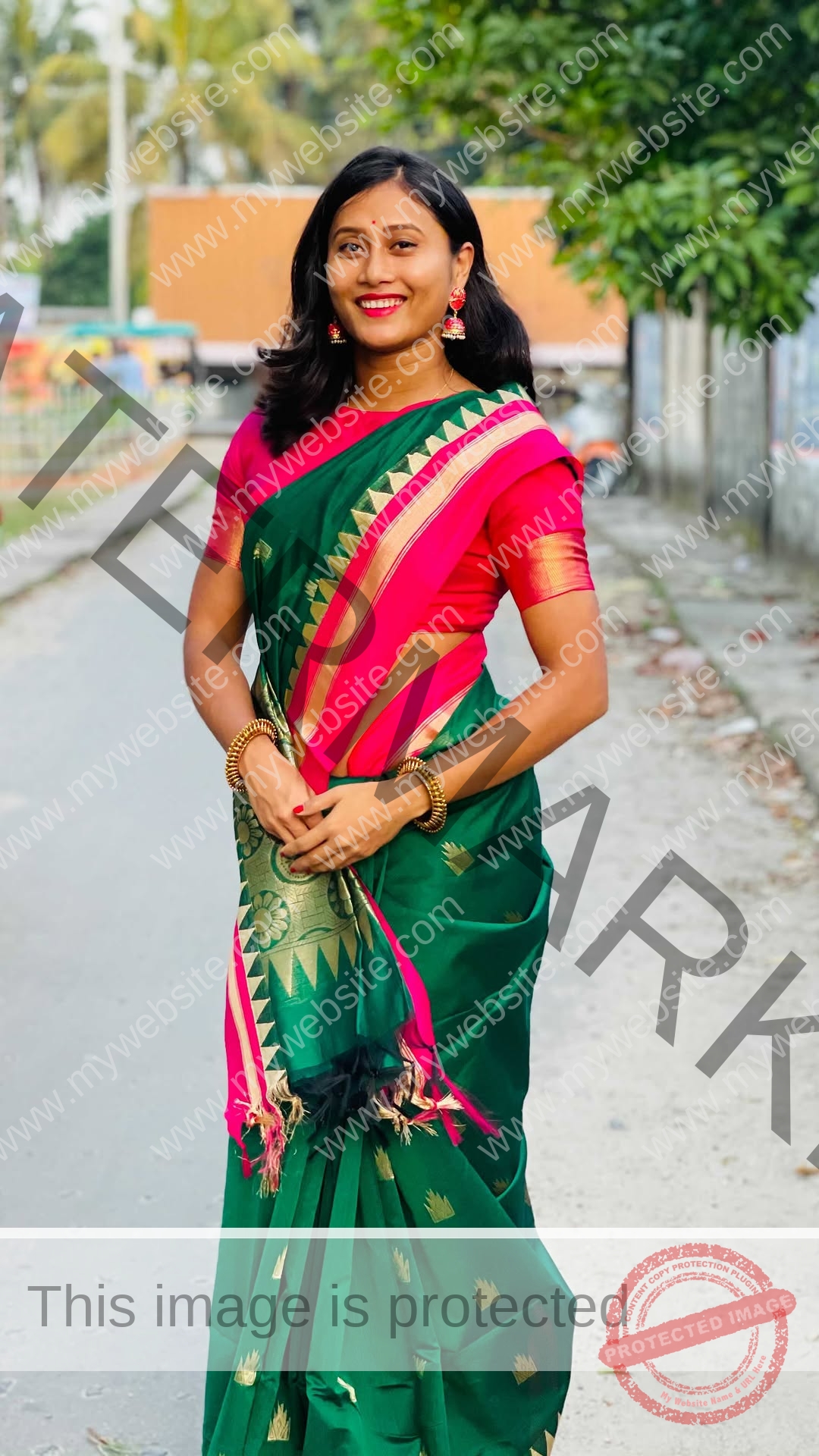
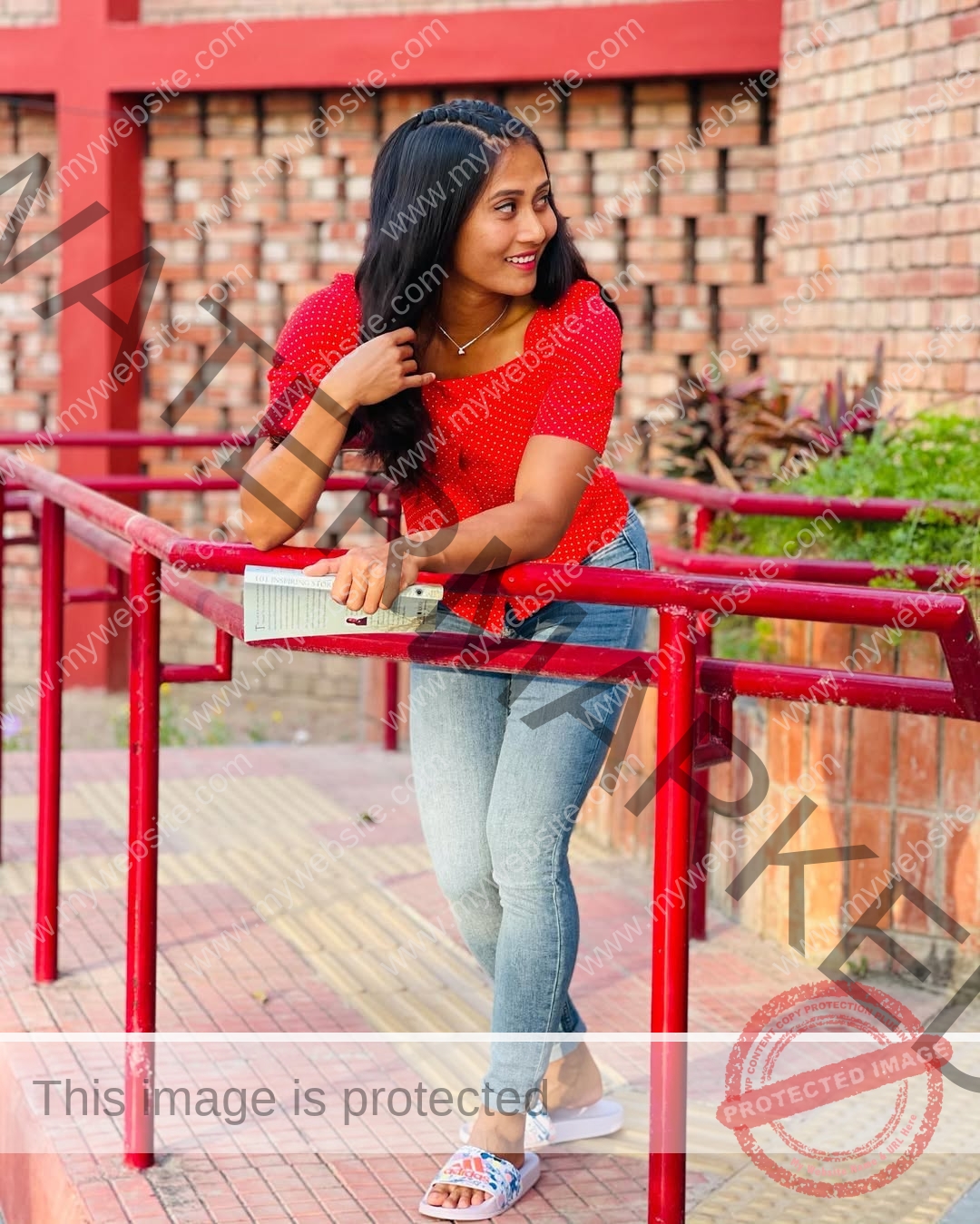
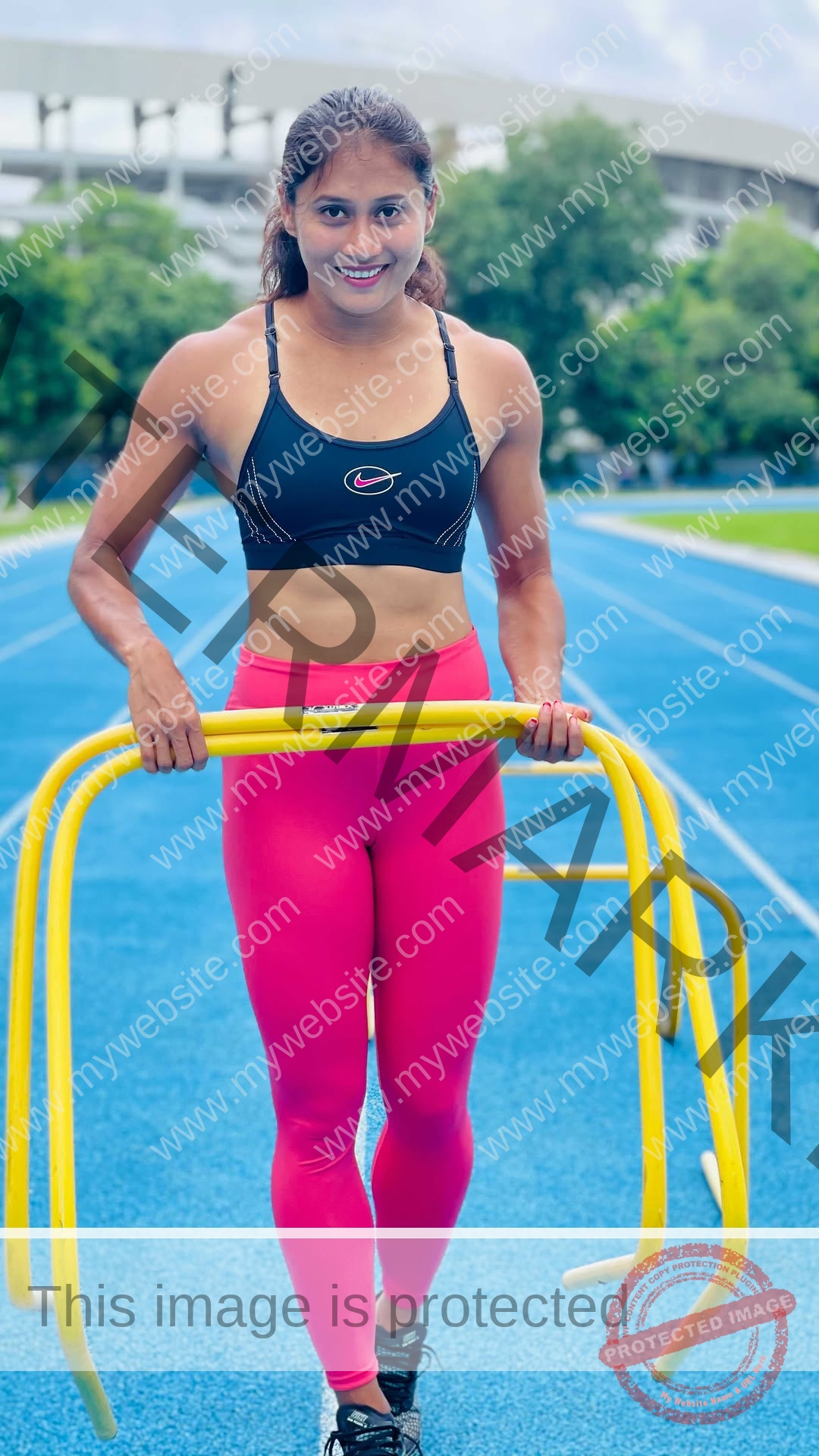
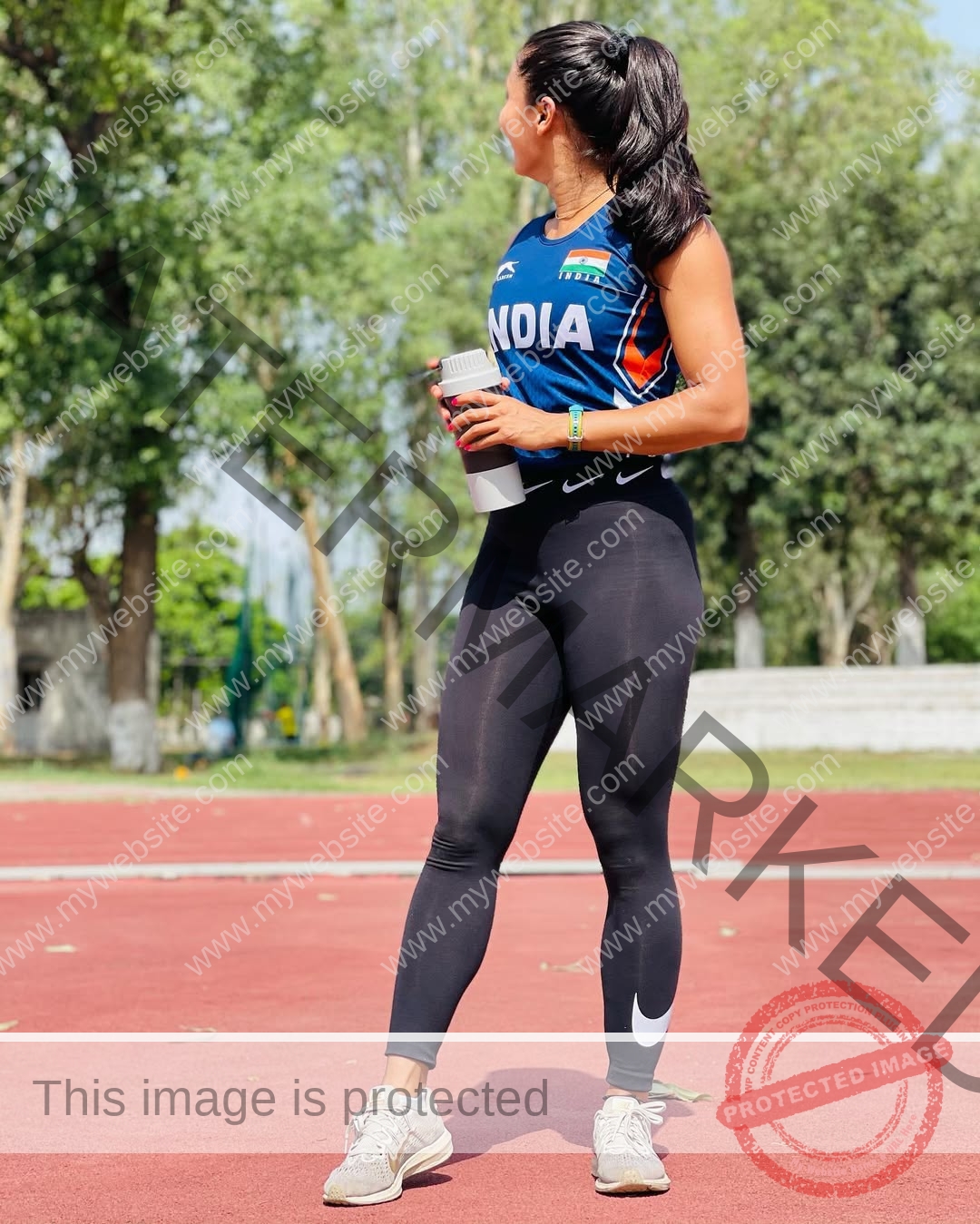


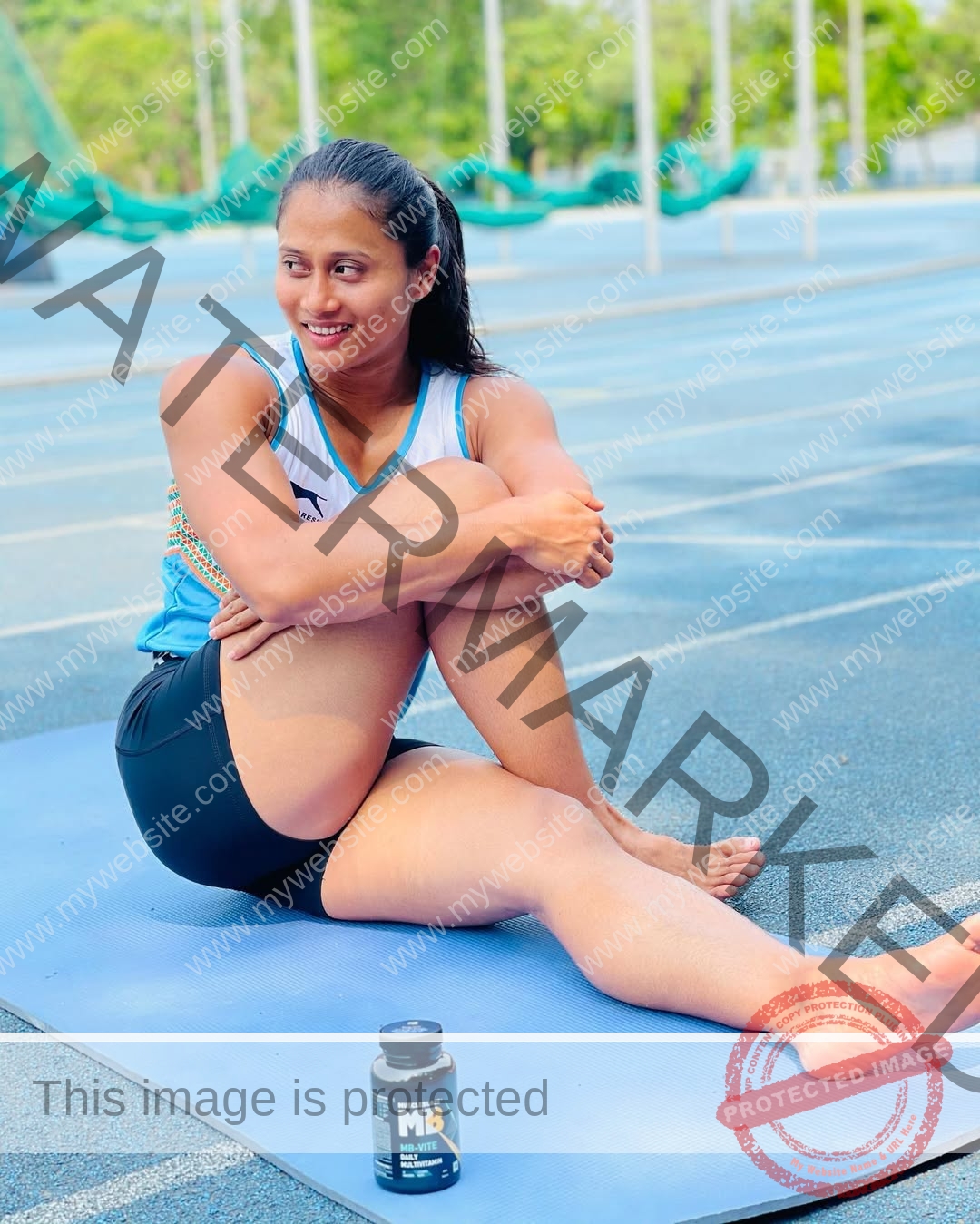
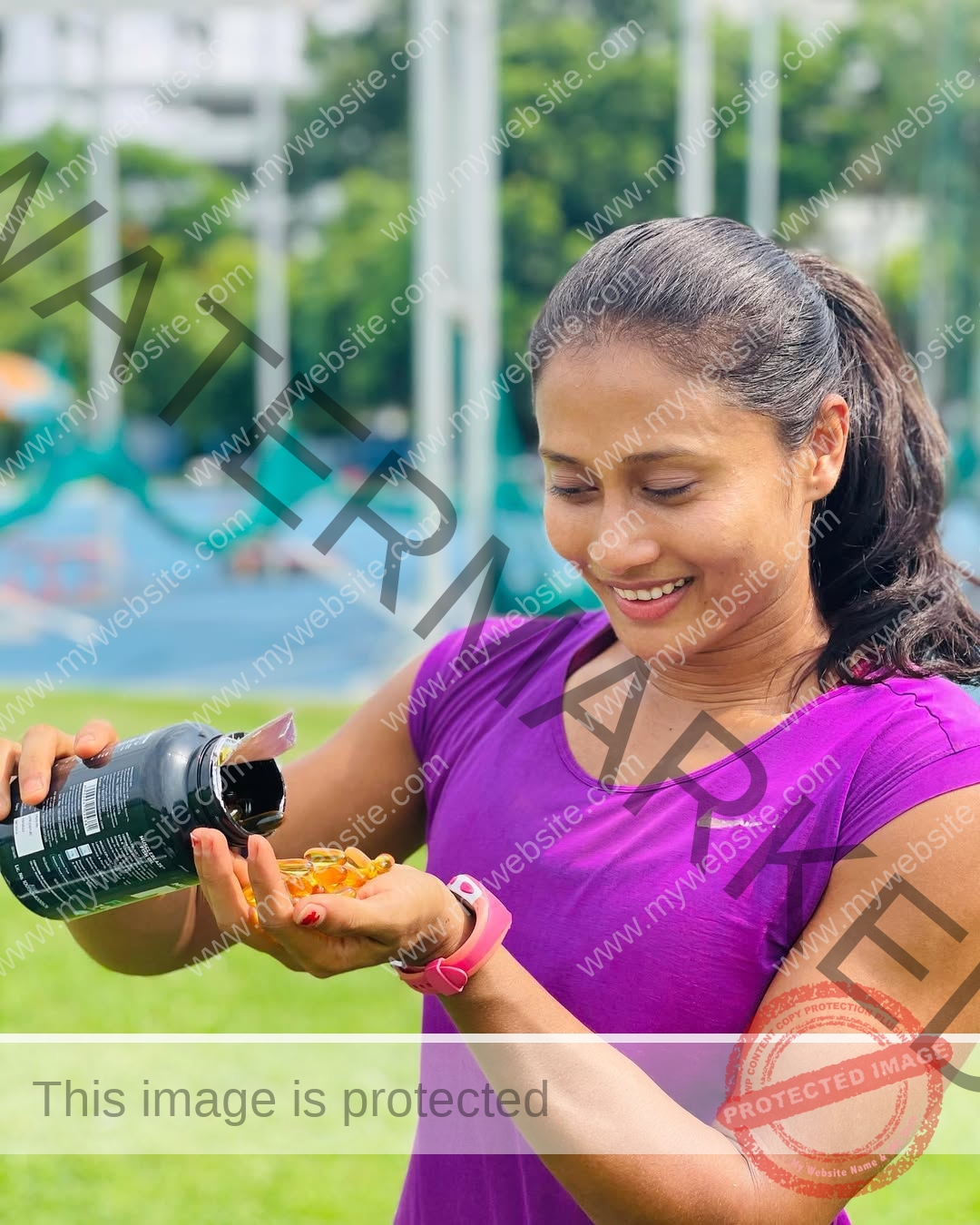


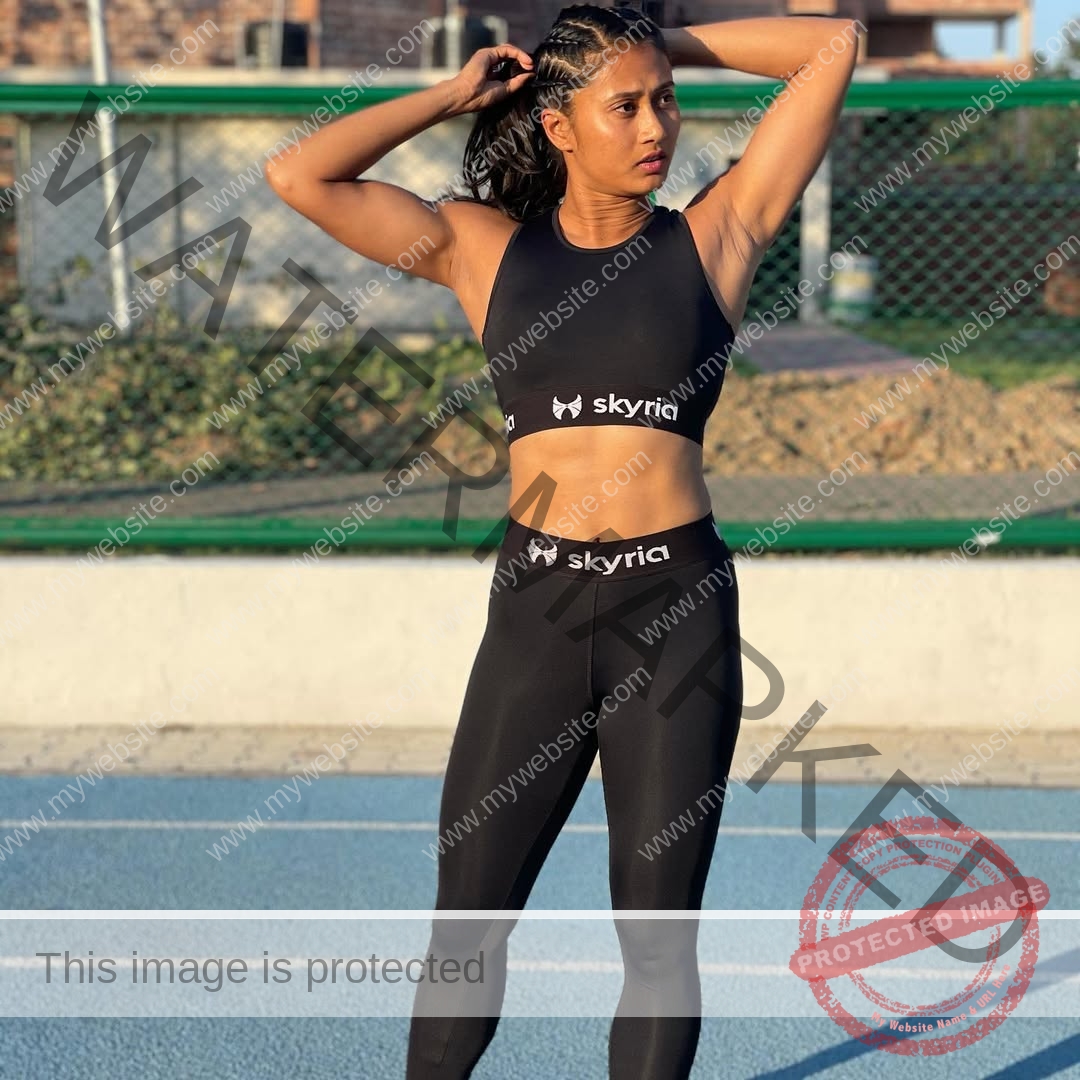
# Himashree Roy: West Bengal’s Sprint Champion Who Never Stopped Running
**Born:** March 15, 1995 | **Birthplace:** Paschim Mallik Para, Jalpaiguri, West Bengal, India | **Nickname:** Doli | **Events:** 100 metres, 200 metres, 4×100 metres relay | **Club:** Eastern Railway Sports Association (ERSA) | **Facebook:** Himashree Roy | **YouTube:** @AthleteHimashreeRoy
—
There is a particular kind of grit that belongs to athletes who grow up far from the spotlight, who learn their sport not on manicured synthetic tracks but through years of unglamorous competition in state and district meets, who earn every national opportunity through accumulation rather than overnight sensation. Himashree Roy is that kind of athlete. From the small town of Paschim Mallik Para in Jalpaiguri district — in the northern reaches of West Bengal, closer to the foothills of the Himalayas than to the bustle of Kolkata — she grew into one of India’s most consistent and durable women’s sprinters of her generation, and a fixture of the national sprint program across more than a decade.
Her story includes an Asian Athletics Championship bronze medal, two national titles, a near-defining injury that could have ended everything, and a comeback that spoke volumes about her character. It is a story still very much in progress.
## Growing Up in Jalpaiguri: The PT Teacher’s Recommendation
Himashree Roy was born on March 15, 1995, in Paschim Mallik Para, a locality in Jalpaiguri, a district in West Bengal’s northern plains. She grew up in a school environment that was, by fortunate circumstance, steeped in athletics. Her father worked at the same school she attended, and it was there that the spark was lit.
In her own words, shared in a feature with the activewear brand Skyria, she describes the beginning simply and vividly: “Our school used to host a lot of athletic events, and I used to watch international level players in my vicinity quite often. I was in class 2 when my PT teacher suggested my father, who worked in the same school, to enroll me in sports events. I started participating in sports from then on and never really halted after that.”
Class 2 would have put her at approximately seven or eight years old. That early nudge from a perceptive physical education teacher — the kind of quiet intervention that shapes athletic careers all over the world — set the course for everything that followed. Her father, a school employee rather than a professional coach or athlete himself, took the advice seriously. The decision would prove consequential.
## The Ascent Through Youth Athletics
Himashree moved steadily up through the state and national youth athletics structure during her teenage years. By 2006, still only eleven years old, she was competing at her first national-level event. That debut was a significant one: she took gold in the 100 metres and the relay, and silver in the 200 metres. For a child barely in secondary school, those were performances that immediately marked her as someone to watch.
The detail of that early national medal haul — gold, gold, silver at her very first national meet — is not the story of a child who wandered into athletics. It speaks to someone who had already developed real competitive instincts and speed. West Bengal has a strong athletics tradition, particularly in the sprint events, and Himashree was developing within that ecosystem, competing in state championships and district meets that served as proving grounds for the national stage.
She completed her secondary education in Jalpaiguri, attending Mallik Para Vidyaniketan before moving on to higher studies through the University of North Bengal. The combination of schooling in West Bengal’s north, with its access to the state athletics federation system, provided the structure through which her talent could develop. By the time she was competing at the senior level, she had accumulated years of competitive experience that most young athletes can only build gradually.
## Joining Indian Railways: The Institution That Made It Possible
Like many of India’s top track and field athletes, Himashree Roy found her senior career shaped significantly by her employment with Indian Railways. The railway system has been one of the great institutional pillars of Indian athletics for decades — providing employment, facilities, and competition structures that allow athletes to train and compete professionally in a country where direct sports funding at the federal level has historically been limited.
She joined the Eastern Railway Sports Association (ERSA), the athletic arm of the Eastern Railway zone headquartered in Kolkata. Competing under the ERSA banner, she became part of a sprint group that represented one of the most competitive relay squads in the country. The 4×100 metres relay — requiring four women to run with speed, hand off a baton cleanly, and work in synchronized coordination — became Himashree’s signature contribution to Indian athletics, and it was in relay racing that her international career first flourished.
The Railway Athletics system runs its own championship circuit — the All India Railway Athletics Championship — which operates alongside the Athletics Federation of India’s (AFI) national calendar. These Railway meets are serious competitions, not token events, and they shaped Himashree’s competitive edge through the mid-2010s.
## 2015: A Year of National and International Breakthroughs
The year 2015 was among the most significant in Himashree Roy’s career. She announced herself at multiple levels, both domestically and internationally, as a sprint relay specialist of genuine national importance.
At the 55th National Open Athletics Championship in 2015, competing for Indian Railways, she was part of the women’s 4×100-metre relay team alongside Dutee Chand, Srabani Nanda, and Merlin K Joseph — a group of sprinters that represented some of the finest relay talent in the country at that time — and they won the gold medal together. Running on a relay with Dutee Chand, who would go on to become one of India’s most celebrated sprinters and a two-time Asian Games silver medalist, was not incidental to Himashree’s development. It placed her in elite training and competitive company at a formative point in her career.
Later that same year, on the international stage, she competed in the second leg of the 2015 Asian Grand Prix series, held in Thailand. Himashree Roy, alongside M.G. Padmini, Srabani Nanda, and Gayathri Govindaraj, won the bronze medal in the women’s 4×100 metres relay. It was her first senior international medal, and it came at a prestigious continental circuit event — the Asian Grand Prix being World Athletics’ sanctioned series across the continent.
Two gold medals at the national level and a bronze at an Asian continental circuit meet in the same year was a proper breakthrough, and it established Himashree Roy as a reliable and valued component of India’s women’s relay program.
## 2017: The Asian Athletics Championship Bronze
If 2015 was Himashree’s breakthrough, 2017 was her continental medal moment. The 22nd Asian Athletics Championships were held in Bhubaneswar, Odisha — India serving as the host nation — from July 6–9, 2017. On July 9, the final day, the Indian women’s 4×100 metres relay team wrote their names onto the Asian Athletics medal board.
Himashree Roy, Merlin K Joseph, Srabani Nanda, and Dutee Chand won the bronze medal in the women’s 4×100 metres relay. The foursome crossed the finish line together in a time that secured India a podium finish at Asia’s premier athletics championship. Their relay time — clocked at 44.57 seconds, which remains registered as the best 4×100 relay performance in Himashree’s World Athletics profile — is a mark that few women’s relay squads in India have matched.
Running in an Asian Championships relay, in front of a home crowd in Bhubaneswar, alongside teammates who included the incomparable Dutee Chand, was the career high watermark to that point. The bronze medal is officially recognised on Himashree’s World Athletics profile as an “Asian Championships bronze medallist” — one of the most significant honours listed against her name.
Later in 2017, she added a bronze medal in the women’s 100 metres final at the 84th All India Railway Athletics Championship, further demonstrating her quality in individual sprint competition as well.
## 2018: Personal Records, State Records, and the Injury That Changed Everything
The 2018 season brought some of Himashree’s finest individual performances — and then the most serious setback of her career.
On August 5, 2018, at the 68th West Bengal State Athletics Championships held at the iconic Salt Lake Stadium in Kolkata, Himashree Roy ran 11.60 seconds in the women’s 100 metres — a new meet record for the state championship, and a strong personal benchmark that reflected her development as an individual sprinter after years of relay work. She was competing under the Eastern Railway Sports Association (ERSA) banner, and the record demonstrated that her speed had continued to develop even as she turned twenty-three.
At the 58th National Open Athletics Championships in 2018, the Indian Railways women’s team, with Himashree as a member alongside N. Shardha, Sonal Chawla, and Priyanka, took the silver medal in the 4×100 metres relay.
But then the ground fell away. Himashree suffered a cartilage tear in her leg in 2018 — a serious structural injury that, as she described it later, left her unable to walk properly. “I had the worst year of my life in 2018 when I had a cartilage tear in my leg,” she recounted in her Skyria interview. “It got to a point where I couldn’t even walk properly.”
She was faced with a decision: some doctors recommended surgery; a physiotherapist believed that rehabilitation was the better path. She chose the latter. “Months of rehab coupled with swimming finally helped me recover,” she said. “I had no medal except for one in a relay event the whole year and my confidence was in shreds.”
The injury year stripped away the competitive rhythm she had built so carefully. It is a particular kind of athletic suffering — not just the physical pain but the psychological weight of watching peers train and compete while you work through the unglamorous process of recovery.
## 2019: The Comeback That Confirmed Her Character
Himashree Roy came back. And when she did, she came back well.
In 2019, she competed in consecutive events, rebuilding her fitness and her confidence through competition. The year delivered a significant international moment: at the 2019 South Asian Games, held in Kathmandu, Nepal, in December, the Indian women’s 4×100 metres relay team — comprising Himashree Roy, Chandralekha A.N., Archana Suseendran, and Daneshwari Asho — ran 45.36 seconds to finish second, behind Sri Lanka, and took the silver medal. It was a meaningful comeback performance on an international stage.
At the 59th National Open Athletics Championship in 2019, she won a gold medal in the relay and a bronze in the 100 metres individual event. She also earned a bronze at the National Inter-State Athletics Championship that year.
“I kept all my negative feelings aside and competed in consecutive events in 2019. I ended the year with a silver in relay in South Asian Games, a gold in the same event and a bronze in 100m in 59th Open National Athletics Championship. I also won a bronze in National Inter State Athletics Championship,” she wrote. “I was officially back on track!”
The phrase “officially back on track” carries weight when you understand what came before it. This was not a quiet return. This was a statement.
## The Pandemic Period and Resilience at Home
The COVID-19 pandemic disrupted Indian athletics along with everything else from 2020 into 2021. Competition calendars contracted, national camps were suspended, and athletes across the country had to find ways to maintain fitness without access to their usual training infrastructure.
Himashree, characteristically, shared a pragmatic and positive perspective on the lockdown period, offering advice in her Skyria feature that reflected the mindset of a professional athlete accustomed to working with what is available. “Though we athletes don’t really need to do anything apart from our training to be fit, there still are certain pointers that we need to keep in mind. I believe that this lockdown is an excellent opportunity to focus on your weak areas, muscles and joints.” She also highlighted the nutritional aspect — using the forced break from competition as an opportunity to eat cleaner, cutting out the junk food and processed snacks that competitive schedules can sometimes enable.
The philosophy she described — viewing challenges as “a part of your daily life and not as a problem” — is the same one that had carried her through the cartilage tear and the long months of rehabilitation. It is not a performative statement; it is the operating system of someone who has genuinely been tested.
## 2022: A Career-Best 11.42 and Two National Champion Titles
The years of persistence and rebuilding crystallised in the 2022 season, which stands as Himashree Roy’s finest stretch of individual sprinting on record.
On August 29, 2022, she ran 11.42 seconds in the 100 metres — a new personal best that stands as the fastest time of her career. The following day, August 30, she ran 23.87 seconds in the 200 metres, another career-best mark. These performances, listed on her World Athletics profile as her all-time personal bests, represent the peak of her individual sprinting speed.
World Athletics’ records show her as a two-time national champion — recognition that reflects the domestic titles she accumulated through this period of her career. For a sprinter who had navigated injury, pandemic, and a decade of relay-dominated service to the national team, individual national championship recognition represented a personal milestone.
Her 100 metres personal best of 11.42 seconds places her among the elite tier of Indian women’s sprinters. The national record in the women’s 100 metres in India has historically been held by Dutee Chand, who has clocked times under 11.20 seconds. Himashree’s 11.42 puts her clearly within the national conversation, and it was the product of accumulated years of competitive experience rather than a flash of early talent.
## The Railway Career and Institutional Framework
Throughout her career, Himashree has competed under the banner of the Eastern Railway Sports Association (ERSA) and, in national competition, as a representative of Indian Railways more broadly. The railway sports system provides its athletes with employment security, access to training infrastructure, and the ability to compete in the extensive All India Railway Athletics Championship circuit — a network of competitions that runs parallel to the AFI’s main calendar and provides important competitive opportunities for athletes across the country.
This institutional framework is not simply a financial arrangement. For athletes from smaller cities and towns — and Jalpaiguri is very much in that category, a district headquarters in northern West Bengal without the sports infrastructure of Kolkata or Delhi or Mumbai — the Railway Sports Associations represent the primary pathway from local talent to national team competition. Himashree’s career trajectory illustrates exactly how this pathway works in practice.
Her Facebook profile, which has accumulated a substantial following of over 30,000 people, identifies her as a “Professional Athlete” and describes her as a “fitness freak” based in Kolkata — the city where Eastern Railway’s headquarters are located, and where she has built her adult athletic life after growing up in Jalpaiguri.
## 2026: Still Competing, Still Relevant
As of early 2026, Himashree Roy is still racing. At the Indian Athletics Series 4 event held in Ranchi in April 2026 — one of sixteen legs in the AFI’s new domestic series — she ran 11.87 seconds in the women’s 100 metres to finish second, behind only Mousumi Roy (11.83 seconds). Binati Behera was third (12.14 seconds).
A second-place finish at a national-circuit event, at the age of thirty-one, is a performance that speaks to the remarkable durability of her career. The Indian Athletics Series is designed to provide structured domestic competition across the country in preparation for major international qualifying, and Himashree’s continued presence in these top-two finishes confirms that she remains a serious presence in Indian women’s sprinting.
Her World Athletics profile shows active competition through the 2024 season, and results in 2026 confirm she is still part of the national domestic circuit.
## Personal Bests and Career Statistics
Himashree Roy’s career-best marks, as registered with World Athletics:
– **100 metres:** 11.42 seconds (August 29, 2022)
– **200 metres:** 23.87 seconds (August 30, 2022)
– **4×100 metres relay:** 44.57 seconds (July 8, 2017, Bhubaneswar — Asian Athletics Championships bronze medal)
Career highlights registered by World Athletics:
– Asian Championships bronze medallist (1×)
– National champion (2×)
## Social Media and Online Presence
Himashree Roy maintains an active Facebook presence under her own name (Himashree Roy), where she describes herself as an “International medalist 🥈🥈🥉 100mt-11.42sec. fitness freak” and regularly posts fitness content, training videos, and running reels. Her page has accumulated over 30,000 likes and an engaged following of Indian athletics fans.
She also runs a YouTube channel (@AthleteHimashreeRoy), where she shares fitness and athletics content. In terms of brand partnerships, she is a featured member of the Skyria Tribe — an ambassador community for the Indian women’s activewear brand Skyria — making her one of the brand’s athlete partners alongside other Indian sportswomen. This reflects a growing recognition in Indian athletic marketing that women’s track and field athletes can carry genuine audience engagement.
## A Career Worth Celebrating
The story of Himashree Roy is the story that Indian athletics is largely built on: a child from a small town in West Bengal, spotted by a PT teacher in Class 2, who built a career through state competitions, national championships, Railway meets, and eventual international representation through sheer accumulation of effort and resilience.
She has shared a track relay with Dutee Chand. She has stood on an Asian Athletics Championship podium. She has come back from a cartilage tear when surgery was on the table. She has improved her personal best into her late twenties. She is still running competitive times at thirty-one, placing second at national circuit events against a field that includes much younger athletes.
What doesn’t always show up in the record books is the texture of what that represents — the early mornings in Jalpaiguri, the railway meets, the years of relay baton work, the rehabilitation sessions with the physiotherapist, the lockdown resistance training. Himashree Roy has not simply competed in Indian athletics for a decade. She has been shaped by it, and shaped it in turn.
And in Ranchi in April 2026, she was still the second-fastest woman in the 100 metres. That endurance, as much as the 11.42 personal best or the Asian bronze, is the measure of her.
—
*Personal bests and competition records current as of May 2026 based on World Athletics data and recent domestic competition results.*
