
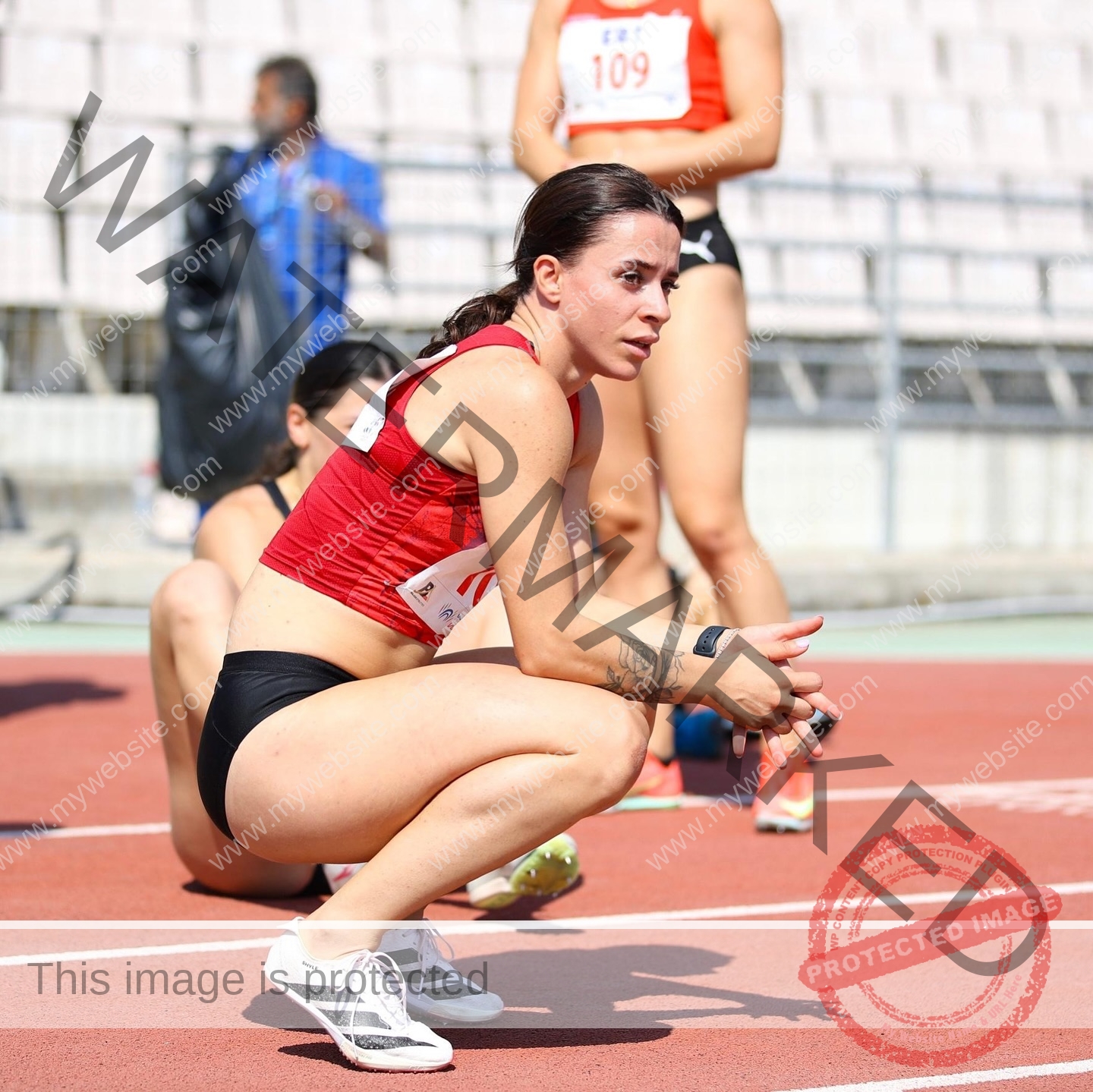
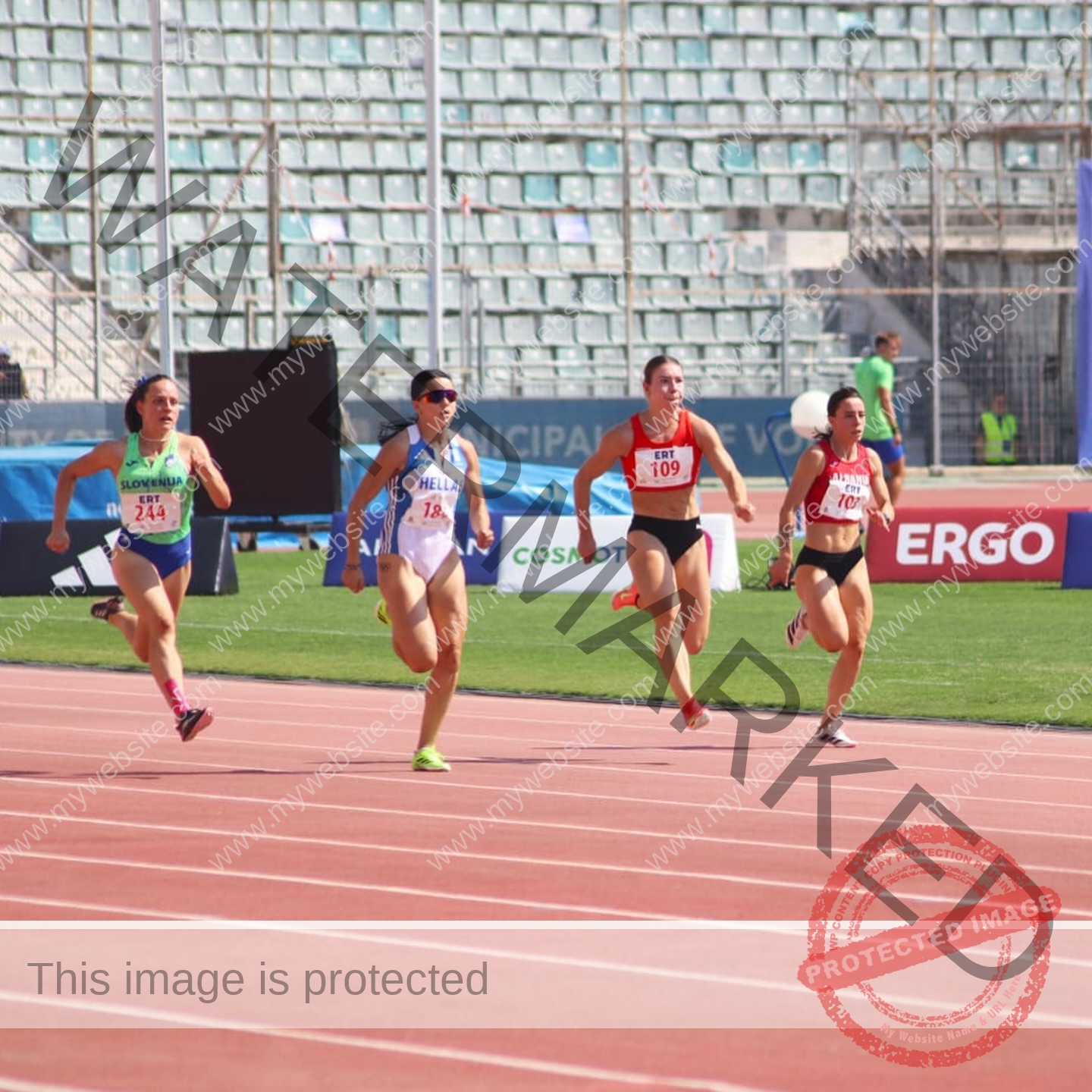
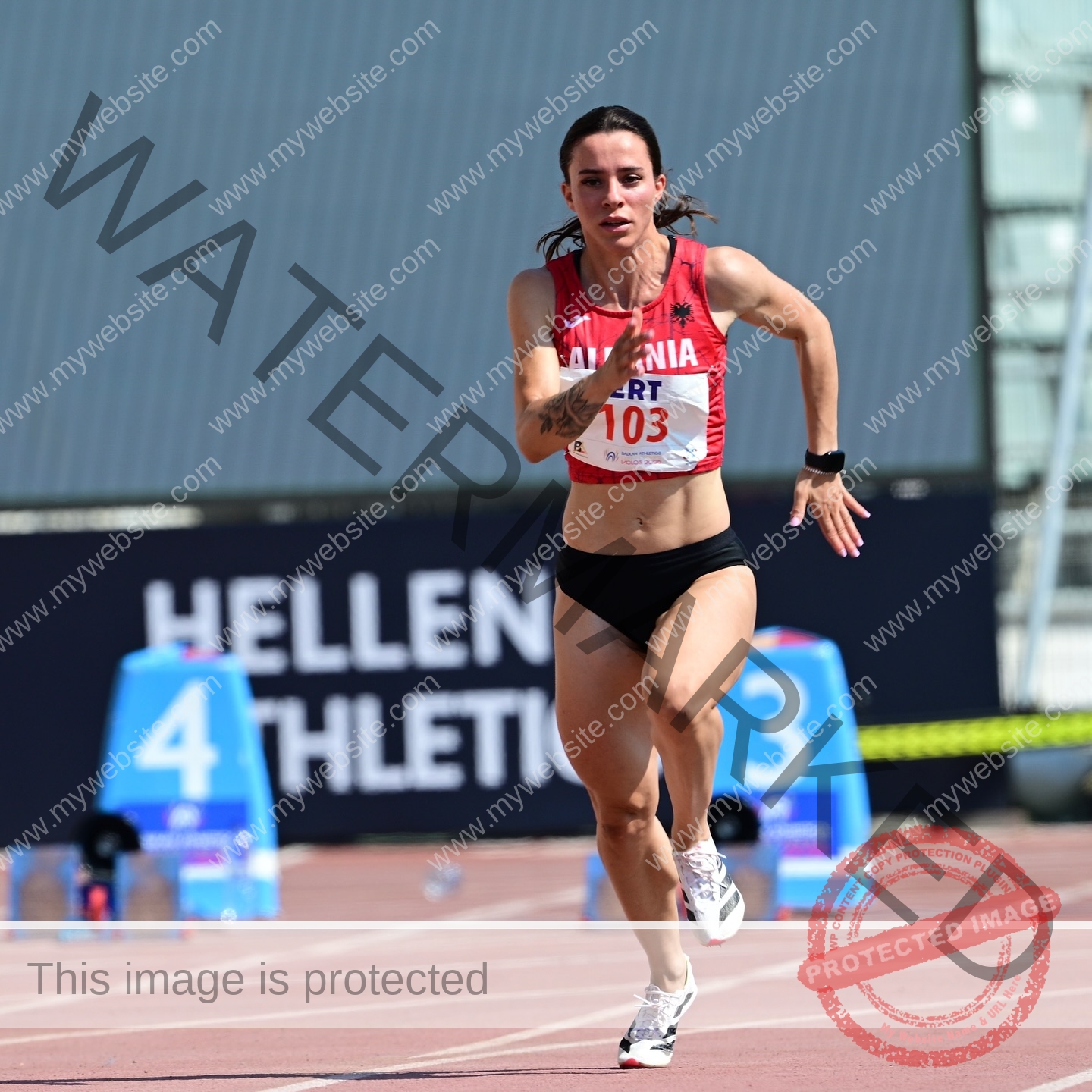
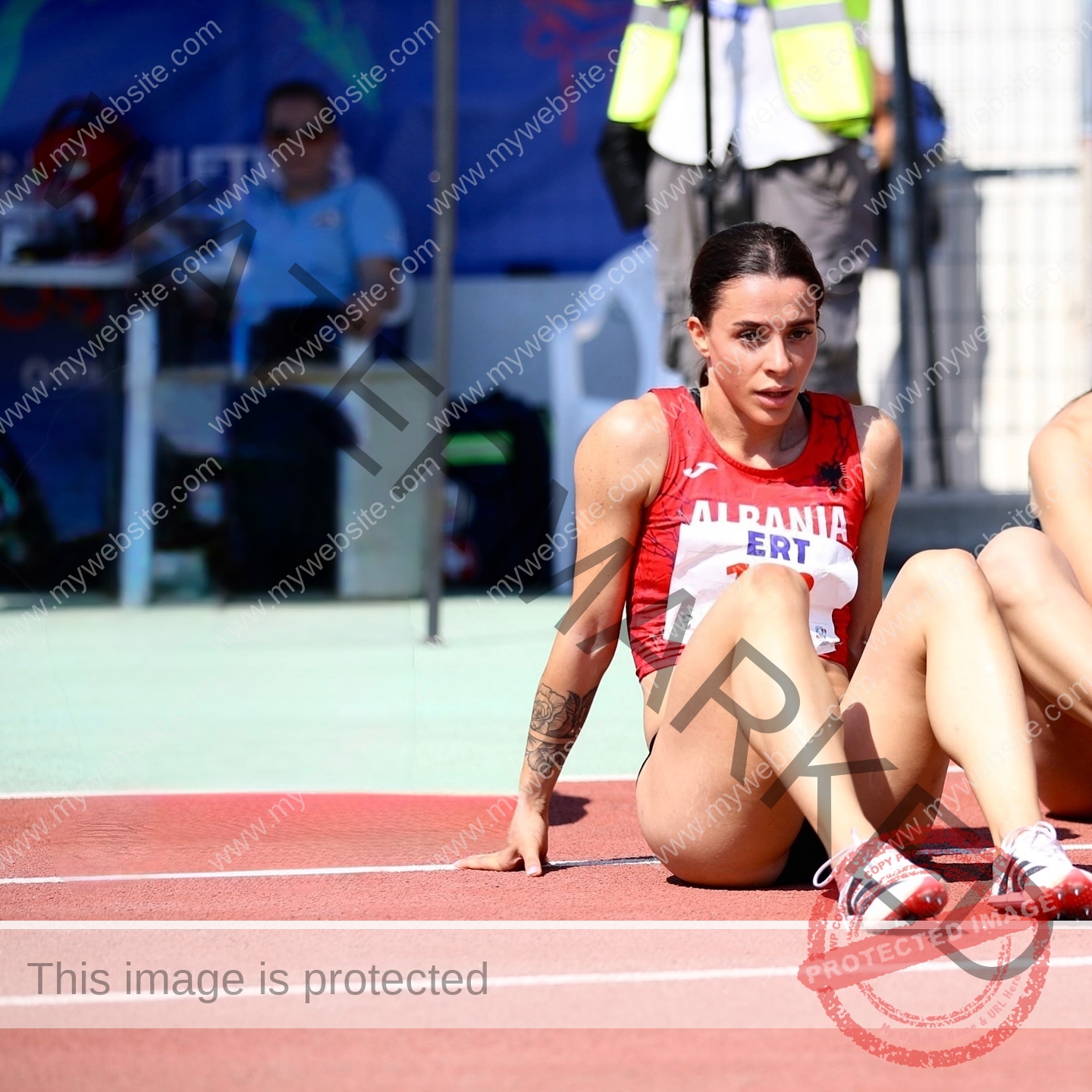
Paola Shyle: Albania’s Quiet Sprint Pioneer Pushing the Boundaries of What’s Possible
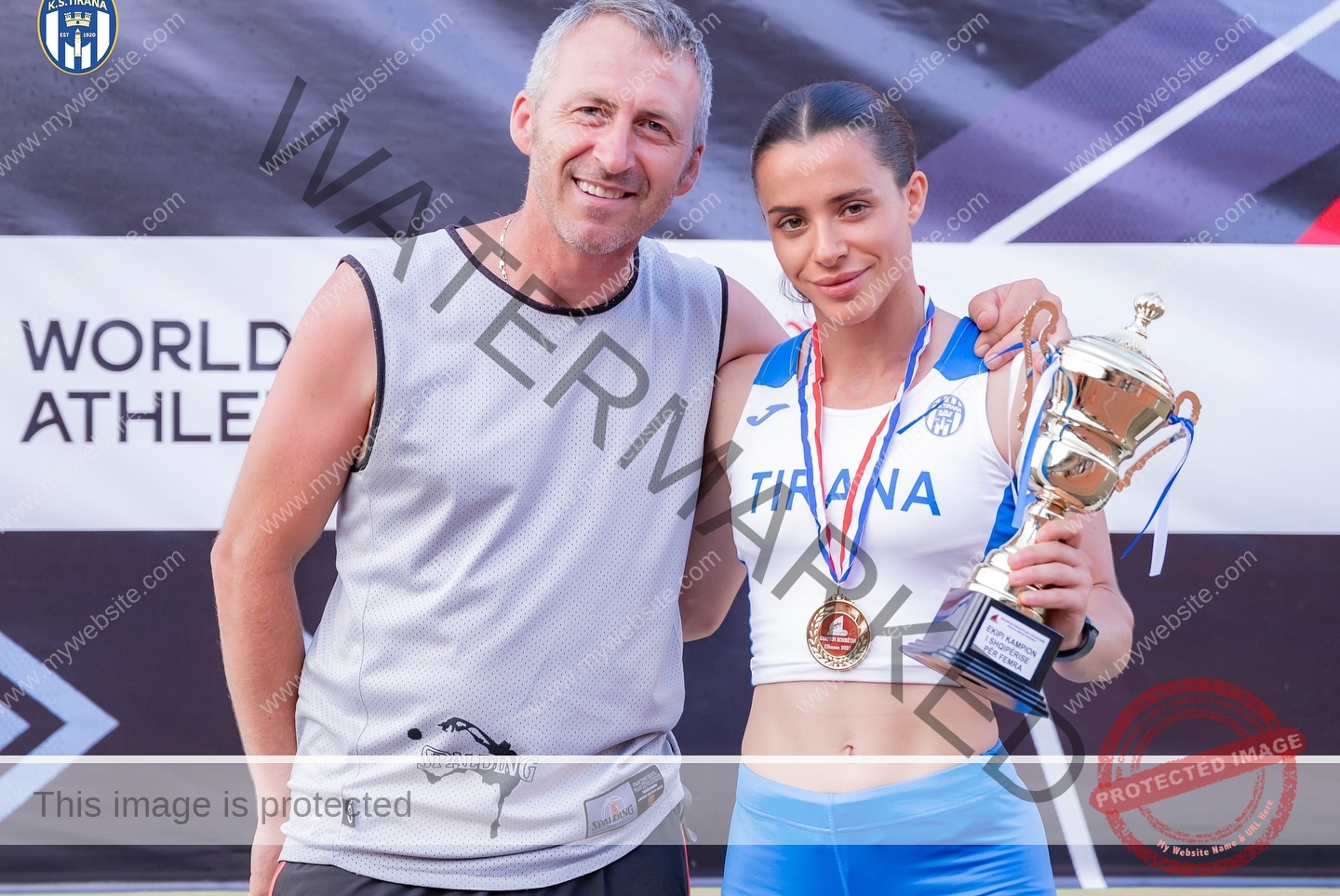
In Albanian athletics, a sport long defined by the towering individual accomplishments of a handful of exceptional names — steeplechase queen Luiza Gega, the sprint legacy of Klodiana Shala — it takes something a little different to carve out a distinct identity. Paola Shyle is doing exactly that, quietly and persistently, one start block at a time. Born on February 16, 1999, the 26-year-old sprinter from Albania has spent the better part of a decade building a career as one of the most consistent short sprint competitors her country has produced in recent memory — a national champion, a fixture on the Balkan indoor circuit, and an indispensable leg of Albania’s women’s 4×100 metre relay team as it reaches new national highs.
She will not show up in many international headlines. Her World Athletics ranking of approximately #2852 in the women’s 100 metres reflects the steep competition at the global level, where a 12-second flat puts you in elite domestic territory for a small Balkan nation but not yet in striking range of finals at World or European Championships. But framing Shyle’s career through that lens alone misses what makes her story worth telling. She is, in the truest sense, a trailblazer for Albanian women’s sprinting — a national champion in her primary event, a record-calibre relay contributor, and one of a tiny number of Albanian women to step onto international indoor competition tracks and hold her own against some of the best in the region.
Background: Coming of Age in Albanian Athletics
Paola Shyle grew up in Albania during a period of gradual but meaningful expansion in the country’s athletics infrastructure. The Albanian Athletics Federation, known by its Albanian acronym FSHA (Federata Shqiptare e Atletikës), has been the governing body responsible for organizing the national championship structure and connecting Albanian athletes with international competition. Though the federation has faced its share of institutional turbulence over the years — including governance controversies that attracted attention from the international athletics community — it has continued to send athletes to Balkan, European, and global competitions, and it has maintained a national championship program that provides the competitive pathway for aspiring sprinters like Shyle.
The specific details of Shyle’s earliest years in athletics — where she grew up, what school she attended, how she first found the sprint runway — are not extensively documented in available public sources, a common reality for athletes from smaller nations whose youth careers develop largely outside the view of international athletics media. What is clear is that by the time she emerged in senior competition around 2020, she had developed the technical foundation of a genuine sprint specialist, capable of competing across the 60 metres, 100 metres, and 200 metres and serving as a productive component of Albania’s relay teams at multiple distances.
Her World Athletics profile lists her as competing for Albania across the 60 metres, 100 metres, 200 metres, 4×100 metres relay, and 4×400 metres relay short track — a range of events that places her firmly in the mold of the versatile short sprint athlete who brings value both as an individual competitor and as a relay leg.
Early Senior Career: The 2020 Season and First International Appearances
The earliest recorded performances in Shyle’s World Athletics progression date to August 2020, when she ran what were then her personal bests in both the 100 metres and 200 metres. On August 4, 2020, she clocked 12.37 seconds in the 100 metres and 25.61 seconds in the 200 metres — the latter a wind-assisted mark, carrying an asterisk on the official record. These times, recorded as the sport resumed following the COVID-affected period of early 2020, established her baseline as a competitive junior-to-senior transition athlete.
The 100m time of 12.37 was a meaningful result for Albanian women’s sprinting, placing her among a small cohort of national-level performers in the short sprint disciplines. In the context of Albanian track and field, where women’s sprint depth has historically been limited by resources and infrastructure rather than talent, running sub-12.5 seconds represents a real benchmark — and a platform to build from.
The period from 2020 to 2022 was one of consolidation and international exposure for Shyle. The compressed and disrupted international athletics calendar during this stretch — with the Tokyo Olympics delayed to 2021 and many regional competitions cancelled or restructured — meant limited opportunities for athletes outside the world’s top tier to accumulate competition experience. Shyle navigated this period by competing in available domestic and Balkan-circuit events, gradually improving her competitive profile and establishing herself as a reliable member of Albania’s sprint group.
The 4×100 Relay: Building a National Legacy
One of the most consistent threads in Paola Shyle’s career has been her role as a relay athlete for the Albanian national women’s team. In a country where identifying and assembling four competitive sprinters capable of running an internationally competitive 4×100 relay is itself a significant organizational achievement, Shyle has been a building block — someone the federation can count on to anchor or contribute to a relay squad that has been progressively improving its collective performance.
Her World Athletics profile recorded a 4×100 metres relay personal best of 48.22 seconds set at the Albanian Championships on June 21, 2023. That mark represented solid relay-level performance within the Albanian context, reflecting a national women’s 4×100 team that was finding its footing as a collective unit.
The Albanian Athletics Federation also entered a women’s 4×400 metres relay short track squad at the 2024 Balkan Athletics Indoor Championships in Istanbul in February 2024, competing at the Ataköy Arena. Shyle was part of that relay, which posted a time of 4:07.72 — a result that placed her in the unusual position of competing in an indoor relay format that requires quick exchanges and stamina from short sprint specialists adapting to a longer combined effort.
The 2025 Indoor Season: A Personal Best in Belgrade
The 2025 indoor season represented a notable step forward for Shyle as an individual competitor. In February 2025, she travelled to Belgrade, Serbia, to compete at the Balkan Athletics Indoor Championships — one of the most significant regional indoor competitions on the Balkan athletics calendar, gathering sprint talent from across the Balkan peninsula and surrounding nations under one roof at the Atletska dvorana facility.
Shyle was entered in the women’s 60 metres, competing in Heat 1 of three heats. She ran with a starting personal best of 7.83 seconds entering the competition, and on February 15, 2025, she produced her current personal best of 7.84 seconds — a time that ranks among the best 60m marks recorded by an Albanian female sprinter indoors. The performance placed her in a competitive field that included sprinters from Romania, Georgia, Serbia, and Turkey, and demonstrated her ability to hold her own against athletes from nations with considerably deeper sprint development pipelines.
To run 7.84 seconds in the 60 metres is to be genuinely fast — roughly equivalent to a high-end 11.7-to-11.8 second 100m athlete in terms of acceleration profile. In the context of the Balkan indoor circuit, it is a time that earns respect and secures a standing among the top regional performers at the shorter sprint distance.
The 2025 Outdoor Season: New Personal Bests and a Relay Landmark
The summer of 2025 proved to be the most productive outdoor season of Paola Shyle’s career to date, marked by substantial improvements in both her individual 100 metres mark and the Albanian women’s 4×100 relay.
At the 2025 European Athletics Team Championships Third Division, held on June 24-25 at the Poljane Athletics Stadium in Maribor, Slovenia, Albania competed as part of the third tier of Europe’s team athletics competition structure — a format in which national teams score points across all track and field disciplines over two days, with promotion to the Second Division on the line for the top finishers. For a small athletics nation like Albania, the European Athletics Team Championships represent one of the most meaningful team environments available, placing the full breadth of a country’s athletics talent in direct comparison with regional peers across the continent.
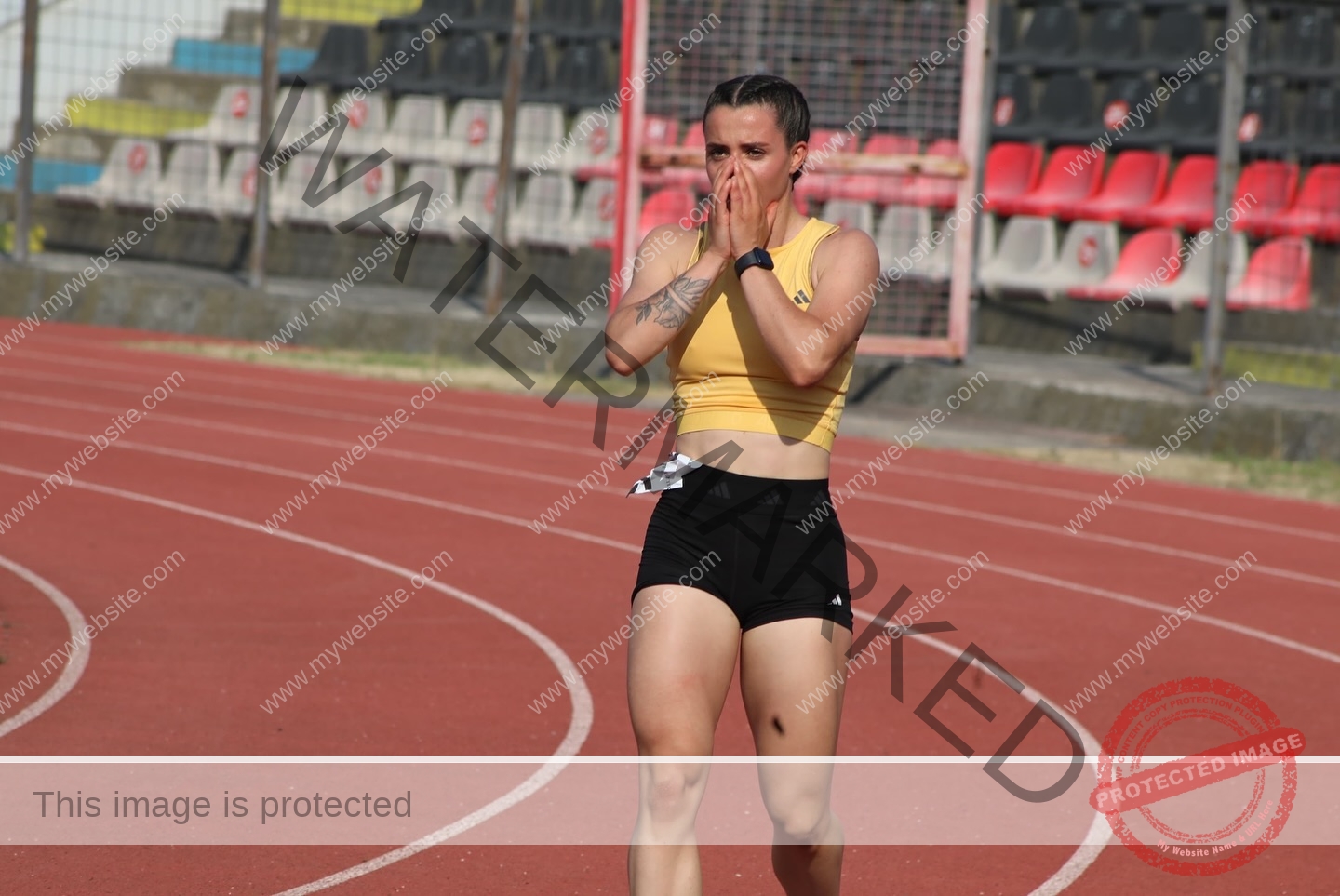
On June 24, 2025, Shyle ran the 100 metres in a time of 12.05 seconds — a new personal best, improving by nearly a third of a second on her previous 100m mark set in 2020. A time of 12.05 represents a meaningful qualification-level performance within European athletics and reflects genuine athletic development over a multi-year arc. She had gone from the 12.37 that introduced her to senior competition in 2020 to a 12.05 five years later — the kind of sustained trajectory that speaks to serious, structured training and progressive competitive ambition.
Later on the same day in Maribor, the Albanian women’s 4×100 relay team — with Shyle as a key contributor — clocked a time of 47.73 seconds. That performance established a new personal best for Shyle in the relay, and represented a meaningful improvement over the 48.22 the team had run at the Albanian Championships two years earlier. A sub-48-second 4×100 relay for any national women’s team is a legitimate competitive achievement, and for Albania — a country that does not have a deep pool of sub-12 hundred-metre sprinters to draw from — it marks genuine progress in building relay depth and exchanging technique.
One National Title and Its Meaning
Shyle’s World Athletics profile lists her with one national championship title — a “1X National champion” designation that reflects a domestic title in one of her sprint events. For an athlete from a small national federation like Albania’s, winning a national title is not the same as collecting trophies in a sport with minimal competition. It represents being recognized as the best in the country in a particular event in a given year — a distinction that requires not just speed, but consistency and the ability to perform under the specific pressures of a national championship setting.
The context of Albanian sprint competition also matters here. Albania has historically produced female sprinters capable of competing at the Balkan level, and winning a national championship in the 100 metres or a related sprint event is an achievement that places an athlete at the top of a meaningful competitive pyramid within her country’s athletics structure.
The Albanian Athletics Landscape: A Bigger Picture
To properly appreciate what Shyle has accomplished, it helps to understand the environment she competes within. Albanian athletics operates with the structural challenges common to many smaller nations in southeastern Europe — limited dedicated athletics facilities, a national track infrastructure that has historically lagged behind Western European counterparts, and a federation that has at various points faced governance challenges that complicated the country’s standing within international athletics bodies.
The FSHA, officially headquartered in Tirana, has worked to maintain Albania’s participation in European Athletics competitions despite these headwinds. The country competes in the European Athletics Team Championships Third Division — the lowest of the three tiers in the European team format — a fact that reflects the overall depth of Albanian athletics relative to the broader European athletics landscape, not a reflection of the quality or effort of individual athletes like Shyle.
The women’s sprint tradition in Albania that Shyle now represents stretches back most visibly through Klodiana Shala, who competed for Albania across four Olympic Games (2000, 2004, 2008, 2012) and became the first Albanian athlete to reach a final at the European Athletics Championships. Shala’s career, built on 200 metres and 400 metres specialization, set a precedent for Albanian female sprint athletes competing at the highest international levels. Shyle, focusing on the shorter end of the sprint spectrum at 60m and 100m, is building within a different tradition but contributing to the same broader national legacy of women representing Albania with discipline and competitive commitment on the track.
Personal Bests and Career Statistics
As of the 2025 outdoor season, Paola Shyle’s confirmed personal bests and notable career marks across her events are as follows:
- 100 metres: 12.05 seconds (June 24, 2025, Maribor, Slovenia — European Athletics Team Championships Third Division)
- 60 metres: 7.84 seconds (February 15, 2025, Belgrade, Serbia — Balkan Athletics Indoor Championships)
- 200 metres: 25.61 seconds wind-assisted (August 4, 2020)
- 4×100 metres relay: 47.73 seconds (June 24, 2025, Maribor, Slovenia — European Athletics Team Championships Third Division)
- 4×400 metres relay short track: 4:07.72 (February 10, 2024, Istanbul, Turkey — Balkan Athletics Indoor Championships)
Her World Athletics athlete code is 14713526. She holds one Albanian national champion designation, and she is listed on the European Athletics member federation page for Albania as an active international competitor, representing her country across 4×100 relay, 100 metres, and 200 metres disciplines.
Social Media and Public Presence
No confirmed public social media profiles for Paola Shyle have been identified in available English-language sources. Like many athletes from smaller national federations who compete primarily on the regional circuit, her public digital footprint is limited. Given the growth of Albanian athletics’ international visibility — particularly in the wake of Luiza Gega’s European championship gold in 2022 — there is reason to expect the broader profile of Albanian track and field athletes, including sprint representatives like Shyle, to grow as the FSHA and European Athletics continue to promote the sport’s development in the region.
No commercial sponsorships have been publicly announced or confirmed as of this writing, which is consistent with the typical commercial profile of athletes competing at the national and regional level in smaller athletics federations across Europe.
What Comes Next
At 26 years old as of 2025, Paola Shyle is in the prime years of a sprint career. The improvements she showed between 2020 and 2025 — from 12.37 to 12.05 in the 100 metres, from 7.83+ to 7.84 in the 60 metres, and a meaningful relay contribution that helped push Albania’s women’s 4×100 under 48 seconds — suggest that there remains room for further development, particularly if training conditions and competitive opportunities remain consistent.
The upcoming European Athletics Team Championships cycles will provide continued opportunities for Shyle and the Albanian women’s relay squad to build on the results of Maribor 2025. For Albania’s sprint program, the 4×100 relay is perhaps the most tractable path to meaningful national progress in the short sprints — combining the contributions of several athletes who might each fall short of individual qualifying standards for major championships but who together can post relay times competitive enough to draw attention and secure qualification for regional team events.
Shyle’s continued presence in the Albanian national relay squad, her demonstrated ability to produce personal bests on the international stage, and her 60 metre indoor results suggest an athlete who has not yet reached her ceiling. Whatever that ceiling turns out to be, she has already secured her place as one of the most productive Albanian women’s sprinters of her generation — a quiet pioneer in a sprint tradition that is, slowly and steadily, getting faster.
Paola Shyle represents Albania in international athletics and competes across the 60 metres, 100 metres, 200 metres, and relay events. Her World Athletics athlete profile is registered under code 14713526. She is listed as an active international athlete on the European Athletics member federation page for Albania (Federata Shqiptare e Atletikës / FSHA).
