
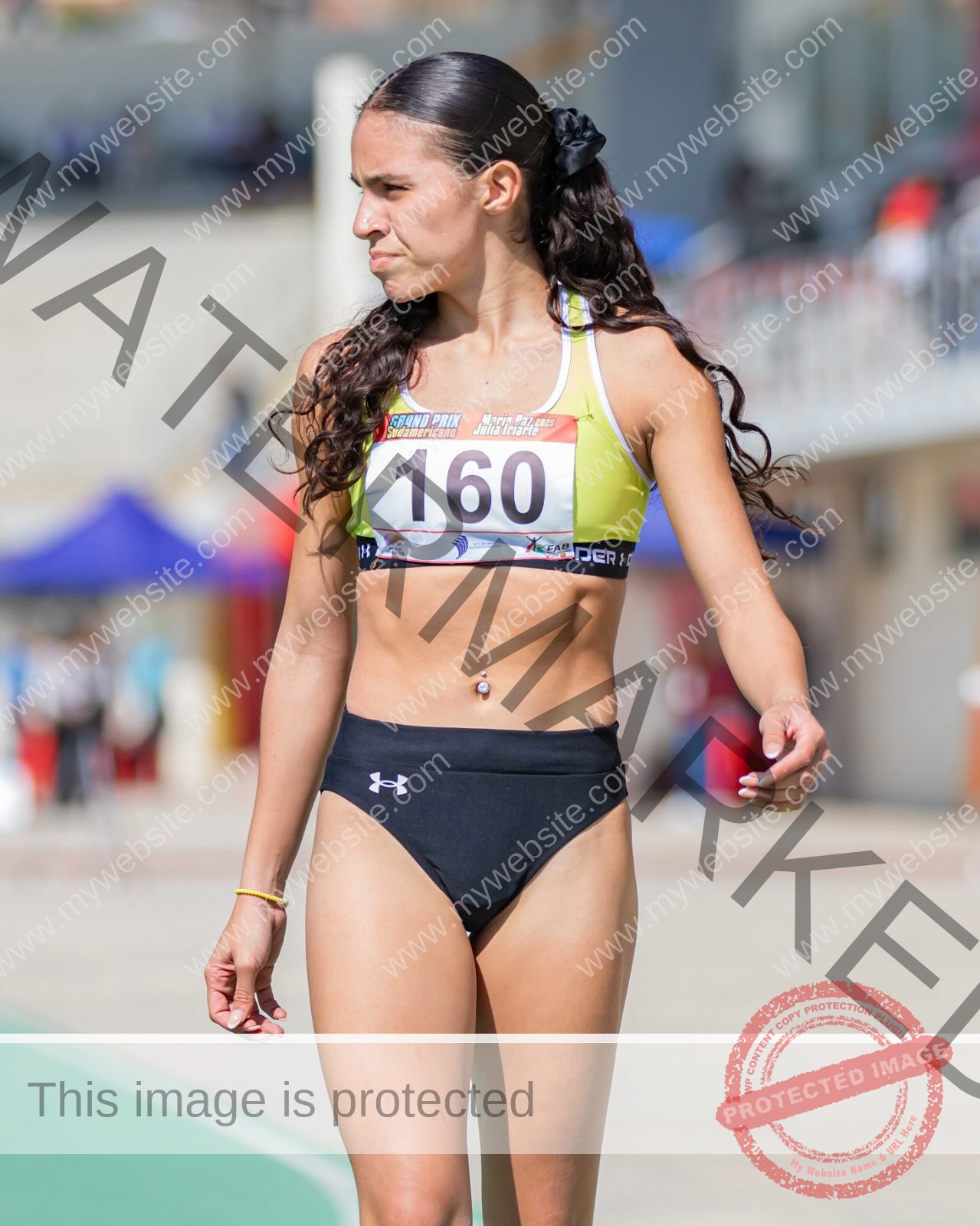
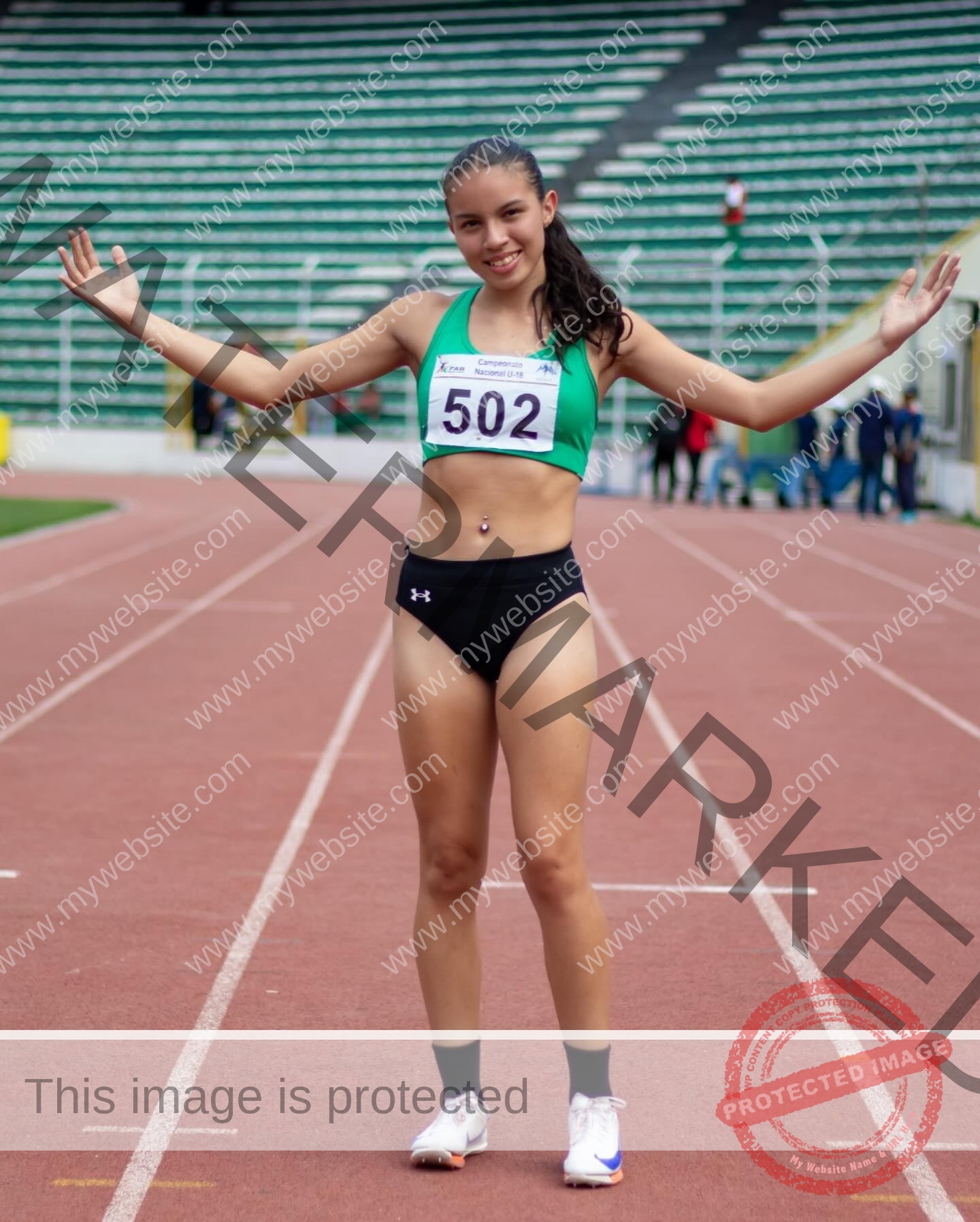

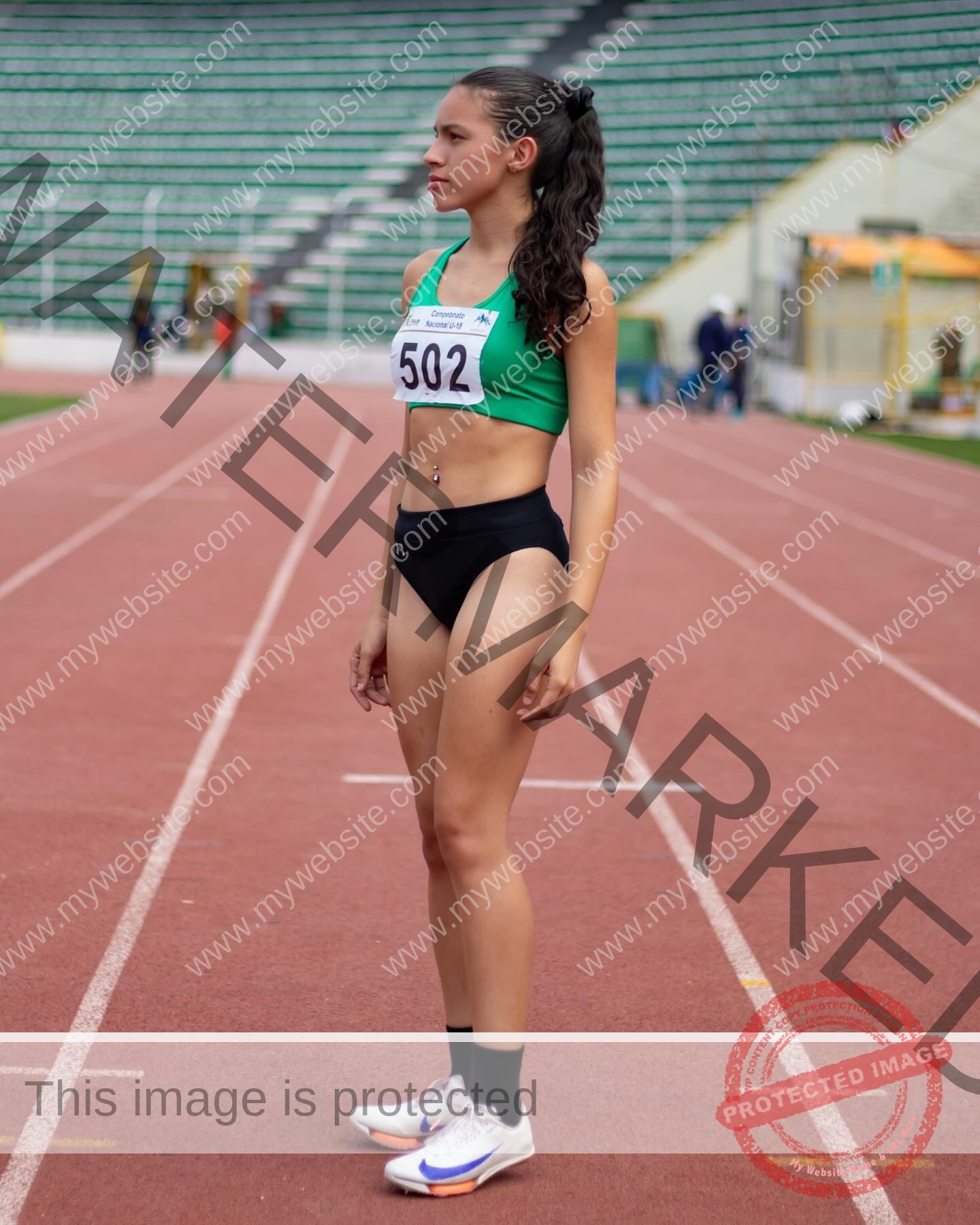
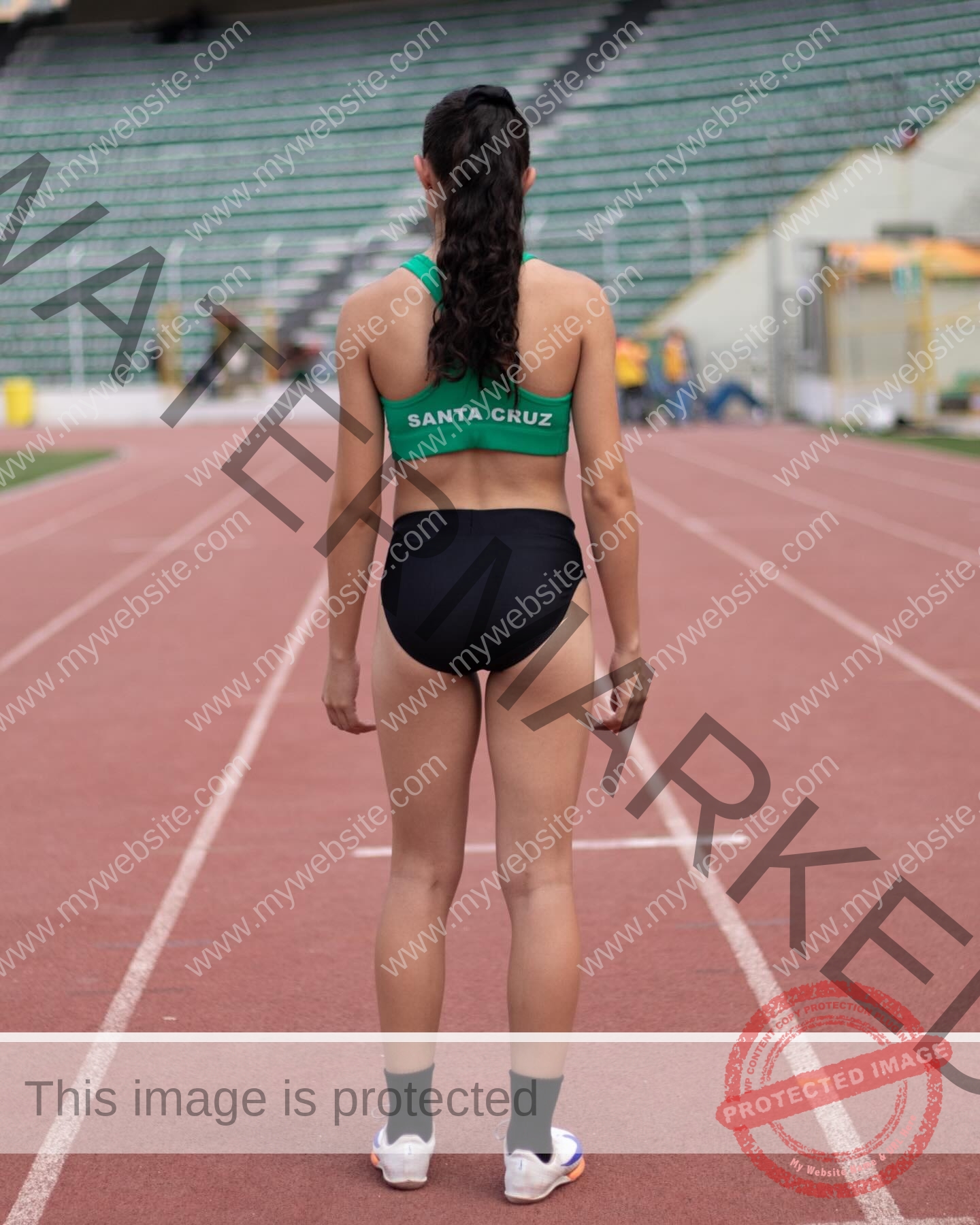

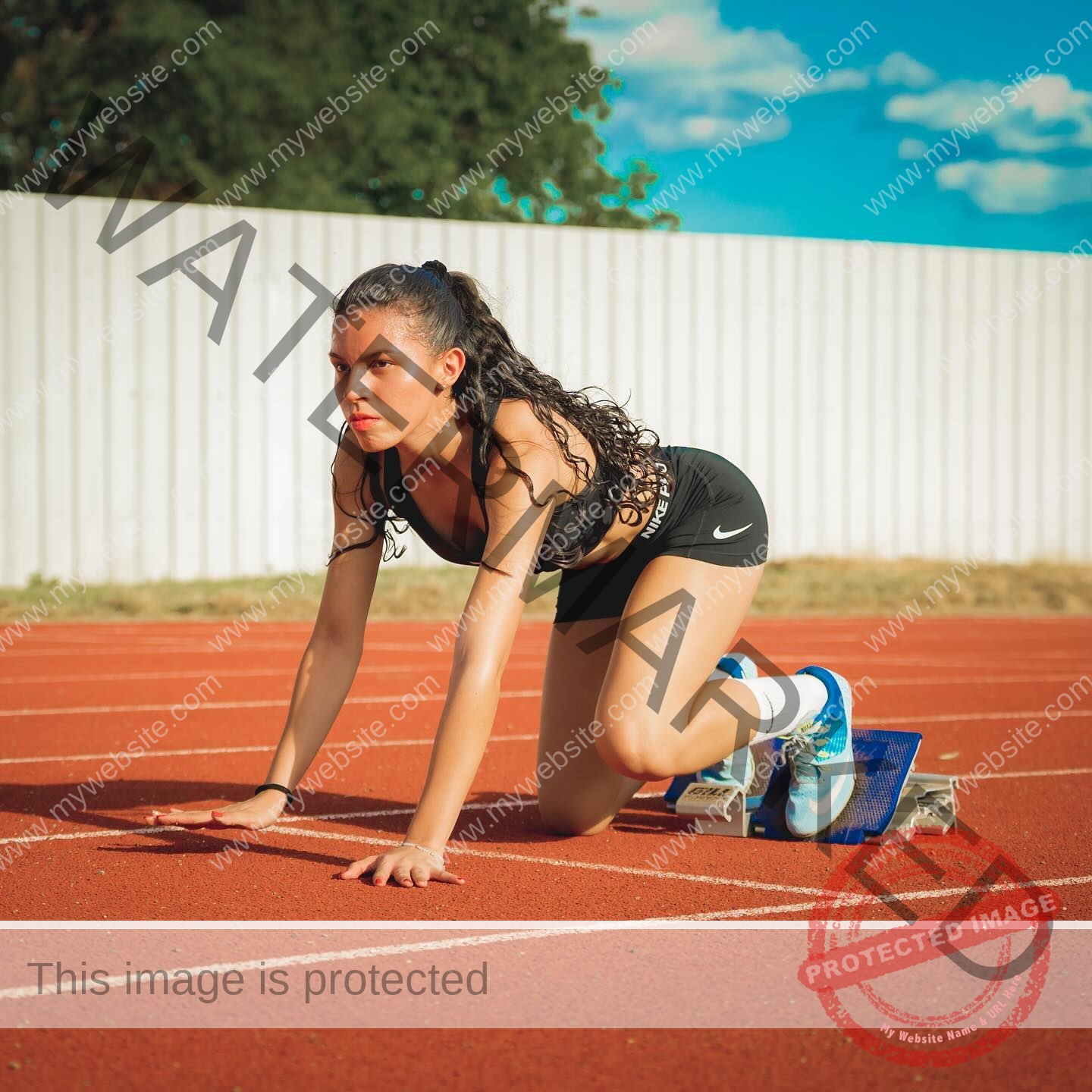
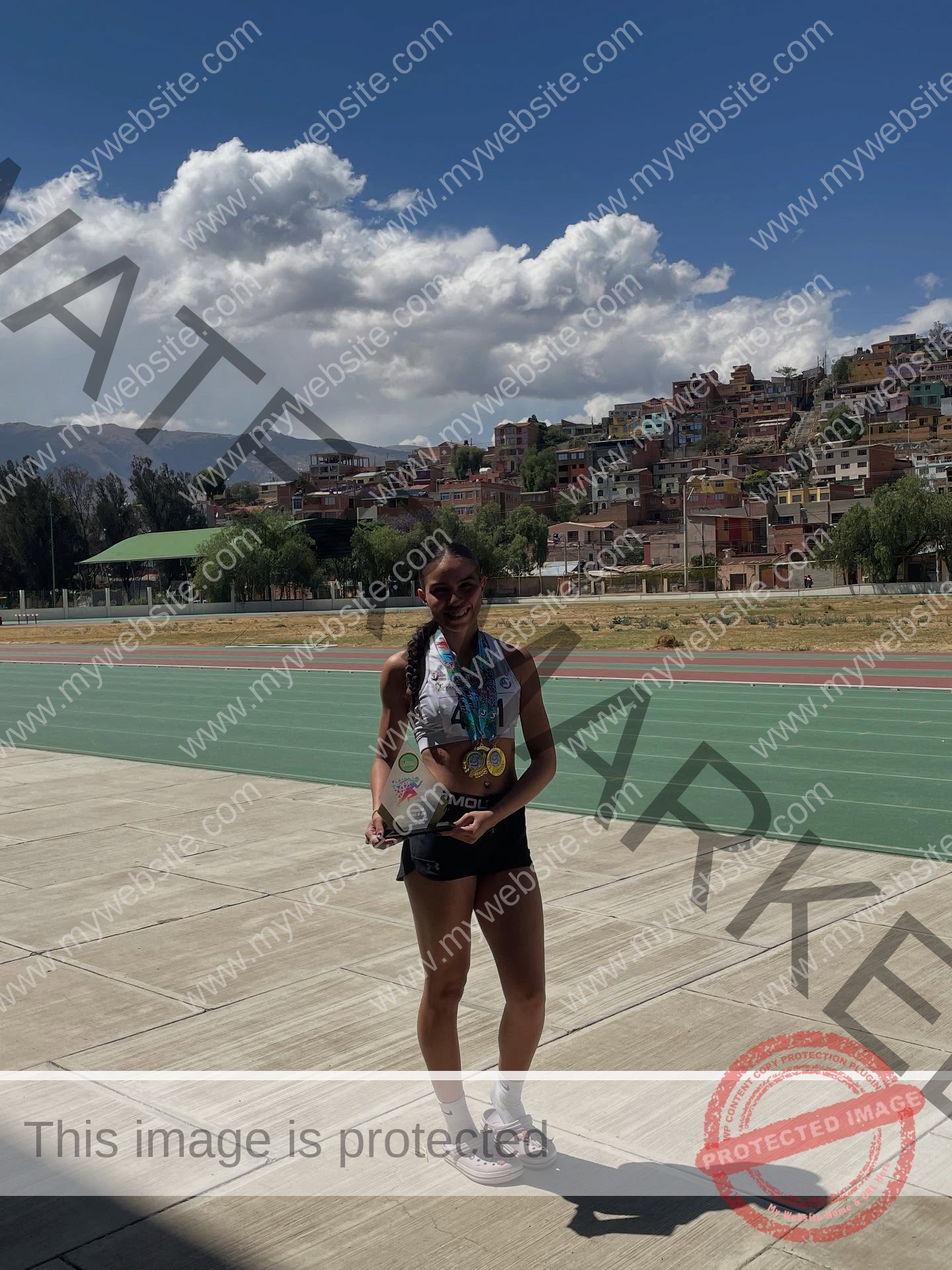
Mariana Casanova: Bolivia’s Fastest Young Sprinter and the Face of a New Generation
Note: The athlete’s full given name is Mariana Casanova. She competes under that name and is registered with World Athletics as Mariana Casanova.
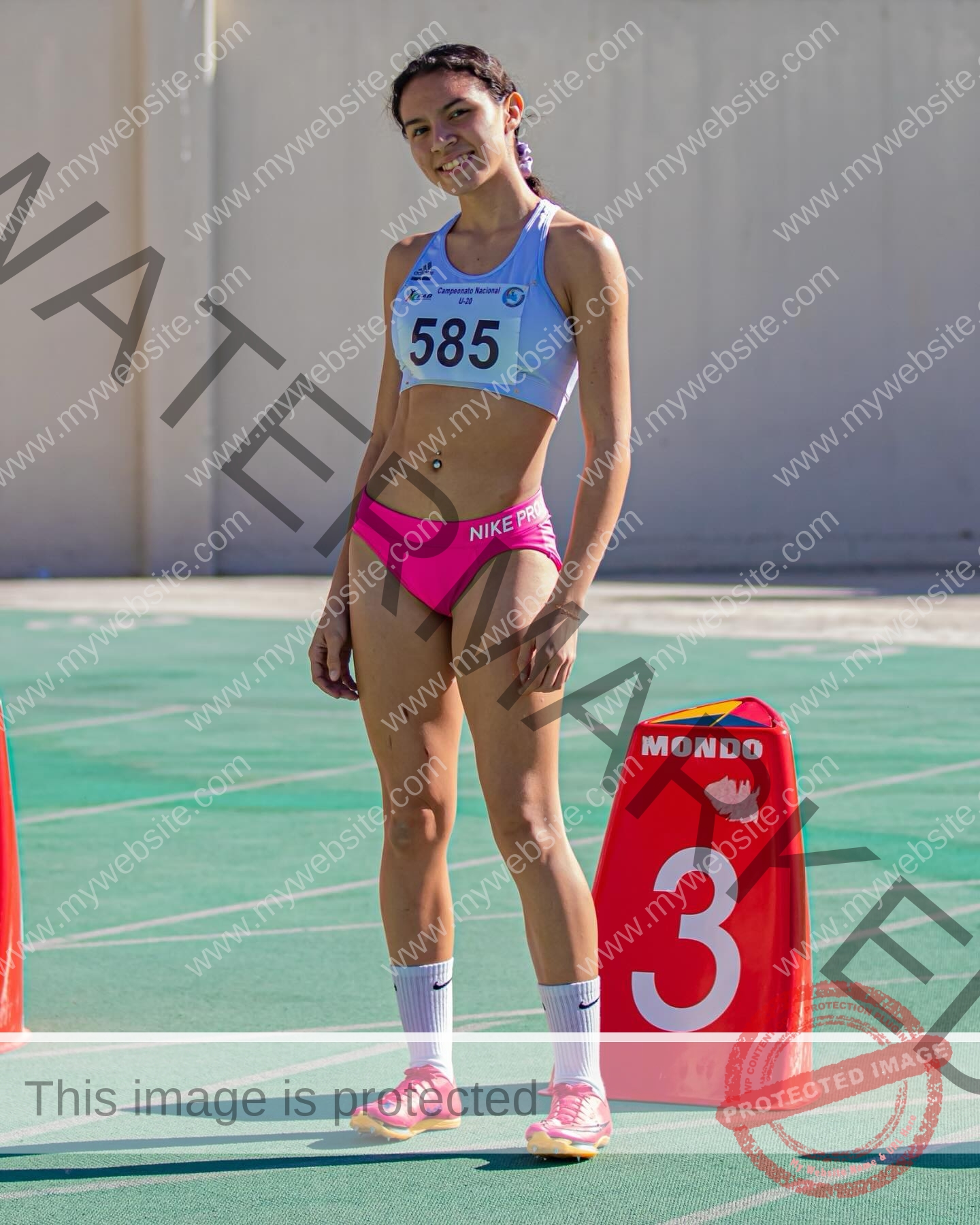
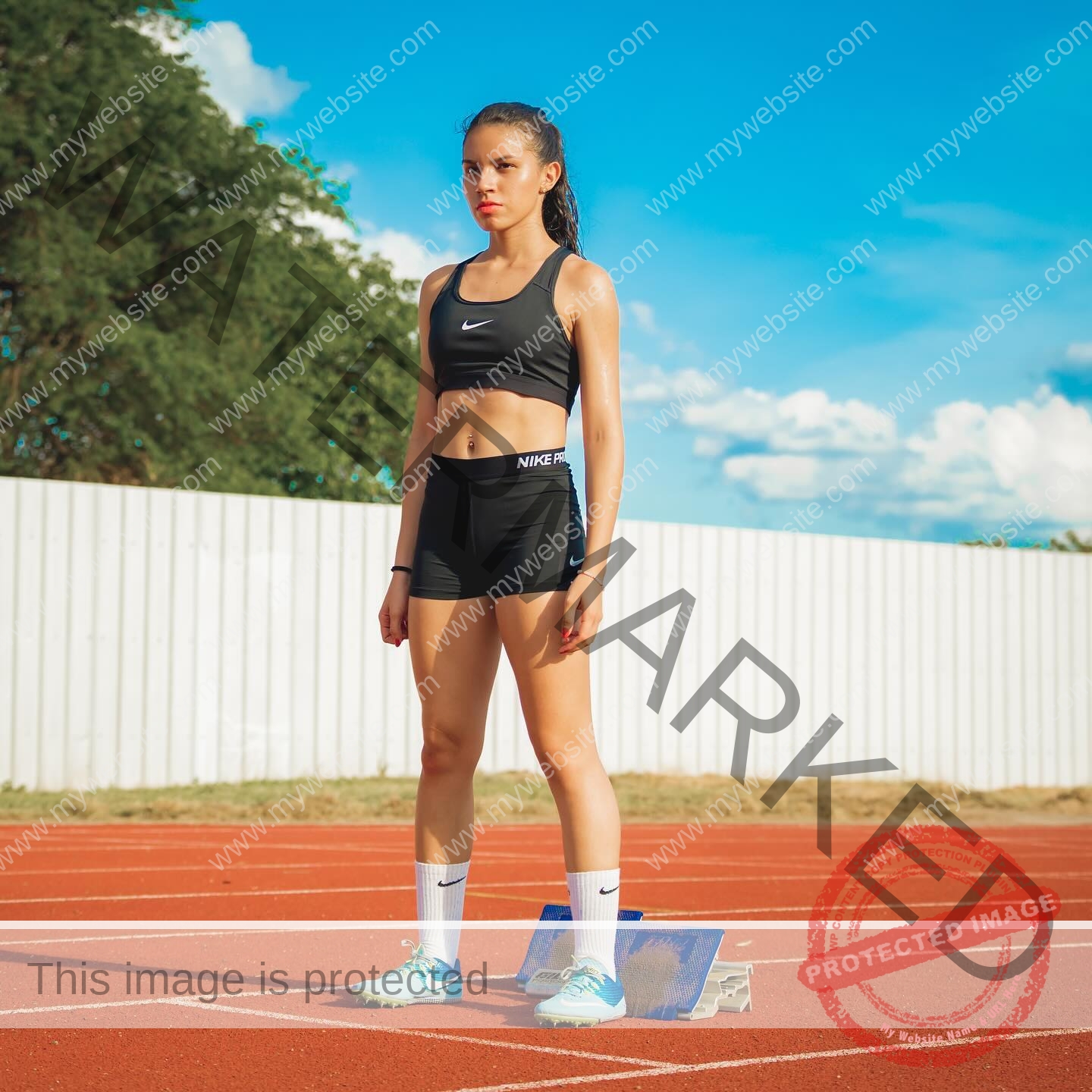
In a country more celebrated for its distance runners and race-walkers, Mariana Casanova has carved out something genuinely new: a sprinting identity for Bolivia. Born on February 3, 2008, in Santa Cruz de la Sierra — the country’s largest and most economically dynamic city — Casanova has, in just a handful of competitive seasons, rewritten Bolivia’s record books in the women’s short sprints and announced herself, loudly and emphatically, as one of South American junior athletics’ most compelling emerging talents.
She is 18 years old. She is already a national champion. And she is only getting faster.
Santa Cruz Roots
Santa Cruz de la Sierra sits at roughly 416 meters above sea level in Bolivia’s eastern lowlands — a significant contrast to the high-altitude cities of La Paz, Cochabamba, and Oruro that dominate much of the country’s athletic landscape. While Bolivia’s distance runners have historically benefited from training at extreme altitudes, sprinters have faced a different set of challenges: a smaller competitive infrastructure, fewer dedicated facilities, and less national prestige attached to the sprint events. Growing up in Santa Cruz, Casanova came of age in a city that is increasingly carving out its own athletic identity, particularly in the sprint disciplines where regional teams have competed fiercely against Bolivia’s traditional powerhouses.
Specific details about Casanova’s earliest years — her school, her first coaches, the exact circumstances that drew her to the track — are not yet part of the public record, as is common with young athletes still early in their careers. What the record does confirm clearly is that she developed within Santa Cruz’s regional athletics structure and emerged as a standout competitor while still in the under-18 age category. By the time she stepped onto the national stage, she was already polished beyond her years.
Early Career: A Record in the Making
Casanova’s first significant appearance in the national athletics conversation came in 2024, during the lead-up to the National Sub-20 Athletics Championship. Competing in qualifying meets for the national selection, she posted a time that caught the attention of the athletics community: a 100m clocking that matched the existing national U18 record of 12.32 seconds, set in 2016 by Carolina Ocampo at a Sub-18 championship in Resistencia, Argentina. It was a signal flare. The record, which had stood for eight years, was about to fall.
The confirmation came in June 2024 at the National Sub-20 Athletics Championship, held at the Athletics Stadium of the Autonomous Municipal Government of Cochabamba — the premier athletics venue in Bolivia, and the country’s only international-standard indoor track facility. Competing as part of the Santa Cruz delegation, Casanova won the 100 meters gold medal and, in doing so, set a new national U18 record with a time of 12.26 seconds. The mark eclipsed Ocampo’s long-standing record and established Casanova as the fastest young female sprinter in Bolivian history. The silver medal at that championship went to Ana Luisa Villa of Tarija at 12.44, with Nayana Aramayo of Cochabamba taking bronze at 12.93 — a margin that underscores just how decisively Casanova led the field.
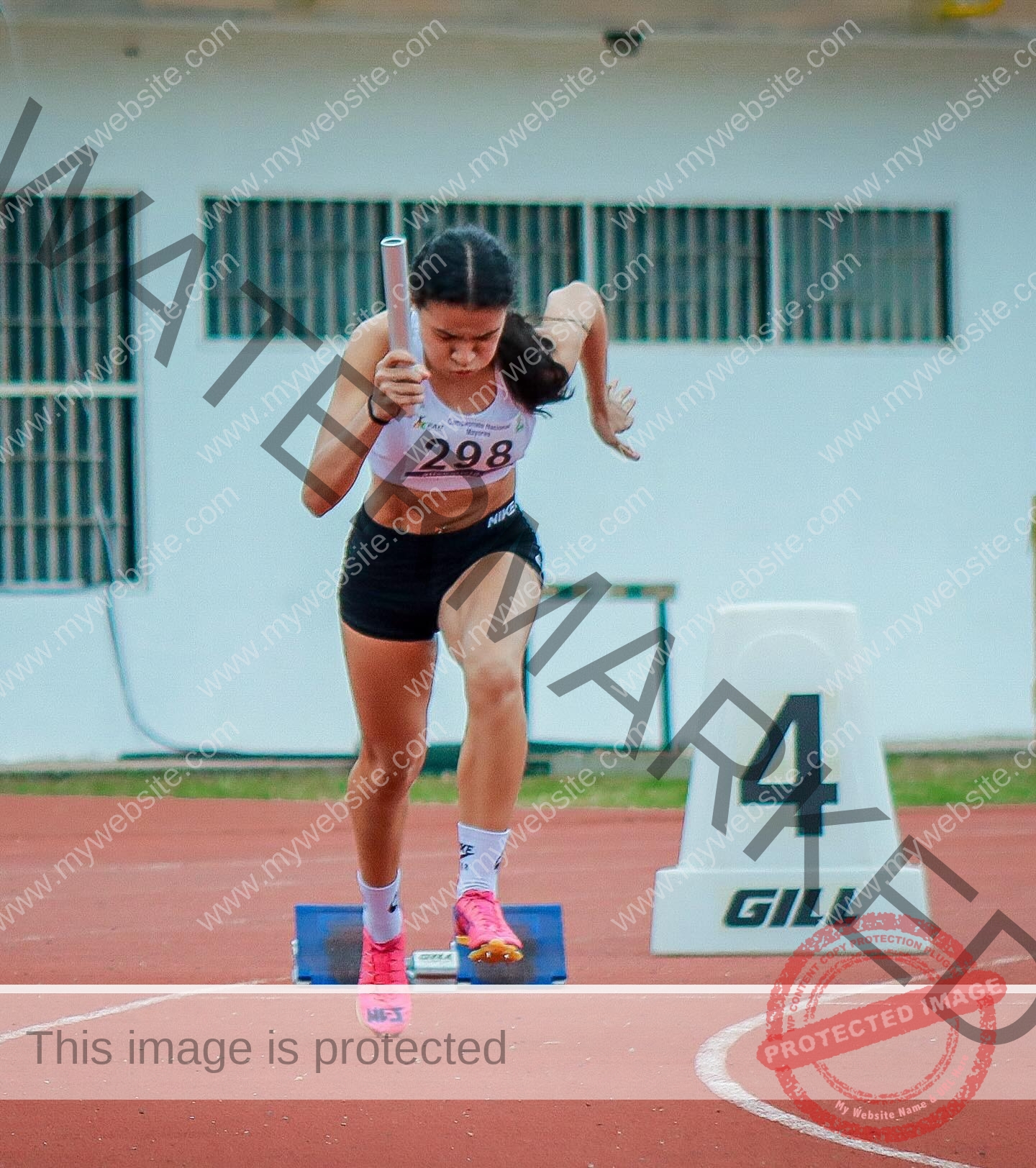
In the relay event, Casanova also contributed to a strong Santa Cruz team performance at this period, and her name was registered with World Athletics with a 4×100 meter relay personal best of 46.52 seconds, achieved at a Santa Cruz meet on May 26, 2024 — a relay score that would earn the highest World Athletics score of any of her individual events.
2025: A Season of Historic Firsts
If 2024 was the announcement, 2025 was the arrival. Casanova built an extraordinary season that began indoors in January and continued to push into new territory throughout the outdoor calendar.
In late January 2025, competing at the “More Galetovig” meeting at the Cochabamba Municipal Stadium, Casanova set a new national U20 (under-20) record in the indoor 60 meters with a time of 7.66 seconds. The performance was notable on two levels: it demonstrated that she was not merely elite in the U18 bracket but competitive in the older U20 group as well, and it confirmed that her indoor capabilities were a genuine strength. Athletics coverage from the event described her performance as marking the beginning of a promising career — though that description already felt like an understatement given what was to follow.
In February 2025, Casanova competed at the National Indoor (Pista Corta) Championship, again at the Cochabamba venue, where Santa Cruz dominated the overall team standings with 232 points in the senior category and 227 in U20. Casanova contributed double gold in the U20 sprint events — winning both the 60 meters and the 200 meters — and added another national record to her growing collection, setting the U18 indoor 200m mark at 26.05 seconds. Santa Cruz’s dominance at that championship positioned the department as the clear powerhouse heading into the IV South American Indoor Championship, held at the same Cochabamba venue on February 22–23, 2025. Bolivia finished as a historic runner-up at that South American championship, placing second only behind Brazil and ahead of ten other nations — a landmark result for Bolivian athletics overall.
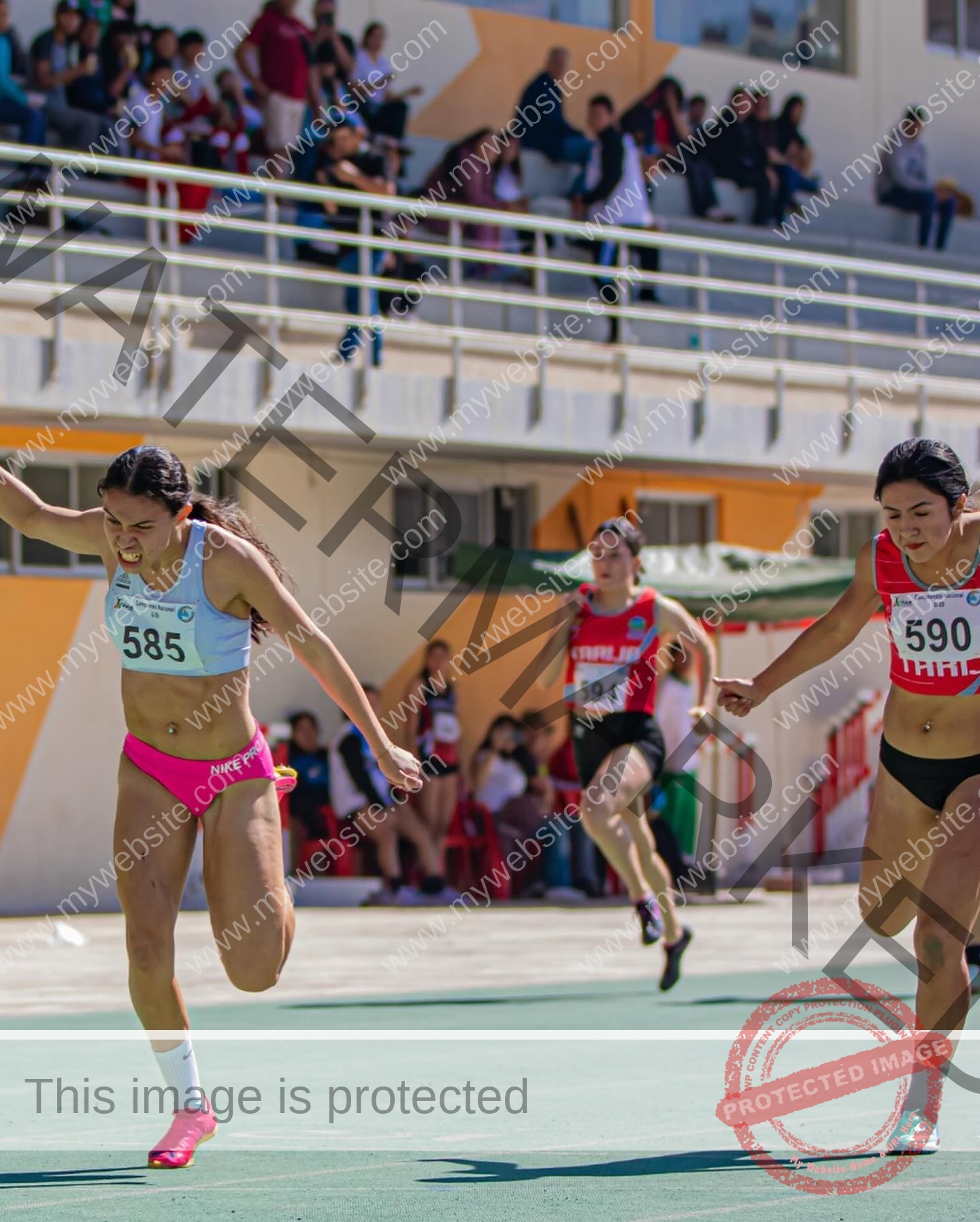
The outdoor season delivered the most dramatic performances yet. On April 5, 2025, at the II Torneo in tribute to the late Cochabamba sprinter Jacqueline Soliz, Casanova achieved a breakthrough of rare significance. Running in the 100 meters final against Bolivia’s senior women — including national record holders Leticia Arispe (11.79) and Guadalupe Torrez (11.88) — Casanova finished fifth overall. In doing so, however, she clocked 11.97 seconds, becoming the first woman under 18 years of age in Bolivian history to break the 12-second barrier in the 100 meters. The time shattered the national U18 100m record she herself had set only nine months earlier. In the same competition, she ran 25.19 in the 200 meters, also setting a new national U18 200m record, breaking Guadalupe Torrez’s mark of 25.38 that had stood since May 2018.
That single afternoon in Cochabamba represents one of the most significant individual performances in the history of Bolivian women’s sprinting. Two national records, an historic sub-12-second barrier broken, all as a 17-year-old competing against the senior national field.
World Athletics’ official statistics for 2025 reflect these marks. Her seasonal bests for the outdoor season were 11.97 in the 100m (with wind reading of +0.1 m/s, meeting legal conditions) and 25.19 in the 200m, both achieved on April 5, 2025. Her World Athletics athlete code — 15151063 — carries a World Rankings position of #1933 in the women’s 100m globally, a meaningful placing for a teenager still in the earliest stages of her international development. That ranking is expected to continue climbing as she accumulates more World Athletics-scored performances at qualifying competitions.
Later in the 2025 outdoor season, on October 11, 2025, Casanova ran a wind-assisted 11.82 in the 100m — a performance that, while not counting as a legal personal best due to wind conditions, demonstrates the continued trajectory of her speed development entering the latter part of the year.
2026: Continuing the Climb
The 2026 indoor season saw no signs of a plateau. In February 2026, at the National Indoor U20 and Senior Championship in Cochabamba, Casanova again delivered double gold for Santa Cruz in the U20 sprint events, winning both the 60 meters and 200 meters. Santa Cruz finished the overall team championship with 291 points — first in the general classification, leading across both male and female categories. Casanova’s contributions were central to that team dominance. The championship drew approximately 250 athletes from across Bolivia’s departments, and her victories among that competitive field reaffirmed her status as the country’s premier young female sprinter.
In February 2026, she also posted a 200 meters short track (indoor) personal best of 25.63 seconds at the Cochabamba venue — a performance logged in her World Athletics profile for the 2026 indoor season. The South American Indoor Championship returned to Cochabamba again in late February and early March 2026, further establishing that city as the continental hub for indoor athletics, and providing Casanova with another opportunity to compete at the highest regional level.
Personal Bests and Career Statistics
As of May 2026, Mariana Casanova’s confirmed personal bests and key career marks are as follows:
- 100 meters: 11.97 (legal, +0.1 m/s wind) — April 5, 2025, Cochabamba | 11.82 (wind-assisted) — October 11, 2025
- 200 meters: 25.19 — April 5, 2025, Cochabamba (National U18 record)
- 60 meters (indoor): 7.66 — January 26, 2025, Cochabamba (National U20 record, indoor)
- 200 meters short track (indoor): 25.63 — February 8, 2026, Cochabamba
- 4×100 meters relay: 46.52 — May 26, 2024, Santa Cruz de la Sierra
Her national titles include at least one officially recognized national championship gold (reflected in her “1x National Champion” designation on World Athletics), with multiple additional championship wins at the U18 and U20 level across indoor and outdoor seasons. Among the national records she has held or currently holds: U18 100m (outdoor), U18 200m (outdoor), U20 60m (indoor), and U18 200m (indoor).
Competing in Bolivia’s Athletics Landscape
To appreciate what Casanova has accomplished, some context about Bolivian athletics is useful. The Federación Atlética de Bolivia (FAB), led by Marco Luque, has made significant strides in recent years in developing the sport domestically, particularly around the Cochabamba indoor facility. Bolivia’s program “Sueño Bicentenario” (Bicentennial Dream) supports elite athletes through scholarships and training resources. The country’s most celebrated athletics figures in recent seasons — distance runner Héctor Garibay, race-walker Ángela Castro, sprinter Guadalupe Torrez — have helped raise the sport’s profile nationally. Against that backdrop, Casanova has emerged as the clearest sprint successor to Torrez, who holds senior women’s sprint records in Bolivia and competed at the 2024 Paris Olympics.
The fact that Casanova, at 17, was finishing within striking distance of Torrez and Arispe — the country’s top senior sprinters — in major meets is not a small thing. Bolivia’s sprint program is genuinely competitive at the national level, and placing in finals against those athletes while also setting national age-group records speaks to both raw ability and competitive composure.
The Cochabamba athletics stadium, which hosts both the national championship circuit and the South American Indoor Championship, is a facility unique in South America — the continent’s only purpose-built indoor athletics venue of its scale. Casanova has benefited enormously from having access to this world-class infrastructure, competing there repeatedly and using the indoor season as a developmental platform. The IV South American Indoor Championship in February 2025 — which Bolivia hosted and at which the country finished second overall — saw Casanova contributing to her department’s and country’s strong showing.
Style and Competitive Character
What observers have noted about Casanova, beyond the numbers, is a competitive sensibility that sets her apart. She does not shrink in the presence of more experienced athletes. At the Jacqueline Soliz meet in April 2025, she competed in a final field that included the two fastest women in Bolivian sprint history and still found the resources to run a personal best. That kind of head-down competitive focus — performing to or beyond the limits of her preparation regardless of company — is the hallmark of sprinters who continue developing rather than plateauing.
She has also shown versatility across the sprint distances, competing credibly at 60m, 100m, 200m, and as a relay contributor. The 200m may ultimately be her strongest event — her national U18 record there, breaking Guadalupe Torrez’s eight-year-old mark, is a significant statement about her speed endurance and curve mechanics — but she is clearly a genuine dual-event talent in the short sprints.
On the National and South American Stage
Casanova’s international competition history is still developing, as is typical for athletes of her age. Her World Athletics profile registers her competitions through the officially scored meets in Bolivia, and her global ranking places her within the broad landscape of competitive sprinters worldwide — significant for an 18-year-old from a country with limited external athletics exposure. The South American Indoor Championships in Cochabamba have given her a taste of regional competition, and as she ages into the U20 and eventually senior categories, the opportunities for international results will expand.
The South American Junior Athletics Championships, the Ibero-American Athletics Championships, and eventually the South American Senior Championships represent the natural stepping-stones for an athlete of her trajectory. Given the pace of her development — reducing from 12.26 to 11.97 in the 100m within nine months, breaking records that had stood for years — there is little reason to think she will not continue improving significantly as she transitions through the U20 years.
Social Media and Public Profile
Casanova maintains an active presence on social media consistent with her role as a rising figure in Bolivian athletics. Her performances have been documented by the Federación Atlética de Bolivia’s official channels, as well as by Bolivian sports outlets including Podio.bo, Montero Noticias, Visión 360, and El Periódico Tarija. Coverage has been enthusiastic and consistent, reflecting the genuine public interest her performances generate within the Bolivian athletics community. No confirmed public sponsorship arrangements have been announced as of this writing, though as her profile continues to rise, commercial partnerships within Bolivia’s growing sports marketing sector are a natural expectation.
Looking Ahead
At 18 years old and turning 19 in early 2026, Mariana Casanova is only beginning. She will age into the U20 category fully in 2026 and 2027, giving her two full seasons to compete at the junior level internationally before the transition to senior competition. Her current marks — particularly the 11.97 legal 100m and 25.19 200m — already represent a significant foundation. The route to sub-11.80 in the 100m, and to a place at South American senior championships, looks like a reasonable medium-term horizon for an athlete developing at this rate.
More immediately, each year that Bolivia hosts the South American Indoor Championship in Cochabamba gives Casanova a home-crowd opportunity to push her marks in a sanctioned continental environment. With Santa Cruz continuing to be the dominant force in Bolivian athletics, and with the national federation’s growing investment in youth development, the structural support is in place for her to continue this trajectory.
Bolivia has long punched above its weight in athletics on the endurance side. In Mariana Casanova, the country may have found the sprint standard-bearer it has never quite had before — a young woman from Santa Cruz who is not only the fastest Bolivian teenage sprinter in history but who is, by every indication, still accelerating.
Mariana Casanova is registered with World Athletics under athlete code 15151063. Her official World Athletics profile can be found at worldathletics.org.
