
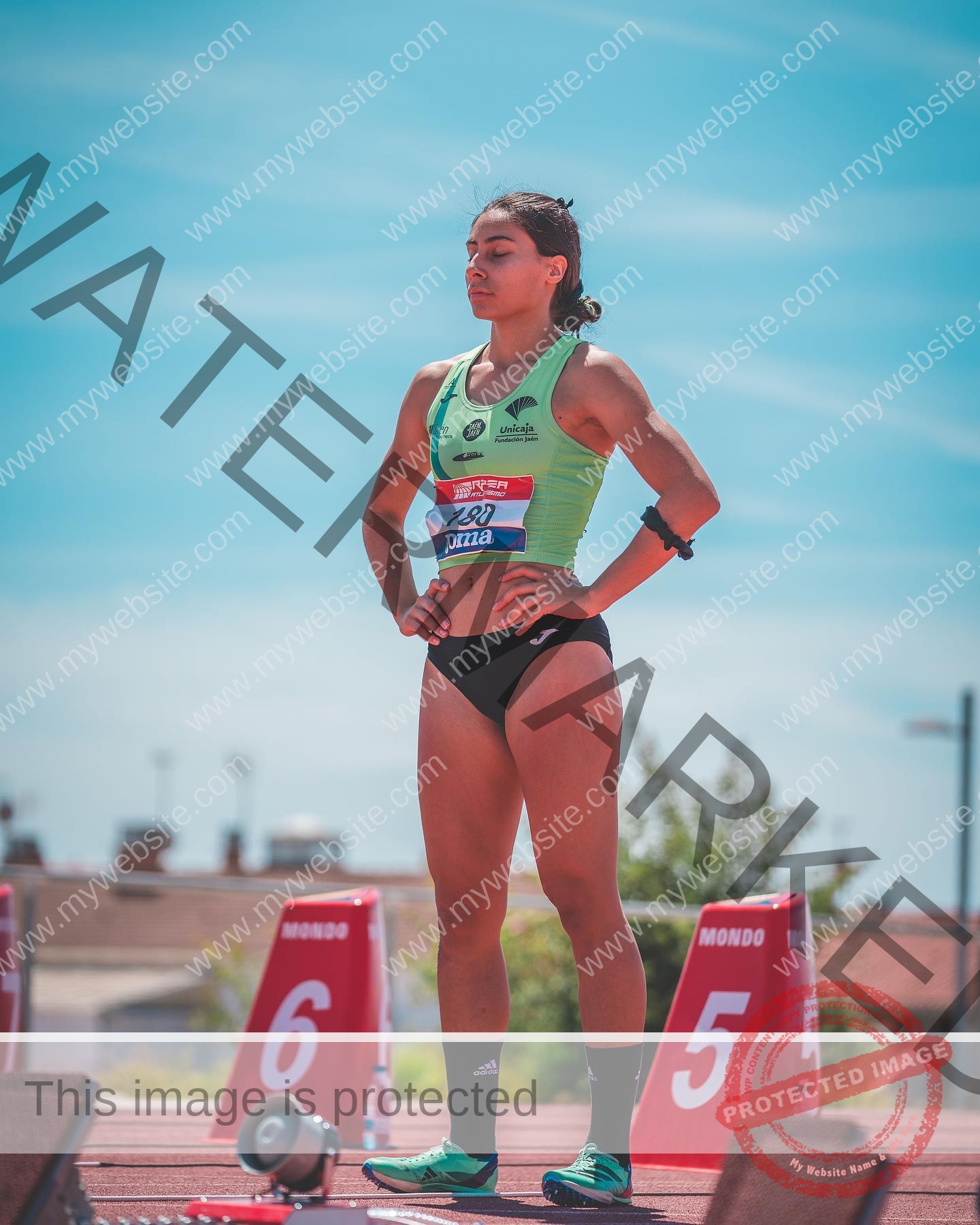
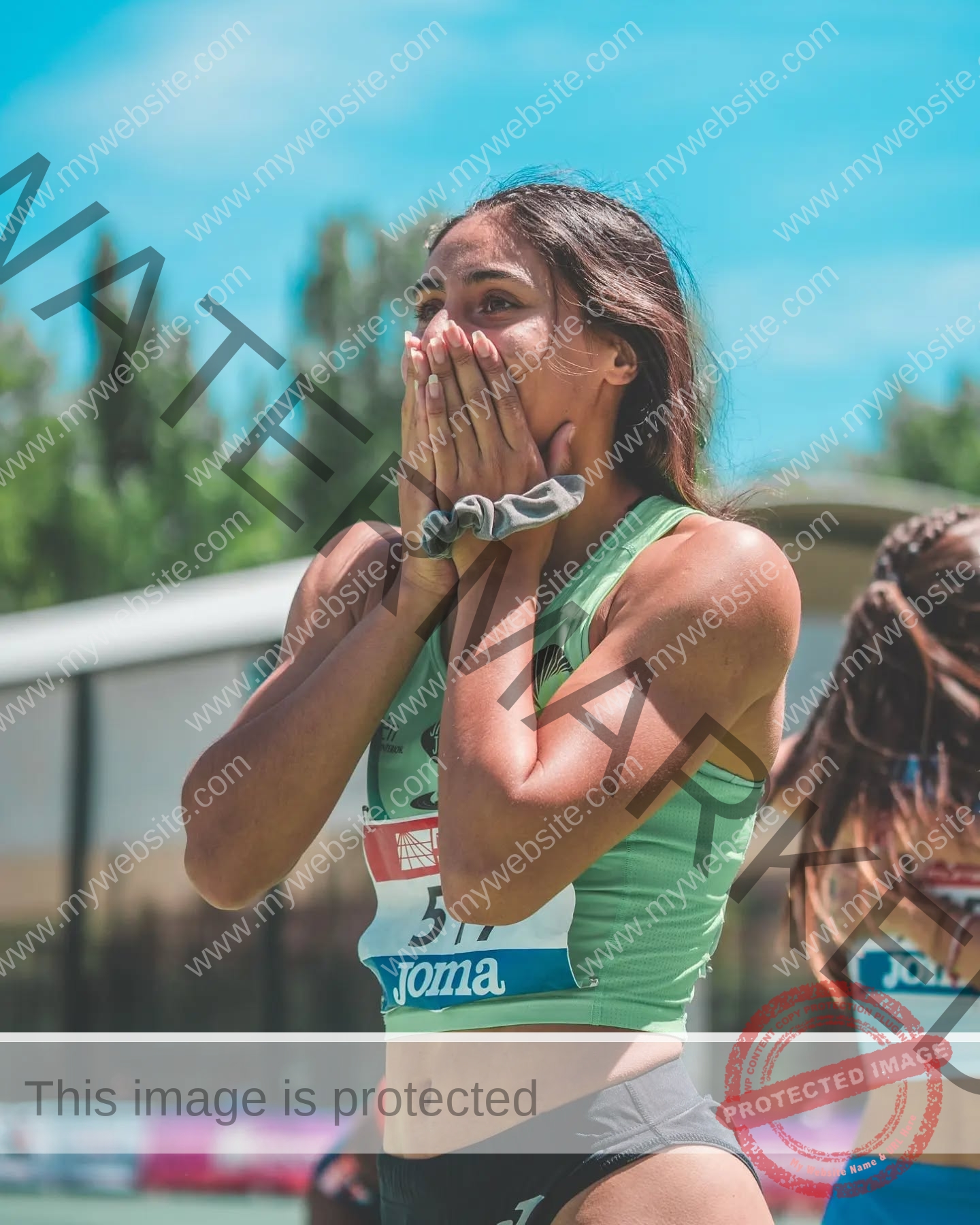
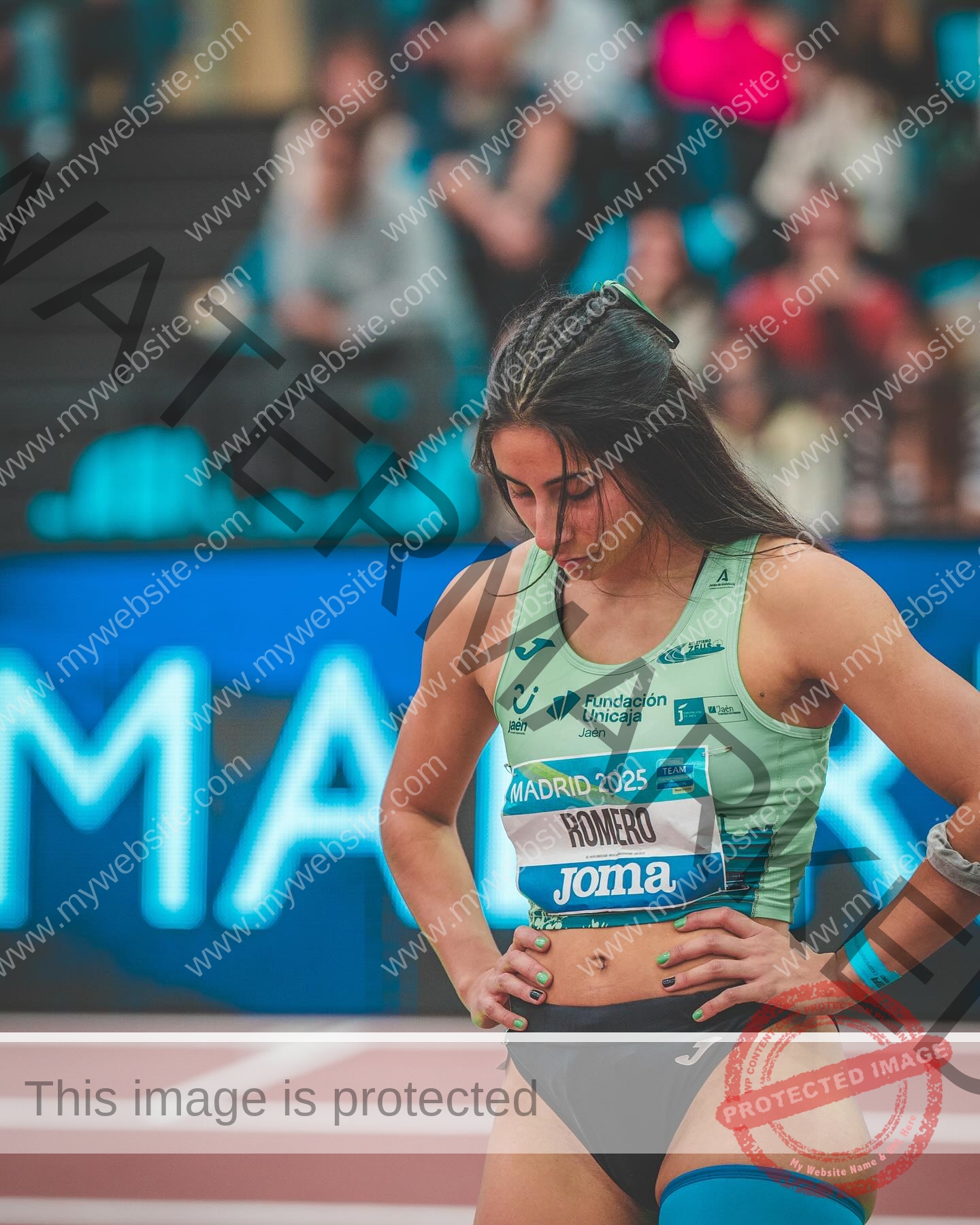
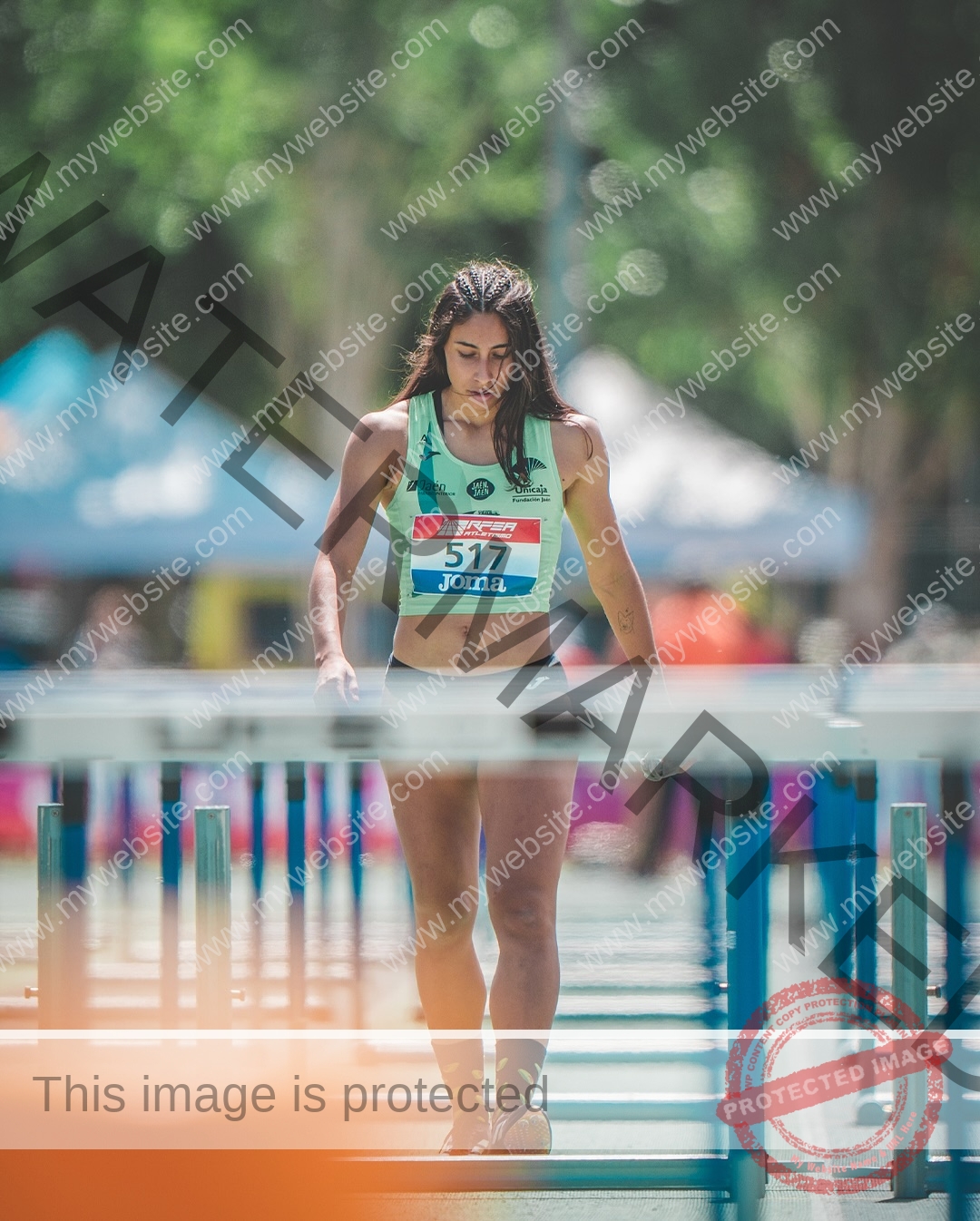
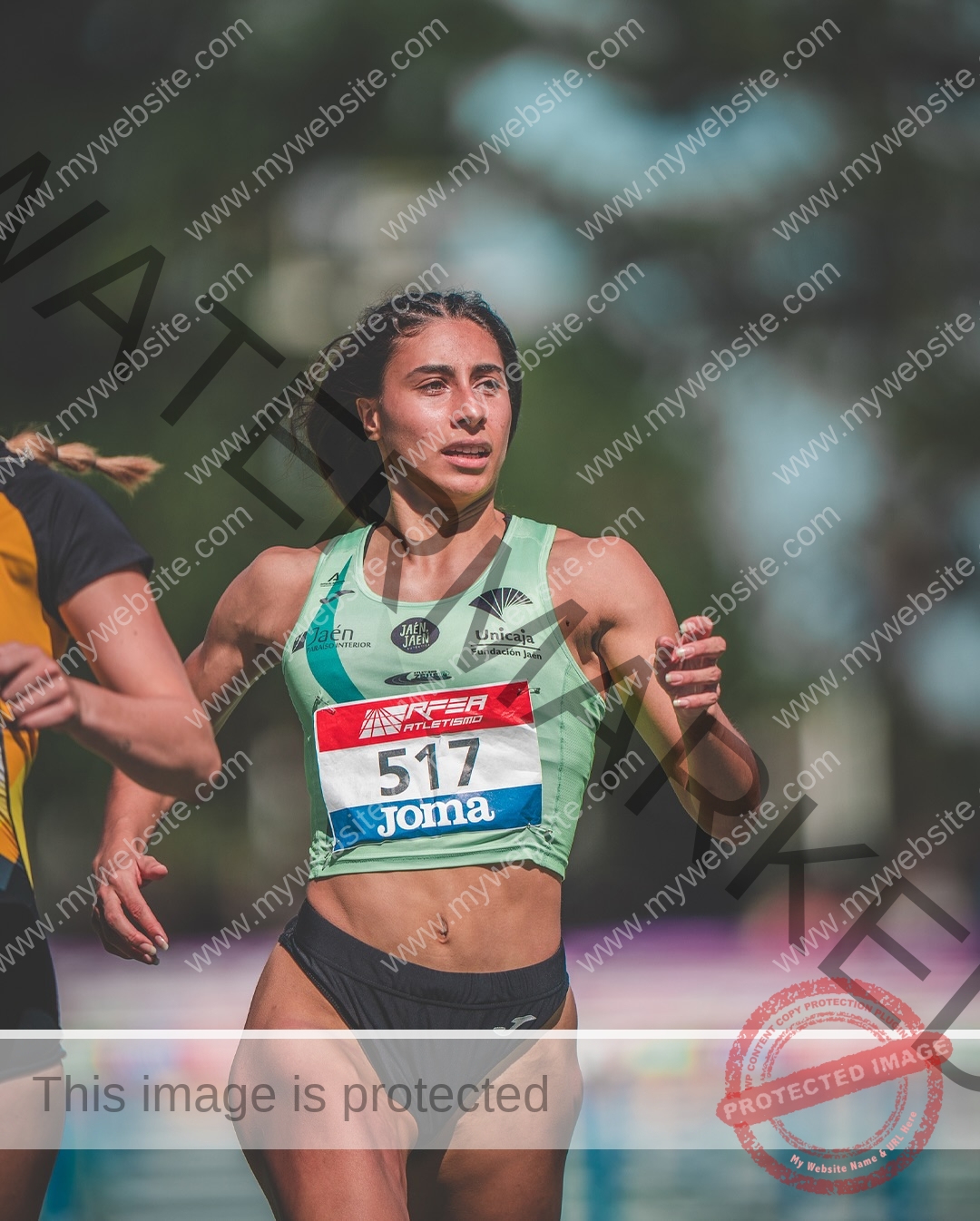
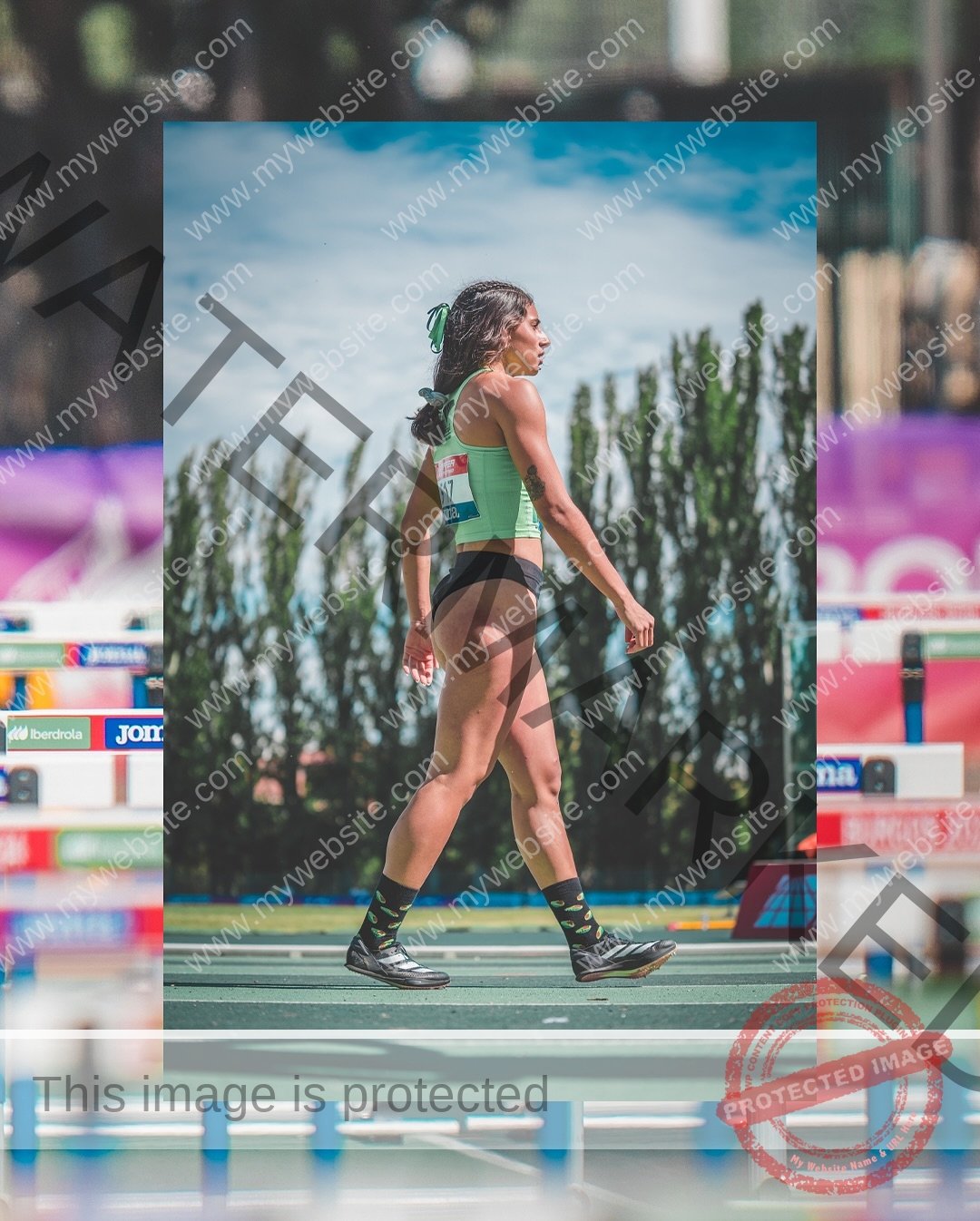
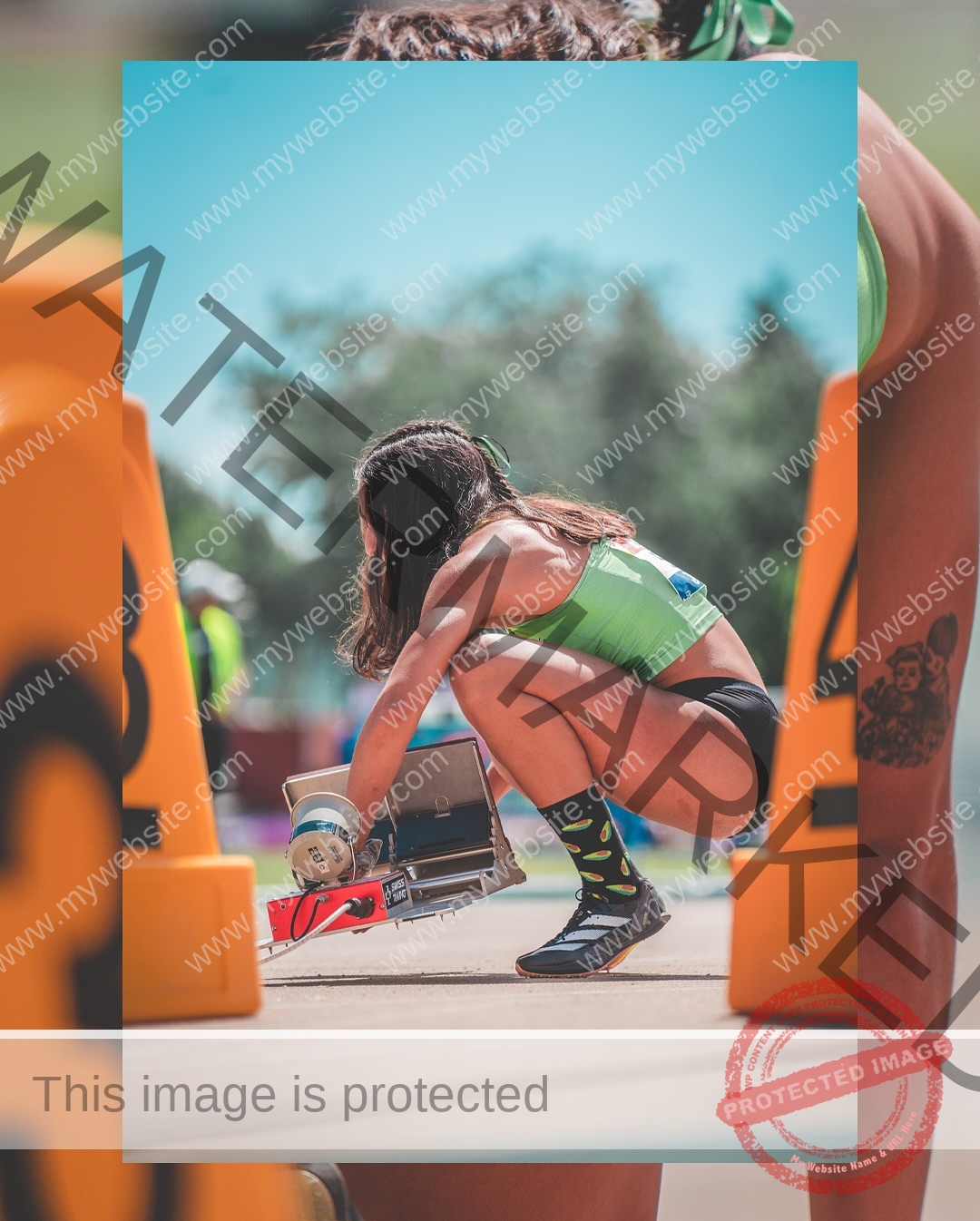
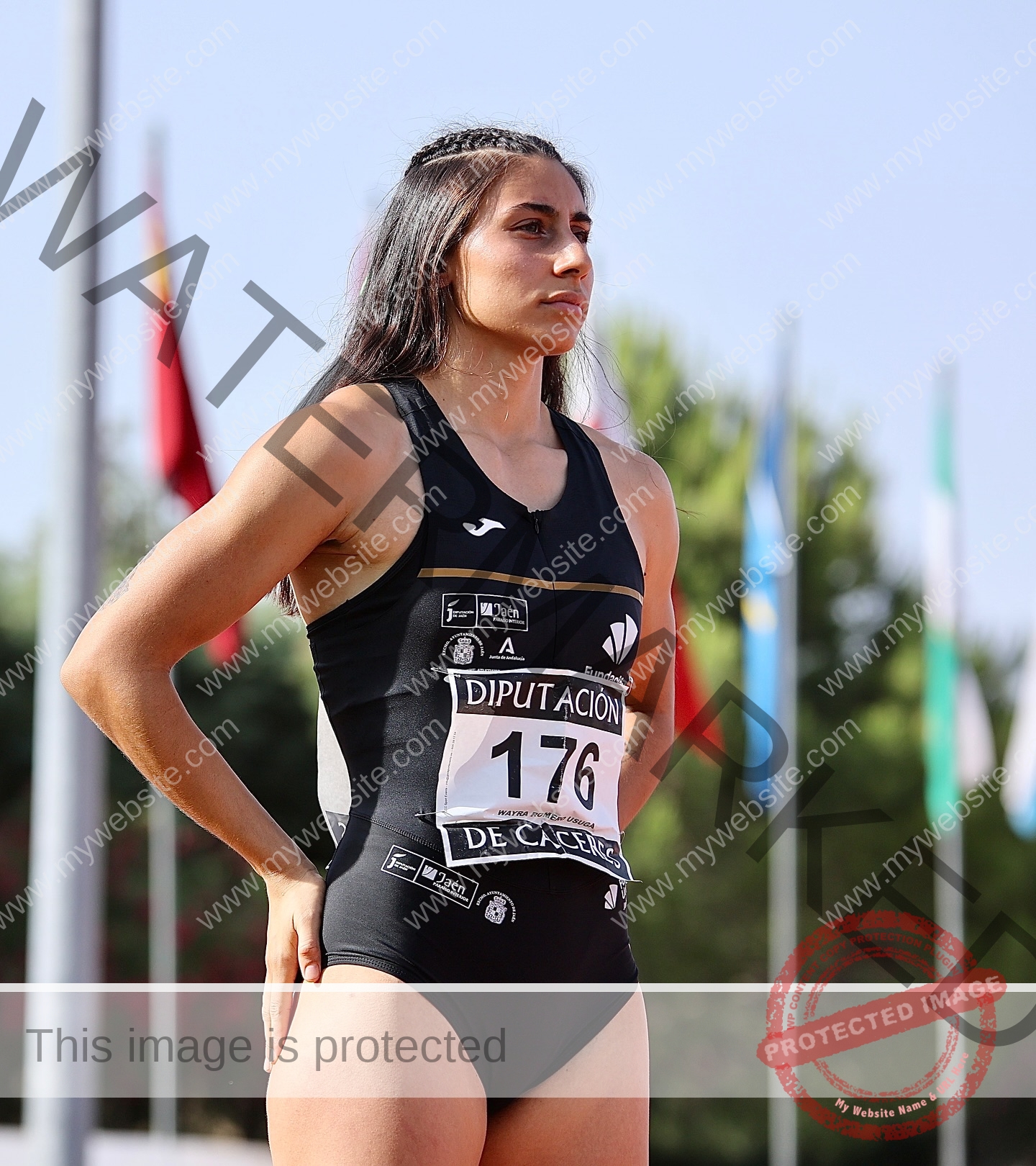
Wayra Romero Usuga: Córdoba’s Hurdling Rising Star
The name Wayra comes from Quechua, the language of the indigenous peoples of the Andean highlands. It means “wind.” For a young sprinter-turned-hurdler whose most memorable quality in competition is her raw, barely-contained speed, there is something fitting about that.
Wayra Romero Usuga was born on September 16, 2002, in Córdoba, Spain. She is the younger daughter of a Colombian mother who left everything behind in her home country to build a new life in Andalusia, and a Spanish father whose work connections would eventually create one of the most important friendships of Wayra’s athletic career. She grew up in Córdoba alongside her sister, to whom she attributes, in her own words, much of what she has become.
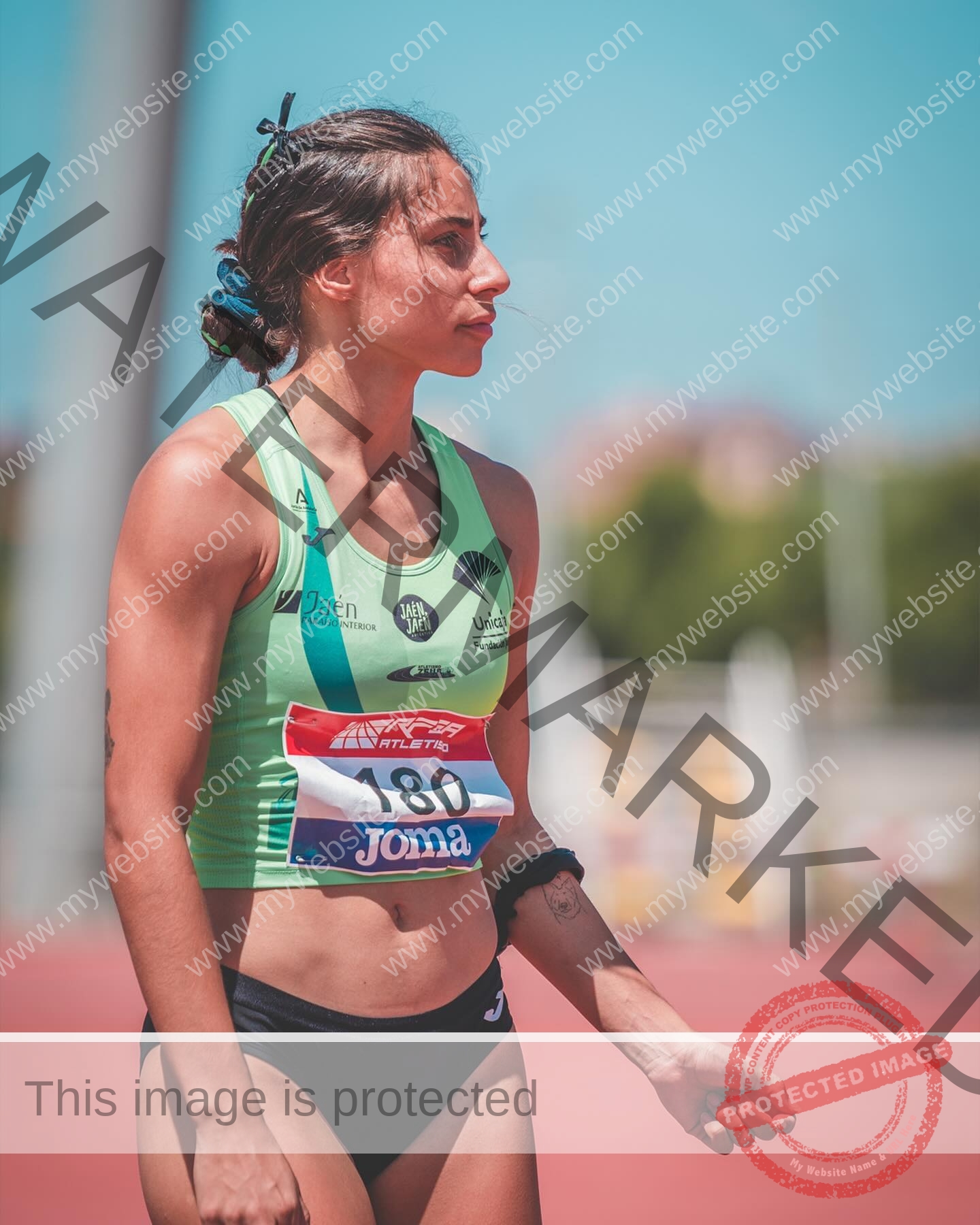
Her World Athletics identification code is 14833463. She competes for Spain and represents Unicaja Jaén Paraíso Interior at club level.
Roots, Family, and a Name Carried on the Wind
The Colombian thread in Wayra’s story runs deeper than geography. Her mother made the decision to leave Colombia and relocate to Spain — a move Wayra has described as profoundly difficult — to build a family with Wayra’s father. That sacrifice, and what her father taught her about the value of effort and perseverance, are two of the pillars Wayra returns to when she talks about her personal values and her motivations as an athlete. Her sister, she has said plainly, is the person who has most consistently guided and supported her. “Realmente, casi todo se lo debo a ella,” she said in a June 2025 interview — almost everything, she owes to her.
There is also a professional coincidence woven into this story. Wayra’s father and the mother of Carmen Avilés — the Córdoba 400-metre runner and Spanish Olympian — studied together for their teaching qualification. That connection between two families eventually produced one of the closer friendships in the Córdoba athletics world, and the two athletes have shared training environments, club competitions, and moments of celebration across several seasons.
Early Life: Swimming, Gymnastics, and a Reluctant Convert to the Track
Wayra came to athletics the way many athletes do: through a process of elimination. Before she ever set foot on a track, she had tried gymnastics, swimming, football, basketball, and a rotating menu of youth multisport activities. The rhythmic gymnastics experiment ended by her own choice. Swimming remained in the background. Nothing quite stuck.
The spark for athletics came from a mundane social observation: a daughter of one of her parents’ work colleagues was doing it. Wayra asked to try. She got onto a track, and — as she recalls it — she could see immediately that she had something. She stayed.
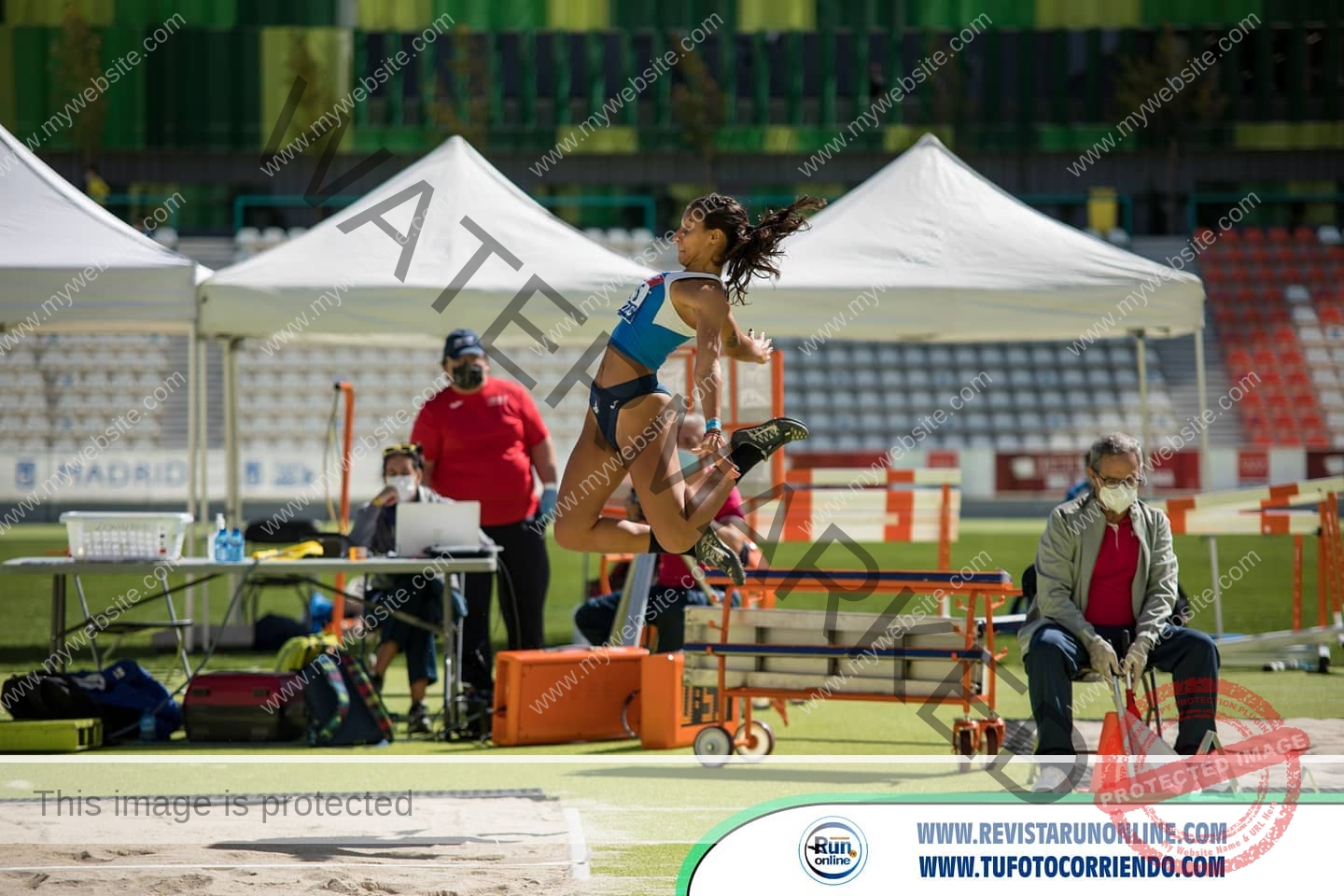
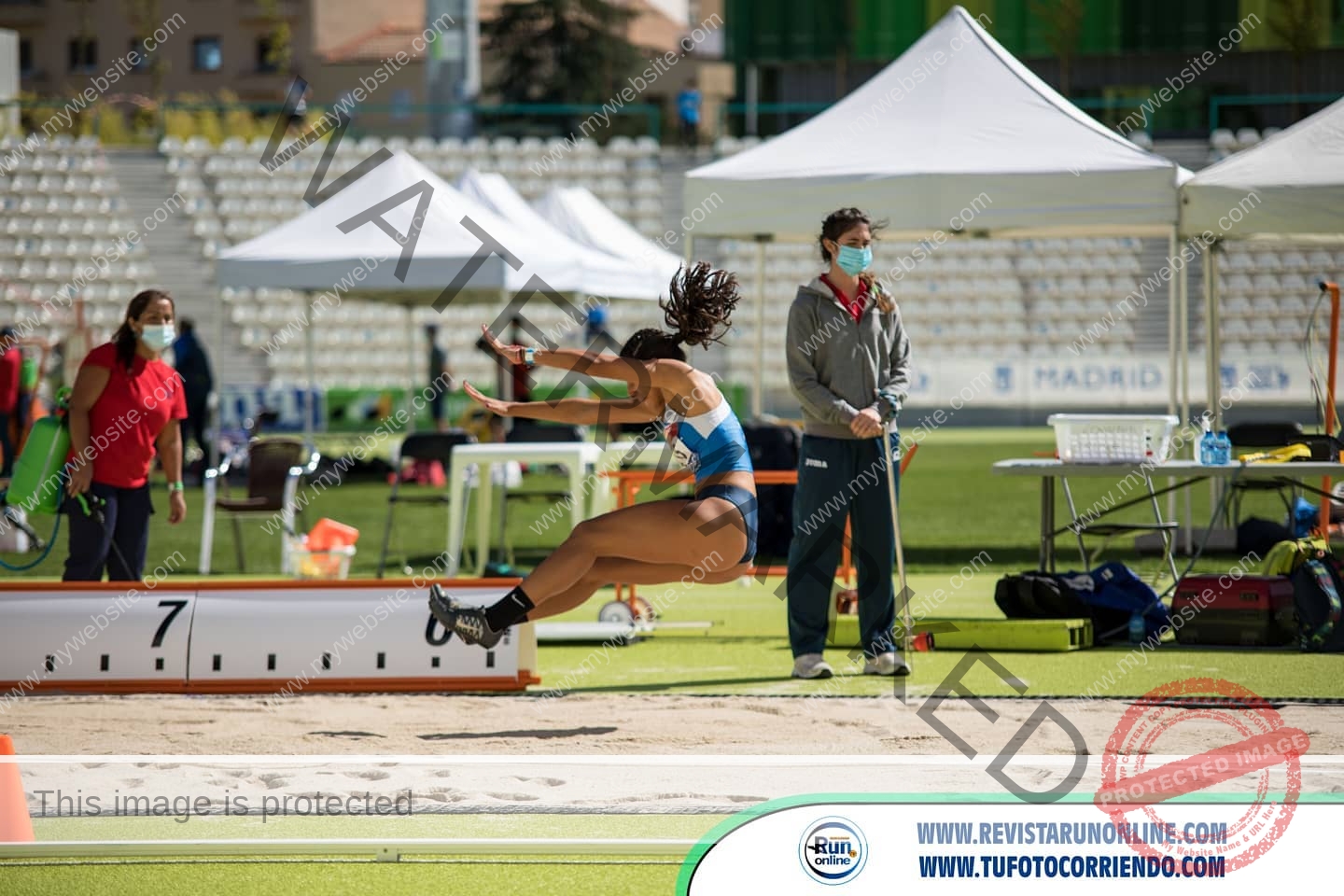
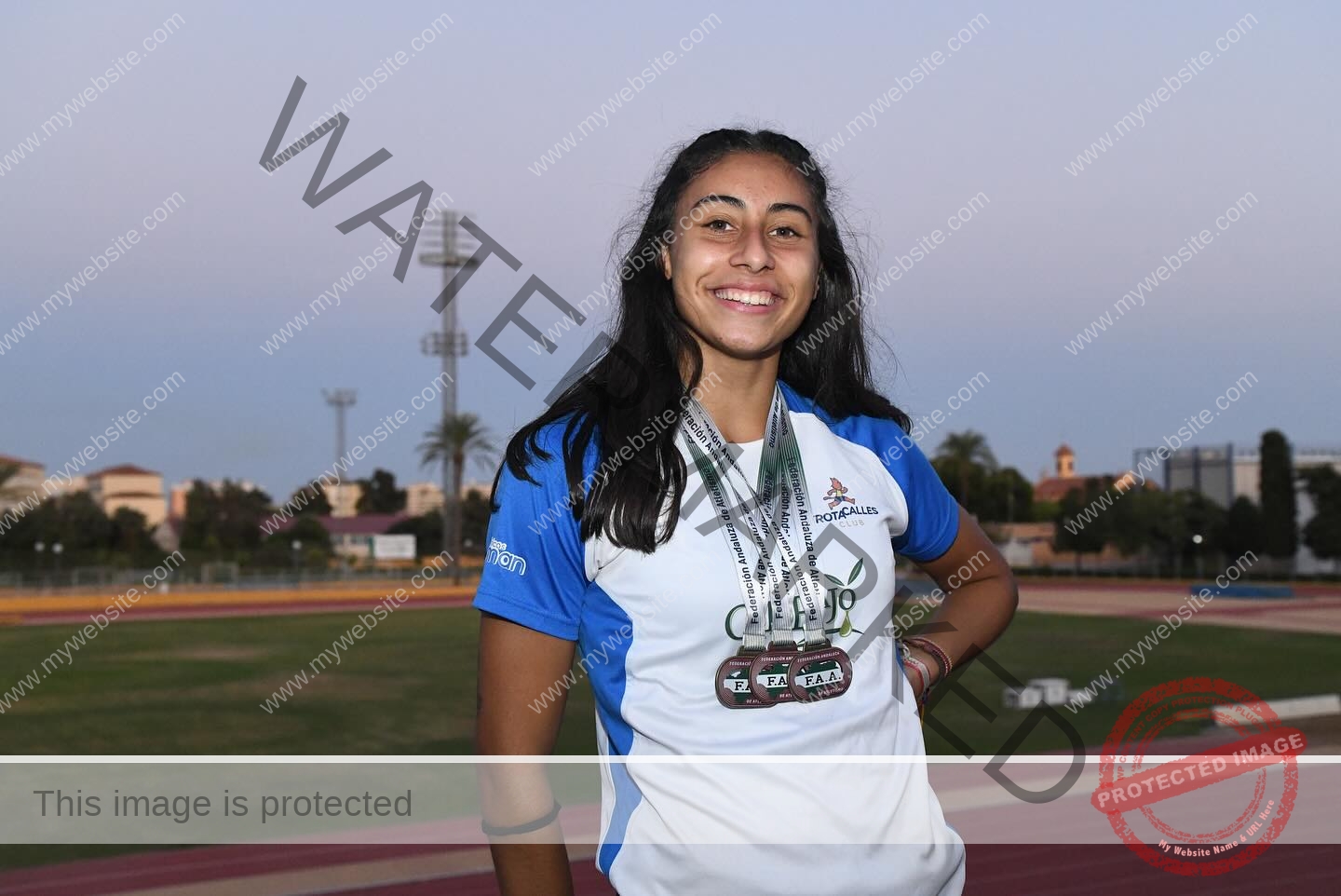
Her early competitive years in Córdoba were marked by the versatility that characterises young sprinters: she ran the flat sprints, competed in field events including long jump, tried the relays. The Córdoba athletics ecosystem, centred around clubs including Club Trotacalles Córdoba and fed by the regional competition structure of the Federación Andaluza de Atletismo, gave her a competitive home at a young age. Results from Sub-20 Andalucía championships show her competing in the 100 metres hurdles and finishing on the regional podium — early evidence of the event that would eventually define her career.
The Hurdles: A Reluctant Specialisation That Became Home
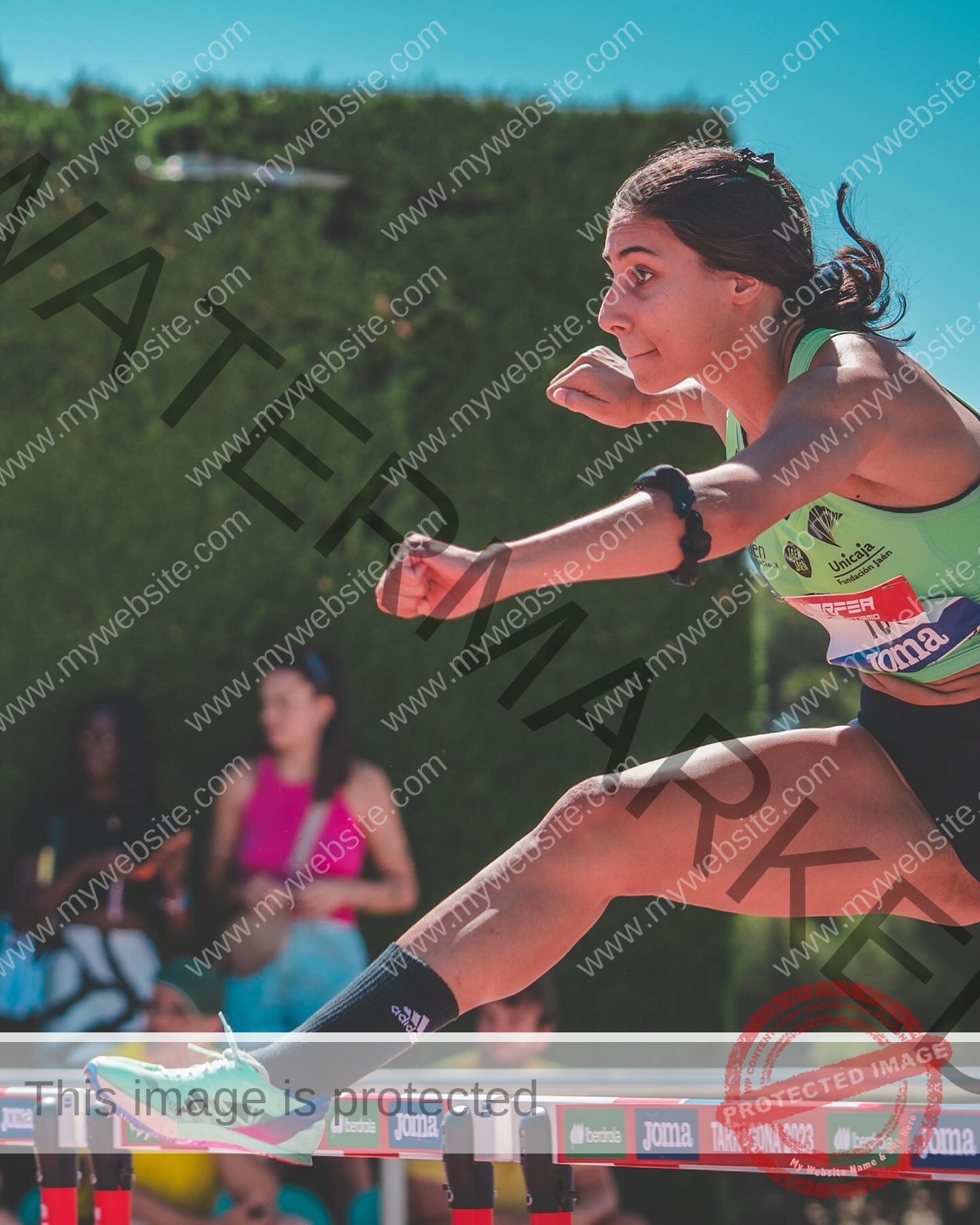
The 100 metres hurdles was not, in any straightforward sense, Wayra’s idea. She had a knee injury — the kind of chronic knee trouble that requires careful management — and the impact loading of hurdle clearances made her nervous. When her coach told her she was built for hurdles, her initial response was a flat refusal. “I told her no,” she has said. “But she insisted. We tried it, and here I am.”
The honesty with which Wayra tells this story is characteristic of her self-awareness as an athlete. Even now, years into specialising in the event, she will admit that she has never fully found the possessive clarity that athletes often describe — the feeling that this is definitively “my” event. Her raw speed is good enough that she sometimes wonders what she might achieve if she trained it exclusively. She is openly tempted by the 200 and 400 metres hurdles, though she quickly adds that she knows those events involve a level of training suffering she is not sure she wants to embrace. The 100 metres hurdles, by contrast, is “fairly entertaining” — which, from Wayra, is something approaching a term of endearment.
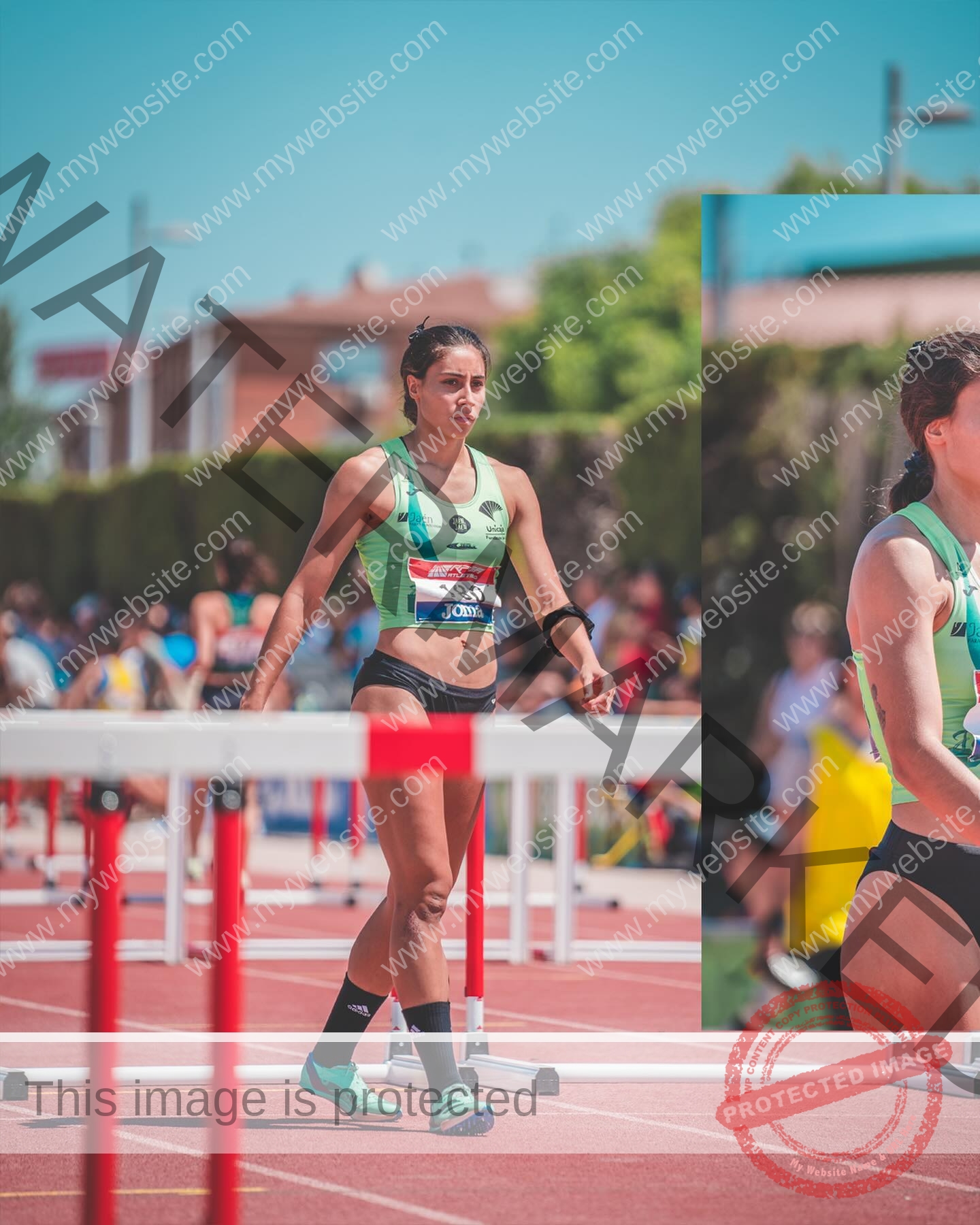
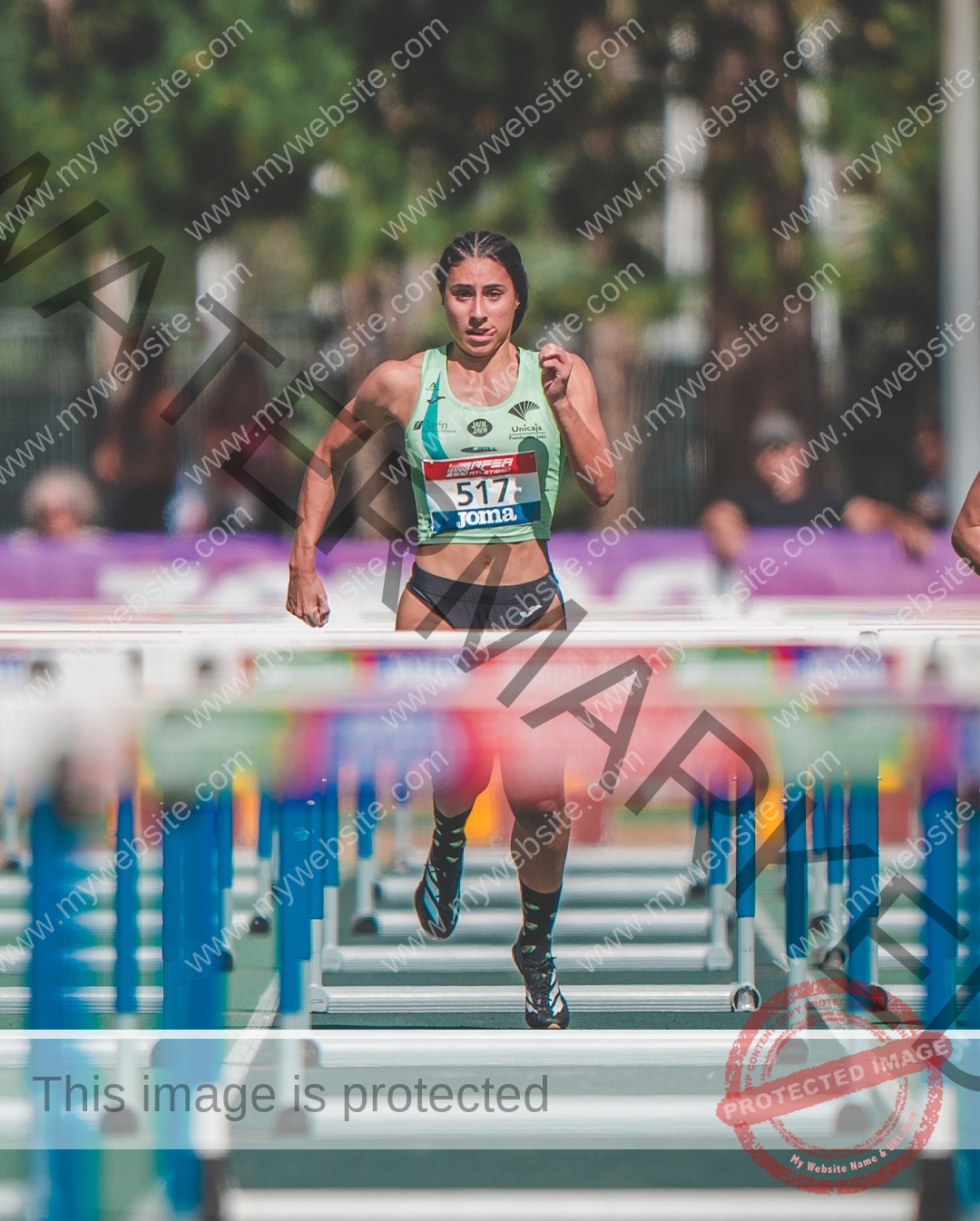
What she has discovered in the event is a combination of qualities that are genuinely rare: the natural speed to attack the spaces between hurdles and a technical capacity for the clearances that, once her knee anxiety was overcome, developed quickly. The result — eventually, after years of building — was a 13.37 seconds that stands as the Andalucía regional record.
The University Chapter: UCO, Fisioterapia, and National Podiums
Wayra enrolled at the Universidad de Córdoba (UCO) to study physiotherapy — a degree with obvious resonance for an athlete who has spent a meaningful portion of her competitive life managing knee problems. The practical knowledge of the body that physiotherapy training provides has become, in a real sense, part of her athlete’s toolkit.
The UCO has a robust athletics programme and participates in the Campeonato de España Universitario, the national university athletics championship. At the 2023 edition, held in León, Wayra gave the UCO its second athletics podium of the day — Carmen Avilés had won the 400 metres gold earlier — with a silver medal in the 100 metres hurdles in a time of 14.06 seconds, finishing just hundredths behind the winner from the University of Barcelona and ahead of the third-placed athlete from the Polytechnic University of Valencia. The UCO subsequently honoured both Wayra and Carmen with formal recognition from the university for their achievements at the national level.
The physiotherapy degree has not been entirely straightforward to combine with elite training. By 2025, Wayra was completing her clinical practice rotations, and those placements disrupted the schedule of morning-university-afternoon-training that had previously served her well. Practice placements in the morning and afternoon meant finding training slots at nine in the evening, or cramming sessions into a midday hour when she had no obligation. “You find whatever gap you have,” she has said.
The Transition to Unicaja Jaén Paraíso Interior
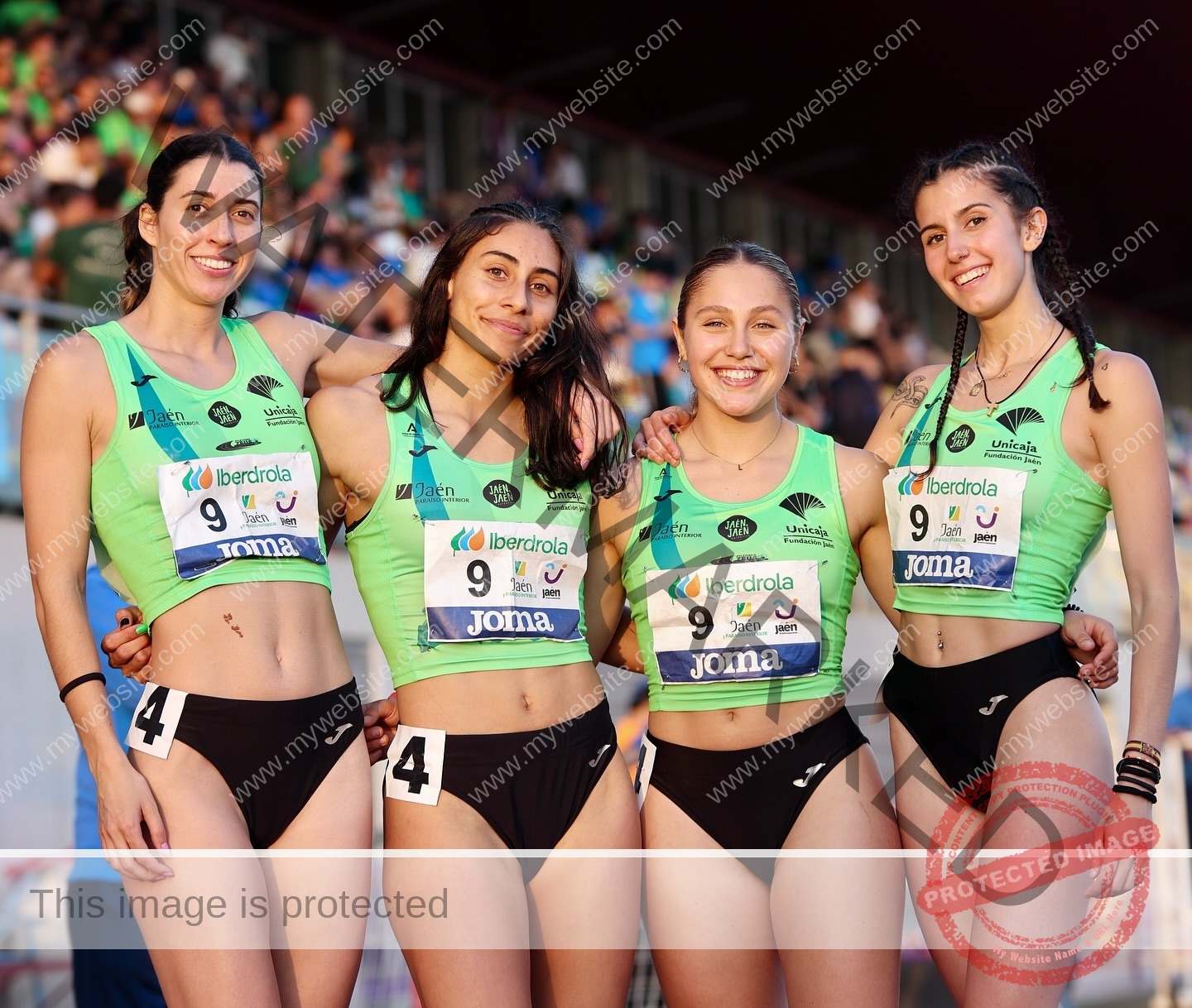
At some point in her development, Wayra made the move to Unicaja Jaén Paraíso Interior, the powerhouse Andalusian athletics club that consistently fields women’s teams at the top of the national Liga Iberdrola División de Honor. The club’s women’s squad includes a deep roster of specialists, and in the 100 metres hurdles, Wayra has competed alongside and in productive partnership with Sheila Prados Toledano — together they have regularly cleaned up on the regional podium and contributed relay points at the national level.
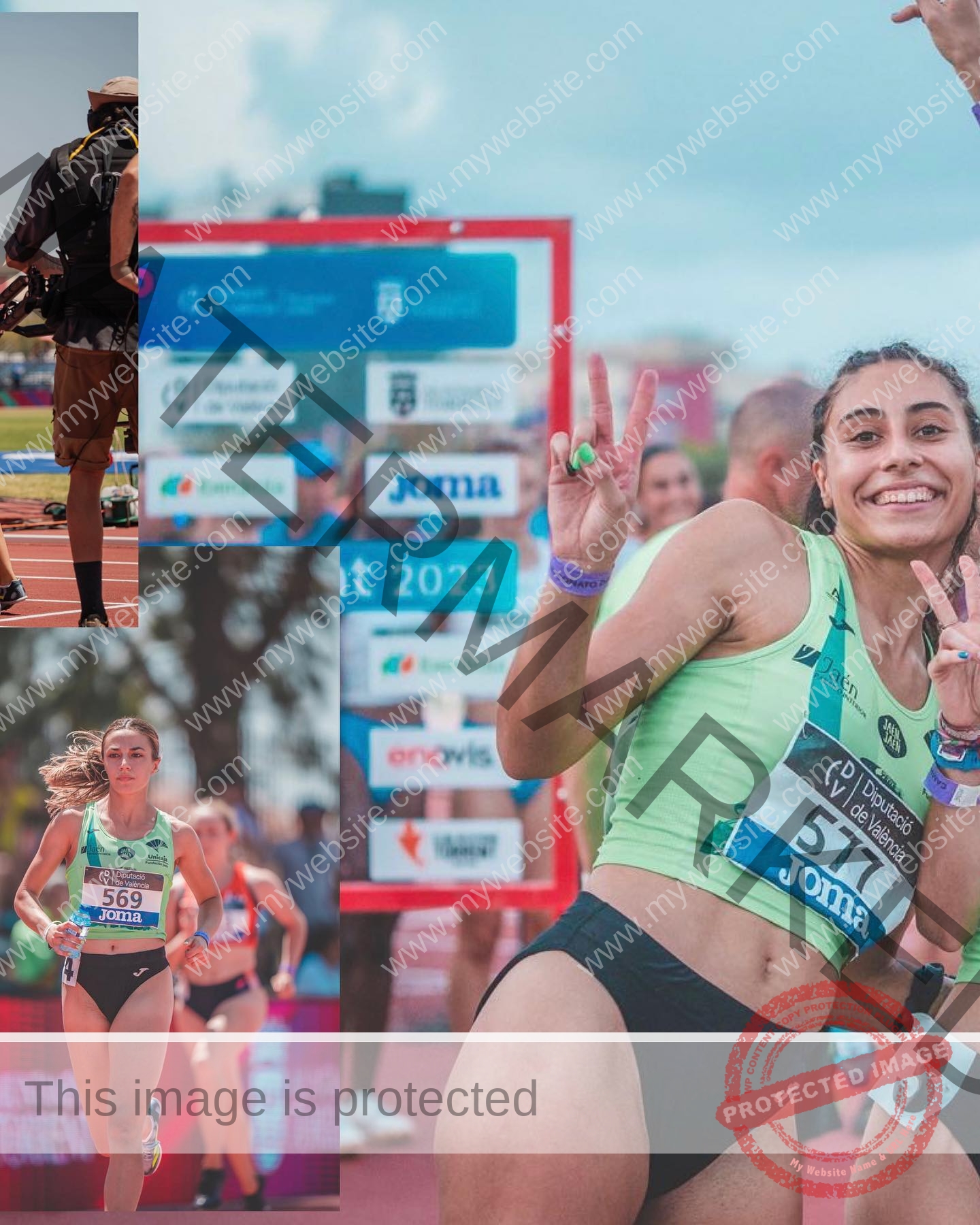
In club competition, Wayra is a dual threat: she runs the 100 metres hurdles individually, participates in the 4×100 metres relay, and has been deployed as a 60 metres flat sprinter in club scoring competitions when the team needs points across multiple events. In the Campeonato de Andalucía Short Track Absoluto in February 2025, she finished sixth in the Final A of the 60 metres flat (a highly competitive heat) and took silver in the 60 metres hurdles with 8.64, while Sheila Prados took gold with 8.48 — a strong double for Unicaja in that event.
Across the 2025 Liga Iberdrola season, she contributed multiple scoring performances: a third-place finish in the 100 metres hurdles in a División de Honor qualifying round, relay contributions to the 4×100 metres team, and individual efforts that helped the Unicaja women’s squad earn one of the eight spots in the national Division of Honour final in Soria in June 2025.
The Year That Changed Everything: 2024
The 2024 season was, by any measure, the breakthrough that Wayra had been building toward. It began indoors, with a remarkable early performance: in January 2024, competing at Antequera, she ran 8.39 seconds in the 60 metres hurdles — a time she has described with characteristic wonder, saying she still doesn’t fully know how she did it. That run was a short-track personal best and placed her among Spain’s best at the distance. Then came the Spanish indoor championships final, and with the race going well and the prospect of a national medal suddenly real, she caught a hurdle. She fell. She finished last.
It was, as she tells it now, the most important moment of her year. She spent three days crying. Then she redirected everything. She began working with a sports psychologist — a step she regards as transformative — and started a process of visualising competition, race execution, and the feeling of standing on a podium. She also made a mental commitment: the outdoor season would not take this away from her.
In May 2024 at Antequera, her 60 metres hurdles best was officially registered at 8.55 seconds indoors, and the season building continued. At the Andalucía championships in Nerja in June 2024, she ran 13.60 in the 100 metres hurdles — a new Andalucía Sub-23 record and a clear signal that the outdoor season was going to be special. Then, at a subsequent meet, she lowered the time to 13.37.
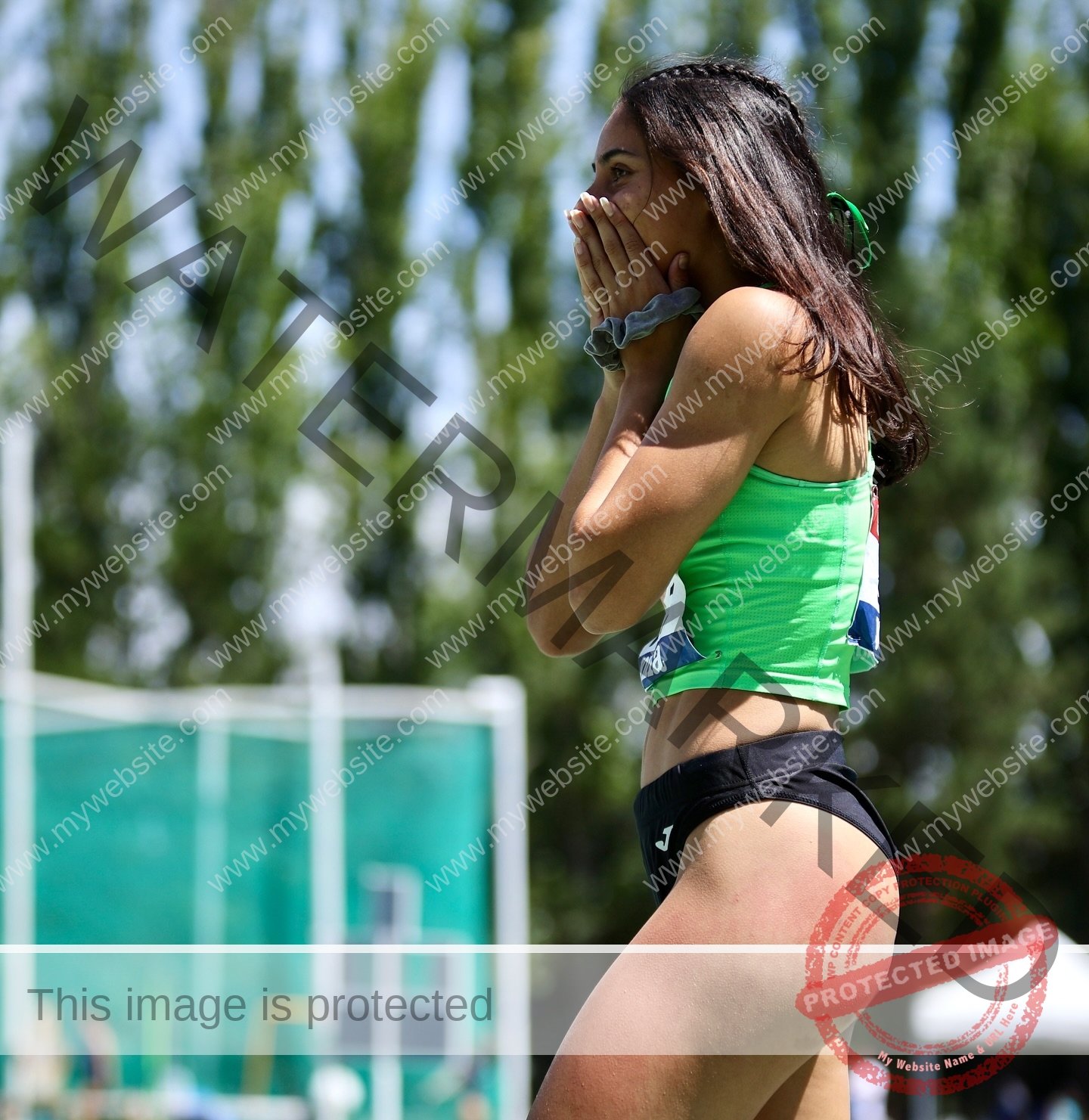
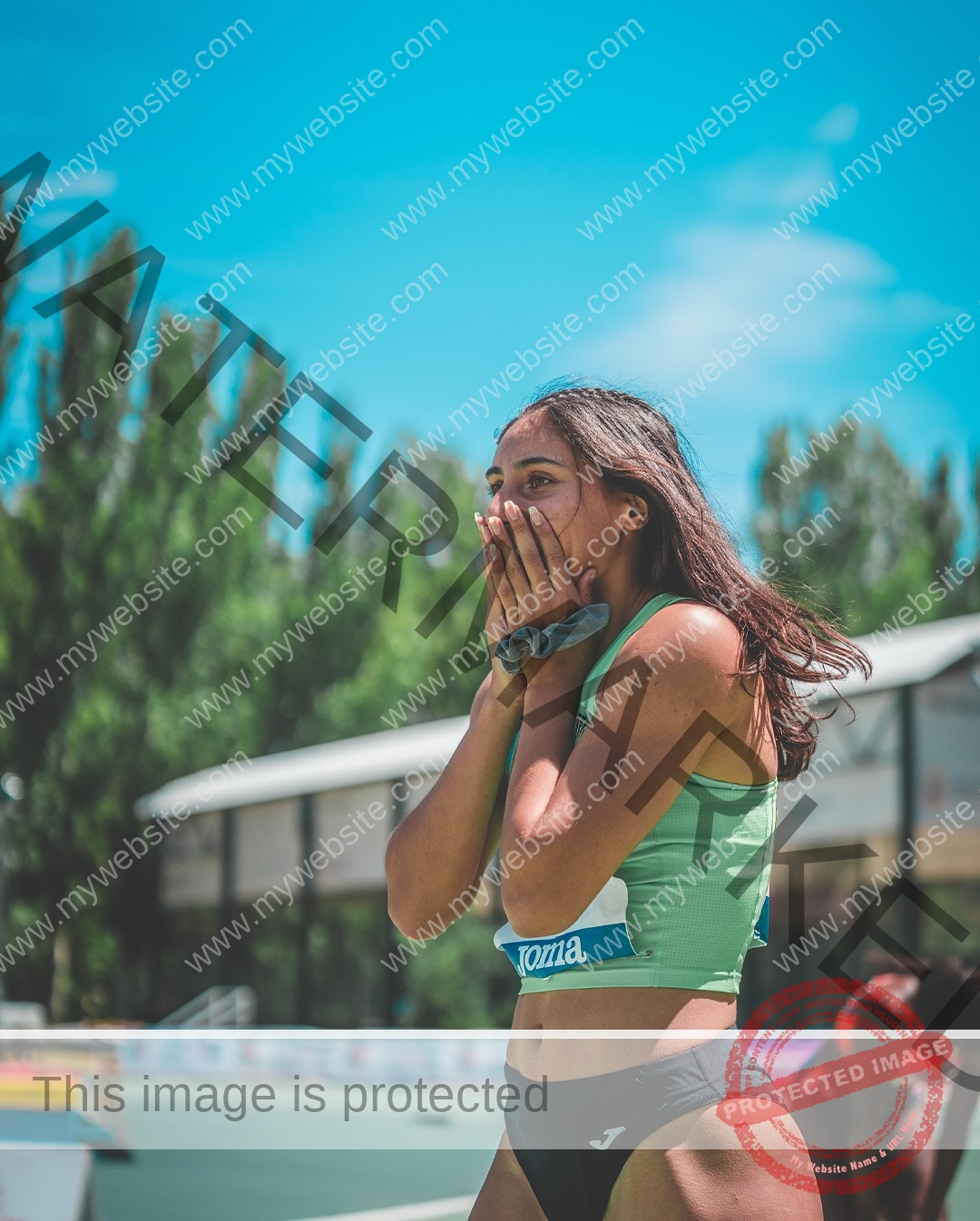
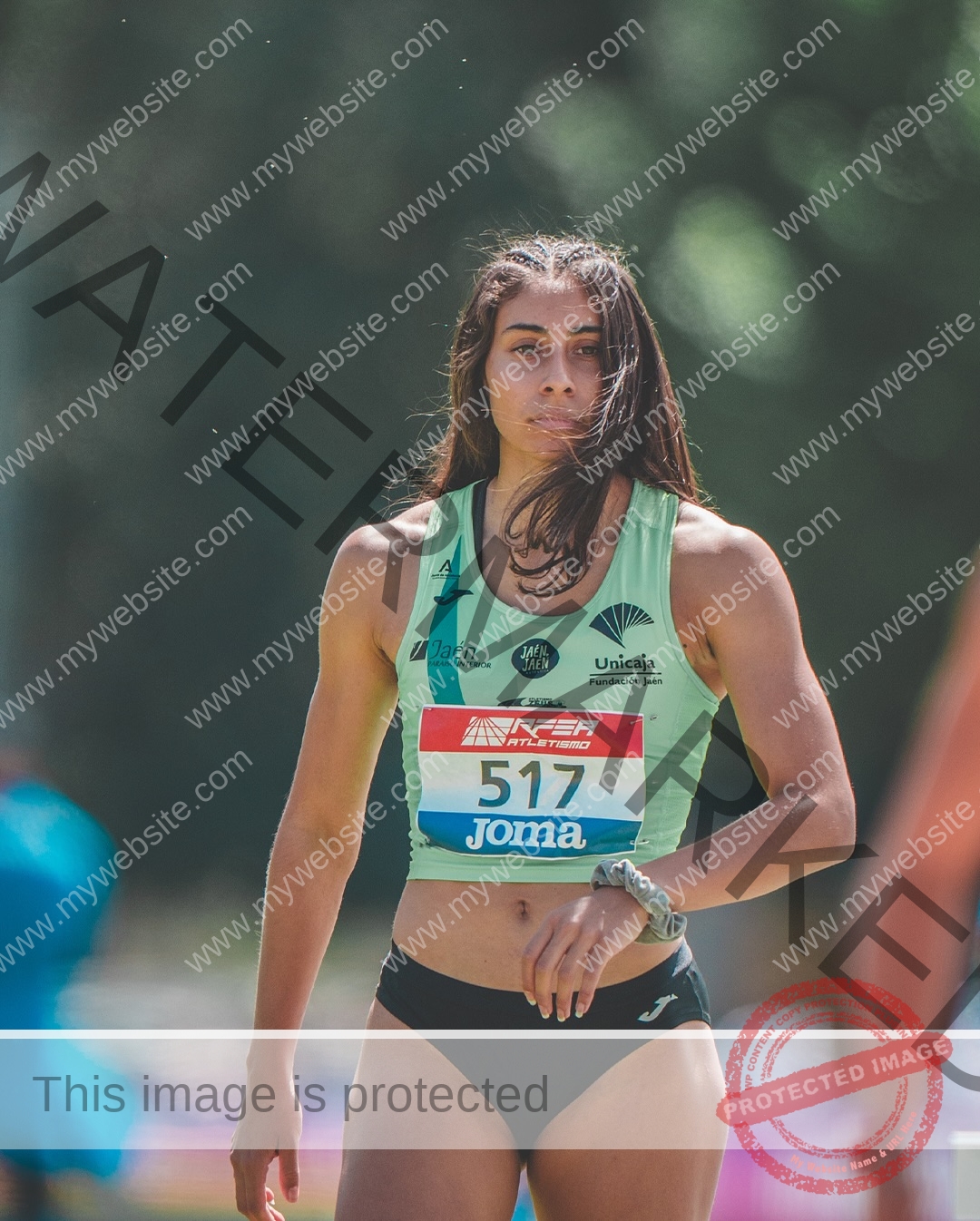
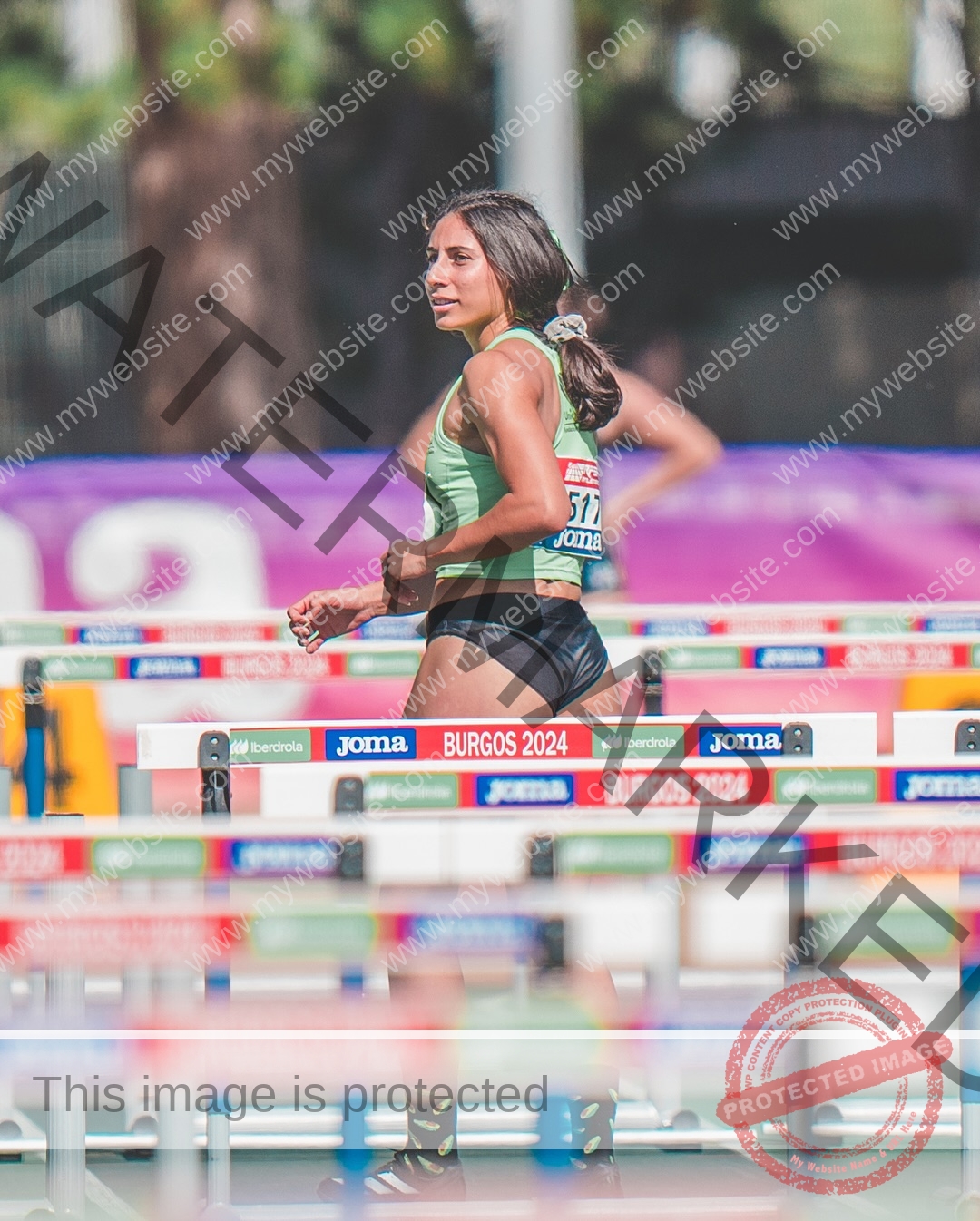
On July 14, 2024, at the Campeonato de España Sub-23 held in Burgos, Wayra ran 13.37 seconds in the 100 metres hurdles final to claim the bronze medal. It was the third-best time in the field, but more significantly, it was also a new absolute Andalucía record — not just Sub-23, but a regional record across all age categories, confirmed by the Federación Andaluza de Atletismo alongside a separate absolute Andalucía record in the high jump by Una Stancev on the same day. Wayra had arrived at the start line in Burgos with a specific target already in her mind — the bronze — and she executed it. When she crossed the line and saw she had finished third, she cried. Her mother cried. She didn’t register the record time for some time afterward because the emotion of the medal placement was consuming everything. “It would have meant the same to me if I’d run 13.90,” she has said. “I’d finished third.”
The 2024 outdoor season also saw her contribute to the 4×100 metres relay at the national level, running a personal relay best of 45.96 seconds at La Nucía on June 30, 2024.
Personal Bests and Key Performances
Wayra’s career-best performances as recorded by World Athletics:
- 100 Metres Hurdles: 13.37 — July 14, 2024, Burgos (Campeonato de España Sub-23). Andalucía absolute record.
- 60 Metres Hurdles (indoor/short track): 8.55 — February 4, 2024, Antequera (Centro de Tecnificación de Atletismo)
- 100 Metres (flat): 11.79 — May 31, 2024
- 60 Metres (flat): 7.68 — February 10, 2024, Antequera
- 4×100 Metres Relay: 45.96 — June 30, 2024, La Nucía
Her World Athletics ranking as of early 2026 places her 647th in the world in the 100 metres hurdles — a position that reflects the combination of a genuine personal best at 13.37 alongside the uneven season that followed in 2025.
The Impostor Syndrome, and How She Broke Through It
One of the more revealing things Wayra has said about her own development concerns the psychological gap between her training performances and her competition performances in the years before 2024. She describes arriving at major championships and feeling, viscerally, that she did not belong in the same field as the athletes around her. She saw the other runners as fundamentally superior. She would tighten up at the start line. “I was afraid,” she has said, “and that stopped me from running.”
The work with her sports psychologist addressed this directly. The approach centred on a simple but powerful intervention: the reminder that the other athletes had done exactly the same preparation to qualify for that final as she had. Nobody was there by accident. If she had earned her lane, she belonged in it. “Creerme que podía lograr una medalla fue el cambio que necesitaba” — believing she could get a medal was the change she needed. The first time she arrived at a major championship genuinely believing she could win was Burgos in 2024. She was right.
The most poignant moment in this psychological journey, she says, happened even earlier — not at a championship at all. She was returning from a significant knee injury and ran a training series of hurdles. She finished and burst into tears. Her coach rushed over, alarmed. Wayra told her: “No — it’s because it didn’t hurt.” After years of training with pain, the simple absence of pain felt like a revelation, and it became the first moment she genuinely believed she could have a healthy, high-level career in the event she had once been afraid to attempt.
The Hard Seasons: Injury and 2025
Following the breakthrough of 2024, the 2025 season proved to be a test of resilience. Wayra entered the new year aiming to consolidate — to prove that 13.37 was a baseline, not a peak. Instead, injuries intervened. A problem in the pre-season led to a period on the sidelines. She recovered, returned to training, and was promptly injured again. The pattern — recover, train, re-injure — disrupted the build-up and the competition season that followed.
In late June 2025, she described the year with characteristic directness: it had been very difficult, she was struggling to train the way she needed to, the transition from university life to clinical practice had complicated her scheduling, and she had left one competition (in Cáceres) before it was over because she simply wasn’t performing at the level she wanted. Her goals for the remainder of 2025 were modest and honest: to feel competitive, to feel healthy, to compete at the Spanish national championships in Tarragona in August. She was not chasing records; she was chasing the feeling of running well.
Despite the injury disruptions, she remained active for Unicaja Jaén in club competition throughout 2025. She contributed relay legs in the División de Honor, ran individually where she could, and maintained her position as one of the hurdles pillars in a squad where her partnership with Sheila Prados Toledano in the 60 metres short-track competition continued to yield team points. At the Campeonato de Andalucía Absoluto in June 2025 — which was also held in Nerja, the same location where she had set her first Andalucía Sub-23 record a year before — she won the silver medal in the 100 metres hurdles for Unicaja Jaén.
Training Structure and Support Network
Wayra trains five days a week under the supervision of her coach — whose steady belief that she could be a hurdler, against Wayra’s initial scepticism, is itself the founding story of her specialisation. The weekly structure balances technical and physical development: Monday and Wednesday typically involve flatter sprint work and gym sessions; Tuesday and Thursday are dedicated to hurdles technique, working on the details of start mechanics and hurdle clearance efficiency; Friday usually consists of a light activation. In competitive periods, the schedule adapts to what the race demands.
She is supported by a sports psychologist — whose role, post-2024, she regards as central rather than supplementary — and by a nutritionist who adjusts her food intake around competition cycles. The psychologist work involves visualisation, preparation for the specific emotional texture of big competitions, and the ongoing project of managing a competitive identity that is still, in some ways, catching up with the marks she has already run.
Within the Unicaja Jaén environment, she trains alongside a high level of domestic competition. The club’s depth means that in most club-competition events, two Unicaja athletes are scoring in the hurdles — which both provides Wayra with genuine push in training and, as she observes, creates a collective support culture rather than an individualist one. Nobody treats her differently after a record or a medal; they celebrate, then move on. She values this enormously.
Carmen Avilés: A Friend on the Same Path
No account of Wayra’s athletic story would be complete without Carmen Avilés, the Córdoba 400-metre runner who qualified for the Paris 2024 Olympics and who has been one of the central figures of Wayra’s competitive life. Their connection predates athletics — it runs through the teaching-qualification studies that Wayra’s father and Carmen’s mother completed together — but it has been deepened by years of shared competition environments, parallel development trajectories, and genuine friendship.
Carmen, who trains with coach Antonio Bravo and has recently transitioned to a Madrid-based programme aiming toward the 2028 Los Angeles Olympics, is Wayra’s most explicit competitive reference point. The fact that Carmen — who trains in the same city, from the same kind of non-professional Córdoba background — reached an Olympic Games is the proof of concept that Wayra is looking at when she allows herself to think about the international stage. “She’s shown that with training, willpower and effort, you can get wherever you want,” Wayra has said.
At the 2023 Spanish University Championships in León, they shared the podium in their respective events on the same day: Carmen with gold in the 400 metres, Wayra with silver in the 100 metres hurdles. It was a moment that both universities and local sports media in Córdoba covered with pride.
Social Media
Wayra Romero Usuga maintains an Instagram profile at @wayra_romero, where she documents competition, training life, and moments from her broader world in Córdoba. No commercial sponsorships have been publicly disclosed beyond her club affiliation with Unicaja Jaén Paraíso Interior.
Looking Ahead
At 23, Wayra Romero Usuga holds an Andalucía absolute record and a Spanish Sub-23 bronze medal — achievements that, when she allows herself to step back and look at them objectively, she admits still feel slightly unreal. She is, as she describes herself, a self-confessed self-doubter who has learned to compete in spite of doubt rather than waiting for it to disappear.
The practical horizon for 2026 involves returning to the form of 2024 and demonstrating that 13.37 was a foundation, not a ceiling. The competitive targets within Spain are clear: the national championships, the club season with Unicaja, and the ongoing ambition to secure selection for a Spanish national team call-up — the international representation she has cited, alongside an eventual Olympic appearance, as the benchmark she is measuring herself against.
Her coach sees the international trajectory as more plausible than Wayra herself does, noting that if the training conditions and health align, a time that would earn selection for Spanish teams is within reach. Wayra is cautious — which, at this point, might be her way of managing expectations she has learned not to exceed prematurely. She has been surprised before by what she could do when she actually believed in herself. Given what happened in Burgos in the summer of 2024, that surprise is very much on the table again.
The wind, it turns out, is just getting started.
