
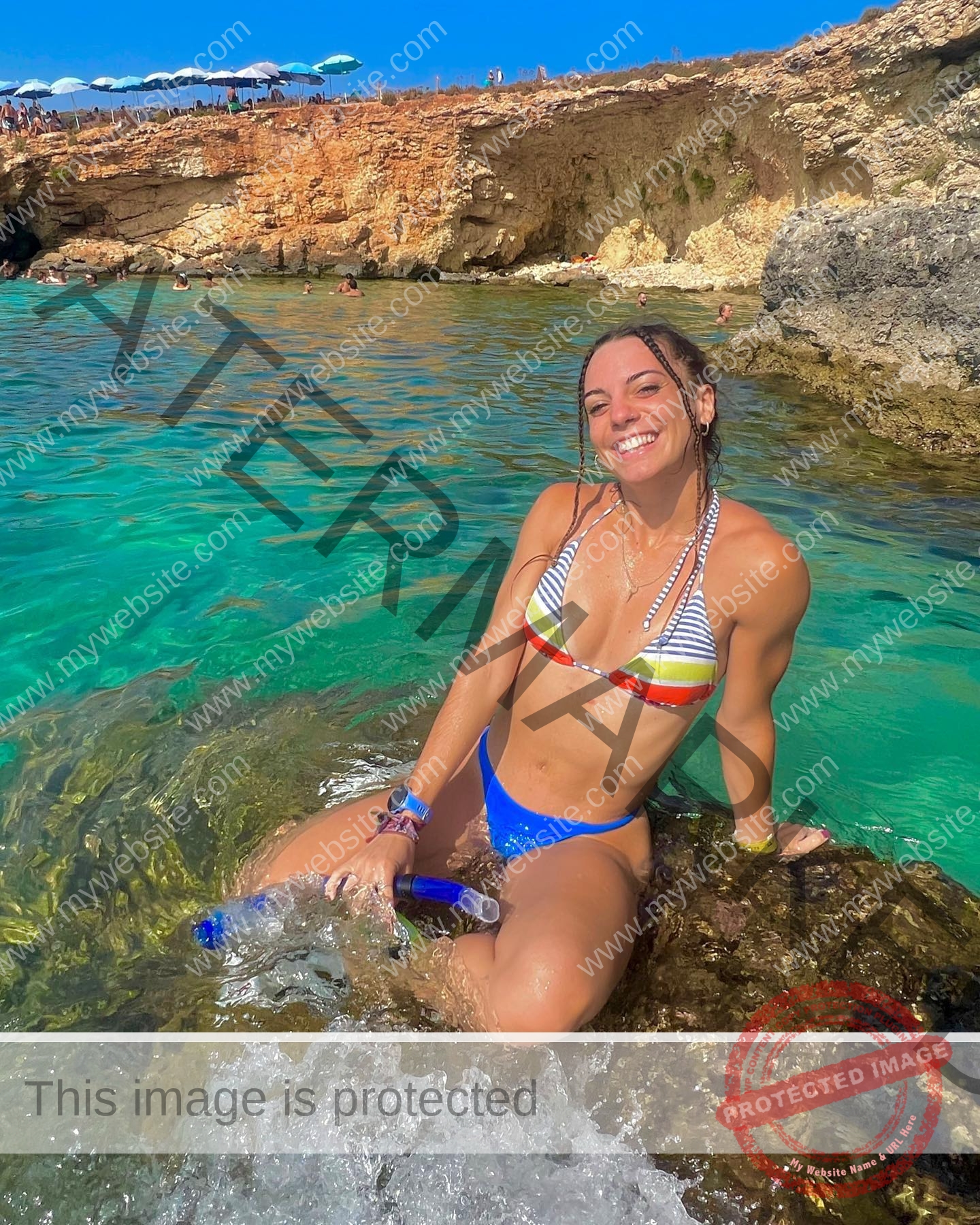
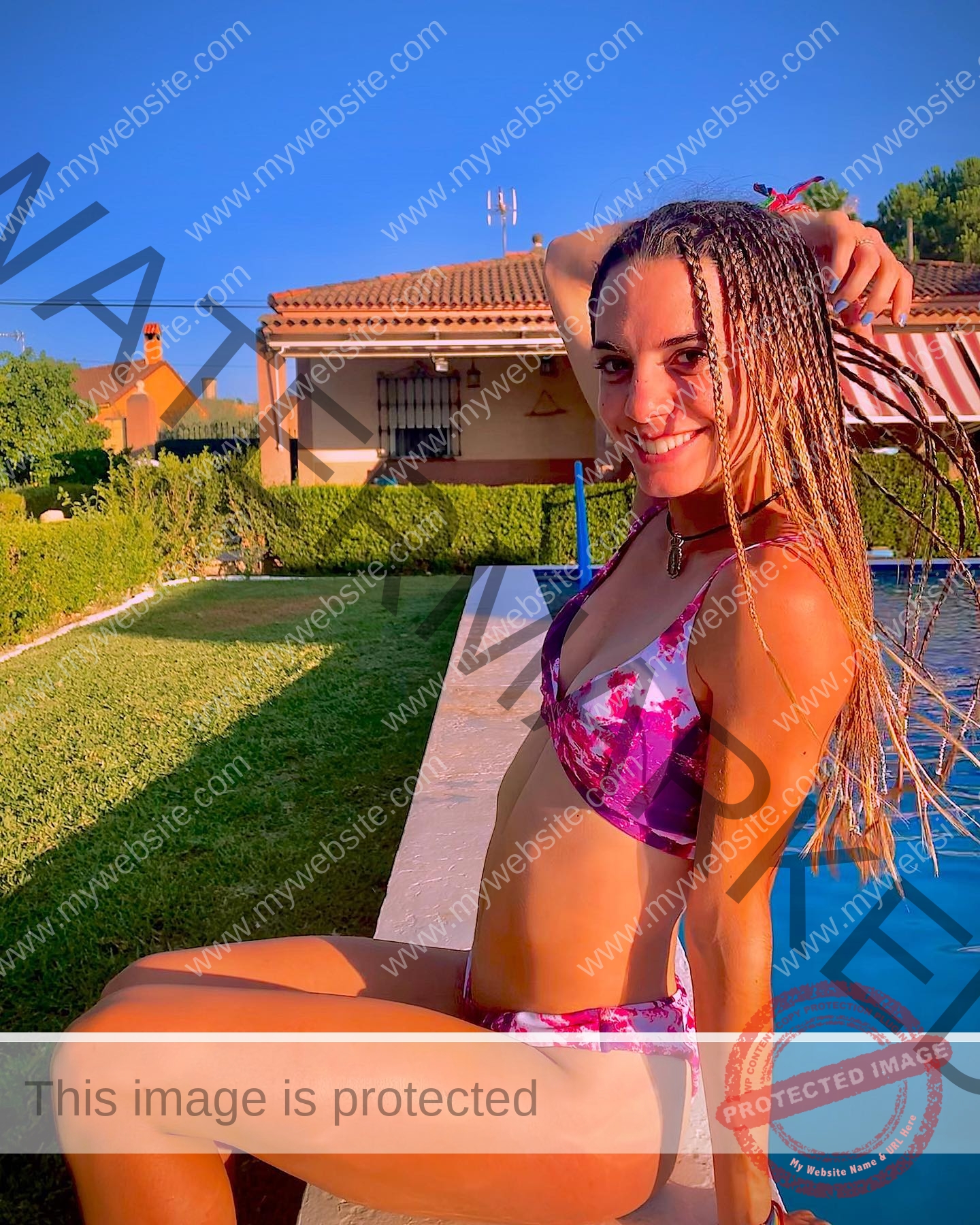
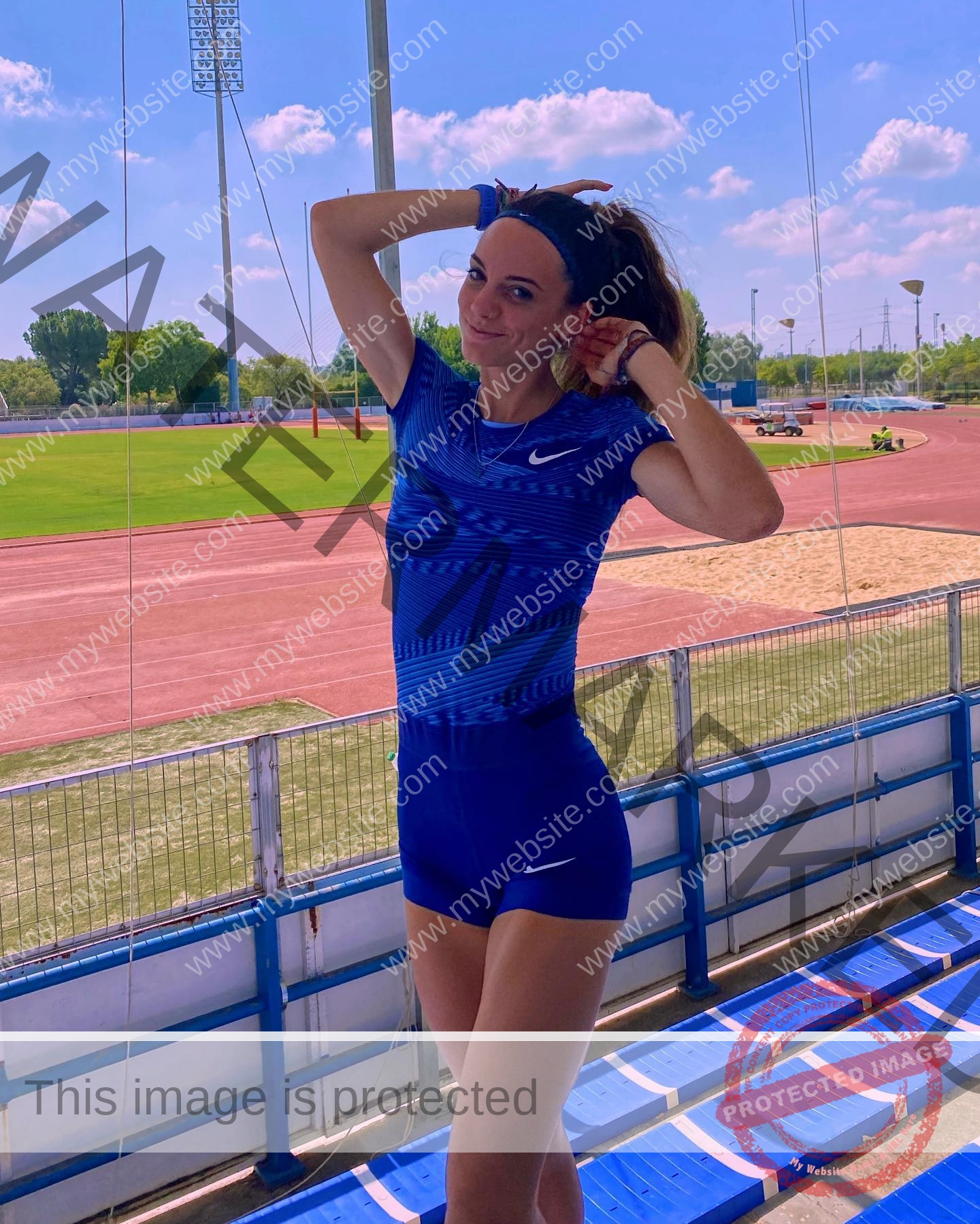
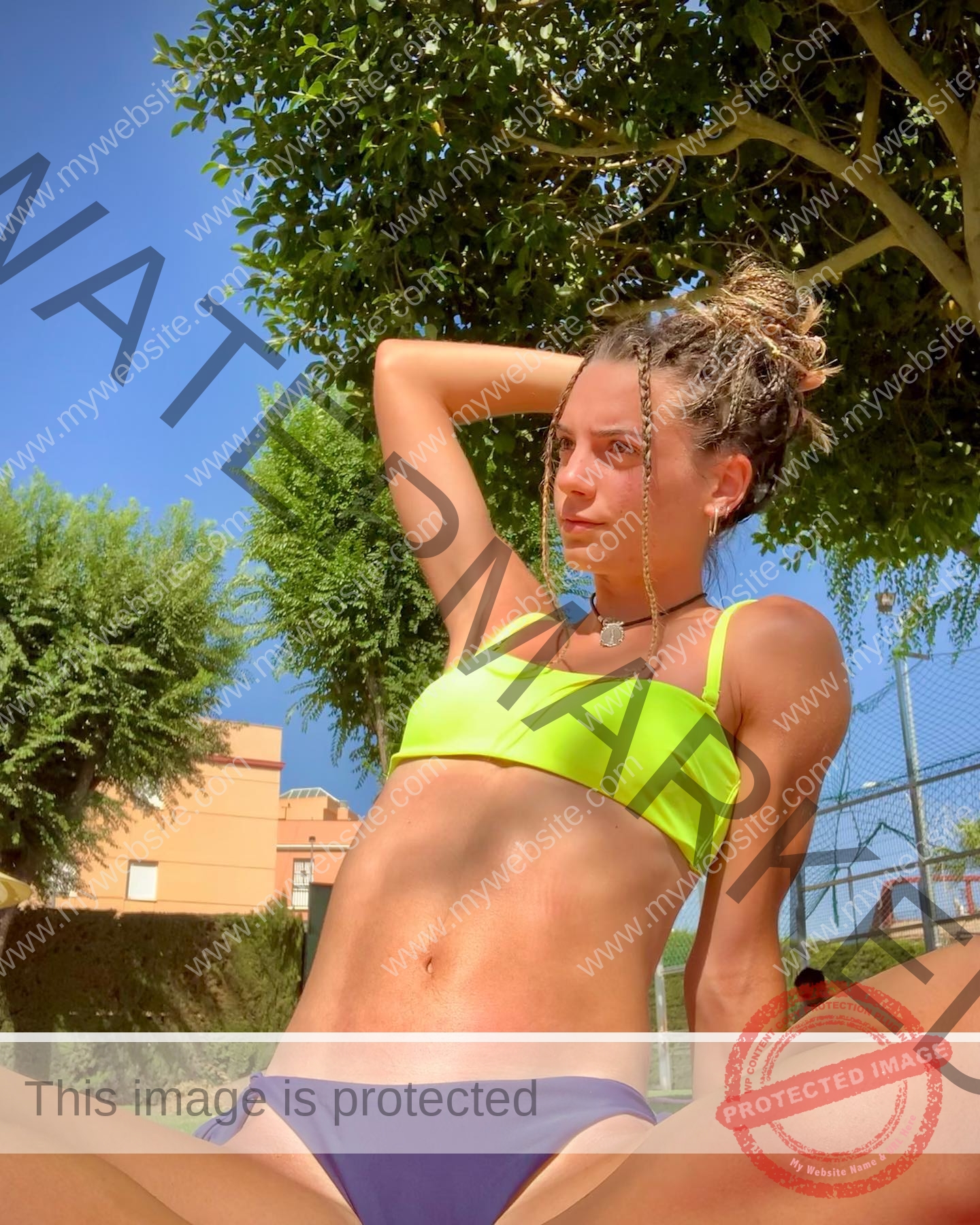
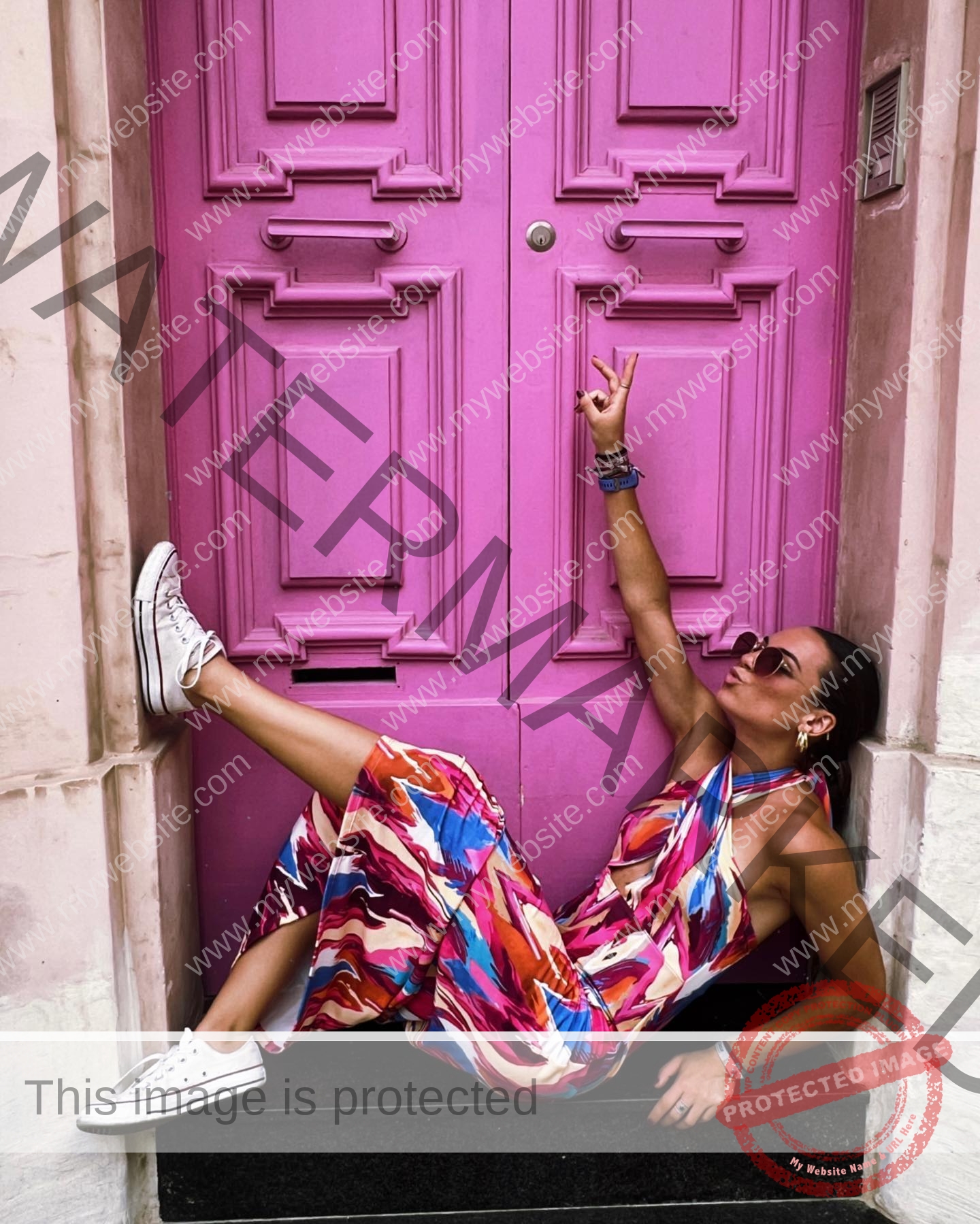
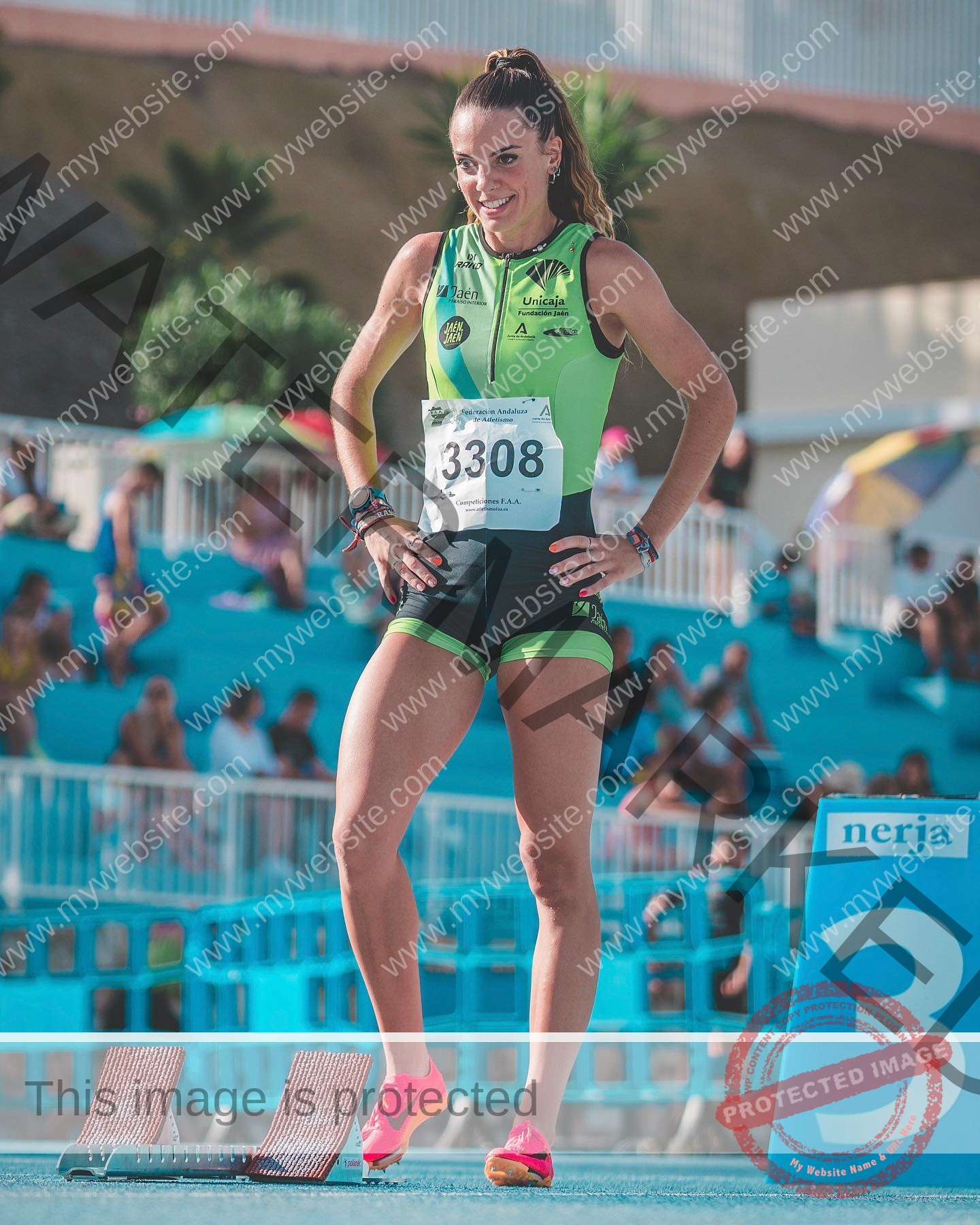
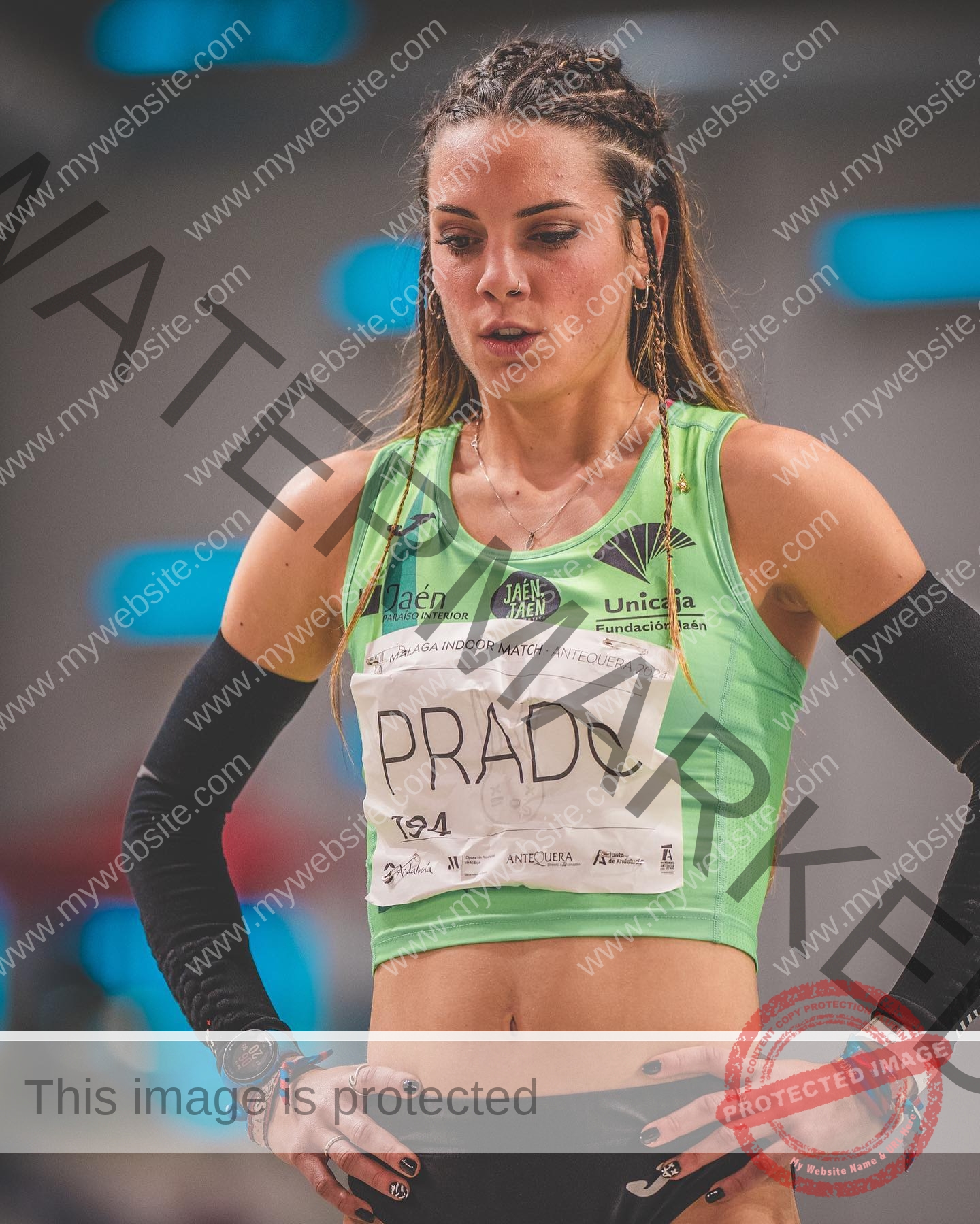
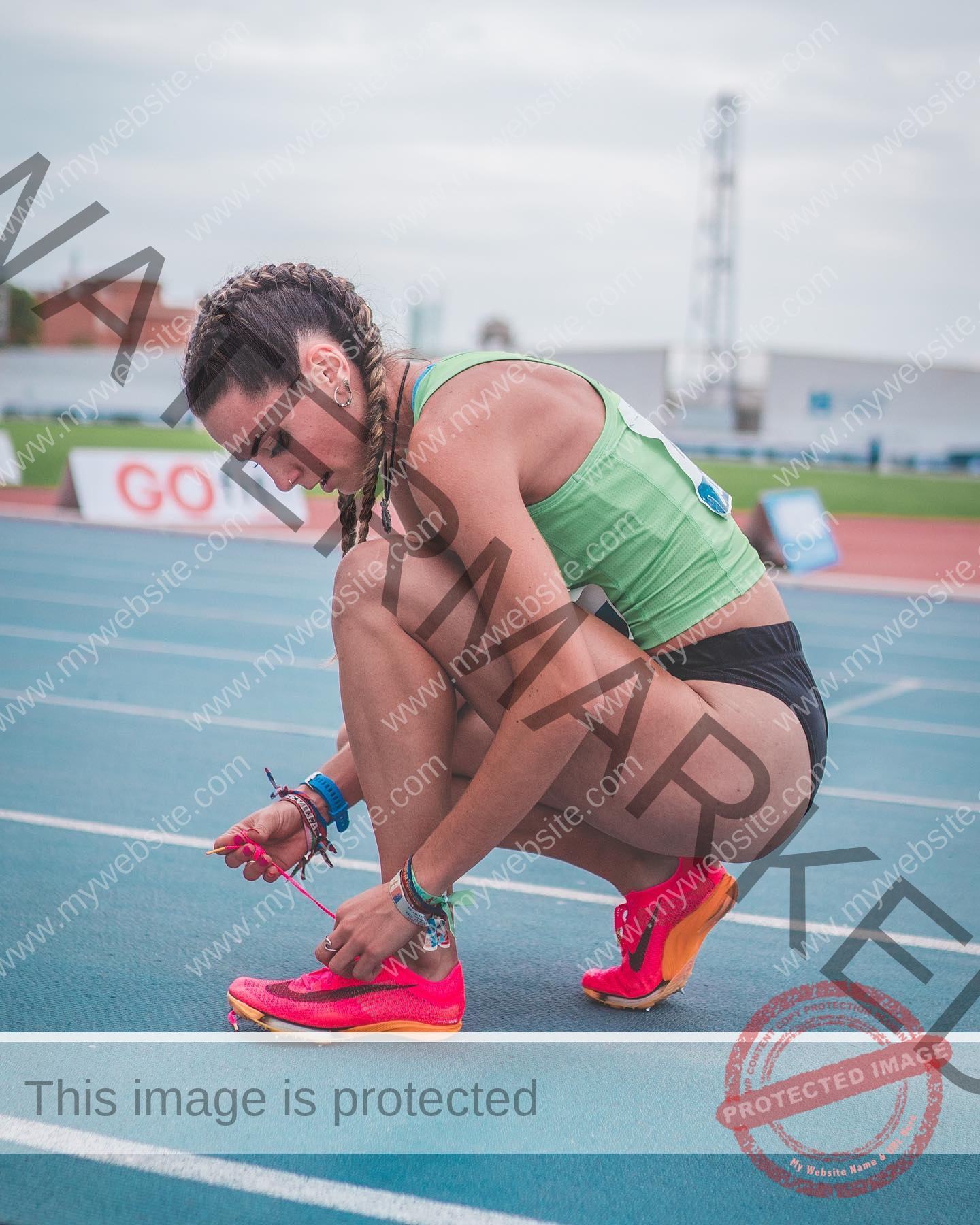
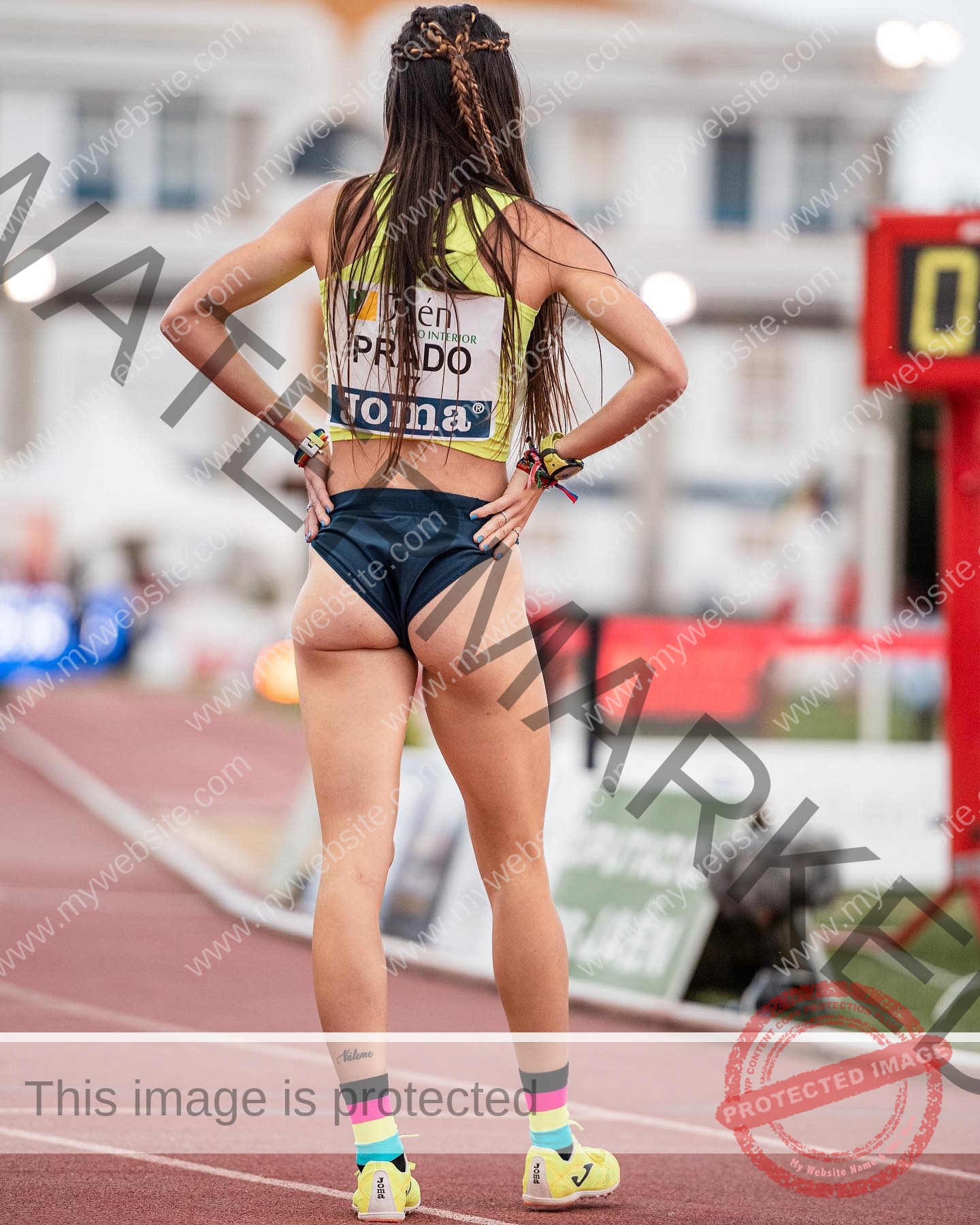
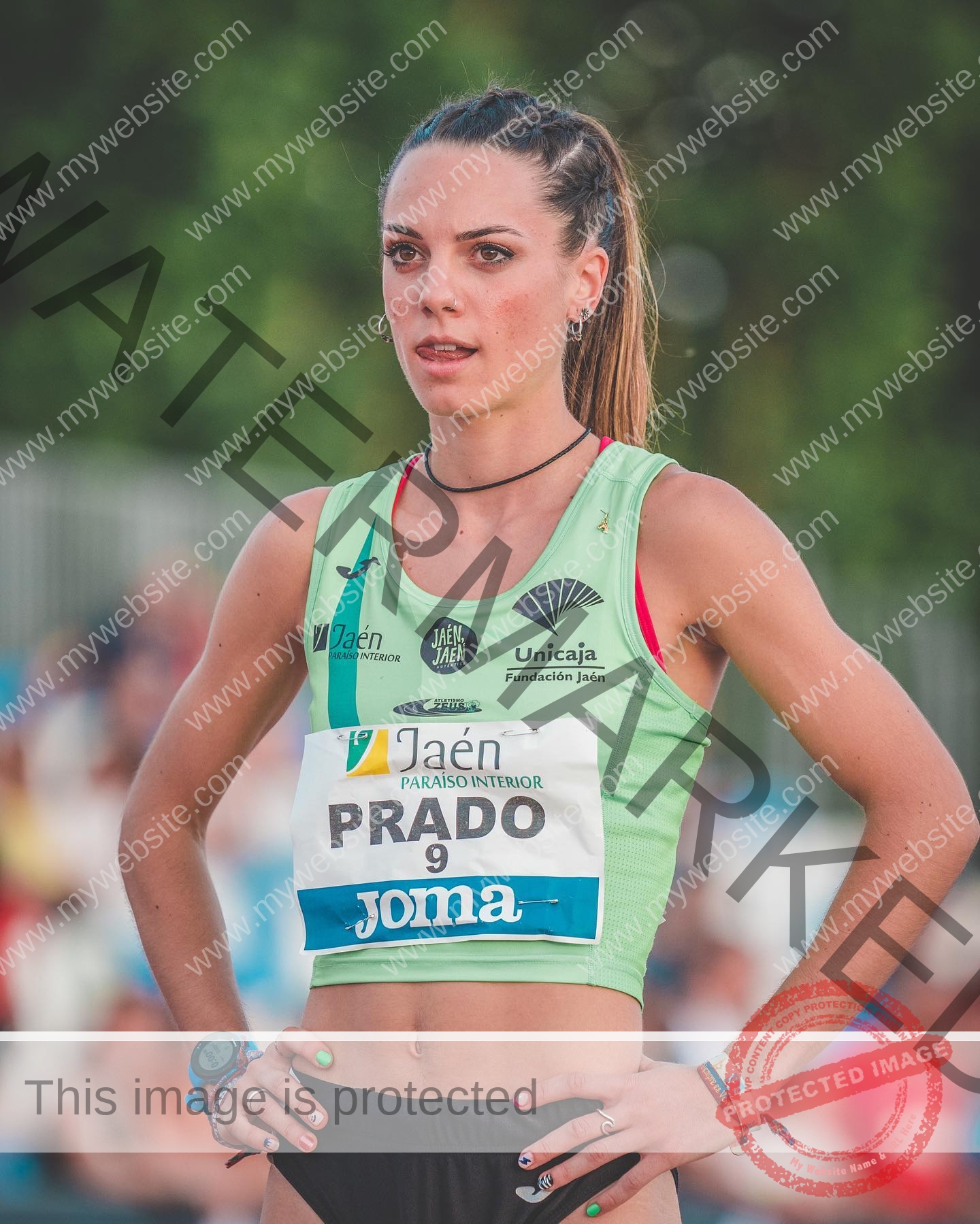
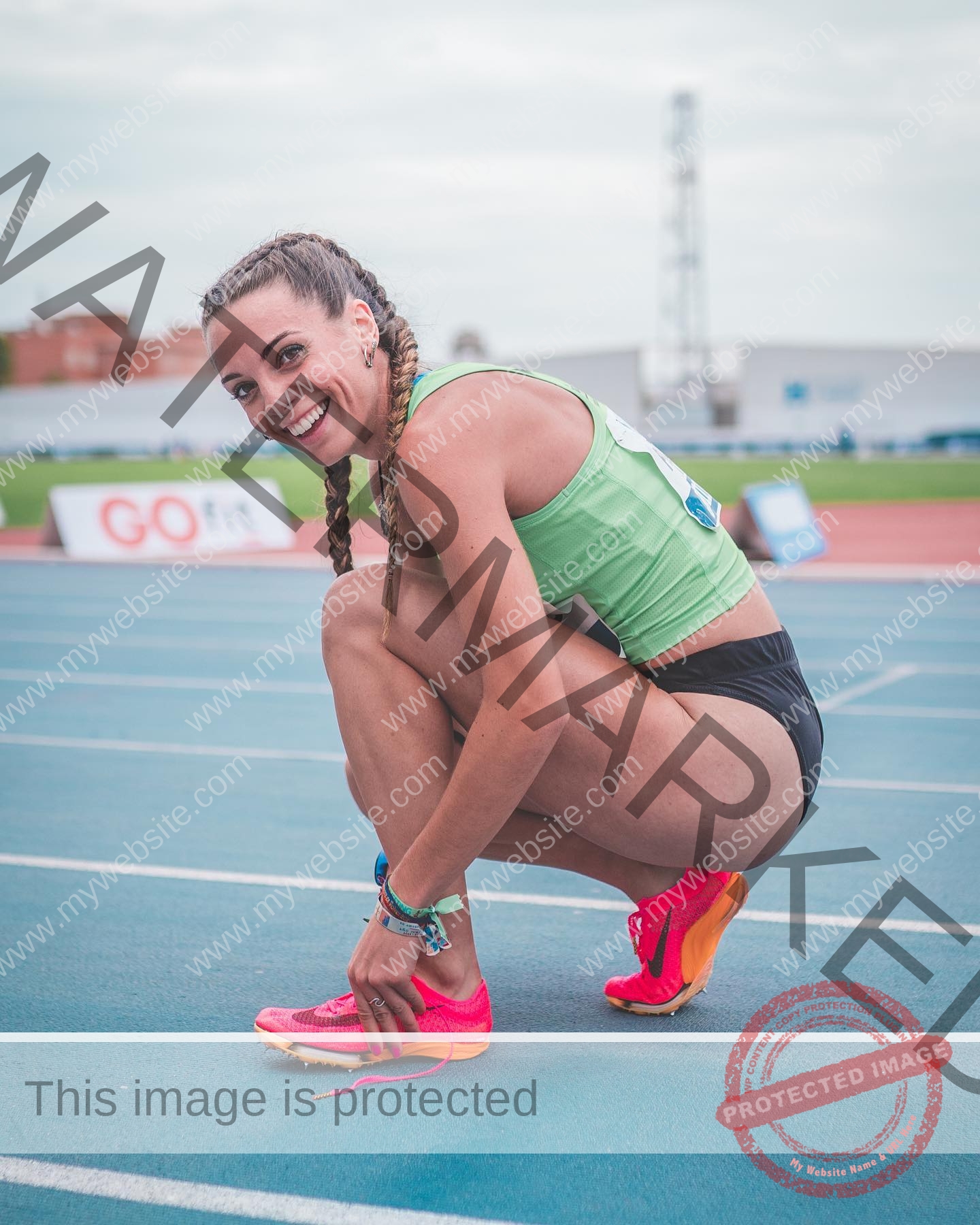
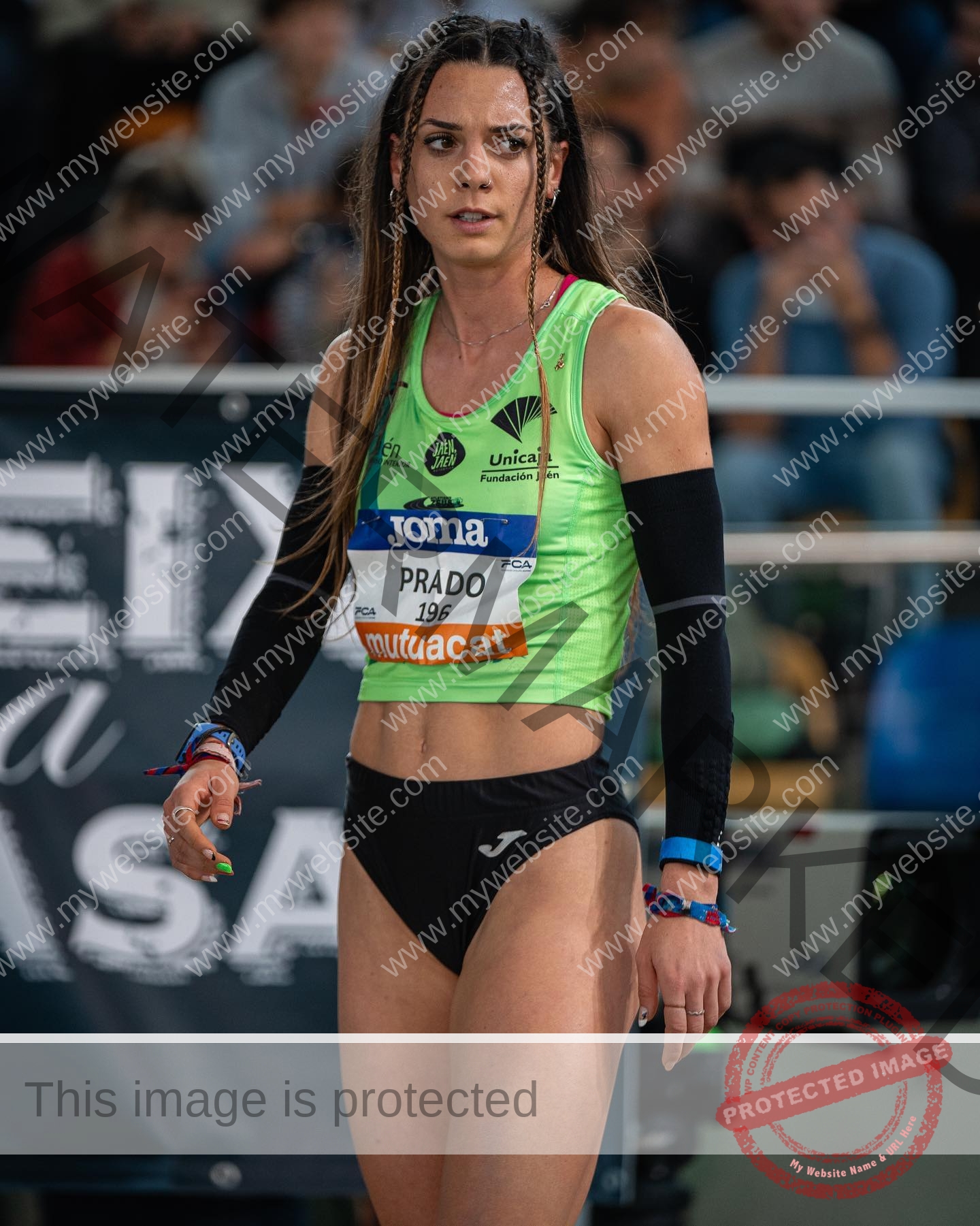
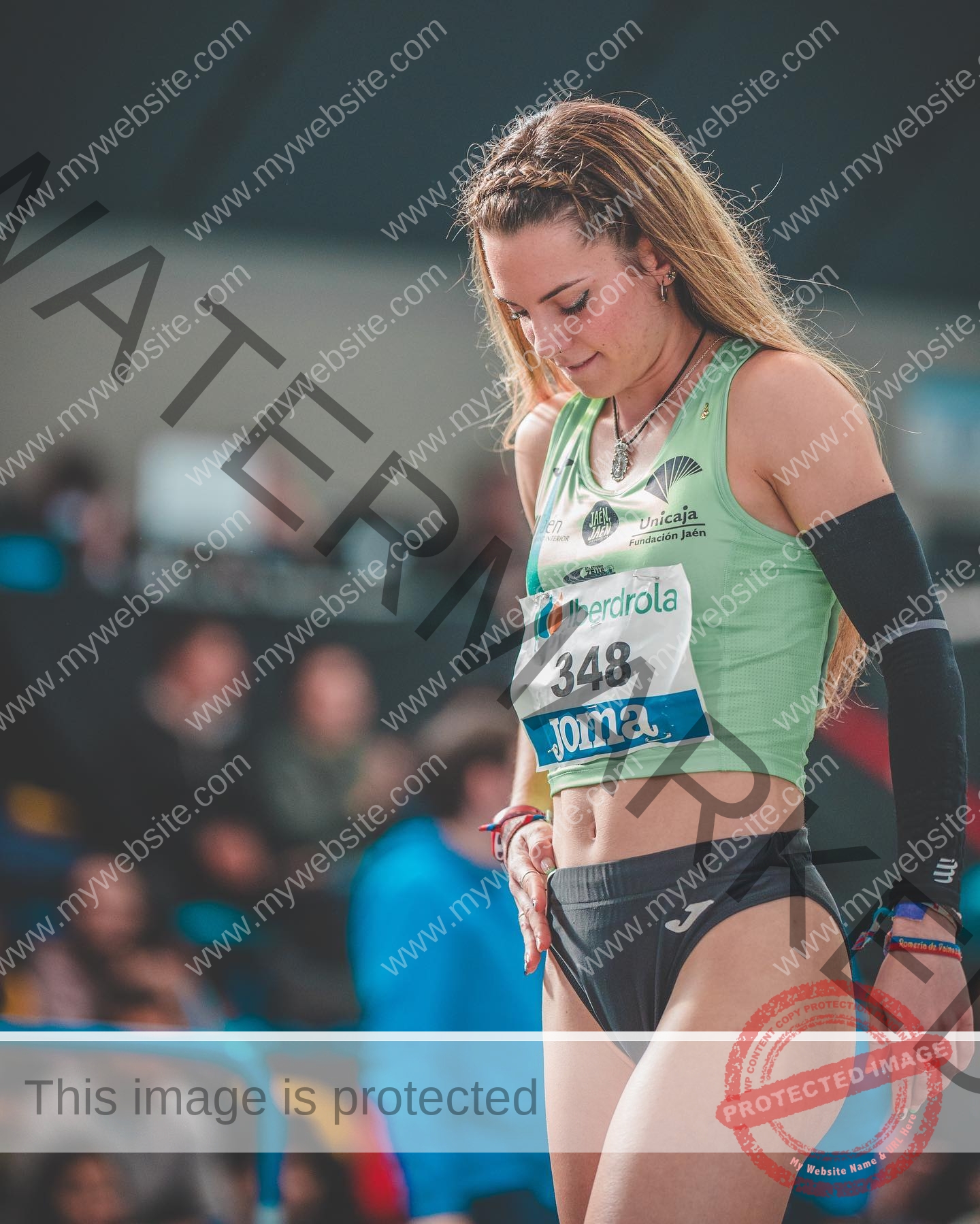
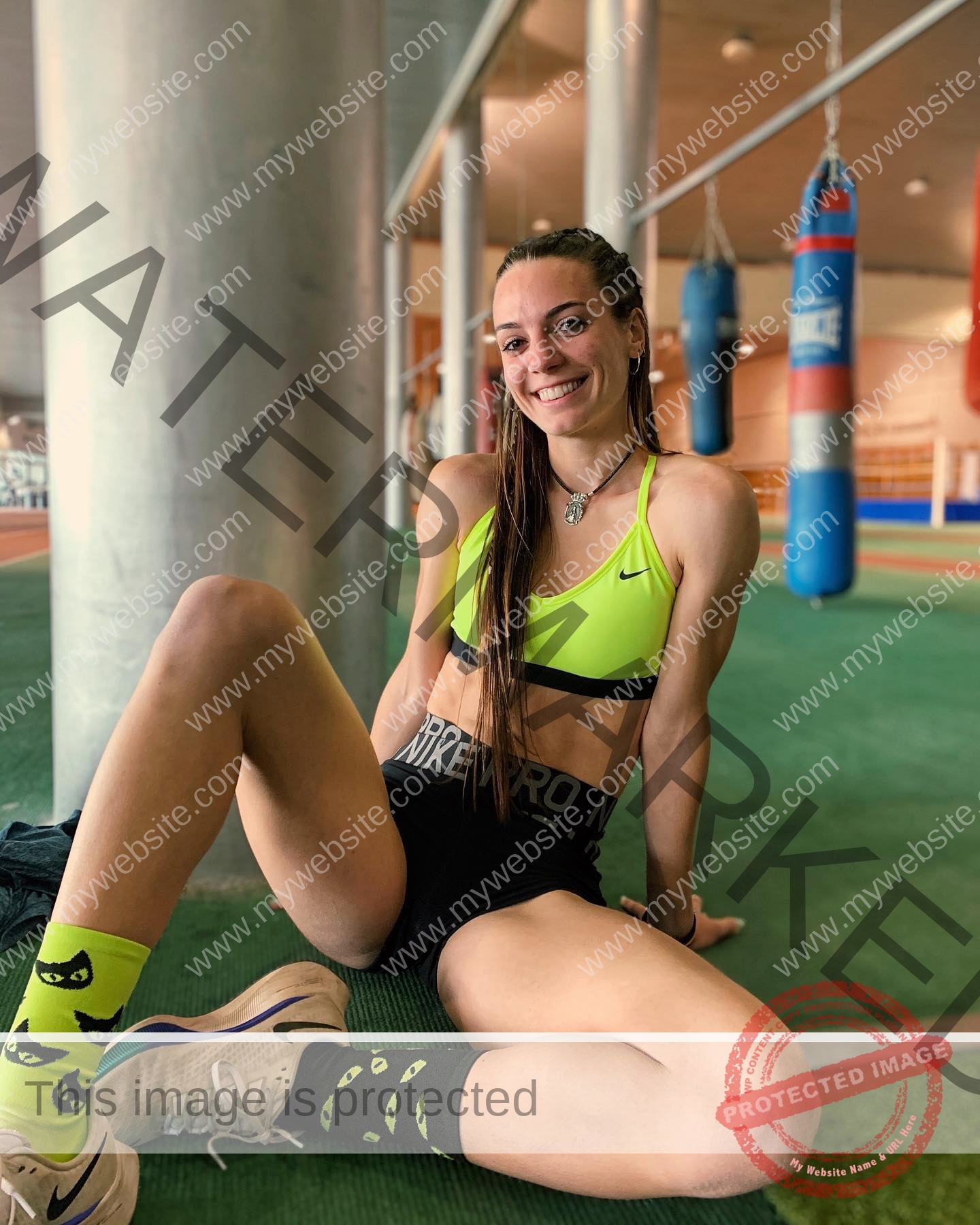
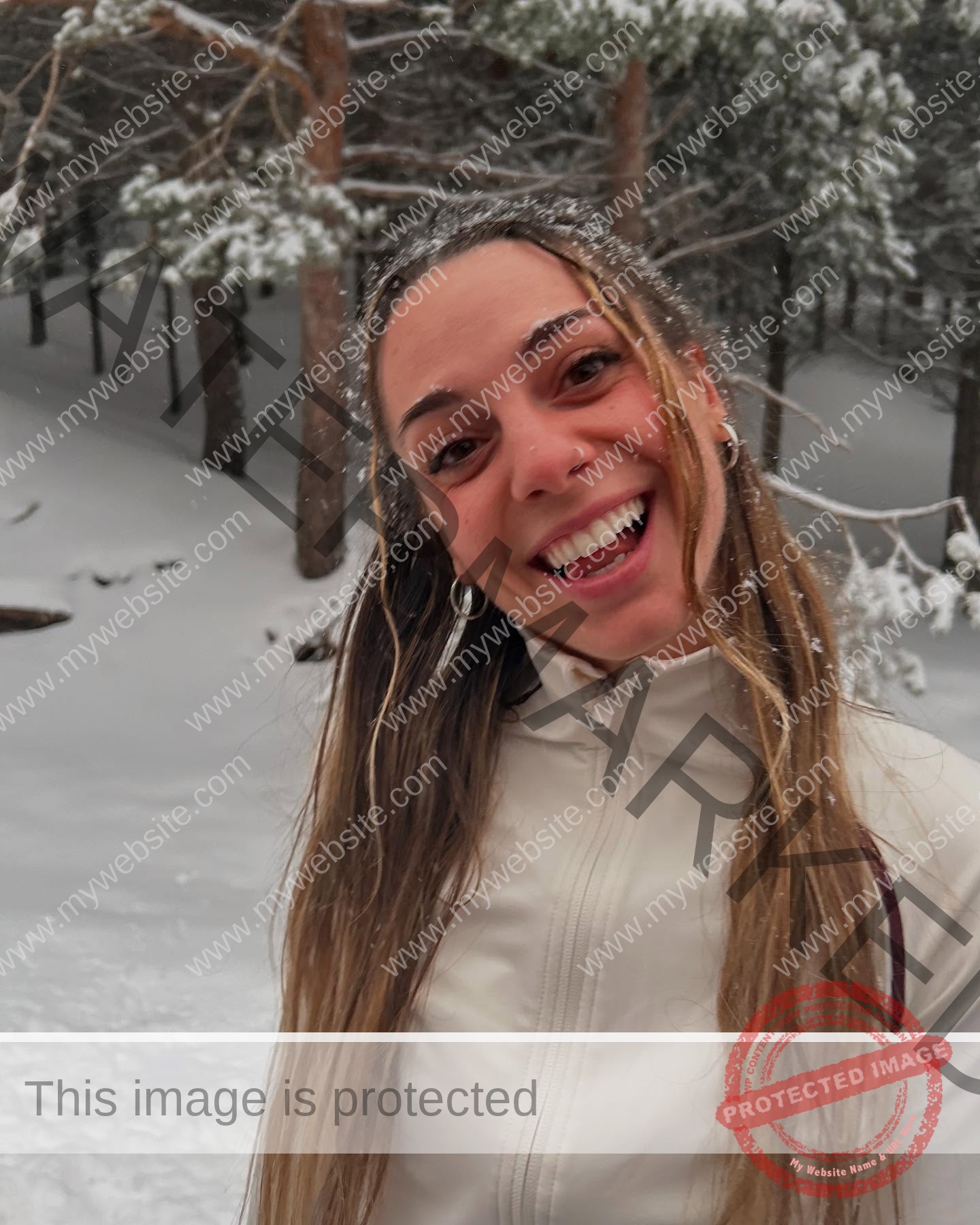
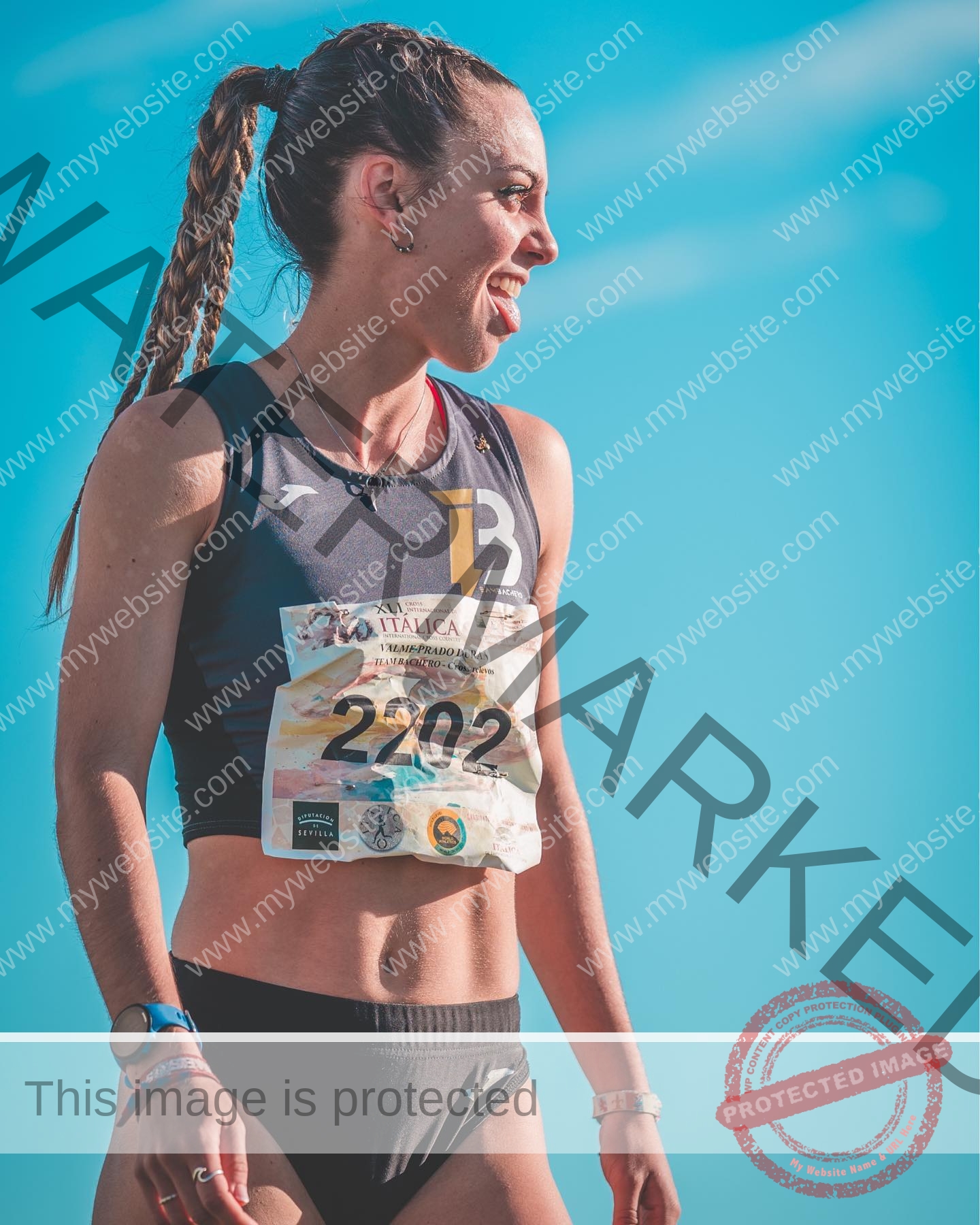
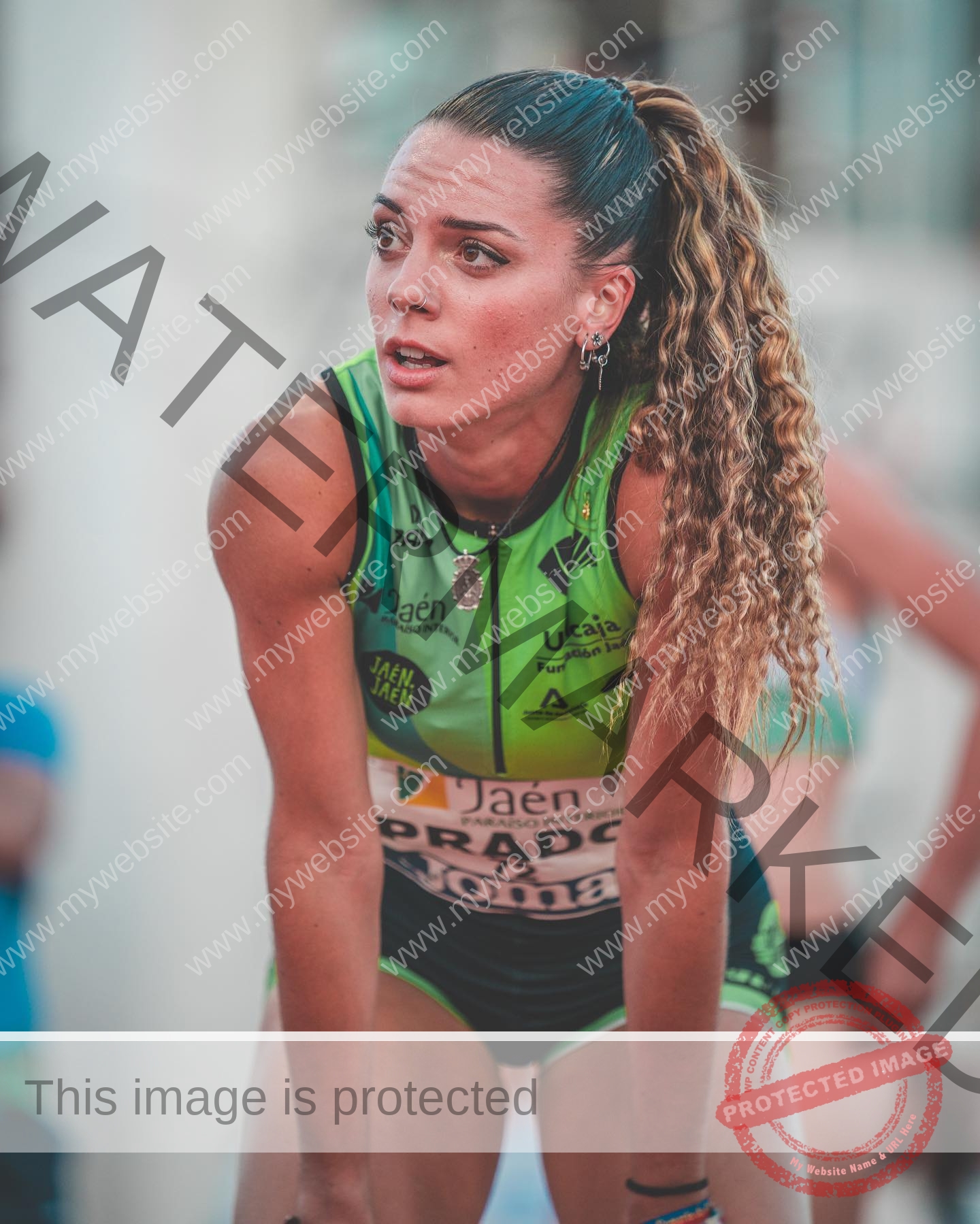
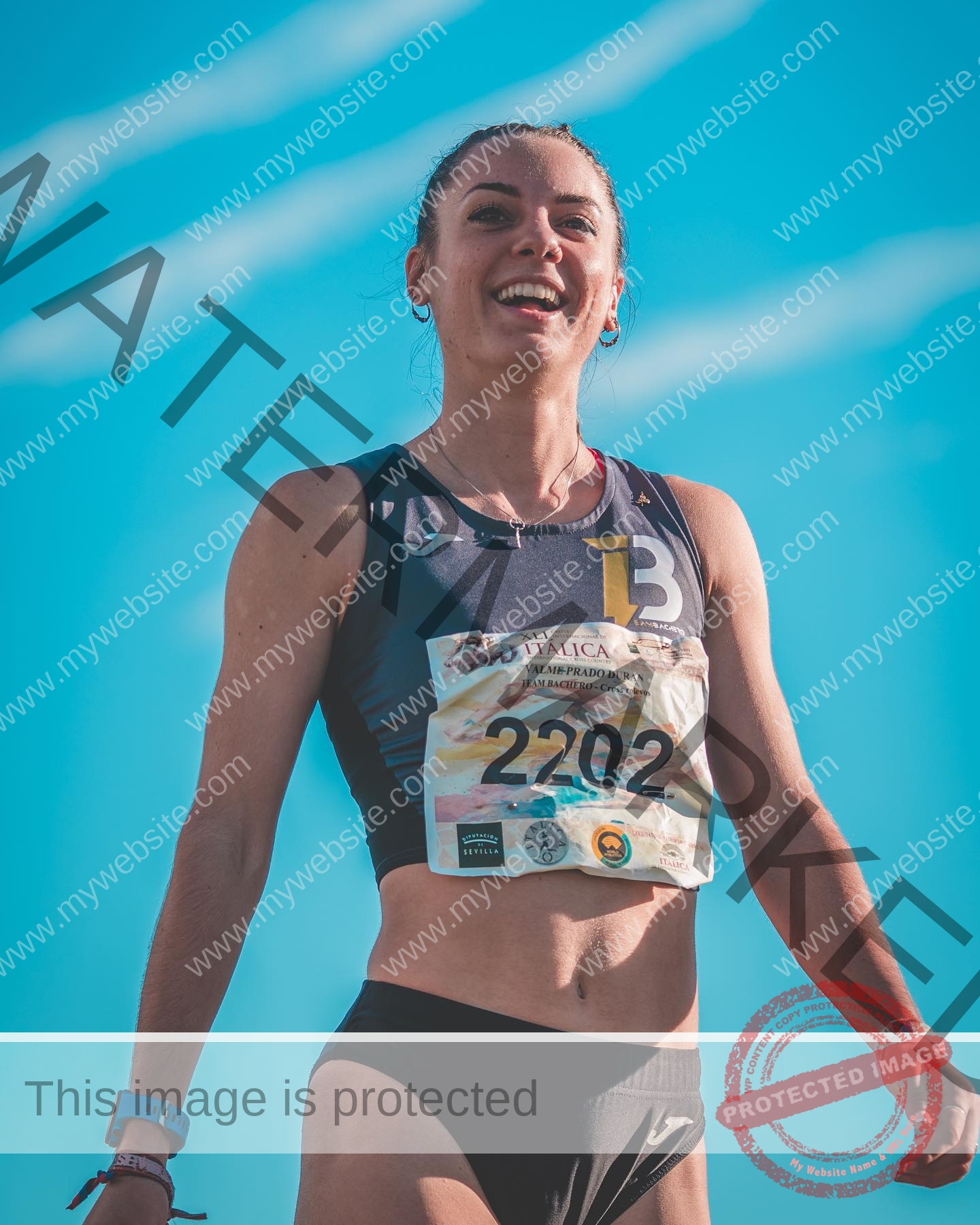
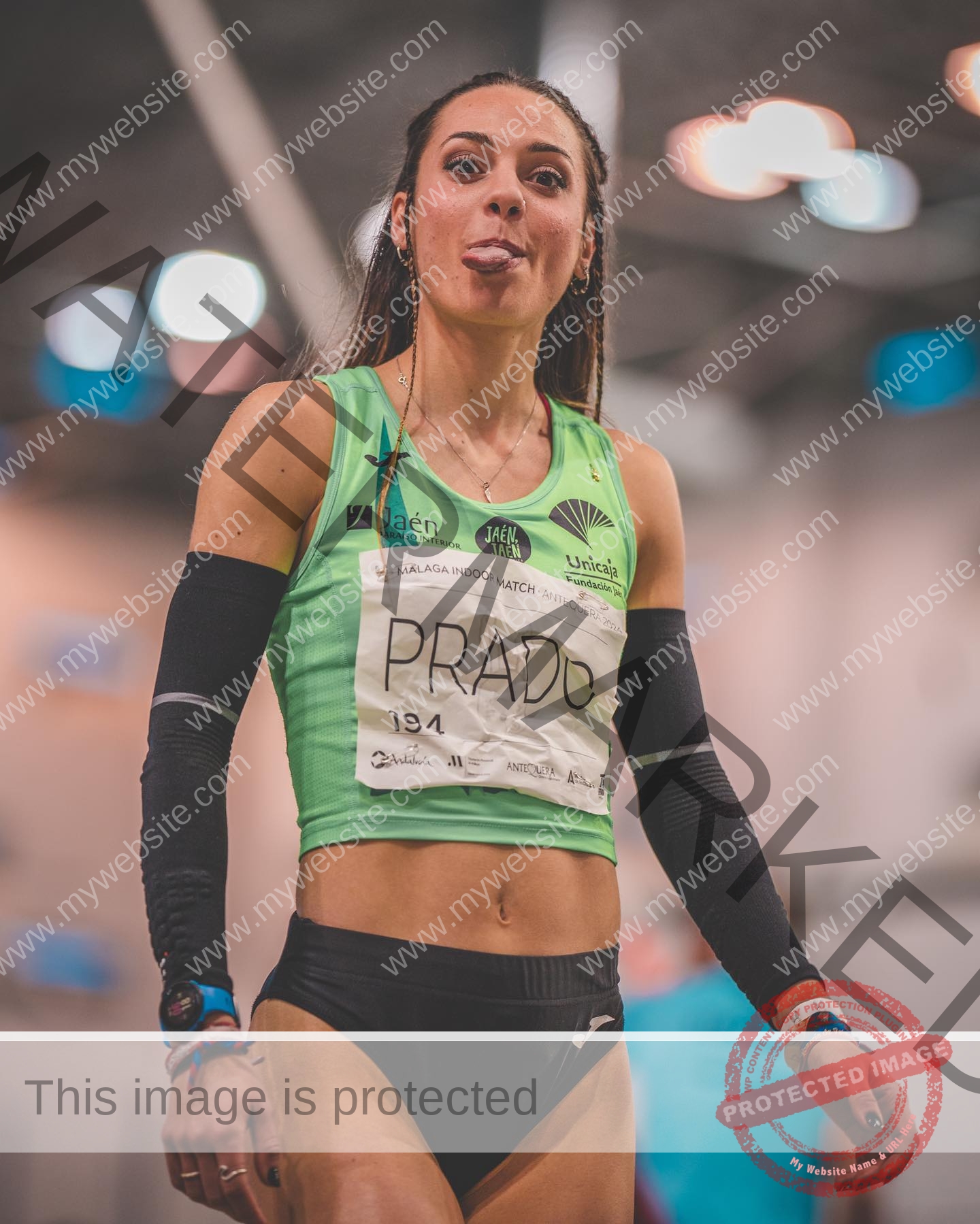
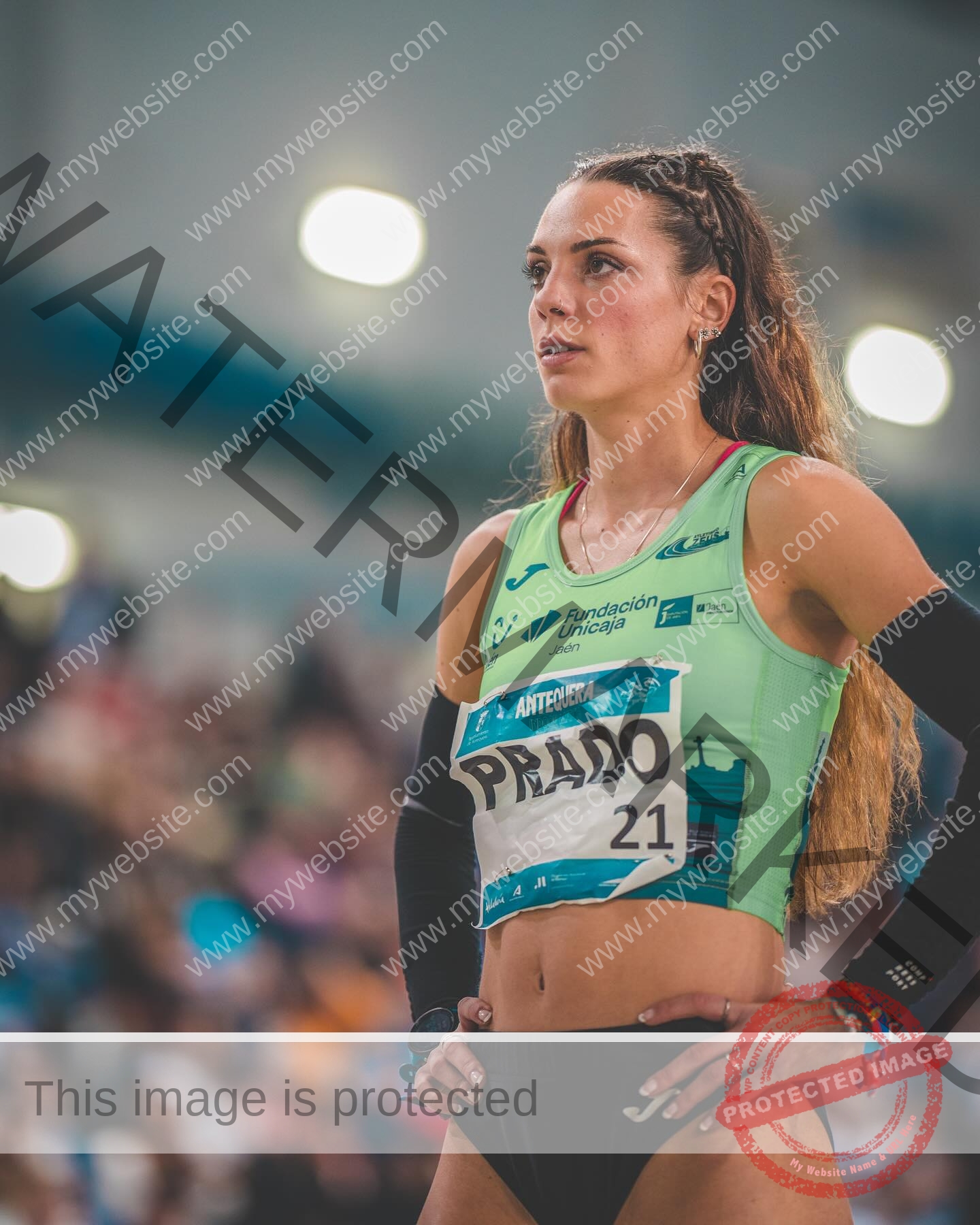
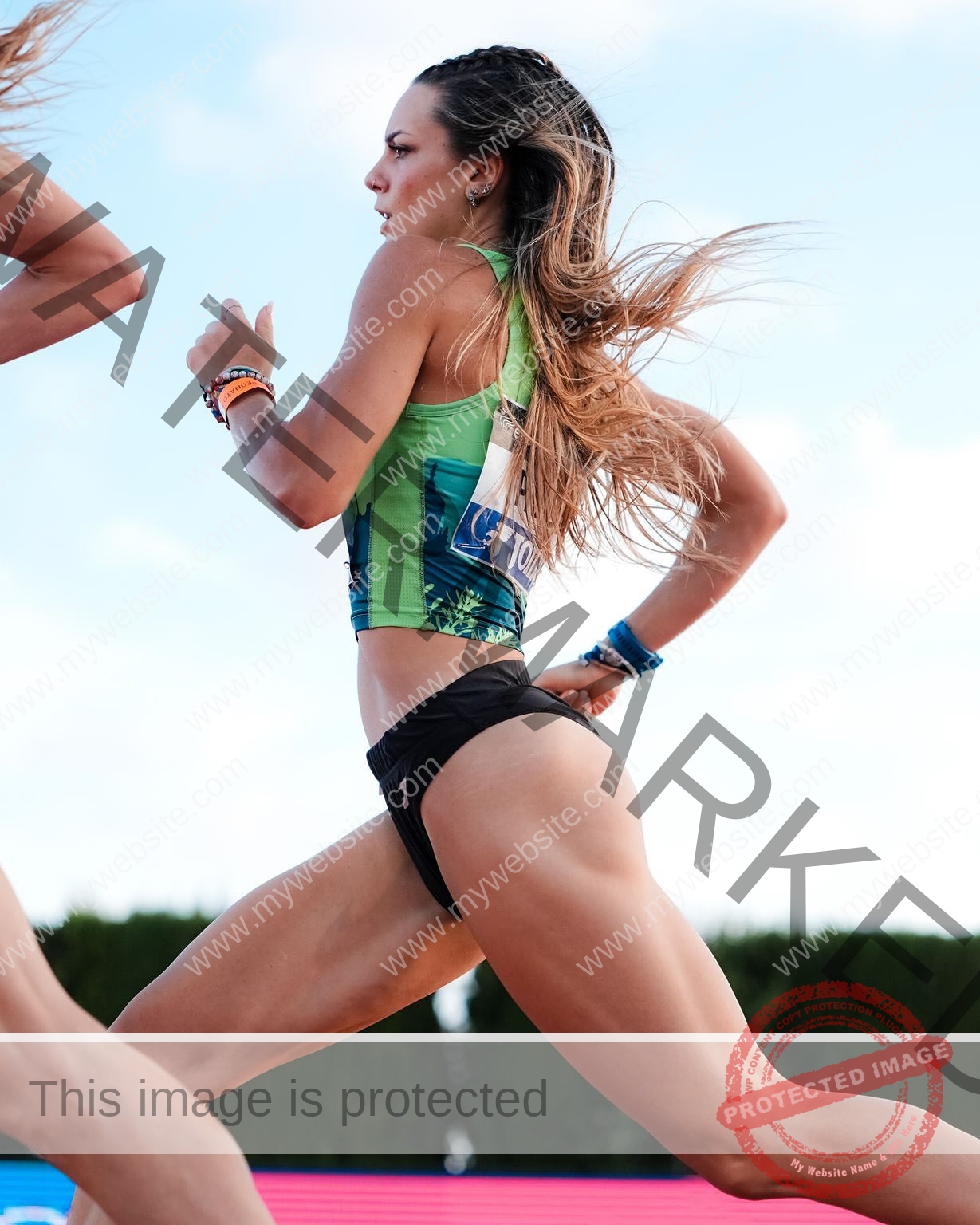
Valme Prado Durán: The 800-Metre Voice of Dos Hermanas
There is a story that Valme Prado Durán tells about her name that gets to the heart of who she is. Her parents, Antonio Javier and María, spent years hoping to start a family. Her mother’s thyroid condition had made pregnancy complicated, and the couple had been advised to wait. The waiting stretched on longer than anticipated — long enough that they made a pilgrimage to the cave of Santa Ana in Dos Hermanas, a place where tradition holds that a woman who takes a little of the earth and places it on her belly will be blessed with a child. Halfway through the journey they had considered naming the baby Ana, in honor of the saint. But in the end, the pull of something closer to home won out: their deep devotion to the Virgen de Valme, the patron saint of their city. And so the baby girl born on November 7, 2000, became Valme. She is, she says, very proud of it.
That combination of rootedness, faith in the process, and willingness to do the work over the long haul describes the runner she has become just as well as it describes her origins.
Dos Hermanas: A City That Runs
Dos Hermanas is a sizeable city in the province of Seville — Andalusia’s second-largest municipality — with a deep culture of popular sport and a civic pride that shows up, among other places, in its investment in local athletes. The Plan de Apoyo a Deportistas de Dos Hermanas (PADDH), the city’s athlete support programme, counts Valme among its beneficiaries alongside Olympians like steeplechaser Carolina Robles Campos. The city takes its athletes seriously, and the athletes tend to give back in kind.
Valme grew up as an only child, the long-awaited daughter of a household that sounds warm and sport-adjacent without being athletic in the competitive sense. Her father spent his career in radio, beginning at Radio Estrella in Dos Hermanas before moving to the Cadena SER. Her mother worked for many years at a local supermarket before eventually becoming a classroom monitor at a school in the Montequinto neighbourhood. Neither parent had ever competed in athletics. The closest thing in the family to a running gene, Valme jokes, is her grandfather on her mother’s side, who apparently used to set out on two-or-three-hour walks in the early morning and return looking entirely untroubled by the effort.
The Schoolyard Race That Started Everything
Valme’s first experience with organised sport was swimming — her mother enrolled her for the practical reason that a child should know how to swim. But it was in first grade of primary school that the real story began. She signed up, together with a friend who happened to share her name, for the school running races organised by the Dos Hermanas Delegación de Deportes at the Estadio Manuel Utrilla. In that first race, she ran alongside her friend the entire way, urging her to go faster rather than running her own race. The result was predictably modest.
The following year, her mother gave her different advice: run your own pace. Don’t wait for anyone. Valme ran, and finished second — beaten only by her friend Nuria Roldán, with another close friend, Ana Moreno, finishing third behind her. Looking back at the photographs years later, Valme marvelled at the coincidence: three of her best friends had been competing in the same elementary school race, the kind of thing that only becomes meaningful in retrospect.
The eight children who trained together at the Manuel Utrilla track formed a group tight enough to give themselves a name — the “Manuel Utrilla Team.” For Valme, the experience of those school races planted something that didn’t leave. She liked running. She liked the sensation it produced. She told her mother she wanted to join an athletics club.
Her mother, practical as ever, set a condition: finish your way to the fastest lane at the swimming pool first. Valme, impatient with swimming, reportedly invented stomach aches to avoid going. The family doctor, seeing through the ruse, told her mother: “Your daughter is fine. She just doesn’t want to go to swimming.” Once she earned her way to that final lane, her mother kept her promise, and Valme joined athletics. From then on, her mother did not miss a single training session.
Finding Her Discipline: The Club Orippo Years
Valme joined Club de Atletismo Orippo, a Dos Hermanas club with deep roots in Andalusian athletics. It was there that a coach named Fernando Chacón first told her — she was still quite young at the time — that she had possibilities. But it was the next coach who truly ignited her passion for the sport: Sebastián Prieto.
Prieto saw something in Valme and approached her parents directly, telling them he believed she had talent and that he wanted to work with her. There was a small personal cost involved — training with Prieto meant leaving behind her regular group of friends at Orippo. She agreed anyway, and Prieto softened the transition by inviting two of her friends, Rocío Plaza and Aída Sánchez, to train alongside her.
The first year was handled by Prieto’s son, who was 19 at the time and whose direct manner, she recalls, didn’t quite connect with the group. But when the father stepped in himself, something clicked. Their coaching relationship became something Valme describes with evident emotion: they had an extraordinarily good connection. Even when Prieto was dealing with an injury of his own, he would position himself in front of her during interval sessions, leading the pace from the front despite the discomfort. “He made me fall in love with athletics,” she has said. At some point, when he would threaten to stop coaching her, she told him plainly: “If you stop coaching me, I stop athletics.”
That bond extended beyond the track. In 2013, when Valme’s father became seriously ill and spent two months in the hospital, Prieto brought her to his home to eat with his family. He became, in her words, a second father to her.
Prieto identified that she was fast — quick-twitch speed in a middle-distance runner is an asset — and placed her in the 1,500 metres. It was the event she would develop through her early years at Orippo.
Youth Career and First National Recognition
Through her teenage years competing with Orippo, Valme developed into one of Andalusia’s strongest young middle-distance runners. There was, however, a recurring frustration: she was consistently placing among the top performers on the national ranking heading into major championships, then finding something falling away when the competition arrived. In 2017, at 16, she had been ranked second nationally in her age group going into the Spanish indoor championship — and finished eighth.
The story of what changed that day stays with her. In the final 100 metres, her father’s voice cut through the noise from his position in the backstretch crowd: “La ocho no es la nueve” — eighth is not ninth. She didn’t fully process the meaning in the moment, but she pushed anyway, finished eighth, and only afterward understood: eighth place was a national final. Ninth was not. She had been so consumed with the gap between where she was and where the leaders were that she hadn’t appreciated where she stood.
At a subsequent national championship, now 18 years old and competing in Getafe, she claimed her first national medal. Her father was again in the crowd, this time on the backstretch in the final 200 metres, and she heard him: “¡Ahora sí, Valme. Ahora sí.” As she crossed the line, she was handed a letter from the Royal Spanish Athletics Federation: she was being called up for an international match against Portugal. She had finished third, but the second-place finisher had been allocated to a different competition, and the spot fell to her.
That summer, she competed with the Spanish national team for the first time. Two years later, now in the Sub-20 category, she was selected to represent Spain at an international meet in Minsk, Belarus, competing in the 1,500 metres. The trip has its own memorable story: there was a mixup in the event management and the field was sent out for an extra lap. Valme, having been racing as if she were running the last lap, was overtaken when the extra circuit began. She went to a corner afterward and wept. The national team coach found her and delivered a lesson she has carried since: what you take from a moment like this isn’t a medal or a time. It’s the experience. It’s the preparation for what’s coming next.
The Transition to the 800 Metres
When Sebastián Prieto eventually had a falling-out with Orippo and stepped away from coaching, Valme needed a new home. As it happened, her partner at the time was studying at the University of Seville, where a coach named Beatriz Bachero Mena was working — a sports science graduate, researcher, and strength specialist with a reputation for developing athletes intelligently and sustainably. Valme approached her.
It was Bachero Mena who identified that Valme’s speed was even more suited to the 800 metres than the 1,500. The switch happened, and in her first season at the shorter distance, the results were immediate: she placed third in Spain, came within two-tenths of a second of the Andalucía Sub-23 record in the 800 metres, and was just one second away from the European qualification standard. “I realised it wasn’t going badly,” she understated in one interview.
The 800 metres is in many ways the perfect event for Valme’s particular combination of gifts: genuine speed — she once ran a 400 metres without any specific preparation and hit the qualifying standard for the Spanish championship — combined with the aerobic capacity and tactical awareness of a middle-distance runner. Bachero Mena, she has said, takes a long view: she wants Valme to arrive at the top level without collecting the injuries that so often cut short middle-distance careers. Their working relationship, built on mutual trust, has been the foundation of Valme’s continued development.
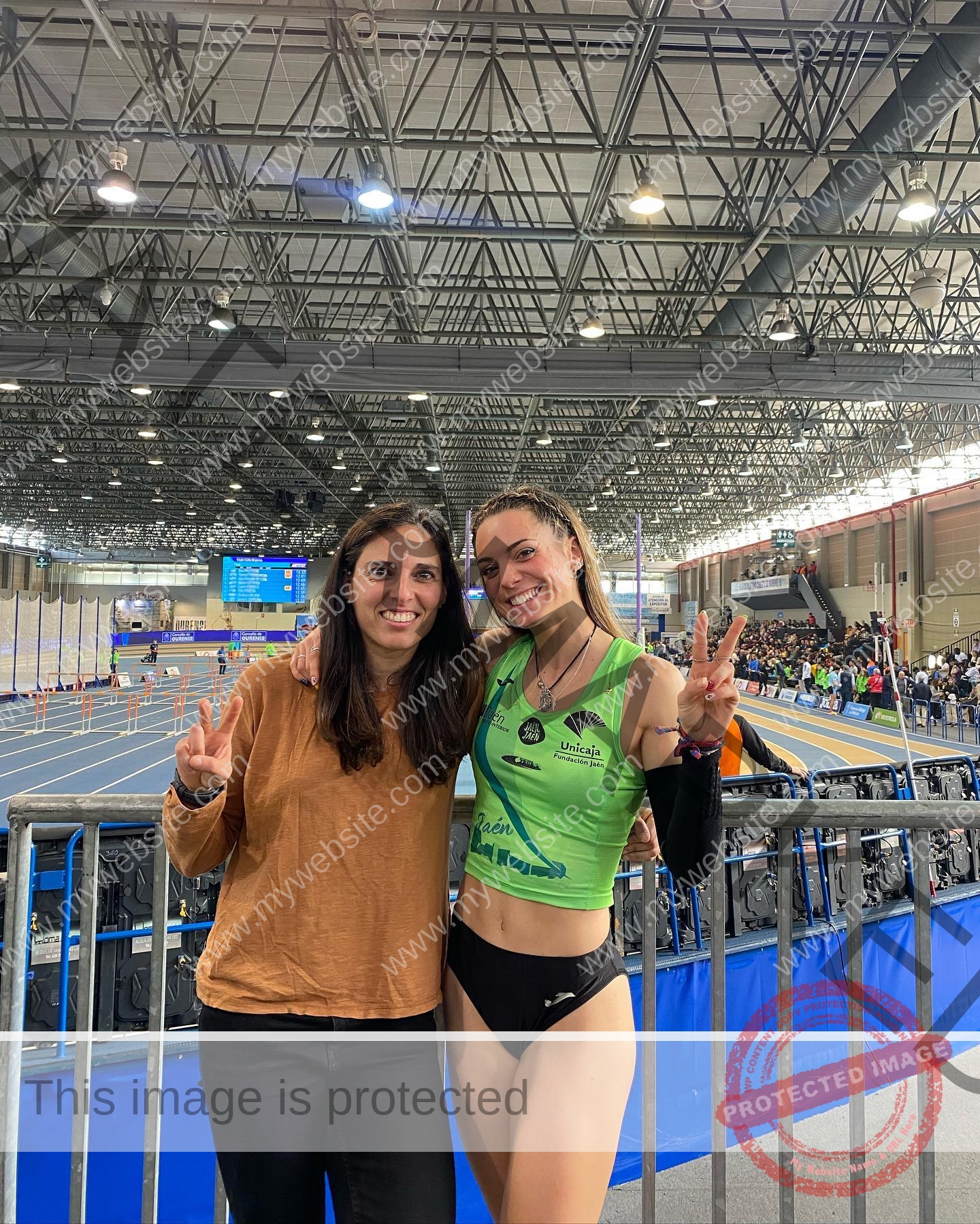
She divides her training time between Estadio de La Cartuja in Seville — where she trains with her group that includes the celebrated middle-distance veteran and club teammate Natalia Romero, a former Spanish Olympian at 800 metres — and her club obligations with Unicaja Jaén Paraíso Interior.
Unicaja Jaén Paraíso Interior: A Club at the Top
The move to Unicaja Jaén Paraíso Interior placed Valme within one of the most competitive women’s athletics clubs in Spain. The club, based in the province of Jaén with strong ties to the Unicaja foundation’s sports ecosystem, consistently fields women’s teams that compete for national honours in the Liga de Clubes División de Honor and the Copa Iberdrola. Valme has become one of its most important performers, reliable not just as an individual 800-metre competitor but also as a relay runner — she has featured in the club’s 4×400 metres squads — and as a 1,500-metre option in multi-event club competitions where versatility earns team points.
The club’s technical director has called her one of the squad’s key athletes alongside Natalia Romero, and her name regularly appears in pre-competition coverage as one of the expected scoring pillars for the women’s team.
Competitive Titles and Regional Records
The Dos Hermanas Aldía portrait of Valme published in 2024 summarised her title record up to that point: Andalucía champion (U23 and absolute) in the 1,500 metres outdoors; Andalucía U23 champion in the 800 metres indoors; Andalucía runner-up (absolute) in the 800 metres indoors; Andalucía U23 champion in the 1,500 metres indoors; third place at the national junior championship in the 1,500 metres outdoors; national runner-up (Sub-20) in the 1,500 metres indoors; double national bronze (Sub-23) in the 800 metres outdoors; and third at the Iberian Cup Sub-18 in the 1,500.
On the record front, she has been the custodian of the Andalucía indoor 800 metres record and has repeatedly set and then broken it herself. In 2023 she ran 2:06.10 to set the mark. At the Meeting Internacional de Antequera in January 2026 — the first competition of her new season — she improved it to 2:05.90. Days later, at the Meeting Internacional de Sabadell on January 23, 2026, she ran 2:05.20 at the Pista Coberta de Catalunya, setting a new personal best in the short-track format and, again, the Andalucía record.
Her progression has been a picture of steady, patient improvement across every measure.
Personal Bests and Key Performances
Valme’s career-best marks as recorded by World Athletics and the RFEA:
- 800 Metres (outdoor): 2:04.83 — May 30, 2025, Castellón (Pistes d’atletisme Gaetà Huguet)
- 800 Metres Short Track (200m track): 2:05.20 — January 23, 2026, Sabadell (Pista Coberta de Catalunya)
- 1,500 Metres: 4:21.92 — June 22, 2023, Málaga (Estadio Ciudad de Málaga)
- 4×400 Metres Relay: 3:43.31 — August 3, 2025, Tarragona (Estadi Natalia Rodríguez)
- 4×100 Metres Relay: 46.87 — July 30, 2023, Torrent
The 2:04.83 run in Castellón in May 2025 is the headline mark — a genuine personal best in the standard outdoor 800 metres that places her among Spain’s best active middle-distance women and reflects a career that has been steadily building toward the upper echelon of domestic competition.
The 2025 Season: A New Personal Best and International Relay
The 2025 outdoor season was Valme’s most productive yet in terms of personal bests and competitive quality. In late May at Castellón, she ran the 2:04.83 that would stand as her outdoor career best. She also contributed to relay efforts at the national level, running a leg of the 4×400 metres at the Campeonato de España in Tarragona in August — a 3:43.31 team performance that registers as one of her personal relay bests. During the indoor club season in February 2025, she won the 800 metres for Unicaja at the Copa Iberdrola (the national club short-track championship), helping the club to a sixth-place national team finish — a significant result for a club that competes with the country’s elite.
Into 2026: Record-Breaking from the Opening Gun
The 2025–26 indoor season opened with an immediate statement. At the Meeting Internacional de Antequera in January 2026, Valme ran 2:05.90 in the 800 metres — the Andalucía indoor record, broken in what was her season debut. Her local supporters in Dos Hermanas celebrated the achievement with particular warmth: this was her first race of the year, and she opened it with a regional record.
She then made the journey to Sabadell for the Meeting Internacional de Catalunya the following Saturday, where she ran 2:05.20 — a new career best in the short-track format and a further improvement on the Andalucía record she had set just a week earlier. The same weekend, she also competed for Andalucía’s team at the Spanish Cross Country Championship in Córdoba. It was the kind of schedule — two major individual performances and a team cross-country commitment across three days — that speaks to her current standing as one of the regional federation’s most relied-upon athletes.
In February 2026, at the national club championships (Copa Iberdrola), she placed second in the 800 metres for Unicaja — another solid contribution to a squad that finished seventh as a team. Her World Athletics ranking as of early 2026 places her 263rd in the world in the 800 metres, a position that reflects genuine international standing even while she continues to close the gap on Spain’s very top tier.
The Dual Life: Athlete, Coach, and Published Author
Valme’s professional life outside of competition is itself a reflection of her commitment to athletics as a vocation, not just a pursuit. She enrolled in Ciencias del Deporte — Sports Sciences — somewhat reluctantly at first, having initially wanted to study biology or medicine. The change of direction, as she has reflected since, turned out to be the best thing that could have happened. She specialised in performance training and has built a coaching practice alongside her competitive career.
She first began coaching during her first year of bachillerato (the Spanish upper secondary qualification), working with the Club de Atletismo Orippo training children aged three to five. She has since developed a group of adult recreational runners — affectionately called “los papis” (the parents) — who train under her guidance at Estadio de La Cartuja.
She is also a published author. A book bearing her name — 100 Ejercicios y Juegos Seleccionados de Iniciación al Atletismo: Carreras (100 Selected Exercises and Games for Athletics Introduction: Running), published by Wanceulen Editorial — provides training practitioners and coaches with a structured framework for introducing young athletes to running. Co-authored with David Blanco Luengo and Antonio Wanceulen Moreno, the 118-page volume reflects her academic background and her practical experience as a youth coach. It is unusual for an active athlete of her age to have contributed to published coaching literature, and it underscores a thoughtfulness about the sport that goes beyond simply competing in it.
Mentors and Models
Two figures loom particularly large in Valme’s athletic story. The first is Sebastián Prieto, the coach from Orippo who saw her potential as a child, invited her into his training group, and — in the difficult year of her father’s hospitalisation — quite literally made space for her at his family table. Their relationship clearly shaped not just her running but her understanding of what a coaching relationship can mean.
The second is Natalia Romero, the veteran Spanish middle-distance runner and current Unicaja Jaén teammate who competed at the Tokyo 2020 Olympics in the 800 metres. Valme has cited Romero explicitly as her competitive reference point — noting that Romero, now in her thirties, was running times at 23 that Valme is now matching. If Romero could reach Olympic level from that baseline, Valme reasons, why not her? It is a precise, grounded kind of ambition: not fantasy, but logic.
The Economics of Elite Amateur Athletics
One of the more candid threads in Valme’s public statements concerns the financial reality of competing at or near the national elite level without yet having broken through to the small group of fully-funded athletes at the very top. She has spoken openly about the disparity: the handful of Spanish women ahead of her in the 800-metre national rankings at the time of a 2024 interview were Olympic-calibre athletes operating in high-performance centres, with sponsorship and full institutional backing — training twice a day, eating, resting, training again. Valme, at that point, was training once a day while also coaching and managing her own daily life.
Her club, Unicaja Jaén Paraíso Interior, provides her with a base salary and travel support for competitions. Her parents have contributed materially to her pursuit, encouraging her to train as if she were a full professional. And she made a deliberate decision in 2024 to begin doubling her training sessions — a step toward the full-time commitment she had been making incrementally.
She is clear-eyed about the risk: “What if it doesn’t work out? Athletics gives you very little, and what it does give you costs a great deal to earn.” But she is equally clear about the trajectory. Her 2:04.83 outdoor personal best in May 2025, and the continued downward curve of her times into the 2025–26 indoor season, suggest that the investment is yielding returns.
Mental Strength: The Weapon She Trusts Most
One attribute Valme returns to repeatedly in describing herself as a runner is what she calls her mental aggression in competition — not aggression in any hostile sense, but a locked-in focus and self-belief that she feels sets her apart when she is truly ready. She contrasts this with a younger version of herself who could not translate ranking-list talent into championship performance. The shift, she believes, came from accumulating the right experiences — the first national medal, the international humiliation in Minsk, the seasons in senior competition being measured against the country’s best — and learning from each one.
“I’ve changed completely,” she has said. “When I’m in training and I see what I can do — I’m fast. I know that when I’m truly trained the way the women above me in Spain are training, I don’t think anyone can stop me.”
That self-knowledge, combined with the patience to build toward a long-term target rather than chase short-term results, puts her alongside the archetype of the Spanish middle-distance runner who peaks in their late twenties or early thirties. Natalia Romero made the Olympics at 33. The timeline is not closed.
Social Media
Valme Prado Durán maintains a presence on Instagram under the handle @valmepra2duran, where she documents competition, training life, and her world in Dos Hermanas and beyond. No commercial sponsorship arrangements beyond her club support have been publicly disclosed at the time of writing.
Looking Ahead
At 25, Valme Prado Durán is at a career juncture that many Spanish middle-distance runners recognise: too good to be overlooked, not yet quite at the level of Spain’s Olympic-track elite, but trending unmistakably in the right direction. Her 2:04.83 outdoor personal best is a credible mark on the European scale. Her continued improvement into the 2026 indoor season — record-breaking in January, competitive on the national club circuit in February — indicates that the recent decision to increase training volume is having its intended effect.
The goals she has articulated publicly are concrete: returning to the international stage with the Spanish national team, achieving the times she believes her talent can produce, and — the horizon that organises everything else — making it to an Olympic Games. The woman who inspired her most in this regard, Natalia Romero, did it at 33. Valme is 25. The road is long, and by all available evidence, she is perfectly suited to run it.
Dos Hermanas gave her a name tied to faith and patience. She is making good on both.
