

Thewbelle Philp: The Gold Coast Sprinter Carrying Two Cultures to the World Stage
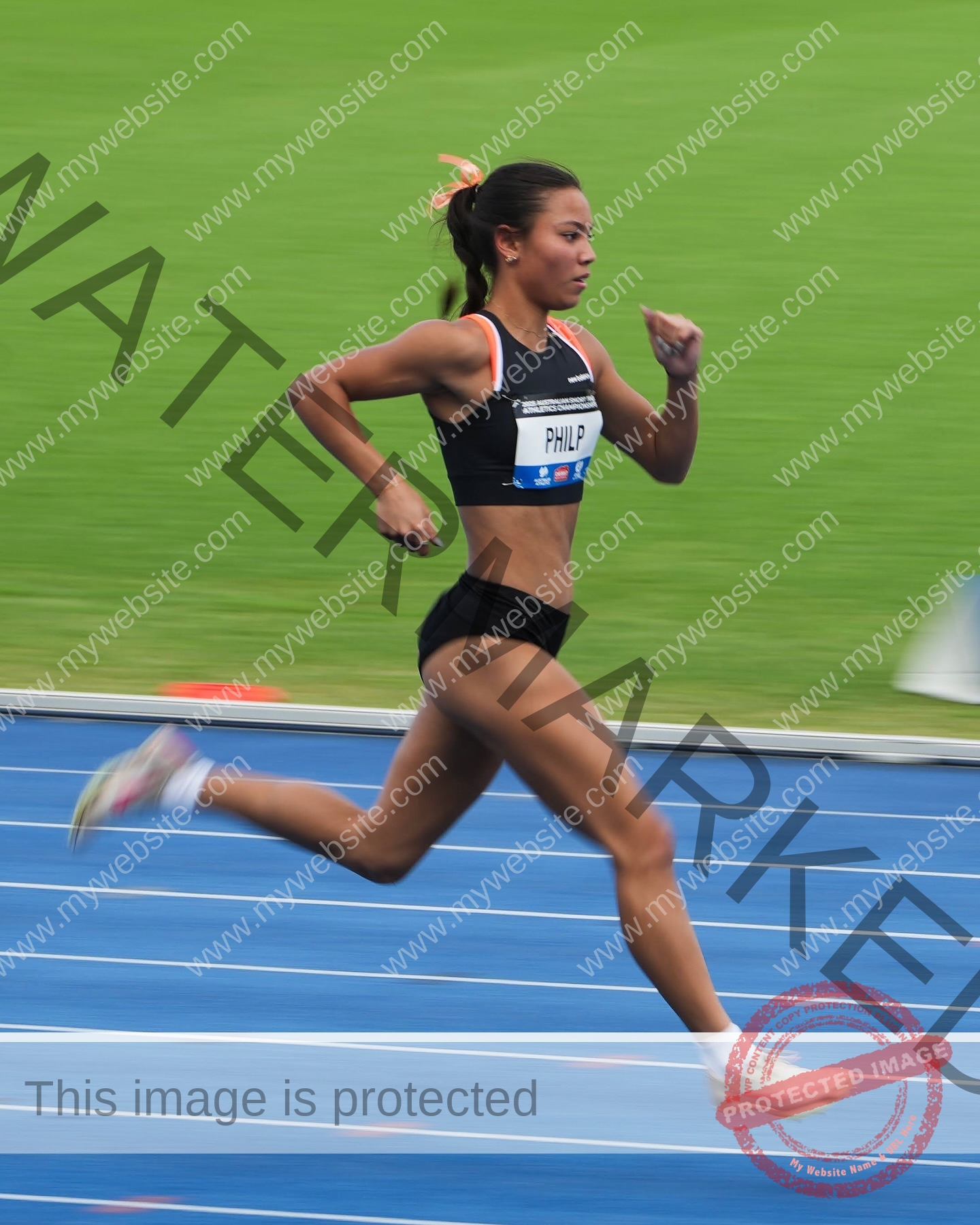
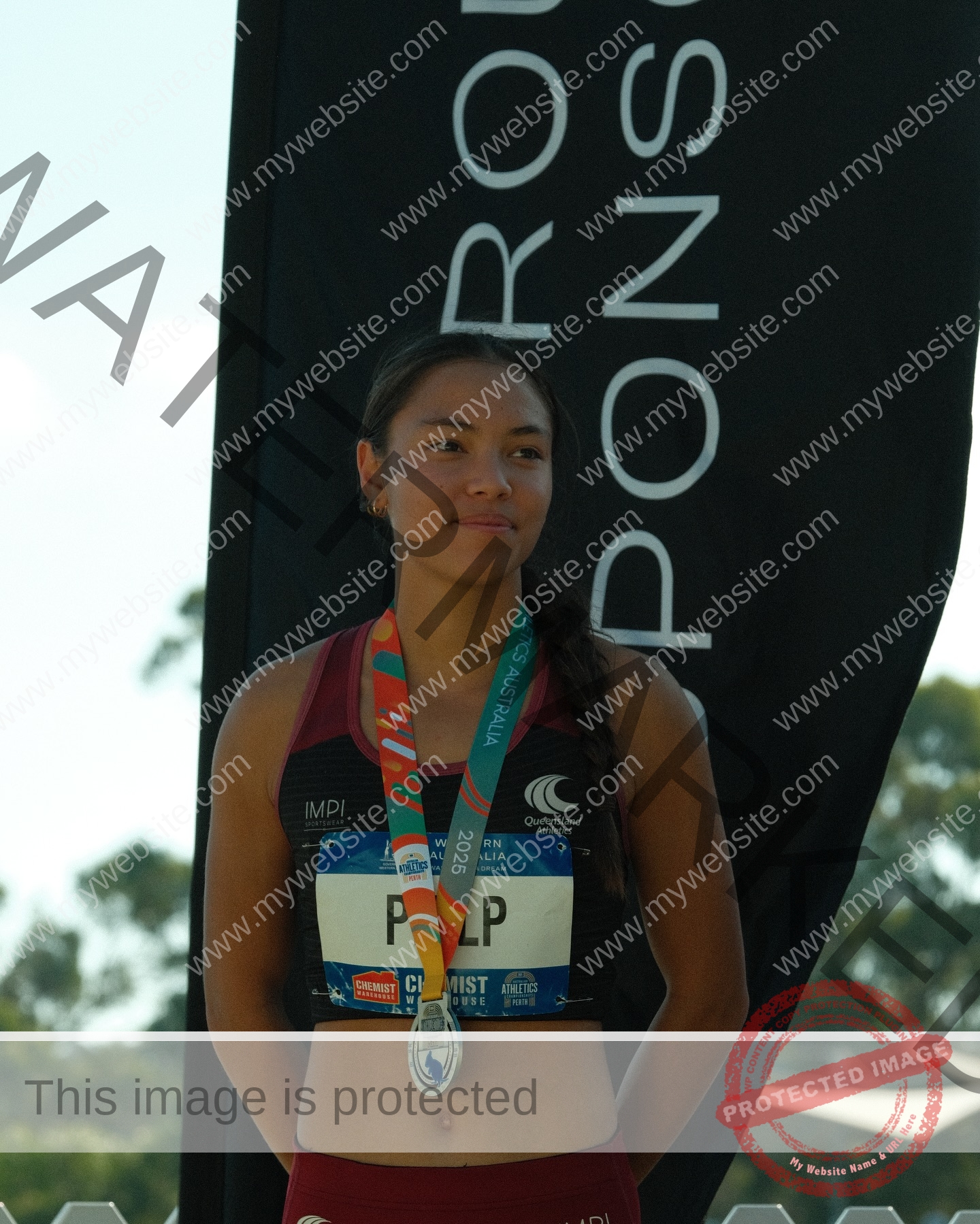
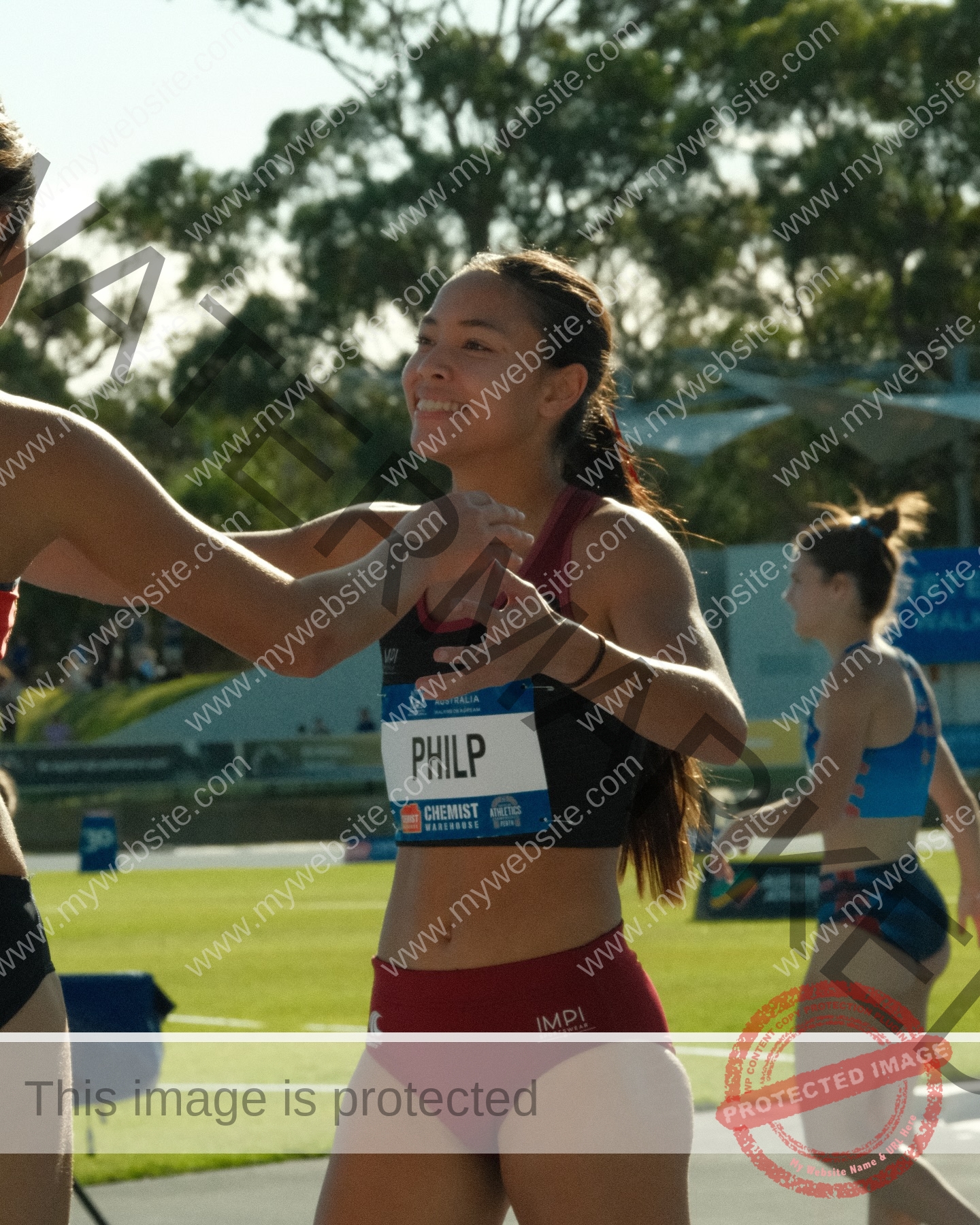
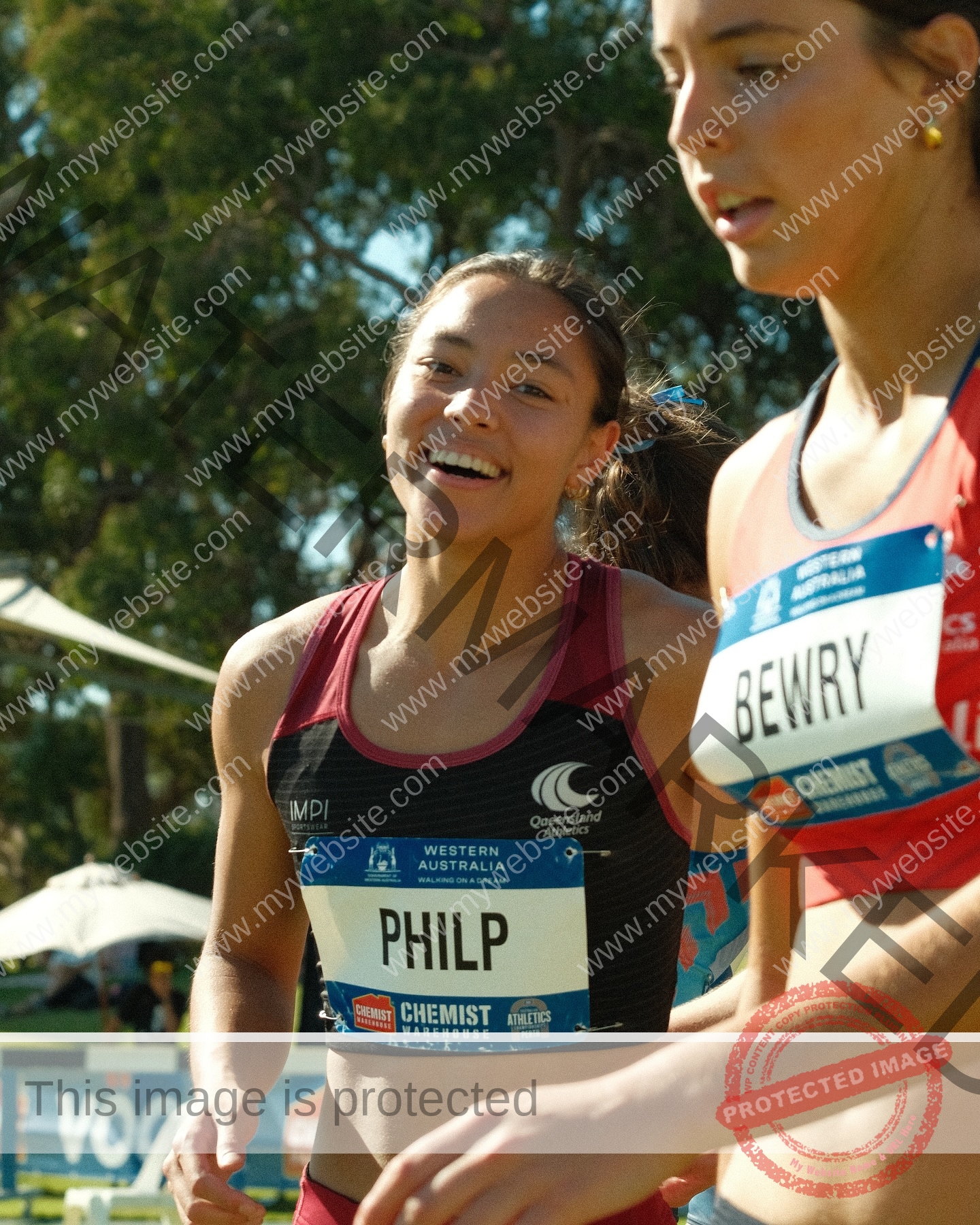
Start with the name. It is pronounced “chew-bell” — or simply “chewy” to those who know her well — and it is a name that Australian athletics fans are going to be hearing for a long time. Thewbelle Philp, born on the Gold Coast on April 5, 2008, arrived into the world eleven weeks early, weighing just 1.2 kilograms. By the age of sixteen she was leading off Australia’s women’s 4×100 metre relay team at the World Athletics U20 Championships in Lima. By seventeen she had broken the Australian Under-20 60 metre record and was ranked among the top 260 women in the world over 100 metres. The story of how she got from the neonatal intensive care unit to the global athletics stage is one of the better ones in recent Australian sport.
Philp is part of an emerging generation of Australian sprinters — a cohort that includes Torrie Lewis and Gout Gout — that is finally giving Australian athletics the short-sprint firepower it has long lacked. Among that group she is the youngest, the one who started at little athletics and worked a part-time job at a local supermarket while training twenty hours a week and completing her high school studies. She is also one of the most culturally distinctive, carrying her Minjungbal Indigenous heritage and Filipino ancestry onto every track she competes on, with the explicit and deliberate intention of honouring both.
Origins: Two Heritages, One Sprinter
Thewbelle Philp is the eldest of two children. Her father Matthew is from the Minjungbal people of the Bunjalung Nation, an Indigenous Australian group whose traditional country sits across what is now the far north coast of New South Wales and the Gold Coast hinterland of southern Queensland. Matthew played rugby league, swam competitively, and ran — and it is from him, Thewbelle says, that she inherited her speed. Her mother Beth is a Filipina from Pangasinan province in the Philippines. The family settled on the Gold Coast, one of Queensland’s most populous urban centres and a city with a long tradition of producing elite athletes across multiple sports.
The Gold Coast hosted the 2018 Commonwealth Games, and that fact would turn out to be the pivot point of Thewbelle’s athletic life — but more on that shortly.
She has spoken openly and proudly about the dual heritage she carries. “My mix of heritage is what accounts for my height and speed,” she has said. “My background is mum being Filipino and dad being Aboriginal.” Philp has been consistent about the significance of this identity, describing an intention to keep her personal identity as close as possible to her identity on the track — bringing her faith, her personality, and her cultural grounding to the starting blocks alongside everything else. Among her favourite foods, she has listed chicken adobo and pancit, both dishes her mother’s Filipino kitchen would have produced. The cultural grounding is not incidental to her athletics story; it is woven through it.
First Steps: Cairns, Then the Gold Coast
Thewbelle’s family was living in Cairns — the tropical North Queensland city known for the Great Barrier Reef — when her father took her to a little athletics trial day at around the age of five. By her own account, the comments she received were positive. She was apparently fast, even then. But she told her father she did not like it and moved on to other things, as five-year-olds reasonably do.
That might have been the end of the story. Instead, it became the prologue. When the family had moved south to the Gold Coast, a ten-year-old Thewbelle found herself part of a remarkable piece of local history. Her primary school, Elanora State School, was involved in the city’s preparations for the 2018 Commonwealth Games. Students were interviewed about the Games mascot, Borobi — a blue koala — and Thewbelle, as a Minjungbal girl of the Bunjalung Nation, was selected to participate in activities where the cards were written in Yugambeh language, including head, shoulders, knees and toes. When someone asked the students what their future goal was, ten-year-old Thewbelle thought of Borobi and said: the Commonwealth Games.
“Ever since that day it has grown on me,” she later recalled, “and ten-year-old Thewbelle’s words have set me up for a career with my favourite thing to do.”
She returned to athletics, joined Mudgeeraba Little Athletics Club on the Gold Coast, and began training in earnest. The Queensland state championships quickly came within reach. And soon after came the coach who would shape everything that followed.
Finding Her Coach: Leanne Hines-Smith
Thewbelle Philp trains under coach Leanne Hines-Smith, and the relationship between athlete and coach has been central to her development. Philp has been unusually direct in crediting Hines-Smith as the primary driver of her progress.
“My coach Leanne is definitely the main stem of what I put my progress down to,” Philp has said. “She understands and knows me a lot better than most people do. There is a whole team supporting me, empowering and encouraging me to be better, and to learn and enjoy it all.”
The squad environment matters to her too. “My squad is a big part of the joy I get from athletics; without them the hard sessions and mental blocks would feel so much more difficult,” she has noted. This is worth observing in an athlete so young — the understanding that elite performance is a team effort even in the most individual of sports, and that the people around you on the track are not just training partners but part of the reason hard things become possible.
Hines-Smith is listed on the official Australian Athletics profile for Philp as her coach, a recognition that formalises the relationship through the sport’s official channels.
Athletics Australia Pathway: Professional Development at 16
Philp’s rapid improvement brought her to the attention of Athletics Australia, Australia’s national governing body for track and field. She became a member of Athletics Australia’s Pathway Transition Program, which is designed to bridge the gap between junior development and elite competition. The program gave her access to a professional support network that extended well beyond what most teenage athletes experience: biomechanists, sports psychologists, dieticians, and physiotherapists.
“I dedicate all my effort to the task at hand, so when I have my mind focused on something I will do it to the best of my ability,” Philp said of this period. “That goes with things like school work and training, and even rearranging my room.”
The Pathway Transition Program represents a significant investment by Australian Athletics in identified young talent, and Philp’s inclusion in it at sixteen reflects the assessment that she was not just a junior talent but one with genuine senior potential.
The 2024 Breakthrough Year
The 2024 season was the year Thewbelle Philp announced herself to Australian athletics comprehensively. It unfolded in several stages, each one adding a chapter to a story that was accelerating faster than almost anyone had anticipated.
Adelaide Nationals: First Individual Gold Medals
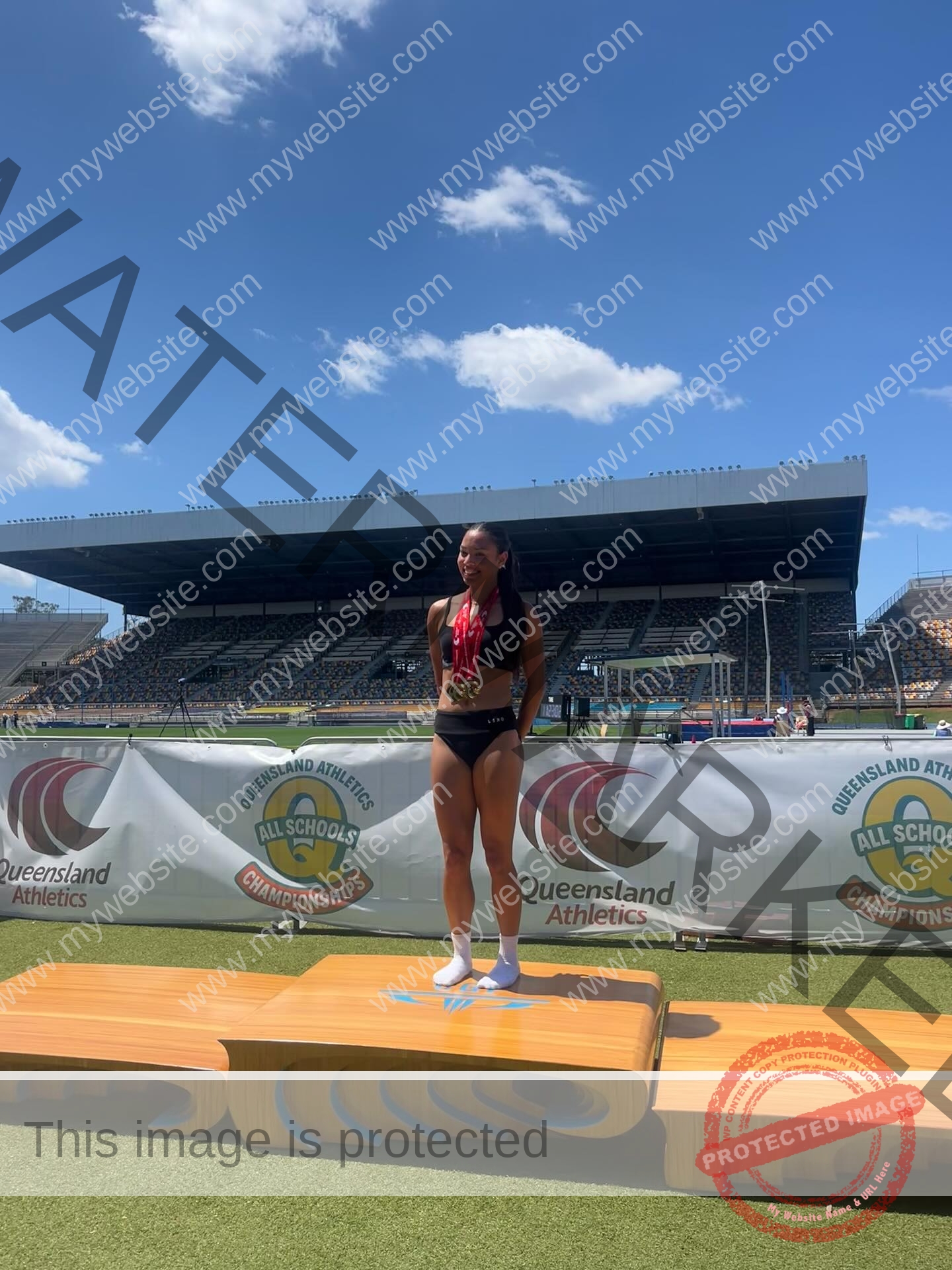
At the 2024 Australian Athletics Championships in Adelaide in April — which doubled as the national selection event for international representation — Philp won gold in both the Under-20 100 metres and the Under-20 200 metres. These were the first individual national championship titles of her career, and she described the achievement with characteristic directness: “I am very proud of the outcome that had happened at Adelaide Nationals in April 2024, my first gold medals for an individual event, the 100m and 200m and racing in fifth to secure a spot out of six for the Australia squad under-20s.”
Finishing fifth in the open selection trial, at sixteen, was the result that opened the door to Lima. She took it.
World Athletics U20 Championships, Lima: The World Stage
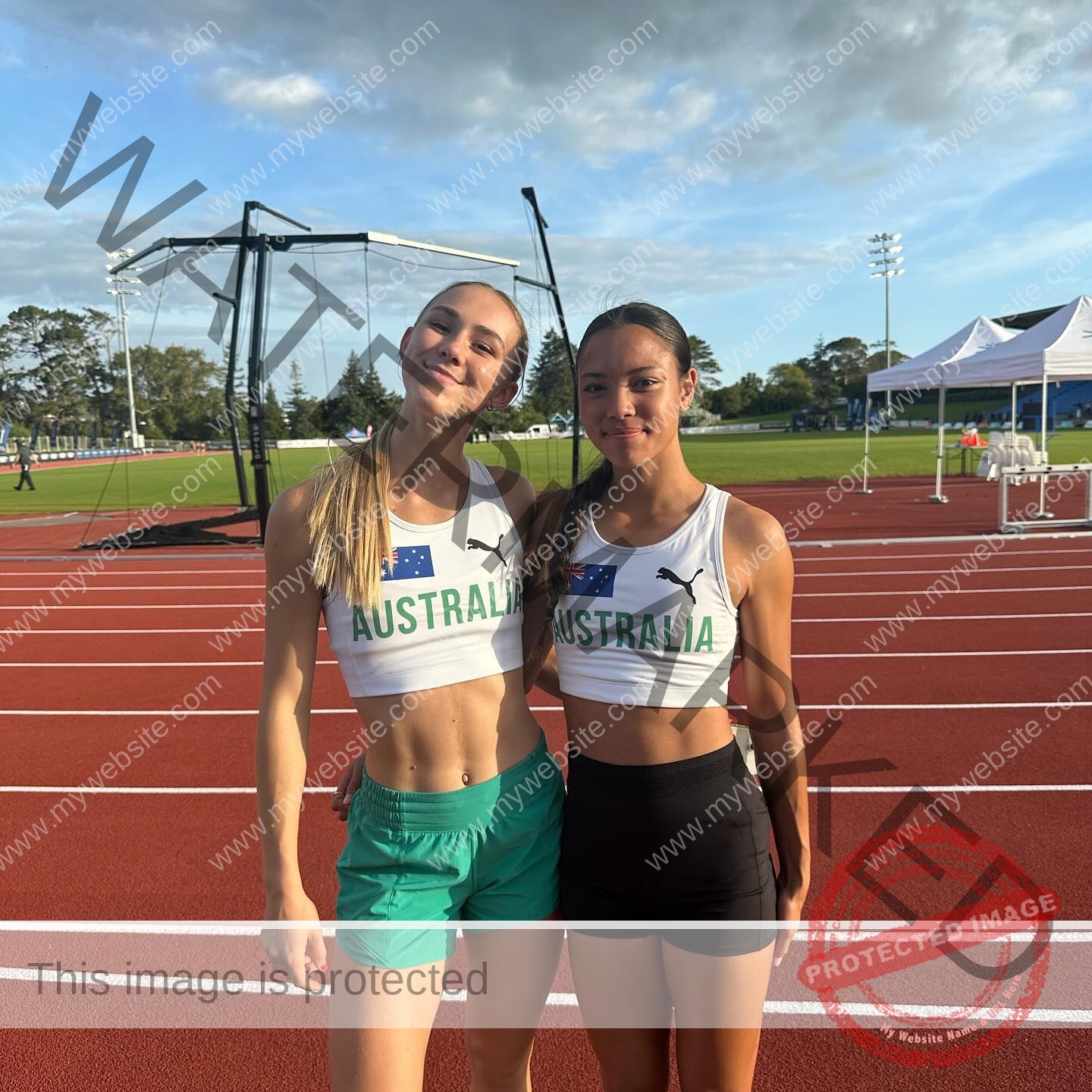
In late August 2024, Thewbelle Philp travelled to Lima, Peru, for the World Athletics U20 Championships — the world junior championships — as the youngest female athlete in Australia’s U20 relay squad. She was sixteen years old, competing on the world stage for the first time, against the best under-20 sprinters from every country in the world.
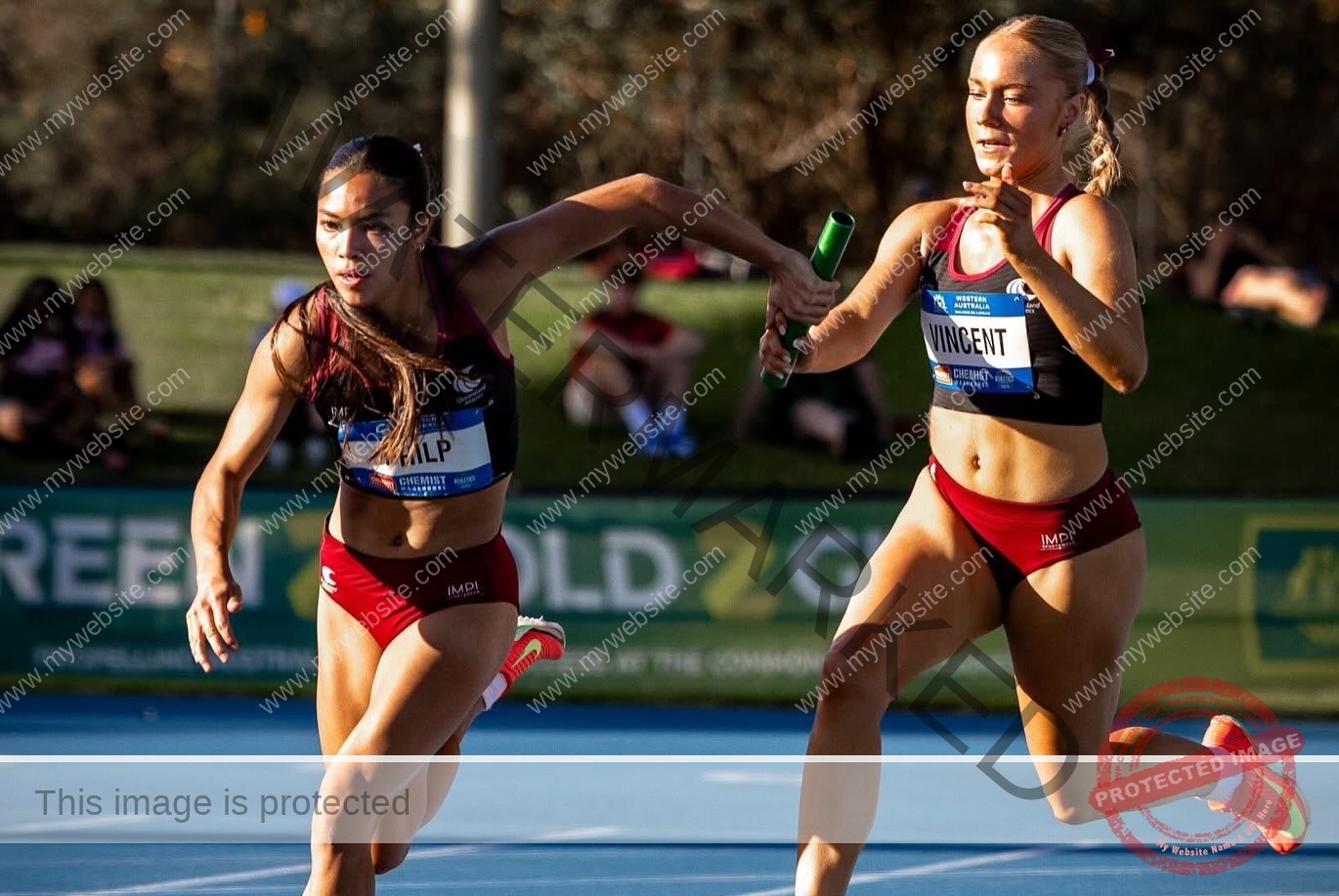
She was assigned the lead-off leg of the Australian women’s 4×100 metre relay — arguably the most pressure-laden position in the relay, where the starter’s explosive ability and composure out of blocks sets the tone for the entire team. Australia qualified for the relay final. The experience, measured purely in terms of what it costs and what it returns, was formative in a way that domestic competition cannot replicate.
Her relay teammates included Aleksandra Stoilova, Torrie Lewis, Jessica Milat, Olivia Dodds, Chelsea Scolyer, and Olivia Inkster — a squad that gave Philp exposure to some of the best young Australian sprinters of her generation.
“I learned so much from the World Under 20’s trip that you can’t learn anywhere else except in those moments,” she said afterwards. “It was incredible stepping out onto the world stage representing my country.” She also noted the broader impact of the international experience: “The opportunities have been so amazing from interstate to international travel, along with training with the 4×100 Olympic girls. I have been able to connect with many Australian athletics support staff and those relationships have really helped me grow as an emerging elite athlete.”
The Lima trip came at considerable personal cost. With limited commercial sponsorship at the time, the Philp family self-funded the trip — a cost they estimated at around AUD $20,000. Thewbelle was candid about this reality: “Funding is one of the only things that is holding me back from being able to comfortably pursue my dreams.” The transparency was notable and prompted genuine support from the Australian athletics community.
2024 Australian All Schools Athletics Championships, Brisbane
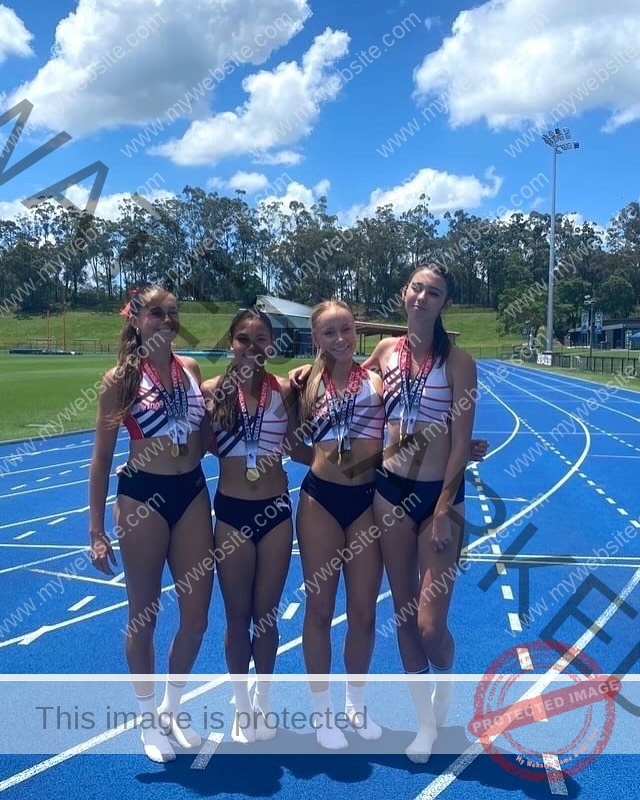
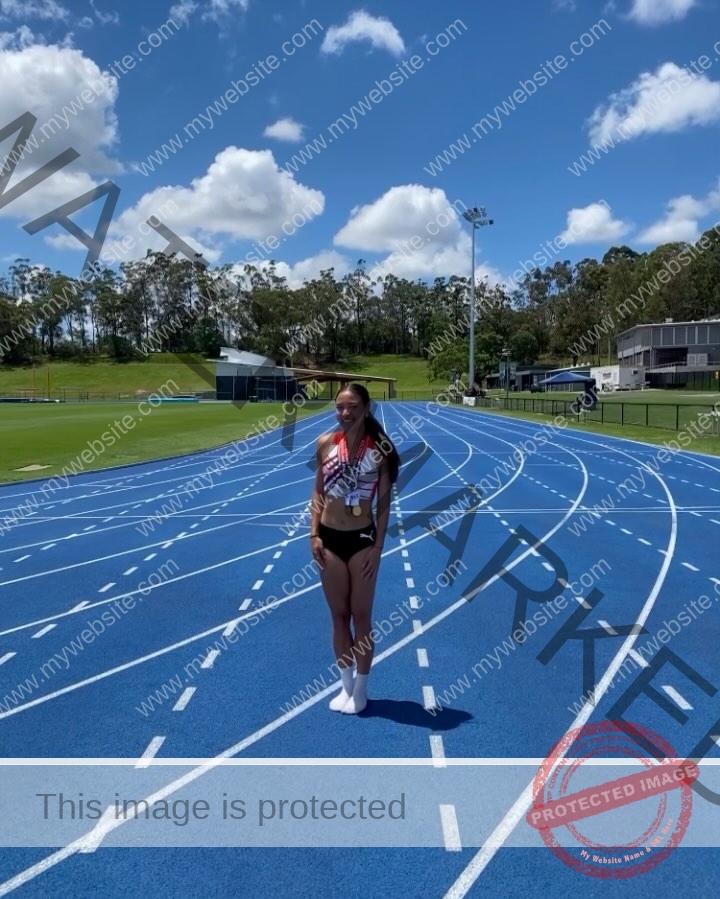
Back home in November 2024, Philp competed at the 2024 Chemist Warehouse Australian All Schools Athletics Championships in Brisbane, contesting the Under-17 100 metres and 200 metres. Her 200 metre performance of 23.21 seconds — set at the QSAC State Athletics Facility in Nathan, Brisbane on November 23, 2024 — stands as her current personal best in that event. It is a time that is not just impressive for a sixteen-year-old; it is competitive in senior national contexts.
2025: Records Fall, Rankings Rise
If 2024 was the year Thewbelle Philp arrived, 2025 was the year she started taking up more permanent residence among Australia’s best sprinters.
February: Australian U20 60m Record
At the 2025 Australian Short Track Athletics Championships — a short-course competition that has become an important early-season marker in the Australian athletics calendar — Philp ran 7.30 seconds in the women’s 60 metres, breaking the Australian Under-20 record in the event. She was sixteen years old.
Her reaction was measured and self-aware: “In the first instance I was really shocked but also very excited when I heard the news. Now I have had time to process it and I am very proud of myself and still very excited, given I am 16 years old and I still have the rest of the season and two more years to try and lower the mark.”
The record was confirmed and reported by Oceania Athletics, the regional athletics governing body. It placed her alongside the region’s fastest young sprinters and prompted coverage in the National Indigenous Times and other outlets that recognised its significance for First Nations athletics.
April: 100m Personal Best at Perth Nationals
At the 2025 Australian Open and Under-20 Athletics Championships, held at the WA Athletics Stadium in Perth in April, Philp clocked 11.35 seconds in the 100 metres — her current personal best over the distance. The Perth meet, which served as both the national open and junior championships, is the most significant domestic athletics event on the Australian calendar, and running 11.35 seconds there against high-quality competition was confirmation that her progress was real and sustained.
May: 4x100m Relay Personal Best
In May 2025, Philp contributed to an Australian women’s 4×100 metre relay performance of 43.15 seconds — a new personal best in the event. This time represents a genuinely competitive relay leg and stands as the highest-scored performance of her career by the World Athletics points system.
November: 4x200m Relay Australian and Oceanian Records
On November 16, 2025, at the QSAC State Athletics Facility in Nathan, Brisbane, Philp was part of an Australian women’s 4×200 metre relay team that ran 1:36.99 — setting both the Australian Under-18 record and the Oceanian Under-18 record simultaneously. World Athletics records this as a doubly historic performance.
November: 2025 Australian All Schools Championships
At the 2025 Australian All Schools Athletics Championships, Philp again competed and delivered standout performances. She ran 11.38 seconds in the 100 metres and 23.40 seconds in the 200 metres. She was attending Palm Beach Currumbin State High School at the time of this competition — a school on the southern Gold Coast that gave her a base close to her training environment.
2026: The Australian Short Track Title and Beyond
The 2026 season opened at Lakeside Stadium in Melbourne on February 7, 2026, when Philp competed at the Australian Athletics Short Track Championships — the same event where she had broken the Under-20 60m record the previous year. This time she went further still.
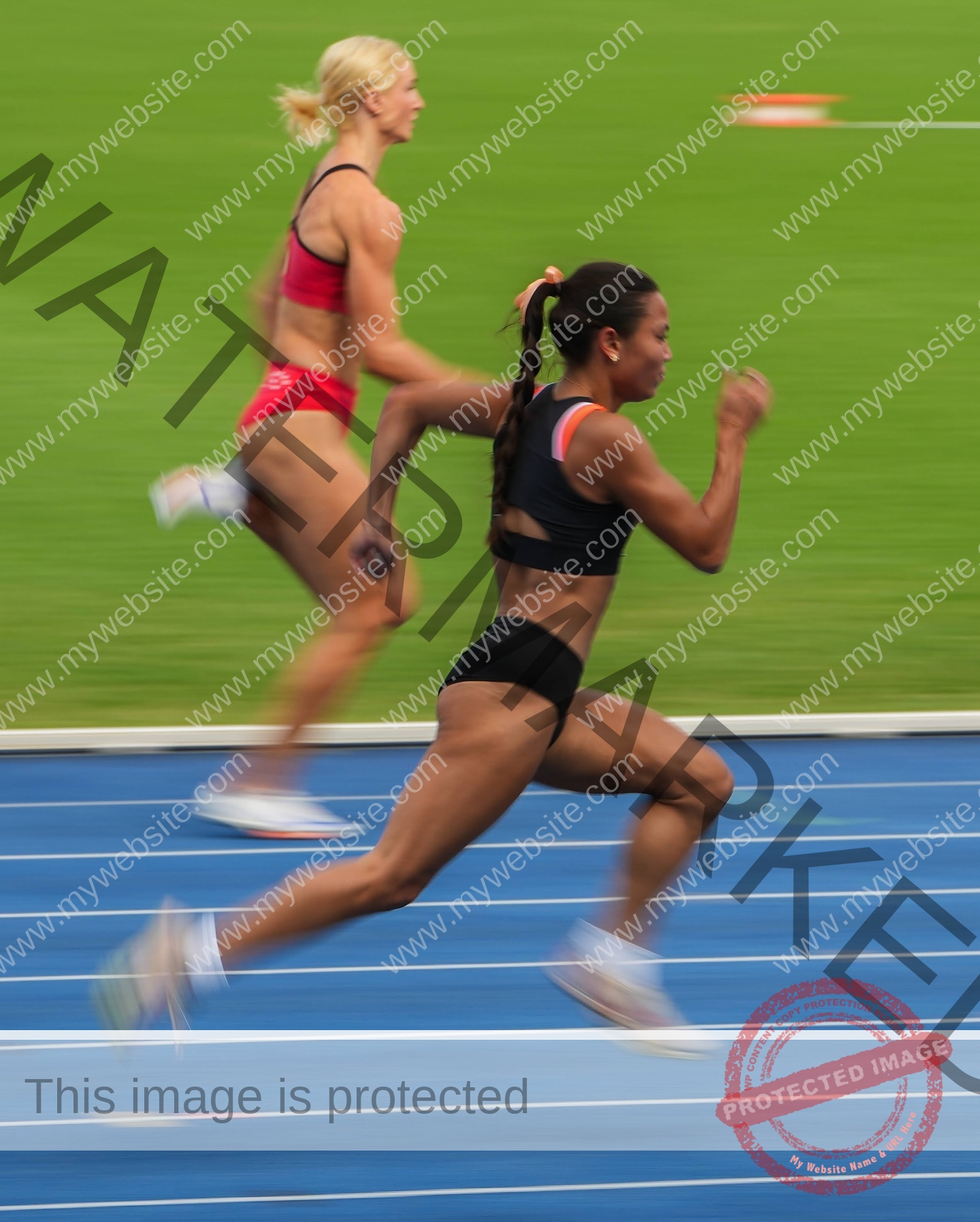
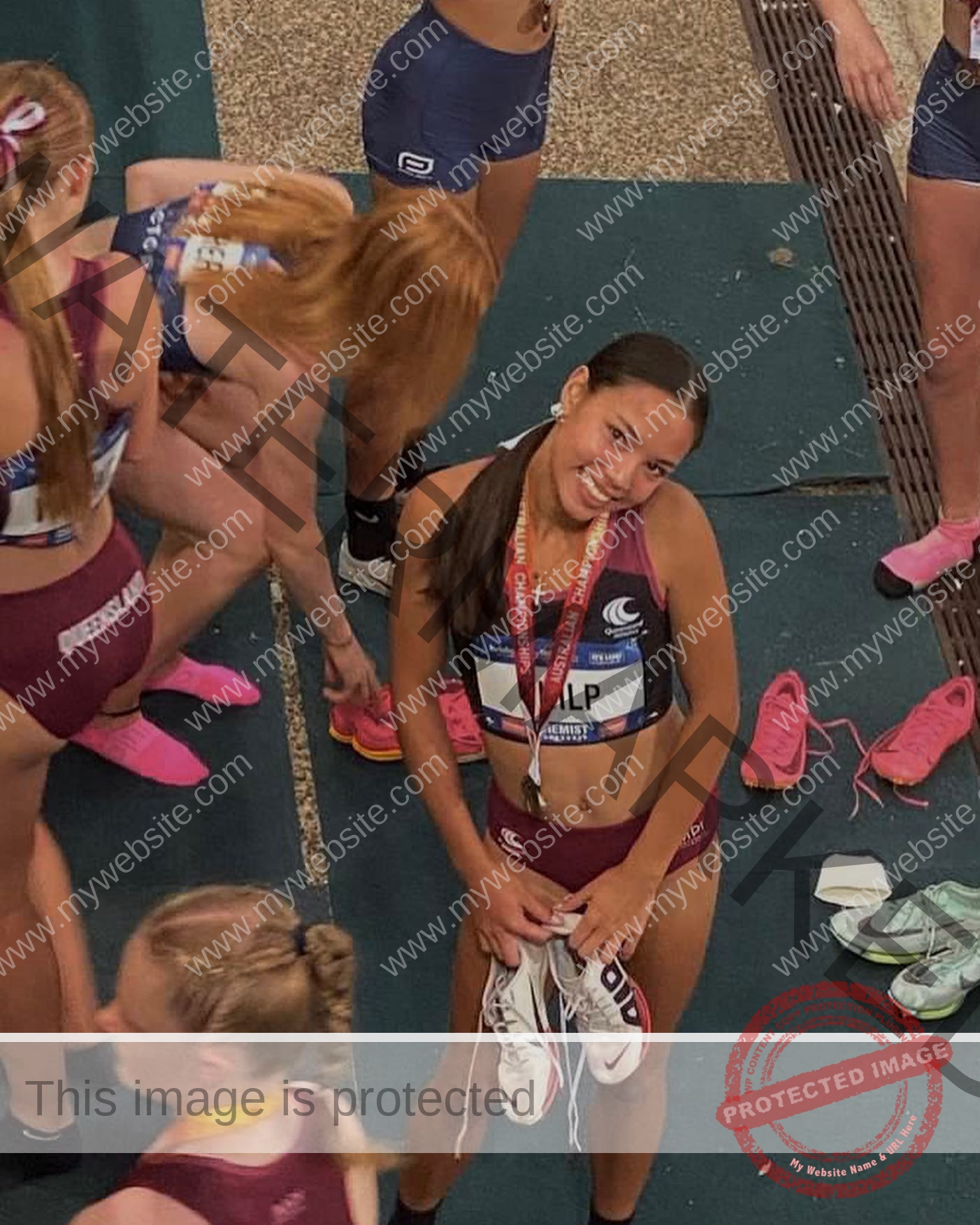
She ran 7.24 seconds in the women’s 60 metres, winning the Australian national short-track title outright — not just the Under-20 title, but the open competition, defeating her senior rivals. She finished ahead of Ebony Lane of Queensland in 7.27 seconds and Hilal Durmaz of Queensland in 7.31 seconds. The 7.24 is now the official Australian Under-20 record (AU20R), improving upon her own mark of 7.30 from the previous year.
The performance did not go unnoticed within Australian athletics circles. Australian Athletics reported that Philp “delivered her trademark start and never looked back in the women’s contest.” She was described as “flawless from the gun,” and the conditions — a sunny day with swirling winds at Lakeside Stadium — did not affect the quality of her execution.
After winning, she described the mental process in terms that reveal a lot about how she approaches her racing: “You just have to be in the moment and react to that sound! When it goes, you go. It’s really good to be able to compete against the Open girls because they are such good athletes. Running alongside them makes me a better athlete and it’s all just good experience.”
She also named her goal for 2026 with characteristic directness: “The goal for me this year is World Juniors.”
The 2026 World Athletics U20 Championships are scheduled for Hayward Field in Eugene, Oregon — one of the most celebrated athletics venues in the world — from August 5 to 9. Philp is among the Australian juniors most clearly positioned for selection.
Career Statistics and Personal Bests
Philp holds a World Athletics profile (code 14968458) and is registered as an athlete representative. Her current personal bests and records, as listed by World Athletics, are:
- 4x100m relay: 43.15 seconds — May 10, 2025 (score: 1171)
- 60m: 7.24 (AU20R) — February 7, 2026, Lakeside Stadium, Melbourne (score: 1137)
- 100m: 11.35 — April 8, 2025, Perth (score: 1125)
- 200m: 23.21 — November 23, 2024, QSAC Nathan, Brisbane (score: 1113)
- 4x200m relay: 1:36.99 (AU18R, NU18R) — November 16, 2025, QSAC Nathan, Brisbane (score: 1051)
Her World Athletics ranking in the women’s 100 metres is currently in the range of #253–258 globally — remarkable for an athlete who had not yet turned eighteen at the time these rankings were established. She also appears in the long jump event, though the sprints are clearly her primary focus.
The Person Behind the Times
The biographical details that accompany Philp’s athletics record give a picture of someone managing an unusual set of competing demands with notable maturity. During her 2024 preparation for the World U20 Championships, she was simultaneously training approximately twenty hours per week, completing her Year 11 secondary school studies, and working part-time at a local supermarket. The juggling act was not incidental context; it was the reality of being a developing athlete without the commercial backing that eases the logistical burden.
She has been transparent about the financial pressures that come with international athletics at her level. When her family funded the Lima trip at significant cost, and when she spoke about the absence of commercial sponsorship as the main obstacle to pursuing her ambitions comfortably, she was not complaining — she was being honest about a systemic issue that affects many talented young Australian athletes, particularly those without the family wealth or institutional support structures that can smooth the way.
Her faith is also a named part of her competitive identity. When she describes bringing “faith, personality and mindset to the starting blocks,” she is articulating a complete picture of who she is rather than just what she can run. This integration of identity — cultural, spiritual, personal — with athletic performance is something she has been consistent about across multiple interviews and profiles.
Heritage and Representation
Philp’s position as both a Minjungbal woman of the Bunjalung Nation and the daughter of a Filipino immigrant gives her a specific kind of significance within Australian athletics. Australia has a rich tradition of First Nations athletes at the highest level — Cathy Freeman’s 400m gold at the Sydney 2000 Olympics remains one of the defining moments in Australian sporting history — and Philp is clearly aware of that tradition and her place within it.
She has said that she carries her faith, personality, and identity with her to the starting blocks deliberately, which includes her dual heritage. Her comments to SBS Filipino — a media outlet that specifically covers Filipino-Australian communities — reflected a genuine appreciation of both her mother’s background and what it means to represent multicultural Australia on a global athletics stage. “I’m grateful of who I am,” she has said, in a phrase that SBS Filipino used as the headline of their profile.
The recognition has come from the communities she represents. The National Indigenous Times gave her significant coverage when she broke the Australian Under-20 60m record in 2025, framing it as a story of a “Minjungbal teen” making history. The Brisbane 2032 Olympics organising framework has included her among the profiles of athletes who represent the future of Australian athletics.
Social Media
Thewbelle Philp maintains an active Instagram presence under the handle @thewbelle.philp, where she shares competition updates, training content, and personal reflections. She appears under the nickname “thewy” on the platform. Her social media presence reflects the same blend of athletic seriousness and personal warmth that characterises her public persona in interviews.
Looking Ahead: Eugene 2026 and Brisbane 2032
The immediate goal Philp has stated for 2026 is selection for the World Athletics U20 Championships in Eugene, Oregon. Given her current form — a 7.24 second 60m, an 11.35 second 100m, and a proven ability to perform at the world junior level in relay competition — the case for selection is strong.
Beyond that, the longer horizon is Brisbane 2032, when Australia hosts the Olympic Games for the first time since Sydney 2000. Philp will be twenty-four years old at the time of those Games — precisely the age at which female sprinters often reach their competitive peak. The arithmetic is not lost on anyone who has followed her progress. She has named Brisbane 2032 explicitly as a goal: “I can set my sights on stepping out as an Olympian at Brisbane 2032.” She has also identified interim targets — World U20 teams, Oceania competitions, the World Relay Championships, and eventually the senior World Championships — as the steps along the path.
The trajectory of Thewbelle Philp’s career so far is one of consistent, sustained improvement at an age when most athletes are still working out whether they are serious about the sport. She has already answered that question.
Career Highlights at a Glance
- Full name: Thewbelle Philp
- Nickname: “Chewy” / “chew-bell”
- Born: April 5, 2008, Gold Coast, Queensland (originally from Cairns)
- Heritage: Minjungbal Indigenous Australian (Bunjalung Nation) / Filipino
- Events: 60m, 100m, 200m, 4x100m relay
- Coach: Leanne Hines-Smith
- Club: Mudgeeraba Little Athletics (youth foundation); competes representing Queensland
- School: Palm Beach Currumbin State High School, Gold Coast
- Personal bests: 60m 7.24 (AU20R), 100m 11.35, 200m 23.21, 4x100m 43.15, 4x200m 1:36.99 (AU18R, NU18R)
- Australian Under-20 60m record holder: 7.24 seconds (February 7, 2026)
- Australian/Oceanian Under-18 4x200m record holder: 1:36.99 (November 16, 2025)
- World Athletics ranking: #253–258 women’s 100m
- World Athletics code: 14968458
- 2024 World Athletics U20 Championships (Lima): 4x100m relay, lead-off leg; Australia qualified for final
- 2026 Australian Short Track Championships: Winner, women’s 60m open (7.24 AU20R)
- Instagram: @thewbelle.philp
- Olympic goal: Brisbane 2032
