
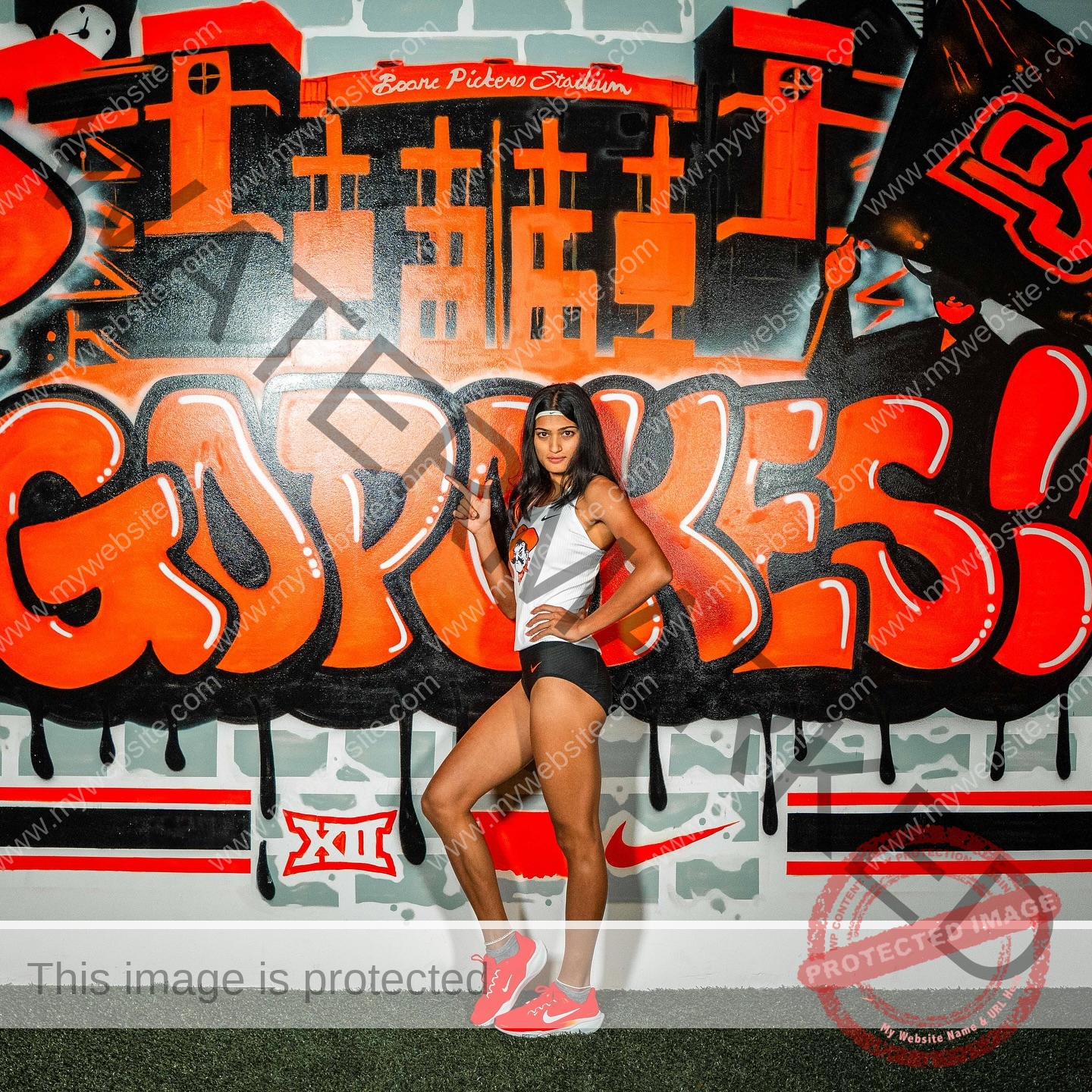

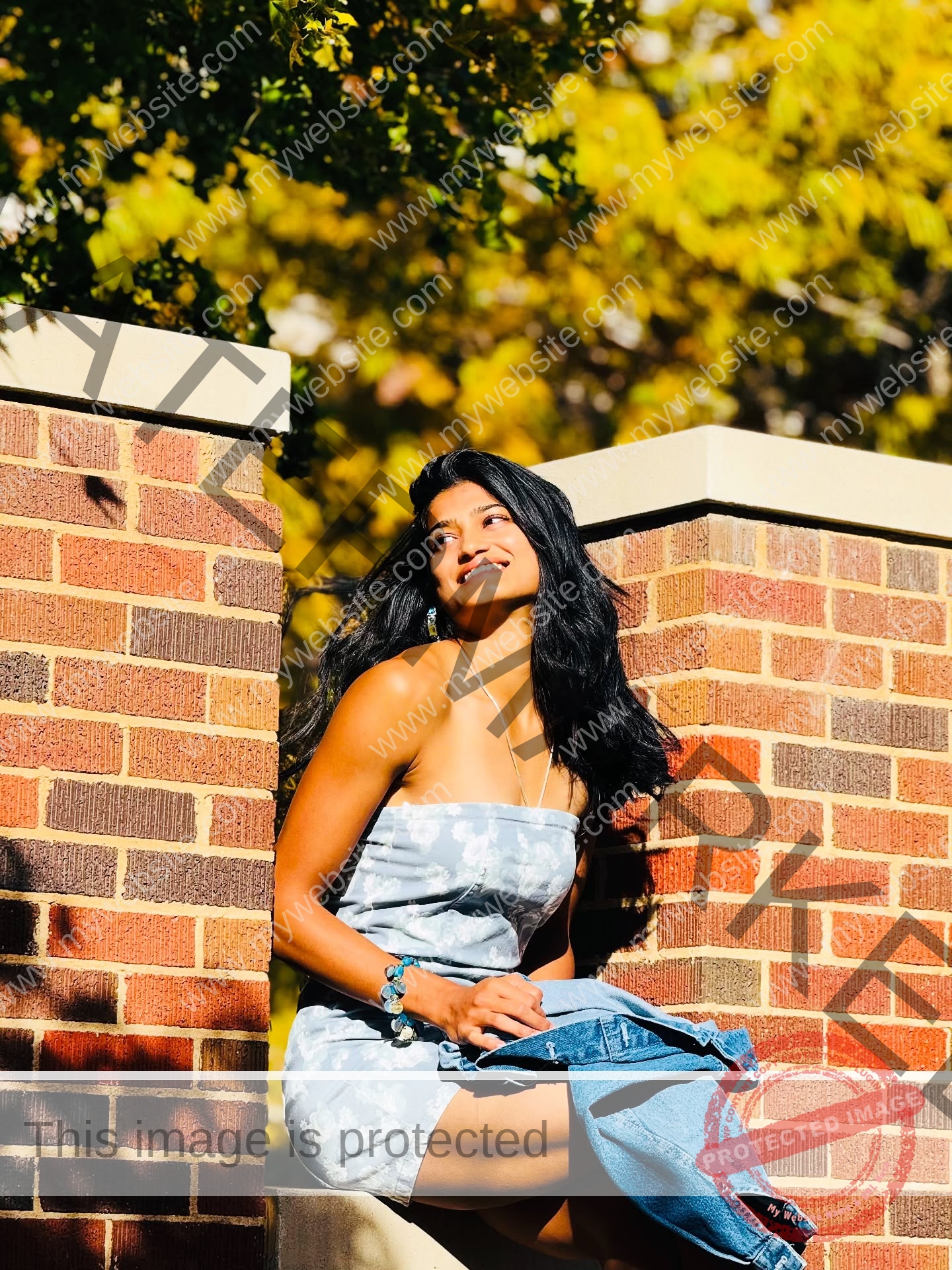
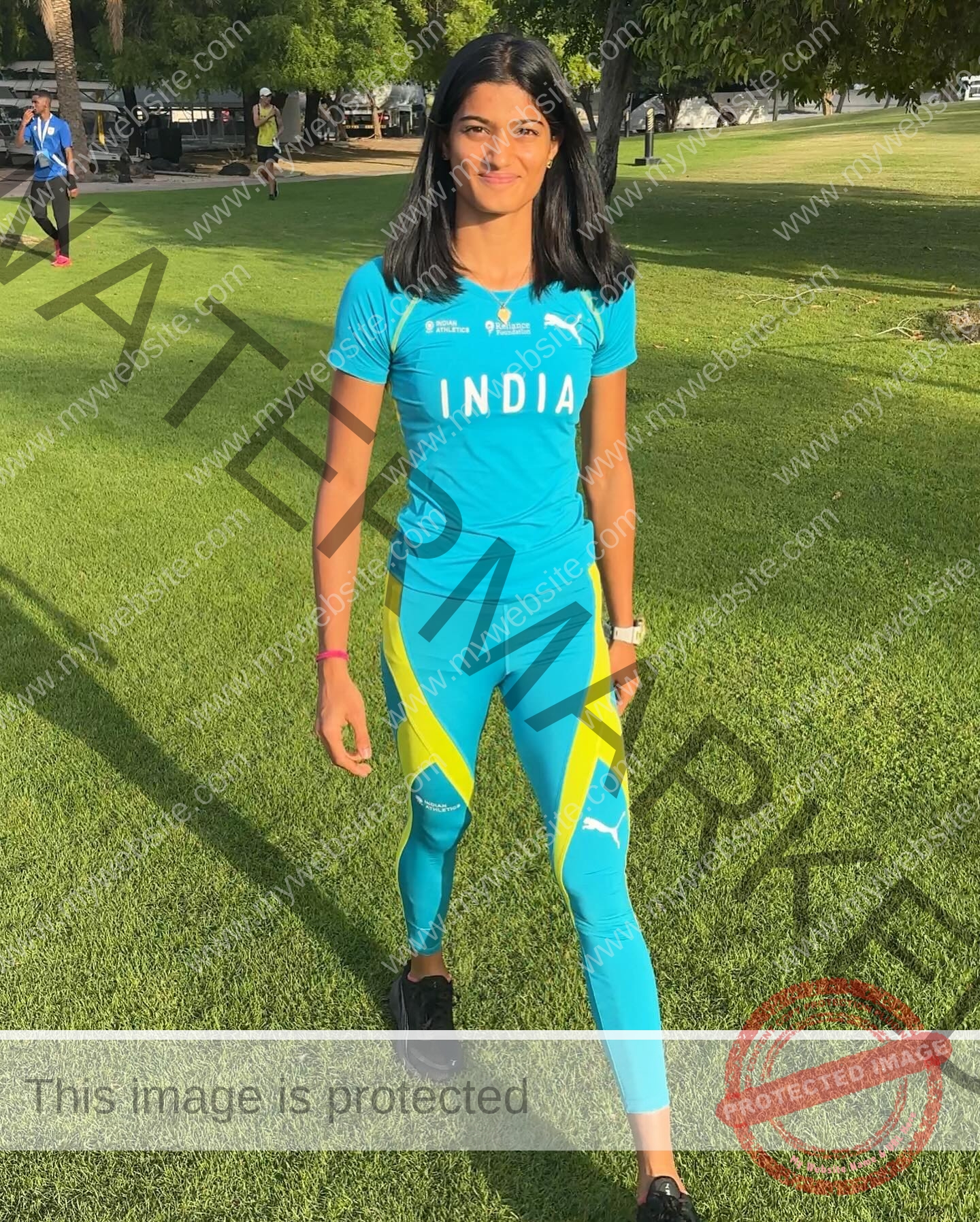
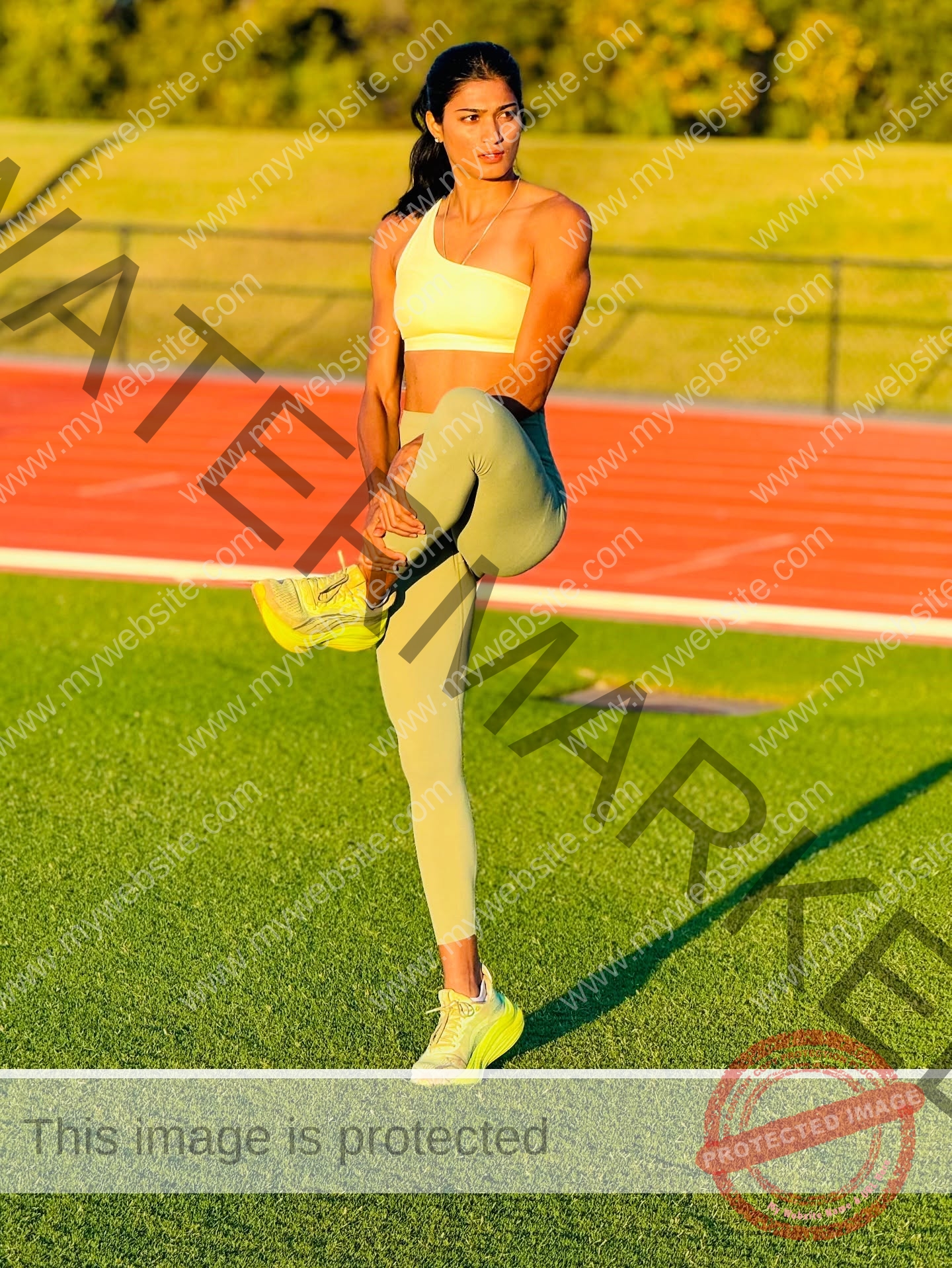
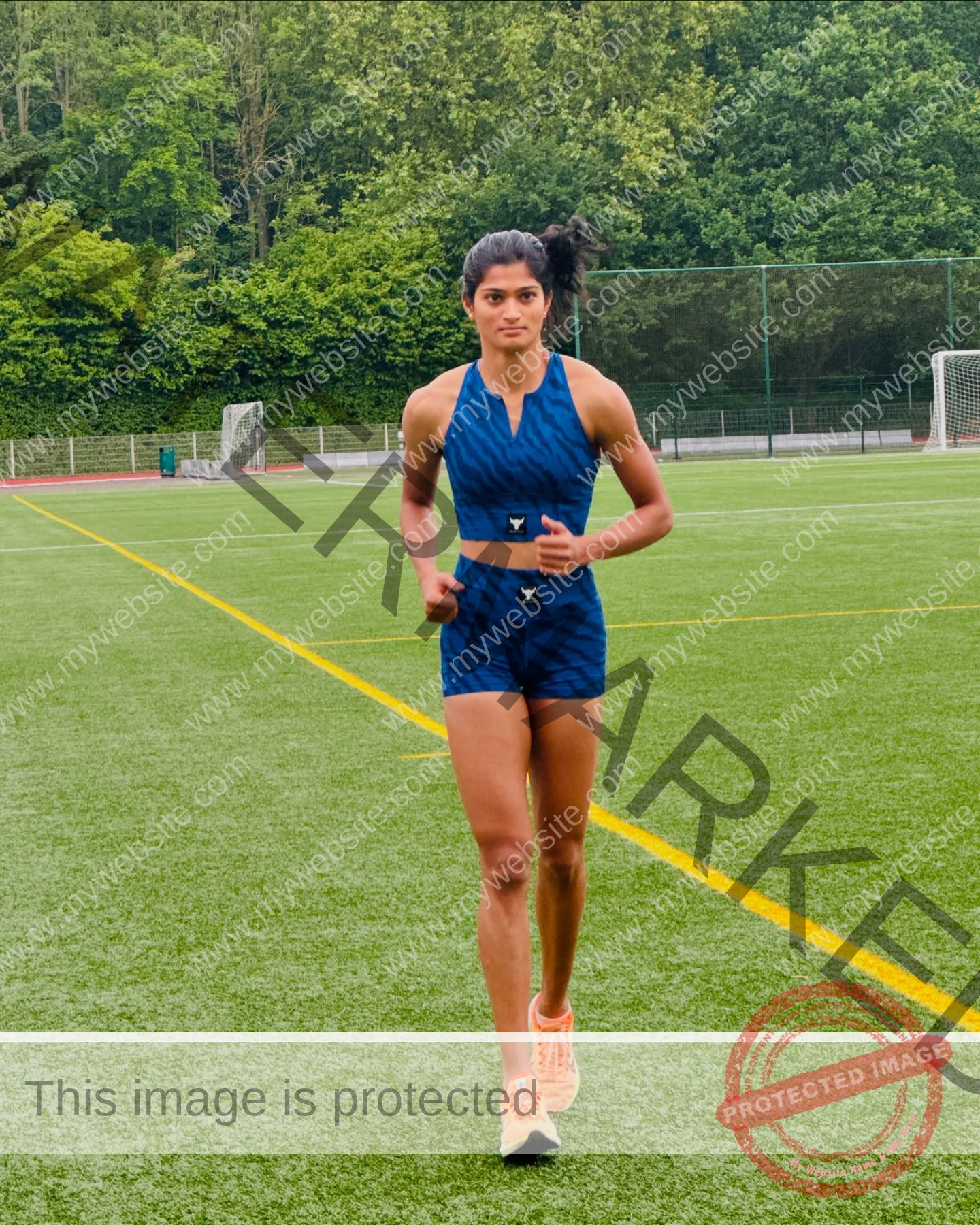

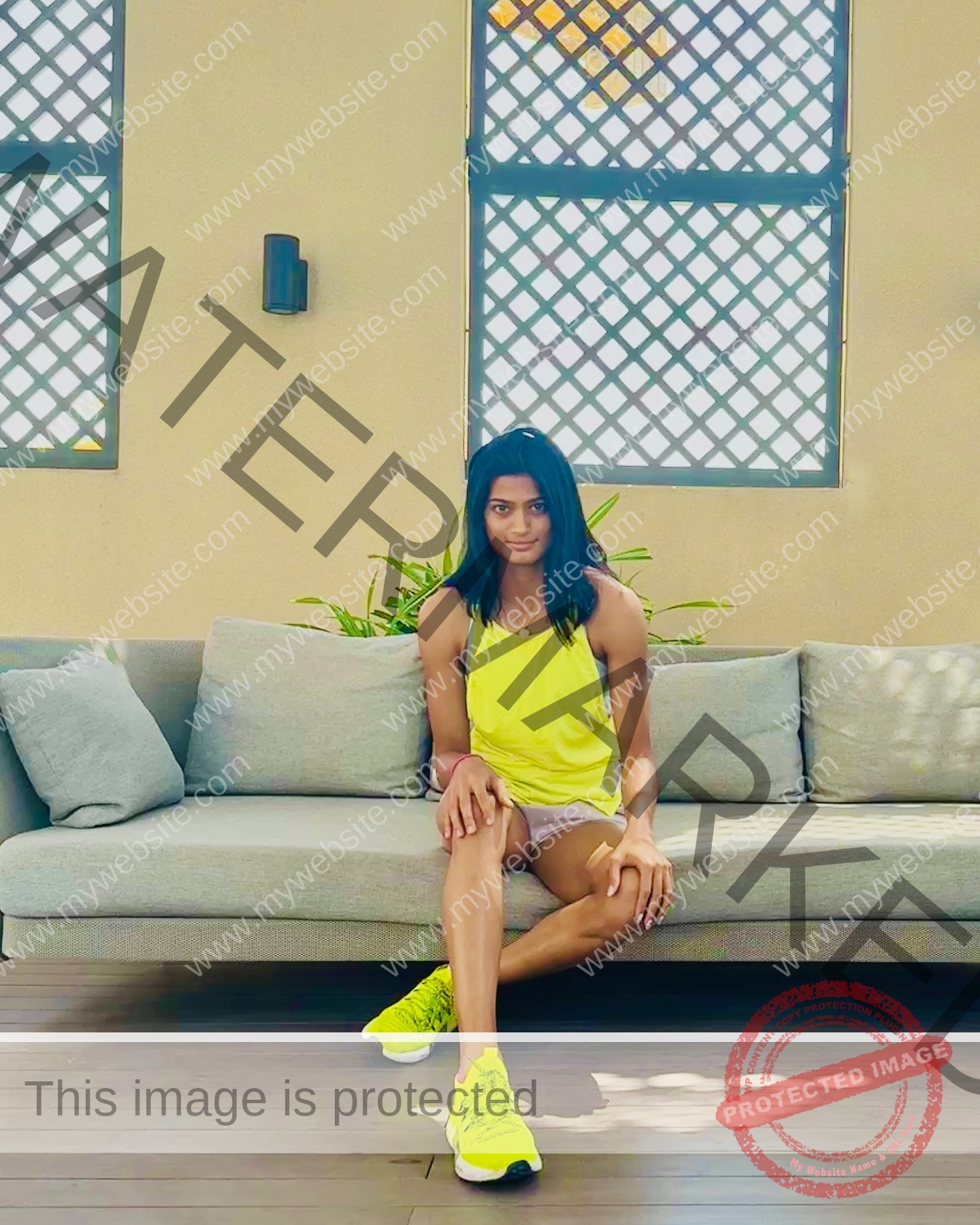
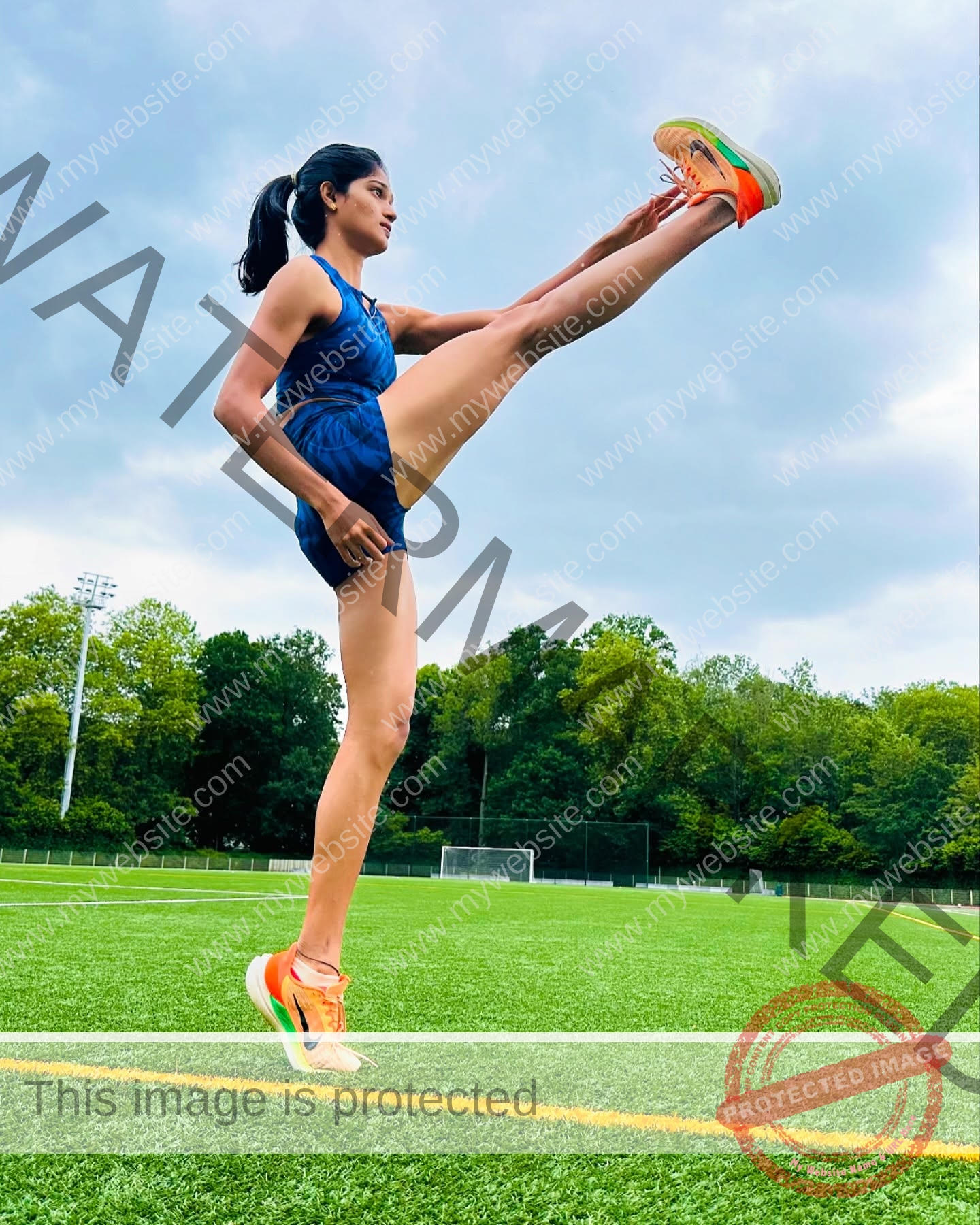
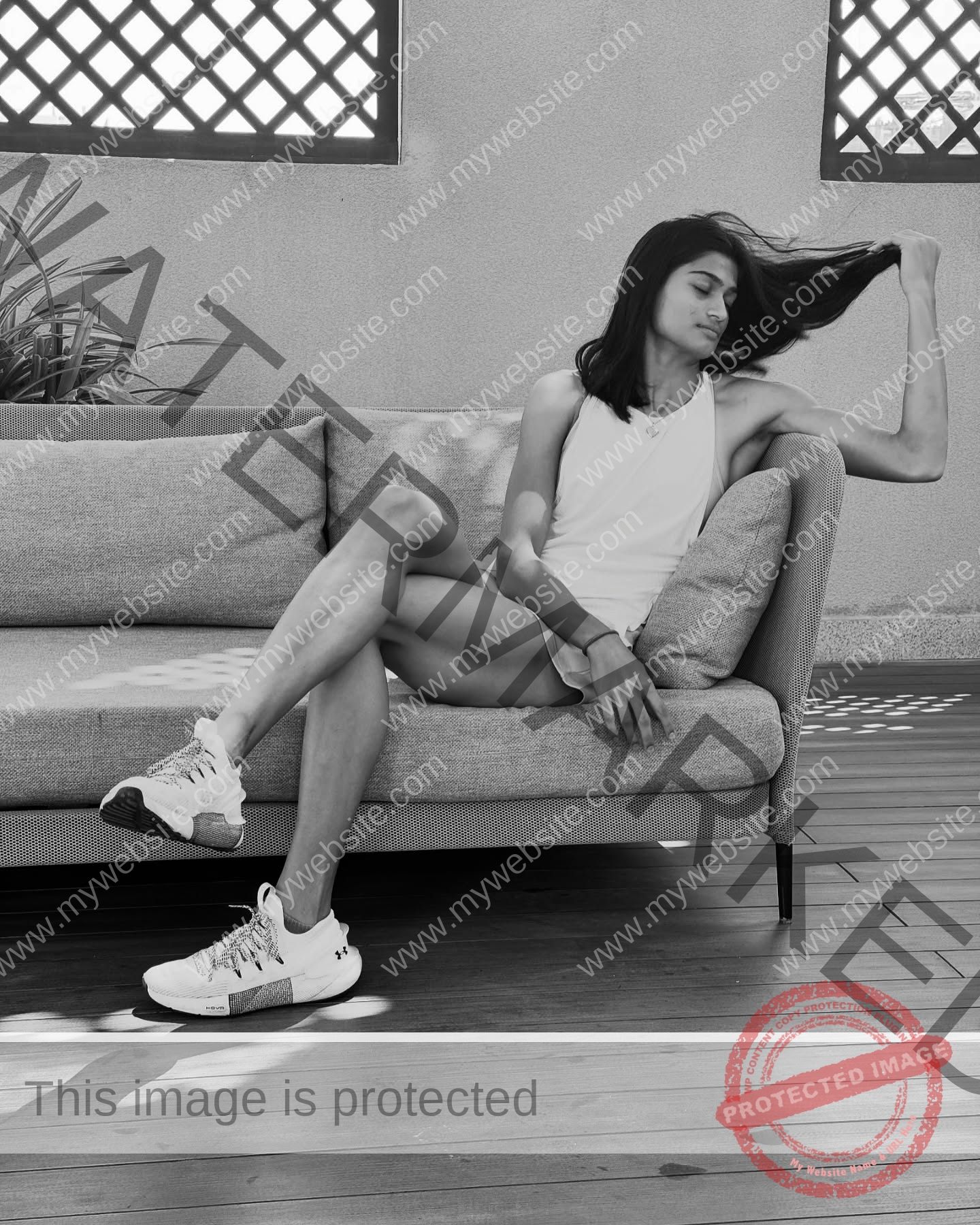
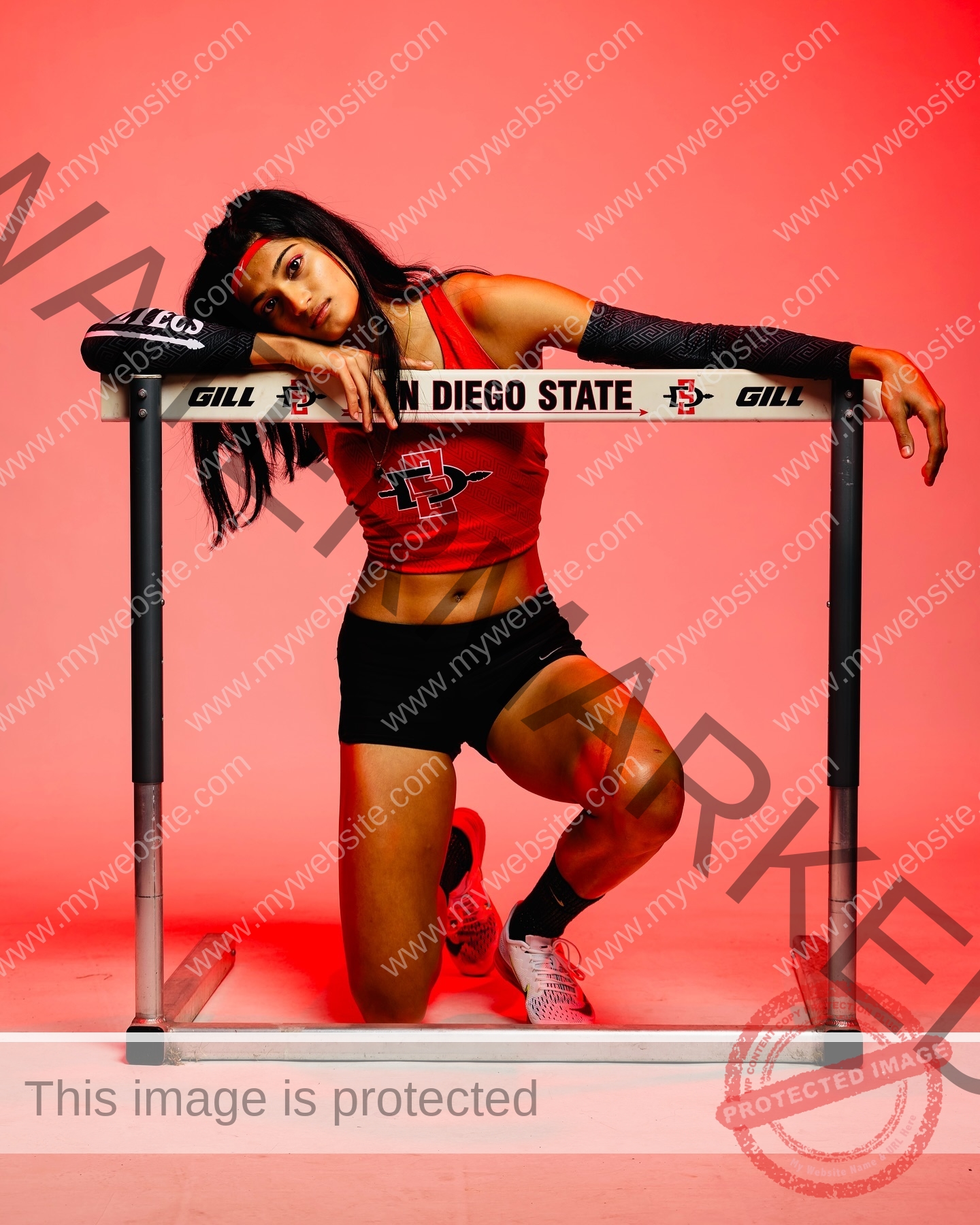
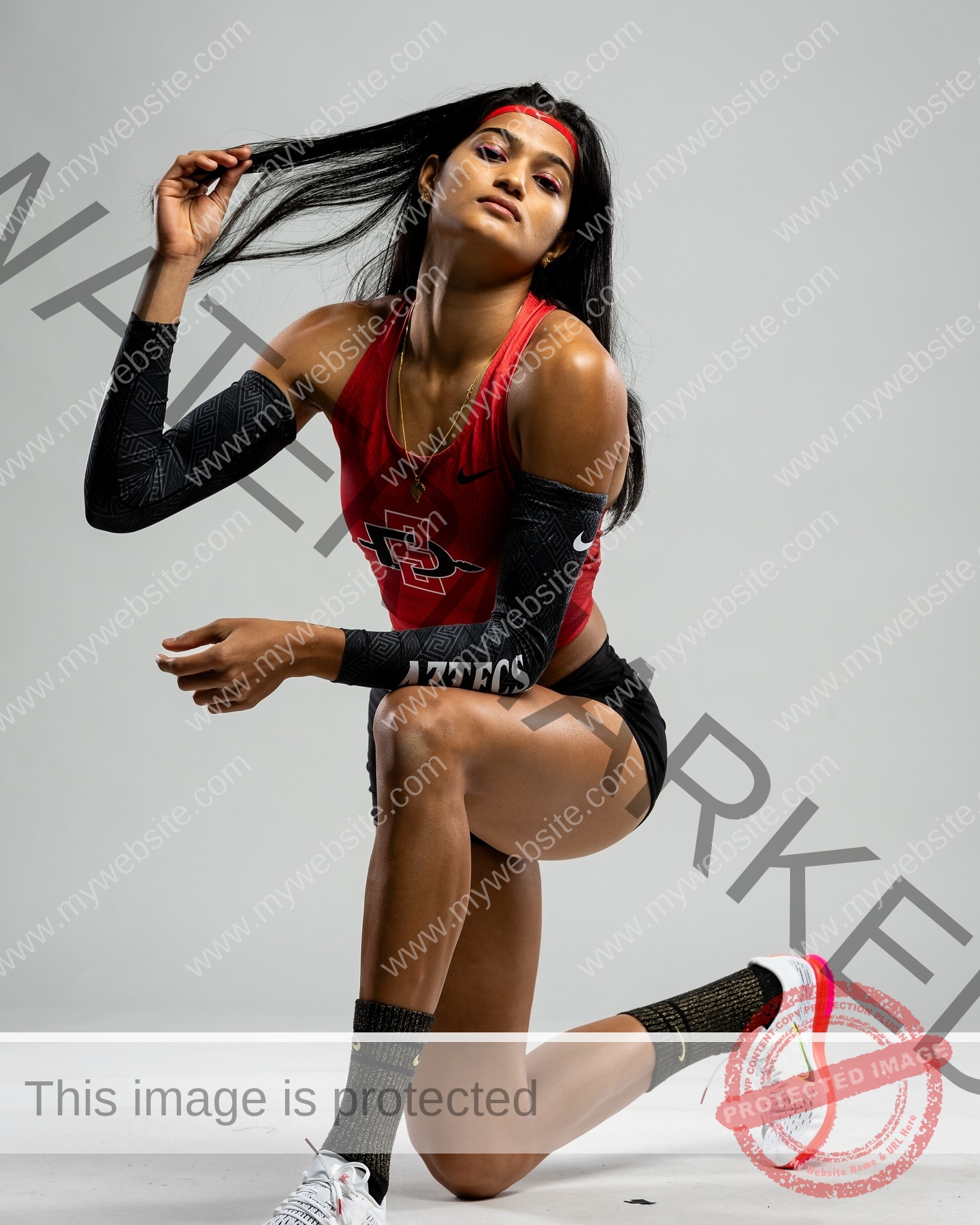
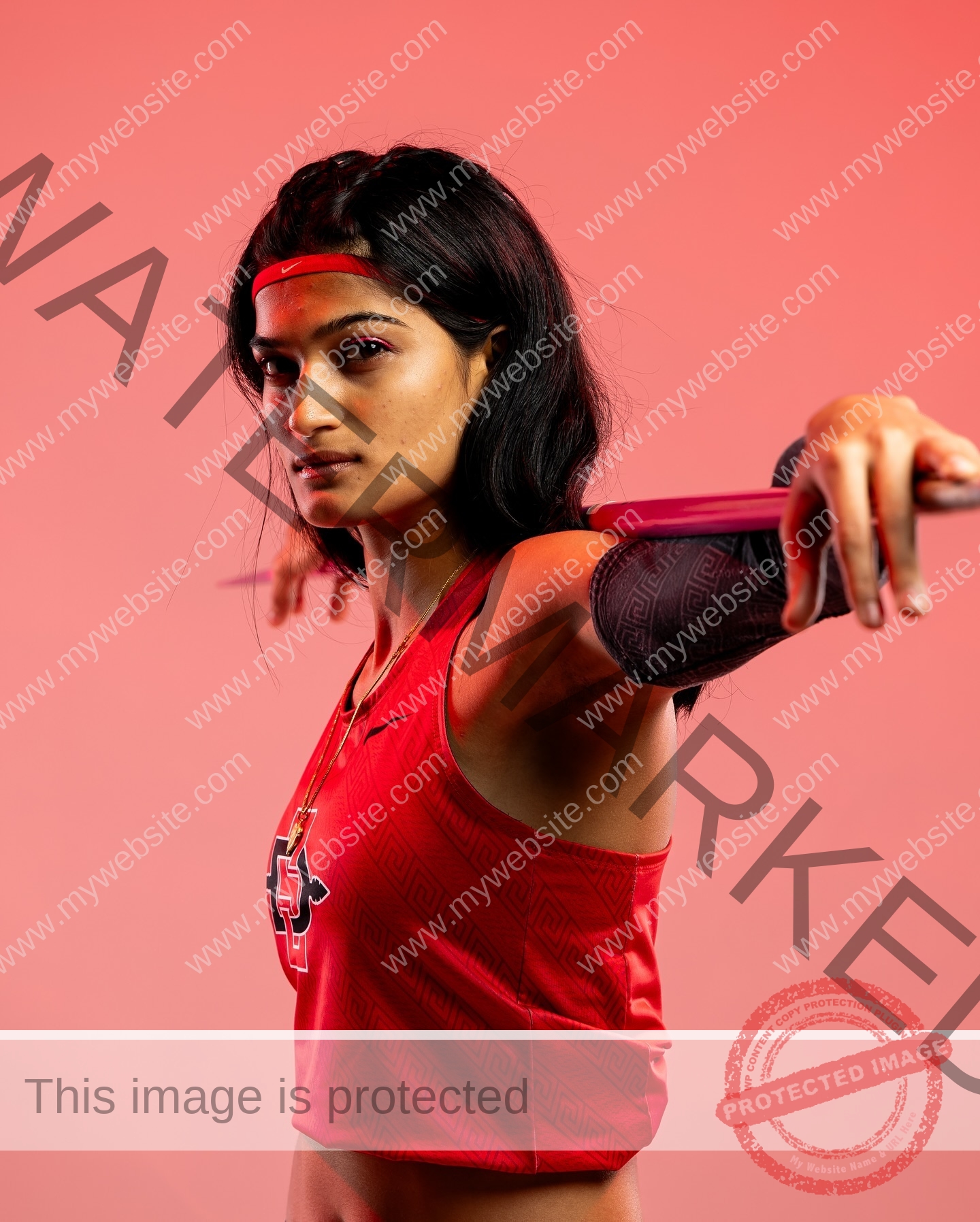
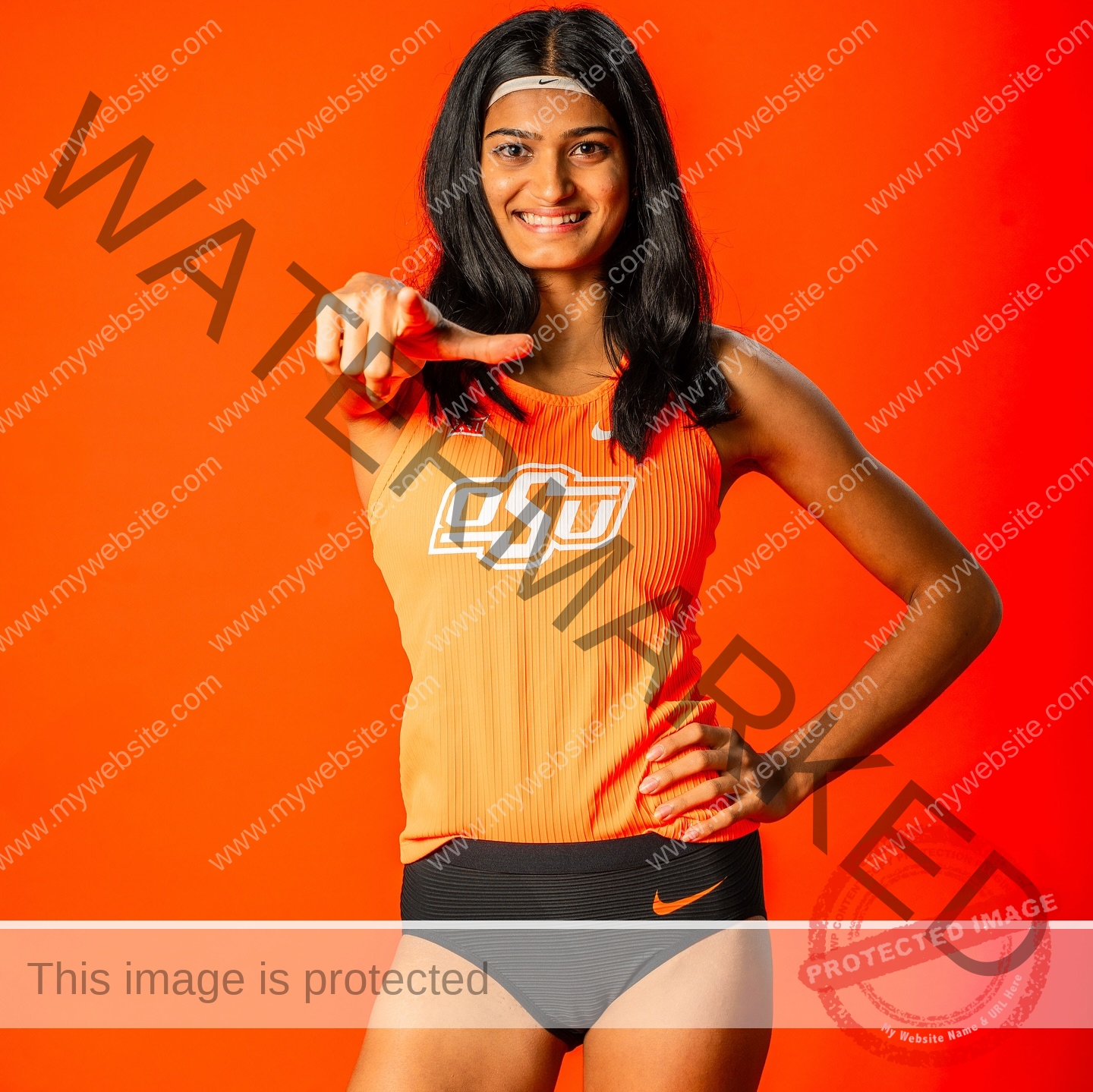
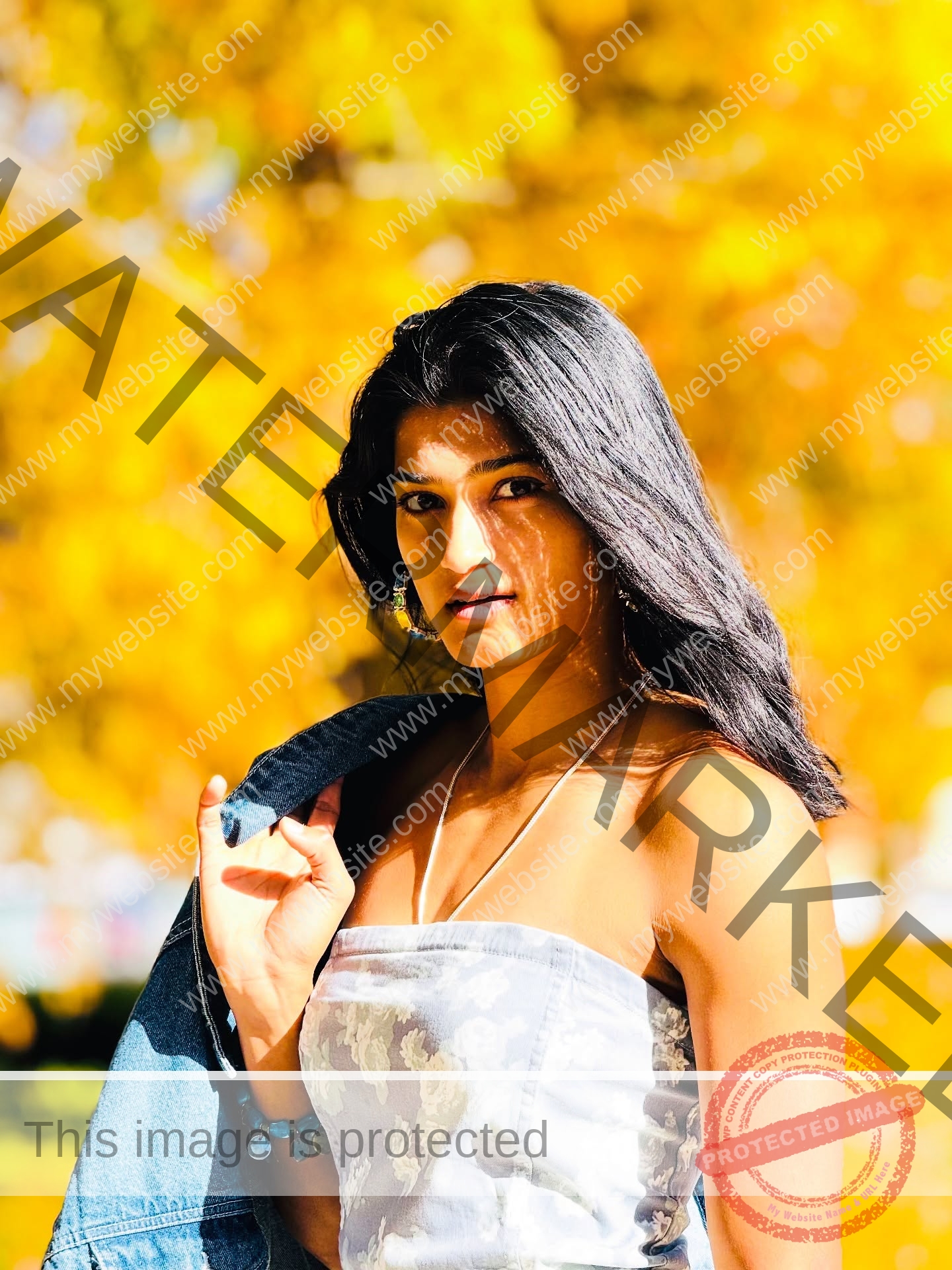
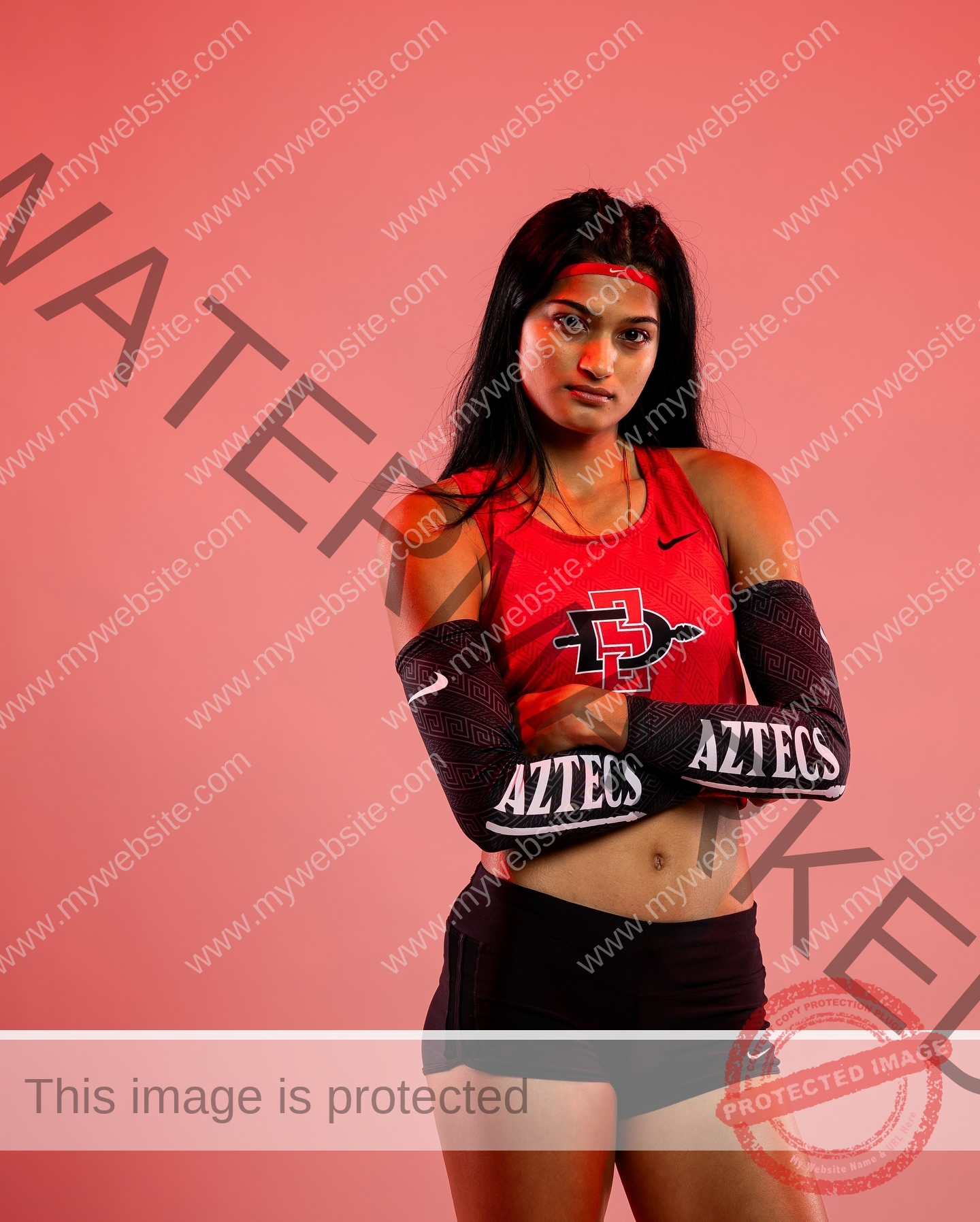
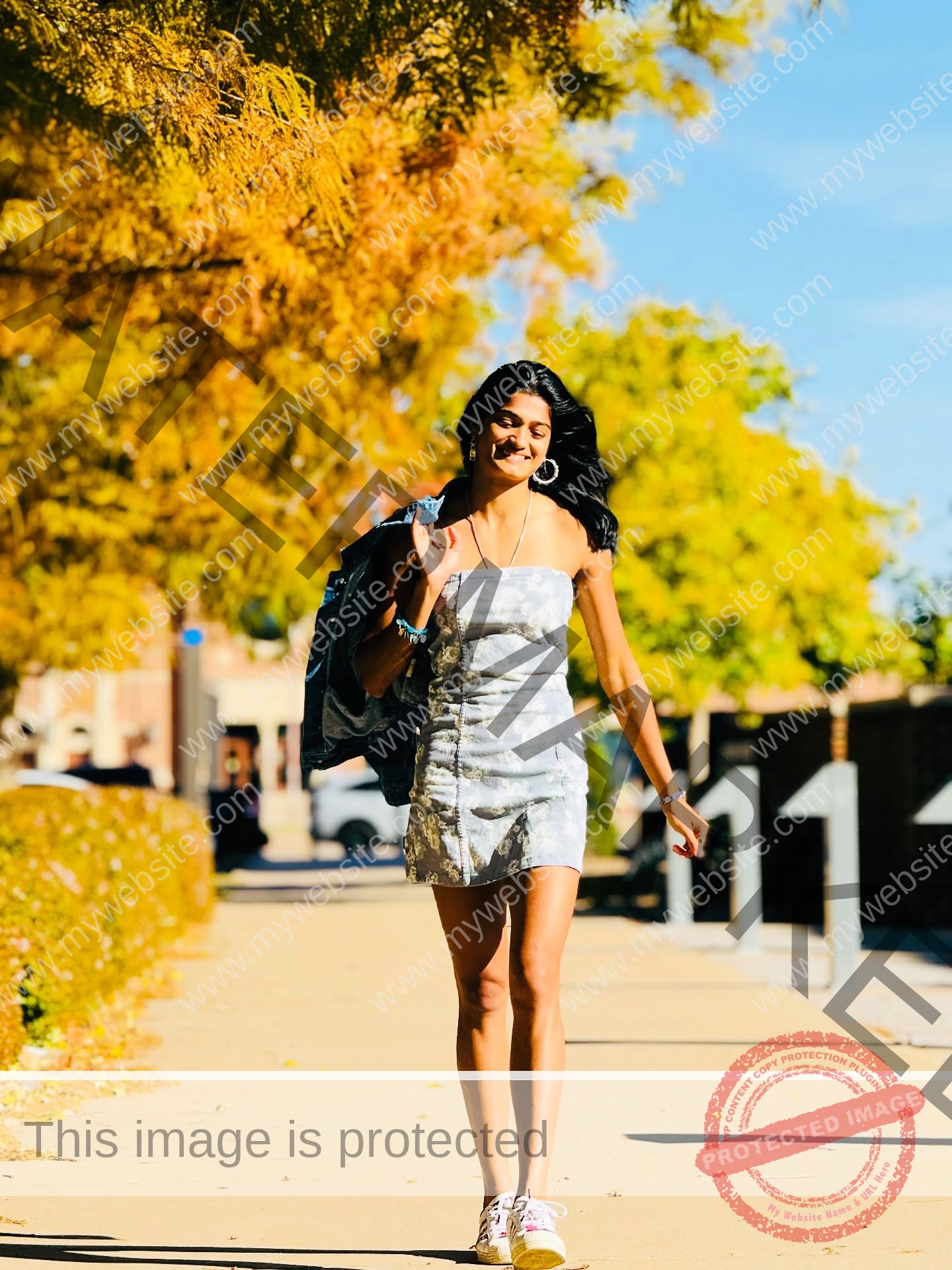

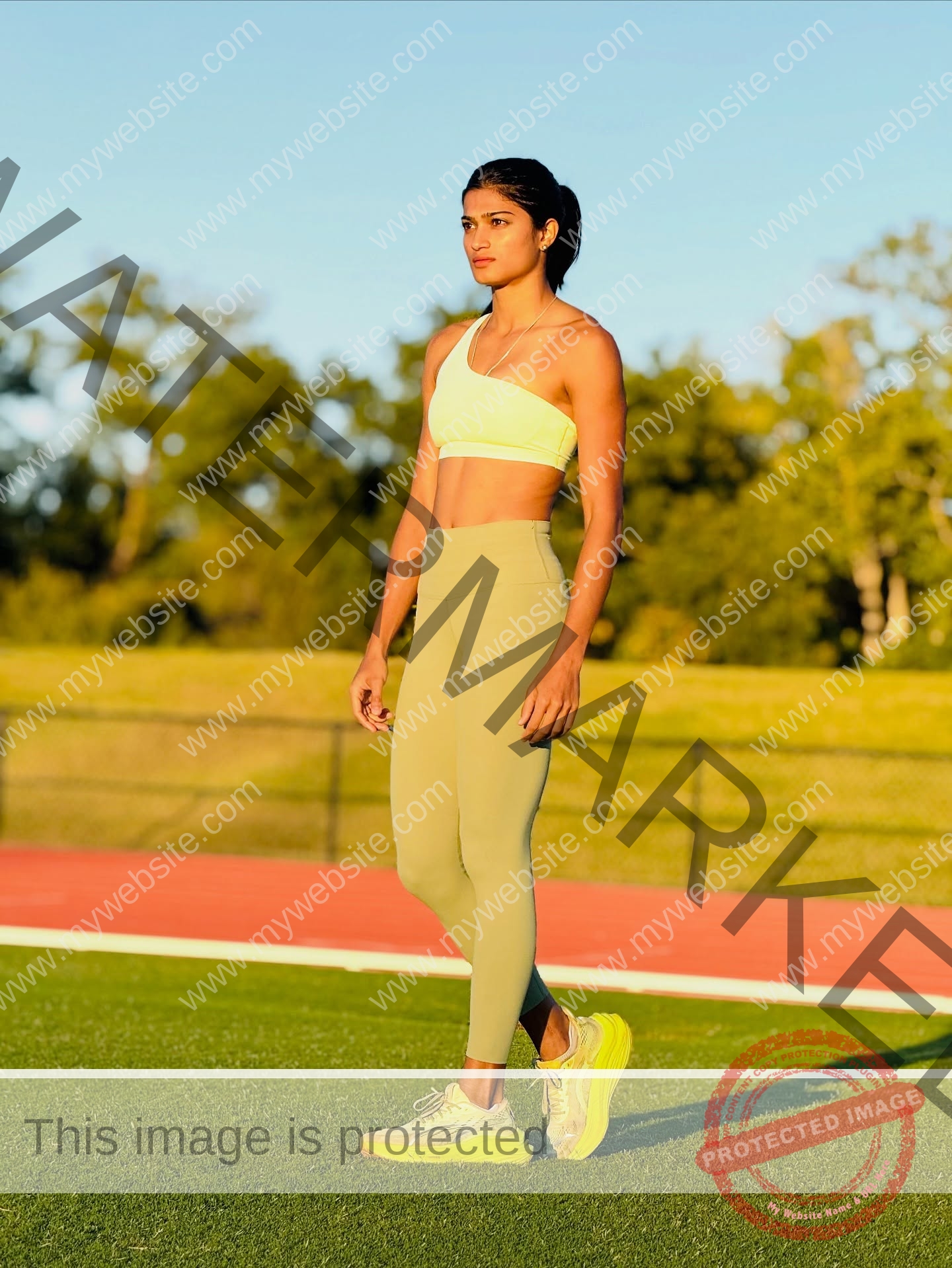


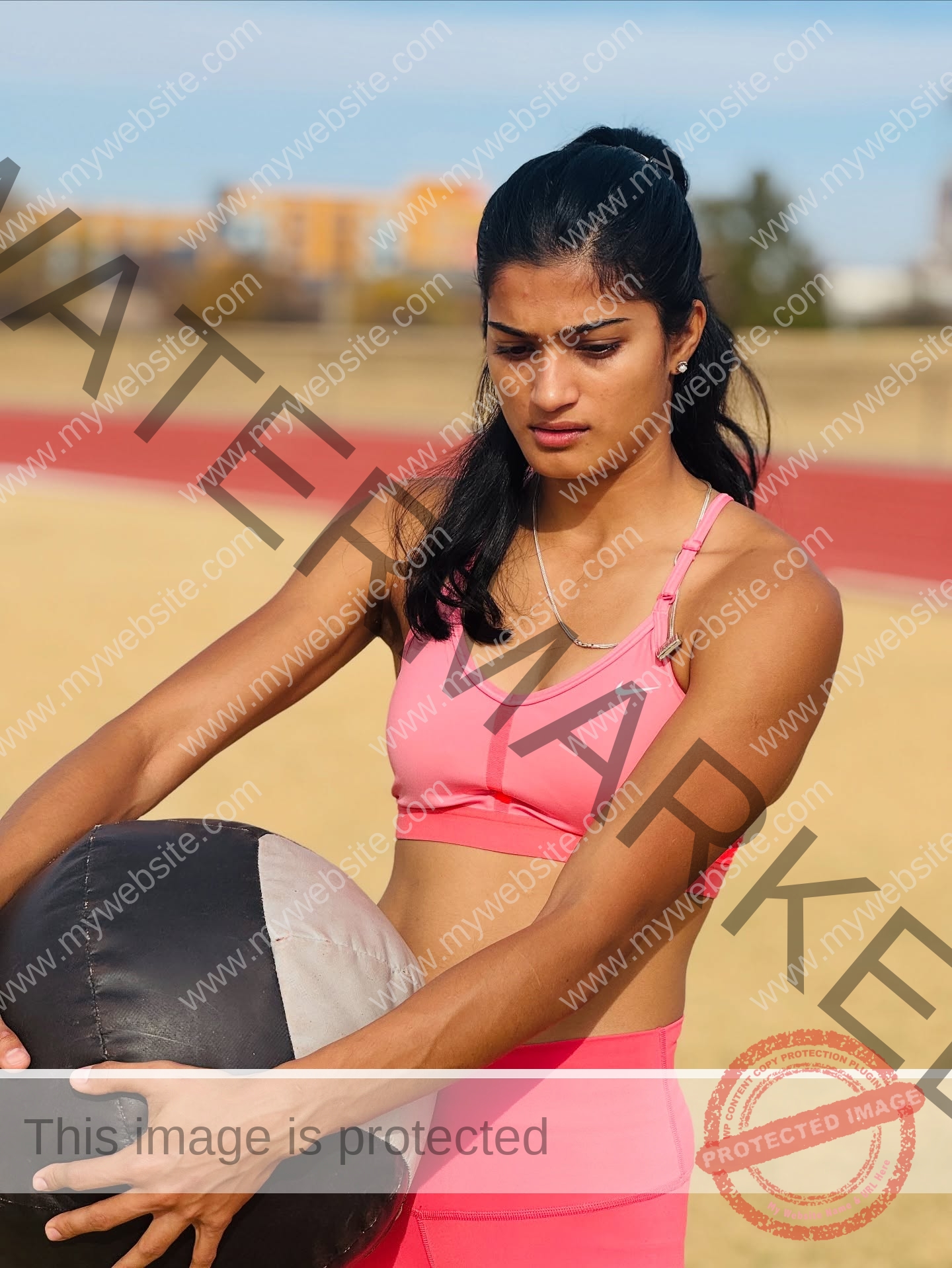
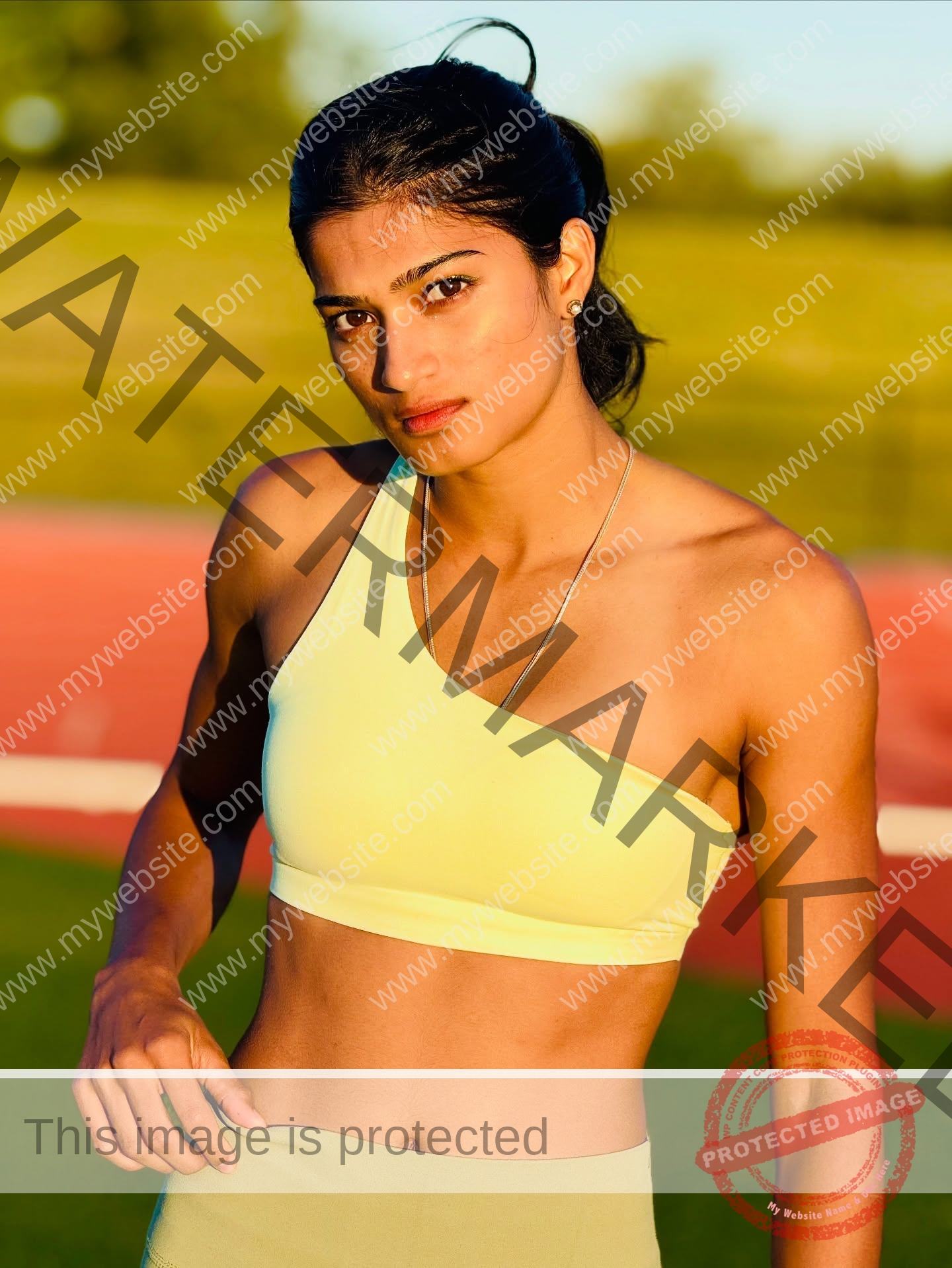
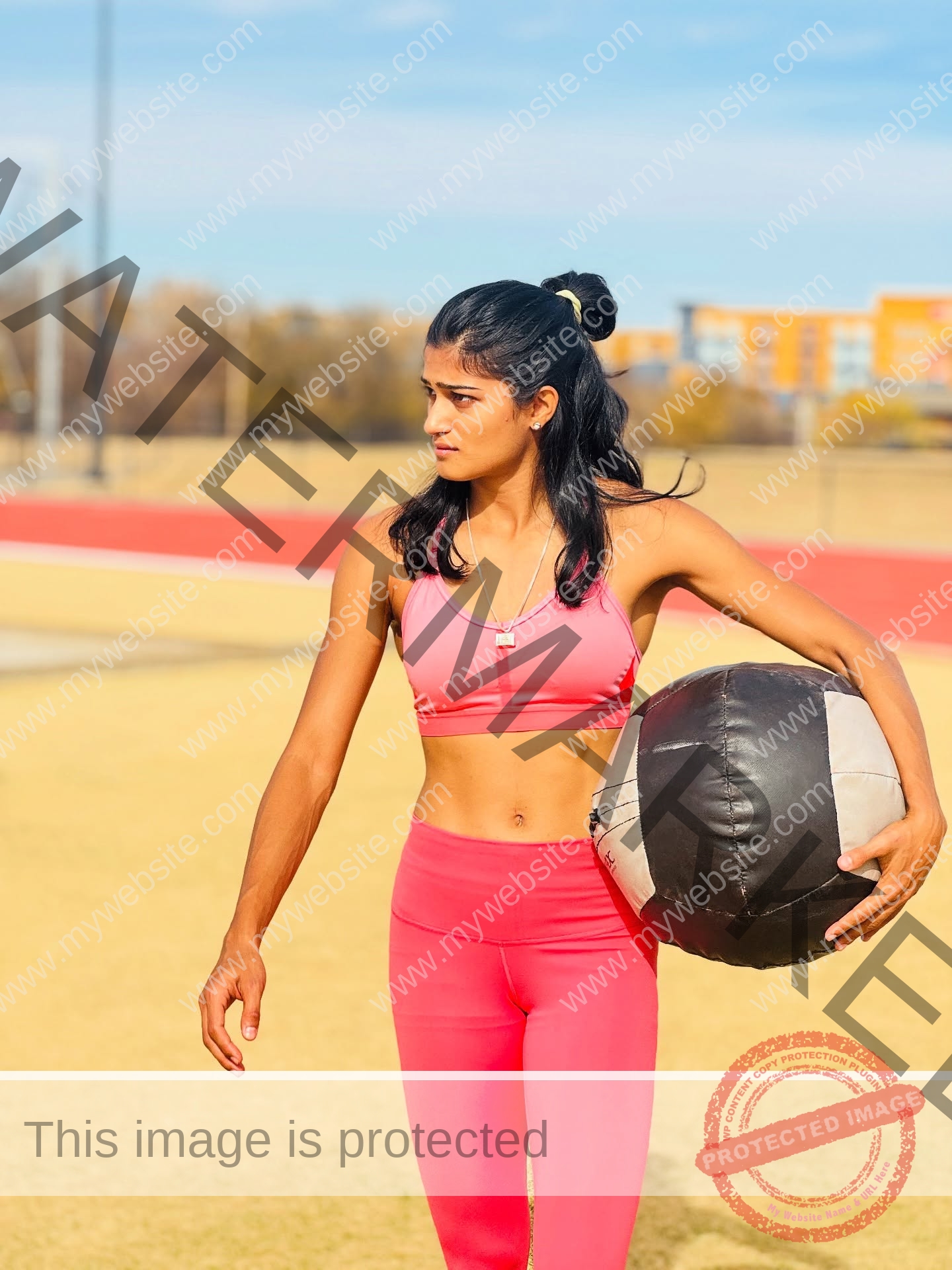
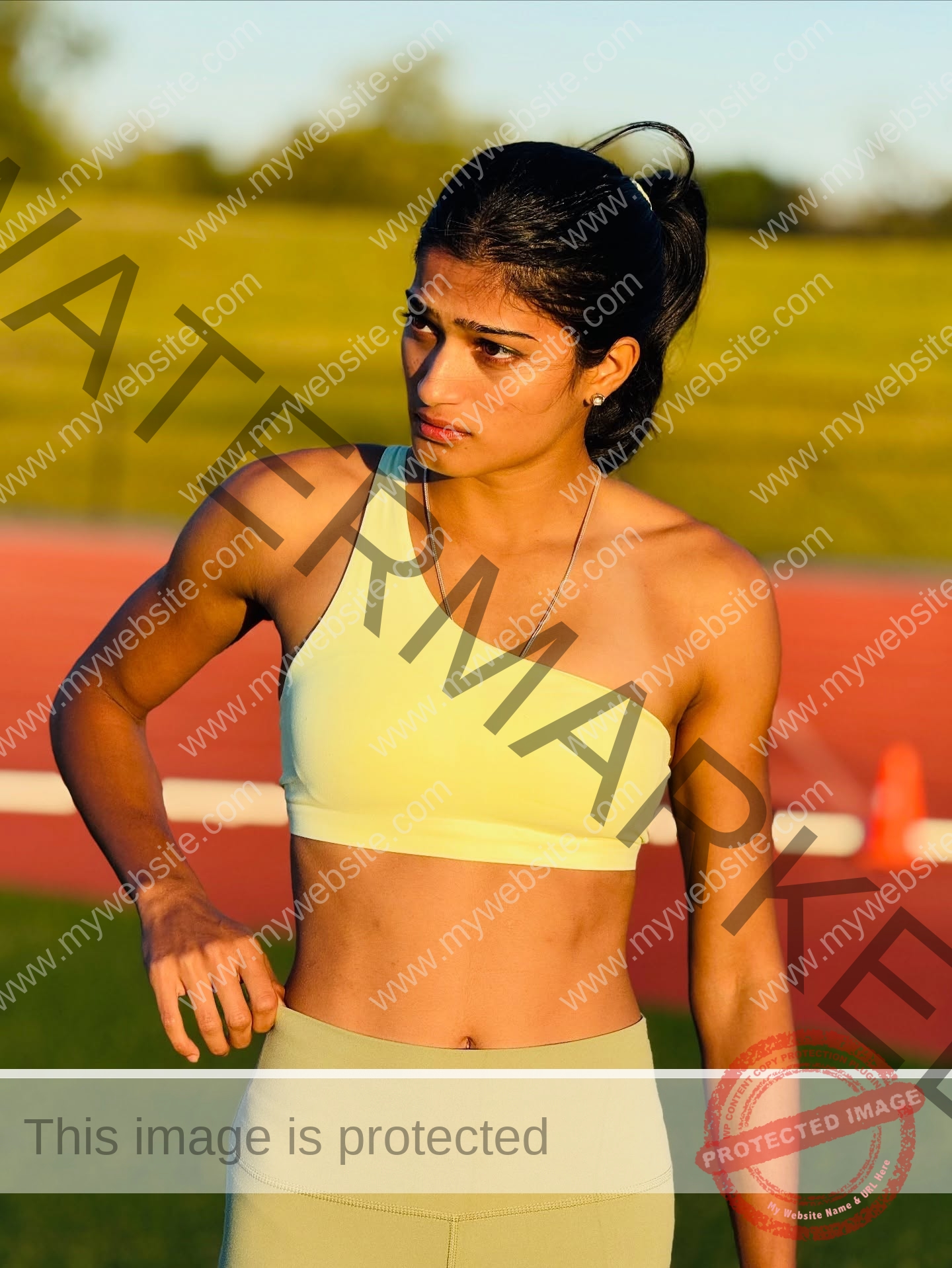
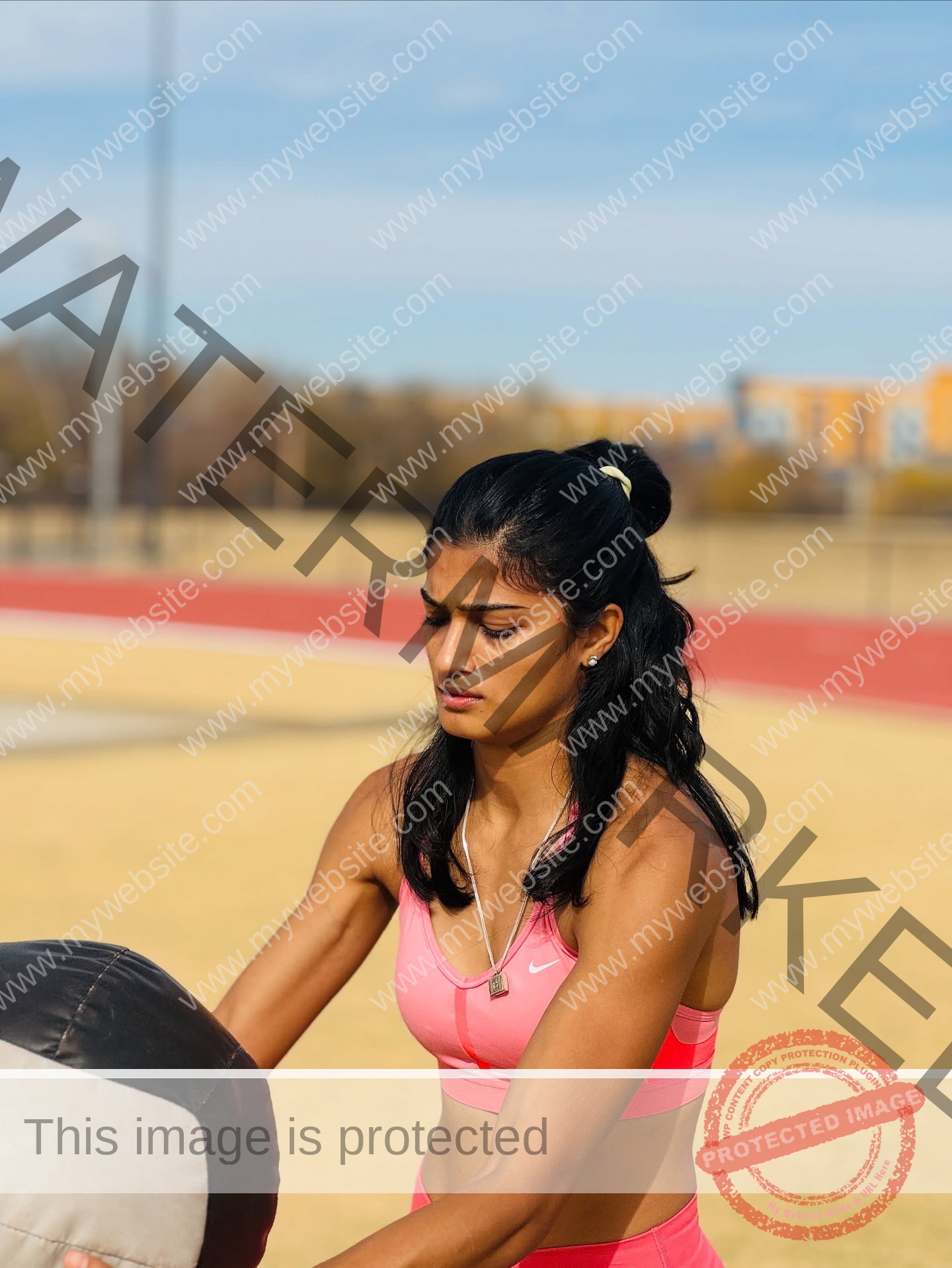
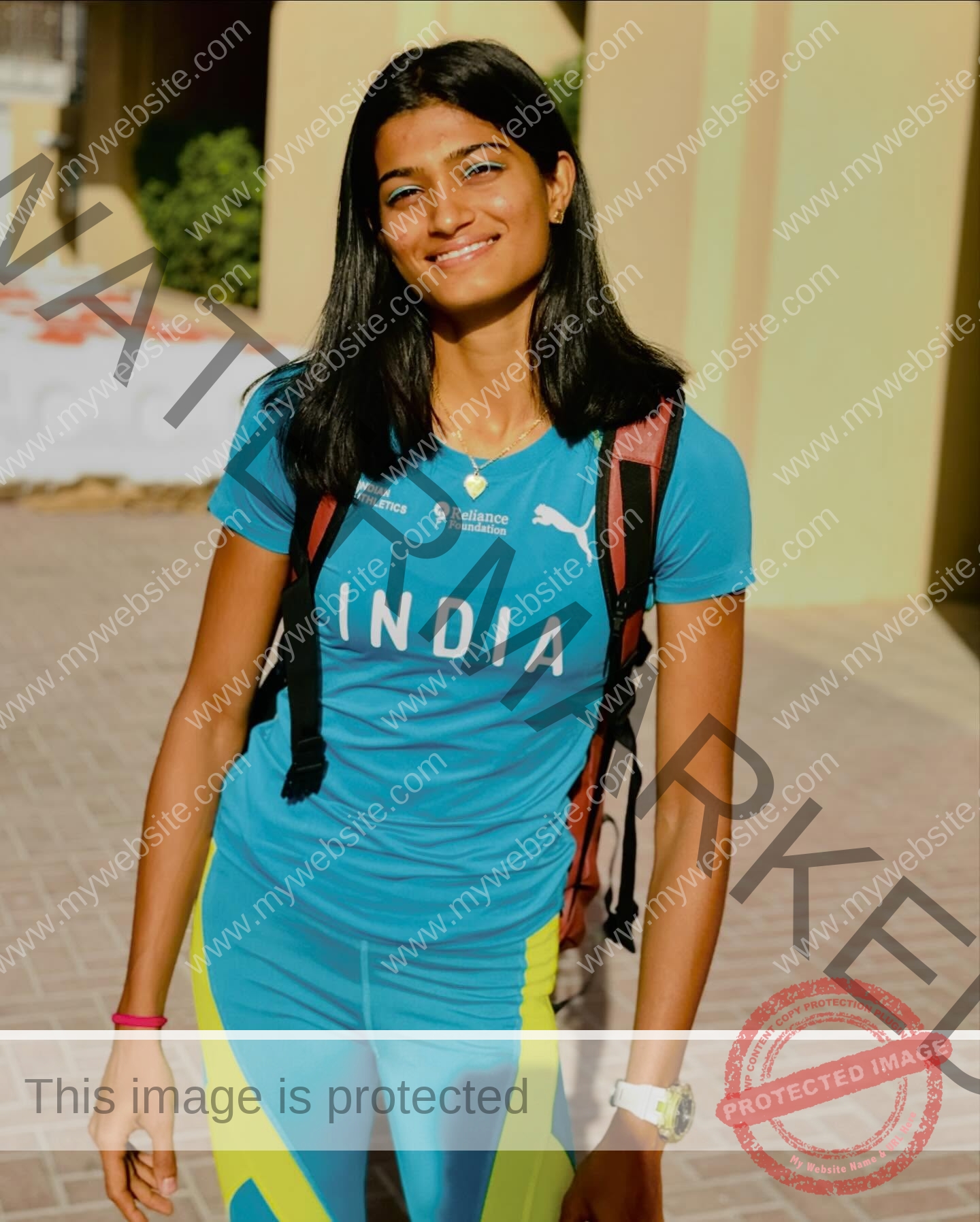
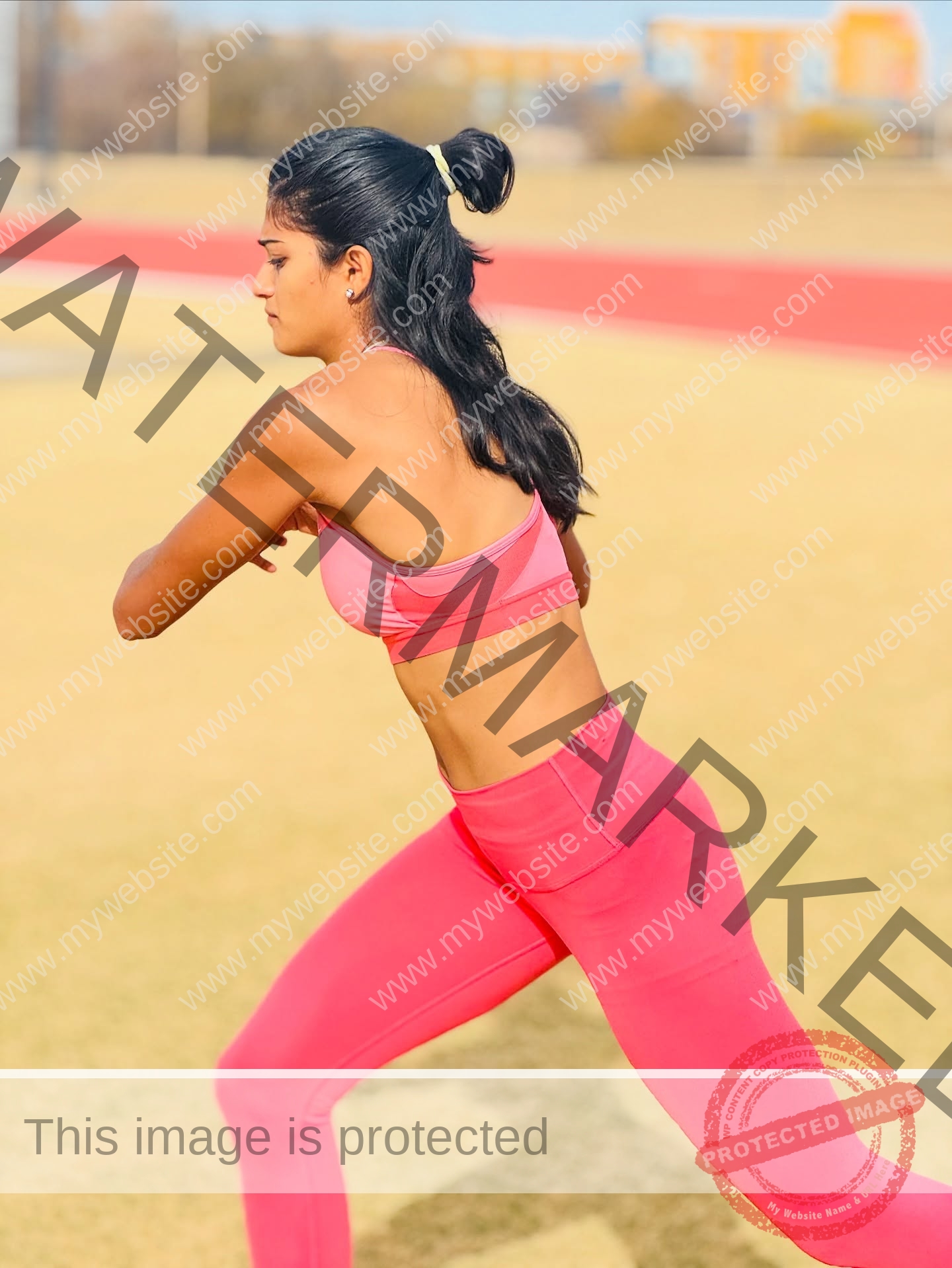
Pavana Nagaraj
Long Jumper & Heptathlete | India | San Diego State University | Born: November 7, 2005
Born to Run — and Jump, and Sprint
There is a photograph that captures Pavana Nagaraj’s story better than any result sheet could. It is 2009, the Asian Athletics Grand Prix in Bangalore. Sahana Kumari has just won silver in the high jump. While the crowd settles and the stadium buzzes, a four-year-old girl sprints out onto the infield, makes her way to the landing bed, and starts jumping on it like a trampoline. The coaches laugh. The mother is startled, and then impressed. That little girl had never been told how to do the Fosbury Flop — the complex backward-leap technique that defines modern high jump — but she had been watching her mother perform it for as long as she had been alive.
That child was Pavana Nagaraj. And the moment, recalled by Sahana Kumari in interviews years later, is perhaps the most perfect origin story in recent Indian athletics. From those early, unbidden leaps into the landing bed, Pavana has grown into one of India’s most promising young track and field athletes: a two-time Asian U20 gold medalist, a national indoor record holder, a Khelo India scholarship recipient, and now an NCAA competitor at San Diego State University in California — all before turning 21.
A Household Full of Champions
Pavana Nagaraj was born on November 7, 2005, in Karnataka, India, into what may be the most decorated athletic household in Indian track and field. Her mother, Sahana Kumari, is the national record holder in the women’s high jump with a clearance of 1.92 metres, a mark she set at the 2012 National Inter-State Senior Athletics Championships in Hyderabad — the performance that earned her India’s last Olympic qualifying berth in that event for the London Games. Sahana competed at the 2012 London Olympics, becoming one of the very few Indian women to reach the Olympic high jump competition, where she was eliminated after failing to clear 1.85m. Her national record still stands.
Pavana’s father, B.G. Nagaraj, is no less accomplished. In 2010, he won gold in the 100 metres at the AFI National Inter-State Athletics Championships in Patiala, a title that made him, effectively, the fastest man in India at that moment. His best time was 10.50 seconds, recorded at the 2010 Asian Games trials. He now works with Indian Railways as a sports coach, channelling decades of experience and competitive knowledge into the next generation of athletes — starting, inevitably, with his own daughter.
Both parents were based at the Sports Authority of India (SAI) centre in Bengaluru, which became Pavana’s second home almost from infancy. She accompanied her mother to training sessions and competitions with a frequency that, by her own admission, gave her a practical athletics education years before she ever formally took up the sport herself.
A Natural in the Making: The Karnataka School Meet, 2018
Pavana’s official introduction to competitive athletics came early, but her most revealing moment arrived spontaneously. At a Karnataka school meet in 2018, she was entered in the sprint and long jump events — events that reflected her father’s strengths. On a whim, she decided to enter the high jump as well.
What happened next surprised everyone in attendance. Clearing a bar at 1.33 metres would have been sufficient; doing so using the Fosbury Flop — the technically demanding backward-over-the-bar technique that typically takes beginners weeks to master and overcome the fear of — made it extraordinary. Pavana had never been coached in the Fosbury Flop. She had simply spent years watching her mother perform it in training.
She won the high jump gold that day. Her mother’s reaction, as Sahana recalled to ESPN India, was plain astonishment. The jump was not perfectly executed — Pavana herself acknowledged it was not clean — but it showed an instinctive understanding of the biomechanics involved that most young athletes simply do not possess. Sahana began coaching her daughter in the jumps shortly after, while B.G. Nagaraj continued work on her sprint conditioning.
Building the Foundation: SAI Bengaluru and the Khelo India Scholarship
Pavana formally joined the SAI Centre in Bengaluru in 2017, making her, as she has described, essentially a resident of a facility she had been visiting since childhood. The centre’s tracks, coaching staff, and competitive environment gave her access to elite-level training infrastructure at an age when most young athletes are still playing recreational sport.
In 2018, she became a recipient of the Khelo India Scholarship scheme — a central government program designed to identify and support promising young athletes across India. The scholarship provided financial support for training, competition travel, and athletic development, covering what might otherwise have been a significant barrier for a teenager with national-level aspirations. Pavana has spoken warmly about the role both the SAI system and the Khelo India program played in her development.
She attended school at Bunts’ Sangha RNS Vidyaniketan in Bengaluru, the institution that proudly announced her 2021 national record achievement. Through this period, she was also training at the Inspire Institute of Sport (IIS) in Bellary, Karnataka, under coach Anthony Yaich — one of India’s more progressive and scientifically grounded athletics institutions, which has housed some of the country’s top track and field names.
The First Records: U14 and U16 National High Jump
Pavana’s early competitive career in high jump produced a rapid series of improvements. She first earned national record status in the U14 category, a mark that demonstrated she was not merely a child riding her parents’ reputations but an independently gifted athlete. Her U14 national record set a baseline for the extraordinary progression that would follow.
In February 2021, at the 36th National Junior Athletics Championships held in Guwahati at the Sarusajai Stadium, the 15-year-old cleared a competition bar at 1.73 metres on her third and final attempt to win gold in the U16 girls high jump. The clearance broke the previous U16 national record of 1.69 metres, a mark that had stood since it was set by Kavya Muthanna from Karnataka back in 2003. That the record had stood for nearly two decades gave some indication of how significant Pavana’s performance was.
The championship, notably, was one of the largest domestic meets held in India since the COVID-19 pandemic, featuring 1,637 athletes across four age groups. Competing in that context and walking away with a national record made an impression well beyond Karnataka. The achievement was covered by ESPN India, which ran a detailed profile of her family’s athletic dynasty. By the time of that article, Pavana was also described as holding both the U14 and U16 national records simultaneously — a remarkable distinction for an athlete still in the 10th grade at school.
Her mother compared her favourably to her own younger self. “At 15 years old, I had a personal best of 163cm. She’s much better than what I was at her age,” said Sahana. The U16 national record Pavana set in Guwahati was subsequently broken, but the trajectory it established — improvement measured in centimetres per season, driven by coachable technique and natural athleticism — had already identified her as a future force.
The Transition: From High Jumper to Heptathlete and Long Jumper
One of the more interesting chapters in Pavana’s development involves the deliberate shift in her event profile. Having established herself as a junior high jump talent, she transitioned into the heptathlon — the seven-event combined competition that tests speed, endurance, jumping ability, and throwing skill across two days. The transition was guided by her mother’s strategic thinking.
Sahana Kumari, drawing on her own experience as an elite athlete and her work as a SAI coach, believed that specializing too early in one discipline risked stunting Pavana’s overall athletic development. The heptathlon’s demands would force Pavana to build sprint speed, hurdle technique, high jump, long jump, shot put, javelin, and 800-metre race endurance simultaneously — the kind of all-around athletic development that, in Sahana’s view, would ultimately serve Pavana better across the long arc of her career.
The heptathlon environment also proved to be where Pavana discovered the long jump. By working on all seven disciplines, she found that the combination of her sprinting genetics (from her father’s side) and her jumping mechanics (developed through years of high jump training) produced a particularly effective long jumper. Her mother’s advice, she said, proved prescient: the long jump became her standout event.
As Sahana put it in 2024: “I told her rather than stick to one event, she should try the heptathlon to discover her strength. We want her to excel in multi-events and she has to understand which event she is good at. As parents, or as coaches, we are not forcing her to take up any particular discipline. We’re only supporting her so she can enjoy her journey.”
The 2023 International Breakthrough: Relay Medal in Bhubaneswar
The World Athletics profile for Pavana shows one of her earliest internationally catalogued performances as a relay contribution: a 4×100 metres relay time of 47.28 seconds at the Kalinga Stadium in Bhubaneswar on June 17, 2023, as part of an Indian squad. The performance gave her an international competition credit at 17 years old and demonstrated the sprint capacity that would later underpin her long jump development.
The 2024 Asian U20 Championships: A Gold That Validated Everything
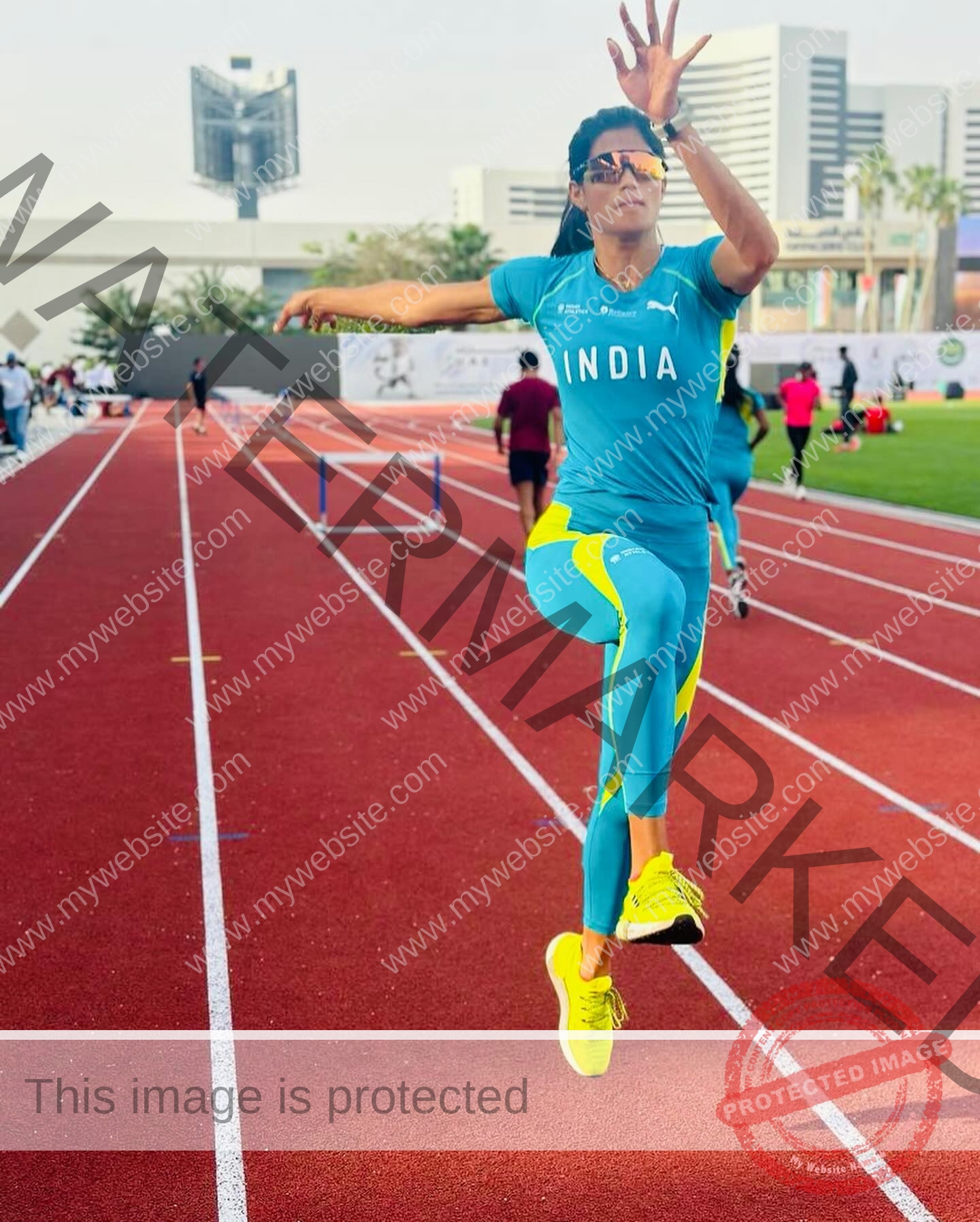
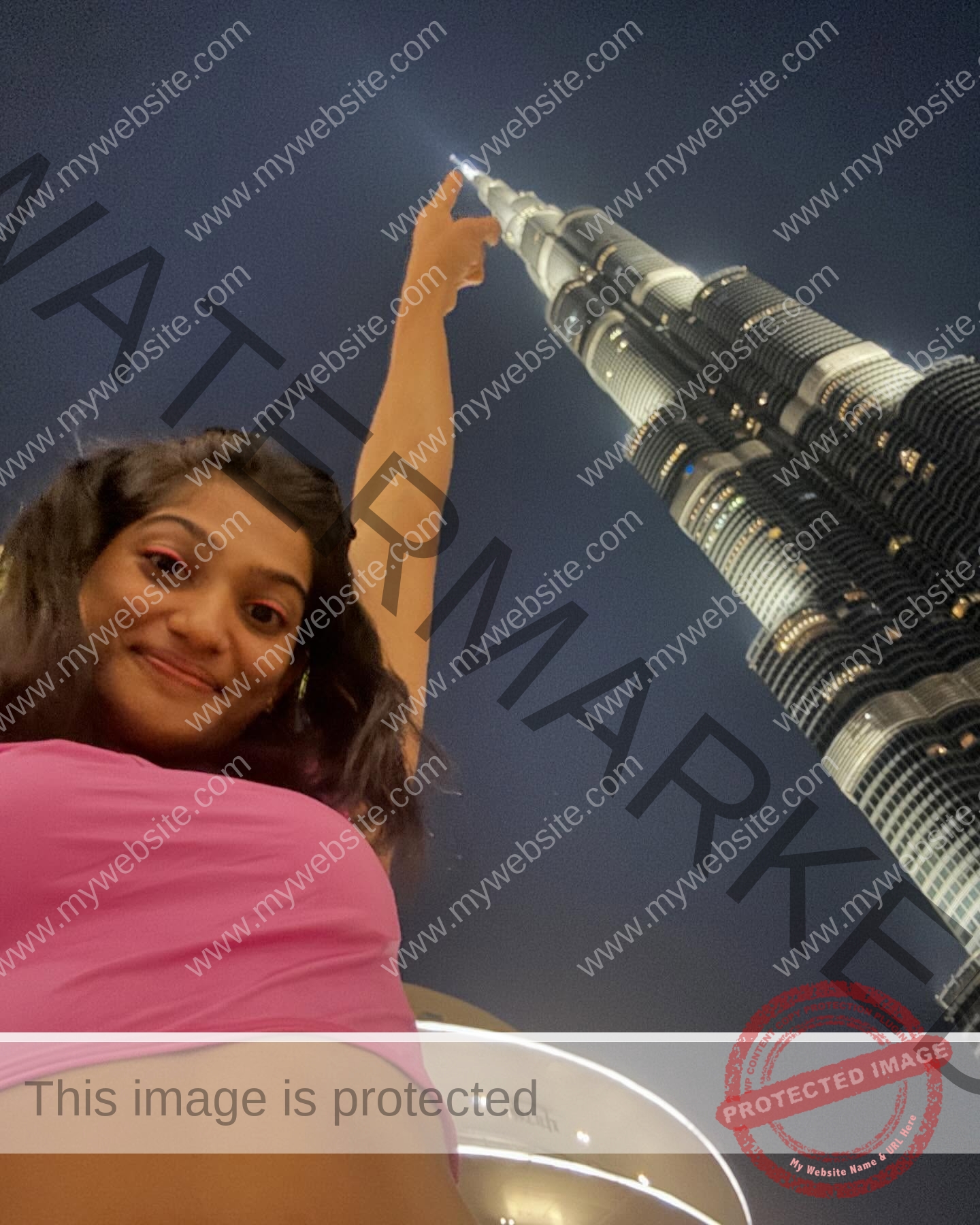
April 2024 brought Pavana Nagaraj’s defining junior moment. At the Asian U20 Athletics Championships in Dubai, competing in both the long jump and heptathlon, she won the gold medal in the women’s long jump with a personal best of 6.32 metres. The mark ranked as the third-best long jump in India at the time — a staggering achievement for an 18-year-old who had only recently made the long jump her primary focus.
The gold was Pavana’s second at the championships: she also claimed gold in the heptathlon at the same meet, setting a junior Asian record of 5,076 points — a remarkable combined-event performance that speaks to the breadth of her athletic ability. Separately, she had won gold in the long jump and the heptathlon at the National Federation Cup U20 championships leading up to Dubai.
The significance of the long jump result cannot be overstated. At 6.32 metres, she was not merely winning a junior Asian title — she was posting marks that placed her in the conversation with India’s senior long jump performers. Her mother’s strategy of heptathlon-based development, pushed into long jump specialization, had produced exactly the result Sahana had envisioned.
After the championships, Sahana spoke to multiple Indian media outlets about her daughter’s achievement. She was as generous as she was direct. “As a mother, I’m really happy to have a daughter like Pavana. Seeing your child succeed and realise her dream gives parents a lot of happiness. We want her to excel in the senior competitions as well. And we keep telling her to focus on the senior events, especially the Olympics as the bigger target.” It was the kind of clear-eyed parental ambition that is rare to encounter, and entirely credible coming from someone who had herself stood in an Olympic high jump pit.
Arriving at San Diego State University: The 2024-25 Season
Pavana Nagaraj enrolled at San Diego State University (SDSU) in the fall of 2024, joining the Aztecs’ track and field program and entering the Mountain West Conference — a competitive Division I conference that regularly produces NCAA-level talent. For Indian athletes, the American collegiate route has become an increasingly significant pathway to sustained high-level competition, and Pavana followed in a line of South Asian jumpers who have sought to develop their skills in the NCAA system.
Her SDSU indoor collegiate bests from her freshman season in 2024-25 capture the breadth of her talent across disciplines. She posted a 9.52 in the 60 metres hurdles at the DeLoss Dodds Invitational in Manhattan, Kansas, on February 1, 2025. At the Don Kirby Elite Invitational in Albuquerque, New Mexico, on February 14, 2025, she cleared 5 feet 3.75 inches (1.62 metres) in the high jump and jumped 19 feet 5.25 inches (5.92 metres) in the long jump. Her shot put mark of 36 feet 8.25 inches (11.18 metres), also from the DeLoss Dodds, rounded out a multi-event athlete’s indoor résumé.
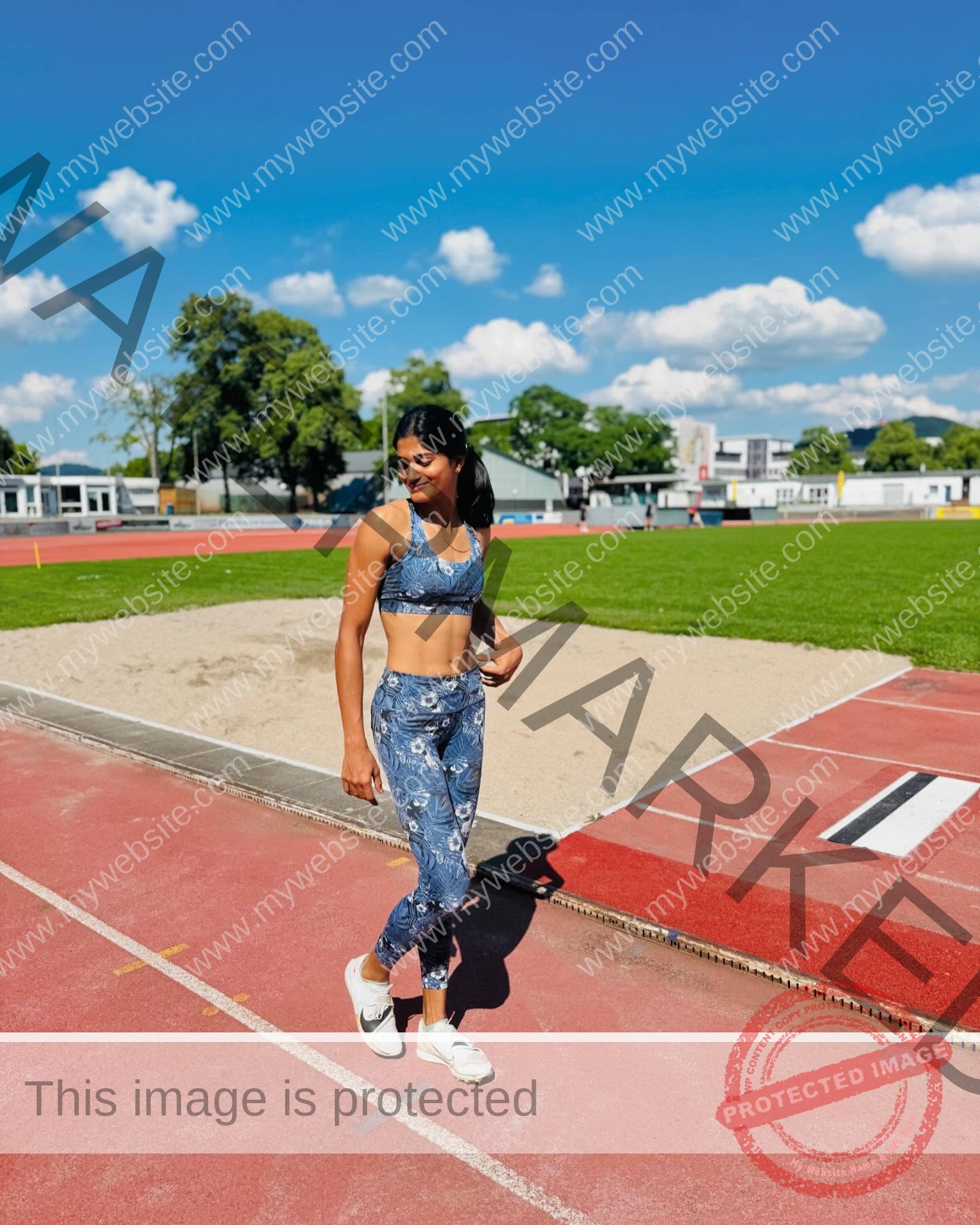
The outdoor season delivered even more compelling results. At the Triton Invitational on April 5, 2025, she jumped 20 feet 2.5 inches (6.16 metres) in the long jump — the ninth-best outdoor mark in SDSU program history. Then, at the Bryan Clay Invitational and Mt. SAC Relays in mid-April, she posted 20 feet 9 inches (6.32 metres) — tying her Asian U20 championship personal best and establishing a new SDSU freshman record, placing her fourth in program history. All five of her legal jumps at that meet cleared 20 feet. The Aztecs’ official report on the performance described her as posting the mark on her fifth attempt, after a foul on her third, suggesting a calm and methodical competitor who could manage a long-jump competition effectively.
That 6.32-metre effort qualified Pavana 21st in the west region for the NCAA West First Round, held May 29, 2025, in College Station, Texas — SDSU’s lone qualifier in a field event. She finished 26th out of 48 in the long jump competition at Texas A&M’s E.B. Cushing Stadium with 20 feet 1 inch (6.12 metres), just short of the top 12 that would have advanced to the NCAA Finals in Eugene. But for a freshman making her first NCAA postseason appearance, competing in College Station against the country’s best collegiate long jumpers was itself a significant benchmark.
Breaking India’s National Indoor Record: Oklahoma, January 2026
If the 2024-25 season established Pavana Nagaraj as a genuine NCAA performer, the opening of the 2025-26 collegiate season announced that she is operating at a different level entirely. On January 16, 2026, competing at the Mosier Indoor Track & Field Facility in Norman, Oklahoma, at the Owen Hewitt Invitational, she won the women’s long jump title with a leap of 6.47 metres — a new Indian national indoor long jump record.
The previous record had been held by Mayookha Johny, India’s decorated triple jumper, who had posted 6.44 metres at a competition in Germany back in 2012. Johny’s mark had stood for 14 years. Pavana broke it with a competitive, controlled performance in a field that included American collegiate long jumpers. USA’s Morgan Little finished second at 6.31 metres; Jasmine Akins was third at 6.18 metres. Pavana topped both by 16 centimetres and 29 centimetres, respectively.
The Olympics.com report on the performance noted that Pavana’s 6.47 metres fell just one centimetre short of the Athletics Federation of India’s qualifying standard for the 2026 Asian Games. The achievement earned significant coverage across Indian sports media and was confirmed by World Athletics as an official personal best. It moved her to approximately #194 in the current World Athletics women’s long jump rankings — a ranking that will only improve as her sophomore outdoor season unfolds.
The Owen Hewitt Invitational is a Category F event on the World Athletics calendar, meaning the result carries full validity for record purposes. Pavana’s effort represented a 15-centimetre improvement on her previous best and the kind of indoor performance that suggests her outdoor marks are also primed to improve significantly in 2026.
Personal Bests and Statistical Profile
As of early 2026, Pavana Nagaraj’s documented personal bests across disciplines include the following, sourced from World Athletics and SDSU Athletics:
- Long Jump (indoor): 6.47m — January 16, 2026, Norman, Oklahoma (Indian national indoor record)
- Long Jump (outdoor): 6.32m — multiple occasions (tied: 2024 Asian U20 Championships, Mt. SAC Relays 2025)
- High Jump: 1.74m — October 30, 2022, Bilaspur
- 200 Metres: 24.81 seconds — April 26, 2024
- 100 Metres Hurdles: 15.18 seconds — May 26, 2024
- 4x100m Relay: 47.28 seconds — June 17, 2023, Bhubaneswar
- Heptathlon: 5,076 points — 2024 National Federation Cup U20 (Asian junior record)
- U16 National Record, High Jump: 1.73m — February 2021, Guwahati (since broken)
Her World Athletics athlete code is 14971146. She is listed as competing in the long jump, 60m hurdles, 100m hurdles, 800 metres, 200 metres, javelin throw, heptathlon, shot put, and javelin throw (500g) — a reflection of the breadth of her heptathlon training base.
The Context: Indian Women’s Long Jump
Understanding Pavana’s achievement requires understanding where it sits within Indian athletics history. The Indian women’s outdoor long jump national record stands at 6.83 metres, set by the legendary Anju Bobby George at the Athens 2004 Olympics — a mark from over two decades ago that reflects how rare elite-level long jumping has been in Indian women’s track and field. Pavana, at 20 years old and jumping 6.47 metres indoors and 6.32 outdoors, has already established herself as one of the most credible successors in that event’s Indian history. The gap between her current bests and Anju’s record is meaningful, but so is the improvement trajectory she has shown across just two years of serious long jump focus.
India’s outdoor long jump record in women’s competition has been essentially frozen since 2004. If Pavana’s development continues at its current rate, she represents one of the most realistic prospects to challenge that record within the next several years.
Training Life and the SDSU Environment
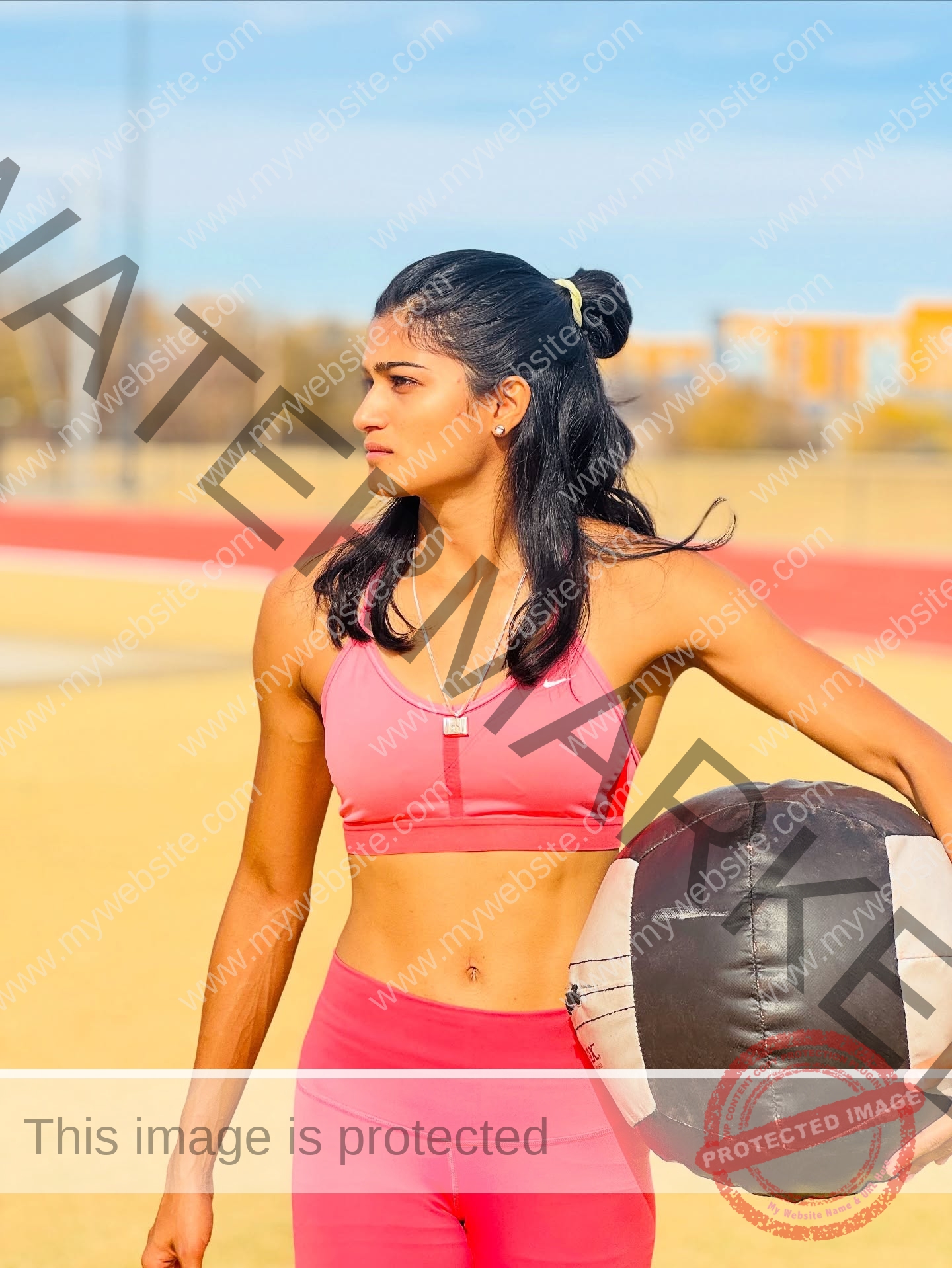
At San Diego State, Pavana competes as part of a program that competes in the Mountain West Conference and provides a rigorous Division I training and competition environment year-round. Her collegiate performance data shows an athlete who is competing across hurdles, high jump, long jump, and shot put — maintaining the multi-event development model her parents always championed — while progressively narrowing her best performances to the long jump.
The SDSU’s Mountain West Conference provides regular, high-quality competition against strong west-region programs including Colorado State, New Mexico, and others, while SDSU’s meet schedule takes Pavana to major California and southwest invitational circuits that include top-30 national programs.
Social Media and Public Presence
Pavana Nagaraj is active on Instagram under the handle @_pavana_ath, where she posts content related to her athletic life and training. Her SDSU roster page links directly to this account. She has a modest following of several thousand, consistent with a young athlete who has only recently stepped into a broader international spotlight. As her performances continue to generate news coverage — particularly the January 2026 national indoor record — that audience will likely grow.
No formal personal sponsorship arrangements have been publicly confirmed, which is typical for athletes of her age and career stage within the Indian athletics system. Her institutional support has come through the Khelo India Scholarship, the SAI system, and now her SDSU athletic scholarship. The NIL (Name, Image, and Likeness) framework that applies to American collegiate athletes could, in principle, open additional opportunities as her profile grows during her remaining collegiate seasons.
What’s Ahead
Pavana Nagaraj turns 21 in November 2026. She has two or more collegiate seasons remaining at SDSU. She sits just one centimetre below the Athletics Federation of India’s standard for the 2026 Asian Games in the long jump, a standard she came within a single additional effort of achieving in her very first indoor meet of the year. The 2026 outdoor season, set to unfold across the spring and summer, is the most consequential of her career to date — an opportunity to break into the 6.50-metre-plus range outdoors, make deeper runs in the NCAA postseason, and potentially stake a claim for senior international competition with India.
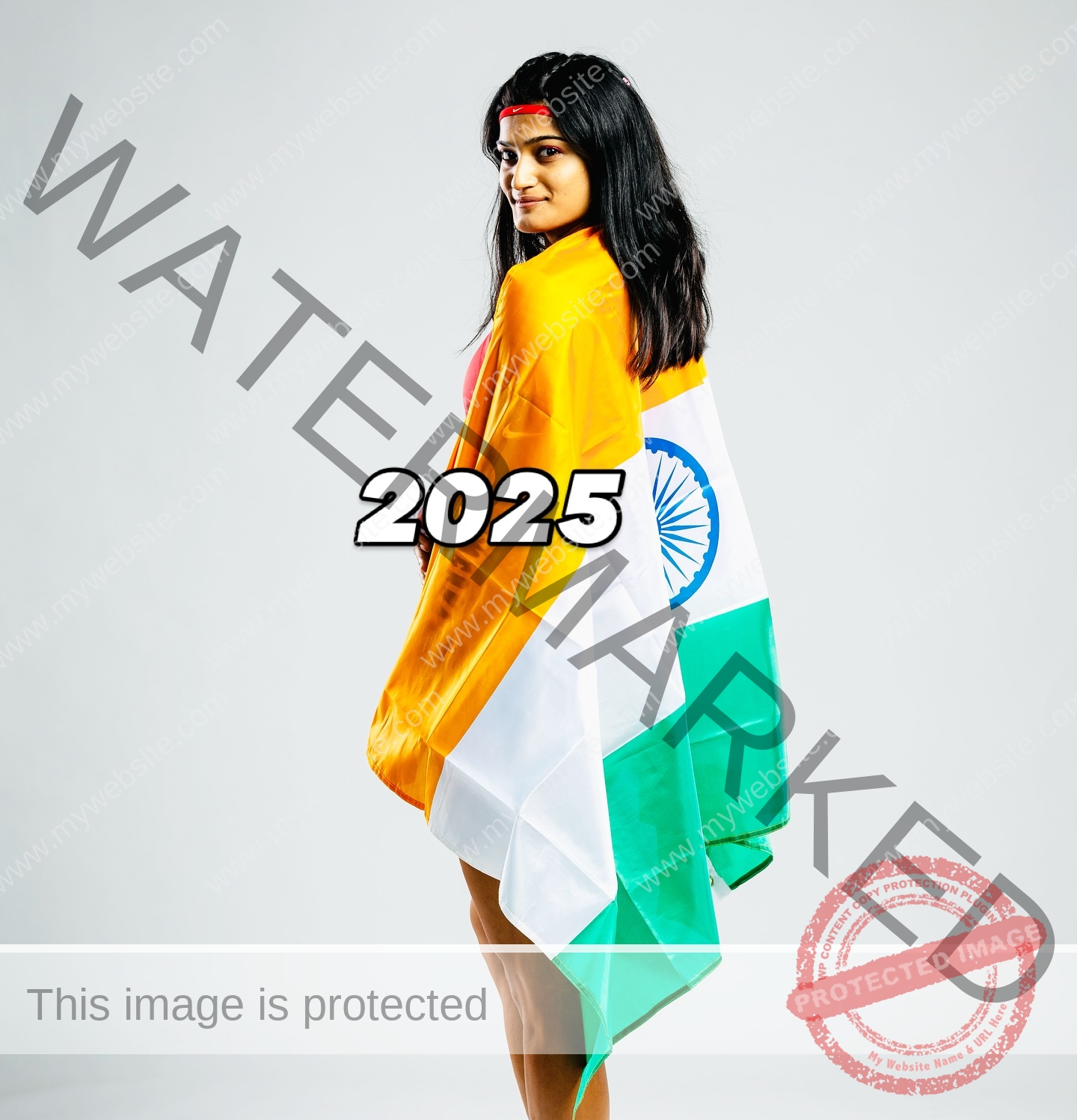
The Olympics have been cited by her family as the ultimate target. Her mother said it plainly: “We want her to excel in senior competitions as well. And we keep telling her to focus on the senior events, especially the Olympics as the bigger target.” For an athlete who is already ranked in the top 200 in the world at 20 years old, with a national record to her name, an Asian U20 title, and the kind of athletic pedigree that generates expectations, the arc toward that goal is clearer than it is for most.
Some athletes arrive at their potential through hard work alone. Others inherit talent and have to prove it. Pavana Nagaraj has both — the genetic legacy of two national champions, and the discipline to honour it. The landing bed she jumped into at four years old is still waiting for her to see exactly how high she can go.
Born: November 7, 2005 | Hometown: Bengaluru, Karnataka, India | University: San Diego State University (Aztecs) | Conference: Mountain West | Events: Long Jump (primary), Heptathlon | Long Jump PB (indoor): 6.47m — Indian National Indoor Record (Jan. 2026) | Long Jump PB (outdoor): 6.32m | World Athletics ID: 14971146 | Instagram: @_pavana_ath | Khelo India Scholarship Recipient since 2018 | Asian U20 Long Jump Champion 2024 | Asian U20 Heptathlon Gold, Asian Junior Record 2024
