



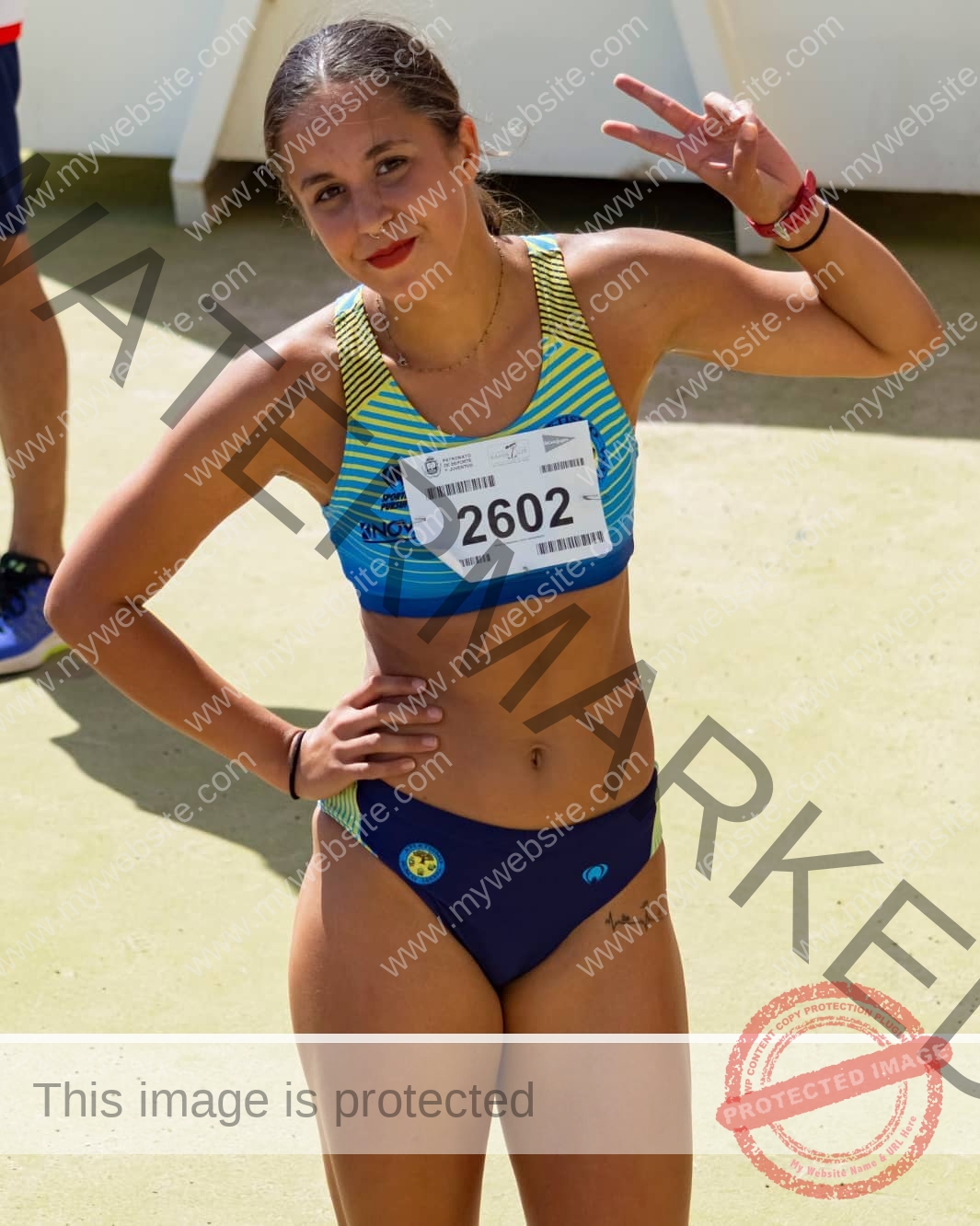
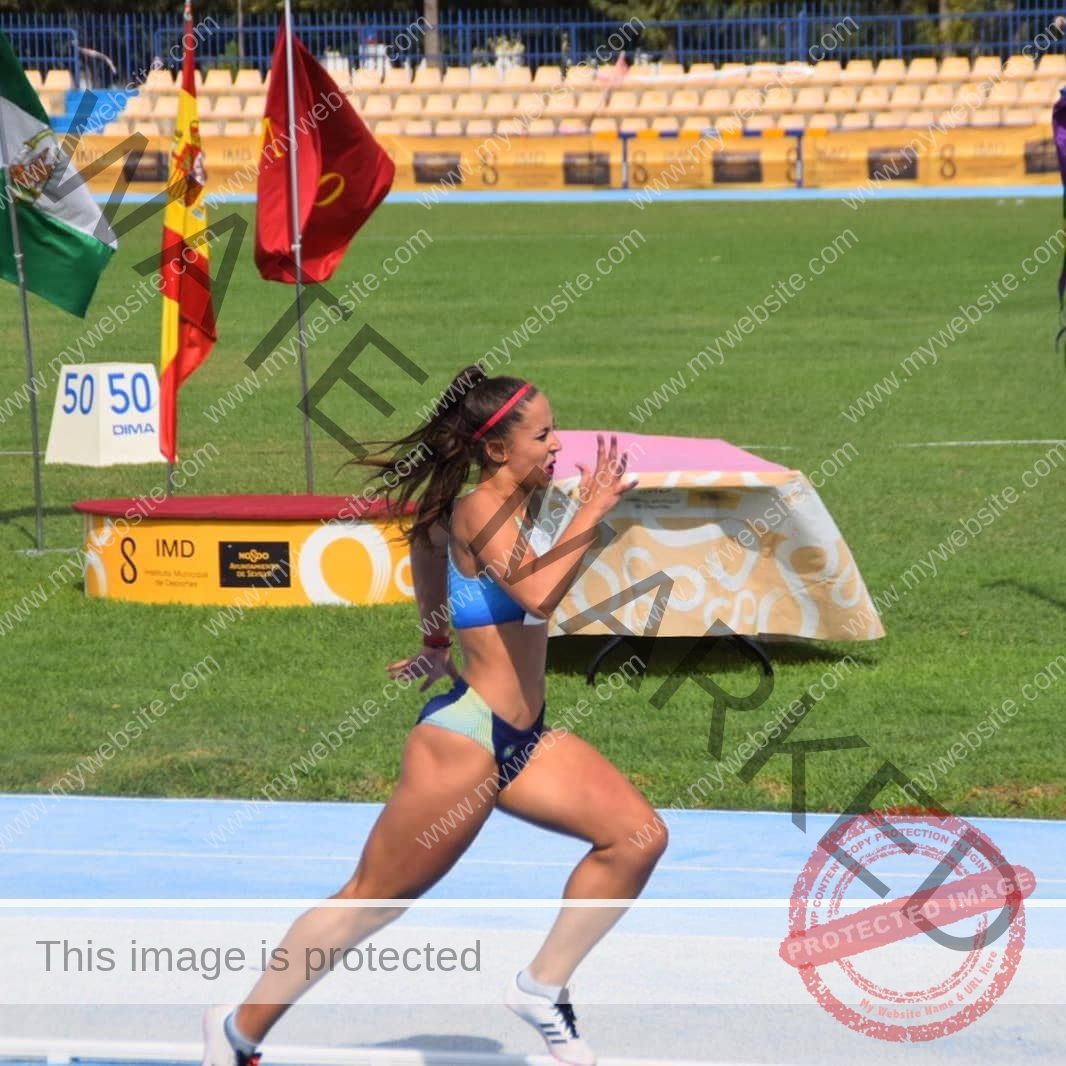
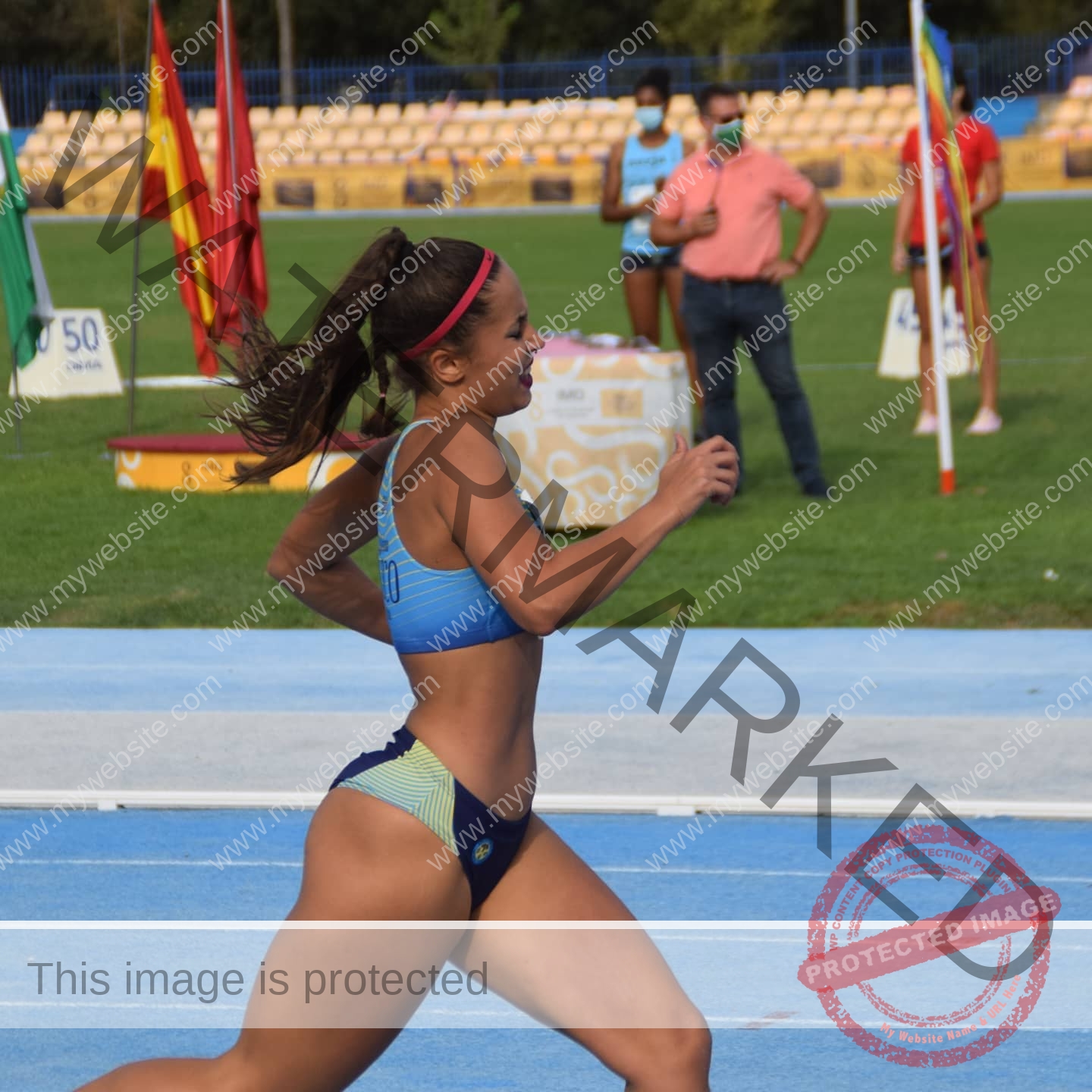
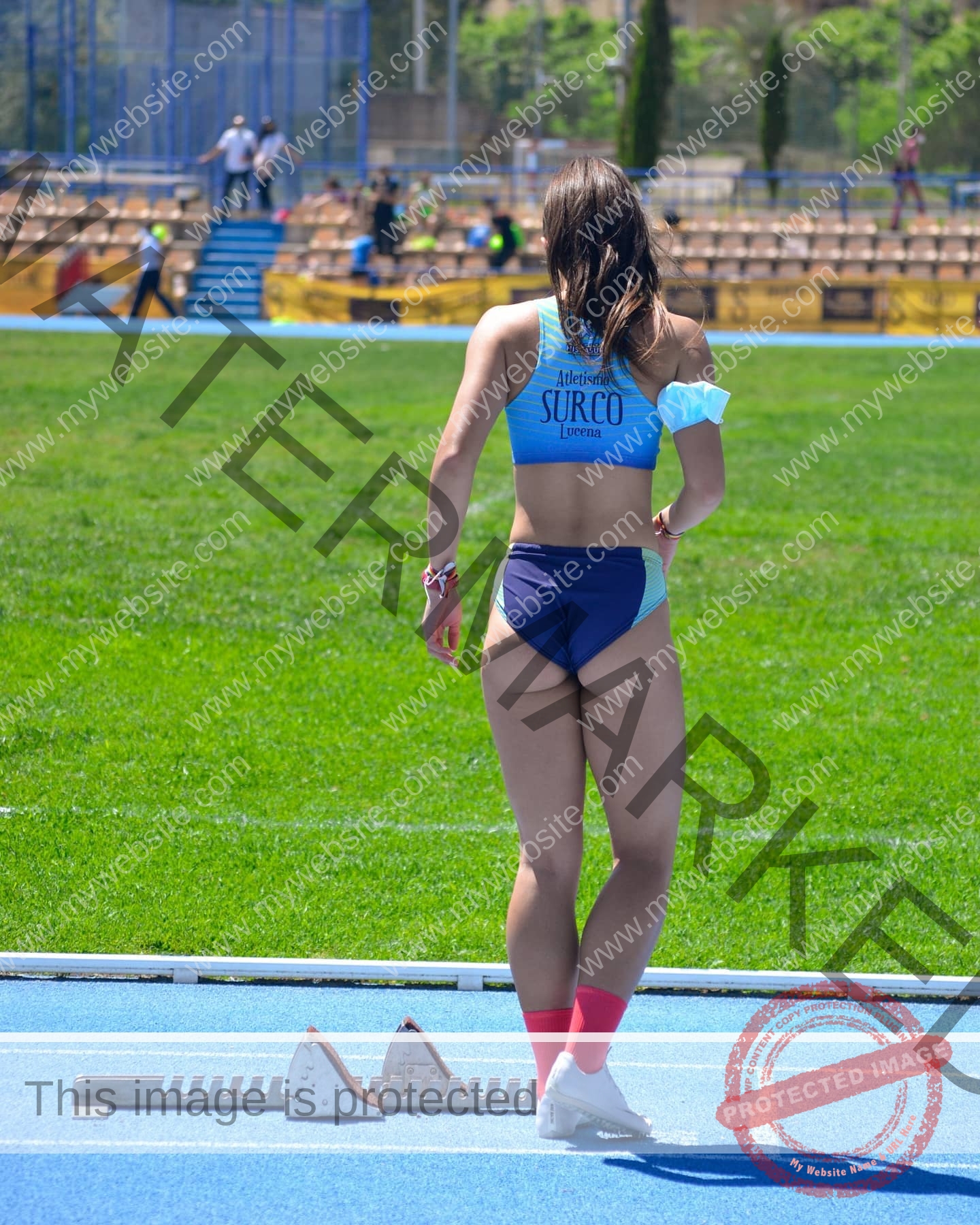







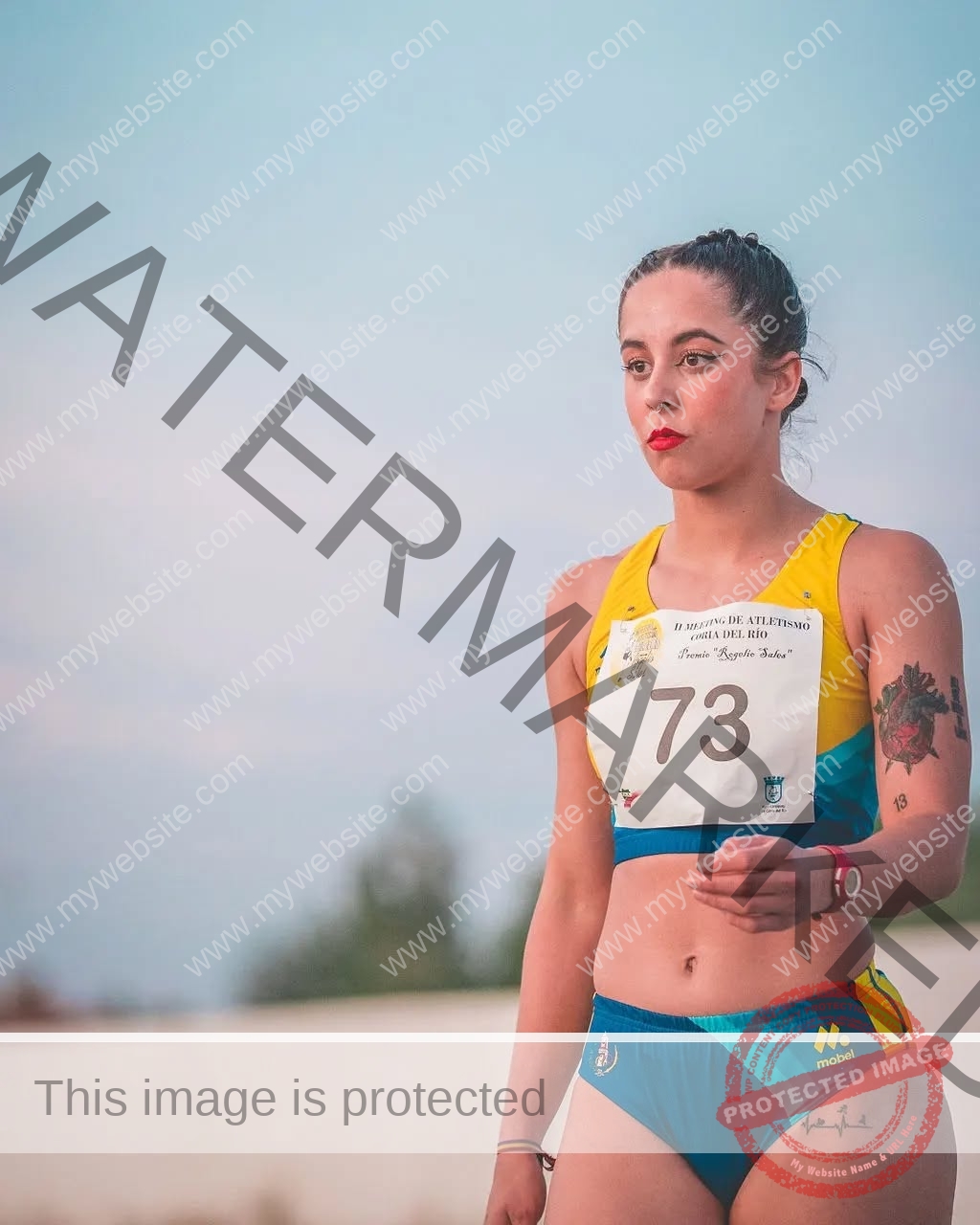
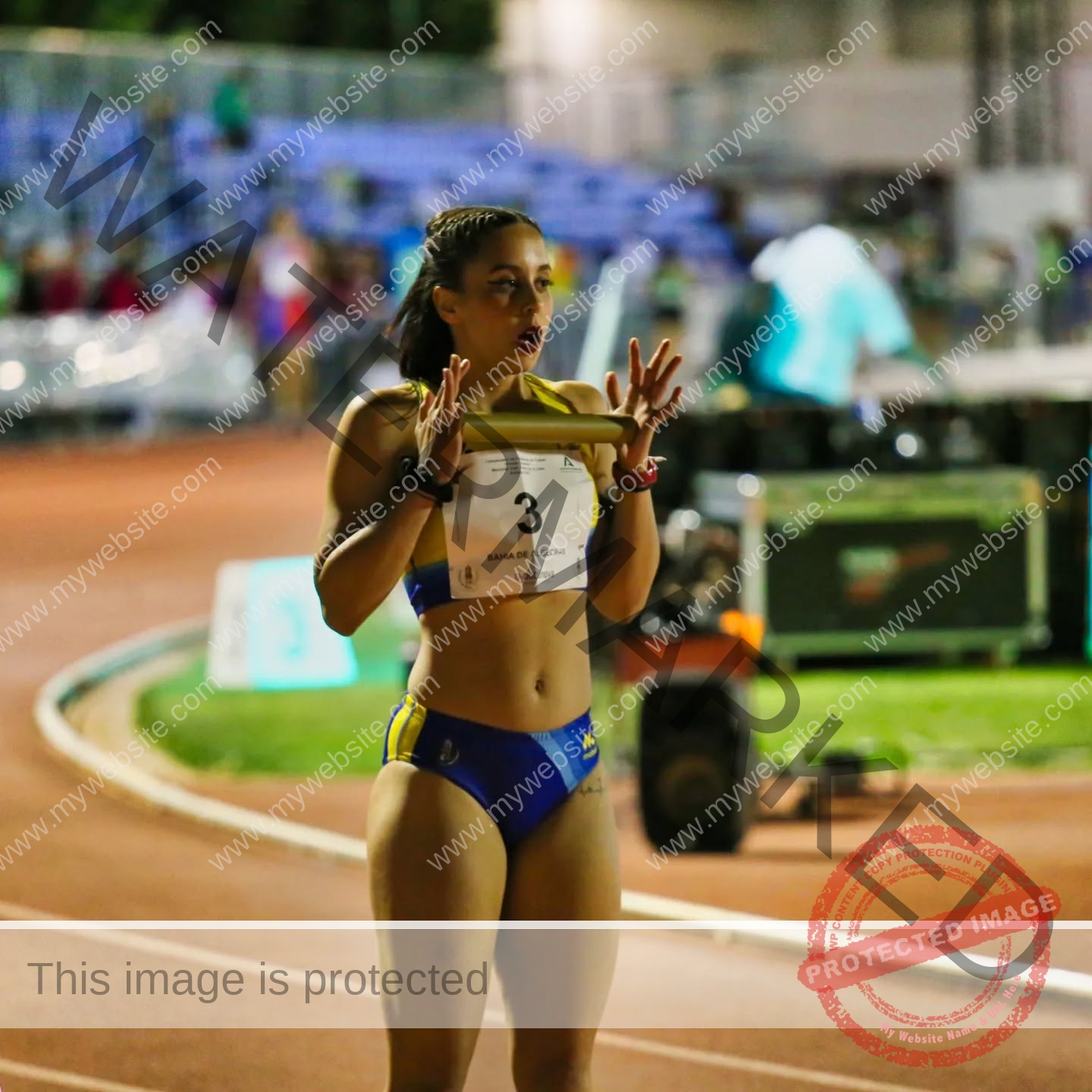
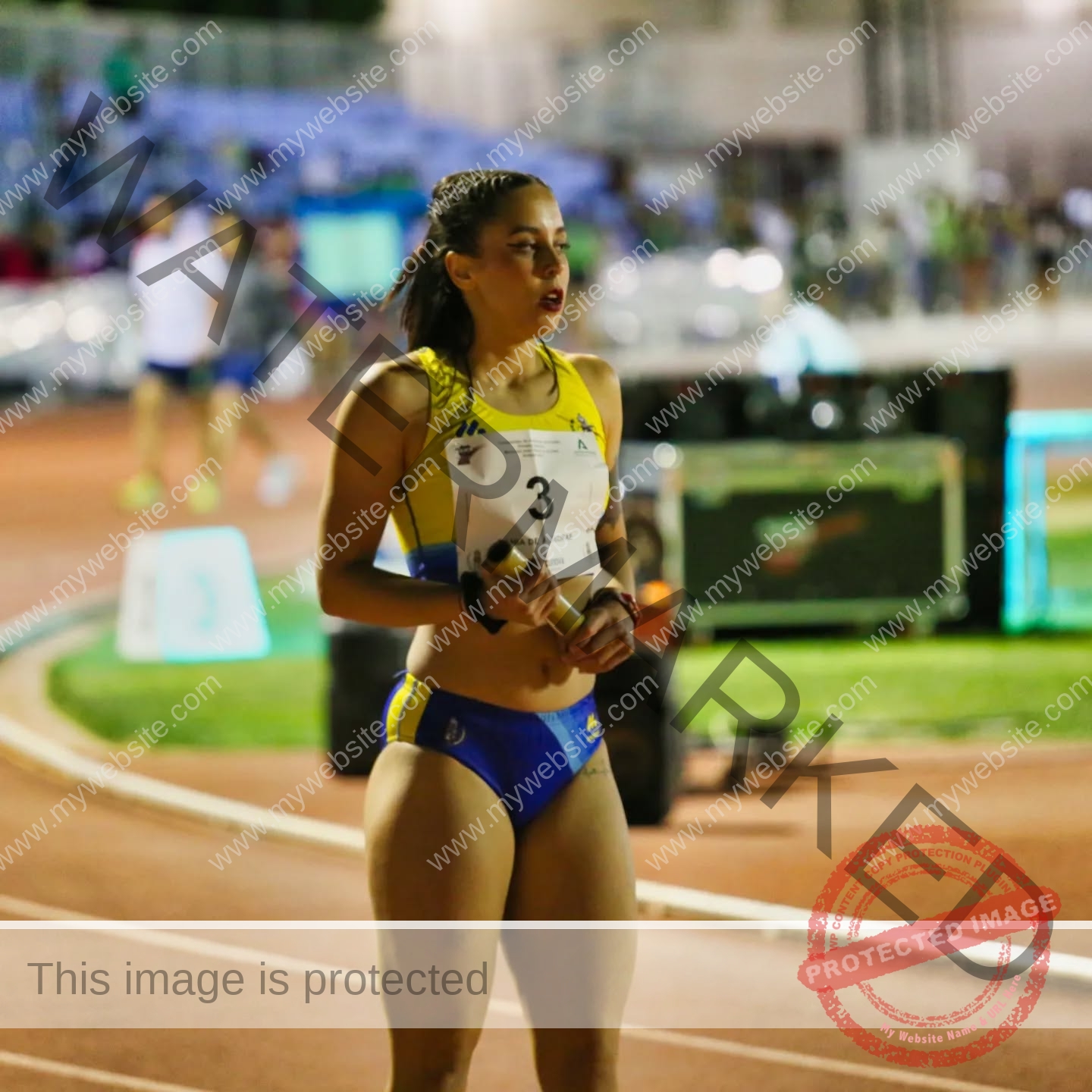
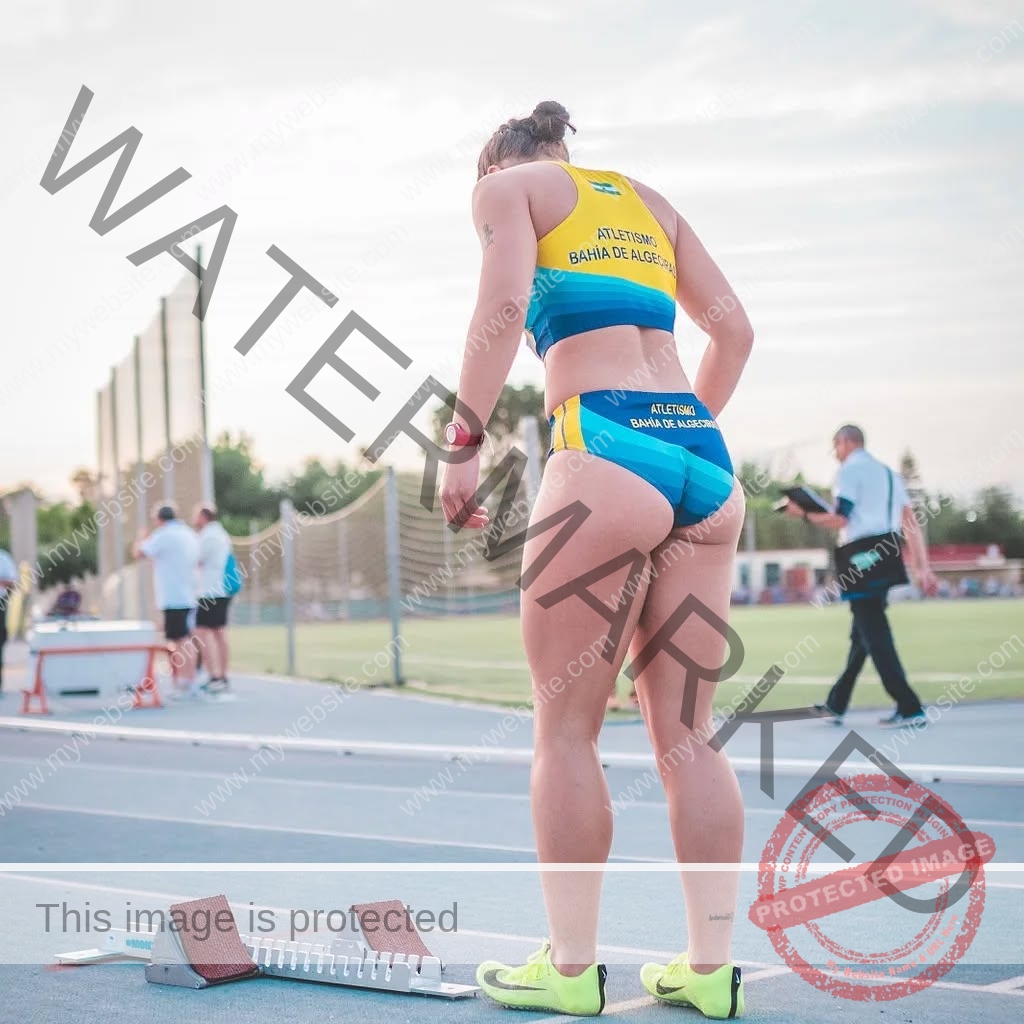

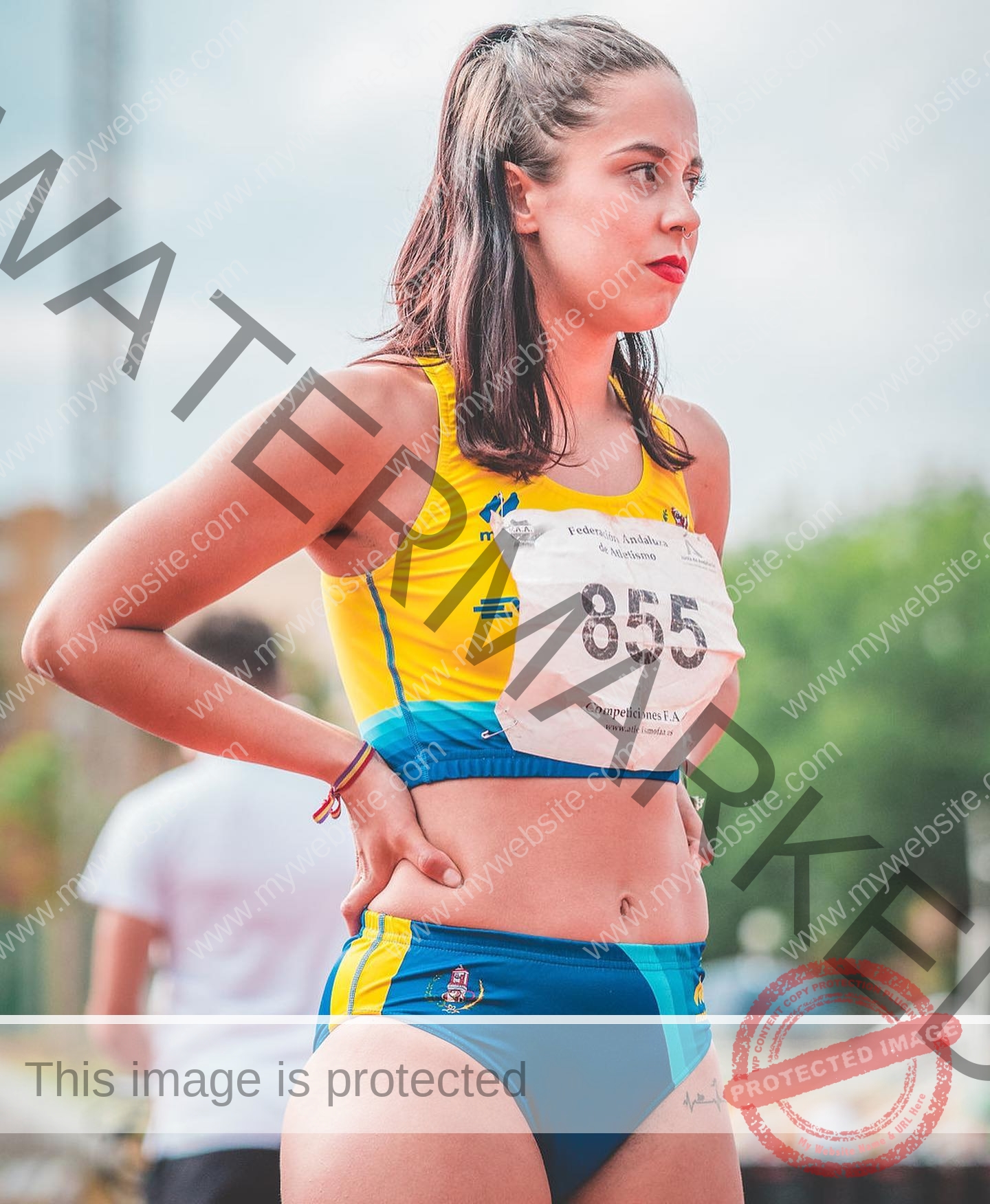
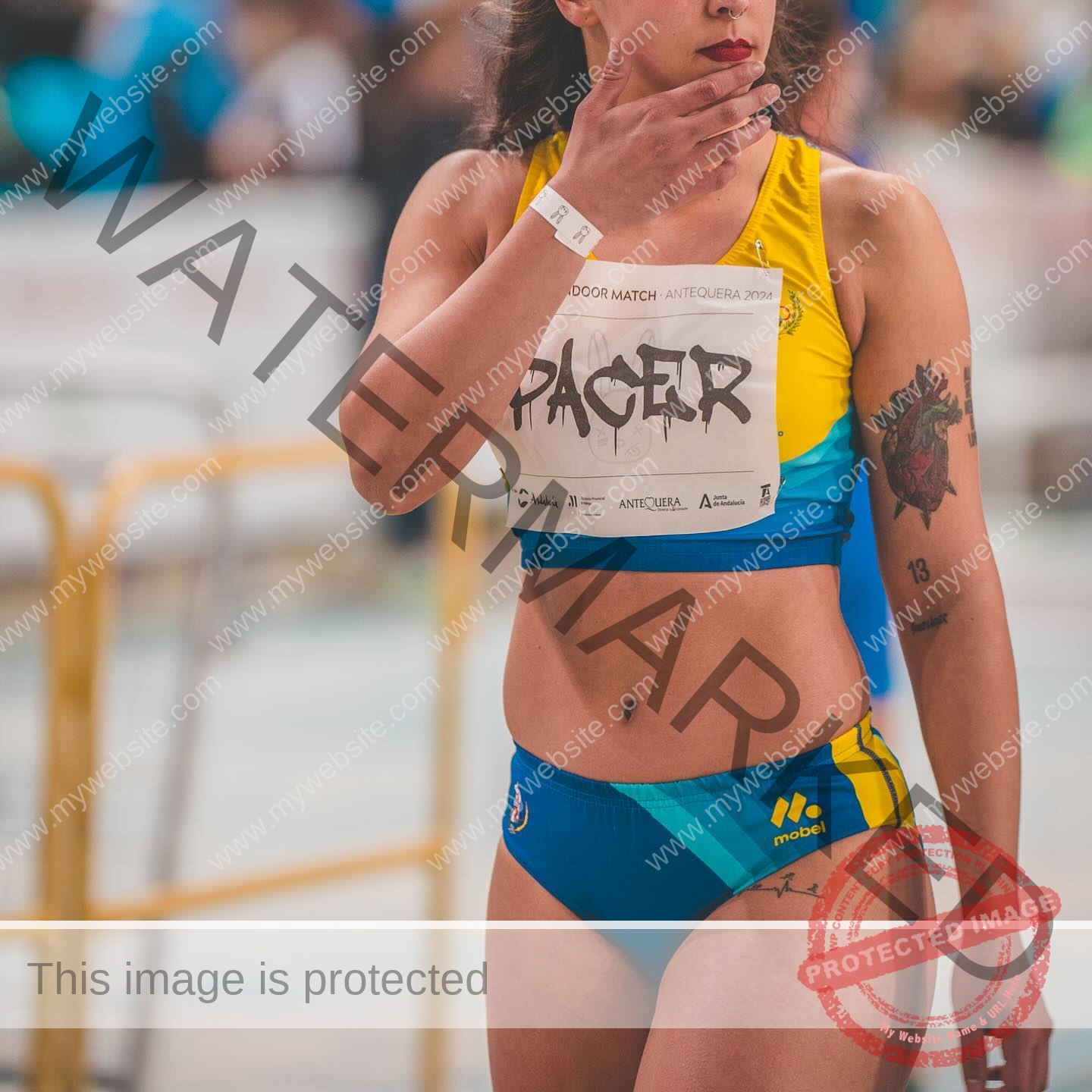

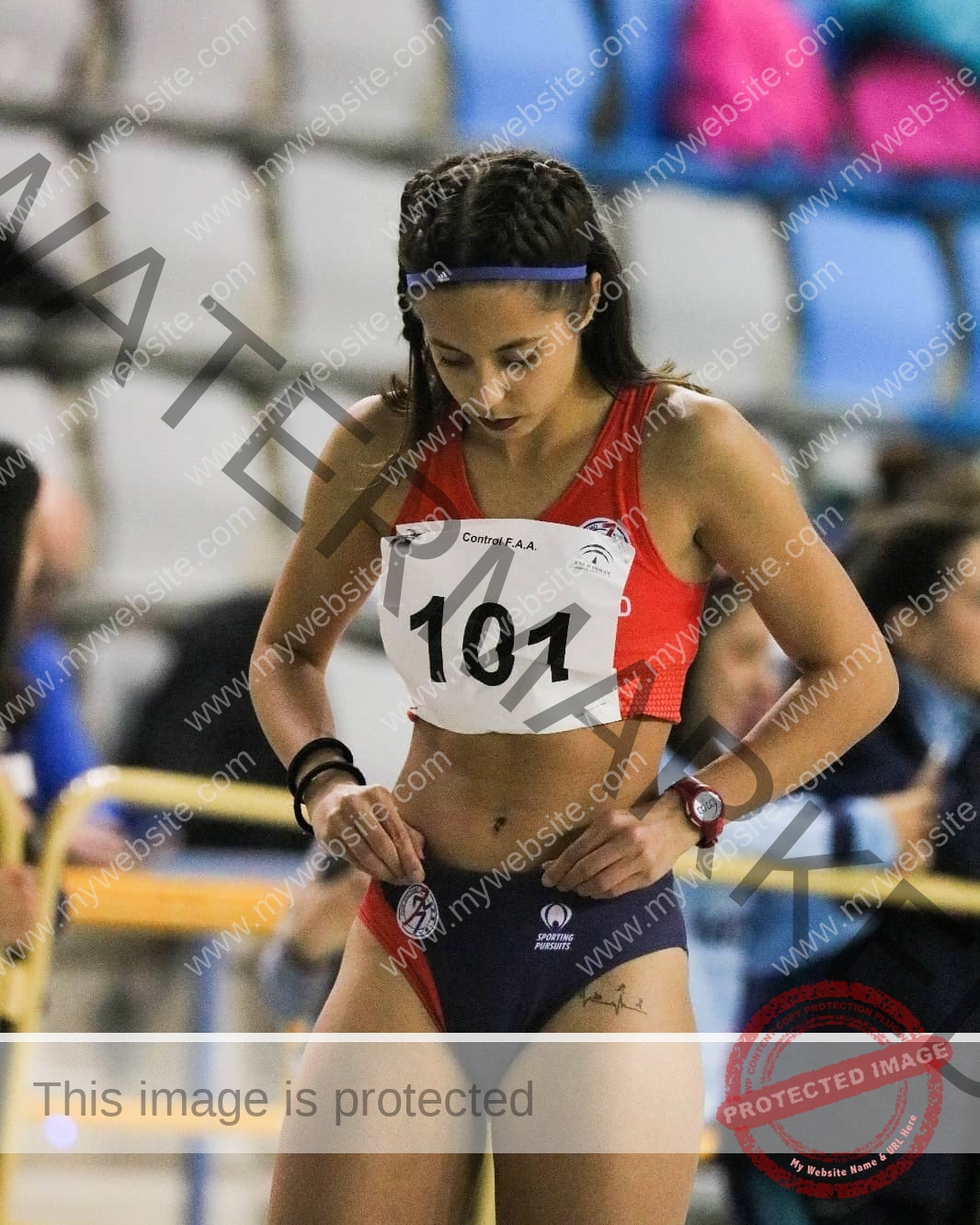
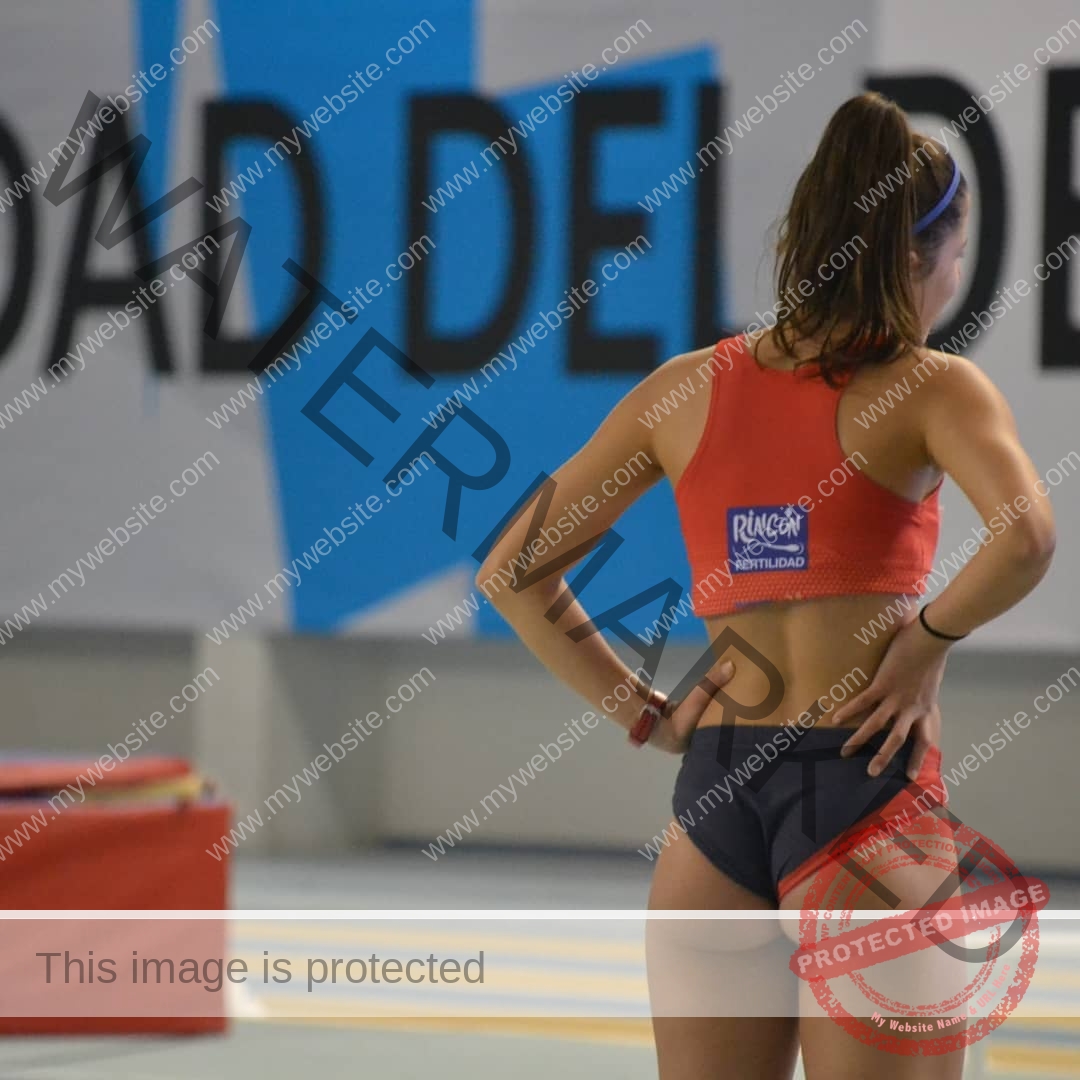
Érika López Carrasco: The Andalusian Sprinter Who Lives for the Short Sprint
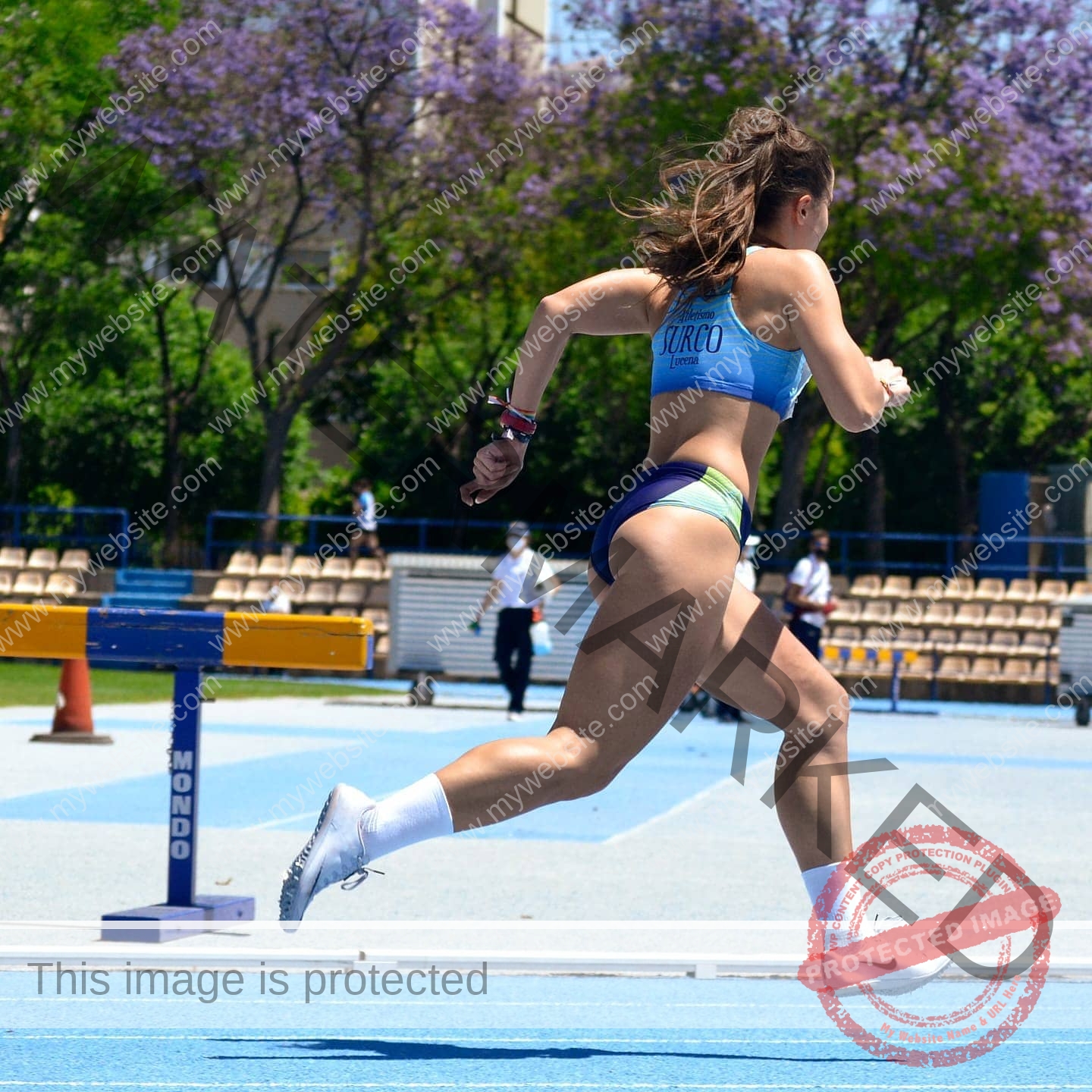
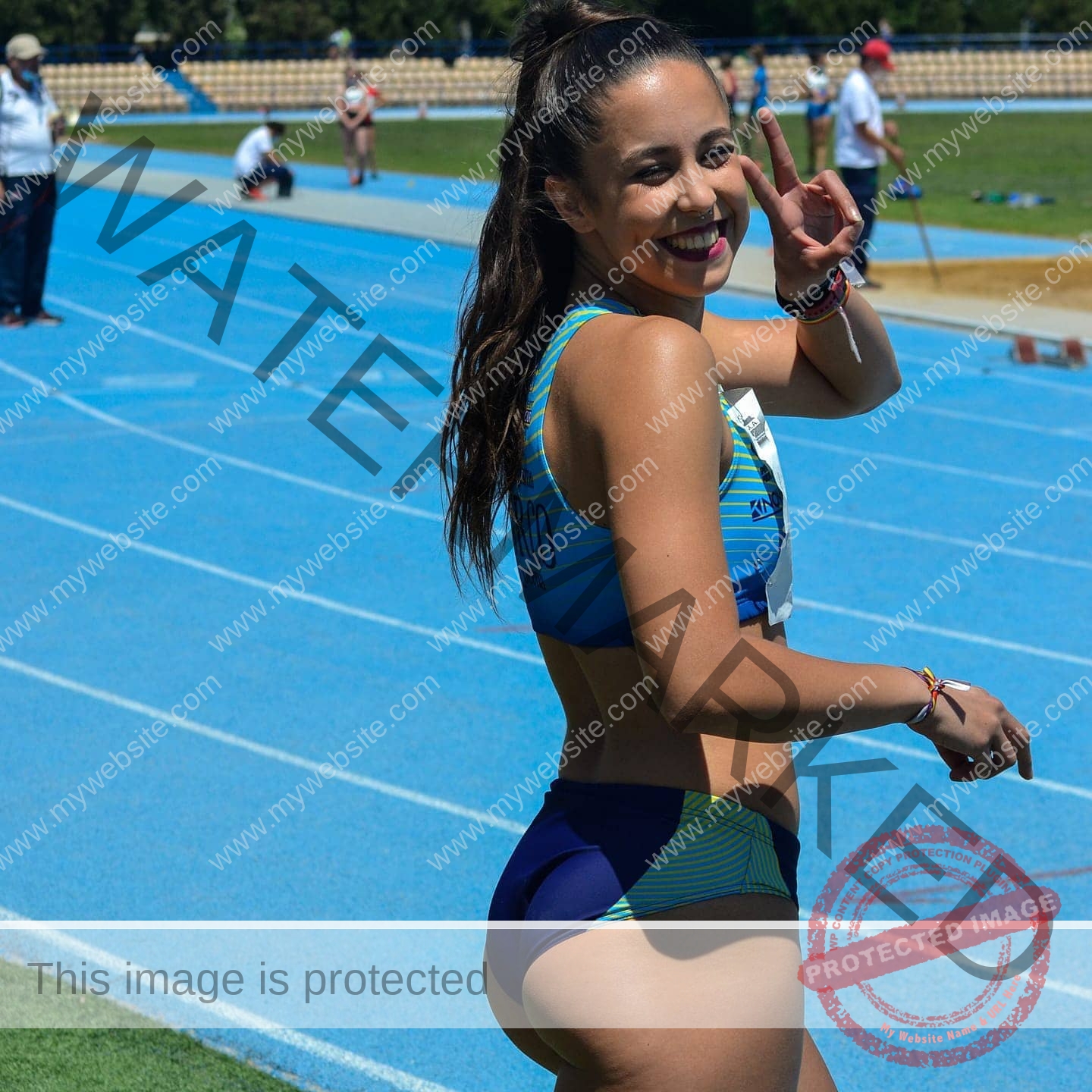
Speed is the most unforgiving talent in athletics. You either have it or you do not, and there is no training regimen on earth that manufactures the explosive, fast-twitch gift that separates a genuine sprinter from everyone else. Érika López Carrasco has it. The Andalusian-born sprinter, who turned twenty in the summer of 2021, has spent her competitive life in the events that demand everything within the first few seconds — the 60 and 100 metres — and her results at key moments in her development have marked her as exactly the kind of sprinter the Spanish athletics system is built to cultivate.
Background
Born on June 15, 2001, Érika López Carrasco grew up within the rich athletic culture of Andalusia, the sprawling southern region of Spain that has consistently produced track and field talent across generations. The double surname — López from one branch of the family, Carrasco from the other, in the Spanish tradition — connects her to a lineage and a place, even as the trajectory of her athletic career has taken her across the country to compete at the highest levels of Spanish junior athletics.
Andalusia is fertile ground for sprinters. The region’s warm climate, its long tradition of community athletics, and the infrastructure built around the Centro de Tecnificación de Atletismo in Antequera — one of the most important indoor athletic facilities in Spain — have helped develop generation after generation of fast young athletes. It is a region where speed is recognized early and developed with intention, and where a girl who can run quickly will not go unnoticed for long.
López Carrasco’s entry into competitive athletics followed the path common to most promising young Spanish runners: local and provincial competition giving way to regional championships under the banner of the Federación Andaluza de Atletismo, with the RFEA’s broader national developmental framework providing the structure and the stakes that sharpen a young sprinter’s edge. By the time she was competing as a sub-18 athlete, she was already working within one of the most demanding youth athletics systems in Europe.
Finding Her Event
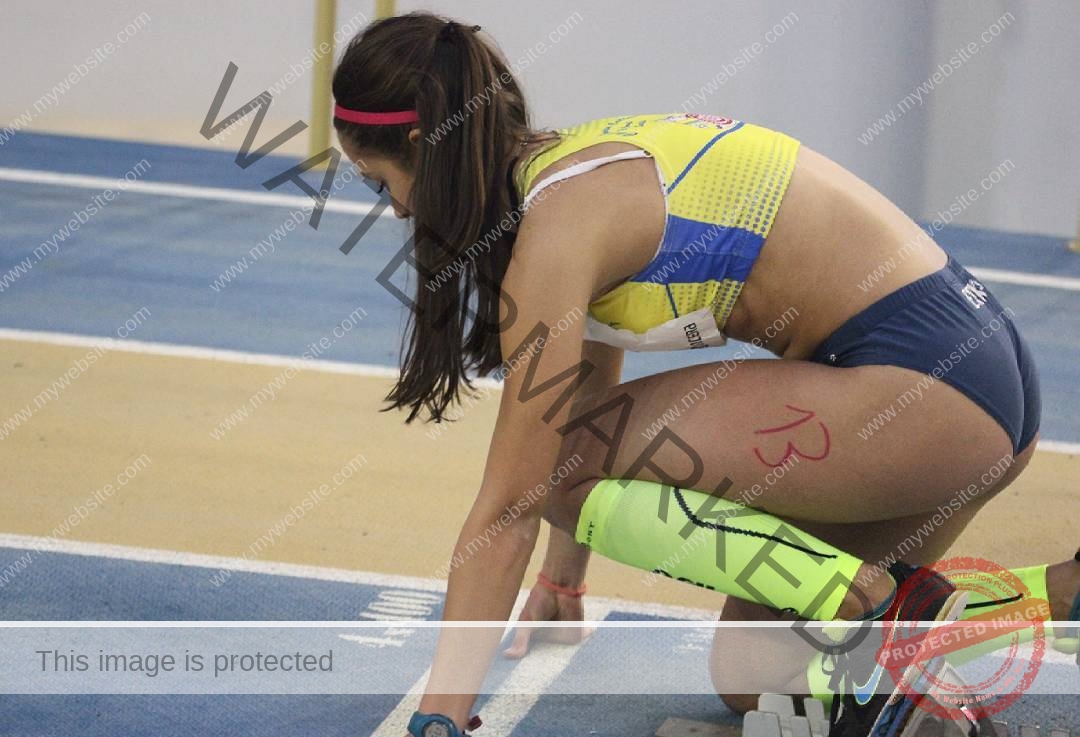
Some athletes spend years searching for the distance or discipline that suits them best. For Érika López Carrasco, the answer was always the short sprint. The 60 metres — indoors, on a tight track, with everything decided in roughly eight seconds — is an event that rewards precisely the qualities she possesses: explosive acceleration out of the blocks, a fast drive phase, and the technical efficiency to reach top speed and hold it for the brief duration the event demands.
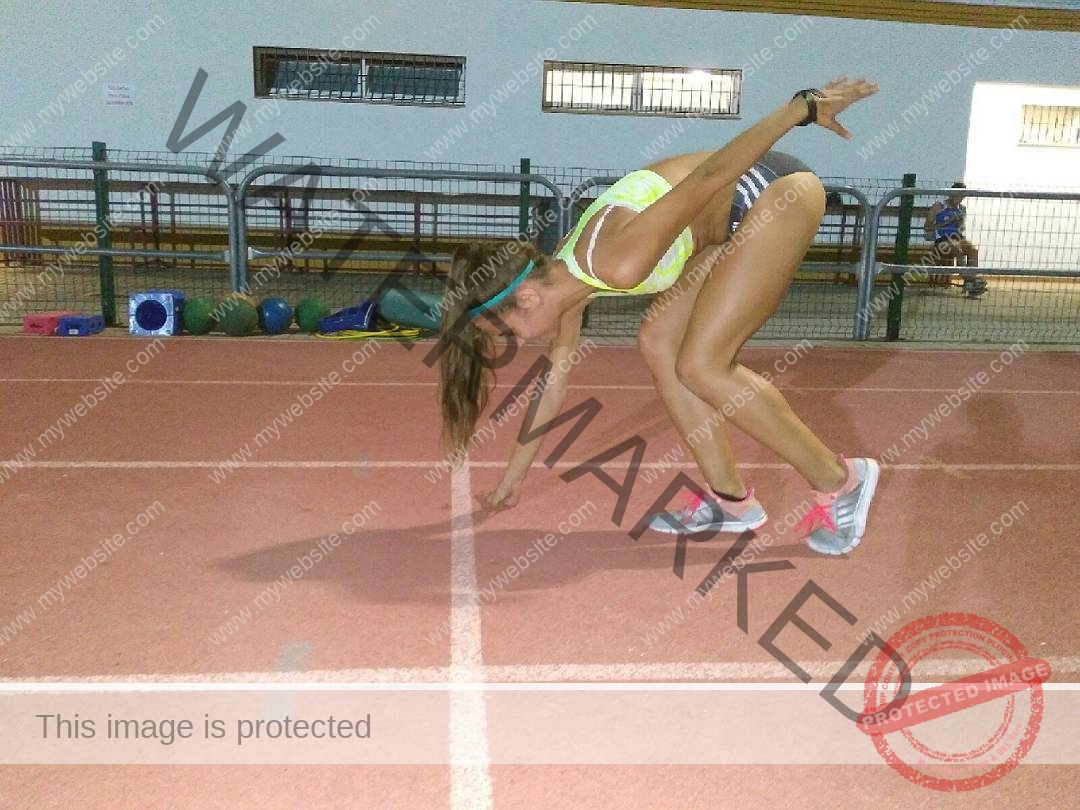
There is no hiding in the 60 metres. There is no settling into a rhythm, no late-race strategy, no opportunity to make up ground through a longer sustained effort. A sprinter either has the burst or she does not, and those who succeed at the event at the competitive level have earned their place in it through genuine ability and the kind of disciplined technical work that most spectators never see — countless block starts, countless drive-phase repetitions, and the slow refinement of the mechanics that separate a fast runner from a complete short sprinter.
López Carrasco is a complete short sprinter.
The Antequera Benchmark
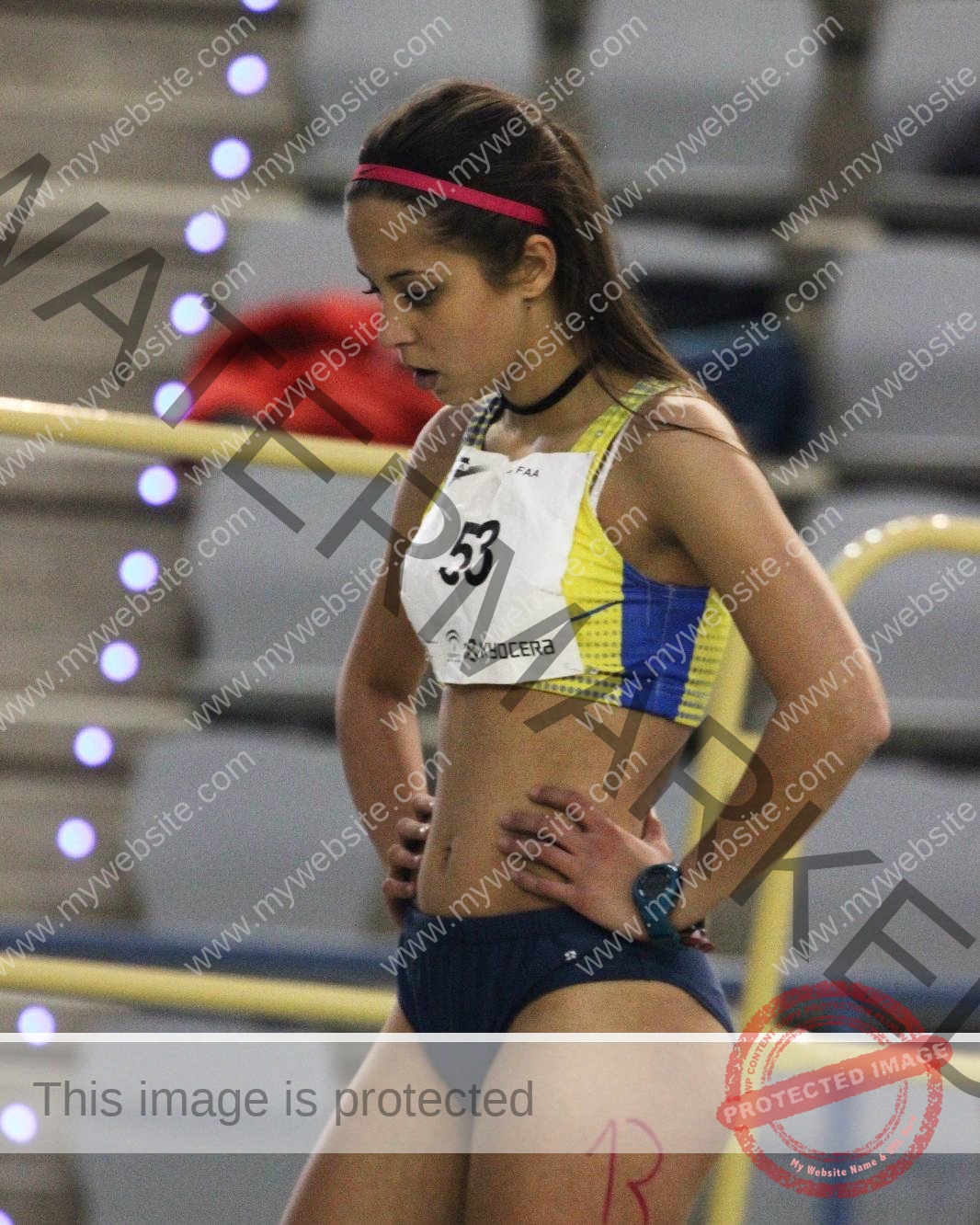
On February 23, 2019, Érika López Carrasco ran 8.13 seconds in the 60 metres at the Centro de Tecnificación de Atletismo in Antequera. She was 17 years old.
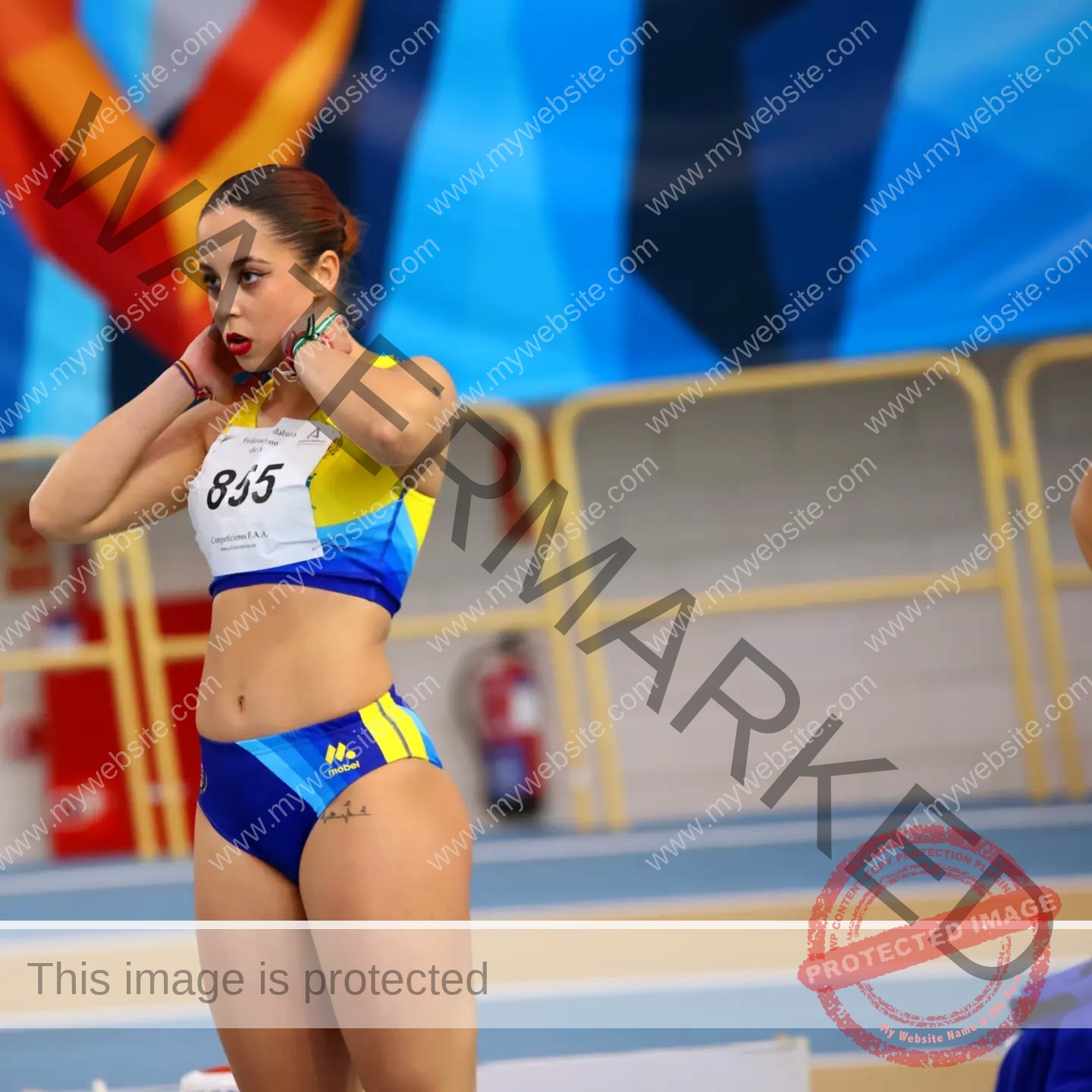
That venue and that performance deserve to be understood in context. The Centro de Tecnificación de Antequera is not a local gym or a regional backwater — it is one of the premier indoor athletics facilities in Spain, a venue that has hosted national championships, served as the primary winter training ground for Spanish elite athletes, and produced some of the most significant indoor performances in Spanish athletics history. When Laura Bueno set a Spanish national record in Antequera, when Spanish federations host their sub-18 and sub-20 indoor championships there, when the Andalusian federation runs its major winter controls through that facility — they do so because Antequera is where Spanish athletics comes to be taken seriously.
Running 8.13 at that venue, at 17, in a sub-18 competitive environment that draws the best young sprinters from across Andalusia and beyond, is a result that speaks for itself. It is the mark of a sprinter who belongs, who has done the work, and who can translate that work into performance when the environment is demanding and the timing equipment is running.
The 100 Metres and Continued Development
Moving into the sub-20 age category, López Carrasco extended her range to the outdoor 100 metres — the classic sprint distance and the event that, more than any other, defines what it means to be a sprinter in the public imagination. On June 3, 2021, she recorded a 100-metre performance of 13.14 seconds, continuing her development in the open-air sprint as a 19-year-old.
The years spanning her sub-18 and sub-20 campaigns included the 2020 season, which was dramatically disrupted across Spanish and European athletics by the COVID-19 pandemic. Competitions were cancelled, championships were postponed or restructured, and athletes at every level lost the competitive reps that are essential to development. That López Carrasco came through that period still competing and still posting marks is a testament to the commitment that characterizes athletes who stay in the sport through adversity rather than stepping away when the calendar goes quiet.
The World Athletics Profile
Érika López Carrasco holds a registered World Athletics athlete profile under code 14882625, through which her sanctioned competition results are formally documented. That profile — carrying her name, her nationality, and her performances — places her within the official global record of competitive track and field, a recognition reserved for athletes who have competed at sufficiently high levels to earn registration with the sport’s international governing body.
Spanish Sprint Culture: The World She Competes In
Women’s sprinting in Spain has a proud and increasingly distinguished history. The country has developed athletes capable of competing at the European and world level, with a domestic system that takes the development of young sprinters seriously and provides genuine pathways for talent to rise.
The Andalusian contribution to that system has been consistent and significant. Clubs across the region run serious youth programs, the regional federation provides a structured competitive calendar, and the infrastructure of Antequera gives young athletes a world-class indoor environment in which to test themselves through the winter months. For a young sprinter growing up in that system, the path is clear: work, compete, improve, rise.
López Carrasco has been a part of that story — a sprinter who found her event, registered her marks at meaningful venues, and moved through the Spanish athletic system with the quiet seriousness that the sprint events demand. The 60 metres does not reward noise or theatrics. It rewards preparation, explosive capability, and the courage to step to the line and let the clock do the talking.
She has let the clock talk. It has had good things to say.
Social Media
Érika López Carrasco is active on Instagram at @erikalopez00, where she maintains a personal presence that reflects her life as a young competitive athlete. She is also on X (formerly Twitter) at @ErikaLpezCarra1.
Érika López Carrasco was born June 15, 2001, in Spain. She competes in the 60 and 100 metres. Her World Athletics profile code is 14882625.
