
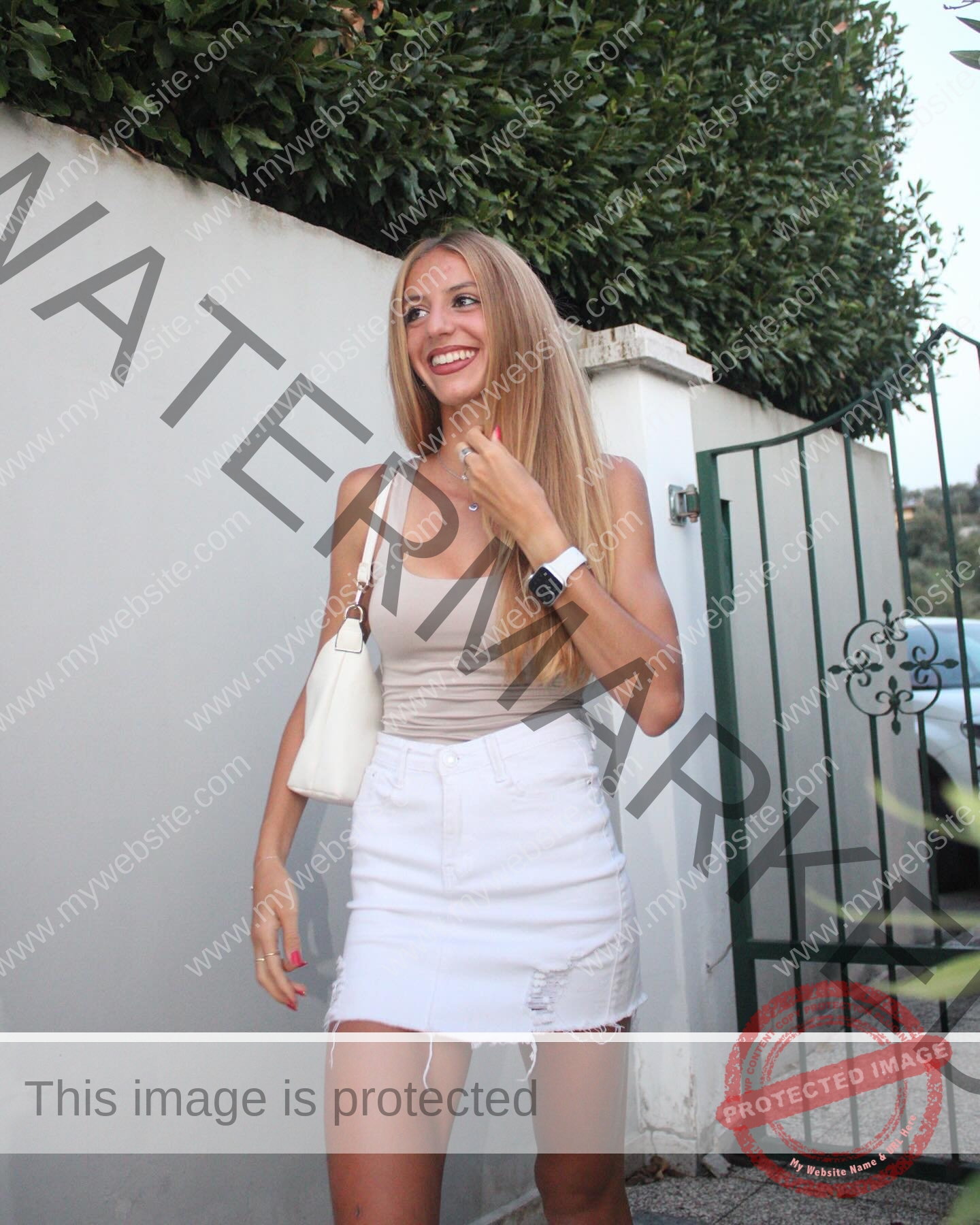
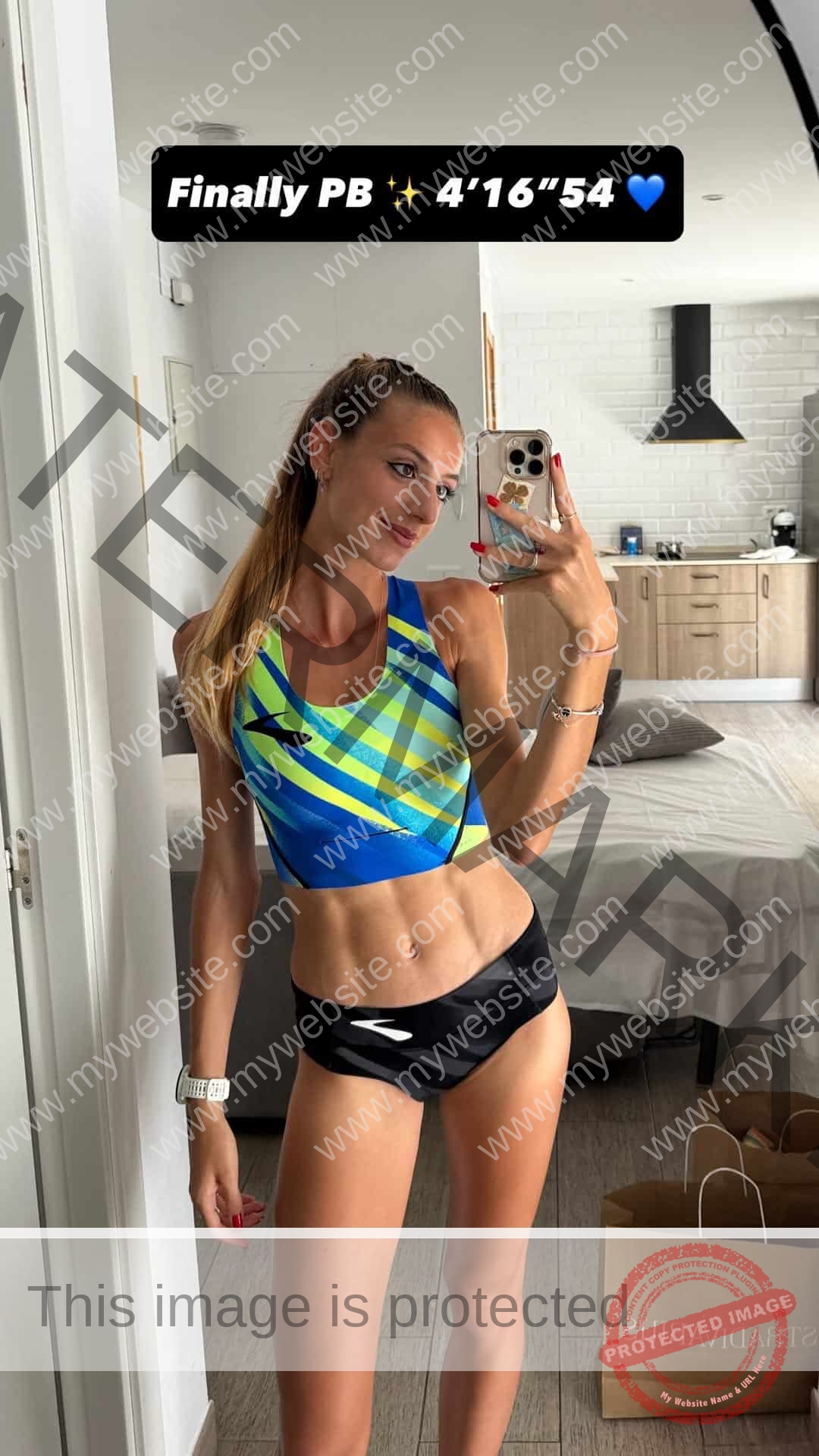
Fire in the Heartland: The Remarkable Story of Umbrian Distance Runner Melissa Fracassini
Perugia is not the first place that comes to mind when Italian running fans think of elite distance talent. The hill-draped Umbrian capital, ringed by medieval walls and best known to the world for its chocolate festival and its university, has never had the track infrastructure of Milan or Rome, the running culture of Trentino, or the coastal flatlands that produce so many endurance champions further south. What it does have — and what it has demonstrated in recent years with unusual force — is a generation of quietly exceptional young runners, and perhaps none more quietly exceptional than Melissa Fracassini.
Fracassini’s story is one of the most compelling in Italian junior and under-23 athletics in recent memory: a prodigious talent who announced herself at 15 as a national champion, then spent nearly three years fighting a mysterious and debilitating injury that kept her off the track, before returning to claim national titles in three different disciplines. It is a story about resilience, about a family devoted to sport, and about what it takes to find your way back when running — the thing you love most — is taken away from you.
A Sporting Family in Corciano
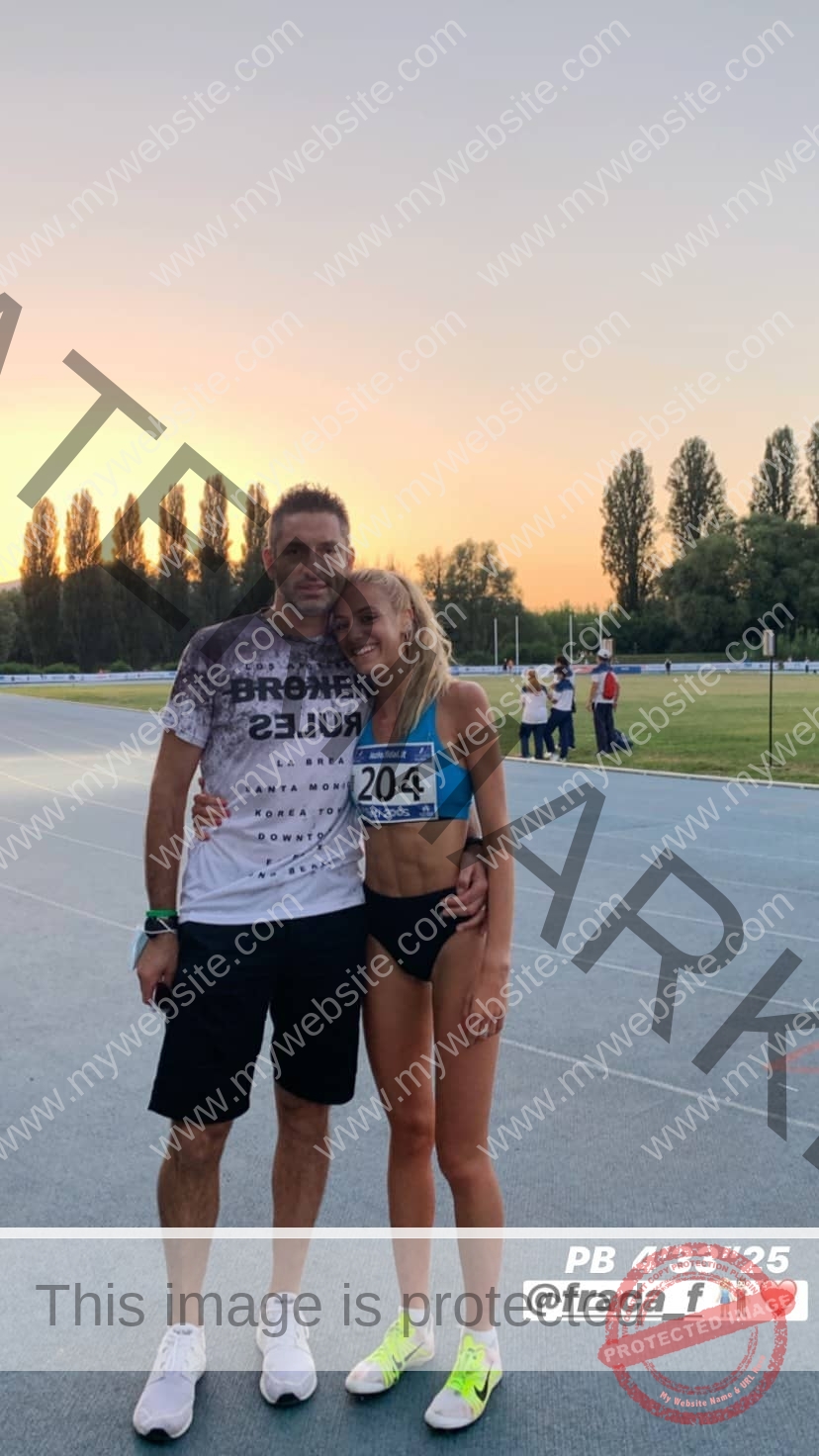
Melissa Fracassini was born on October 20, 2003, in Perugia, and grew up in the nearby municipality of Corciano, a hillside comune on the western fringe of the provincial capital. She is, by any measure, a child of sport. Her father, Francesco Fracassini, was himself a competitive middle-distance runner who represented Italy in international competition — wearing the maglia azzurra in the same discipline and same specialty that his daughter would later pursue. Her mother, Michela Pannacci, was also a runner, one of the better performers at the local level in her time. Her older brother Matteo went down a different path — football — and by 2018 had already signed a professional contract and was playing for Jesina Calcio.
In that kind of household, sport was not something you were encouraged to try: it was simply the air everyone breathed. Melissa’s first brush with organised athletic activity was not on the track, however, but in the gym — she tried rhythmic gymnastics as a young girl. The discipline did not stick. After long days of primary school, she found the idea of spending more hours in an enclosed indoor space difficult to embrace. What she wanted was to run, and the outdoors, and the open air of Umbria.
Her first steps in competitive running were taken with the local Atletica Strozzacapponi club, where she started, as she later recalled, simply as a game. But it was not long before Francesco took over as her primary coach, a role he has filled ever since. The arrangement has not been without its friction — she has described the two of them occasionally arguing about training, almost always over sport, almost always resolved quickly — but the closeness of their coaching relationship has been, by her own assessment, one of the most important foundations of her career.
The Prodigy: Cadette and Allieve Years
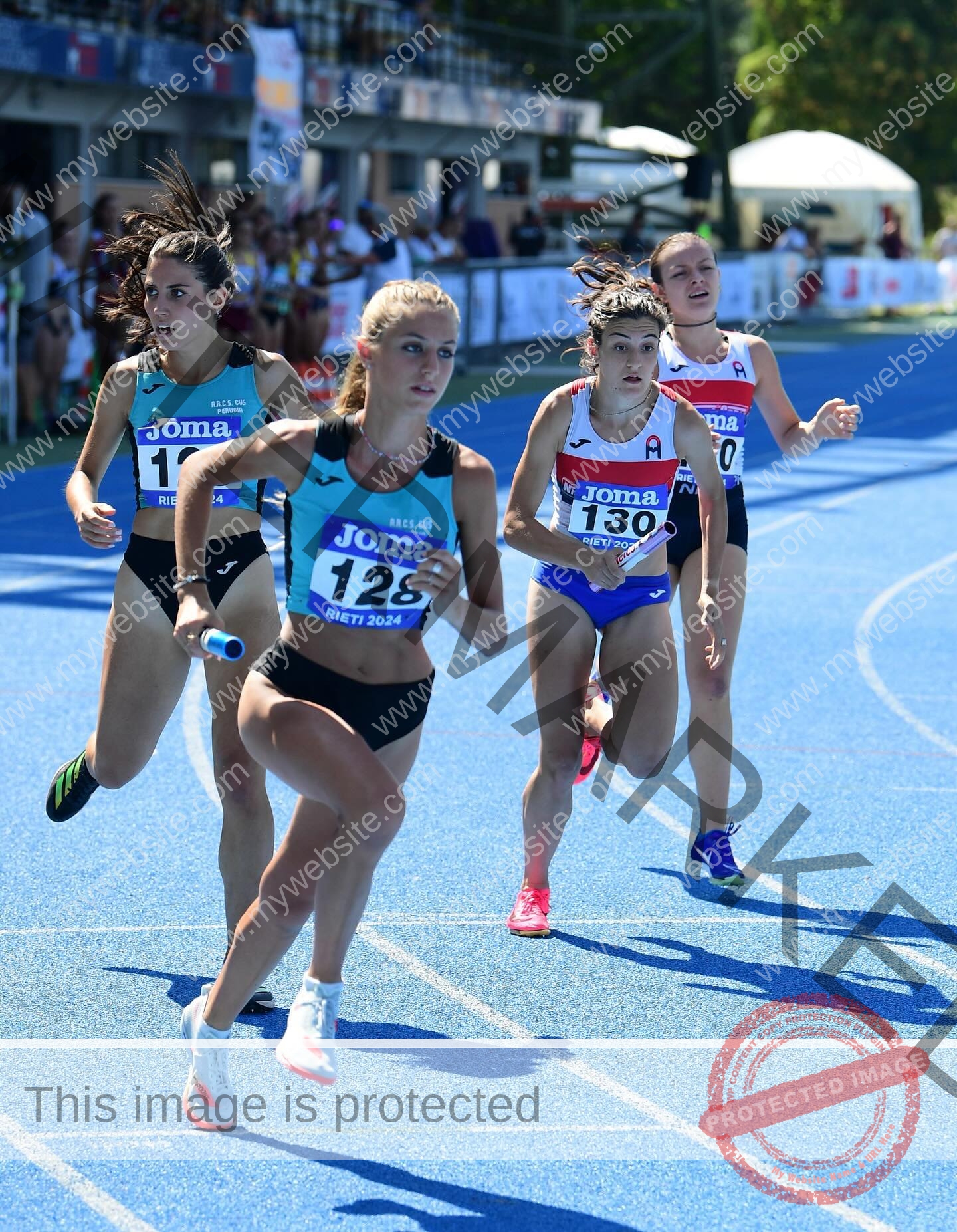
Melissa’s early competitive career unfolded under the banner of the Atletica Arcs Cus Perugia, the university-affiliated club in Perugia that has become one of the most productive nurseries of young distance talent in central Italy. It is a club that punches well above its weight, operating in a region with limited athletics infrastructure but producing national-calibre athletes with remarkable consistency.
The first major signal came in October 2018, when Melissa, still just 15 years old and competing in the cadette (under-16) category, won the Italian national title in the 1,000 metres at Rieti. The victory was not a surprise to those who had seen her train; it was a statement. The municipality of Corciano responded in kind, receiving her at the town hall, where she was presented with a formal certificate of recognition — “for the beginning of a brilliant sporting career, the fruit of great commitment and passion for her discipline.” The local sports assessor called her career “a beautiful reality for the athletics movement” and praised the way sport and study were balanced rather than traded against each other — a point he made because at the time Melissa was a diligent student in her second year at the Liceo delle Scienze Applicate Giordano Bruno in Perugia, and doing well there by her own account.
Even then, her family priorities were clear. “My parents prefer that I do well at school,” she said at the time. “Sport is only a consequence.” It was a telling comment from a 15-year-old who had just become a national champion.
She also noted, even at that age, the thrill of racing over her heart distance. The 1,500 metres, she has said, remains her favourite event in part because as a cadetta she was taken to the prestigious Brixia Meeting and won as an out-of-category entry — a memory that lodged itself firmly in her sense of identity as a runner.
The following season, 2019, brought another national title — this time among the allieve (under-18) category, where she won the Italian indoor 1,500 metres championship. Two age-group national titles in two consecutive seasons: few Italian middle-distance prospects had announced themselves more emphatically.
Three Years of Darkness: The Bone Oedema Crisis
What happened next was the defining test of Melissa Fracassini’s life as an athlete, and arguably the defining test of her character.
In April 2019, shortly after her indoor allieve title, she attended her first national team training camp. It was a milestone moment. But when she returned home, something felt wrong. There was pain in her right tibia. The diagnosis: a bone oedema — a stress-related accumulation of fluid within the bone structure that is debilitating and slow to resolve, particularly in young athletes whose skeletons are still developing. She was told to rest.
She rested. And then she tried to come back. And the oedema did not clear. And then another one formed — on the left tibia. And then another in the right tibia again. And then, as if the body were determined to make her ordeal as comprehensive as possible, one more developed in the pelvis.
Across the span of almost three years — through her second allieve season, her first juniors year, and her second juniors year — Melissa Fracassini could barely run. She consulted dozens of specialists. Most of them pointed to overtraining as the culprit. It was a maddening diagnosis, because she was doing almost nothing: she was running fewer than 30 kilometres a week during a period when she should have been building to 60, 70, 80. The cause was not volume. But nobody knew what the cause was.
“I met dozens of specialists,” she later recalled in a lengthy interview with the athletics publication Atletica Magazine, “but most of them maintained that the cause was overtraining. In reality, I was training very little, I wasn’t running more than 30 km per week at the time. Until a doctor discovered the correlation between menstruation and the formation of bone oedemas and told me that to resolve the problem I would have had to wait for my cycle to return, which had been absent for a period. I had problems in development and was never regular. As soon as everything stabilised, the oedemas never appeared again.”
It was a medical mystery with a hormonal solution — one that affects more female athletes than the sport often acknowledges. For Melissa, finding that answer took years of frustrating appointments and misdiagnoses. During that time, she leaned heavily on her parents. “If it hadn’t been for my parents, I wouldn’t have made it,” she said. “Not being able to run made me sad, but they stayed very close to me and continued to make sacrifices to keep me from staying completely still.” Those sacrifices included, on at least one occasion, accompanying her to a swimming pool at ten o’clock at night — the only hour when a lane was available — so that she could maintain some fitness without putting stress on her injured bones.
The indoor season of 2022 offered the first real glimmer of light. With the bone oedemas finally under control and her health more stable, Melissa returned to competition in the juniors category and won the Italian junior indoor title in the 3,000 metres. It was a narrow window in what was otherwise still a fragile period — but it was enough to show that the talent was still there, waiting.
The Return: 2024 and the Season of Rebirth
The full comeback came in 2024, and it arrived with a force that surprised even those who had followed her career closely. Having transitioned into the under-23 (promesse) category, and in the final year of her triennale degree in Scienze Motorie (Sports Science) at the University of Perugia, Melissa found what had eluded her for so long: continuity. She could train. She could race. She could recover. And when an athlete of her talent is finally able to string sessions together without interruption, the times tend to come quickly.
At the Italian Indoor Championships in Ancona in February 2024, she won the national under-23 title in the 3,000 metres, her second career Italian indoor title and her first in the promesse category. She described the season as “the first in which I was able to have continuity and therefore put up excellent times.” At the outdoor Italian Championships that summer, she finished second in the 1,500 metres promesse behind Livia Caldarini, running 4:18.07 — not a personal best, but a solid performance in her first healthy outdoor campaign. She was also part of the Arcs Cus Perugia relay squad that won the Italian cross-country team title, and she took the silver medal individually in the short cross event.
In the autumn, the range of her abilities was put on display. She headed to the Sestriere altitude camp for a training block that allowed her to increase her weekly volume meaningfully, and she returned in strong form. At the Italian Cross Country Championships in Arezzo, she finished fourth overall — a result she considered excellent given her recent journey. More significantly, that performance helped earn her a return to the national team.
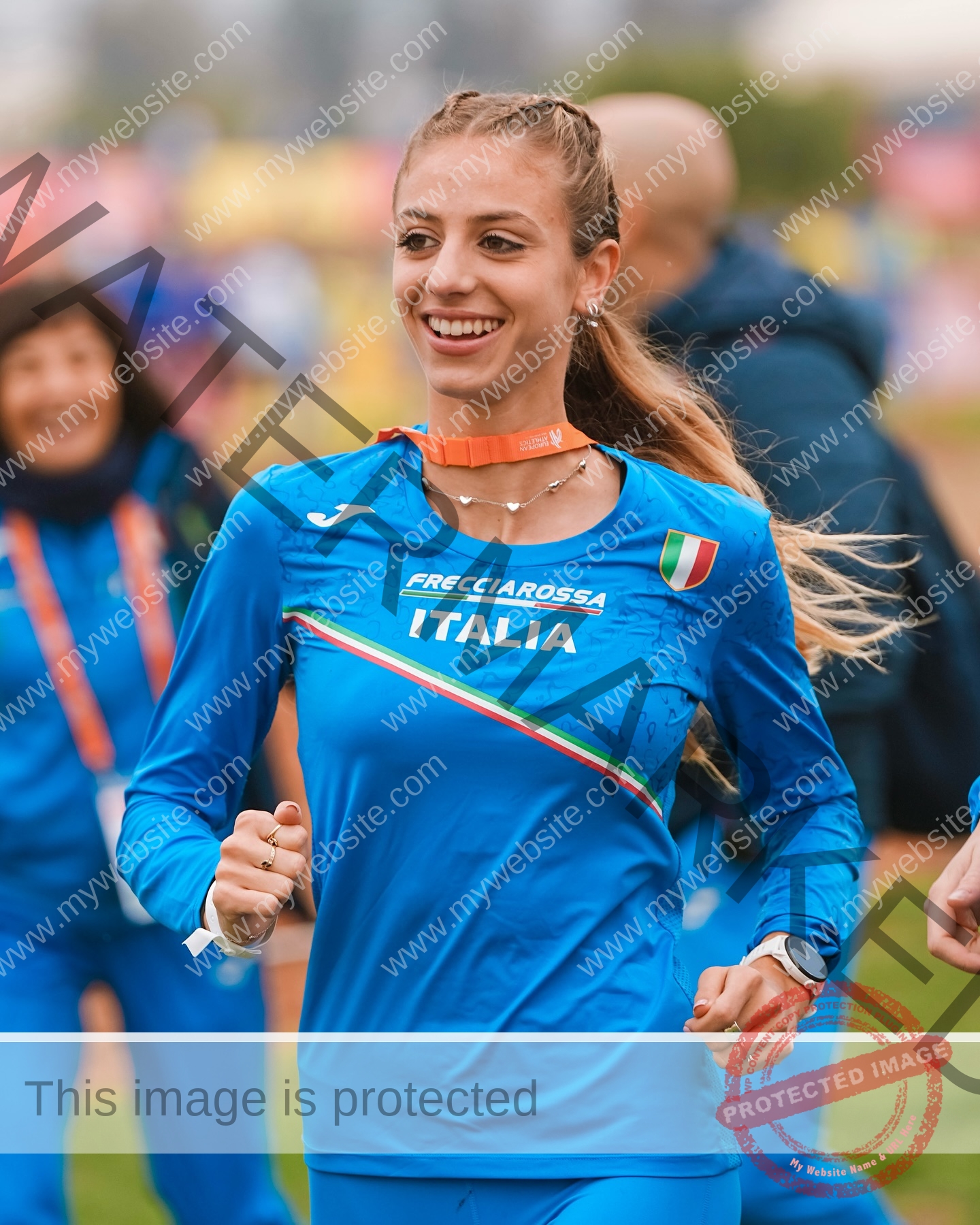
Her international return came first at the International Road Race Running Match Under-23 in Trieste — a nine-nation competition over 10 kilometres that serves as one of the key fixtures of the Italian athletics calendar. Wearing the maglia azzurra for the first time since those early national team camps that had preceded her injury, she finished fourth for the Italian squad. And then came the ultimate prize of the autumn: a spot on the Italian team for the European Cross Country Championships in Antalya, Turkey, where she competed in the under-23 category. It completed what had been, by any measure, a triumphant return to the sport’s highest stages.
2025: The Year It All Came Together
If 2024 was the year of rebirth, 2025 was the year of consolidation — and for Melissa Fracassini, consolidation looked a lot like dominance.
The cross-country season opened at the Festa del Cross in Cassino, where she achieved a double that delighted the Umbrian athletics community: she anchored the Arcs Cus Perugia relay team — alongside Laura Ribigini, Elena Ribigini, and Caterina Caligiana — to the Italian cross-country relay title, and the following day she won the Italian under-23 title in the short cross event, finishing in 10:08, making her decisive move 200 metres from the line.
The track season brought her outdoor personal best in the 1,500 metres: 4:12.48, set on August 3 at the Giovanni Chiggiato Stadium in Caorle. It is a time that sits comfortably in the orbit of the qualifying standard for major European under-23 competitions and marked a meaningful step forward from her 2024 performances.
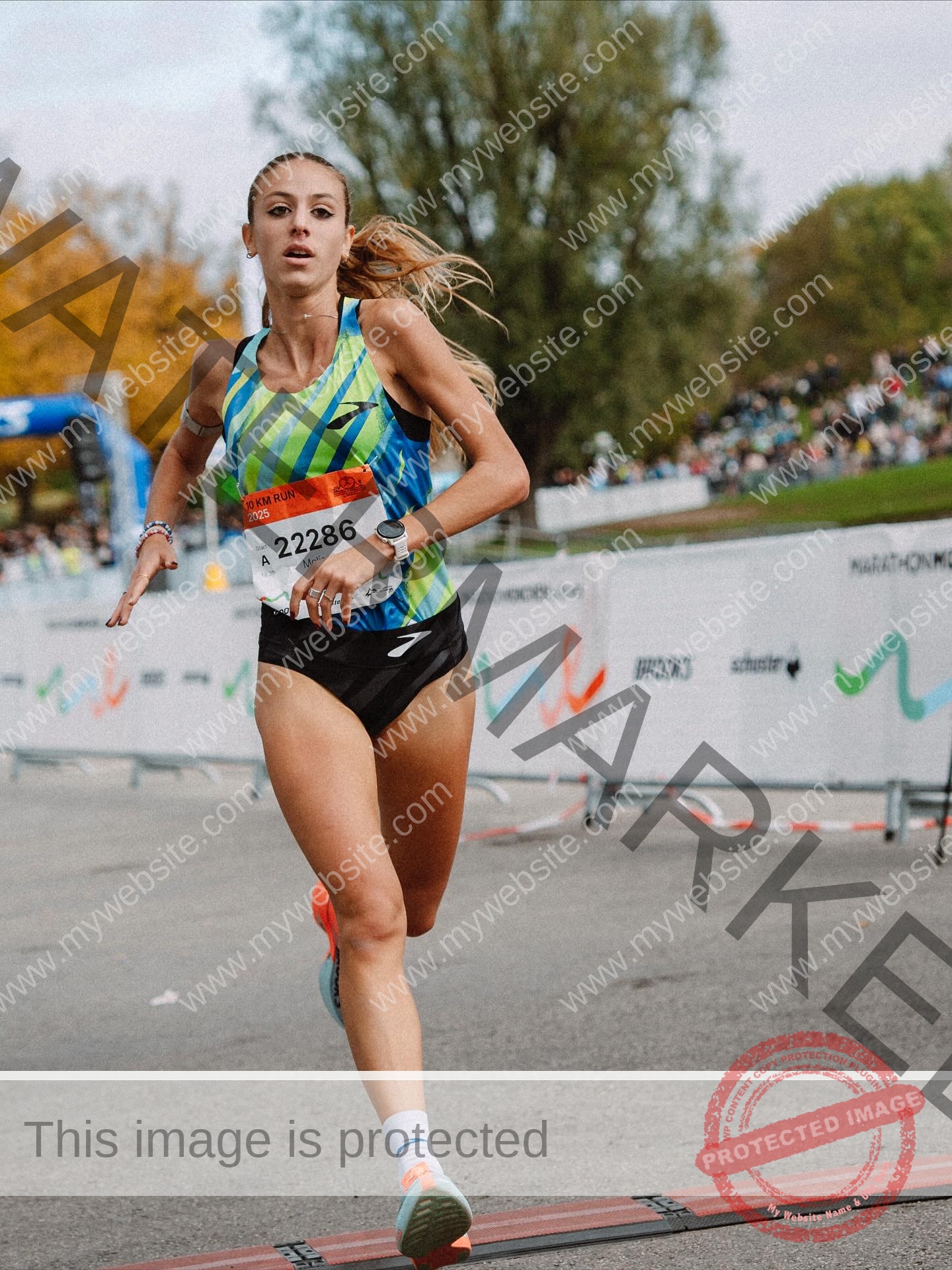
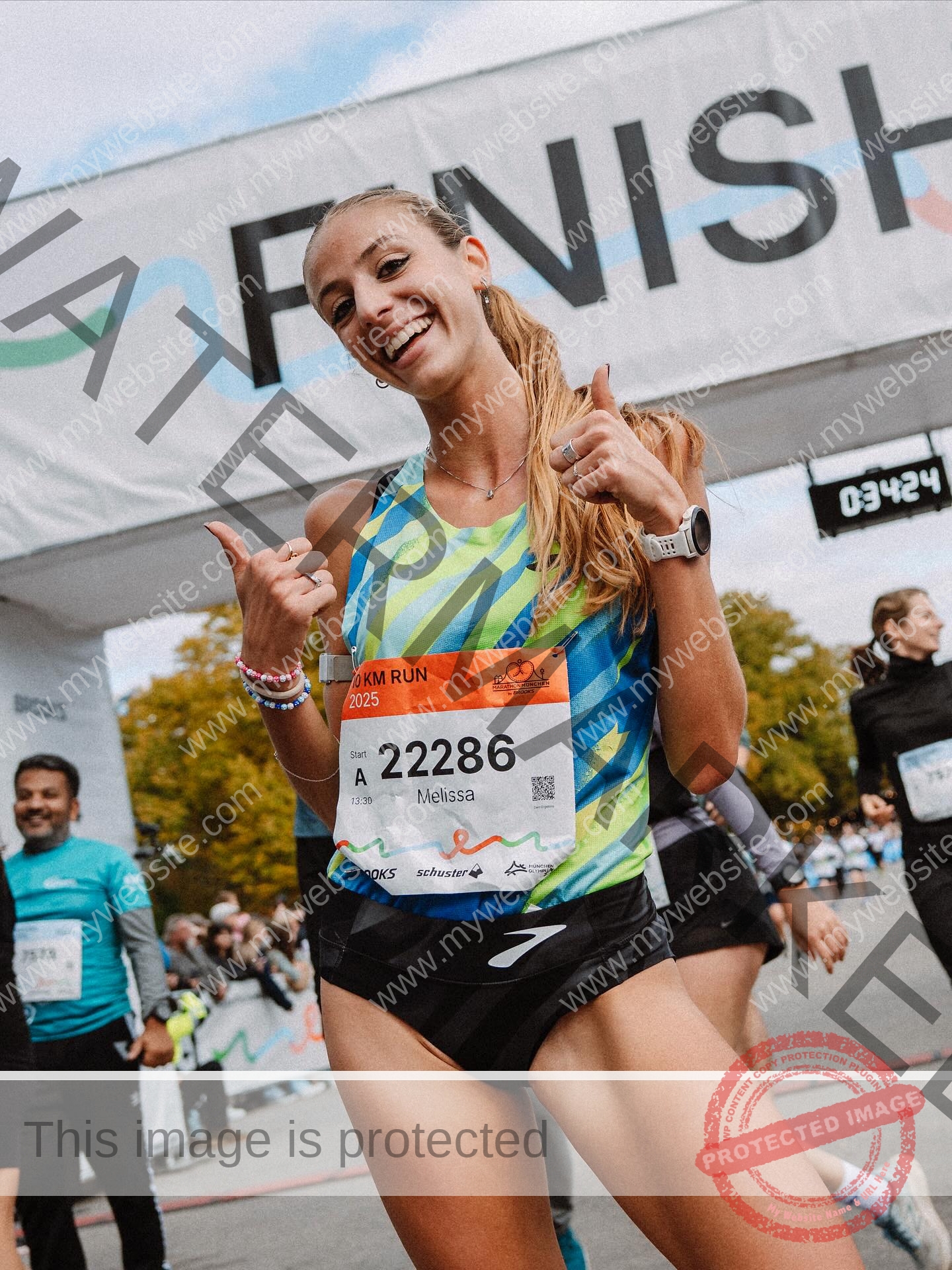
Then came the autumn, and three performances in three weeks that put the Italian athletics world on notice. At a 10-kilometre road race in Munich in mid-October, she finished fifth in the field and set a new regional record for Umbria at 33:40 — an excellent mark for a 21-year-old. A week later, in Trieste, wearing the blue of Italy at the International Road Race Running Match Under-23, she won outright, covering the 10 kilometres in 33:54, crossing ahead of Switzerland’s Fabienne Mueller and Great Britain’s Rebecca Flaherty. And three weeks after that, at the Italian Under-23 Road Running Championships in Prato, she won the national title over 10 kilometres in 34:34, completing a sequence of results that had produced a national title, an international victory, and a regional record in the space of a single month.
She also contested an autumn 3,000-metre track race in Busto Arsizio on September 21, where she ran 9:12.87 outdoors — a performance assigned a World Athletics score of 1063 and another personal best. The breadth of her ability across distances — from the 1,500 on the track to the 10 kilometres on the road — was increasingly evident.
The cross season rounded out the year with another appearance for Italy at the European Cross Country Championships, this time in Lagoa, Portugal in December 2025, where she was named to the national squad in the under-23 category. She was also a reserve for the mixed relay at those championships, a mark of the high regard in which the national technical staff now held her.
Into 2026: Records and Rising
The 2026 season has continued the upward curve. In January, competing at an indoor meeting in Luxembourg, Melissa ran 4:15.73 for the indoor 1,500 metres — a new Umbrian regional record on the track, improving the mark she had previously set herself. The regional records, it turned out, were becoming something of a habit.
At the end of January, she travelled to Valencia for the prestigious Gran Premio Internacional de Atletismo Ciudad de Valencia, one of the leading indoor meetings in Europe. There she ran the 3,000 metres in 9:03.65 — shaving more than 30 seconds off her previous indoor personal best of 9:35.44 and setting yet another Umbrian regional record, this time on the track indoors. She finished fifth in the overall race, won by Italy’s Micol Majori in 8:51.50, in a field that included some of the best indoor middle-distance runners in Europe. The sub-9-minute barrier for the 3,000 metres indoors was now clearly within sight. Her current outdoor personal best over 3,000 metres — 9:12.87 — is actually slower than her new indoor mark, a detail that speaks to just how much she improved in that single race in Valencia.
At the Italian Indoor Championships at Ancona’s PalaCasali in late February and early March 2026, she competed in the absolute (open-age) 3,000 metres, finishing eighth in 9:28.15 in a field of senior internationals. It was a competitive field experience that will serve her well as she continues the progression from promesse to senior competition.
In the cross-country season of early 2026, she continued her remarkable relay record, winning the Italian cross-country relay title for the third consecutive year with the Arcs Cus Perugia squad. Winning a relay national title for three straight years — in any sport — is a mark of sustained excellence, and doing it as the anchor of a club team from a small Umbrian city makes it all the more notable.
By the spring of 2026, she had also returned to local road racing in the Perugia area, defending her title at the Ponte Night Run, a 10-kilometre event on the roads of the provincial capital. Her World Athletics ranking in the 1,500 metres had climbed to approximately #211 globally among women — a significant figure for a 22-year-old promesse athlete who two years earlier had been largely absent from the sport.
The Athlete and the Coach
One of the distinctive features of Melissa Fracassini’s career is that she has been coached throughout her development by her father Francesco, and that the arrangement has worked — not without friction, as she freely admits, but with results that speak for themselves. Francesco Fracassini came to coaching his daughter after a competitive running career that included representing Italy in middle-distance events, and he has applied that first-hand knowledge to a training programme that has, when health has allowed, produced steady improvement.
The father-daughter dynamic is one that invites comparison with other notable Italian coaching partnerships, and while the pair acknowledge the occasional disagreements that come with working so closely with a family member, the core of the relationship is evidently one of mutual trust and shared purpose. Francesco’s decision to abandon the overtraining hypothesis during the bone oedema years — to keep looking for another answer rather than simply blaming volume — helped keep the medical investigation alive until the correct diagnosis was finally found.
Melissa is also a member of a remarkable cluster of young distance runners at the Atletica Arcs Cus Perugia, which has emerged as perhaps the most exciting small athletics club in Italy’s middle-distance landscape. The twin sisters Laura and Elena Ribigini are her teammates and regular relay partners; Caterina Caligiana is another emerging talent from the same environment. Melissa has spoken about this collective with evident pride, noting that Umbria’s young athletics scene is “living a magical moment” and that the credit belongs not just to the athletes but to the coaches who have been able to identify and develop their talent within a modest regional structure.
Social Media, Sponsorship, and Personal Notes
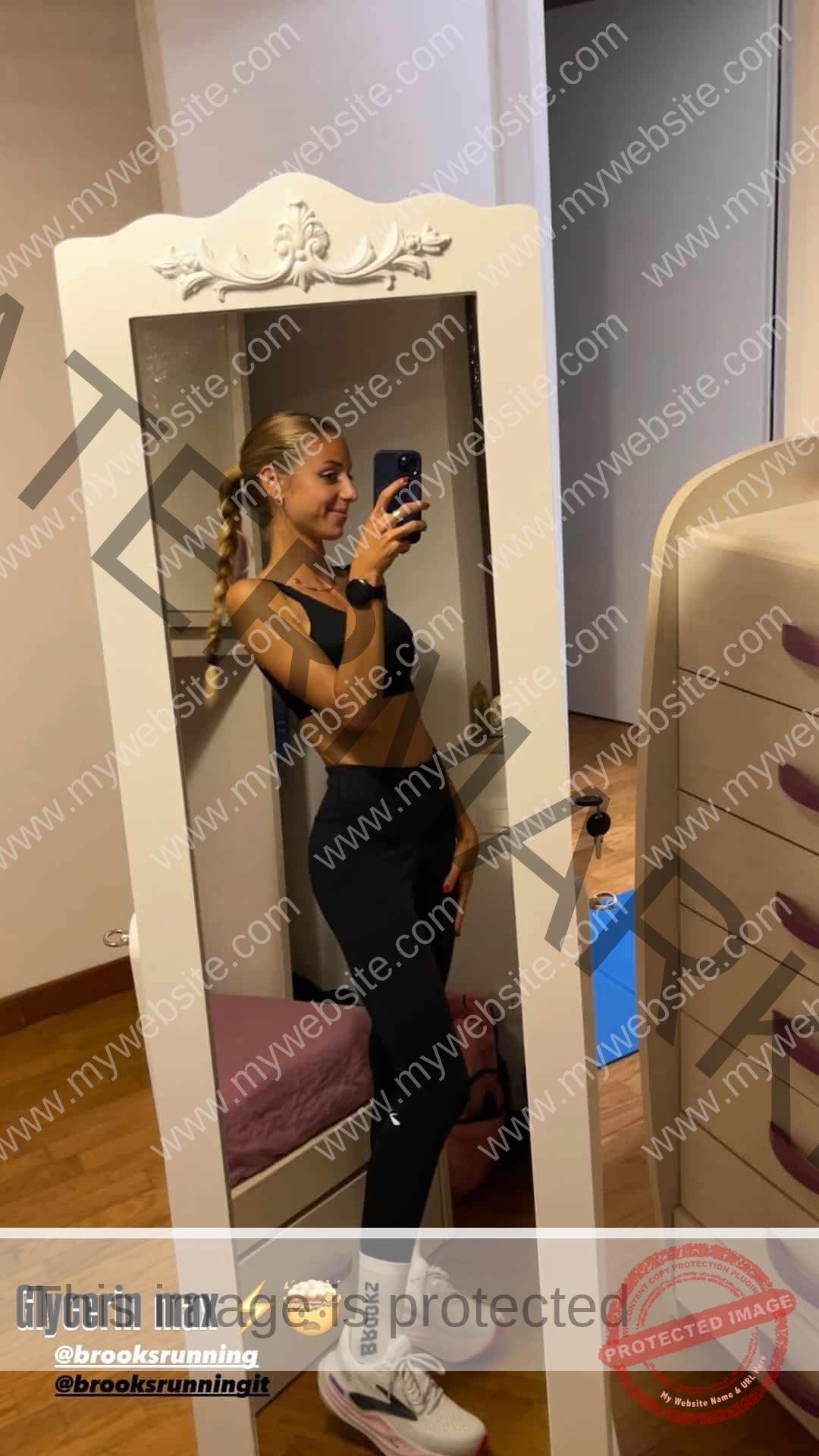
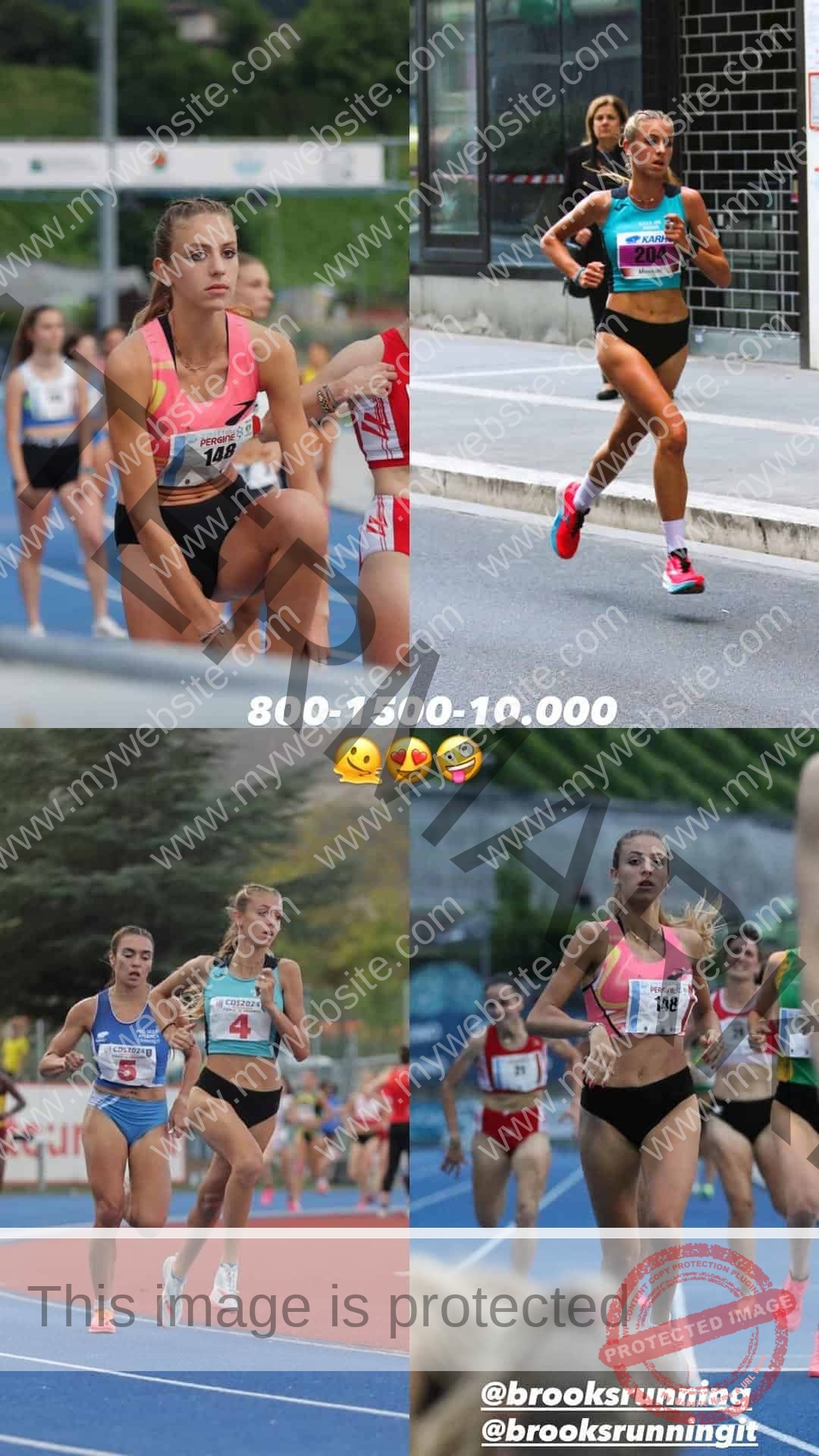
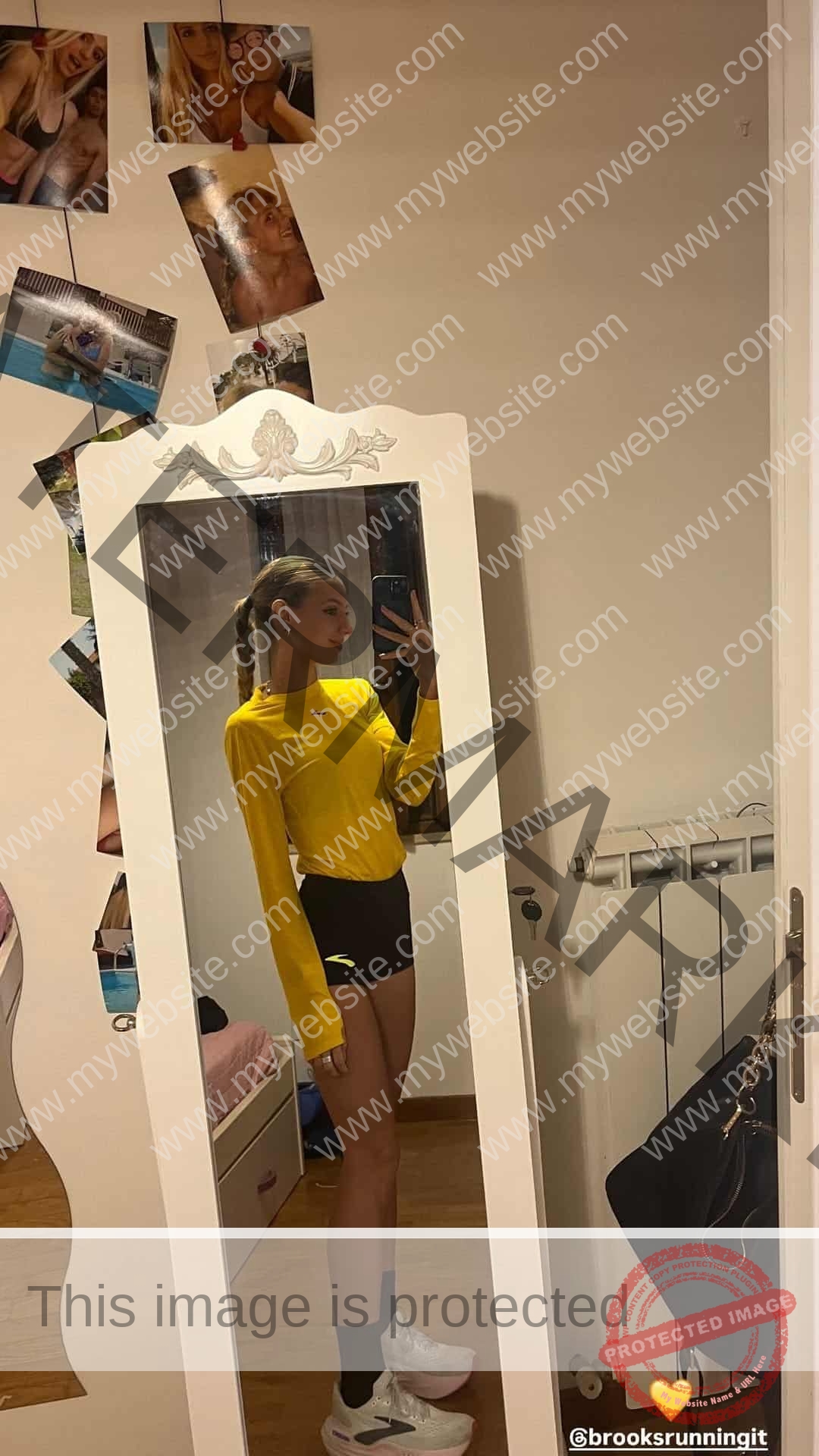
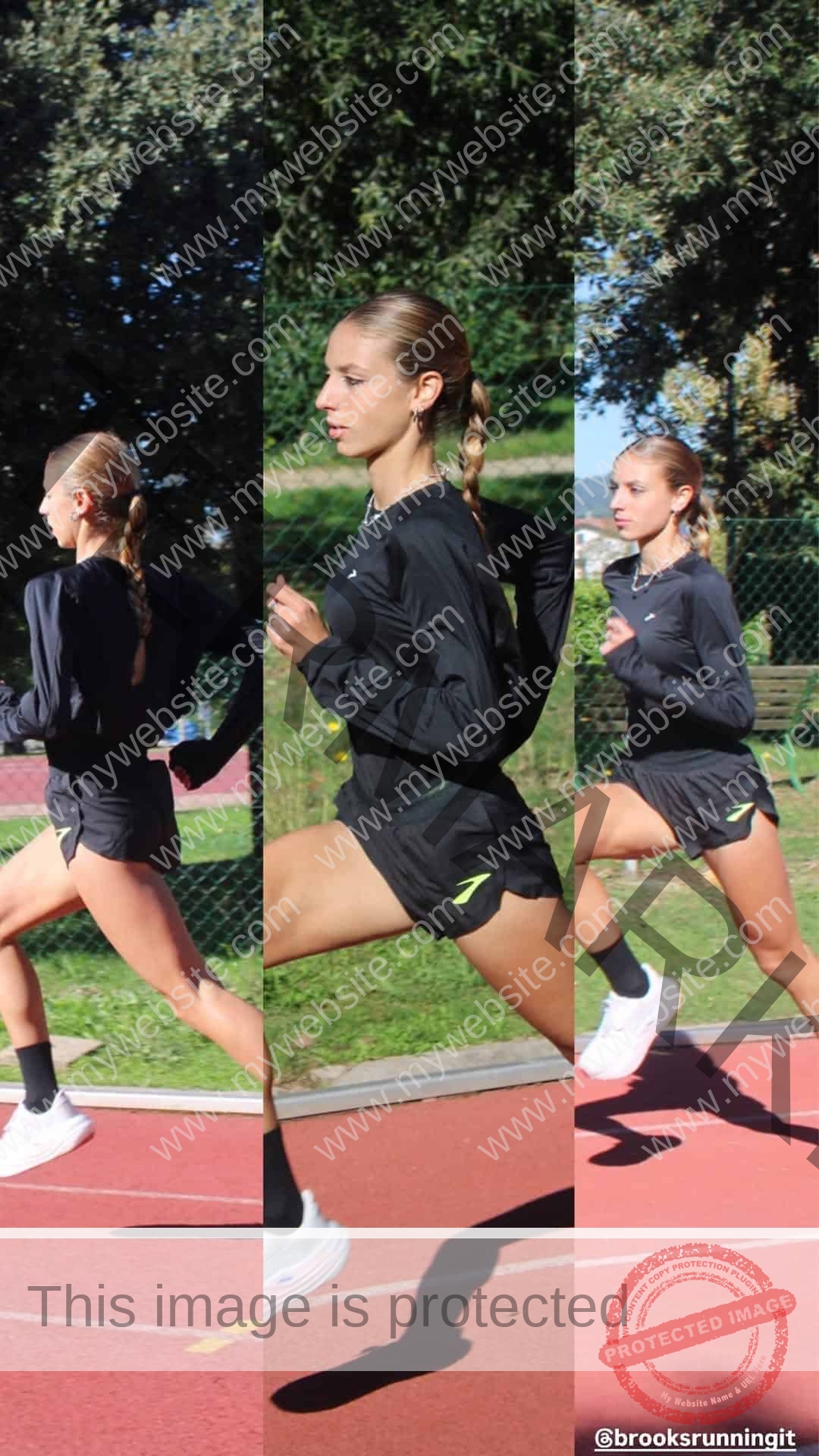
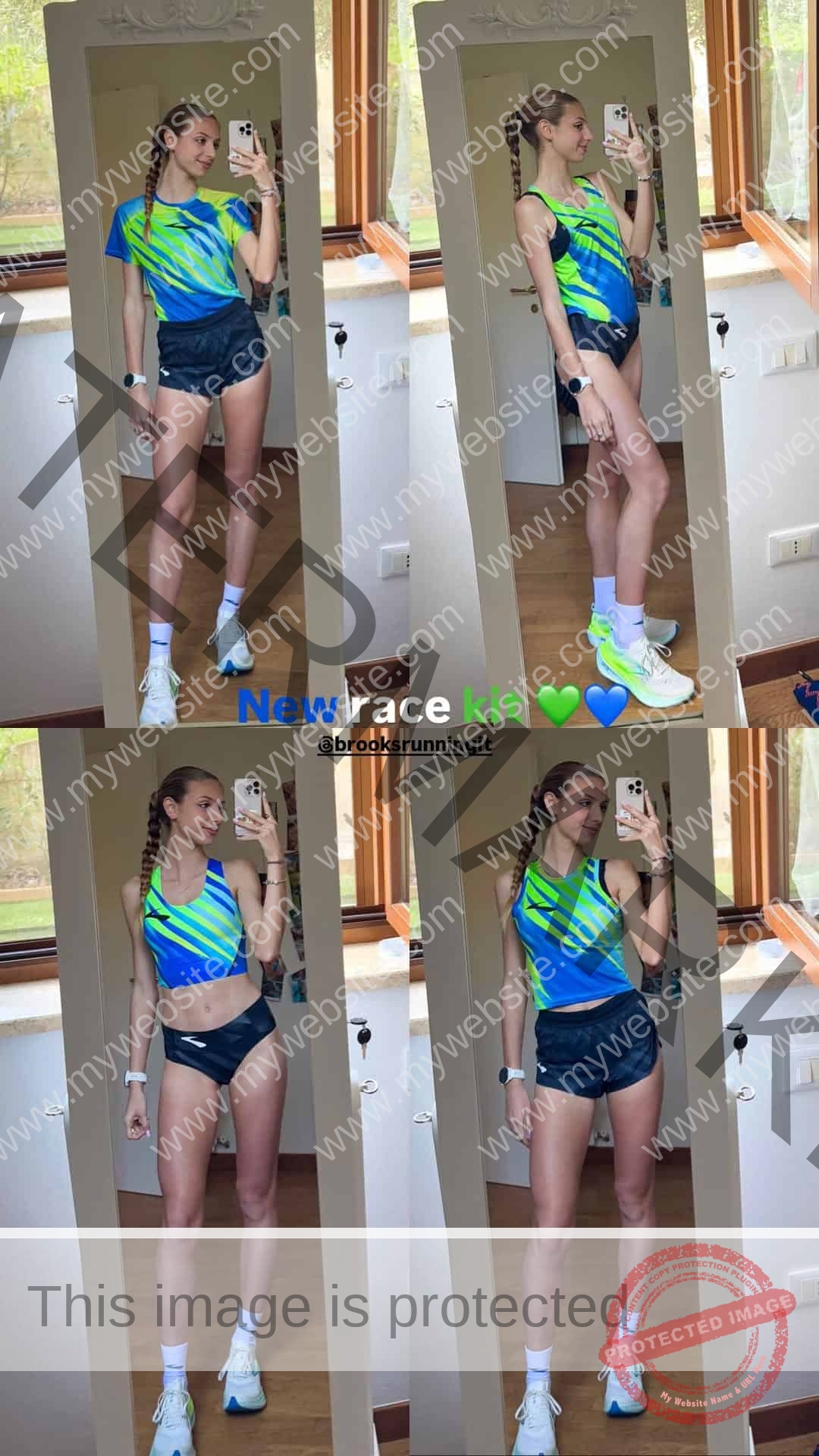
Melissa Fracassini is active on Instagram under the handle @melissafracassini__, where she maintains around 7,000 followers and posts a mix of training updates, race content, and personal moments. Her bio identifies her as a Brooks Running athlete — the American running footwear and apparel brand sponsors her, placing her in a stable of runners that reflects Brooks’s longstanding focus on distance and road running. The partnership is appropriate for an athlete whose performances now span the track, the roads, and the cross-country fields.
Beyond running, Melissa has said that the demands of sport and study leave little time for other pursuits — she completed her triennale in Scienze Motorie at the University of Perugia and continues to manage the twin responsibilities of elite athletics and academic life with the same seriousness she has always applied to both. When she does have a free moment, she enjoys cooking, particularly baking: her stated speciality is a braided savoury pan brioche, which, she has said with evident satisfaction, is her best dish.
She has spoken warmly of the current generation of Italian women’s distance running, citing Nadia Battocletti as an obvious inspiration and pointing to the depth of talent in the national women’s middle- and long-distance scene — Sintayehu Vissa, Federica Cavalli, Marta Zenoni — as a source of energy and ambition rather than intimidation.
Looking Forward
Melissa Fracassini turns 23 in October 2026 — meaning she has one more year of eligibility in the under-23 category before transitioning fully into senior international athletics. The trajectory of her recent improvements suggests that the senior ranks are not a distant prospect but an imminent reality. A 1,500-metre personal best of 4:12.48, a 3,000-metre outdoor best of 9:12.87, and a 10-kilometre road mark of 33:40 all represent a competitive athlete who is knocking on the door of major European senior finals.
She has spoken of wanting to qualify for the European Under-23 Championships in Bergen, where the 1,500-metre minimum of 4:22 is, as she put it, “achievable” — a characteristic piece of measured Fracassini confidence. The 5,000 metres is also on her horizon: she has indicated interest in trying the distance, though the move will depend, as she has learned to say with hard-won patience, on her health holding up.
That phrase — depending on her health — carries more weight for Melissa Fracassini than it does for most athletes. The three years of bone oedemas, the sleepless worrying, the late-night pool sessions, the parade of inconclusive medical appointments: these experiences have not broken her love for running, but they have coloured her relationship with it. Every healthy training block is something to be valued. Every race is an opportunity that, for a long time, she did not have.
What she has built coming out the other side of that ordeal — multiple national titles, international appearances in the blue of Italy, regional records across multiple disciplines, and a World Athletics ranking that continues to climb — is a testament to what the sport can give back to those who stay committed to it, even when it gives very little in return. Umbria has not always been loudly on the map of Italian distance running. Thanks to Melissa Fracassini, it is getting harder and harder to overlook.
Career Highlights and Personal Bests
- Born: October 20, 2003, Perugia (hometown: Corciano, Umbria)
- Club: Atletica Arcs Cus Perugia
- Coach: Francesco Fracassini (father)
- Sponsor: Brooks Running
- Events: 1500m, 3000m, 5000m, cross country, 10km road
- Height/Weight: 1.68 m / 50 kg
- Instagram: @melissafracassini__
Personal Bests:
- 1500m: 4:12.48 (August 3, 2025, Caorle)
- 1500m (indoor short track): 4:15.73 (January 18, 2026, Luxembourg)
- 1500m (short track): 4:21.00 (January 20, 2024, Ancona)
- 3000m: 9:12.87 (September 21, 2025, Busto Arsizio)
- 3000m (indoor): 9:03.65 (January 31, 2026, Valencia, Spain) — Umbrian regional record
- 2000m: 6:02.24 (April 21, 2024, Perugia)
- 10km road: 33:40 (October 12, 2025, Munich) — Umbrian regional record
Selected National Titles:
- Italian Cadette 1000m Champion, 2018 (Rieti)
- Italian Allieve Indoor 1500m Champion, 2019
- Italian Junior Indoor 3000m Champion, 2022 (Ancona)
- Italian Promesse Indoor 3000m Champion, 2024 (Ancona)
- Italian Promesse Cross Short (corto) Champion, 2025 (Cassino)
- Italian Promesse Cross Short Champion, 2026 (Selinunte)
- Italian Promesse 10km Road Champion, 2025 (Prato)
- Italian Cross Relay Champion (with Arcs Cus Perugia), 2024, 2025, 2026
International Appearances:
- European Cross Country Championships, Antalya (Turkey), December 2024 — Under-23 team
- International Road Race Running Match U23, Trieste, October 2025 — winner, 33:54
- European Cross Country Championships, Lagoa (Portugal), December 2025 — Under-23 team; reserve, mixed relay
World Athletics Rankings (2025–26): approximately #211 women’s 1500m; #608 women’s road running; #623 women’s 10,000m
