













# Liiljan Neerot: Estonia’s All-Round Athlete Giving Back to the Next Generation
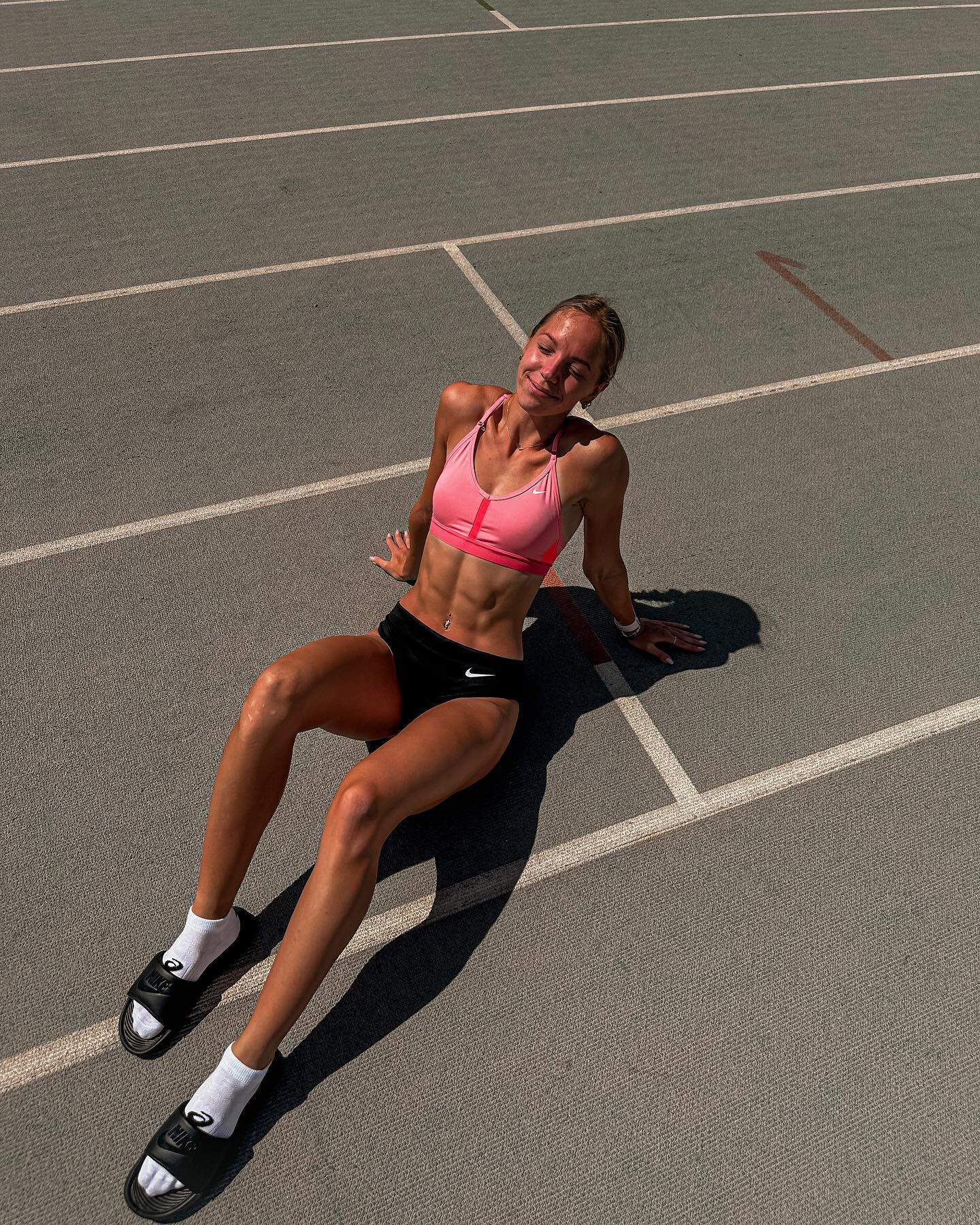
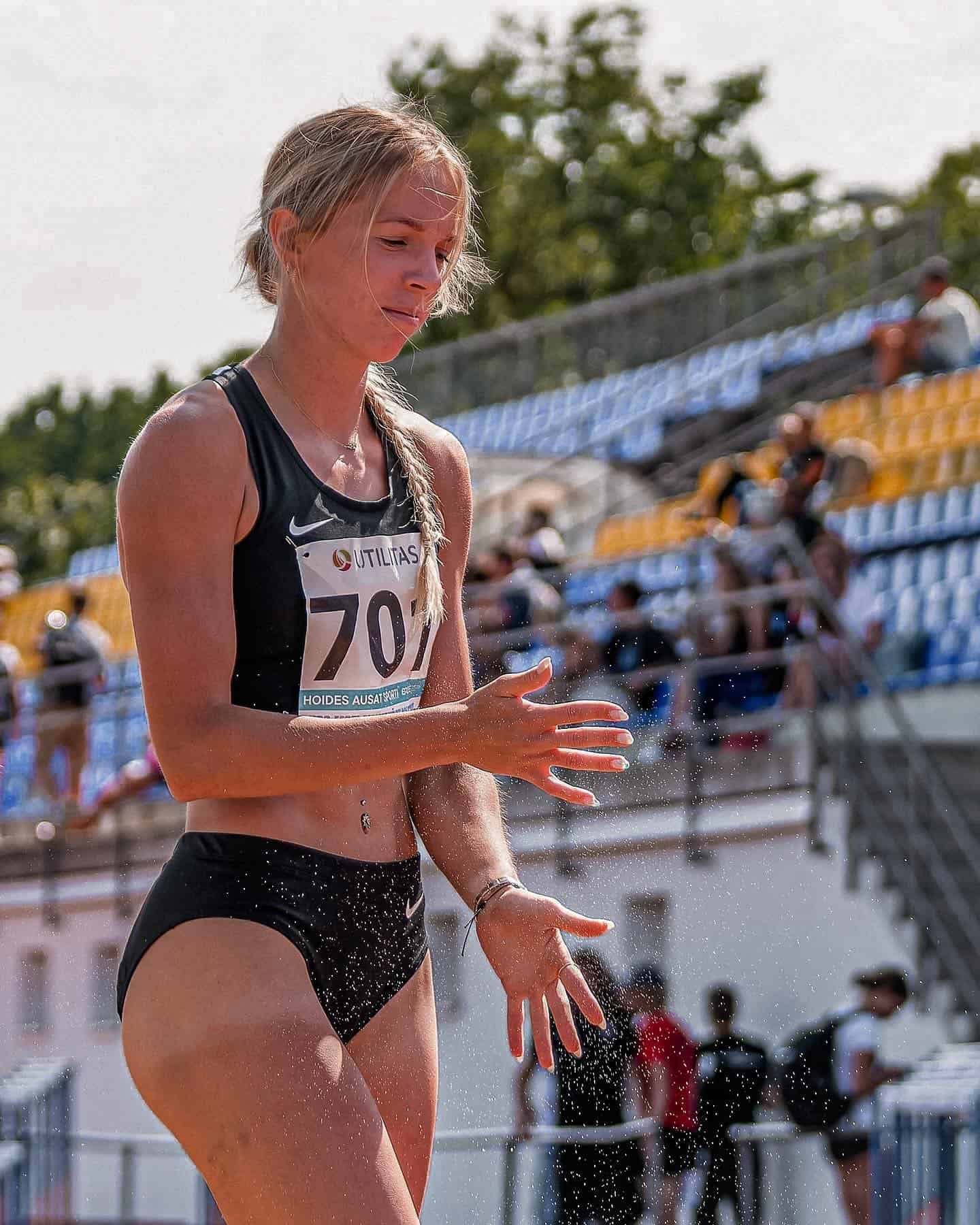
There is a particular kind of athlete Estonia has always produced in quiet abundance — the multi-event competitor who masters not one discipline but seven, who finds athletic identity not in the flash of a single sprint or the height of a single jump, but in the discipline of doing many things well across two grueling days. Liiljan Neerot belongs squarely in that tradition. Born on June 30, 1999, she is a heptathlete and pentathloner from Estonia who has spent her adult years navigating the demanding world of combined events while simultaneously beginning to shape the next generation of Estonian athletes as a coach at one of Tallinn’s premier sports institutions.
Her story is one that the Estonian athletics community will recognize: a young woman drawn to the sport young, forged through years of multi-event training, who steps onto the international stage with her country’s blue, black, and white, and who is now finding a way to give back to the sport that built her.
## A Tallinn Athlete in the Combined Events Tradition
Estonia punches well above its weight in combined events athletics. The country’s men have produced world-class decathletes and heptathletes across decades, and its women have similarly developed a reputation for technically complete multi-event athletes. Growing up in this environment means being surrounded not just by the culture of athletics generally, but by the specific challenge of the combined events — the idea that being exceptional at one thing is good, but being good at seven things simultaneously is something rarer and more demanding still.
Neerot trained within this environment and eventually settled into the heptathlon and pentathlon as her signature disciplines. The heptathlon, contested outdoors, comprises seven events over two days: the 100 metres hurdles and high jump on day one’s morning, then shot put and 200 metres in the afternoon, followed on day two by the long jump, javelin throw, and 800 metres. The indoor pentathlon compresses five events into a single day: the 60 metres hurdles, high jump, shot put, long jump, and 800 metres. Both formats demand a profile that Neerot has worked to develop — she is classified primarily as a hurdler, with her World Athletics profile leading with her 60 metres hurdles and 100 metres hurdles performances, but her event range extends across running, jumping, and throwing.
## Personal Bests: A Technical Portrait
Neerot’s best individual performances, documented on the World Athletics database, offer a picture of an athlete whose strengths lean toward the hurdles and speed-related events — hardly surprising for someone classified as a hurdler first. Her best marks read as follows across the disciplines that have produced her highest World Athletics scores:
Her best relay time comes from the indoor 4×200 metres relay at the Lasnamäe Kergejõustikuhall in Tallinn on January 29, 2023, where she contributed to a team time of 1:42.27. In the 60 metres hurdles, she ran 8.89 at the same Tallinn indoor venue on February 19, 2023, which remains her indoor hurdles benchmark. In the outdoor 100 metres hurdles, she recorded a personal best of 14.61 on June 18, 2023. Her 4×100 metres relay team clocked 48.29 at the Rannastaadion in Pärnu on July 23, 2022, a venue on Estonia’s southwest coast that has hosted numerous national and regional competitions. Her outdoor long jump personal best stands at 5.67 metres, set on June 4, 2023.
The World Athletics scoring system assigns points to each performance relative to world-class standards, and Neerot’s top scores sit in the 927–994 range across those events — a range that situates her comfortably within the competitive landscape of domestic Estonian athletics and within the broader field of active European heptathletes at the national and regional level.
## The 2024 Tallinn Combined Events Meeting: Center Stage at Home
In early February 2024, the Lasnamäe Indoor Arena in Tallinn hosted the second World Combined Events Tour meeting of the calendar year — a Silver/Category B event carrying World Athletics rankings points and, at that time, significance for qualification discussions ahead of the World Indoor Championships in Glasgow. The international field assembled for the women’s pentathlon was strong, including decorated athletes from Ukraine, Sweden, Germany, Hungary, Poland, and Croatia, as well as a substantial Estonian contingent representing the host nation.
Neerot was among a group of Estonian women entered in the pentathlon alongside Katre Sofia Palm, Liisa-Maria Lusti, Emma Kathrina Hein, Marite Ennuste, and Jane Roosimägi. The preview coverage from combined events specialists noted her inclusion as part of the Nordic and Baltic contingent that gave the home country a meaningful presence in the competition. The meet ultimately concluded with a DNF (did not finish) for Neerot, a result that, while disappointing, reflects the demanding physical nature of a multi-event format where an injury, a hamstring twinge, or a setback in a single discipline can force a competitor to withdraw to protect longer-term health. DNFs are a reality of the combined events calendar — they happened to multiple athletes at that same meeting, including an Austrian athlete of considerably higher ranking.
The significance of the event itself — a World Athletics Combined Events Tour meeting, hosted on Estonian soil at the premier indoor athletics venue in the country — represents the kind of stage that domestic combined events athletes like Neerot train toward.
## An Athlete Who Has Turned Coach
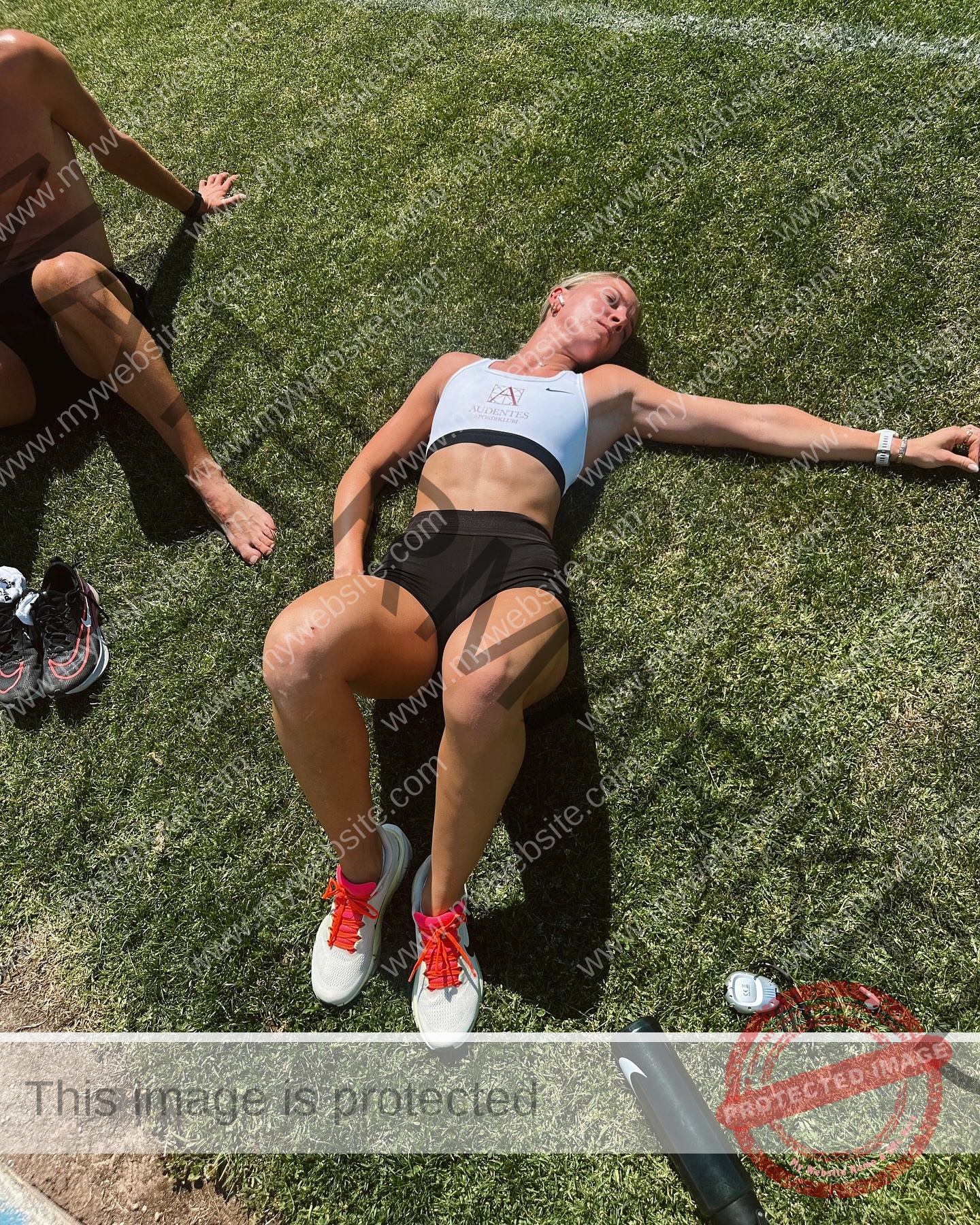
One of the most notable dimensions of Neerot’s current profile is that she has transitioned, at least in part, into coaching — while continuing to compete. She is listed among the youth sport coaches at Audentes Spordiklubi, one of Tallinn’s most significant multi-sport institutions. Audentes runs athletics, swimming, basketball, gymnastics, orienteering, and other disciplines out of its facilities in Tallinn, and its athletics section has produced competitive athletes at the national level across age groups. Her listing in the sports registry (Eesti Spordiregister) confirms her based in Harjumaa, with Tallinn as her KOV (local government unit).
The decision to begin coaching while still competing is not unusual in Estonian athletics — the country’s sporting infrastructure is built in large part around athlete-coaches who bring fresh technical knowledge from their own training directly into the gym with young athletes. For Neerot, the combination means that the mornings and evenings on the Lasnamäe indoor track that developed her own hurdles technique and jumping ability are now also the setting where she helps build those same skills in others.
Working at Audentes places her within an institution that, despite occasional organisational turbulence — as with any large sports club — remains one of the most important developmental pipelines in Estonian athletics. Her presence there as a coach in kergejõustik (athletics) represents a meaningful commitment to the sport’s future in Estonia, even as she continues to write chapters in her own competitive career.
## World Athletics Ranking and Current Standing
As of 2025–26, Neerot holds a World Athletics ranking of approximately 710th in the women’s heptathlon — a ranking that places her within the active global competitive pool, but which also reflects the stage of her career rather than her ceiling. World rankings in the heptathlon are sensitive to the number of complete competitions scored in the system, and athletes who have DNFs or who compete in a limited number of fully-scored heptathlons in a given year will rank lower than their individual event performances might suggest.
Her World Athletics profile (athlete code 14677725) registers performances across a wide range of disciplines: the 60m hurdles, 100m hurdles, 200m, 400m, 800m, long jump, high jump, shot put, javelin throw, and relay events. This breadth is characteristic of a genuine combined events athlete rather than a specialist who dabbles in a second or third discipline.
The 2025 season’s bests are noted on her profile as pending, consistent with the early-season timing of this writing.
## The Landscape of Estonian Women’s Combined Events
To understand Neerot’s place in Estonian athletics, it helps to understand the ecosystem she competes within. Estonia’s women’s combined events scene has historically been competitive domestically without producing world-elite scorers at the frequency of its men’s program. The heptathlon’s national records have been held by a succession of technically capable athletes, and the domestic championships in the heptathlon and pentathlon draw competitive fields drawn from clubs across the country.
Neerot competes in a field of Estonian women’s combined events athletes that includes names like Katre Sofia Palm, Liisa-Maria Lusti, and others who were part of the 2024 Tallinn meeting field — a group that collectively represents Estonia’s current generation of multi-event women. Within that context, Neerot’s personal bests and her consistent engagement in the competitive calendar mark her as a genuine contributor to the scene rather than a peripheral participant.
The competitive calendar for Estonian combined events athletes typically runs from the indoor season in January–February — centred around the Lasnamäe Kergejõustikuhall, a modern indoor athletics facility that hosted the 2024 World Combined Events Tour meeting — through the outdoor season from May to August, with the Eesti Meistrivõistlused (Estonian Championships) in July as the pinnacle domestic event. Venues like Kadriorg Stadium in Tallinn and the Rannastaadion in Pärnu feature regularly in the Estonian athletics calendar. Neerot has competed at the Pärnu beach stadium in relay, and the Lasnamäe arena has been the site of her indoor bests.
## Social Media and Public Presence
Neerot maintains an active presence on both Instagram and TikTok, which together offer a window into her life as an athlete-coach in Tallinn. She is findable on Instagram at **@liiljan.neerot** and on TikTok at **@liiljan.neerot**. Her social media content reflects the dual identity that defines this period of her career — she is a training athlete posting on a platform used largely by younger audiences, while also someone who works professionally in the coaching of young athletes.
She also appears on X (formerly Twitter) under the handle **@liiljanneerot**. On LinkedIn, she is listed professionally. On the Estonian online marketplace Yaga, she has a profile under her name — a platform many young Estonian women use for second-hand fashion, consistent with the everyday life of a professional athlete managing income and identity outside competition.
No formal commercial sponsorships are publicly documented for Neerot as of this writing, which is typical of combined events athletes competing at the national rather than elite international level in Estonia’s athletics ecosystem. The national federation, Eesti Kergejõustikuliit (EKJL), provides the organisational framework for Estonian athletes without the brand partnership infrastructure that attaches to the sport’s biggest names.
## The Longer Story Still Being Written
At 26, Liiljan Neerot is at an interesting inflection point in an athletic career. She is experienced enough to have competed on international stages — including a World Combined Events Tour meeting on home soil — and to have registered individual bests across a range of events that reflect years of dedicated multi-event training. She is young enough that improvement in any of the heptathlon’s seven disciplines can meaningfully shift the total points tally that separates a domestic competitor from a continental-level one.
The role of coaching at Audentes is not a retirement from competition but a parallel track — a common path for Estonian athletes of her profile who find meaning in the transmission of their technical knowledge to the next cohort of young heptathletes and pentathloners coming through the country’s clubs. The athletes she is helping develop today may, in a decade’s time, be winning medals at European championships on the same Kadriorg turf where Neerot herself has competed.
Estonia’s track record in combined events — the country has produced outstanding athletes in the discipline for decades, and the Tallinn Combined Events Meeting has become one of the most respected indoor multi-event competitions in Europe — gives that possibility more weight than it might have elsewhere. In a small country with a strong athletics identity, coaches matter enormously, and the ones who have navigated the multi-event grind themselves bring something to the training floor that no theoretical education can replicate.
Liiljan Neerot is still running her own race. But she is already, in the truest sense, helping others start theirs.
