
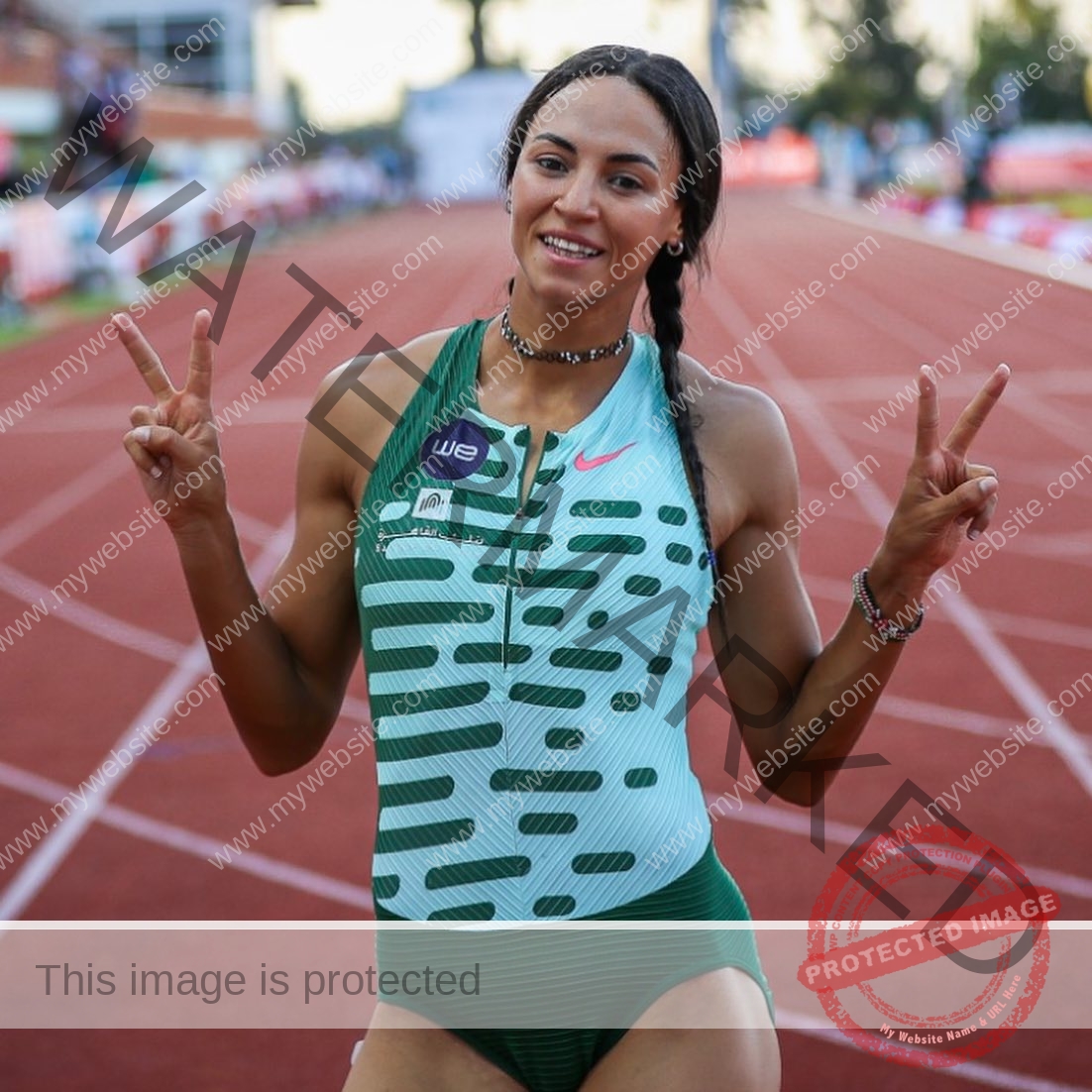
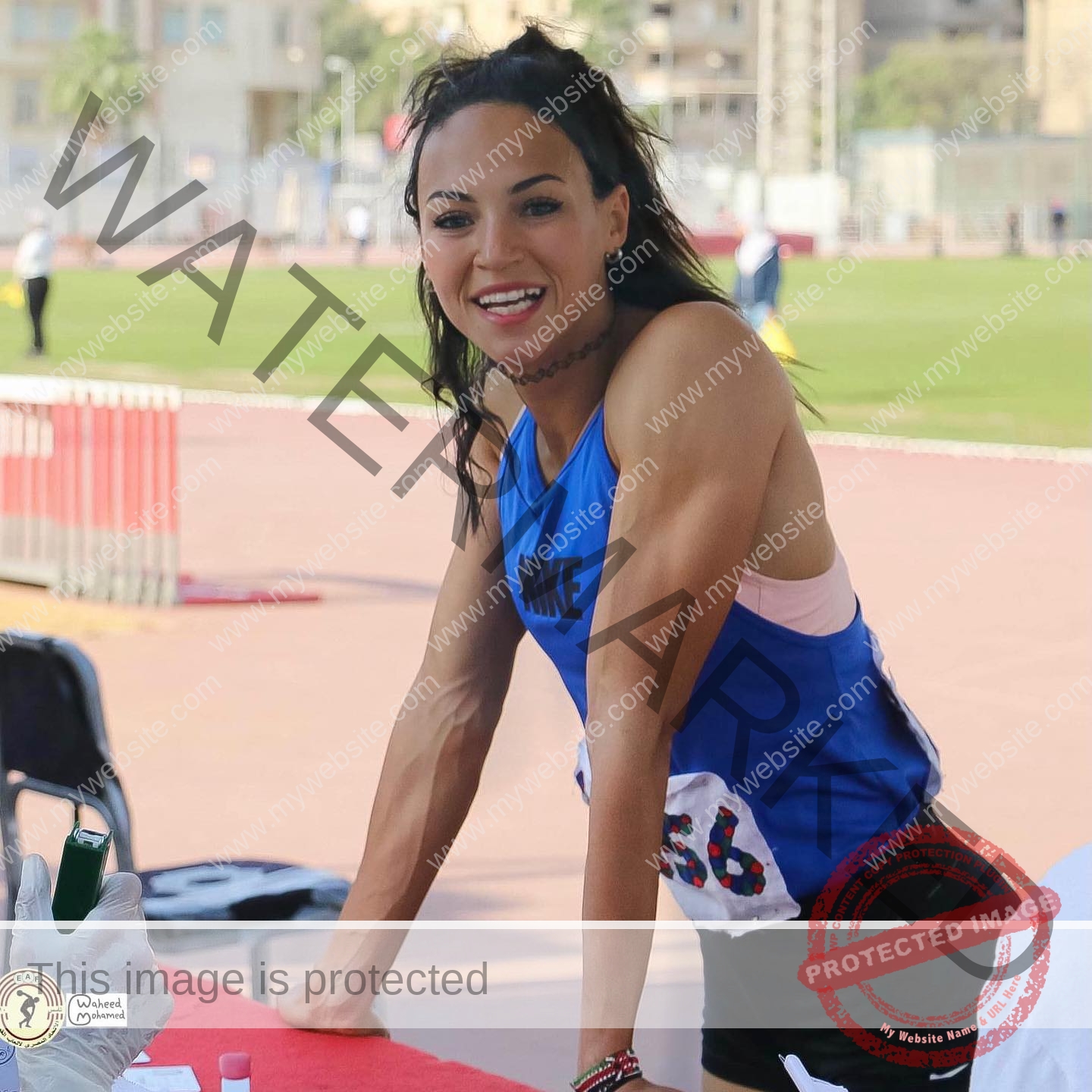
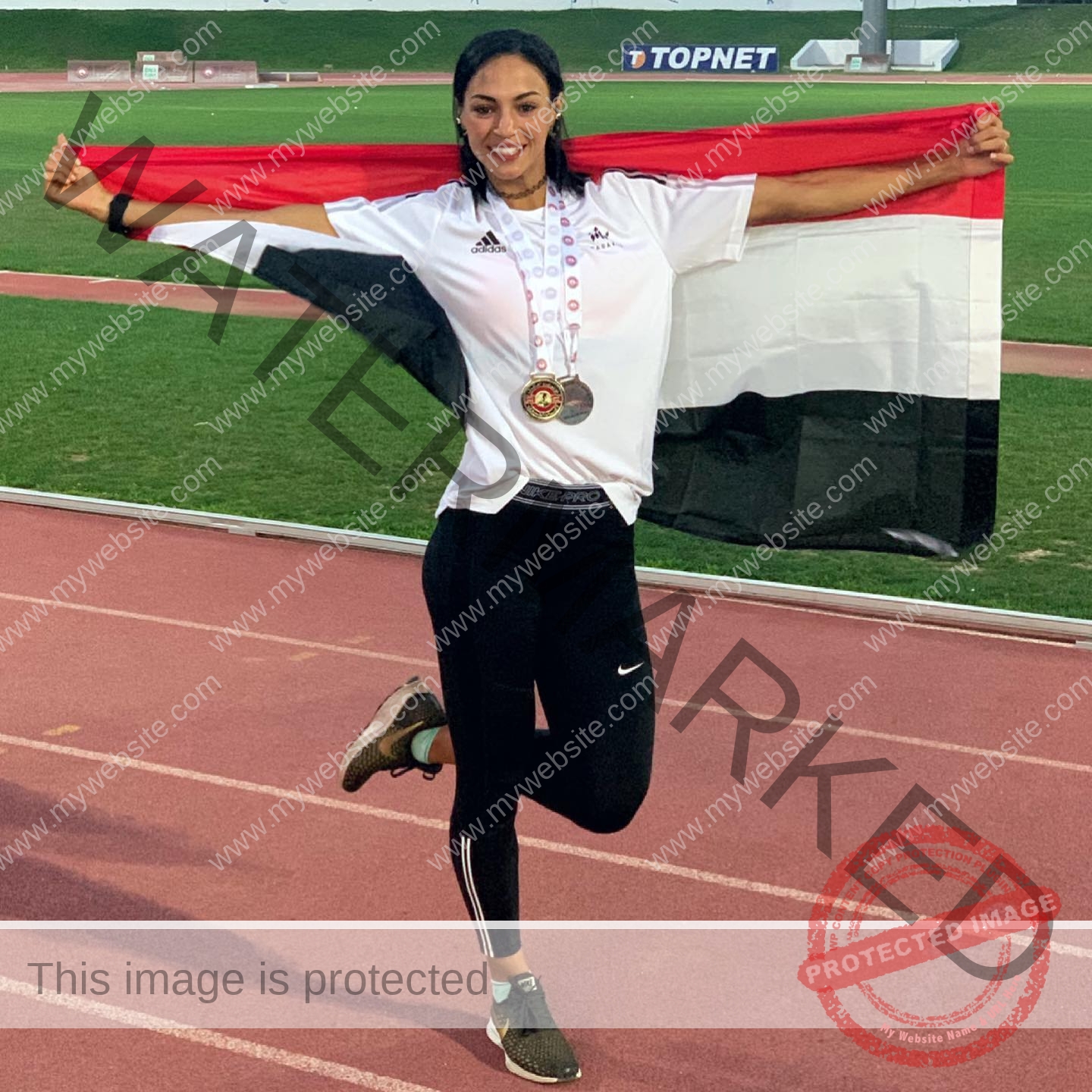
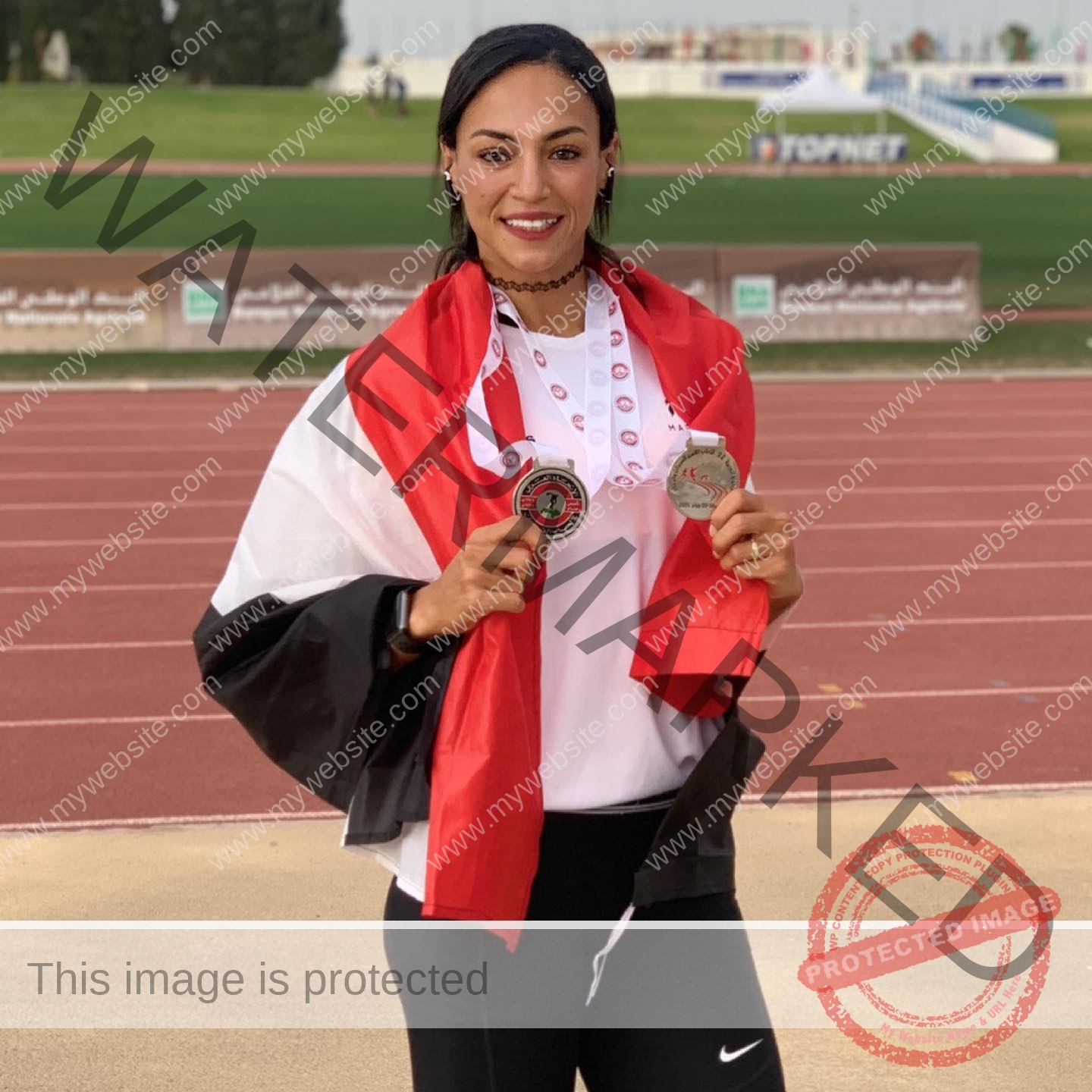

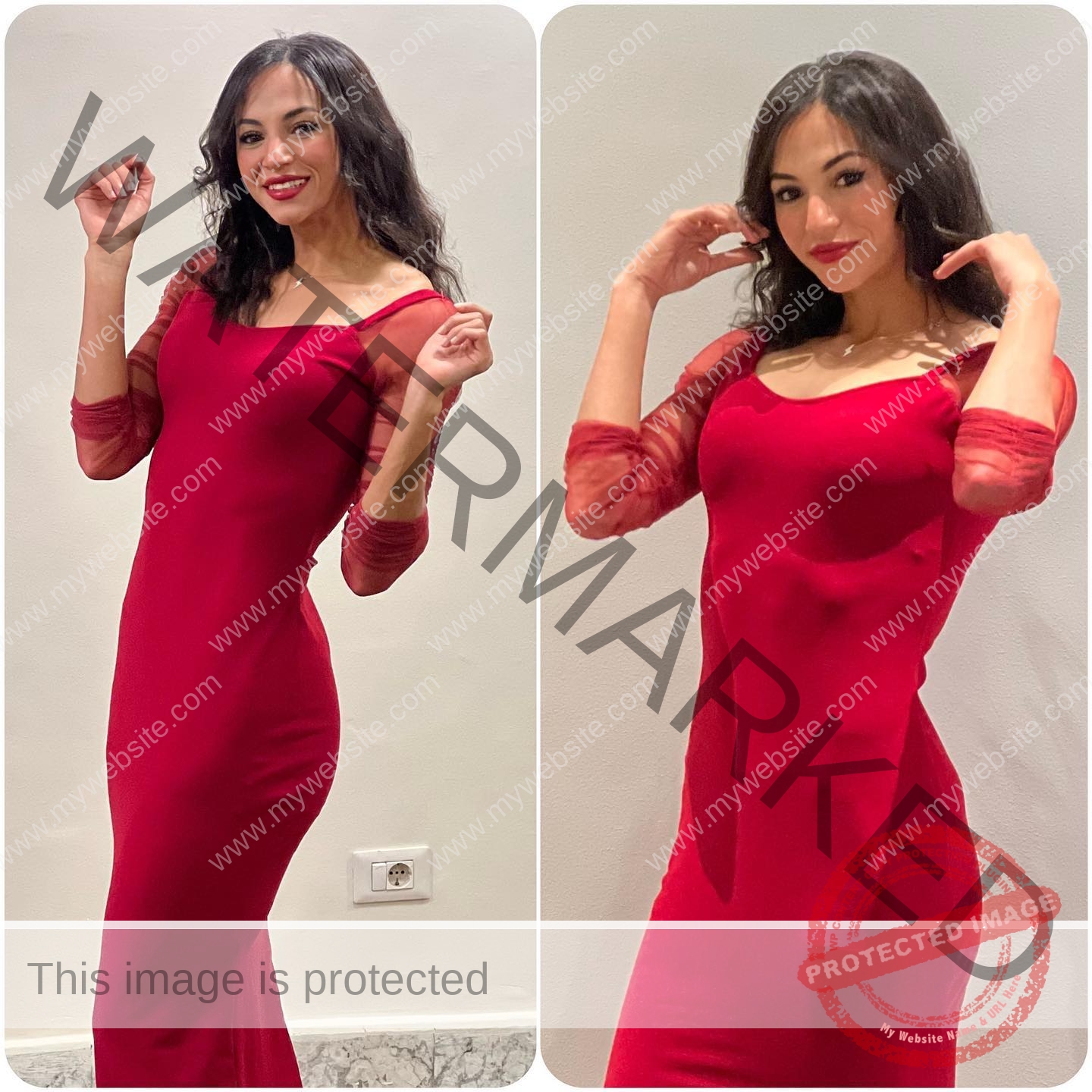
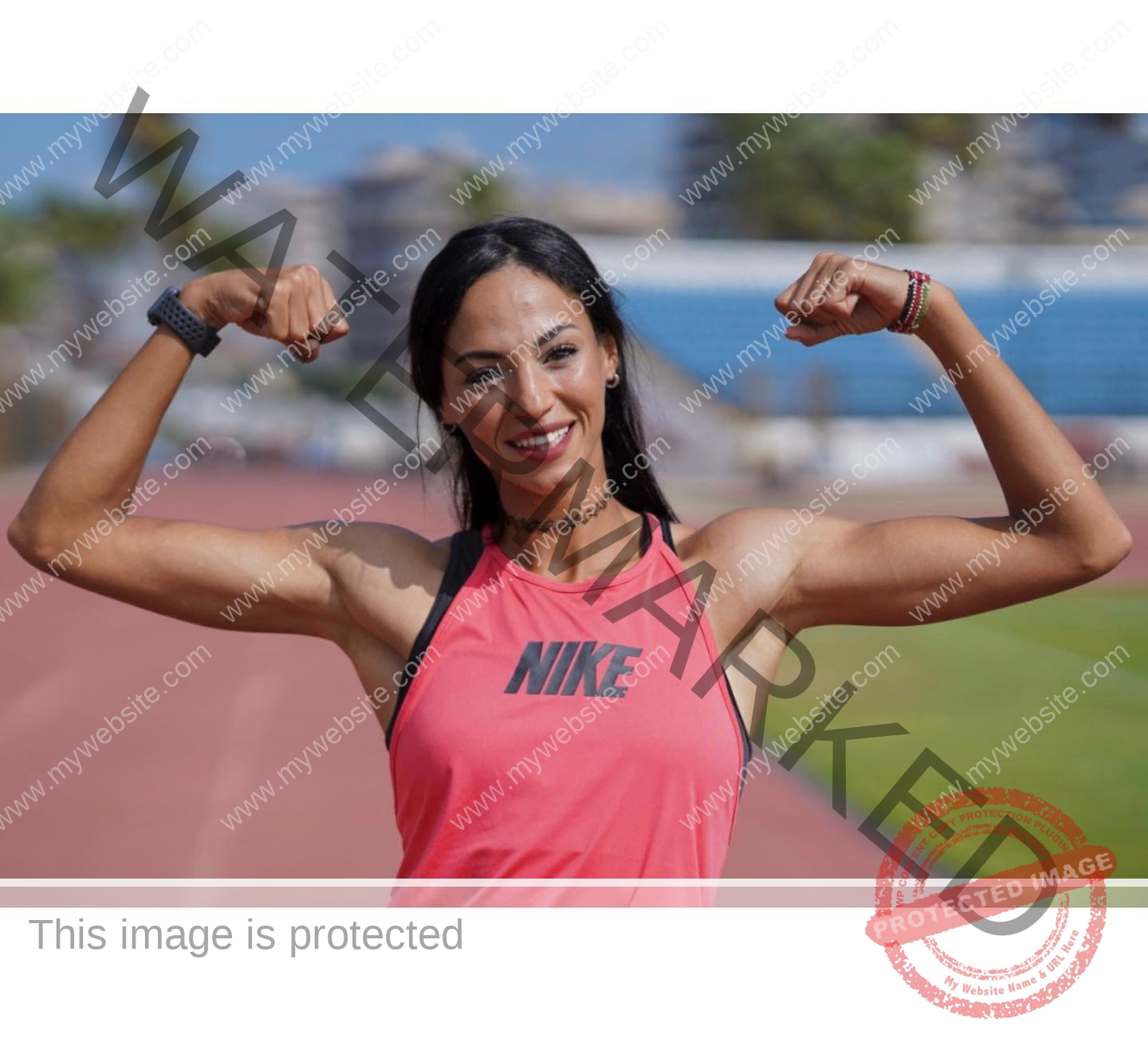
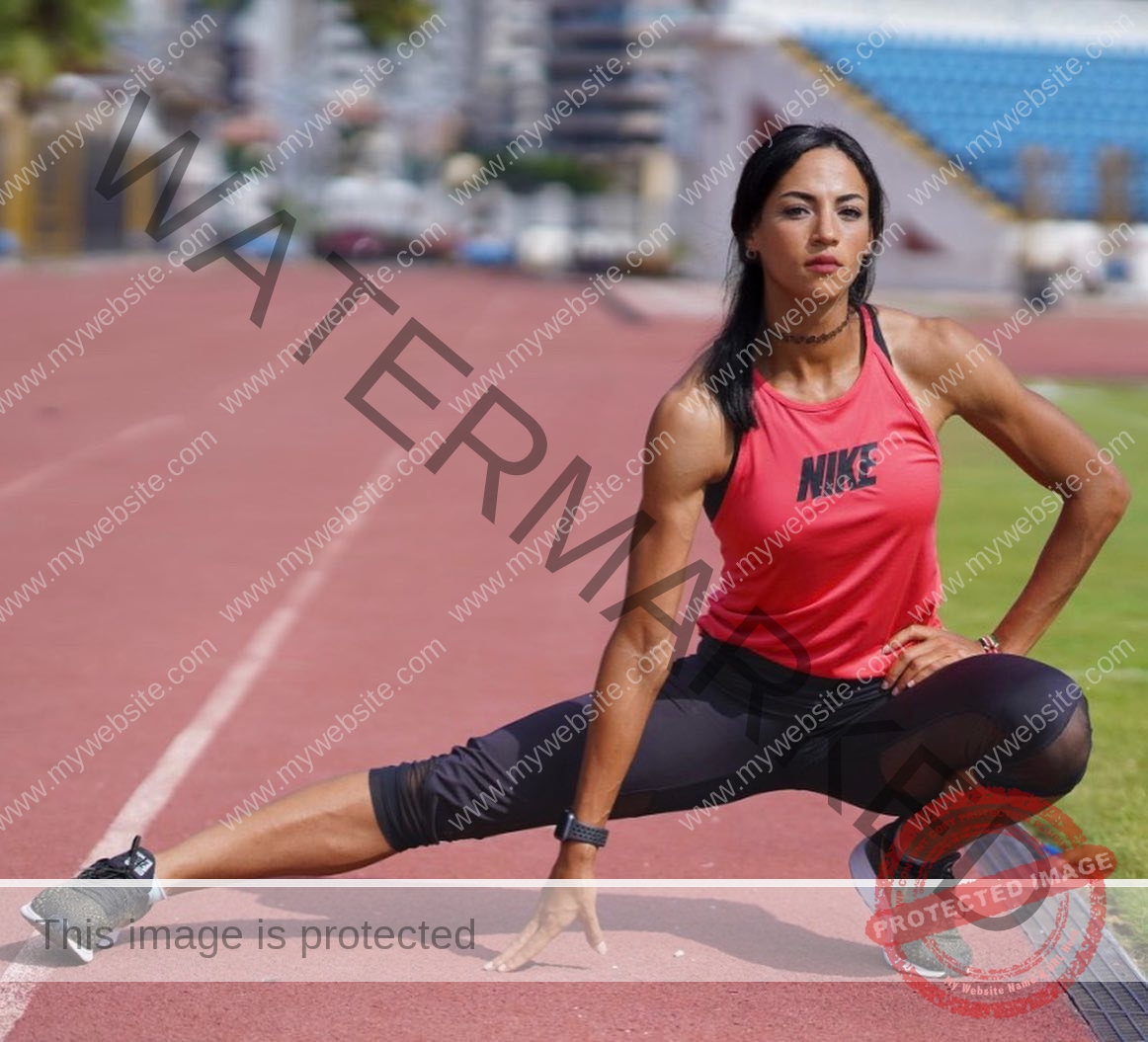
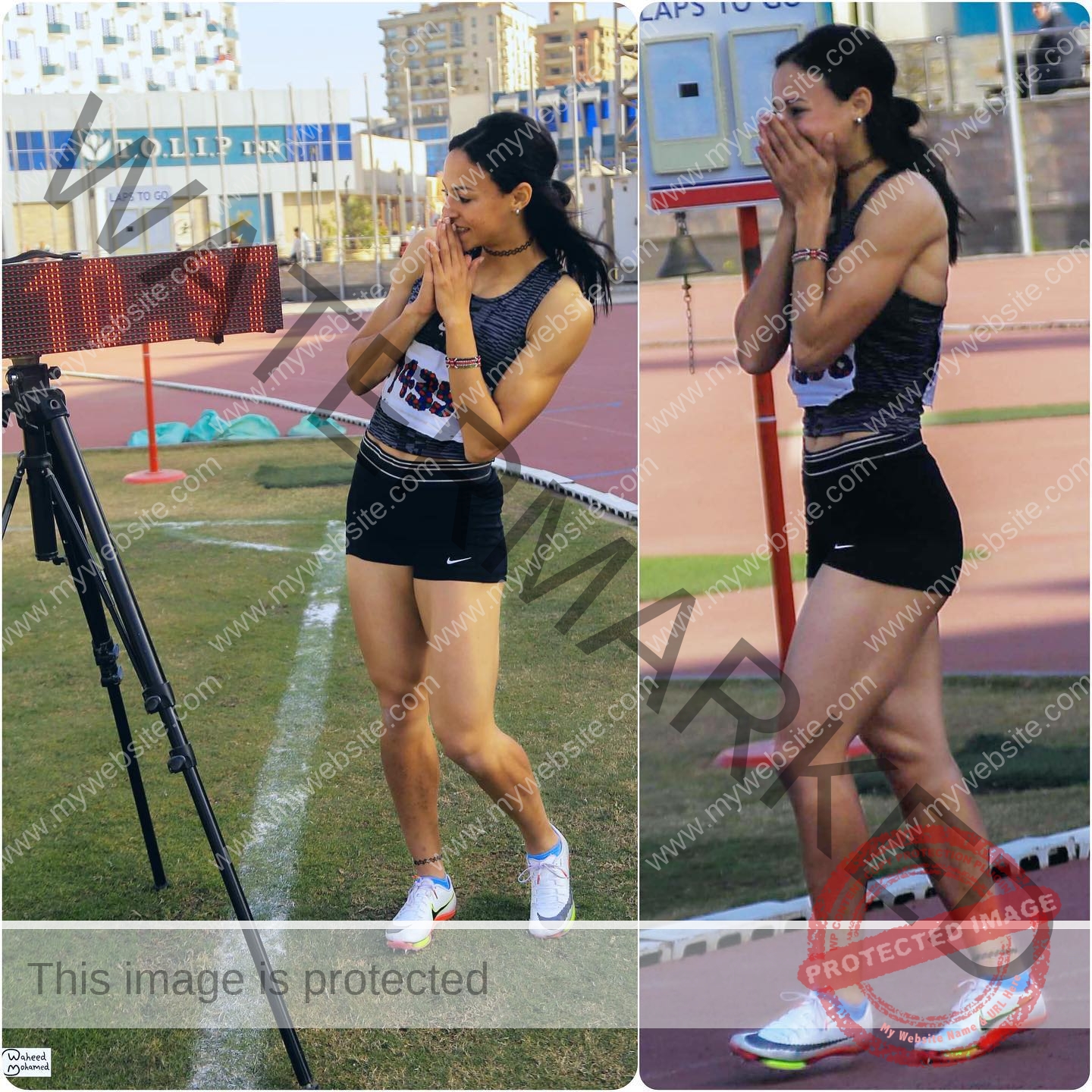
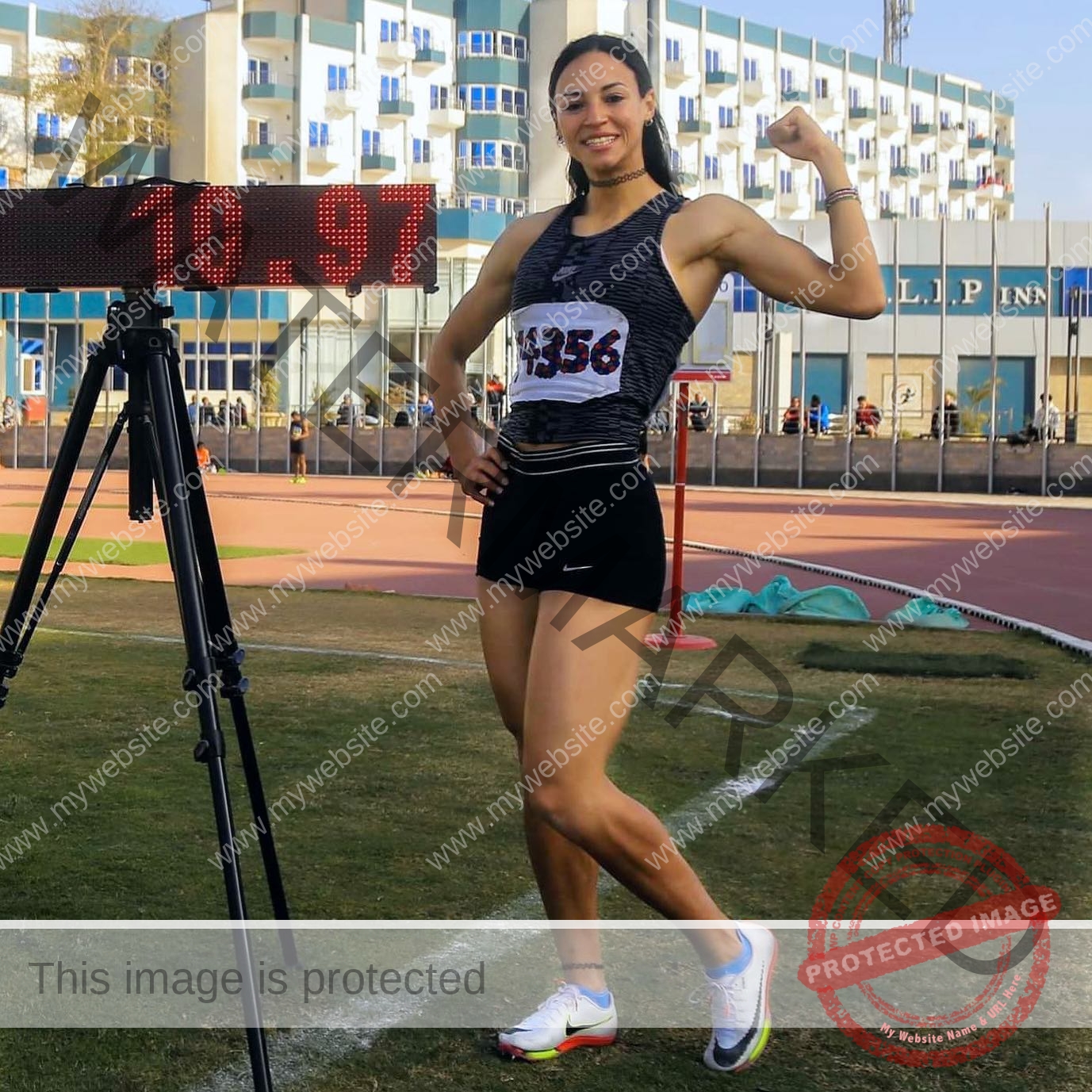
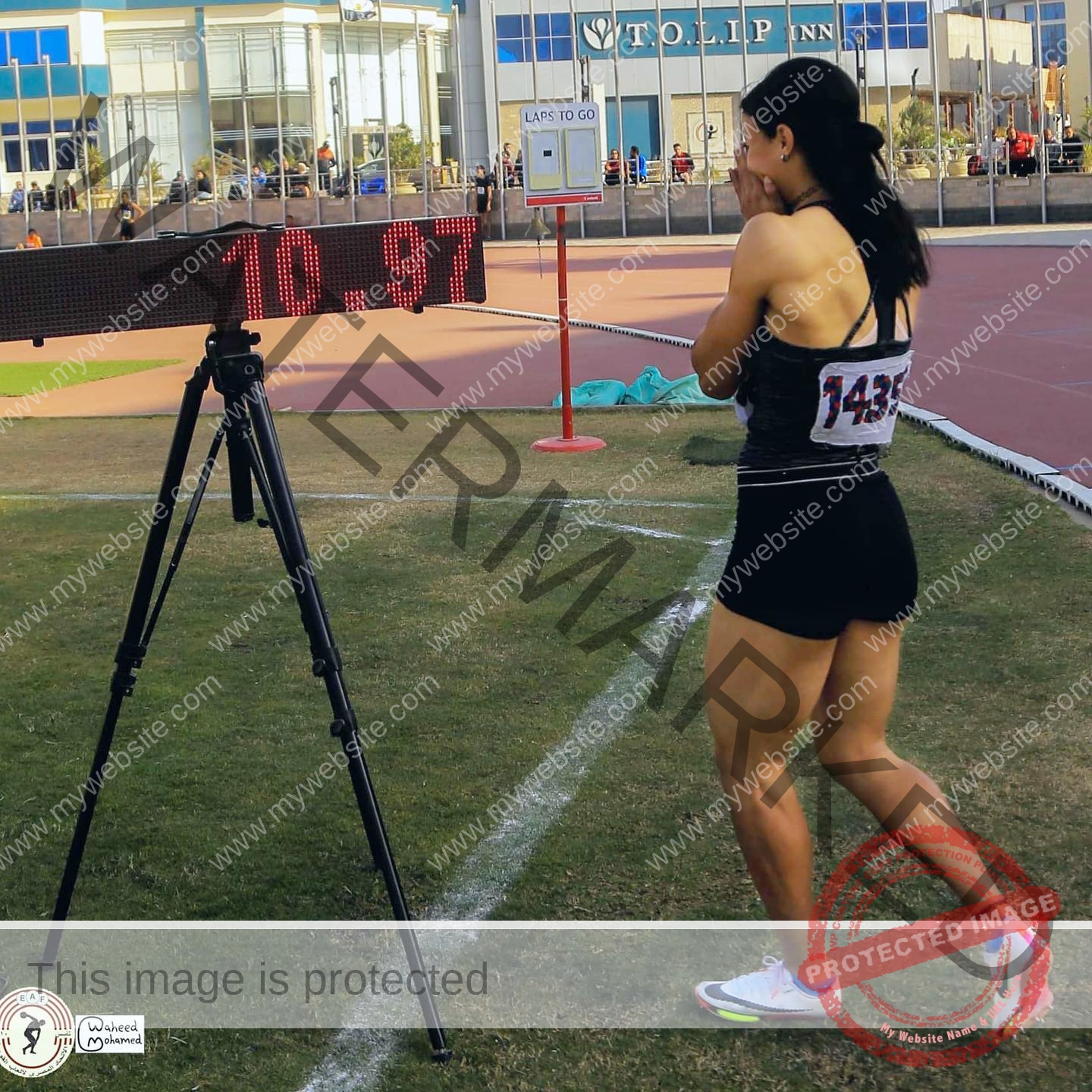
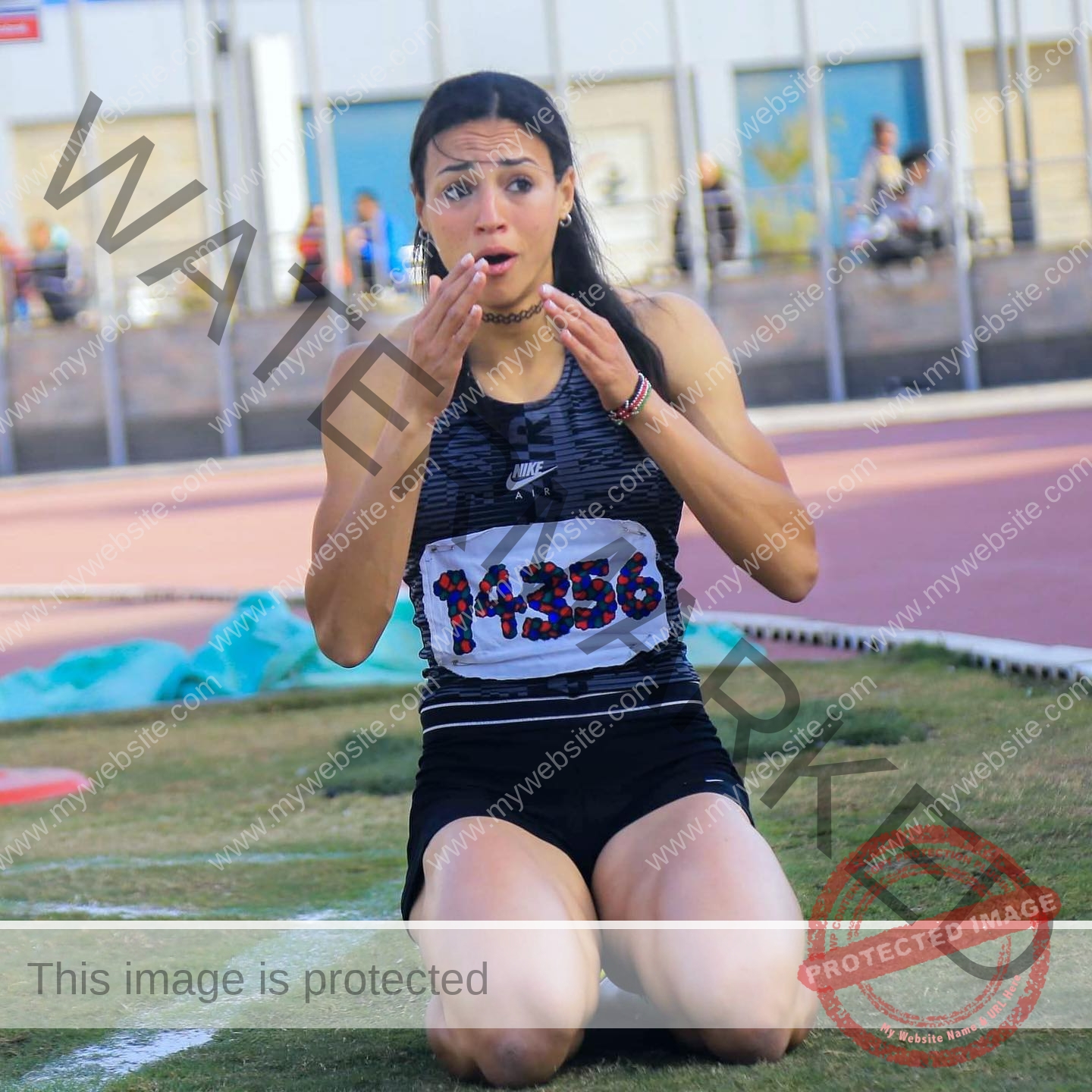
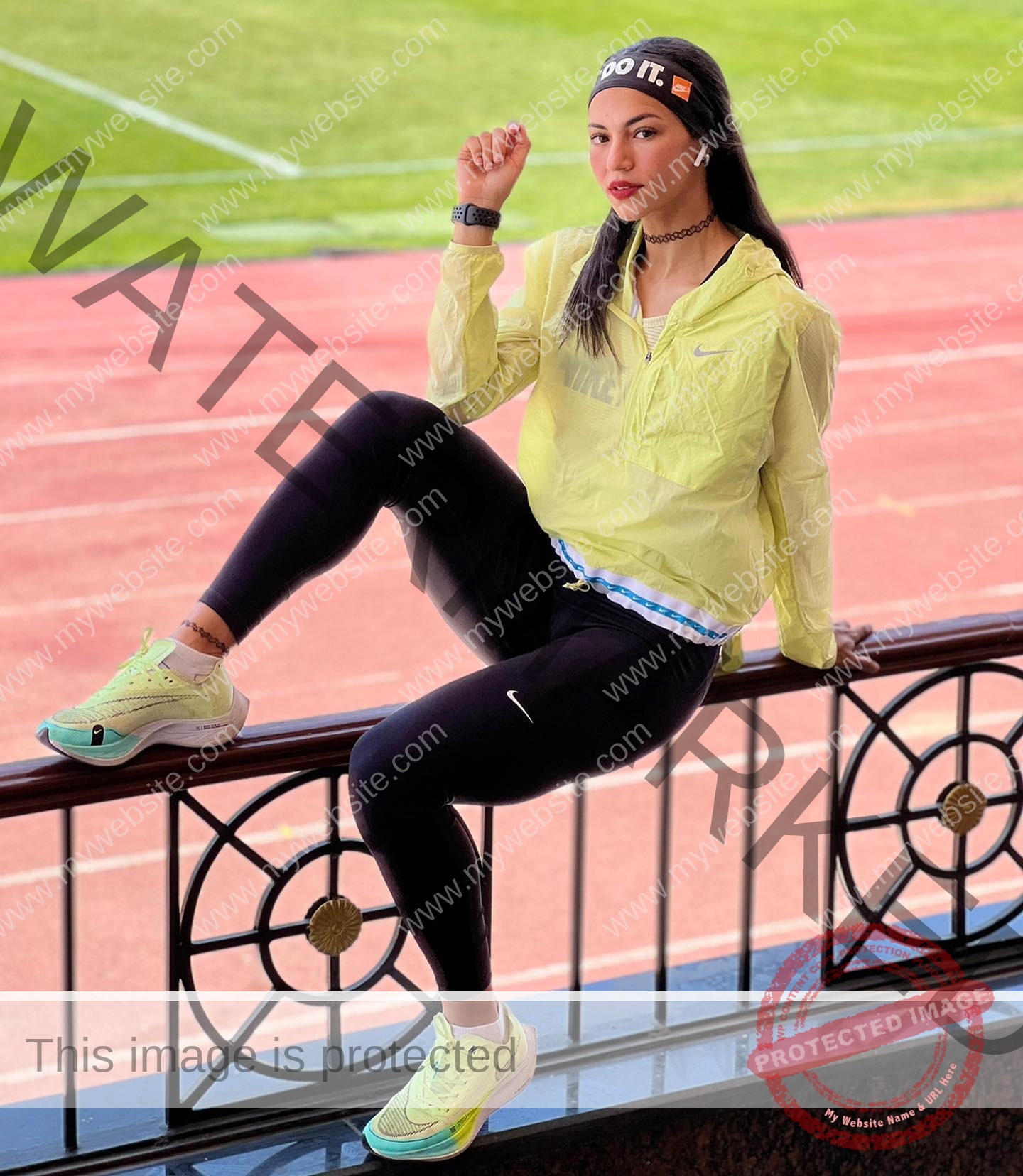
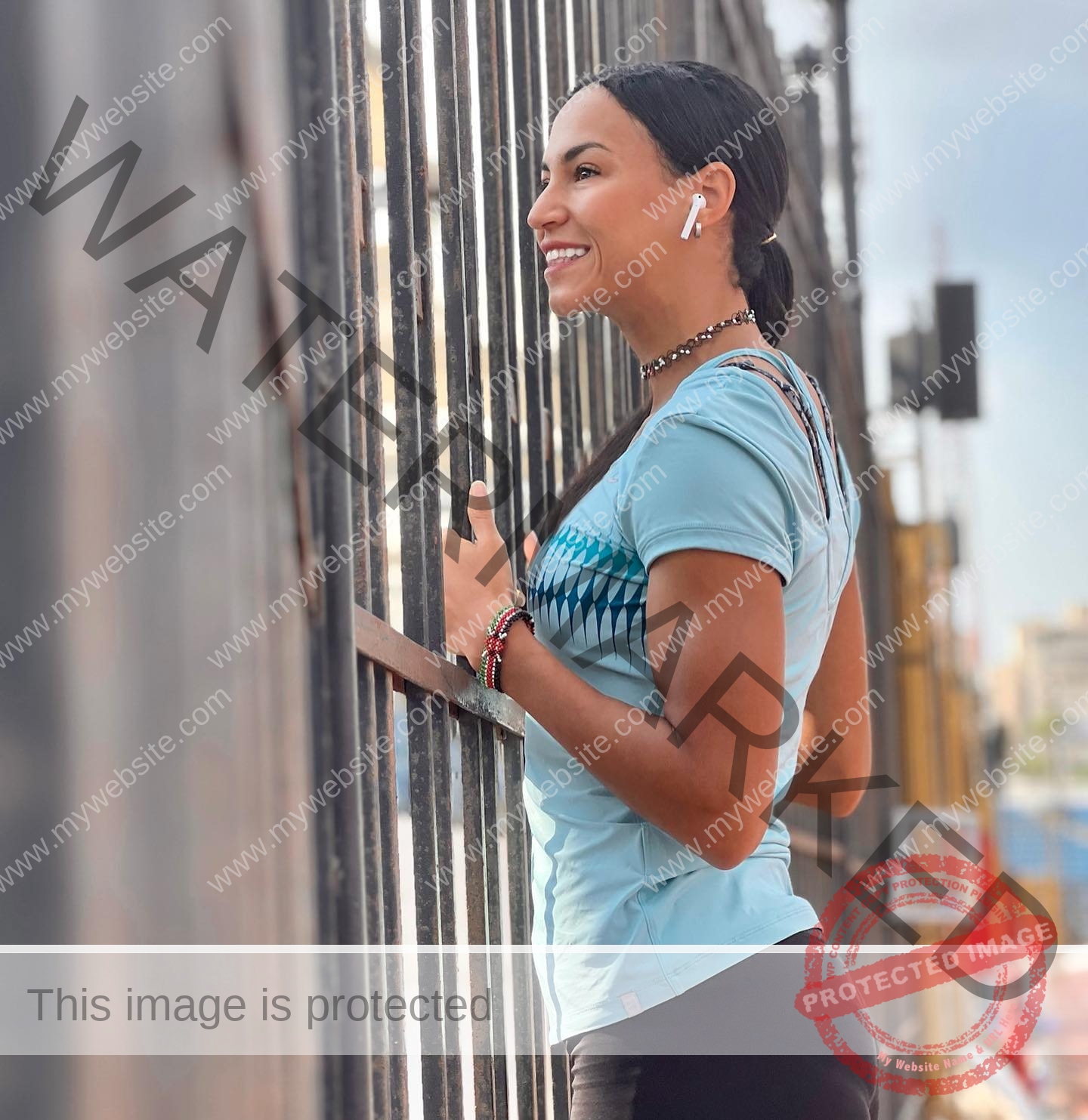
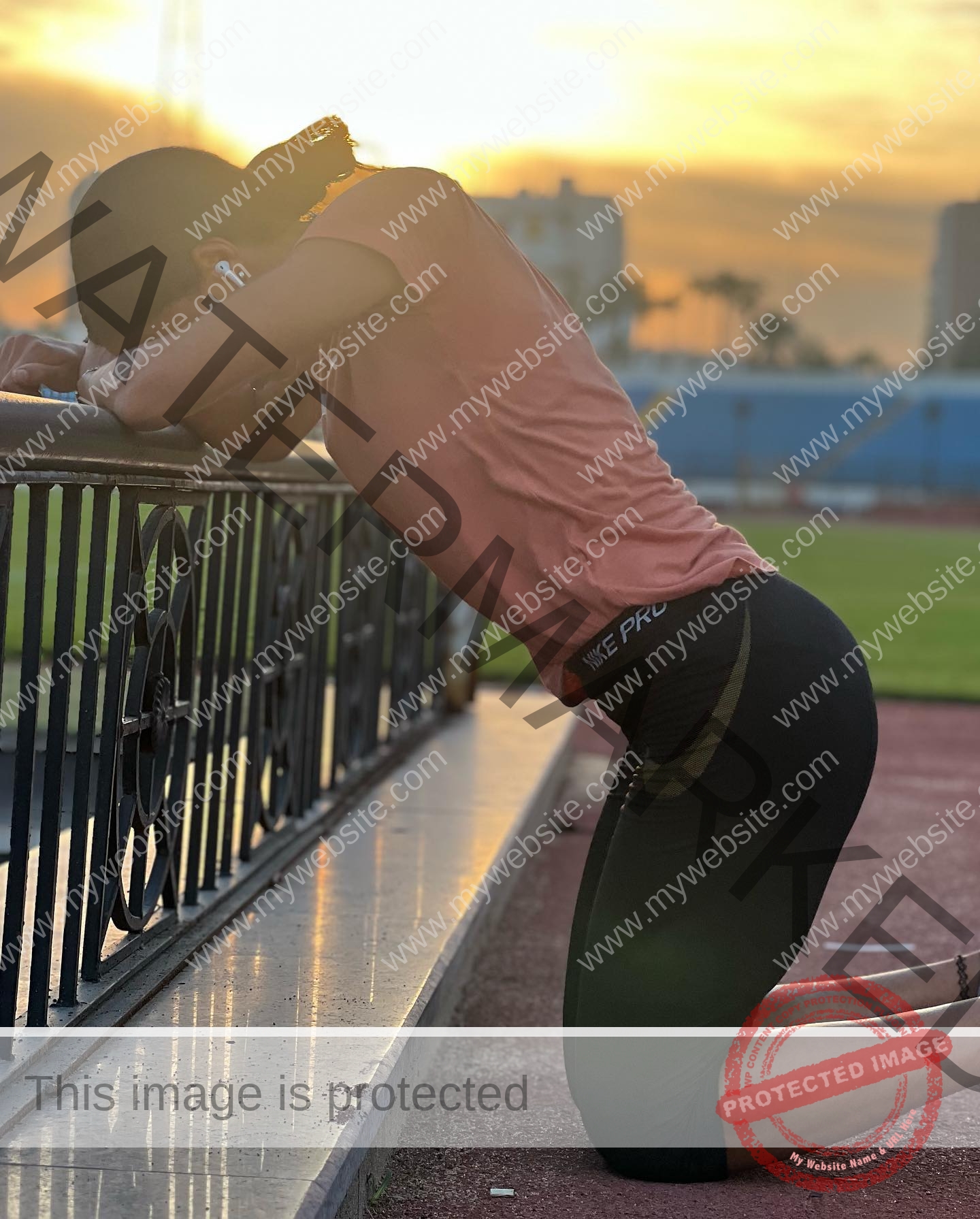
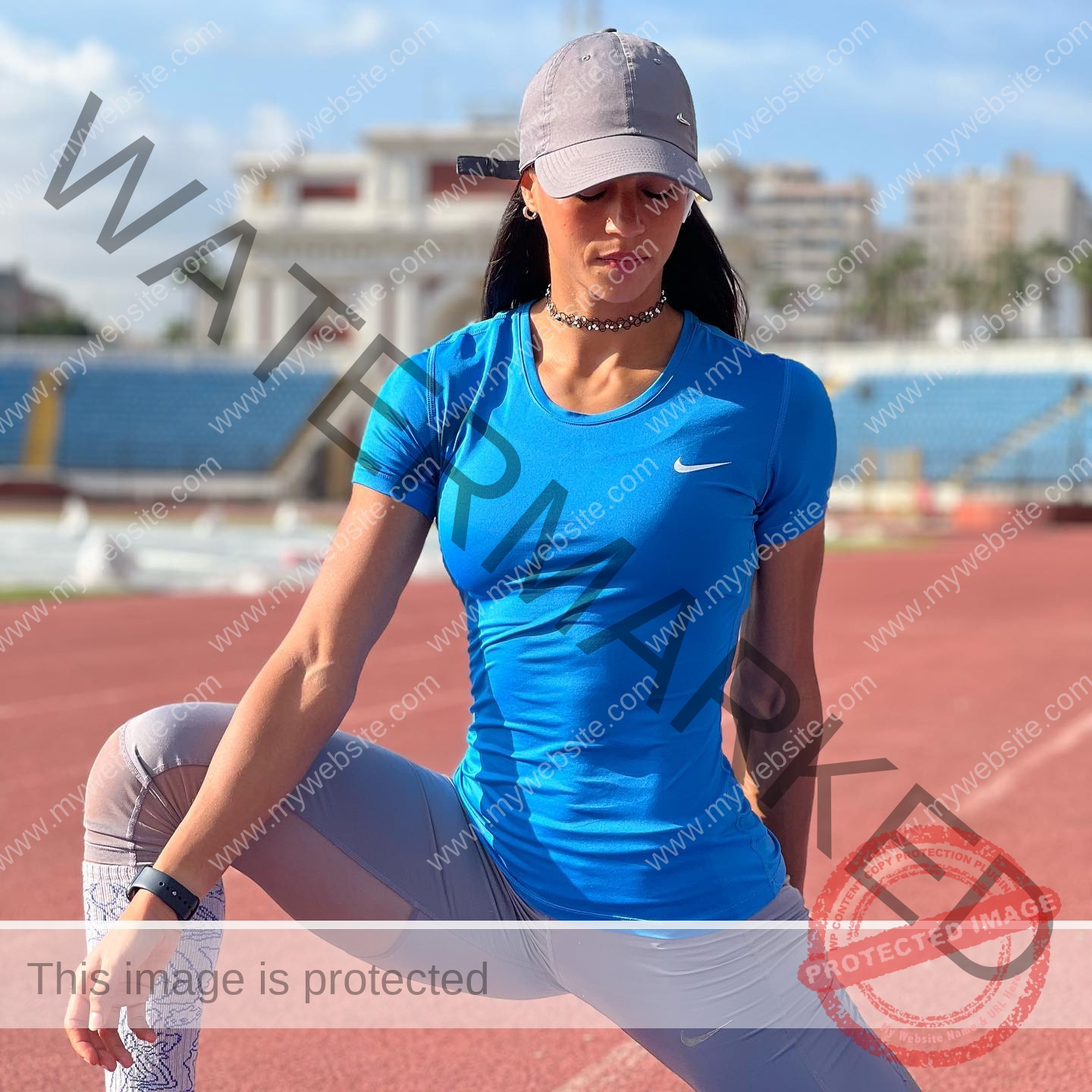
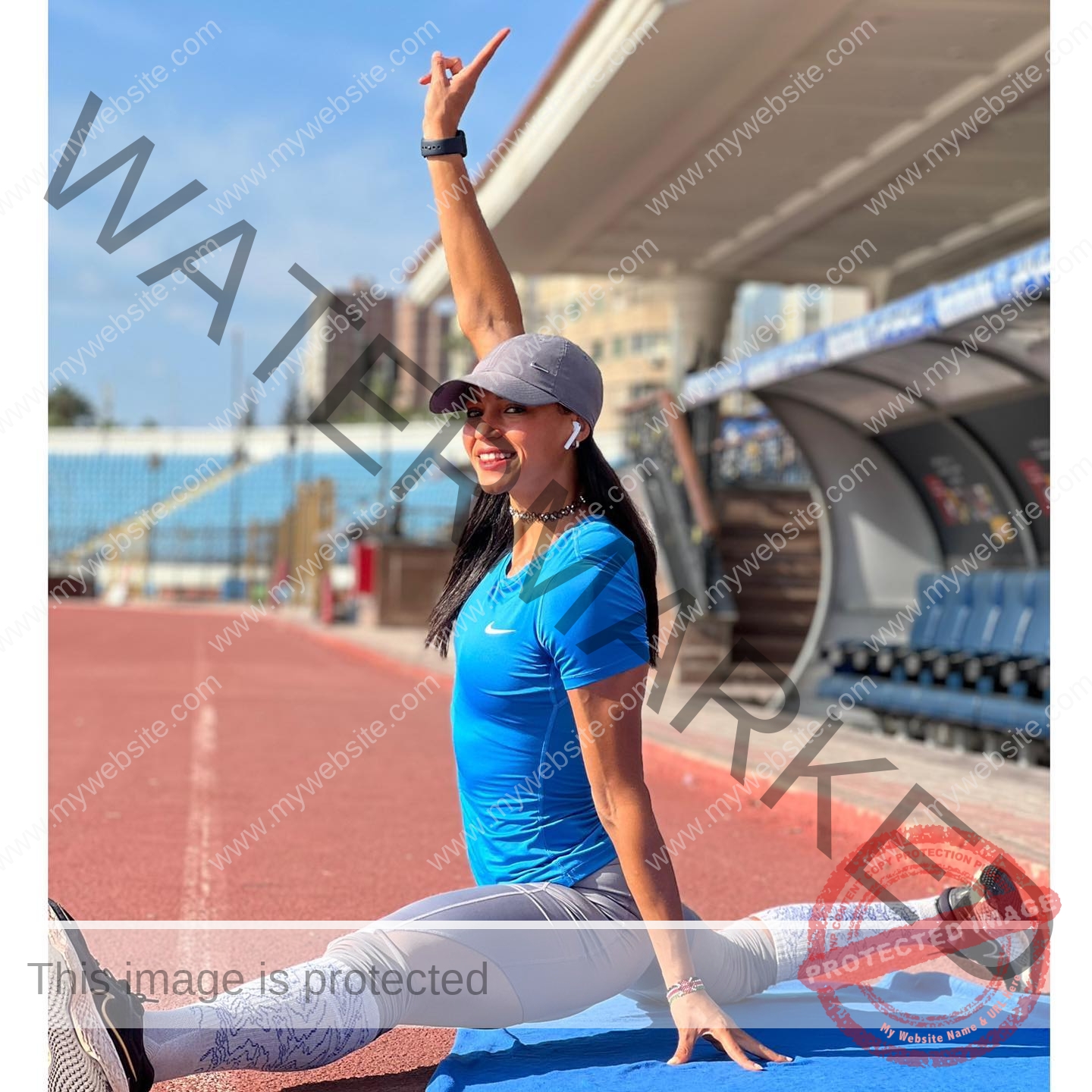
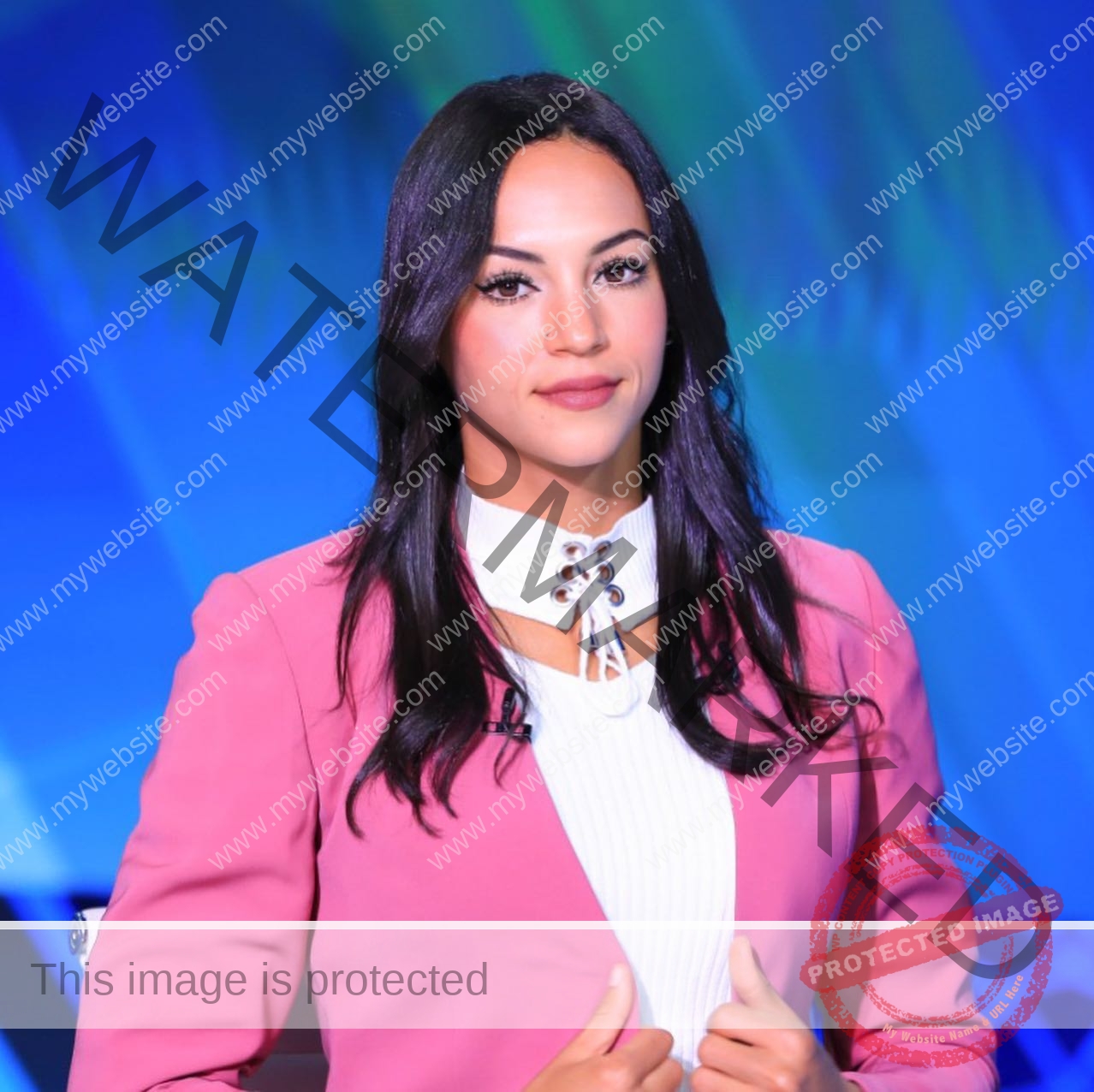
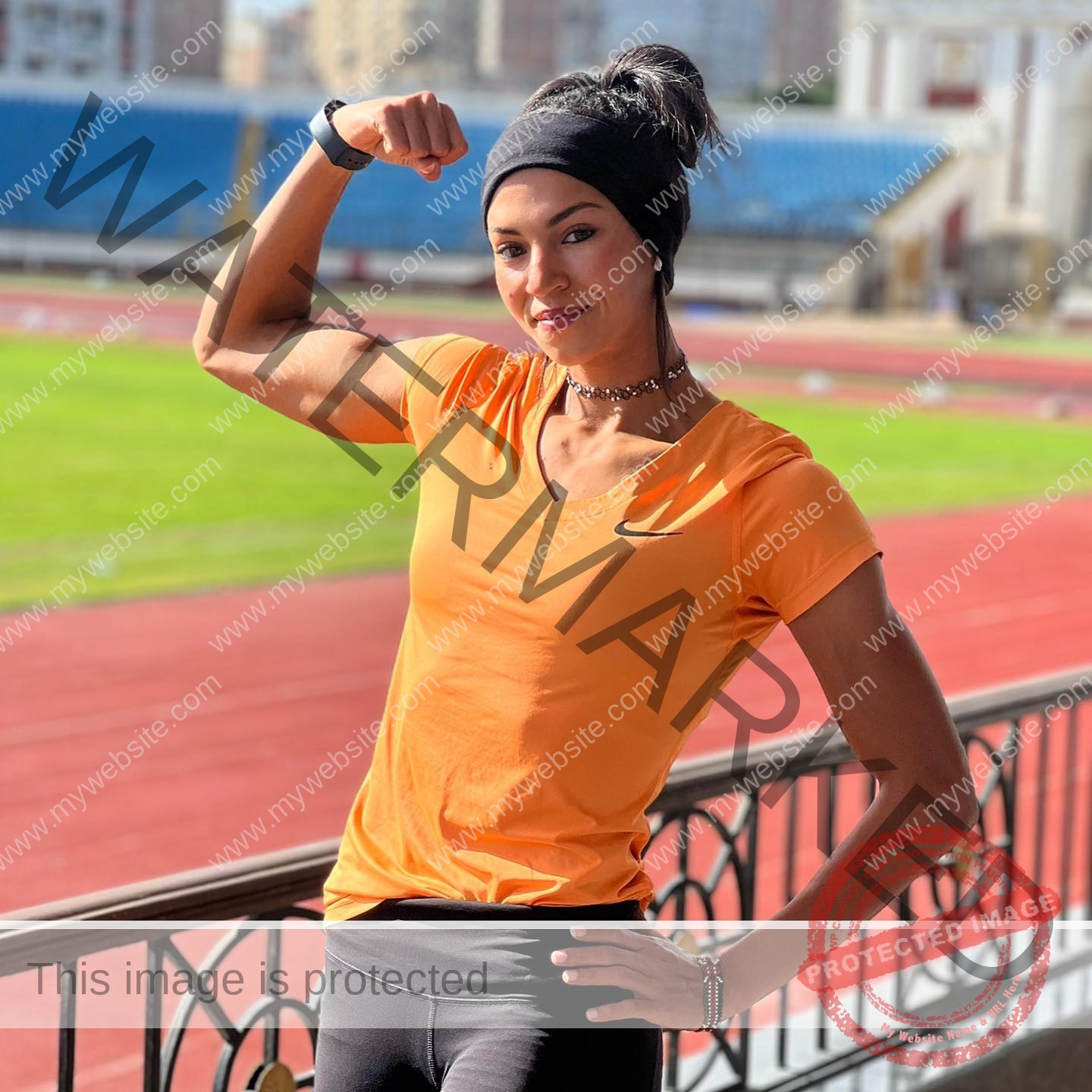
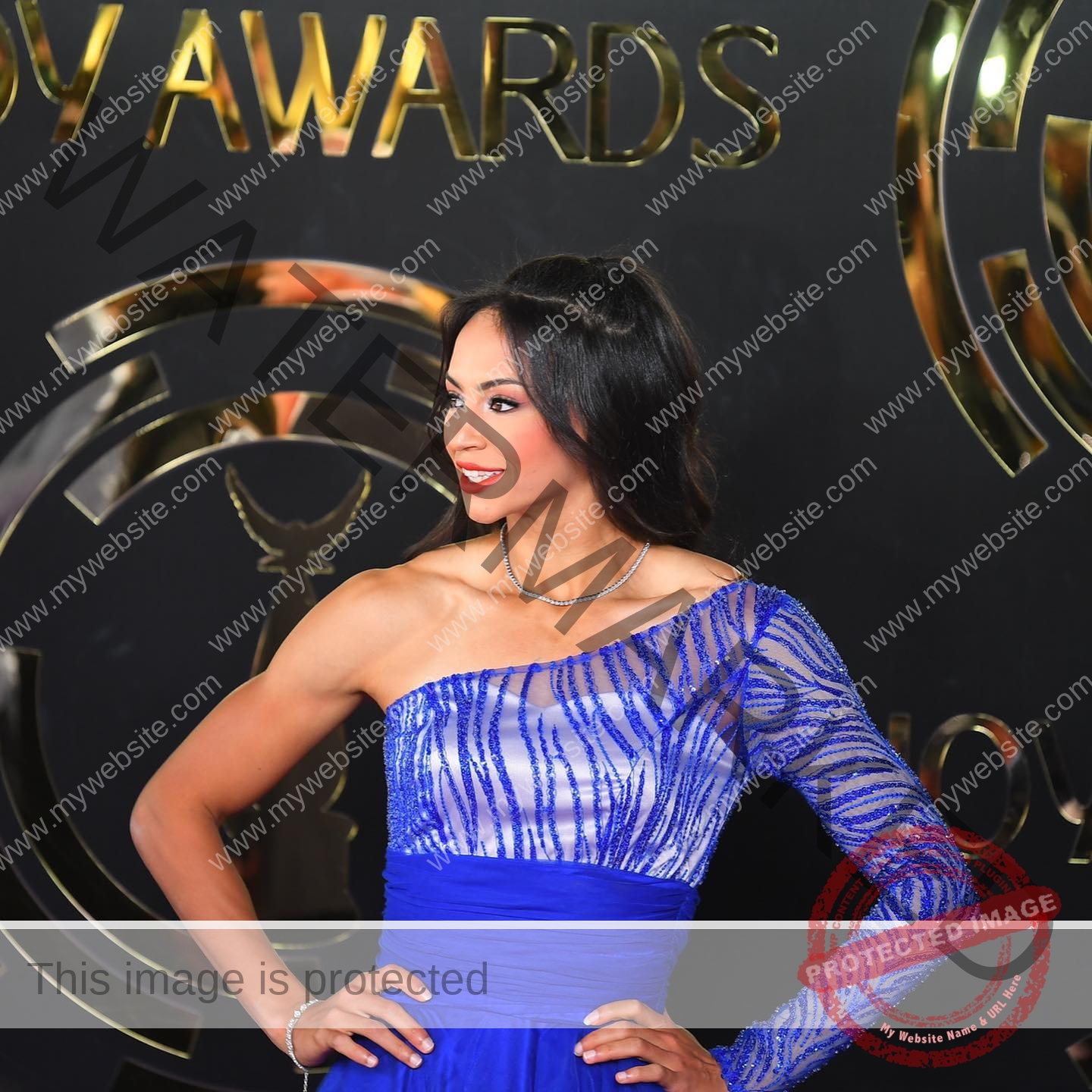
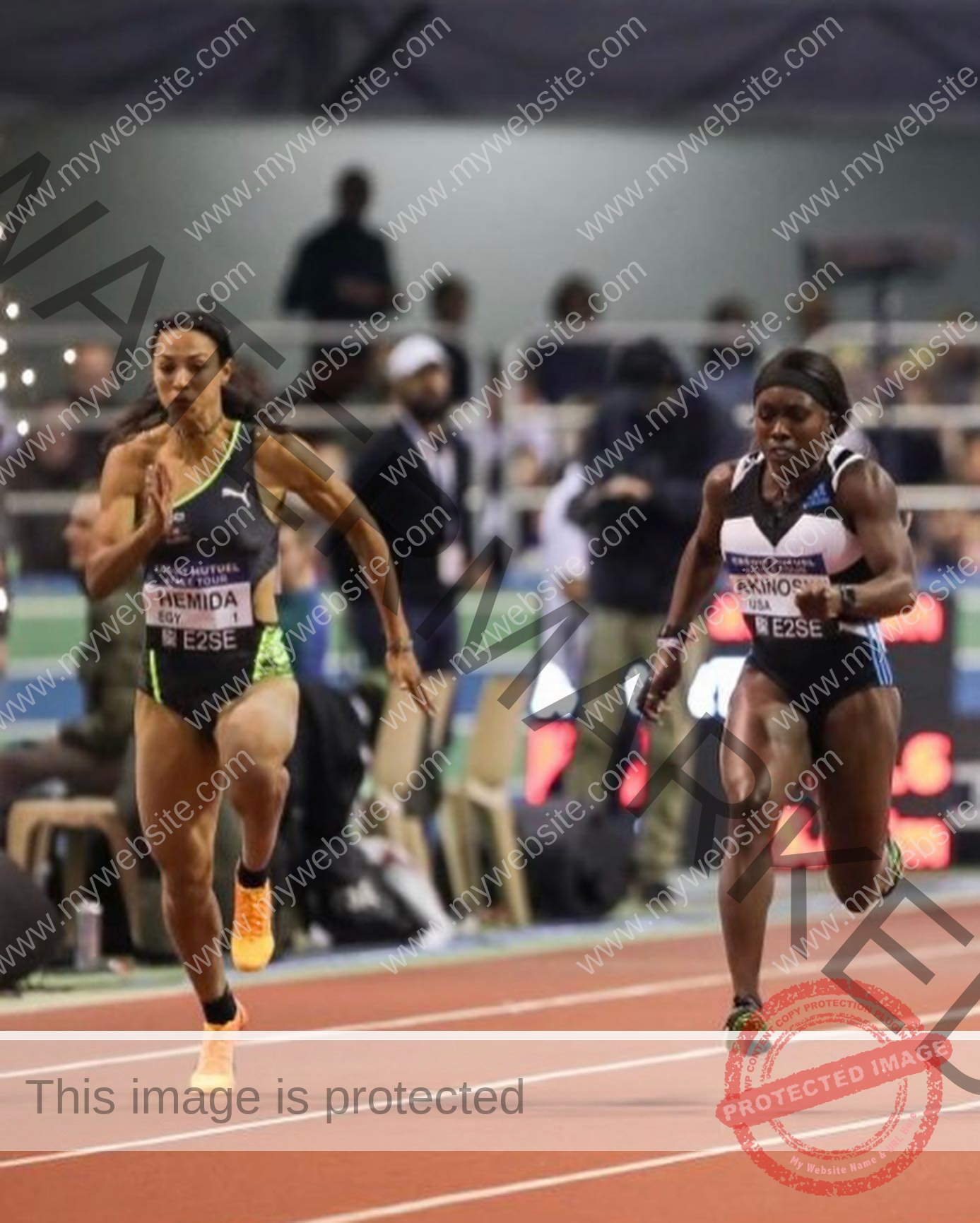
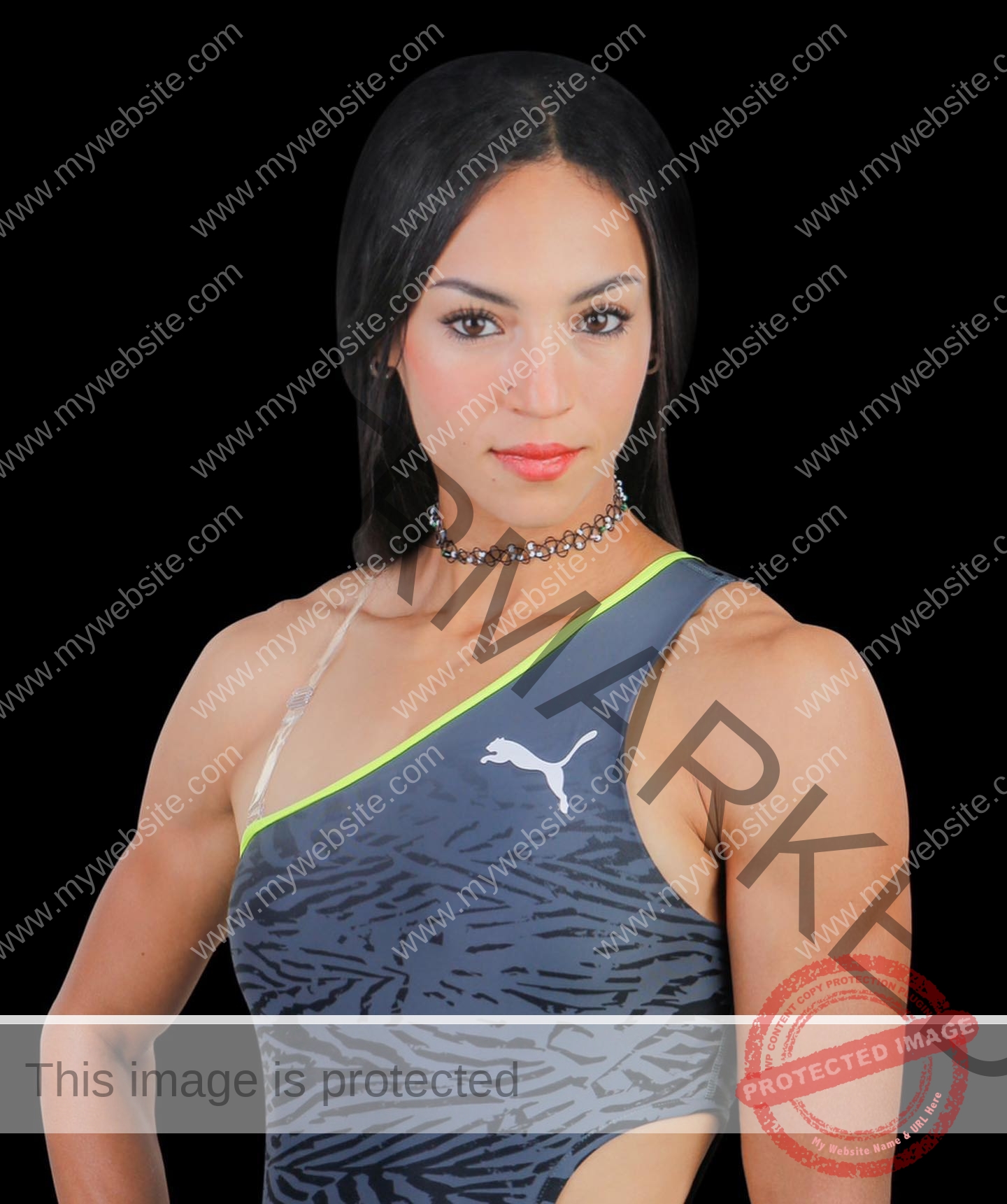
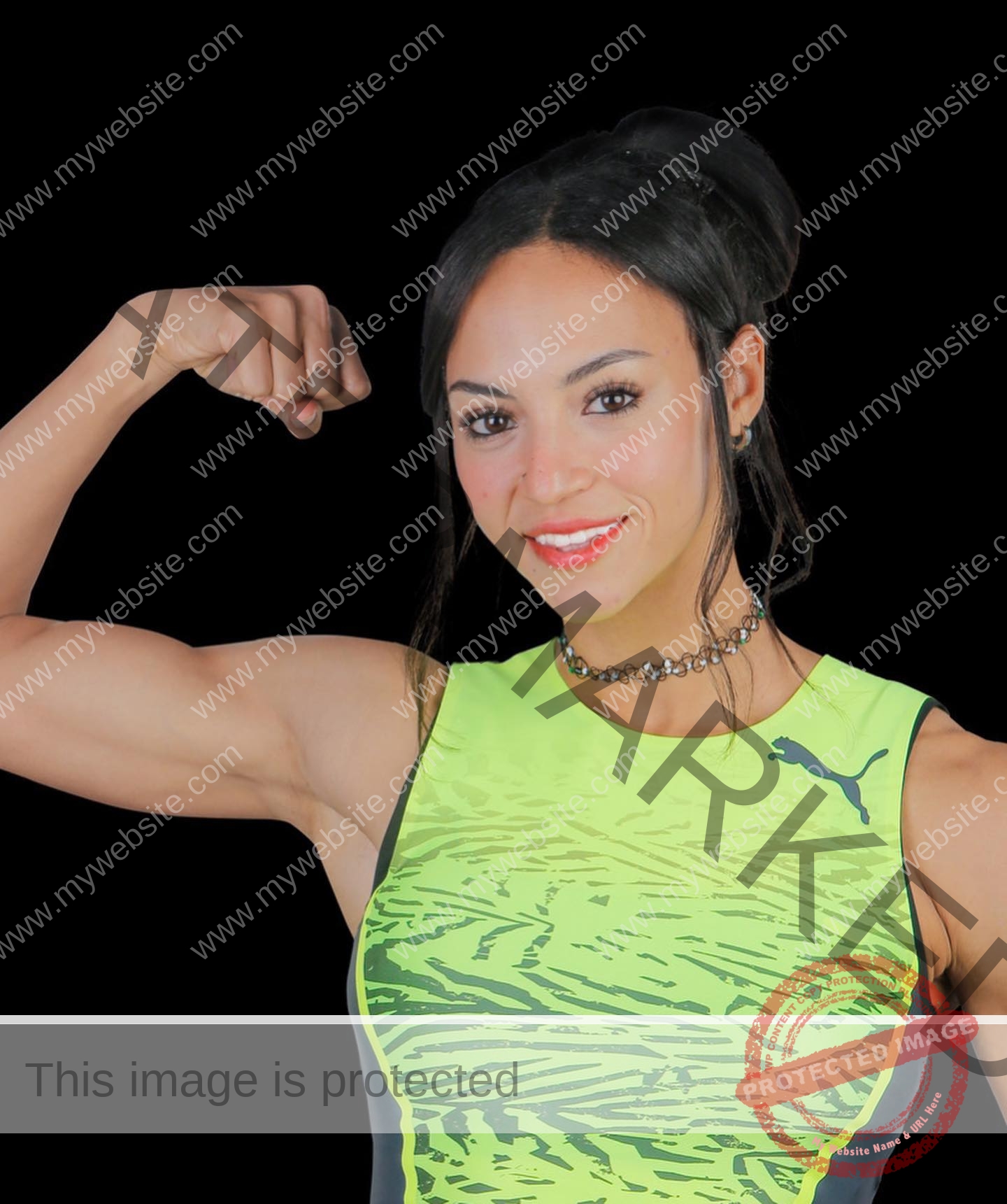
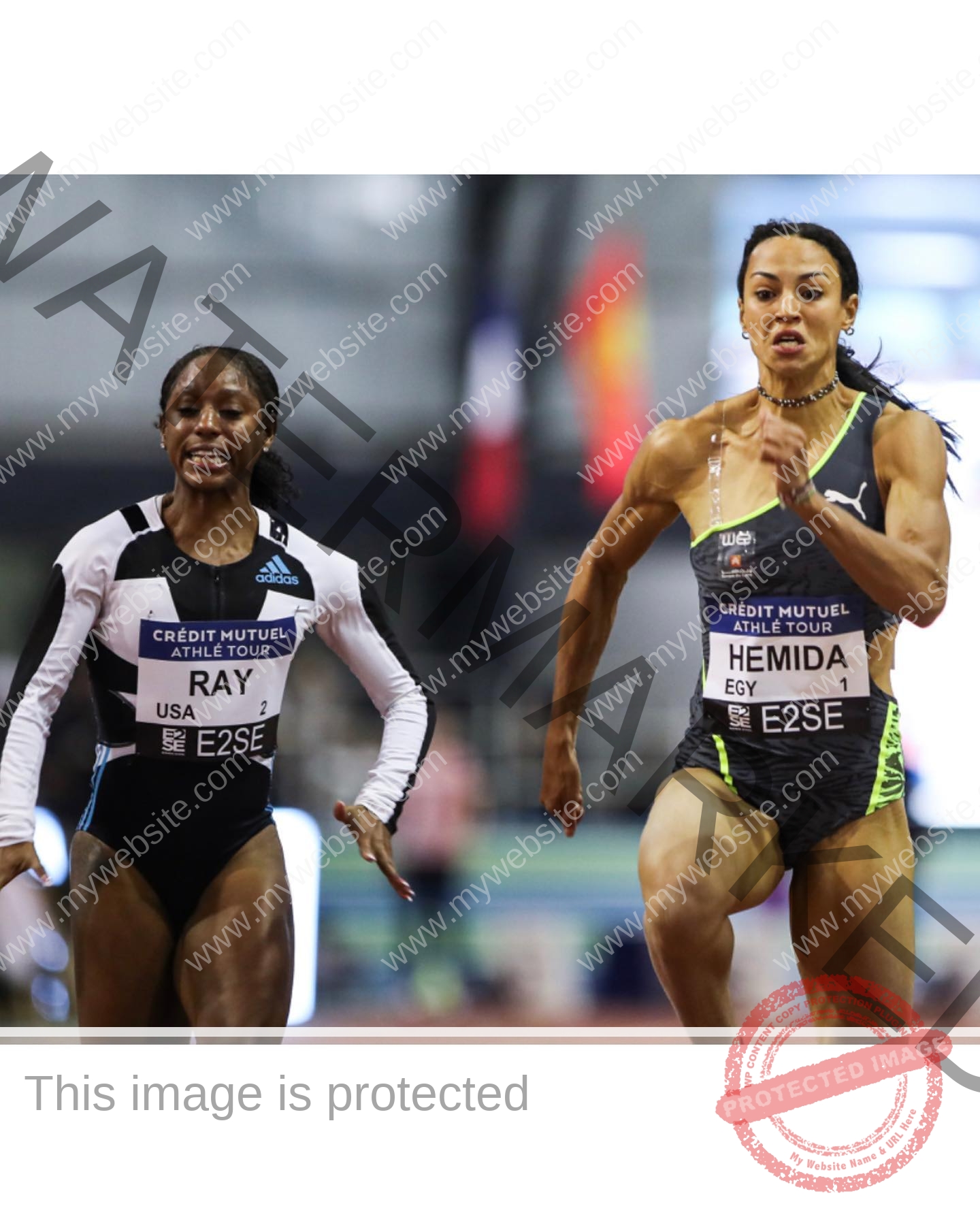

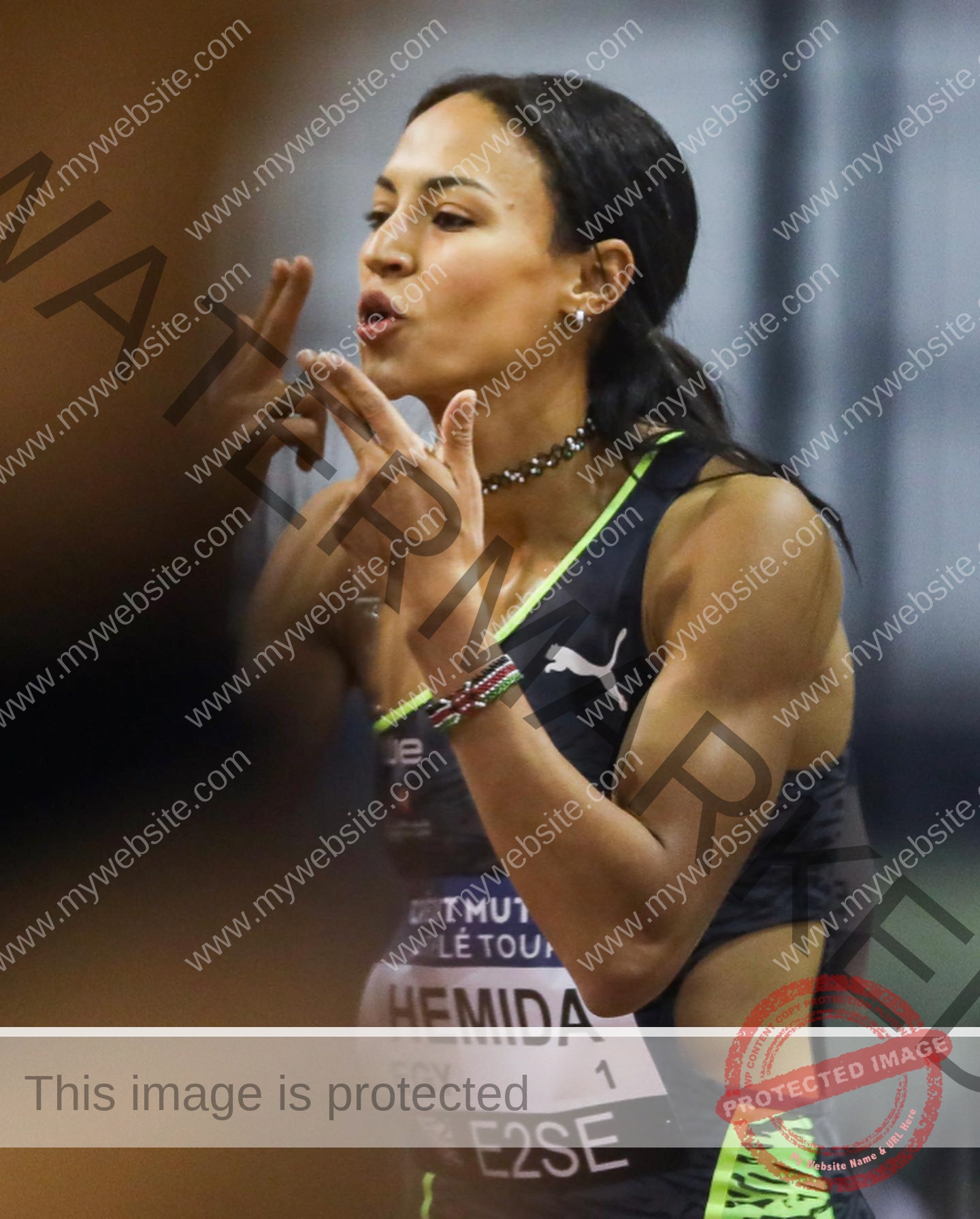
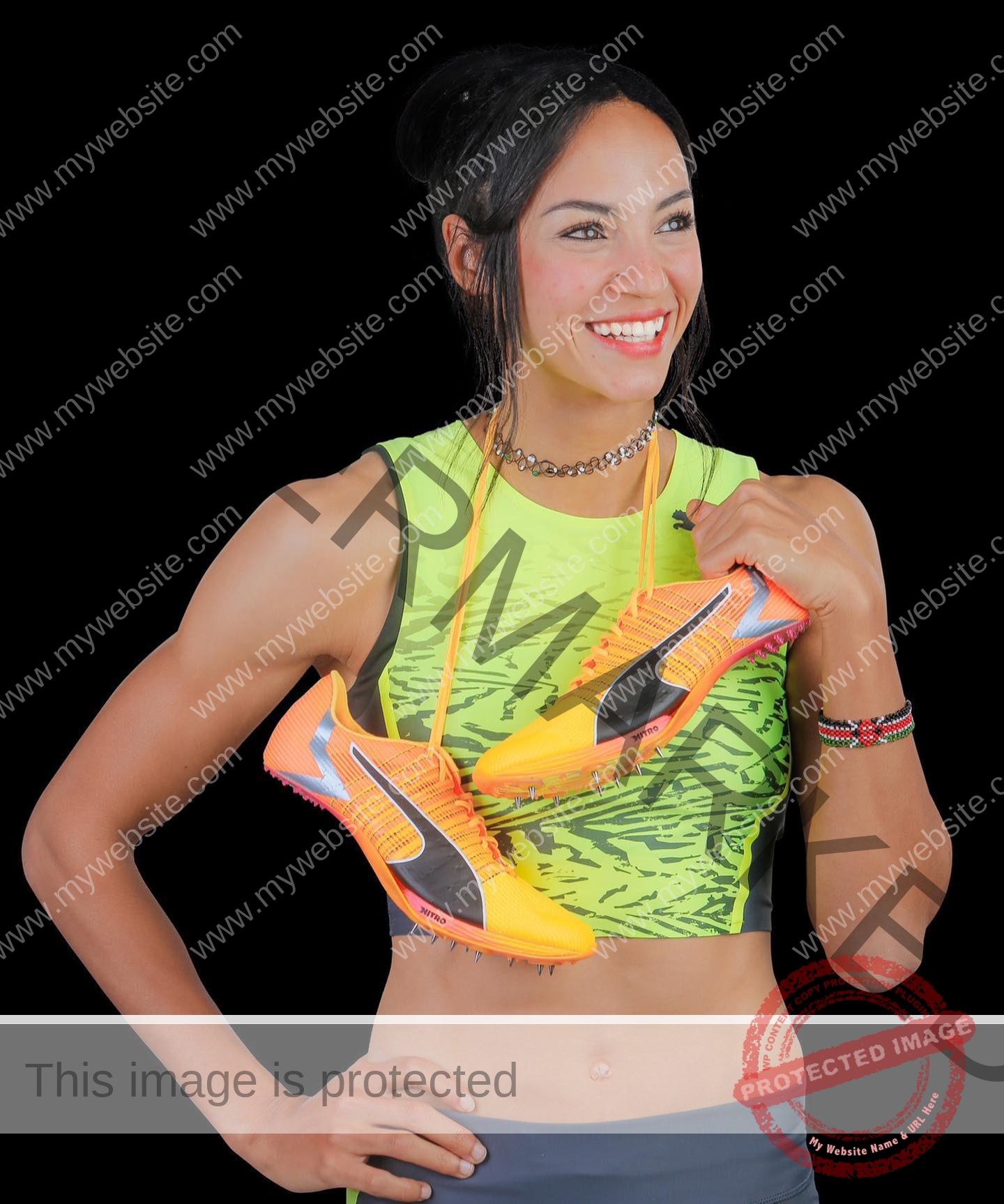
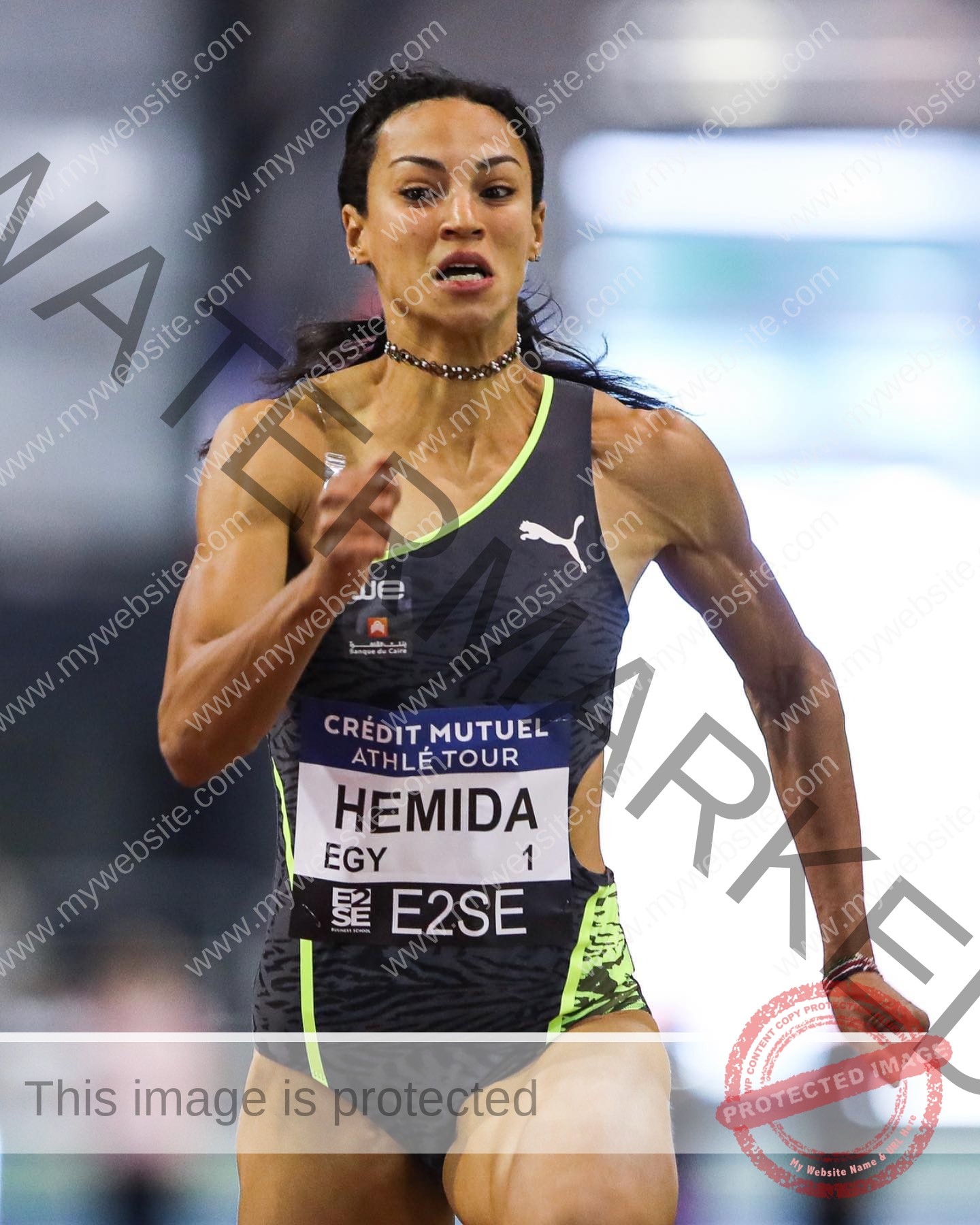
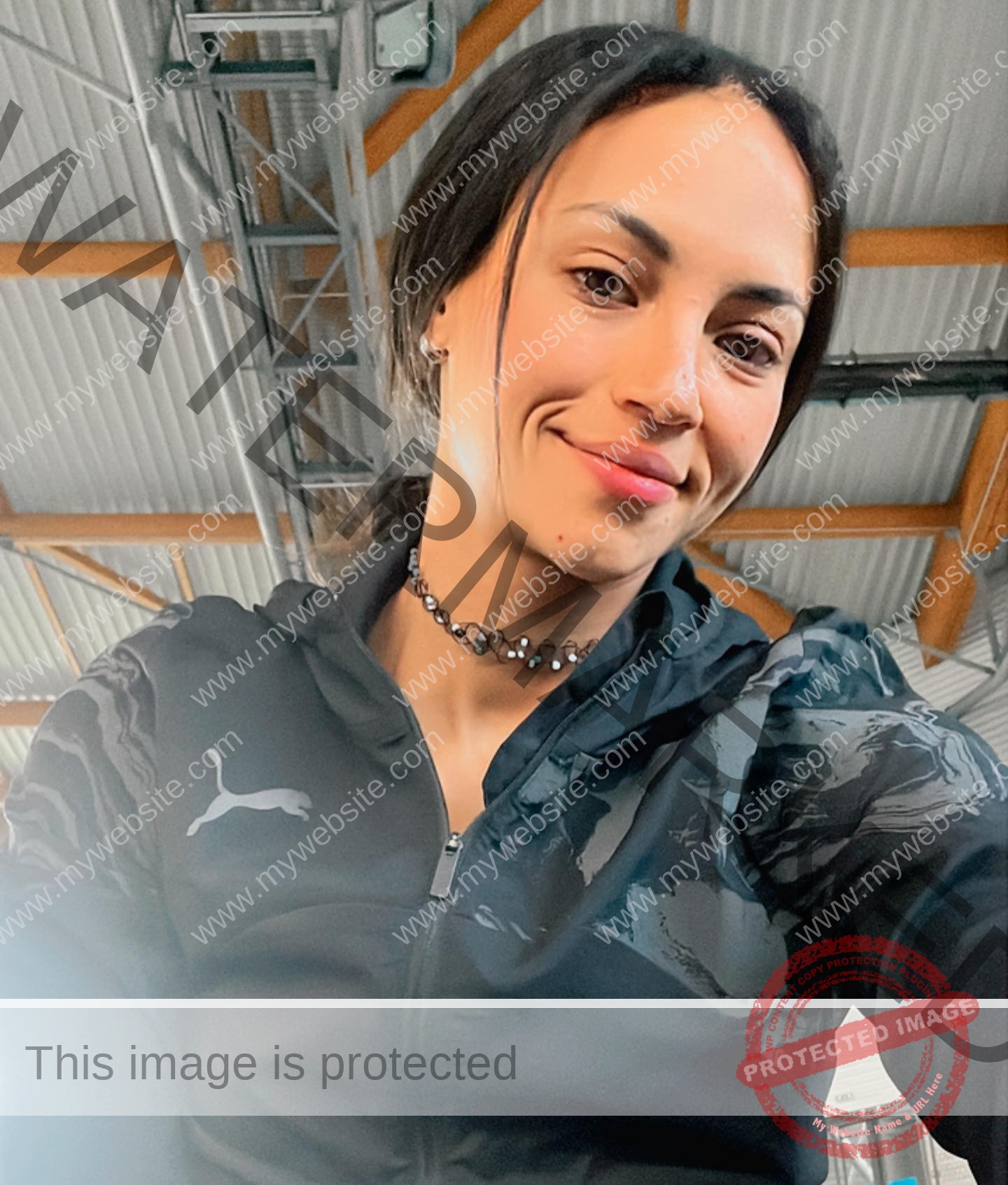
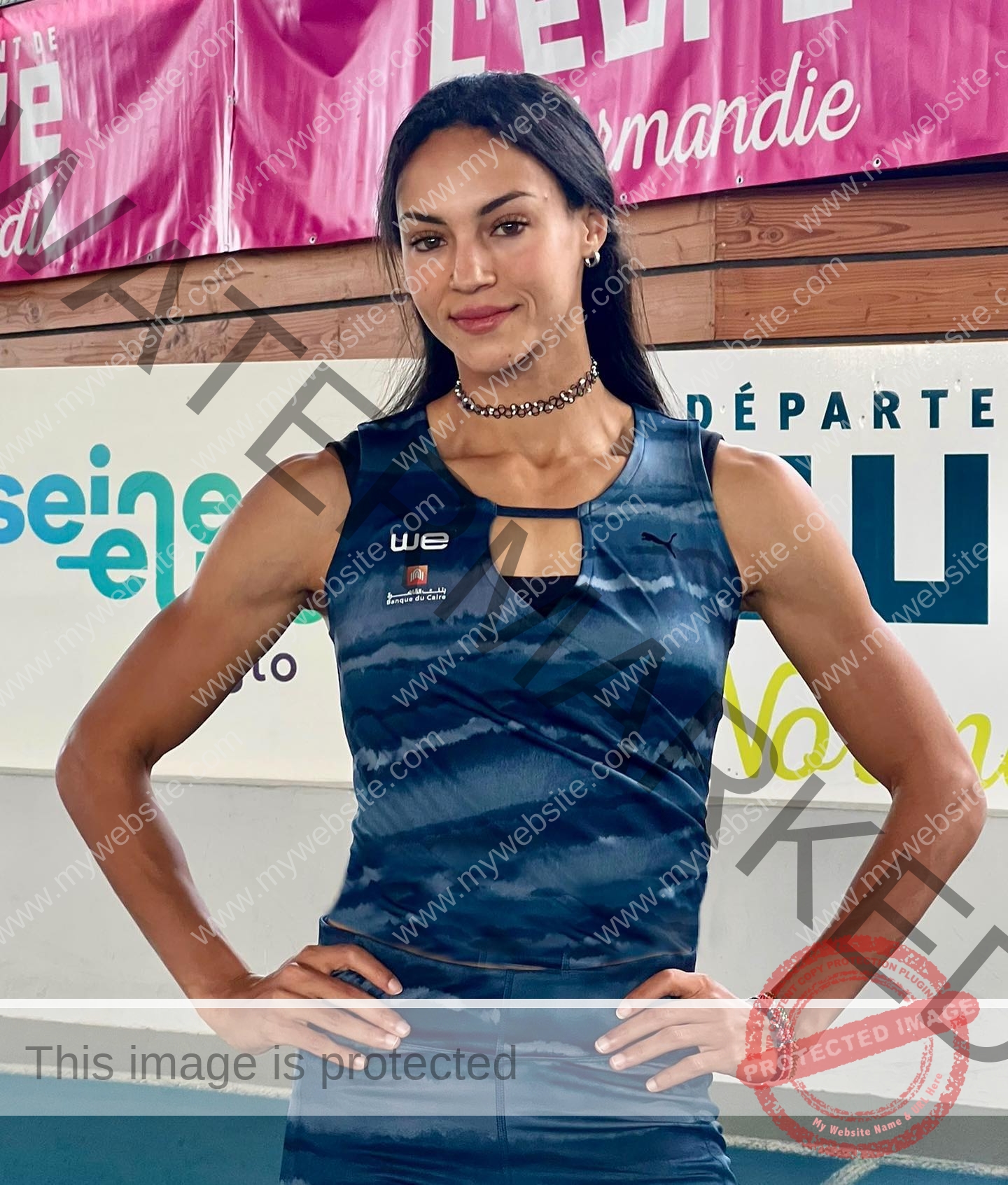
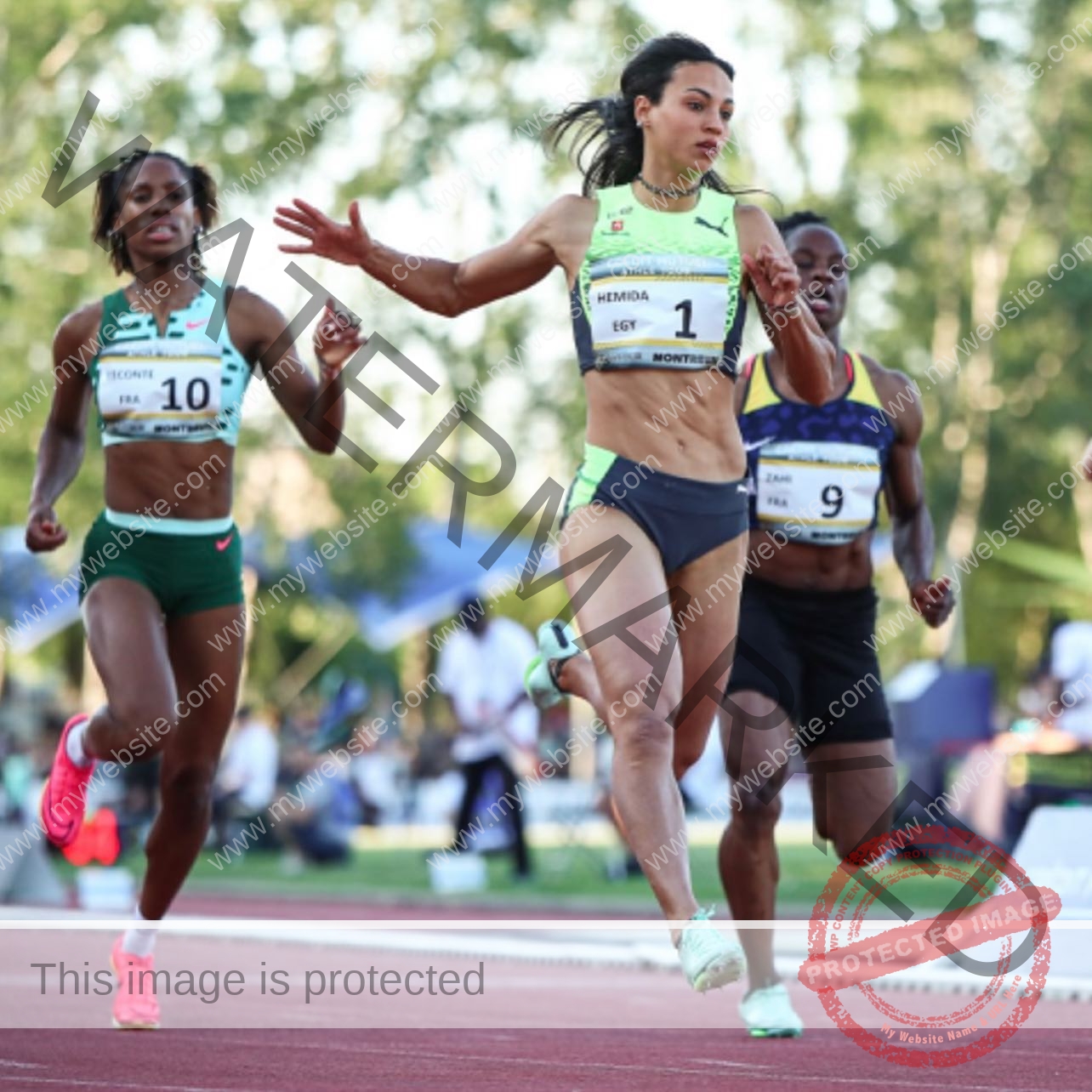
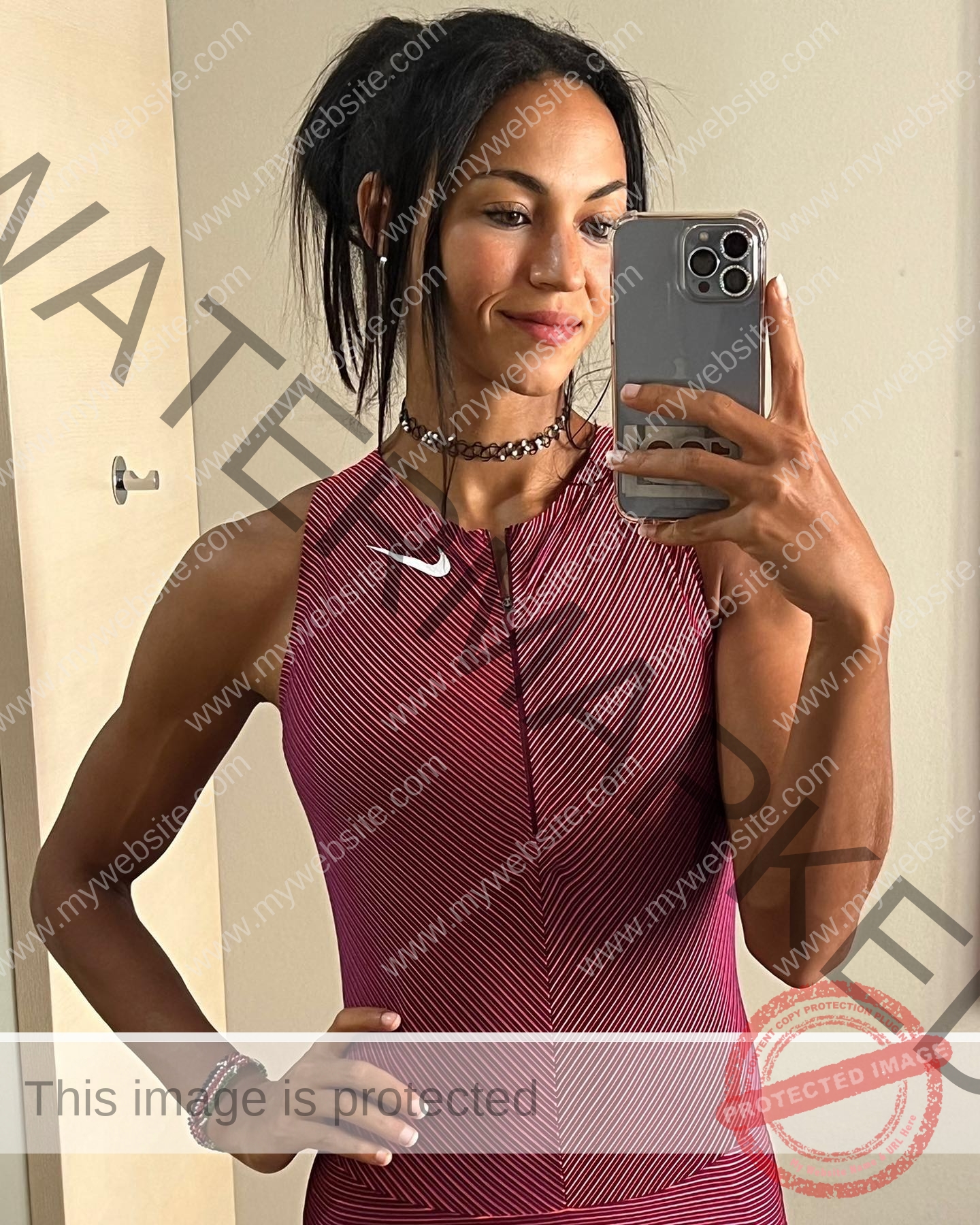
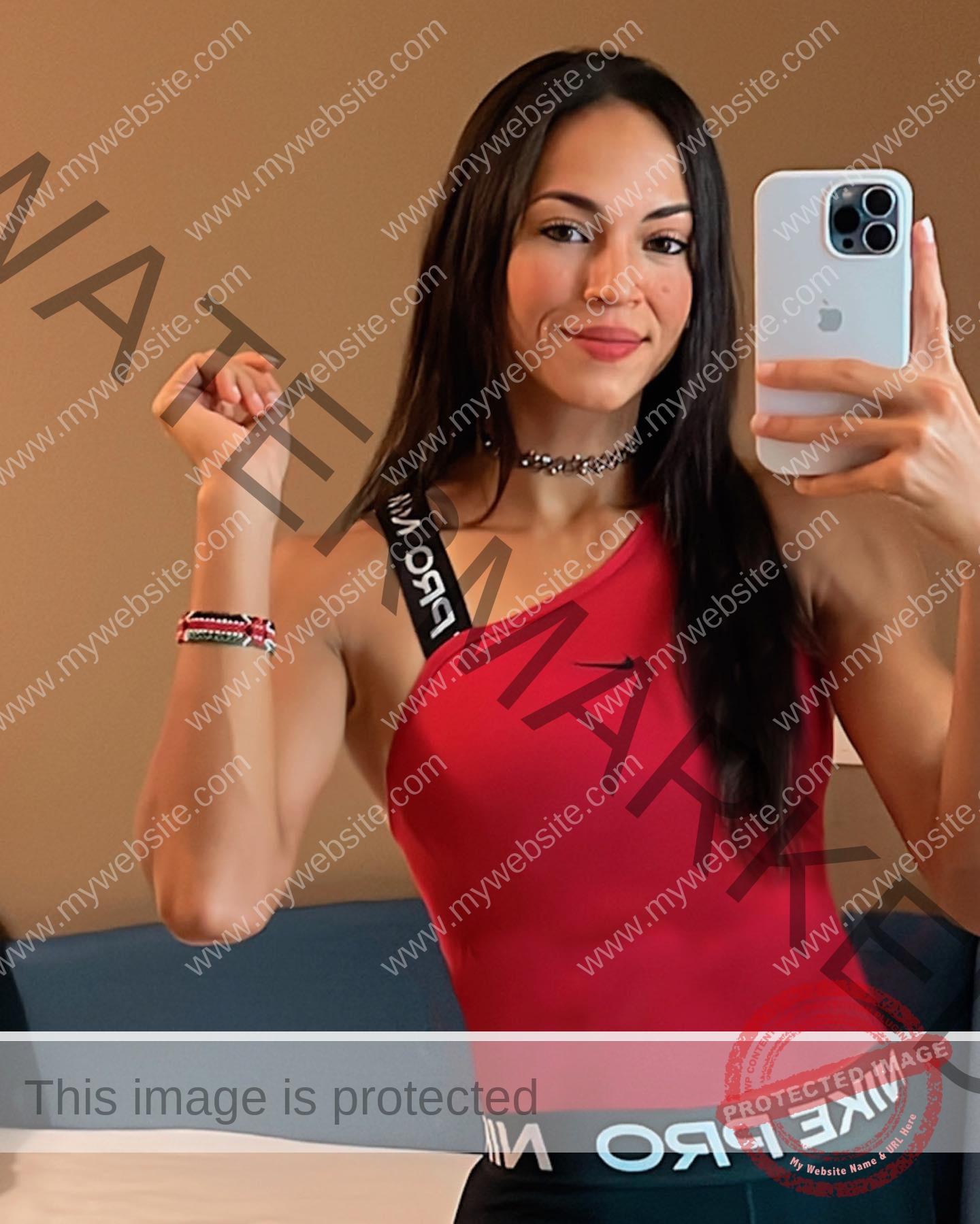
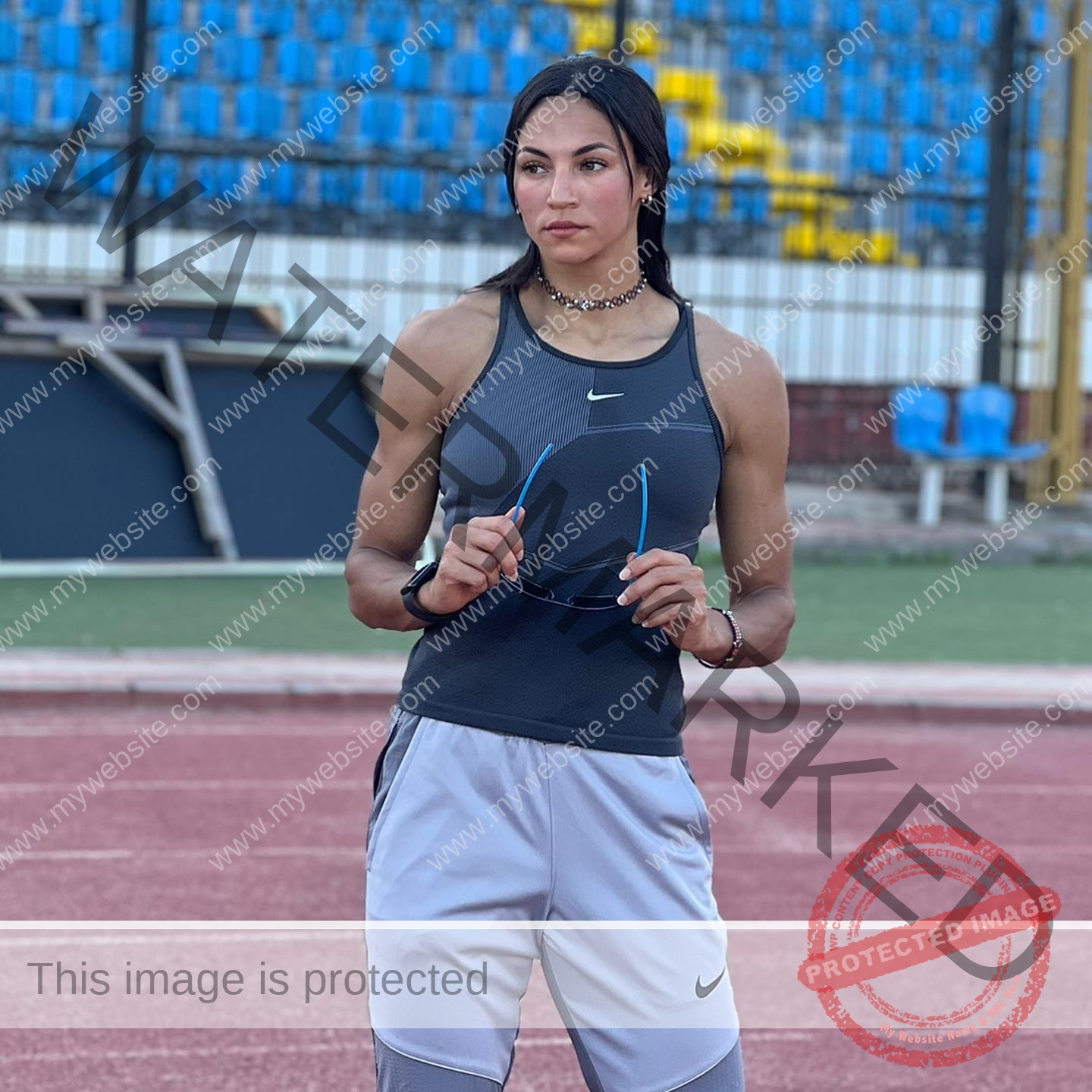
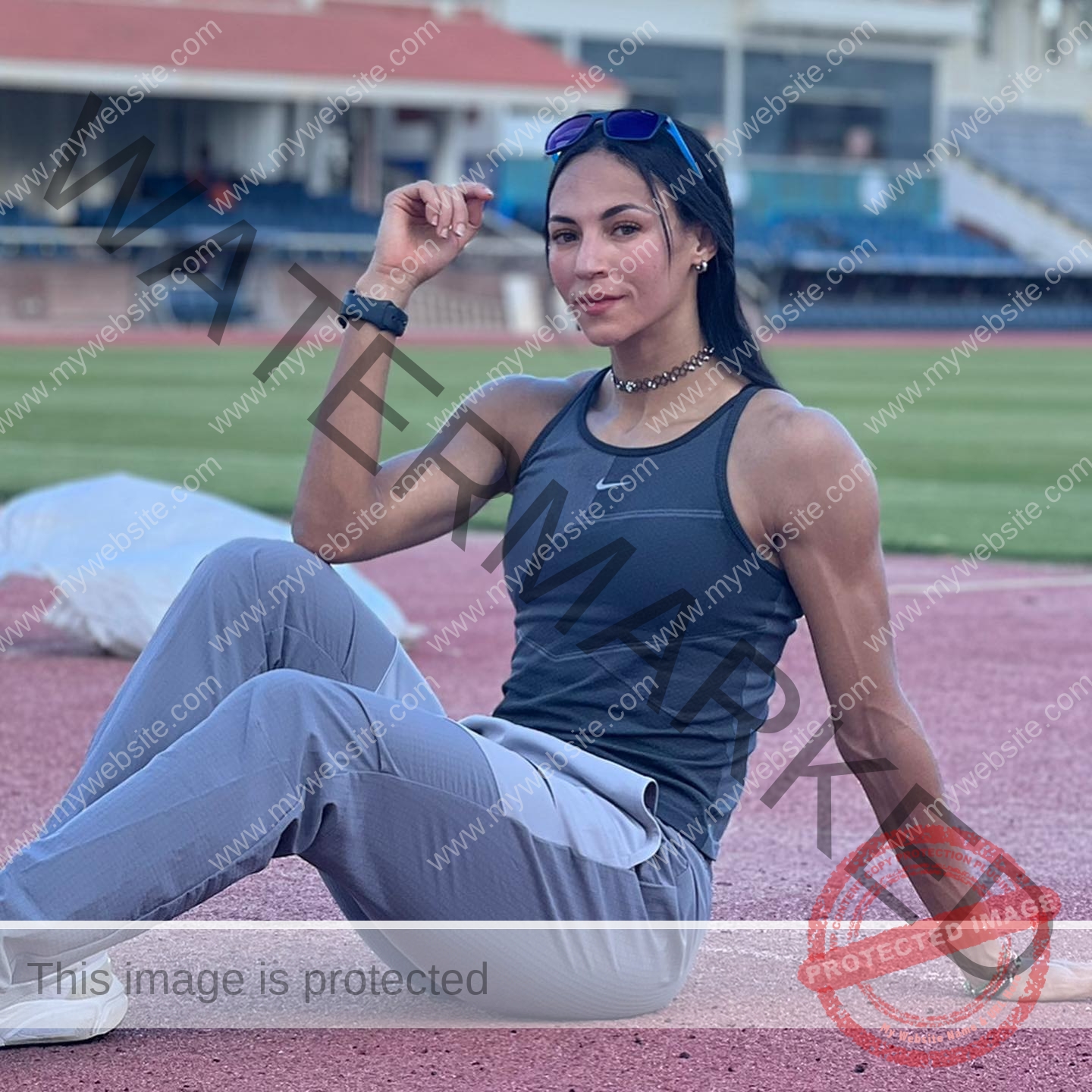
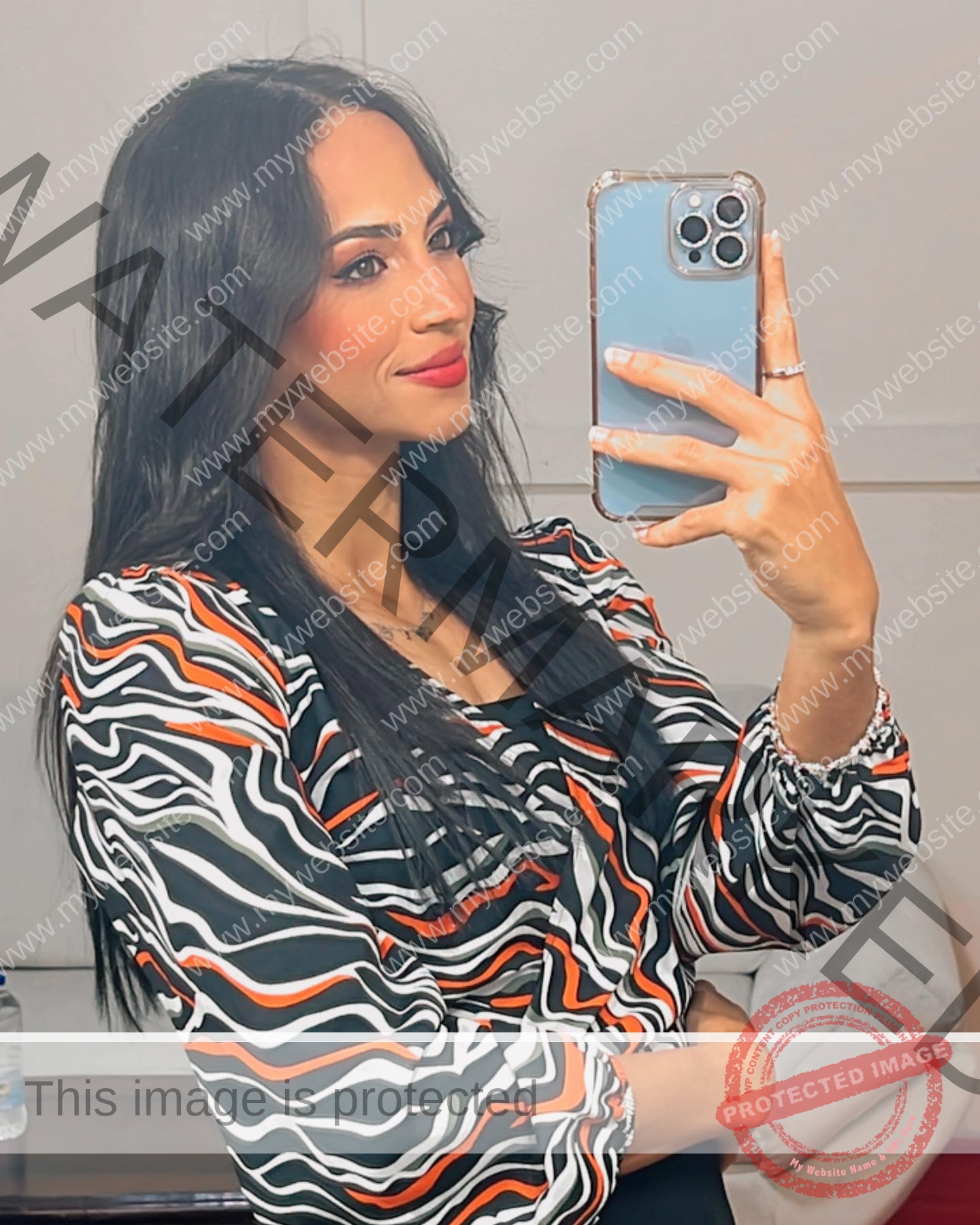
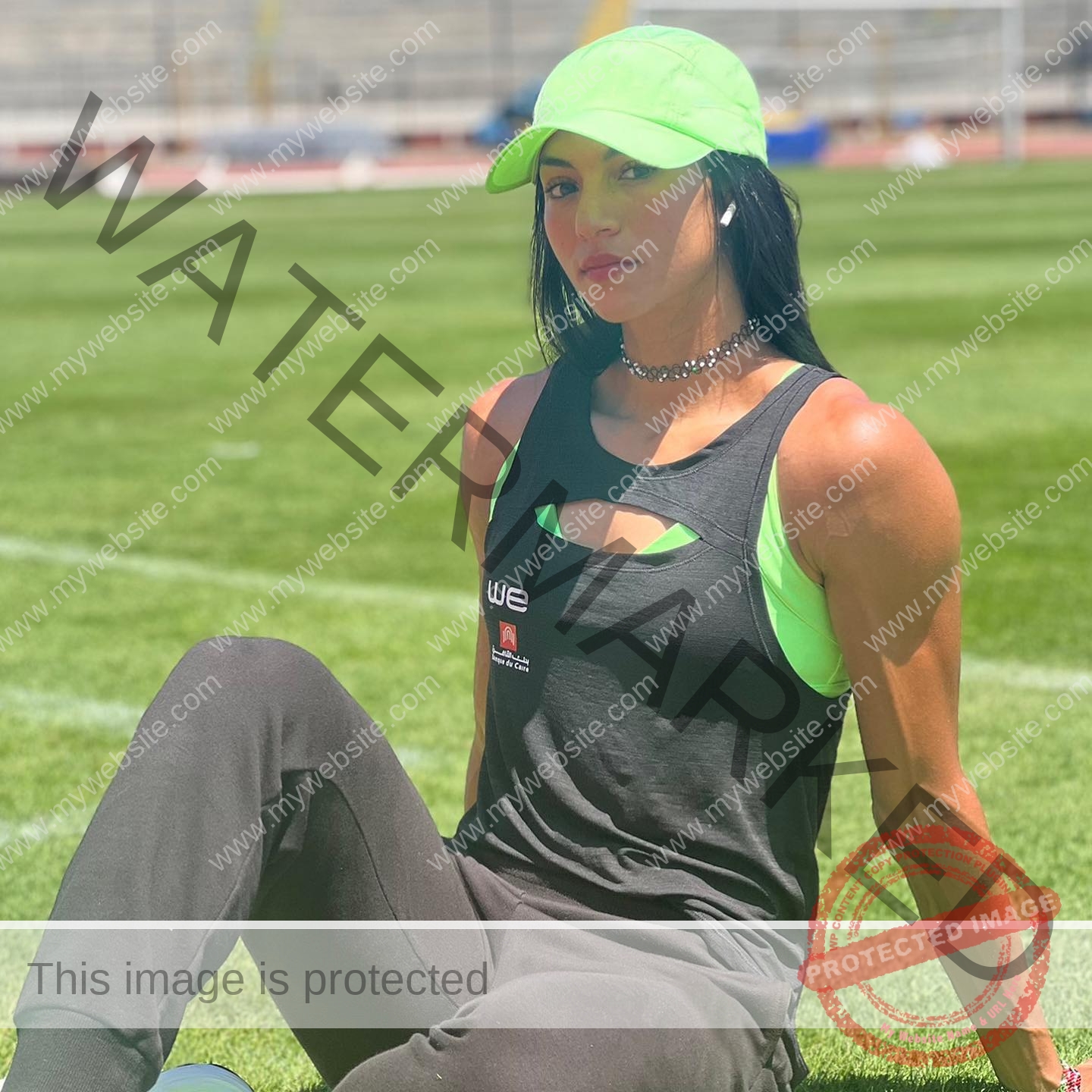
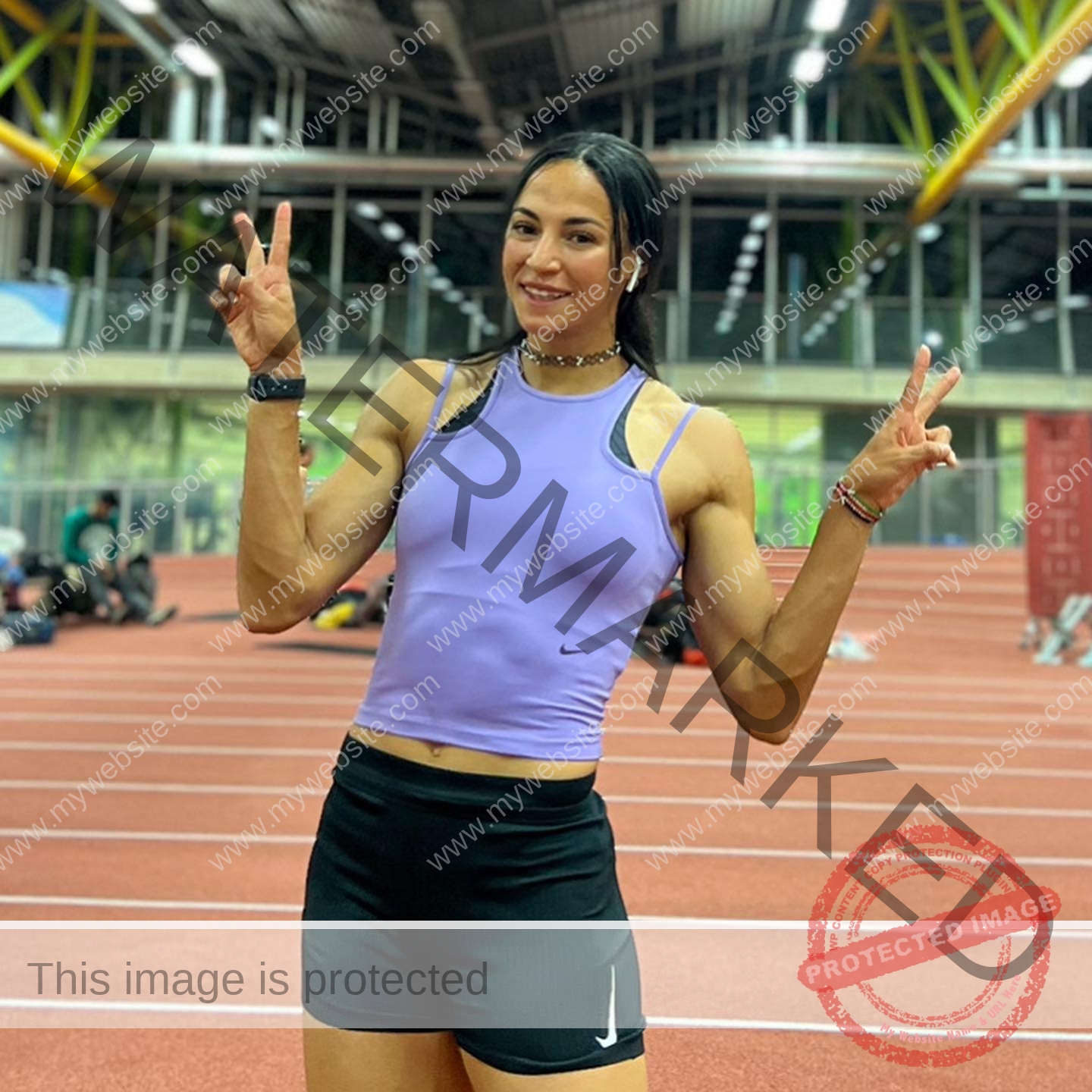
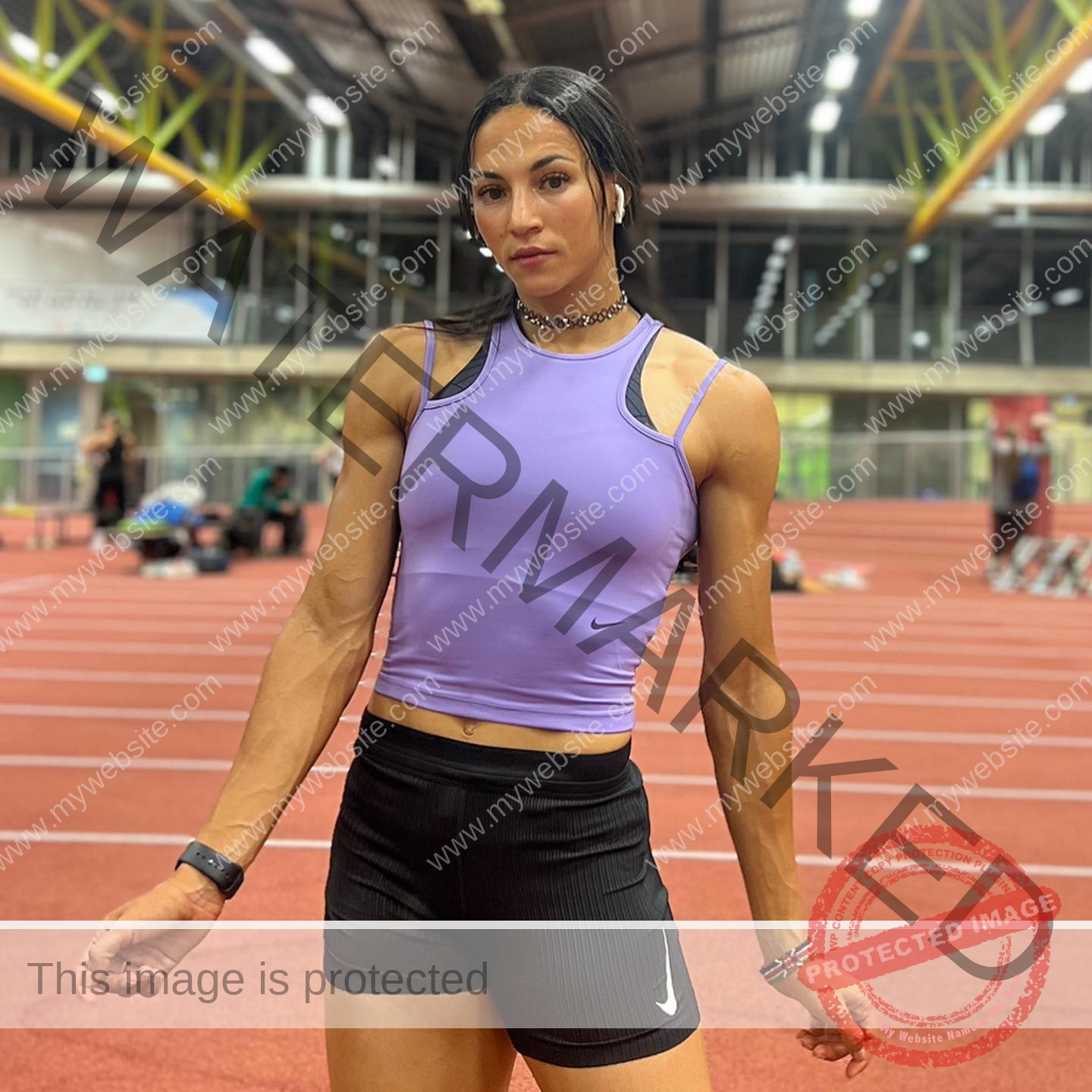
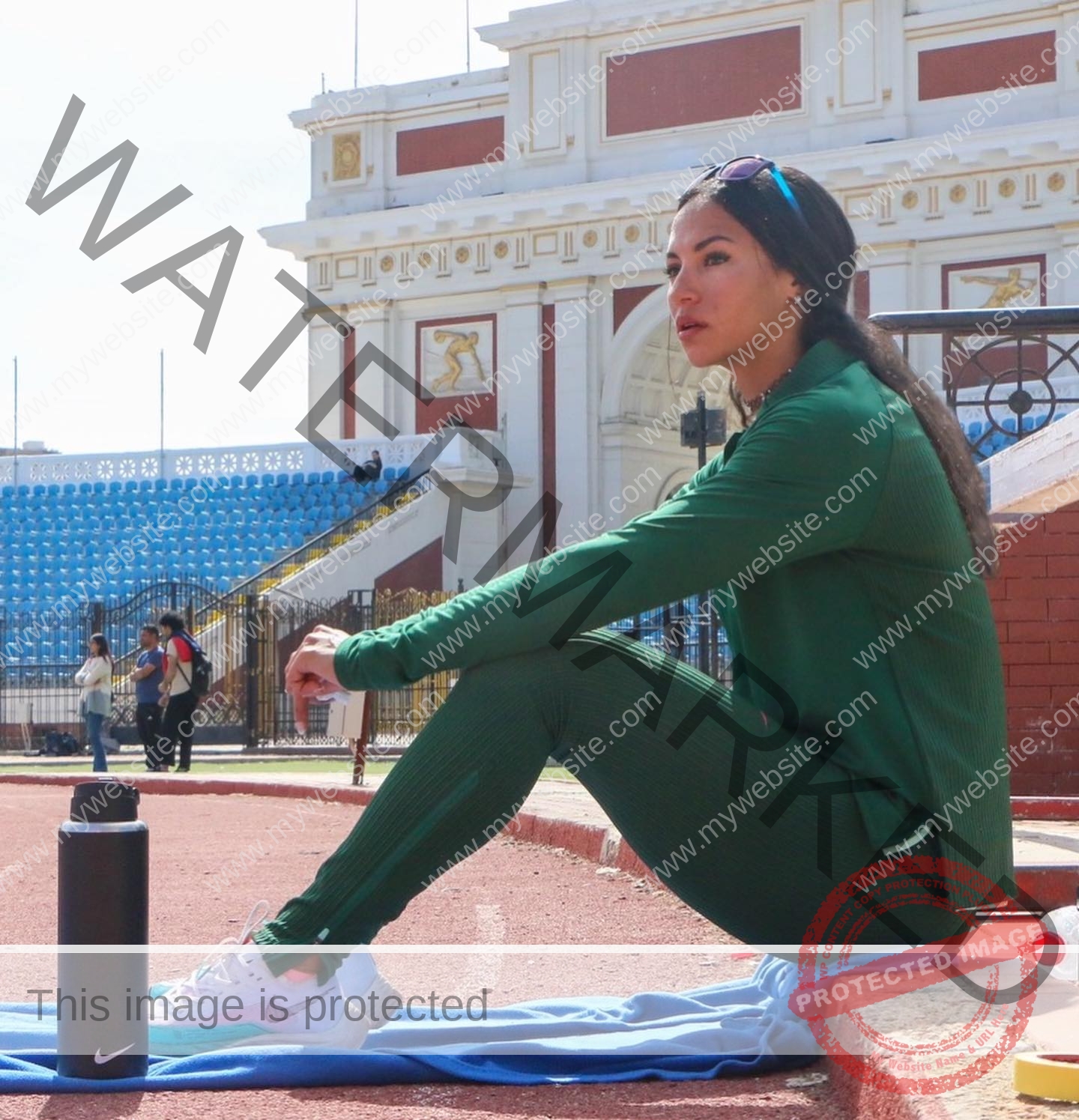
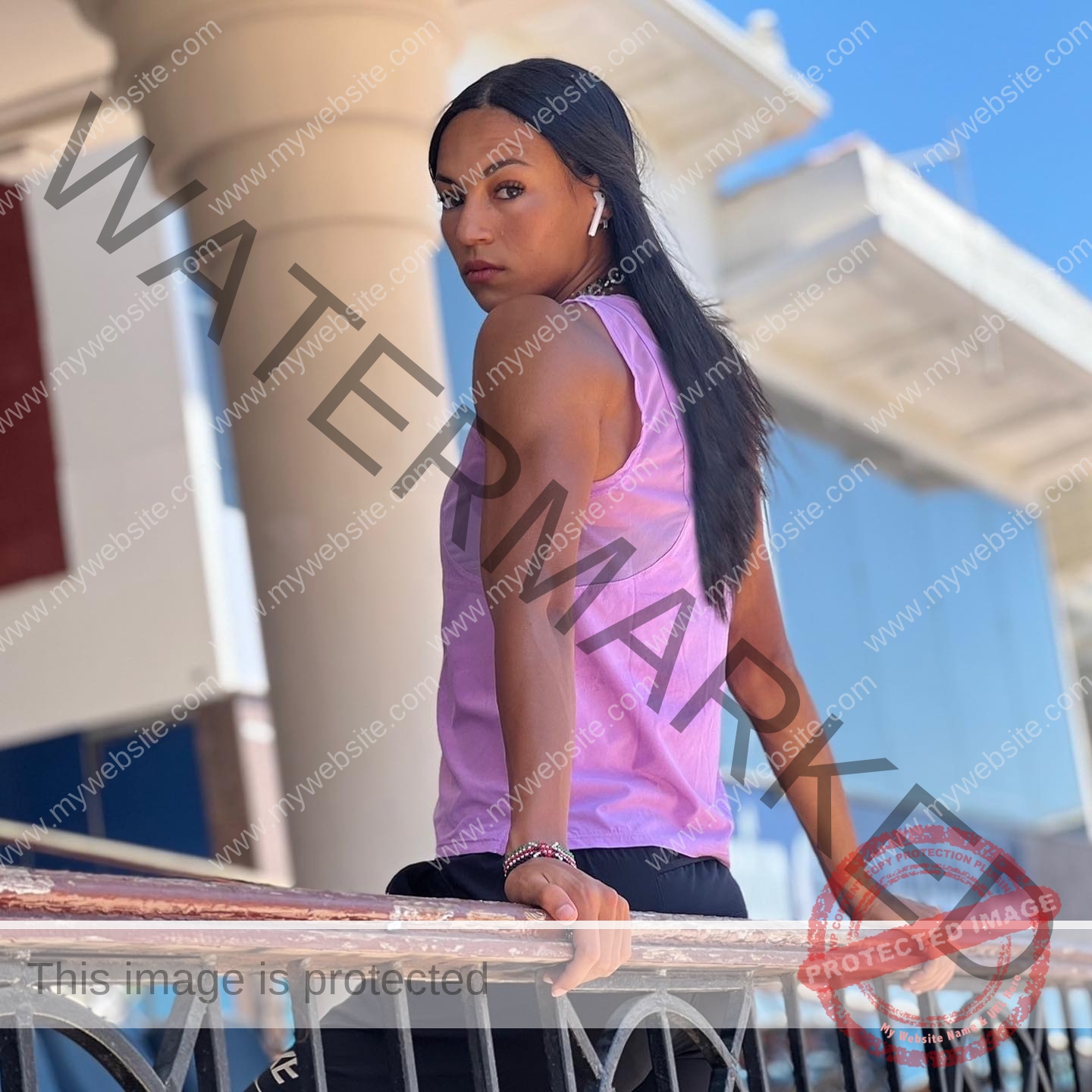
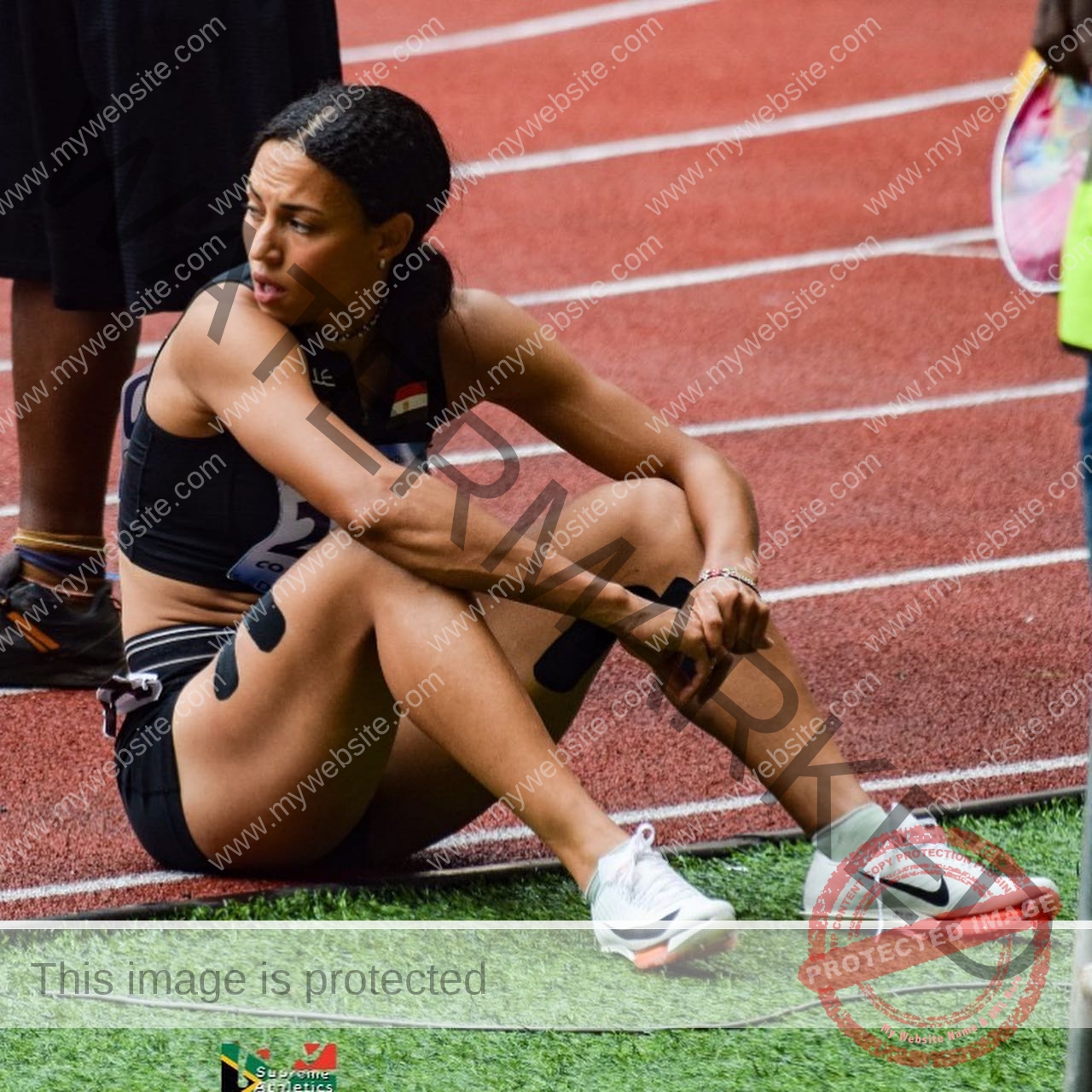
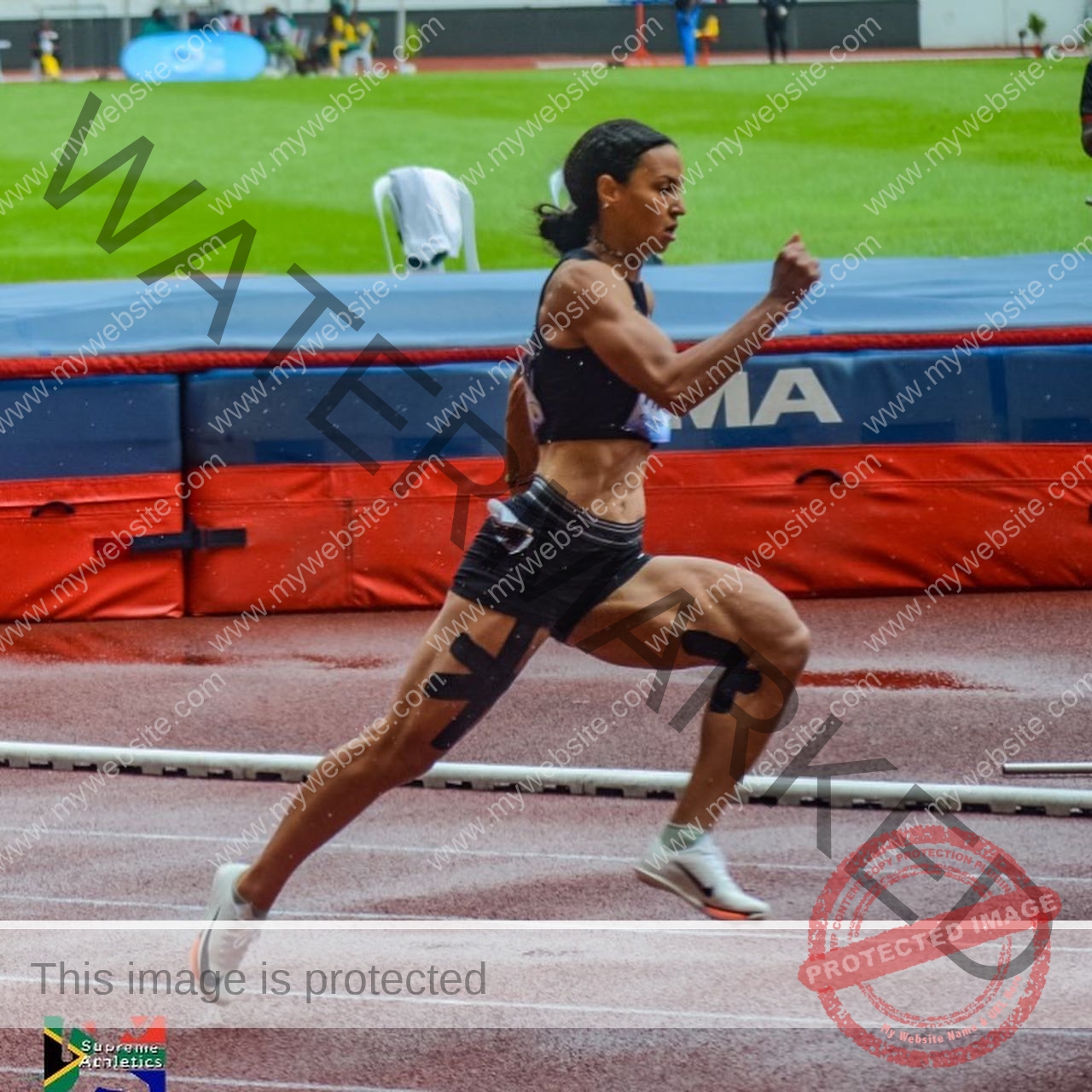
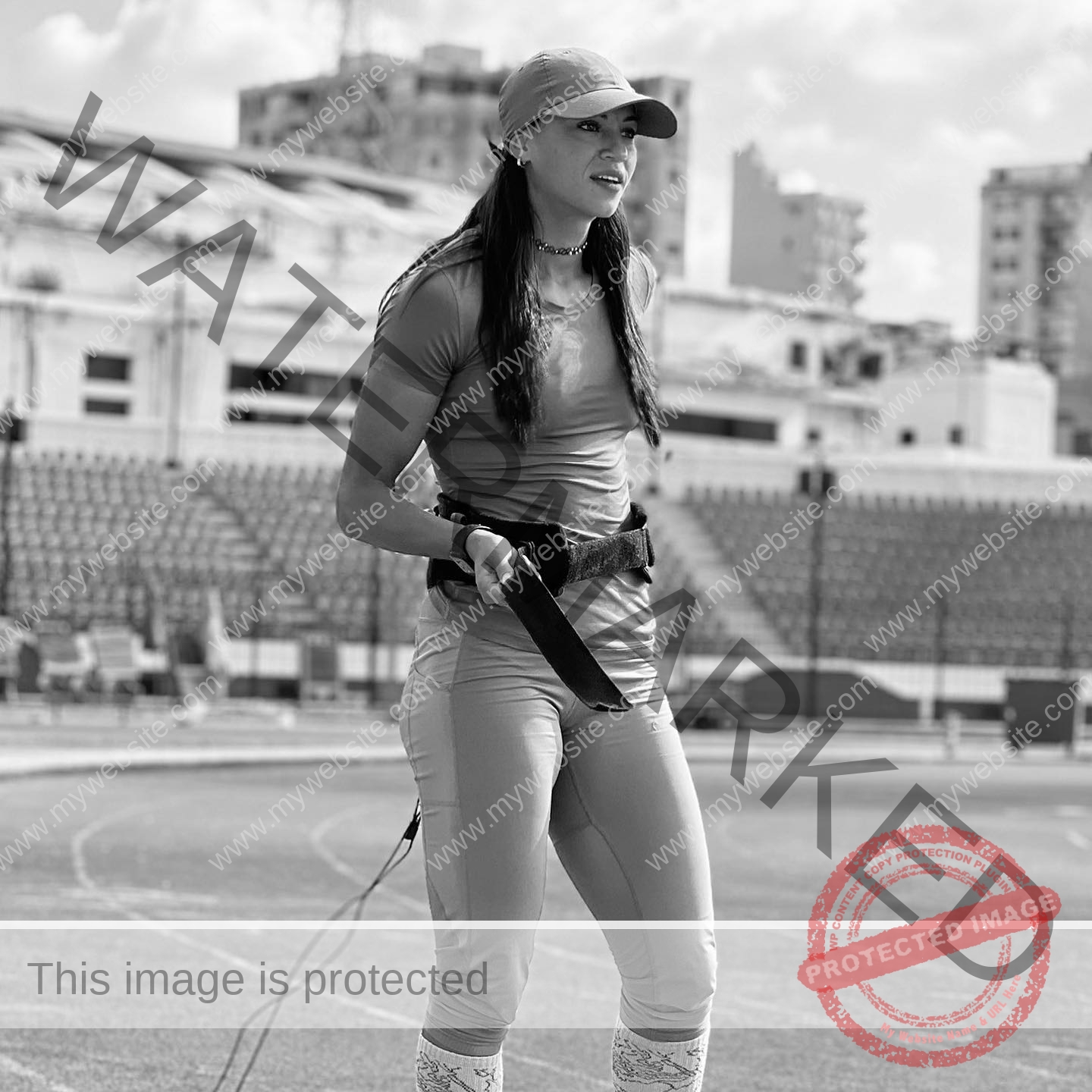
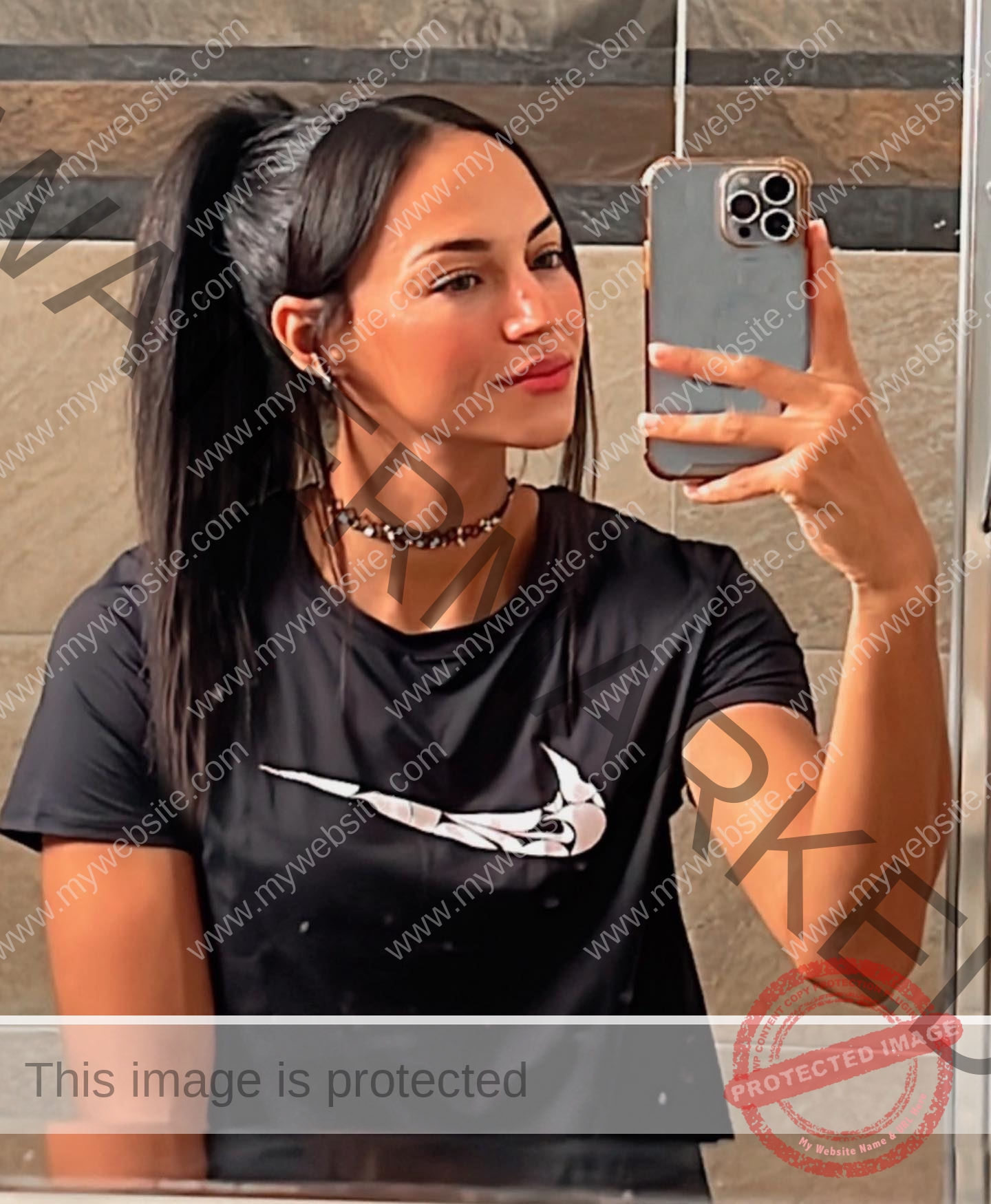
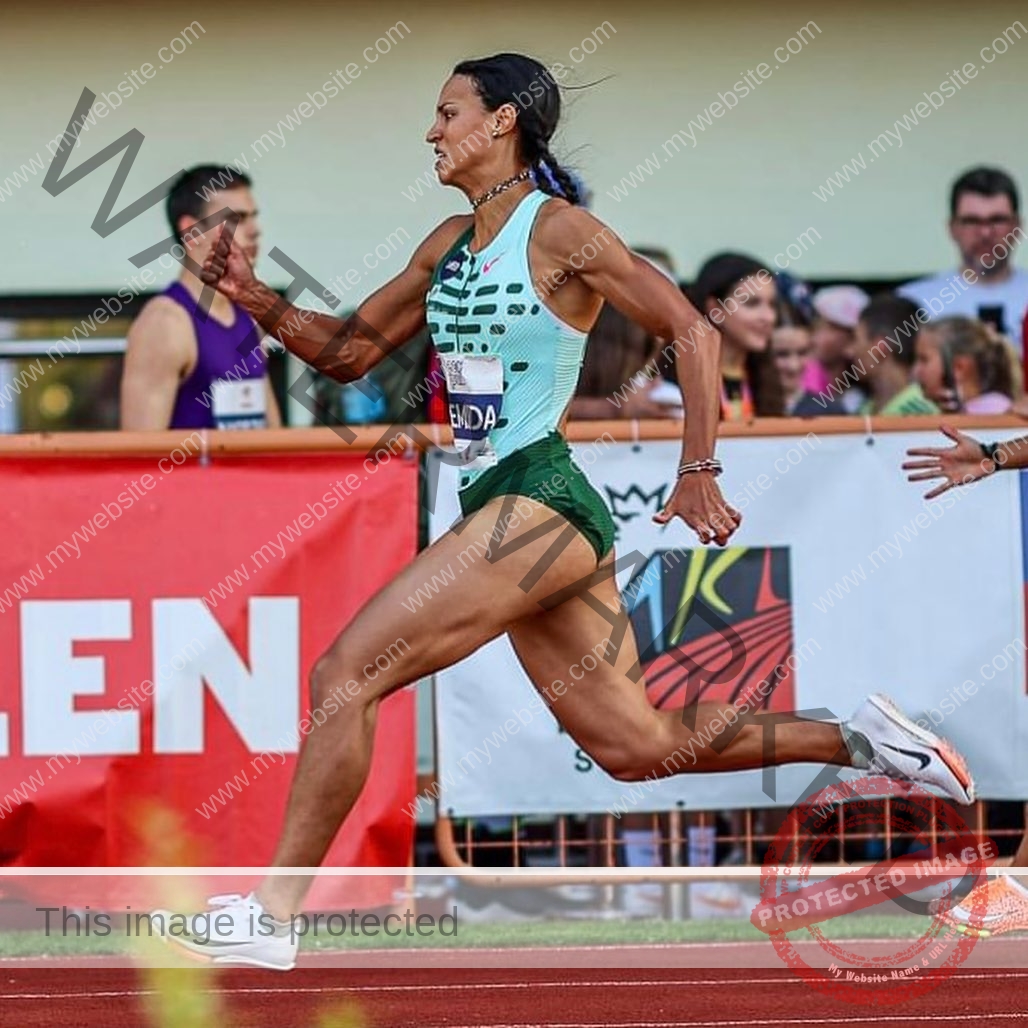
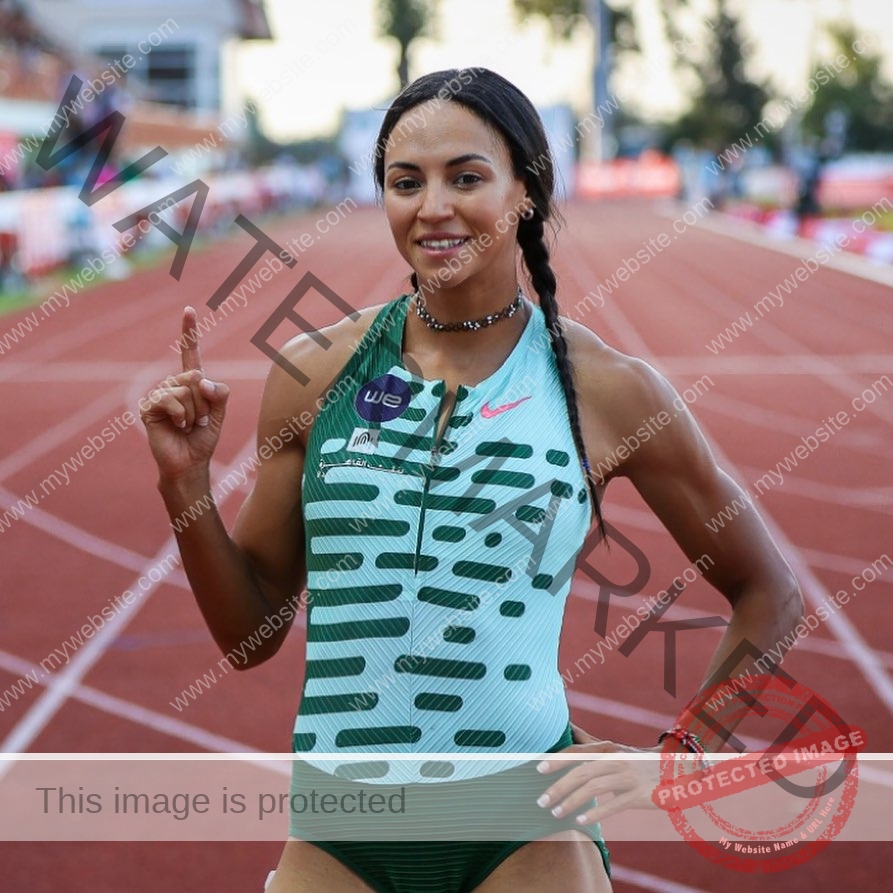
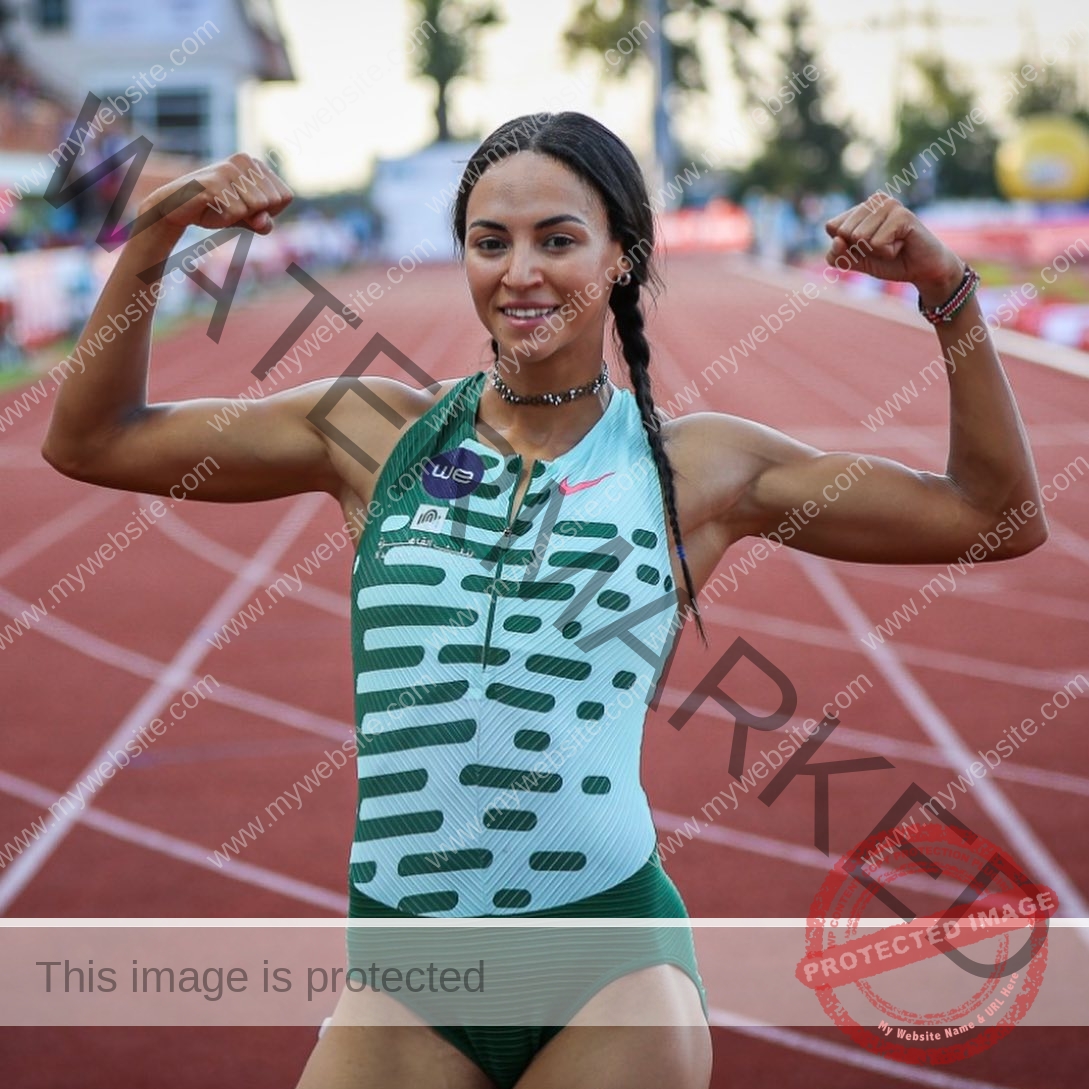
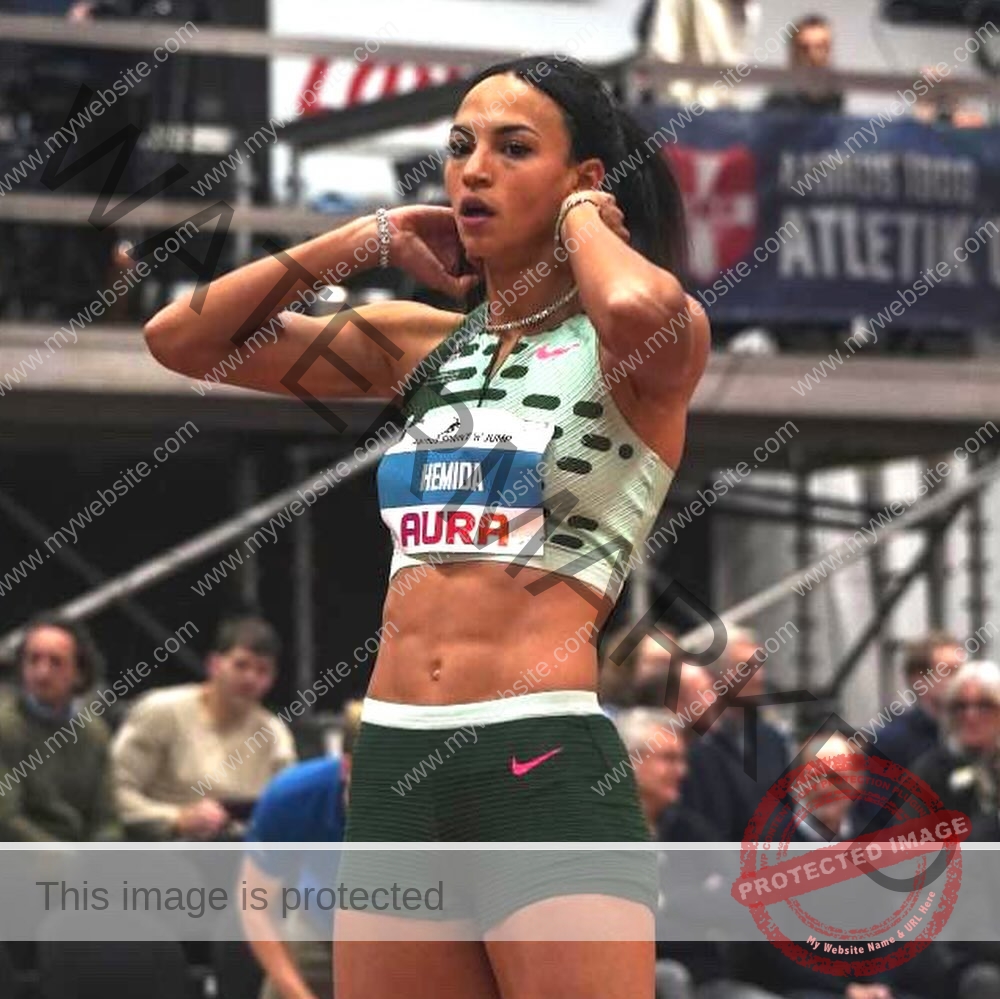
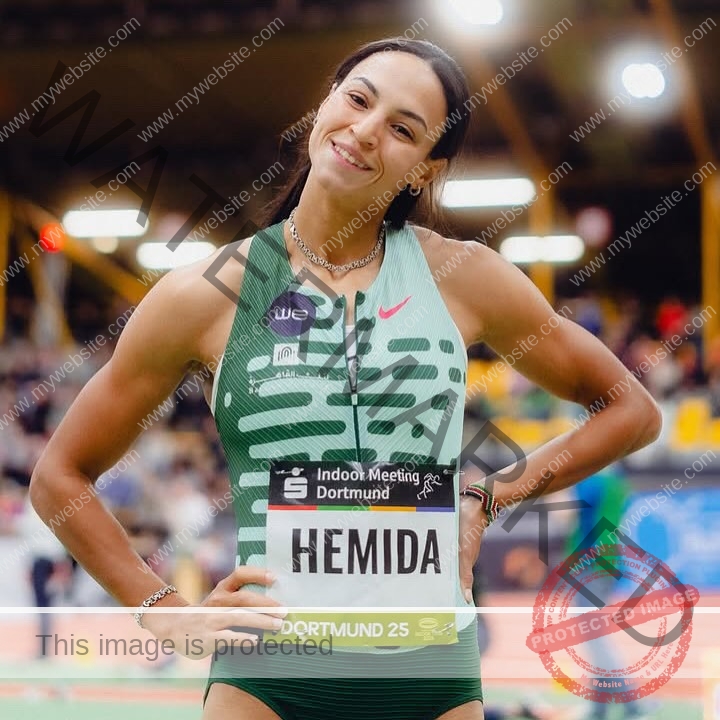
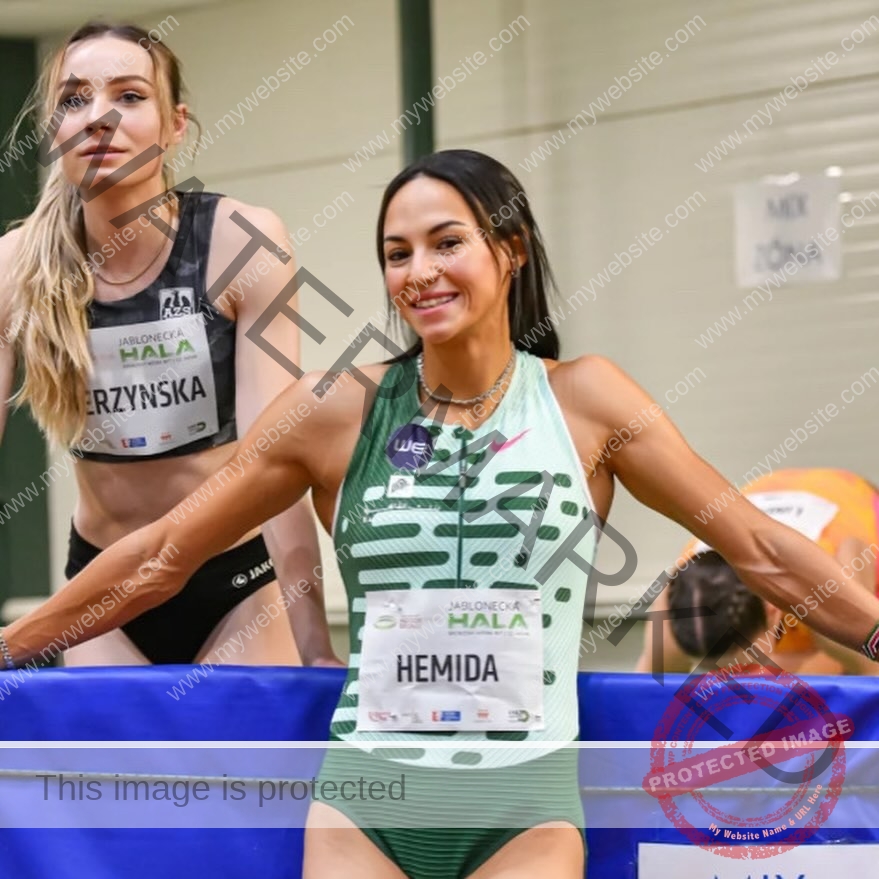
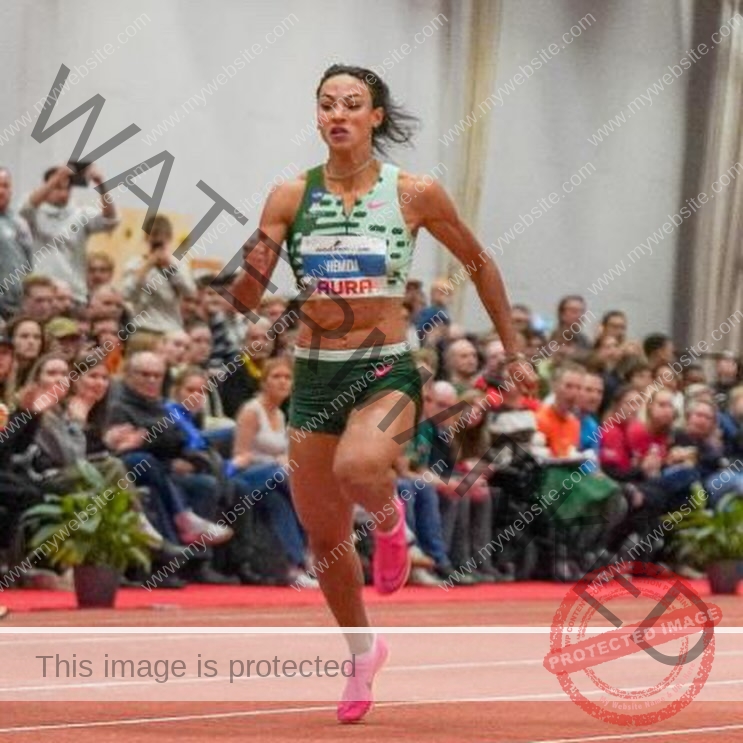
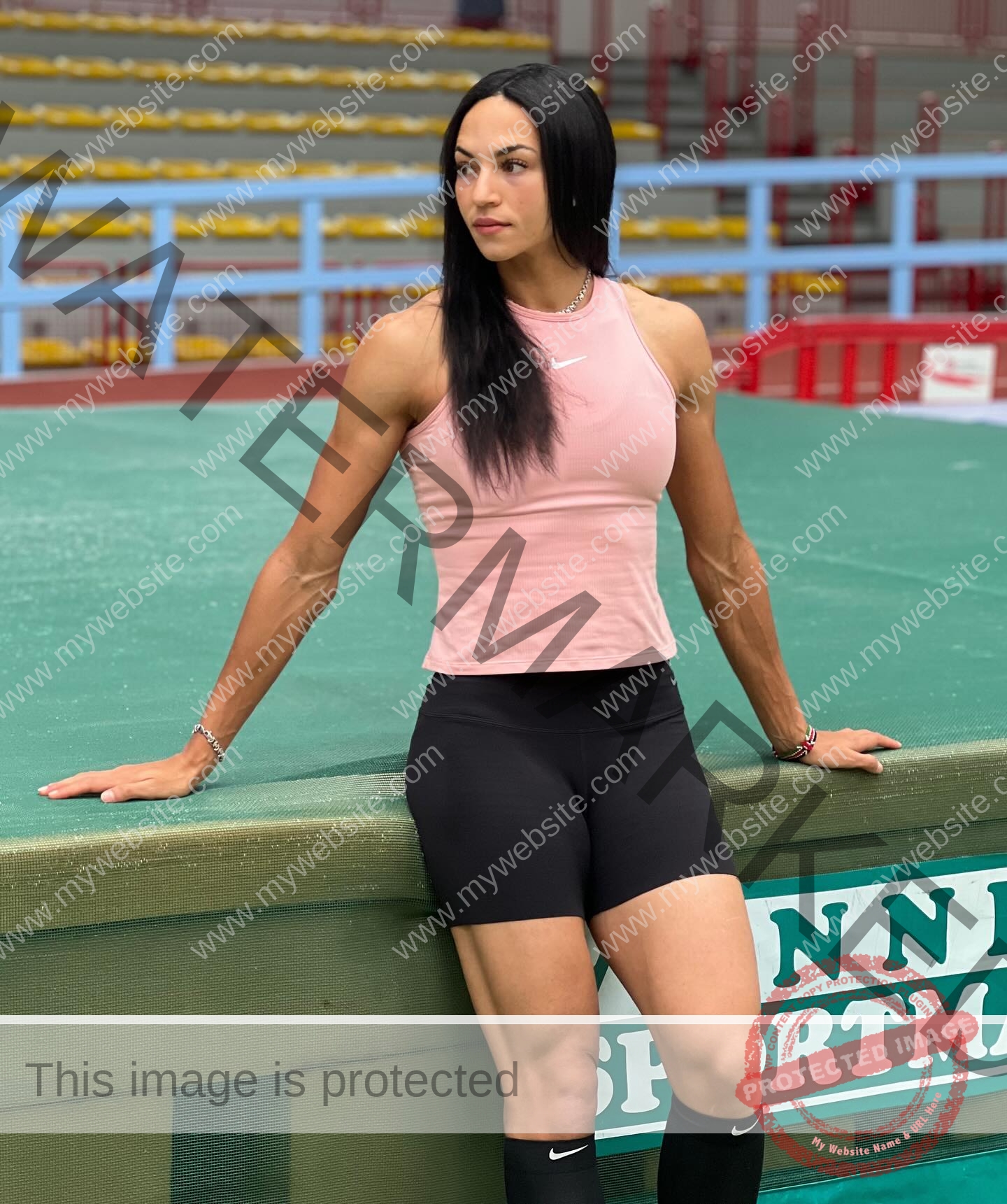
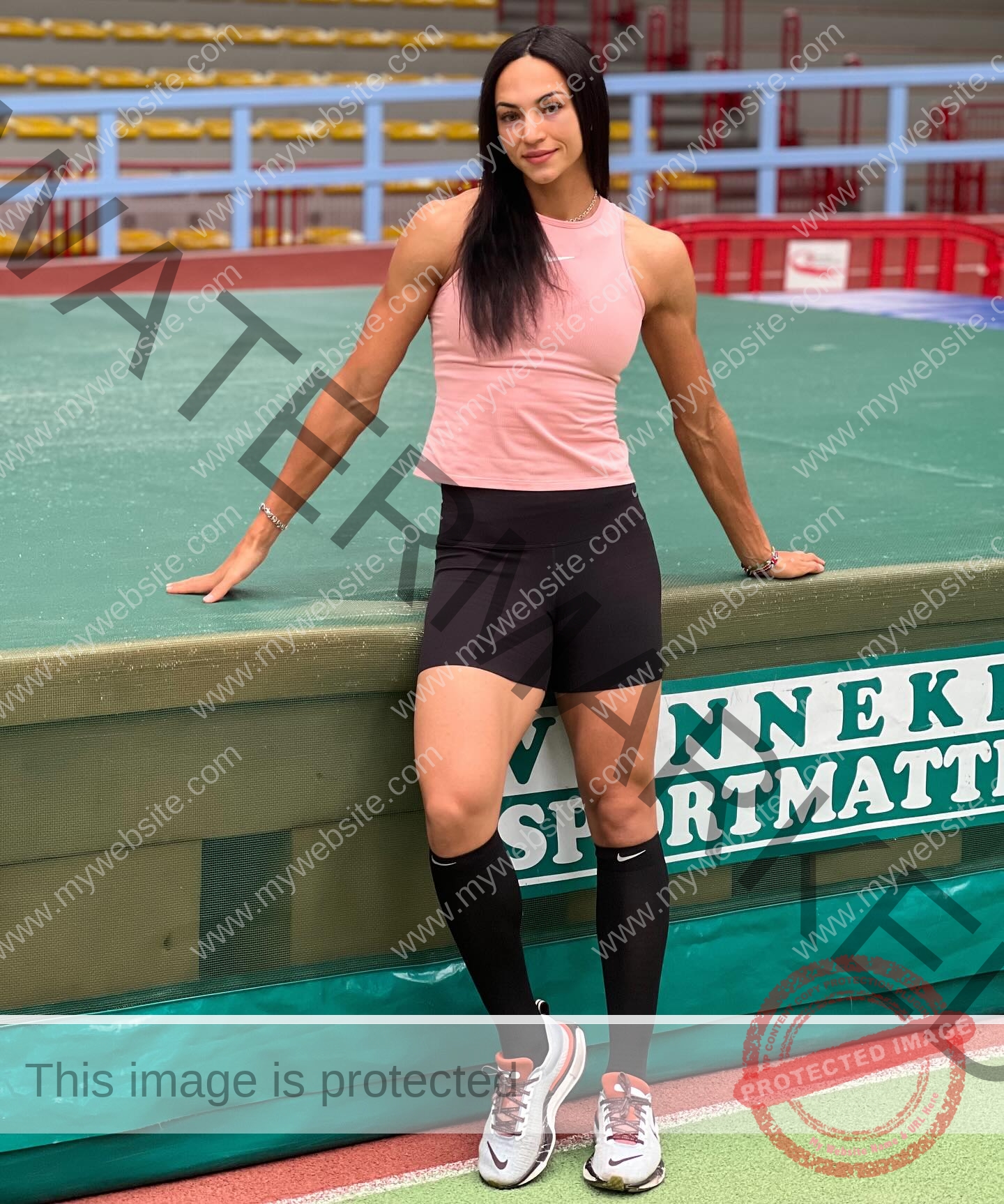
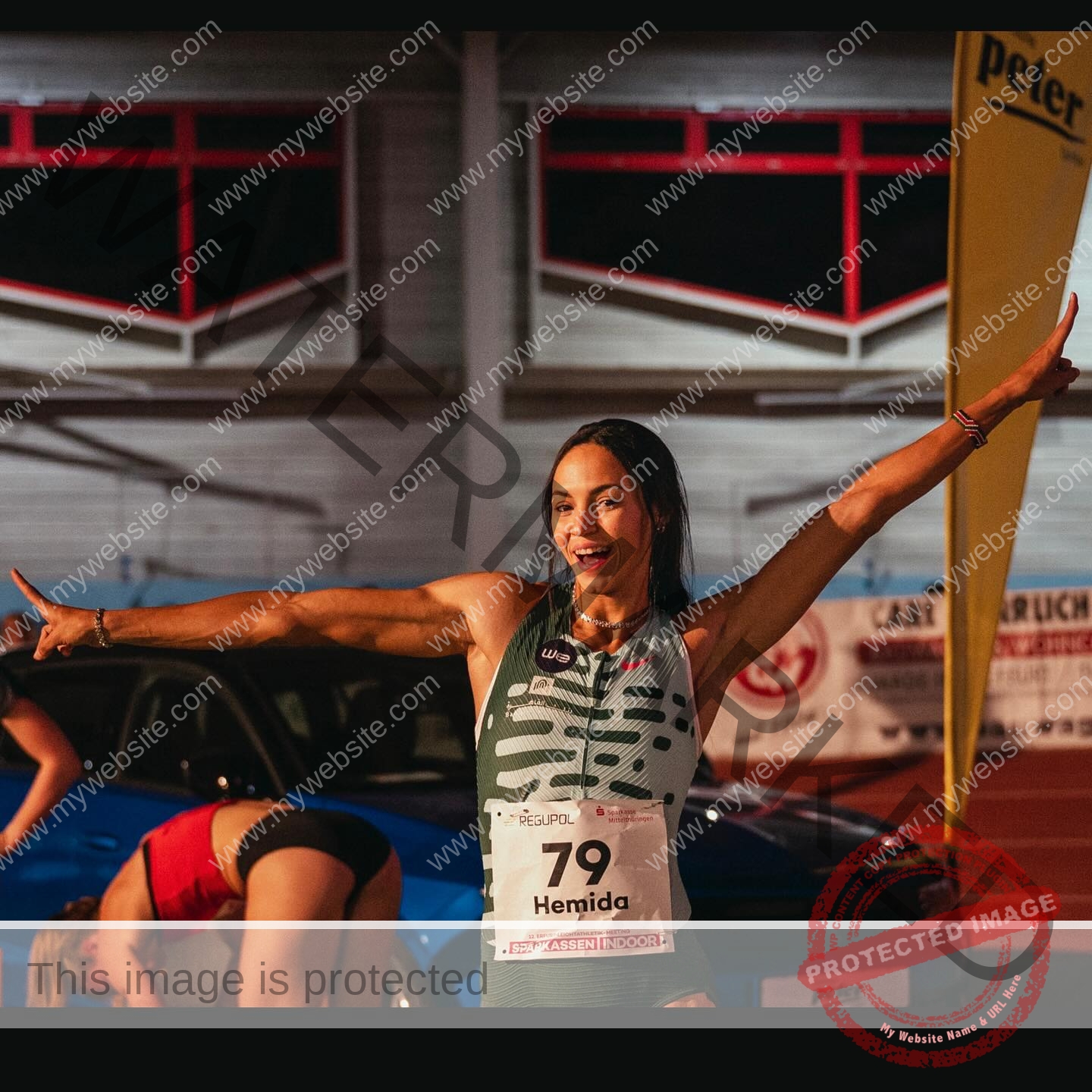
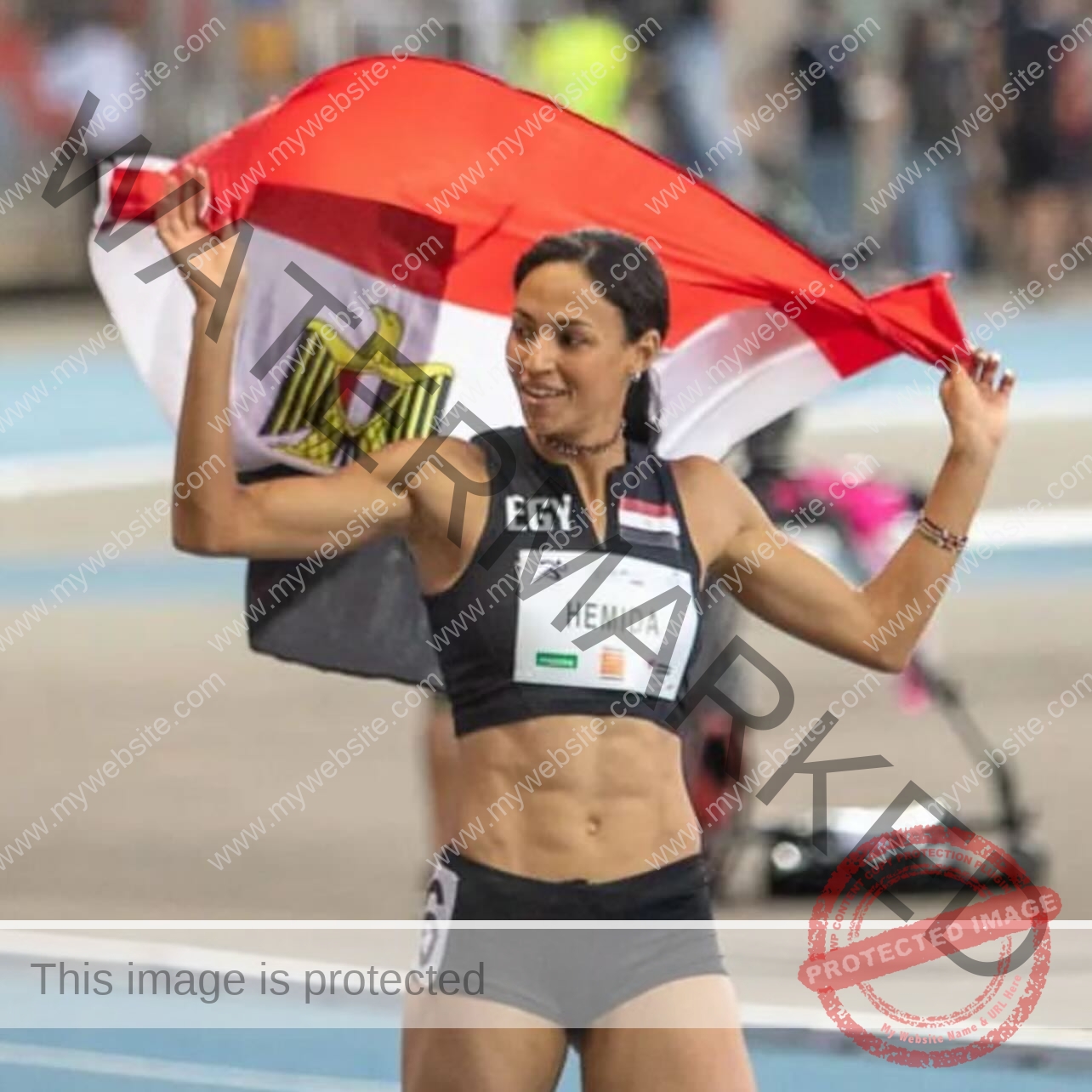
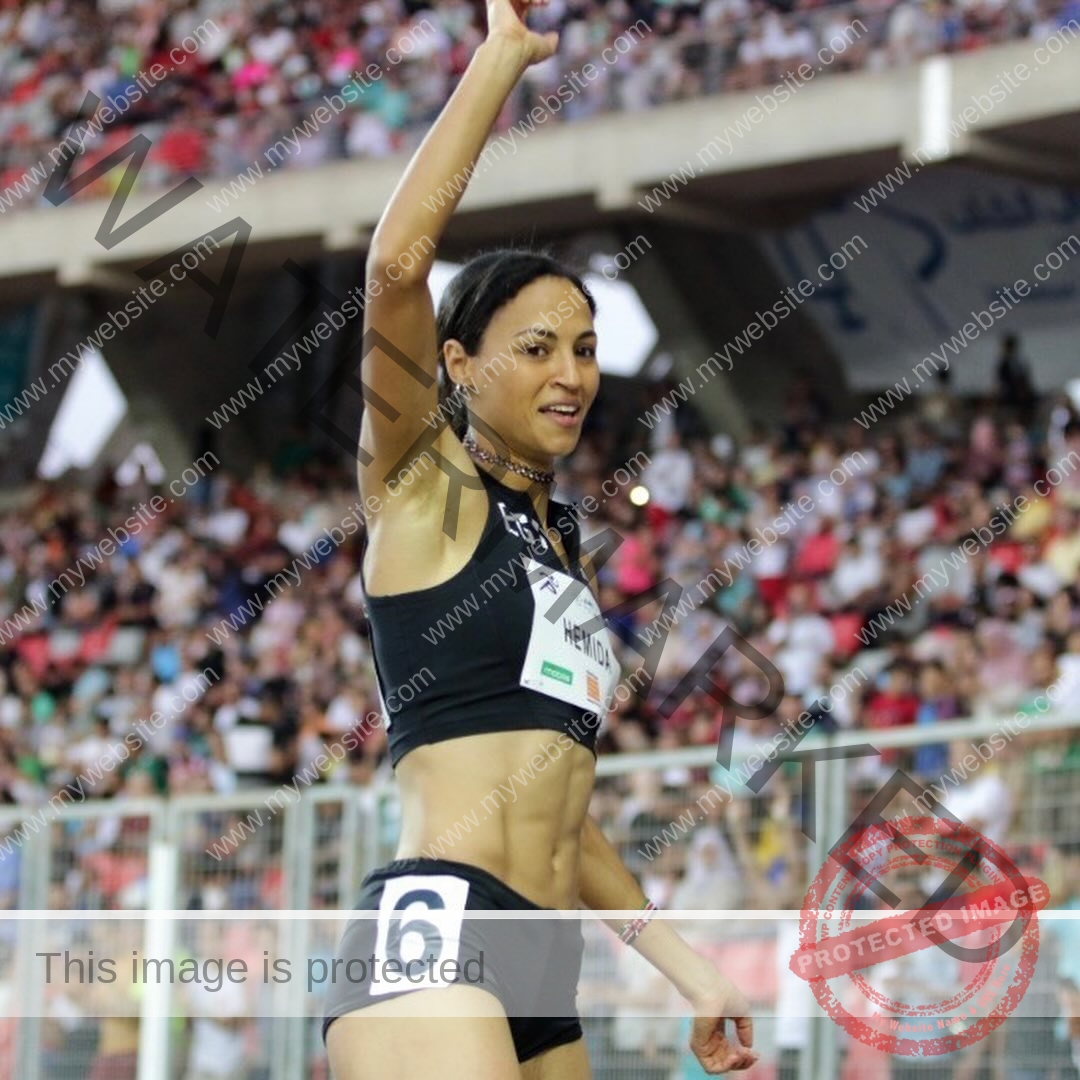

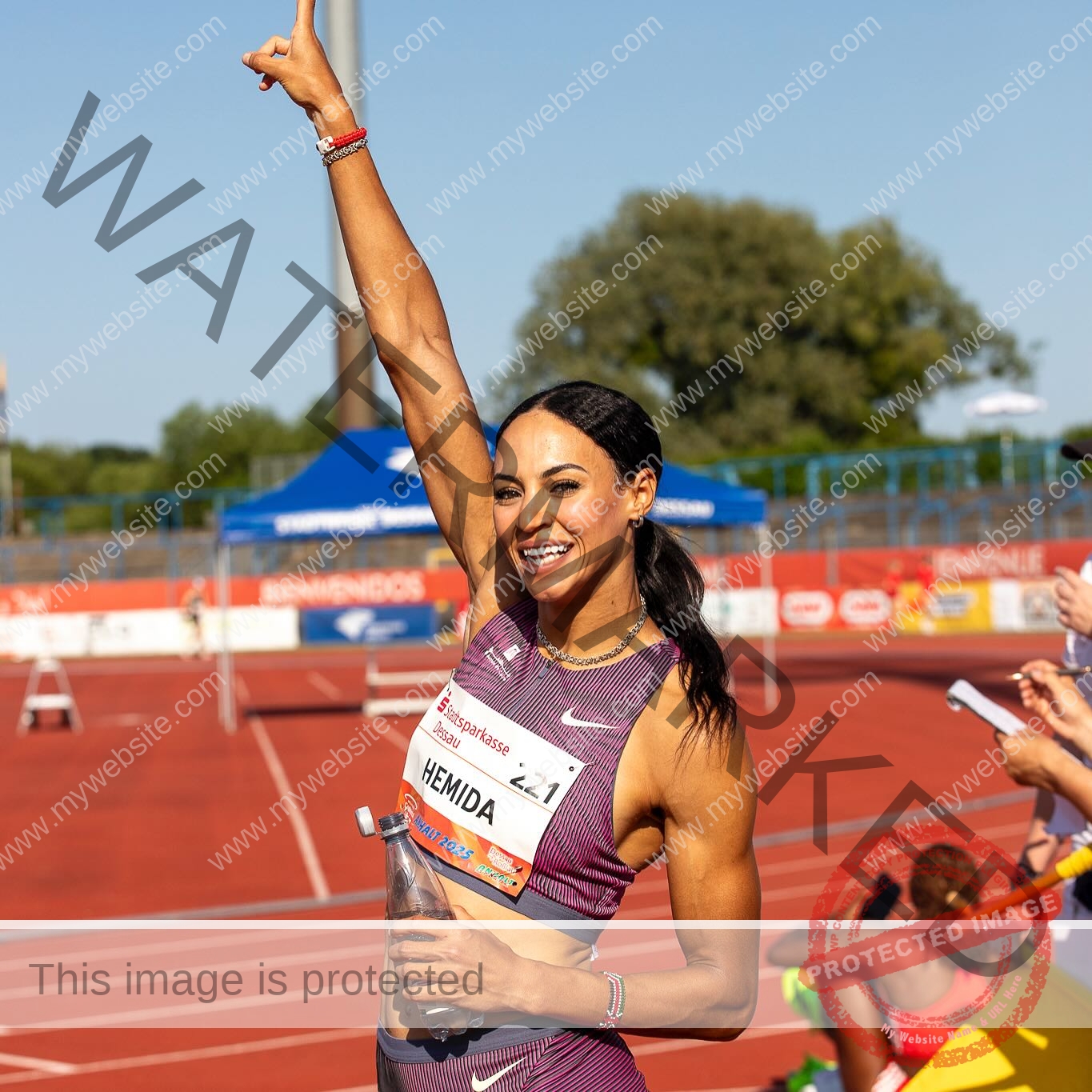
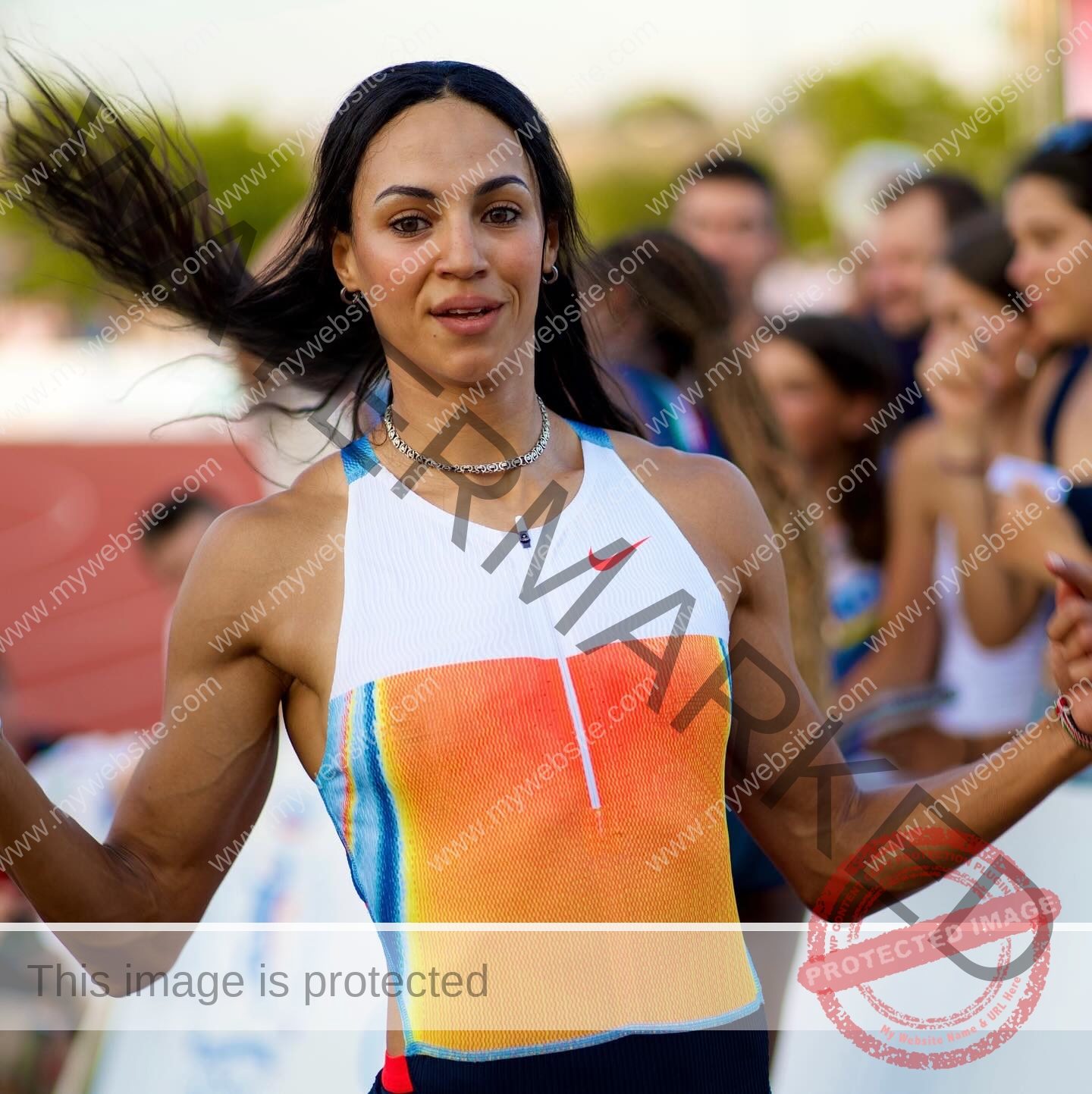
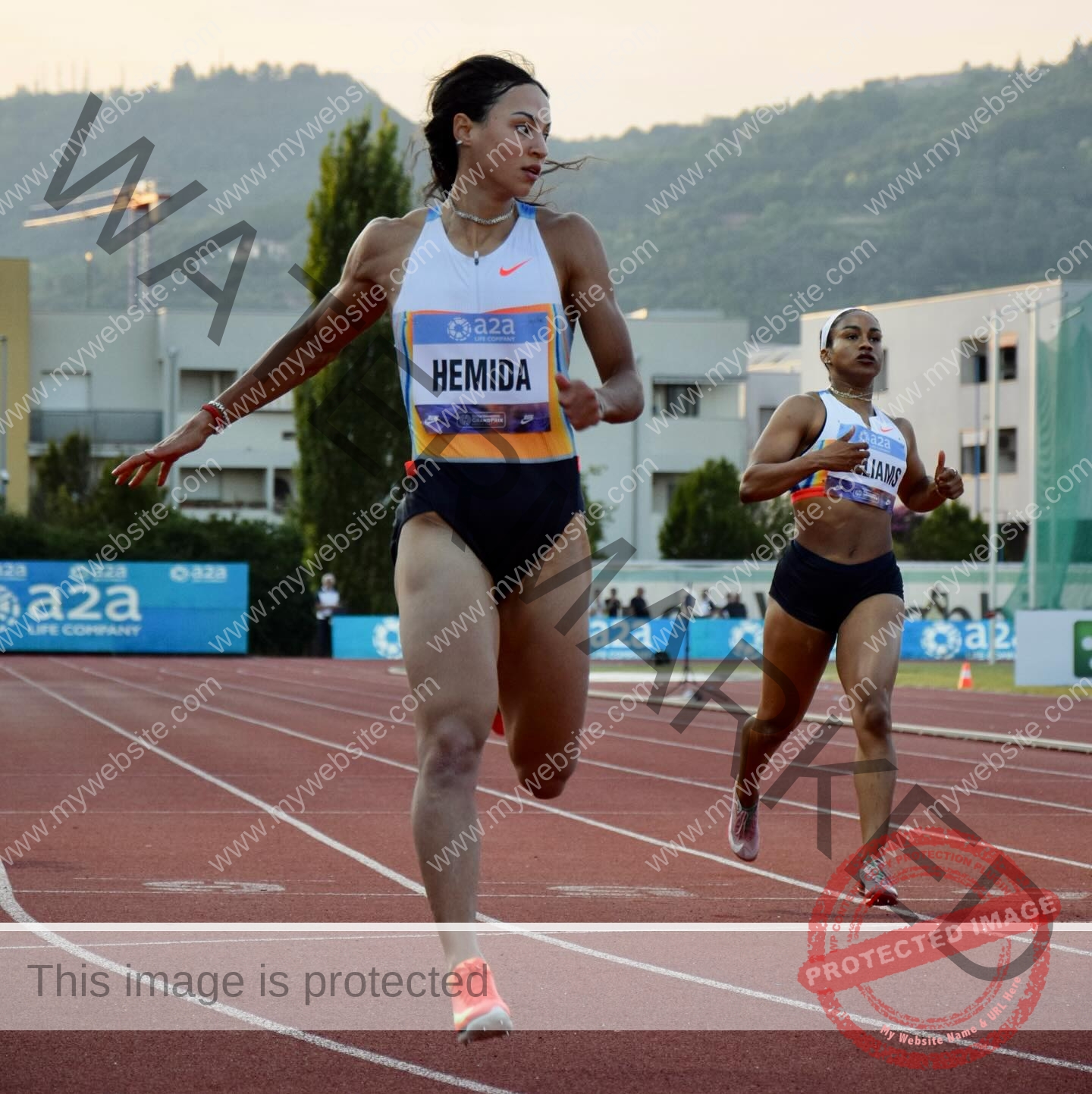
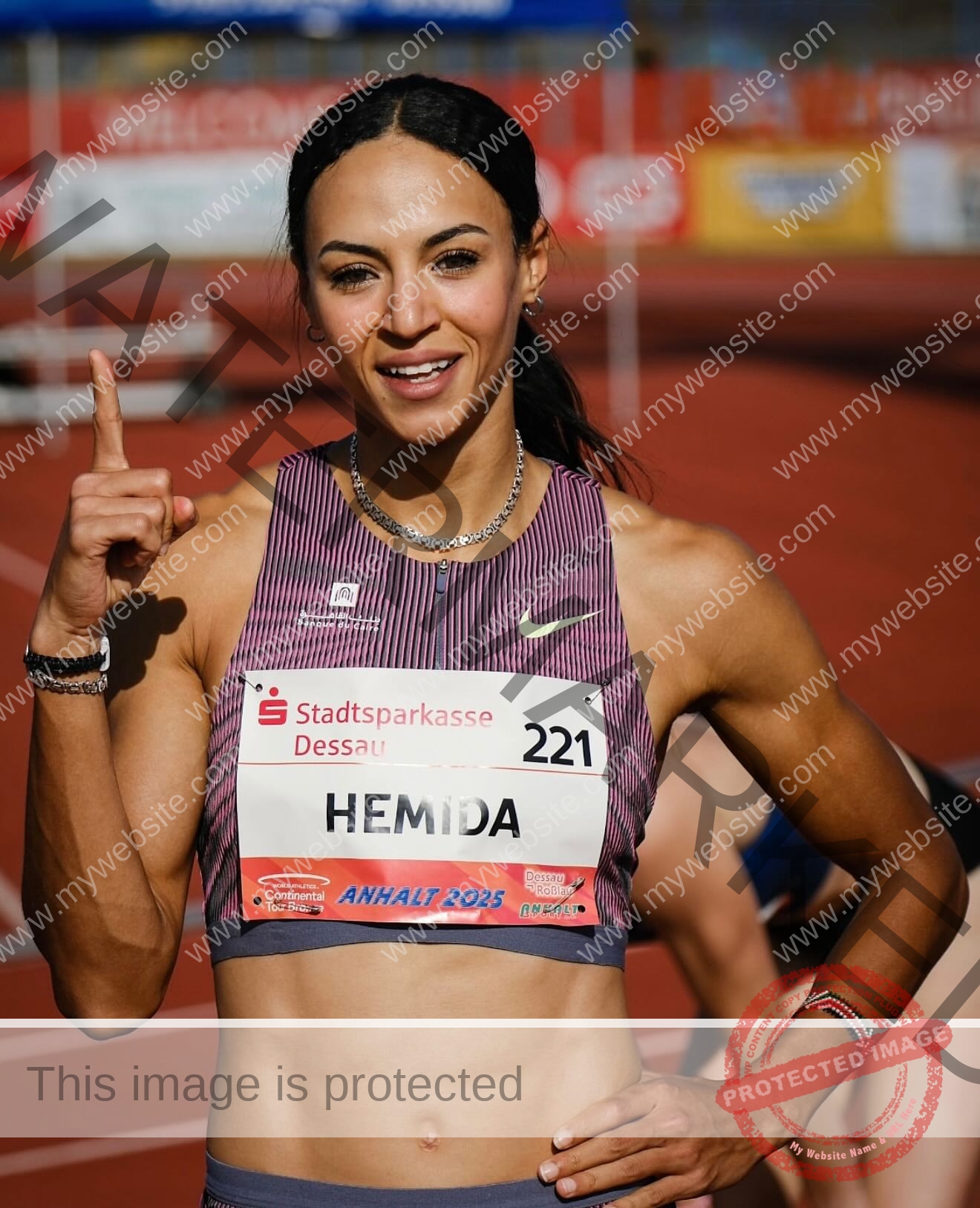
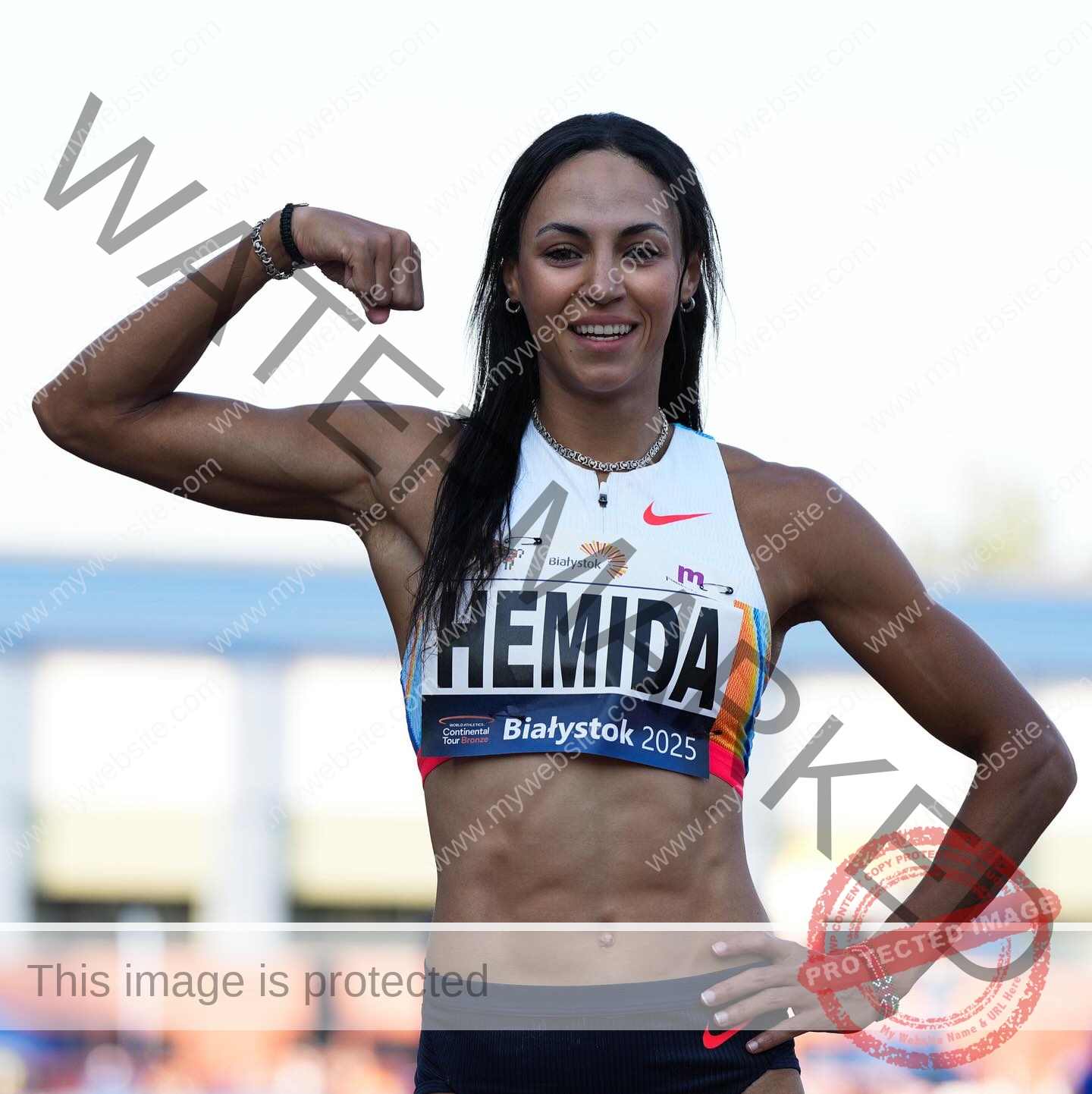
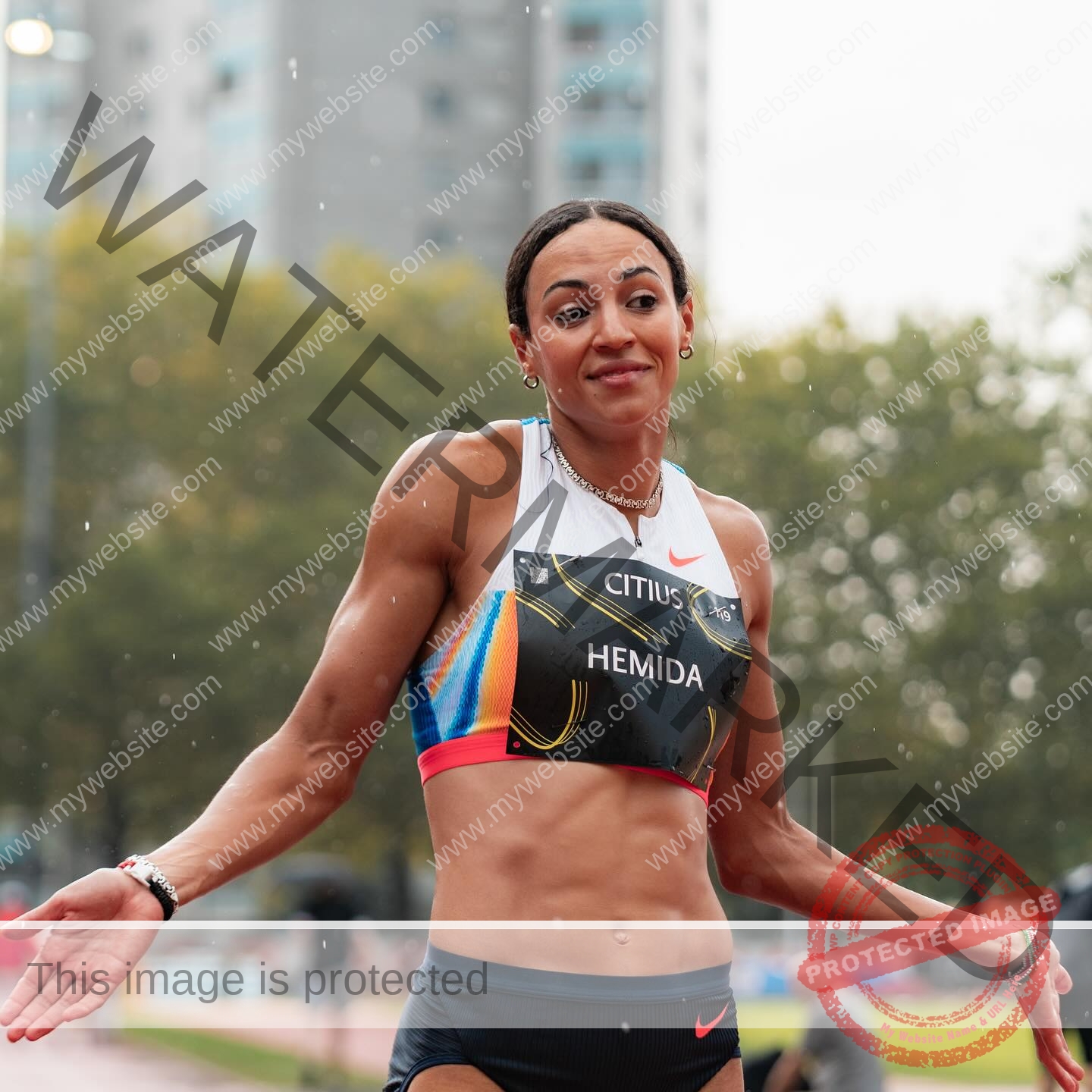
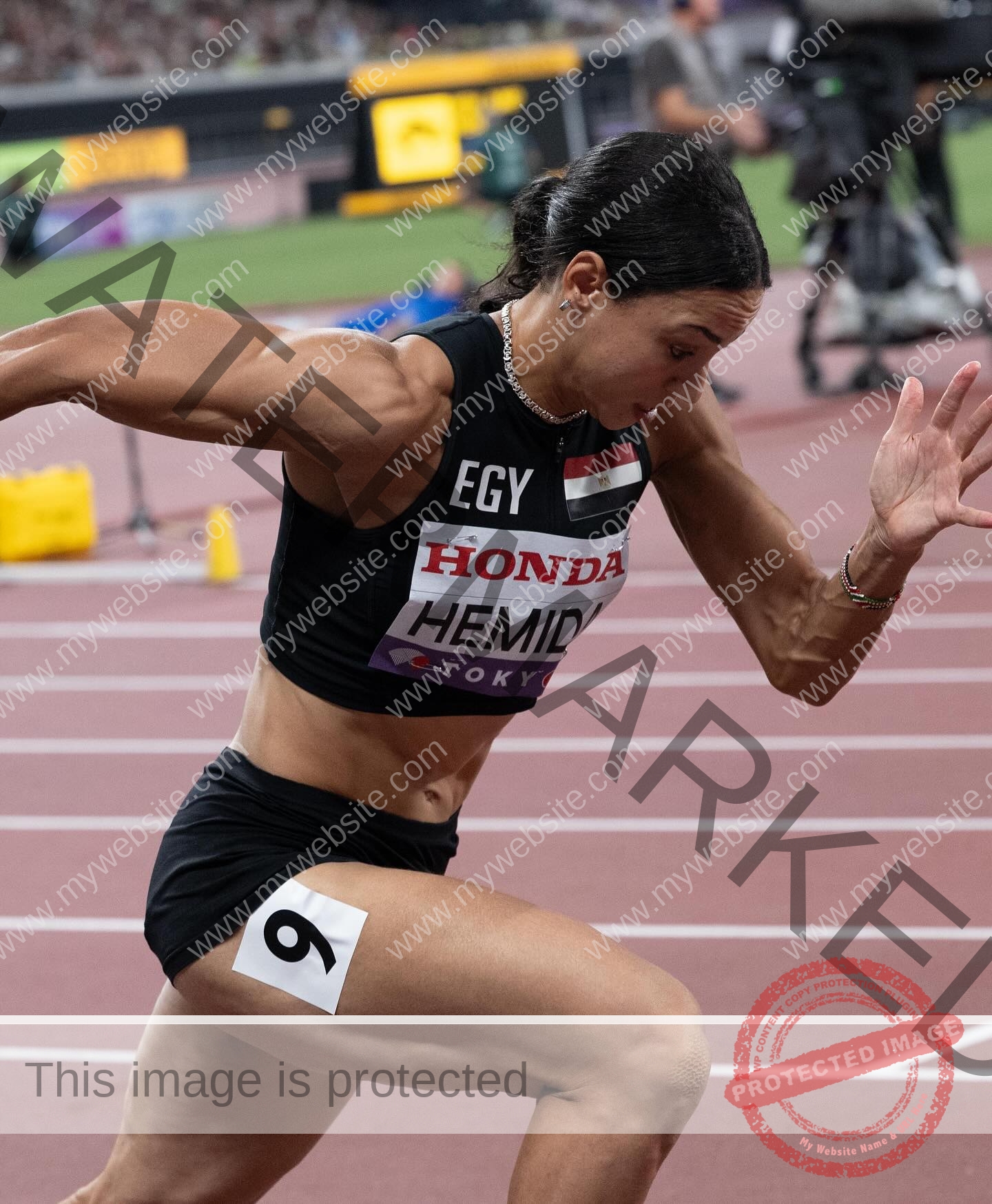
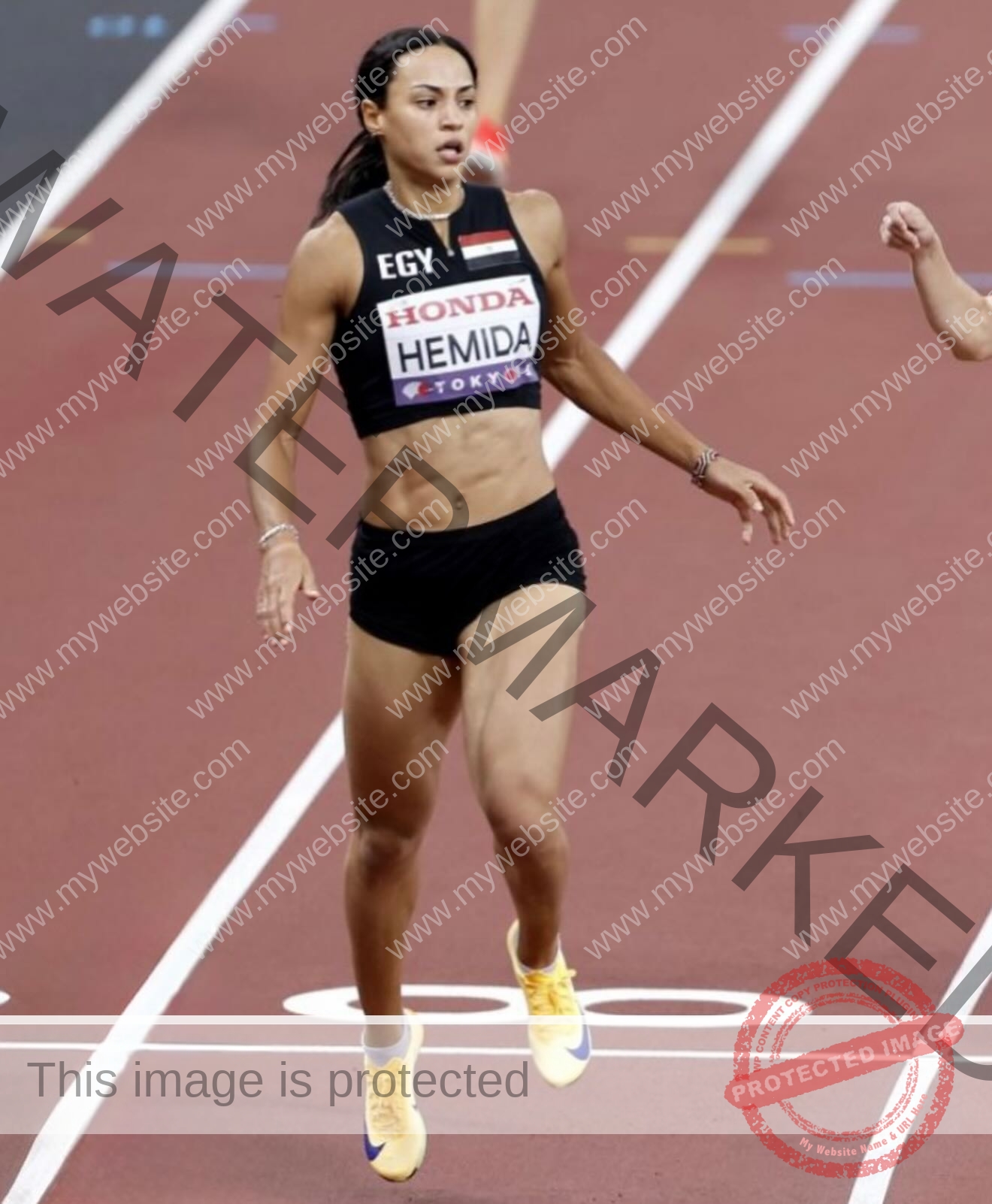
Bassant Hemida: Egypt’s Sprint Pioneer
Born 28 September 1996 | Egyptian National Record Holder in 100m, 200m & 400m | Nike Athlete | Two-Time Mediterranean Games Champion
Origins of a Champion
Bassant Muhammad Awad Abdel Salam Hemida was born on September 28, 1996, and grew up in Egypt at a time when women’s sprinting in the country was largely an afterthought on the national athletics landscape. That she would one day become the fastest woman in Egyptian sprinting history — rewriting the national record books in three separate events — was not something anyone could have predicted from a straightforward reading of the country’s athletic tradition. But Hemida, it turns out, has made a habit of defying expectations.
Athletics ran in the family. Hemida is the oldest of three siblings who would all go on to compete internationally, a remarkable fraternal story in itself. Her two younger brothers, Bassem Hemeida and Seifeldin Heneida, both compete for Qatar — Bassem as a 400-metre hurdler and Seifeldin as a pole vaulter. The family’s collective talent on the track and in the field is something quite unusual in the region, and it speaks to a household where athletic ambition was encouraged from an early age.
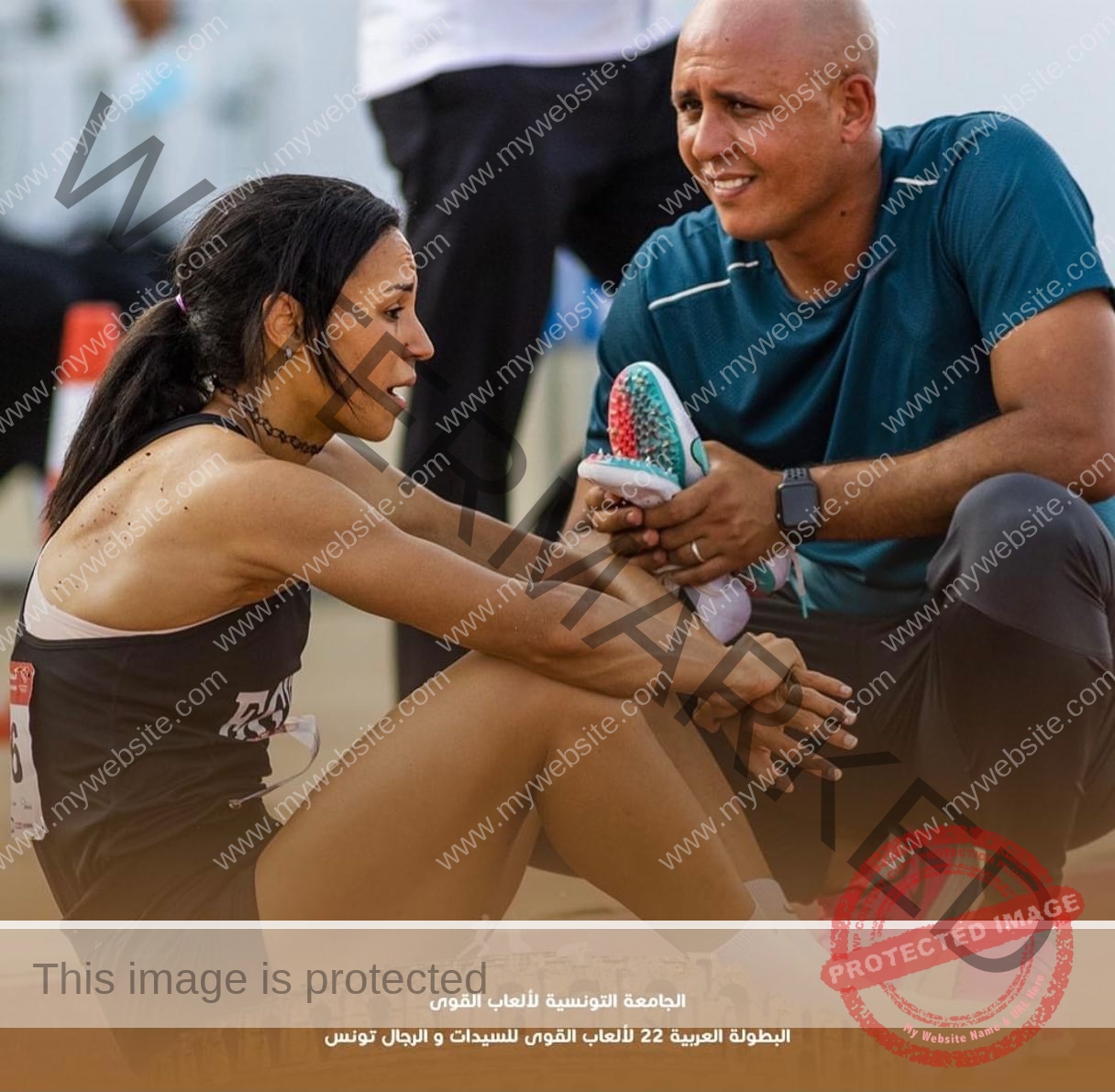
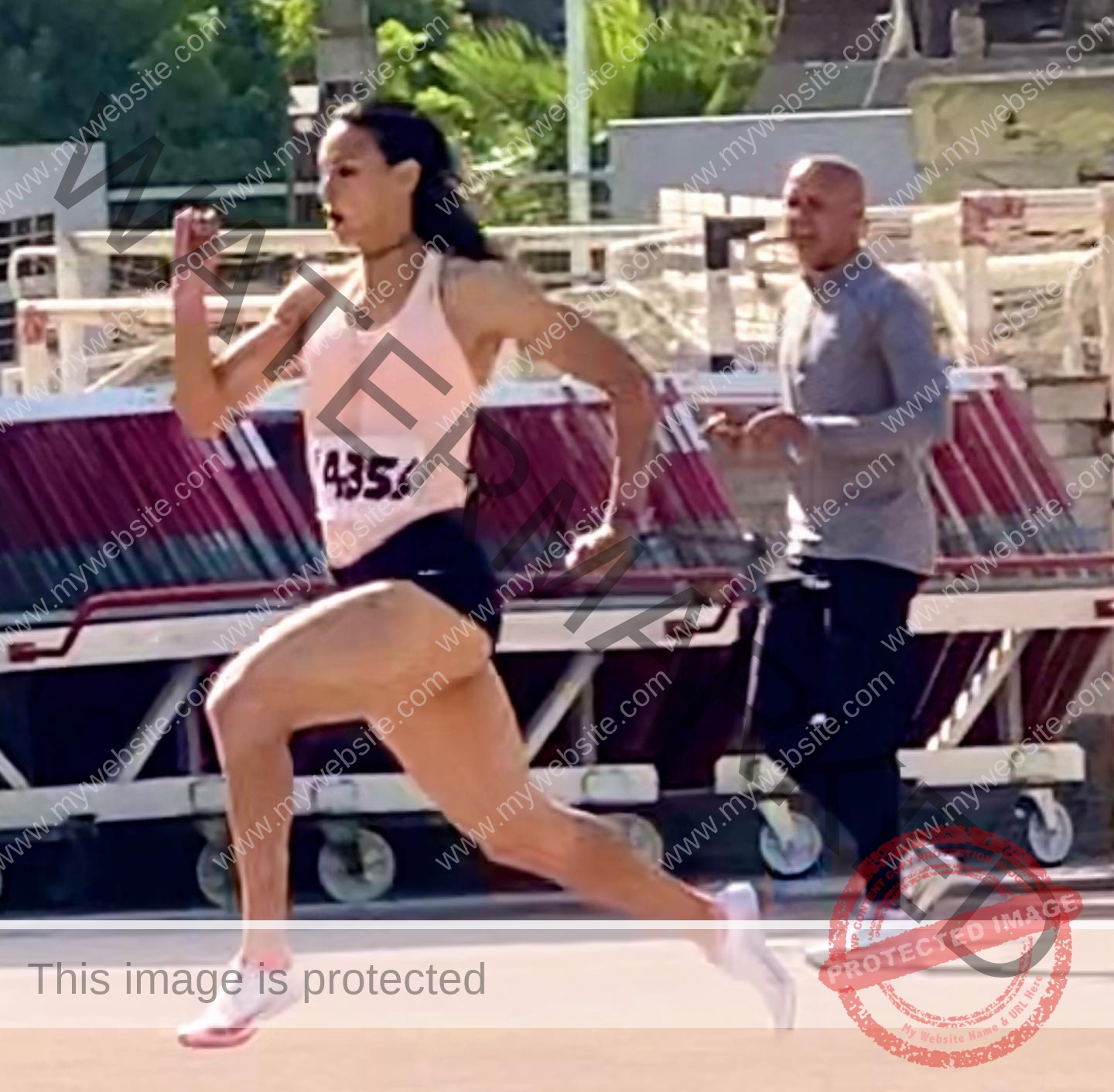
Hemida’s introduction to structured athletics came through local coaches who recognized her natural speed but worked within the relatively rigid framework that characterized Egyptian youth sports development at the time. The turning point in her technical formation came around 2014, during her high school years, when Mohamed Abbas — a former athlete himself — became her coach. Abbas took a different approach: he tailored training sessions around her school schedule, sought out specialized coaching courses abroad to sharpen his own technical understanding, and built a genuinely collaborative partnership with his young athlete. That relationship would deepen considerably over time. In 2019, Hemida and Abbas married, intertwining their personal and athletic journeys in a way that would prove to be an enduring source of support for her career.
The Junior Years: Promise on the Arab Stage
Hemida made her international debut as a junior competitor at the 2012 Arab Junior Championships in Amman, Jordan, where she announced herself with a silver medal in the 100 metres, clocking 12.12 seconds, and a gold medal in the 200 metres in 24.95 seconds. It was a strong first outing, and it hinted at the kind of range across the sprint events that would become one of her career hallmarks.
She continued building at the 2013 Arab Youth Championships in Cairo, winning gold in the 100 metres in 12.26 seconds and taking silver in the 200 metres. At the 2014 Arab Junior Championships, again on home soil in Cairo, she defended her 100 metres title with a gold in 12.13 seconds, adding a silver in the 200 metres. These weren’t just regional ribbons — they were a consistent body of work at a level that translated into real competitive experience and a growing profile in African and Arab athletics circles.
The 2015 African Junior Championships in Addis Ababa, Ethiopia, provided her first exposure to the continental level, where she placed sixth in the 100 metres. Progress at the junior level wasn’t always linear, but the upward trajectory was clear, and each season added nuance to her technical development under Abbas.
The Under-23 Bridge: Closing the Gap
As Hemida transitioned into the under-23 ranks, the improvement in her personal bests became more pronounced. At the 2016 Mediterranean U23 Championships in Tunis, Tunisia, she placed fourth in the 100 metres (11.72 seconds) and took silver in the 200 metres (23.64 seconds) — times that were beginning to establish her as one of the better young sprinters on the African continent.
The 2018 season marked her senior Mediterranean Games debut in Tarragona, Spain, where she finished sixth in the 200 metres in 23.47 seconds. That same year she competed at the Mediterranean U23 Championships in Jesolo, Italy, claiming bronze in the 100 metres (11.62 seconds) and silver in the 200 metres (23.89 seconds). At the African Championships in Asaba, Nigeria, she reached the 100 metres semifinal with a time of 11.86 seconds, gaining valuable experience in a stacked continental field.
The overall arc of this period was one of steady, deliberate improvement — times dropping, competition levels rising, and a sprinter beginning to understand not just how to run fast, but how to race.
2019: Arriving on the World Stage
The 2019 season was Hemida’s formal introduction to the broader international athletics community, and she made it count. Competing at the Universiade in Naples, she finished seventh in the 100 metres in 11.53 seconds, a solid benchmark heading into the main events of the year.
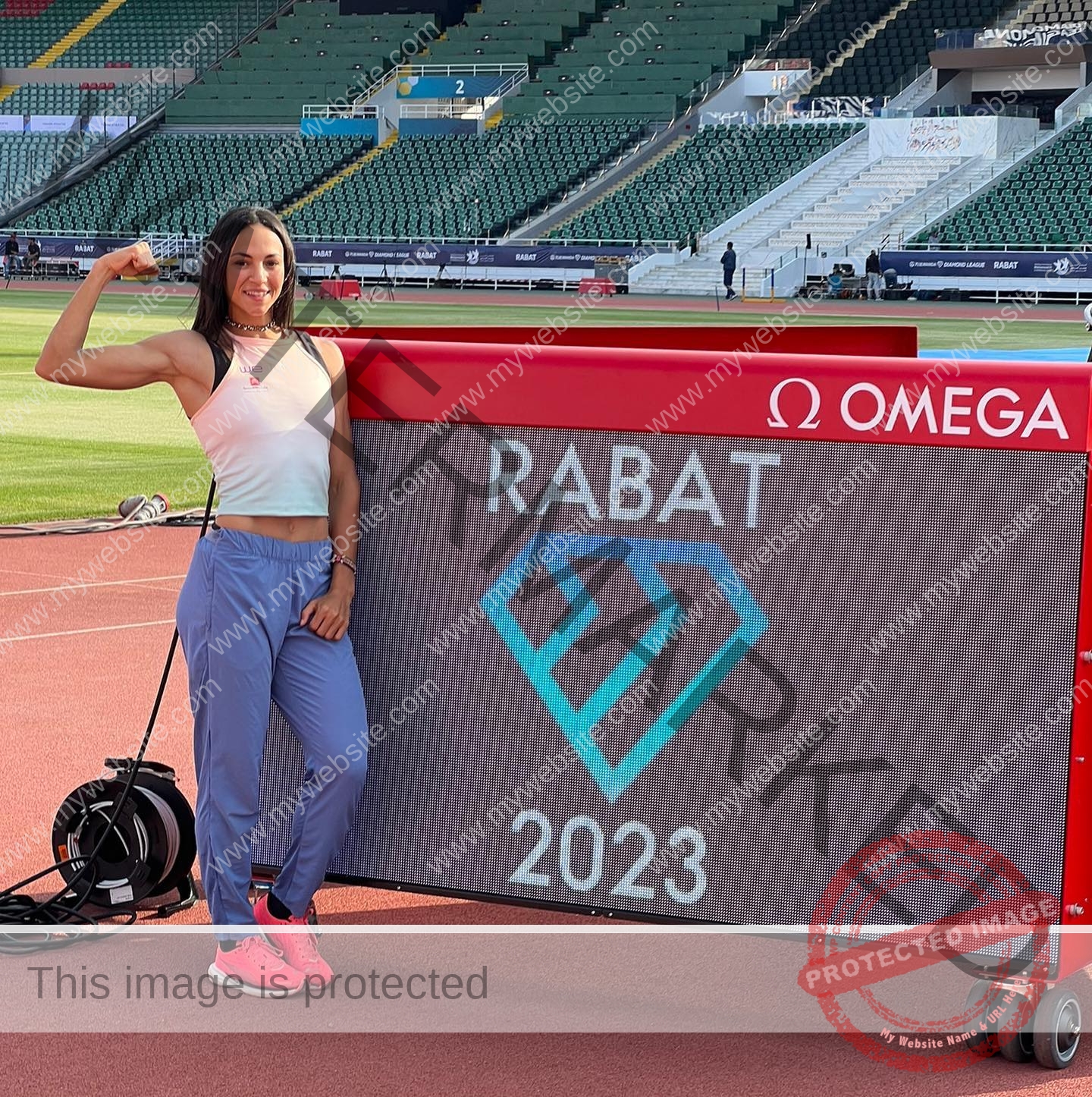
At the 2019 African Games in Rabat, Morocco, she delivered her best performances to date. In the 100 metres final she took bronze in 11.31 seconds, finishing behind the formidable Marie-Josée Ta Lou of Côte d’Ivoire and Gina Bass of Gambia. In the 200 metres she ran a personal best of 22.89 seconds, earning silver behind Bass’s 22.58. Two medals at the All-African Games against the continent’s finest sprinters was a genuine statement of arrival.
Later that season, Hemida competed at the World Athletics Championships in Doha, Qatar, where she reached the 200 metres semifinal before finishing 14th overall with a time of 22.92 seconds. Reaching the semi-finals of a world championship — a step beyond the heats — was confirmation that she belonged at the sport’s highest level. Egypt had not had a female sprinter make that kind of impact on a World Championships stage before.
The Olympic Dream Deferred
Between the 2019 breakthrough and what should have been an Olympic debut, the 2020 COVID-affected season disrupted preparation cycles for athletes worldwide. Hemida continued competing where possible, and in September 2020 she won the women’s 100 metres at the World Athletics Continental Tour meeting in Kladno, Czech Republic, posting a personal best and new Egyptian national record of 11.23 seconds — breaking the mark she had set in Morocco just a year earlier. She doubled up with a 200 metres win in a season’s best of 22.91 seconds at the same meeting, demonstrating that even in a disrupted competitive environment she was continuing to improve.
She had qualified for the Tokyo Olympic Games in the 200 metres, and the prospect of becoming Egypt’s first female Olympic sprinter in years generated significant attention at home. Then, just days before she was due to travel to Japan, disaster struck. During her final pre-Olympic training camp in Cairo, Hemida tore a muscle. She underwent an urgent rehabilitation program but could not recover in time.
The news hit hard. On her Facebook page, she wrote: “This might be one of the most difficult periods of my life, but thanks God for everything.” She went on to express her belief that this was the beginning of her journey, not the end, adding: “I’m happy and proud of every step in my Olympic qualification journey, even if it was not completed at the last stage. Happiness is found in the journey, not only in the end result.” It was a gracious response to a genuinely difficult moment — and it turned out to be a promise she would keep.
2022: A Historic Year
If 2019 was the year Hemida arrived, and 2021 was the year she endured, then 2022 was the year she rewrote Egyptian sprinting history in permanent ink.
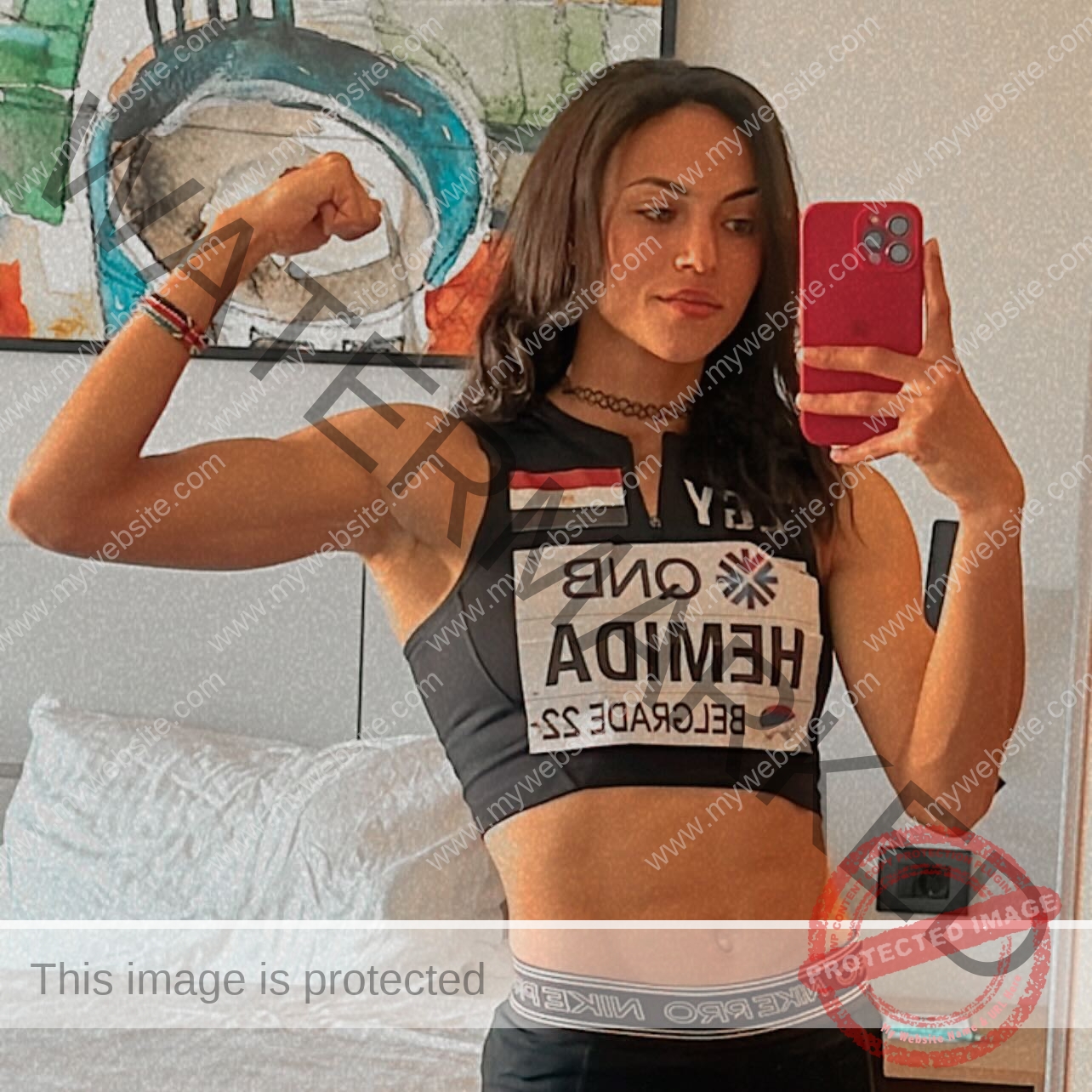
In March 2022, at the World Indoor Championships in Belgrade, she competed in the 60 metres, gaining indoor championship experience. But the outdoor season that followed was extraordinary.
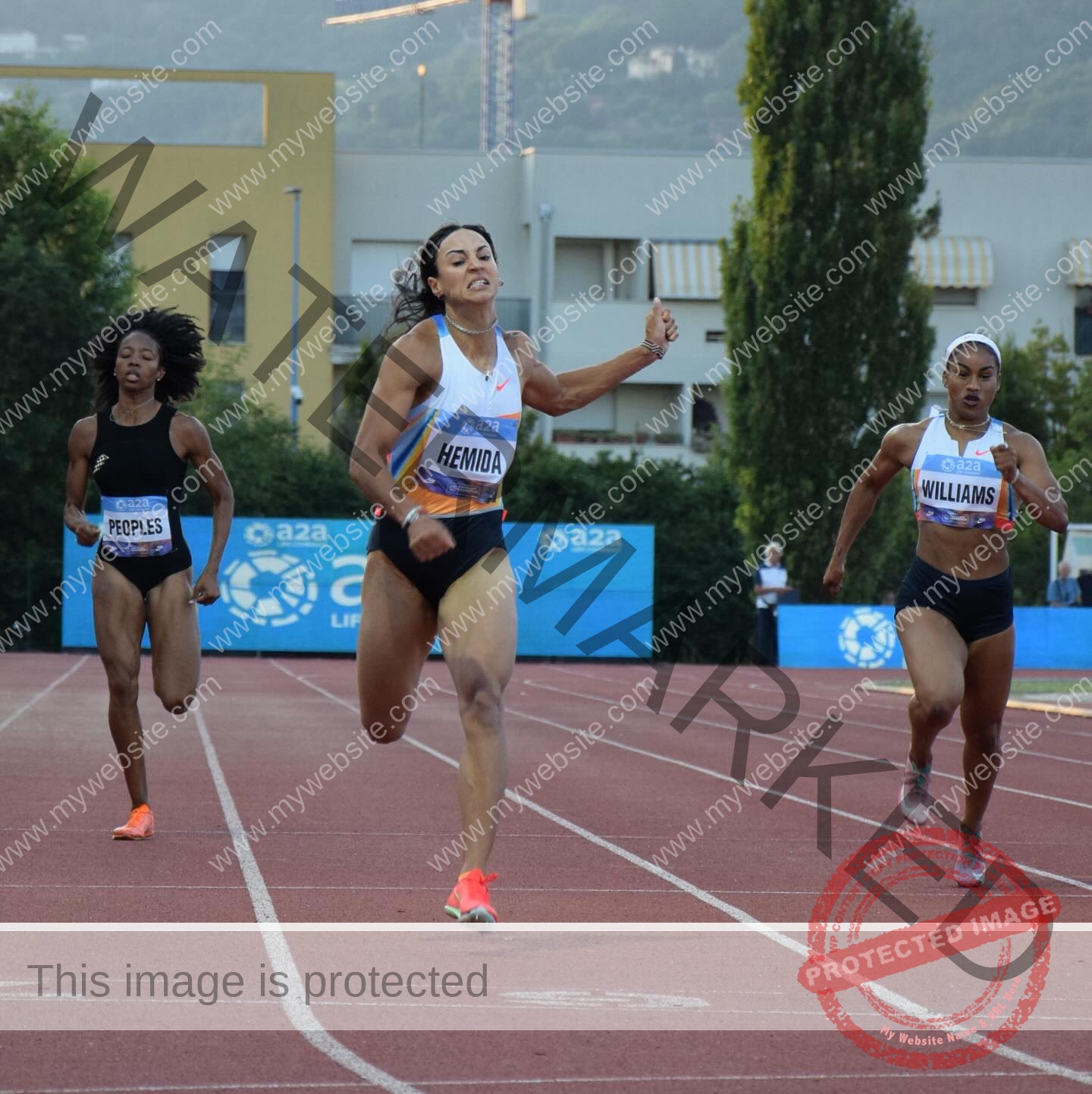
On May 7, 2022, at the Kip Keino Classic in Nairobi, Kenya — one of the World Athletics Continental Tour’s Gold level meetings — Hemida ran 11.02 seconds in the 100 metres into a legal headwind of -0.4 m/s. She finished second behind Olympic champion Shelly-Ann Fraser-Pryce of Jamaica, one of the greatest sprinters in the history of the sport. That performance slashed 0.21 seconds from the previous Egyptian national record. It was the first time an Egyptian woman had broken 11.10 seconds outdoors, and it placed Hemida firmly in the conversation as one of Africa’s elite sprinters.
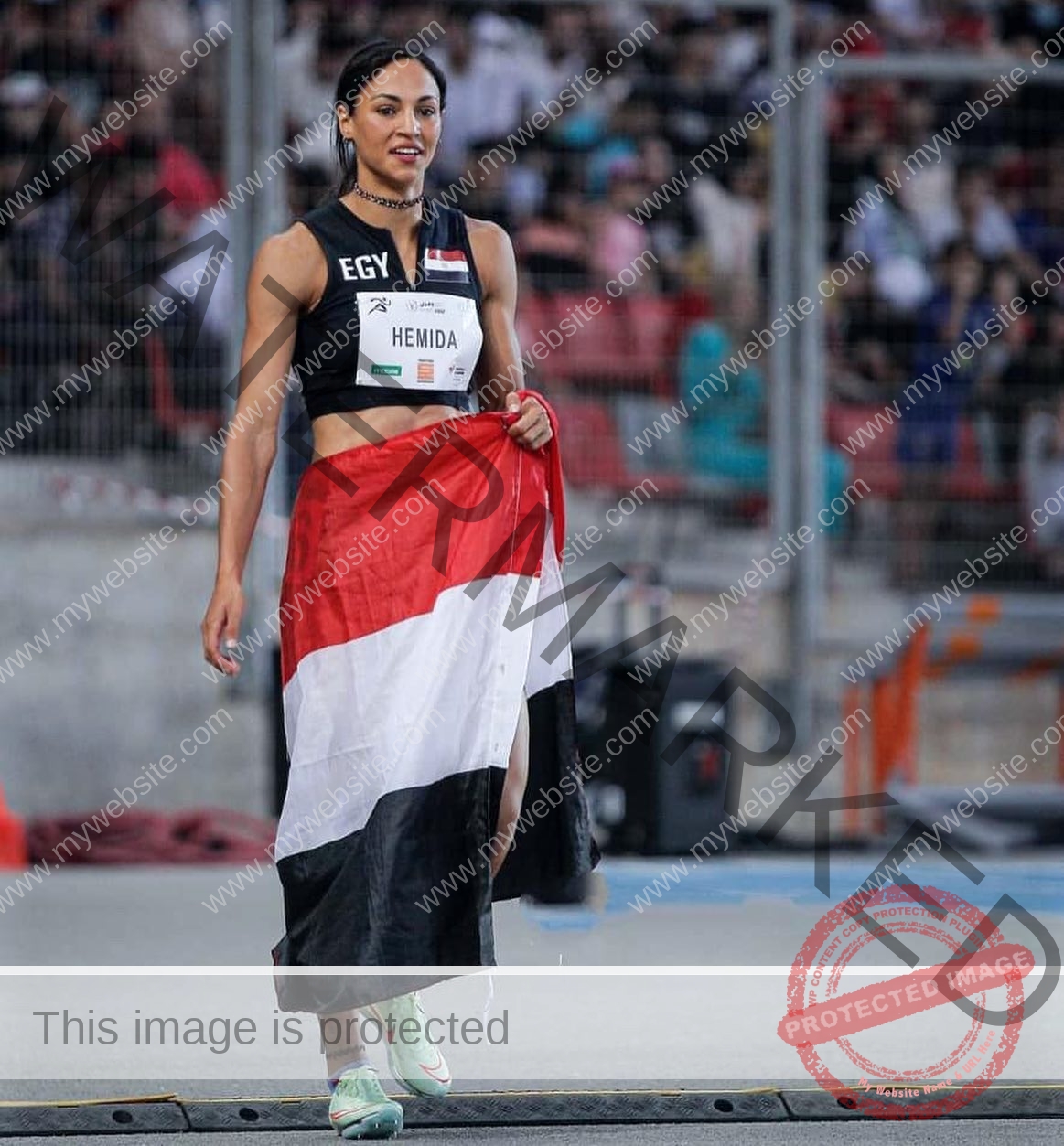
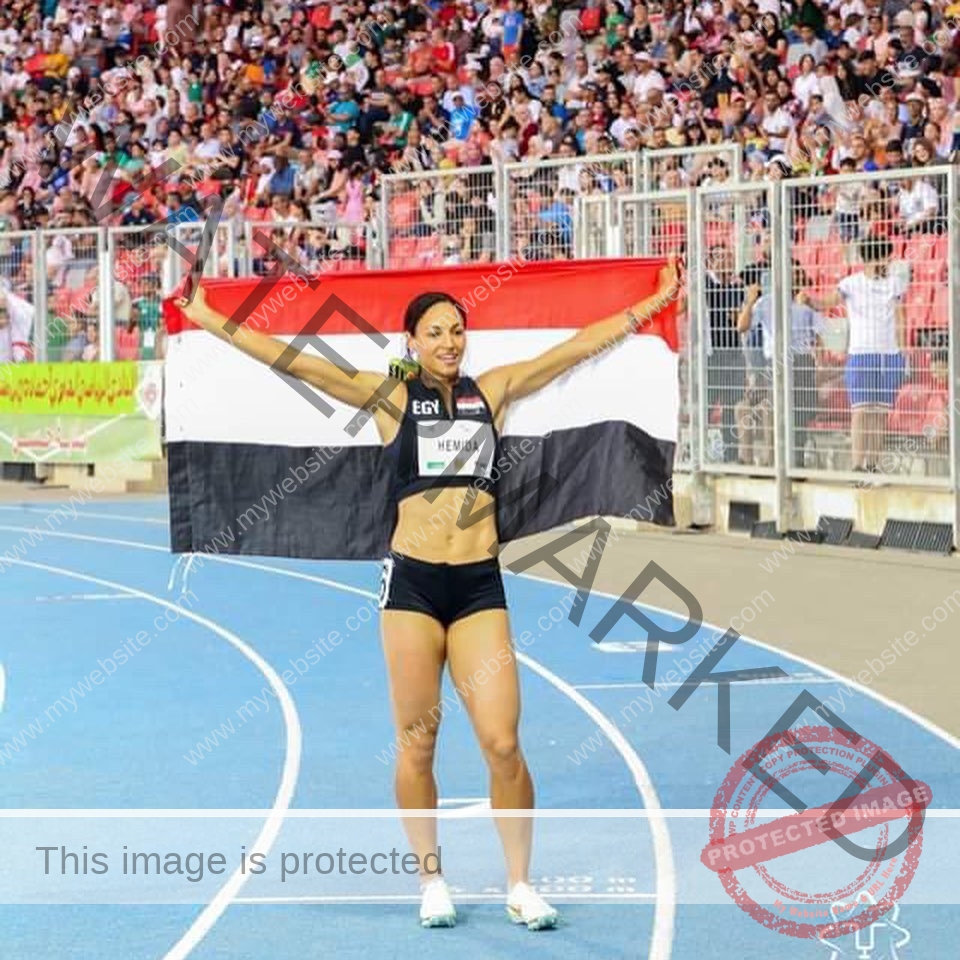
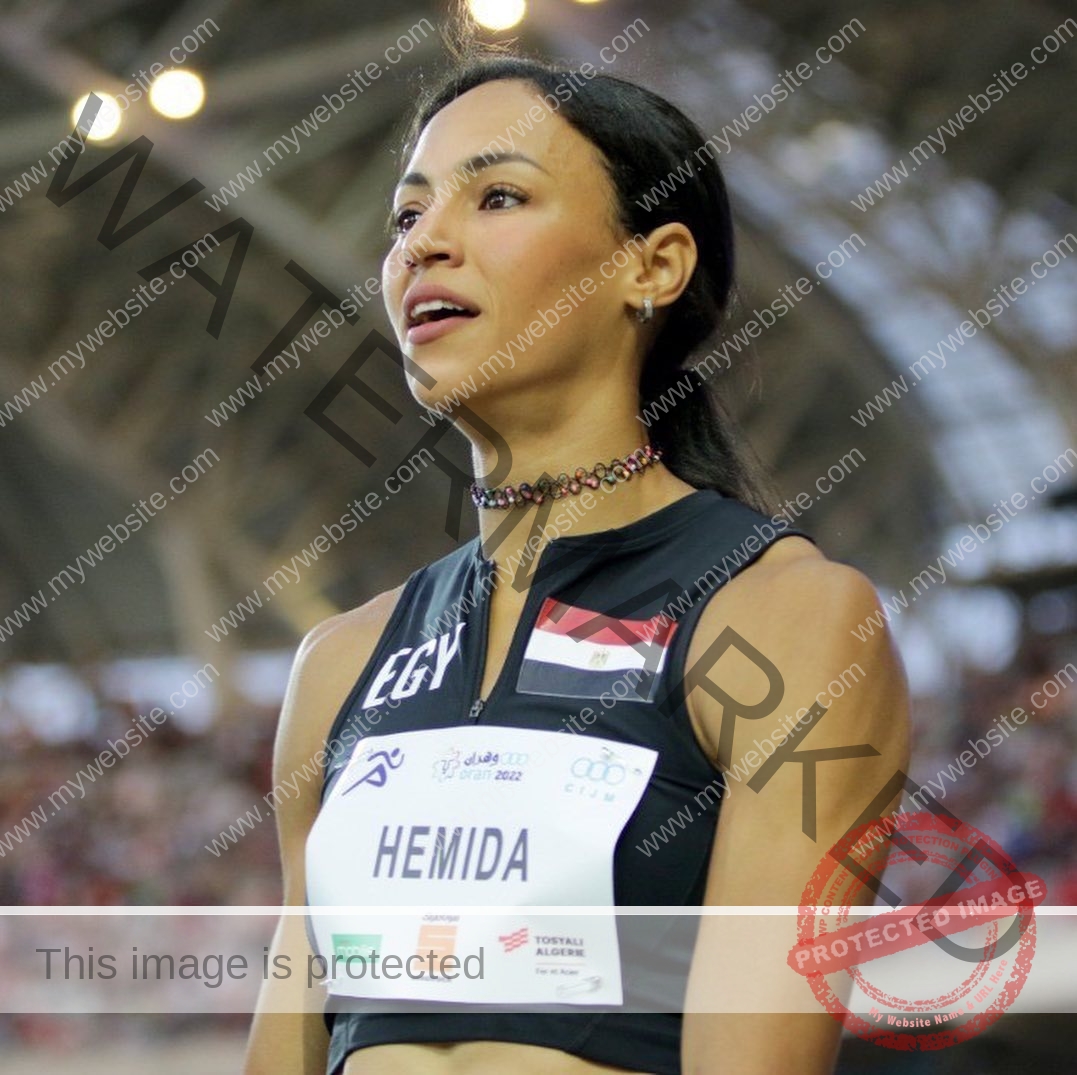
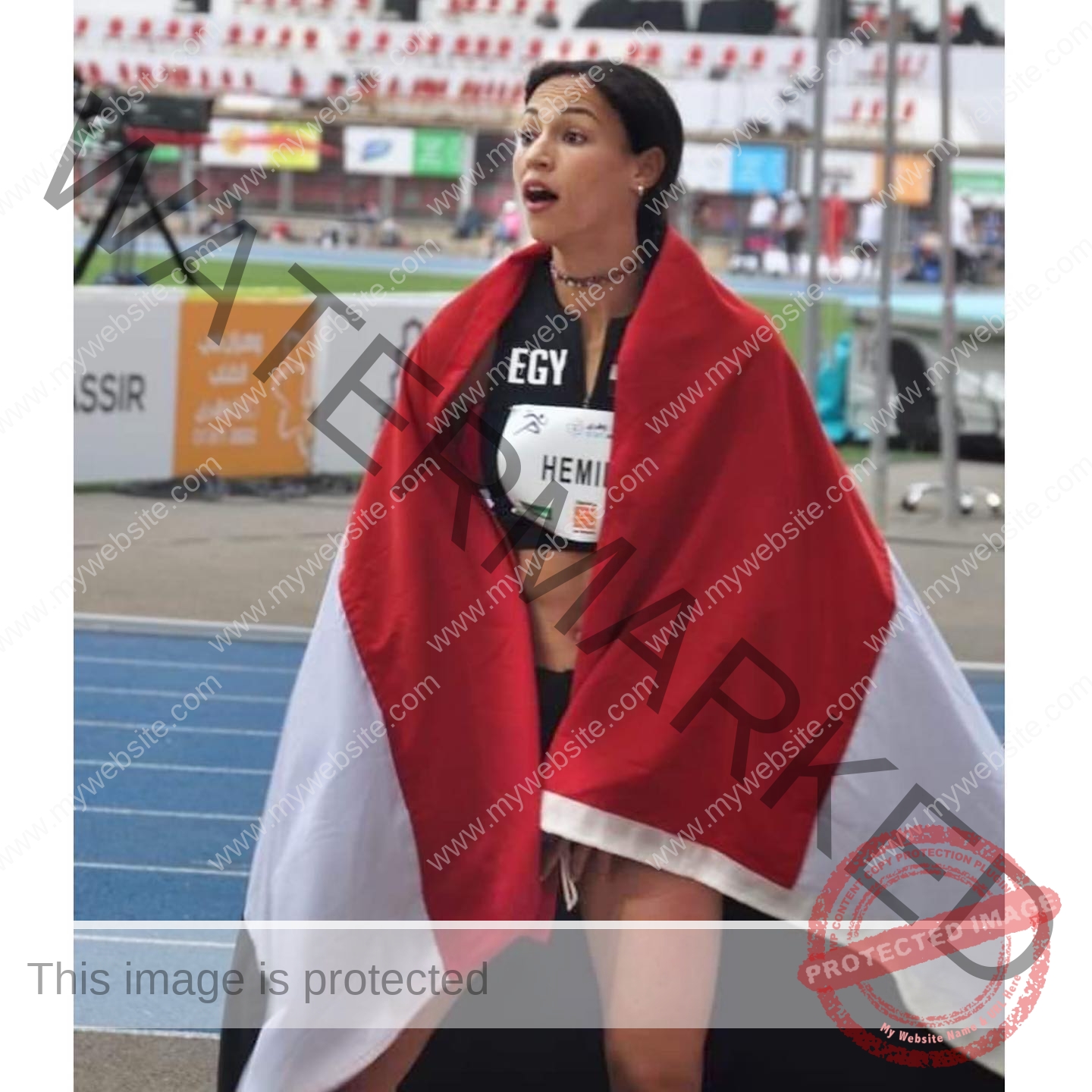
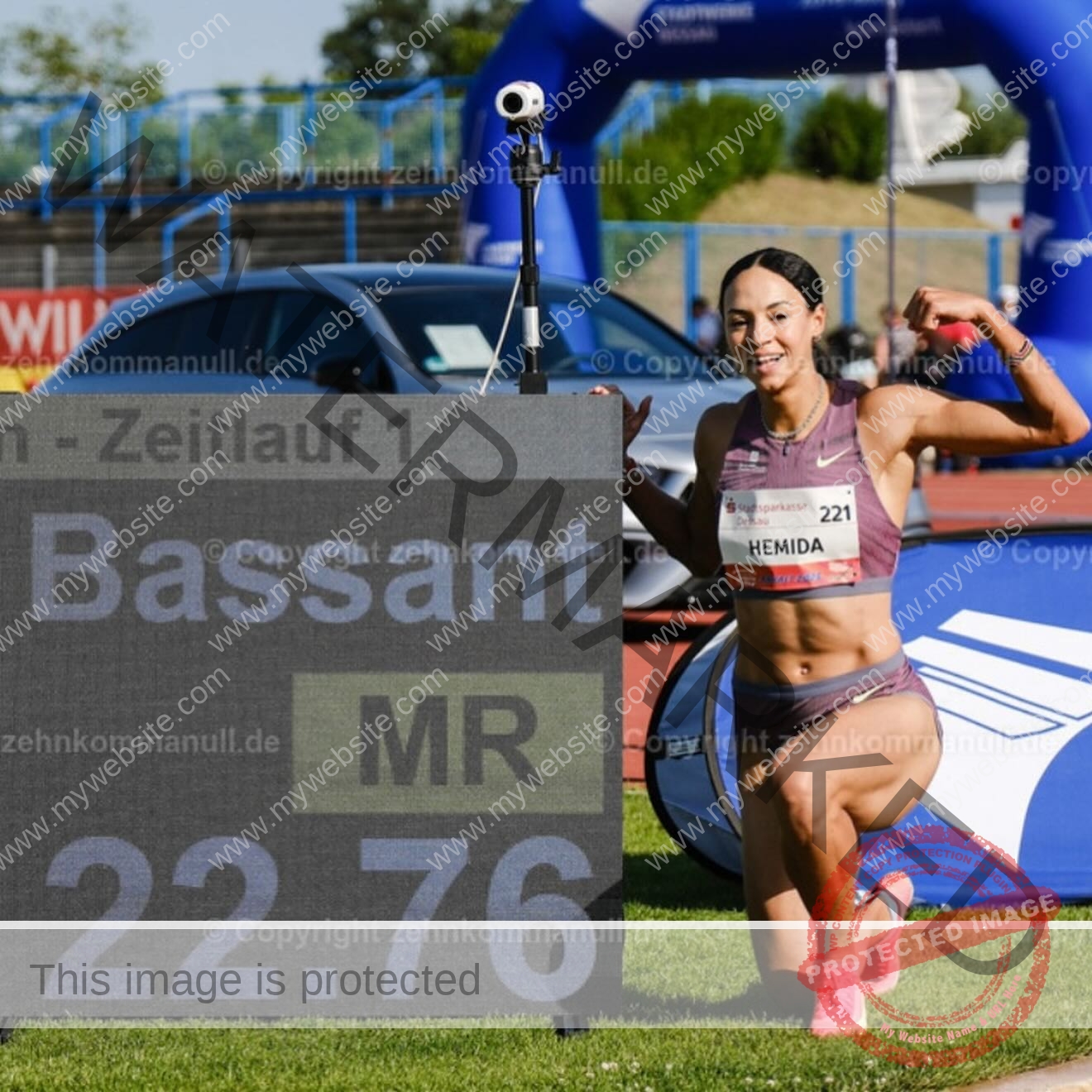
Then came Oran, Algeria. At the 2022 Mediterranean Games in late June and early July, Hemida produced a performance that earned front-page coverage across Egyptian media. In the 100 metres final, she crossed the line in 11.10 seconds — a new Games record — becoming the first Egyptian woman in history to win a gold medal in the 100 metres at the Mediterranean Games. Egypt’s Minister of International Cooperation, Rania Al Mashat, congratulated her publicly, calling her a trailblazer. The country’s Minister of Sports and Youth did the same, noting that her achievement was historic for Egyptian sport.
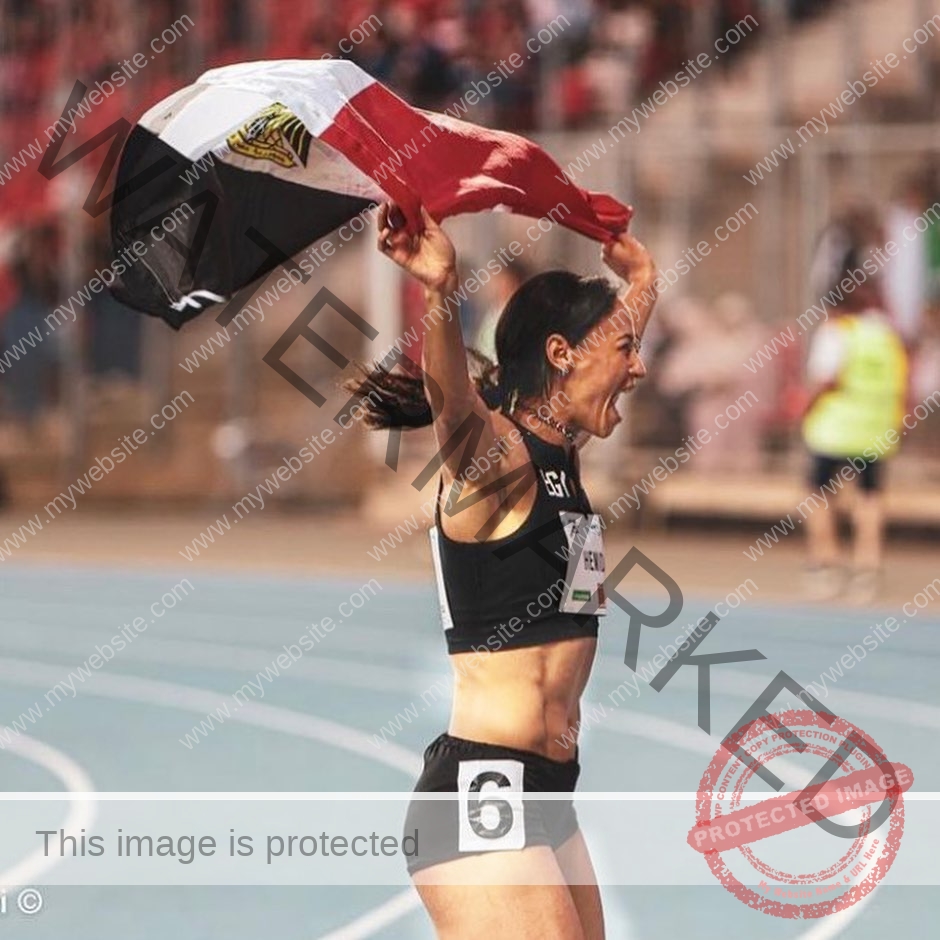
Hemida then backed that up with a second gold medal in the 200 metres, clocking 22.47 seconds for another Games record, erasing a mark that had stood since Christine Arron’s run in Bari in 1997. Two gold medals, two Games records, two firsts for Egyptian athletics. The response on her Instagram — where she wrote that words failed to express how she felt — gave a small window into what the double meant to her personally.
2023: Diamond League, Arab Titles, and Another National Record
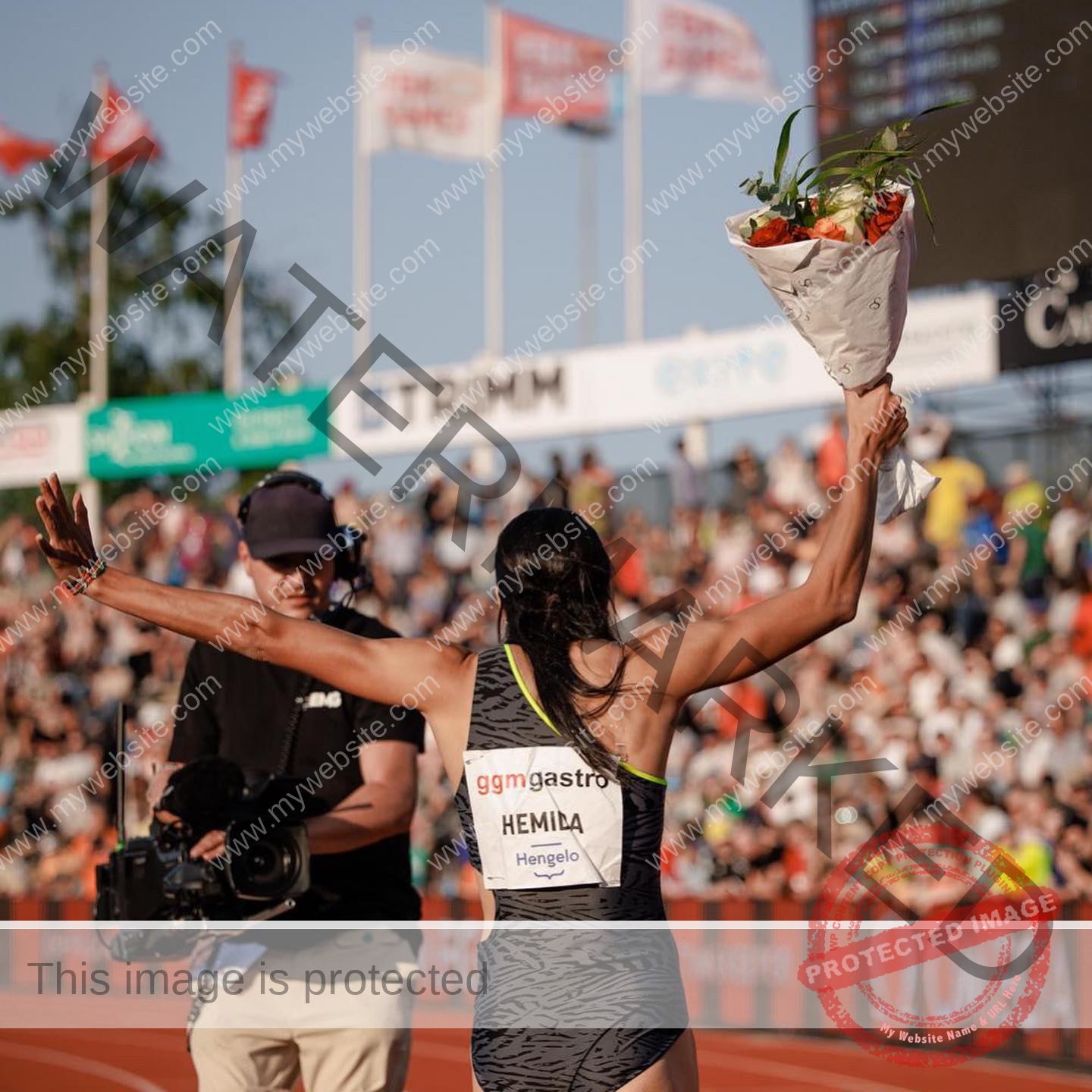
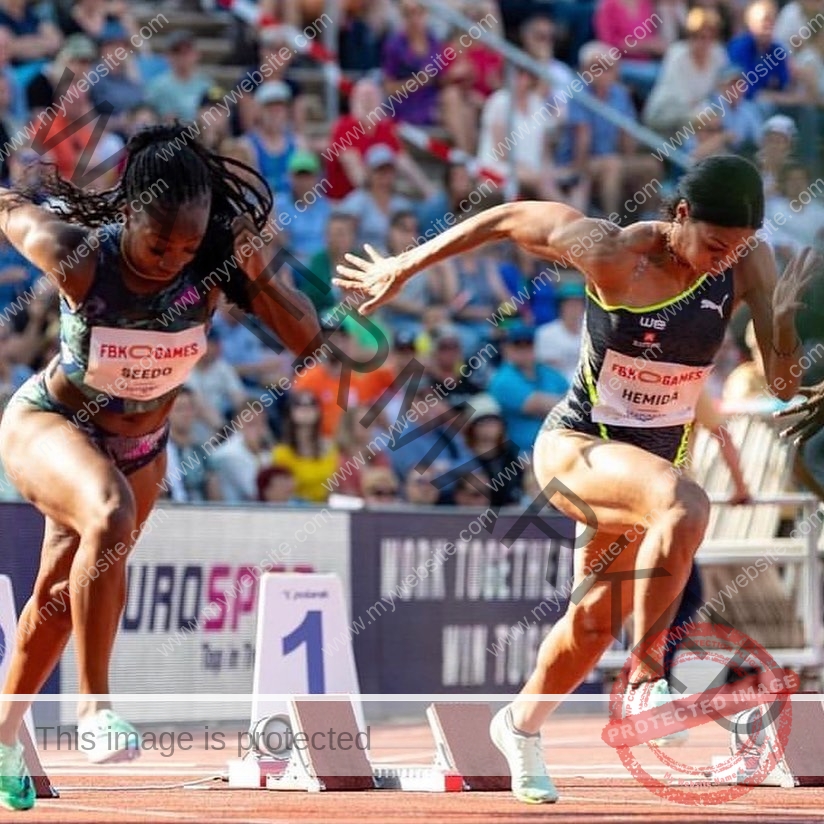
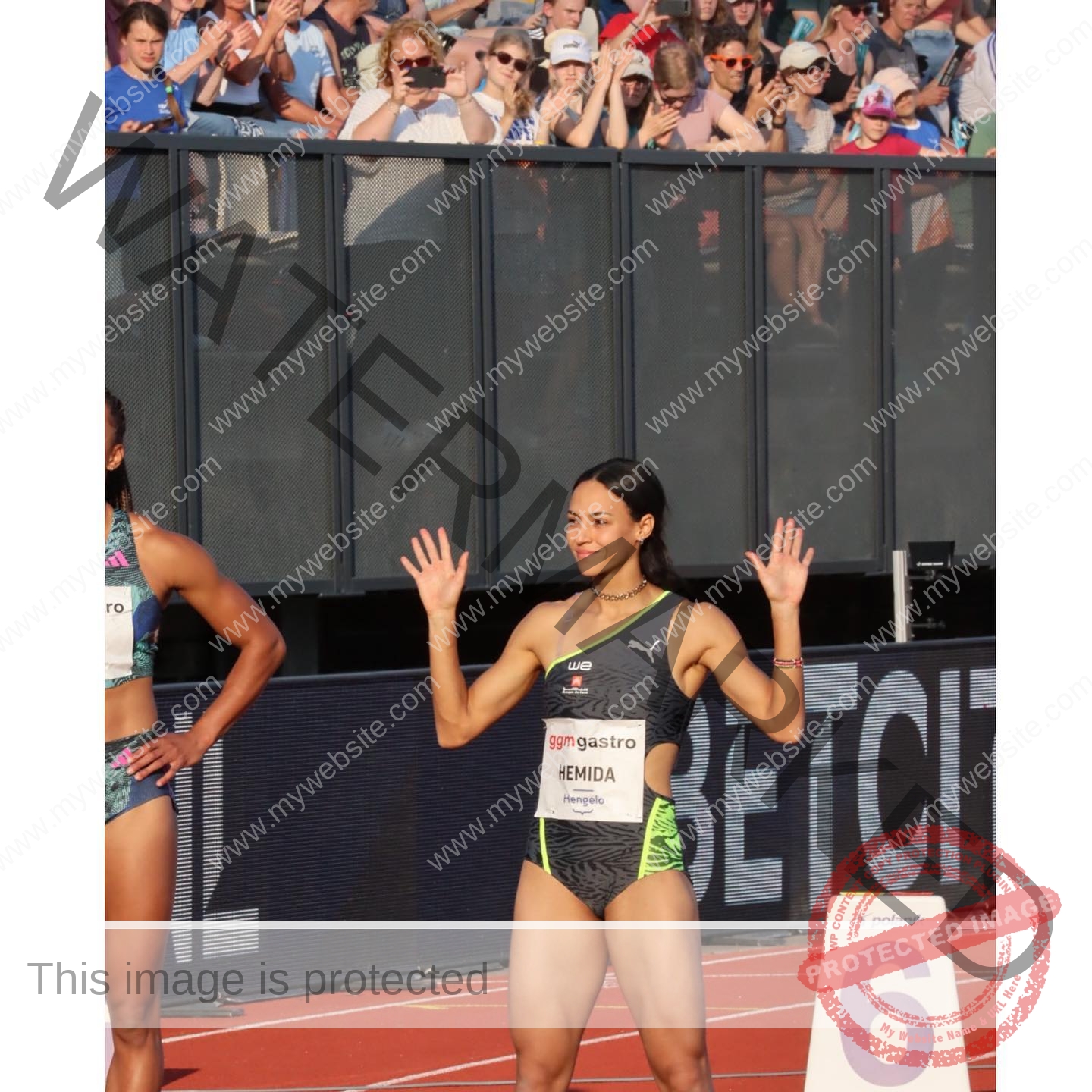
Hemida carried her momentum into 2023 with continued excellence. At the FBK Games in Hengelo, Netherlands — a Diamond League qualifier — she won the women’s 200 metres, her most high-profile victory to date at a premier international meeting. She followed that with a commanding performance at the Arab Athletics Championships in Marrakesh, Morocco, winning gold in the 100 metres in 11.33 seconds.
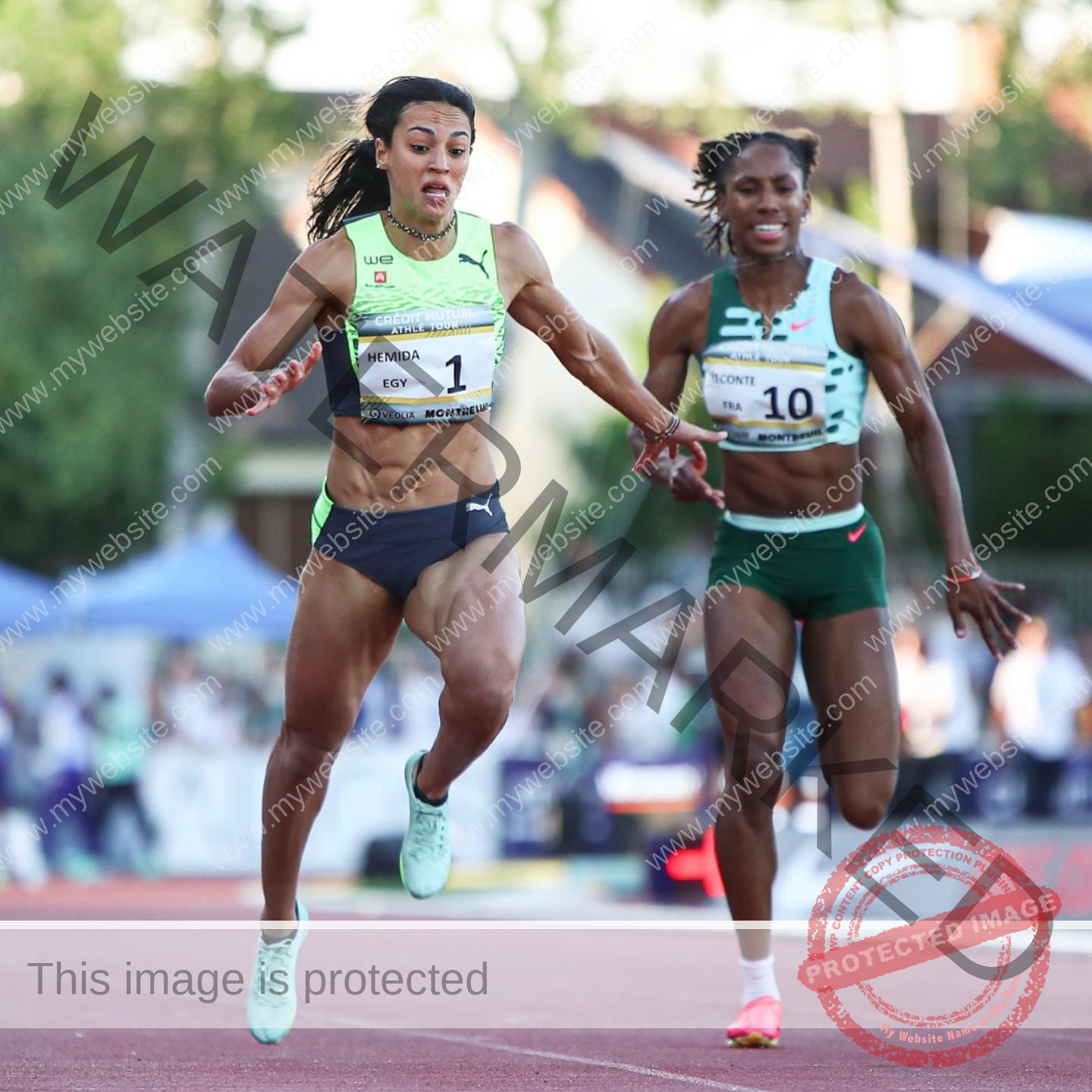
The season’s highlight on the record books came on June 4, 2023, when she lowered the Egyptian 200 metres national record to 22.41 seconds, the mark that still stands as of early 2026. By this point, Hemida held all three sprint national records — 100m, 200m, and eventually 400m — a remarkable sweep across the short sprint spectrum.
Injury, Reinvention, and the 400 Metres
The 2024 season was a difficult one. At the African Championships in Douala, Cameroon, she placed eighth in the 200 metres heats and did not start the semifinal — a sign that injury concerns, which had plagued her since the Tokyo Olympic disappointment, were once again affecting her preparation. Those close to her career noted that she had been dealing with physical setbacks across the 2023-2024 period that limited her ability to train and compete at full capacity in the pure sprint events.
The decision to move up to the 400 metres — at the recommendation of her doctors and coaches — was in some ways a pragmatic one, designed to manage the physical demands of the shortest sprint distances while keeping her competitive at the highest level. But what looked initially like an act of career preservation quickly became something far more compelling.
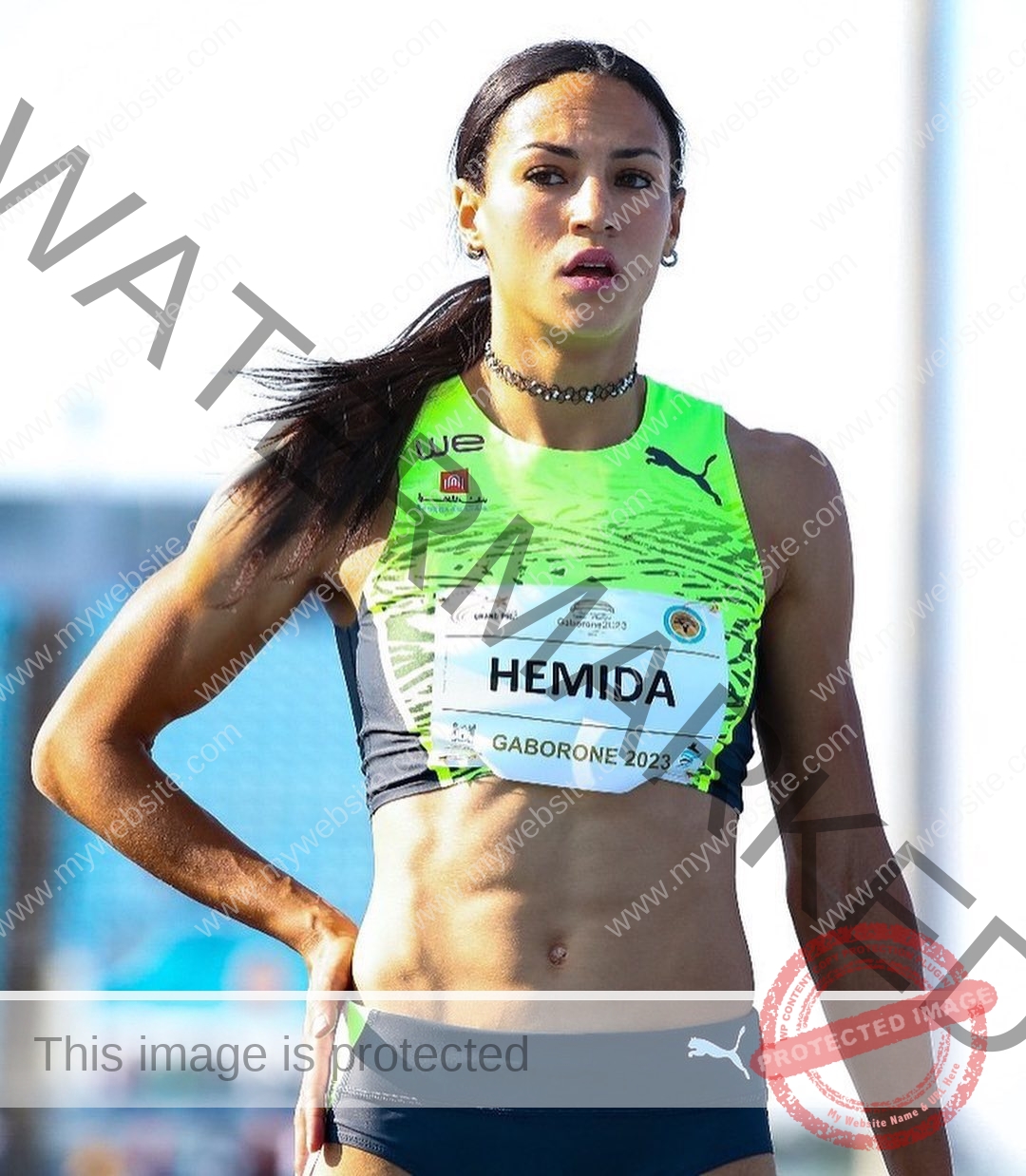
In April 2025, Hemida made her 400 metres mark in international competition at the Botswana Golden Grand Prix, winning the event and smashing her outdoor personal best by more than two seconds to set a new Egyptian national record of 50.77 seconds. It was one of the most striking individual performances at that meeting and signaled that the transition was not merely tactical — she was genuinely good at the longer event.
In August 2025, she recorded a personal best of 35.94 seconds in the 300 metres, a non-standard event but one that underscored her strength across all the short-to-middle sprint distances.
Then, at the World Athletics Championships in Tokyo in September 2025, the full scope of her 400 metres development became clear. In the heats, she ran an Egyptian national record of 50.36 seconds — a stunning benchmark for a sprinter barely a year into serious 400m competition. She advanced from the heats and competed in the semifinals, ultimately placing 16th overall with a time of 50.69 seconds. She was competing in a 400 metres semifinal that, by most accounts, was one of the strongest fields in the event’s history — a race that saw Sydney McLaughlin-Levrone post the second-fastest women’s 400m ever run. Walking away from that environment with a national record and a World Championships semifinal appearance was, by any reasonable measure, a significant achievement.
Adding a family dimension to the Tokyo 2025 story: her brother Seifeldin, competing for Qatar in the pole vault, reached the final after clearing a Qatari national record of 5.75 metres — becoming the first Qatari in World Championships history to reach a pole vault final. And her brother Bassem, also representing Qatar in the 400 metres hurdles, reached the semifinal at the same championships and was part of the Qatari relay team that also qualified for the final. It was a family occasion unlike almost any in the history of the sport: three siblings competing on the same World Championships stage in the same week.
Career Honors and Personal Bests
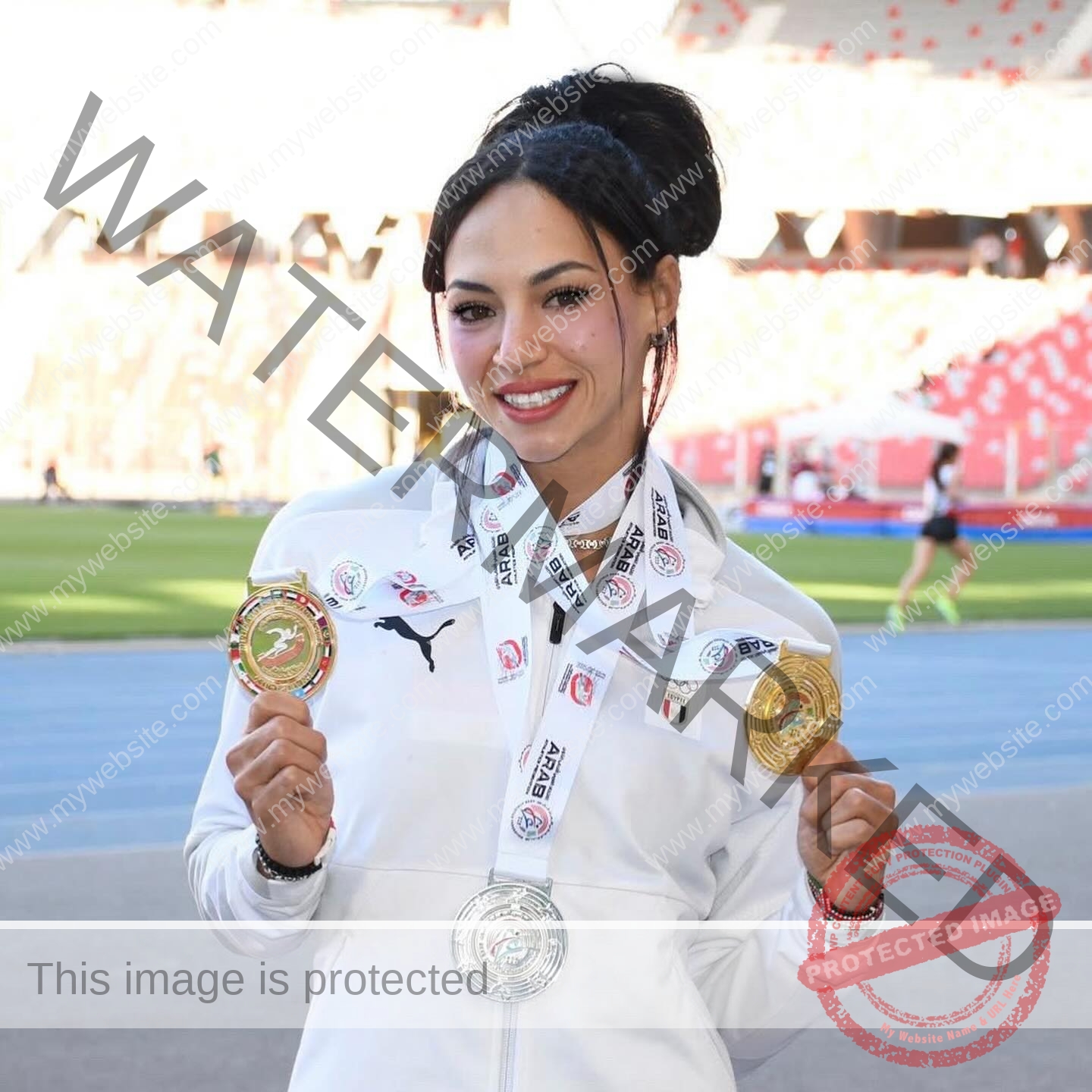
Hemida’s major competition record, as it stands in early 2026, is as follows: she holds Egyptian national records in the 100 metres (11.02 seconds, set May 7, 2022, Nairobi), the 200 metres (22.41 seconds, set June 4, 2023), and the 400 metres (50.36 seconds, set September 14, 2025, Tokyo). She is a two-time Mediterranean Games champion (100m and 200m, Oran 2022) and holds two All-African Games medals — a bronze in the 100 metres and a silver in the 200 metres, both from Rabat 2019. She has won 12 Egyptian national titles across her career and has competed at the World Athletics Championships in Doha 2019 (200m semifinal) and Tokyo 2025 (400m semifinal). She is currently ranked 17th in the world in the women’s 400 metres and 89th in the women’s 200 metres per World Athletics world rankings.
On the international invitational circuit, Hemida has competed regularly on the World Athletics Continental Tour, with appearances at Gold and Silver level meetings in Europe and Africa. She has competed in the Wanda Diamond League orbit as well, appearing at meetings including the FBK Games.
Off the Track: Ambassador, Advocate, and Public Figure
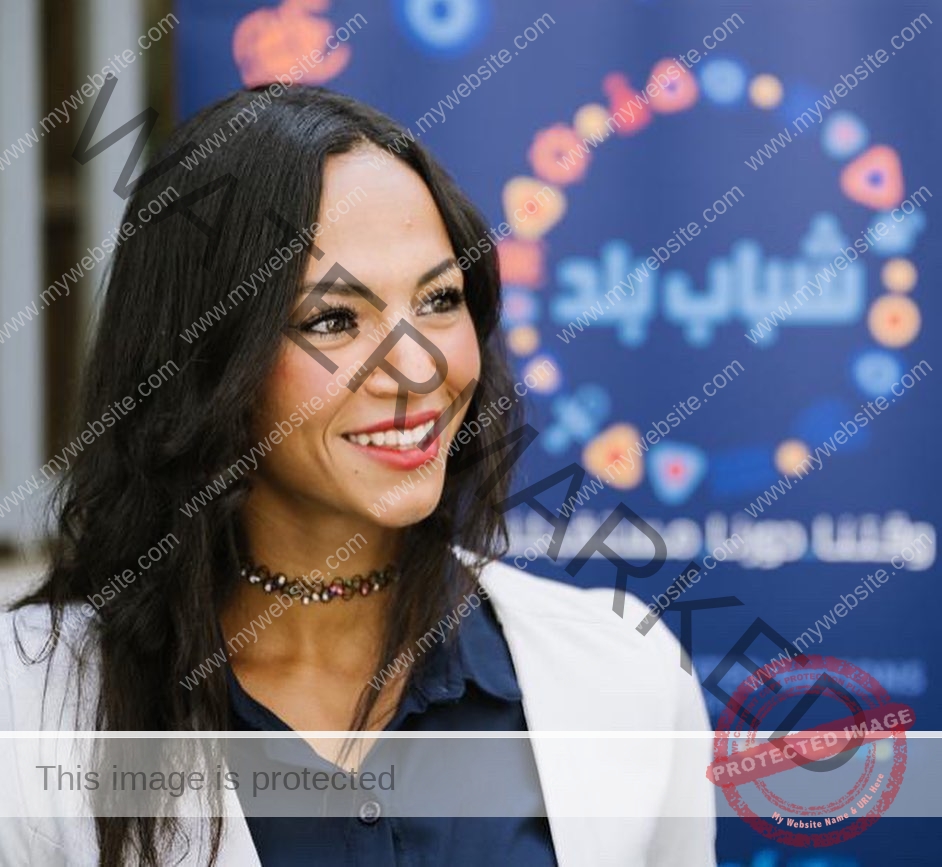
Hemida’s profile in Egypt extends well beyond athletics. In 2022, the United Nations named her an ambassador for the Shabab Balad (“Country’s Youth”) initiative, the Egyptian component of the UN’s Generation Unlimited global programme, which aims to connect young people with education, employment, and opportunities for civic participation. At the announcement, she said: “It is a great honour to have a role in a global initiative for youth in Egypt, that makes them a priority and helps them develop their skills, achieve their ambitions and positively participate in society.”
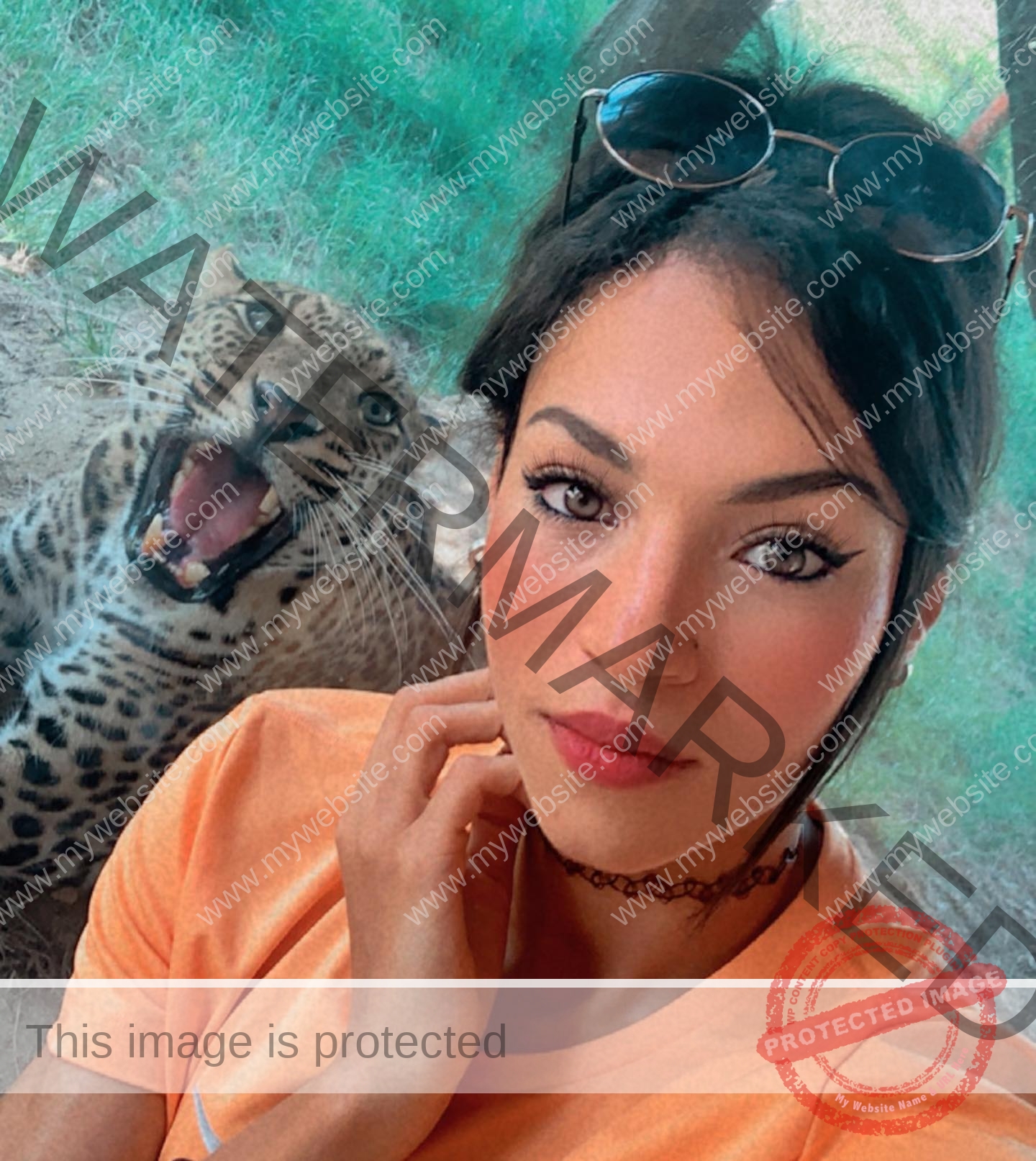
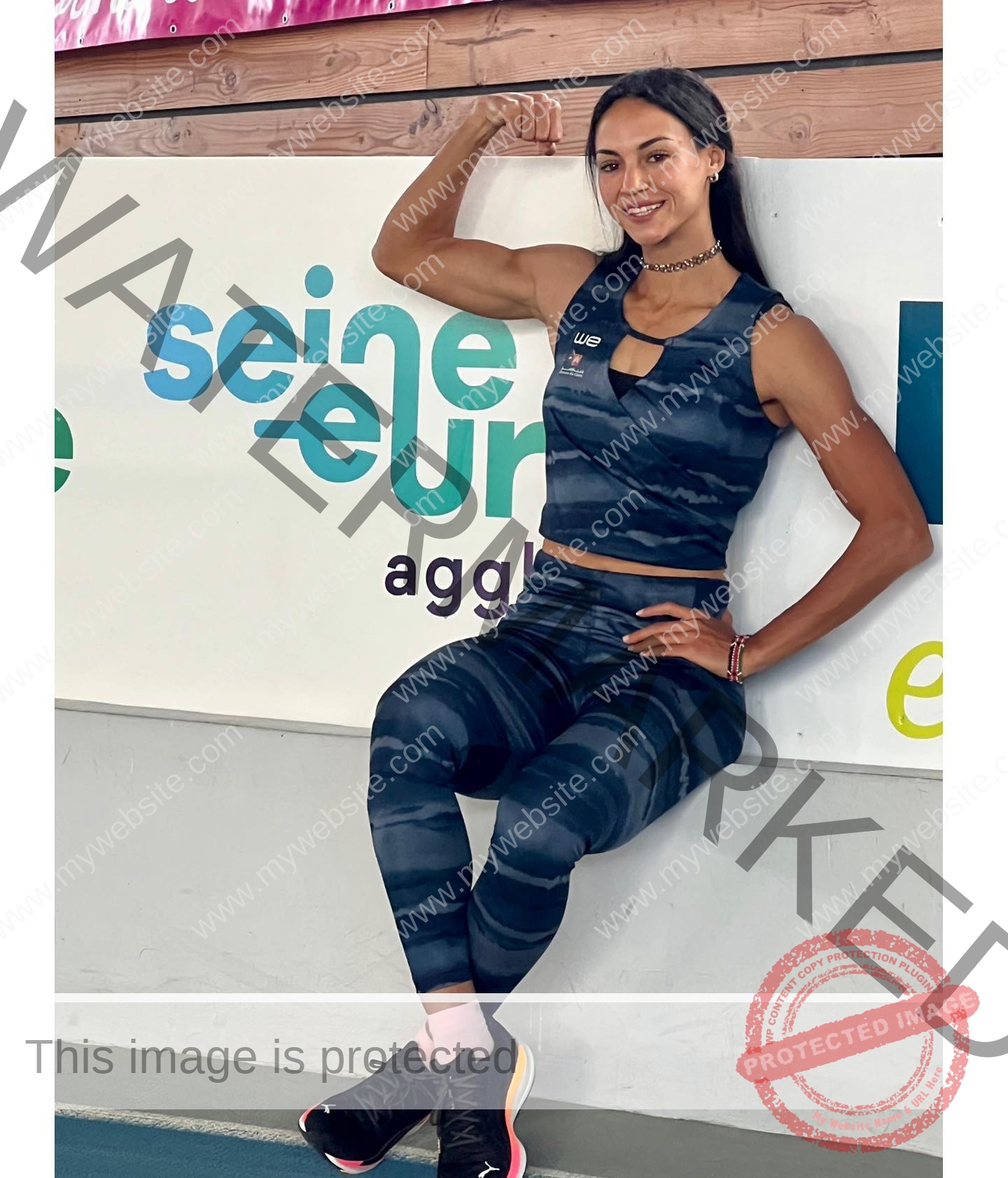
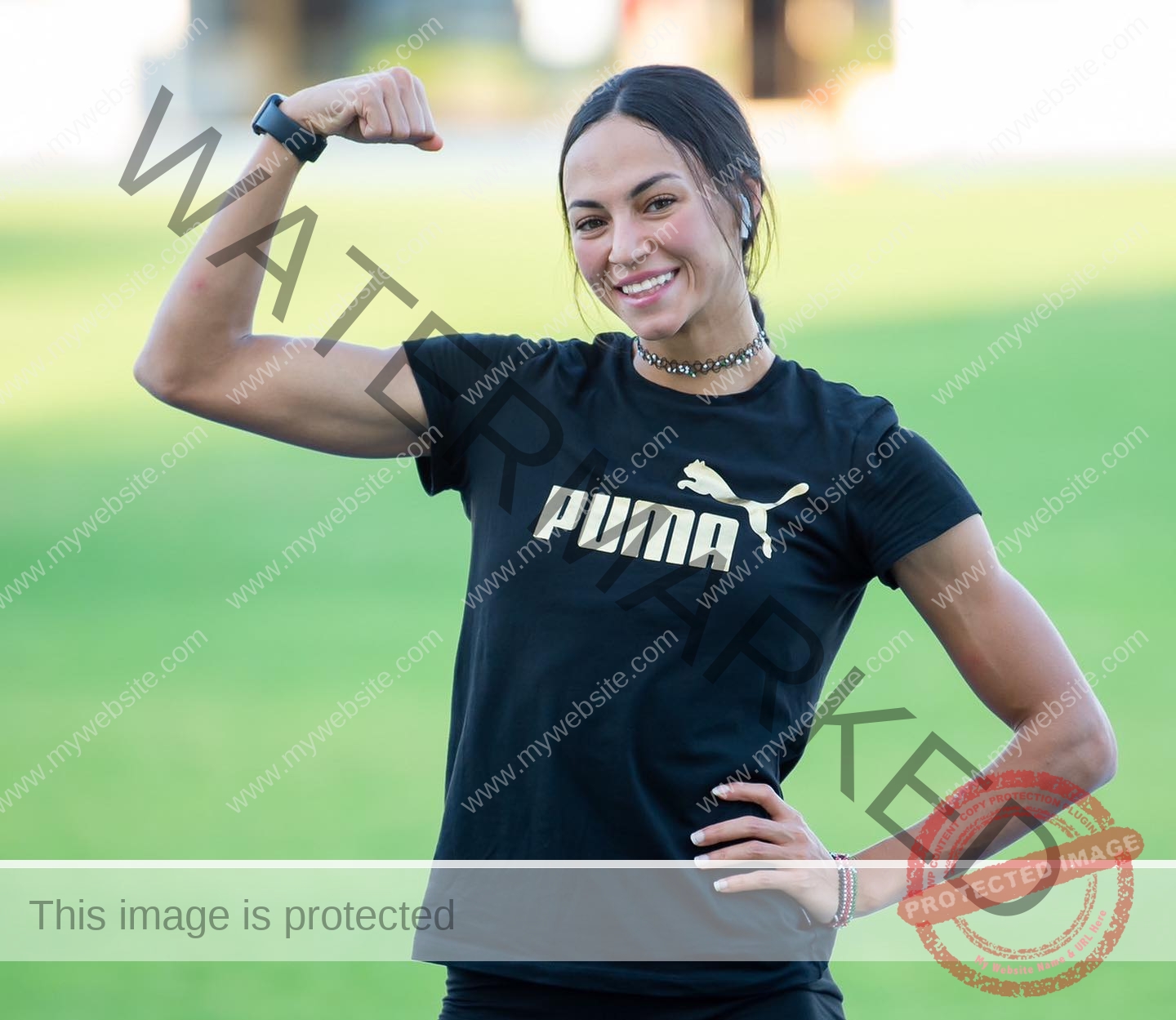
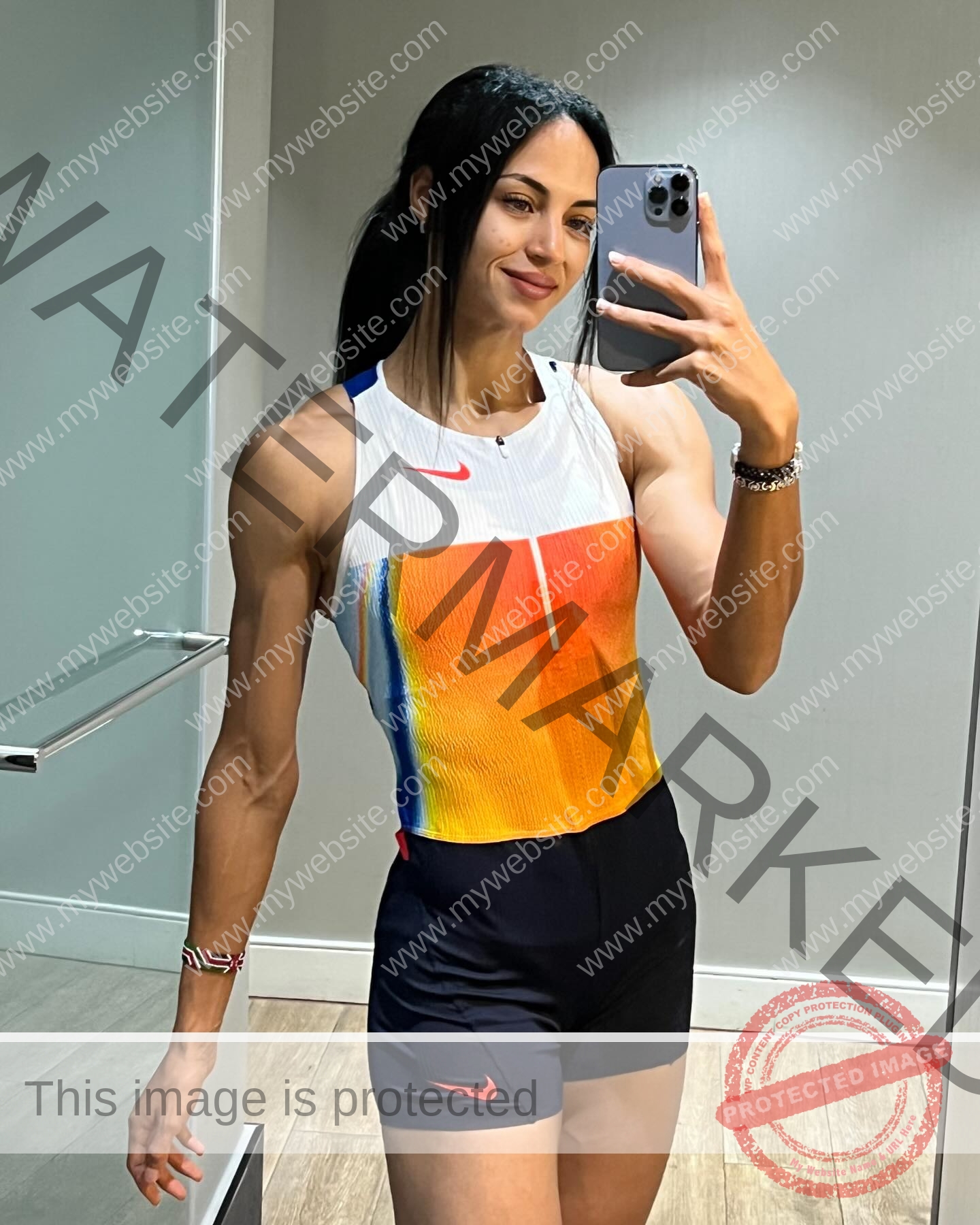
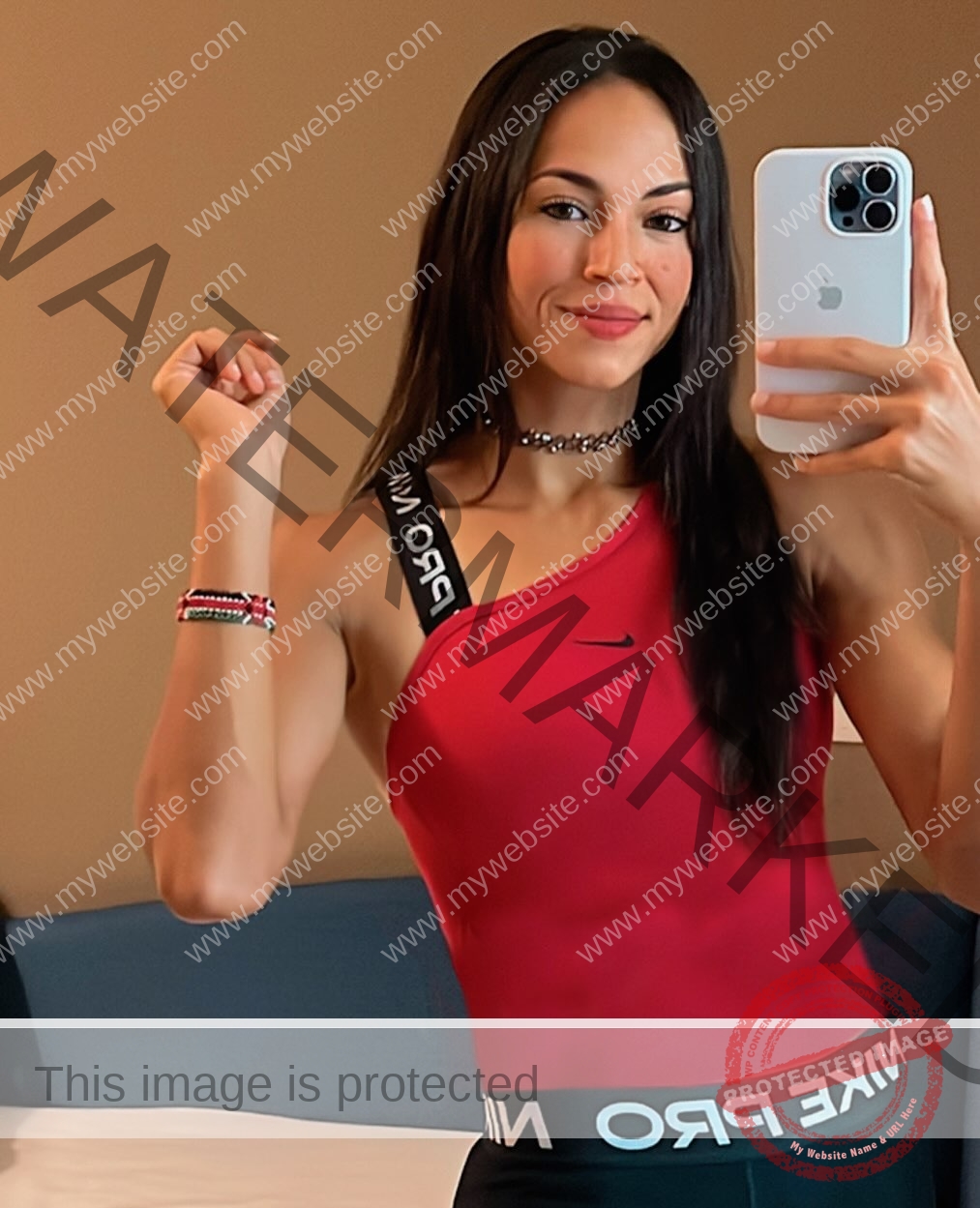
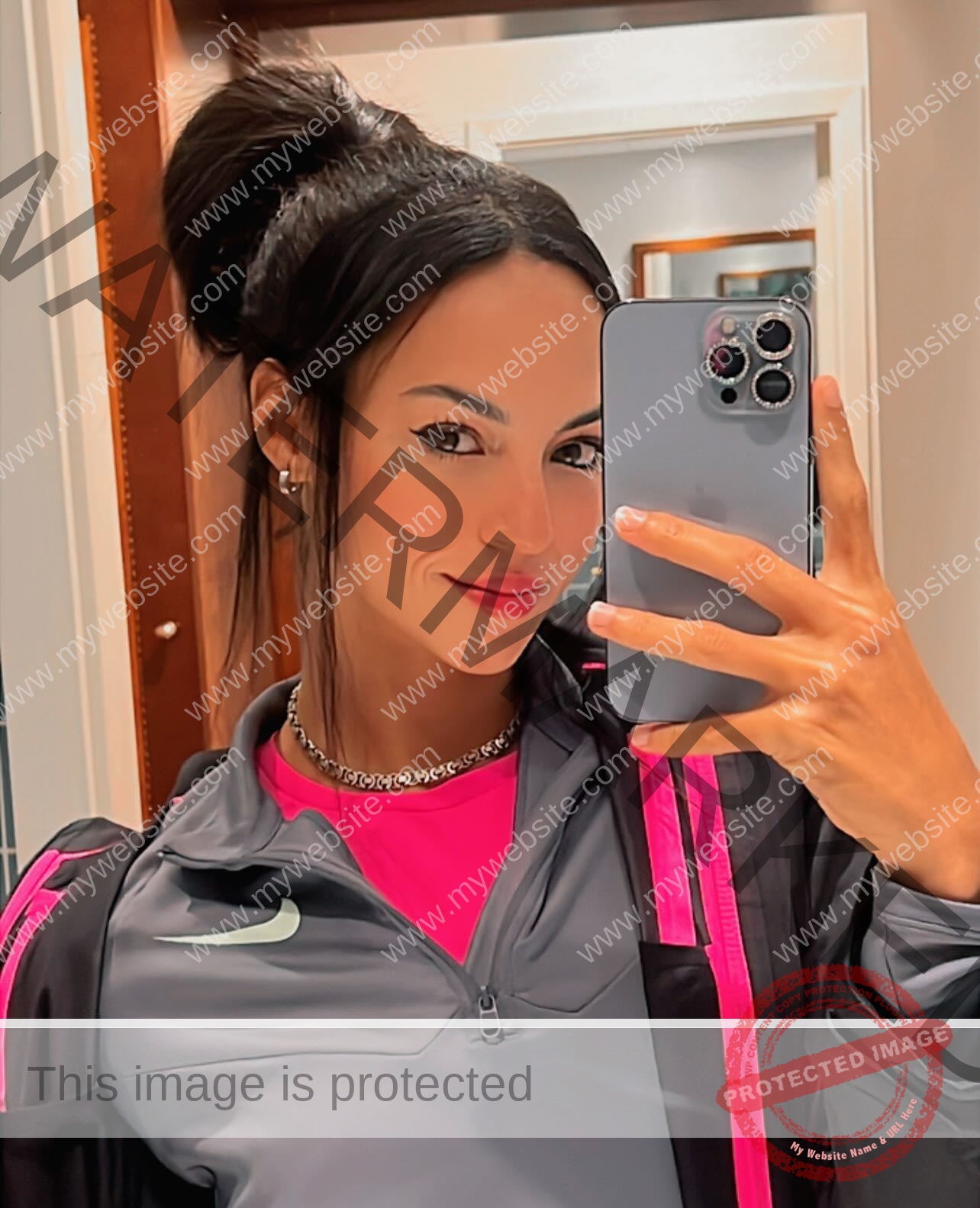
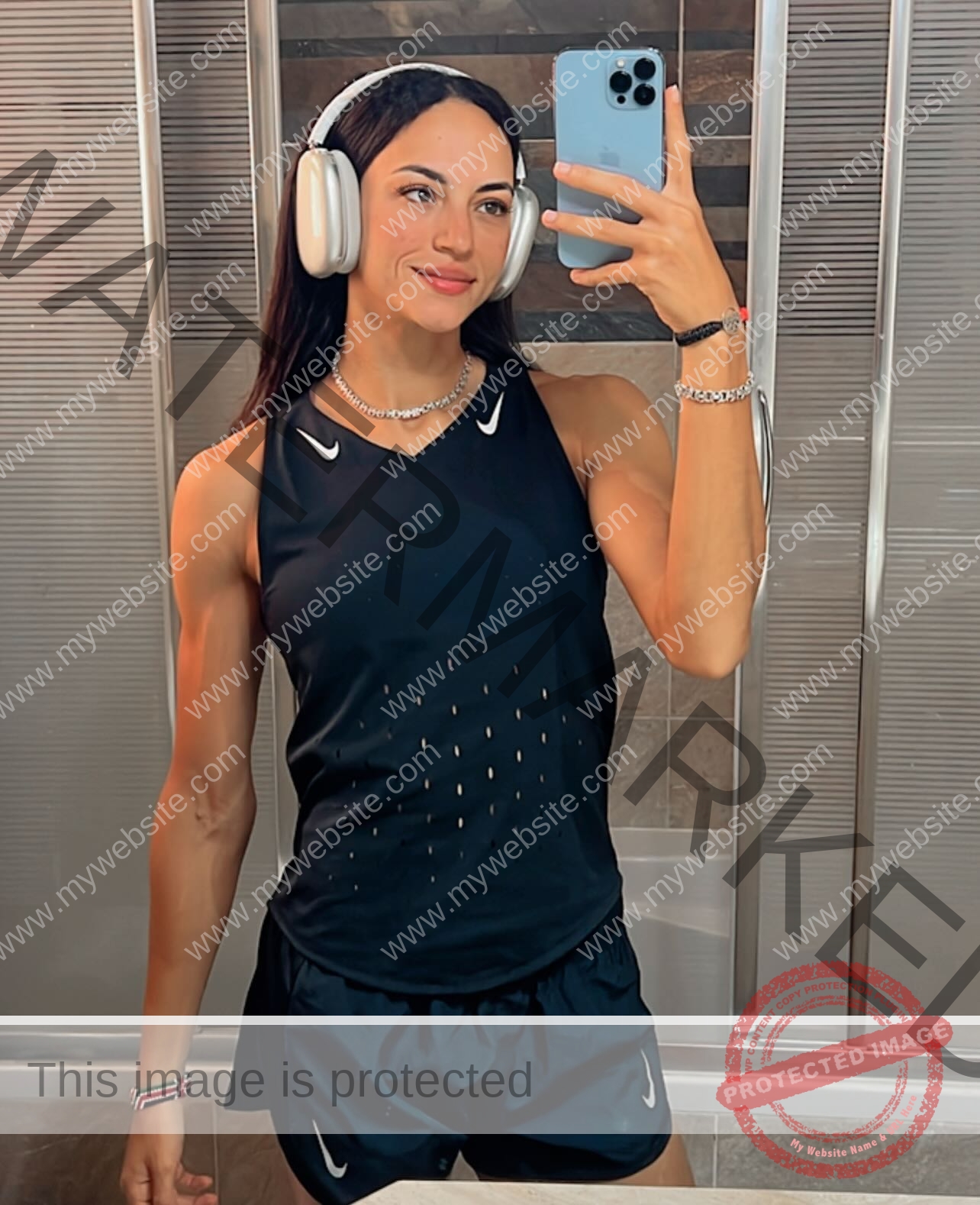
Her public platform has been built in large part through social media, where she has cultivated a substantial following. On Instagram, where she posts under the handle @bassant_hemida, she has accumulated over 112,000 followers — an unusually large audience for a track and field athlete from North Africa, and a reflection of the genuine national affection her career has generated. Her bio on the platform is straightforward and characteristically confident: “Sprinter 🦅 Professional Athlete @nikerunning 100m & 200m & 400m National Record holder 🇪🇬 Mediterranean Games (2022) 🥇🥇 🥉🥈 African Games Nike Athlete.”
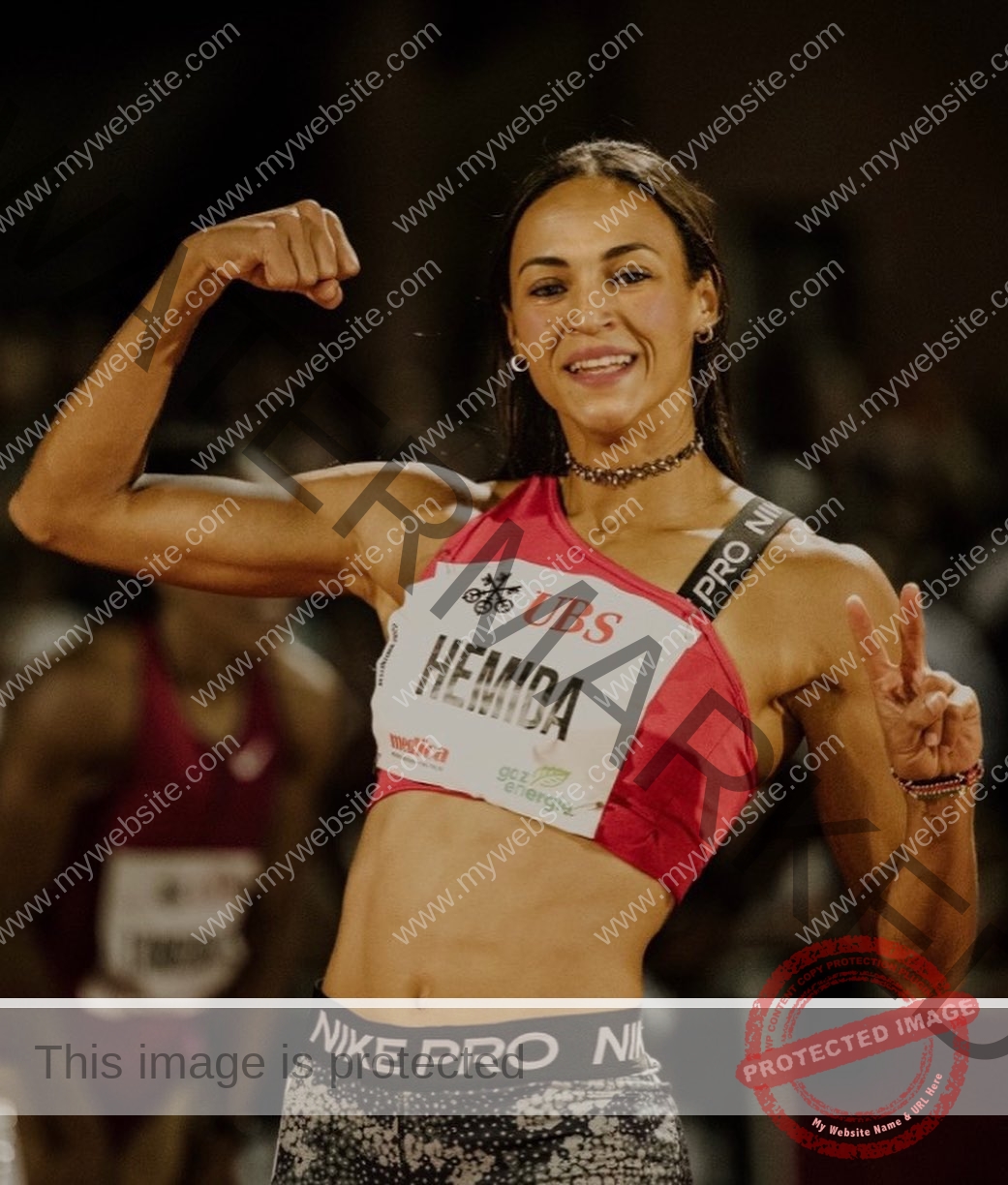
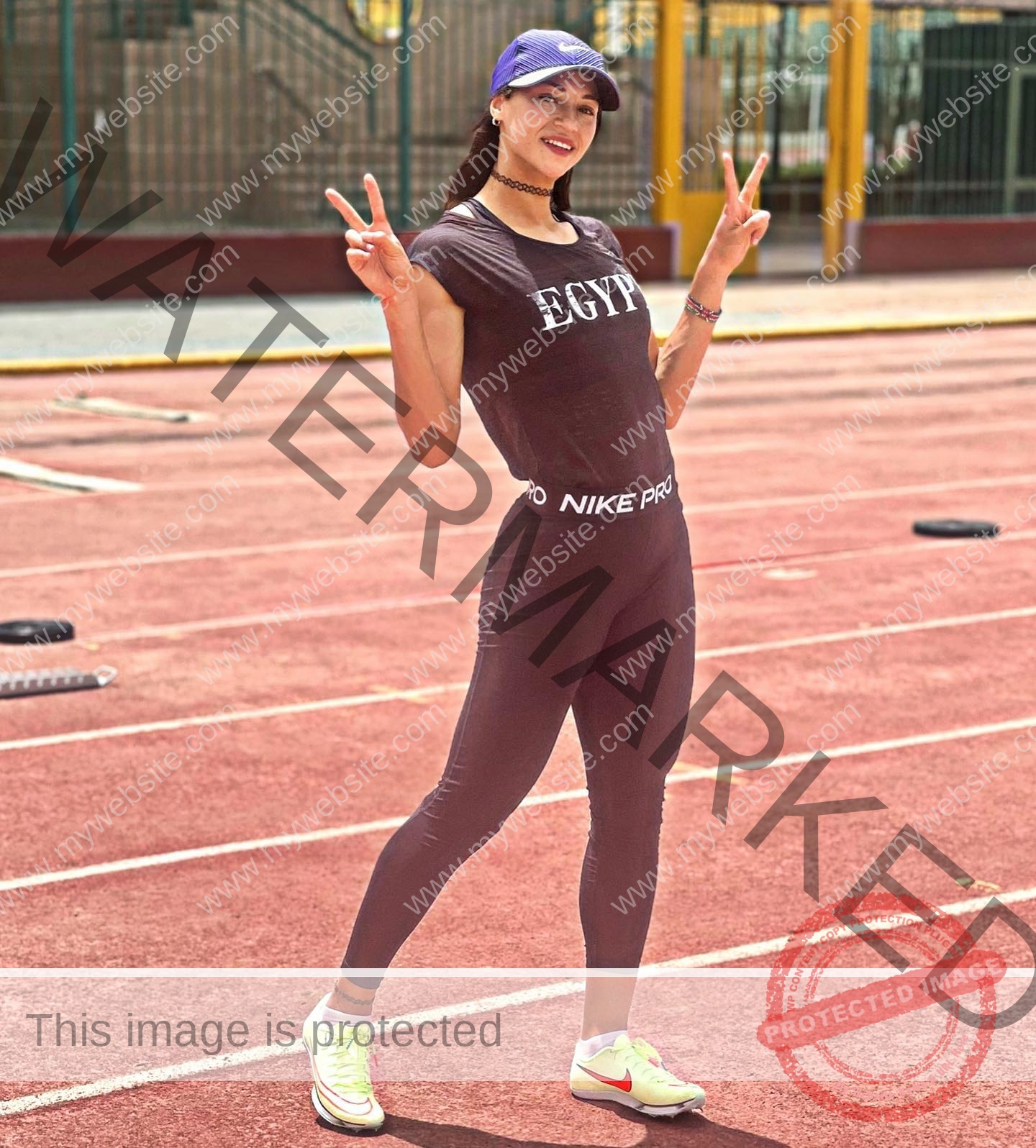
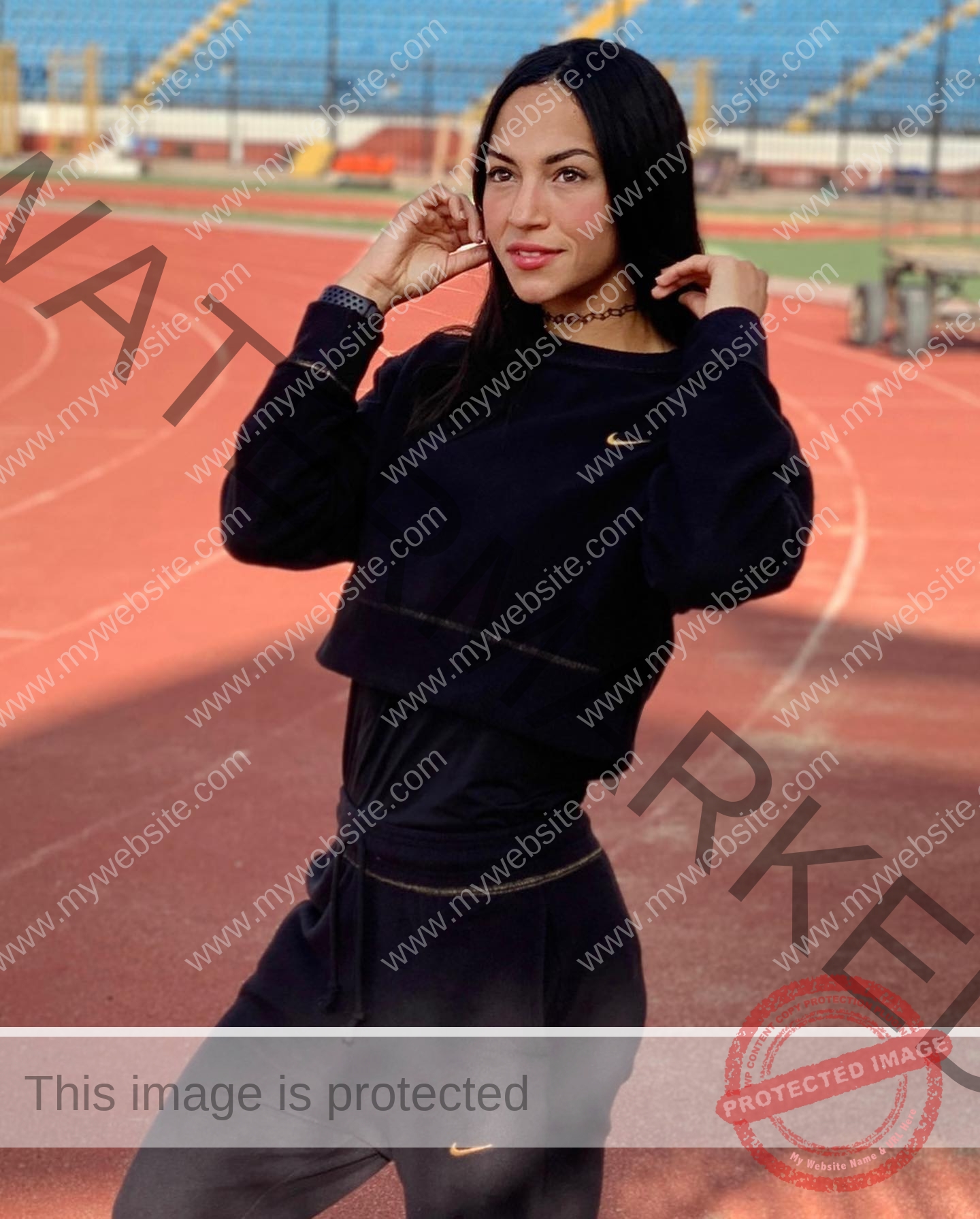
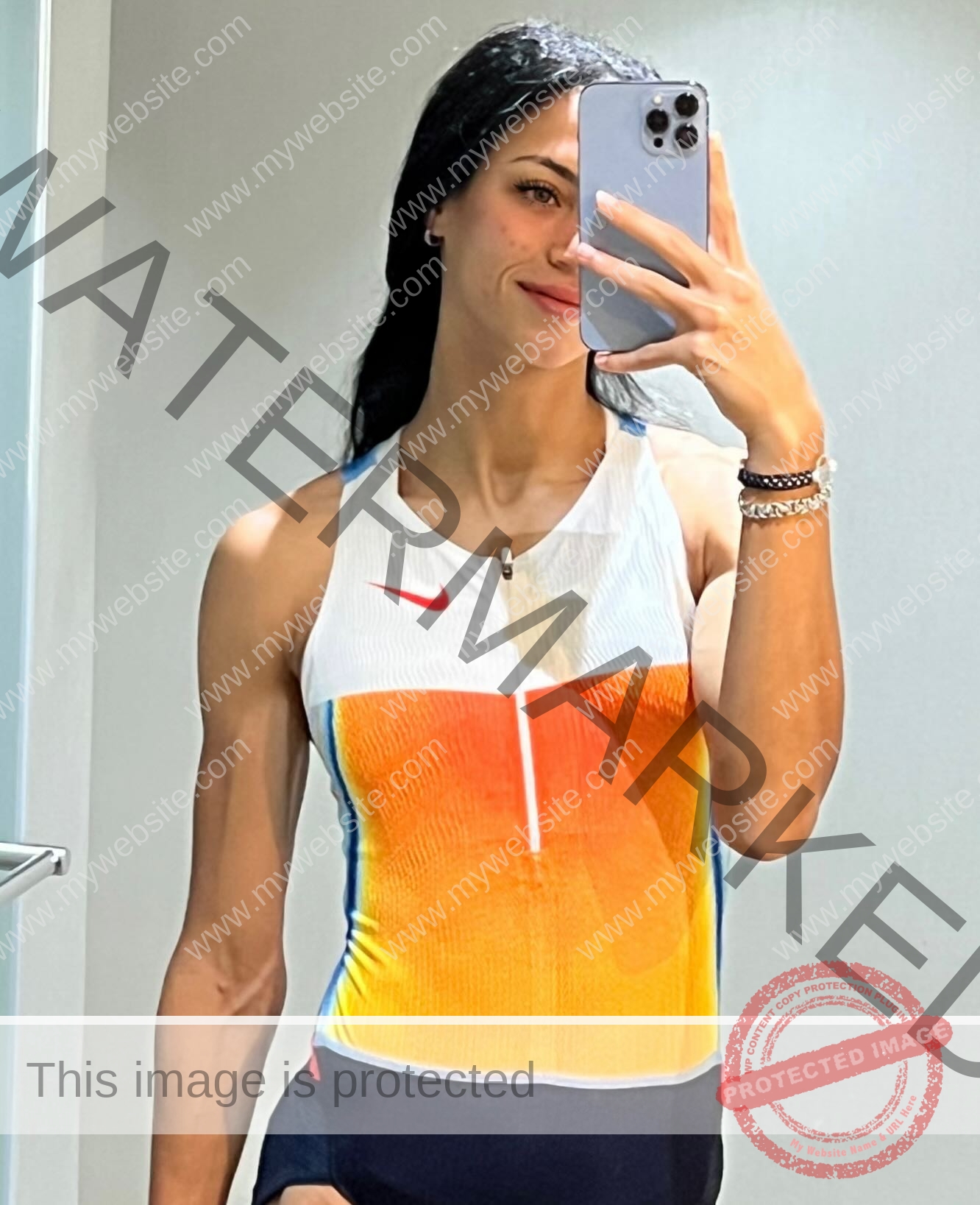
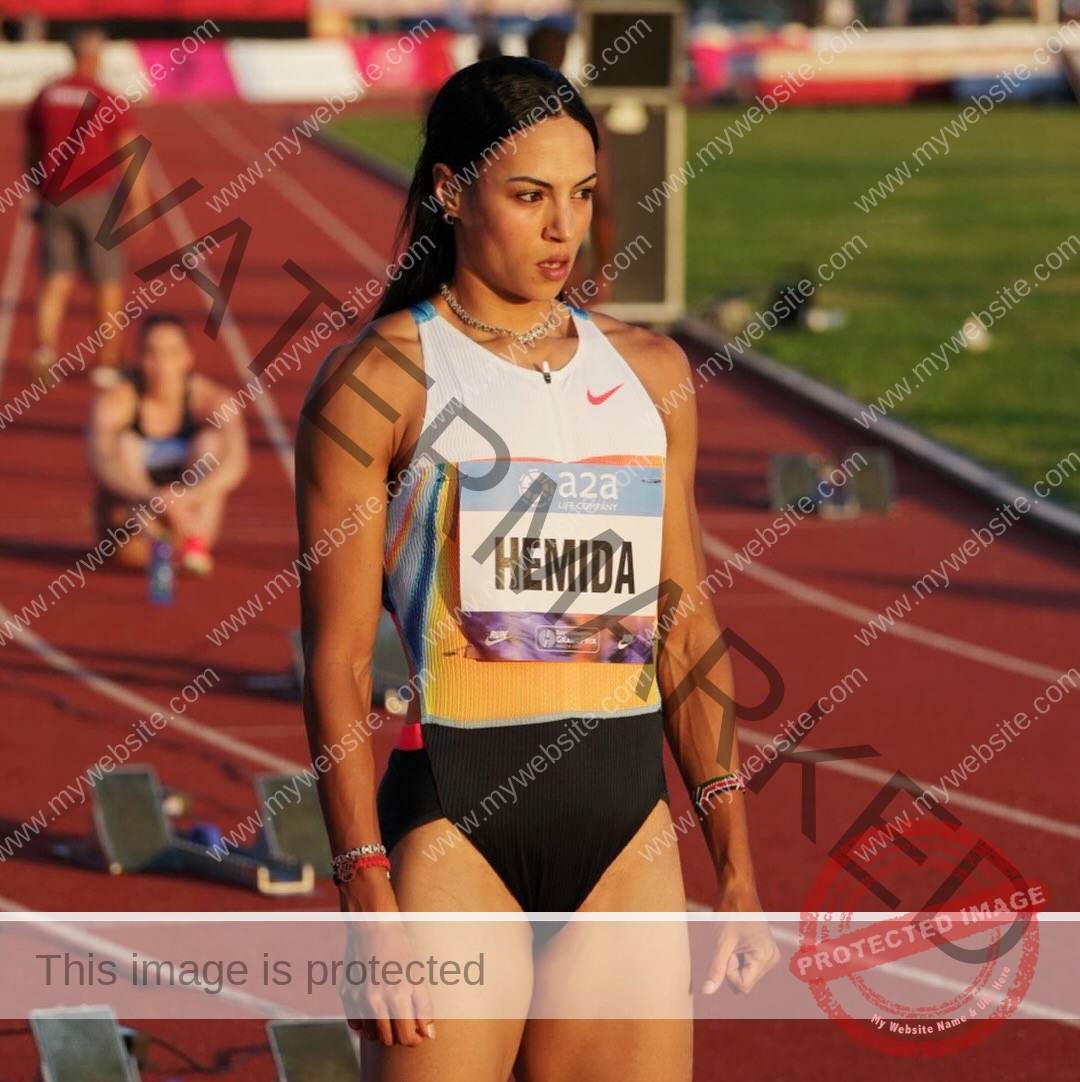
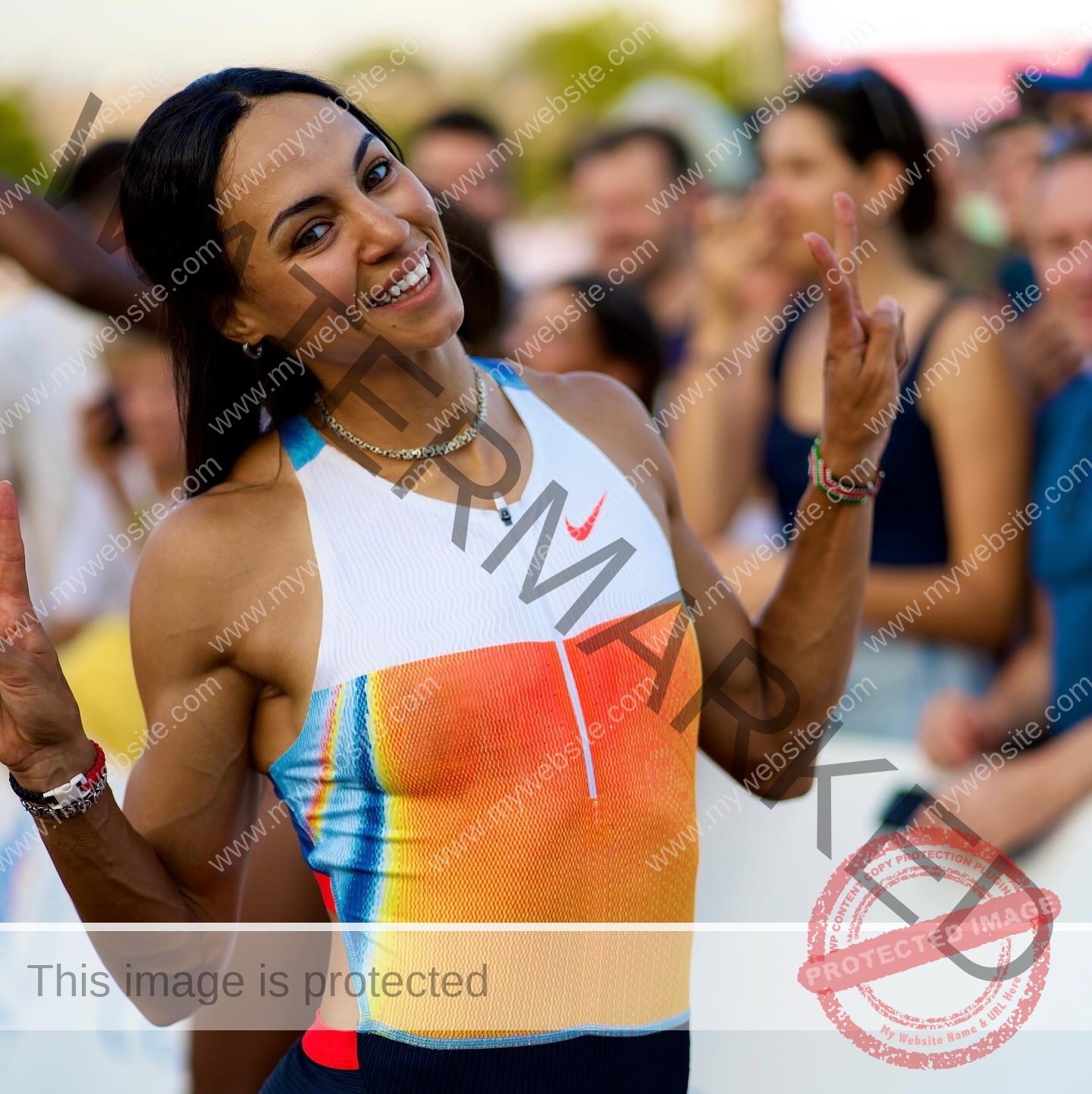
That last detail matters. Hemida is a sponsored Nike Running athlete, a professional relationship that has provided financial support for her training and competition schedule. For a sprinter from Egypt — a country without the deep sponsorship infrastructure available to athletes from the United States, Jamaica, or Western Europe — the Nike partnership is a meaningful endorsement that reflects her standing as one of the best-known female track athletes on the African continent.
The Bigger Picture
There is a useful way to understand what Bassant Hemida has accomplished by placing it in context. Egypt has a rich tradition in field events and middle distance running, but the short sprints have historically been the domain of West African nations and, more recently, athletes from southern Africa. For an Egyptian woman to hold the national record in the 100 metres at 11.02 seconds — a time that ranks among the better marks ever recorded by an African-born sprinter — represents a genuine shift in what the country’s athletics system can produce. For that same woman to hold records in the 200 metres and the 400 metres as well, and to reach the semifinals of World Athletics Championships in two different events across two different generations of her career, is something that really hasn’t been done before at this level for Egyptian women’s sprinting.
Her career has not been without adversity. The Tokyo Olympic withdrawal in 2021, caused by a muscle tear during her final preparation, was a particularly painful moment for an athlete who had worked years for that opportunity. The injury struggles of 2023 and 2024 that prompted the move to the 400 metres were another test of resilience. But in each case, Hemida found a way not just to return, but to come back better — faster, more experienced, and apparently still improving well into her late twenties.
At 29 years old, heading into the 2026 season, she remains actively competitive at the world level, ranked in the top 20 globally in the 400 metres. The World Athletics Rankings listing her at 17th in the world in that event as of early 2026 represents arguably the most elite global ranking of her career. Whether she continues to develop the 400m as her primary event, returns to the shorter sprints as physical conditions allow, or does what she has always done — competes across multiple events with equal seriousness — the next chapter of her career will be worth watching.
Egypt’s sprint record books are hers to own. She wrote them, and she keeps adding to them.
Quick Reference: Career Highlights
- Full name: Bassant Muhammad Awad Abdel Salam Hemida
- Date of birth: September 28, 1996
- Nationality: Egyptian
- Events: 100m, 200m, 400m, 300m
- Personal bests: 100m — 11.02s (NR, May 7, 2022, Nairobi); 200m — 22.41s (NR, June 4, 2023); 400m — 50.36s (NR, September 14, 2025, Tokyo)
- Coach: Mohamed Abbas
- Sponsor: Nike Running
- World Rankings (early 2026): #17 Women’s 400m; #89 Women’s 200m
- Major titles: 2x Mediterranean Games gold (100m & 200m, Oran 2022); All-African Games silver (200m, Rabat 2019); All-African Games bronze (100m, Rabat 2019); 12x Egyptian national champion
- World Championships appearances: Doha 2019 (200m semifinal, 14th); Tokyo 2025 (400m semifinal, 16th)
- Social media: Instagram @bassant_hemida (112k+ followers)
