
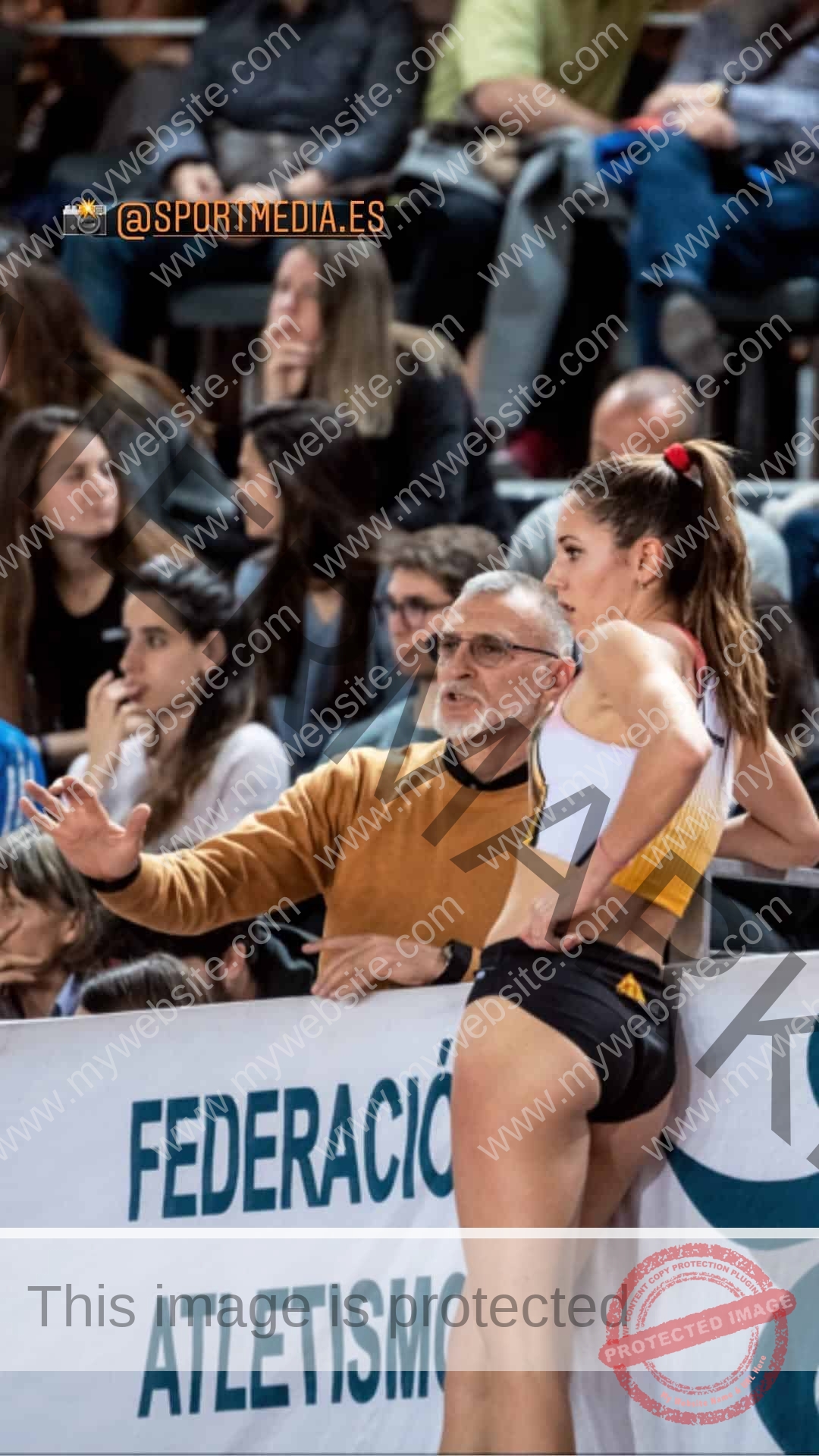
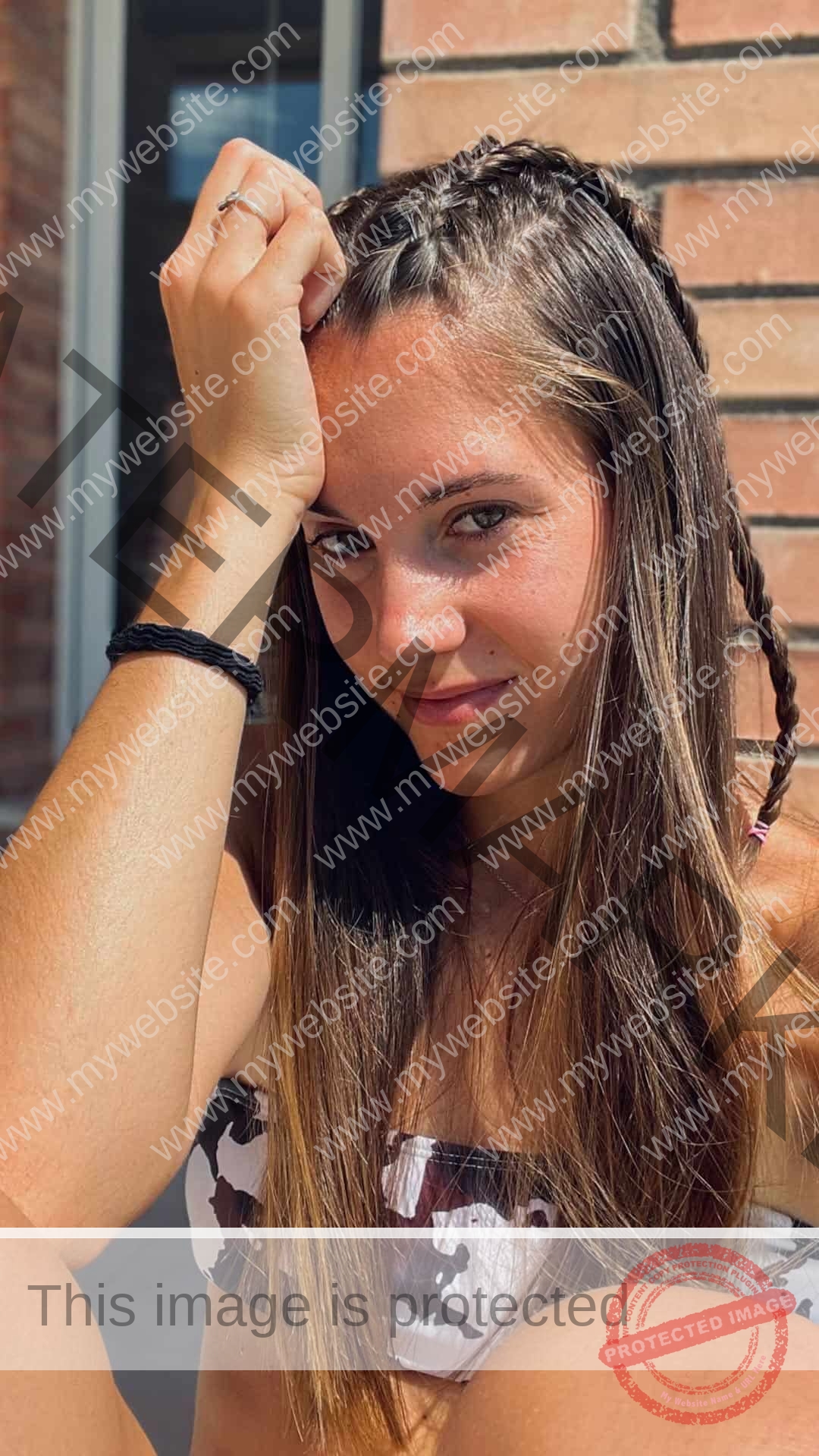
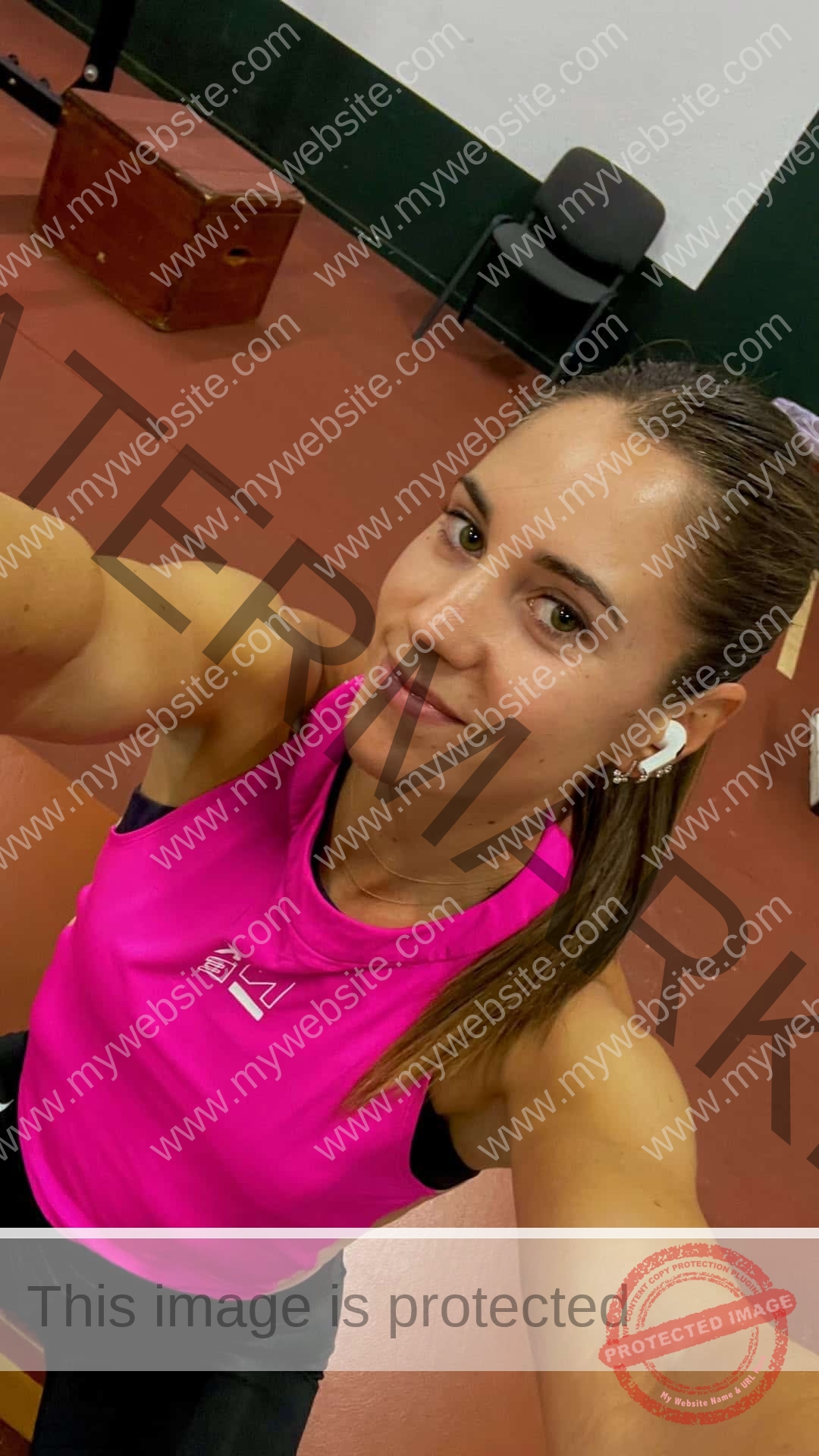
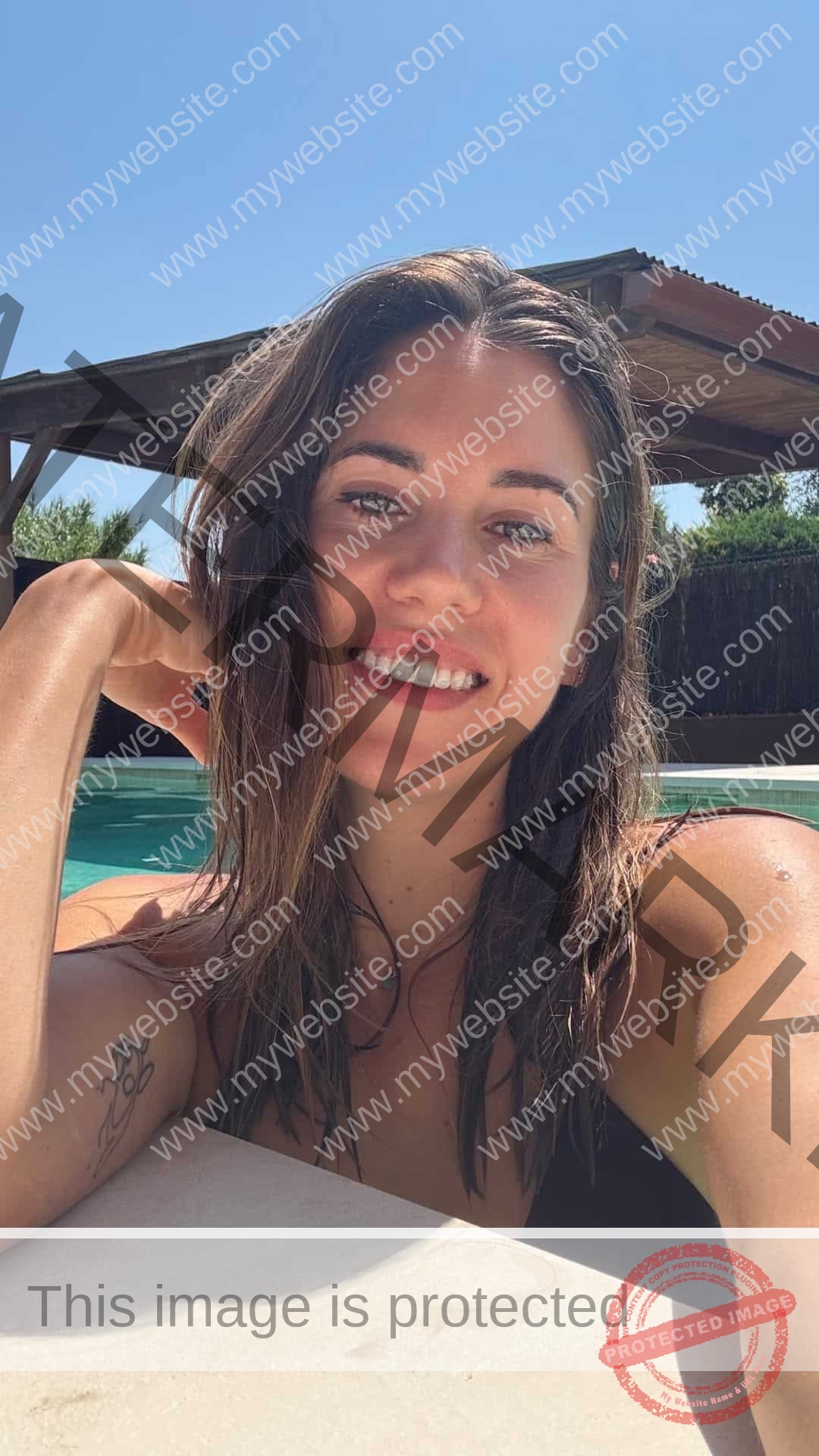
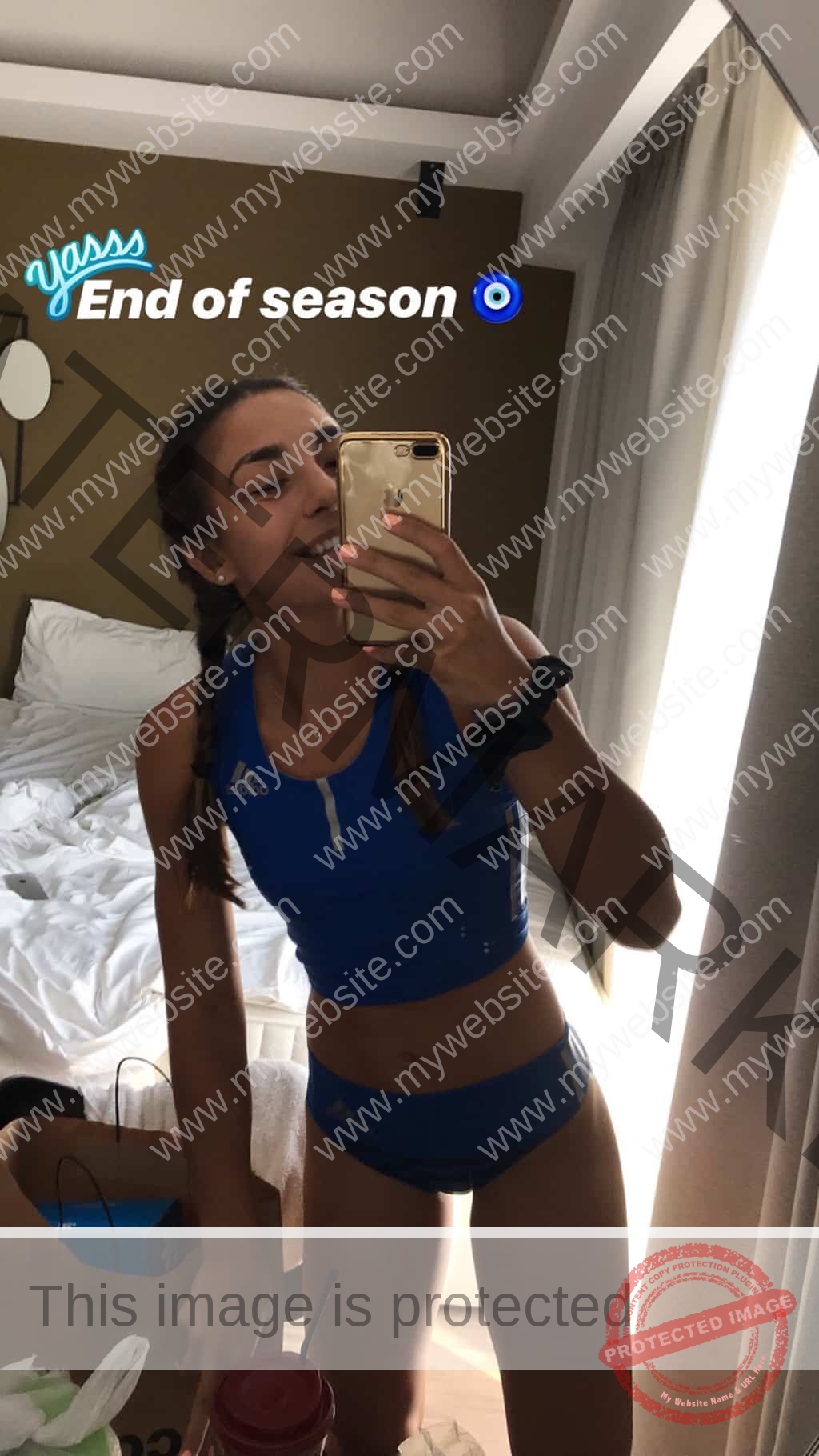







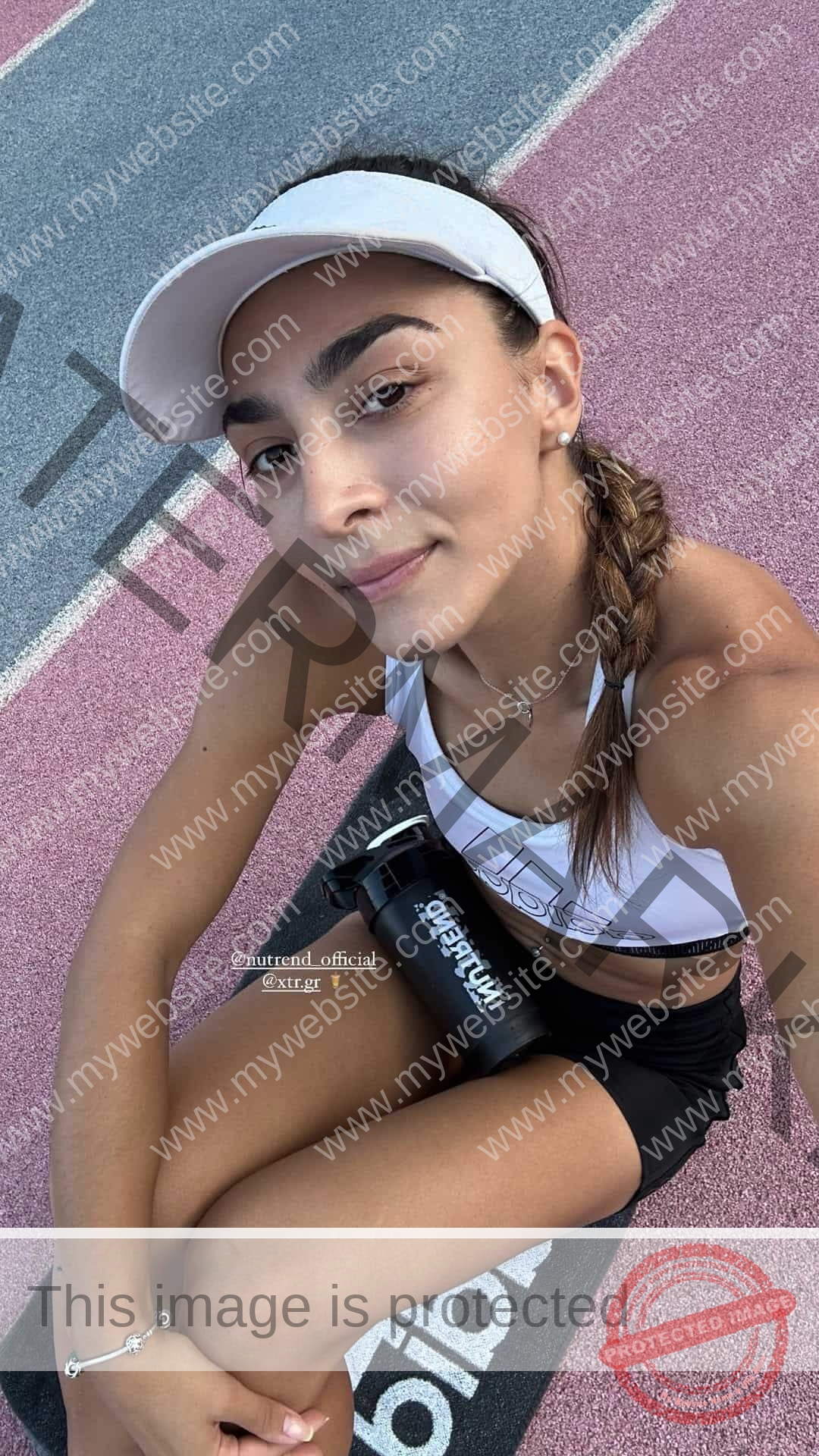

Sofia Iosifidou: The Evolution of the Greek Hurdles Renaissance
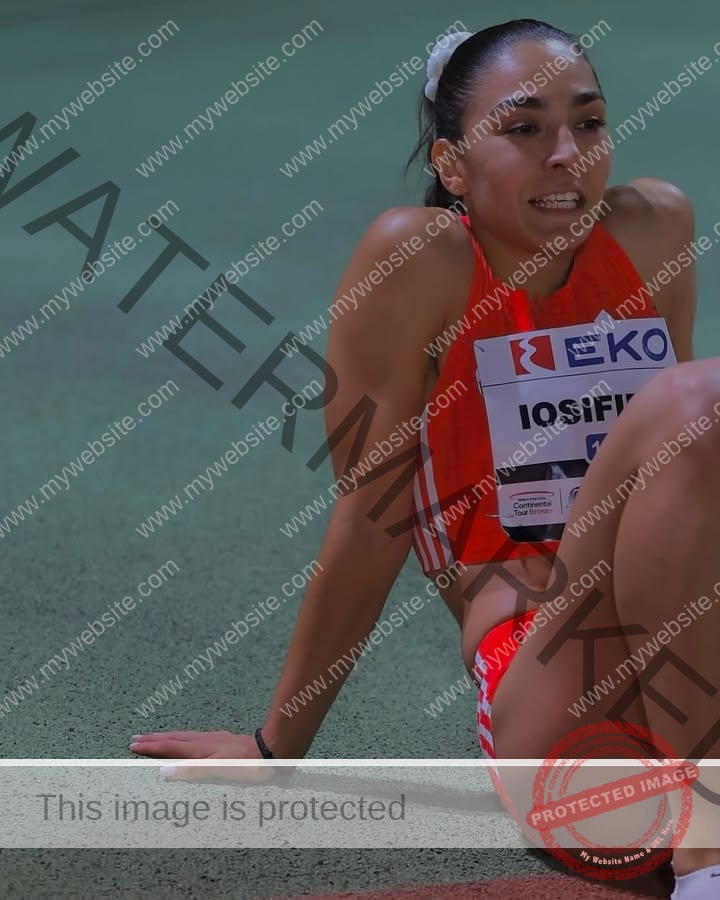
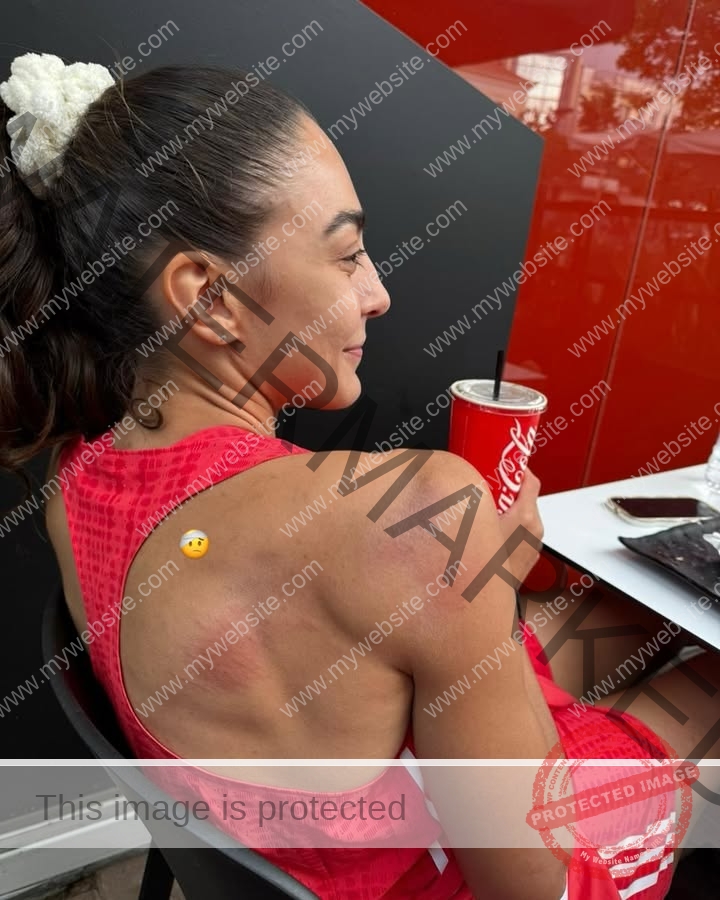
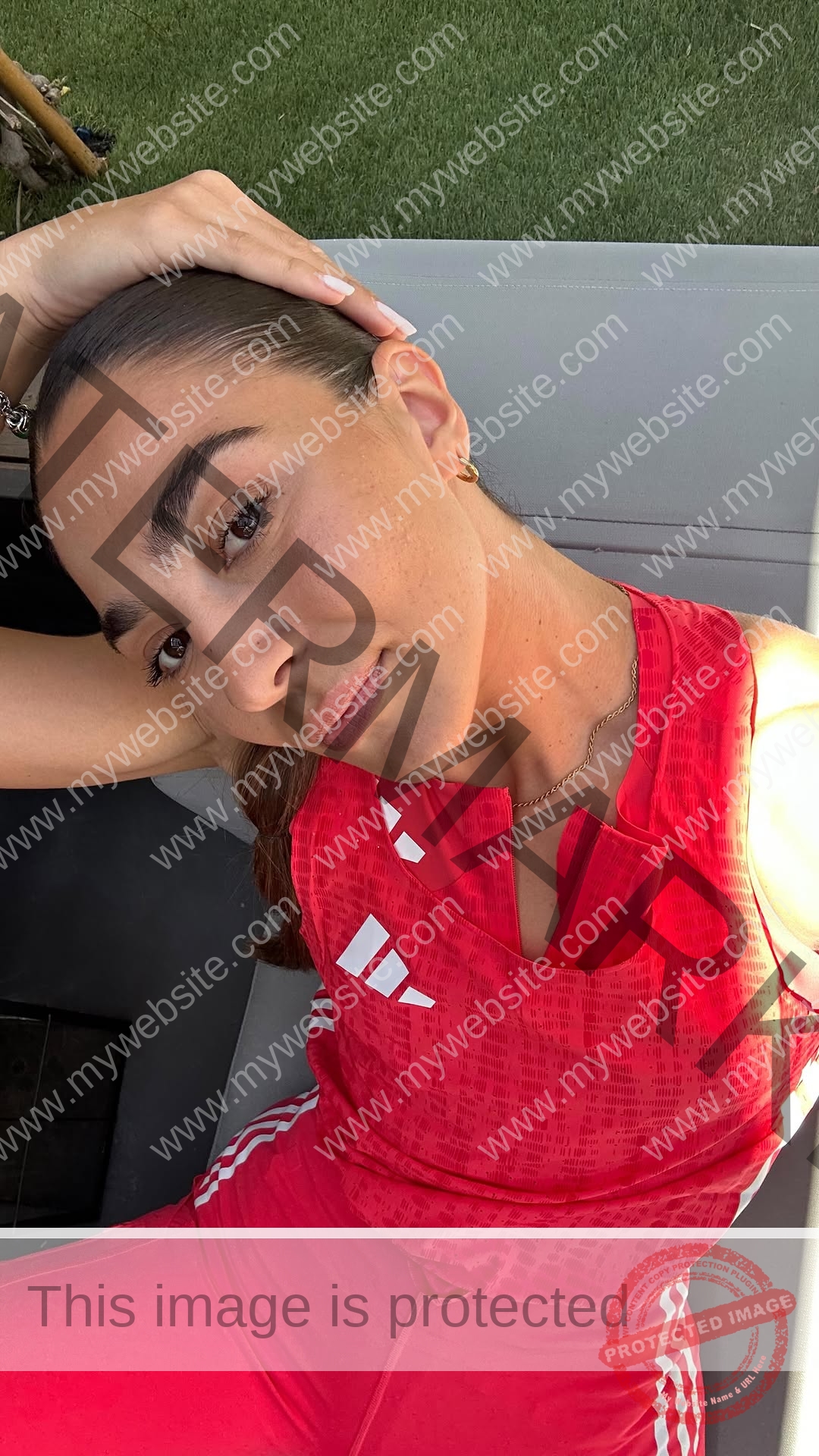
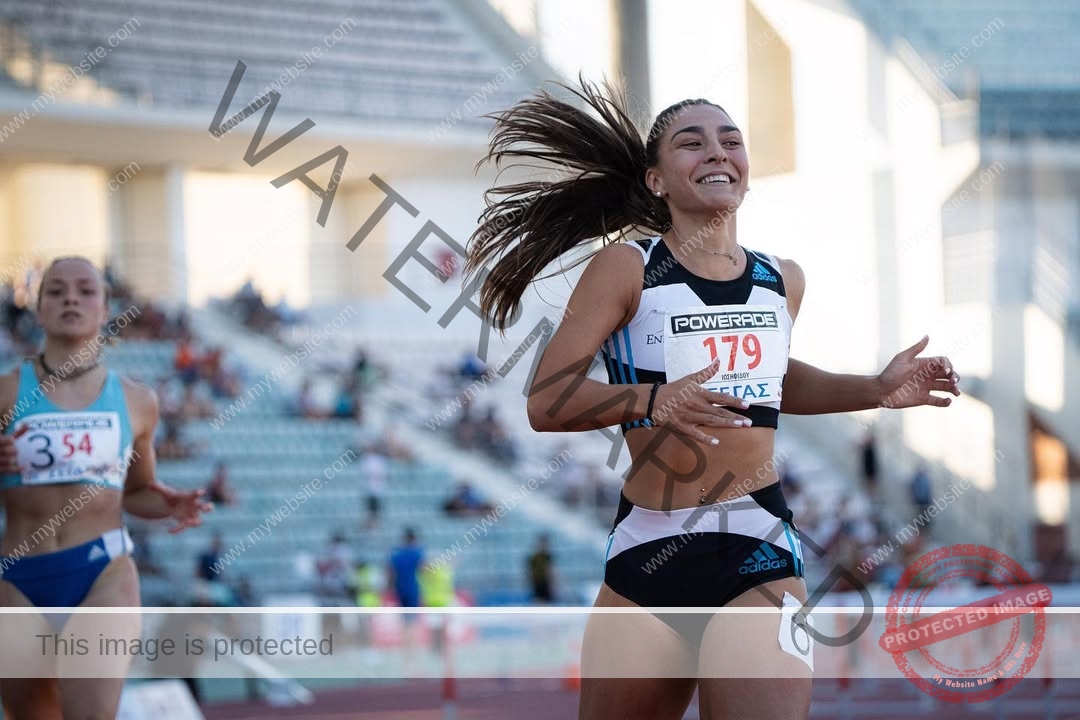
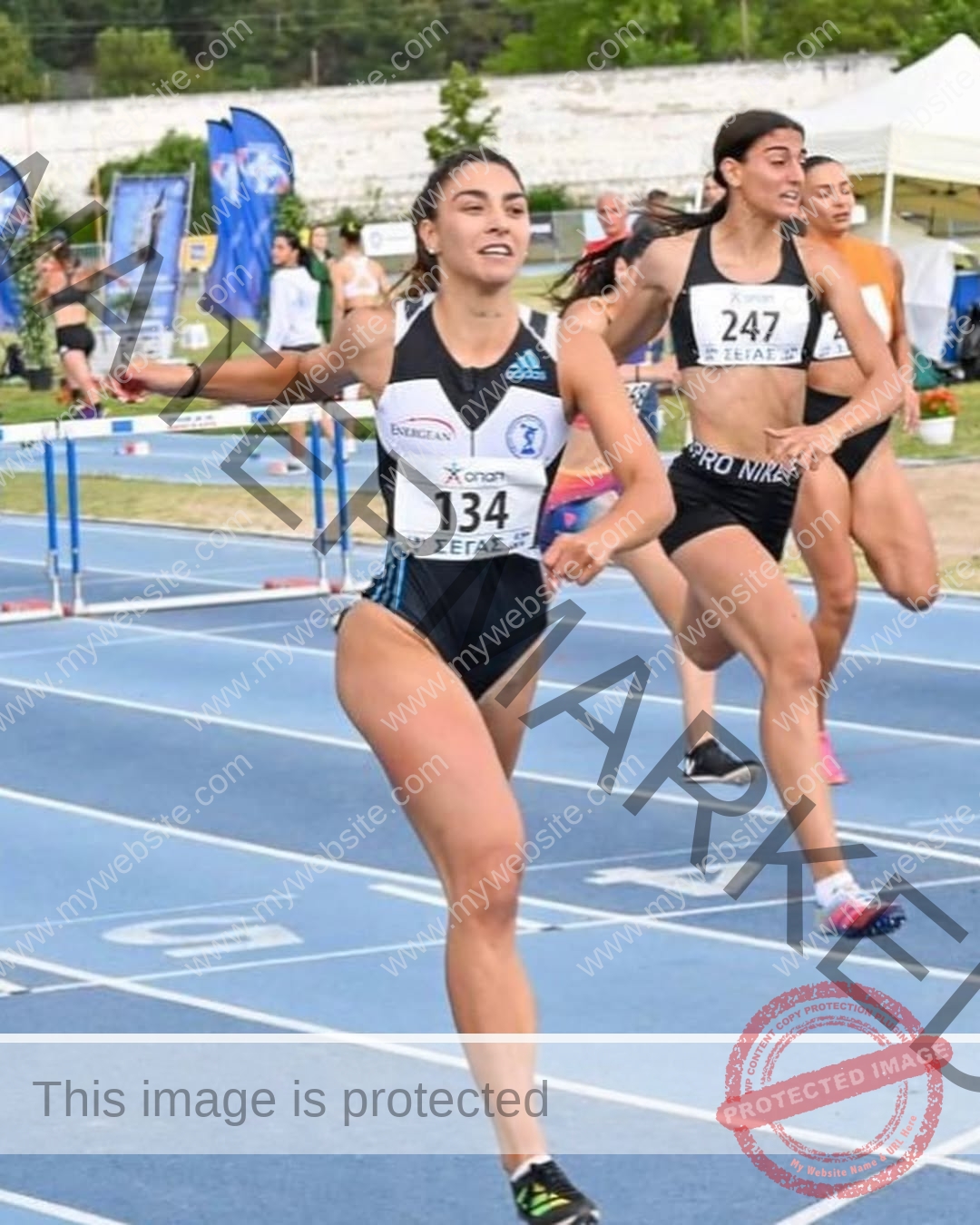
The landscape of Hellenic track and field has undergone a significant transformation in the post-2020 era, marked by a shift from the dominance of established veterans to the emergence of technically proficient, versatile athletes who have successfully bridged the gap between national competition and international elite status. At the forefront of this movement in the women’s short hurdles is Sofia Iosifidou, an athlete whose career trajectory defies the traditional, linear path of track stars. Born in March 1998, Iosifidou has redefined her competitive ceiling through a combination of psychological resilience, strategic coaching changes, and a late-career technical pivot that has yielded historic results for Greek track and field. Emerging from the regional athletic culture of Eastern Macedonia and evolving from a high-speed flat sprinter into a technical hurdles specialist, her progression serves as a case study in the efficacy of specialized coaching and the importance of versatile athletic foundations.
The Formative Years: Regional Foundations and Multi-Sport Origins
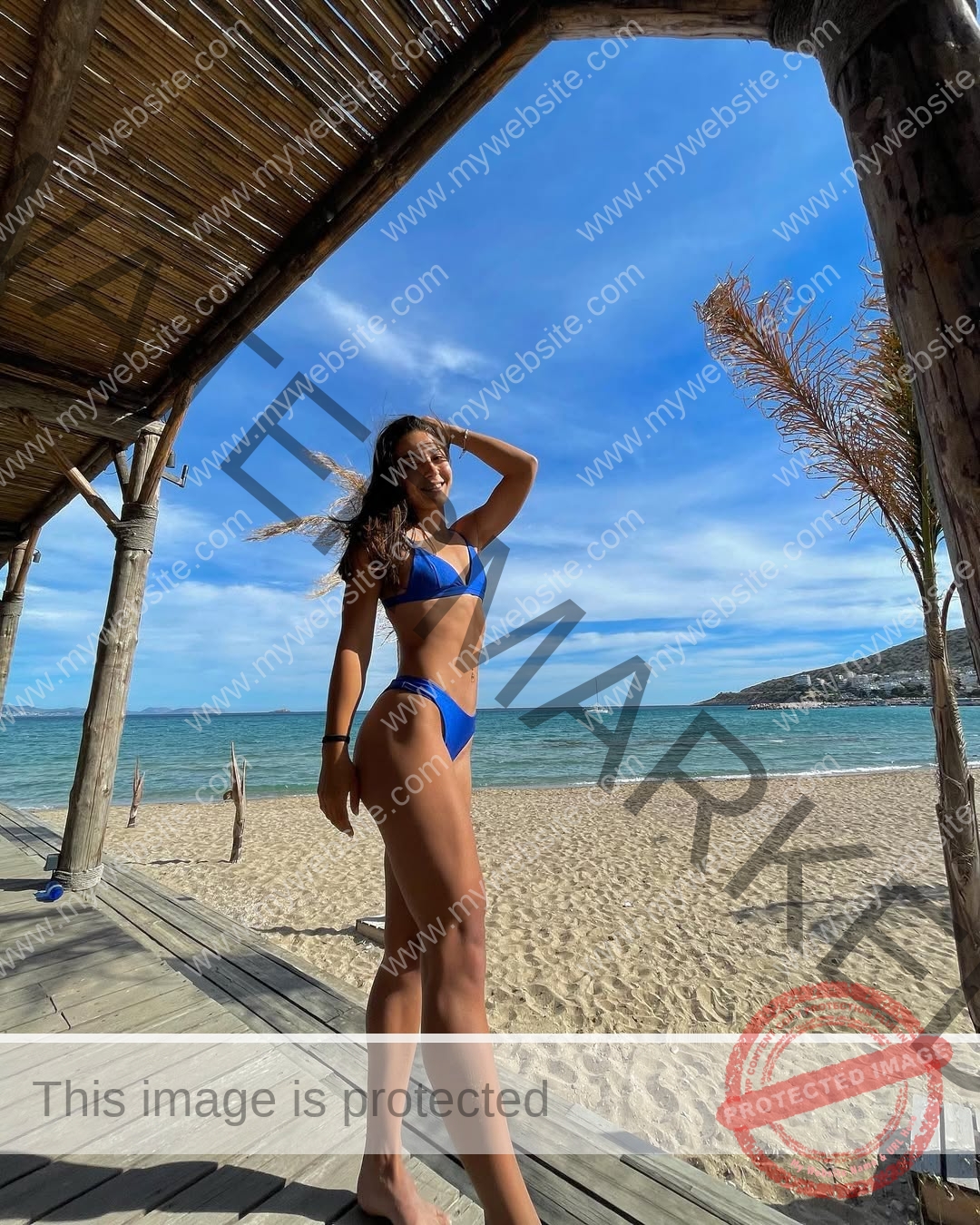
The athletic identity of Sofia Iosifidou was not forged on the synthetic tracks of a major metropolitan stadium, but rather in the village of Nea Karvali, located in the Kavala prefecture. This regional upbringing provided a unique foundation for her physical development, characterized by a lack of premature specialization in her earliest years. Her entry into organized sport was through football, a discipline she pursued at the academy managed by her father, Kyriakos, in their home village. This early exposure to a multi-directional, team-based sport is a critical, often overlooked factor in her current success as a hurdler. The lateral agility, spatial awareness, and explosive acceleration required in football likely contributed to the “atou” or “strong point” she now identifies in her indoor 60m hurdles performance—the explosive first few meters of the race.
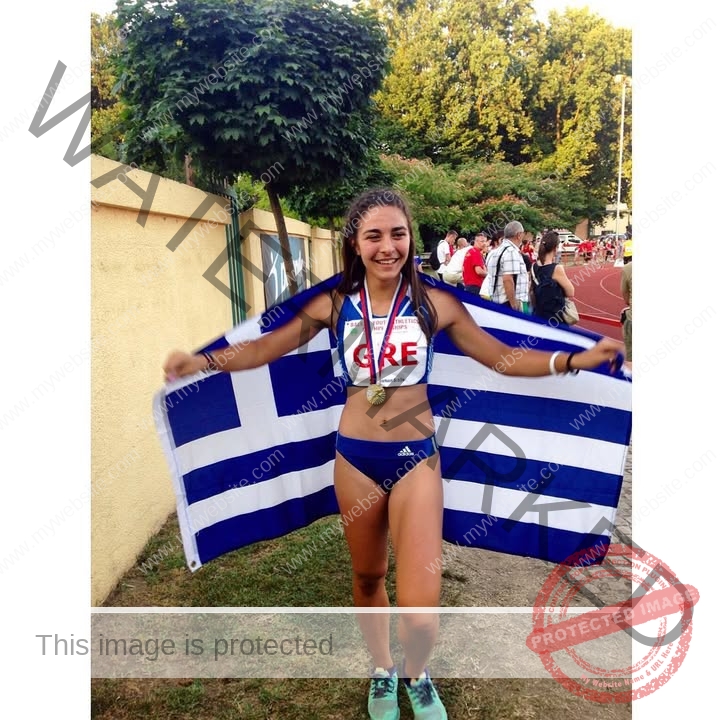
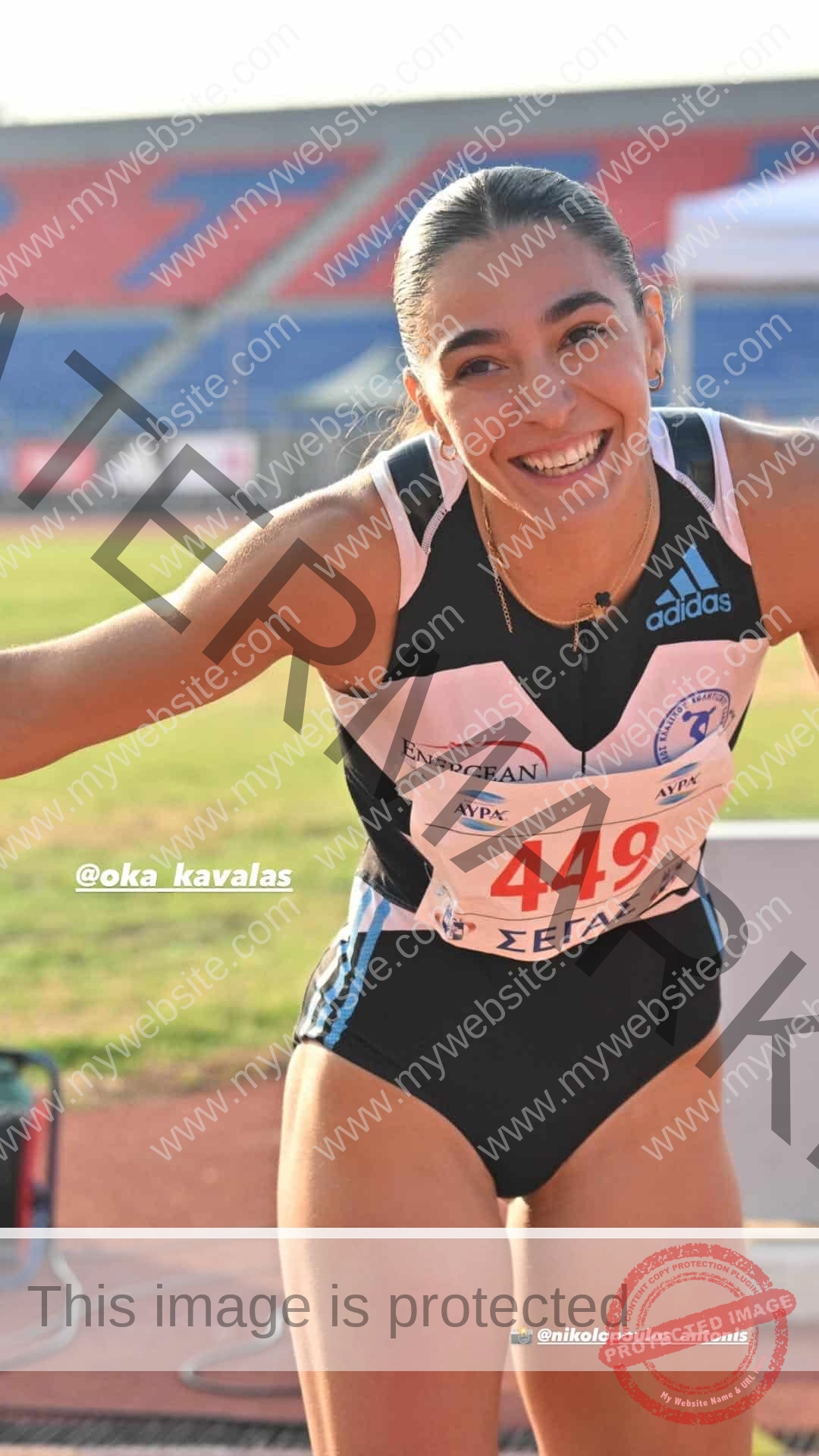
Iosifidou’s transition to track and field occurred in the fourth grade of primary school, driven by a natural speed that distinguished her even among her male peers in the football academy. In these early years, she was a “pure” sprinter, focusing on the 100m and 200m distances. Her development within the local club, OKA Kavala (Όμιλος Κλασσικού Αθλητισμού Καβάλας), was rapid. By her mid-teens, she had already established herself as a national-caliber prospect, culminating in a gold medal in the 100m at the 2015 Balkan U18 Championships held in Serbia. At that stage, her career seemed destined for the flat sprints, following the traditional path of many Greek speedsters who capitalize on their innate fast-twitch capabilities before reaching physiological maturity.
Table 1: Early Career Performance Benchmarks (Sprint Focus)
| Year | Event | Achievement | Venue | Result |
| 2015 | 100m Flat | Balkan U18 Champion | Serbia |
Gold Medal |
| 2017 | 100m Flat | National Junior Finalist | Greece | Top 8 |
| 2018 | 100m Flat | U23 Regional Recognition | Northern Greece | Performance Peak |
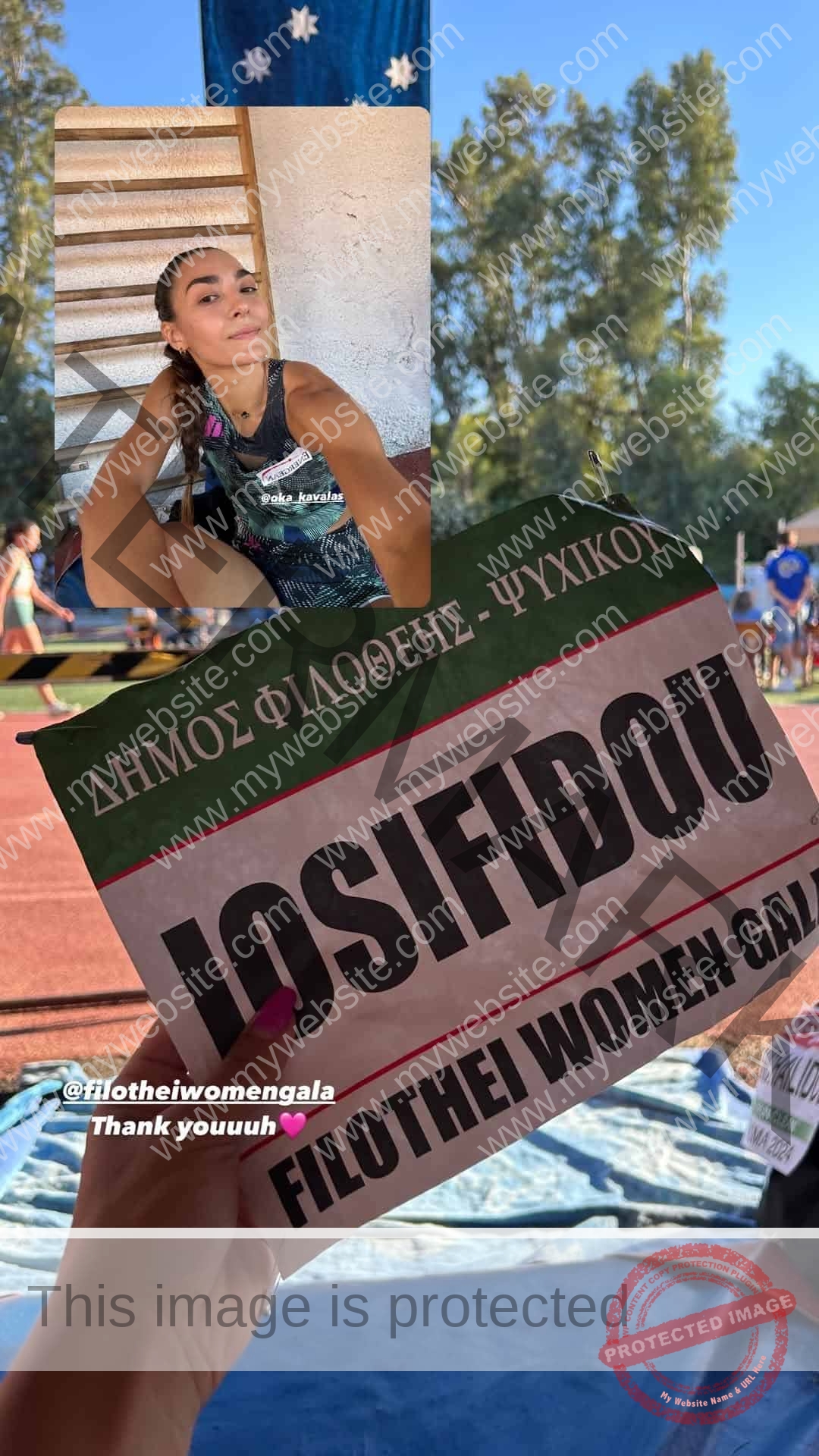
The role of OKA Kavala cannot be overstated in providing the stability necessary for Iosifidou’s early development. In the Greek athletic system, regional clubs often serve as the primary scouts and nurturers of talent before athletes move to Athens or Thessaloniki for university and high-performance training. Iosifidou has maintained a deep connection to her roots, continuing to represent OKA Kavala even as she reached the highest levels of international competition. This loyalty highlights a psychological trait that she often cites: the importance of her support system. She considers her parents and her sister to be her “charms” or good luck tokens, and they are frequent fixtures in the stands during her major competitions.
The Strategic Pivot: The 2019 Transition to Hurdles
The most decisive moment in Iosifidou’s career occurred in 2019, an age (21) when many athletes are already deeply entrenched in their specific disciplines. Having moved to Athens to pursue her studies at the School of Physical Education and Sport Science (TEFAA), she found herself at a crossroads. Her first year in the capital was marked by a lack of progress and a sense of “exhaustion” with the monotonous nature of flat sprinting. This period of professional stagnation led her to seek a new coaching environment at the Olympic Athletic Center of Athens (OAKA).
She approached Ioanna Siomou, a coach renowned for her expertise in technical events. The interaction was a turning point: Siomou informed Iosifidou that her training group was dedicated exclusively to hurdles and the high jump, not pure sprints. Faced with the choice of either quitting athletics or undertaking a complete technical overhaul, Iosifidou chose the hurdles. This decision was driven by a personality trait she identifies as a tendency to “get bored easily,” finding that the variety, rhythm, and imagination required for hurdle clearance provided the mental stimulation she lacked in the 100m sprint.
Biomechanics of the Transition
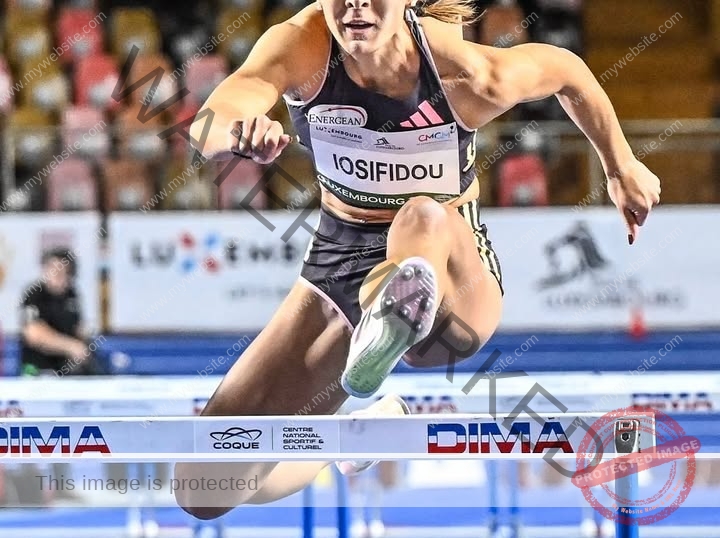
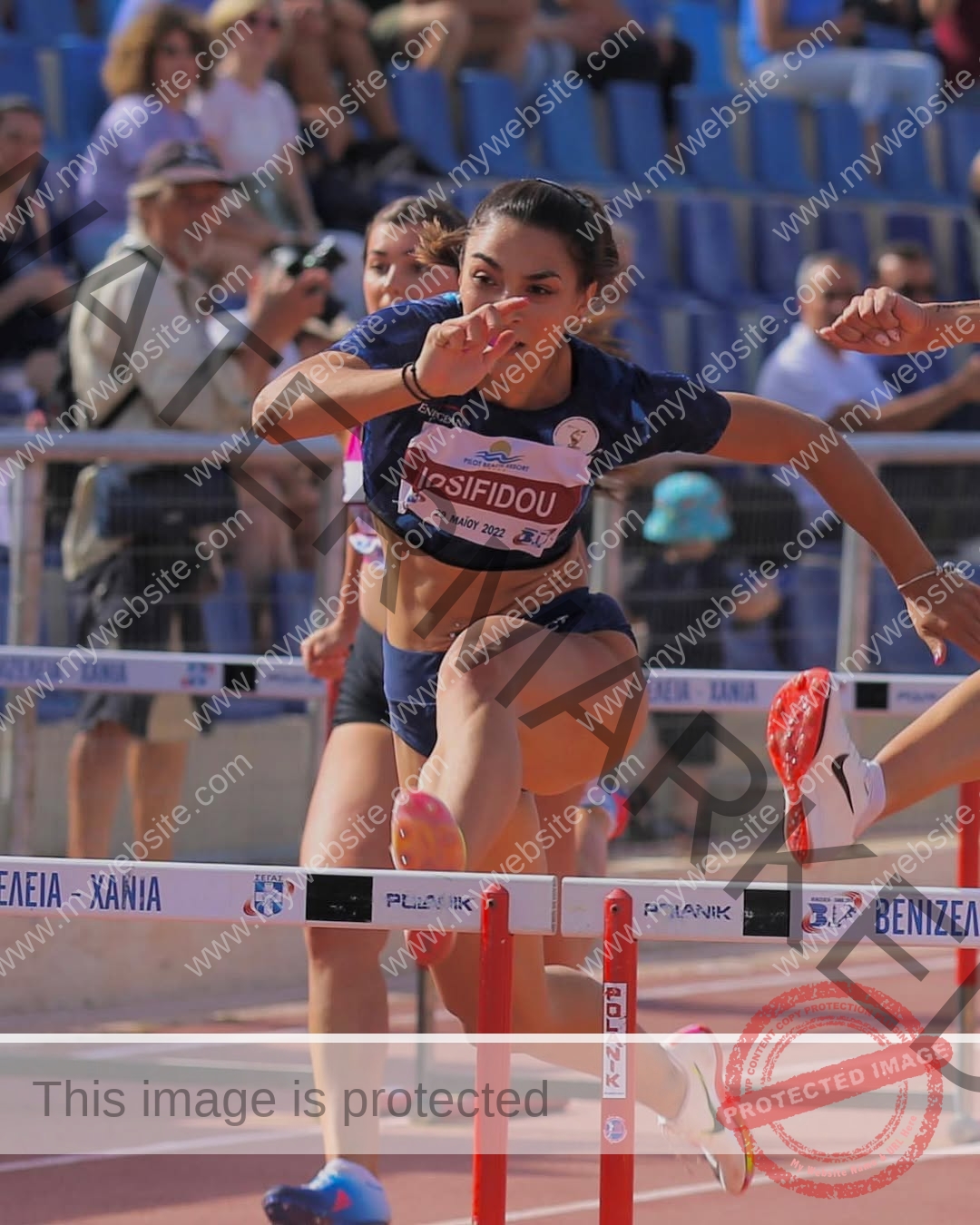
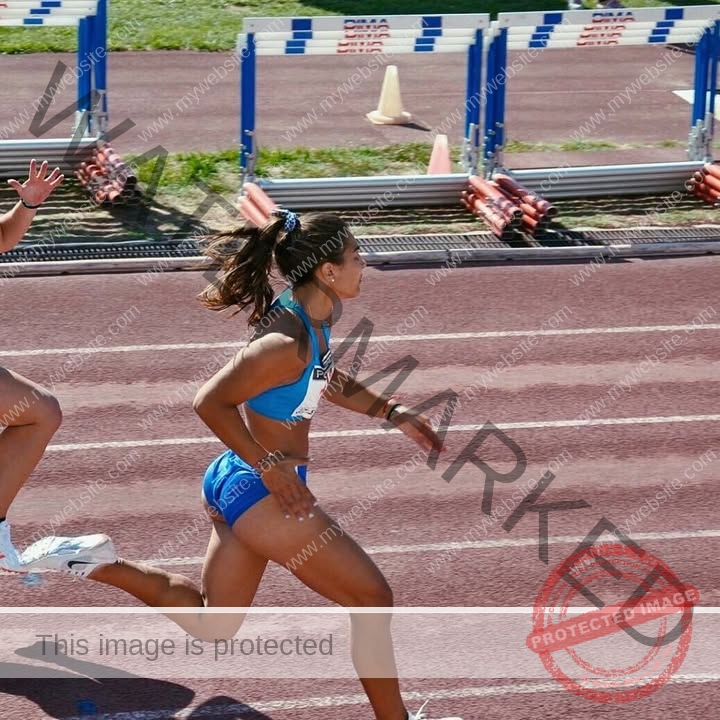
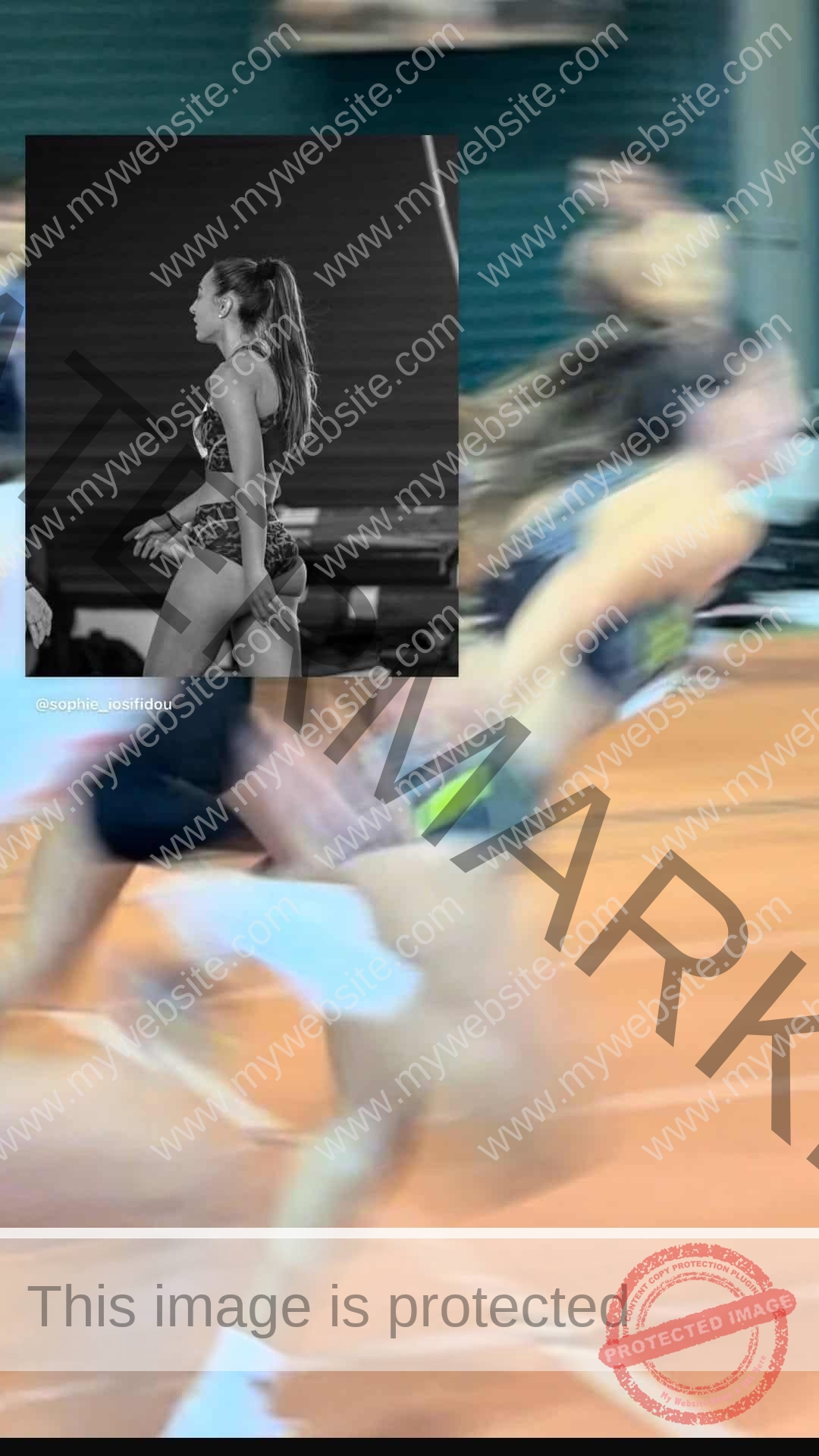
Under the guidance of Ioanna Siomou, Iosifidou began the arduous process of retooling her biomechanics. The transition from a flat sprinter to a hurdler requires more than just the ability to clear barriers; it requires the integration of high-velocity sprinting with the specific “attack” mechanics of the hurdle. For Iosifidou, her background as a 100m runner provided the raw speed, but the challenge lay in maintaining that velocity while navigating ten 83.8cm barriers.
The technical development focused on several key areas:
-
Lead Leg Efficiency: Minimizing the air time over the hurdle to ensure a quick return to the track.
-
Trail Leg Speed: Ensuring the trail leg follows through rapidly to maintain the sprinting rhythm between barriers.
-
Rhythmic Consistency: Developing the “three-step” pattern that is the hallmark of elite 100m hurdling.
This collaboration has been remarkably successful, transforming her from a regional sprinter into a national champion and international competitor. By 2024 and 2025, the results of this long-term project became undeniable as she broke into the elite ranks of European hurdling.
Competitive Progression and Statistical Breakthroughs
The improvement arc of Sofia Iosifidou demonstrates a late-peak profile that is increasingly common among technical specialists who switch disciplines in their early twenties. Unlike athletes who dominate as juniors and then plateau, Iosifidou’s times have continued to drop significantly well into her late twenties.
Table 2: Comparative Progression of Personal Bests (2019–2026)
| Discipline | 2019 (Switch) | 2023 Season | 2024 Season | 2025 Season | 2026 (Early) |
| 60m Hurdles (i) |
9.11 |
8.42 |
8.35 |
8.14 |
8.34 |
| 100m Hurdles (o) | 14.20 (Est.) |
13.47 |
13.49 |
13.08 |
TBD |
| 100m Flat | 12.10 | 12.02 | 11.95 |
11.91 |
TBD |
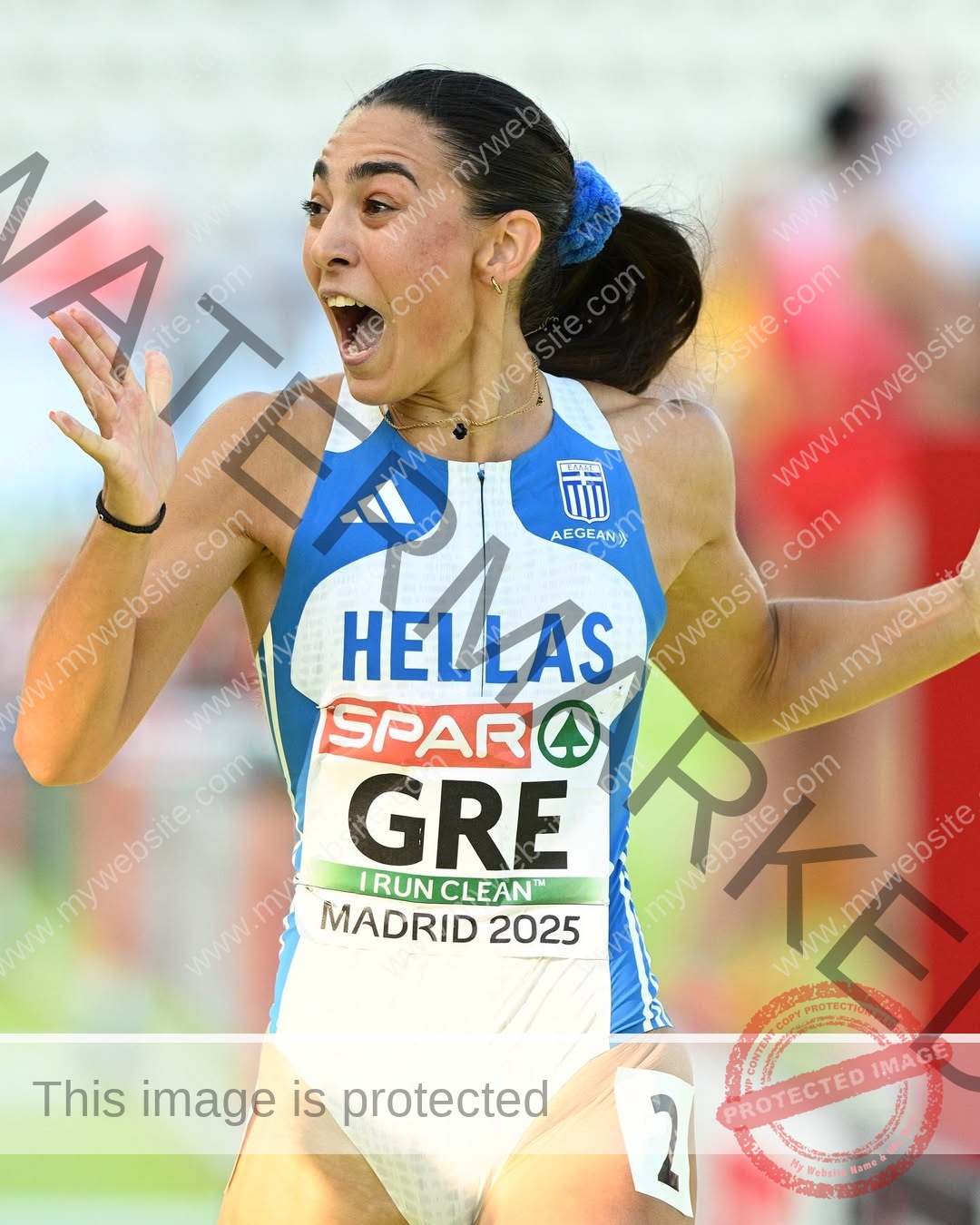
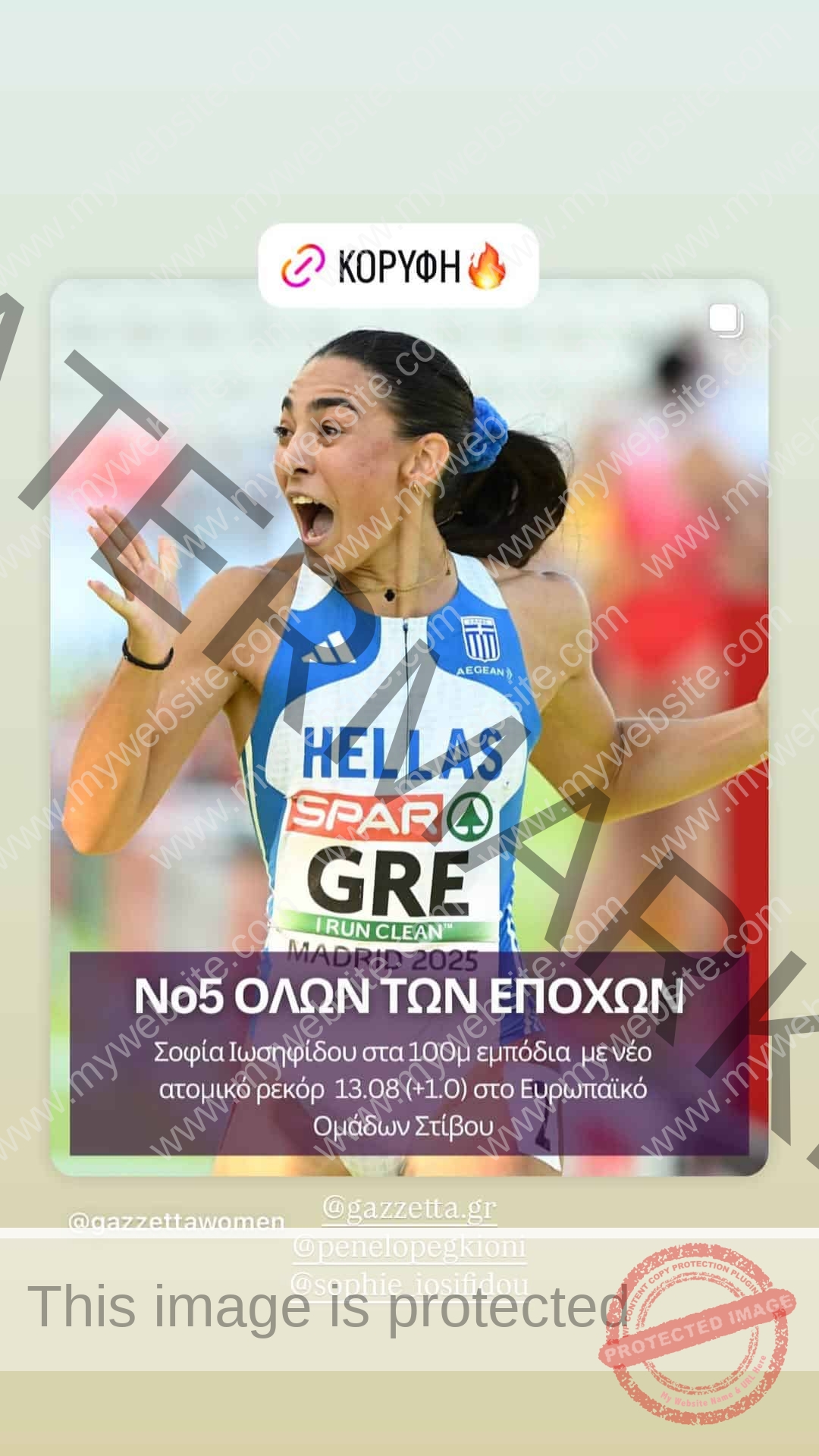
The data reveals a significant breakthrough in the 2025 season. Her 60m hurdles time dropped from 8.35 to 8.14, a massive improvement in an event where hundredths of a second are difficult to shave off. Similarly, her 100m hurdles time saw a leap from the 13.40s range to a stunning 13.08, achieved at the European Team Championships in Madrid.
The 2025 Indoor Season: A Masterclass in Consistency
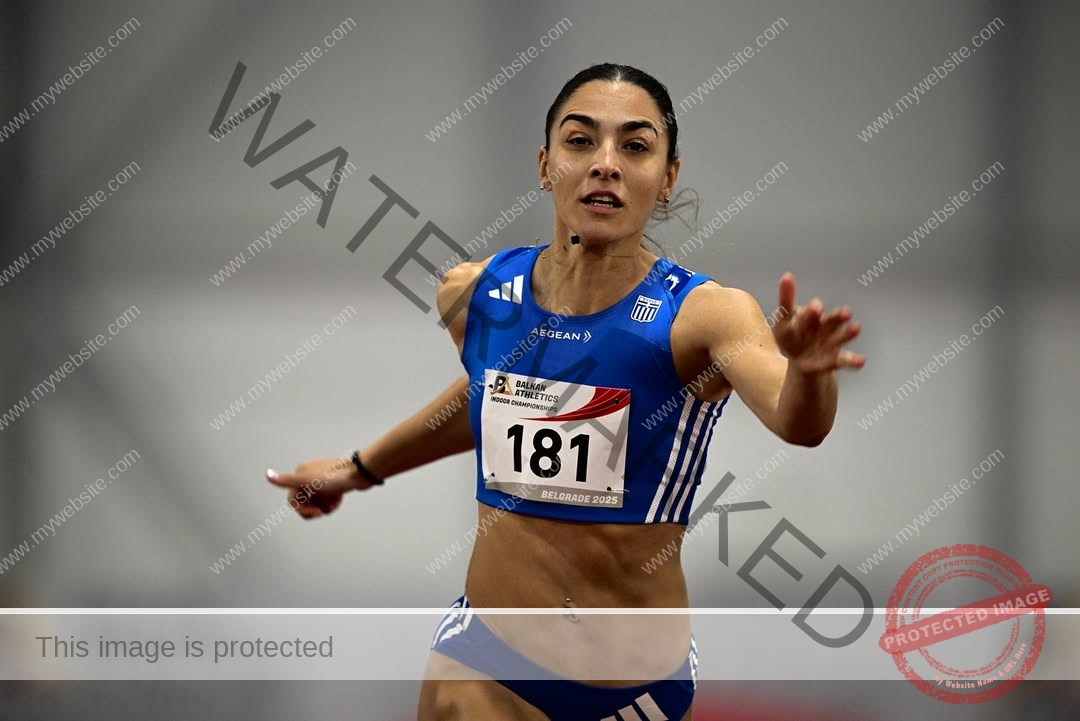
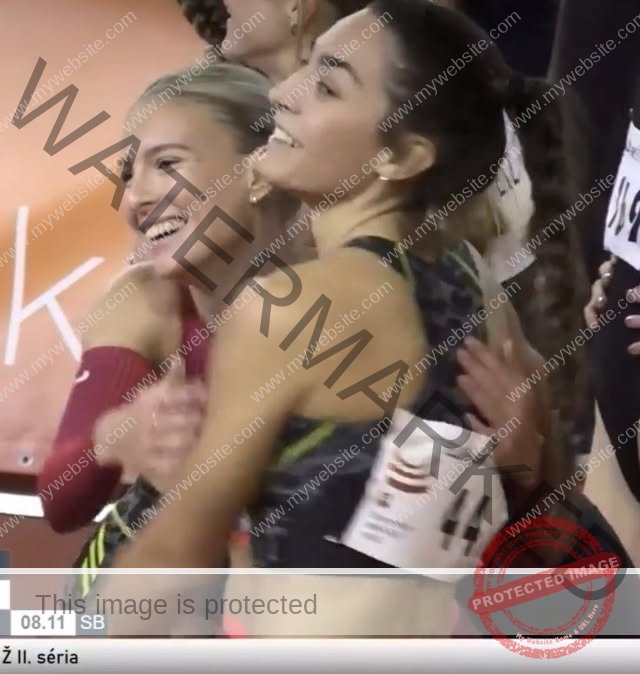
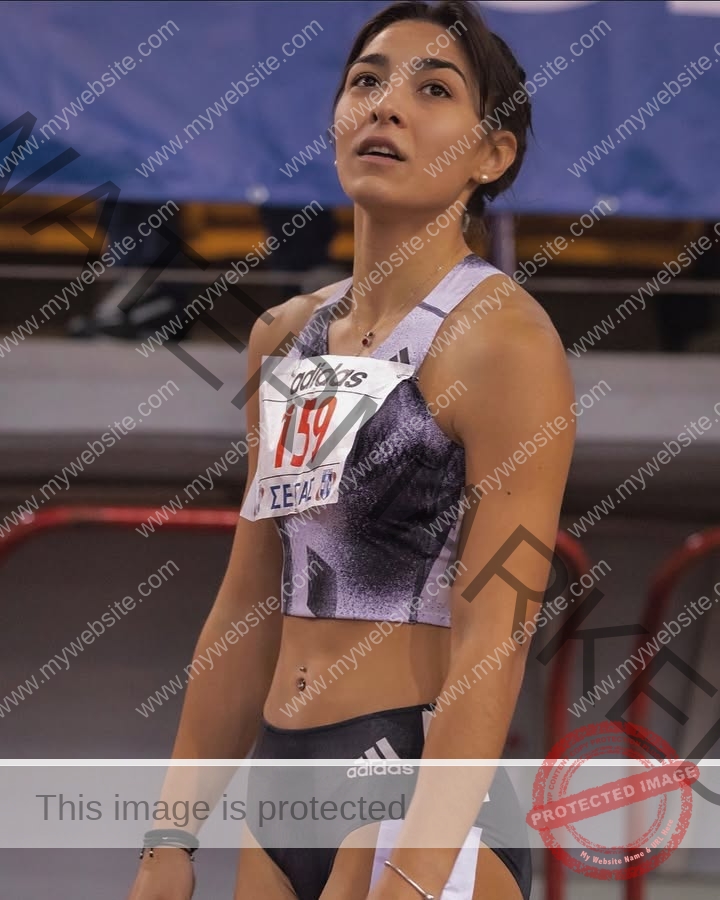
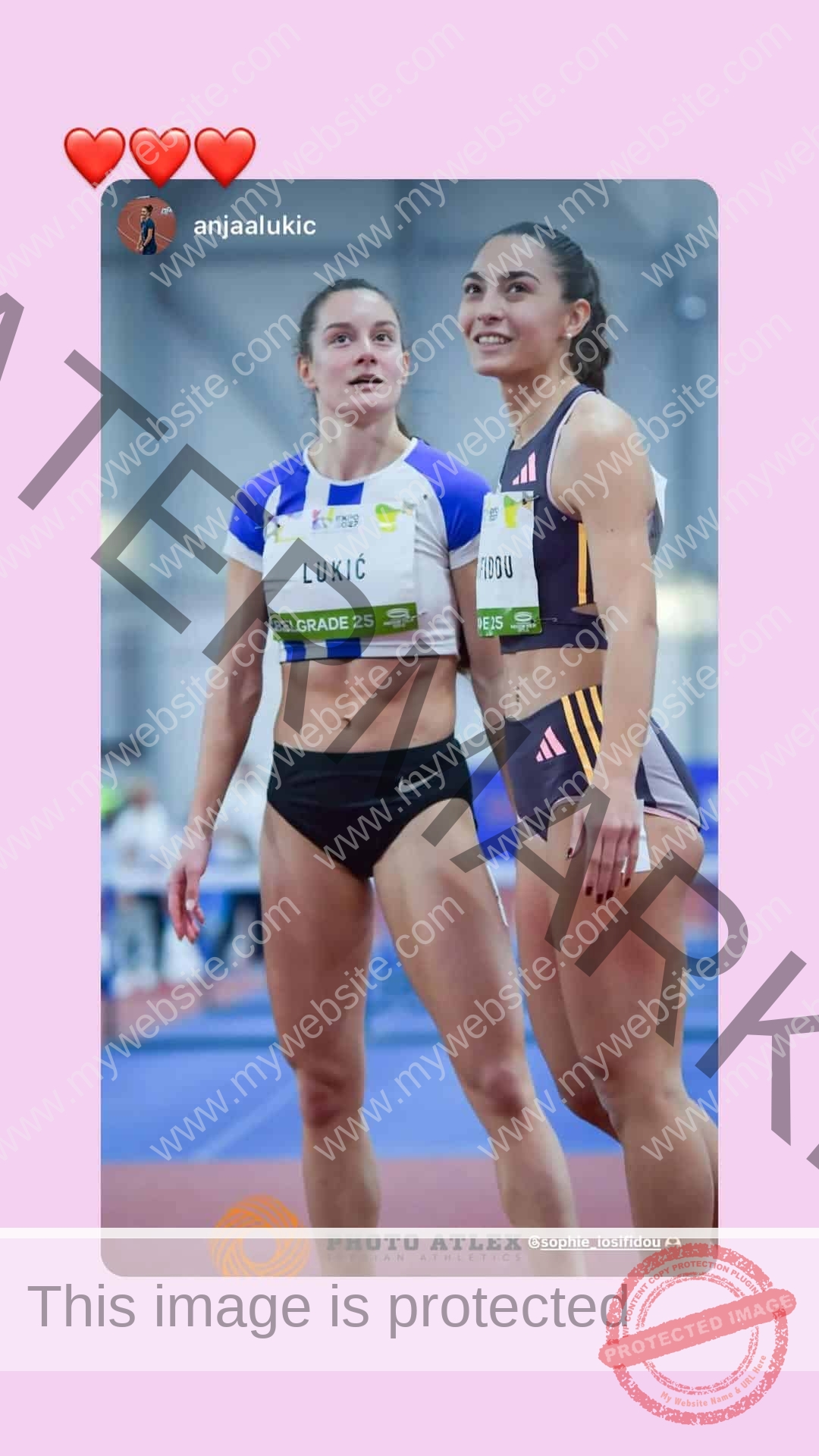
The winter of 2025 served as a definitive proof of concept for Iosifidou’s refined technique. In Luxembourg on January 19, 2025, she broke her personal record twice in a single hour, running 8.29 in the heats and 8.25 in the final. She later equaled this 8.25 mark in the heats of the Balkan Indoor Championships in Belgrade, eventually finishing 8th in the final with a time of 8.33. The peak of her indoor campaign arrived at the Panhellenic Indoor Championships at the Peace and Friendship Stadium (SEF), where she clocked 8.14 to secure the national title.
This 8.14 performance placed her in the upper echelon of Greek indoor history. For context, the long-standing Greek national record for the 60m hurdles is 8.08, held by the legendary Voula Patoulidou. Iosifidou’s proximity to this mark (within 0.06 seconds) underscores her status as one of the most significant hurdles talents Greece has produced in decades.
Table 3: 2025 Key Race Data and Environmental Factors
| Event | Date | Venue | Time | Rank | Notes |
| Luxembourg Meeting (Heats) | Jan 19, 2025 | Luxembourg | 8.29 | – |
PB at the time |
| Luxembourg Meeting (Final) | Jan 19, 2025 | Luxembourg | 8.25 | – |
Double PB Day |
| Balkan Indoor (Heats) | Feb 16, 2025 | Belgrade | 8.25 | 3 (H) |
Equaled PB |
| Panhellenic Indoor (Final) | Feb 23, 2025 | SEF, Piraeus | 8.14 | 1 |
National Champion |
| World Indoor Ch. (Heats) | Mar 2025 | Nanjing | 8.28 | 34 (Overall) |
Major Debut |
| European Team Ch. | Jun 28, 2025 | Madrid | 13.08 | 3 (H) |
Historical SB |
| Panhellenic Outdoor | Aug 2, 2025 | Volos | 13.41 | 1 |
Gold with Headwind |
Human Interest: Life Outside the Track
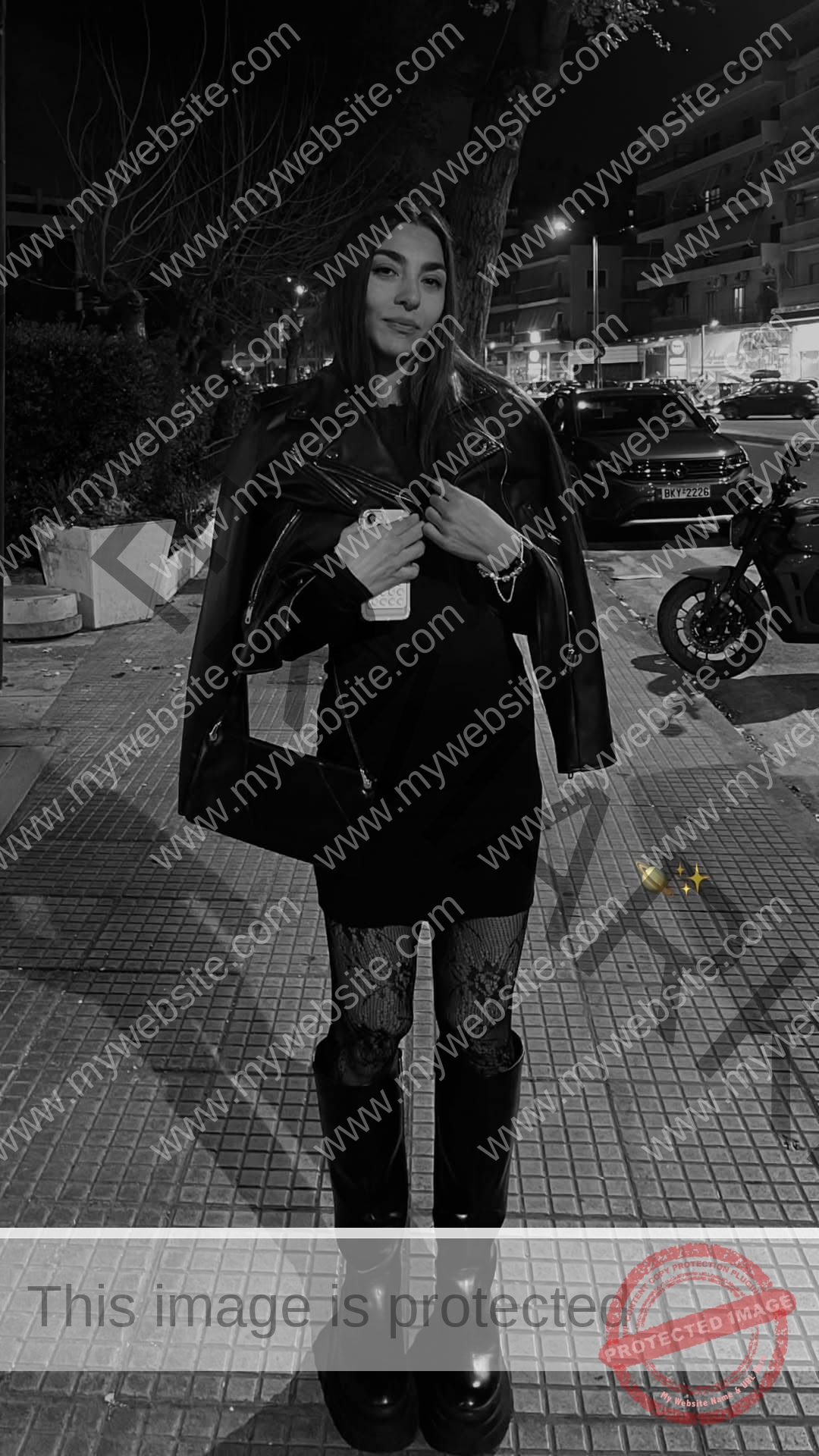
Outside the rigid structure of the track, Sofia Iosifidou’s life reflects a balance between professional ambition and a grounded personal life. Her dual identity as an elite athlete and a working professional provides a nuanced look at the reality of modern European athletics.
Professional Life and Education
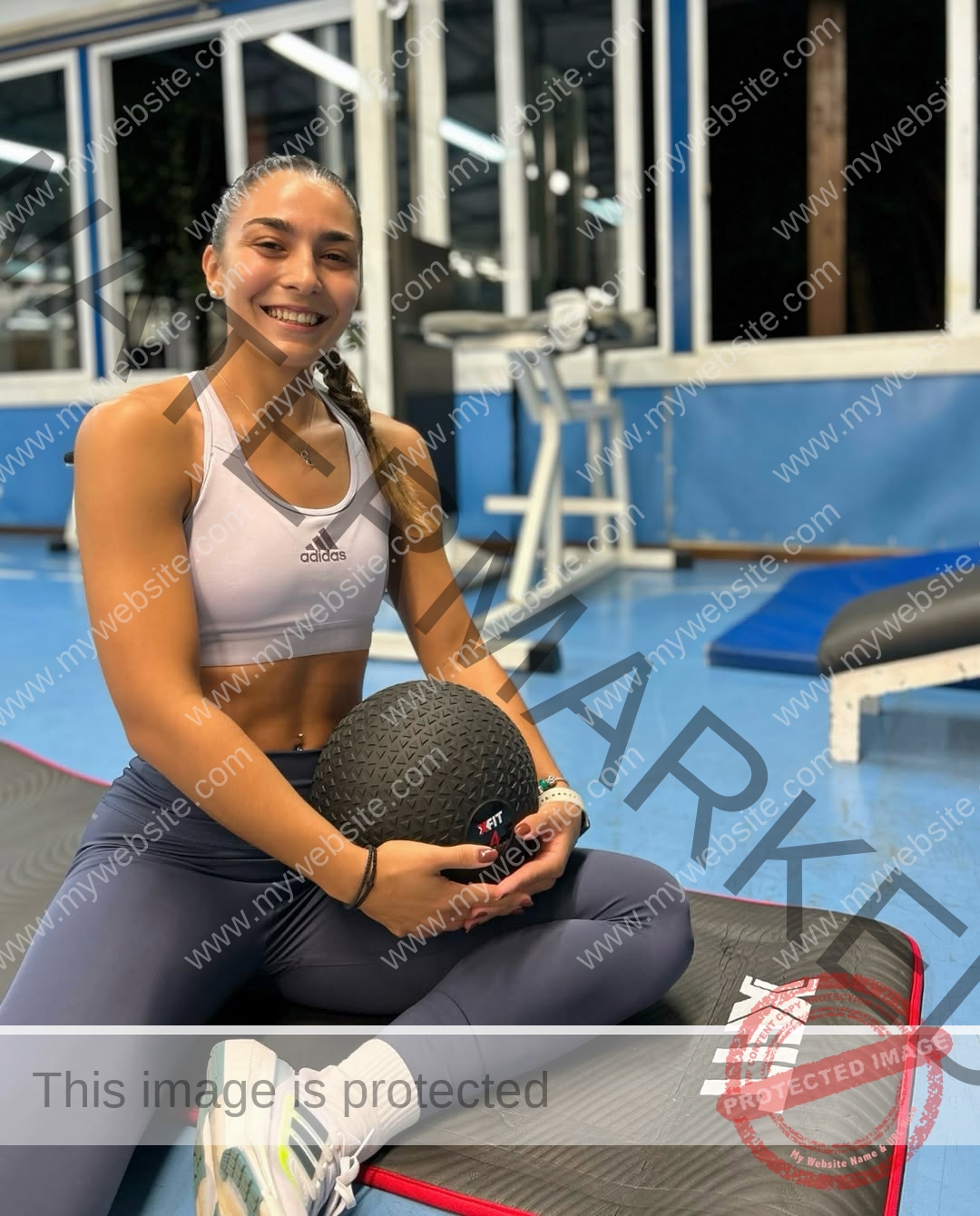
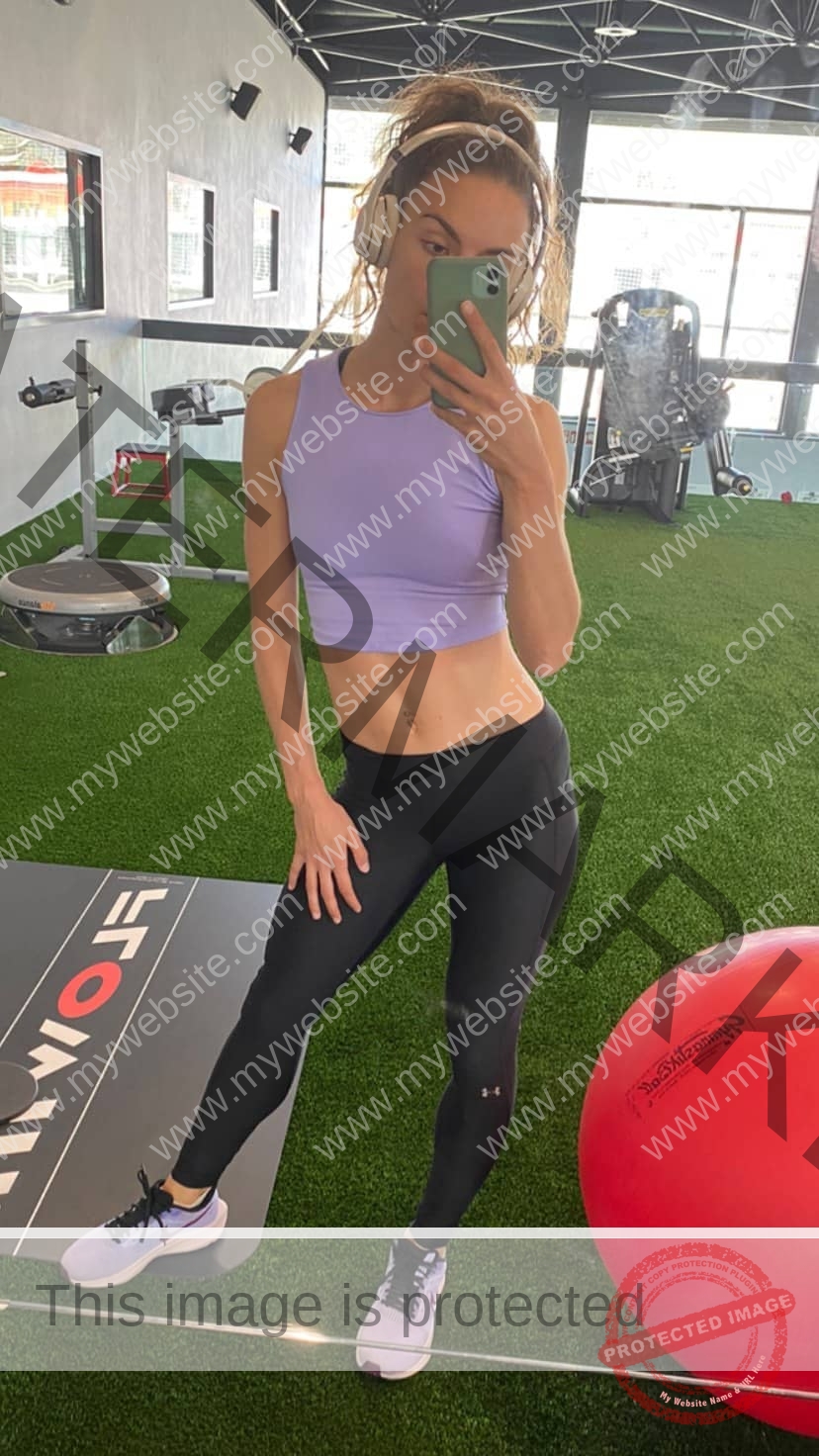
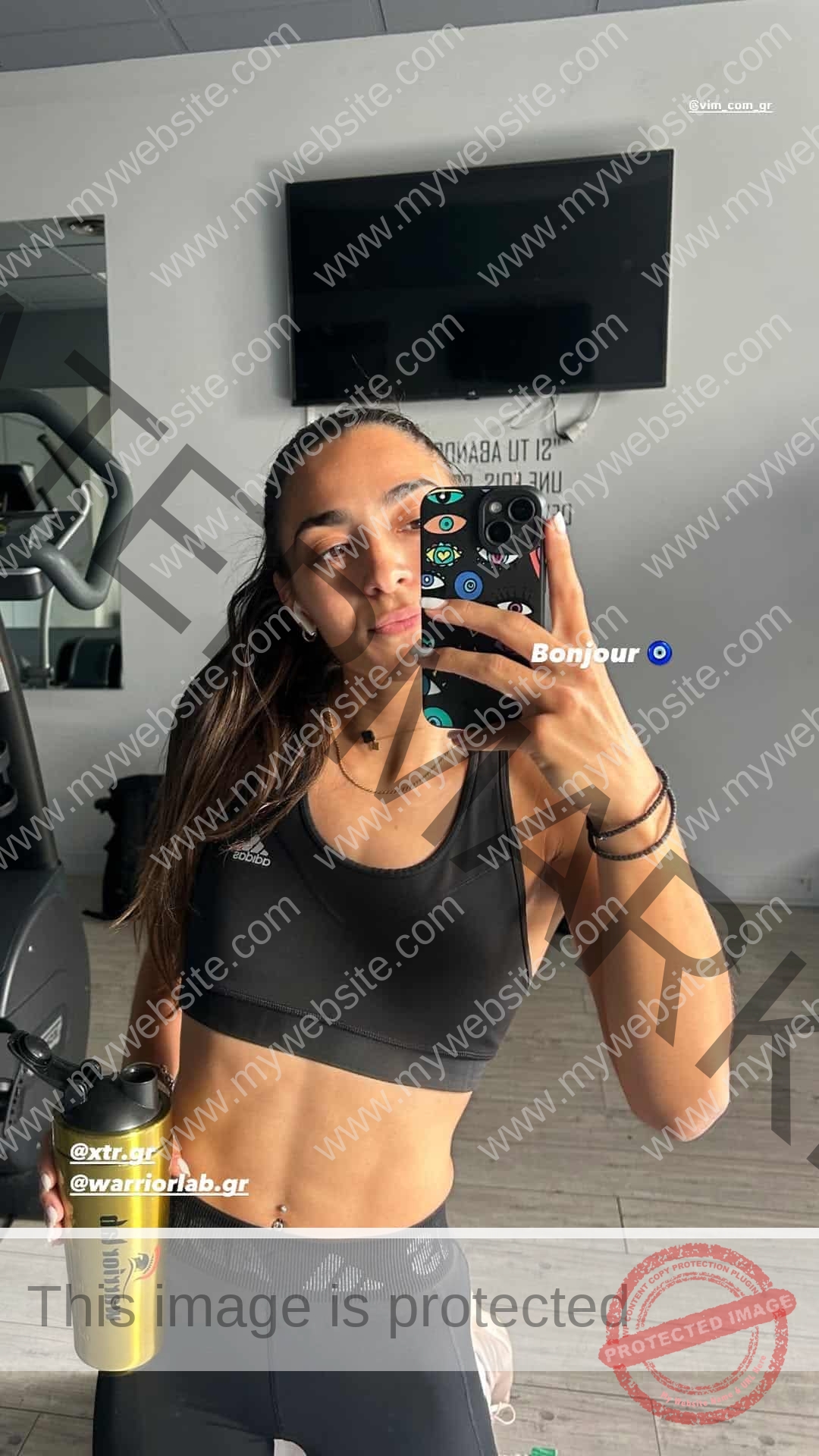
Iosifidou is a graduate of TEFAA (School of Physical Education and Sport Science), specializing not only in racing events but also in Sports Organization and Management. She leverages this education in her professional life as a personal trainer. This role is more than just a source of income; it informs her own training. Her understanding of exercise physiology and the management of athletic performance allows her to approach her workouts with a degree of scientific rigor. She has expressed a desire to stay “focused on herself” to maintain her mental well-being, an important strategy in a sport that can be psychologically taxing.
Personality and Support Systems
One of the most revealing aspects of Iosifidou’s personality is her admission that she “gets bored easily”. In high-performance sport, “boredom” is often a code for a need for greater cognitive engagement. The 100m sprint, while physically demanding, is a relatively simple motor task compared to the high-stakes, multi-variate challenge of the hurdles. This need for complexity is what drove her to hurdles and what continues to fuel her evolution.
Despite her professional life in Athens and her international travels, Iosifidou remains deeply tethered to her family in Kavala. Her father’s influence, starting from the football academy, has been a constant. The fact that her parents and sister travel to nearly every competition highlights a family-centric approach to her career. She considers them her “charms” or good luck tokens, reflecting a humility and groundedness that contrasts with her aggressive racing style.
National Team Presence and Club Prominence
Within the Greek national team (SEGAS), Iosifidou has ascended to a position of leadership. Her 2025 campaign signaled a changing of the guard, or at least the establishment of a powerful new force in the event for Greece.
Iosifidou’s presence on the national team is characterized by several key roles:
-
Individual Standout: Consistent finalist in Balkan and Mediterranean competitions.
-
Relay Anchor: Providing speed for the 4x100m relay, where she has helped the team achieve a mark of 45.17.
-
Point Scorer: In the European Team Championships, her 13.08 performance in Madrid was vital for Greece’s standings.
Club Activity: Representing OKA Kavala
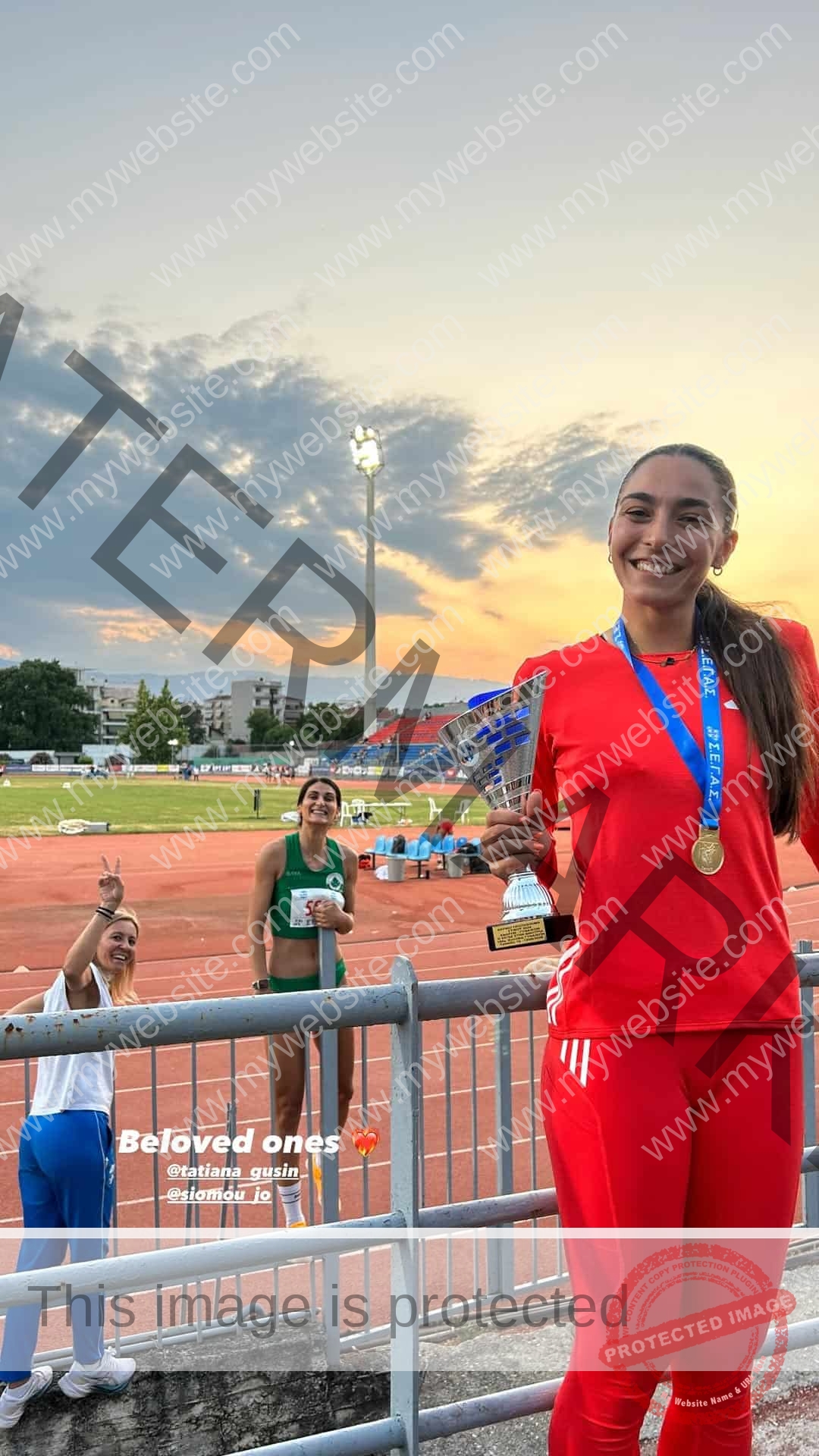
Iosifidou’s status as the crown jewel of OKA Kavala is a source of regional pride. Her victory at the 2025 Panhellenic Outdoor Championships in Volos was a historic moment for the club, marking her first outdoor national title. What made the victory particularly impressive was the context: she ran a 13.41 into a headwind, a performance that showcased her strength and technical stability over pure time. This performance demonstrated her ability to win under pressure, regardless of the conditions.
Technical Analysis and Statistical Projections
To understand the potential of Sofia Iosifidou, we must look at both her historical improvement arc and the broader trends within elite female hurdling.
The Physics of the Improvement Curve
Hurdling is a discipline where technical mastery often peaks later than raw sprinting. Research into elite female sprinters suggests that peak performance age for the 100m is approximately 25.8 years. However, for technical events like the hurdles, the peak often extends into the late twenties (27–30) as athletes refine the synergy between speed and barrier clearance.
If we apply a technical acquisition model to her improvement rates, we can project her future times. Iosifidou’s transition from 13.47 to 13.08 in two seasons represents a significant “technical leap.” In hurdling, after the initial major improvement following an event switch, athletes typically see gains of 0.05 to 0.15 seconds per year as they optimize their “touchdown” times and “hurdle unit” speed.
Table 4: Projected Time Improvement (100m Hurdles)
| Year | Age | Projected Time (Conservative) | Projected Time (Optimistic) | Factors |
| 2025 (Actual) | 27 | 13.08 | 13.08 |
Breakout Year |
| 2026 (Projected) | 28 | 12.98 | 12.89 |
Technical maturity, peak age |
| 2027 (Projected) | 29 | 12.95 | 12.84 | Experience, rhythm optimization |
The “sub-13” barrier is the definitive benchmark for world-class status. Iosifidou’s 13.08 puts her within striking distance of this milestone. Based on her indoor 60mH progression (8.14), which indicates high-end acceleration, she possesses the necessary speed foundation to run in the 12.80s range if her mid-race hurdle rhythm continues to improve.
The 60mH to 100mH Correlation
There is a strong correlation between 60mH times and 100mH potential. Elite athletes who run in the 8.10–8.15 range for the 60mH typically produce 100mH times between 12.85 and 13.05. Iosifidou’s 8.14 suggests that her 13.08 may actually be a conservative representation of her true potential, especially considering that her 13.08 was achieved in a year where she was still correcting “small mistakes” in her rhythm.
Comparison to Historical Peers and National Rankings
To contextualize Iosifidou’s accomplishments, one must look at the all-time Greek rankings and the high bar set by her predecessors.
Table 5: All-Time Greek Women’s 100m Hurdles Rankings
| Rank | Athlete | Personal Best | Year | Note |
| 1 | Voula Patoulidou | 12.64 | 1992 |
Olympic Gold |
| 2 | Elisavet Pesiridou | 12.93 | 2016 | National Leader |
| 3 | Sofia Iosifidou | 13.08 | 2025 |
Madrid |
| 4 | Flora Redoumi | 13.13 | 2004 | Olympic Finalist |
Iosifidou is currently the third-fastest Greek woman in history. Her 13.08 is significantly faster than other notable Greek hurdlers of the past two decades. Her 60mH time of 8.14 is even more impressive relative to history, placing her only 0.06 seconds behind Patoulidou’s national record of 8.08. This proximity to the national record suggests that Iosifidou is on the verge of becoming the premier Greek hurdler of her generation.
Future Outlook: The Road to the Elite Sub-13 Rank
As Sofia Iosifidou moves into the 2026 and 2027 seasons, her status on the European and world stage is higher than ever. Her world ranking (135th) and European ranking (63rd) are expected to climb as she continues to compete in high-level Diamond League and World Athletics Continental Tour meetings.
Key Strategic Objectives
-
Technical Consolidation: Shifting from “speed acquisition” to “rhythmic consistency” over the final three hurdles, where she has identified potential for improvement.
-
Major Championship Finals: With an 8.14 PB, Iosifidou is a legitimate contender for a final berth in any European-level indoor competition.
-
Olympic Qualification: Aiming for the qualification standards that typically sit in the 12.80–12.95 range.
Iosifidou’s success is also a product of the modern era of Greek sports science. Her education at TEFAA and her work with Siomou likely incorporate high-speed video analysis and force-plate data to optimize her hurdle “take-off” and “landing” metrics. Her preference for the indoor season—where the environment is controlled and her “atou” is most effective—suggests she understands her own strengths perfectly.
Conclusion
Sofia Iosifidou represents a new era of Greek athletics—one characterized by intelligence, versatility, and a refusal to be defined by traditional career paths. From the football pitches of Nea Karvali to the podiums of the Panhellenic Championships, her journey is a testament to the power of a well-timed strategic pivot. With a personal best of 13.08 in the 100m hurdles and 8.14 in the 60m hurdles, she has established herself as a cornerstone of the Greek national team and a beacon for regional clubs like OKA Kavala.
As she enters her peak competitive years, the statistical projections suggest that her best times are still ahead of her. Supported by her family, her coach Ioanna Siomou, and her own professional background in sports science, Iosifidou is poised to remain a dominant force in European hurdles for years to come. Her story is not just one of speed, but of the persistence and imagination required to reinvent oneself at the highest level of sport. Her trajectory toward the sub-13 second barrier is not just a personal goal but a collective ambition for Hellenic athletics.
