



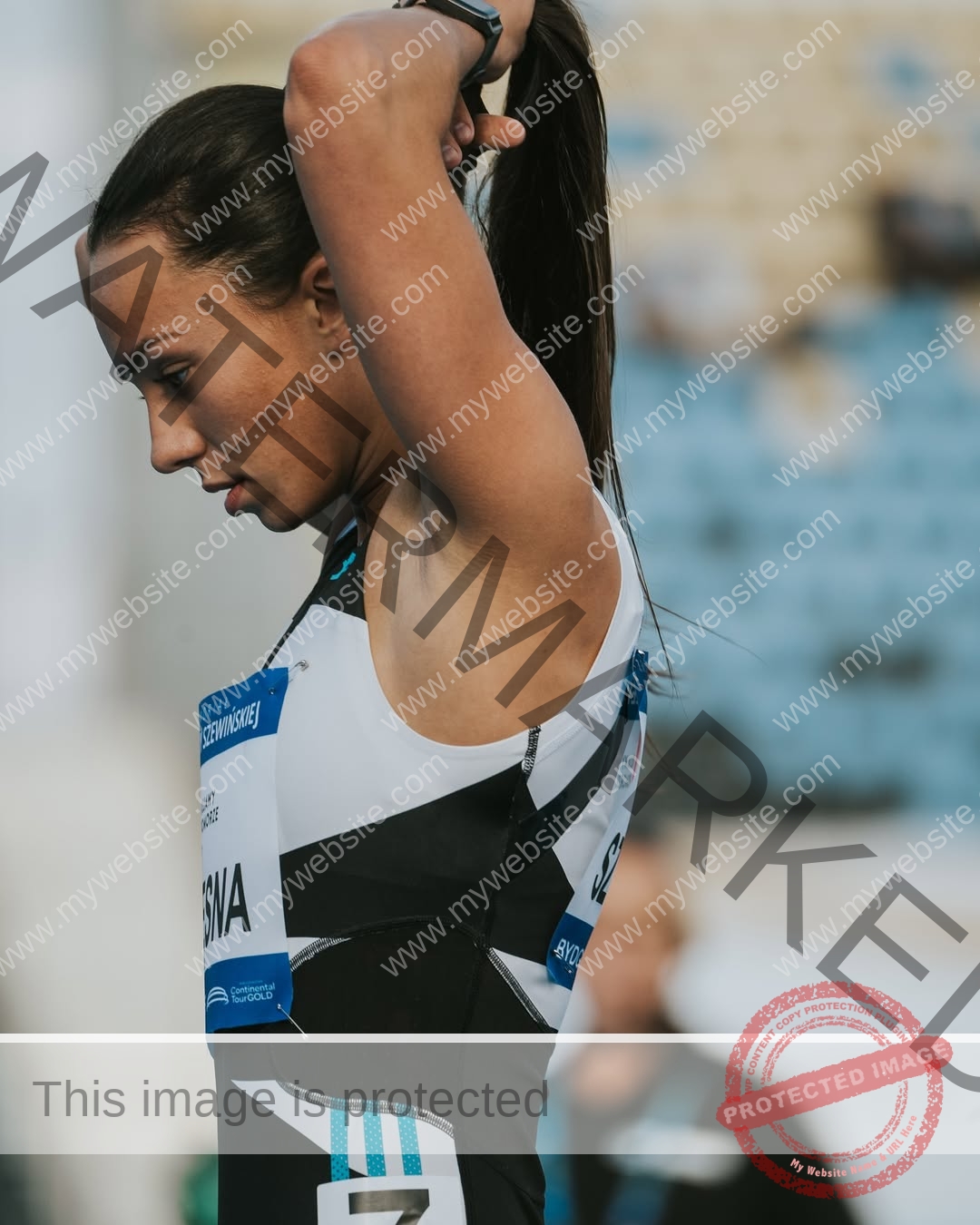
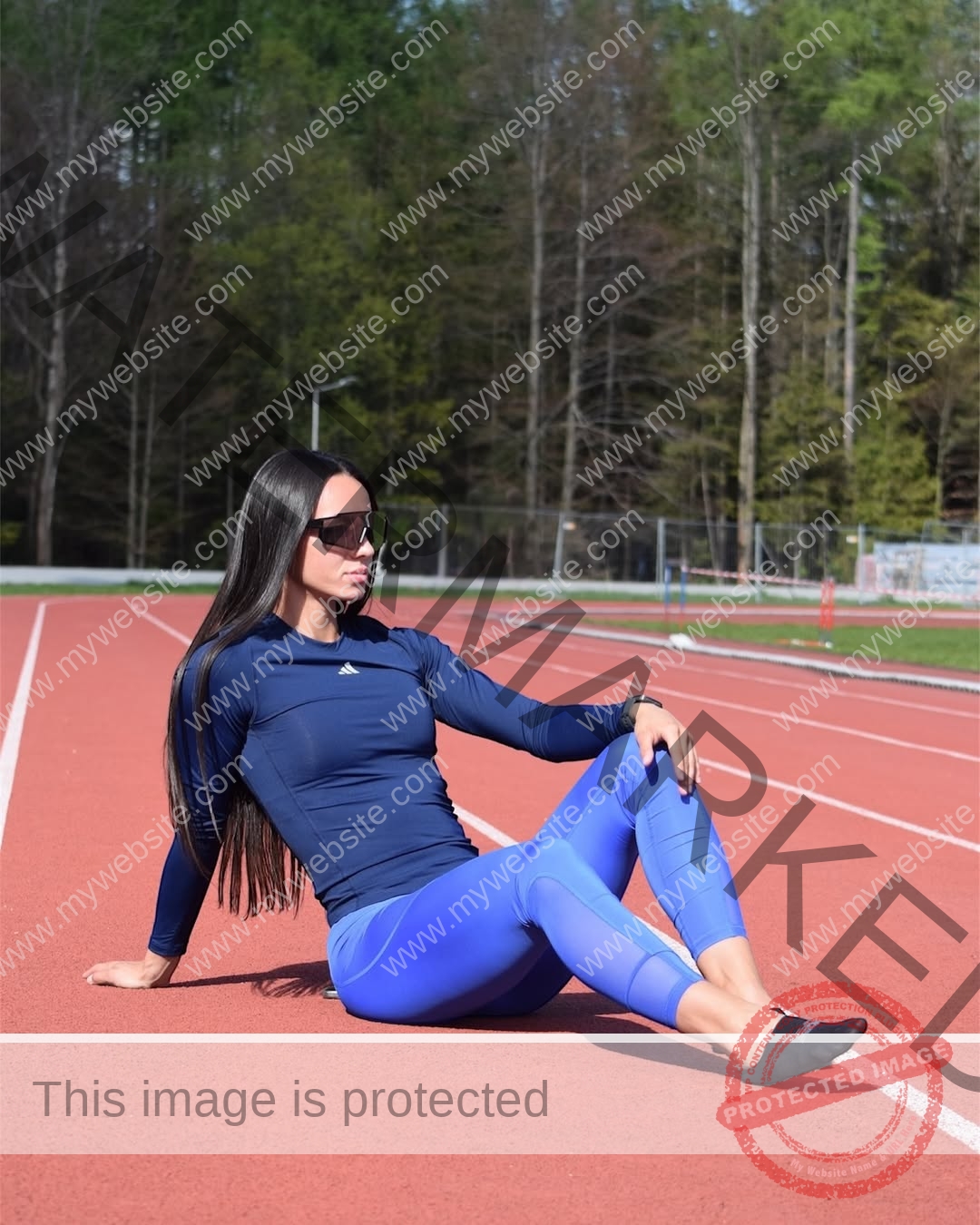

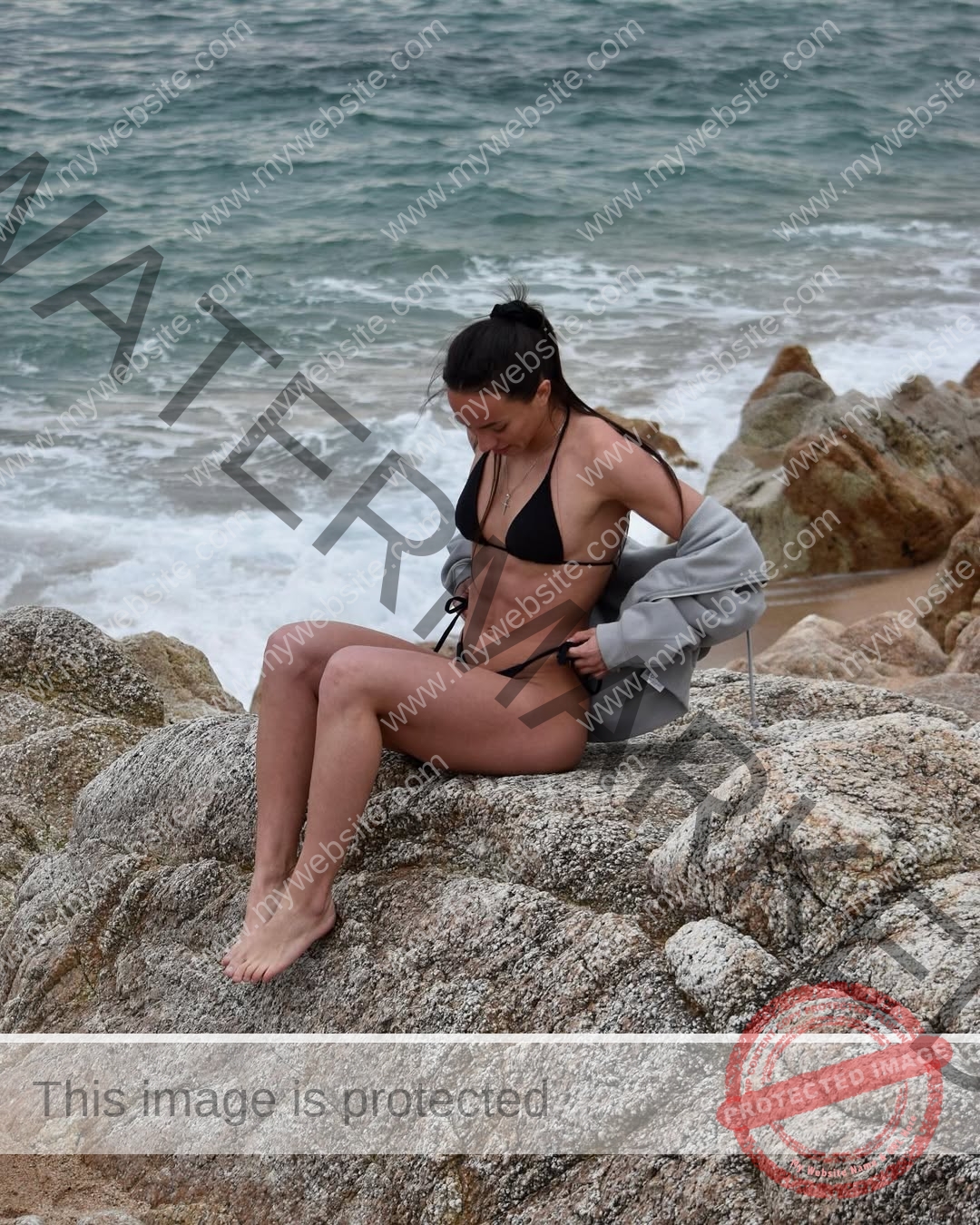
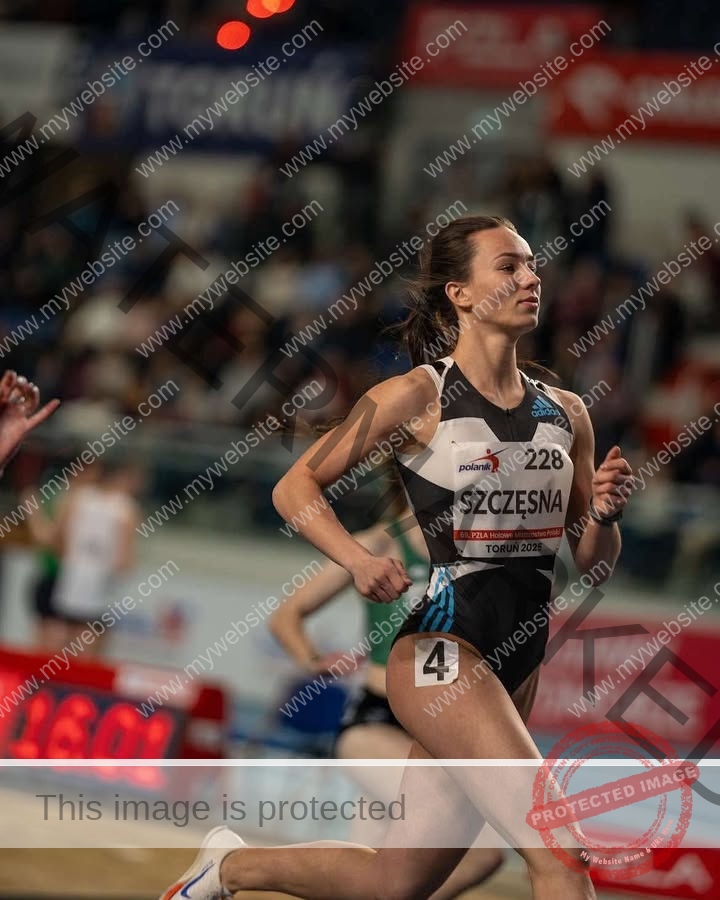
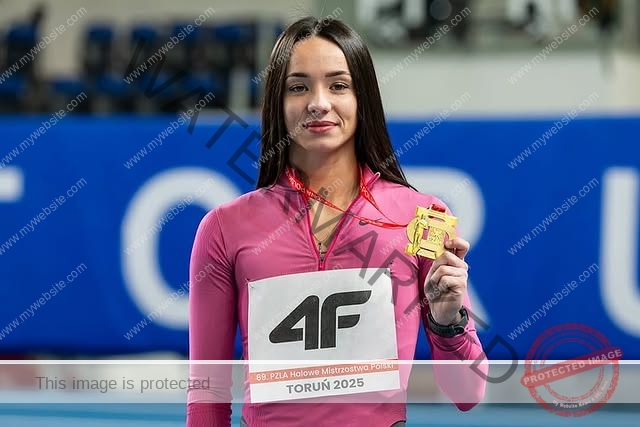
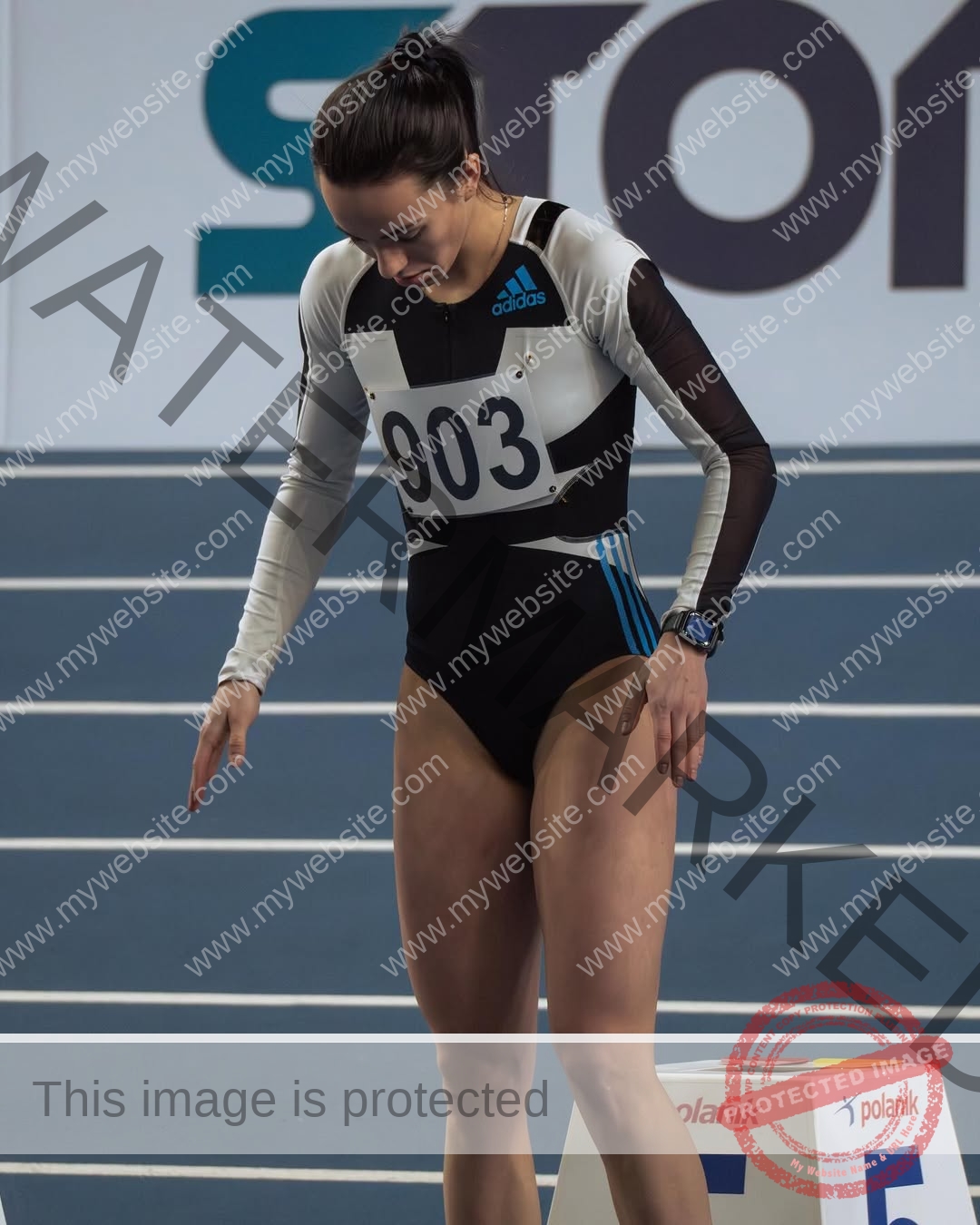
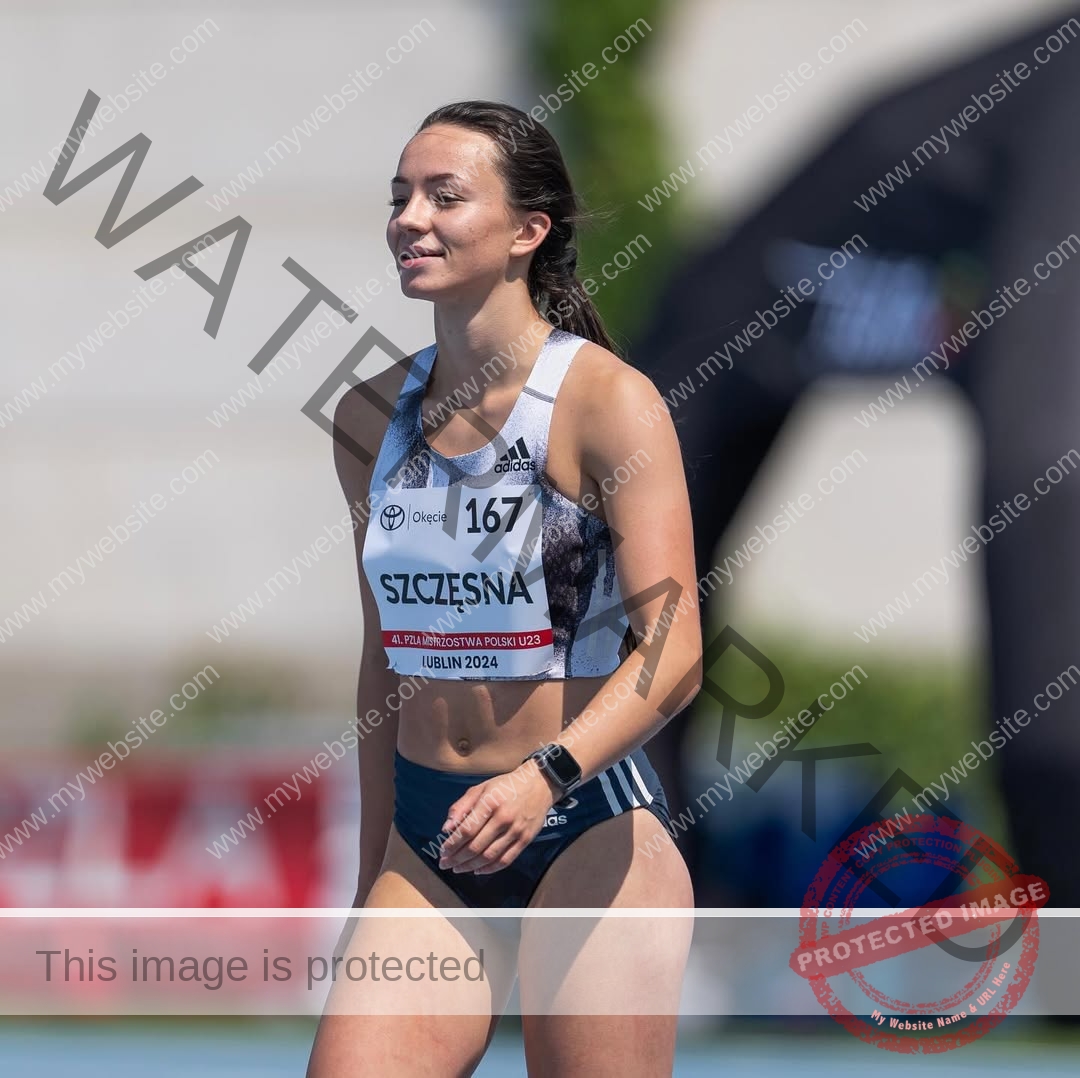
From Radom to the European Stage: The Rise of Natalia Szczęsna
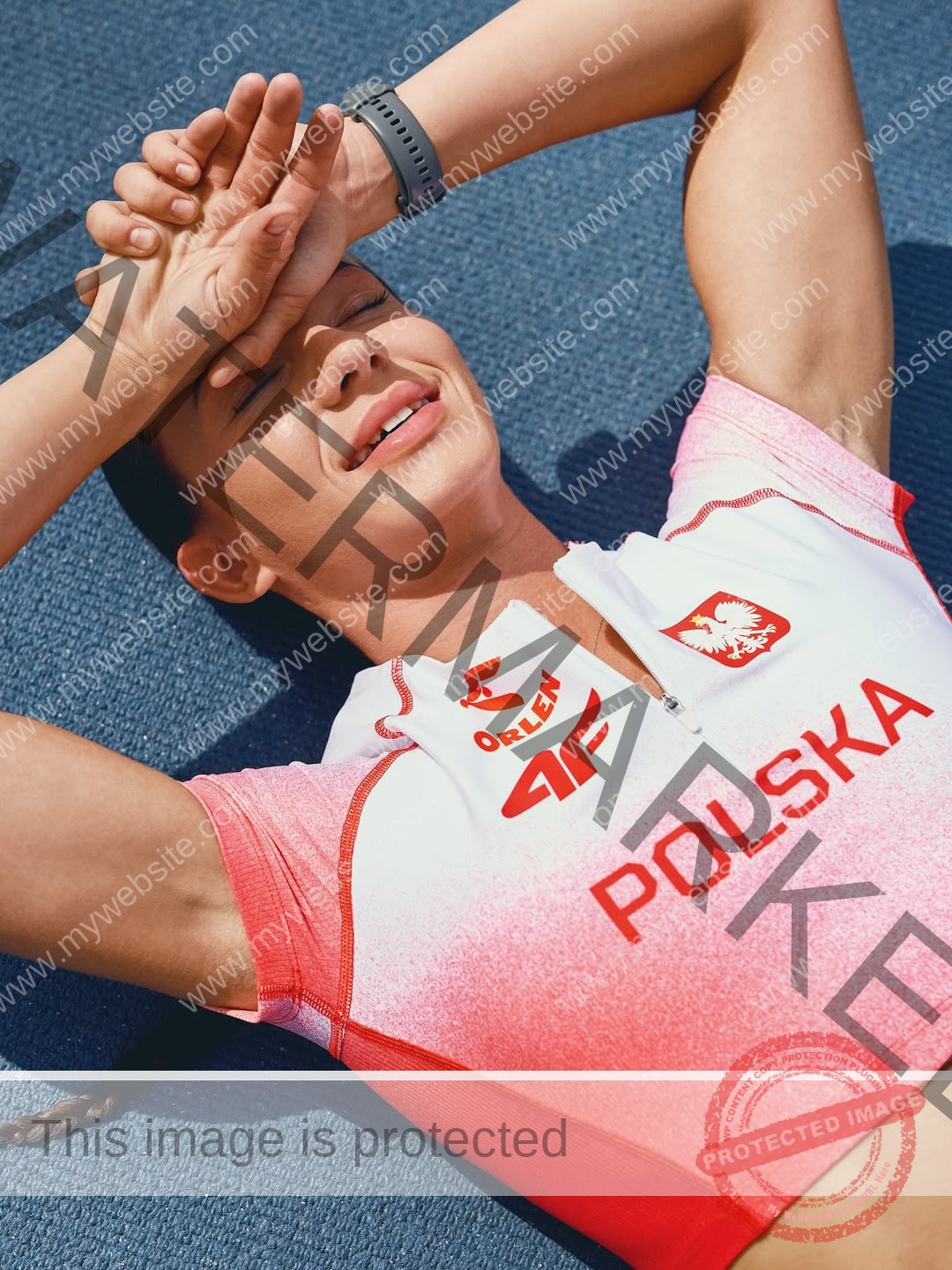
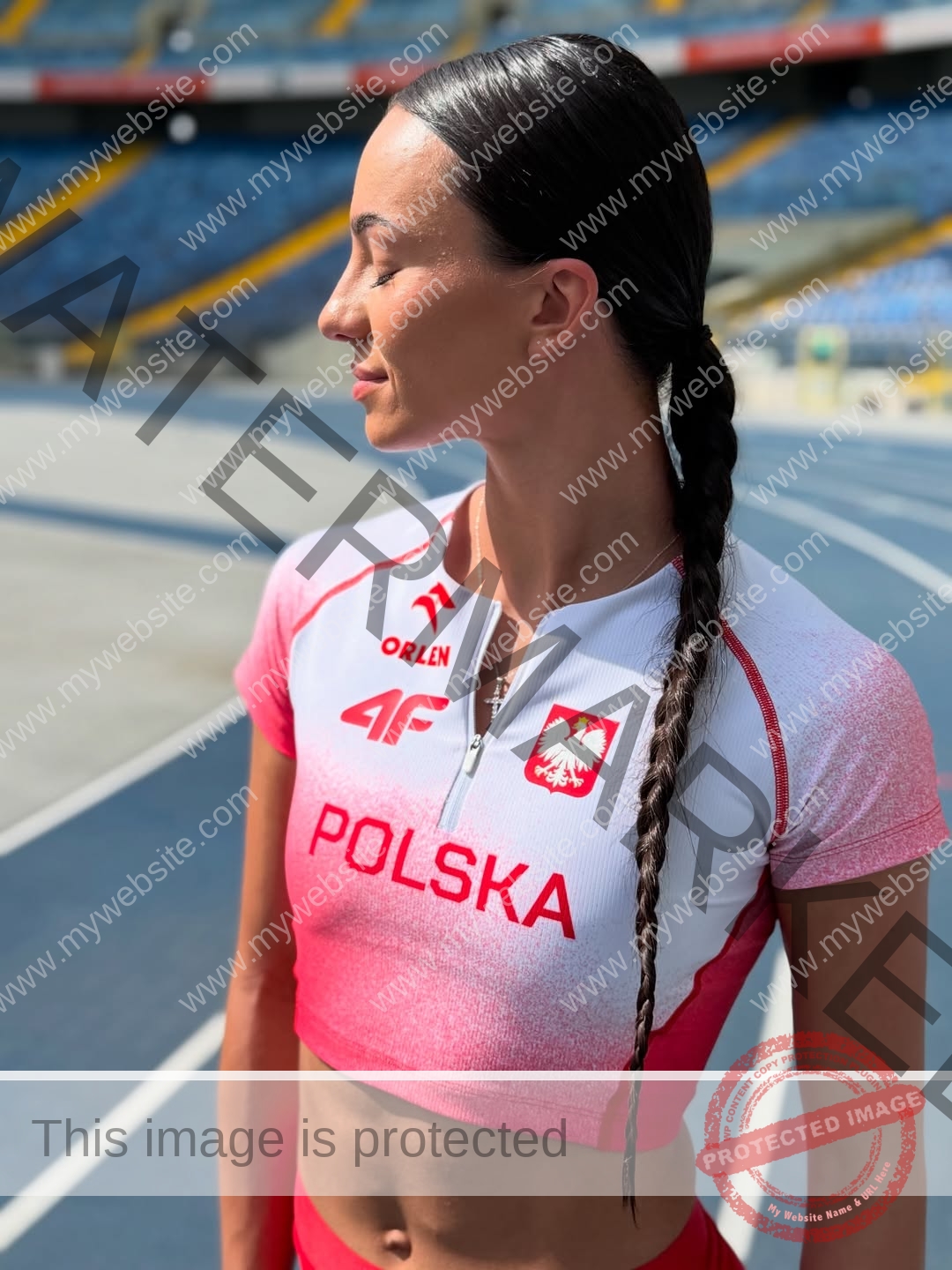
There is a particular kind of athlete who earns their place not through sudden, overnight emergence, but through patient, determined progress — the kind that accumulates quietly across years of setbacks and slow-building seasons until, one day, the whole world seems to notice at once. Natalia Szczęsna is exactly that kind of athlete. A sprint hurdler from Radom, Poland, born on January 22, 2004, she has become one of the most compelling young names in Polish track and field, a 22-year-old whose best years are, by any reasonable measure, still ahead of her.
Beginnings in Radom
Natalia Szczęsna grew up in Radom, an industrial city in east-central Poland, roughly 100 kilometers south of Warsaw. She came to athletics around the age of ten — approximately 2014 — first working under coach Karolina Kołodziejczyk. That early period, by her own description, was largely exploratory, a young girl playing at running rather than committed to it in any serious competitive sense. The partnership with her first coach was relatively brief, but it served its purpose, planting the seed of something more lasting.
Before long, Szczęsna found her way to the Radomski Ludowy Towarzystwo Lekkoatletyki, then known as RLTL ZTE Radom — today operating as RLTL GGG Radom after a change in title sponsorship. It is one of Poland’s more productive regional athletics clubs, punching well above its weight on the national stage, and it would become the home base of her entire competitive career to date. At RLTL GGG Radom she came under the guidance of head coach Artur Błasiński, who would shepherd her development over the years ahead.
A Patient Development Path
What stands out about Szczęsna’s early competitive years is how deliberately unhurried they were. Through the U16 and U18 age categories, she did not post the headline-grabbing times that tend to mark out future champions at the national level. The first half of her U20 (junior) years showed more of the same — steady, professional development, but nothing that set off alarms in the wider Polish athletics conversation. This was, with the benefit of hindsight, exactly the right approach. As Błasiński’s coaching has consistently emphasized at the club, building a complete athlete requires that the physical foundation be properly established before the competitive tempo is turned up.
There is one significant complication that makes Szczęsna’s eventual emergence all the more remarkable: she underwent three surgeries during this period of development. Injuries of the kind serious enough to require surgical intervention are, for any young athlete, potential career-enders. In her case, doctors at various points suggested she should abandon competitive sport altogether — that even recreational running might be beyond what she could reasonably expect. She declined to accept that verdict. In her own words, she found the advice “annoying” and refused to heed it, driven by a stubbornness she freely acknowledges as a core part of her character. Each time she returned, she set small, incremental goals: recover basic movement, then return to training, then to competition. The physical ordeal made her, she has said, stronger not just as an athlete but as a person — and it instilled a long-term view of her career that has characterized everything she has done since.
The Breakthrough: 2022 Indoor Glimpse
The first concrete sign of what was coming emerged in early 2022, when Szczęsna, still in the U20 category, ran 8.43 seconds over 60 meters hurdles at an indoor meet in Warsaw. The time was notable: it ranked among the five fastest by a Polish woman over that distance in history at the time and placed her near the top of the global age-group rankings on that particular day. Regional observers took notice, but the performance remained something of a promising data point rather than a statement of arrival. She had shown the speed; the question was whether she could build consistency around it.
The Late Junior Surge and a Season That Changed Everything: 2024
By the tail end of her junior eligibility and into the U23 age category, the trajectory began to steepen in earnest. But 2024 was the year that firmly announced Natalia Szczęsna to Polish athletics.
In late June 2024, at the 101st Polish Athletics Championships in Bydgoszcz — a senior national championship contested by the full depth of Polish hurdling talent — Szczęsna arrived with a personal best of 13.40 seconds over 100 meters hurdles. She was 20 years old, entering against an elite field that included Pia Skrzyszowska, the reigning European champion over the distance, and Marika Majewska, one of the country’s sharpest senior competitors. No one seriously expected a medal from the young woman from Radom.
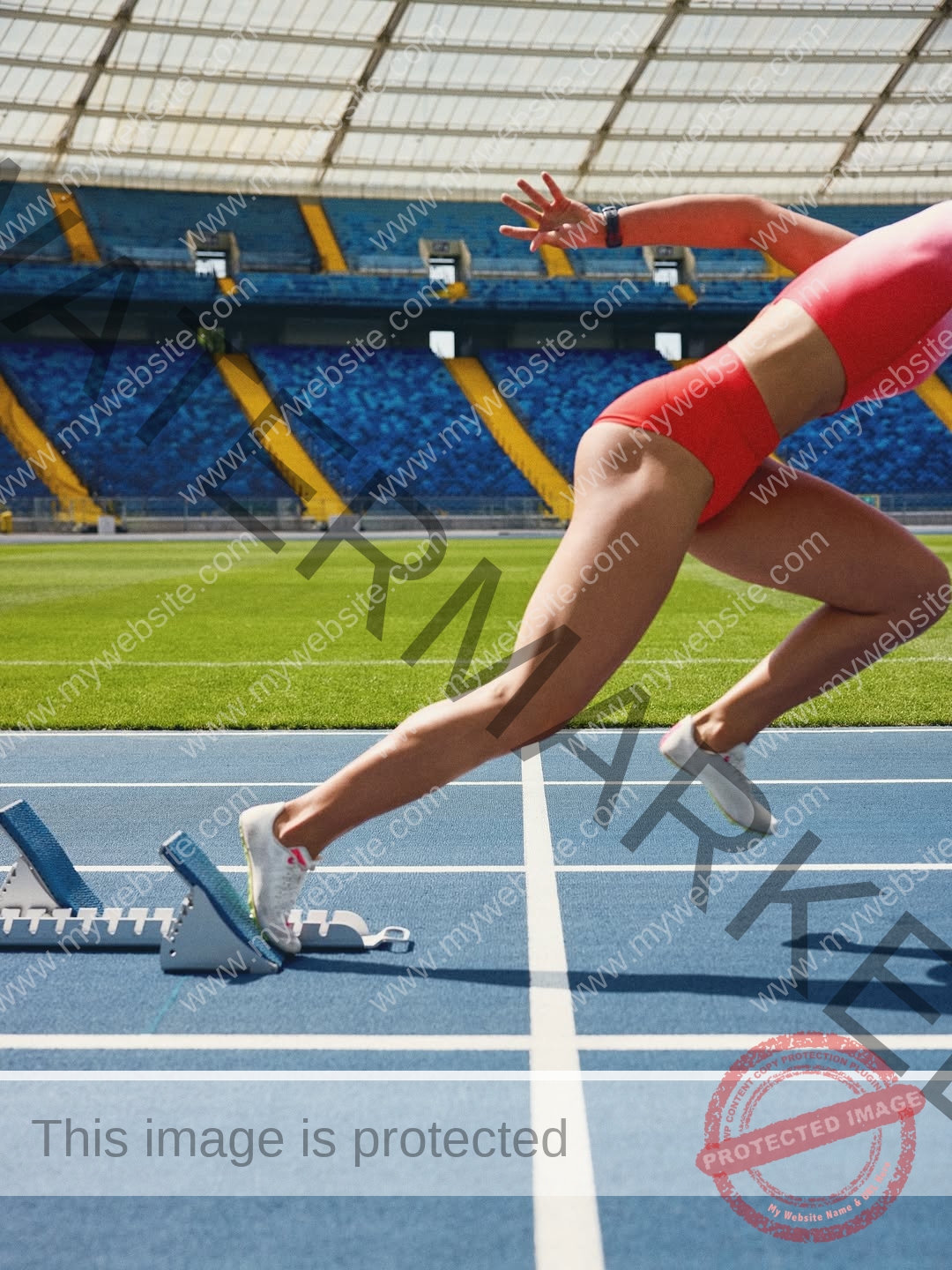
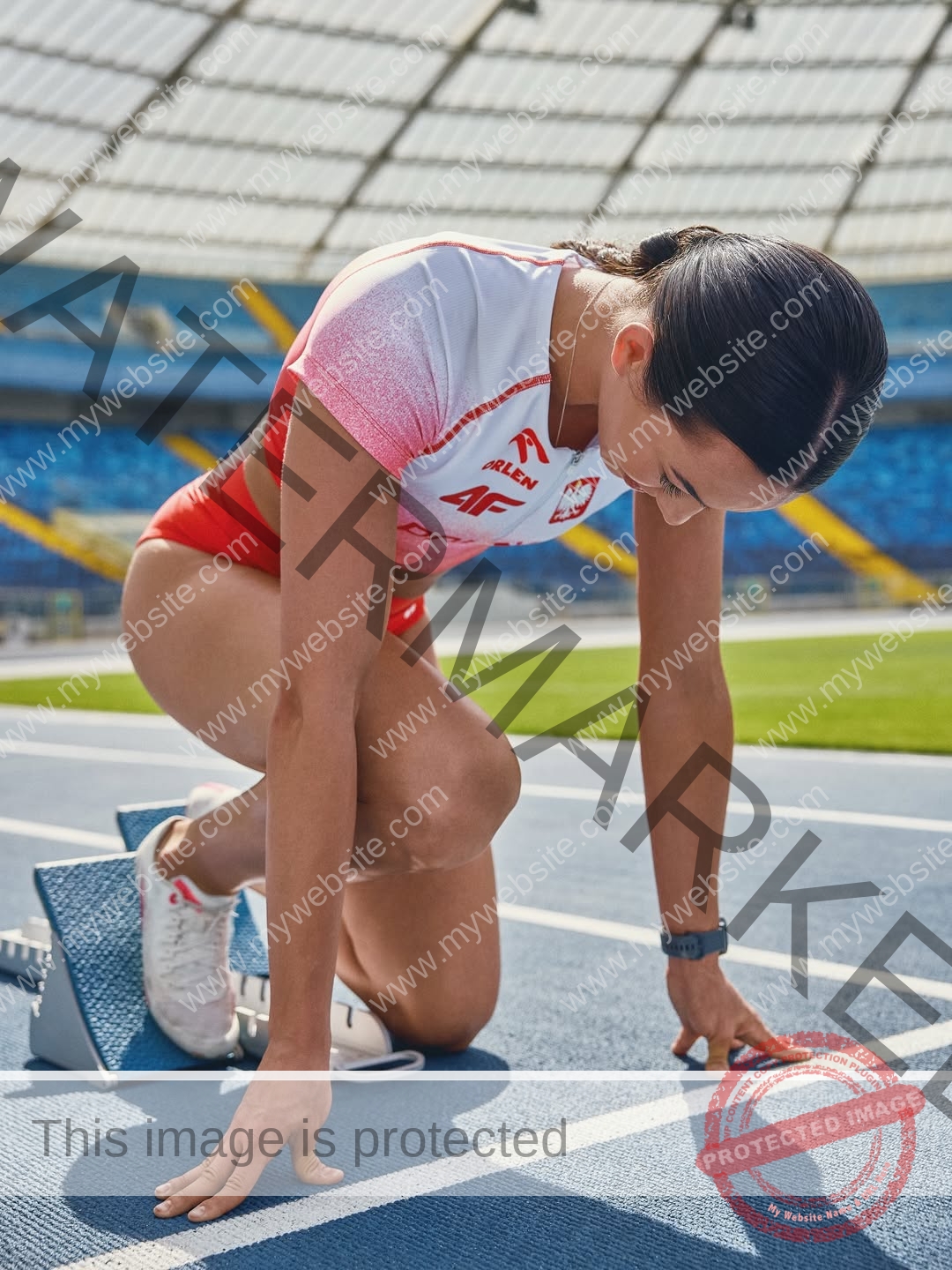
What happened instead became one of the more talked-about moments in Polish track and field that summer. Out of the starting blocks — historically one of her technical strengths — she launched herself into the hurdles sequence faster than anyone in the field, including Skrzyszowska. She maintained her composure across the barriers and crossed the line third. The time: 12.98 seconds. She had improved her personal best by 42 hundredths of a second in a single race. In sprint hurdles, where improvements typically come in fractions of a tenth, such a leap is genuinely extraordinary. She stood on the podium behind Skrzyszowska (12.67) and Majewska (12.97), a bronze medalist at a senior national championship at age 20 with a time that had not even seemed within reach when she woke up that morning.
“It was a big surprise,” Szczęsna said afterward. “I came there looking for a good performance to monitor my form ahead of the U23 nationals. After the heats I was fourth into the final. The thought of a medal crept into the back of my mind, but looking at the other girls’ times and mine that season, I wasn’t really counting on it — let alone a performance like that.”
The same season brought her the bronze medal at the Polish U23 Championships, confirming this was not a one-off aberration. Her club and coach could now point to genuine, documented evidence that the patient development approach had produced something exceptional.
The 2025 Indoor Campaign: Competing With the Elite
Szczęsna entered 2025 with significant expectations and a clear priority: the European U23 Championships, scheduled for July in Bergen, Norway. Before that, however, the indoor season provided a preview of what was to come.
Through the early indoor weeks of 2025, she steadily worked her 60 meters hurdles time downward — posting 8.16, then 8.15, then 8.14 at successive meets. On February 8, she stepped onto the track at the Atlas Arena in Łódź for the prestigious Orlen Cup, one of Poland’s premier indoor meets and an event that routinely hosts world-class international athletes. Szczęsna had been placed on the outer lane for the hurdles final. From the start, she attacked the first barrier ahead of the field, building momentum with each successive hurdle. She finished fifth overall — in a race where the winner, Swiss world-class hurdler Ditaji Kambundji, stopped the clock at 7.83 — and crossed the line in 8.05 seconds, a new personal best and an improvement of nine hundredths over her time from the same morning’s heats. TVP Sport commentators, watching the young Radomian hang with an international field approaching the eight-second mark, did not hide their admiration.
The 8.05 performance was more than a personal milestone. At that point, it placed Szczęsna third on the European U23 rankings for the 60 meters hurdles, situating her firmly among the continent’s best young hurdlers heading into the summer season. A few weeks later, at the 69th Polish Indoor Athletics Championships, she reached the final of the senior 60 meters hurdles and collected a gold medal in the U23 category classification — the Polish U23 indoor title to go alongside her outdoor achievements.
She had also shown a complementary flat speed during this period, running 7.45 seconds for 60 meters on January 18 at the KGHM Ślęza Arena in Wrocław — a time reflecting genuine sprint ability beneath the technical hurdling event.
The 2025 Outdoor Season: A New Personal Best and a European Final
The outdoor campaign of 2025 exceeded even the most optimistic projections. In late May, competing at the Memoriał Janusza Kusocińskiego in Chorzów — one of Poland’s most storied athletics meetings — Szczęsna ran 13.13 seconds over 100 meters hurdles, fulfilling the Polish Athletics Federation’s qualifying standard for the European U23 Championships. She had her ticket to Bergen.
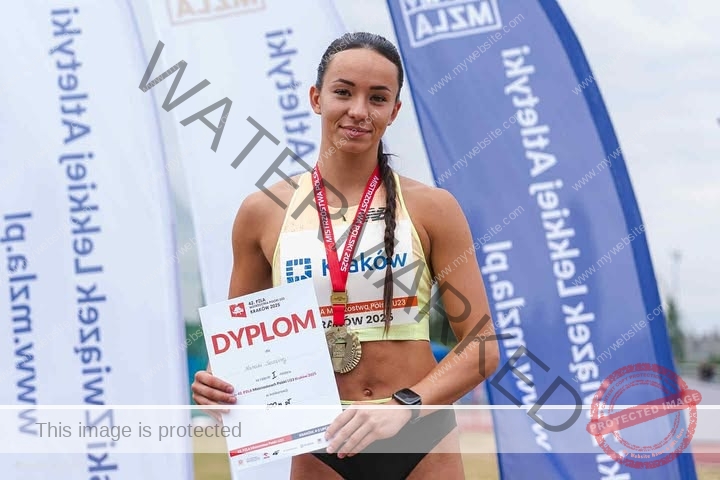
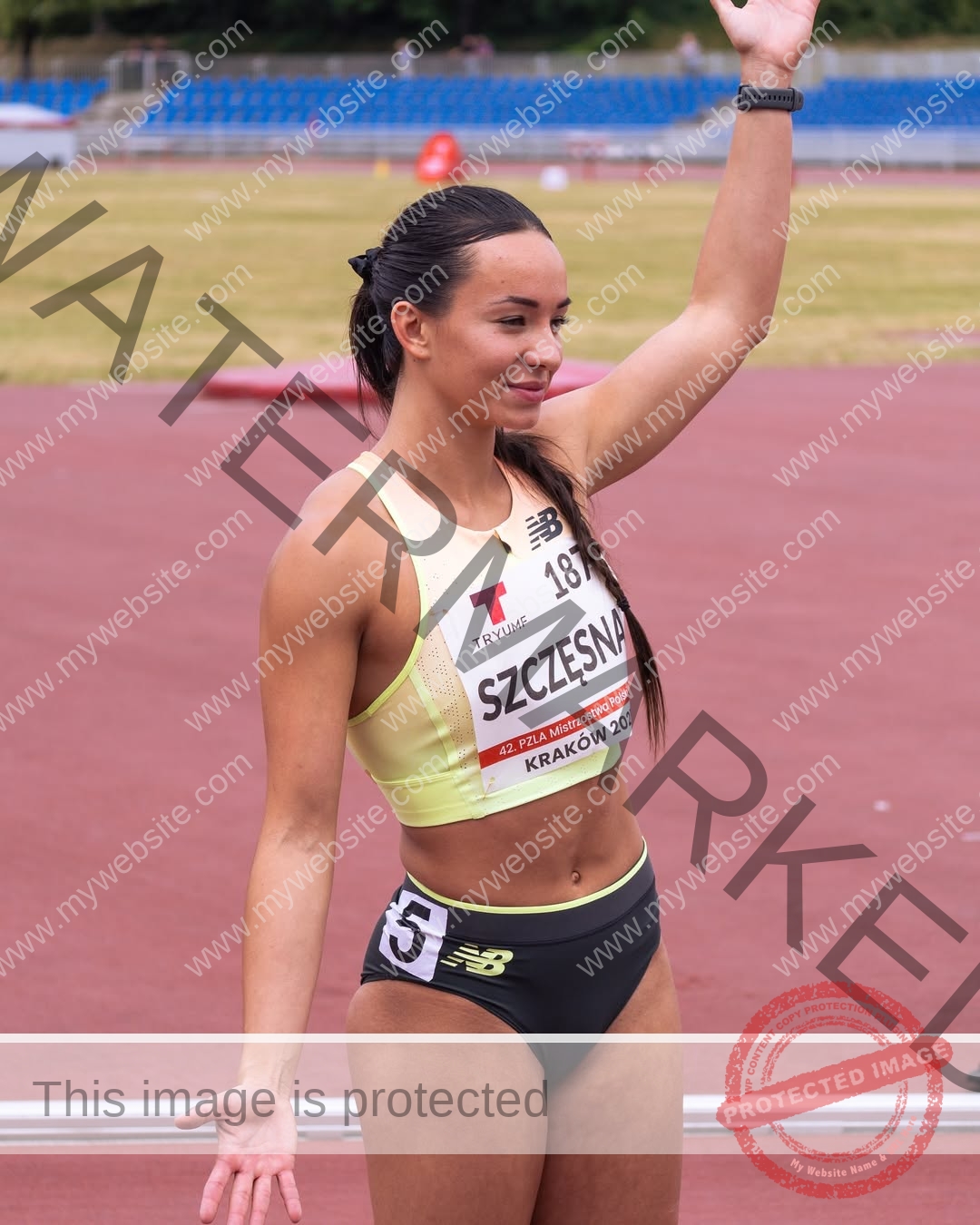
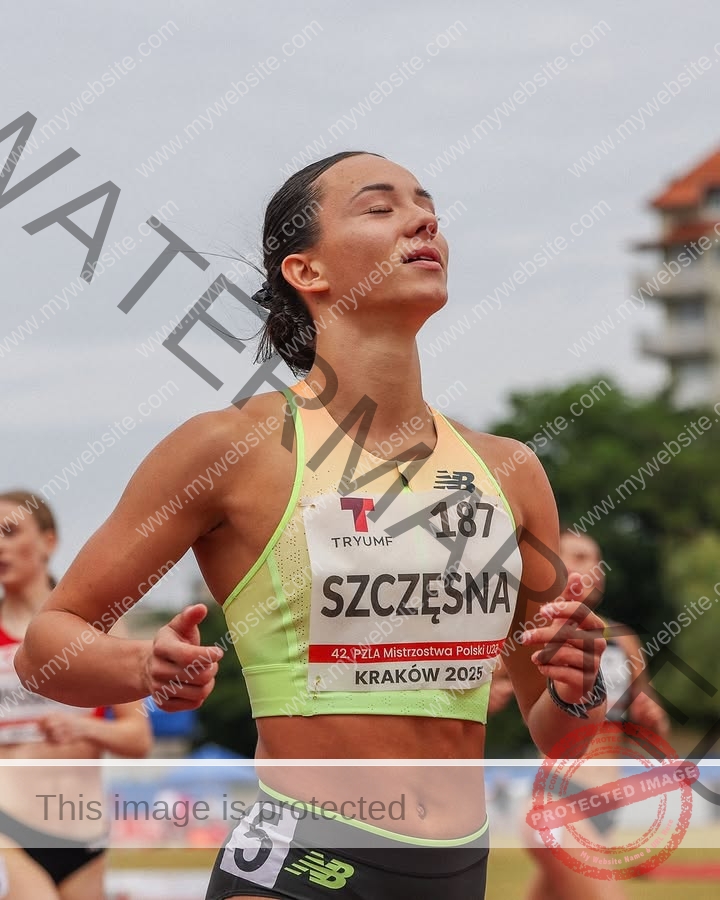
In early July 2025, at the Polish U23 Athletics Championships in Kraków, Szczęsna delivered the performance that defined her season. She had gone into the competition as a strong contender but not the clear favorite; that role belonged to Alicja Sielska, an athlete running below 13 seconds who led the European U23 rankings. Sielska, however, made a technical error late in the final and lost her rhythm. Szczęsna made no such mistake. She won the gold medal in 13.16 seconds, becoming Polish U23 champion in the 100 meters hurdles. The title was earned, not gifted.
Then, on June 21, 2025 — the precise date recorded on her World Athletics profile — she ran 12.96 seconds to establish a new personal best, the fastest time of her career. It is the benchmark that now defines her standing: a performance that places her inside the top tier of European U23 women’s hurdling and within range of the elite senior field.
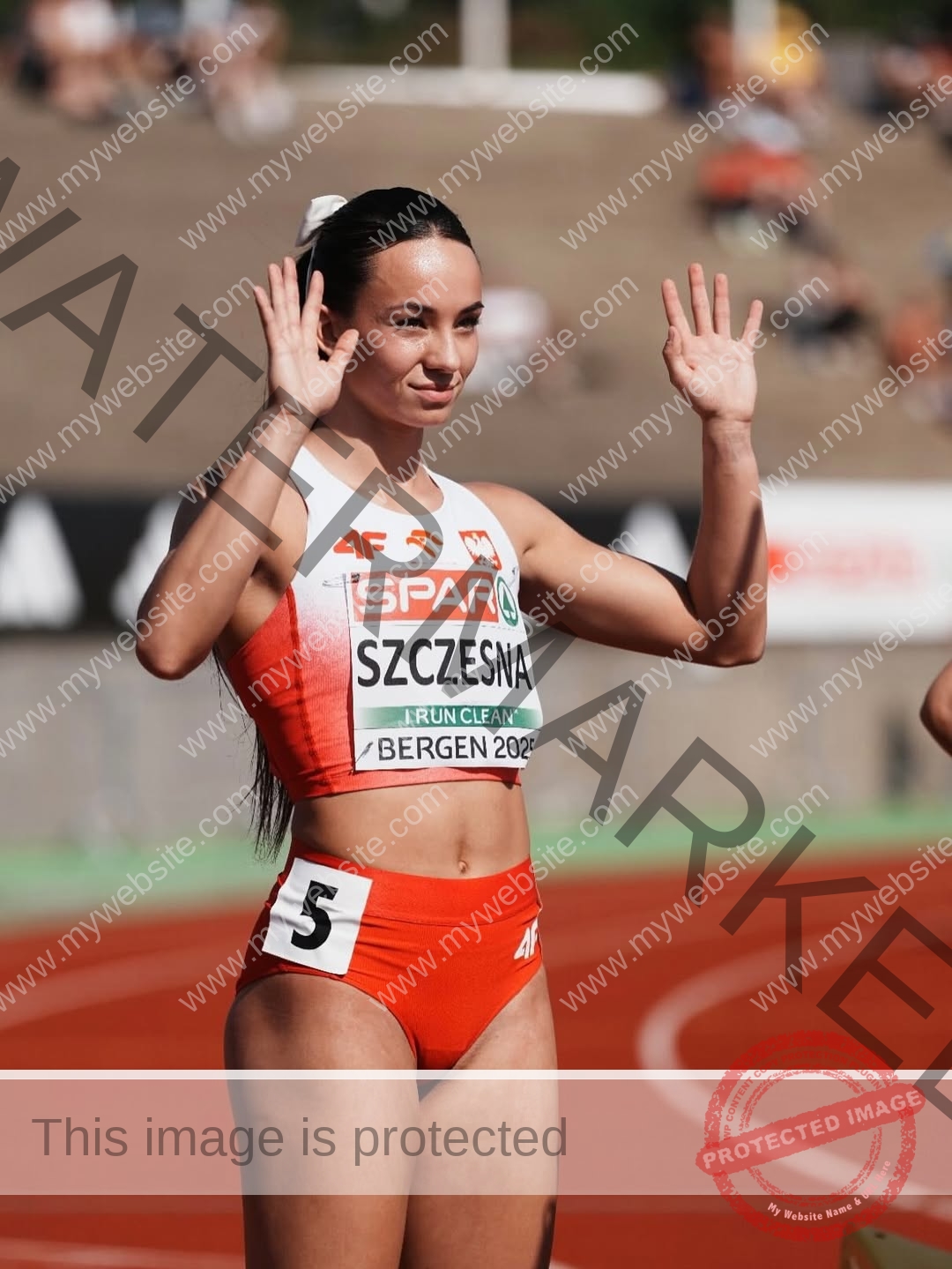
At the European U23 Championships in Bergen in late July, Szczęsna navigated a demanding multi-round competition with composure. She advanced through the heats with a 13.16 in her series, good for fifth overall across six qualifying rounds. The semifinal was slightly slower at 13.23, but enough for a final berth among eight athletes. In the final, she ran 13.20 — a performance that placed her fourth. The bronze medal slipped away by 0.15 seconds. It was agonizingly close, but the result in context was remarkable: she had reached an European U23 final at 21 years old, competing among the best young hurdlers on the continent, and she had belonged there. Gold that day went to her compatriot Alicja Sielska (12.91).
“I did everything I could in the final,” Szczęsna said afterward. “Fourth place at the European U23 Championships is a great achievement and a great source of pride for me. I want to thank everyone for their support — especially our club.”
Into 2026: Continued Progress
The 2026 indoor season has continued to demonstrate Szczęsna’s growing consistency at the highest Polish domestic level. At the 70th Polish Indoor Athletics Championships in Toruń, she reached the senior final of the 60 meters hurdles — a significant achievement in its own right given the quality of the Polish women’s sprint hurdles field — and earned the bronze medal in the U23 classification. The performance confirmed her place among the top senior contenders in the country, not merely a youth category standout.
In late May 2026, at the Academic Athletics Championships in Lublin, she posted 13.41 over 100 meters hurdles, finishing fourth overall in a competitive open field while winning the academic classification for her institution. She also contributed to the Radom University 4×100 relay team that ran 46.94 for second place among universities, demonstrating the breadth of her speed-based versatility.
Her World Athletics ranking currently sits at #141 in the world for the 100 meters hurdles — a ranking that, given her age and trajectory, is a floor rather than a ceiling.
Club, Coach, and Support Structure
Throughout her career, RLTL GGG Radom has been both home and engine of Szczęsna’s development. The club, led by Artur Błasiński — who functions as both president and coach — has built a genuine pipeline of national-level talent in a city not always associated with elite athletics. Błasiński’s approach, which emphasizes long-term physical development over short-term results chasing, has been precisely the environment Szczęsna needed. Her nickname within the club’s coverage — “Natalka,” an affectionate diminutive — speaks to how deeply she has been woven into the fabric of the institution that helped build her.
On the academic side, Szczęsna is a student at the University of Radom (Uniwersytet Radomski), where several of the club’s elite athletes pursue their degrees while competing at the national level. The dual-track career structure — academic and athletic in parallel — reflects both personal ambition and a pragmatic understanding that athletic careers, however bright, benefit from investment in life beyond the track.
In 2025, Szczęsna was selected as a recipient of the Wybiegaj w Przyszłość (Run Into the Future) scholarship, a competitive stipend program administered by the Wybiegaj w Przyszłość Foundation that supports Poland’s most promising young track and field athletes. She was recognized as a U23 scholarship recipient — a distinction that came with monthly financial support and access to educational workshops on athlete branding and career development. In early 2026, she received the scholarship for a second consecutive year, this time designated as an outdoor U23 champion and European finalist. The program’s backers include Bank Pekao S.A., and it operates under the auspices of Poland’s Ministry of Sport and Tourism. That the Foundation recognized Szczęsna across consecutive cycles reflects not just athletic achievement but the perception within the Polish athletics community that she is one of the sport’s genuinely high-priority investments for the future.
Who She Is as a Competitor
From her public interviews — particularly a candid conversation published by the RadomBiega.pl athletics portal in late 2024 — a clear portrait of Szczęsna as both competitor and person emerges. She is unusually self-aware for her age: able to name her technical strengths (start and first hurdle attack have consistently been identified as her sharpest assets), acknowledge her areas for improvement without deflecting the question, and speak about her three surgeries and the people who told her to quit with the matter-of-fact confidence of someone who has already proved the doubters wrong.
She does not lack ambition. When asked in that same interview where she sees herself in four years, her answer was immediate: the Olympic Games in Los Angeles. It was not a vague aspiration but a stated objective, delivered with the calm directness of someone who has already built a habit of beating expectations. Her 2028 Olympic ambitions are, given her current trajectory and the pace of her improvement, entirely plausible.
She also speaks thoughtfully about balance. Medals and records, she has said, should be fuel for further work rather than causes for complacency. She describes her approach to the training process as actively working on weaknesses while maintaining strengths — not the profile of someone coasting on talent. When asked about ego and the dangers that come with rapid success, she answered with a maturity that impressed even her interviewers: success, she said, needs to be contextualized as a step, not a destination.
Her inspirations, she has said, are plural rather than singular — she draws from many athletes rather than modeling herself on any single figure. It is a telling answer. It suggests someone constructing a competitive identity deliberately from multiple sources rather than simply trying to become a copy of one admired predecessor.
Personal Bests and Career Summary
For the record, Natalia Szczęsna’s current personal bests are as follows: 12.96 seconds for the 100 meters hurdles (set June 21, 2025); 8.05 seconds for the 60 meters hurdles (set February 8, 2025, Orlen Cup, Łódź); and 7.45 seconds for the 60 meters flat (set January 18, 2025, Wrocław). Among her national titles: Polish U23 Champion in the 100 meters hurdles (2025); Polish U23 Indoor Champion in the 60 meters hurdles (2025 and 2026 — bronze in U23 category at the senior 2026 nationals). She is a bronze medalist at the senior Polish Athletics Championships (100mH, 2024) and a fourth-place finisher at the European U23 Championships (Bergen, 2025).
Looking Ahead
Natalia Szczęsna turns 22 in January 2026. She has three surgeries behind her, three operations that medicine once suggested might end her competitive life before it truly began. She has a personal best that now sits comfortably under 13 seconds — the informal threshold that separates serious European contenders from the world-class field — and a technical foundation that, by the evidence of how her coaches and rivals speak about her, has not yet been fully expressed in her results. She has shown the capacity for extraordinary single-race improvement (42 hundredths in one race in Bydgoszcz in 2024; nine hundredths between heats and final on the same afternoon at the Orlen Cup in 2025). She has competed in a senior national championship final against a European champion and won a medal. She has reached a European U23 final and finished fourth, 0.15 seconds from the podium.
All of that before her 22nd birthday. The story of Natalia Szczęsna is, by any fair assessment, only just getting started.
