



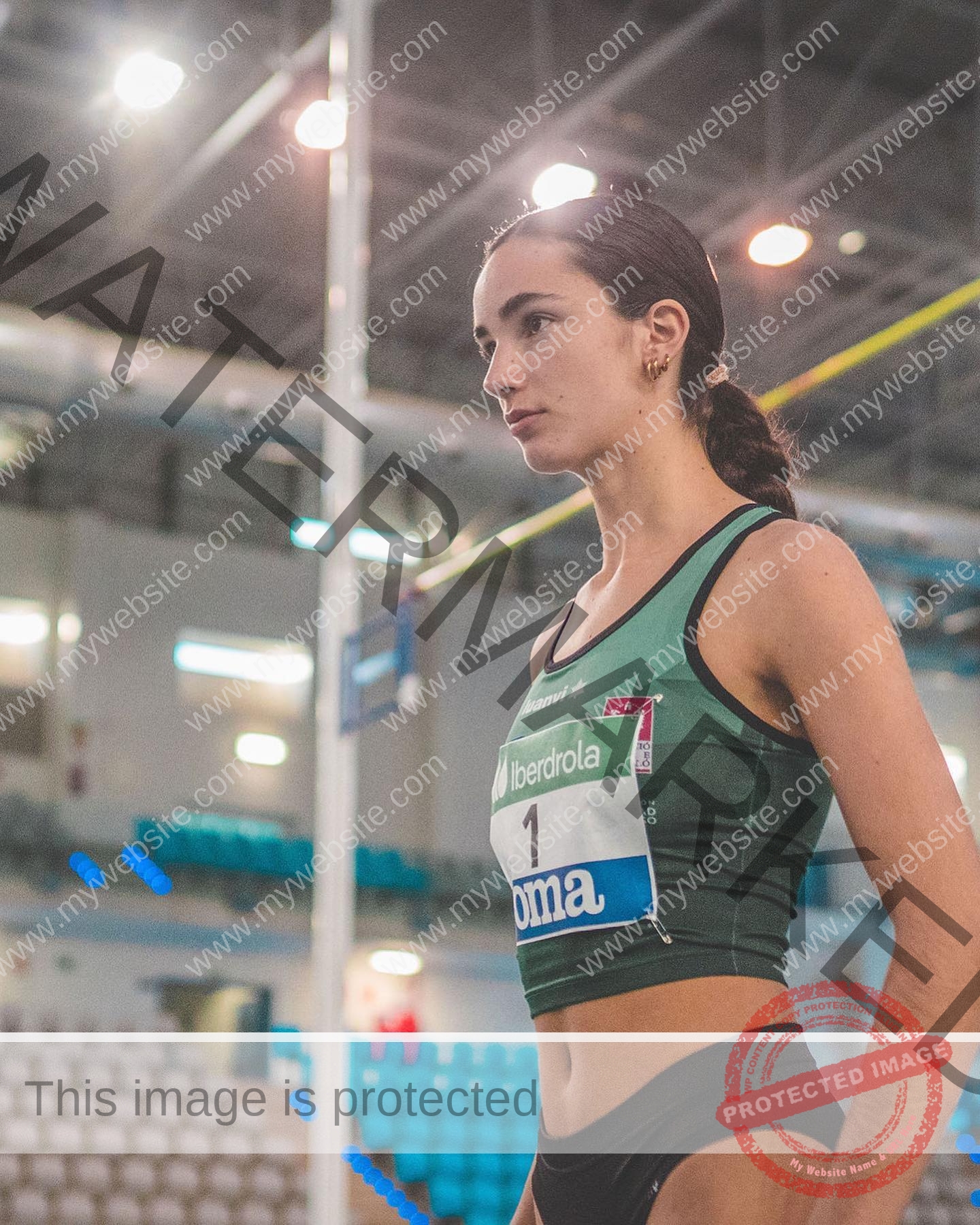
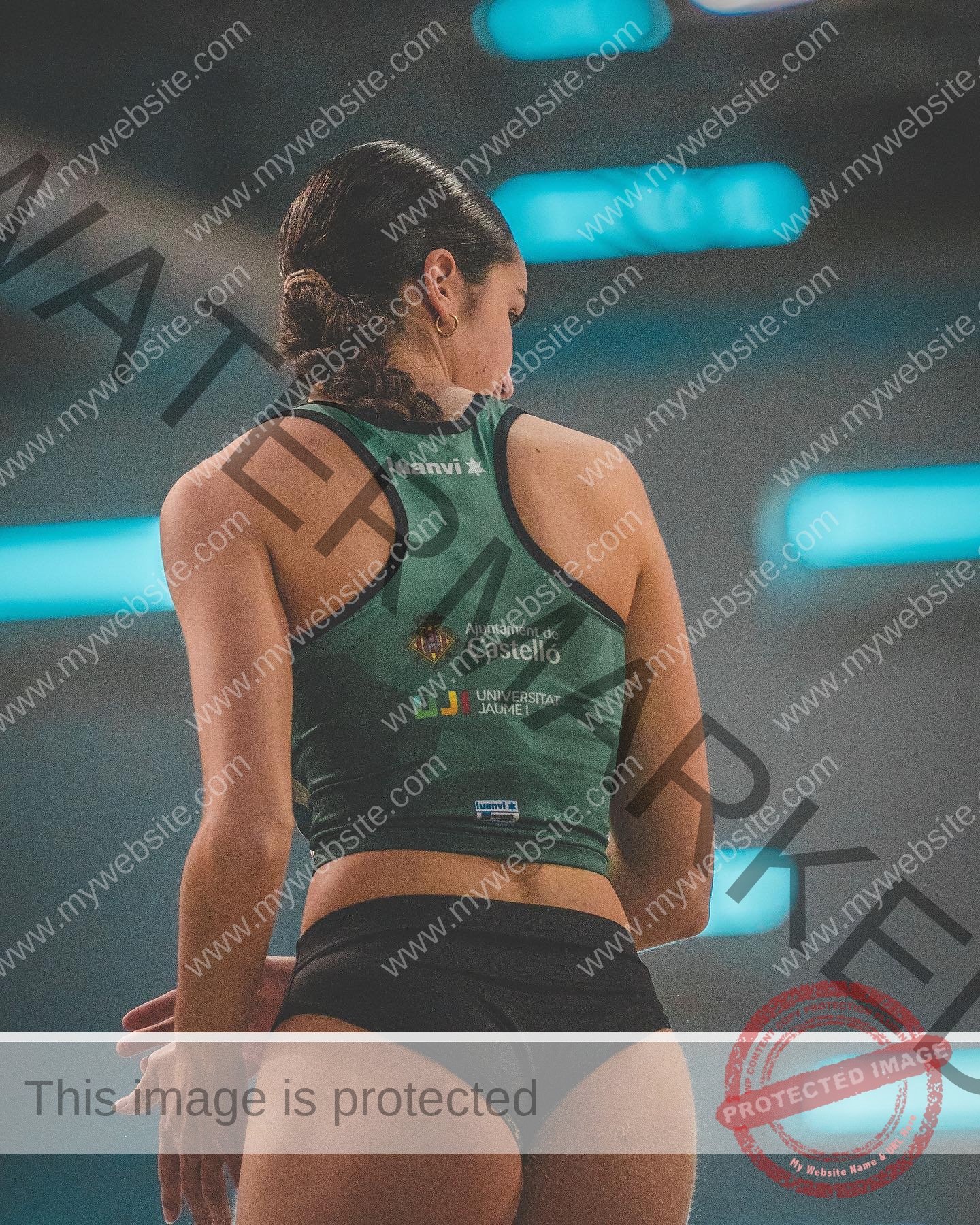
Irene Naida Calonge
Castellón’s Triple Jump Rising Star Is Already Rewriting the Record Books
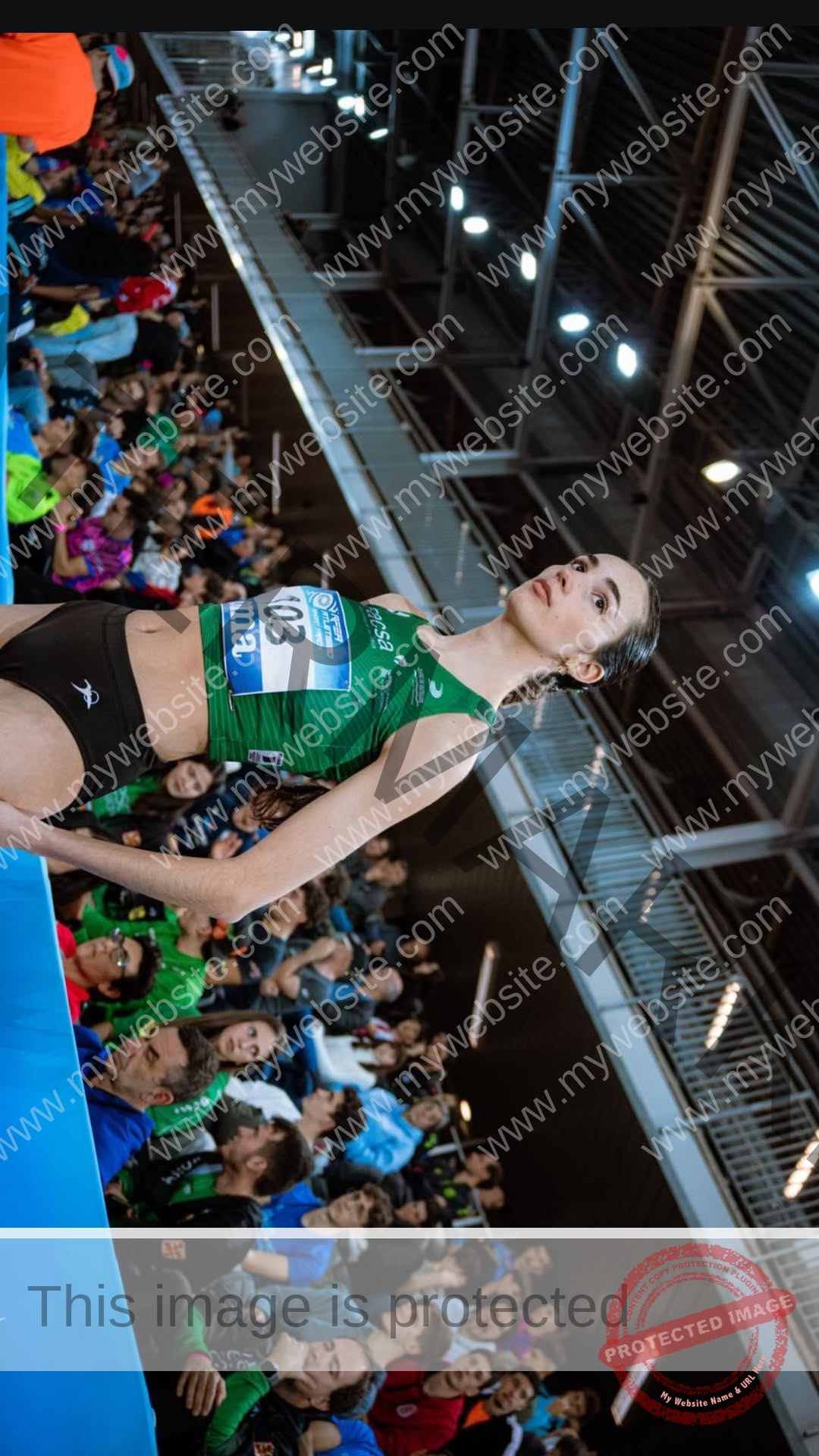
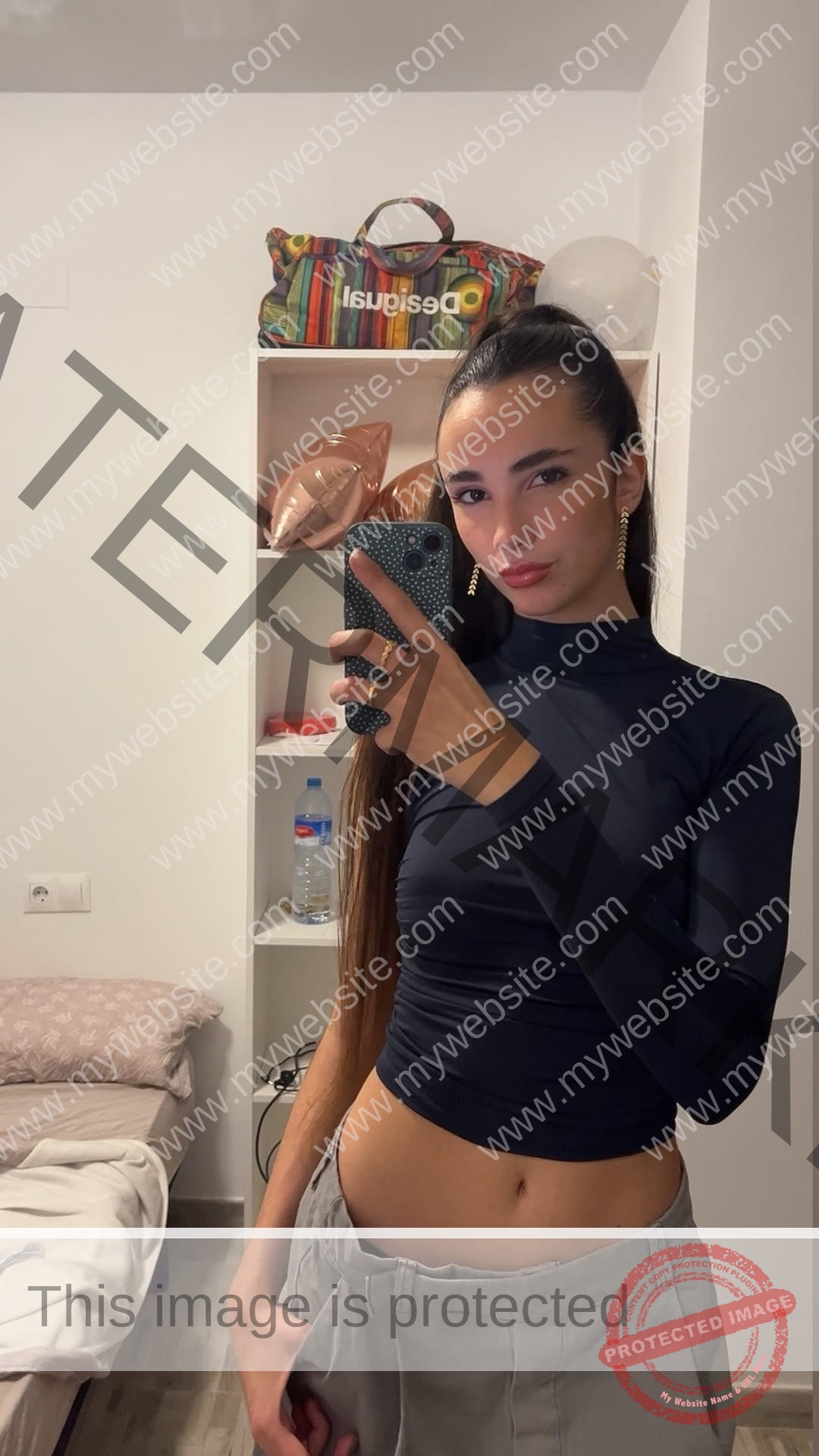
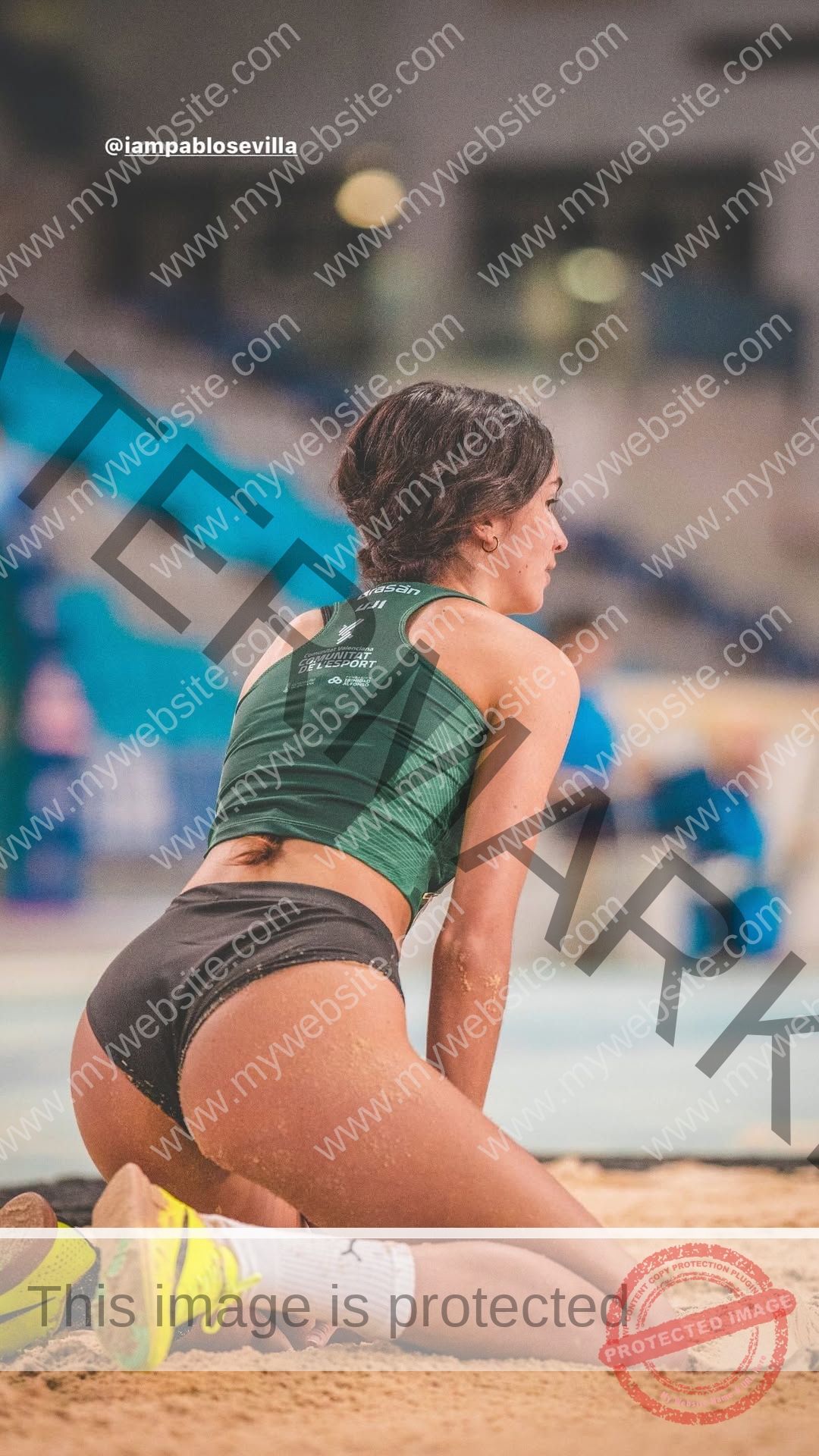
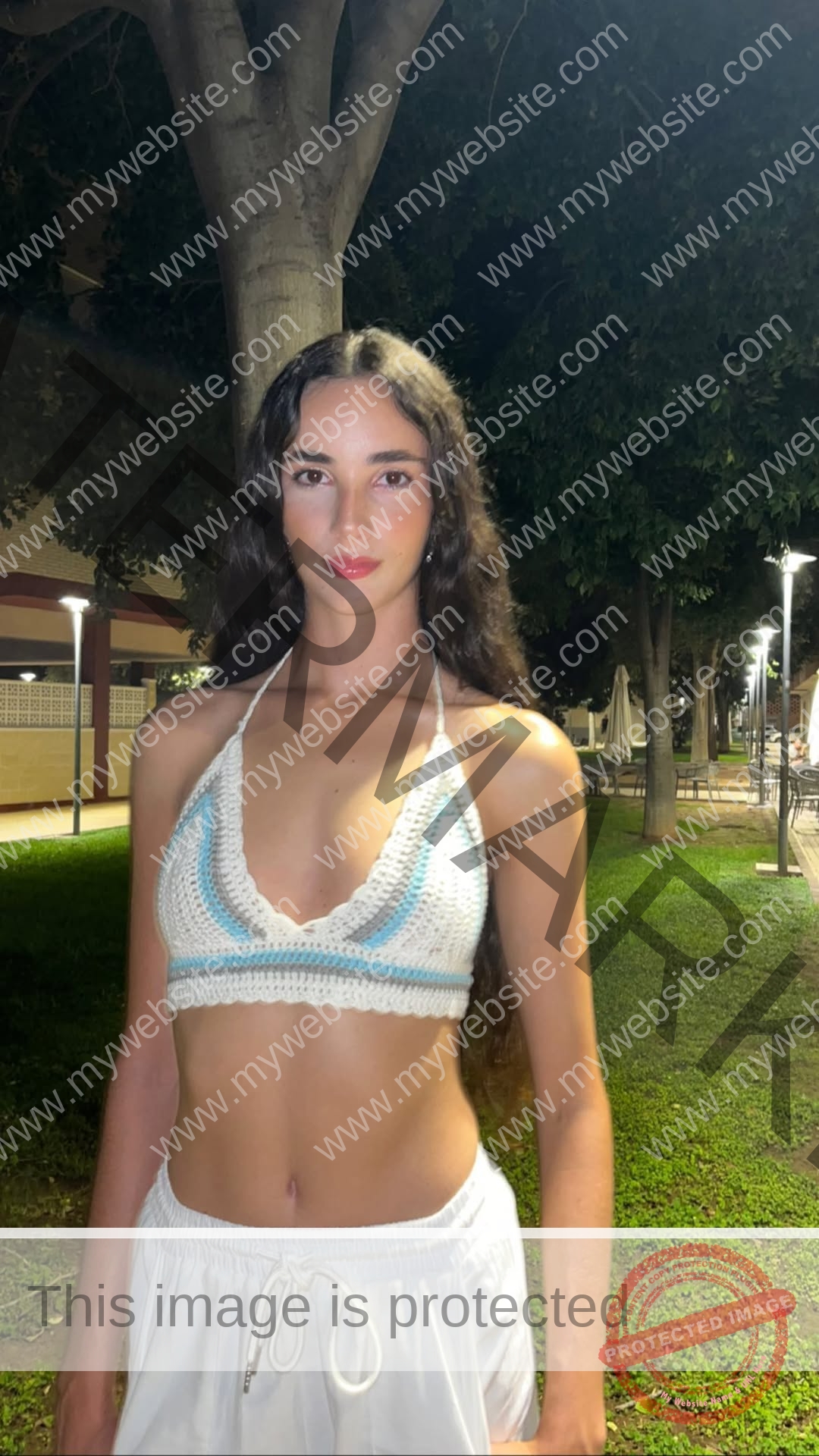
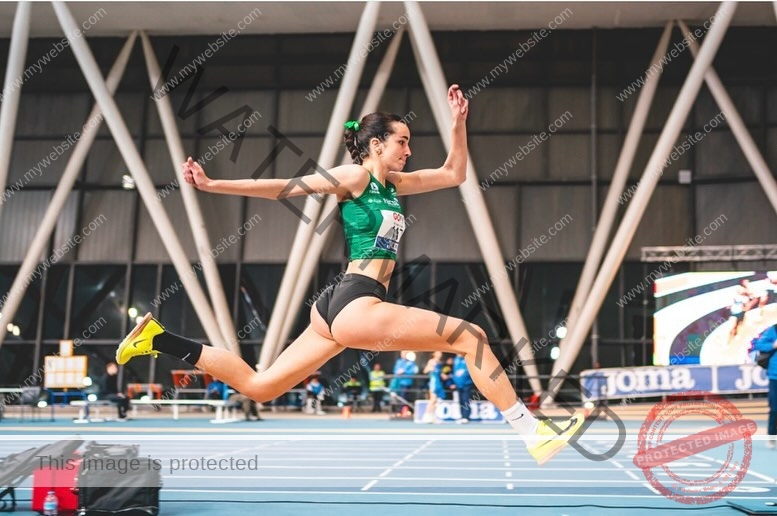
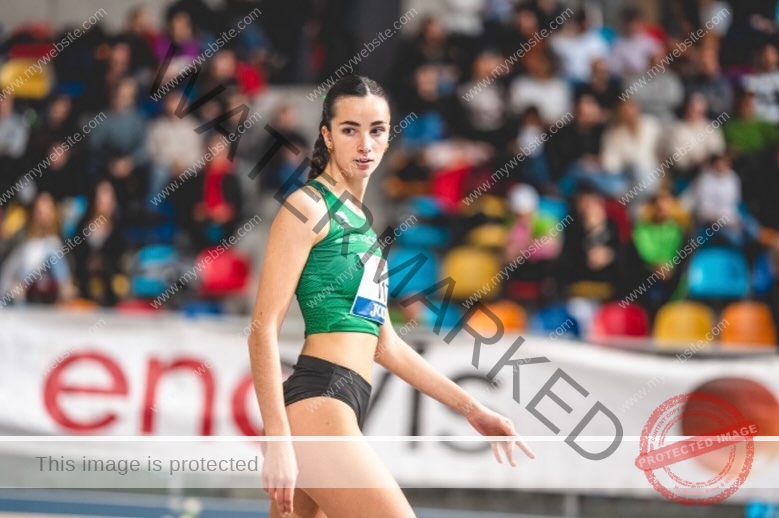
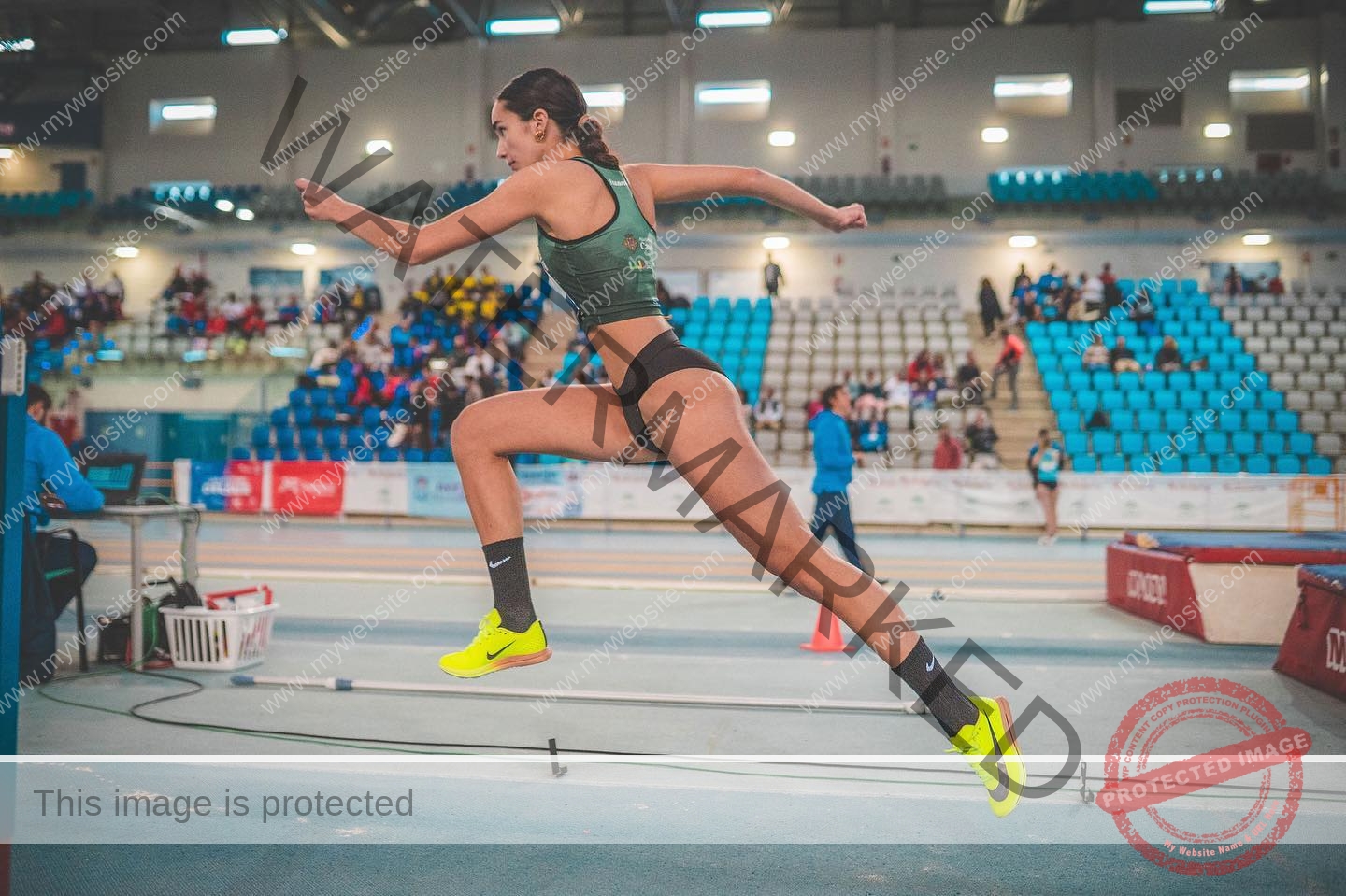
The triple jump is one of athletics’ most demanding and technically complex disciplines — a sequential explosion of speed, power, and body control that has to be perfected through thousands of hours of repetition and coached refinement. When a teenager begins competing nationally and internationally in the event and turning heads before most of her peers have even settled on a specialty, it means something. Irene Naida Calonge, born on June 5, 2007, in Castellón de la Plana, Spain, is that kind of talent. Still in her teens and already appearing on World Athletics’ global rankings, training with one of the most decorated athletics clubs in the country, and accumulating national medals at the open level while still technically eligible for under-20 competition, she is one of the most exciting young jump prospects in Spanish athletics today.
From the Costa del Azahar: Growing Up in Castellón
Castellón de la Plana is a mid-sized Mediterranean city on Spain’s eastern coast, capital of the province of the same name and part of the Comunitat Valenciana. It is better known internationally for its ceramics industry and proximity to the beach than for athletics, but the city and its region have quietly built one of the most competitive athletics ecosystems in the country, anchored above all by the FACSA Playas de Castellón — known in competition as the Facsa-Playas — a club that has won the División de Honor (Spain’s top-tier athletics club competition) in the men’s category an astonishing eighteen consecutive times and has developed into a genuine national powerhouse on the women’s side as well.
Into this environment, Naida Calonge emerged. Details about her earliest years in the sport are not comprehensively documented in public records, but the broad outline is clear: she grew up in Castellón, began competing under the FACSA Playas umbrella in the youth categories, and by the time she was fifteen or sixteen was already posting marks that drew attention at the regional and national level. Her given name, Naida — an unusual and evocative choice with roots in Slavic and Arabic traditions meaning something akin to “hope” or “water nymph” — suits an athlete whose performances have a quality of lift and lightness about them.
The FACSA Playas de Castellón gave her a world-class training environment from the outset. The club’s deep roster, experienced coaching staff, and commitment to developing junior talent across all disciplines have made it a destination for athletes throughout the Valencian Community and beyond. Competing alongside accomplished seniors and a talented cohort of fellow juniors gave Calonge the kind of daily competitive sharpening that accelerates development.
Cadete and Early Sub-18 Years: National Attention Arrives Quickly
By the time Calonge was approaching the top of the sub-18 (juvenil) age category, she was already being spoken of in the same breath as the national leaders in her event. Her double specialty — triple jump and long jump — became apparent early, reflecting the physical attributes (explosive speed, powerful legs, excellent body control) that make a natural horizontal jumper.
The first significant milestone on the national indoor calendar came at the Campeonato de España Sub-18 de Pista Cubierta held in Sabadell in February 2024. Competing as one of the top-ranked athletes in her age group entering the event, Calonge earned silver in the triple jump with a best effort of 12.32 meters, and also made the podium in the long jump, where she took bronze with a mark of 5.57 meters. A double podium at the national indoor championships — in two events — as a first-year sub-18 competitor is a strong statement. The FACSA Playas de Castellón club won the overall team classification at that same championship with 104.5 points, in a meet that highlighted just how strong the club’s entire pipeline had become, with Calonge one of its most prominent individual contributors.
The official RFEA all-time sub-18 ranking for women’s triple jump tells another important story. Calonge’s sub-18 best of 12.87 meters, set in Castellón on June 3, 2023, placed her at the very top of the Spanish all-time sub-18 list — a mark that ranks her ahead of any Spanish under-18 triple jumper in the history of the event on Spanish soil (with appropriate caveats around wind-assisted performances). Being the all-time Spanish sub-18 leader in your event, even at the time of writing, is not a casual accomplishment. It means that in all the years the event has been contested at the national level, no Spanish teenager under 18 has ever jumped farther in legal conditions.
Summer 2023: The National Championship, the EYOF, and an International Debut
The summer of 2023 was the year Calonge first registered on the international stage. At the Campeonato de España Sub-18 held in Gijón in July 2023 — the major outdoor national championship for the age group — she went in as the leading Spanish sub-18 triple jumper of the year, carrying a mark of 12.98 meters. The competition at Gijón was deep and the Playas de Castellón club sent 49 athletes with aspirations of 18 medals. Calonge delivered her part: the national sub-18 final confirmed her status, and her performances there were consistent with her ranking as Spain’s leading under-18 triple jumper of the season.
But it was what happened the following week that really announced Calonge to a European audience. Having been selected to represent Spain at the European Youth Olympic Festival (EYOF) — the European Olympic Committees’ flagship multi-sport event for athletes aged 14 to 18, held in 2023 in Maribor, Slovenia — she made her international debut in what is genuinely one of the most prestigious youth multi-sport gatherings on the continent. Competing in the triple jump at the EYOF as a sixteen-year-old, Calonge reached the final and finished tenth in a field that included the best young triple jumpers from across Europe. The gold went to Italy’s Erika Giorgia Anoeta Saraceni (13.42m), with Poland’s Olga Szlachta second (13.29m) and Lithuania’s Aurele Beniusyte third — a podium of genuinely elite young athletes. Finishing tenth as a 16-year-old at an event of that standing, in her first-ever international competition, was a formative experience that would pay dividends in seasons ahead.
2024: The Year Everything Came Into Focus
If 2023 was the year Calonge introduced herself to the national and European scenes, 2024 was the year she established herself as a genuine title contender in the senior-facing sub-18 landscape and began knocking on the door of open competition.
At the Campeonato de España Sub-18 held in Málaga in July 2024 — Calonge’s last year of eligibility in that age group — she arrived as the leading jumper in the country, having posted a seasonal mark of 13.02 meters. The RFEA’s own preview singled her out as the near-certain favorite. She delivered: winning the national sub-18 title in triple jump confirmed her dominant position in Spanish youth athletics at that age group. She followed this with selection for the European Athletics U18 Championships in Banská Bystrica, Slovakia, in July 2024 — the continent’s dedicated biennial championship for under-18 athletes, a step up in standard from the EYOF. The Bystrica championships featured some of the best teenage jumpers in Europe, and while Calonge did not reach the podium, the experience of competing at a dedicated European Athletics championship at 17 was valuable preparation for what was to come.
On the indoor side, the winter of 2024/25 opened with Calonge continuing to build her indoor marks. At the Campeonato de España Sub-18 Short Track (pista cubierta), she was again among the leaders, and her work continued through the indoor season as she prepared to transition from the sub-18 category to the sub-20 division for 2025.
2025: First Sub-20 Season, European Minimum, and Tampere
Turning 18 in June 2025, Calonge’s first full sub-20 season proved to be the richest of her career to that point, both in terms of the marks she posted and the competitive environment she entered.
The headline achievement of the 2025 outdoor season was straightforward: she qualified for the European Athletics U20 Championships. Not once, but four times across different competitions, she cleared the European Athletics qualifying standard for the event — 12.85 meters in the triple jump — confirming her eligibility and her readiness. At the Campeonato Autonómico Valenciano (the Valencian regional championships) in late June 2025, she cleared 13.02 meters with a wind reading of +1.8 m/s (within the legal limit of +2.0), good enough for the European minimum for the fourth time that season, while also taking bronze in the long jump with a new personal best of 5.95 meters. The same meeting’s report described her as “the athlete who already has the minimum for the European championship and achieved it for the fourth time” — a reflection of how consistently she had been performing at or above the qualifying mark throughout the season.
At the Campeonato de España Sub-20 (the national under-20 outdoor championship), Calonge also distinguished herself, arriving ranked third in Spain in both triple jump (13.02m) and long jump (5.95m) among under-20 athletes. Her club, the FACSA Playas, went to that championship with genuine aspirations across multiple events and with Calonge among the headline names.
In August 2025, she traveled to Tampere, Finland for the European Athletics U20 Championships — one of European athletics’ premier biennial age-group competitions, the equivalent of the senior European Championships for under-20 athletes. Spain finished third in the overall medal table at Tampere, with five gold medals among the team’s 14 total medals. For Calonge, the championship represented a difficult first experience at the U20 European level: she did not qualify for the triple jump final, a disappointment acknowledged candidly by the FACSA Playas in their post-competition report. But the standard of the triple jump final was formidable — Italy’s Erika Saraceni, who had also beaten Calonge at the EYOF two years earlier, won gold in 14.24 meters, a championship record. Not making a final at that level, especially in a first-year sub-20 season, is not a failure — it is the kind of competitive calibration that shapes athletes who go on to do significant things at major championships later.
July 2025 also produced Calonge’s wind-assisted triple jump personal best of 13.33 meters (recorded on July 12, 2025) and a wind-assisted long jump best of 6.08 meters on the same day. While neither mark counts for official records due to excess wind (+2.0 threshold), they indicate the physical capability she can produce when conditions allow.
The Absolute Level: Competing Against Seniors
One of the most striking elements of Calonge’s recent trajectory is how aggressively she has competed at the open, absolute level against senior athletes — not just within her age category. This has come both through her club’s participation in the División de Honor de Clubes (Spain’s top club athletics competition) and through her appearances at the national absolute championships.
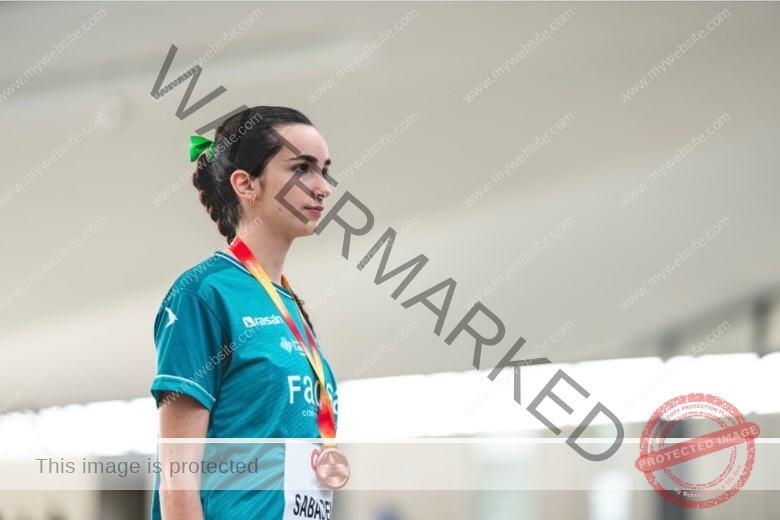
At the Campeonato de España Absoluto Short Track 2026 — the senior national indoor championships held in Valencia’s Velódromo Luis Puig in late February and early March 2026 — Calonge, then 18 years old and still eligible for sub-20 competition, competed in the women’s triple jump final against Spain’s established elite. The field included multiple past national champions and athletes with marks in the 13.40–13.70 meter range. Calonge jumped 13.28 meters — her legal indoor personal best — to claim the bronze medal, finishing behind María González (13.36m, champion) and Ana Estrella de León (13.31m). She missed the silver by just three centimeters. Reports from Valencia described her as “la joven de 18 años” (the 18-year-old) who had placed herself on the absolute podium, while noting that she came within a whisker of the silver medal. The Wikipedia article on the 2026 national indoor championships specifically noted that Calonge and Ana Estrella de León were the only sub-20 athletes to reach the absolute individual podium in that event — a distinction that speaks to how few young athletes can compete with Spain’s full senior field and medal.
That 13.28-meter jump is confirmed as her legal indoor personal best and the performance that currently stands as her World Athletics personal best, recorded on March 1, 2026, at the Velódromo Luis Puig. It places her ranked #155 in the current World Athletics women’s triple jump world rankings — a meaningful position for an 18-year-old competing against the full international senior field.
At the club level, Calonge has been a regular contributor to FACSA Playas de Castellón’s women’s team in the División de Honor. In May 2026, when the club hosted the Copa de Europa de Clubes (European Club Championships) on home soil at the Pista de Atletismo Gaetà Huguet in Castellón — an event the FACSA Playas women’s team entered for the first time — Calonge contributed a third-place finish in the triple jump. The women’s team finished third overall in the European competition, behind champions Diputación Valencia and Sporting Clube de Portugal, with Calonge’s points part of what the RFEA described as “an extraordinary result” that “confirmed the excellent level of Spanish club athletics.” Competing at the European Club Championships on home track, before home fans, and contributing to a podium finish, at 18, is a career moment.
Also in 2026, at the Liga Iberdrola (Spain’s top women’s club competition) final held in Pamplona, Calonge finished second in the triple jump as part of the FACSA Playas women’s team, which itself claimed the national club silver medal — another indication of the level at which she is now operating.
The December 2025 Campeonato de España Sub-20 de Pista Cubierta por Clubes in Ourense was another landmark: Calonge won the triple jump individual title with 13.01 meters, setting a championship record, and the FACSA Playas women’s team won the overall title. Winning a national championship while also setting the championship record is the kind of performance that tends to get a young athlete’s name mentioned in serious discussions about the future of the event in Spain.
Personal Bests (as of June 2026)
| Triple jump (indoor, legal) | 13.28m — Velódromo Luis Puig, Valencia, March 1, 2026 |
| Triple jump (outdoor, legal) | 13.02m — Valencian Regional Championships, June 28, 2025 |
| Triple jump (wind-assisted) | 13.33m — July 12, 2025 |
| Long jump (outdoor, legal) | 5.95m — Valencian Regional Championships, June 28, 2025 |
| Long jump (wind-assisted) | 6.08m — July 12, 2025 |
The Club: FACSA Playas de Castellón
No biography of Naida Calonge would be complete without acknowledging the role of the FACSA Playas de Castellón. The club — whose full name is Club Atletismo Playas de Castellón, sponsored by FACSA, a local utility company — is arguably the dominant force in Spanish club athletics. The men’s team has won the Liga Joma (Division of Honor for men) eighteen consecutive times, a run that began in 2009 and has not been interrupted. The women’s team is increasingly competitive at the same level, finishing as national club runner-up as recently as 2026.
The club has developed a well-deserved reputation not just for winning, but for producing athletes who compete at European and world level across multiple disciplines. Among the active roster are European Championship medalists, national record holders, and international representatives across a remarkably wide range of events. For Calonge, training and competing within that environment — surrounded by athletes whose ambitions and standards are uniformly high — is an invaluable part of her development. The club’s coaching infrastructure, its connections to the Spanish federation, and its experience of competing at European level all benefit its youngest athletes directly.
World Rankings and the Broader Context
As of June 2026, Naida Calonge holds a World Athletics ranking of #155 in women’s triple jump globally. That ranking is based on her legal indoor best of 13.28 meters and represents a meaningful position in the global picture of the event. To put it in context: the women’s triple jump world record stands at 15.67 meters (Inessa Kravets, 1995), and the elite of the current international women’s triple jump routinely competes in the 14.00–14.80 meter range. A Spanish teenager sitting at 13.28 legal, with an indicated capacity of 13.33 (wind-assisted), is not yet at that level — but the progression curve from her first national marks around 12.30–12.50 in indoor 2024 to 13.28 in indoor 2026, in roughly two years, is the kind of improvement that coaches and selectors notice. A gain of nearly a full meter in two seasons, at an age when the technical refinement of the triple jump is still being developed, suggests she is well short of her ultimate ceiling.
Among Spanish women’s triple jumpers all-time, Calonge’s marks already place her in serious company. Spain’s national record belongs to Ana Peleteiro, one of the world’s preeminent triple jumpers, at 14.87 meters. Peleteiro won gold at the 2024 European Championships in Rome and bronze at the Tokyo Olympics — she is the standard against which all Spanish jumpers in the event are measured, and she is still competing. The gap between 13.28 and 14.87 is real, but it is the gap between an 18-year-old with two years of sub-20 competition and one of the best triple jumpers in European history. What matters is the direction of travel.
Social Media and Public Presence
Naida Calonge maintains an Instagram account under the handle @naiidacalonge. She has a profile on World Athletics under athlete code 14985026, where her competition results and progression are publicly tracked. TikTok has also indexed content under her name. Consistent with her youth and the demands of full-time training and competition, her social media presence is relatively low-key — she is not yet a major public figure in the way that Spain’s most prominent athletic stars are, and she seems content to let her jumping do the talking.
No confirmed external commercial sponsorship agreements beyond those provided through her club affiliation (the FACSA corporate partnership with the Playas de Castellón club) have been publicly reported at the time of writing. As her profile grows, that will likely change.
Looking Forward
The 2026 European Athletics U18 Championships — for which Calonge is no longer eligible — will be held in Rieti, Italy. The 2026 European Athletics Championships at the senior level will follow. The 2027 World Athletics Championships are on the horizon. At 19 years old turning 20 in June 2027, Calonge will still be eligible for sub-20 competitions through at least part of the 2025 cycle, and may compete in the 2027 European Athletics U20 Championships if a further edition is scheduled. Simultaneously, as a national-level senior competitor who has already medaled at the absolute indoor championships, there is no structural barrier to her appearing in Spain’s senior team when selectors consider her ready for that level.
The trajectory is pointed upward in every dimension. The marks are improving. The competitive résumé is building. The club infrastructure around her is among the best in Spain. And the fundamental physical talent — the explosiveness through the runway, the hop-step-jump sequencing, the body control in the air — is evident to anyone who has watched her compete.
Castellón de la Plana has produced competitive athletes before. With Naida Calonge, it may have produced something a little rarer: an athlete whose ceiling, at this stage, remains genuinely unknown.
