







Luiza Camargos: Rising Brazilian Pole Vault Talent Building Her Place in National Athletics
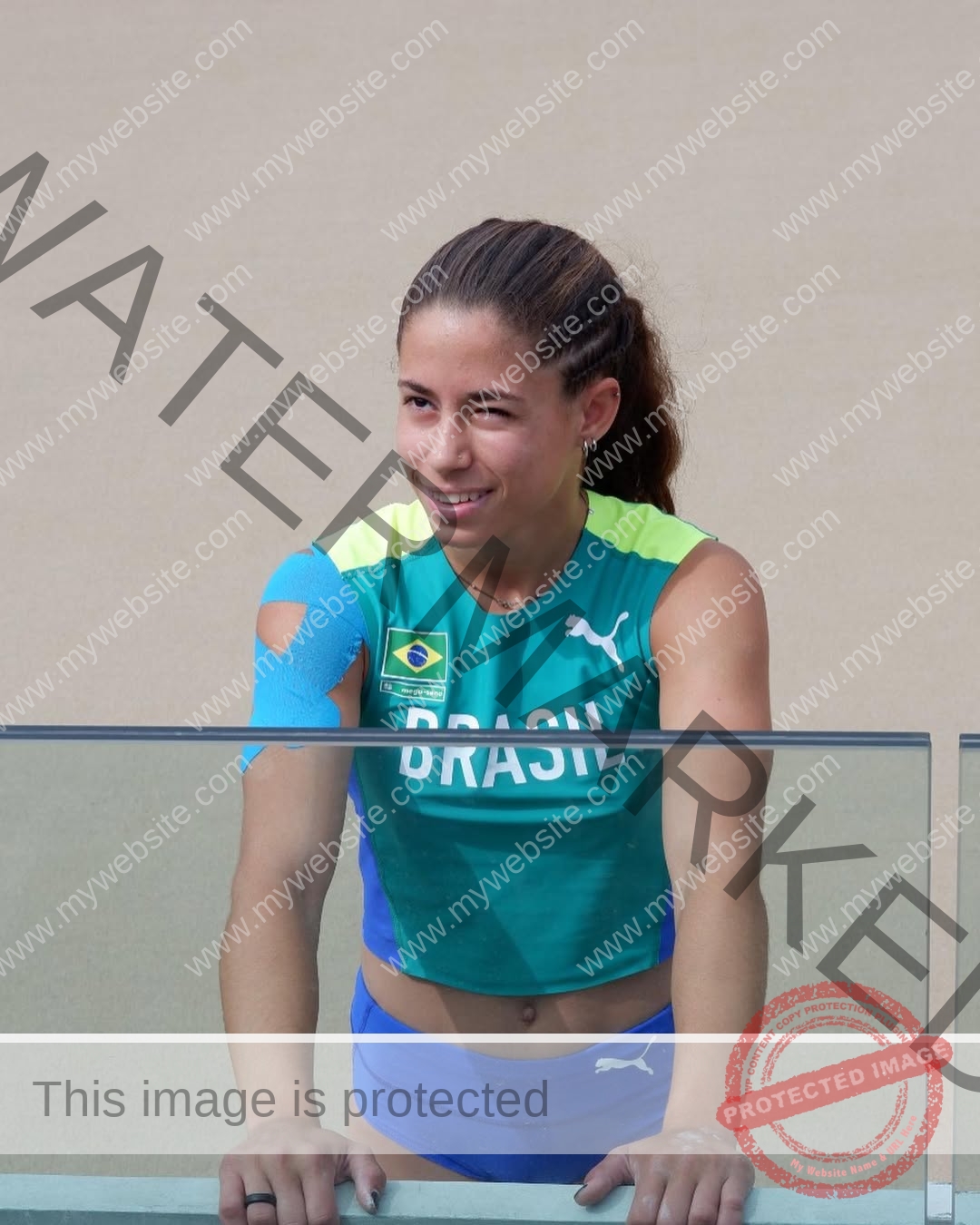
Brazil has developed a long tradition of producing technically gifted field-event athletes, and among the emerging names in the country’s next generation of women’s pole vaulting talent is Luiza Camargos. Still early in her career, Camargos has steadily established herself on the Brazilian junior athletics circuit through consistent progression, competitive performances against strong domestic fields, and the kind of upward trajectory that suggests greater opportunities ahead on the national and international stage.
Born on June 29, 2006, Camargos represents a new wave of Brazilian athletes coming through the country’s increasingly competitive youth athletics system. While extensive public biographical information about her early childhood and hometown has not yet been widely documented, her athletic development has become increasingly visible through national competitions and official results recorded by World Athletics and Brazilian track and field events.
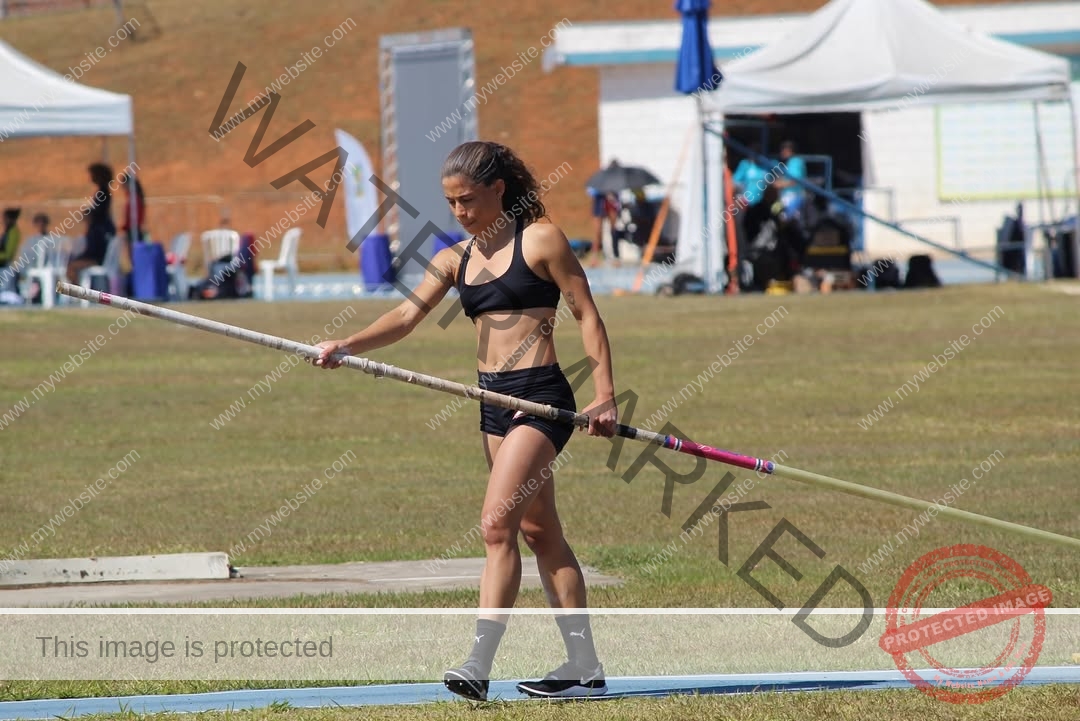
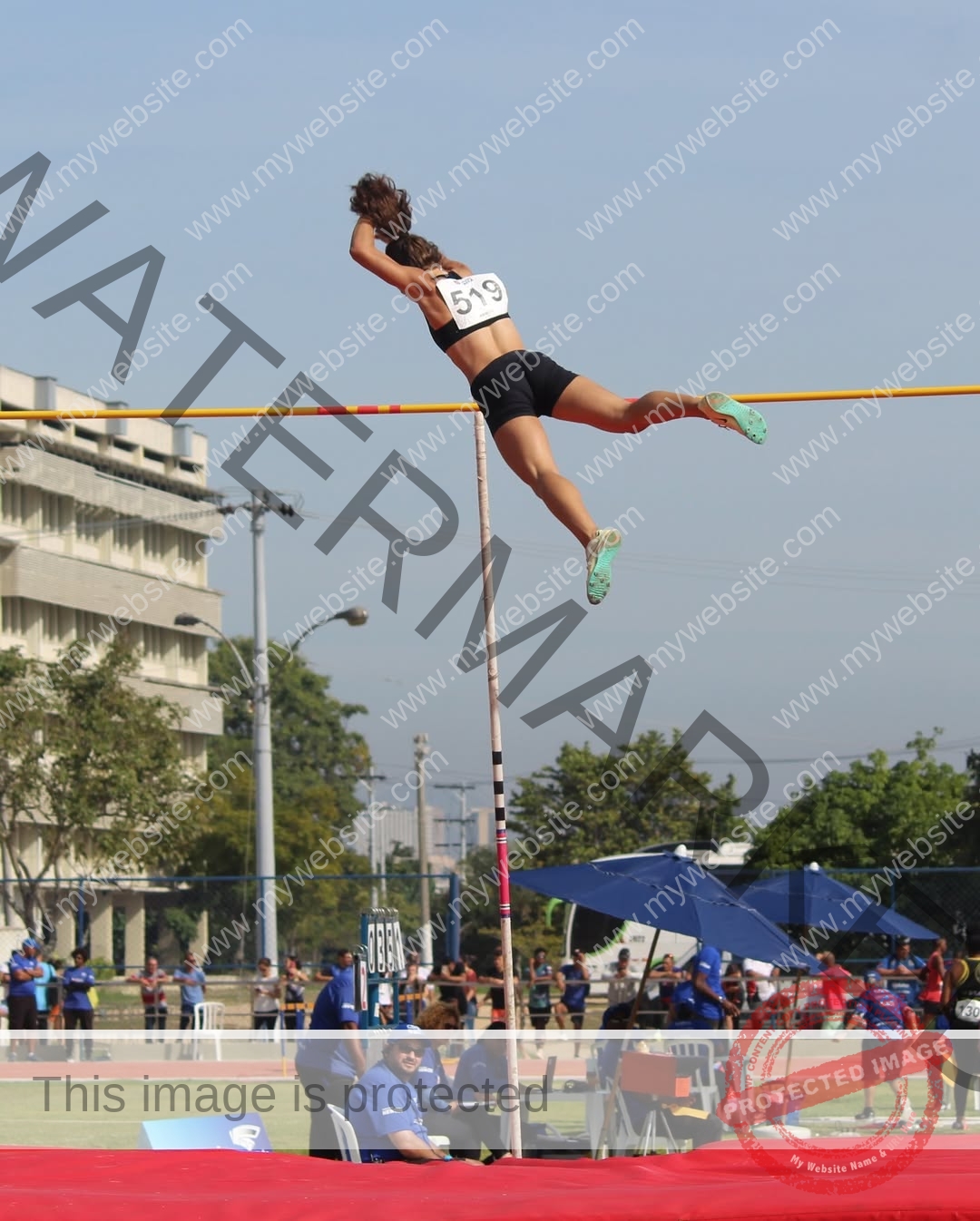
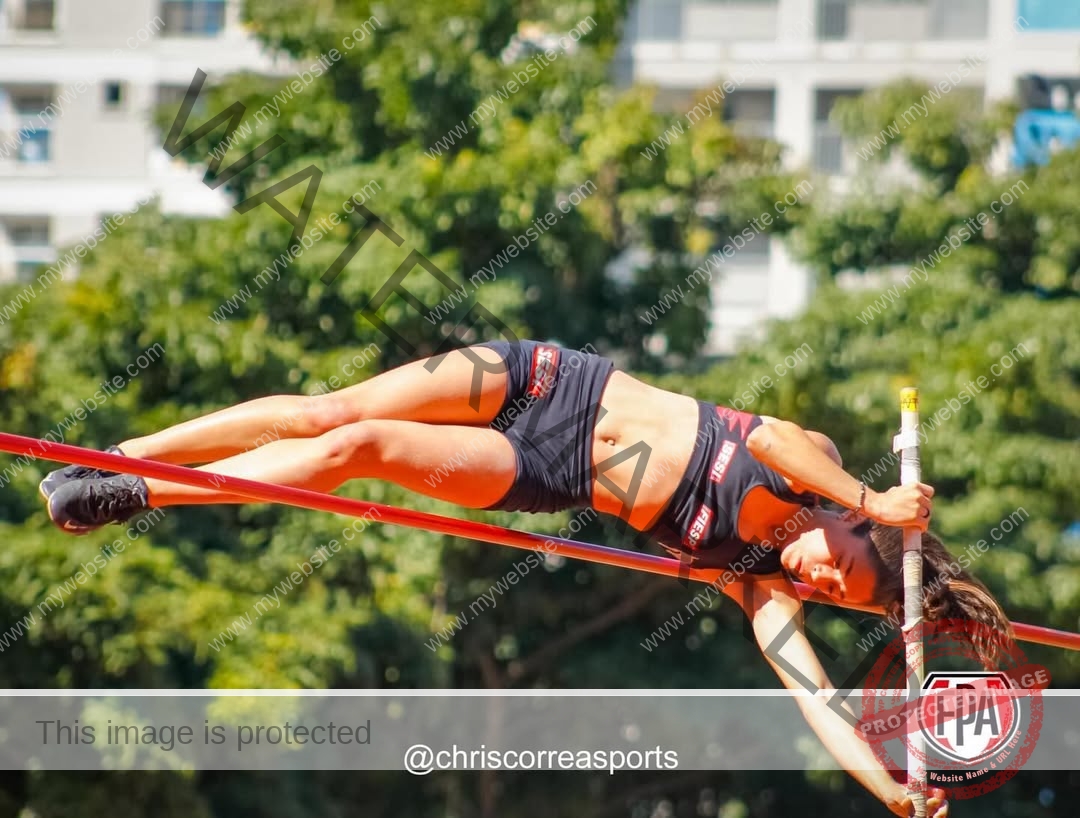
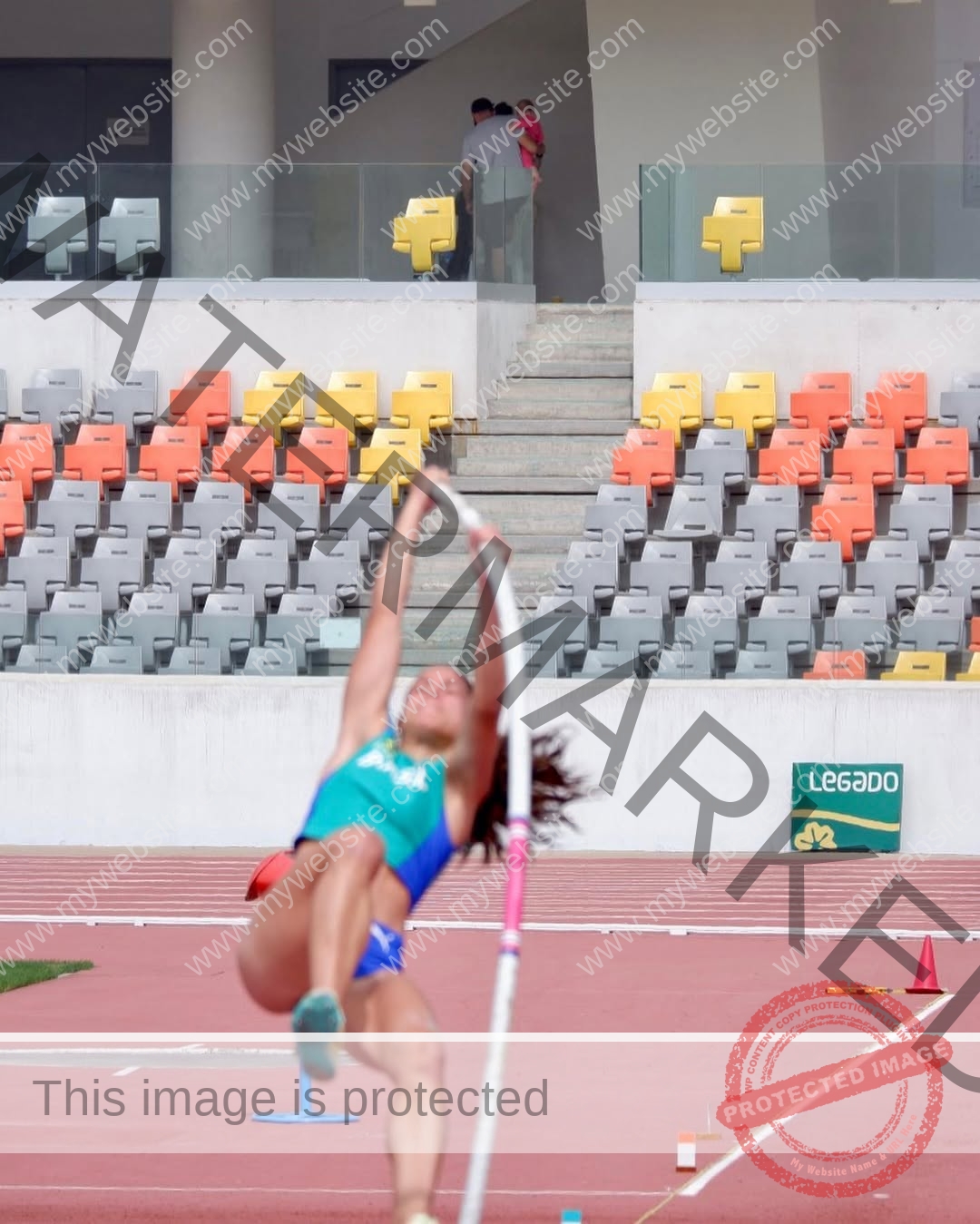
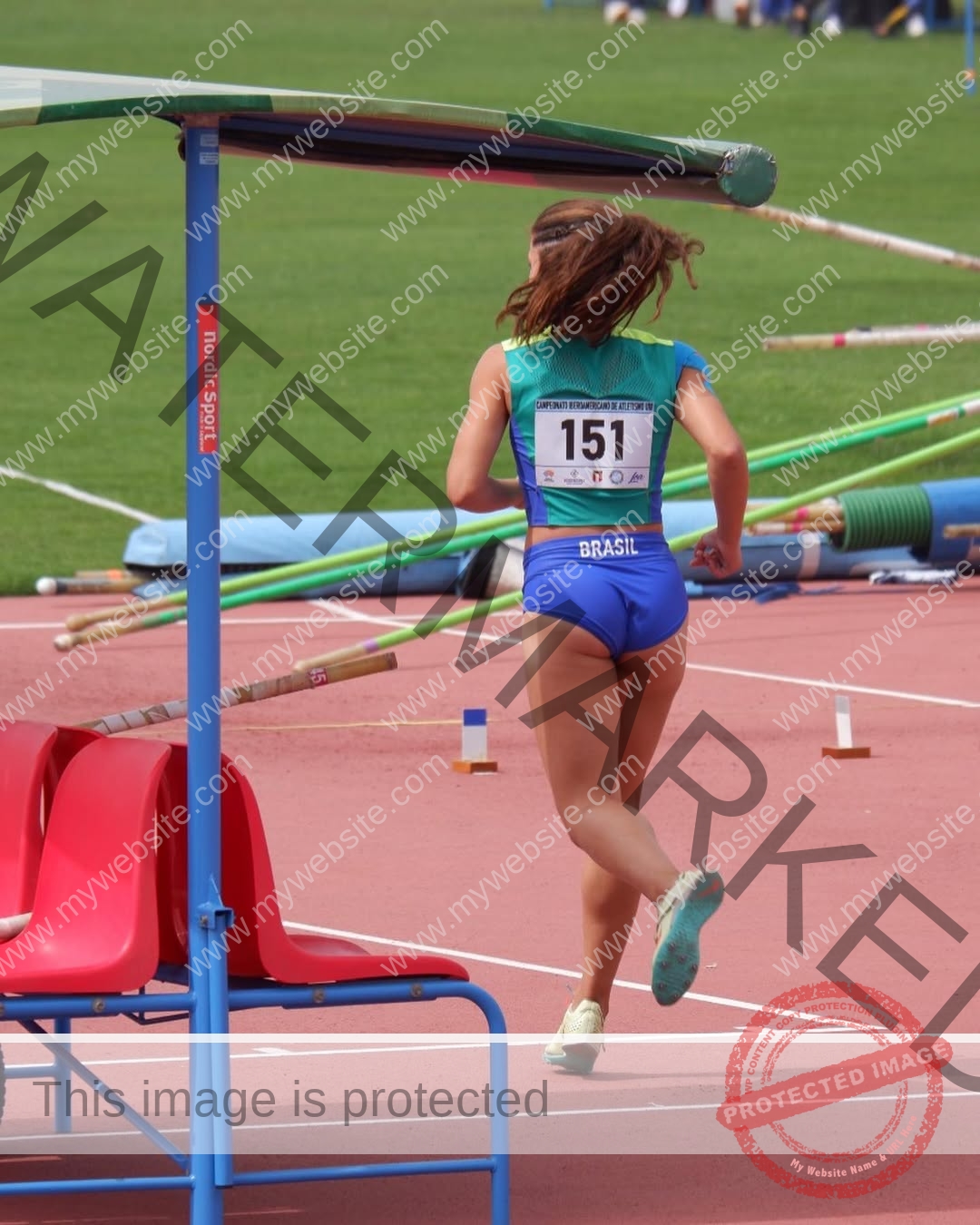
From an early age, Camargos gravitated toward athletics and eventually specialized in the pole vault, one of track and field’s most technically demanding disciplines. The event requires a rare combination of speed, coordination, upper-body strength, fearlessness, and precise technical execution. Young athletes who succeed in the pole vault often spend years refining fundamentals before achieving consistency at higher heights, and Camargos’ steady progression through Brazil’s youth ranks reflects that demanding developmental process.
Emerging Through Brazil’s Junior Athletics System
Camargos began gaining broader national attention through performances in Brazil’s under-20 competitions, where she quickly proved capable of competing against many of the country’s best young vaulters.
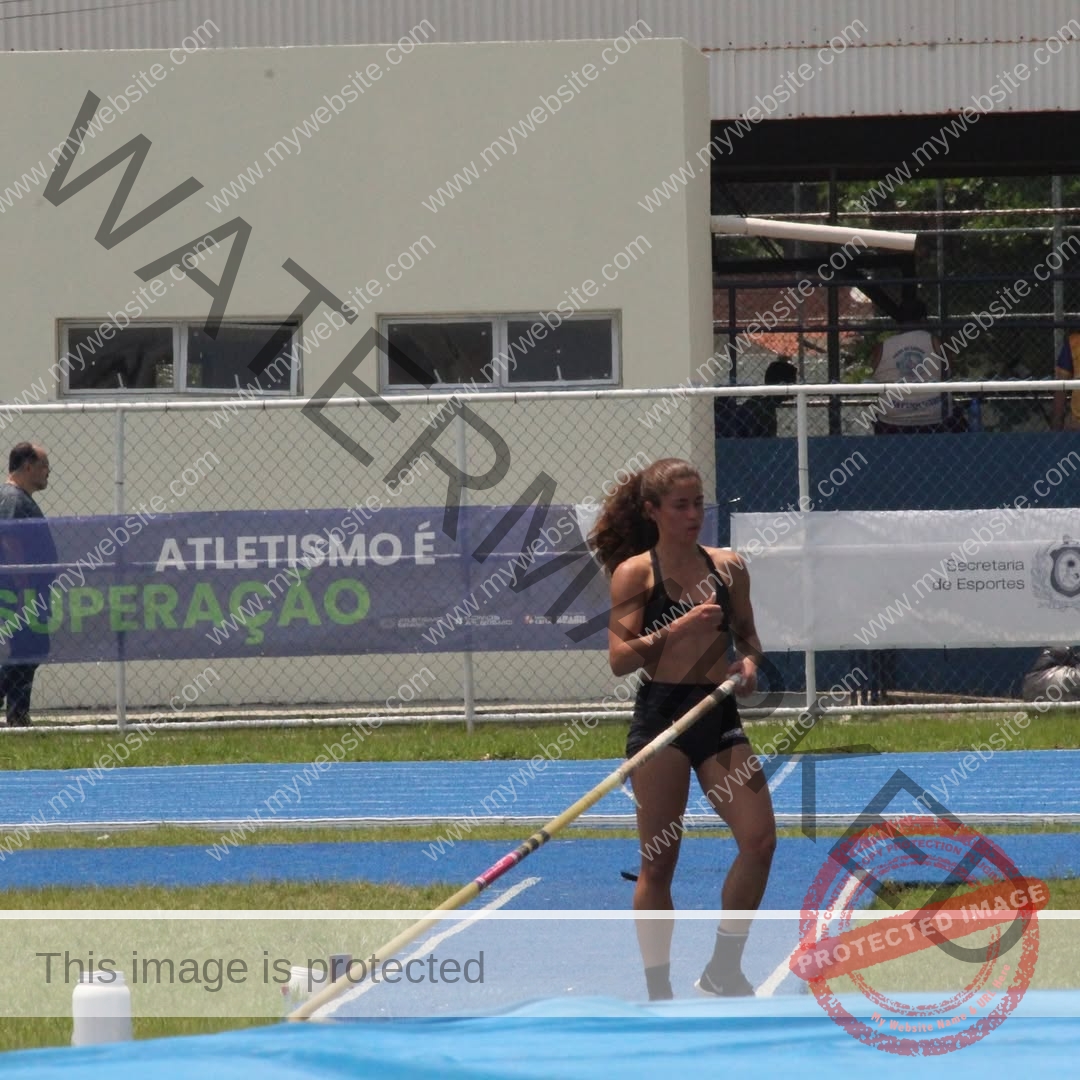
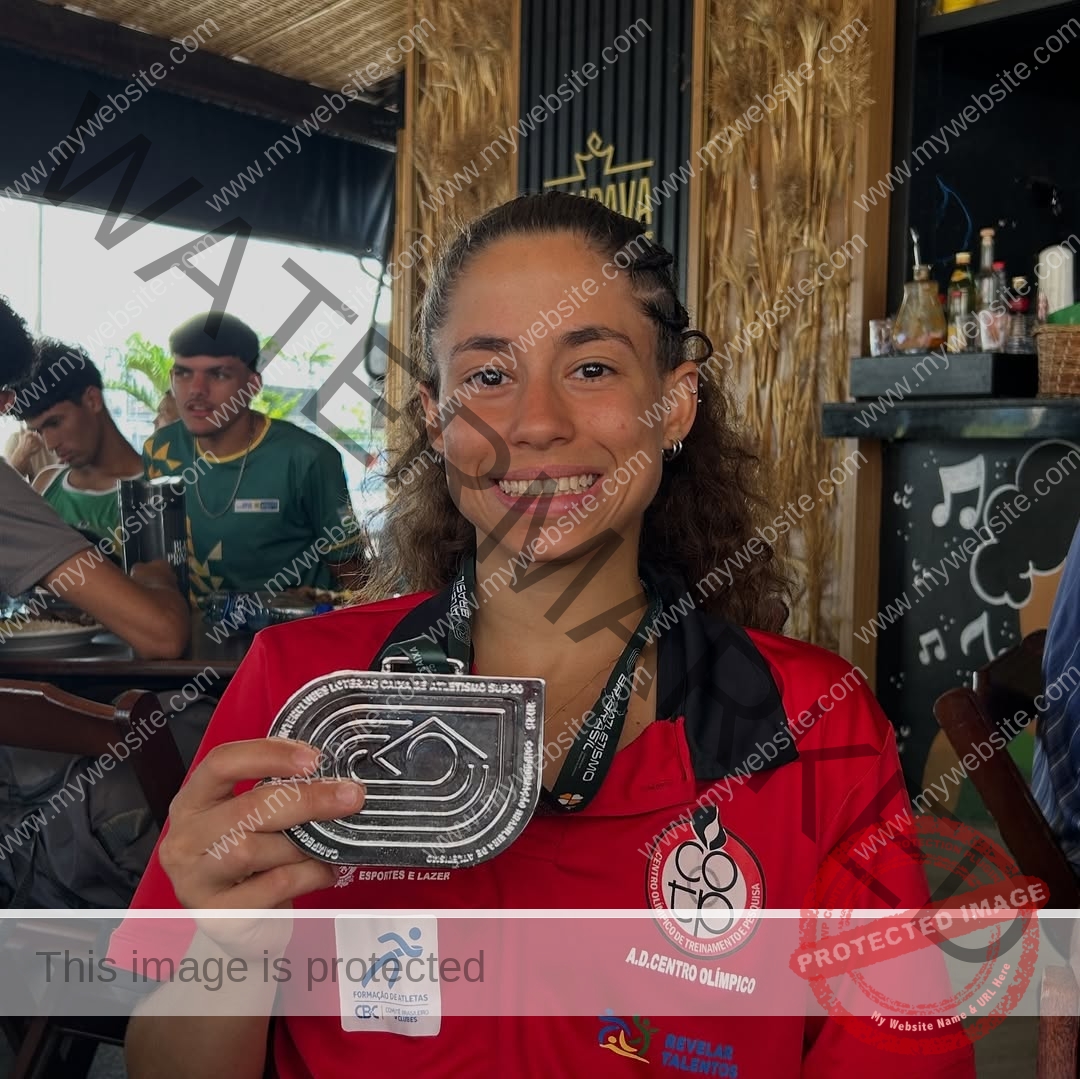
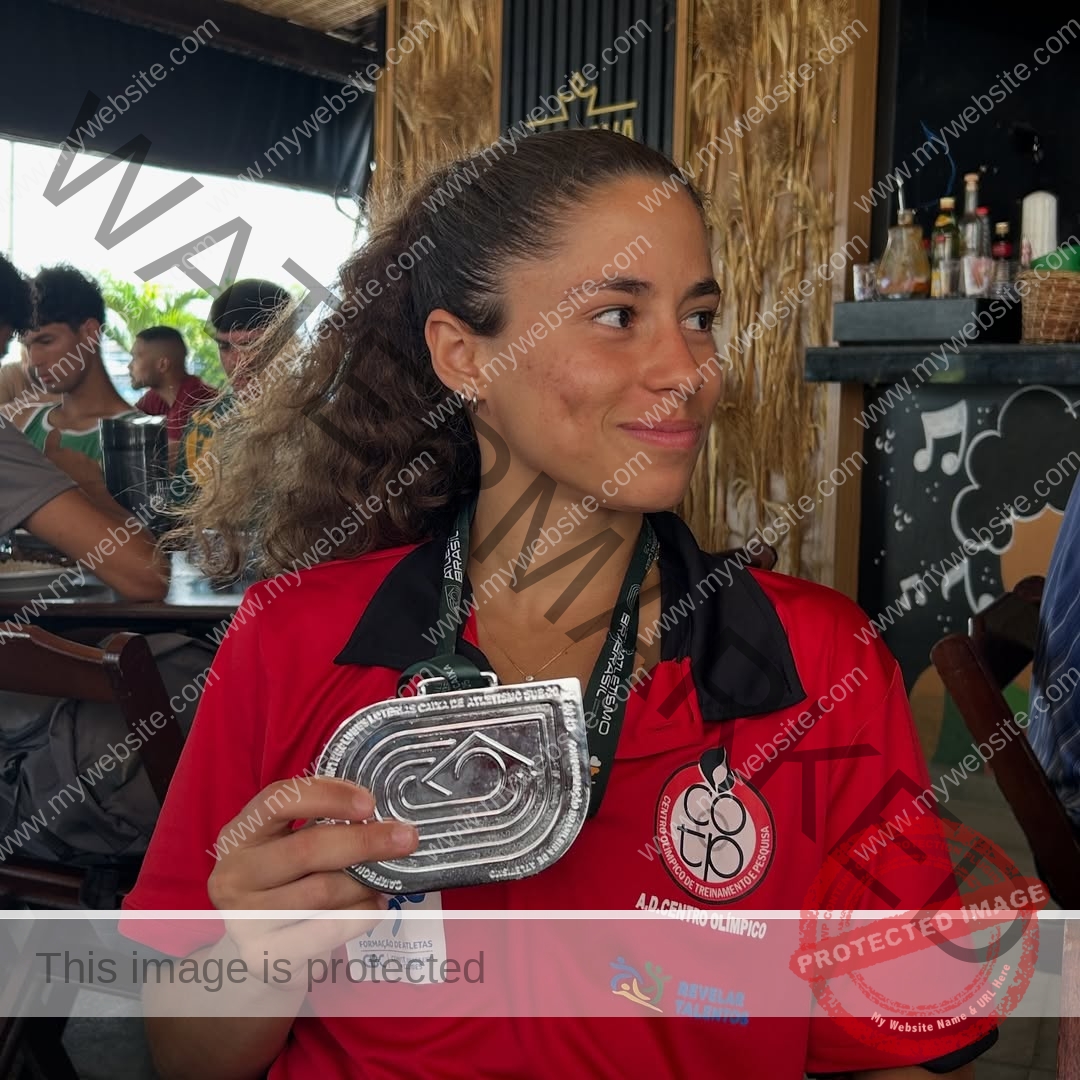
One of her notable breakthrough performances came at the Encontro de Atletismo Sub-20, where she cleared 3.40 meters to finish second in the women’s pole vault competition. Competing in a field filled with promising Brazilian junior athletes, Camargos demonstrated both composure and technical efficiency, showing clear signs of long-term potential.
As her experience grew, so did her results.
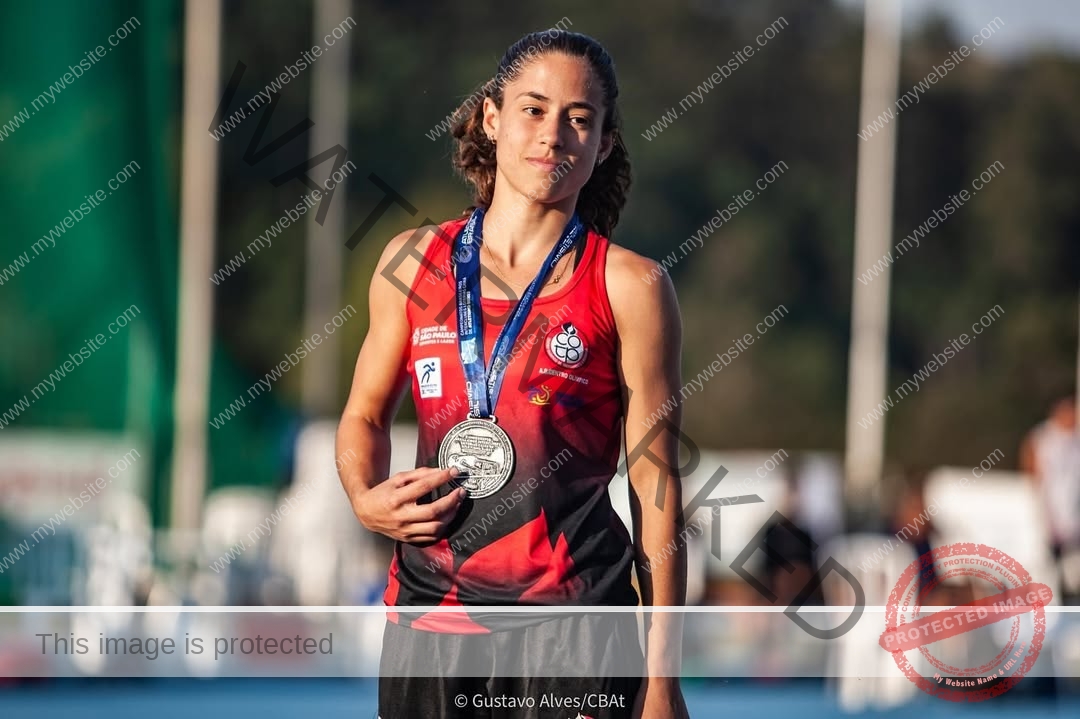
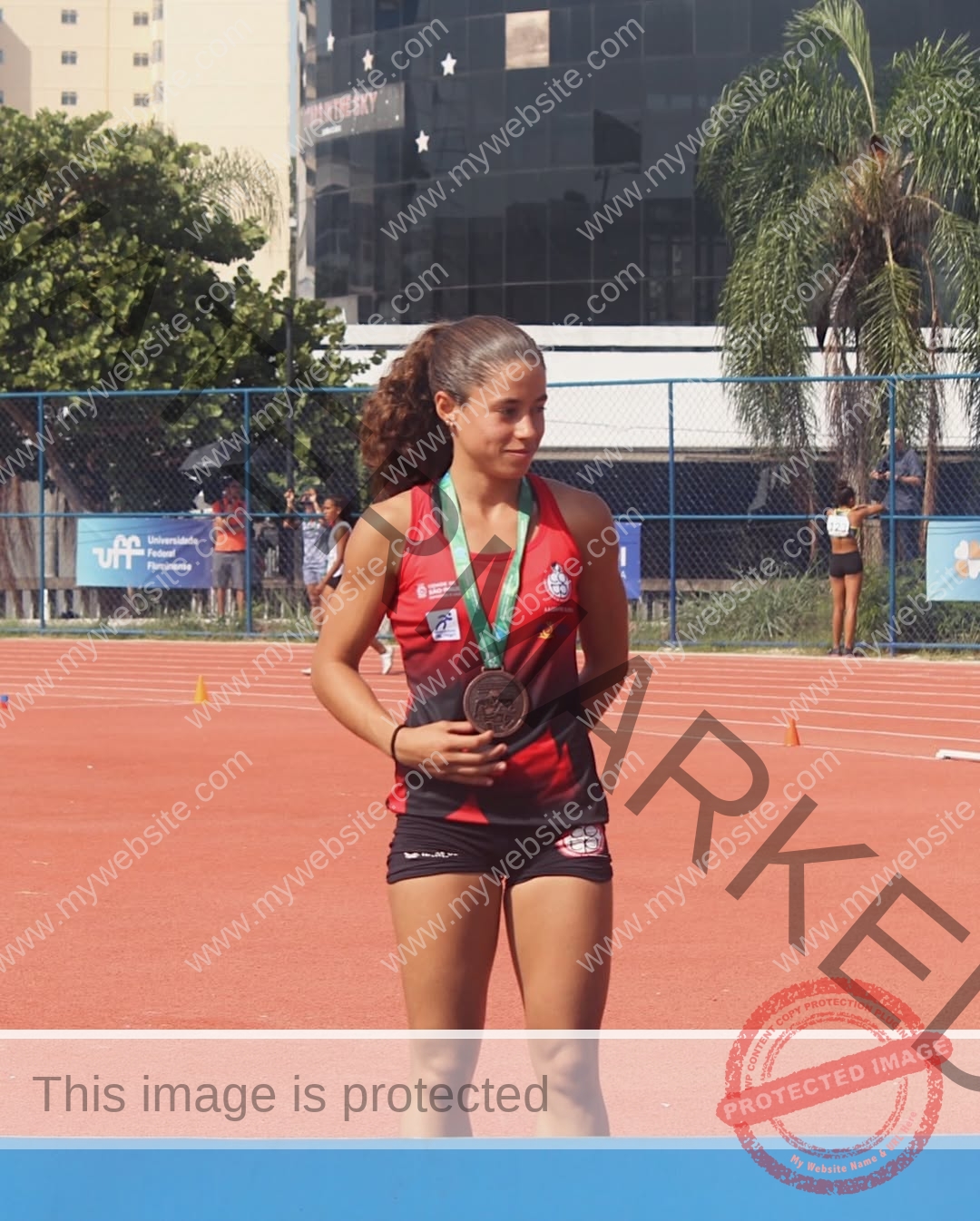
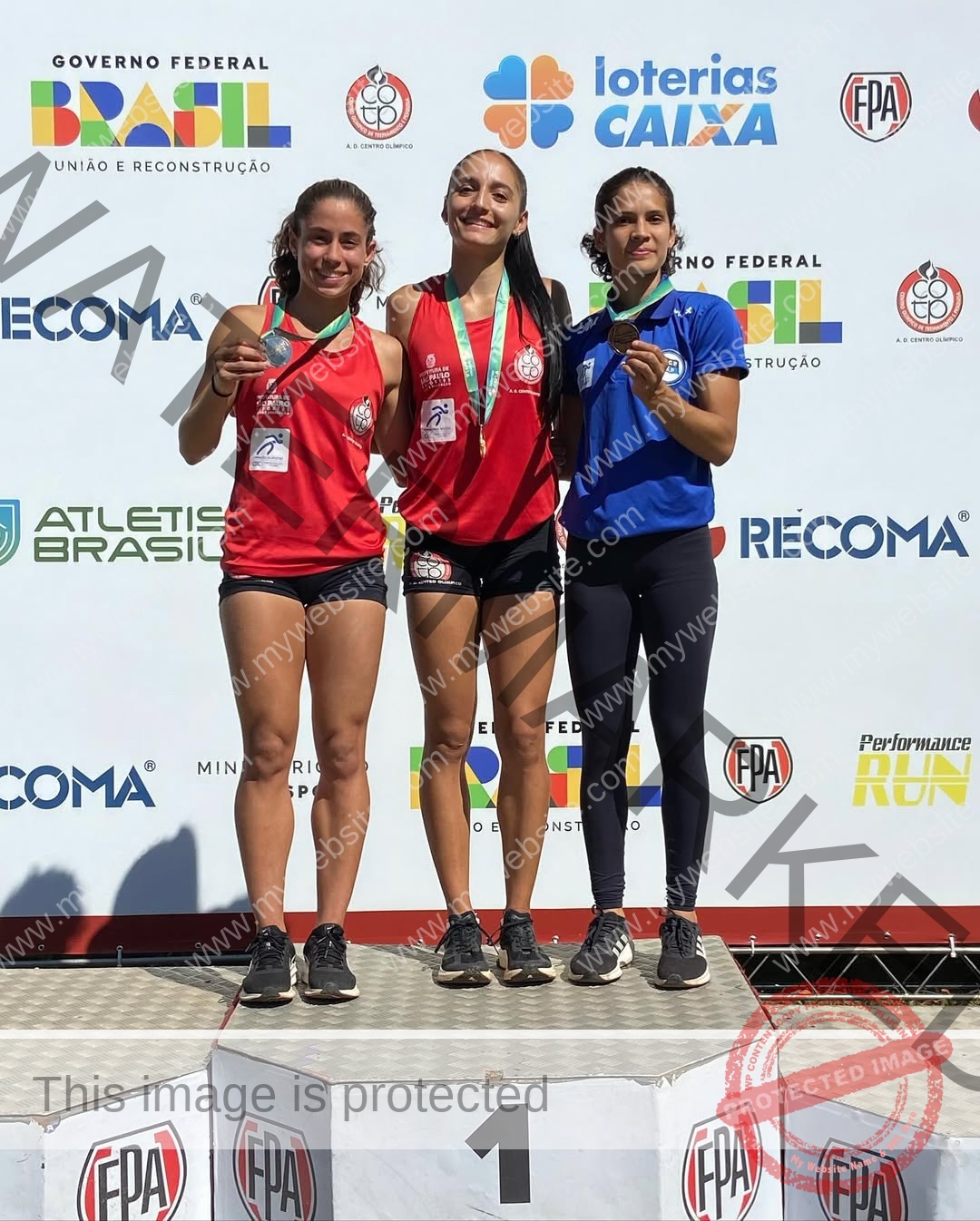
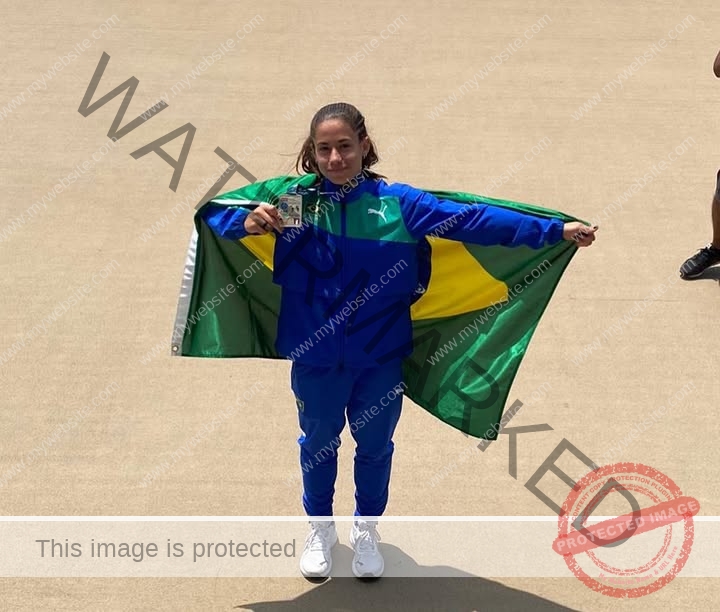
During the 2024 season, Camargos continued to elevate her performances against increasingly strong competition. At the Brazilian Under-20 Championships in Rio de Janeiro, she earned a bronze-medal finish in the women’s pole vault with a clearance of 3.61 meters. The performance placed her among the top junior vaulters in Brazil and confirmed her status as one of the country’s rising athletes in the event.
That same period also saw Camargos competing in the respected Circuito Performance meets, where many of Brazil’s developing and senior-level athletes test themselves against elite domestic competition. Facing experienced vaulters, including established national competitors, Camargos continued to hold her own.
At one edition of the Circuito Performance series, she cleared 3.55 meters, tying for fourth place against a strong field. Shortly afterward, she improved again by clearing 3.70 meters in another Circuito Performance competition, finishing fifth in a lineup that included several of Brazil’s leading pole vaulters.
Those marks represented meaningful progress for an athlete still in her teenage years. In pole vault, incremental gains are significant, and athletes who consistently improve by even a few centimeters over successive seasons often position themselves for major breakthroughs later in their careers.
Technical Growth and Competitive Style
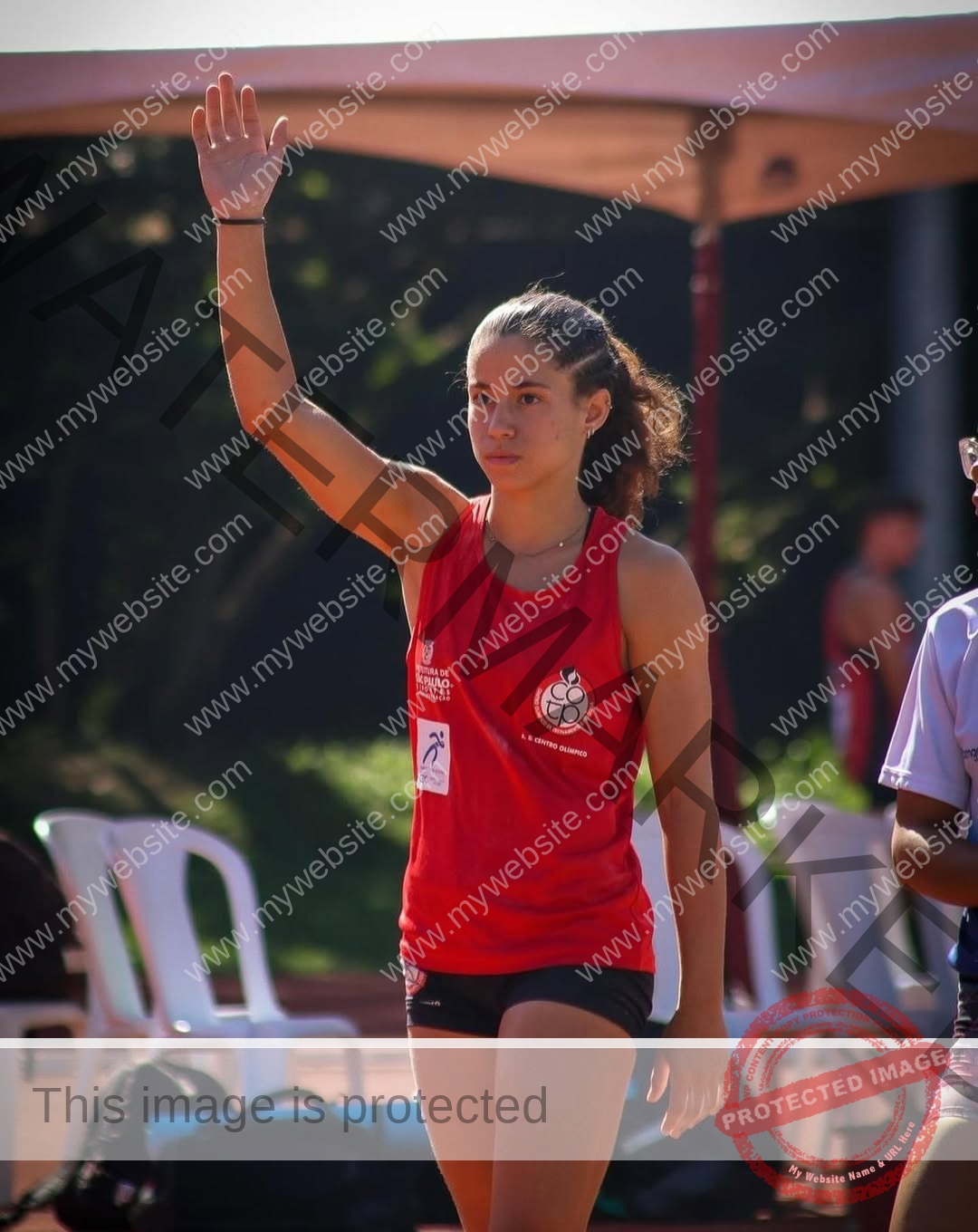
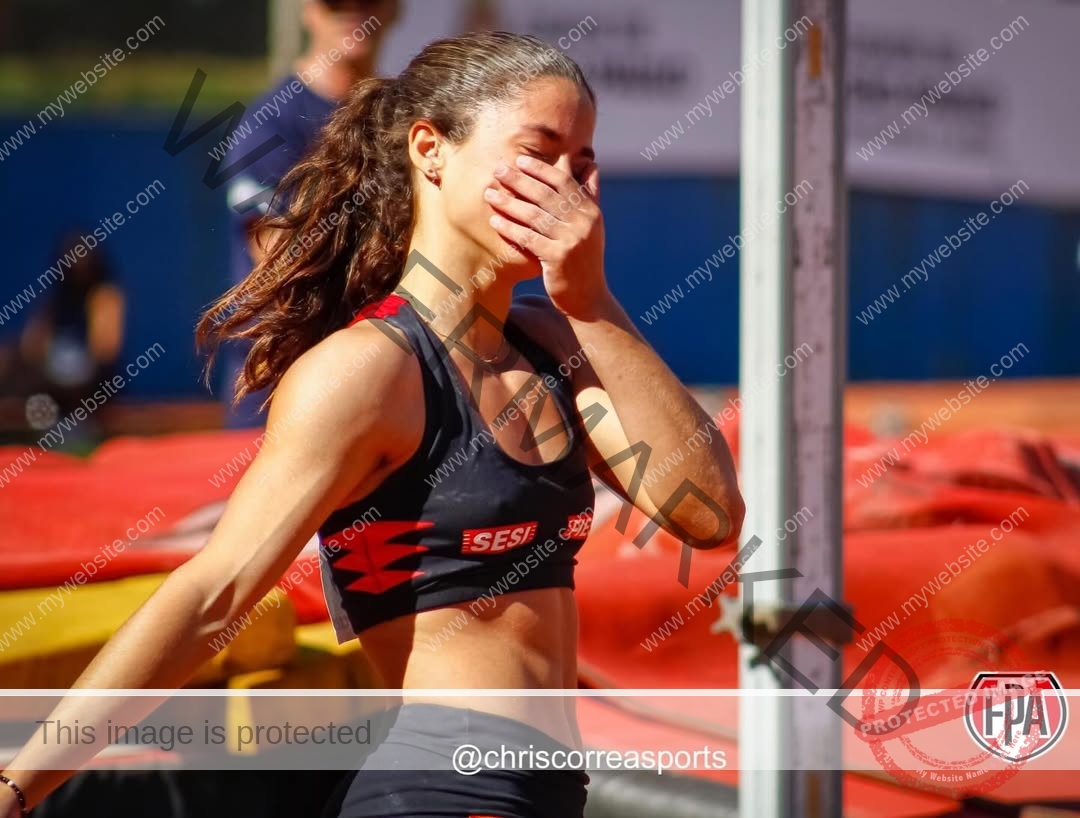
Observers of Brazilian youth athletics have noted Camargos’ calm competitive demeanor and her willingness to challenge higher bars rather than settling conservatively for placement. That mentality is particularly important in the pole vault, where confidence and rhythm are as critical as raw athletic ability.
As with many developing vaulters, Camargos’ progression appears tied closely to technical refinement. Young pole vaulters frequently spend years improving plant mechanics, runway consistency, takeoff angles, and bar clearance efficiency. Her steady advancement from the mid-3-meter range into the upper-3-meter category suggests a strong developmental foundation and the possibility of continued gains as she matures physically and technically.
Brazil has historically produced accomplished women’s field-event athletes, and the domestic competitive environment has become increasingly important in preparing younger athletes for international competition. Camargos has benefited from regularly competing against some of the nation’s best junior vaulters, an experience that can accelerate development considerably.
Representing the Next Generation of Brazilian Athletics
Although still early in her senior career progression, Camargos is part of a promising generation of Brazilian athletes attempting to bridge the gap between youth-level success and elite international competition. The transition from junior athletics to senior-level track and field is often the most difficult stage of an athlete’s development, particularly in technical events like the pole vault.
Many athletes plateau during those years, while others make substantial jumps once strength, experience, and technical consistency begin to align. Camargos’ progression so far suggests she possesses the patience and persistence required to continue climbing within the sport.
Her performances have already placed her in meaningful national-level competitions, and continued development could eventually position her for larger South American and international opportunities.
Training, Development, and Future Potential
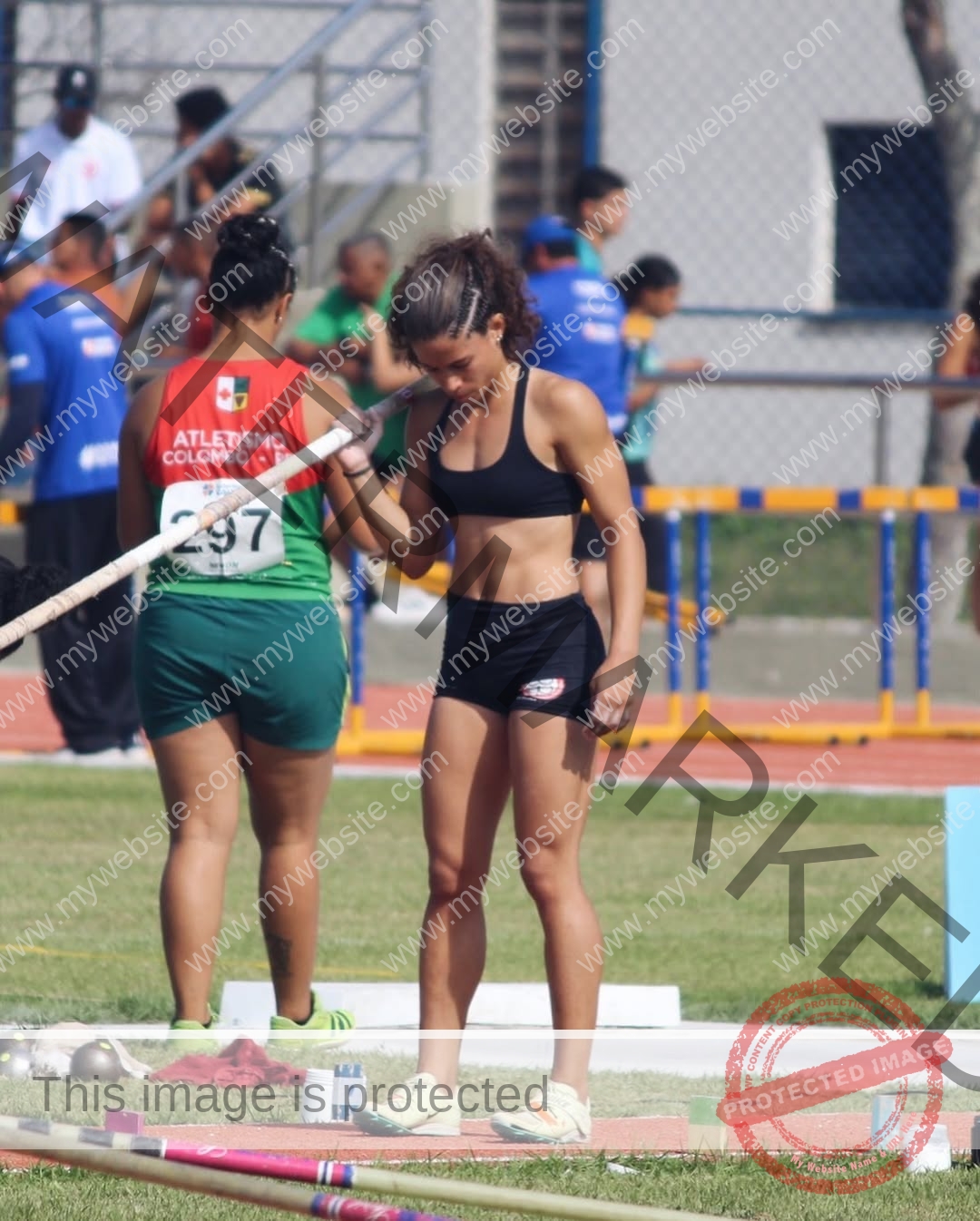
Like many elite-development athletes in Brazil, Camargos competes in an environment where balancing training, travel, education, and athletic growth requires substantial discipline. Pole vault training is especially demanding because it combines sprint work, gymnastics-style body control, weight training, and technical repetition.
Athletes in the event often develop later than sprinters or middle-distance runners because of the technical complexity involved. For that reason, Camargos’ progression during her teenage years is particularly encouraging.
Her marks through the 2024 season reflected an athlete continuing to gain confidence and consistency while competing against stronger opposition. Reaching and surpassing the 3.70-meter level before the age of 20 positioned her among the more promising young vaulters in Brazil’s national pipeline.
As she continues transitioning toward senior competition, future milestones may include appearances at larger Brazilian championships, South American competitions, university athletics events, and potentially international developmental meets.
Public Profile and Social Media
As of now, Camargos maintains a relatively low public profile compared to more established international athletes, something common among developing competitors still early in their careers. Publicly verified sponsorship information has not yet been widely reported.
Likewise, no officially verified public social media accounts have yet become broadly documented through major athletics platforms or federation profiles. As her competitive profile grows, that public presence will likely expand alongside her athletics career.
A Career Still Being Written
One of the most compelling aspects of Luiza Camargos’ story is that much of it is still unfolding. Her performances through Brazil’s junior and developmental circuit show the profile of an athlete steadily building momentum rather than arriving through a single breakout moment.
That kind of progression often creates durable athletes — competitors who understand the patience, technical work, and resilience required to continue improving year after year.
In a discipline where confidence, timing, and technical mastery can take years to fully develop, Camargos has already shown enough progress to establish herself as a name worth watching within Brazilian athletics. As she gains further experience and continues climbing through the national ranks, she represents another promising chapter in Brazil’s growing tradition of talented women’s field-event athletes.
