

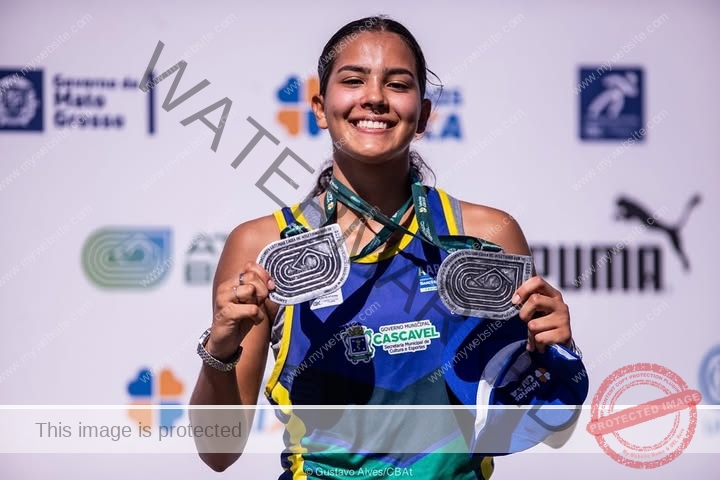
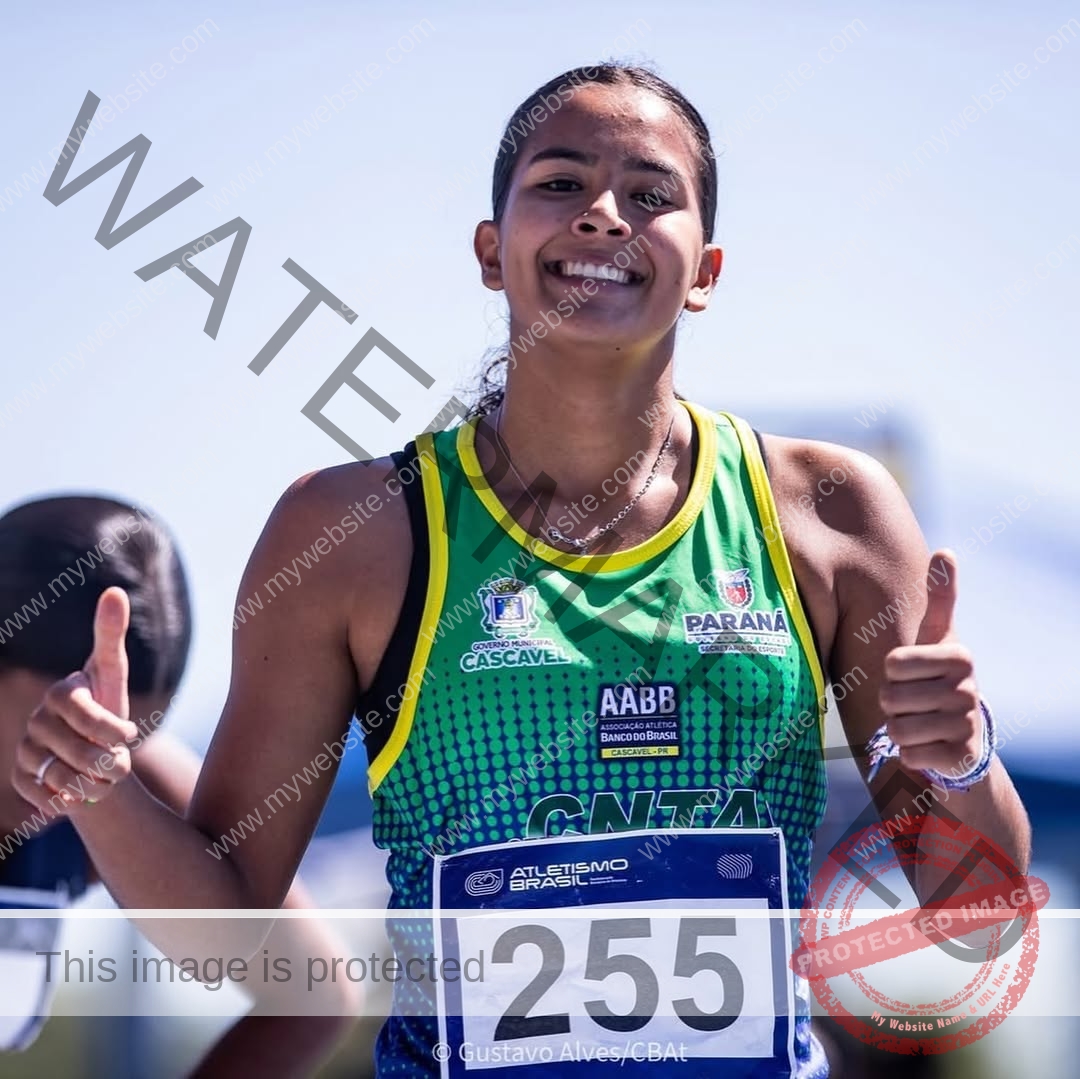
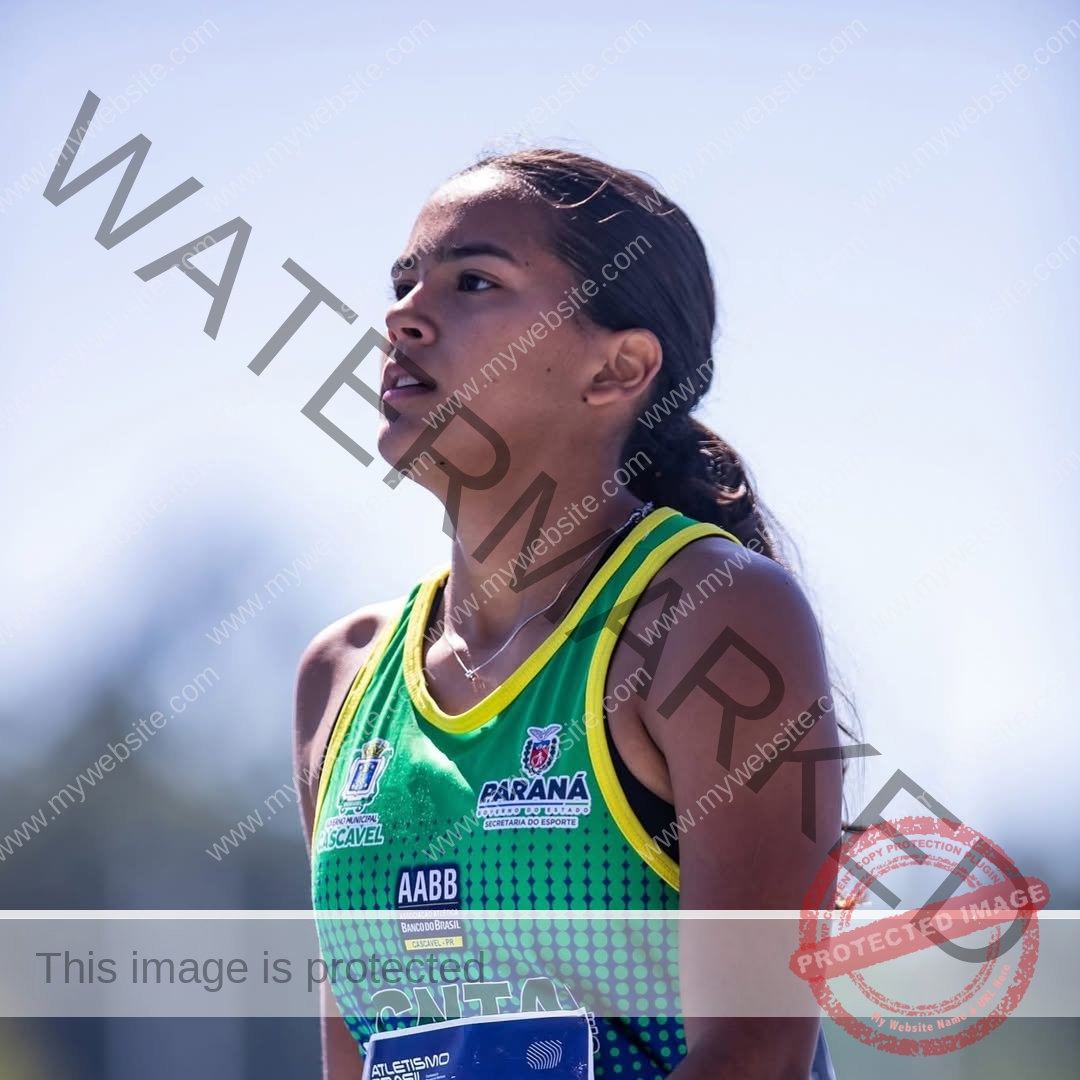
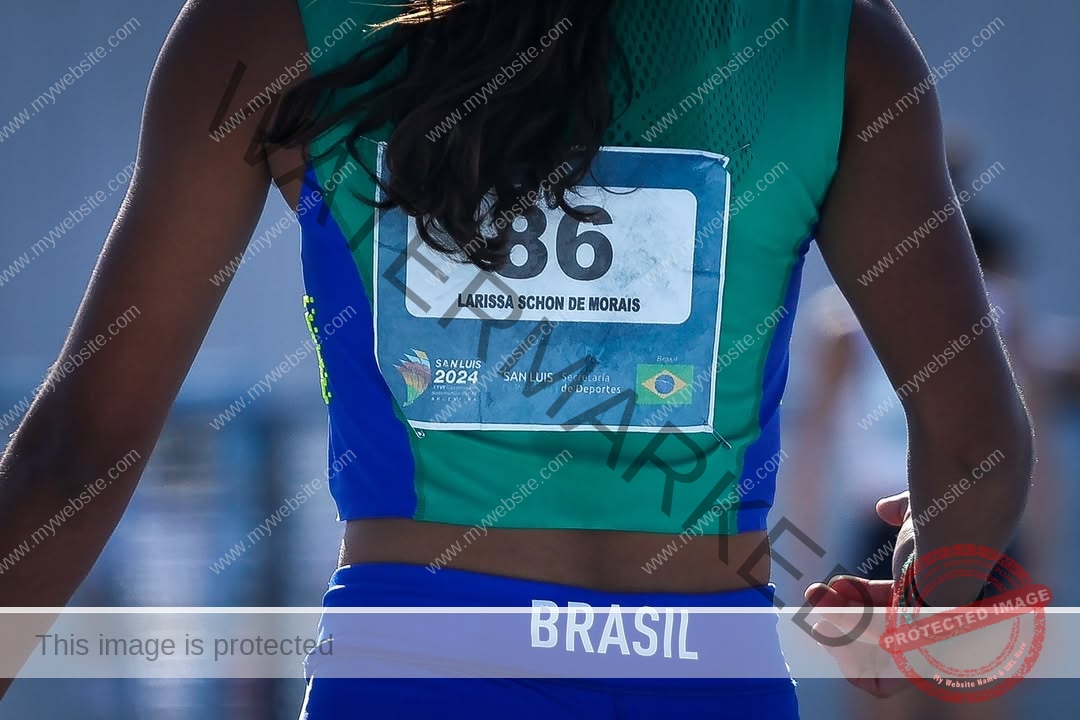

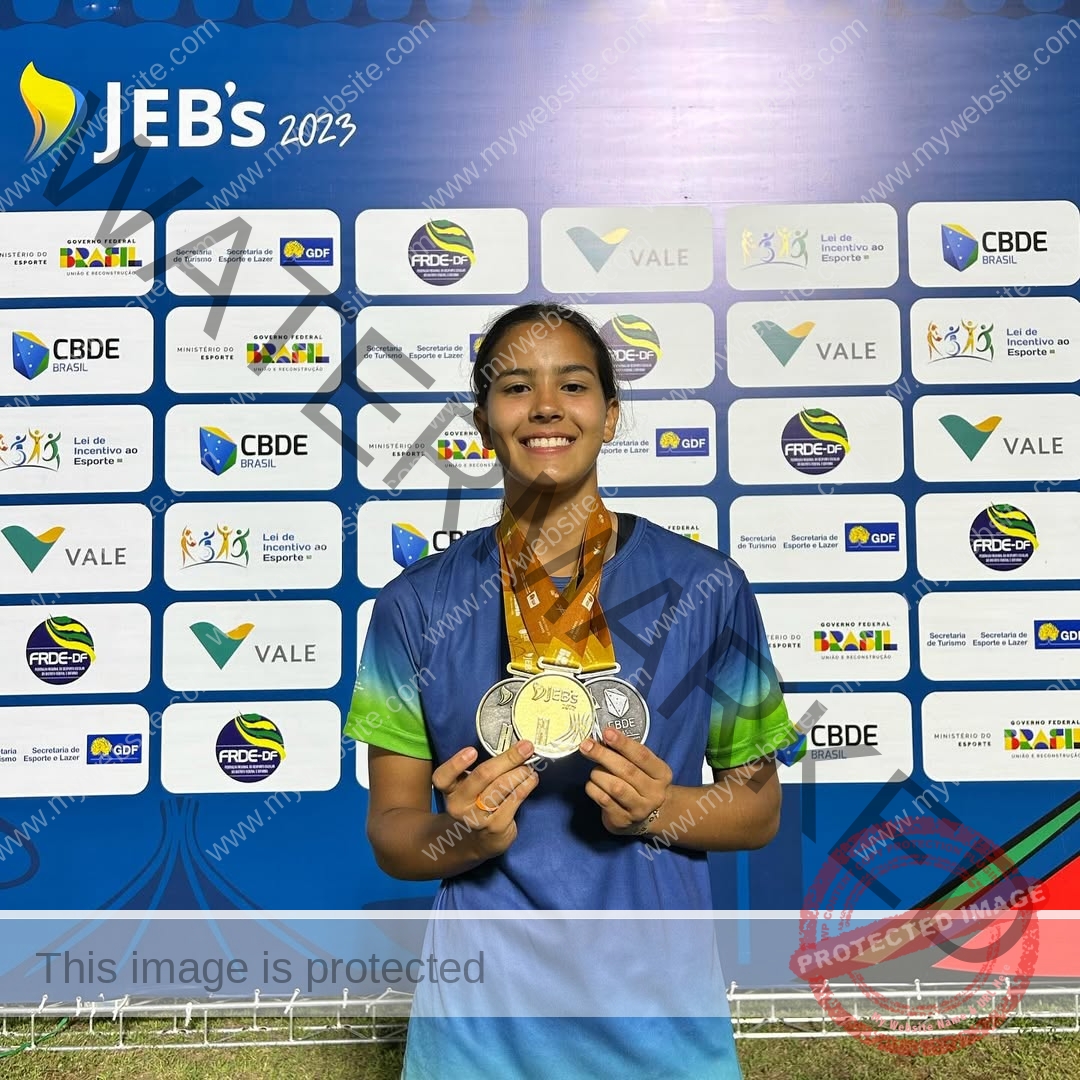
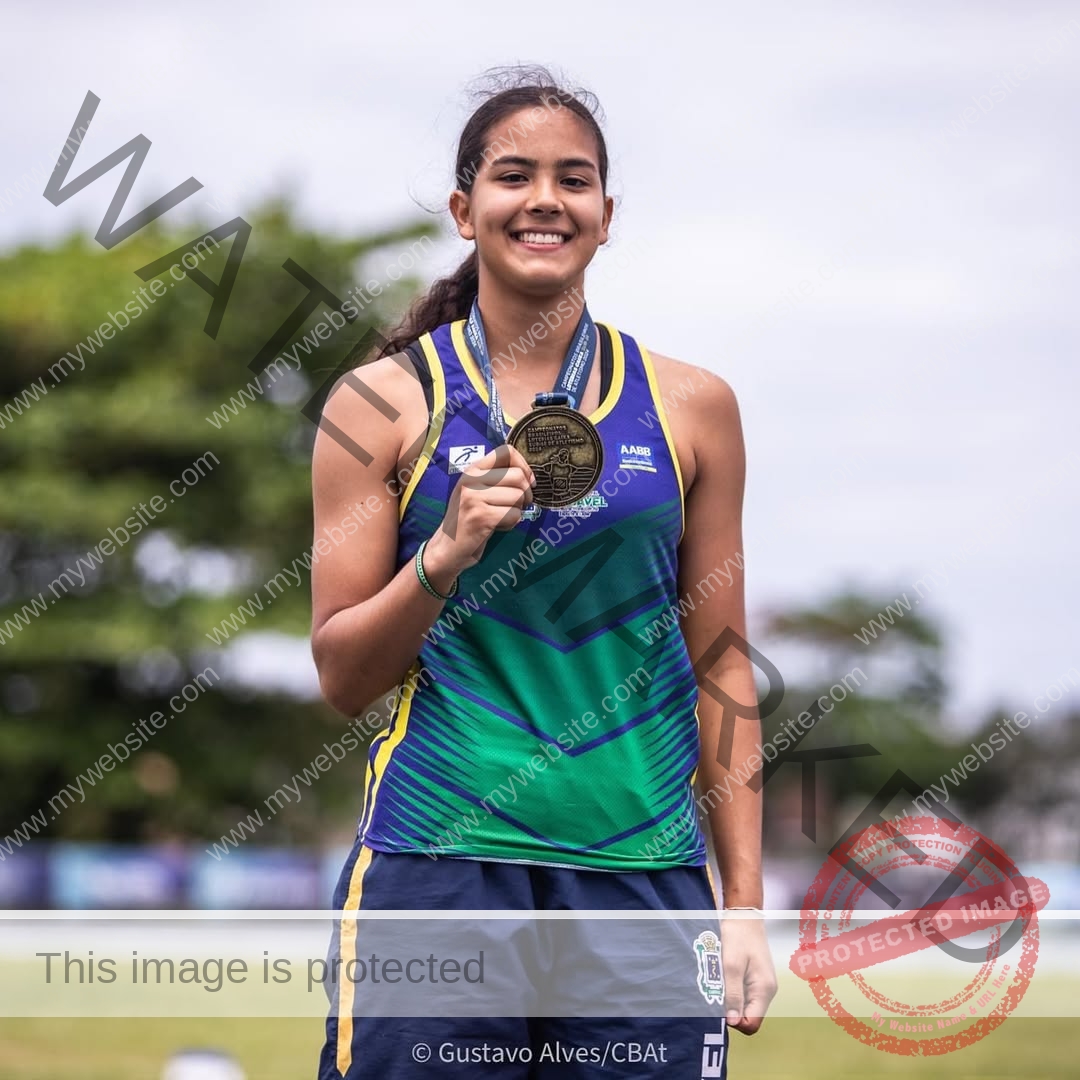
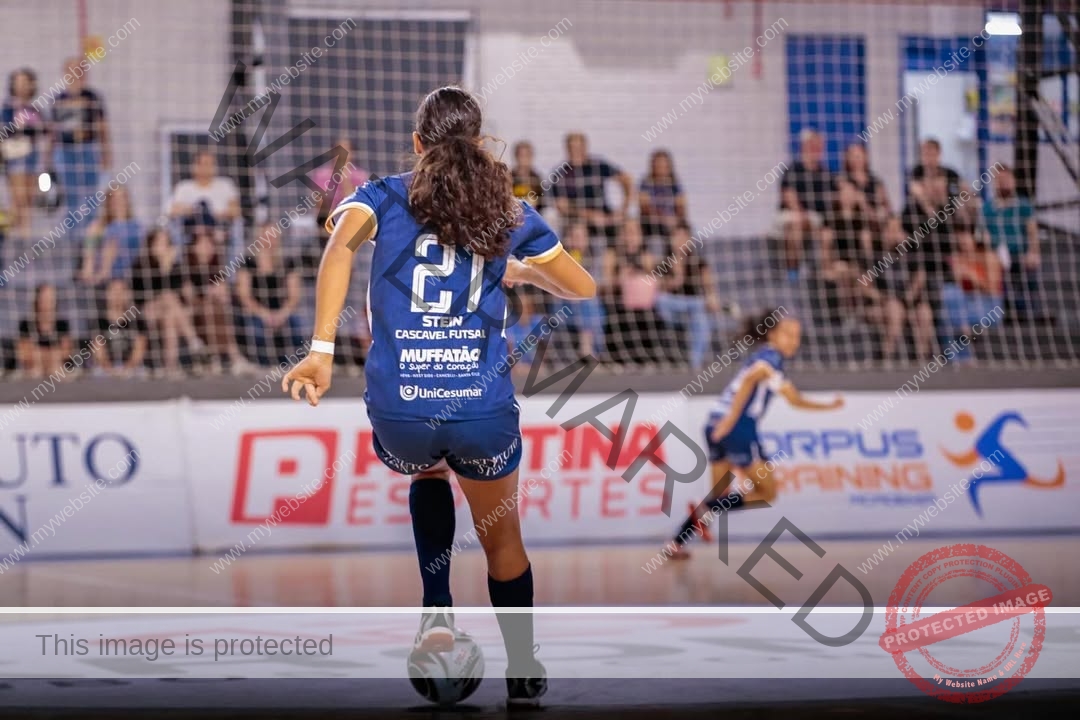
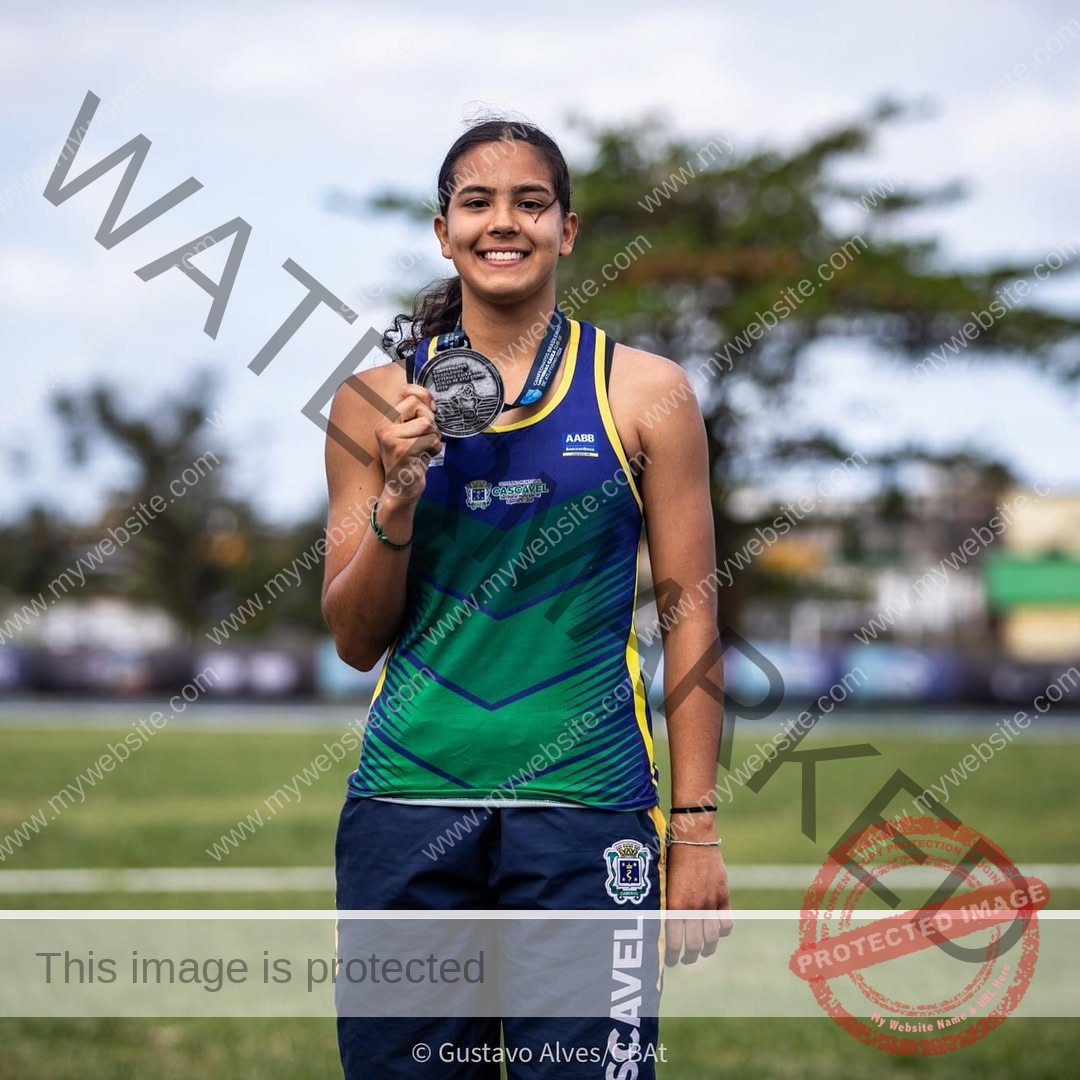
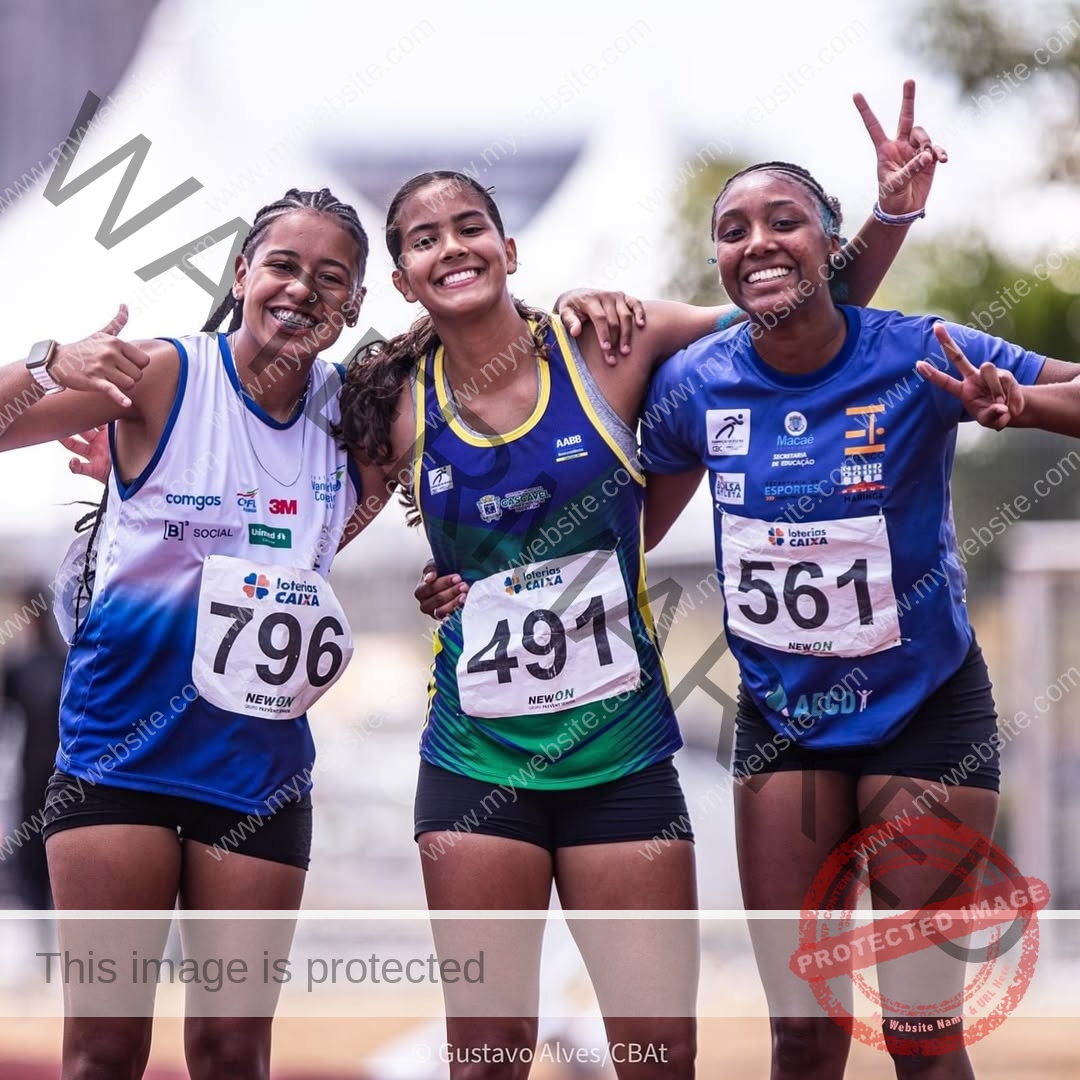
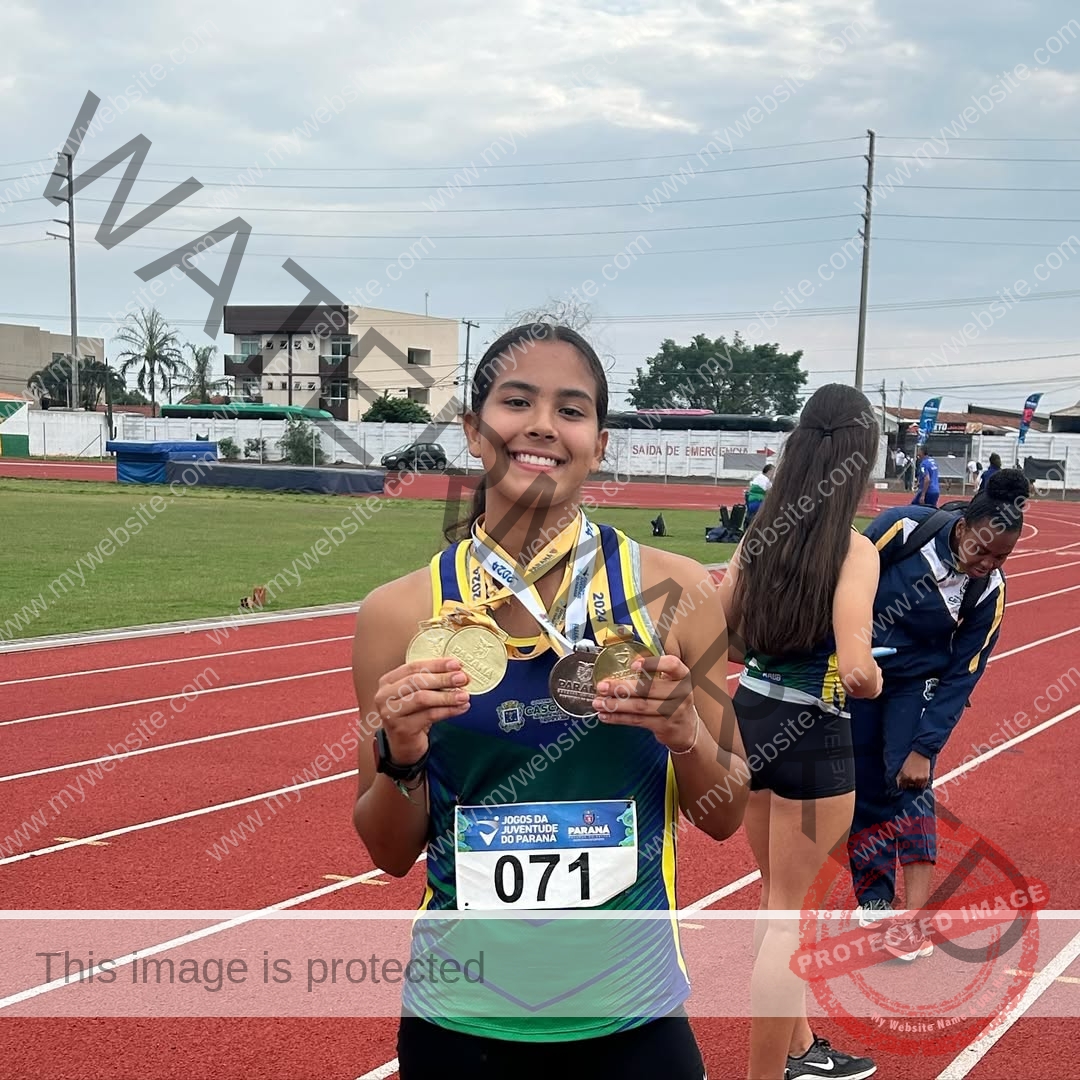
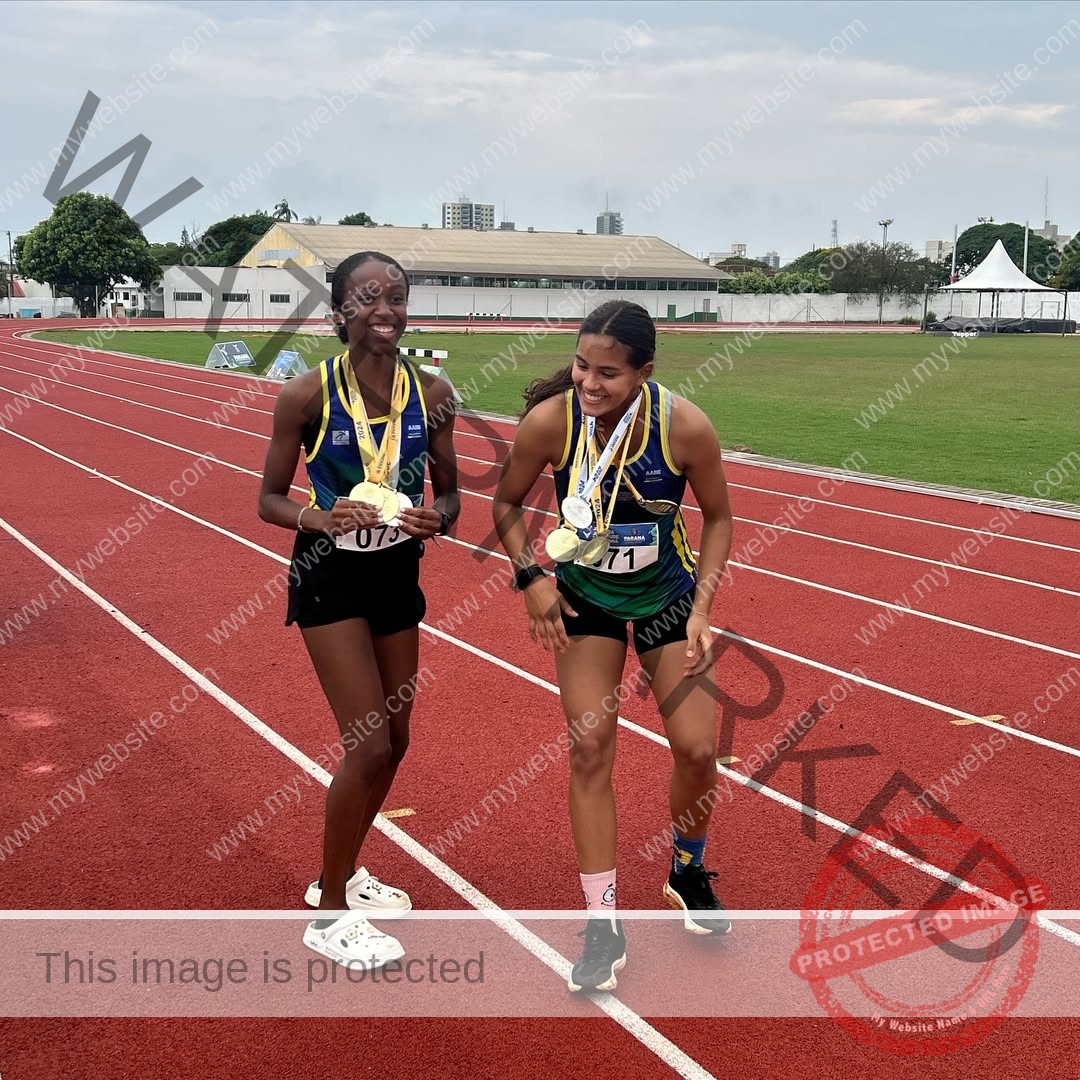
Larissa Schon de Morais: Cascavel’s Rising Star in Brazilian Track and Field
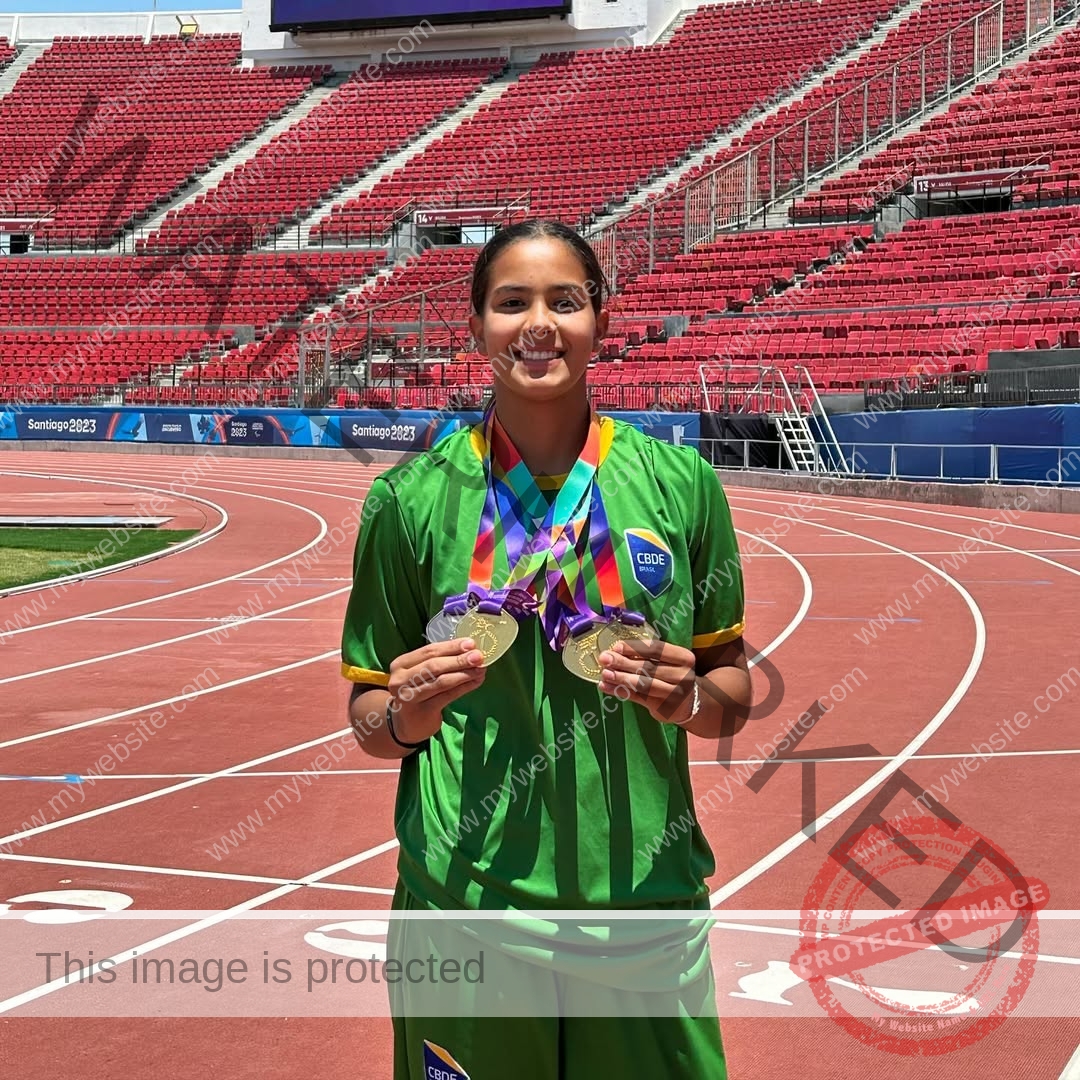
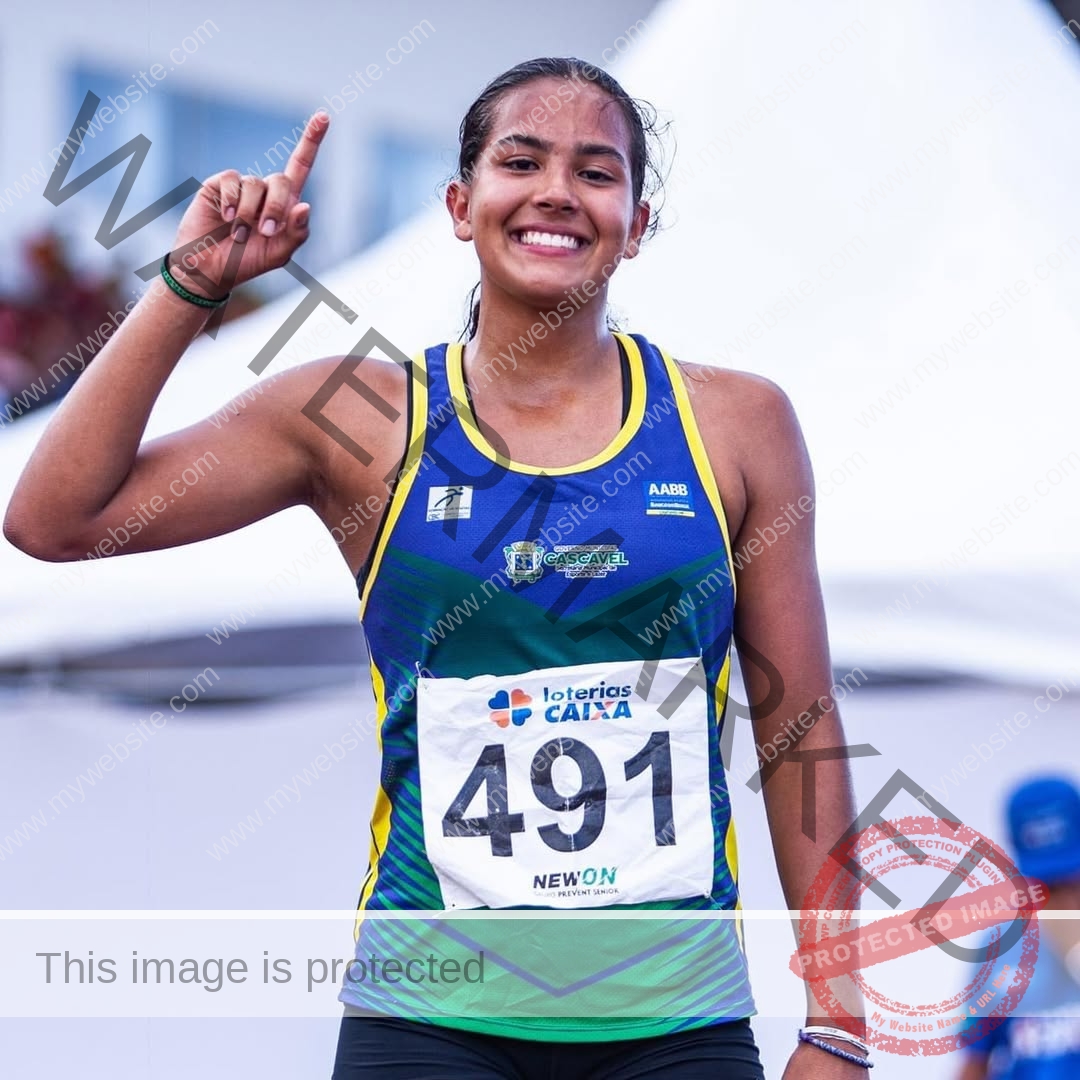
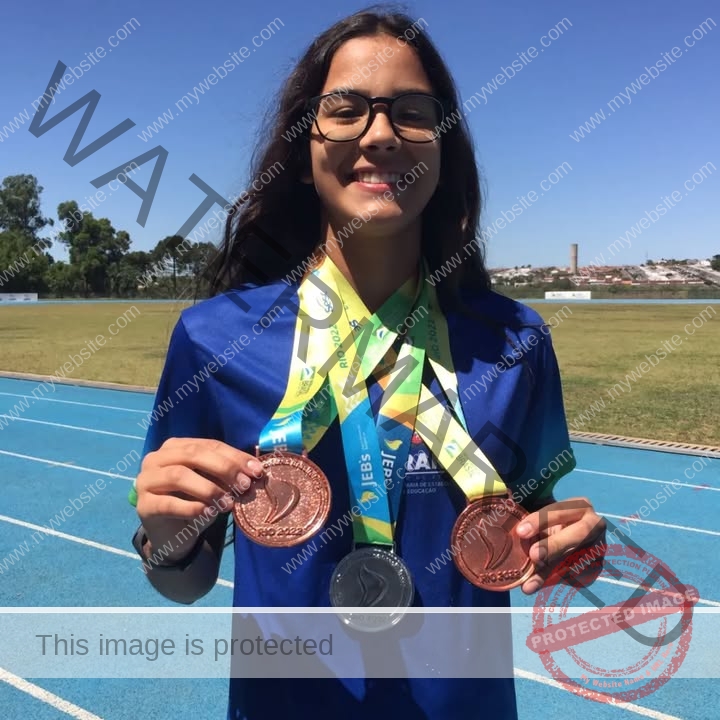
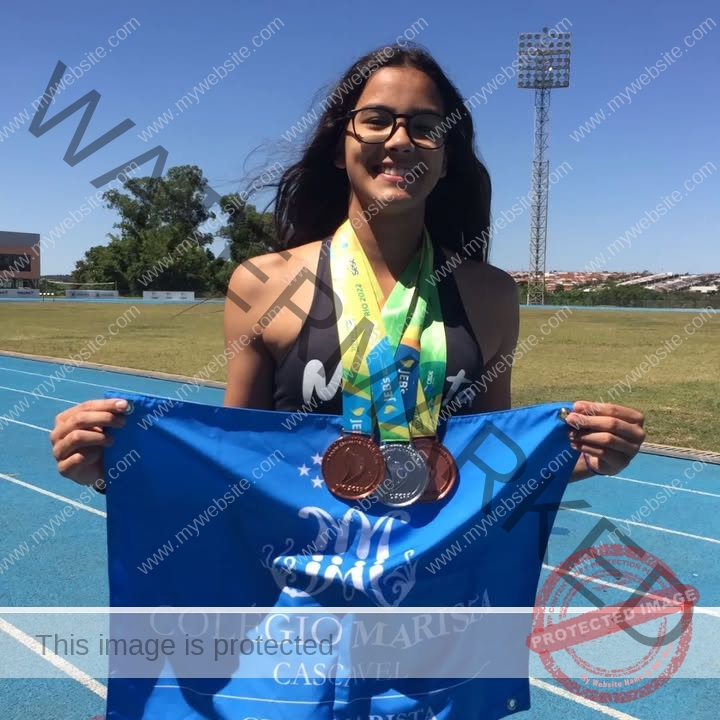
There is a particular kind of athlete who announces herself not with a single breakthrough performance but with a steady, relentless accumulation of excellence — someone who, every time she steps onto a track, leaves with something she didn’t have before. Larissa Schon de Morais, the teenage hurdler from Cascavel in the state of Paraná, is exactly that kind of athlete. Still only seventeen years old as of early 2026, she has already claimed a Brazilian national record, multiple South American championship medals, and a place on the Brazilian national team. She is, in the fullest sense of the phrase, just getting started.
From Cascavel to the Track
Larissa Schon de Morais was born and raised in Cascavel, a city of roughly 350,000 people in the far west of Paraná, a state better known for soybeans and waterfalls than for world-class athletics. What Cascavel does have, however, is the Centro Nacional de Treinamento de Atletismo (CNTA), a national athletics training center maintained through a partnership between the city’s Fundação Municipal de Esporte e Cultura (FMEC) and the state-level Paraná Esportes program. That infrastructure matters: it gives athletes in a mid-sized inland city access to facilities that could otherwise require a move to São Paulo or Rio de Janeiro.
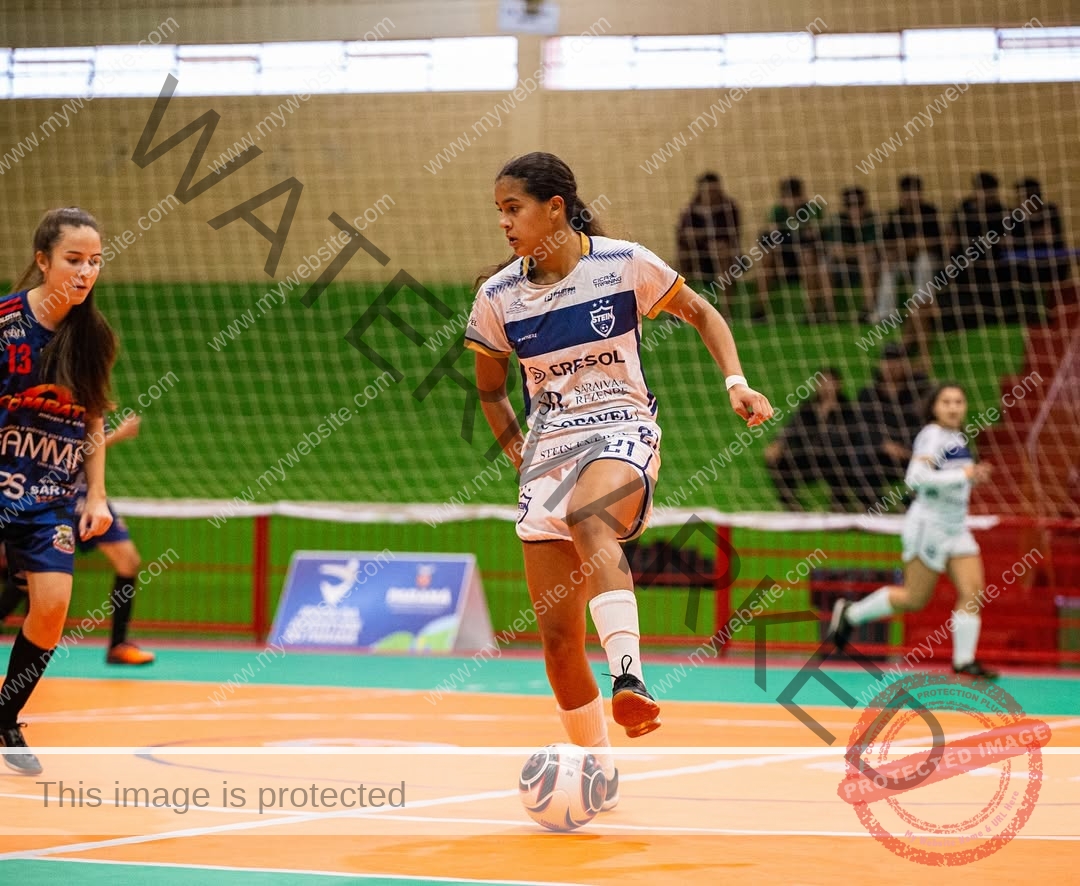
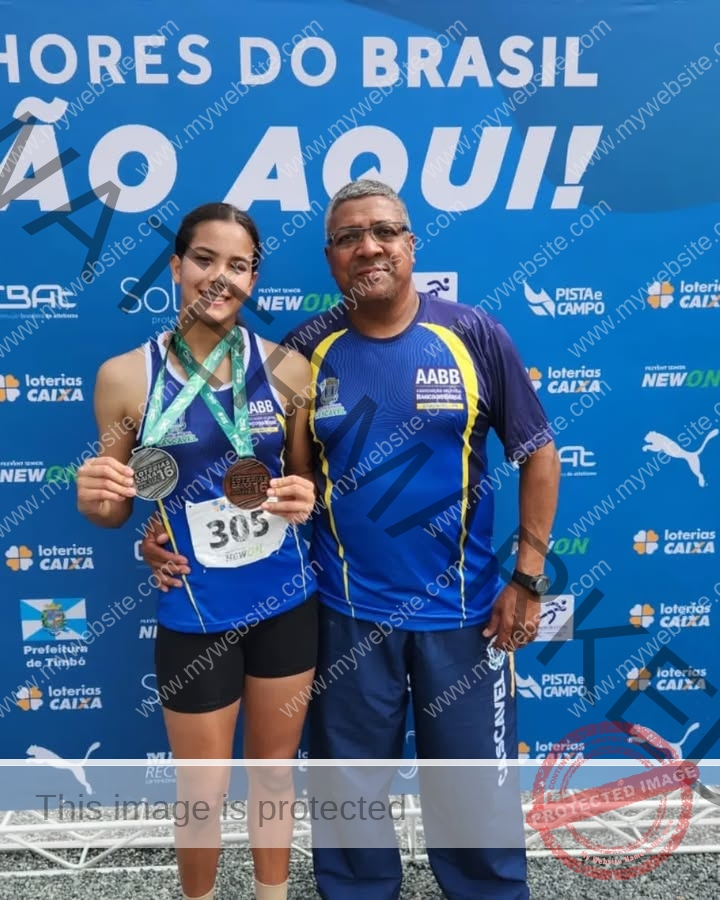
Larissa came into the sport through the Colégio Marista school system and the local athletics program affiliated with the Associação Atlética Banco do Brasil (AABB) in Cascavel — the same organization whose athletics school, supported by the municipal prefecture and the FMEC, has quietly developed some of the region’s most talented young track and field competitors. Exactly when Larissa first started competing is not publicly documented in detail, but her official competition record with the Confederação Brasileira de Atletismo (CBAt) stretches back at least to October 2022, when she appeared in the 60-meter and 75-meter events at the Sub-14 Campeonato Paranaense, clocking 8.20 in the 60 meters. The age-group of that entry — Sub-14 — suggests she was roughly thirteen at the time, placing her likely year of birth around 2008 or 2009.
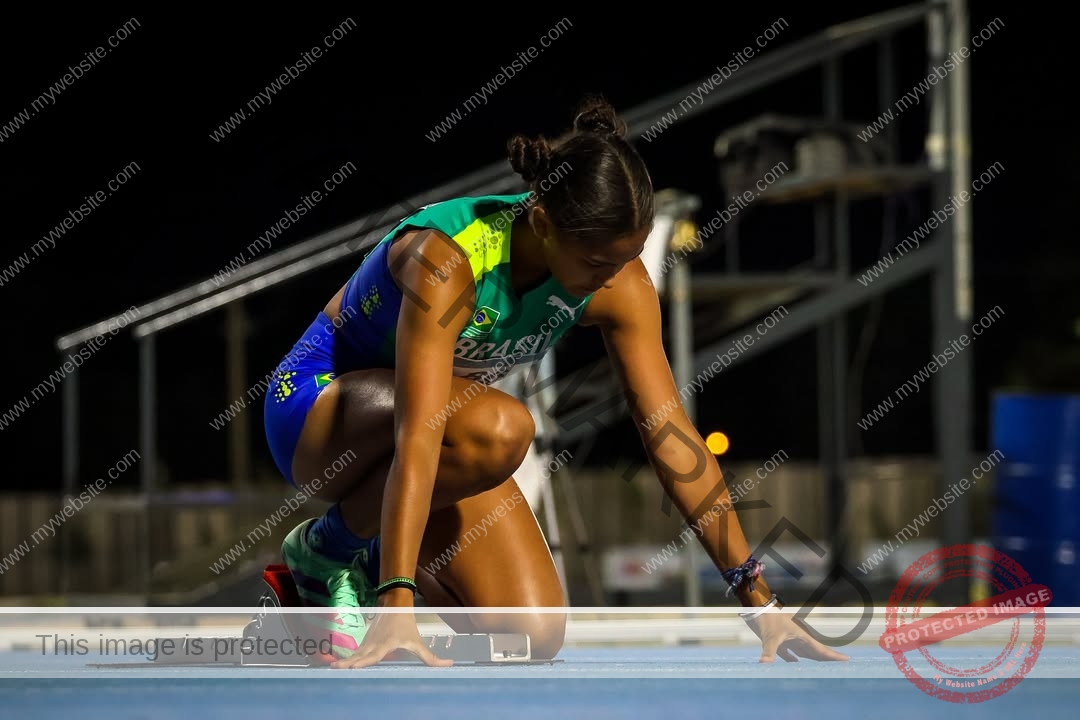
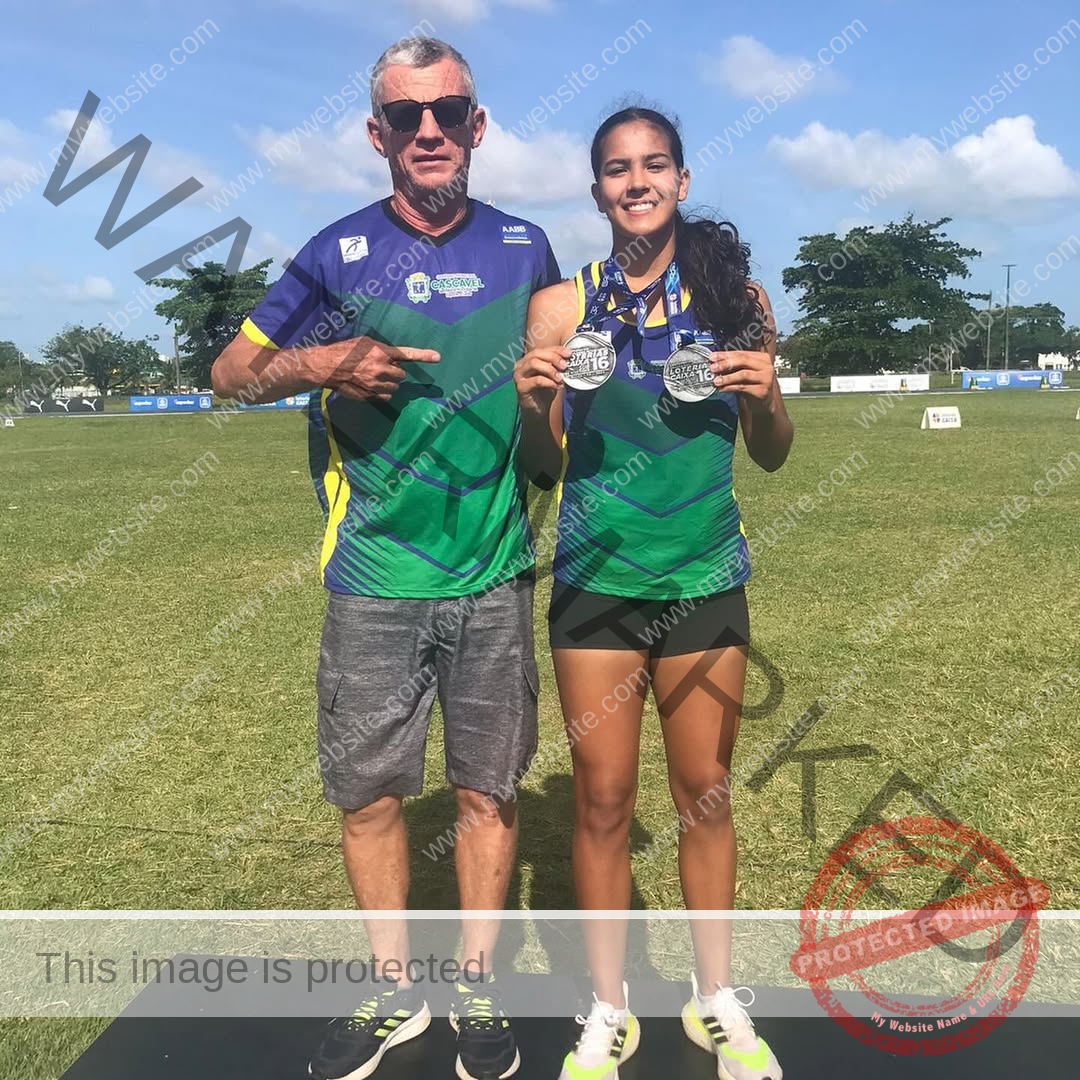
From those early school-level and state-level appearances, it became clear that Larissa possessed something above and beyond ordinary foot speed: a natural facility for the hurdles. Under the guidance of coach Luiz Albino Broetto Junior — the man who would shape virtually every competitive decision she made as a young athlete — that raw ability was channeled into a systematic training program focused on the 80-meter, 100-meter, 300-meter, and eventually 400-meter hurdles events.
The Sub-16 Years: A Record Falls
By 2022, Larissa was showing up in relay results at the Jogos Escolares Brasileiros (JEBs), the national scholastic games, running a 52.30 leg on the AABB Cascavel team’s 5×80-meter relay. But the Sub-16 age category — roughly ages thirteen through fifteen — is where her story truly begins to take shape in earnest.
In the state championships (Campeonato Paranaense Sub-16) and national interclubes competitions, Larissa accumulated victories in the 80-meter hurdles and 300-meter hurdles, establishing herself as the dominant young hurdler in Paraná and one of the best in Brazil. The 80-meter hurdles, a standard Sub-16 women’s event in Brazilian athletics, became a calling card. She won the state title in that event and then took national gold as well.
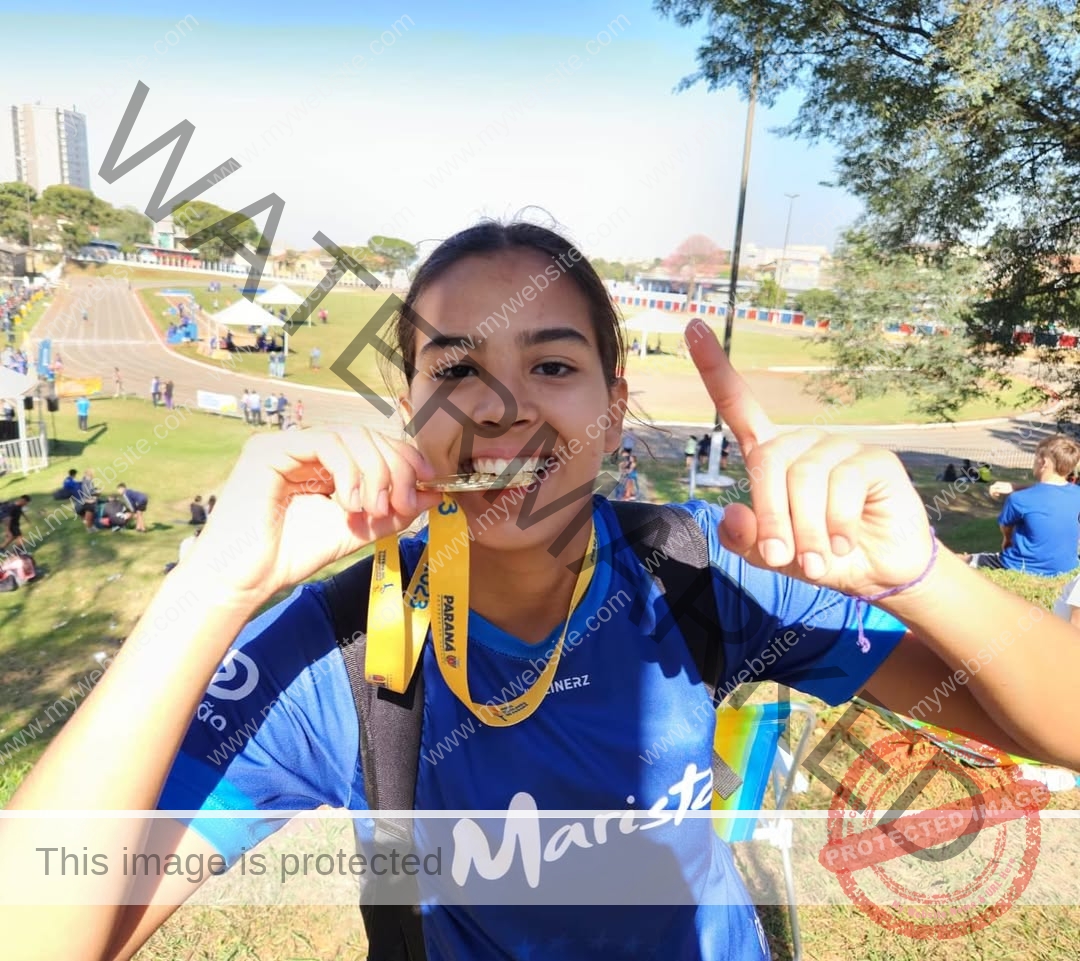
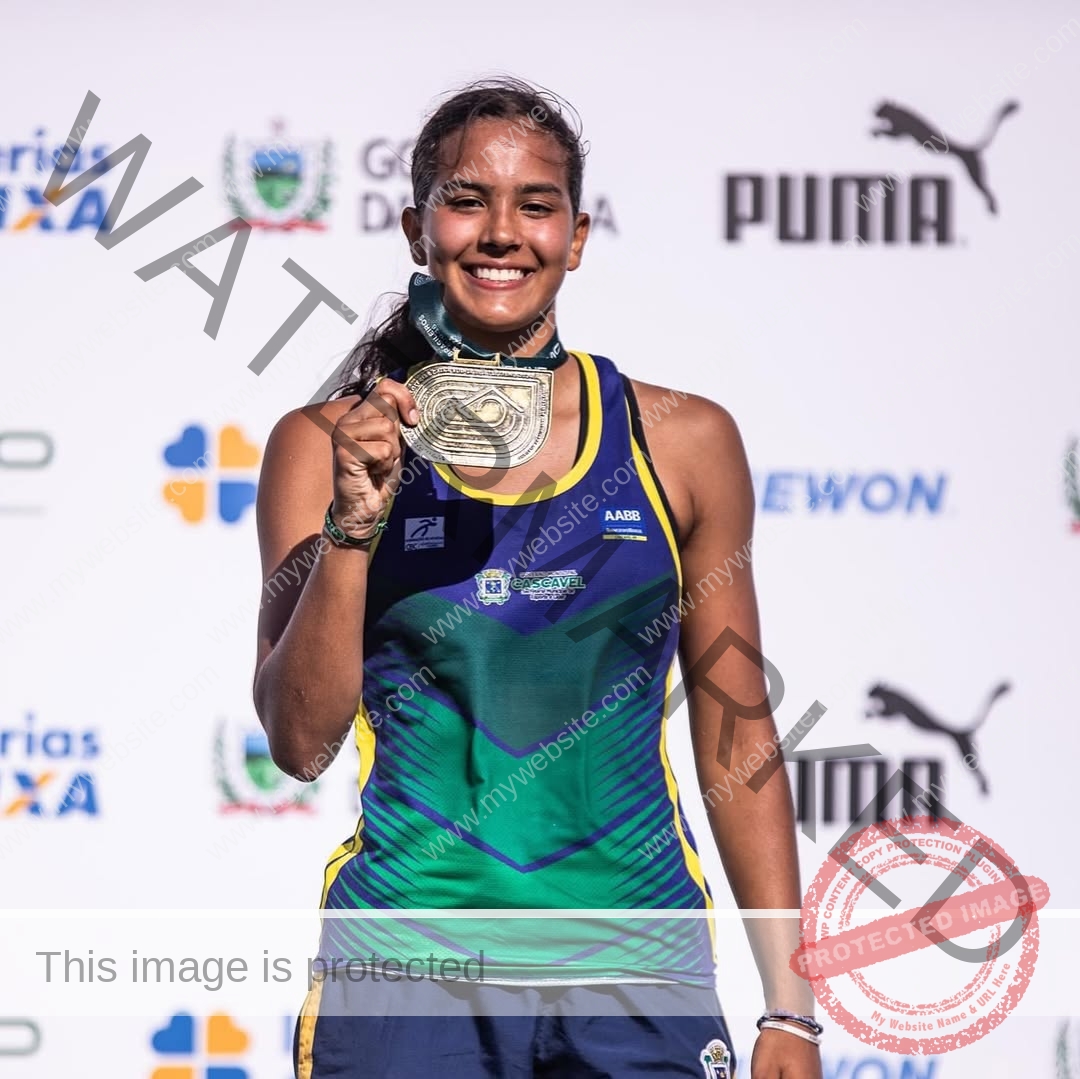
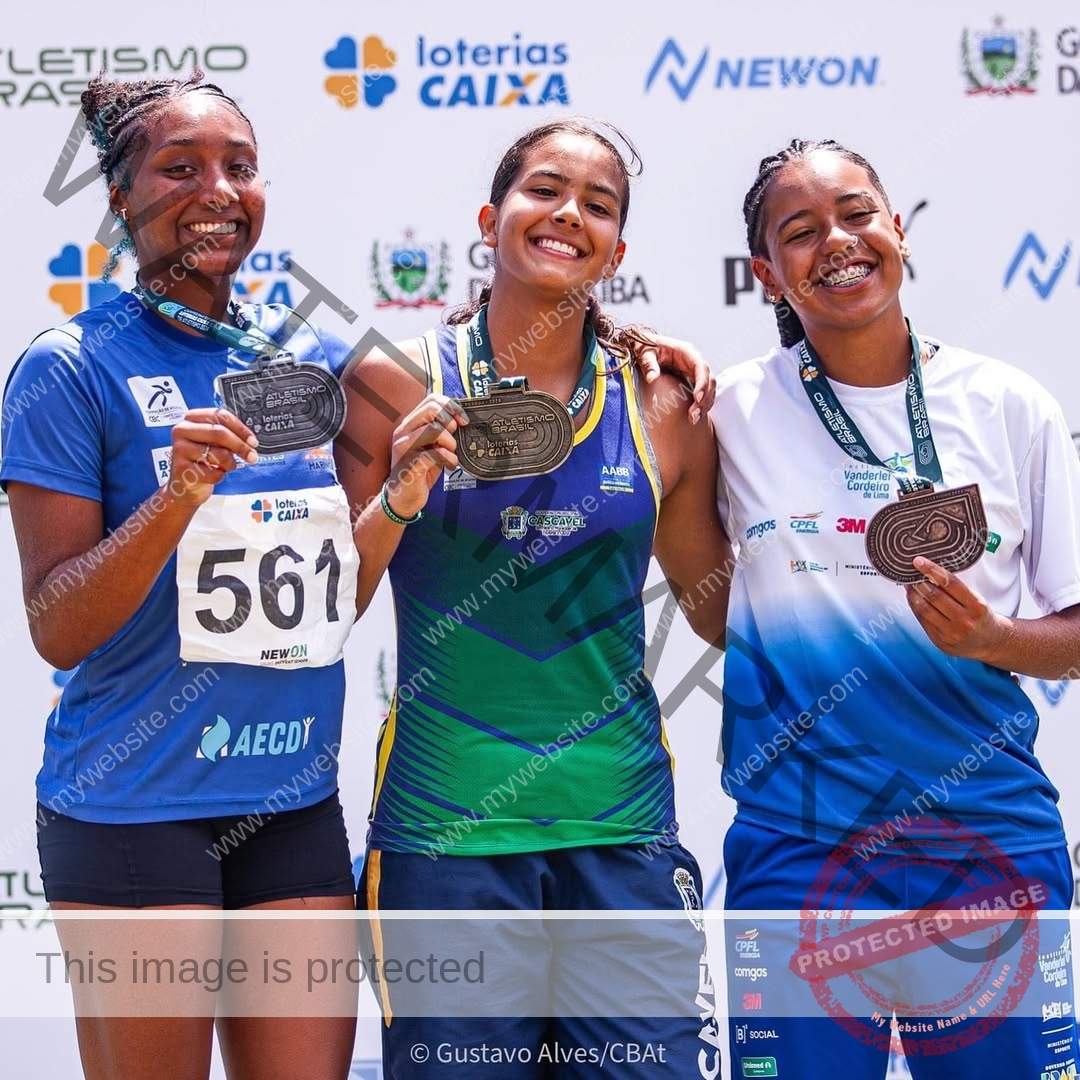
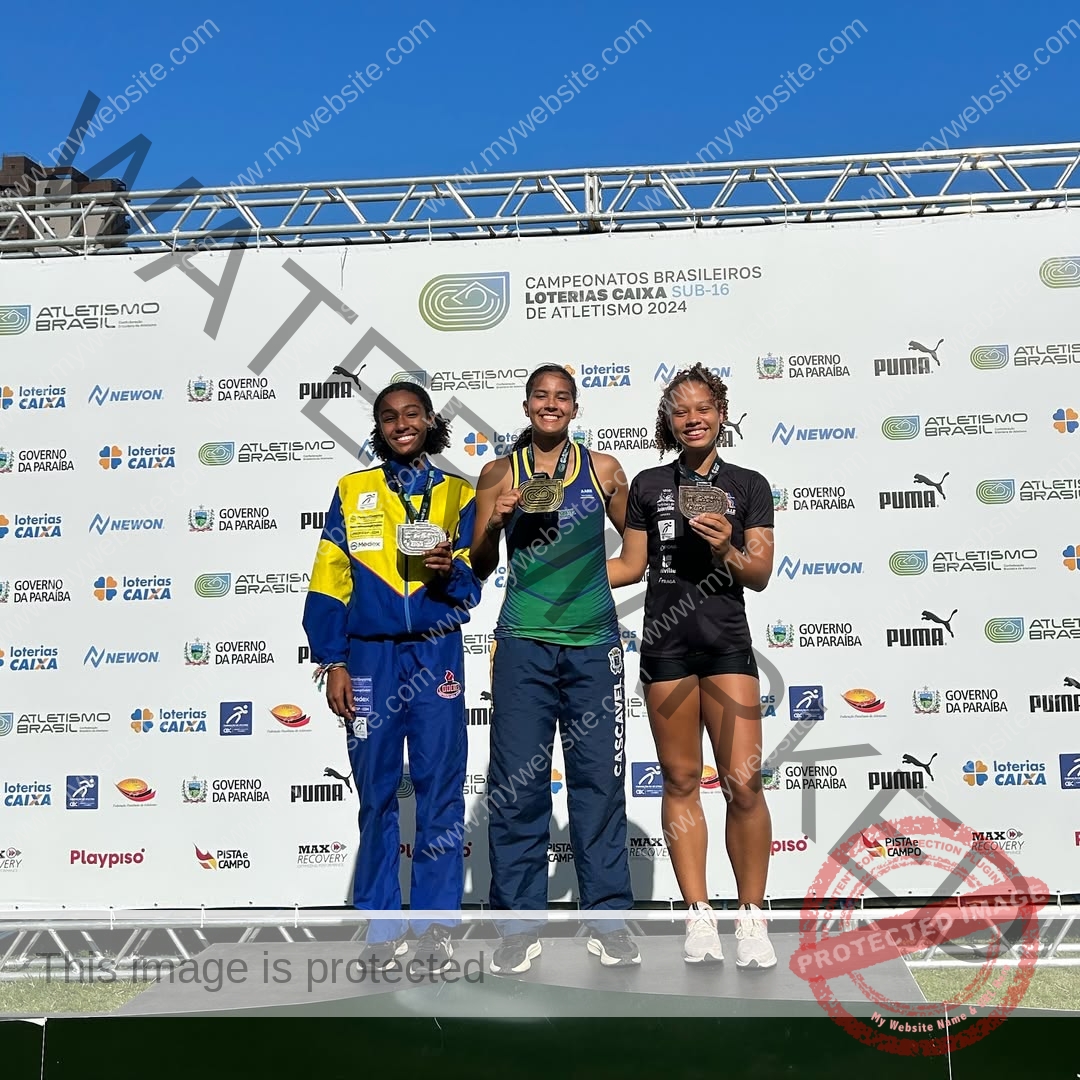
The crowning moment of her Sub-16 career arrived in November 2024 at the Campeonato Brasileiro Interclubes Loterias Caixa Sub-16, held at the Vila Olímpica Parayba in João Pessoa, Paraíba. In the 300-meter hurdles final, Larissa ran from the front from start to finish — demonstrating the confident race management that characterizes mature athletes far older than she was — and crossed the line in 43.25 seconds. It was not only a national championship victory. It broke the existing Brazilian national record in the Sub-16 300-meter hurdles, which had stood at 43.44, set just the year before. The performance also claimed the championship record for the event. Her relay team, the AABB Atletismo Cascavel squad, went on to win the 4×75-meter relay gold as well, capping a dominant competition. By the end of those three days in João Pessoa, the club had tallied 106 points to win the overall national Sub-16 interclubes title, and Larissa was recognized as the best female athlete of the entire competition.
The championship record, the national record, best-of-meet honors, and a club championship: it was a weekend that crystallized exactly what Larissa Schon de Morais had become in Brazilian youth athletics — the benchmark by which other young hurdlers were measured.
International Breakthrough: South American Sub-18 Championships, 2024
That November 2024 performance in João Pessoa was a warm-up of sorts. Even before those records fell, the Brazilian athletics federation (CBAt) had already identified Larissa as a key member of the national sub-18 team for the XXVII Campeonato Sul-Americano Sub-18 de Atletismo, scheduled for December 6–8, 2024, in San Luis, Argentina. She had been convocada — summoned to the national team — while still competing at the Sub-16 level. The simultaneous presence in two age categories speaks to how exceptional her trajectory had been.
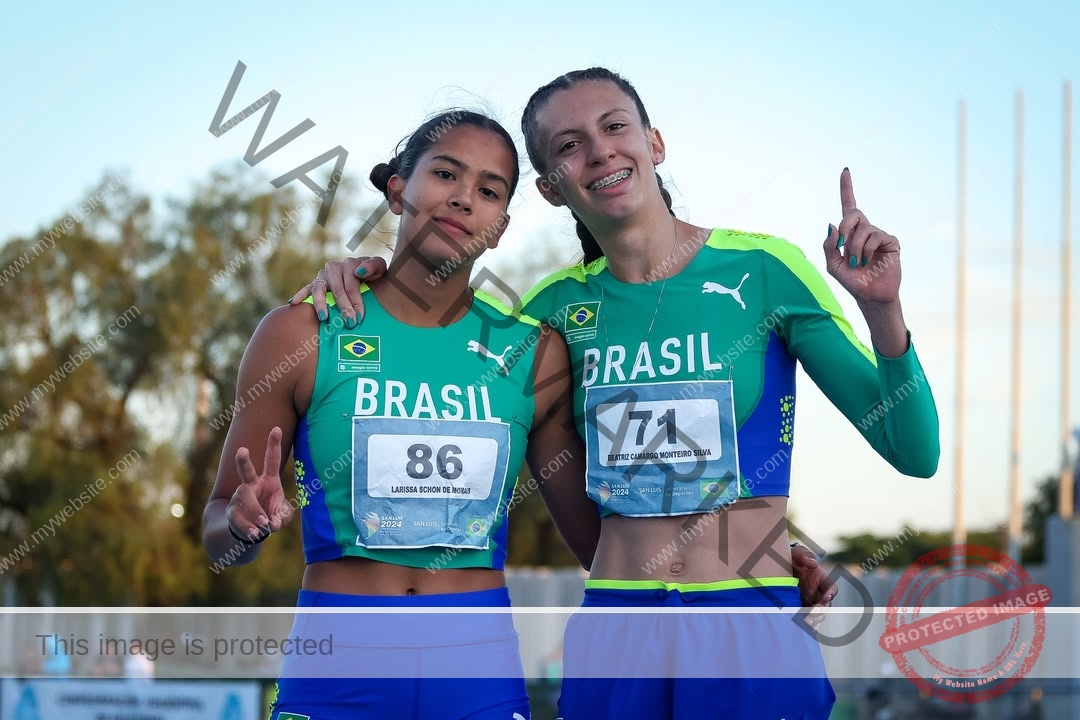
At the time of the South American championships, Larissa was fifteen years old. The competition in San Luis featured the best teenage athletes from across the continent. Brazil dominated the overall standings with 343 points and 40 medals — a commanding performance that maintained the nation’s long-running hegemony in South American youth athletics. Within that commanding Brazilian team effort, Larissa was singled out as the highlight of the final day of competition.
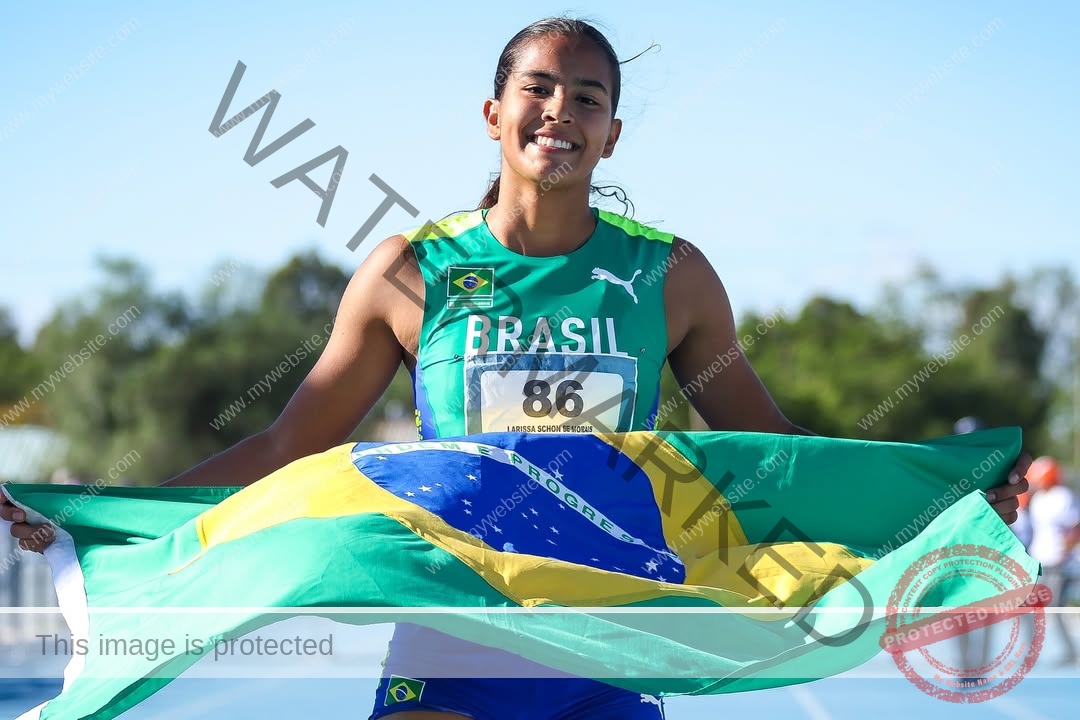
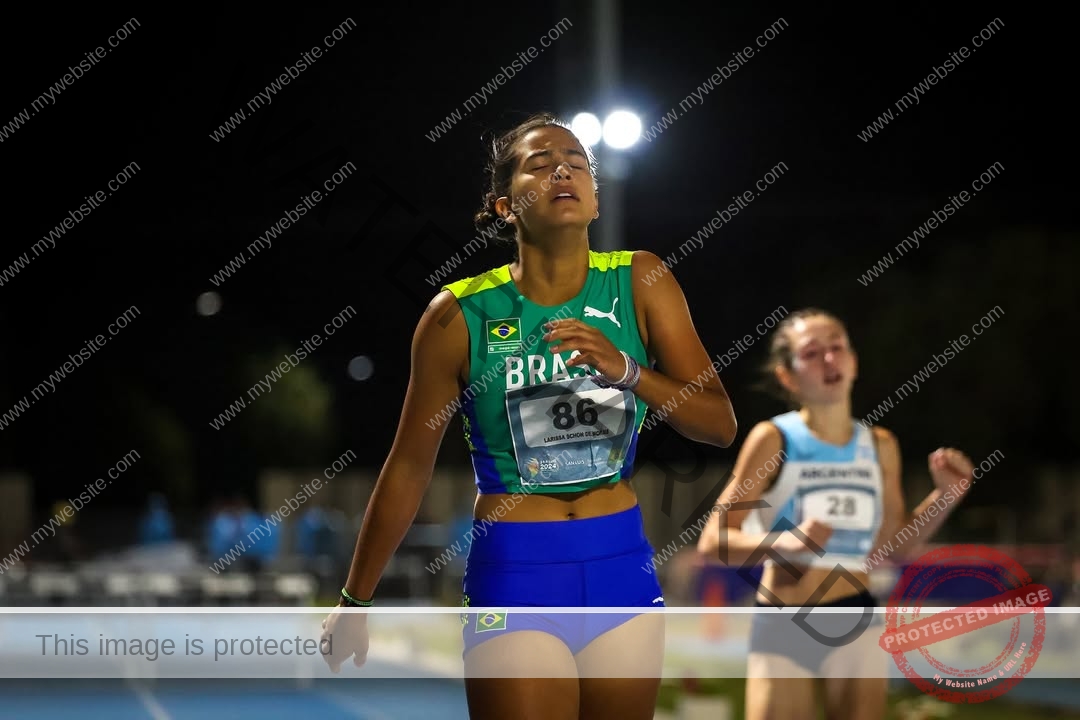
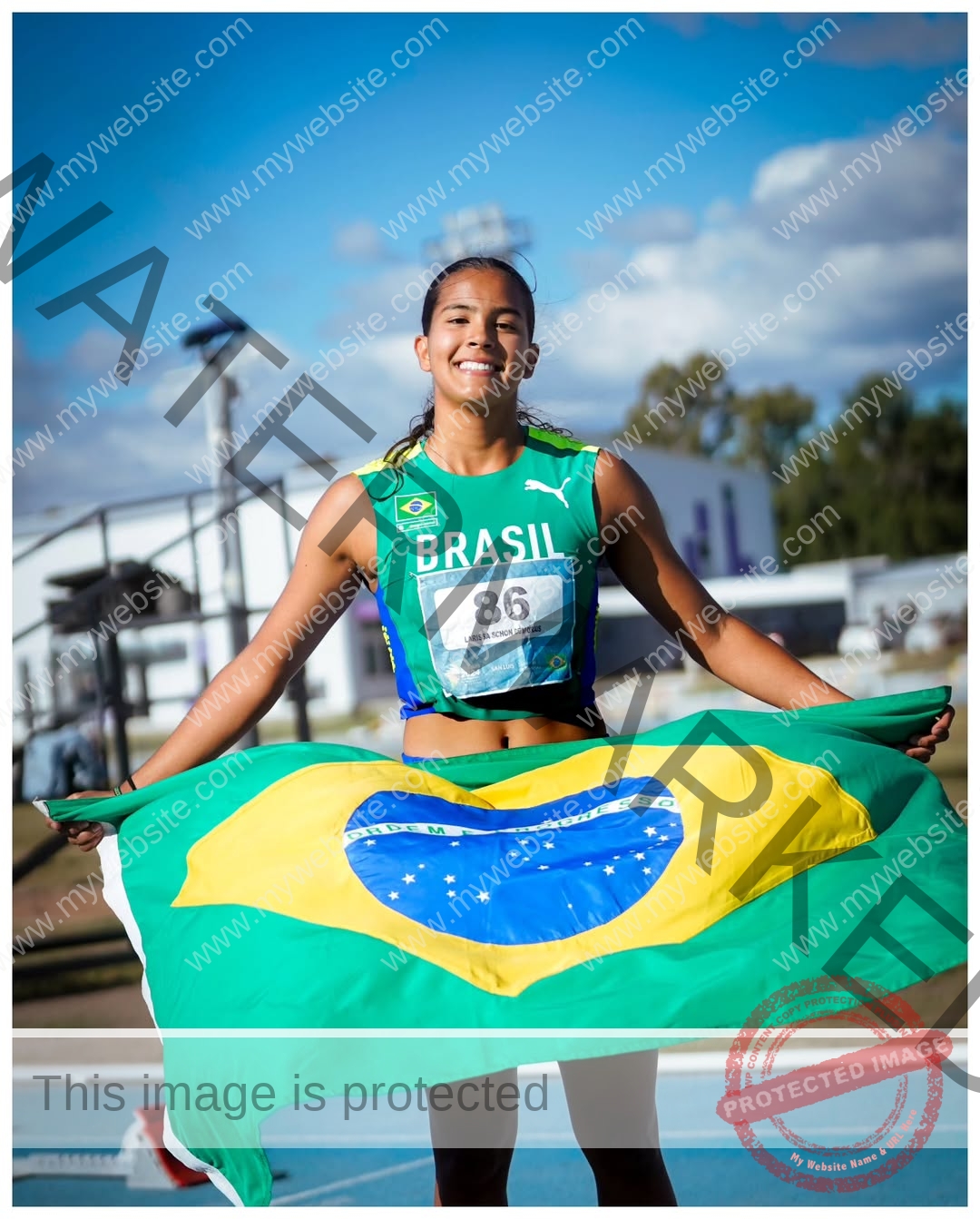
In the 400-meter hurdles final, Larissa delivered a personal best of 1:01.06, winning the gold medal outright. Peru’s Ximena Vasquez was second in 1:01.81, and Colombia’s Emily Montaño third in 1:03.54. Then, in the evening session, Larissa anchored the Brazilian team to gold in the mixed 8×300-meter relay. Two golds in a single international championship, at fifteen, against the best under-18 athletes in South America.
Earlier in the competition, she had also placed fifth in the 100-meter hurdles — a respectable showing in a deeper event — rounding out what was by any measure a standout championship appearance. Speaking to reporters after her 400-meter hurdles victory, Larissa gave a quote that captured exactly the moment she was living: “Estou muito feliz, dei um gás final, turbinei para chegar em primeiro. É a minha primeira convocação para uma seleção brasileira, sem ser escolar. Estou muito feliz por representar o Brasil e ainda mais ganhar esse ouro.” (Translation: “I’m very happy, I gave a final push, I turbocharged to come in first. It’s my first call-up to a Brazilian national team, outside of school sports. I’m very happy to represent Brazil, and even happier to win this gold.”)
It was the kind of quote that tells you something about an athlete’s mentality: grateful, energized, motivated — and clearly someone who had dreamed of wearing the national colors.
2025: Stepping Up to the Adult World
The 2025 season brought a deliberate expansion of Larissa’s competitive horizons. Under Broetto Junior’s guidance, she began entering open (adult) competitions, not because her age-group results had plateaued, but because competing against more experienced athletes is the fastest way to develop. At the Troféu Adhemar Ferreira da Silva — one of the most prestigious open invitational meets in Brazilian athletics, held in Bragança Paulista, São Paulo — Larissa placed fourth in the 400-meter hurdles and sixth in the 100-meter hurdles. She was the youngest athlete in both finals. The results reflect not a failure to compete, but the ambition involved in the attempt: most teenage athletes do not enter meets of that caliber and accept those conditions.
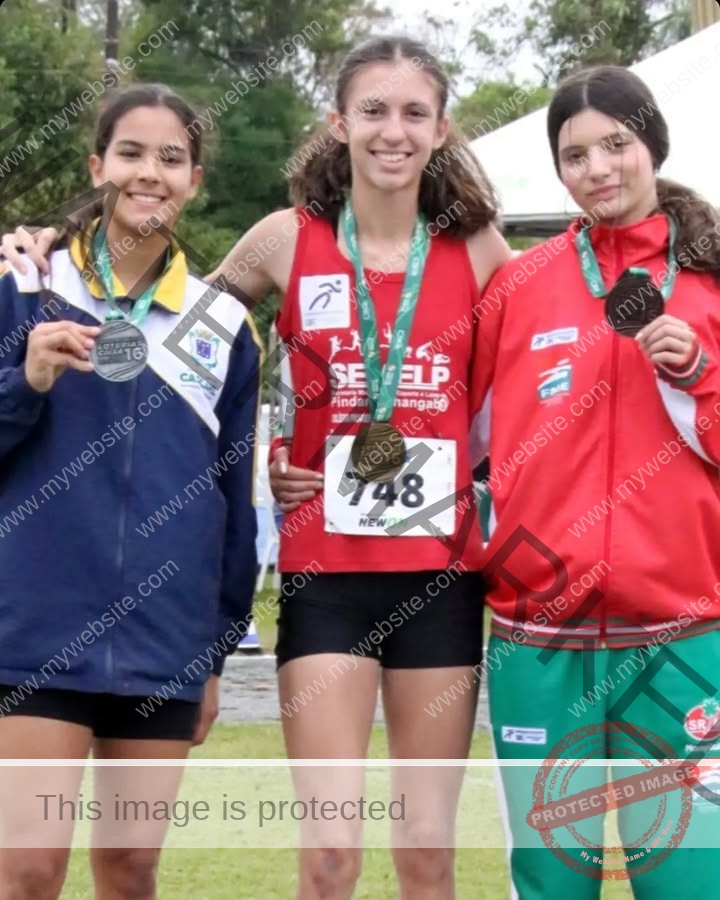
At the Campeonato Brasileiro Sub-23, she improved her personal best in the 100-meter hurdles. At the Campeonato Paranaense Sub-18, held in Campo Mourão, she swept both the 100-meter and 400-meter hurdles titles at the state level — continuing to be untouchable within her own state in the age-group context. At the Campeonato Brasileiro Sub-18, held in Cuiabá, Mato Grosso, she claimed silver in both hurdles events, confirming her standing as one of the two best sub-18 hurdlers in Brazil in both disciplines.
In late September 2025, Larissa also competed in the Jogos da Juventude do COB (the Brazilian Olympic Committee’s national youth games) in Brasília, where she won silver in the 100-meter hurdles and ran a 58.09 personal best in the 400 meters flat (a non-hurdle entry recorded in the competition database, suggesting she ran versatilely across events). She also participated in the relay at the Campeonatos Brasileiros Interclubes Sub-20 in Recife in early September.
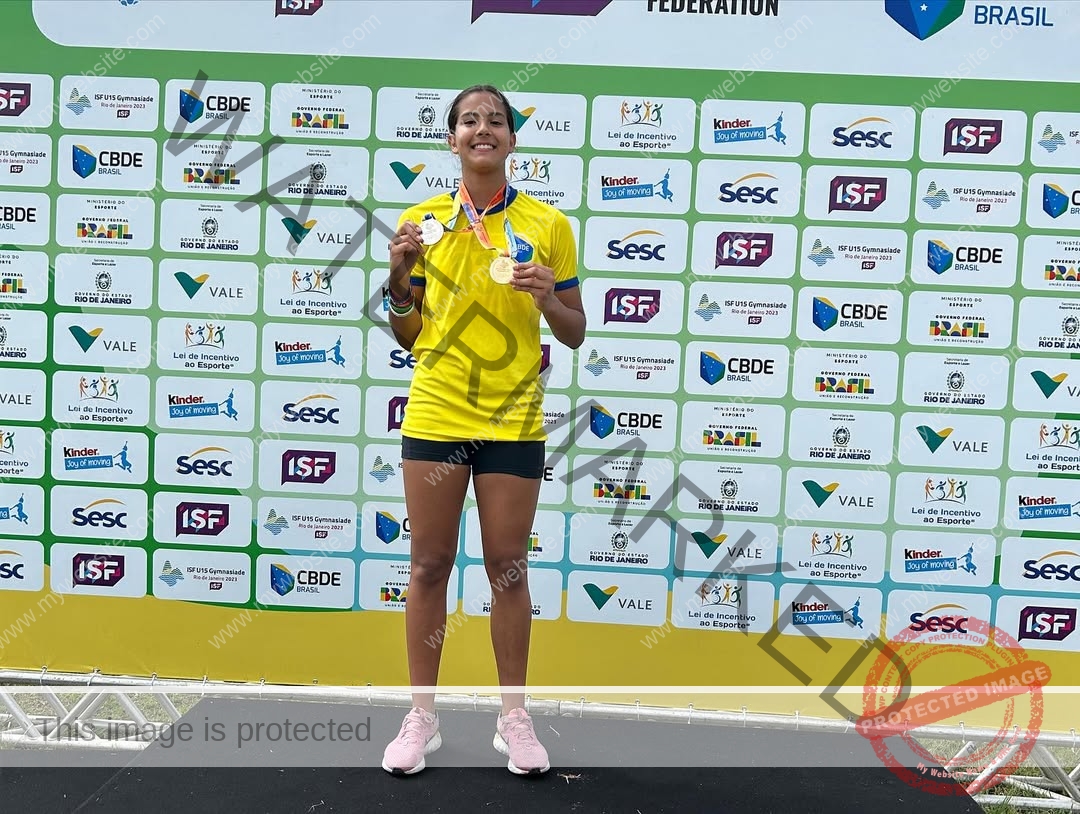
The most prominent international assignment of 2025 came in July, when CBAt named Larissa to represent Brazil at the Campeonato Ibero-Americano Sub-18 de Atletismo, held July 20 in Assunção, Paraguay — a competition that also served as a qualifying test event for the Pan-American Junior Championships. At the Ibero-American meet, Larissa reached the 100-meter hurdles semifinal and recorded a time of 13.98 seconds — a new personal best at the time and a mark that established her definitively among the elite sub-18 100-meter hurdlers on the continent. She earned a bronze medal in that event. Her performance reinforced what her 2024 results had announced: she was no longer just a Brazilian story. She was a continental one.
2026: The South American Youth Games in Panama
The early part of 2026 brought the biggest stage of Larissa’s career to that point. In February, CBAt announced the delegation for the Jogos Sul-Americanos da Juventude (South American Youth Games), to be held in Panama City, Panama, in April. Selected through the continental ranking process — which considers results from January 2025 through January 2026 — Larissa was named to the team in both the 100-meter and 400-meter hurdles, with the federation describing her as one of the featured athletes of the women’s squad.
The South American Youth Games are the highest-level continental multisport competition for athletes under eighteen on the continent, and the Brazilian athletics team arrived in Panama City as the defending powerhouse of the tournament. Larissa, representing Brazil in two individual events, delivered. On April 23, 2026, in the 400-meter hurdles final, she ran 1:01.63 to claim the bronze medal — a podium finish at the most prestigious continental youth games in South America, in only her second full season of international competition.
Brazil’s athletics team finished the games with 25 medals in total (6 gold, 10 silver, 9 bronze), and Larissa’s bronze was among the individual contributions that helped make that haul possible. For a seventeen-year-old from Cascavel to be standing on a South American Youth Games podium, in a city more than 4,000 kilometers from home, is a reminder of just how far and how fast her trajectory has moved.
Training, Support, and Club
Larissa’s development has unfolded within a coherent support structure that deserves acknowledgment. Coach Luiz Albino Broetto Junior is the constant through every milestone in her career — the person who has managed her training load, her event selection, and the deliberate decision to challenge her with open-level competition before it might seem strictly necessary. He is a coach whose athletes have consistently produced results at the national level; Larissa is the clearest proof of his methodology.
At the club level, she competes for the AABB Atletismo Cascavel (Associação Atlética Banco do Brasil — Cascavel), a club that, with Larissa as its centerpiece, won the Campeonato Brasileiro Interclubes Sub-16 overall team title in 2024 — the club championship — a testament to the depth of the program. The infrastructure Larissa uses is that of the CNTA (Centro Nacional de Treinamento de Atletismo) in Cascavel, maintained through the Fundação Municipal de Esporte e Cultura (FMEC) in partnership with the Paraná Esportes state program. Both the city government of Cascavel and the state government of Paraná have been cited in official reports as active sponsors of her career, and she is affiliated with the CBAt registration system under number 88049, with federation registration active through April 2028.
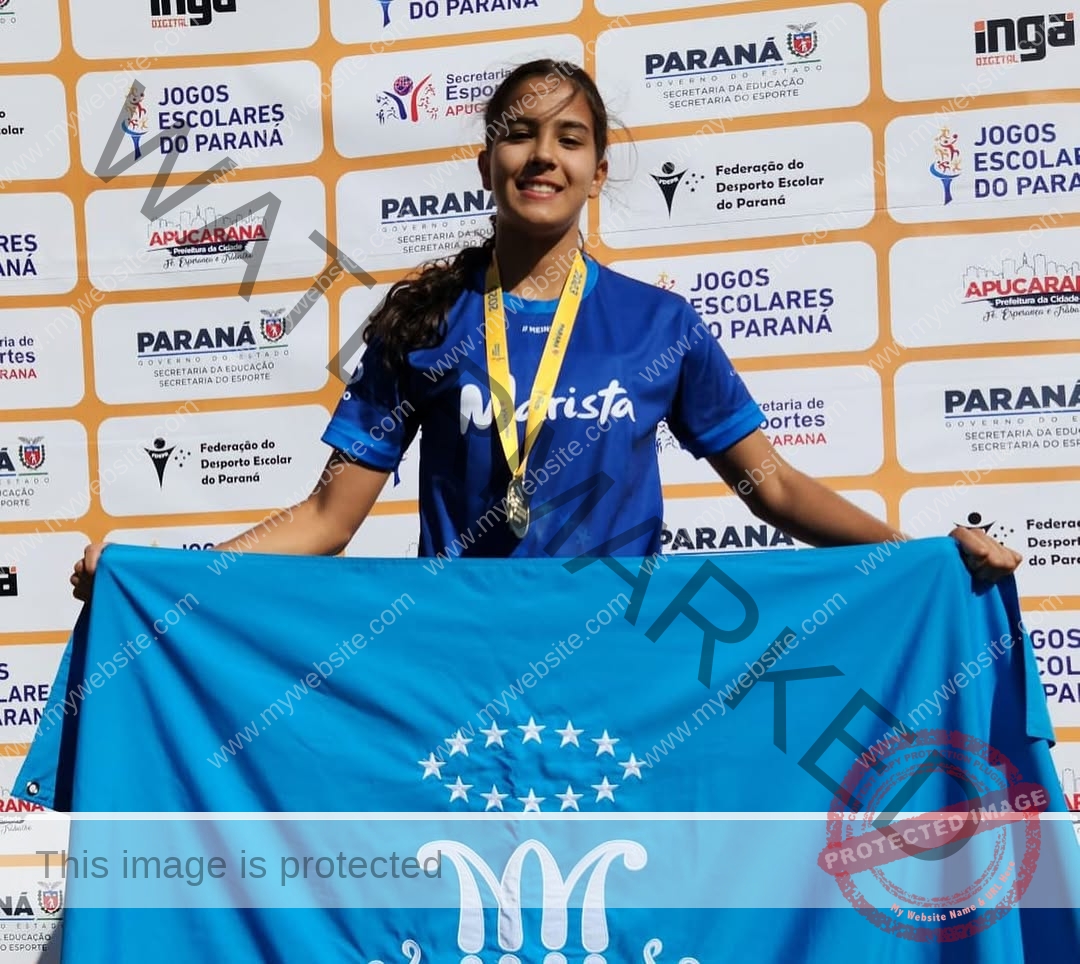
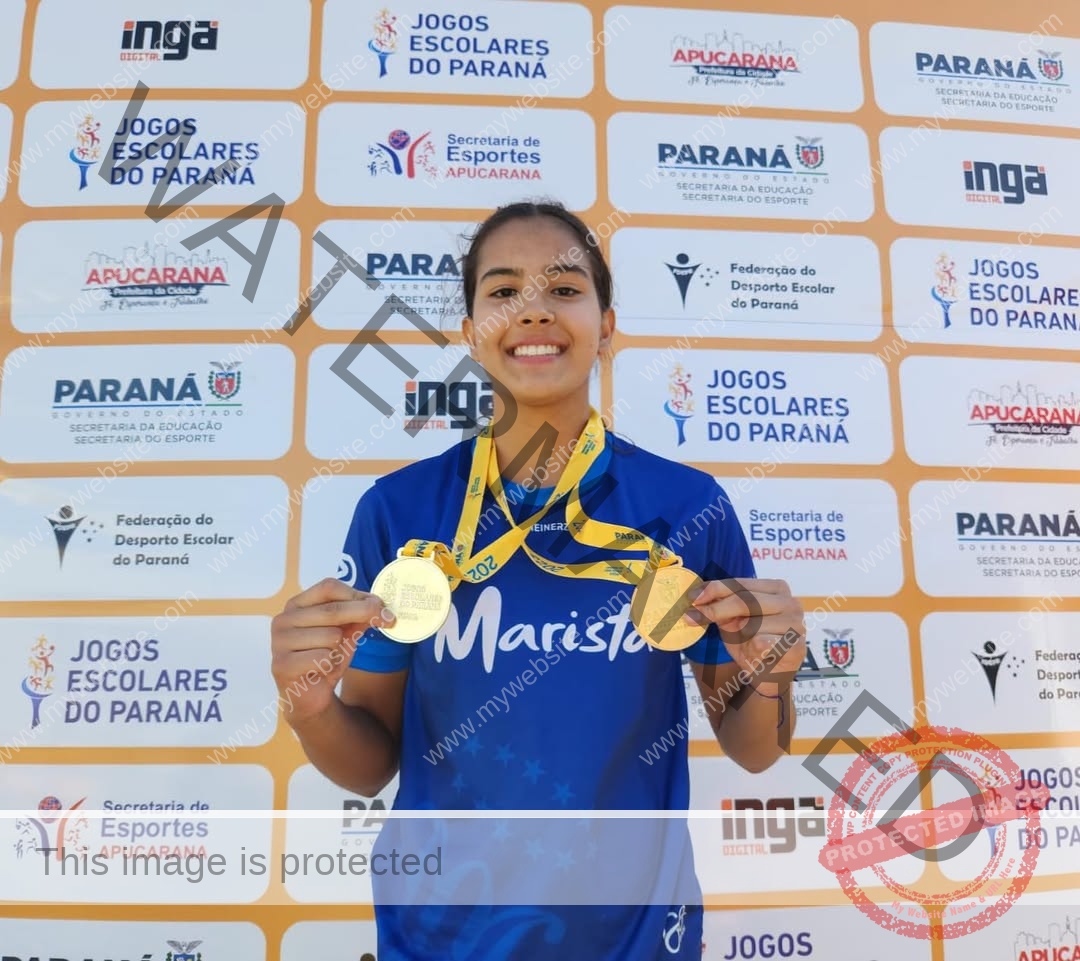
As a student-athlete, Larissa has been affiliated with the Colégio Marista in Cascavel — one of the schools whose athletics program feeds into the AABB club structure. The combination of a quality school environment, a nationally-competitive club, a purpose-built national training center, and a focused, experienced coach is precisely the kind of ecosystem that produces athletes capable of making international marks before turning eighteen.
Personal Bests and Key Career Results
Larissa’s documented personal bests, as recorded by CBAt, include:
- 100m hurdles (Sub-18): 13.98 seconds (Campeonato Ibero-Americano Sub-18, Assunção, July 20, 2025)
- 400m hurdles: 1:01.06 (Campeonato Sul-Americano Sub-18, San Luis, December 8, 2024)
- 300m hurdles (Sub-16): 43.25 seconds — Brazilian national record (Campeonato Brasileiro Interclubes Sub-16, João Pessoa, November 3, 2024)
- 400m (flat): 58.09 seconds (Jogos da Juventude COB, Brasília, September 13, 2025)
- 100m (flat): 12.33 seconds (Jogos Escolares do Paraná, Pato Branco, August 6, 2024)
- 60m (indoor): 8.33 seconds (1º Campeonato Paranaense Indoor, Cascavel, January 18, 2026)
- 80m hurdles (Sub-16): 11.34 seconds (Campeonato Paranaense Sub-16, Campo Mourão, September 29, 2024)
Selected major career results include:
- 2024 — Gold, 400m hurdles, Campeonato Sul-Americano Sub-18, San Luis, Argentina (1:01.06 PB)
- 2024 — Gold, 8x300m mixed relay, Campeonato Sul-Americano Sub-18, San Luis, Argentina
- 2024 — 5th place, 100m hurdles, Campeonato Sul-Americano Sub-18, San Luis, Argentina
- 2024 — Gold + Brazilian national record, 300m hurdles Sub-16, Campeonato Brasileiro Interclubes Sub-16, João Pessoa (43.25)
- 2024 — Gold, 80m hurdles Sub-16, Campeonato Brasileiro Interclubes Sub-16, João Pessoa
- 2024 — Best Female Athlete, Campeonato Brasileiro Interclubes Sub-16, João Pessoa
- 2024 — Gold, 100m hurdles Sub-18 and 400m hurdles Sub-18, Campeonato Paranaense Sub-18, Campo Mourão
- 2024 — Gold, 80m hurdles Sub-16 and 300m hurdles Sub-16, Campeonato Paranaense Sub-16, Campo Mourão
- 2025 — Bronze, 100m hurdles, Campeonato Ibero-Americano Sub-18, Assunção, Paraguay (13.98 PB)
- 2025 — Silver, 100m hurdles, Jogos da Juventude COB, Brasília
- 2025 — Silver, 400m hurdles, Campeonato Brasileiro Sub-18, Cuiabá
- 2025 — Silver, 100m hurdles, Campeonato Brasileiro Sub-18, Cuiabá
- 2025 — Silver, 400m hurdles, Campeonato Brasileiro Sub-20, Recife (14.07 in 100m hurdles, bronze)
- 2025 — Gold, 100m hurdles Sub-18 and 400m hurdles Sub-18, Campeonato Paranaense Sub-18, Campo Mourão
- 2026 — Bronze, 400m hurdles, Jogos Sul-Americanos da Juventude, Panama City, Panama (1:01.63)
Brazilian National Team Appearances
Larissa has earned three separate national team convocations to date — a remarkable number for someone who had not yet turned eighteen at the time of her most recent selection:
- XXVII Campeonato Sul-Americano Sub-18 de Atletismo, San Luis, Argentina, December 2024 — her first non-scholastic national team call-up
- Campeonato Ibero-Americano Sub-18 de Atletismo, Assunção, Paraguay, July 2025
- Jogos Sul-Americanos da Juventude, Panama City, Panama, April 2026
Support Structure and Sponsorship Context
Larissa’s competitive career is supported by a combination of municipal and state-level public sports funding, through the Prefeitura Municipal de Cascavel and the Governo do Estado do Paraná via the Paraná Esportes program. Her club, AABB Cascavel, provides the organizational framework through which she accesses training facilities, competition logistics, and the broader AABB network. She wears the national team kit supplied by PUMA, which is the official kit partner for the Seleção Brasileira de Atletismo through the CBAt’s master sponsorship arrangement with Caixa Loterias.
No independent personal sponsorship arrangements for Larissa have been publicly reported as of mid-2026 — which, for a seventeen-year-old in Brazilian youth athletics, is entirely typical. The sponsorship conversations that matter for athletes at her stage are still a few seasons away. What is worth noting is that she operates in an environment — Cascavel, Paraná — that has been intentional about investing in youth athletics, and that investment has visibly paid off in her results.
Looking Ahead
The immediate future for Larissa Schon de Morais is clear in broad outline even if the details are still being written. She will age into the Sub-20 category over the next cycle, opening access to the Pan-American Junior Championships and the World Athletics U20 Championships — two competitions where a 1:01 400-meter hurdler with continental youth podium experience would not be out of place in any final. Her 100-meter hurdles times are still developing, but a trajectory from 13.98 at seventeen toward the low-thirteens as she matures physically is well within reason for a hurdler with her technique and competitive instincts.
The longer horizon is more speculative, but the foundation is there. The senior Brazilian 400-meter hurdles landscape has been shaped in recent years by athletes who, like Larissa, arrived through the national interclubes and South American youth systems before stepping onto the international stage. For athletes who develop within that pipeline and continue to improve through their late teens and early twenties, the pathway to senior national competition is not a fantasy. It is, based on the evidence so far, a reasonable expectation.
For now, though, Larissa Schon de Morais is seventeen years old, the holder of a Brazilian national record, a two-time South American championship medalist, a three-time national team member, and one of the most watched names in Brazilian youth athletics. She runs from the front. She turbinei — as she put it herself — to get there. And she shows no signs of slowing down.
Larissa Schon de Morais competes for AABB Atletismo Cascavel under coach Luiz Albino Broetto Junior. She is registered with the Confederação Brasileira de Atletismo (CBAt) under number 88049, with federation affiliation current through April 2028. Her profile can be found on the CBAt official athlete database at cbat.org.br.
