




Kaylin Myrie Berger: Costa Rica’s Rising Force in the Throwing Circle
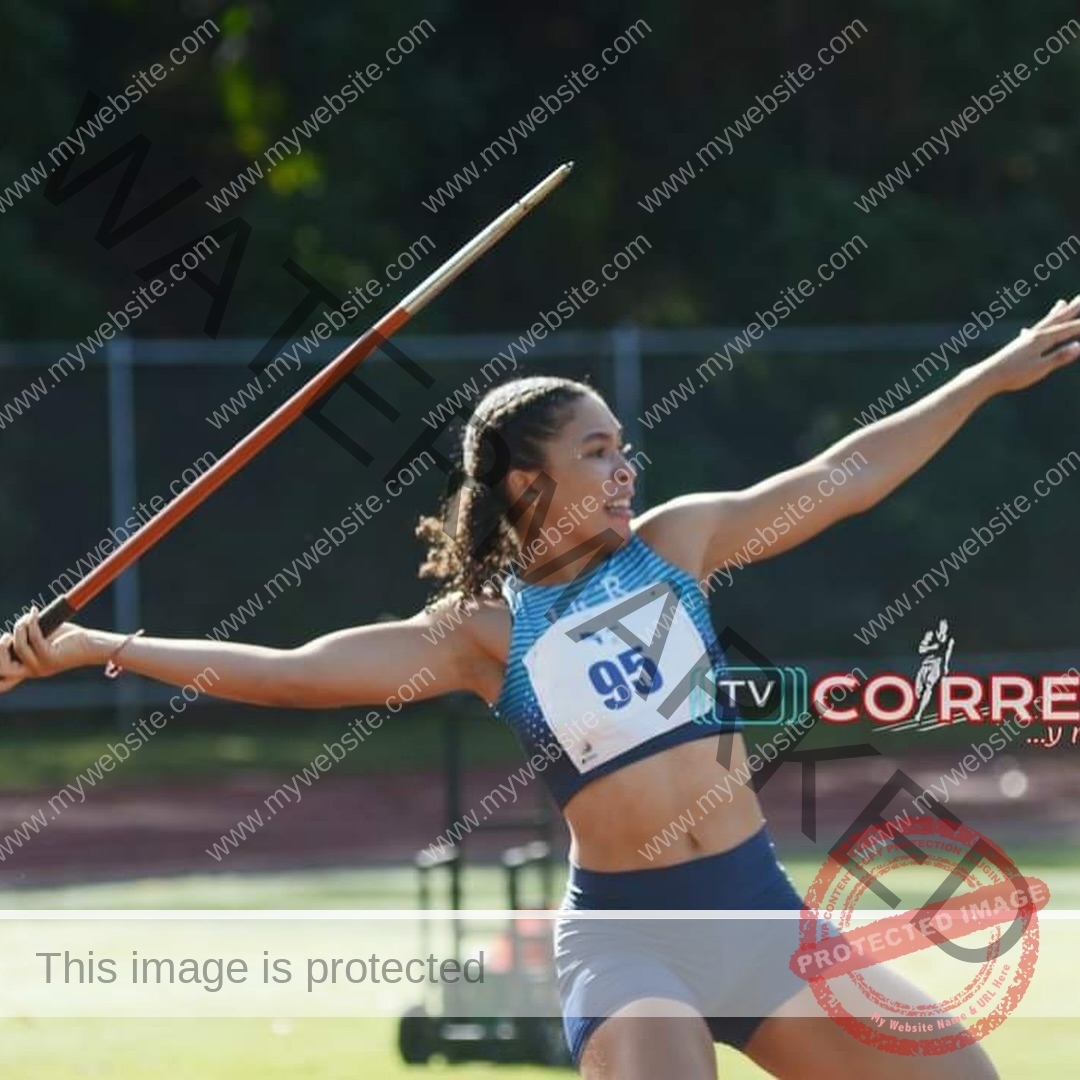
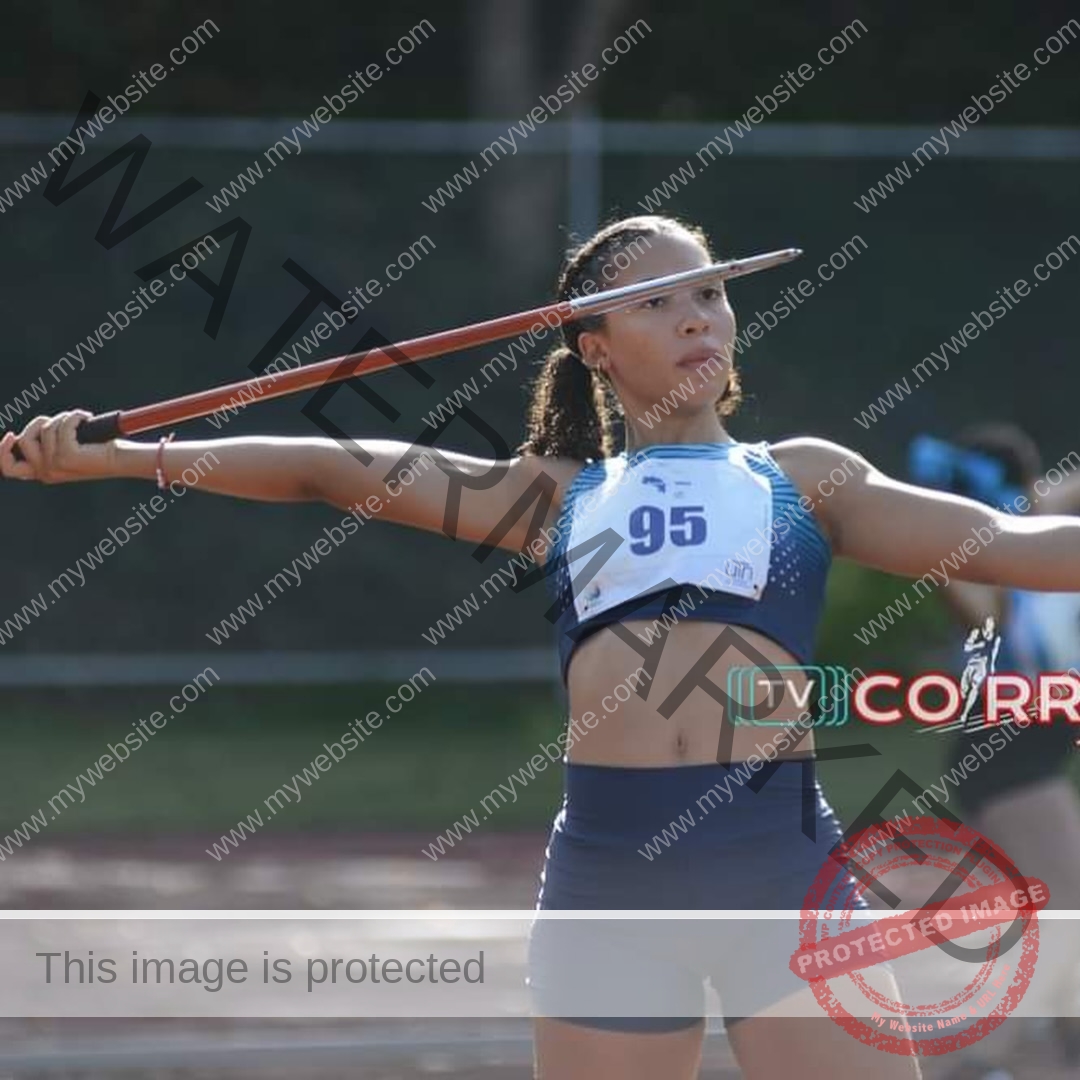
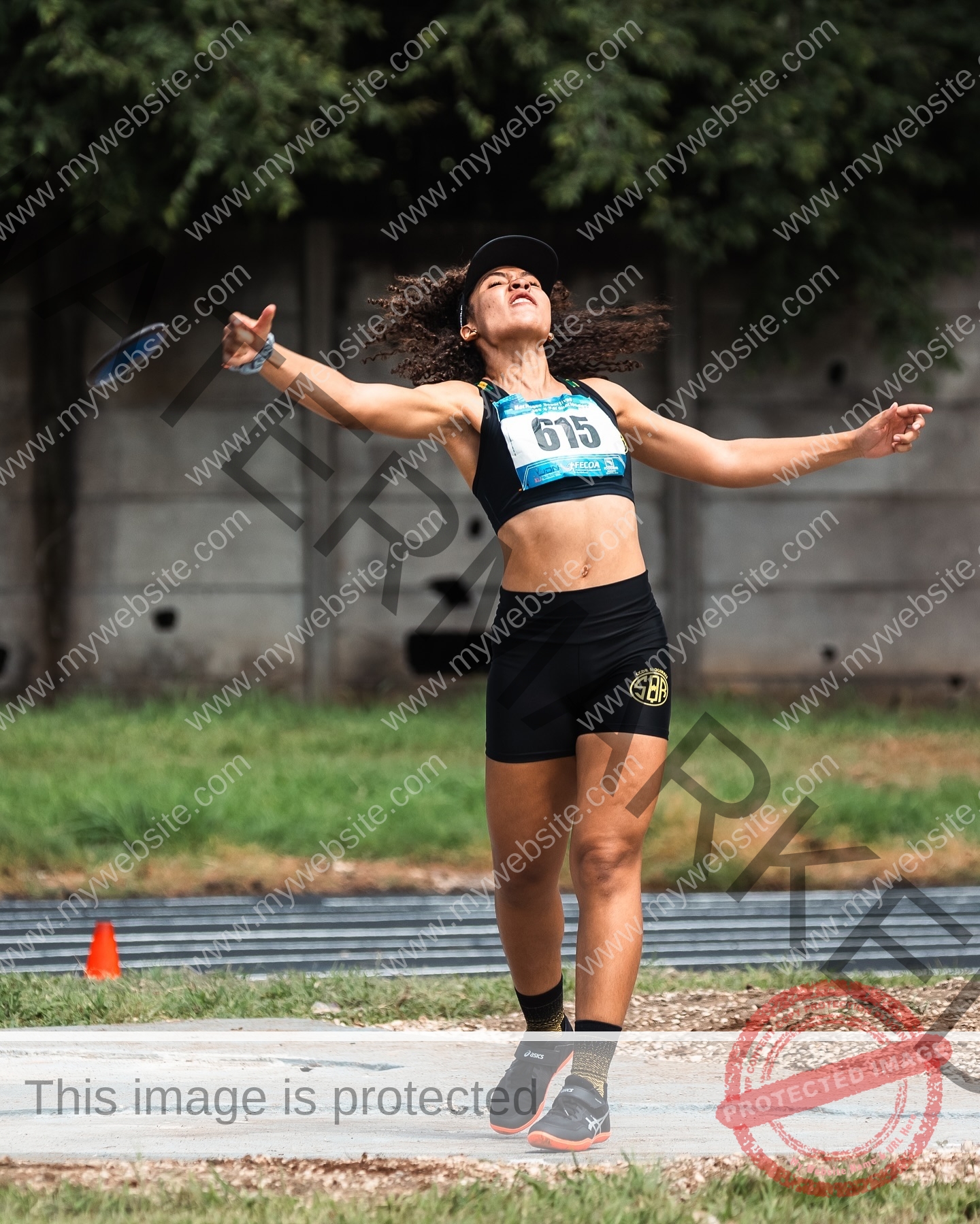
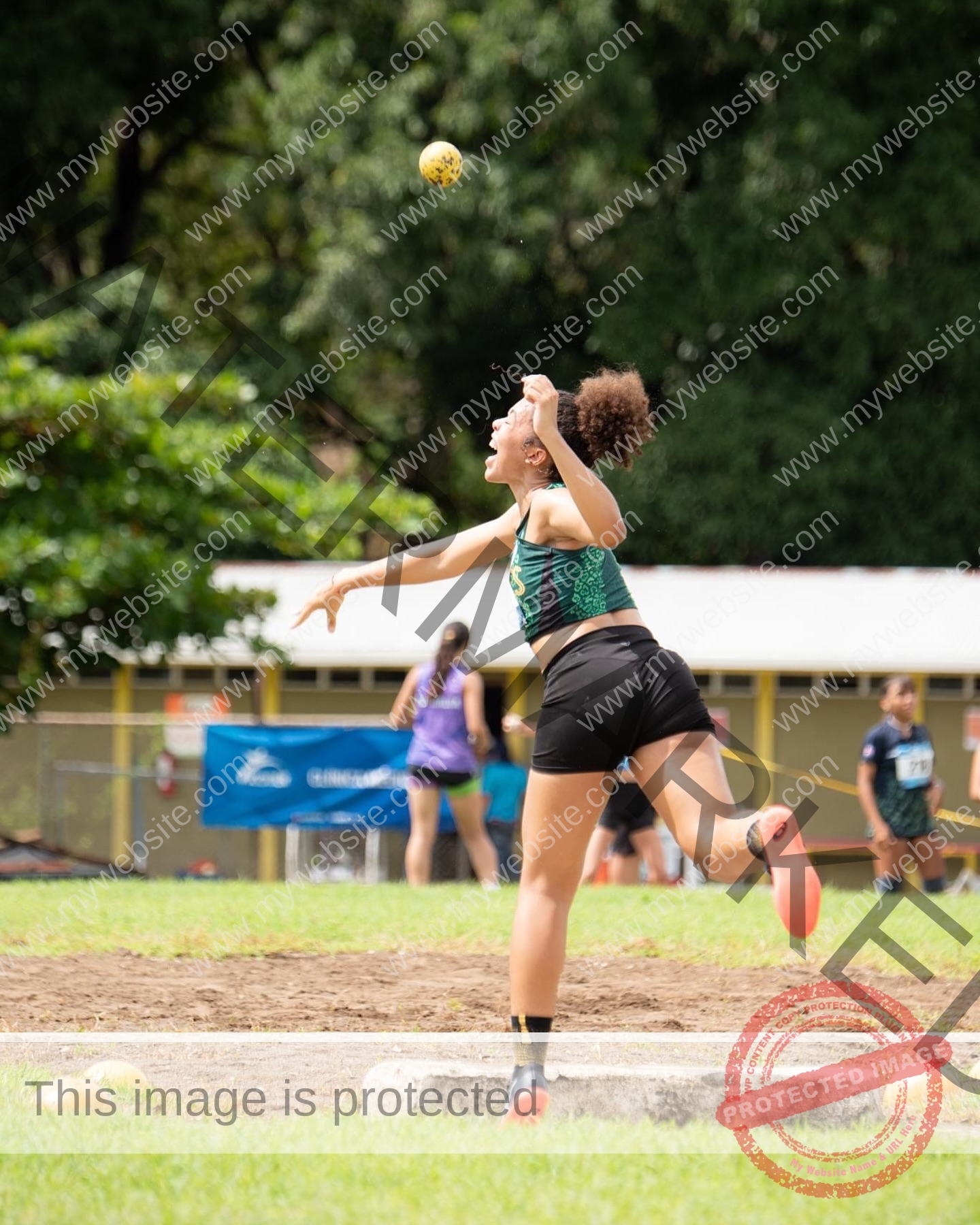
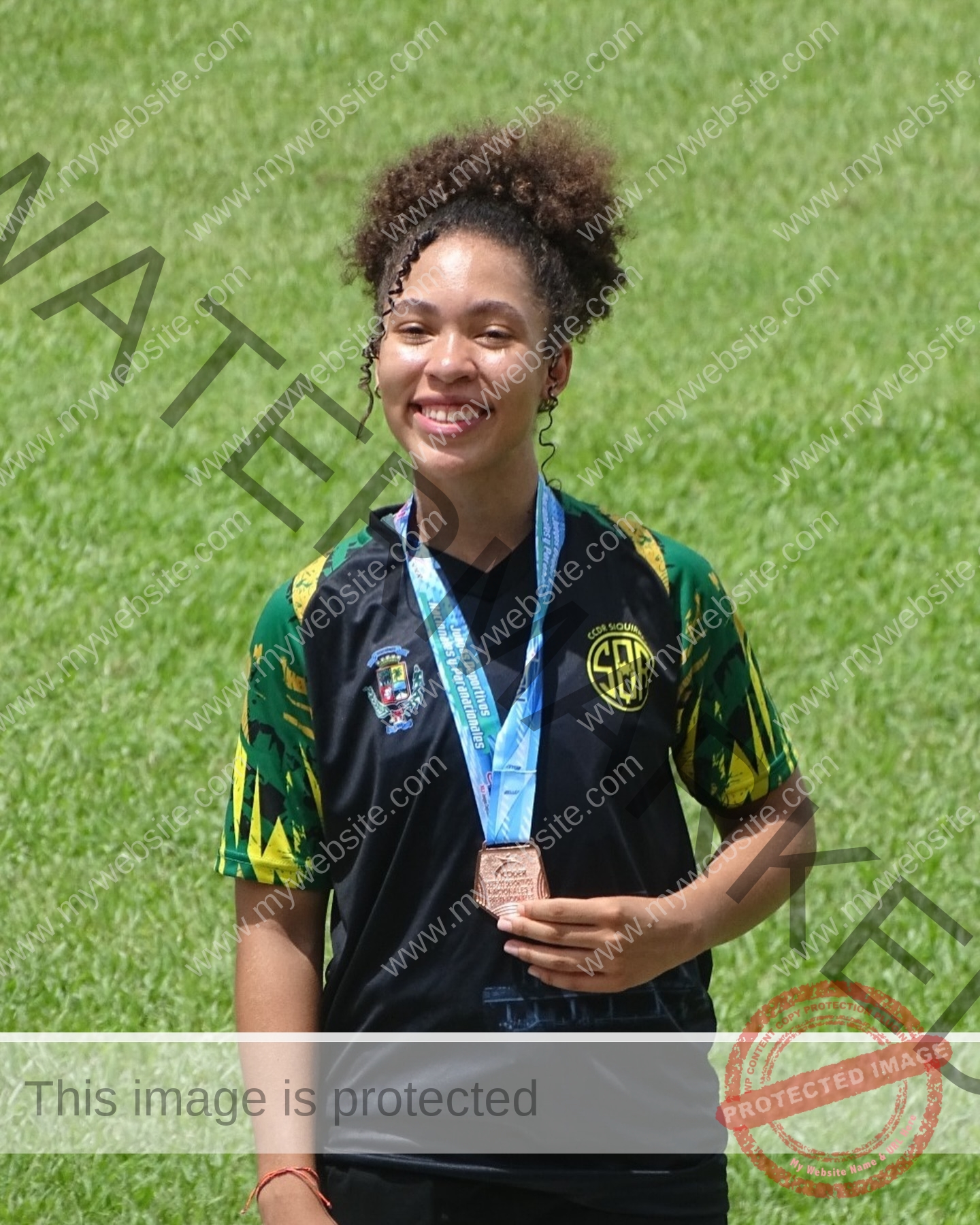
By the time Kaylin Andrea Myrie Berger stepped into the discus circle at the Polideportivo de Siquirres in January 2026, she was already carrying a lot — the weight of a famously athletic last name, the dual demands of university coursework and elite training, and the quiet ambition of an athlete who had been chasing a single number for years. When her disc sailed out to 43.58 meters, erasing a Costa Rican U-20 national record that had stood since 2013, she wasn’t just winning a gold medal at the Juegos Deportivos Nacionales. She was announcing herself.
Roots: Liberia, Guanacaste
Kaylin Myrie Berger was born on January 7, 2006, and is from Liberia, the capital city of the Guanacaste province in northwestern Costa Rica. Known as the “White City” for its colonial architecture and dry-season heat, Liberia is a proud provincial capital with a strong athletic tradition — and the Myrie family has long been one of its most prominent sporting surnames.
The Myries are, to put it simply, one of the most recognizable athletic families in Costa Rican sports history. Kaylin is a relative of Roy Myrie and Dave Myrie, both Costa Rican international footballers who played at the highest levels of the club game across Europe and North America — Dave famously appearing for Costa Rica during the legendary 2014 FIFA World Cup run in Brazil. She is also a relative of Kenay Myrie, a younger-generation Costa Rican football talent currently playing for FC Copenhagen in the Danish Superliga, and of Ziggy Myrie, a Costa Rican boxer. Athletic genes run deep in the family.
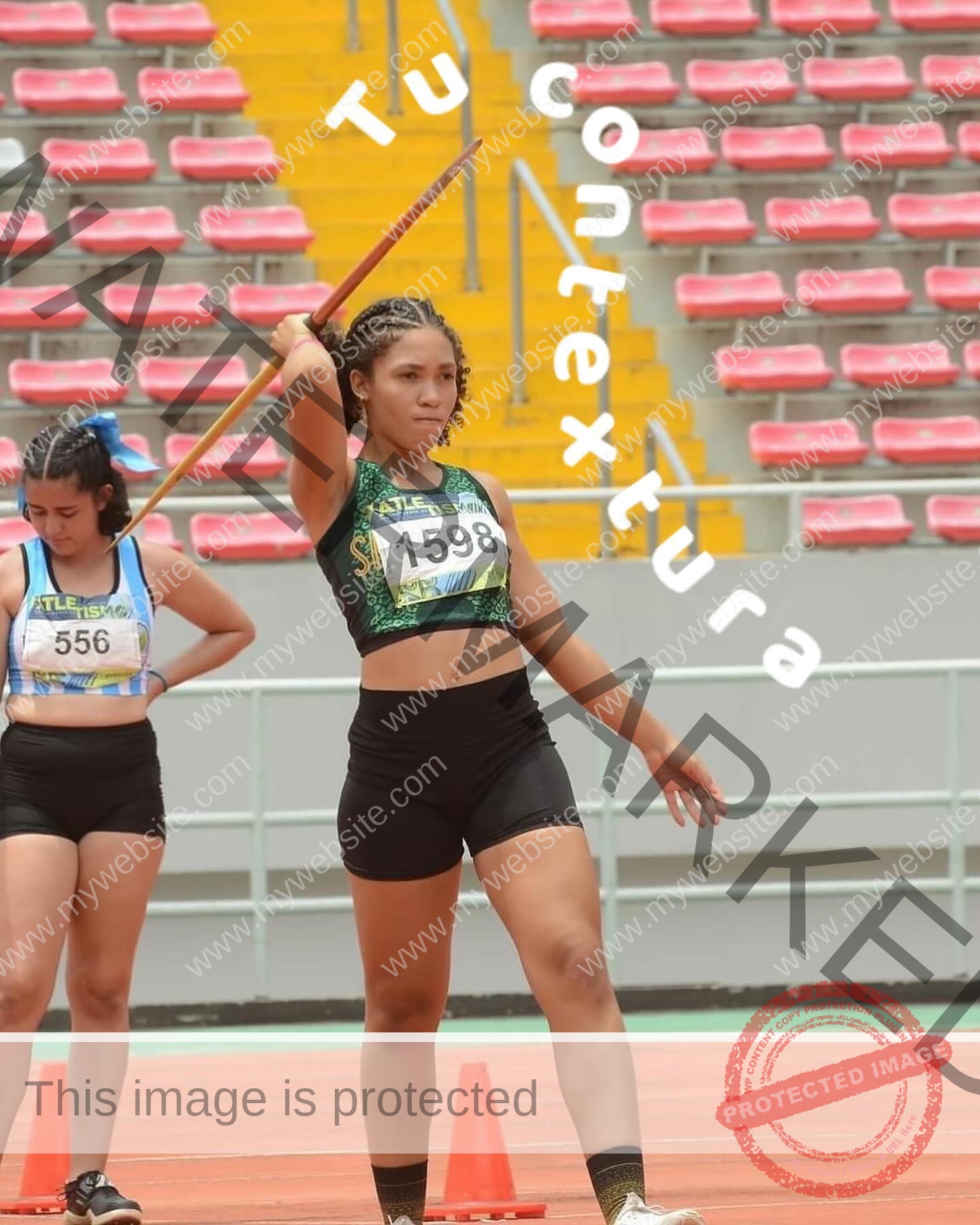
Kaylin, however, chose a very different path than her footballer relatives. Her discipline — throwing events in track and field, principally the discus — is one of the most technically demanding in all of athletics, requiring a rare combination of explosive strength, rotational coordination, and years of patient technical refinement. That she arrived at this event at all reflects a journey of athletic curiosity and eventual focus.
Early Sports Life and Path to Athletics
Before becoming a discus thrower, Kaylin’s early athletic life was anything but one-dimensional. As a young athlete growing up in Guanacaste, she also participated in indoor volleyball (voleibol de sala), demonstrating the kind of multi-sport background that coaches often look for as a foundation for throwing events — volleyball develops shoulder strength, explosiveness, and spatial awareness, all of which translate well into the throwing circle.
Her transition toward track and field and specifically the throwing disciplines appears to have taken root during her secondary school years, a formative period during which she began representing her home province of Guanacaste in national competitions. For young athletes in Costa Rica, the national sports system — particularly the Juegos Deportivos Nacionales, a multisport festival organized by region — serves as the primary proving ground, and Myrie would go on to become one of that competition’s most prominent throwing stories.
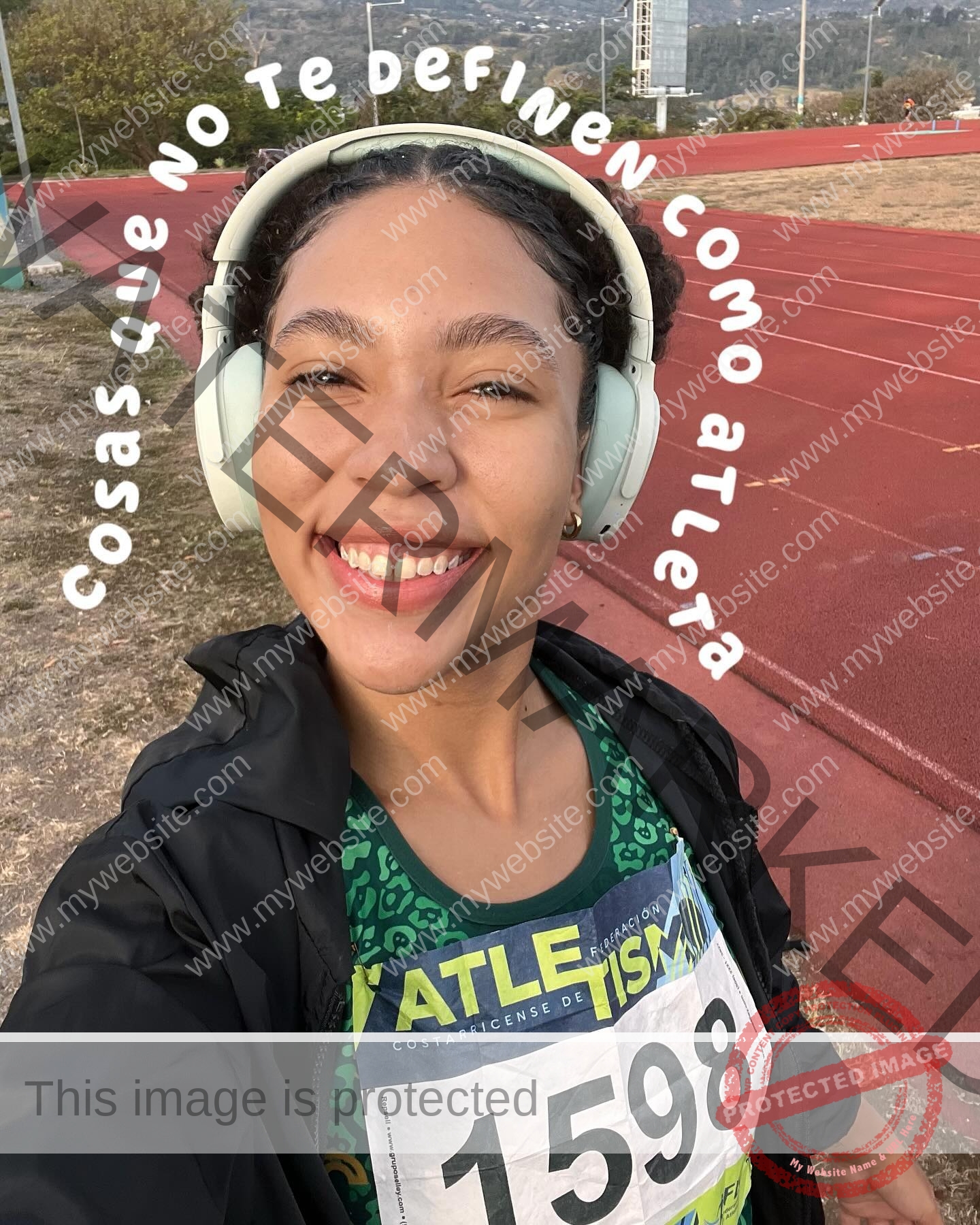
She eventually joined the athletics circuit in the capital region and established her training base at the Pista Rafael Ángel Pérez in Hatillo, San José — the country’s primary athletics facility and the training home of Costa Rica’s national athletics selección.
Building a Career: National Competition and Development Years
Costa Rica’s athletics scene operates through a federation-driven circuit of competitions organized by the Federación Costarricense de Atletismo (FECOA). For young throwers, the path typically runs through age-group national championships, provincial competitions, and then — for the most promising — selection to national teams for regional events.
Myrie progressed steadily through this system. In the U-20 discus throw (using the 1 kg implement), she established herself as the clear standout in Costa Rica’s age-group pipeline. Her marks were consistent enough to attract attention not only domestically but from regional competition organizers.
By 2025, she had earned selection to Costa Rica’s senior national athletics team for the XXXV Campeonato Centroamericano Mayor de Atletismo — the Central American Senior Athletics Championships — held in Managua, Nicaragua on August 2–3, 2025. Her inclusion in a 44-athlete delegation (24 women and 20 men) was noteworthy: she was among the youngest members of a squad that mixed established veterans like Andrea Vargas and Gerald Drummond with emerging talent. Costa Rica finished second in the overall team standings at that event, behind Guatemala, with 11 gold medals, 16 silver, and 11 bronze — the country’s best regional showing in recent memory.
That senior national team debut in Managua was a milestone, affirming that Myrie had crossed the threshold from promising youth prospect to a legitimate contributor to Costa Rica’s international throwing programs.
The Breakthrough: Juegos Deportivos Nacionales Limón 2026
If Managua was the confirmation, then January 2026 was the coronation.
The Juegos Deportivos Nacionales Limón 2026 — a major multisport competition held in Costa Rica’s Caribbean province of Limón — opened its athletics program with a historic flourish. On January 13, 2026, at the Polideportivo de Siquirres, Kaylin Myrie stepped into the discus circle for the women’s U-20 final.
Her winning throw measured 43.58 meters — a gold medal, yes, but more than that: it was a new Costa Rican national record for the U-20 women’s discus throw, surpassing the previous mark of 41.56 meters that had stood since 2013, set by Haydee Grijalba of Nicoya. The margin — more than two meters — was emphatic. It was also the first national record of any kind set during the athletics program at those games, opening the record books in style.
The achievement made national sports news across Costa Rica. The story practically wrote itself: the Myrie name, already synonymous with Costa Rican athletic excellence across football and boxing, now had a track and field chapter. Teletica, CR Hoy, Delfino.cr, and other major Costa Rican media outlets covered the moment prominently.
In her own words after the throw, Myrie captured both the joy and the journey:
“Ha sido bastante tiempo intentando superar mi marca, más que todo creo que esa es la ilusión de cada atleta, ir superándose a sí mismo y estoy muy feliz de poder decir que hoy rompí el récord nacional.”
(“It has been a long time trying to surpass my mark — more than anything, I think that is the ambition of every athlete, to surpass yourself — and I am very happy to be able to say that today I broke the national record.”)
She also spoke candidly about what the path to that result required:
“Fue muchísimo trabajo y muchísimo sacrificio, más que todo porque ha sido difícil balancear las responsabilidades académicas, buscar recursos y manejar el tiempo, porque a veces las competencias pueden ser caras.”
(“It was an enormous amount of work and sacrifice, above all because it has been difficult to balance academic responsibilities, find resources, and manage time, because sometimes competitions can be expensive.”)
And, characteristically, she addressed the family question directly — acknowledging the athletic DNA while asserting her own agency:
“Creo que la genética y nuestro historial es importante, pero para mí siempre lo más importante va a ser la dedicación y el esfuerzo que le quiera poner todo atleta a su deporte.”
(“I believe genetics and our history are important, but for me the most important thing will always be the dedication and effort that an athlete wants to put into their sport.”)
The Juegos Deportivos Nacionales ultimately produced eight national records across the women’s athletics program, with Myrie’s discus throw standing out as one of the most significant. She finished more than four meters ahead of silver medalist Luna Sherlyn Mora Sánchez of Oreamuno (39.02 meters), with Kamila Zoe Dobles Chavarría of Esparza taking bronze at 29.53 meters.
Advocacy: Speaking Up for Athletes
One of the things that has made Myrie a figure of note beyond just her throws is her willingness to speak publicly about the conditions Costa Rican track and field athletes train and compete in.
In February 2026, she gave a detailed interview to Teletica.com — one of Costa Rica’s most prominent broadcast news outlets — in which she raised pointed concerns about the deteriorated state of the discus and hammer throwing circle at the Pista Rafael Ángel Pérez in Hatillo. She shared video and photographic evidence of the damaged circle, which featured a dangerous hole at its center, creating conditions she described as genuinely frightening.
“El estado en el que se encuentra el círculo es una discusión constante entre todos los lanzadores de Costa Rica y a cualquier lanzador que usted le pregunte, lo más probable es que le vaya a comentar el miedo que le causa ir a competir ahí.”
(“The state of the circle is a constant discussion among all of Costa Rica’s throwers, and any thrower you ask will likely tell you about the fear it causes them to compete there.”)
She explained, with technical precision, exactly how the damaged surface disrupts throwing technique and creates injury risk — noting that one of her fellow athletes had already suffered a wrist injury at a competition held there the previous year. She then articulated a clear and direct demand: a proper, flat concrete throwing circle for the venue.
“Yo demando, yo exijo y yo considero que es necesario que haya un círculo en un buen estado, sin huecos, plano en la ciudad, en el lugar, más si se planea seguir haciendo competencias en este sitio.”
(“I demand, I require, and I consider it necessary that there be a circle in good condition, without holes, flat — especially if competitions are planned to continue being held here.”)
The advocacy drew a response: San José’s sports directorate and the city’s mayor acknowledged the problems publicly and committed to a comprehensive renovation of the facility as part of the 2026 extraordinary municipal budget — including a full replacement of the synthetic track surface. For a 19-year-old athlete to step into this kind of public advocacy role, on behalf of herself and all of Costa Rica’s throwing community, speaks to a maturity and confidence that extends well beyond the throwing circle.
The Student-Athlete: Engineering and Athletics
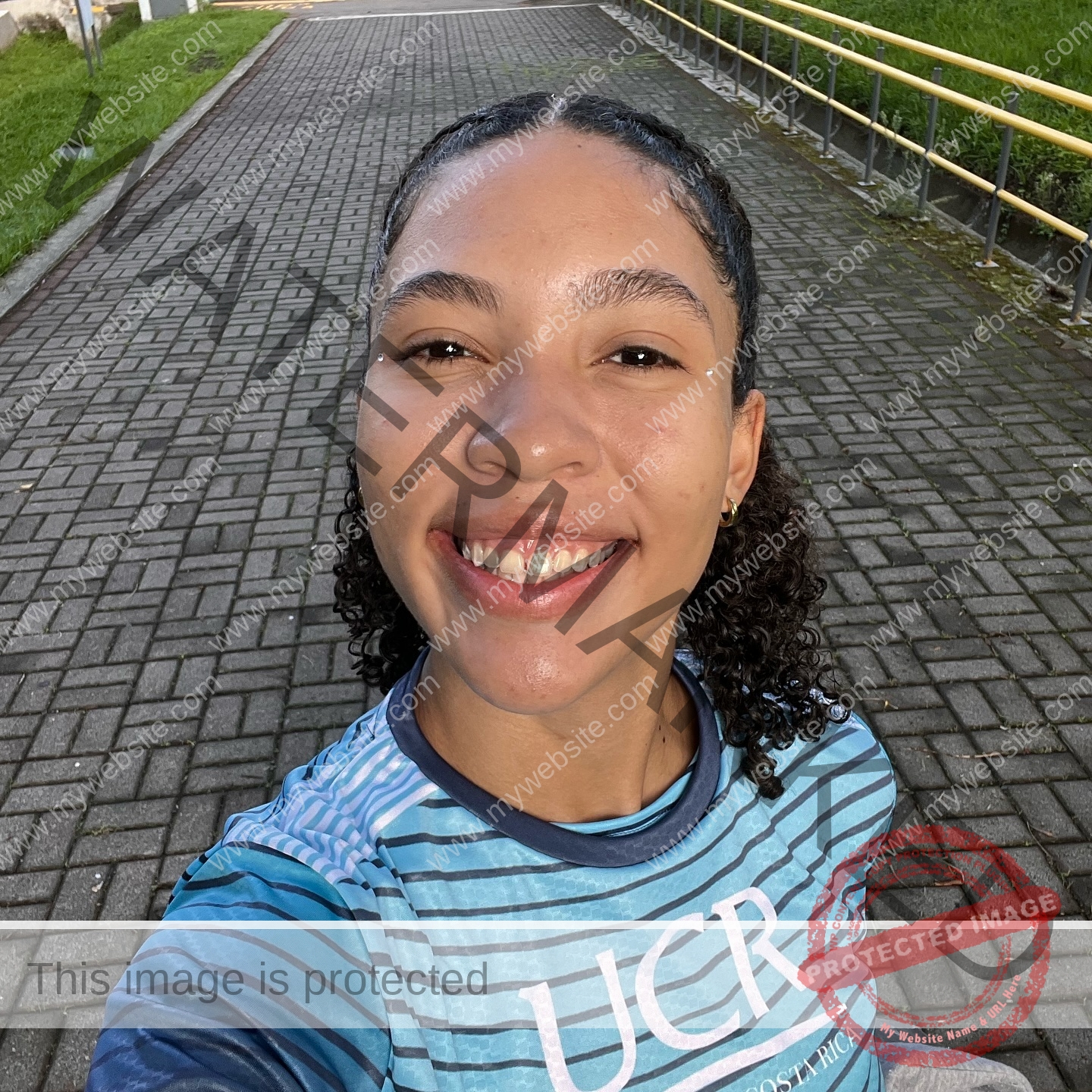
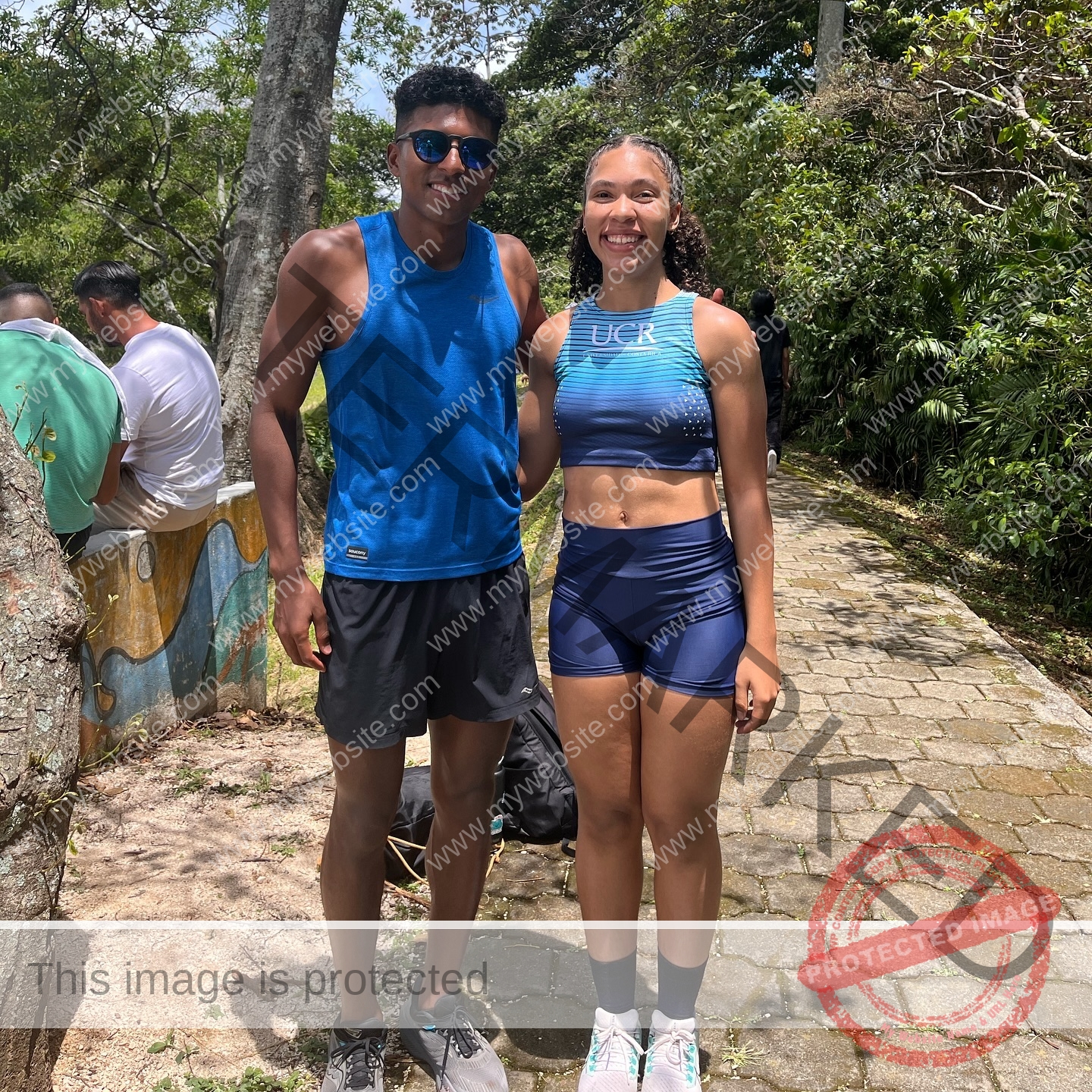
Kaylin Myrie is also a university student, pursuing a degree in Ingeniería Informática (Computer/Software Engineering) at the Universidad de Costa Rica (UCR) — the country’s premier public research university. She has spoken openly about the genuine challenge of balancing the demands of an engineering curriculum with a national team athletics schedule, noting that training, travel, competition costs, and academic work all compete for limited time and resources.
This dual identity — serious student and serious athlete — reflects something important about the realities of athletics in Central American sporting systems, where there is no professional athletics infrastructure of the kind that exists in North America or Europe. Costa Rican athletes largely self-fund their sporting careers while maintaining education or employment alongside training. Myrie has also mentioned that she has been actively working to build a social media presence to broaden awareness of her sport and create new avenues for visibility and support.
Social Media and Digital Presence
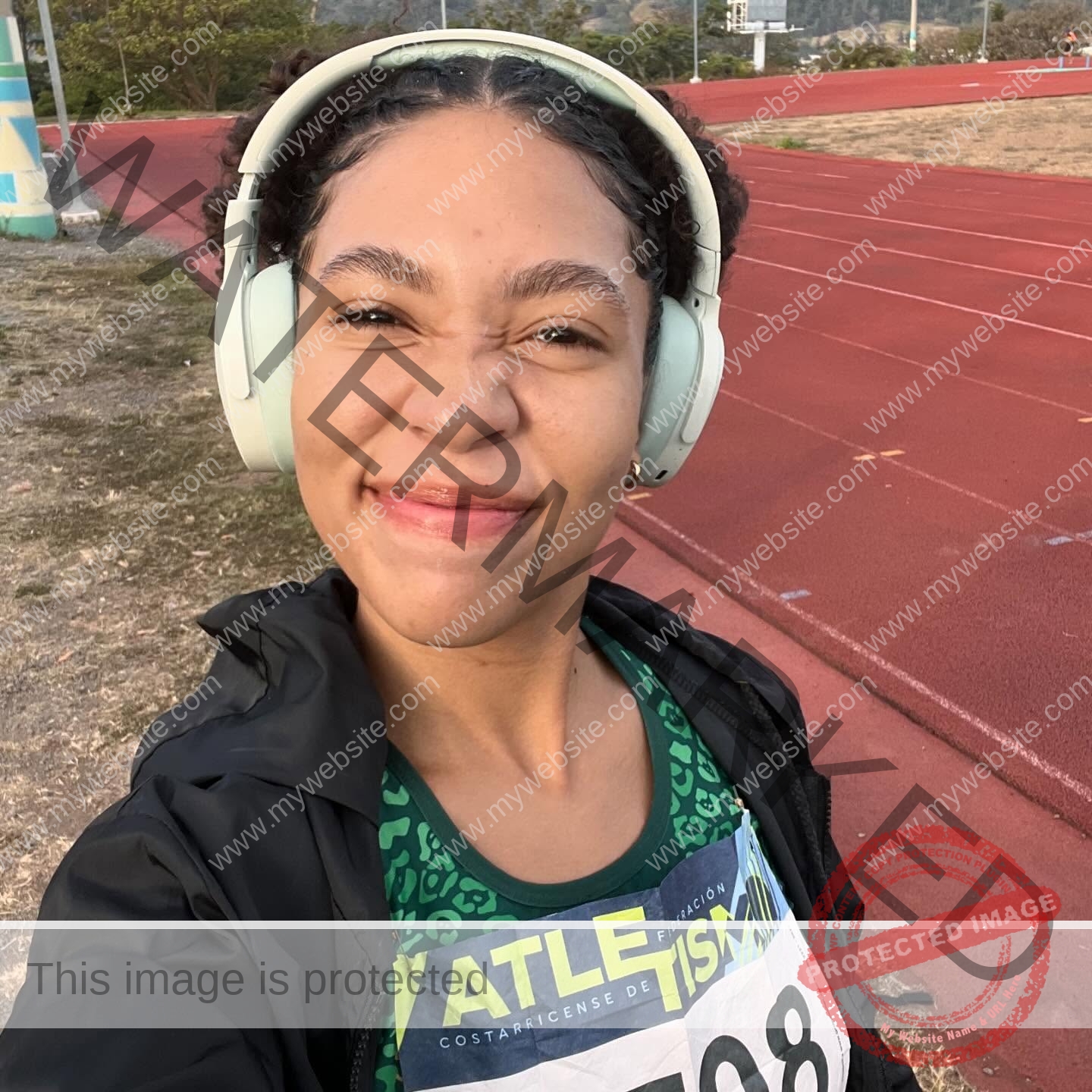
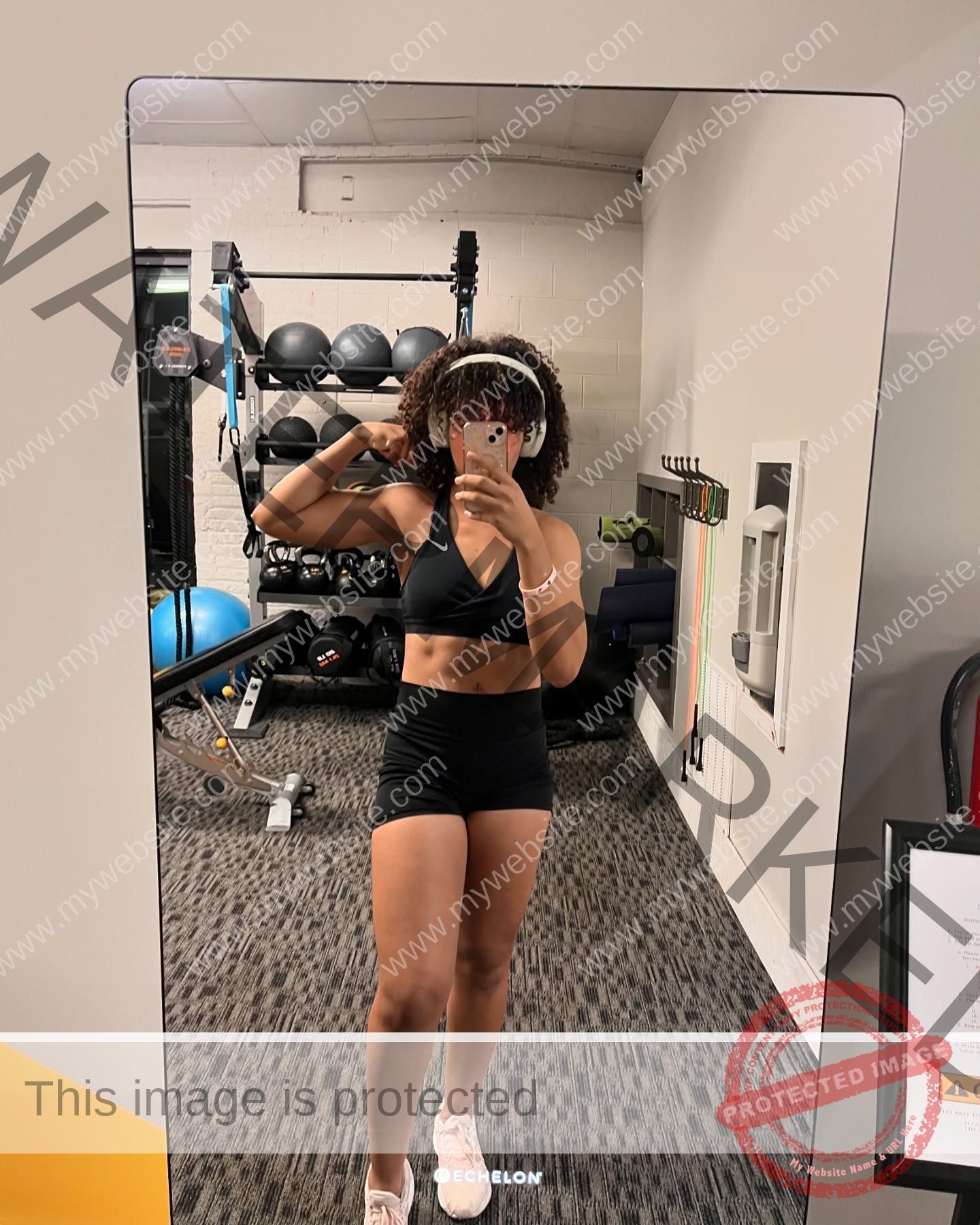
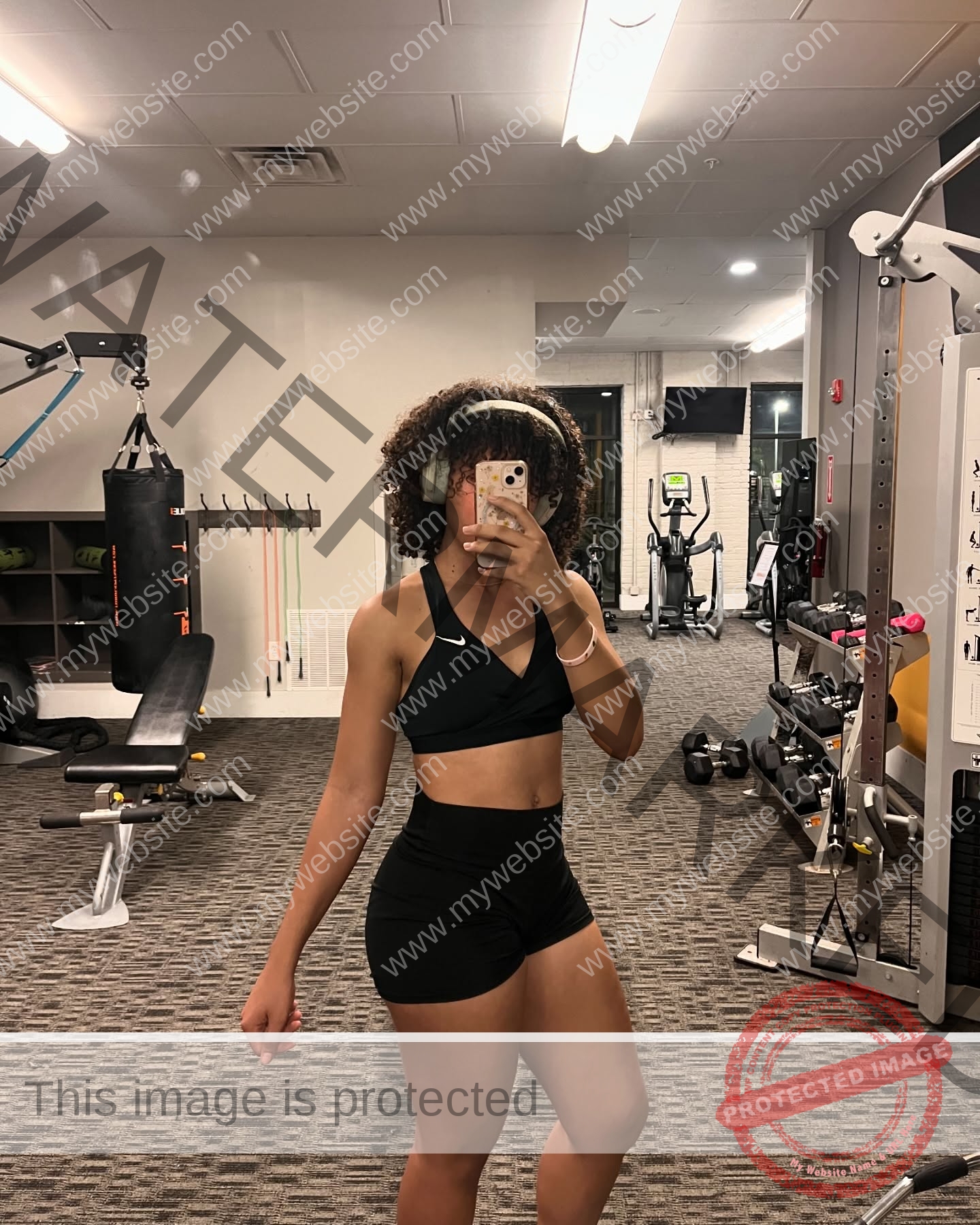
Kaylin Myrie has been developing her presence on social media as part of a deliberate effort to create content that expands public awareness of track and field in Costa Rica — a sport that receives relatively modest media coverage compared to football. She has referenced this effort explicitly in interviews, noting the challenge of balancing content creation with her academic and athletic commitments.
Her video documentation of the damaged throwing circle at the Rafael Ángel Pérez facility — which aired through Teletica’s platform — demonstrated the reach that social media can have for athlete advocacy, helping to escalate what had long been an in-community grievance into a genuine public conversation with real institutional response. Prospective followers and supporters should search for her under her name on the major social media platforms.
At present, no sponsorship arrangements have been publicly disclosed, though her growing national profile and proactive social presence suggest she is well-positioned to attract brand partnerships as her career develops.
Career Statistics and Personal Bests
Based on available competition records as of early 2026, Kaylin Myrie’s most notable career marks include:
Discus Throw — Women’s U-20 (1 kg implement) 43.58 m — January 13, 2026, Polideportivo de Siquirres, Siquirres, Limón (Costa Rican national U-20 record)
Discus Throw — Senior Women (1 kg implement) Competed at the XXXV Campeonato Centroamericano Mayor de Atletismo, Managua, Nicaragua, August 2–3, 2025 (senior international debut)
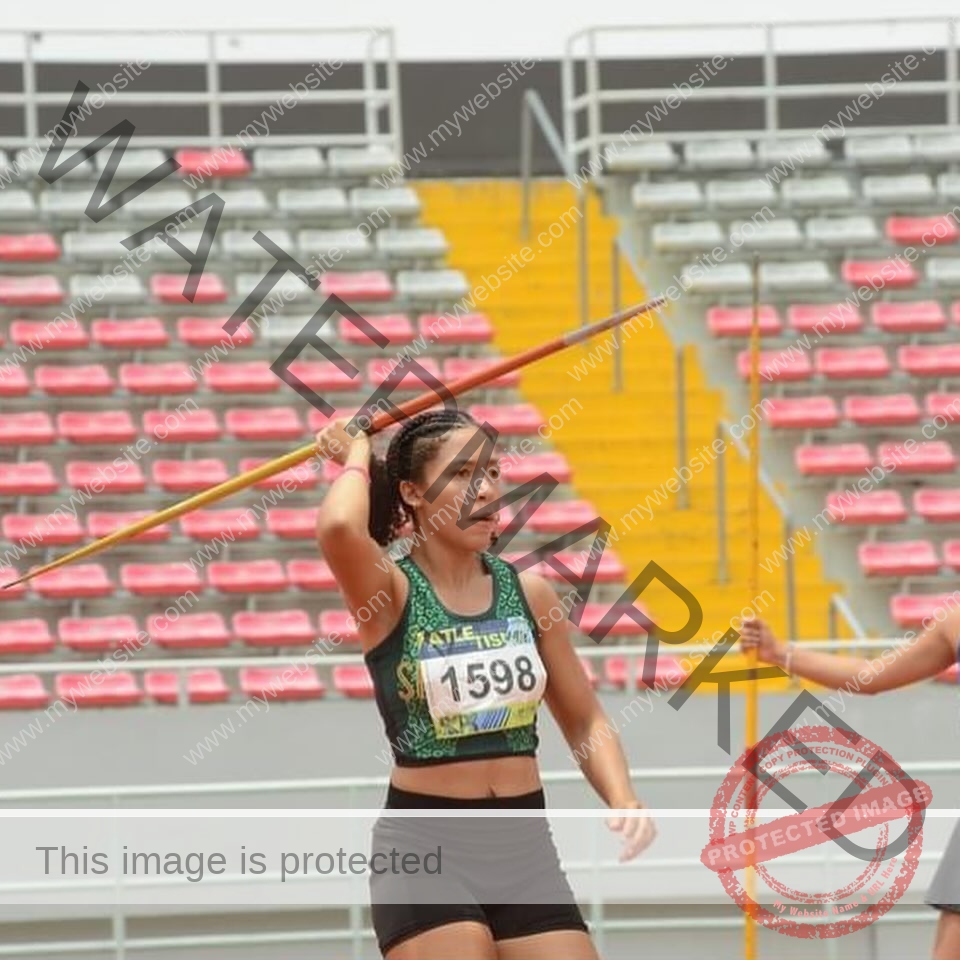
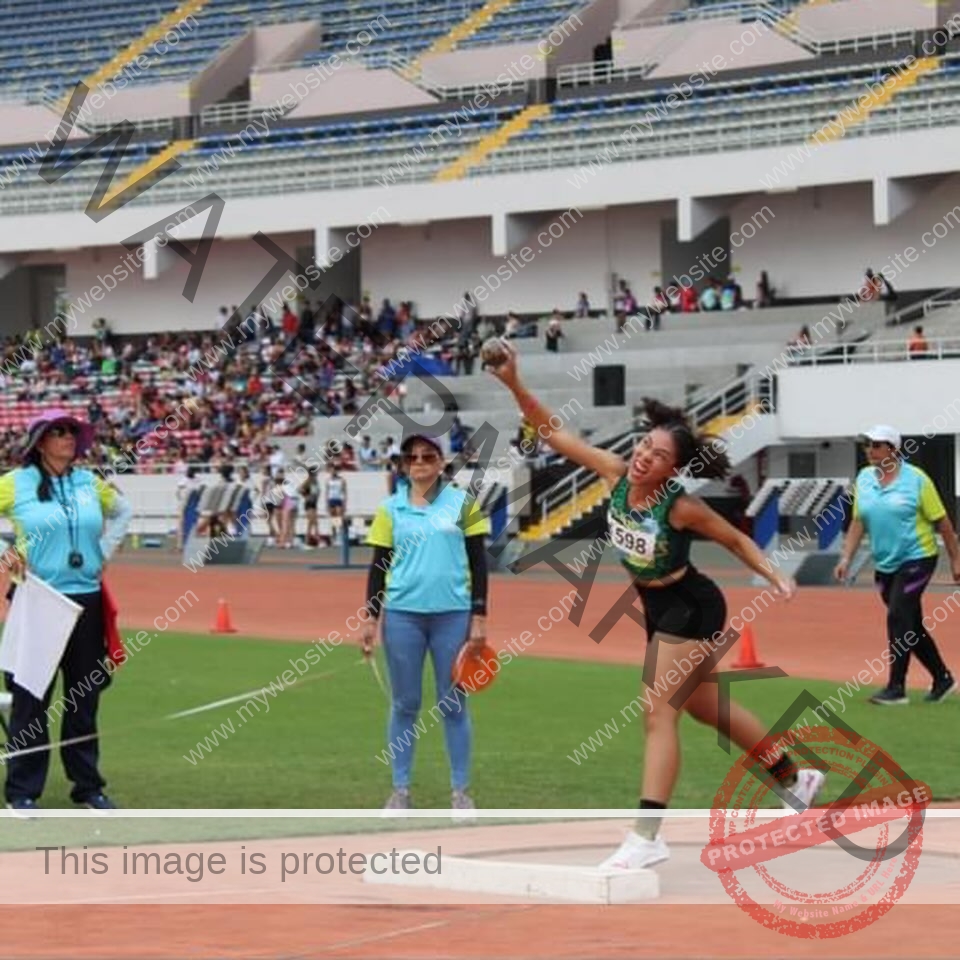
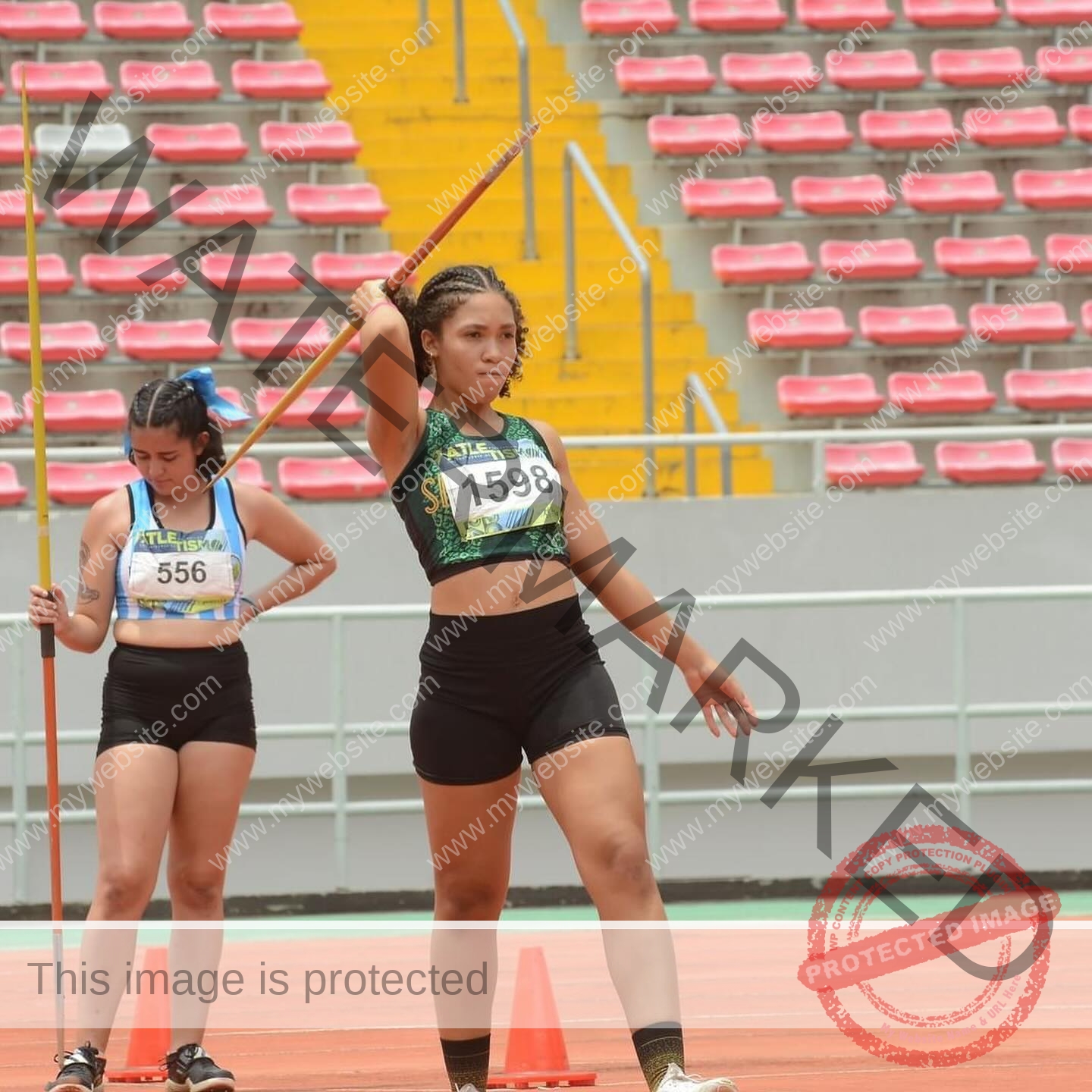
She has also competed in related throwing events at the national level, including the shot put and hammer throw, consistent with the multi-event throwing development pathway that is common in Costa Rican youth athletics programs.
It is worth noting the context of the record she broke: the previous Costa Rican U-20 women’s discus mark of 41.56 meters had stood since 2013 — a span of more than twelve years. That kind of longevity reflects the relative scarcity of elite-level young throwers in the Costa Rican pipeline, and makes Myrie’s 43.58-meter effort all the more significant for the sport’s development in the country.
Looking Ahead
At 19 years old, Kaylin Myrie Berger is, by any athletic measure, just getting started. The discus throw is an event in which athletes commonly improve well into their late twenties and early thirties — technical refinement, strength development, and competitive experience all compound over time in ways that are less true of the sprints or hurdles. Her 43.58-meter national record is a strong foundation, but the ceiling for this athlete appears considerably higher.
With continued technical development, access to better training infrastructure (a cause she is actively working to advance), and the institutional support of the Costa Rican national federation, there is every reason to expect Myrie to be a fixture on Central American and Caribbean athletics circuits for years to come. The Juegos Centroamericanos y del Caribe, the Pan American Athletics Championships, and regional qualifying events for the World Athletics Championships represent the logical next steps in her international progression.
For now, what is clear is this: a national record that endured for thirteen years fell to a 19-year-old from Liberia, Guanacaste, who is simultaneously studying computer engineering, advocating publicly for better athletic infrastructure, and building a platform for a sport she loves. In a sporting culture that has long celebrated the Myrie name on football pitches and in boxing rings, Kaylin Andrea Myrie Berger is writing her own chapter — and she is writing it in the throwing circle.
Kaylin Myrie Berger competes for Costa Rica in the discus throw. She is a member of the Costa Rican national athletics team (Selección Nacional de Atletismo de Costa Rica) and trains at the Pista Rafael Ángel Pérez in Hatillo, San José. She is currently a student of Ingeniería Informática at the Universidad de Costa Rica.
