
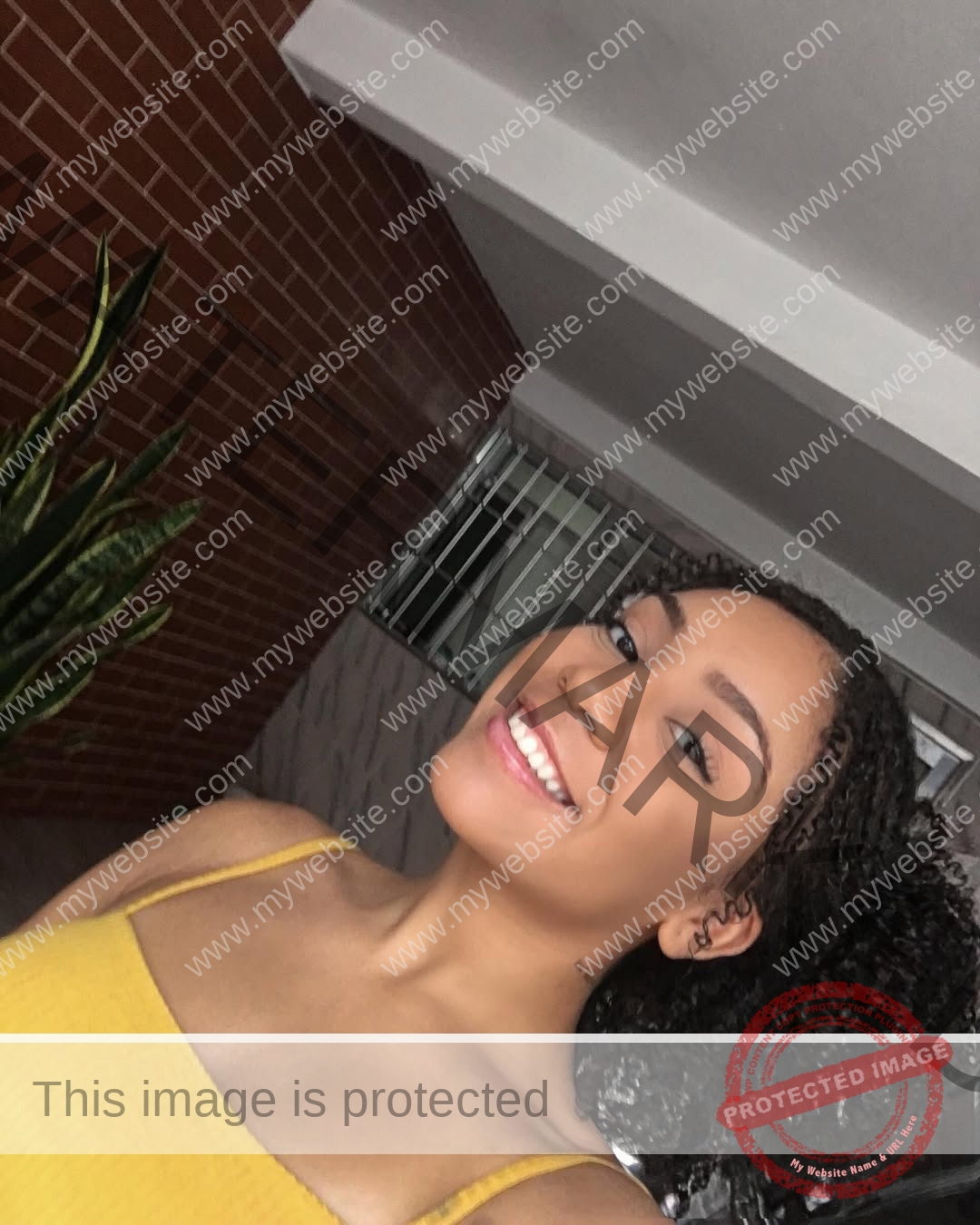
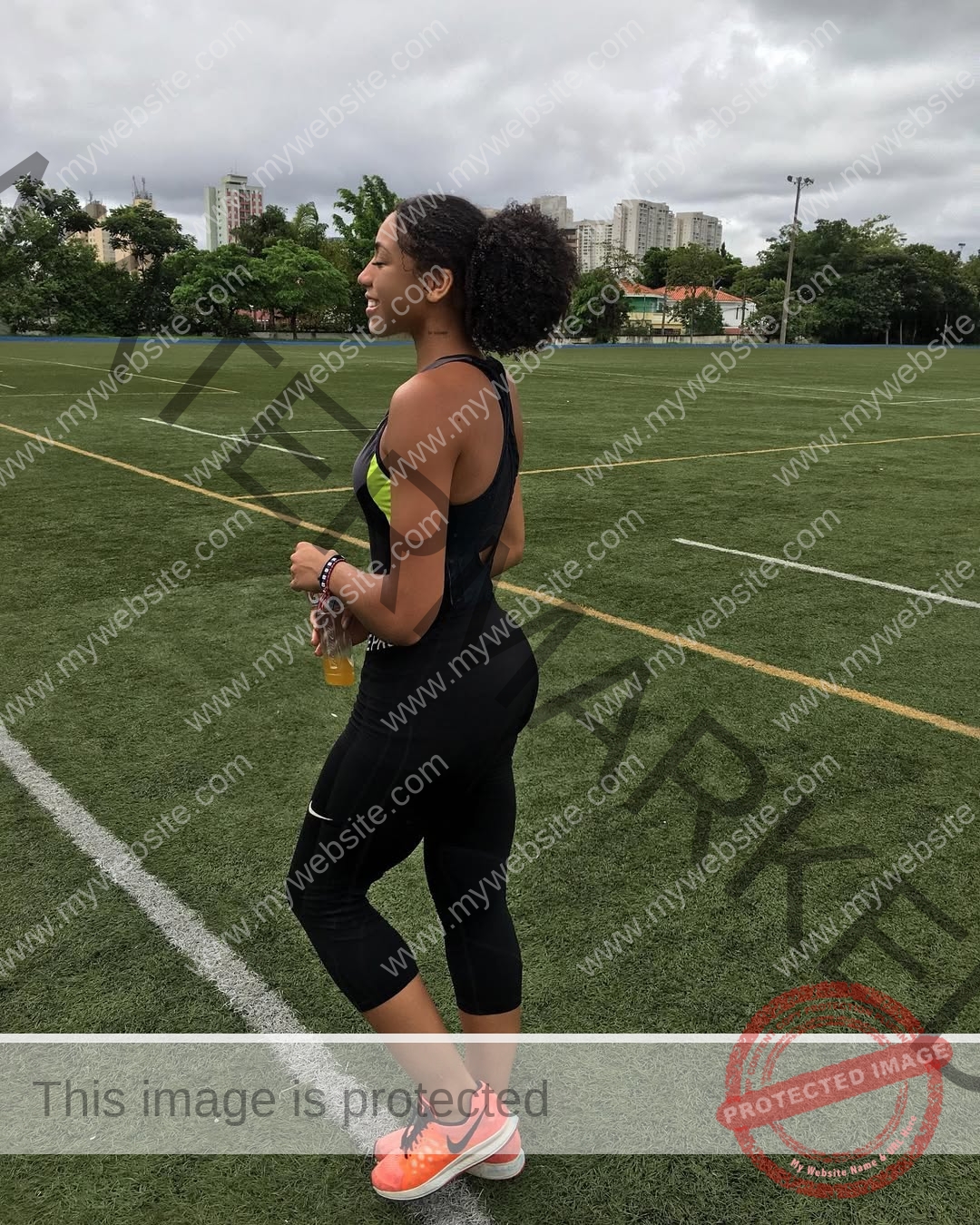

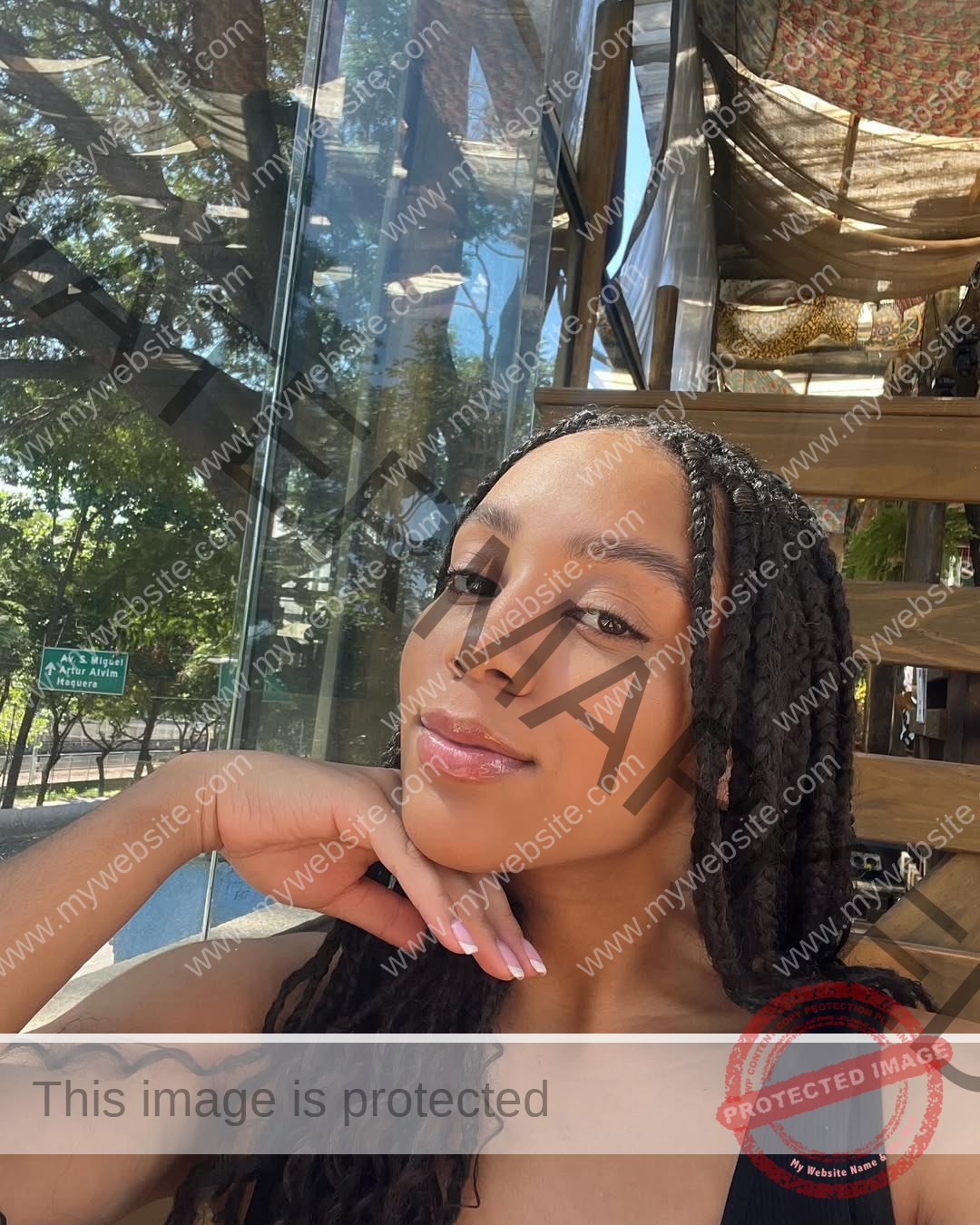
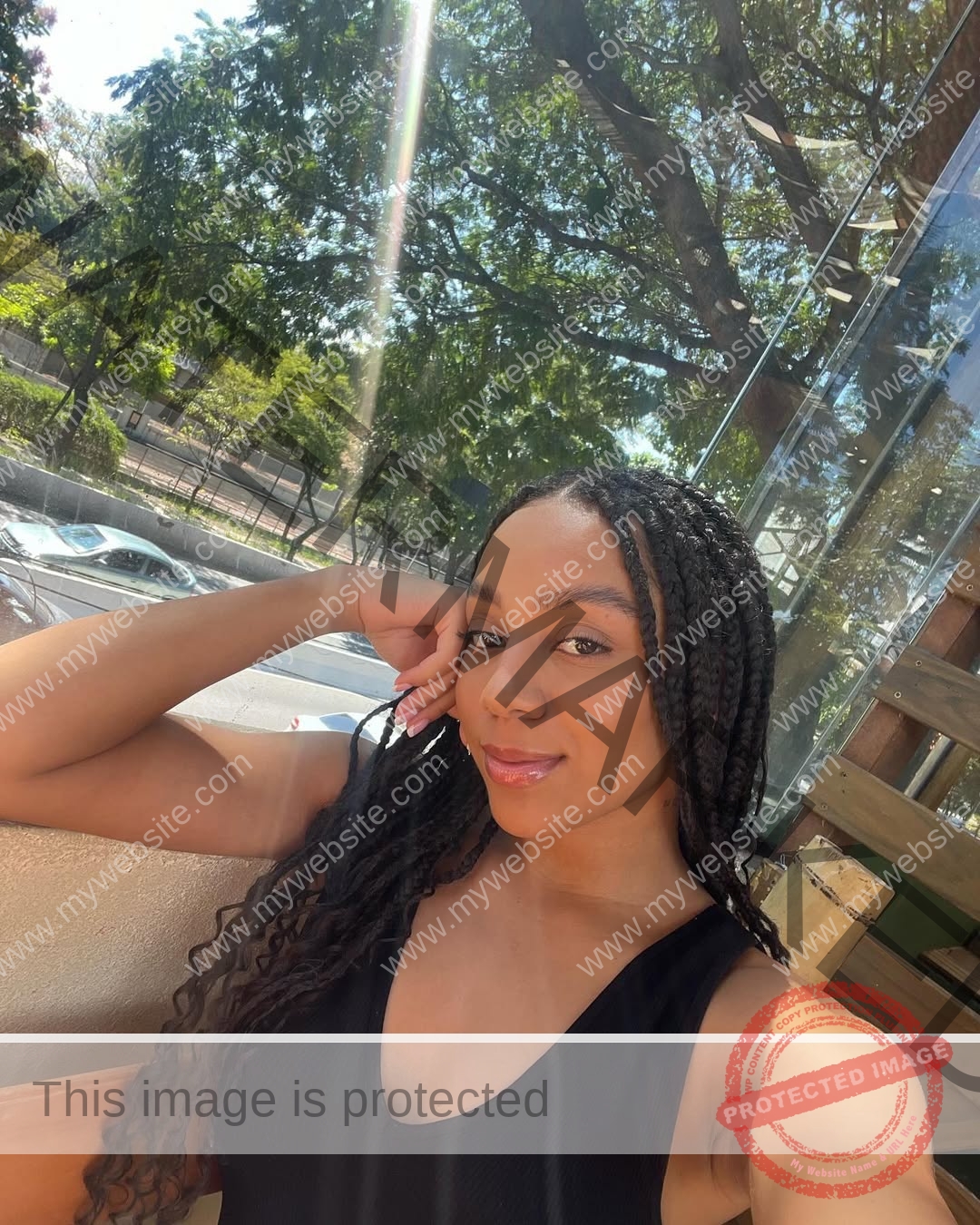
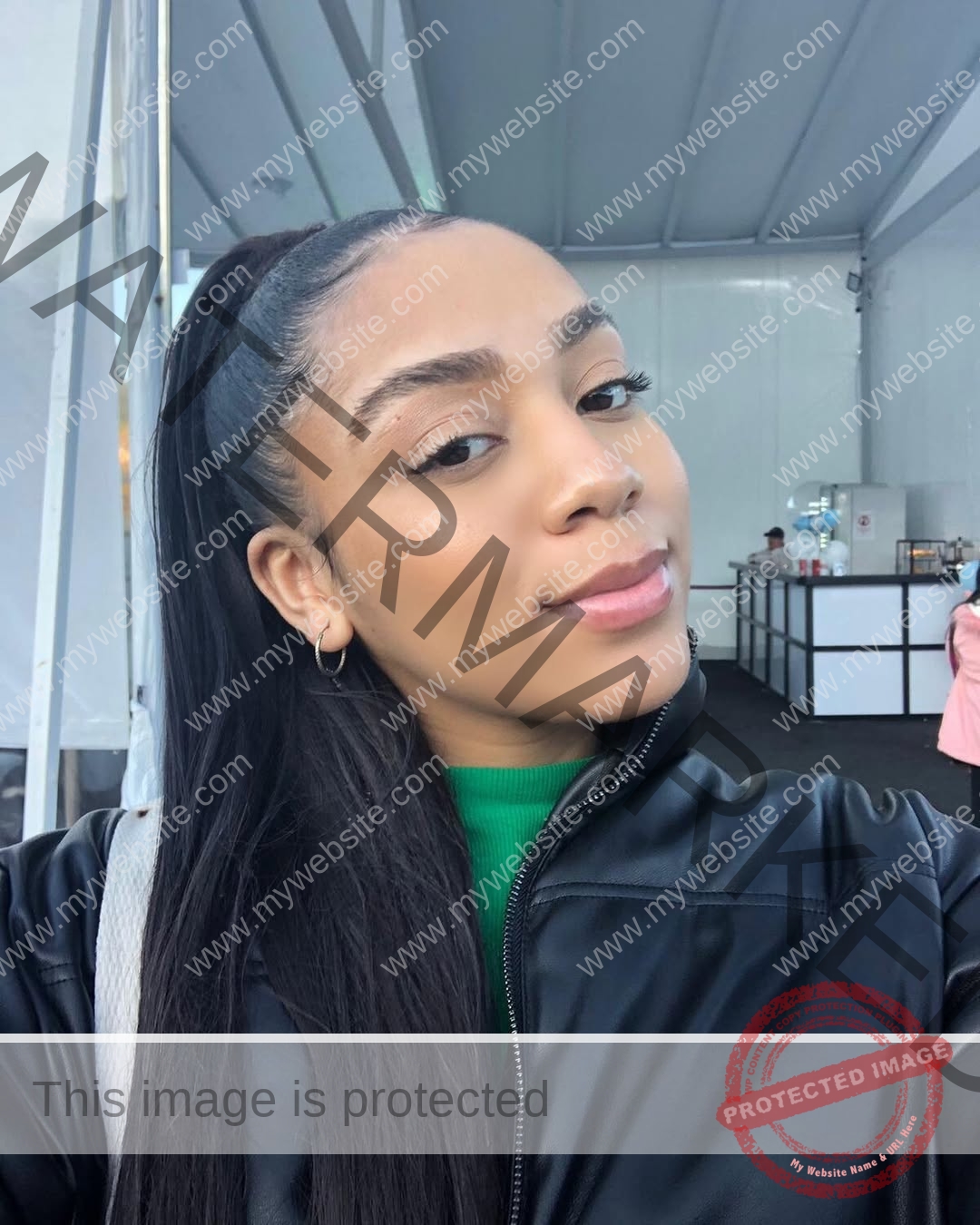
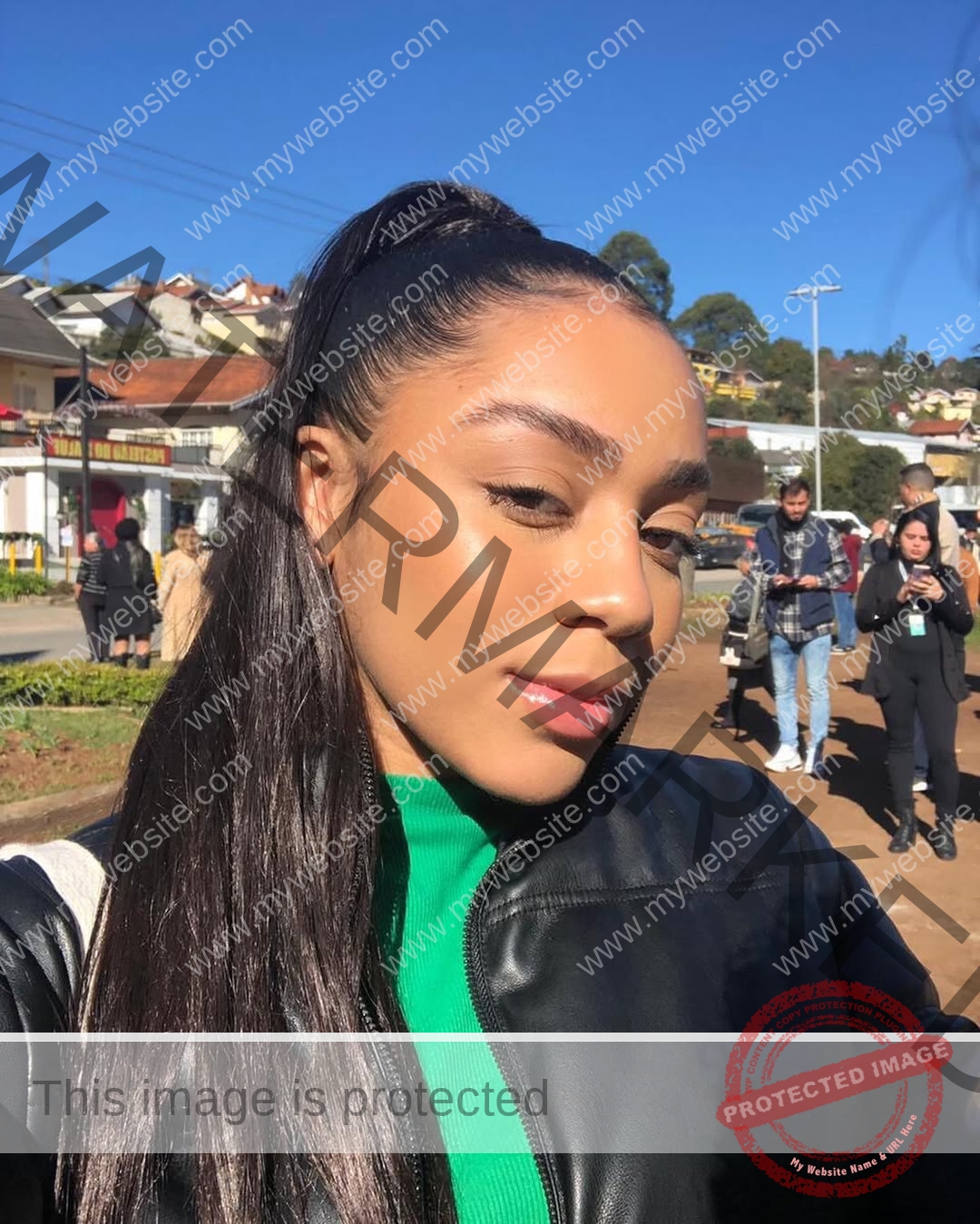





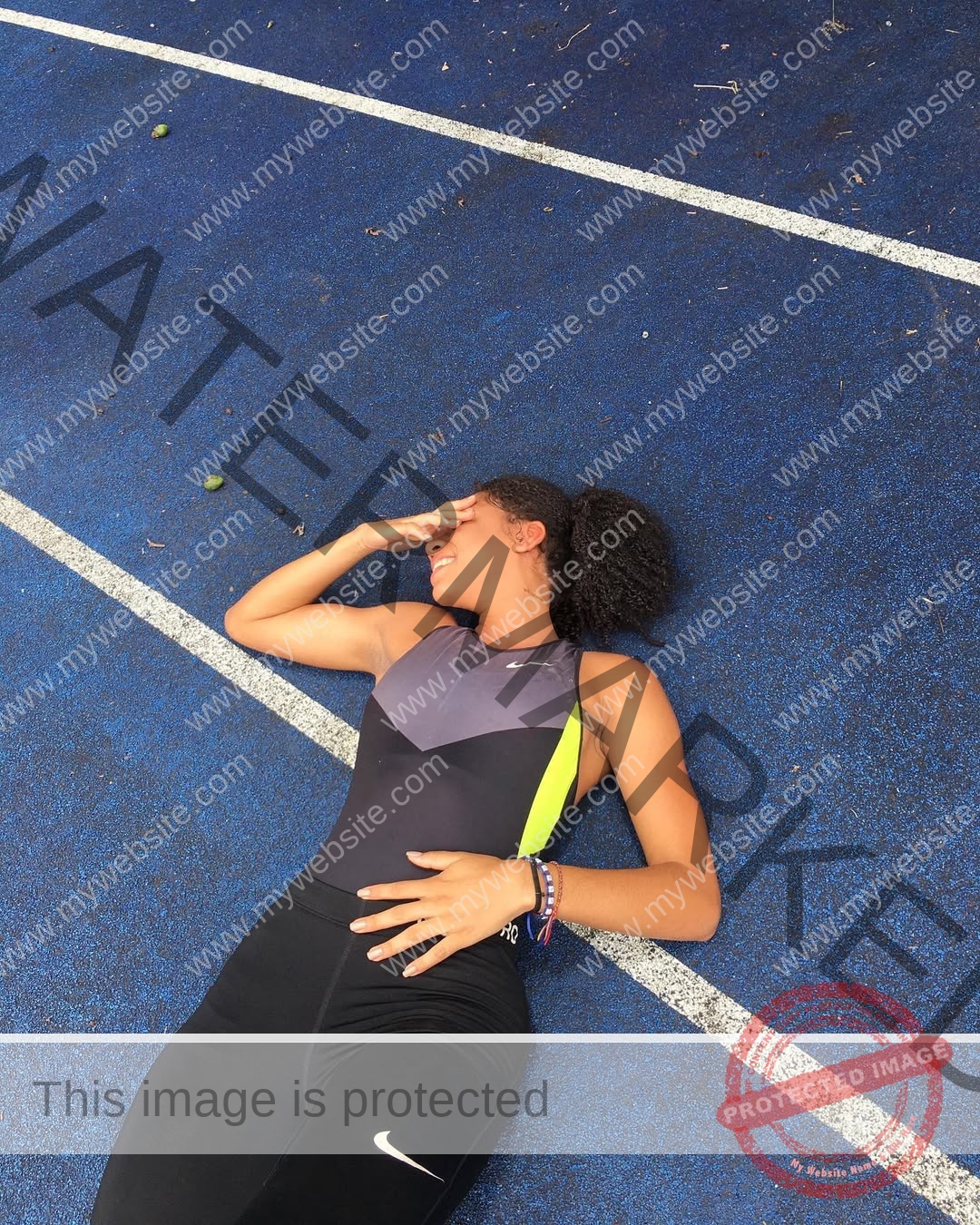
Juliana Estevão da Silva Oliveira: São Paulo’s Multi-Event Rising Star
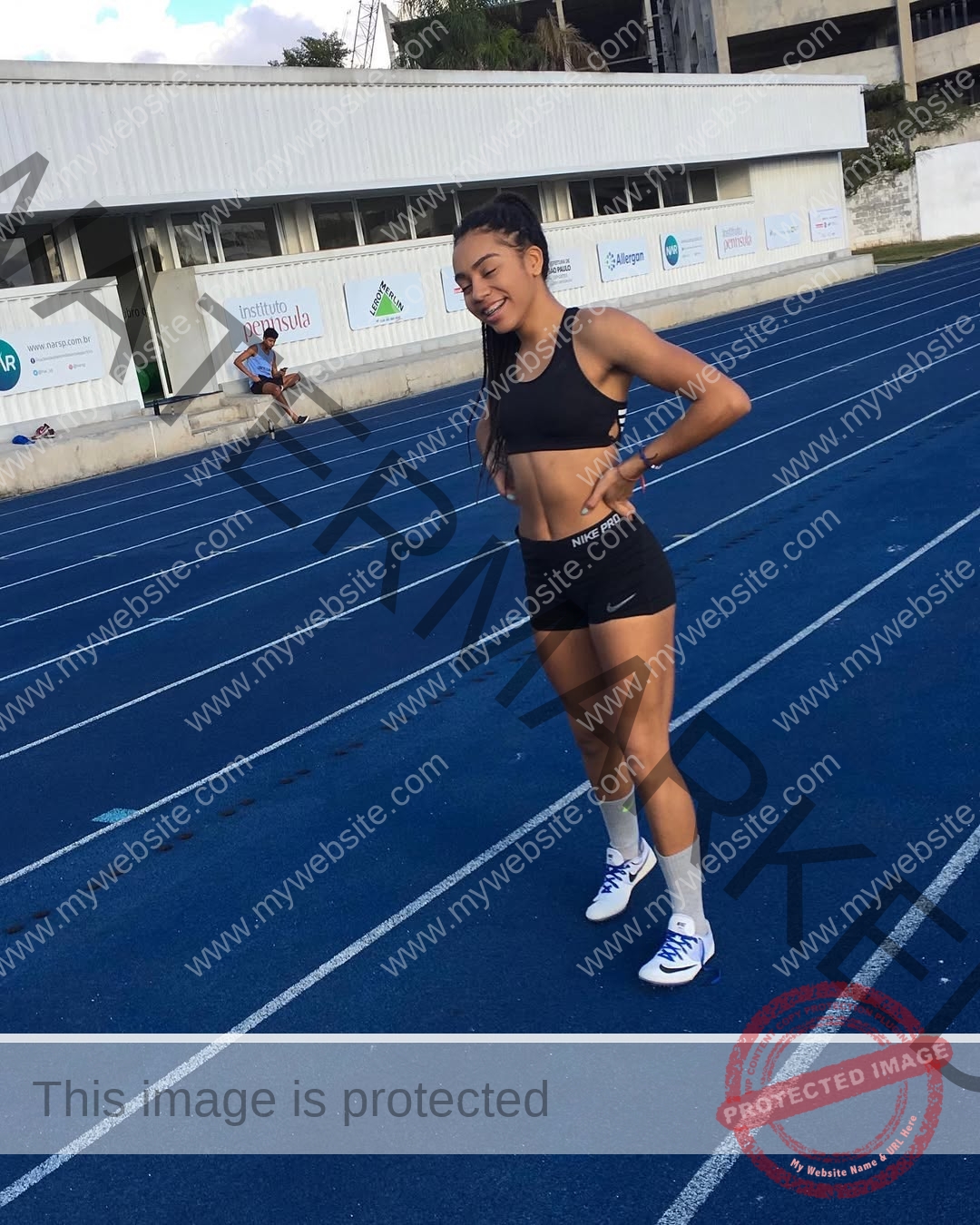
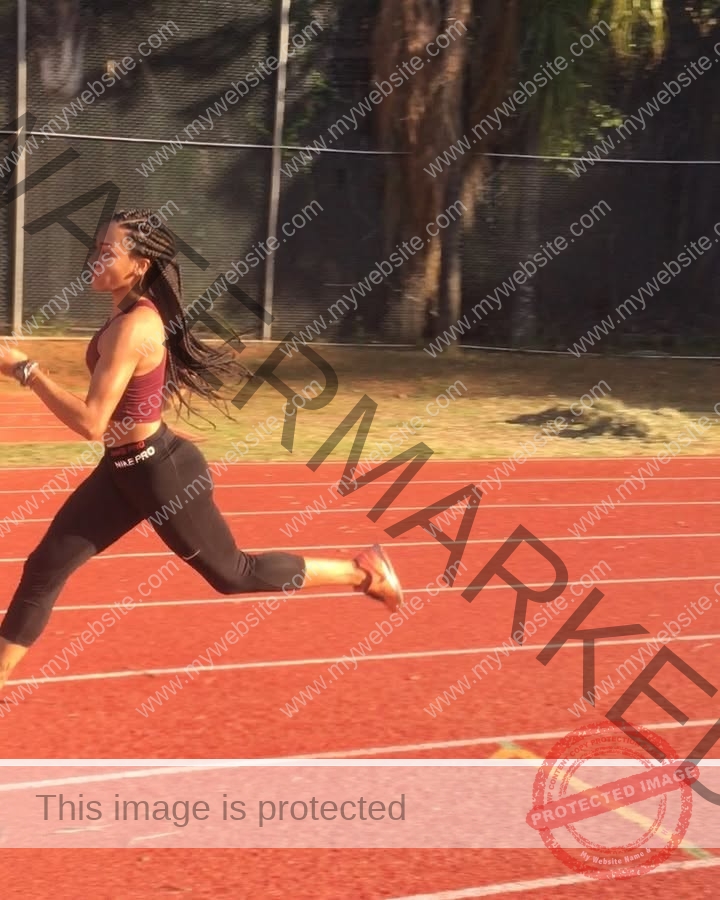
The heptathlon has always been one of athletics’ most demanding disciplines — seven events spread across two days, requiring an athlete to be at once a sprinter, a jumper, a thrower, and an endurance runner, while somehow stitching all of those qualities together into a coherent competitive identity. For Juliana Estevão da Silva Oliveira, a versatile multi-event athlete from the state of São Paulo, those demands were not a deterrent but a calling. At the height of her competitive activity, she was among the more promising heptathletes of her generation in Brazilian athletics, earning a silver medal at the South American Under-20 Championships and building a personal best that placed her squarely in the conversation among the country’s brightest young combined-events talents.
Background and Early Life
Juliana Estevão da Silva Oliveira was born on May 29, 2001, in the state of São Paulo, Brazil. São Paulo is the heartbeat of Brazilian athletics, home to some of the nation’s most storied clubs — including the Esporte Clube Pinheiros, SESI-SP, Orcampi Unimed, and a constellation of other track and field organizations that form the backbone of the CBAt competition calendar. Growing up in that environment meant exposure to competitive athletics at a serious level from early on.
Precise details about Juliana’s earliest introduction to track and field are not extensively documented in public records, but the arc of her competition career — including a full heptathlon appearance at the South American U20 Championships before her eighteenth birthday — suggests a young athlete who entered organized athletics early and progressed quickly through Brazil’s structured youth competition system. The CBAt assigns registration numbers to athletes as they enter the national system, and Juliana’s registration number (62514) places her among a cohort of São Paulo athletes who came into the national database in the mid-to-late 2010s.
The multi-event program in Brazilian youth athletics serves as a developmental crucible for athletes with broad physical gifts. For those who show competence in hurdles, jumps, and throws simultaneously — rather than excelling in one narrow event — the heptathlon pathway offers a route toward national and international competition that might otherwise take longer to develop. Juliana’s trajectory suggests she fit that profile: an athlete whose versatility across events made the combined program a natural home.
The 2019 Season and International Debut
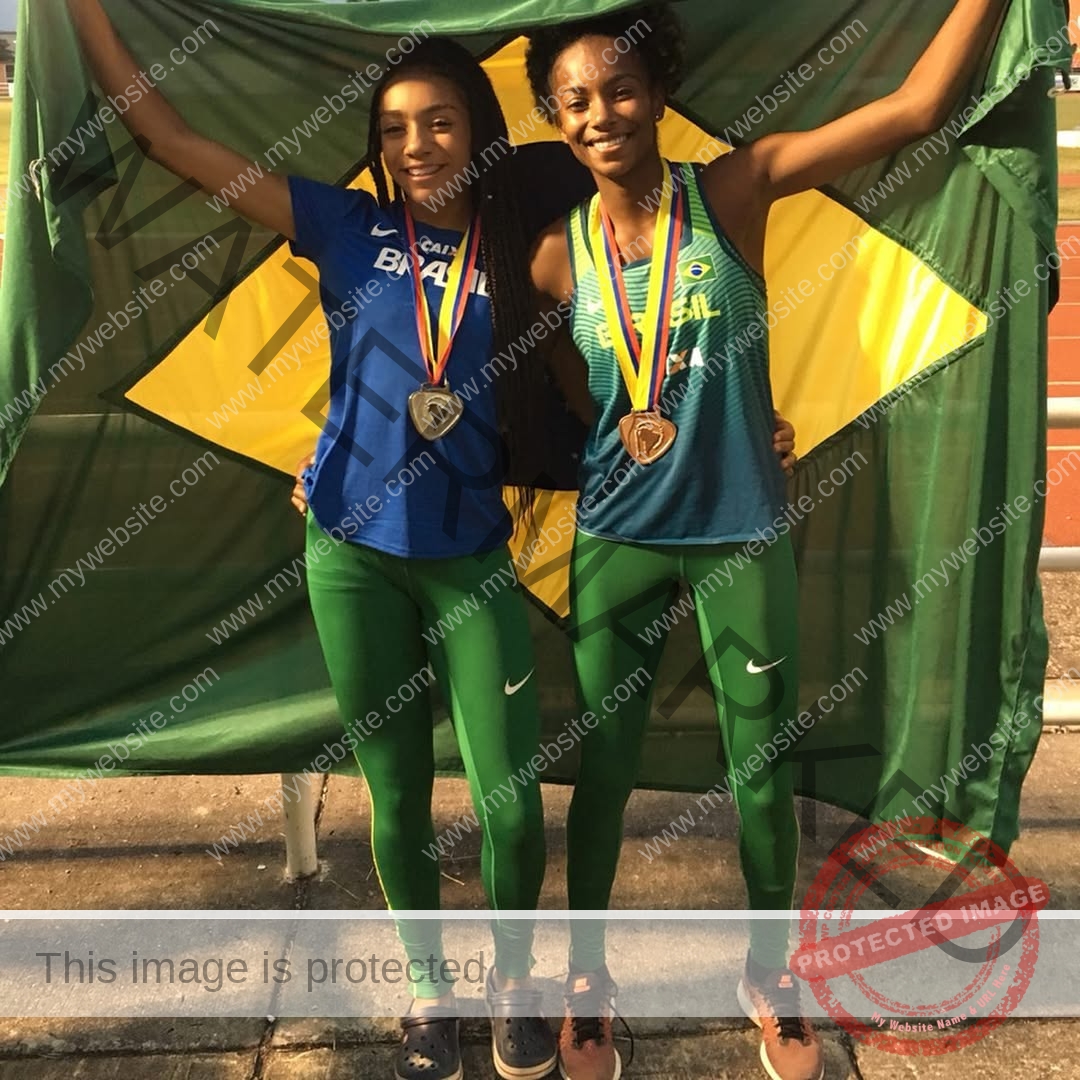
The most significant milestone of Juliana’s documented competitive career came in June 2019, when she traveled to Cali, Colombia, to compete at the 43rd Campeonato Sul-Americano Sub-20 de Atletismo (South American Under-20 Championships in Athletics), held at the Estadio Pedro Grajales. The meet was a landmark occasion for Brazilian athletics generally — Brazil topped the overall medal table with 19 gold, 15 silver, and 6 bronze medals — and Juliana was one of the athletes contributing to that strong showing.
In the heptathlon, she posted a final score of 4,937 points. That total was enough for the silver medal, with Paraguay’s Rocío Chaparro taking gold with 4,968 points and Juliana’s Brazilian teammate Paloma Dias Cardoso earning bronze with 4,861. The margin between gold and silver was just 31 points — the kind of gap that, in heptathlon terms, can come down to a single good or bad hurdle clearance, a hot or cold throw, or the difference of a fraction of a second over 800 meters. That her debut at a continental championship immediately produced a podium finish was a meaningful signal.
The Cali result was also notable for the context in which it was achieved: competing in a field representing the best under-20 athletes from across South America, on an international stage away from home, Juliana delivered a performance that held up across two full days and seven events. A silver medal under those circumstances represents a real benchmark of readiness for the higher levels of the sport.
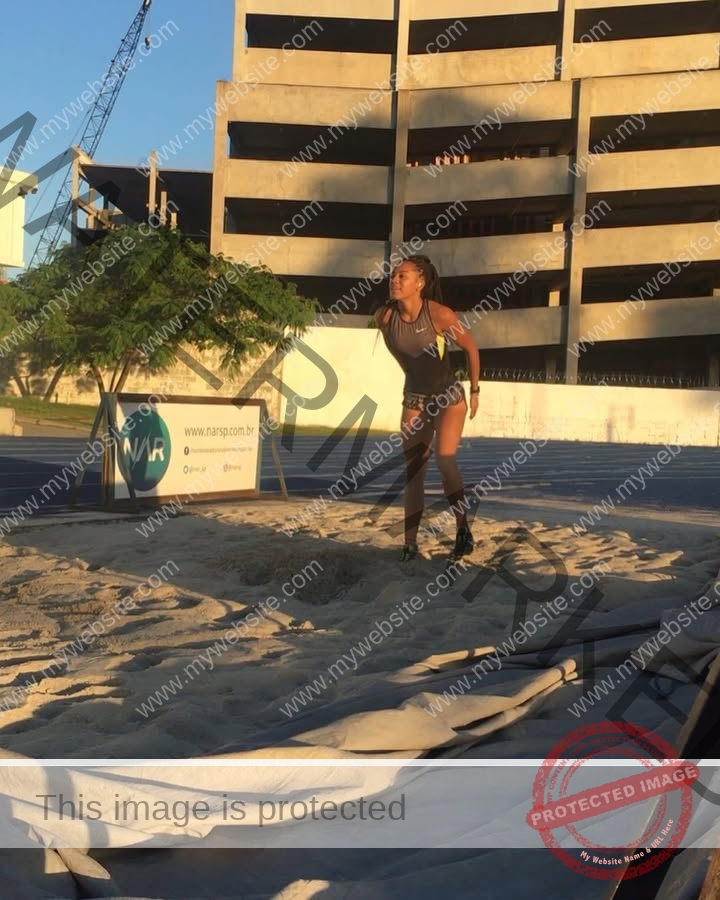
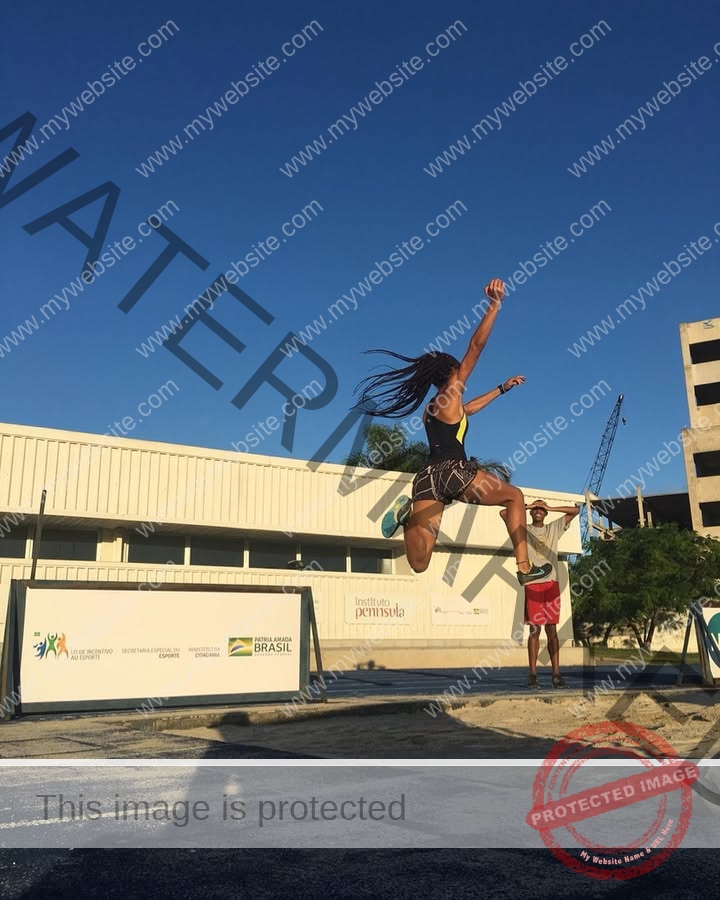
Around the same period — August 30, 2019 — Juliana also posted her personal best in the long jump: 5.77 meters, a mark that confirms the breadth of her athletic profile. For context, a 5.77-meter long jump is a competitive result for a standalone long jumper in the youth ranks, let alone as a component performance within a heptathlon context. The long jump tends to be one of the most technically demanding and speed-dependent events in the combined program; a 5.77-meter mark signals genuine horizontal jumping ability.
2020: Navigating the Pandemic Season
The global COVID-19 pandemic compressed and disrupted the 2020 athletics calendar worldwide, and Brazil was no exception. The Troféu Brasil de Atletismo — normally the centerpiece of the Brazilian domestic calendar — was delayed from its typical window and ultimately held in December 2020 without a live audience, at the Centro Olímpico de Treinamento e Pesquisa in São Paulo. Virtually every major competition on the calendar required rescheduling, and entire categories of meets were cancelled outright.
Despite those disruptions, Brazilian athletics managed to stage an abbreviated but meaningful competitive calendar. In November 2020, Juliana ran a relay leg for her club at a meet in Bragança Paulista, contributing to a 4×100-meter relay time of 47.89 seconds — the mark now recorded as her personal best in that event on the World Athletics database, and evidence of her continued involvement in the São Paulo club athletics structure during the pandemic year.
The Campeonato Brasileiro Sub-23 de Atletismo — the national Sub-23 championships — was staged in December 2020. Juliana competed in the heptathlon and, after the opening four events on the first day, led the standings with 2,983 points, ahead of Naiuri Rigo Krein (2,972) and Paloma Dias Cardoso (2,968). Leading after day one in a heptathlon is a meaningful position — it means the athlete has navigated the 100-meter hurdles, high jump, shot put, and 200-meter sprint without a significant blow-up event, and has the momentum entering the back half: long jump, javelin, and 800 meters. How the final day unfolded is not documented in available competition records, but the day-one lead itself speaks to the consistency and competitiveness of her preparation.
2021: Personal Bests
The 2021 season represented the peak of Juliana’s documented performance across individual event markers. On June 26, 2021, she set personal bests in two events: 14.14 seconds in the 100-meter hurdles and 24.83 seconds in the 200 meters. Both times were posted on the same date, consistent with performances within a high-level domestic meet or combined-event competition.
A 14.14-second 100-meter hurdles is a genuinely competitive mark. It requires not just speed but technical fluency over the barriers — the ability to maintain stride pattern, clear hurdles without significant loss of momentum, and manage the physical demands of ten barriers in a race of under fifteen seconds. Combined with her 24.83 in the 200 meters, these times paint a picture of an athlete with real sprinting ability as a foundational component of her heptathlon package. The 200 meters, run at the end of the first day of a heptathlon, is often where an athlete’s accumulated fatigue from the first three events begins to show — a 24.83, under those conditions, is a meaningful performance.
The World Athletics profile for Juliana lists 2021 as the most recent year for which season’s bests are recorded. Her personal best marks in all events date from either 2019 or 2021. The events cataloged on that profile — javelin throw, 200 meters, 100 meters hurdles, high jump, shot put, and 4×100 meters relay, in addition to the heptathlon total — are all components of the combined-events program or closely adjacent sprint relay work, confirming the focused, multi-disciplinary nature of her athletic development.
Club and Competitive Context
Juliana’s competitive career was conducted within the São Paulo state athletics framework — one of the most competitive state systems in Brazilian track and field. CBAt documents from 2019 list her registration under the São Paulo state federation (UF: SP), placing her within a talent pool that includes some of Brazil’s most developed club programs. Her CBAt registration number (62514) enters her permanently into the national athlete database maintained by the Confederação Brasileira de Atletismo.
The competitive environment in São Paulo athletics is notably demanding at the club level. The Troféu Brasil — the national club championships and effectively the top-level domestic competition for individuals — is routinely dominated by São Paulo clubs. To compete in that environment as a young heptathlete, and to carry personal bests that allow meaningful performance across all seven events, requires a serious training commitment and consistent development across multiple disciplines.
For the heptathlon program specifically, the Brazilian federation has historically produced respectable talent at the sub-20 and sub-23 levels. Athletes like Naiuri Rigo Krein and Paloma Dias Cardoso were part of the same competitive cohort as Juliana, and the presence of multiple Brazilian heptathletes finishing within a tight point range at both domestic and international competitions reflects the strength of that particular development cycle in the late 2010s and early 2020s.
Personal Bests and Key Results Summary
Juliana’s documented career personal bests, as recorded through the World Athletics athlete profile (code 14755027) and CBAt competition records:
- 100 metres hurdles: 14.14 seconds (June 26, 2021)
- 200 metres: 24.83 seconds (June 26, 2021)
- Long jump: 5.77 metres (August 30, 2019)
- Heptathlon: 4,937 points (June 16, 2019, Cali, Colombia — 43rd South American U20 Championships)
- 4x100m relay: 47.89 seconds (November 7, 2020, Bragança Paulista)
Key career results include:
- 2019 — Silver medal, heptathlon (4,937 pts), 43rd Campeonato Sul-Americano Sub-20 de Atletismo, Cali, Colombia
- 2019 — Long jump personal best of 5.77 metres
- 2020 — Led heptathlon standings after day one at the Campeonato Brasileiro Sub-23 de Atletismo
- 2020 — 4x100m relay personal best of 47.89 seconds, Bragança Paulista
- 2021 — 100m hurdles personal best of 14.14 seconds
- 2021 — 200m personal best of 24.83 seconds
On the Broader Stage
To understand Juliana’s place in Brazilian athletics, it helps to understand the heptathlon’s particular status within the country’s track and field culture. Brazil has historically produced outstanding female athletes in sprints, hurdles, jumps, and throws — but the heptathlon, which demands excellence across all of those disciplines simultaneously, has been a rarer flowering. The athletes who have made it to international prominence in the event — most notably Lucimara Silva, who won the Pan American Games heptathlon gold in 2011 — represent a select lineage. Competing in that event at the South American championship level, at eighteen years old, and finishing second, is a serious credential.
The 2019 South American U20 Championships heptathlon result was achieved in a competitive field: Rocío Chaparro of Paraguay, who beat Juliana by 31 points for the gold, went on to be a multi-cycle competitor in South American combined events. The bronze went to another Brazilian, Paloma Cardoso, who also continued in the sport. That Juliana finished between two determined rivals in a close three-way contest is a mark of the quality of the competition she navigated successfully.
Available competition records and the World Athletics database do not show results for Juliana after the 2021 season. Whether this reflects a career pause, an injury, or a transition away from competitive athletics is not publicly documented. For young Brazilian athletes who do not receive sustained national-level support funding, the path from promising sub-20 international competitor to sustained senior career involves navigating real structural challenges — resource constraints, limited club infrastructure for combined-events training at the highest level, and the competing demands of education and professional life. That reality is context, not excuse: the career that Juliana Estevão da Silva Oliveira built through 2021 stands on its own terms as the record of a genuine and competitive heptathlete.
No confirmed personal social media profiles for Juliana as an athlete, or commercial sponsorship arrangements, have surfaced through available public sources. At the level of domestic youth athletics in Brazil for combined-events competitors, this is common — individual athlete sponsorships outside the national team tier are uncommon, and the absence of a dedicated athletic social media profile is typical for athletes who competed primarily at the sub-20 and sub-23 levels.
What she leaves in the record books is unambiguous: a South American silver medal at eighteen, personal bests that reflect genuine multi-event athleticism, and the kind of career that, at its peak, made her one of the more interesting young heptathletes in Brazilian athletics. The silver medal in Cali is a permanent entry in the results of South American athletics — an outcome that required performing across fourteen individual event efforts over two days, away from home, in the company of the best young combined-events athletes on the continent. That is something to be proud of, whatever came next.
Juliana Estevão da Silva Oliveira is registered with the Confederação Brasileira de Atletismo (CBAt) under registration number 62514 (São Paulo state). Her World Athletics profile is listed under athlete code 14755027.
