
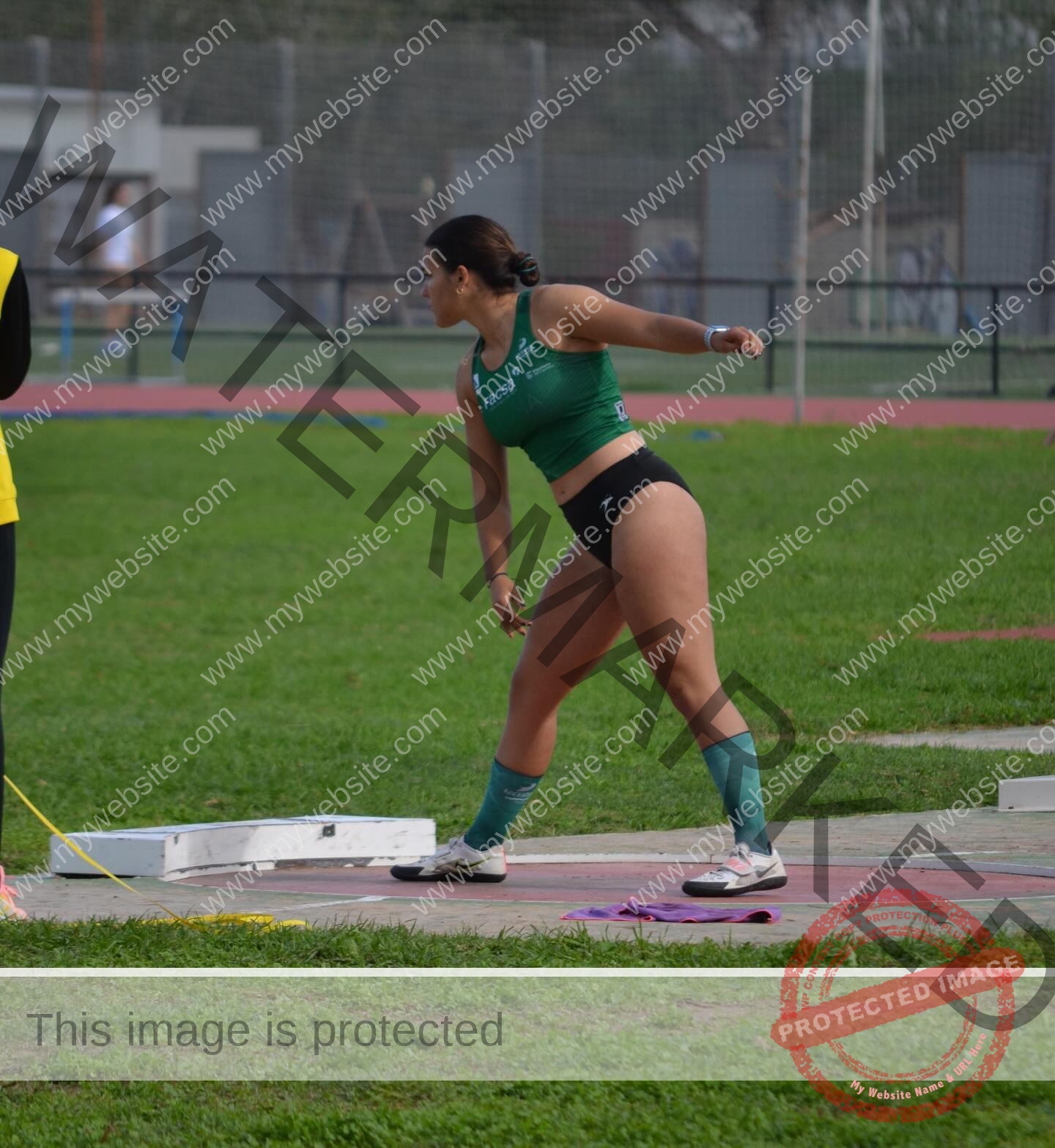
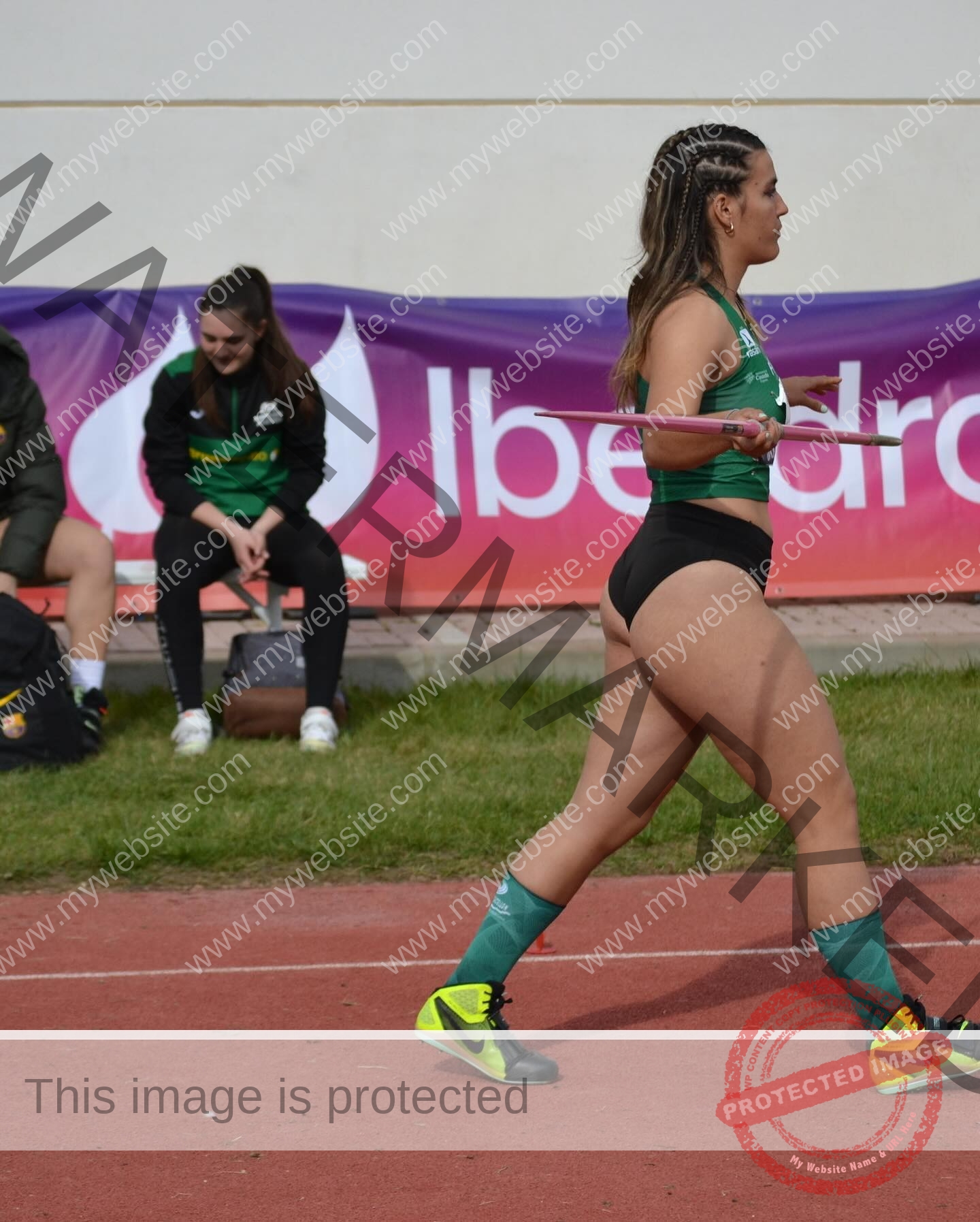
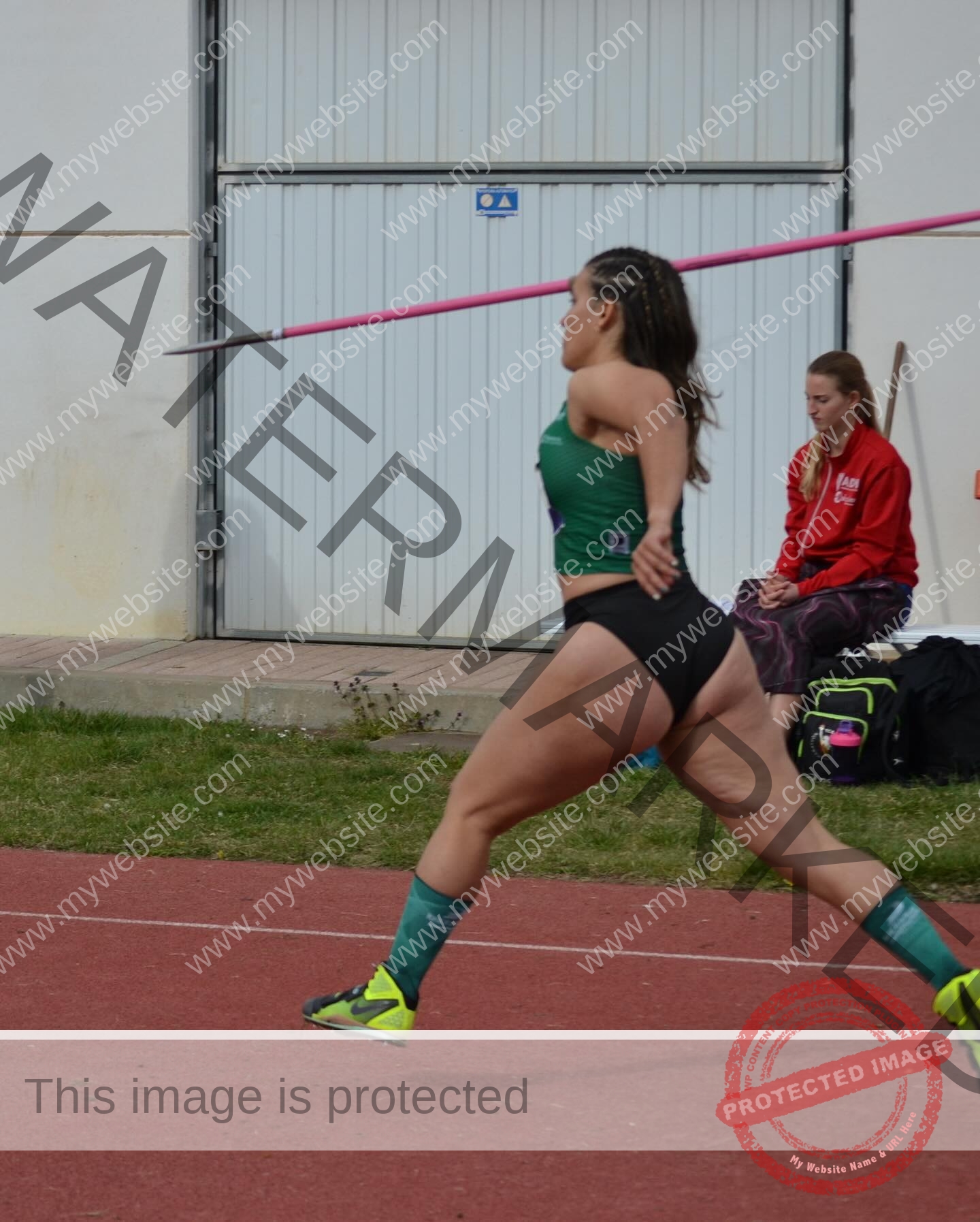
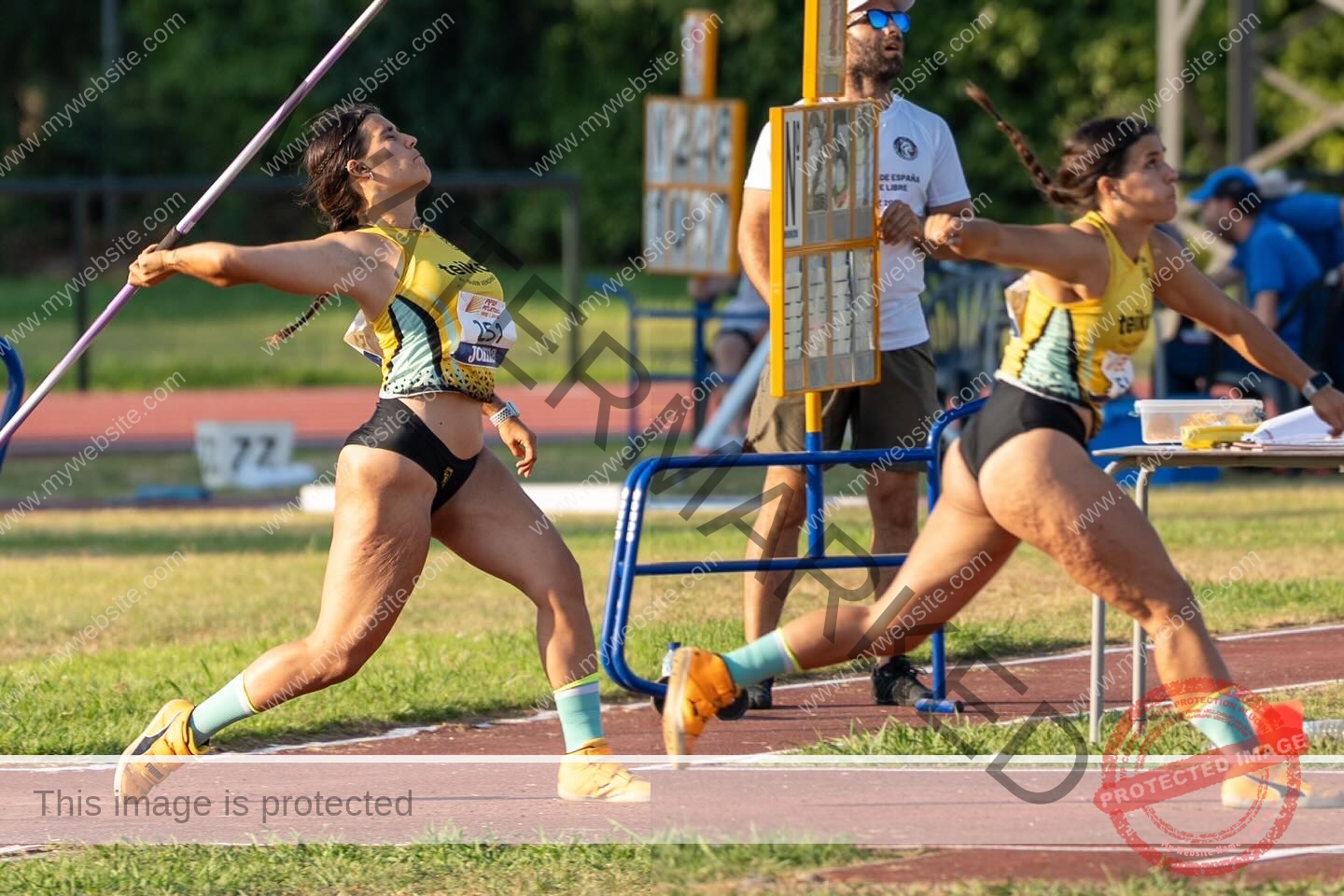
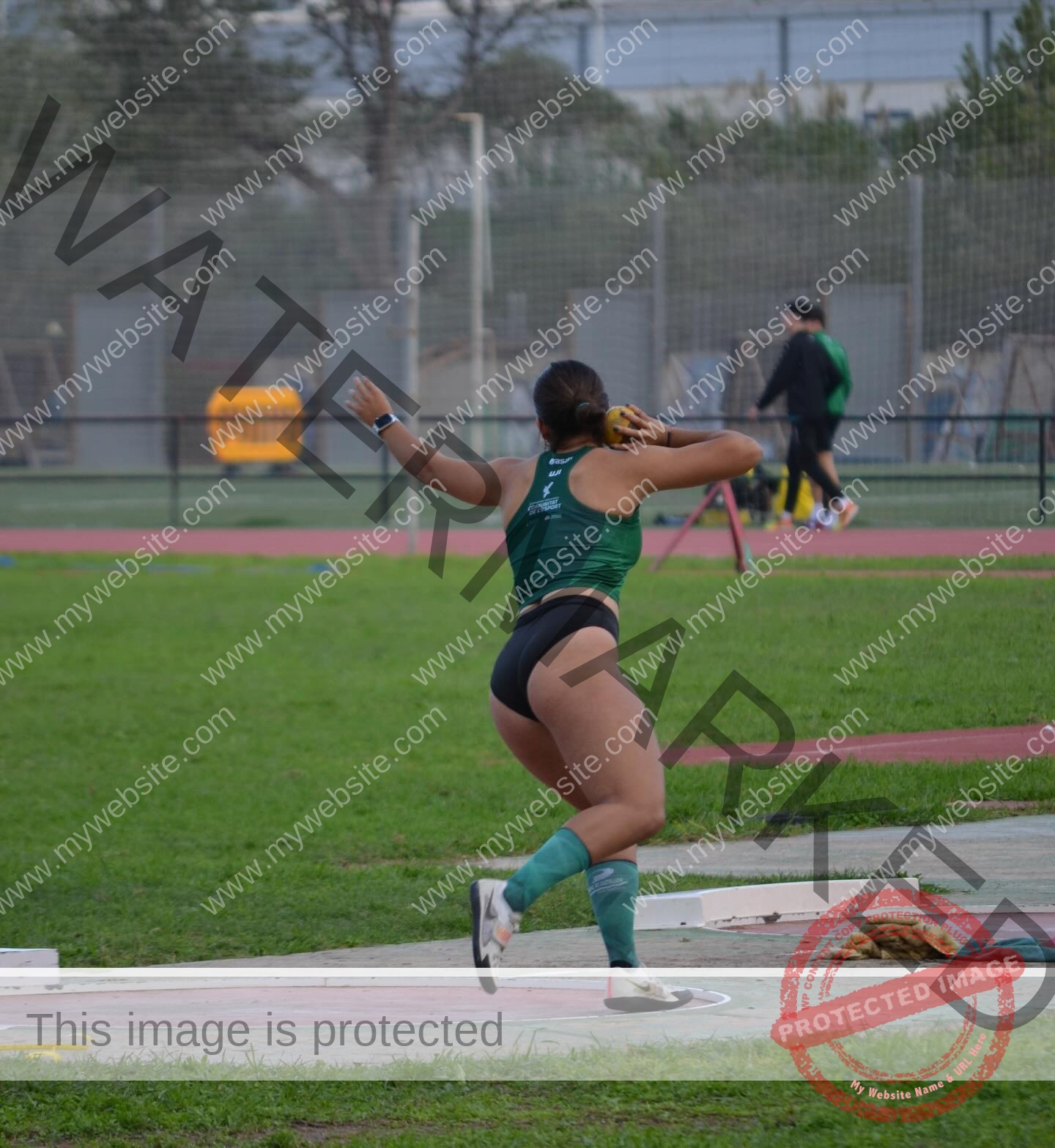
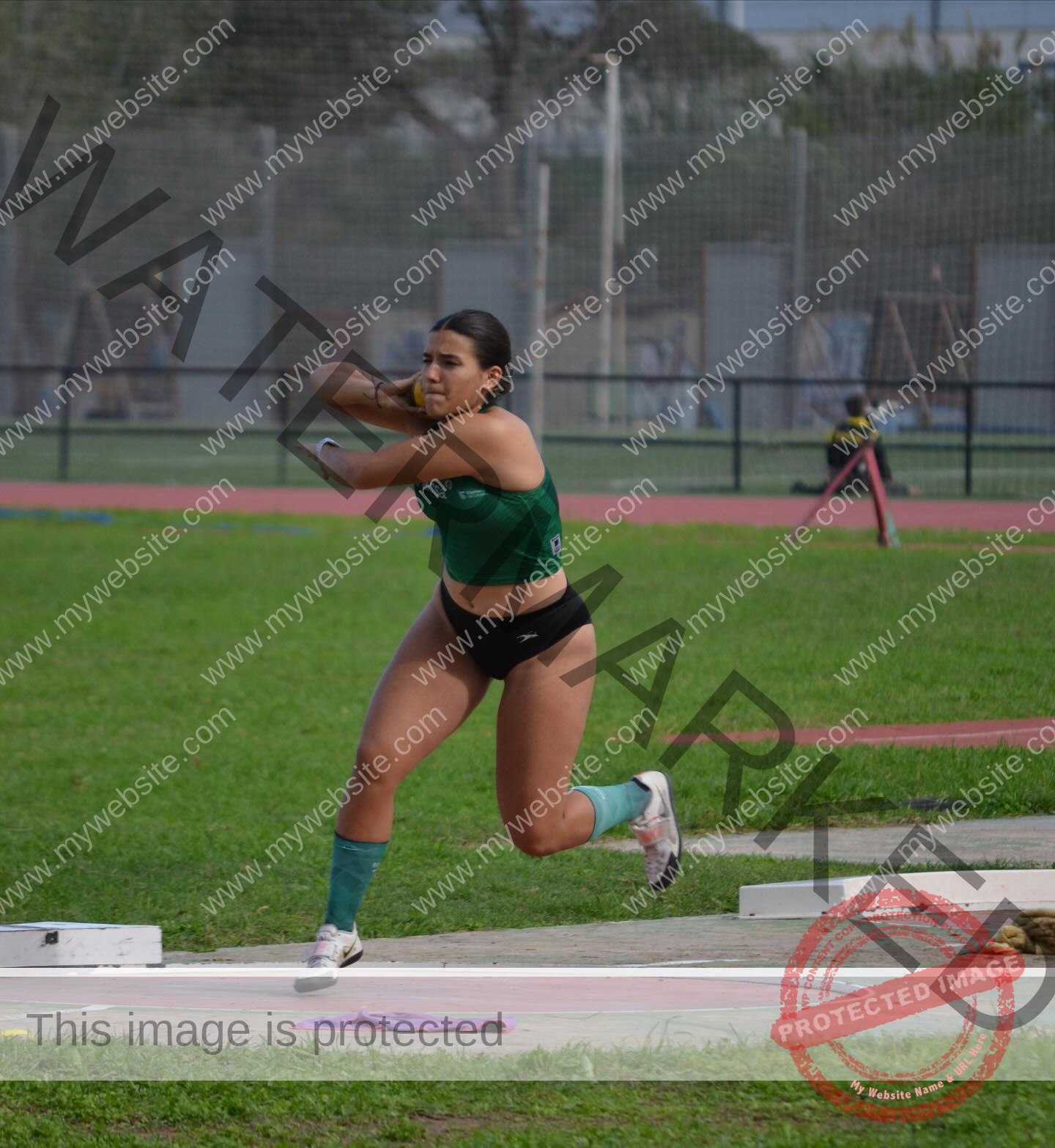
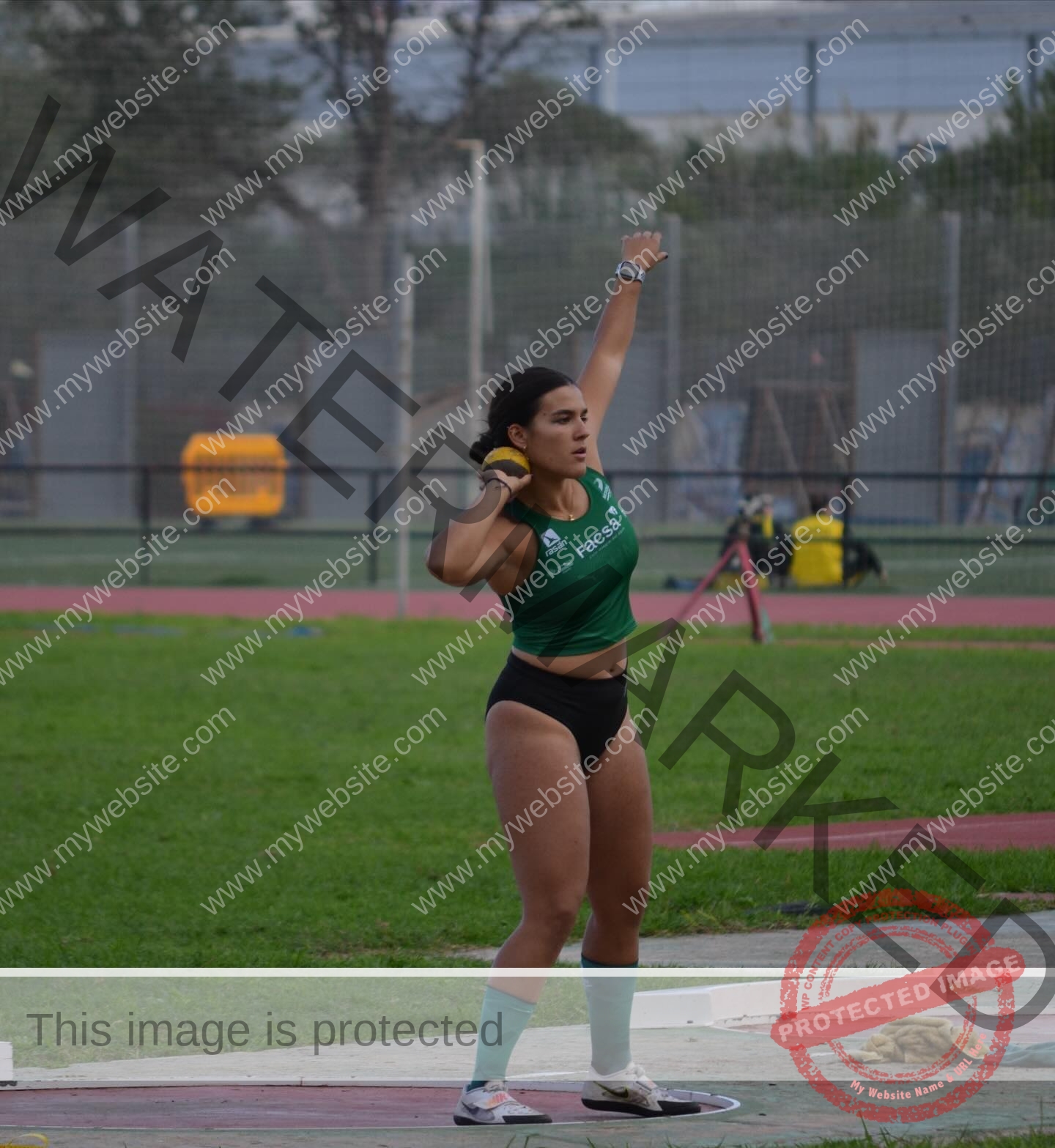
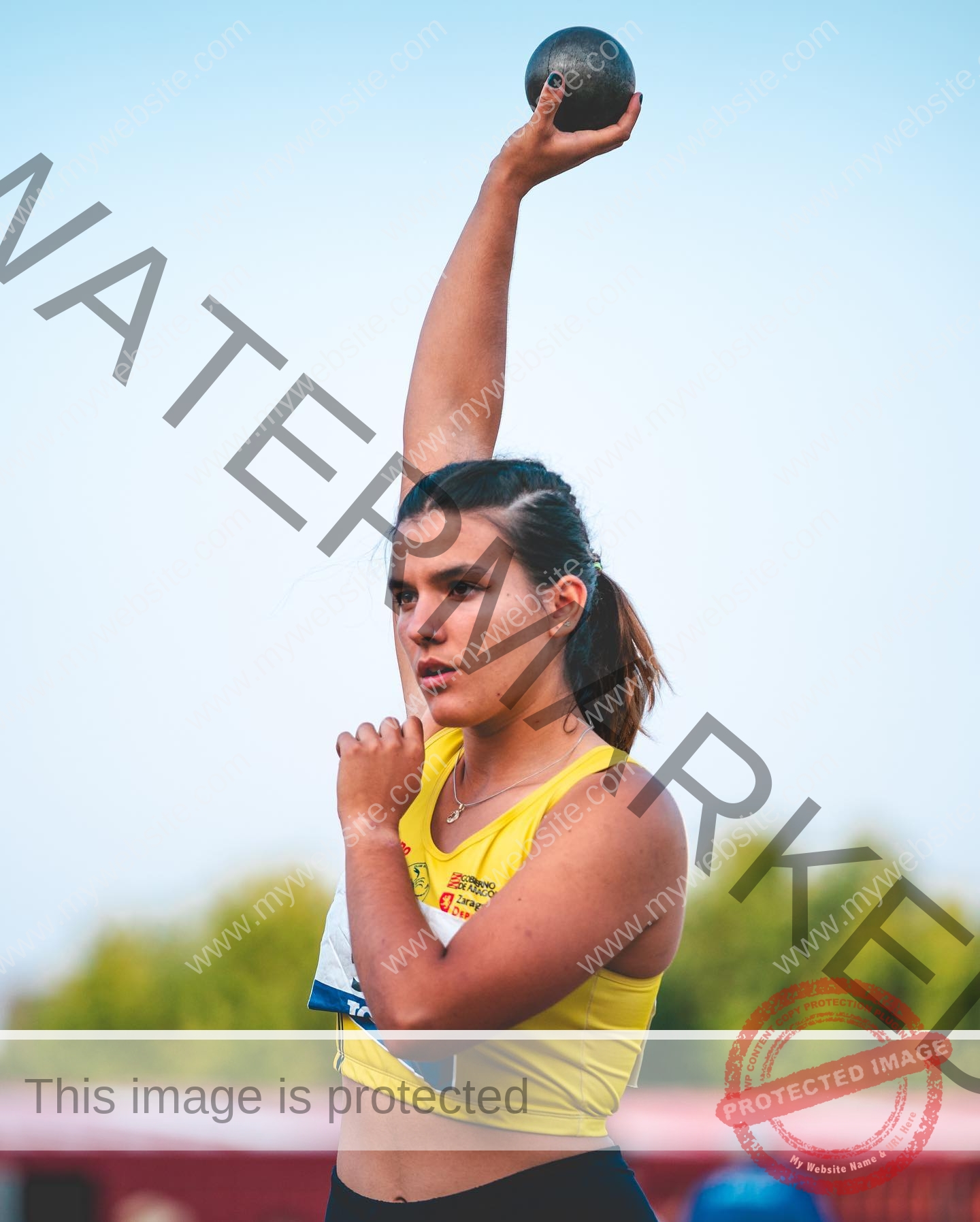
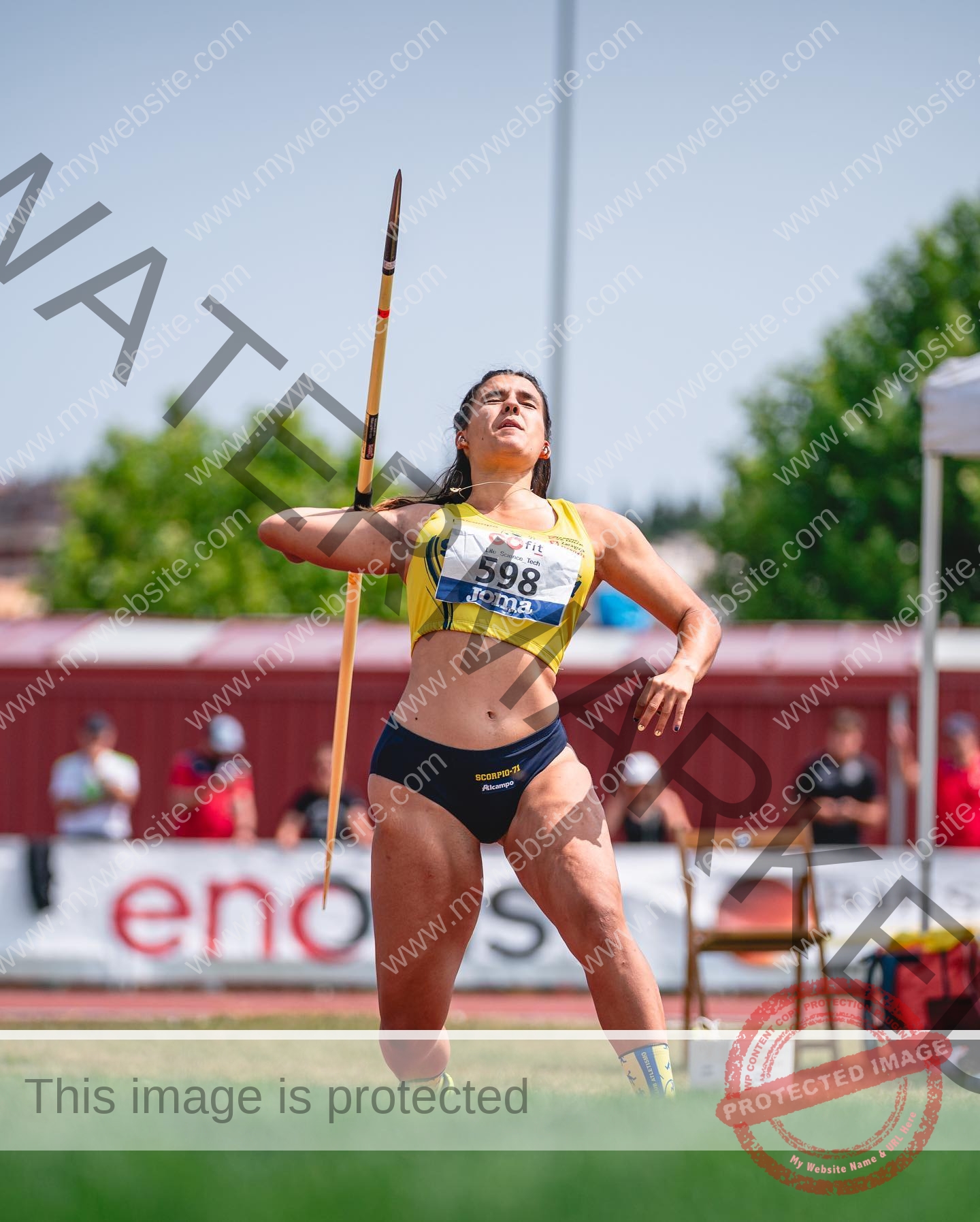
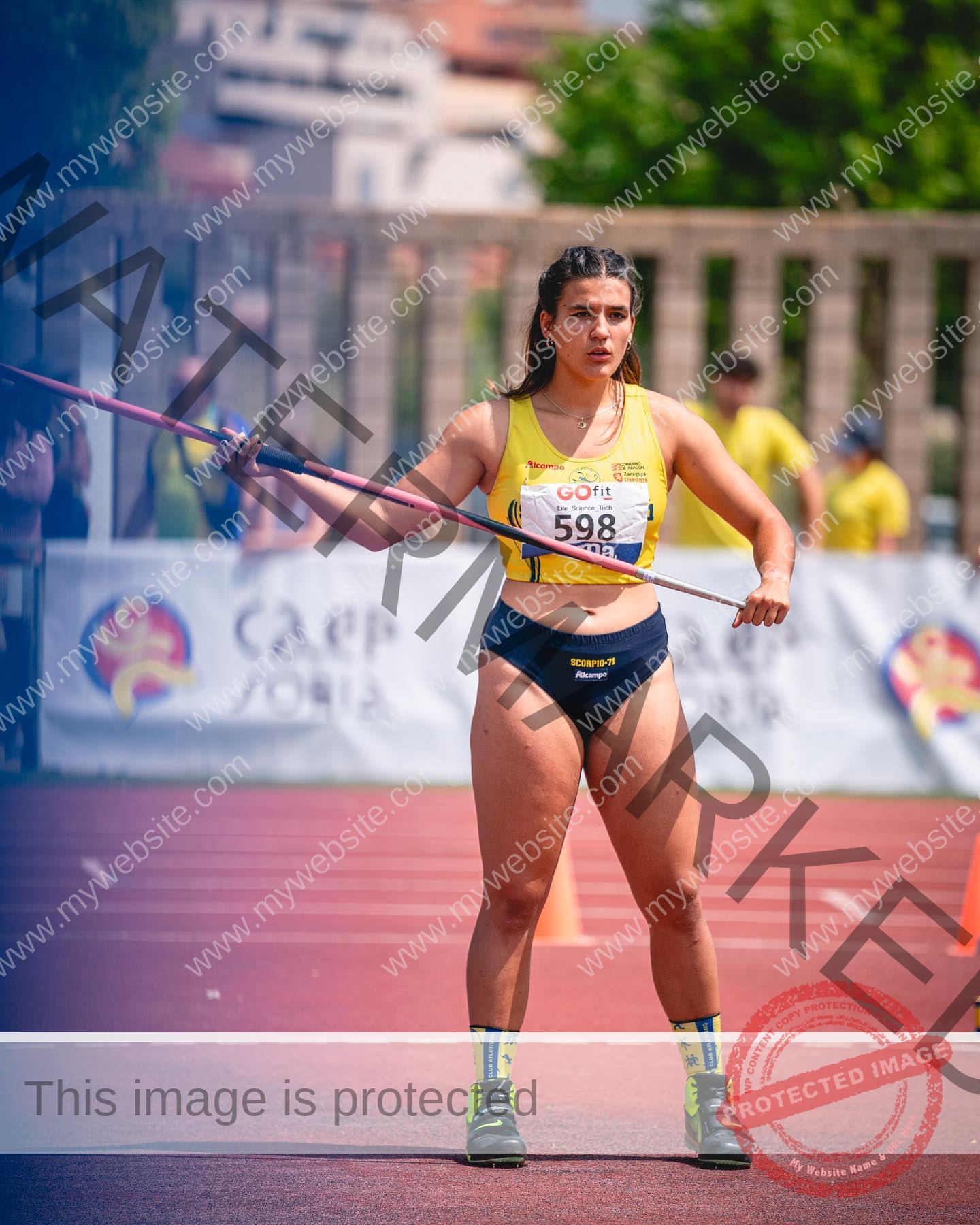
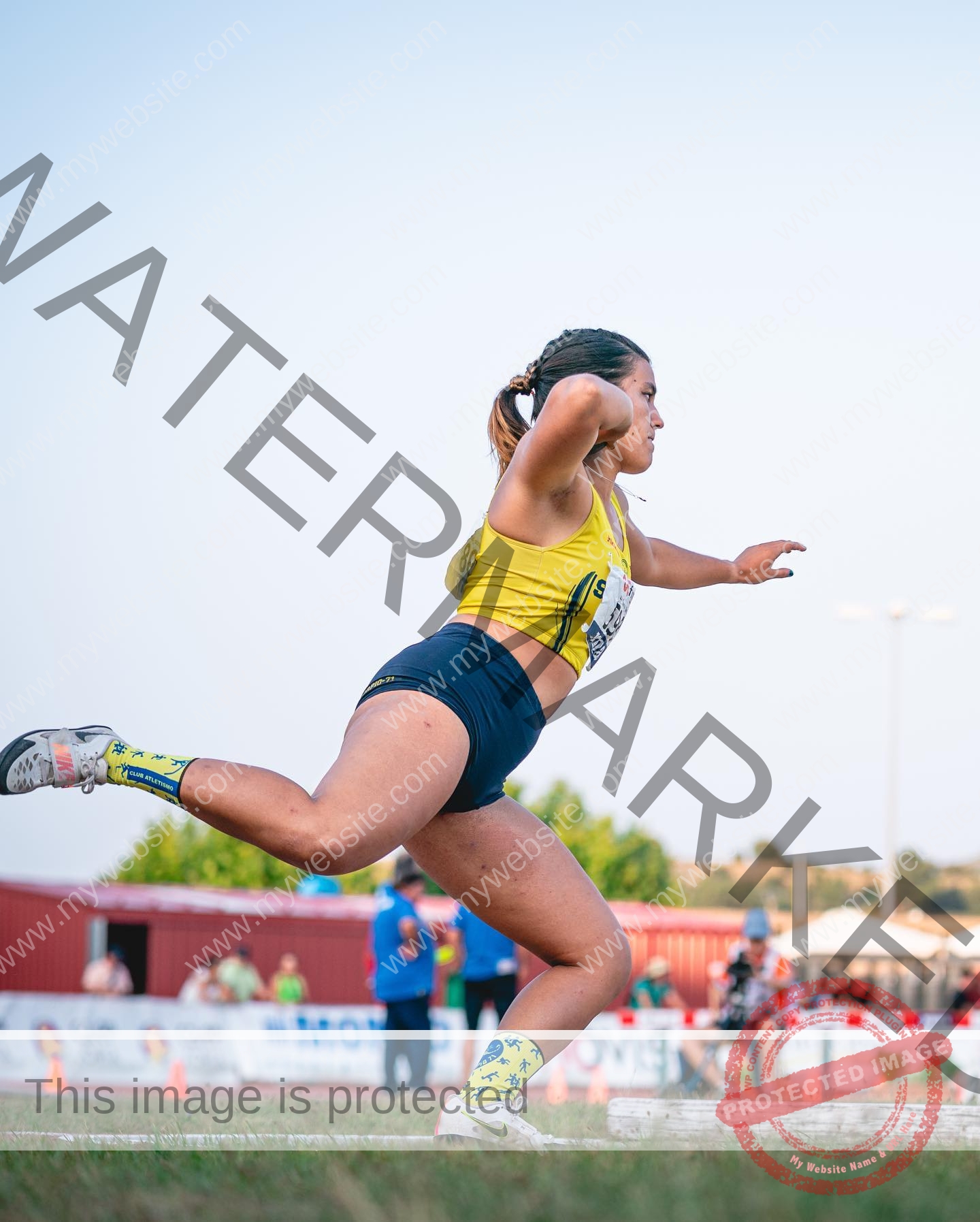
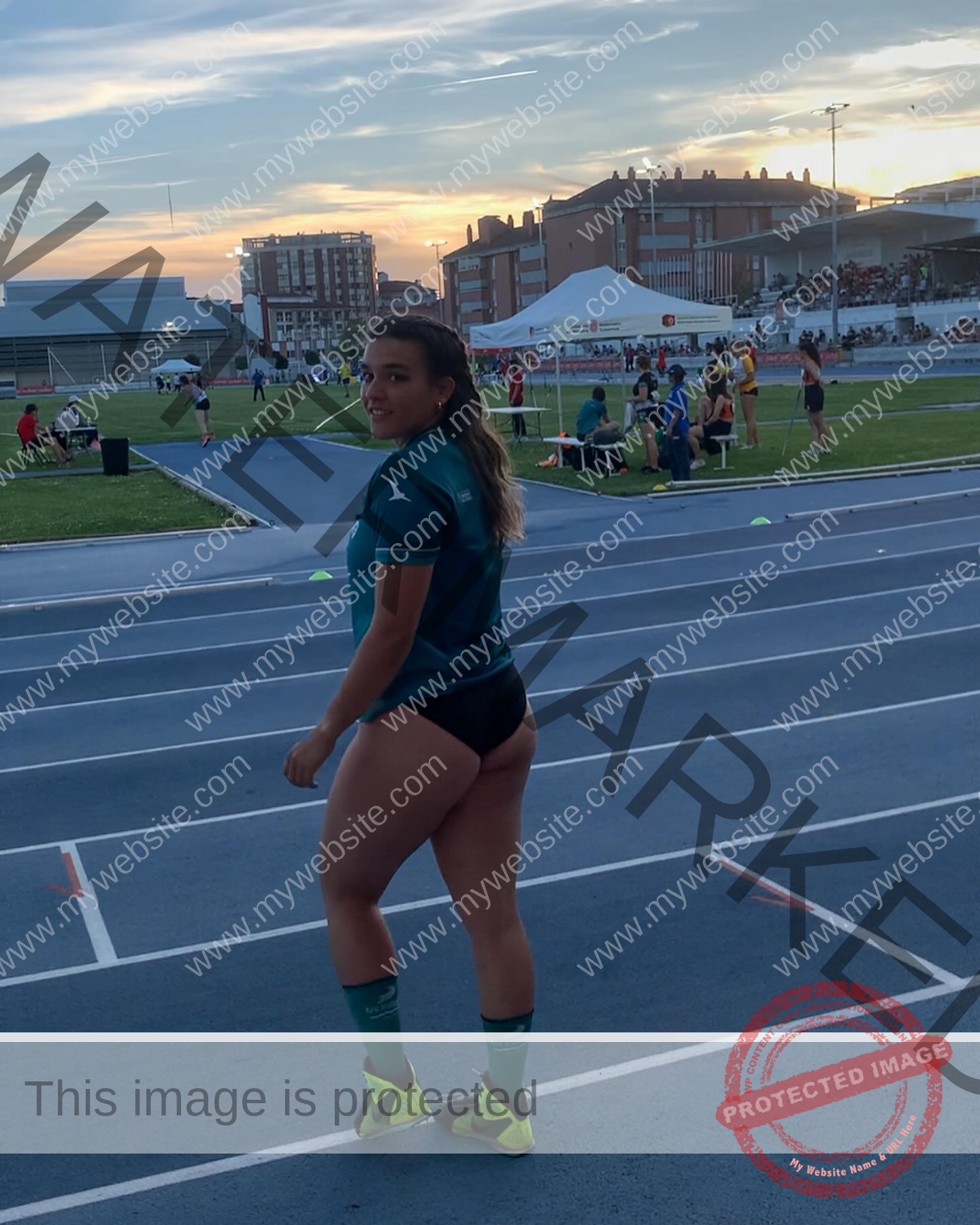
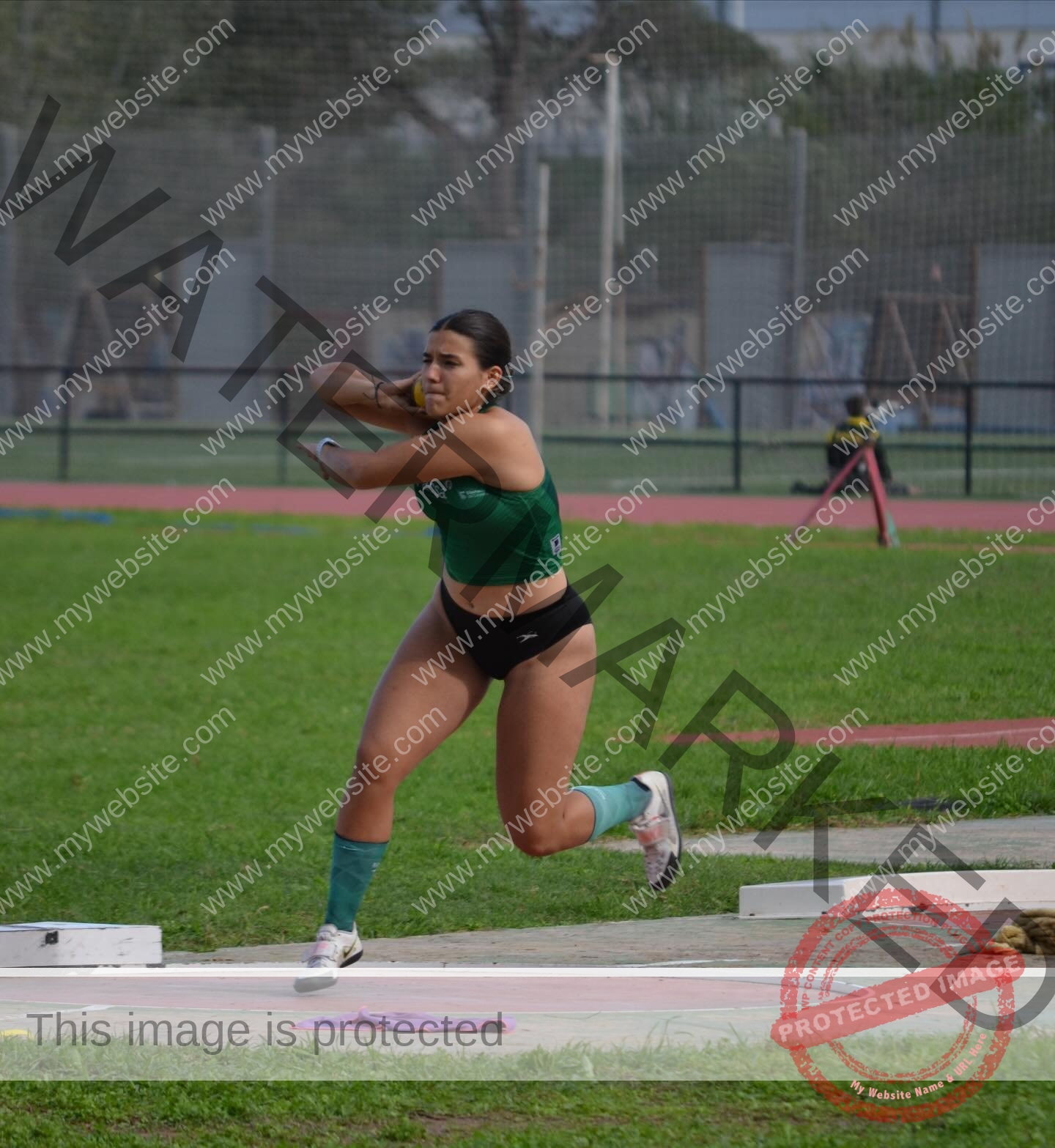
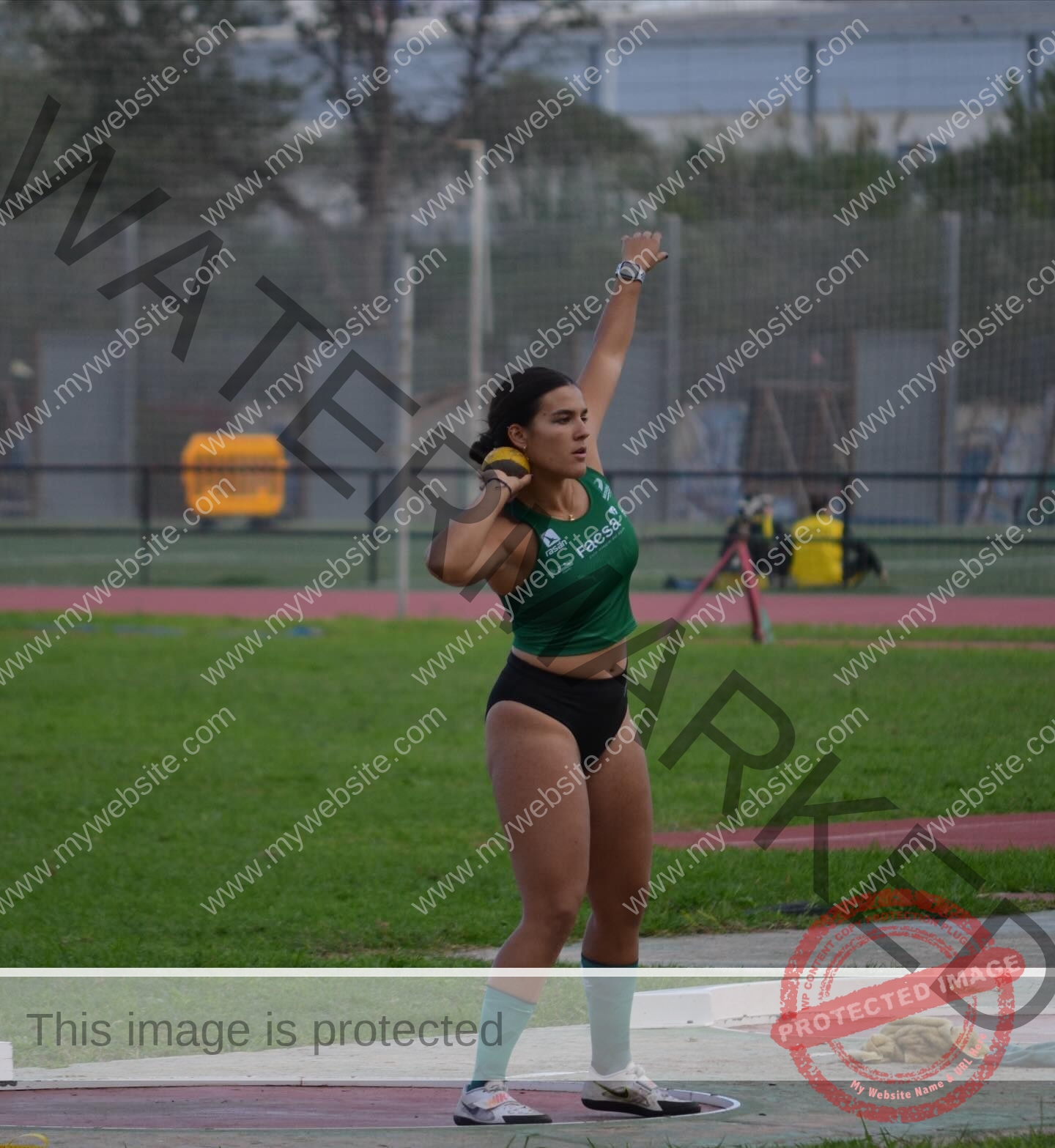
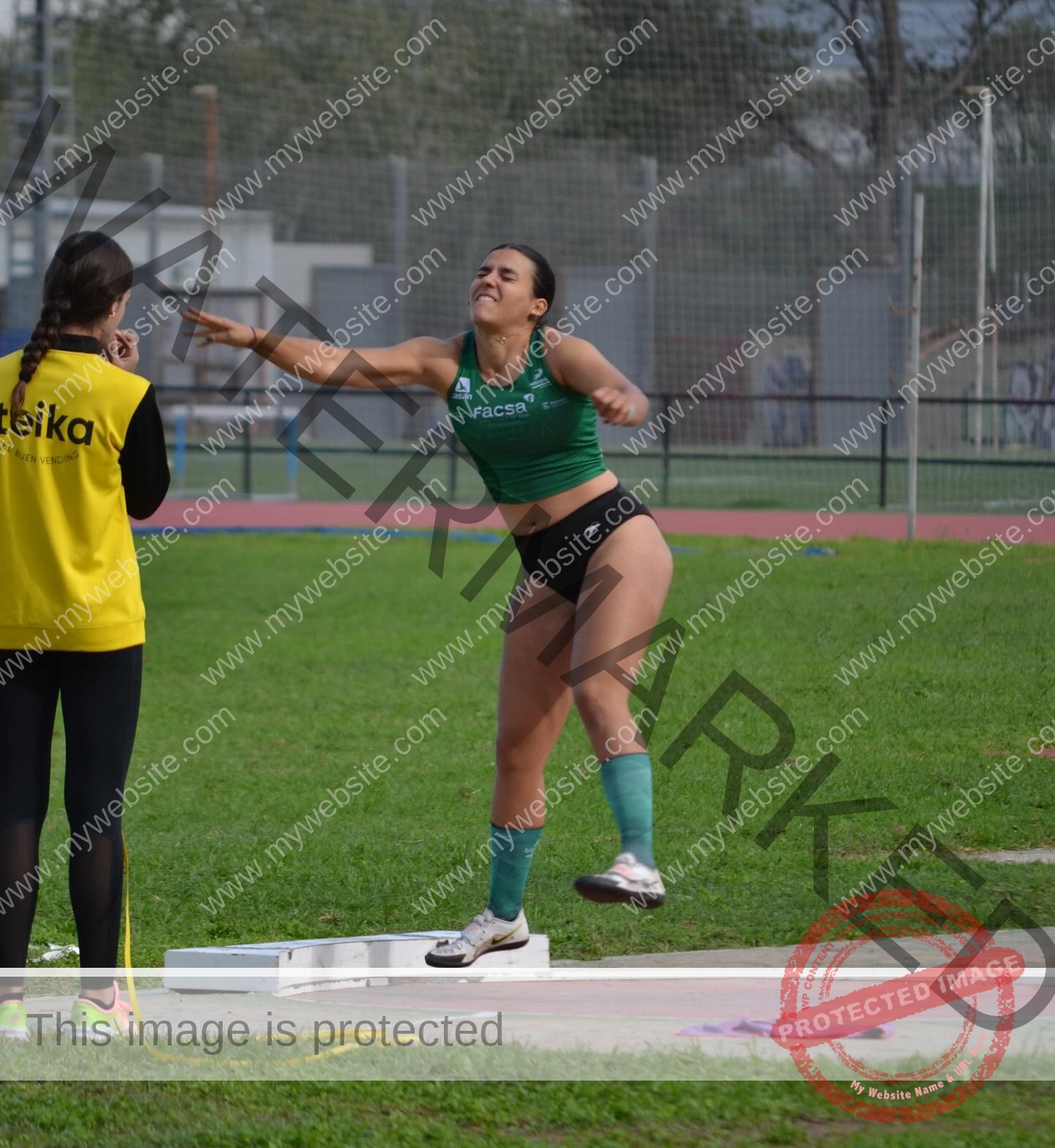
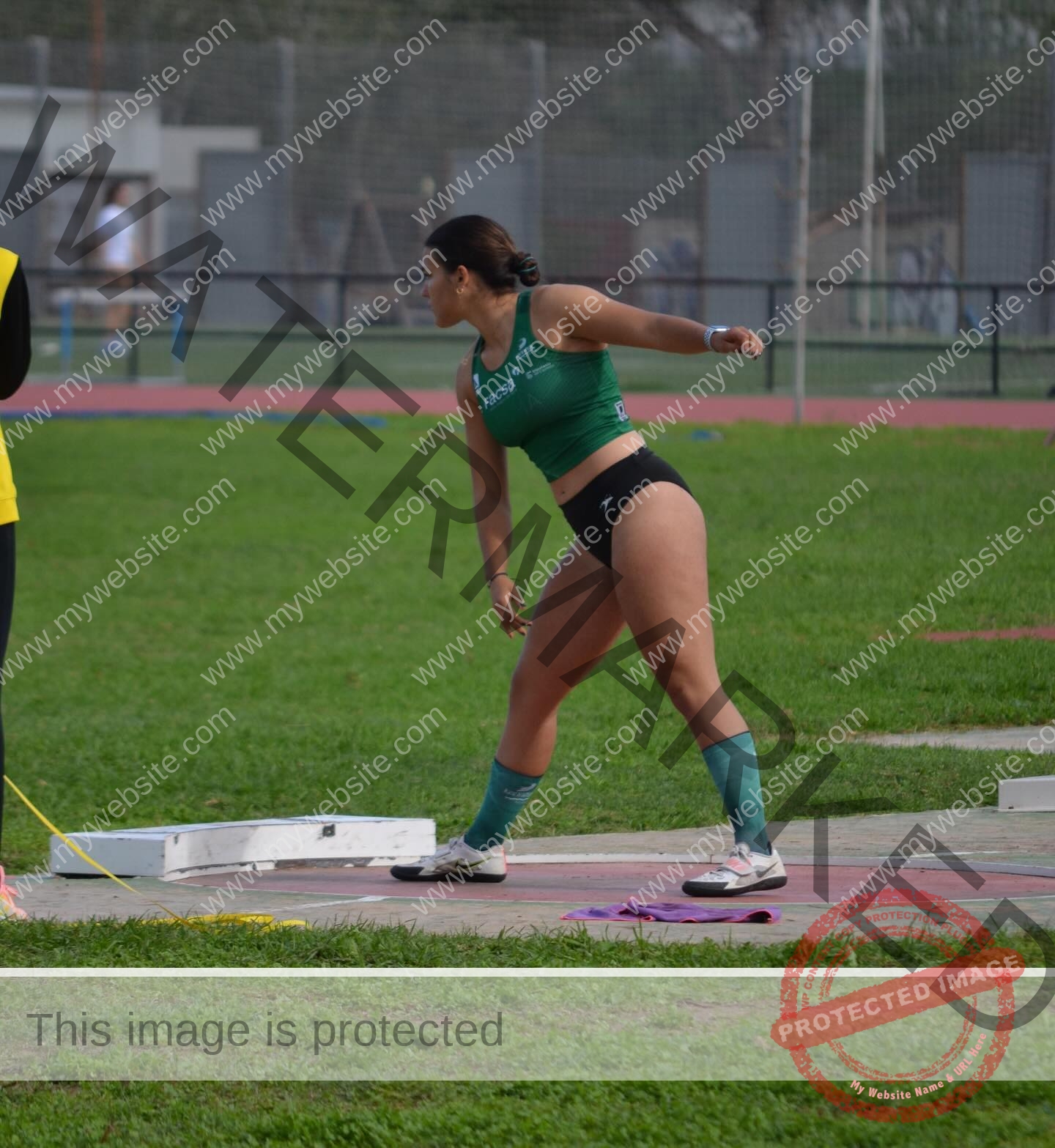
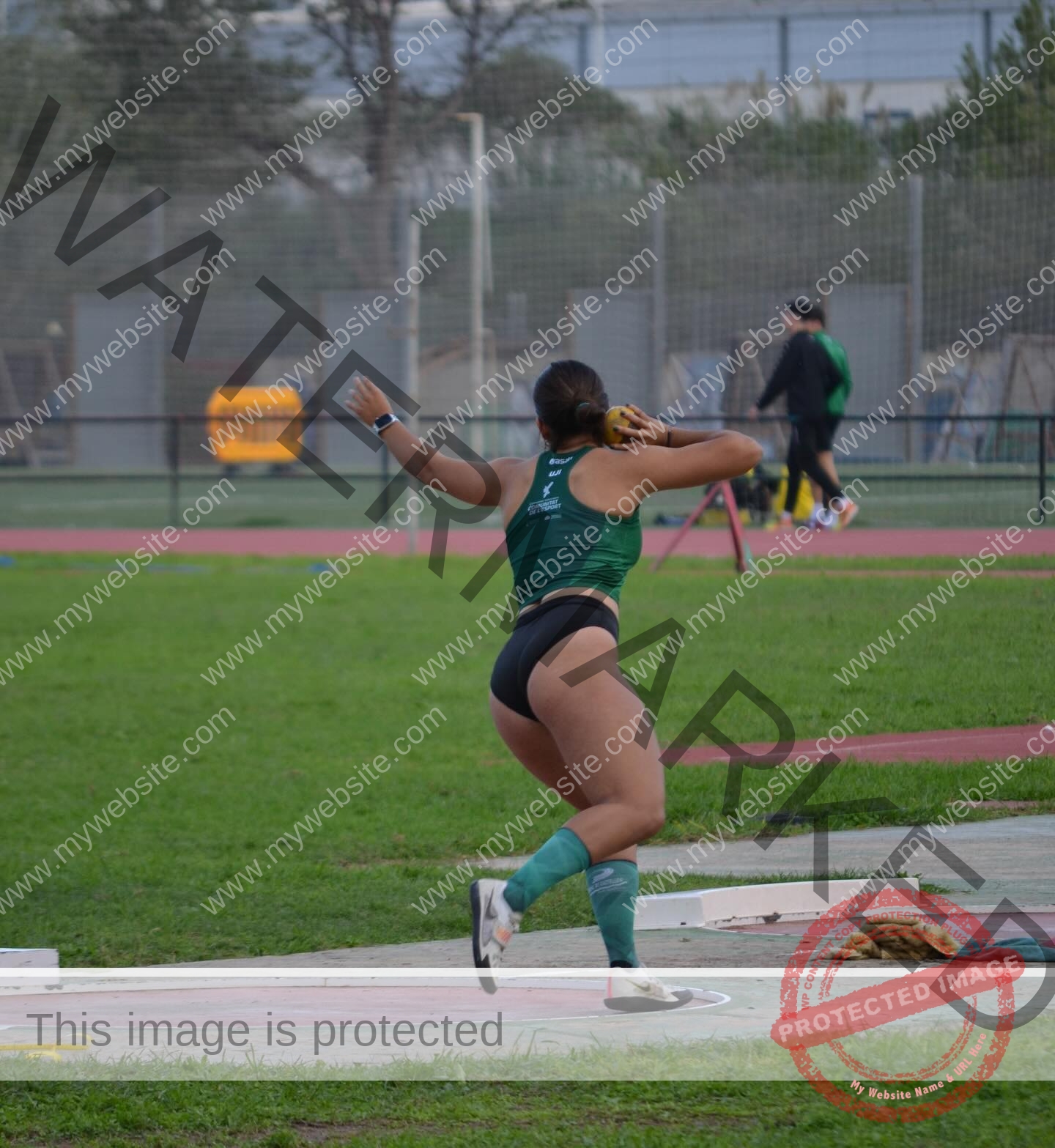
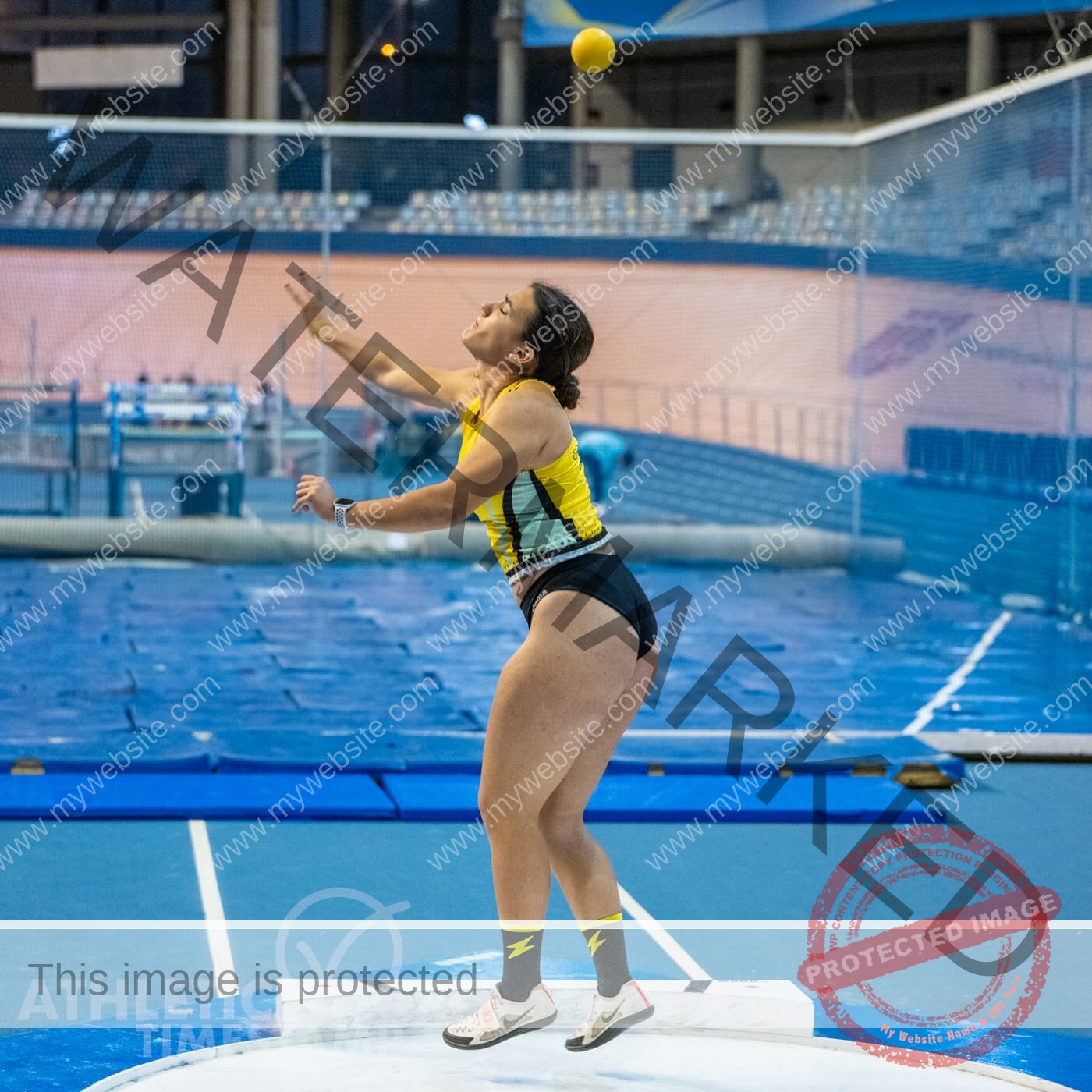
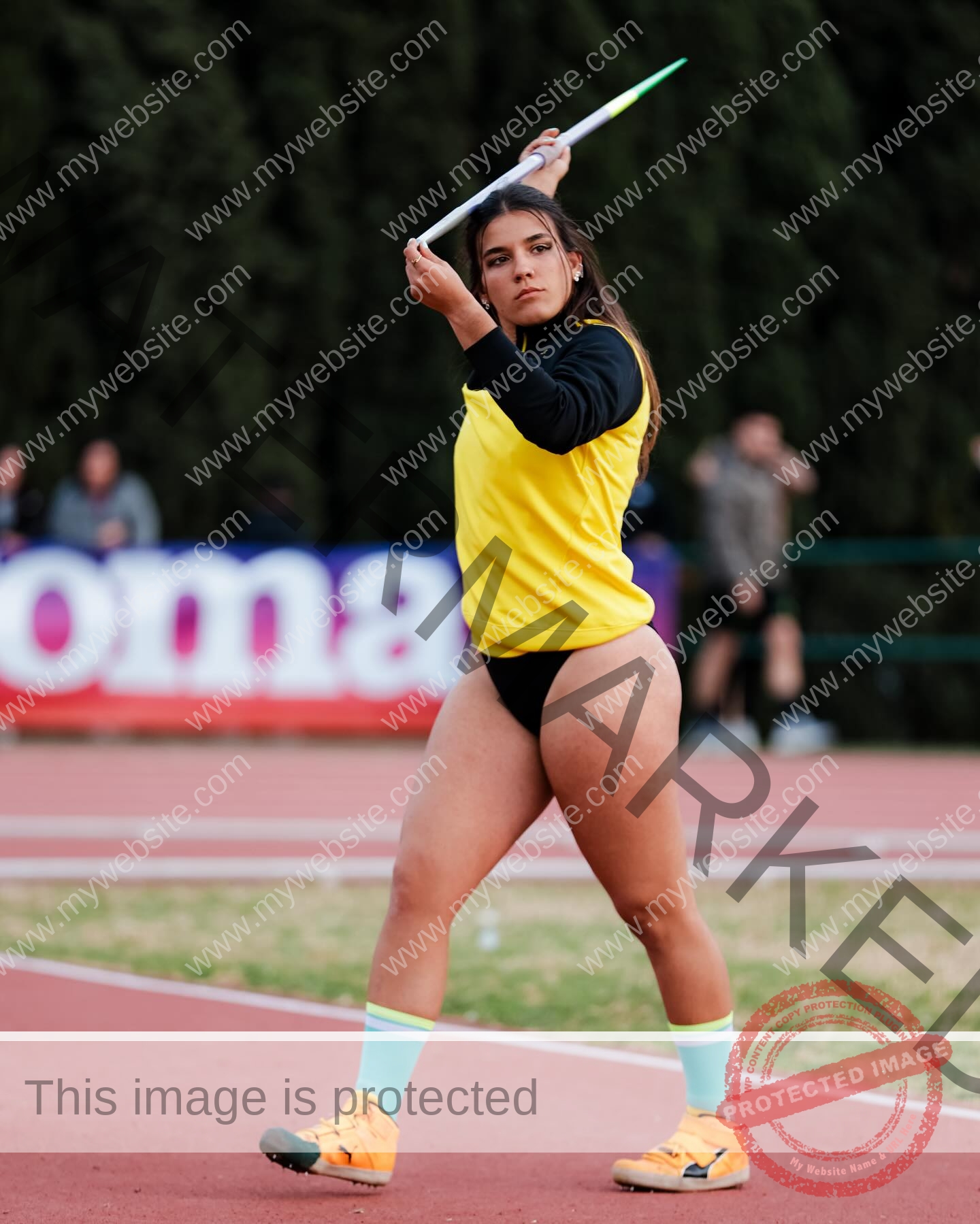
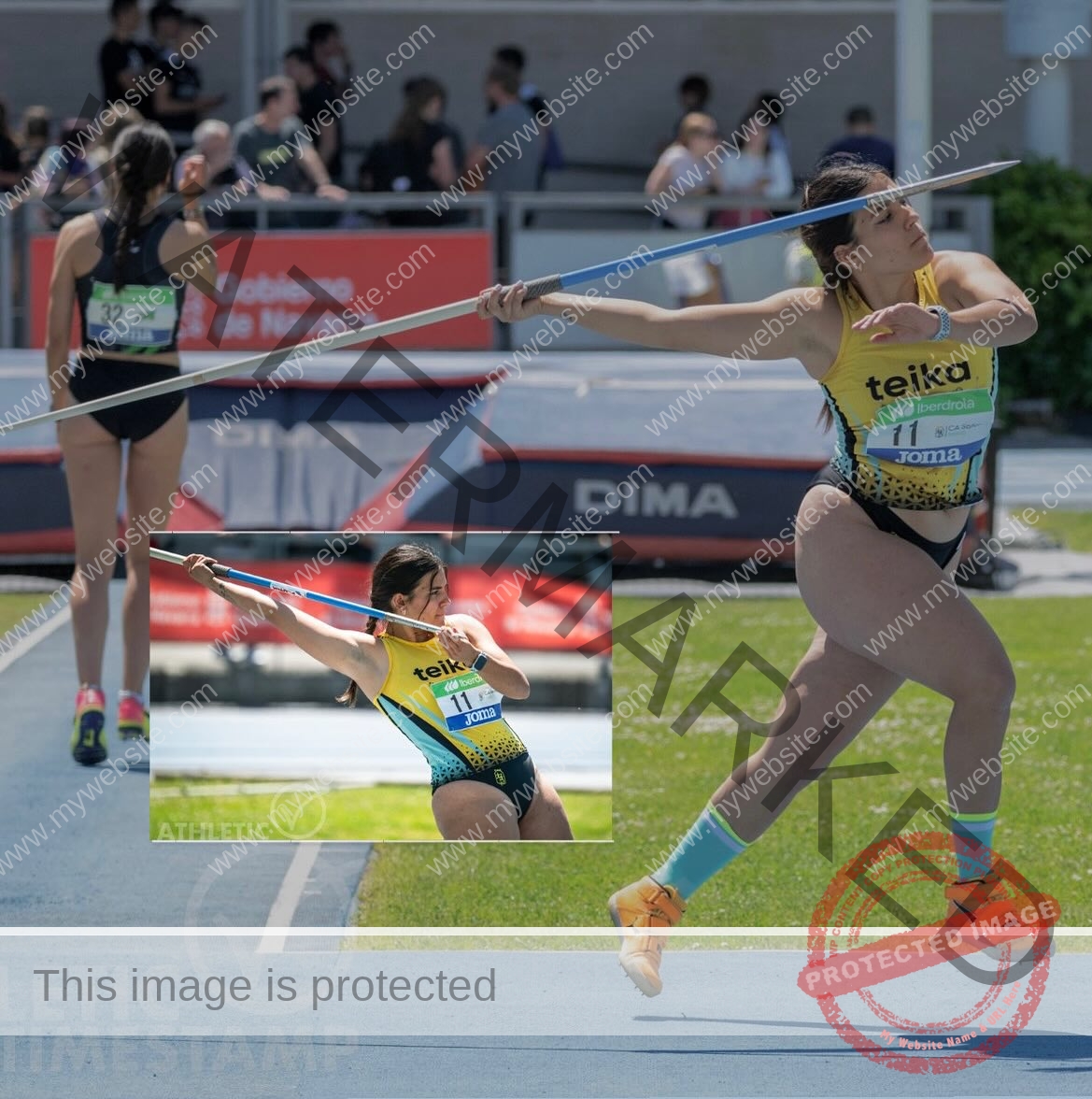
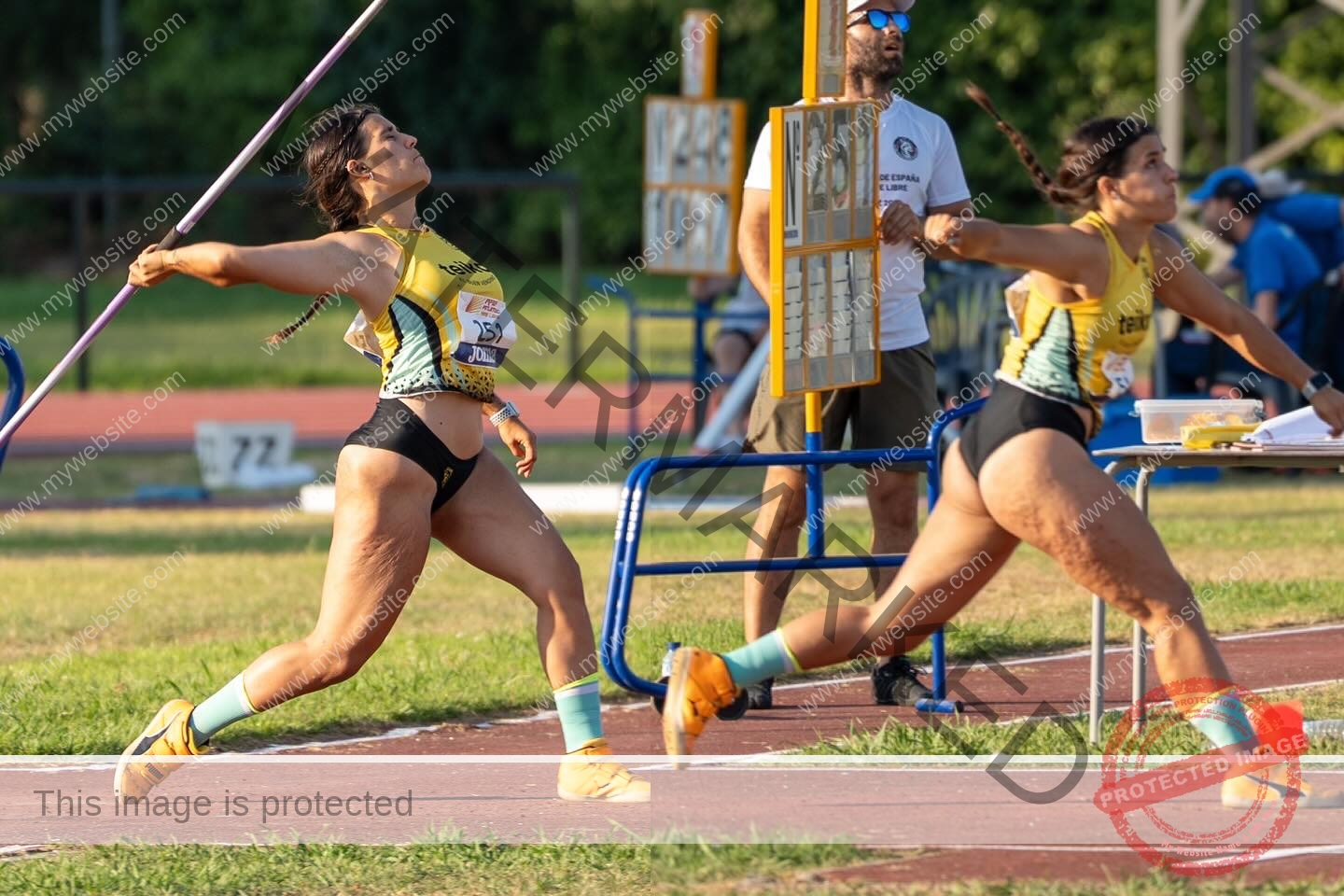
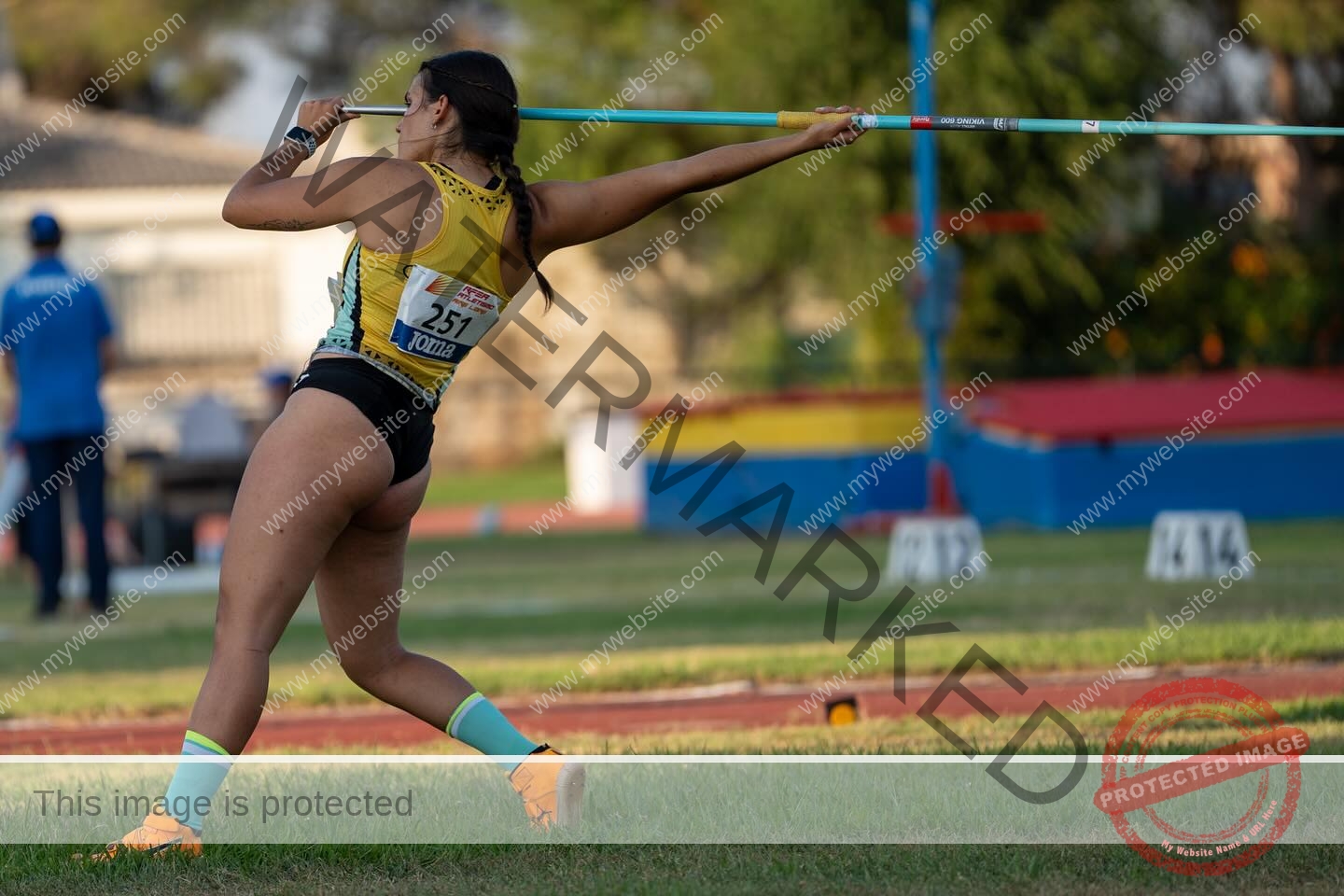
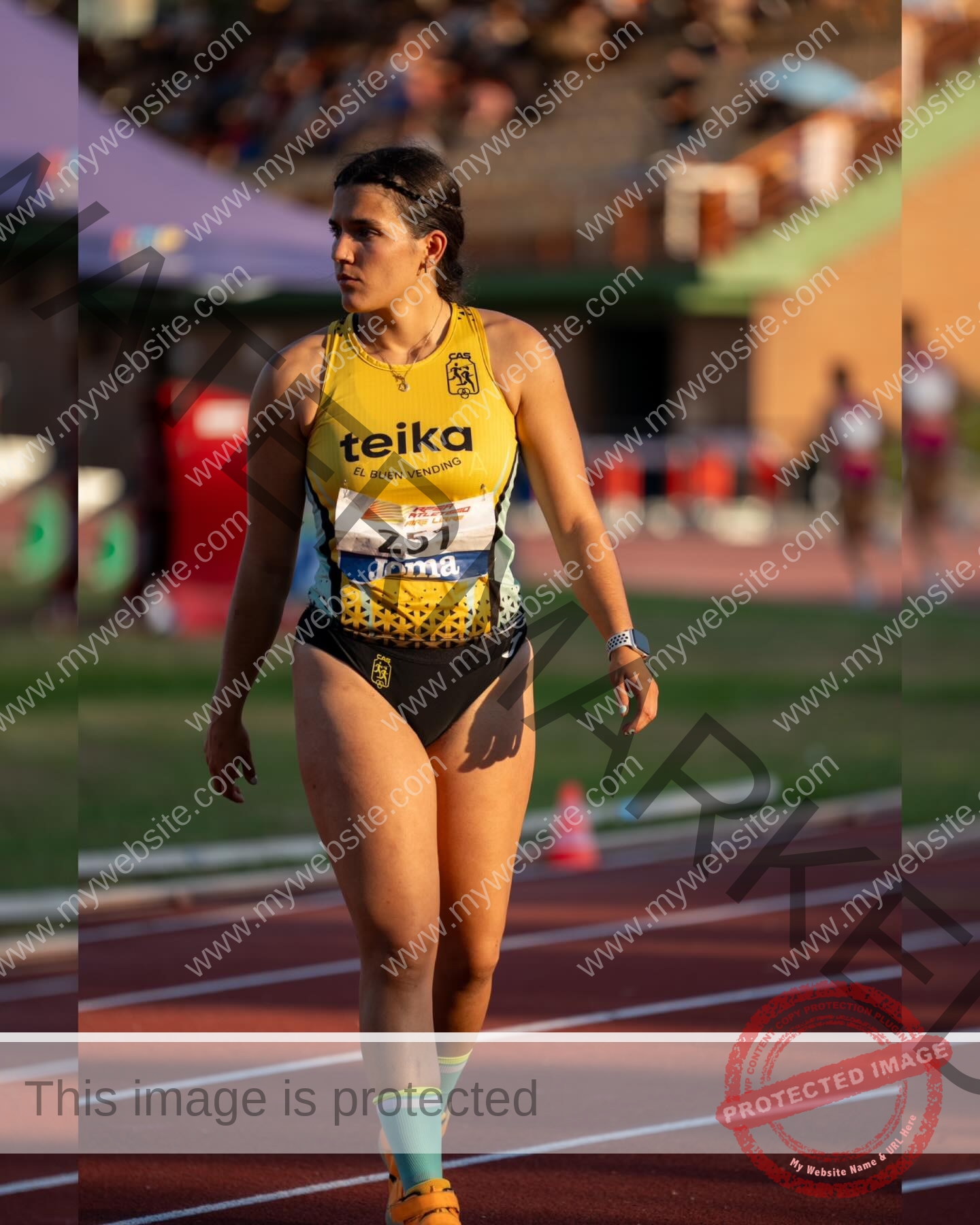
Eva Luna Lozano: Spain’s Rising Javelin Star with Deep Roots and a High Ceiling
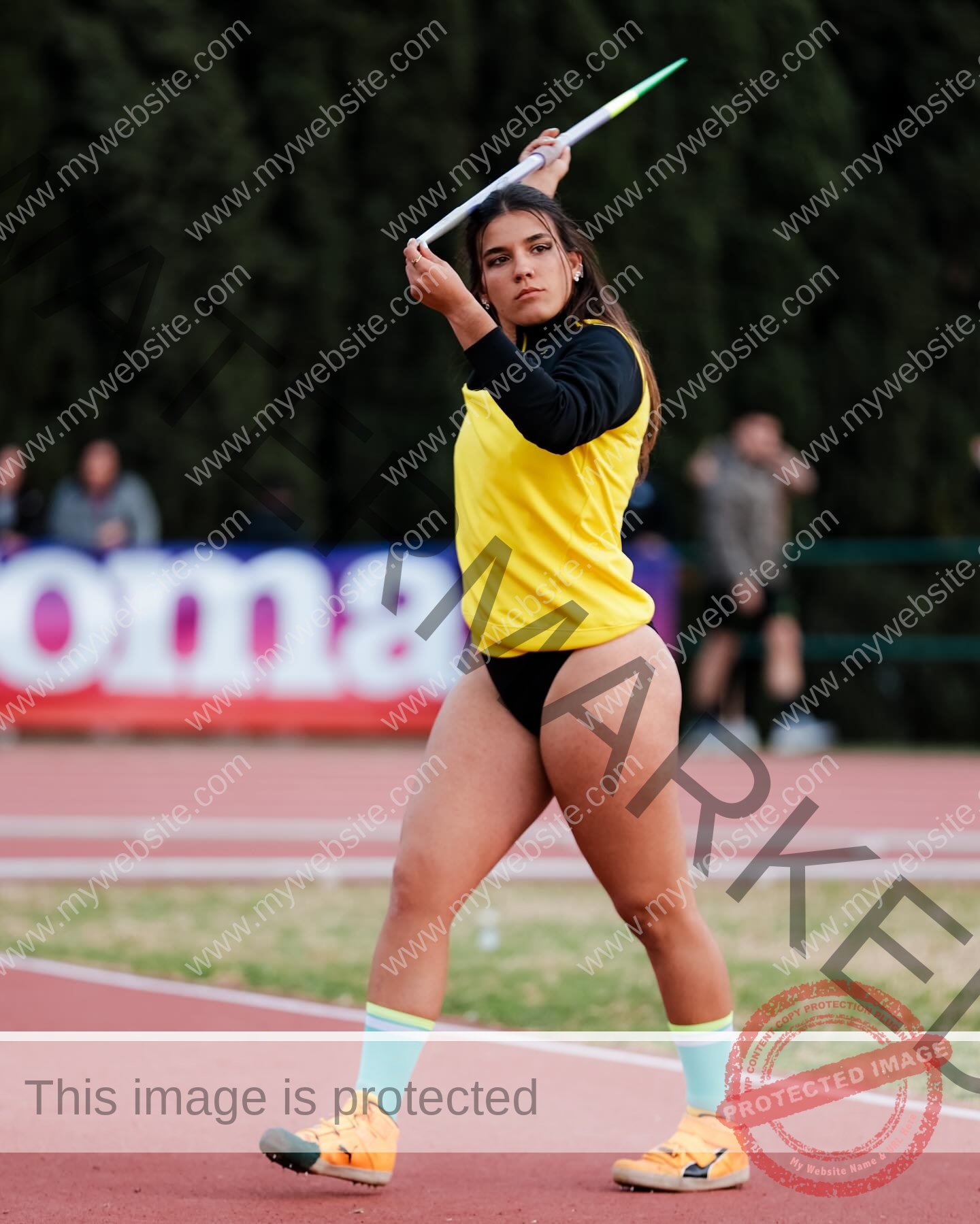
There is a particular kind of athlete — one who does not simply arrive at the throwing circle but seems to have been built for it, shaped by geography, temperament, and the quiet accumulation of years of work done far from the spotlight. Eva Luna Lozano is that kind of athlete. A javelin thrower from the province of Teruel in the autonomous community of Aragón, she has traveled a winding road across Spanish athletics — from early competitions on the unforgiving high plateau of eastern Spain to the coastal throwing venues of Valencia, the club circuit in Cantabria, and the national championship stage — all while steadily improving and refusing to be capped by the modesty of the environment she came from.
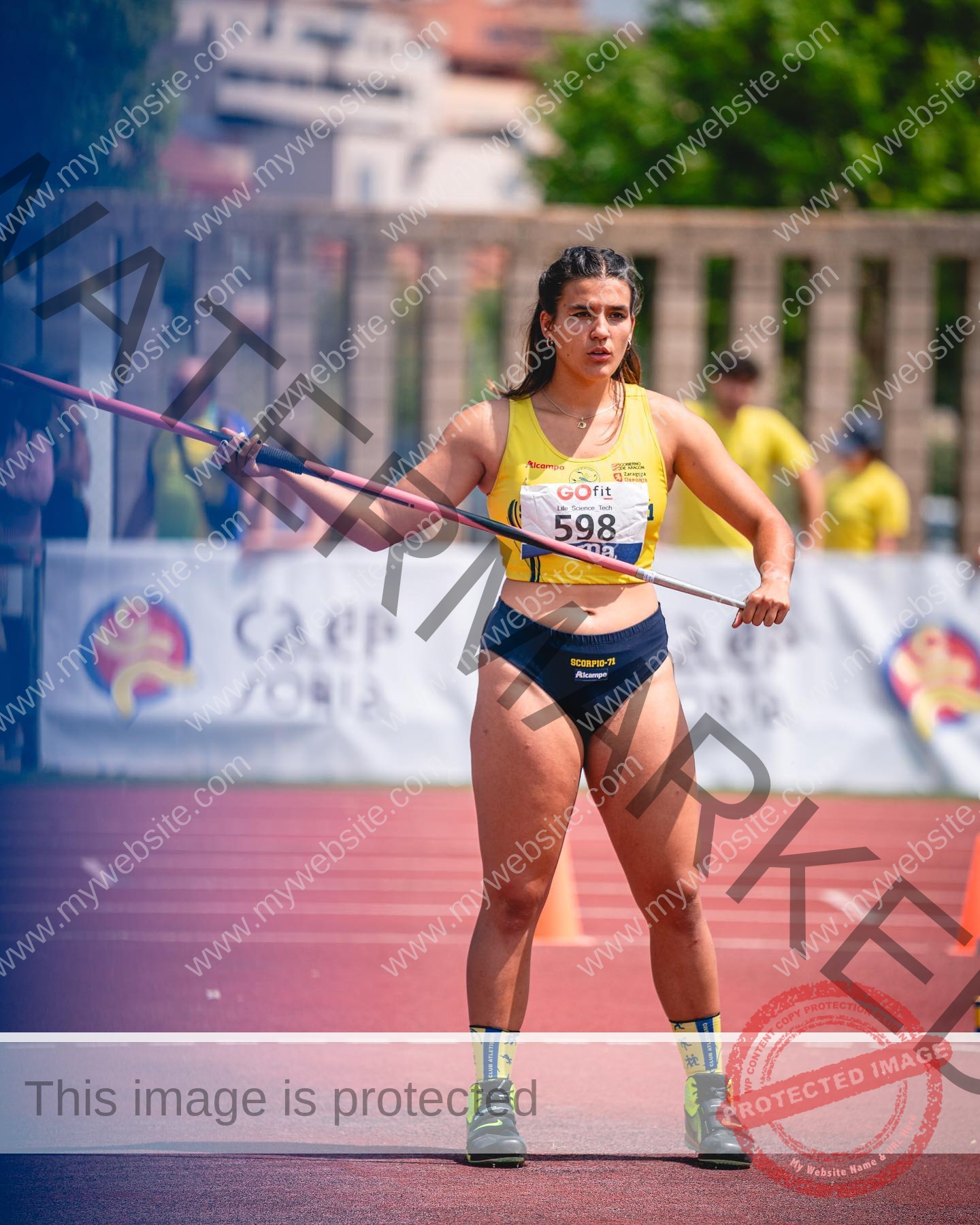
At the time of writing in early 2026, Lozano is a Sub-23 competitor competing at the national championship level, representing the prestigious CA Atletismo Piélagos club in Cantabria. Her personal best of 41.36 meters, set at the Spanish Winter Throwing Championships in February 2026, places her among the better Sub-23 javelin throwers in Spain and marks just the latest step in an arc that has been bending steadily upward.
Roots in Teruel: A Thrower Forged in Aragón
Eva Luna Lozano hails from the province of Teruel, a largely rural region in the interior of Aragón with a proud but modest athletics tradition. Teruel is not a traditional powerhouse in Spanish track and field; its small population and geographic remoteness mean that young athletes must often show exceptional initiative and travel significant distances to compete and train at a high level. That Lozano emerged from this environment as a nationally competitive thrower speaks as much to her personal dedication as to whatever early institutional support she received.
Specific biographical details from her earliest years — precise date of birth, the particular town where she grew up, how she first picked up a javelin — are not extensively documented in public sources, as is common for young athletes from smaller regions who have not yet attracted the kind of sustained national media coverage that follows more established figures. What is documented is the trajectory: a young athlete from Aragón who made her way into the national Sub-20 circuit, attracted enough attention to be signed by the powerful Facsa-Playas de Castellón athletics club, and has since continued to climb.
What the regional sports press has made clear is that Lozano is identified as “turolense” — a native of Teruel — and that her development in athletics followed the typical path for throwers in the region: early competitions under the auspices of the Federación Aragonesa de Atletismo, periodic trips to Zaragoza and Teruel for regional championships and control meets, and gradual entry into national competition as her marks improved.
Learning the Discipline: Early Development in Aragonese Athletics
The Federación Aragonesa de Atletismo (FAA) has served as the administrative and competitive home for Lozano’s earliest documented career. For young throwers in Aragón, the development pathway typically involves competing in regional championships — primarily in Zaragoza and Teruel — before earning qualification for national-level events.
By the summer of 2023, Lozano was competing at the Campeonato de Aragón Absoluto alongside some of the more established names in the regional federation, recording a javelin mark of 36.24 meters. The FAA’s reporting highlighted this throw as notable enough to position her in the top ten of the all-time Aragonese federation rankings for her event — a meaningful regional benchmark that signaled she was no longer just a promising local prospect but an athlete beginning to establish real historical standing in her home federation.
That 36.24-meter throw came during a competition where wind readings exceeded the allowable limit and prevented the marks from counting for national ranking purposes — a frustration familiar to any thrower who has worked hard for a throw only to see a red flag go up on the wind meter. It is worth noting the timing: this was a period when Lozano was still a Sub-20 athlete, meaning she was throwing with a lighter 600-gram implement rather than the senior women’s 600-gram javelin (the women’s javelin specification is consistent across senior and junior categories, unlike the men’s, which uses heavier implements in senior competition). Her competitive focus at this stage was sharpening through regional competition while she prepared for the step up to national-level events.
The Playas de Castellón Chapter: A National Club Opens Doors
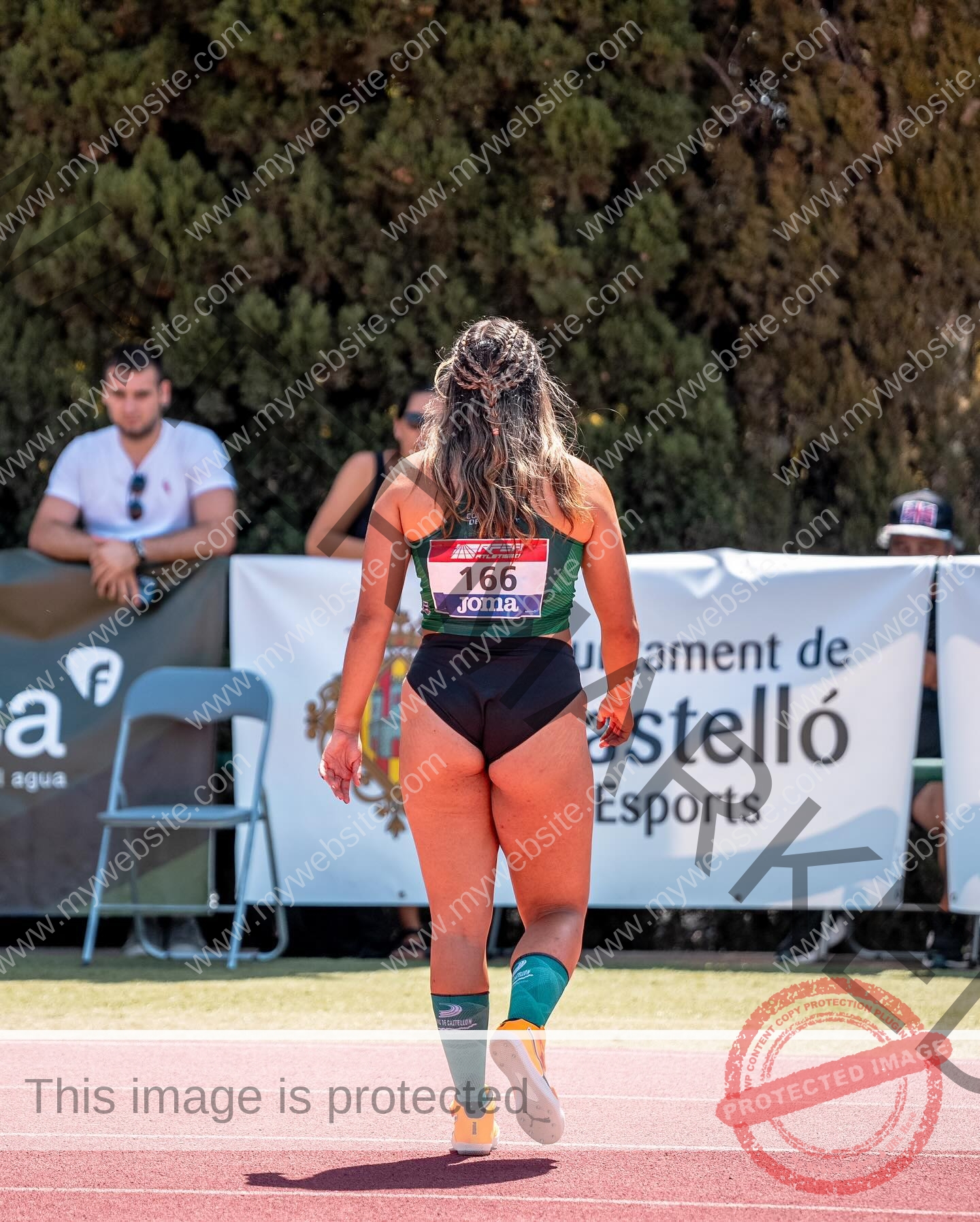
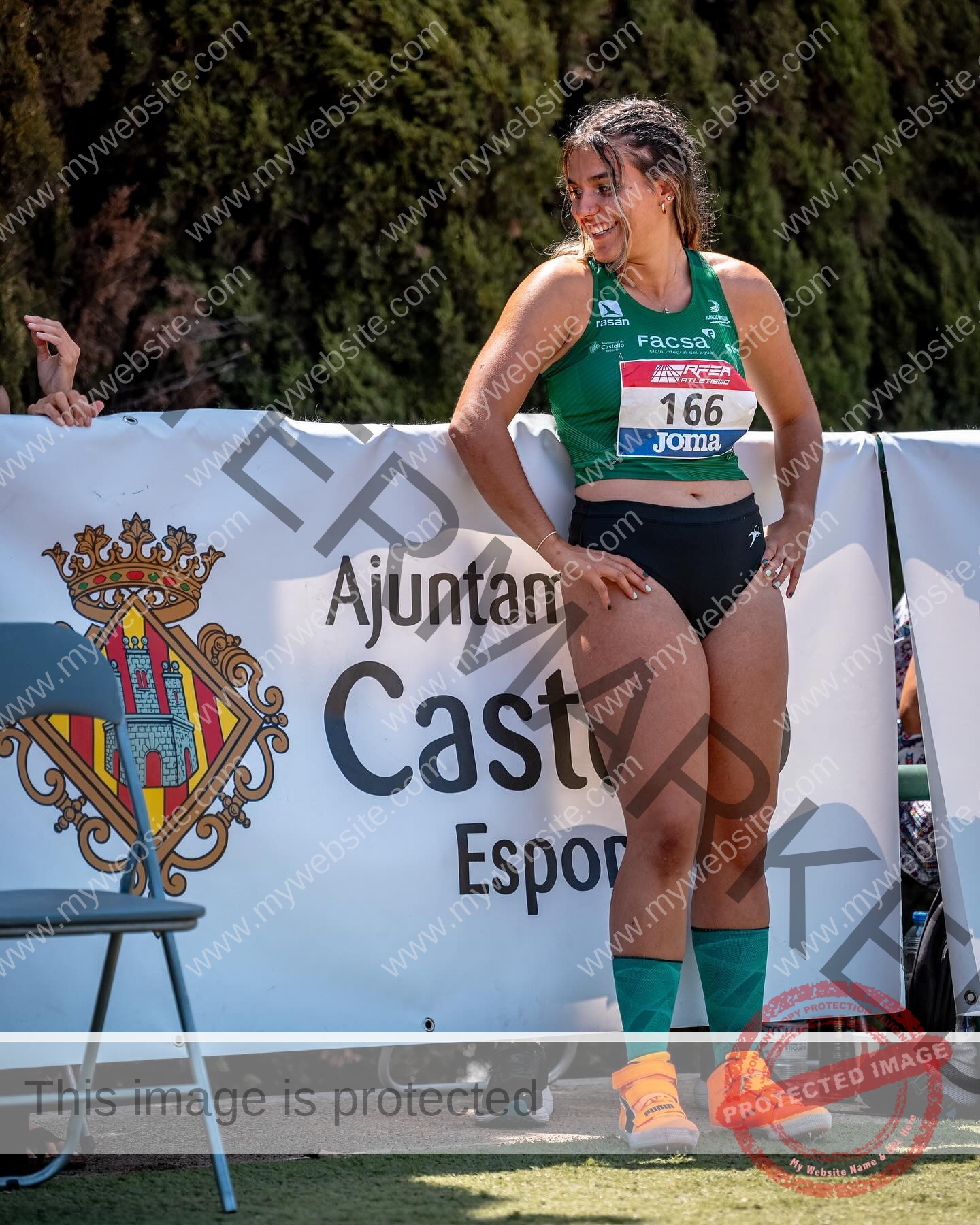
One of the most significant moments in Eva Luna Lozano’s development came when she joined the Facsa–Playas de Castellón athletics club, one of Spain’s elite throwing programs and a national powerhouse especially renowned for its work with javelin, hammer, and discus athletes. The Castellón club, which routinely fields multiple athletes at national championships and sends competitors to European and World-level competitions, provided Lozano with a competitive environment qualitatively different from anything available in Teruel.
In March 2024, Lozano traveled with the Playas de Castellón delegation to the Campeonato de España de Invierno de Lanzamientos Largos Menores — the Spanish Winter Championships for throwing events in junior categories — held in León. She competed in the Sub-20 (junior) women’s javelin category, one of 15 athletes the club brought to a competition in which it was chasing an unprecedented clean sweep of medals across all throwing disciplines. Her participation alongside more decorated club teammates — including the internationally ranked hammer thrower Andrea Sales — illustrated both the caliber of training environment Lozano had joined and the seriousness with which the club viewed her potential.
The Playas de Castellón chapter appears to have been formative for Lozano’s technical development. The club’s head throwing coach, Toni Simarro, is regarded as one of the best specialized throwing coaches in Spain, and the club’s training infrastructure — including the famous Pista Gaetà Huguet in Castellón, which hosts the national winter throwing championships — gave Lozano access to elite facilities and competitive simulation that accelerated her progression.
Moving to Safor Teika: A Change in Club and Region
By December 2024, Eva Luna Lozano had moved clubs again, signing with the Club d’Atletisme Safor Teika — a Valencian club based in the Safor comarca that competes in the Liga Iberdrola (the women’s Primera División of Spanish club athletics) and the Liga Joma for men. The club’s technical director, David Melo, singled out Lozano by name when announcing the team’s roster for the 2025 season, identifying her as a key new addition to the women’s squad.
The announcement described her specifically as “la turolense Eva Luna Lozano” — again emphasizing her Aragonese identity — and noted she was coming directly from Playas de Castellón. The context is telling: Safor Teika had just completed its most successful season ever, qualifying both its men’s and women’s teams for the final of the national club championships for the first time. Retaining that momentum while bringing in targeted new acquisitions was the explicit plan. That Lozano was one of only a handful of new signings for the women’s squad suggests the club viewed her as genuinely capable of contributing points in national club competition.
Joining Atletismo Piélagos: The Next Level
The most recent and — to date — most consequential move in Lozano’s club career has been her transfer to Atletismo Piélagos, a club based in the municipality of Piélagos in Cantabria that operates as one of the more ambitious mid-tier programs in Spanish athletics. The club competes with both a women’s and men’s team across multiple disciplines and has cultivated a reputation for serious athlete development and active team management.
By January 2026, reports from Cantabria Directa — a regional sports news outlet that closely follows Piélagos athletics — were already covering Lozano’s early-season work on behalf of the club. Her debut in the Control ST organized by the Federación de Atletismo de la Comunidad Valenciana in Castellón — essentially an early-season performance test — produced a throw of 39.43 meters, placing her second in the RFEA (Real Federación Española de Atletismo) national Sub-23 ranking at that point in the season. For a pre-competition tune-up in January, this was an attention-getting result that set expectations for the season.
The Piélagos context matters because it situates Lozano in a team environment with genuine national ambitions. The club’s athletes routinely compete across Spain — Cantabria, the Valencian Community, Aragón, Madrid — which means Lozano’s training and competition calendar is organized with a level of professionalism and strategic planning that would have been difficult to access earlier in her career.
The February 2026 National Championships: A Statement Performance
The most significant competition of Eva Luna Lozano’s career to date came at the Campeonato de España de Lanzamientos Largos de Invierno 2026 — the Spanish Winter Long Throwing Championships — held in Castellón over the weekend of February 21–22, 2026, at the Pista Gaetà Huguet.
The championships operated across two days and two categories for Lozano: she entered both the Absolute (open) women’s javelin and the Sub-23 women’s javelin. On the first day, competing among Spain’s senior women’s national throwers, she finished eighth with a throw of 40.27 meters — a mark just 60 centimeters short of what had been her best performance to that point. For a Sub-23 athlete to compete directly against the country’s senior elite and finish in the top eight represented meaningful validation.
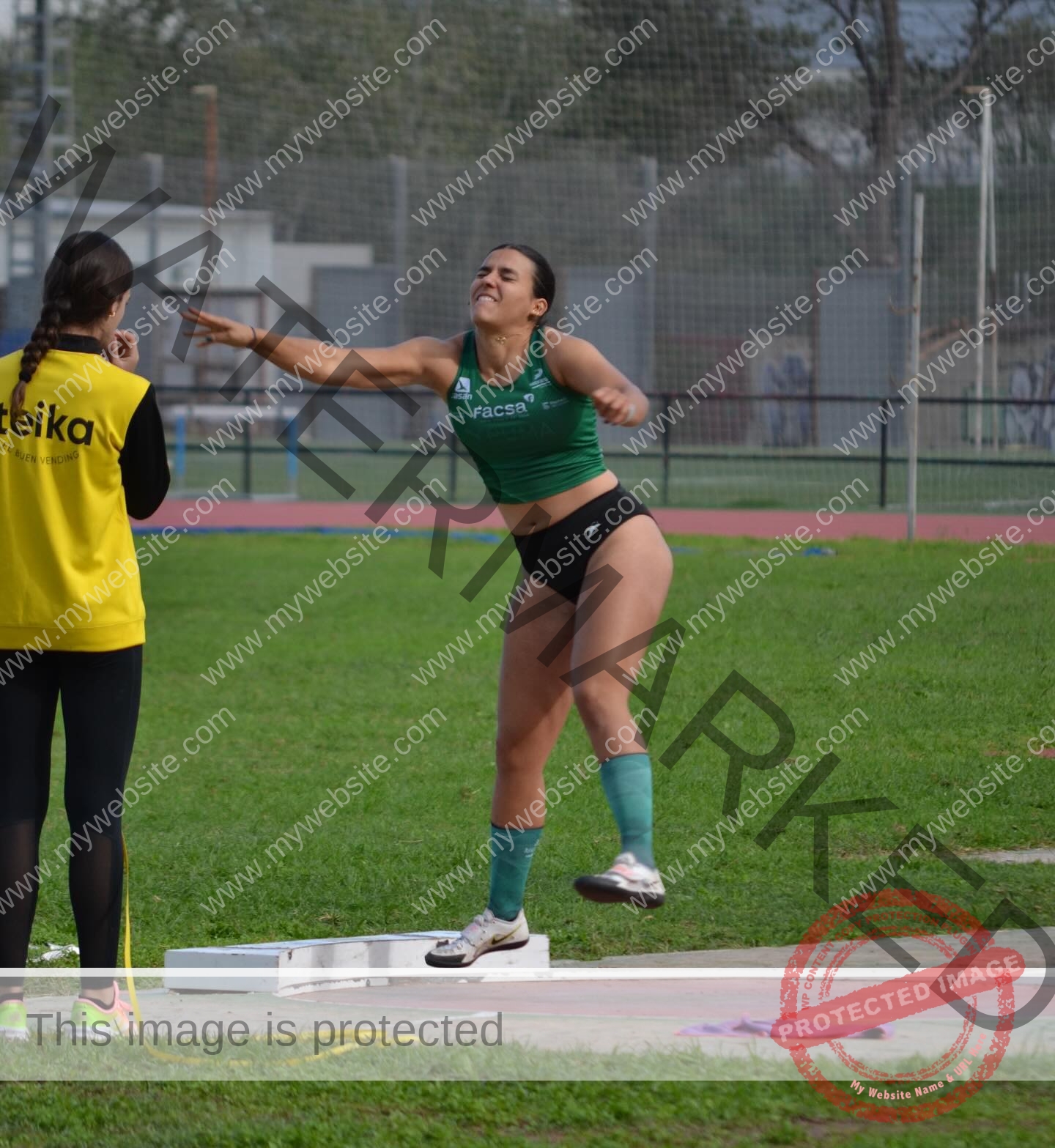
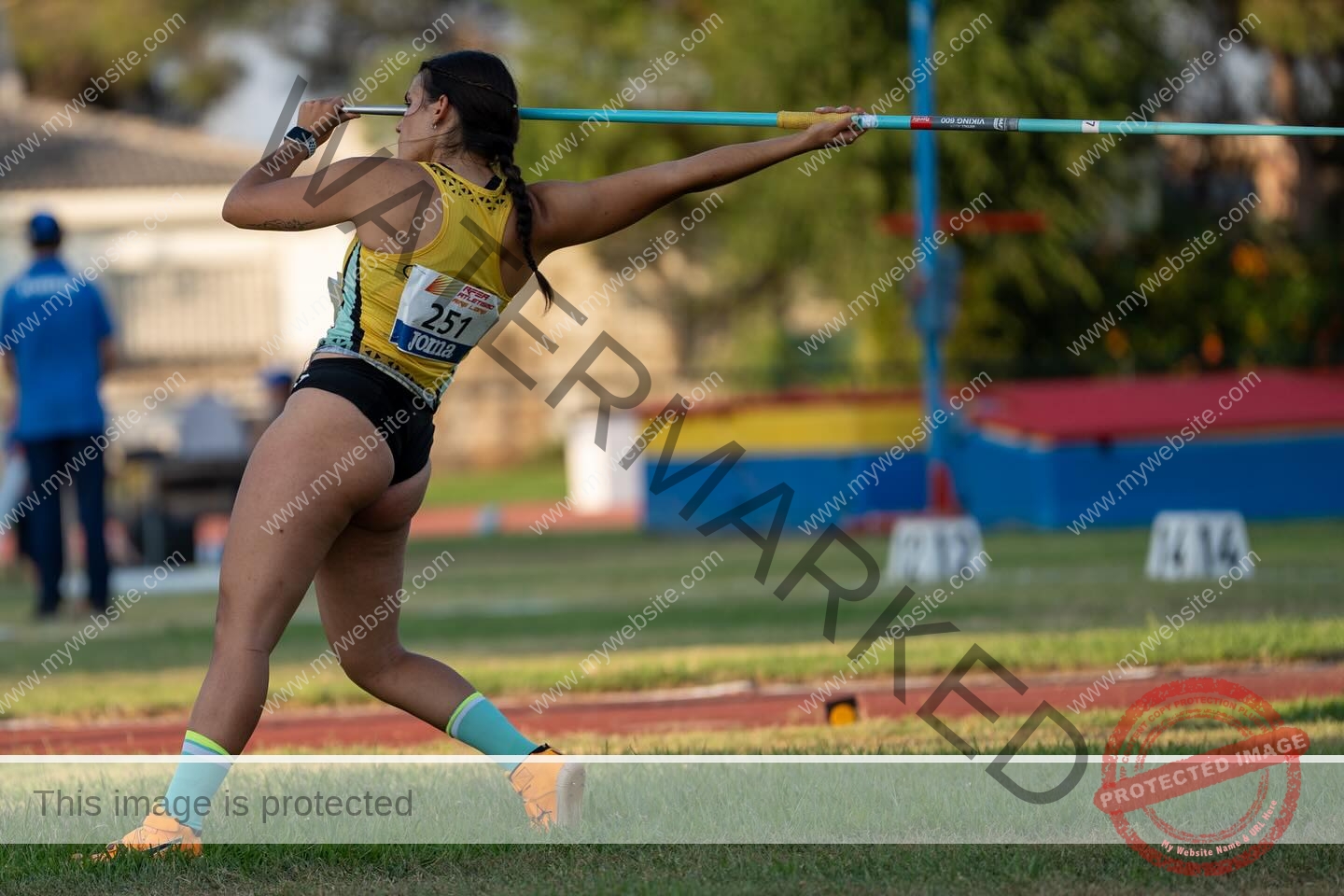
But the second day was where Lozano made her statement. Returning for the Sub-23 competition, she attacked the event from the first round. Her opening throw of 40.57 meters immediately bettered the previous day’s mark and announced she was in form. And then, in the final round — the last attempt of the competition — she uncorked a throw of 41.36 meters, a new personal best and a performance good enough to earn her the bronze medal in the Sub-23 category.
The reporting from Cantabria Directa captured the drama of the moment: it came “sobre la bocina, como en las grandes gestas” — at the buzzer, as in great athletic deeds. A closing-round personal best at a national championship, secured when it counts most, is the kind of throw that defines a competitive character.
This same competition also drew note in the province of Teruel, where the Diario de Teruel reported that Lozano was one of four Teruel-province athletes who brought “diplomas and medals” back from the national championships — a source of regional pride for a province not accustomed to seeing its athletes make noise at the national level.
Competitive Career: Club Competition and National Circuit
Beyond the marquee championship performances, Lozano’s career has been built through consistent participation in the dense Spanish domestic competition structure. This includes:
Regional championships: The Campeonato de Aragón in its various forms (Absoluto, Sub-20, Sub-23) served as her foundational competitive environment, giving her regular competitive experience before she was ready for the national stage.
RFEA-sanctioned control meets: These events, organized by regional federations throughout the season, function as the calibration points for national rankings. Lozano’s January 2026 throw of 39.43 meters at a Valencian federation control was explicitly reported as placing her second in the national Sub-23 ranking — showing that she is not just competing but positioning herself at the top of her age category nationally.
Spanish national championships (youth and junior): Documented participation includes the national Sub-20 championships and the Sub-23 championship in Badajoz in July 2025, as she progressed through the age categories.
Liga Iberdrola club competition: Through her time at Safor Teika and Piélagos, Lozano has contributed to Primera División club athletics — the most competitive tier of Spanish club athletics below the Superliga — which provides regular high-level competition against the country’s best athletes across multiple events.
Campeonato de España de Lanzamientos Largos de Invierno: This national winter throwing championships, held in Castellón, is the primary specialized championship for throwing events and has now produced Lozano’s best competitive result to date.
Personal Best and Performance Progression
Eva Luna Lozano’s documented throwing progression reflects the steady upward arc typical of a developing thrower who has had access to improving training infrastructure at each stage:
- 36.24 meters — Campeonato de Aragón Absoluto, July 2023 (wind-assisted, not ratified for ranking)
- Continued development through 2023–2024 season with Playas de Castellón
- National Sub-20 winter championships participation, León, March 2024
- 39.43 meters — Valencian Federation Control ST, January 2026 (2nd in national Sub-23 ranking)
- 40.27 meters — Spanish Winter Throwing Championships (Absolute category), Castellón, February 21, 2026
- 41.36 meters — Spanish Winter Throwing Championships (Sub-23 category), Castellón, February 22, 2026 (Personal Best, Bronze Medal)
The jump from 36-37 meters in 2023 to 41-plus meters in February 2026 represents genuinely significant improvement — roughly five meters of distance gained over approximately two and a half years. For reference, competitive Spanish women’s javelin at the senior absolute level in the early 2020s typically requires marks in the upper 40s to low 50s to approach podium positions, meaning Lozano still has real distance to gain before competing for absolute titles. But her Sub-23 trajectory is legitimate, and the bronze at nationals — while competing against her age group’s best — confirms she is on a path that merits attention.
It is worth noting that no World Athletics profile for Lozano appears to exist at the time of writing, which is consistent with her status as a developing athlete who has not yet competed at international federation-sanctioned championships. As she continues to improve and potentially earns selection for international competition, a profile will almost certainly follow.
The Context: Javelin Throwing in Spain
Spanish women’s javelin has produced notable athletes over the years but remains one of the more competitive and demanding disciplines to break into at the senior national level. The development pipeline for throwers in Spain runs through the youth categories (Sub-16, Sub-18), the junior categories (Sub-20), and the under-23 tier before the absolute level — a structured pathway that allows athletes time to develop the technical complexity required to throw far with a javelin.
For athletes from provinces like Teruel, the challenge is compounded by geography: training facilities, specialized coaching, and high-level competition are concentrated in larger cities and certain regional clubs. The fact that Lozano has navigated this landscape — moving from Teruel to Castellón to the Valencian league to Cantabria — speaks to an ambition and adaptability that are, in themselves, markers of competitive character.
Social Media and Public Profile
Eva Luna Lozano maintains a social media presence consistent with her status as a developing national-level athlete. She has not yet attracted the kind of sponsorship arrangements or large followings typically associated with athletes at the senior international level, and no public sponsorship deals have been disclosed in available reporting.
Her club affiliations — particularly with Atletismo Piélagos, which actively promotes its athletes through regional media partnerships — mean that her performances are regularly covered in outlets such as Cantabria Directa, the Diario de Teruel, and the Federación Aragonesa de Atletismo’s official news channels.
Looking Ahead
Eva Luna Lozano enters the 2026 outdoor season — her most important yet — with genuine momentum. A February bronze medal at the national Winter Throwing Championships, a ranking position inside the top two nationally at the Sub-23 level, a new personal best, and the backing of a professionally run club environment: these are the building blocks of a breakout outdoor campaign.
The logical targets are clear: continued improvement toward the low-to-mid 40s needed to be a consistent national Sub-23 podium presence, and eventually the 46–48 meter range that would make her a serious contender at the absolute national championship level. Javelin throwing is one of the few athletics disciplines where significant improvement well into an athlete’s mid- and late twenties is not just possible but common; the technical complexity of the throw means that athletes who arrive at the sub-elite level in their late teens or early twenties often have their best years ahead of them.
For Teruel, for Aragón, and for anyone who follows the quieter corners of Spanish athletics where talent is forged without much fanfare, Eva Luna Lozano’s story is one worth watching. She has already traveled a longer road than most to get where she is — and the distance she can yet cover looks, from here, still very long.
