


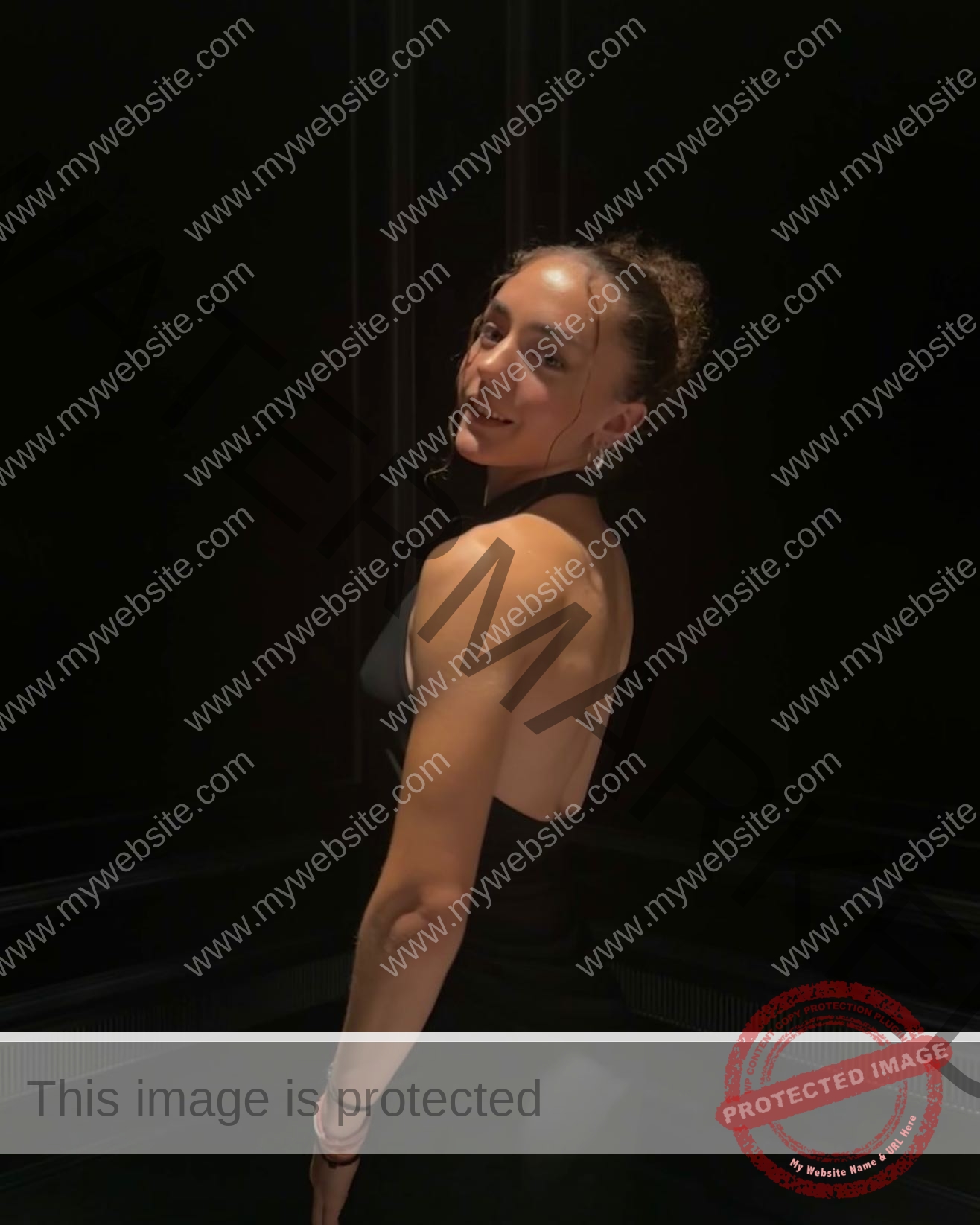
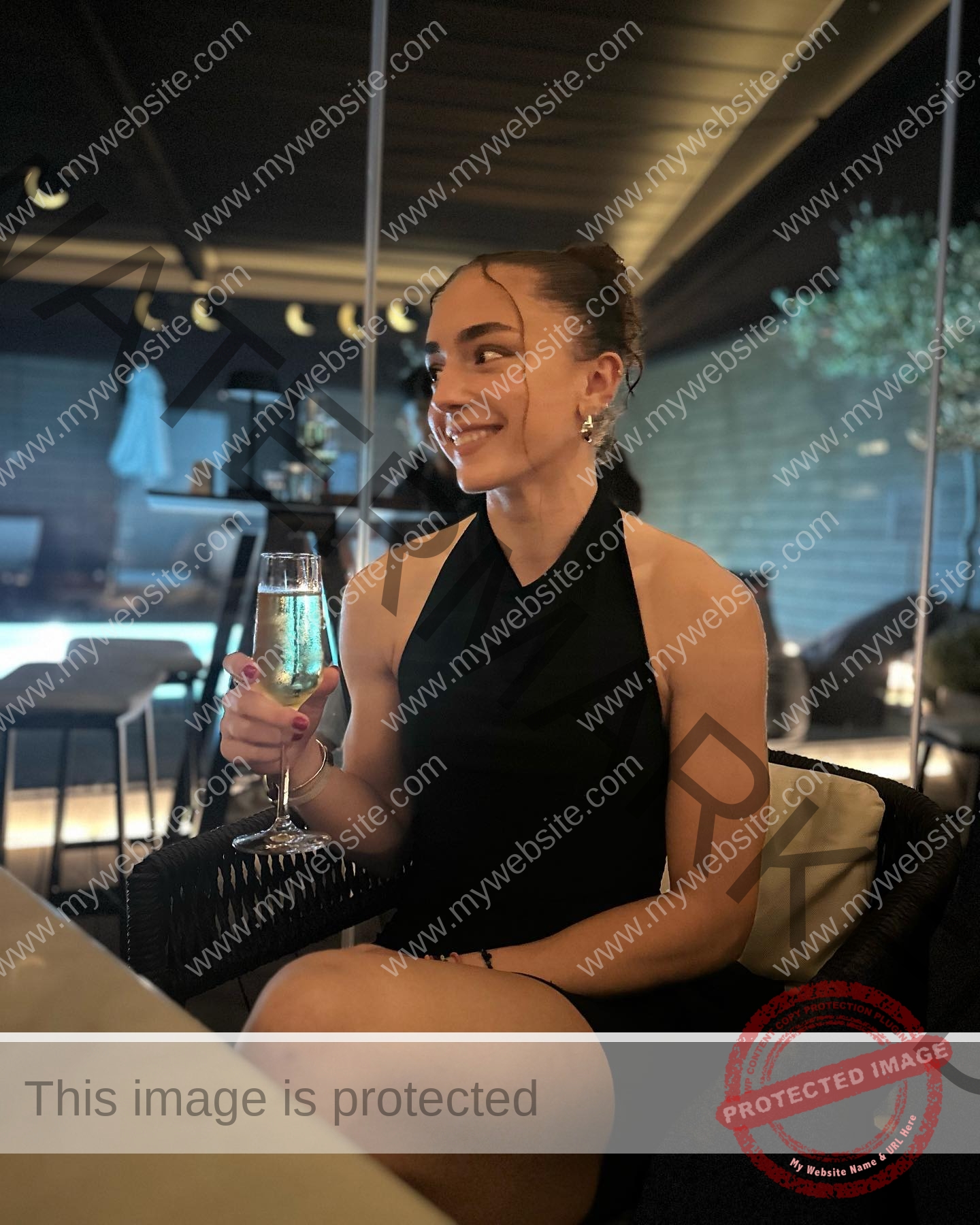
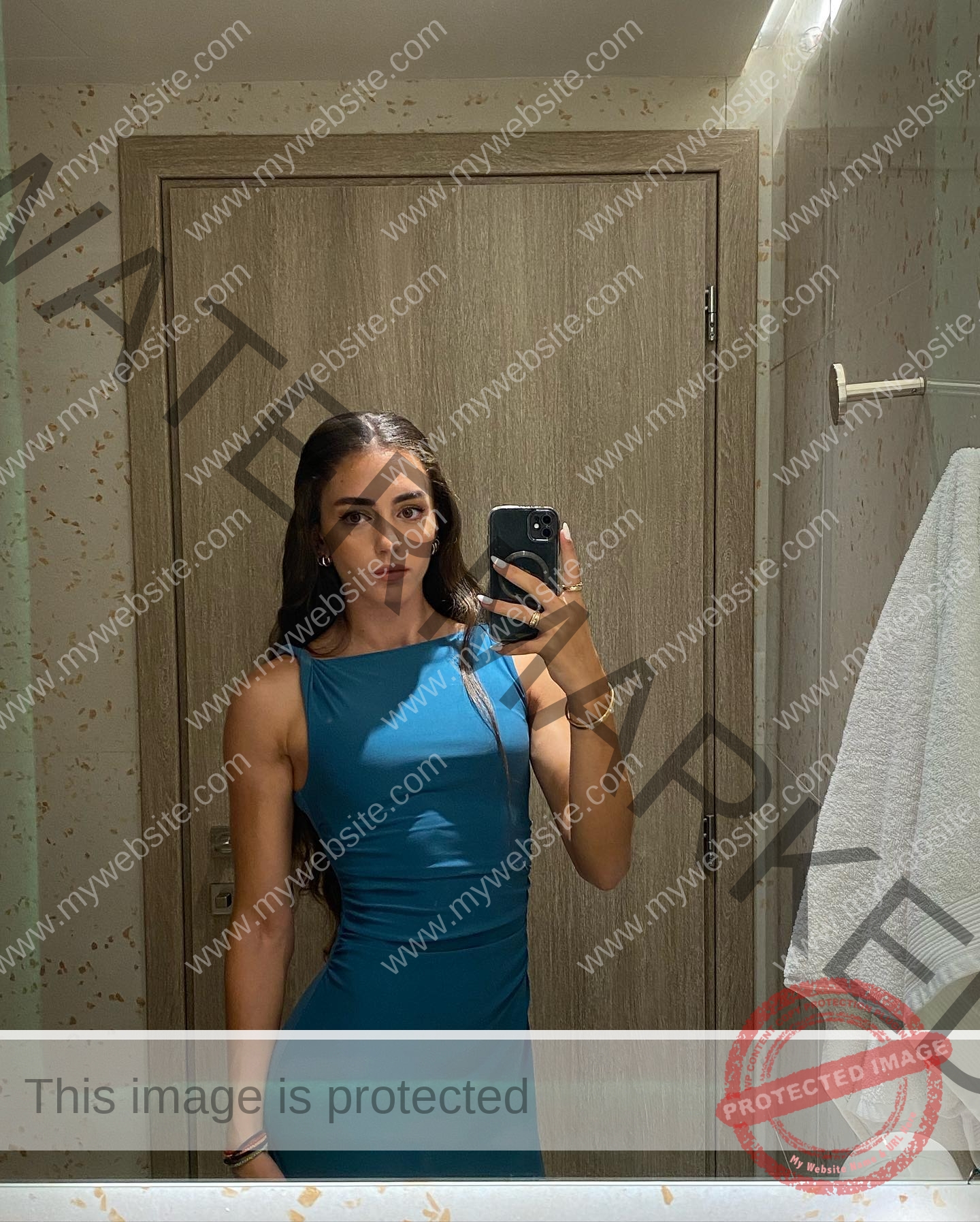
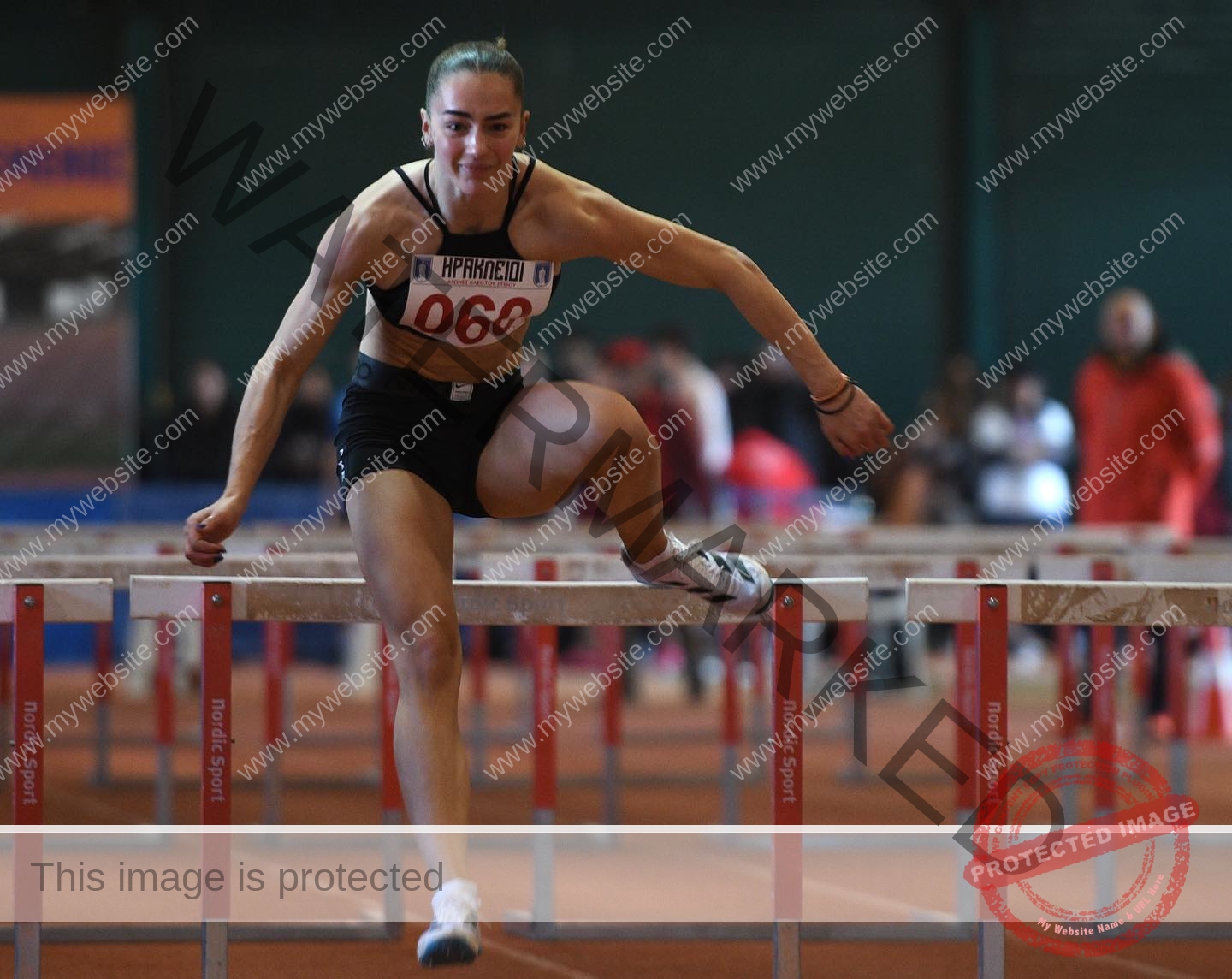
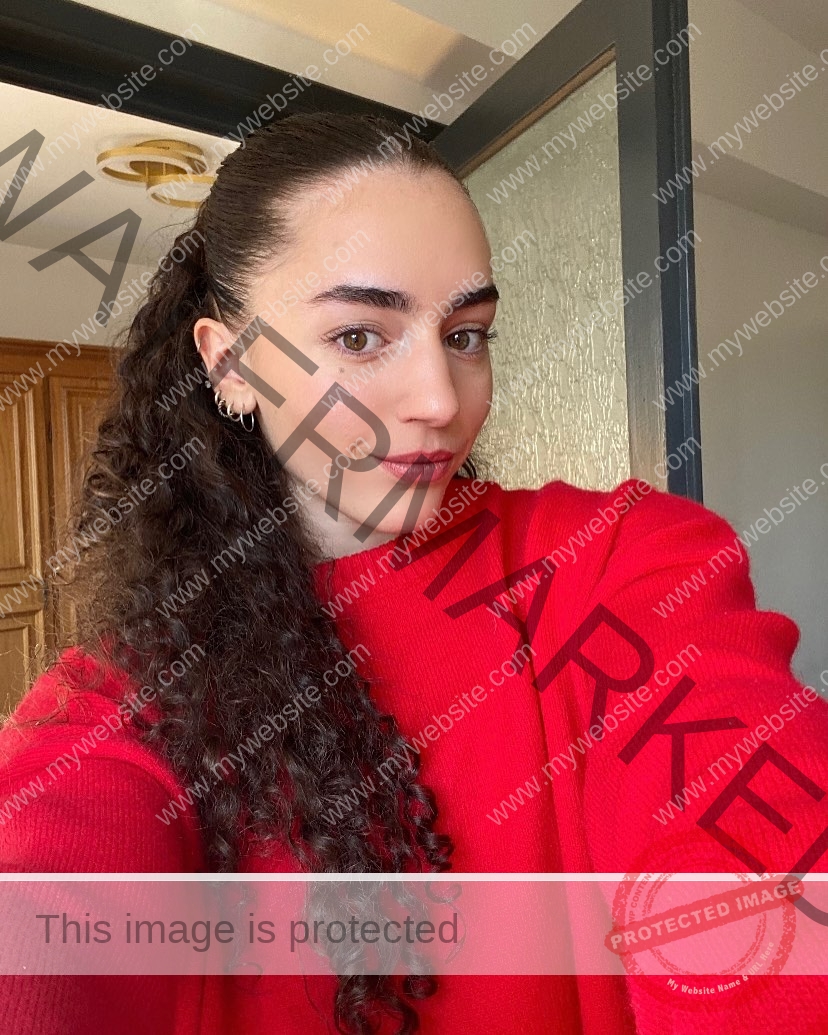

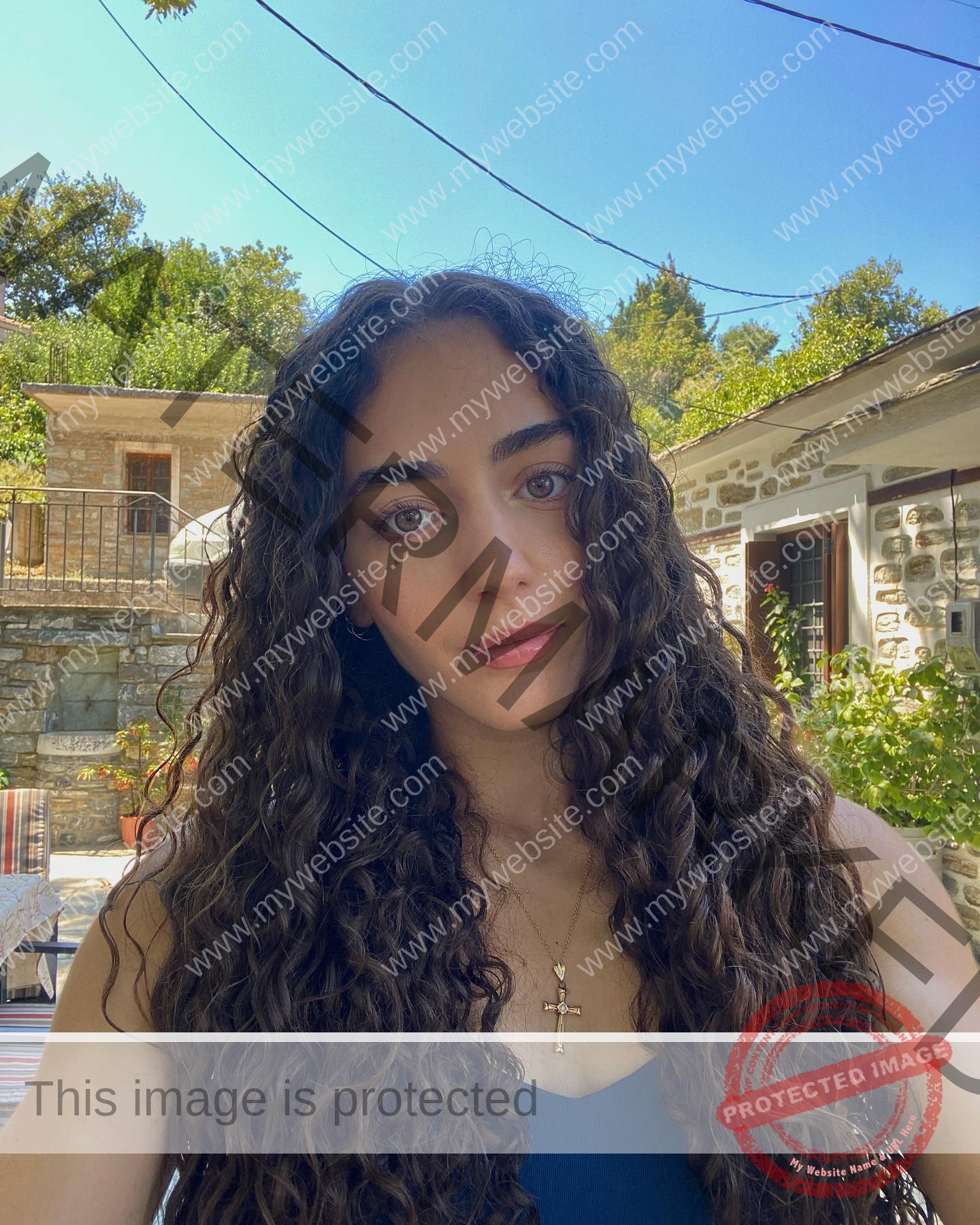


Eleni-Maria Vidouri: Greece’s Emerging Hurdles Star
At a Glance
Full Name: Eleni-Maria Vidouri
Date of Birth: December 5, 2005
Age: 20 years old
Nationality: Greece
Primary Events: 60 Metres Hurdles (Indoor), 100 Metres Hurdles (Outdoor)
World Athletics Code: 14947680
Current World Ranking: #1308 in Women’s 100m Hurdles
Introduction
Eleni-Maria Vidouri represents the exciting new wave of Greek sprint hurdling, a discipline that holds a special place in the nation’s athletic heritage. At just twenty years old, this promising athlete has already demonstrated the technical prowess and competitive fire that mark her as one to watch in European youth athletics. Competing in the demanding hurdles events that require an exceptional blend of speed, rhythm, and precision, Vidouri carries the torch for a discipline that famously brought Greece its most celebrated Olympic moment in track and field—Voula Patoulidou’s stunning gold medal at the 1992 Barcelona Games.
Though still in the early stages of her career, Vidouri has steadily accumulated international experience, competed at continental youth championships, and shown consistent improvement in her personal bests across both indoor and outdoor seasons. Her journey from Greek youth competitions to the international stage illustrates the dedication required to excel in one of athletics’ most technically demanding events.
Early Athletic Career and Youth Development
Eleni-Maria Vidouri’s introduction to competitive athletics came during her early teenage years, a time when many promising Greek athletes are identified through the country’s club-based development system. The Hellenic Athletics Federation (SEGAS), Greece’s governing body for track and field established in 1897, oversees a network of athletic clubs throughout the country that nurture young talent from grassroots to elite levels.
Her early competitive record shows a versatile young athlete who explored multiple disciplines before specializing in the hurdles. In April 2022, at just sixteen years old, Vidouri recorded a long jump mark of 5.05 meters, demonstrating the explosive power and coordination that would later translate well to hurdling. This multi-event background is common among successful hurdlers, as the event demands a unique combination of sprinting speed, jumping ability, and technical precision.
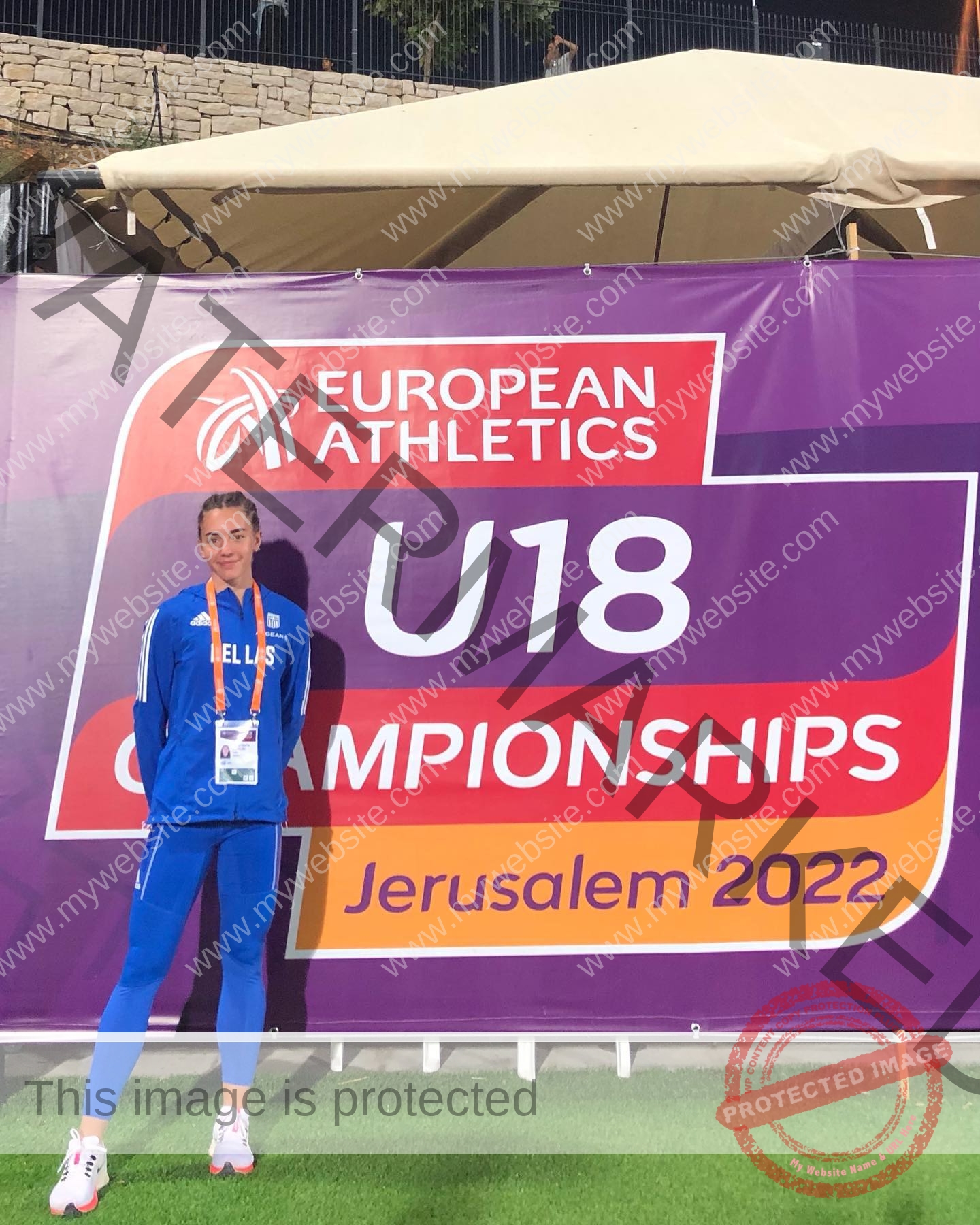
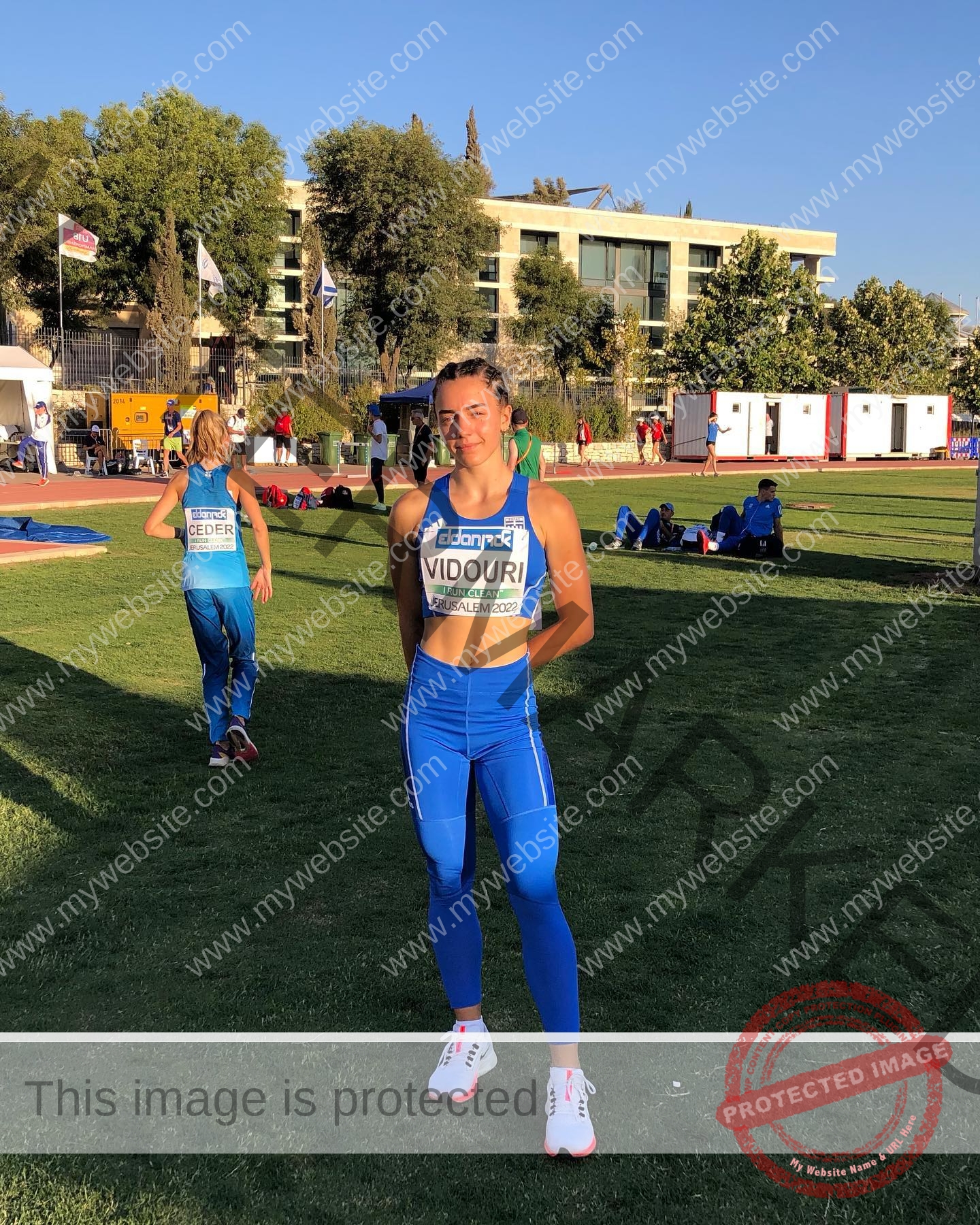
The 2022 season proved pivotal for the young Greek’s development. In June of that year, Vidouri earned her first significant international experience when she represented Greece at the 19th Balkan U18 Championships held at Stadion Topolica in Bar, Montenegro. Competing as a member of Greece’s 4×100 metres relay squad, she helped her team clock a time of 49.68 seconds on June 12, 2022. This relay experience—running at high speed while coordinating baton exchanges with teammates—provided valuable lessons in pressure management and team competition that would serve her well in individual events.
The Balkan Championships have long served as an important developmental stepping stone for Greek athletes, offering international competition against regional rivals from nations including Turkey, Serbia, Bulgaria, Romania, and others. For a sixteen-year-old Vidouri, the opportunity to compete under the Greek colors at an international championship represented both an honor and a formative experience in her athletic education.
Transition to Hurdles Specialization
Following her initial international exposure, Vidouri increasingly focused her training on sprint hurdles—both the 60 metres hurdles contested indoors and the 100 metres hurdles for outdoor competition. This transition required not only maintained sprint speed but the development of sophisticated technical skills: the approach to the first hurdle, the three-stride rhythm between barriers, lead leg and trail leg mechanics, and the crucial ability to maintain speed while negotiating ten obstacles across the race distance.
The hurdles events have a proud tradition in Greek athletics, one that resonates powerfully in the national sporting consciousness. Voula Patoulidou’s legendary victory in the 100 metres hurdles at Barcelona 1992—which remains Greece’s only Olympic gold medal in a track event for women—established a standard of excellence and a wellspring of inspiration for subsequent generations. Her winning time of 12.64 seconds still stands as the Greek national record, more than three decades later. Every young Greek hurdler who steps to the starting blocks does so with awareness of this heritage.
For Vidouri, the technical demands of hurdles competition have required years of careful development. The indoor 60 metres hurdles features five hurdles set at 84 centimeters (the standard height for senior women), with the race demanding explosive acceleration and precise technique over a compressed distance. The outdoor 100 metres hurdles extends the challenge to ten barriers, testing both speed endurance and the ability to maintain technical efficiency as fatigue accumulates in the latter stages of the race.
Breakthrough Indoor Performances (2024-2025)
The indoor seasons of 2024 and 2025 marked significant progress in Vidouri’s hurdles development. Indoor competition at venues such as the Tasoula Kelesidou indoor track in Thessaloniki—named after the legendary Greek discus thrower—provided opportunities to refine her technique and test herself against domestic competition.
Vidouri demonstrated her most impressive hurdles performances during the early months of 2025. On January 11, 2025, competing at the Tasoula Kelesidou indoor track in Thessaloniki, she achieved her current personal best of 8.68 seconds in the 60 metres hurdles. This performance, which earned a World Athletics scoring value of 1011 points, represented a significant milestone in her career development and established her as one of the promising young hurdlers in Greek athletics.
Just days earlier, on January 10, 2026, Vidouri competed at the Festivalna arena in Sofia, Bulgaria, where she recorded a 60 metres flat time of 7.98 seconds—a performance that speaks to her underlying sprint speed, the foundation upon which successful hurdling is built.
Her 60m hurdles personal best of 8.68 seconds, while still developing, shows considerable promise for a twenty-year-old athlete. For context, the qualification standard for the 2025 European Athletics Indoor Championships in the women’s 60m hurdles was 8.00 seconds, indicating the level Vidouri is working toward as she continues to improve.
Outdoor Season Development
The transition from indoor to outdoor competition presents unique challenges for hurdlers. The 100 metres hurdles demands different technical and physiological qualities than its shorter indoor counterpart—more sustained speed, additional hurdles to clear, and typically more variable conditions including wind and weather.
Vidouri’s outdoor performances have shown steady progression. Her current personal best of 14.25 seconds in the 100 metres hurdles was achieved on June 7, 2025, earning a World Athletics scoring value of 987 points. While this time places her in the developmental phase of her career compared to elite European hurdlers, it represents solid progress for an athlete still gaining experience and refining her technique.
Earlier in 2025, on May 17th, Vidouri recorded a 100 metres flat time of 12.73 seconds, demonstrating the sprint speed that underlies her hurdles performances. This flat sprint capability is crucial, as the world’s best hurdlers are invariably excellent sprinters who have layered technical hurdle skills onto a foundation of exceptional speed.
Personal Bests Summary
| Event | Mark | Date | Venue | WA Score |
|---|---|---|---|---|
| 60 Metres Hurdles | 8.68 | January 11, 2025 | Thessaloniki, Greece (Indoor) | 1011 |
| 100 Metres Hurdles | 14.25 | June 7, 2025 | Greece | 987 |
| 60 Metres | 7.98 | January 10, 2026 | Sofia, Bulgaria (Indoor) | 902 |
| 100 Metres | 12.73 | May 17, 2025 | Greece | 852 |
| 4×100 Metres Relay | 49.68 | June 12, 2022 | Bar, Montenegro | 909 |
| Long Jump | 5.05 | April 20, 2022 | Greece | 794 |
The Greek Hurdles Legacy
To understand Vidouri’s athletic journey is to appreciate the unique place that hurdles competition holds in Greek track and field history. The 100 metres hurdles remains indelibly linked to one of the most dramatic moments in Olympic history.
At the 1992 Barcelona Olympics, Voula Patoulidou entered the 100m hurdles final as a relative unknown on the world stage. In a race that would become legendary, American favorite Gail Devers led through nine hurdles before clipping the final barrier and stumbling. Patoulidou, running the race of her life, crossed the line first in 12.64 seconds—a Greek national record that has stood for over three decades.
Her post-race exclamation dedicating the victory to Greece became an iconic moment in the nation’s sporting consciousness. The triumph was Greece’s first Olympic gold medal in athletics since 1912 and made Patoulidou the first Greek woman to win Olympic gold on the track.
This heritage creates both inspiration and expectation for young Greek hurdlers like Vidouri. While reaching Olympic podiums remains a distant goal for most developing athletes, the knowledge that a Greek woman has stood atop the world in this event provides proof of what is possible.
The current standard-bearers of Greek hurdles continue to compete at the highest levels. Athletes like Flora Redoumi have carried the torch in recent years, with Redoumi finishing seventh at the World Indoor Championships—demonstrating that Greek hurdlers can still compete among the world’s best.
Training Environment and Support Structure
Greek athletes develop within a system overseen by SEGAS (the Hellenic Amateur Athletic Association), which coordinates national championships, selects athletes for international competition, and supports development programs across the country. The organization, presided over by Sofia Sakorafa with General Secretary Georgios Giatroudakis, has maintained Greece’s proud athletics tradition since its founding in 1897.
Thessaloniki, where Vidouri has competed at the Tasoula Kelesidou indoor track, serves as one of Greece’s major athletics centers. The city has deep connections to Greek track and field—Voula Patoulidou herself was born near Thessaloniki and later served as deputy mayor of the city after her athletic career.
Young Greek athletes benefit from a calendar that includes domestic championships at various age levels, Balkan regional competitions, and European Athletics events for U18 and U20 athletes. This structured pathway allows promising athletes to gain progressive international experience while developing their abilities.
International Competition Experience
Vidouri’s competitive record includes participation at the Balkan U18 Championships in Bar, Montenegro in 2022, where she gained valuable international experience as part of Greece’s 4x100m relay team. The Balkan Championships—organized by the Association of Balkan Athletics Federations—have served Greek athletics well for decades, providing a regional competitive platform where emerging talent can test themselves against international competition.
With her current world ranking of #1308 in the women’s 100m hurdles (as of early 2026), Vidouri remains in the early stages of building her international profile. However, continued improvement in her personal bests could open doors to higher-level European competition in the coming seasons.
The European Athletics calendar offers numerous opportunities for developing athletes, including the European U20 Championships held biennially and indoor championships that provide winter competition opportunities. As Vidouri continues to lower her times, these events may come within reach as realistic competitive goals.
Looking Ahead: Development Trajectory
At twenty years old, Eleni-Maria Vidouri stands at a crucial juncture in her athletic development. The hurdles events typically see athletes reach their peak performances in their mid-to-late twenties, suggesting that Vidouri has several years of potential improvement ahead of her.
Key developmental milestones for a hurdler at her stage typically include:
- Continued refinement of technical hurdle clearance and three-stride rhythm
- Improvement in underlying sprint speed
- Development of competitive experience at higher levels of competition
- Physical maturation and strength development
- Mental skills for managing the pressures of championship racing
Her recent personal bests suggest positive momentum. The 8.68 second 60m hurdles from January 2025 and the 14.25 second 100m hurdles from June 2025 provide baselines from which further improvement is entirely feasible with continued dedicated training.
For Greek athletics, the emergence of young hurdlers like Vidouri represents hope for continuing the nation’s tradition in this event. While the heights achieved by Voula Patoulidou remain aspirational for any athlete, the simple act of young Greeks choosing to pursue excellence in the hurdles helps maintain the discipline’s prominence in the country’s athletic culture.
Social Media and Public Profile
Eleni-Maria Vidouri maintains a presence on social media, connecting with fans and followers of Greek athletics through platforms including Instagram (@elenividourii). As is typical for developing athletes, her public profile continues to grow alongside her competitive achievements.
No publicly verified sponsorship arrangements have been documented at this stage of her career—a common situation for young athletes still establishing themselves at the national level. As her performances continue to improve and her profile rises, commercial opportunities may develop in the future.
Conclusion
Eleni-Maria Vidouri embodies the potential of Greek athletics’ future. At twenty years old, she combines youth with meaningful international experience, technical ability in a demanding discipline, and the foundation of speed required for hurdles success. Her story is still being written—she has logged her first international competitions, established her first significant personal bests, and taken her place among the young athletes carrying forward Greece’s proud tradition in the sprint hurdles.
The path from promising young hurdler to elite competitor is neither short nor guaranteed. It requires years of consistent training, careful development, successful navigation of injuries and setbacks, and the intangible qualities of mental fortitude that separate good athletes from great ones. What can be said with certainty is that Vidouri has made a strong start on this journey.
In a country where Voula Patoulidou’s Barcelona triumph remains a treasured sporting memory, every Greek hurdler races with awareness of what is possible when talent, preparation, and opportunity align. For Eleni-Maria Vidouri, the road ahead is long, but the early signs suggest an athlete worth following as she continues her development in Greek athletics.
Profile last updated: January 2026
World Athletics Profile: Athlete Code 14947680