


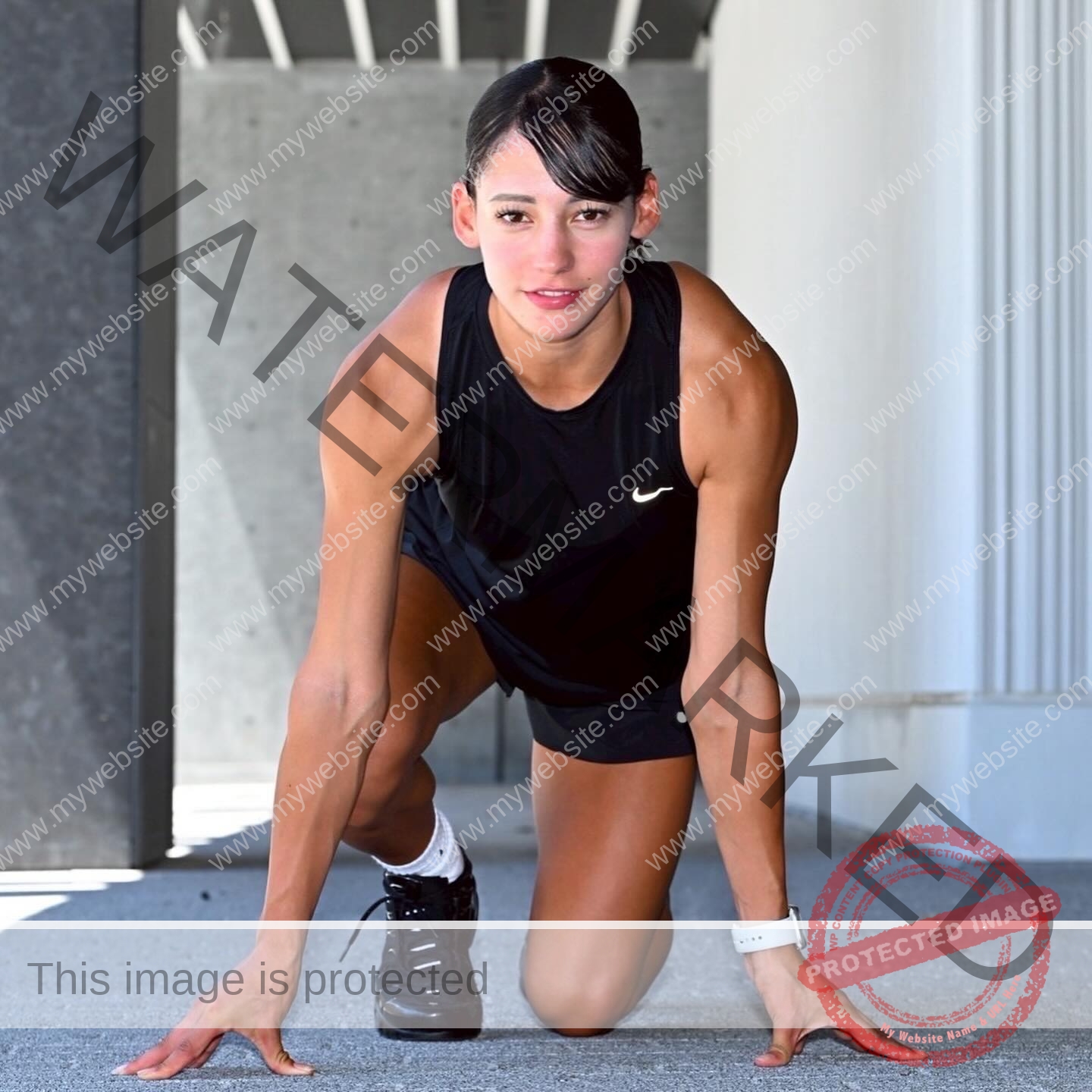
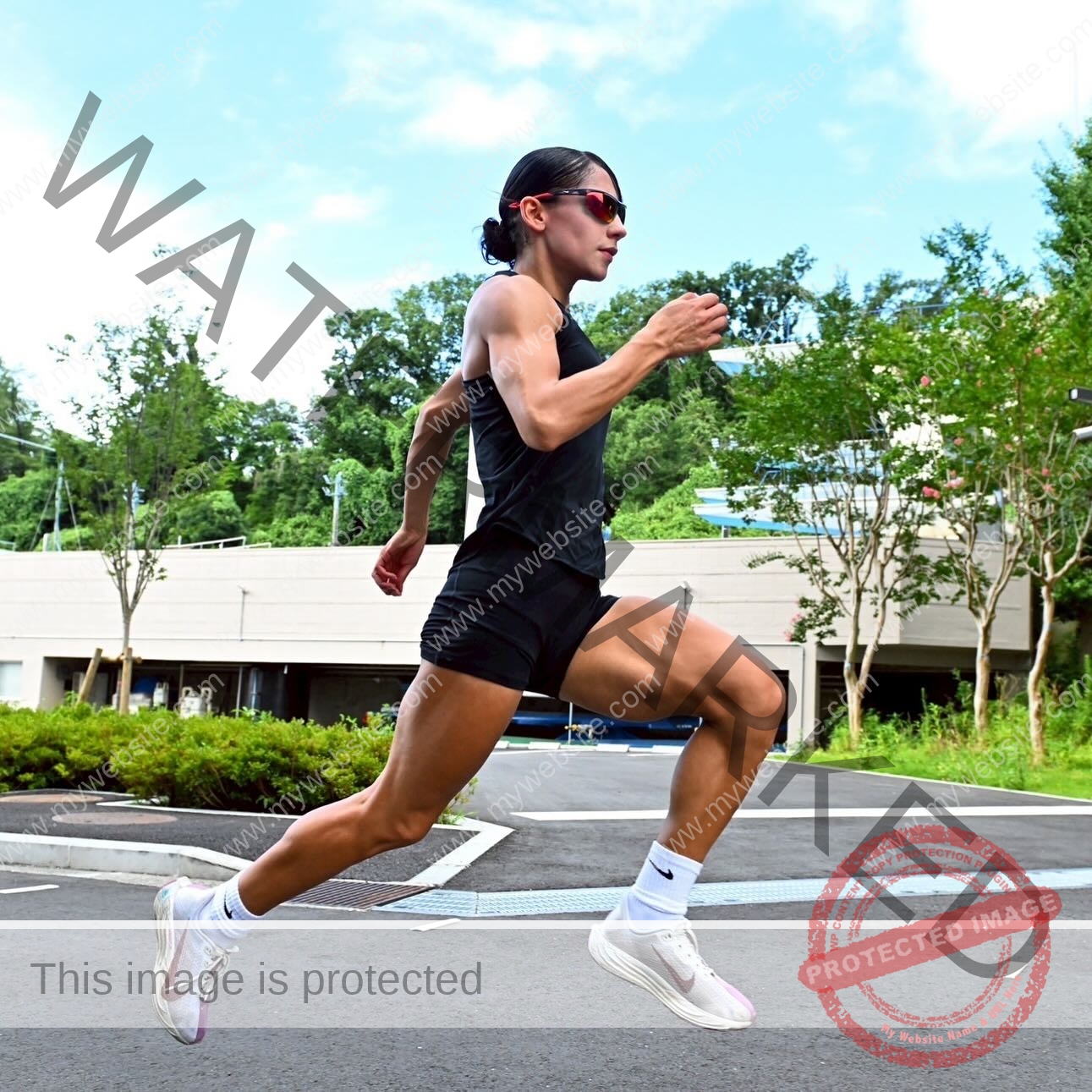
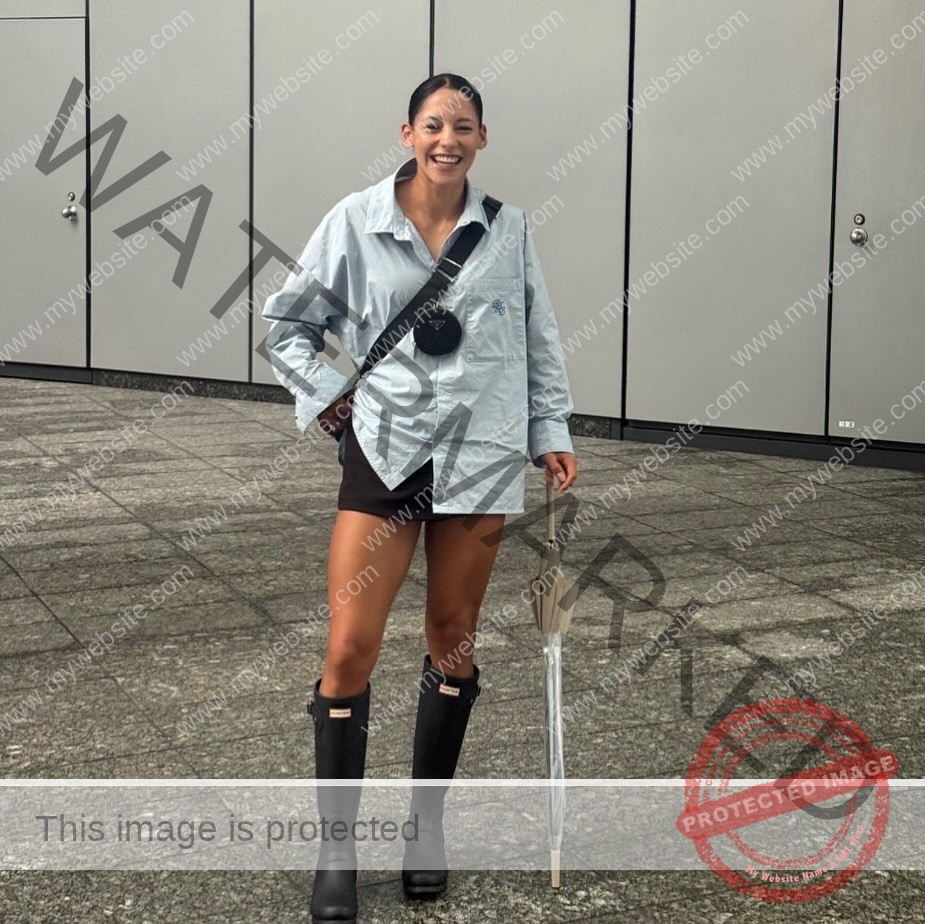
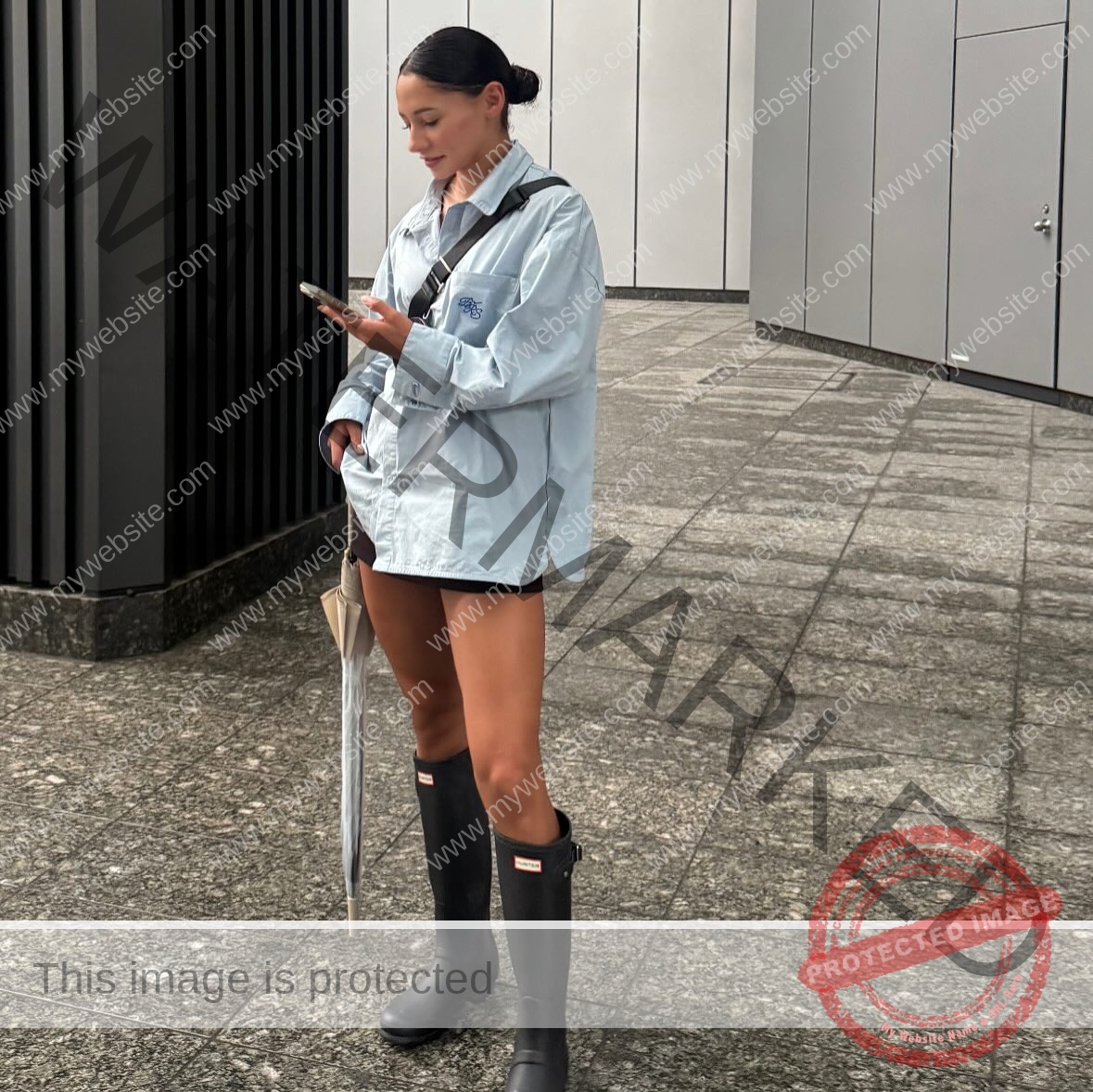
Arie Aoki: Japan’s New Sprint Sensation
Born: June 2, 2004, Hamamatsu, Shizuoka Prefecture, Japan Nationality: Japanese (naturalized June 2025; formerly Peruvian) Club/School: Nippon Sport Science University (日本体育大学), 3rd year Events: 400 metres (primary), 200 metres, 100 metres Personal Bests: 400m – 51.71 (May 3, 2025, NR); 300m – 36.79 (October 12, 2024); 200m – 23.26 (May 11, 2025); 100m – 11.45 (April 5, 2025) World Athletics ID: 15084542
A New Chapter in Japanese Sprinting
When Arie Aoki crossed the finish line at the Shizuoka International Athletics in May 2025, clocking 51.71 seconds in the women’s 400 metres, she didn’t just win a race — she rewrote history. That time surpassed the Japanese national record of 51.75 set by Mami Tanno back in 2008, a mark that had stood untouched for 17 years. The catch, at the time, was that Aoki was technically competing as a Peruvian citizen, so the record couldn’t be officially registered as a Japanese national record. Within weeks, she had remedied that — naturalizing as a Japanese citizen in June 2025, competing under the name Aoki for the first time at the Japan National Championships in July, and representing her home country at the Tokyo 2025 World Athletics Championships that September. The journey from a middle schooler lacing up her first pair of spikes in Hamamatsu to a Nike-sponsored athlete on one of track and field’s grandest stages is a story that’s only just beginning.
Family and Roots: Three Cultures, One Hometown
Arie Aoki’s background is as layered as it is fascinating. Her father is half-Japanese, half-Peruvian; her mother is half-Peruvian, half-Italian. Aoki herself was born in Peru but raised entirely in Hamamatsu, a mid-sized city on the Pacific coast of Shizuoka Prefecture best known as the birthplace of Honda and Yamaha. She grew up speaking Japanese as her primary language — her parents would converse with each other in Spanish at home, and while she could understand much of what they said, she answered them back in Japanese.
That multicultural household shaped her in ways both visible and subtle. Spanish was the soundtrack of her upbringing even if it wasn’t quite her tongue, and an Italian grandmother’s lineage added yet another thread to the family fabric. Her name itself carries that international spirit: “Flores” (her original surname, meaning “flowers” in Spanish) and “Arie” (evoking the Italian word aria, a breeze or a melodic phrase). When she eventually naturalized, she adopted “Aoki” — the surname of relatives on her father’s side — as a deliberate embrace of the Japanese identity she had always lived but hadn’t legally held.
She is the youngest of three children, with an older sister and a twin brother. The twin dynamic in particular seems to have played a role in forging her competitive instincts. Growing up with a built-in athletic rival just down the hall — someone who shared her genetics and her daily life — kept her standards high. Her sister, who has no track background, moved to Tokyo for work and Aoki eventually lived with her while training, adding a familial anchor to what can otherwise be a grueling solitary lifestyle for a young athlete.
Early Life in Sports: Maishaka Junior High and the Beginnings
Aoki took up athletics at Hamamatsu Municipal Maishaka Junior High School, a coastal school not far from the mouth of Lake Hamana. By most accounts it was something close to a casual beginning — a new student trying out different activities — rather than the dramatic “discovery” narrative that often gets attached to prodigies. But she was clearly fast, and track gave her structure and purpose.
In her third and final year of junior high school, in 2019, she qualified for the All-Japan Junior High School Athletics Championship held at Nagai Stadium in Osaka, competing in the women’s 100 metres. She ran 12.88 seconds in the heats but was eliminated in the preliminary round. It was a modest result on paper, but making it to a national championship as a ninth-grader signaled something worth watching.
High School: Tokai University Shoyo and the First Taste of National Competition
After middle school, Aoki enrolled at Tokai University Attached Shizuoka Shoyo High School (東海大学付属静岡翔洋高等学校) in Shizuoka Prefecture, the school linked to the Tokai University athletics system. It was during her second year there, in 2021, that she made a decisive pivot toward the 400 metres — an event that demands not just speed but strength, endurance, tactical patience, and the psychological toughness to keep driving through the back straight when every muscle is screaming.
That decision paid off almost immediately. At the 2021 National High School Athletics Championships (the Inter-High, or Inter-hai) held in Fukui, the 16-year-old Aoki competed in the women’s 400 metres final and placed sixth with a time of 56.20. It was a legitimate national-level result for a sophomore, and it put her on the radar of coaches and scouts across the country.
Her third year of high school, however, did not follow the expected upward arc. She began struggling with weight management — an issue that can derail many young female athletes who are caught between the demands of training and the complexities of adolescent physical development. Her times deteriorated, sliding as far back as the one-minute range. She began questioning whether to continue in the 400 metres at all, at one point seriously considering quitting the event entirely.
The turning point came at the U-20 Japan Championships, where she had a conversation with Mitsuo Otsuka, a sports scientist and coach then affiliated with Ritsumeikan University and later with Nippon Sport Science University (NSSU). He offered her both a scientific framework for understanding her body and a pathway forward. That conversation was enough to keep her in the sport — and to decide where she would go to university.
University and the Transformation: Nippon Sport Science University
Aoki enrolled at Nippon Sport Science University (日本体育大学, known in Japan as Nittaidai) in 2023, joining the women’s sprint program under Coach Otsuka. Almost immediately, setbacks continued: she suffered a hamstring strain early in her first year, her weight climbed above 60 kg, and her confidence dipped again. It looked, briefly, like the problems from high school might follow her to university.
They didn’t. Through the 2023-24 academic year, Aoki committed to a serious eight-kilogram weight reduction, revamped her training approach, and began to find the combination of power and endurance that the 400 metres rewards. The results were sudden and striking. At the 2024 Japan Intercollegiate Athletics Championships (Nihon Incalere), she swept the women’s 200m and 400m double, winning both titles and recording 53.03 seconds in the 400 — a breakthrough that shaved nearly three seconds off her previous best of 56.20 from high school. She also finished second in the 200m at the 2024 Kanto Intercollegiate Championships.
The frustration of that breakthrough season was a bureaucratic one: still carrying Peruvian citizenship at the time, she was ineligible to compete at the Japan National Championships, which is restricted to Japanese nationals. She watched the country’s top 400m runners go head-to-head while she, arguably among the fastest women in Japan at the distance, could only observe. “I felt really frustrated,” she said. That frustration became fuel.
The winter of 2024-25 saw Aoki attack a new area of weakness: her upper body. With the guidance of her coaching staff, she began a serious weight-training block focused specifically on bench-pressing and upper-body strength. Her bench press climbed from 20 kg to 40 kg. The visible result was a more powerful arm drive, which in turn opened up her stride length and gave her better resistance against headwinds in the home straight. “My upper body got significantly bigger,” she noted with some satisfaction. “I can now face into a headwind.”
2025: A Breakthrough Season for the Ages
The 2025 outdoor season began with early promise, but nothing fully prepared the Japanese athletics community for what happened on May 3 at the Shizuoka International Athletics meet (part of the Grand Prix Series) at Ecopa Stadium in Fukuroi.
Aoki, then still competing as Flores Arie of Peru, lined up in the women’s 400 metres final alongside Japan’s reigning national champion Nanako Matsumoto of Toho Bank, a former Asian champion. Matsumoto went out aggressively at the front. Aoki tracked her through the first curve and back straight, ran level through the bell, and then — with Matsumoto fading — she pushed into a clear lead and drove down the final straight without losing form. The clock showed 51.71.
Her immediate reaction captured everything: “I thought if I was lucky, maybe 52-point-something. When I saw 51 seconds, I didn’t think it was me.”
The 51.71 was a new Japanese student record, besting the previous collegiate mark of 51.80 set by Mami Tanno (now Mami Chiba) at Fukushima University in 2005 — a mark that had stood for two decades. More dramatically, it surpassed Tanno’s absolute Japanese national record of 51.75 from the 2008 Shizuoka International. Since Aoki was racing as a Peruvian national, the JAAF could not ratify it as a Japanese record, but the Japan Student Athletic Federation recognized it immediately as a Japanese collegiate record. In the same race, Matsumoto finished second in 52.14, herself bettering her own personal best.
The finish also registered as a Peruvian national record, and the performance received coverage in Lima and across South American athletics media.
One week later, at the Kanto Intercollegiate Championships in May 2025, Aoki doubled back for more. Racing the 400m final as the fourth leg of a weekend that included the 200m and relay events, she won the Kanto title again — this time in 52.82, a new championship record — with a relay still to come. The effort was described by observers as demonstrating seemingly inexhaustible endurance. She also won the 200m at that same meeting.
She filed for Japanese citizenship during the spring and received official naturalization in June 2025. The timing had an element of good fortune: she received her Japanese passport just before the 109th Japan National Championships at the National Olympic Stadium in Tokyo in July. Racing under her new name and nationality for the first time, and competing under the psychological weight of conditioning problems she had described as making 2025 a season she nearly grew to hate, she still managed to finish third in the 400m with a time of 53.31 — a solid result at a national championship in her very first appearance as a Japanese representative. Her pre-race preparation had been compromised, which makes that podium finish all the more notable.
In August 2025, she made her international debut under the Japanese flag at the Wiesław Maniaq Memorial meet in Poland, part of the World Athletics Continental Tour, finishing seventh in the 400m. It was her first race abroad as a Japanese representative, and a useful benchmark for the global competition to come.
The culmination of the year came in September 2025 with selection to the Japanese team for the Tokyo 2025 World Athletics Championships, held at the National Olympic Stadium. Aoki was named to the mixed 4x400m relay squad — fitting, given that an event combining male and female runners represents exactly the kind of versatile, athletic contributor she has become. While she did not appear in the relay’s preliminary heat (the team elected to run a different lineup in the opener before the final), the selection itself represented a landmark: her first World Championships appearance, in her own country, before a home crowd.
Career Statistics Snapshot
The progression of Aoki’s annual bests in the 400m tells the full story of her development in stark numerical terms:
| Year | School Year | 400m Time |
|---|---|---|
| 2020 | High School 1st Year | 61.48 |
| 2021 | High School 2nd Year | 55.41 |
| 2022 | High School 3rd Year | 57.35 |
| 2023 | University 1st Year | 60.20 |
| 2024 | University 2nd Year | 53.03 |
| 2025 | University 3rd Year | 51.71 |
The dip in 2022 and 2023 reflects her documented struggles with form and weight management. The subsequent recovery is among the more dramatic single-season turnarounds in recent Japanese track history.
Her current personal bests across all recorded events, per World Athletics, stand as follows:
- 400m: 51.71 (May 3, 2025, Fukuroi — NR qualifier, Japanese student record)
- 300m: 36.79 (October 12, 2024, Saga)
- 200m: 23.26 (May 11, 2025)
- 100m: 11.45 (April 5, 2025)
- 4x100m Relay: 45.06 (September 21, 2024, Kawasaki — team result)
As of early 2026, she holds a World Athletics ranking of approximately #170 in the women’s 400m globally, a figure that almost certainly understates her actual competitive level given the timing and volume of her results.
The Nationality Question: A Story Worth Telling
The story of Aoki’s citizenship is one of the more quietly poignant aspects of her career so far. Born in Peru, raised entirely in Japan, educated in Japanese schools from elementary through university — she was, in every meaningful sense of daily life, Japanese. But legally, for most of her athletic career, she was Peruvian. This created a series of frustrating paradoxes: she could compete in domestic collegiate competitions but not at the Japan National Championships; she could surpass the Japanese national record but not have it officially ratified.
Her decision to naturalize was driven, she has said, by competitive ambition: “I want to leave official records as a Japanese representative and compete internationally representing Japan.” The name change from Flores to Aoki was accompanied by a specific choice — she selected the surname of relatives on her father’s side, a gesture that acknowledged the Japanese half of her heritage that had shaped her entire life. At the Japanese team’s sendoff ceremony before the Tokyo World Championships, slipping on a Team Japan uniform for the first time, she said simply: “I felt the reality of having Japanese citizenship.”
None of this erases the Peruvian chapter, nor should it. Her 51.71 stands simultaneously as the Peruvian national record, something the Lima athletics community has noted with pride. She carries more than one country’s aspirations in her legs.
Training and Athletic Profile
Aoki trains within the NSSU sprint program under the supervision of Coach Otsuka. Her training philosophy has evolved significantly since she arrived at university. The central breakthrough of the 2024-25 off-season was a systematic focus on upper-body strength — unusual emphasis in women’s sprint training, but one that paid dividends in her ability to maintain arm mechanics and stride length throughout the full 400 metres.
By her own account, she does not love the competitive season’s intensity — she has described the relentless racing schedule of the spring and summer as something she sometimes struggles to enjoy in the moment, preferring the quieter rhythms of winter training. “The training period where I can go at my own pace during the off-season is honestly my favorite,” she has said, with characteristic candor. That self-awareness about her own psychology is part of what makes her a thoughtful athlete.
She stands 163 cm tall and by the 2025 season had built a notably powerful upper body for a sprinter — one report described her squatting 100 kg and bench pressing 40 kg, numbers that would draw attention in any athletics weight room. That strength development has been central to what coaches and observers describe as her exceptional ability to hold her form and resist fatigue through the final 100 metres of a 400m race.
Nike Sponsorship and Public Profile
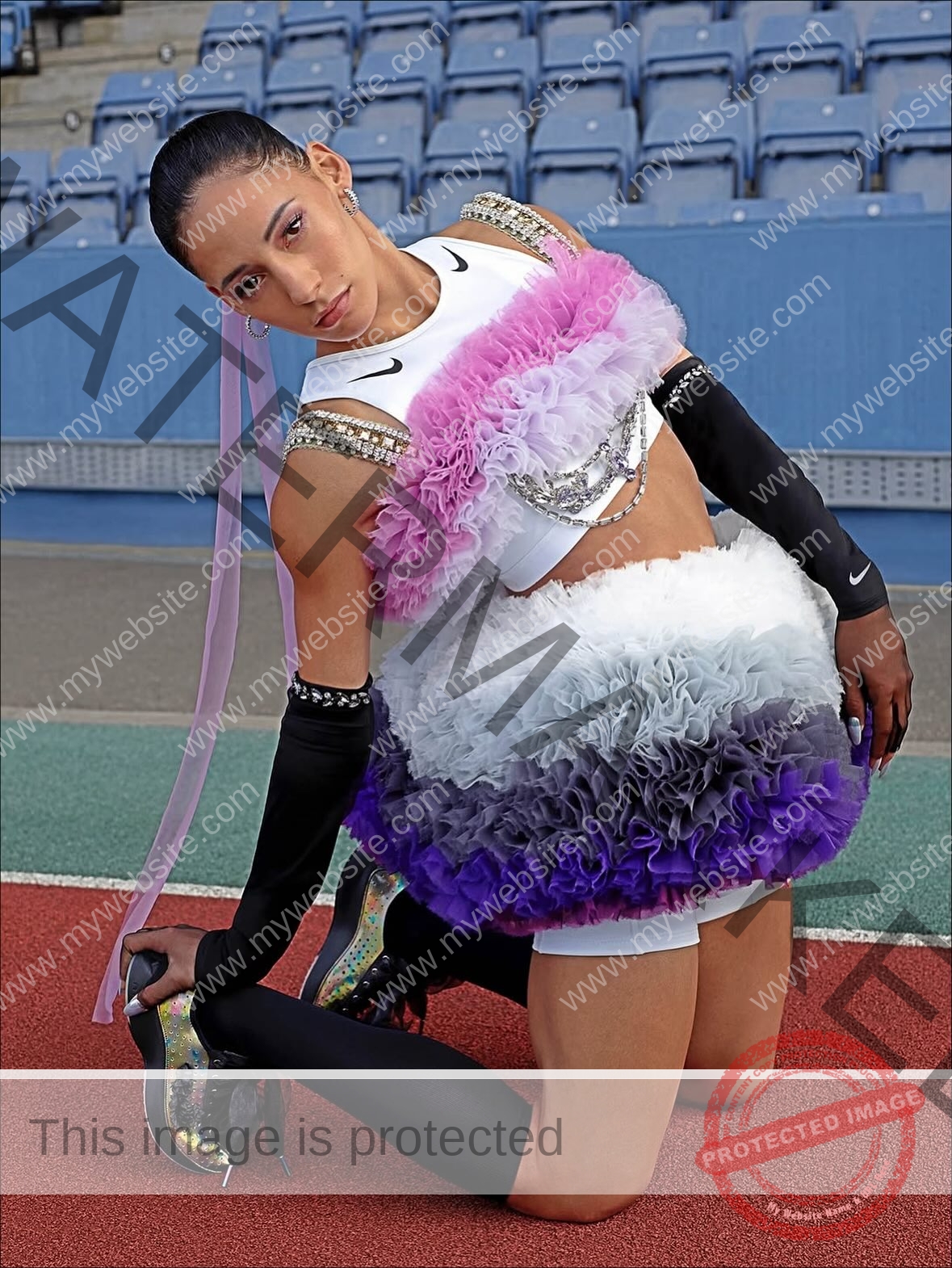
Aoki’s emergence coincided with Nike Japan’s interest in signing her as a sponsored athlete. By the time of the Tokyo 2025 World Championships, she was a confirmed Nike athlete — and not merely in a low-key regional capacity. In September 2025, Nike’s global press office announced a collaboration between the brand and Japanese fashion designer Tomo Koizumi for a limited-edition release of the Air Superfly sneaker. The campaign featured three athletes: Shelly-Ann Fraser-Pryce, the three-time Olympic 100m champion; Masai Russell, the 2024 Olympic 100m hurdles gold medalist; and Arie Aoki, described by Nike as “an emerging sprinter from Tomo’s home country of Japan.” Being placed in that company — global superstars and Olympic champions — was a significant statement of the brand’s confidence in her trajectory.
On social media, Aoki maintains an Instagram presence under the handle @aokiarie_, where she posts training content, competition updates, and occasional glimpses of her life away from the track. She does not maintain a public X (Twitter) account. Her following grew substantially during the summer of 2025 as Japanese media covered her citizenship story and World Championships selection.
The Person Behind the Times
In interviews, Aoki comes across as refreshingly grounded for someone who has gone from relative obscurity to national fame in the space of a single season. She smiles easily, speaks plainly, and has shown a willingness to describe her own struggles — weight issues, slumps, doubts about whether to continue — with a frankness that makes her relatable rather than heroic in any conventional sense.
She has spoken warmly about the role her family has played in her development, particularly the competitive energy she drew from growing up alongside her twin brother. Her older sister, who moved to Tokyo before her, served as both a practical roommate and a stabilizing presence during the high-pressure months of 2025. Her parents, still in Hamamatsu, provided the multilingual, multicultural home environment that gave her a sense of belonging to more than one world.
The name “Arie” — whether heard as the Spanish aire (air) or the Italian aria (a melody) — suits her. There is something at once light and musical about the way she moves, even when she is doing something as physically demanding as running 400 metres at a pace that resets national records.
Looking Ahead
With one semester of university remaining after the 2025-26 academic year, Aoki is at the beginning of what figures to be an extended career at the top of Japanese — and potentially Asian — sprinting. The official Japanese national record of 51.75 is now clearly within reach; in fact, she has already run faster, and only the formality of citizenship timing prevented her from holding that record right now. A sub-51-second performance, while ambitious, does not seem outlandish given the rate of her development.
The 2026 World Athletics Ultimate Championship in Silesia and the 2027 World Athletics Championships in Tokyo (or wherever the cycle takes her) loom as natural targets, and the 2028 Los Angeles Olympics sits on the horizon for a woman who will be just 24 years old when that event arrives. There is also the possibility — widely discussed in Japanese athletics circles — of a tilt at the Asian 400m record as she continues to mature.
Her own stated priority, for now, is more immediate: set a personal best while still at university. Given what she has already accomplished in three years at NSSU, that is less a modest goal than a quiet promise to herself — and, increasingly, to a country that has adopted her as fully as she has adopted it.
Personal bests and career statistics reflect data current through early 2026 per World Athletics and the Japan Association of Athletics Federations (JAAF). Social media: Instagram @aokiarie_.
