






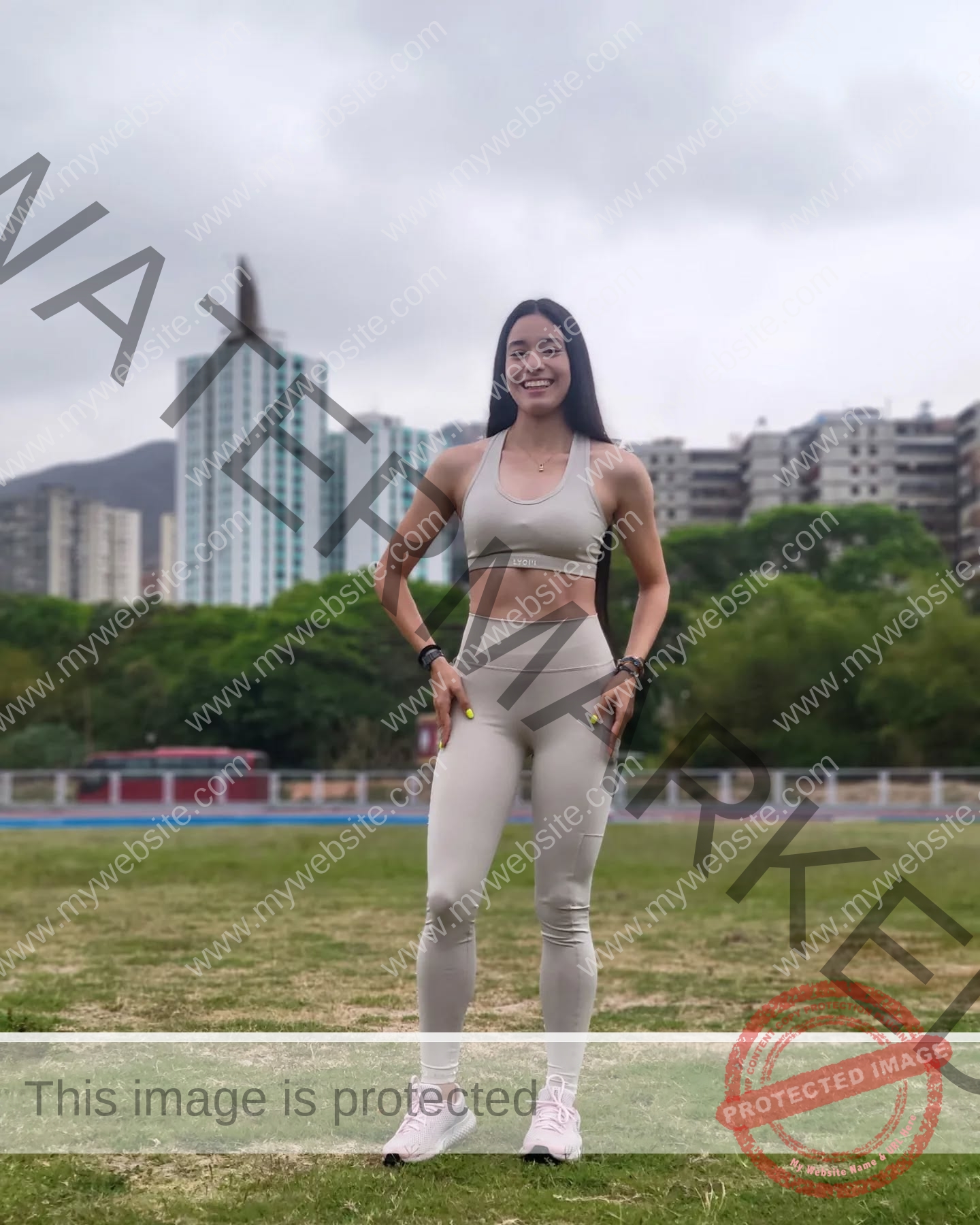









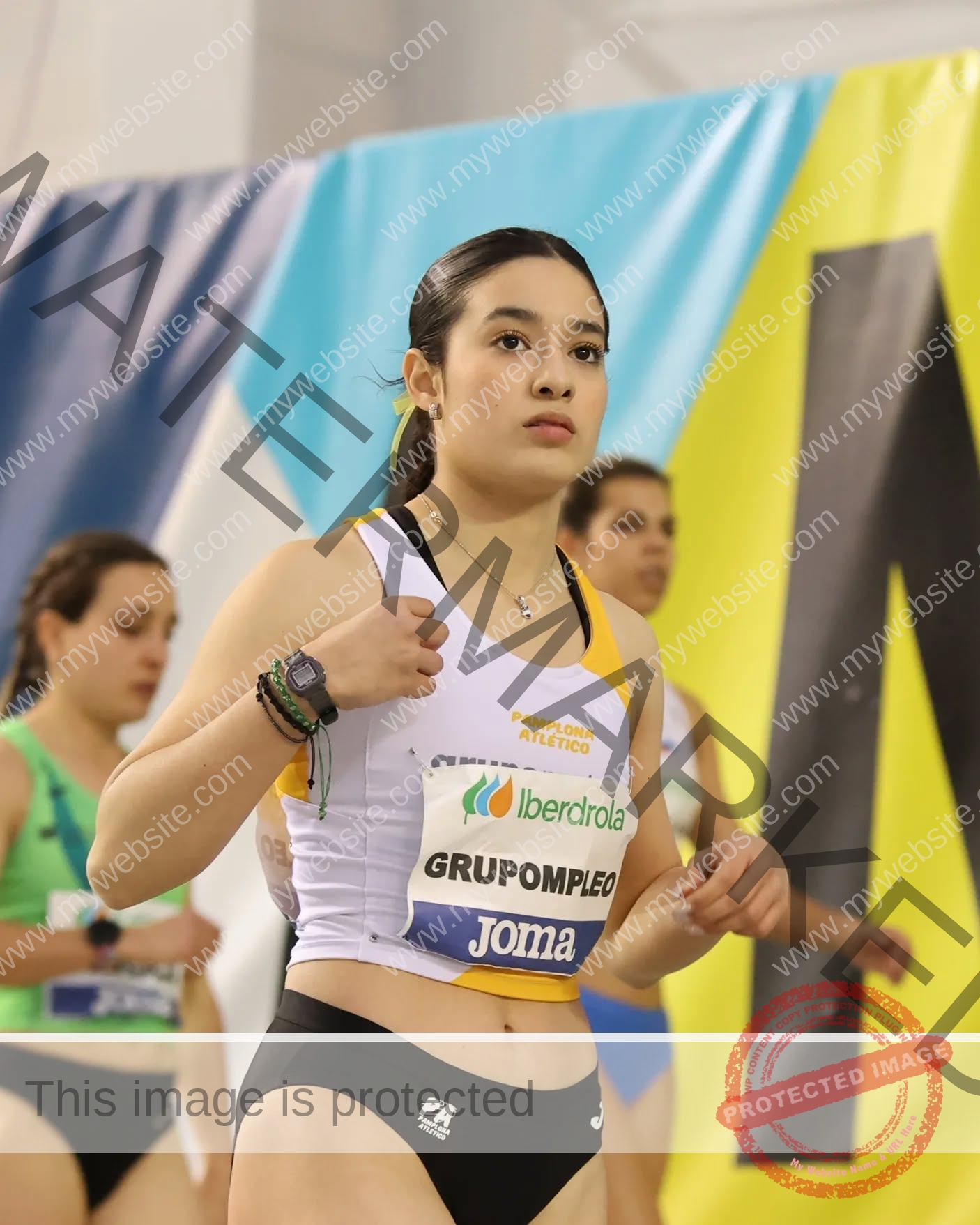
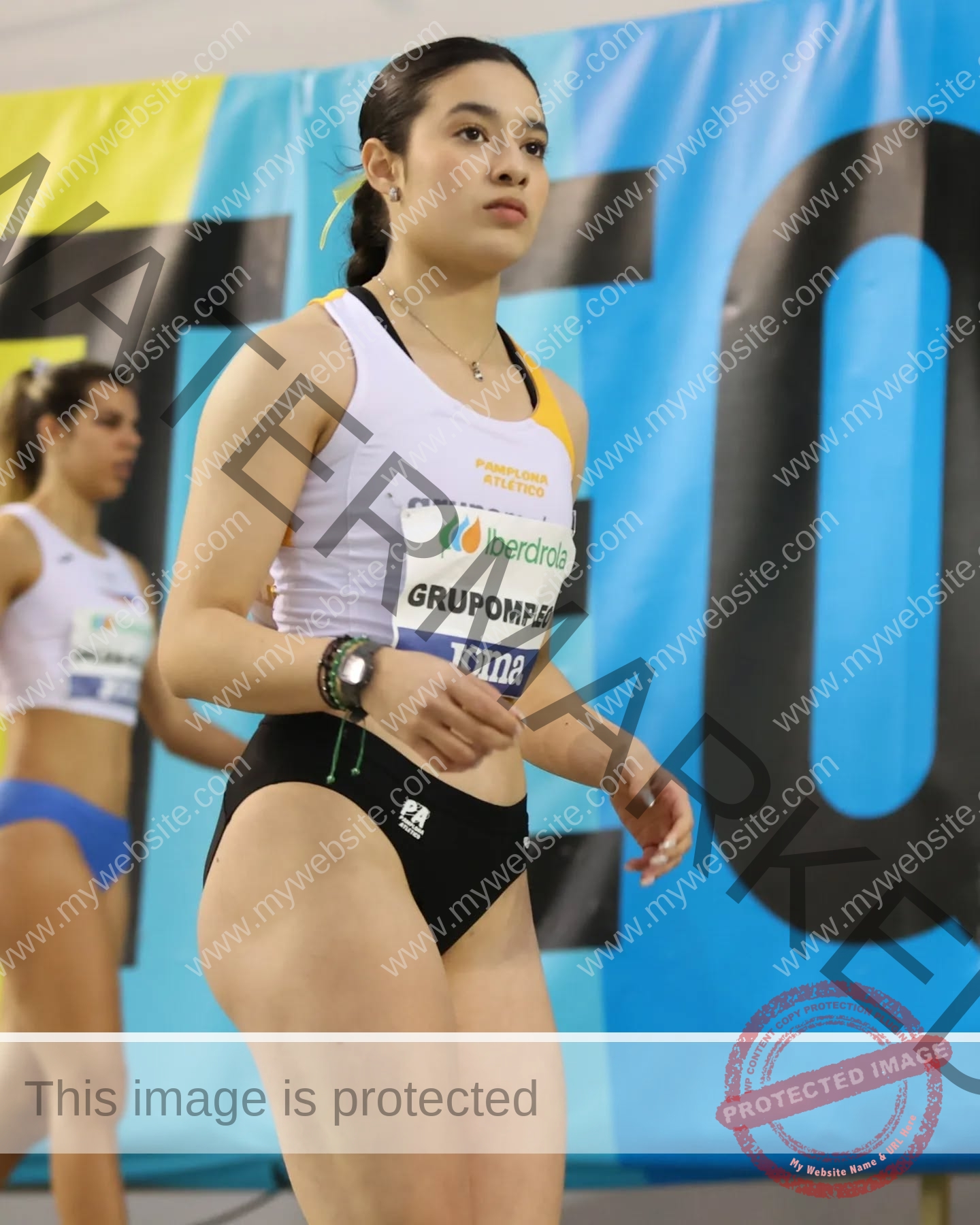
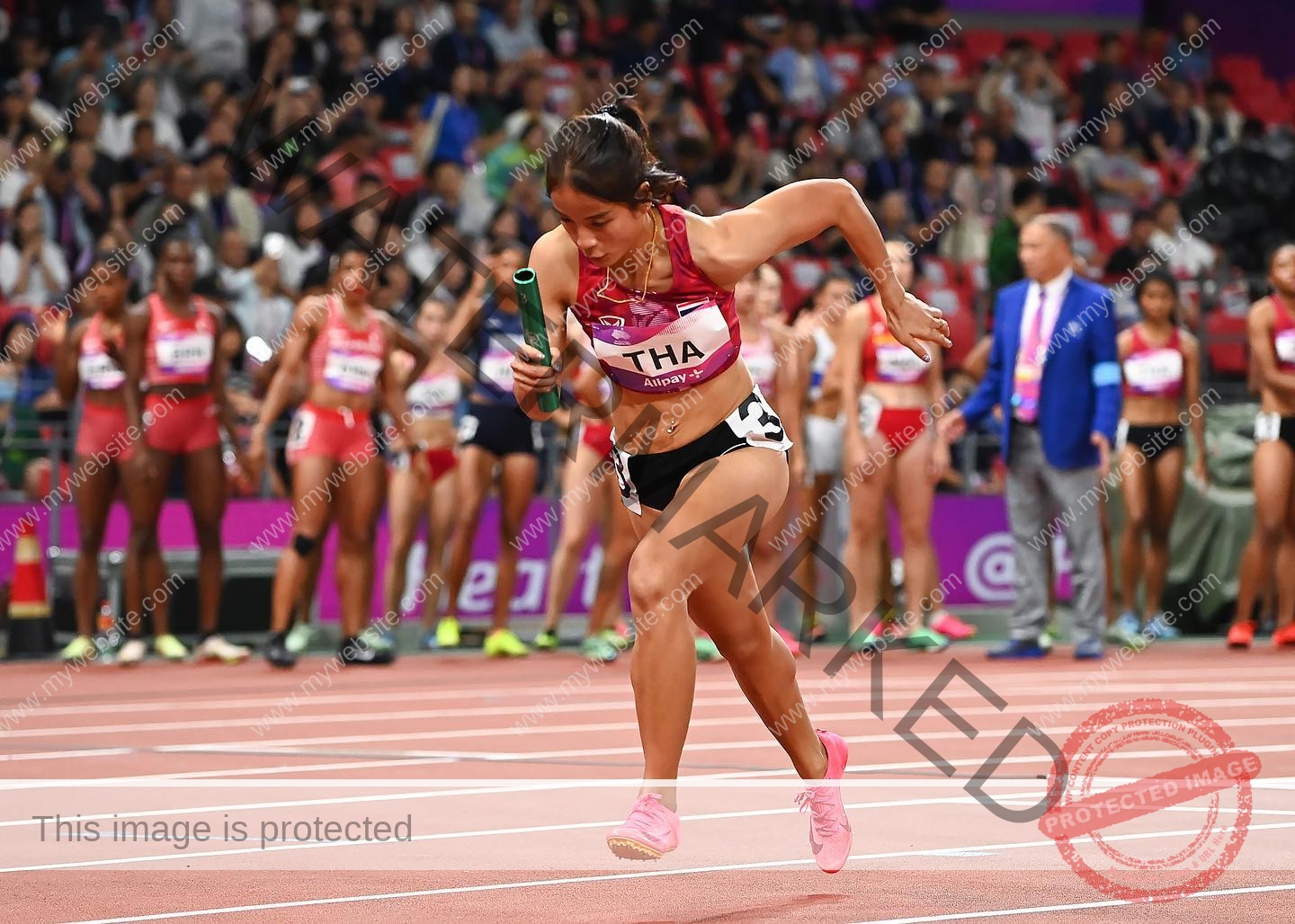































Angkana Thongtae: Thailand’s Rising Force in the Women’s 400 Metres
By the time most young athletes are still figuring out their events, Angkana Thongtae was already competing on the continental stage. Born in 2006, this Bangkok-based quarter-miler has emerged in her teenage years as one of the most promising young women in Thai track and field — a name that is quietly becoming known across Asia and, increasingly, beyond.
The women’s 400 metres is a brutally honest event. There is no place to hide in a full lap of the track; speed endurance, race management, and raw talent must all come together in under a minute. That Thongtae has been able to compete in that event at the international level at her age speaks to a talent that deserves to be recognized — and documented.
Background and Early Life
Angkana Thongtae was born in 2006, making her a product of what has become a remarkable generation for Thai athletics. She is based in Bangkok, training under the umbrella of the Athletics Association of Thailand (AAT), the national governing body headquartered in Pathum Thani. Beyond those facts, detailed records of her childhood and earliest athletic experiences have not yet made their way into the international media landscape — a reminder that Thailand’s athletics scene, while producing world-class talent, has not always received the coverage its athletes deserve.
What is known is the environment that shaped her. Thailand’s track and field community has experienced something of a renaissance in the early 2020s. The sprinting exploits of Puripol Boonson — born in January 2006, the same year as Thongtae — have drawn international attention to the fact that Thailand is producing a generational cohort of young sprinters. The country’s Athletics Association has been active in exposing younger athletes to international competition early, sending them to regional and continental junior championships to accumulate experience. It is in that environment that Thongtae developed, competing at youth and junior level as she came up through Thailand’s development pipeline.
The 400 metres is not the most glamorous event on the track programme — the 100 metres tends to capture the most headlines — but it demands perhaps the most complete athleticism of any sprint. Thongtae’s development in that event suggests a coach and athlete who chose the long road: building endurance, stride mechanics, and the particular brand of controlled aggression the quarter-mile requires.
Breaking Through: Early International Competition
Thongtae’s name first begins to surface in Asian athletics results in the youth and junior age categories. The Asian athletics ecosystem offers young Thai athletes multiple pathways to international competition — from the Southeast Asian (SEA) Youth Athletics Championships to the Asian U20 Athletics Championships — and Thongtae has been a participant in those circuits.
The results that have made it into publicly accessible international records show Thongtae competing on the open senior level even while still technically a junior (under-20) athlete. That is a significant mark of confidence both in the athlete herself and in the Thai federation’s assessment of her readiness.
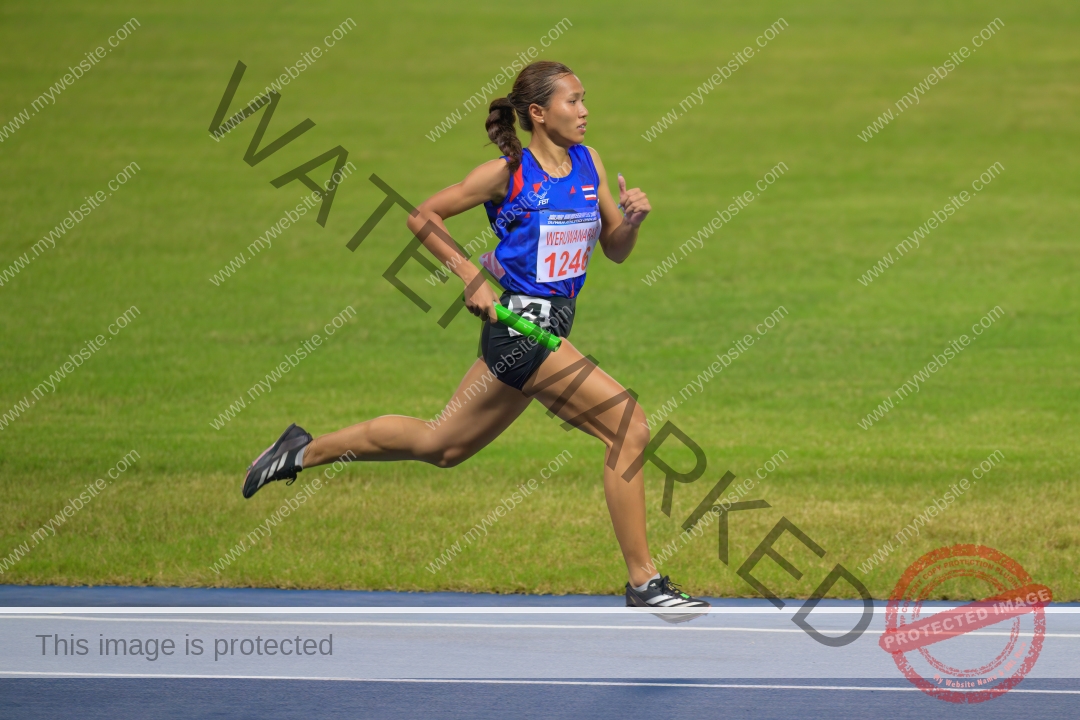
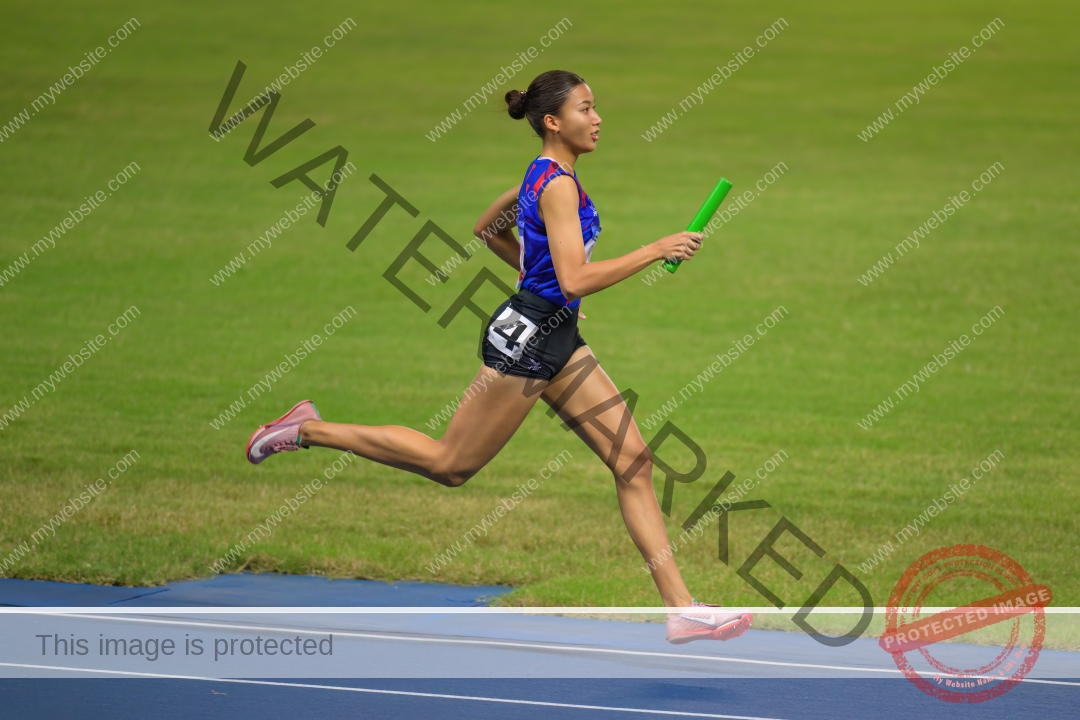
Her relay work has also been a consistent feature of her emerging international career. In June 2025, at the Taiwan Athletics Open in Taipei — a World Athletics series meeting that drew competitors from 15 nations — Thongtae competed in both the individual 400 metres and as a member of Thailand’s young 4×400 metre relay squad. In the individual event, she ran 56.43 in her qualifying heat and then improved upon her execution to finish fourth in the final with a time of 56.68, in a competitive field that included Australian and Japanese athletes. The same weekend, she was part of a Thai under-20 4×400 relay squad — alongside Montida Thongprachukaew, Arisa Weruwanarak, and Patcharaporn Sukaue — that clocked 3:46.74. These are not headline-making times in the context of world athletics, but they reflect a young athlete in the middle of her development, gaining reps at quality international meetings.
The 2025 Season: Stepping Up
The 2025 season represents a significant step forward in Thongtae’s trajectory, both in terms of the level of competition she has faced and the consistency of her presence in the Thai national squad’s relay group.
In May 2025, Thailand sent a delegation to the 26th Asian Athletics Championships in Gumi, South Korea — the continent’s premier outdoor championships. The Gumi edition drew more than 2,000 athletes from 43 countries, making it the largest Asian Athletics Championships in history. For a teenage athlete to be in that environment is significant preparation for the years ahead, regardless of individual results. Thailand’s athletics teams had a strong showing at the championships overall; the men’s 4×100 relay squad, anchored by Boonson, took silver behind the hosts.
The women’s 4×400 metre relay at the Gumi championships was won by India (3:34.18), a dominant force in Asian relay events, with the event drawing some of the continent’s best quarter-milers. Thailand’s participation in the relay circuit at events of this calibre is building the squad’s collective experience year by year.
In June 2025, following the Asian Championships, Thongtae was in Taipei for the Taiwan Athletics Open, where her performances confirmed she was hitting her competitive stride mid-season.
A Member of Thailand’s Relay Corps
One of the most telling indicators of Thongtae’s standing in Thai women’s athletics is her consistent inclusion in the national relay squad. Thailand’s women’s 4×400 metre programme is not a national powerhouse in the global sense, but it has been a genuinely competitive unit within Southeast Asia and, on occasion, at the Asian level.
The Thai women’s relay squad features a core group of 400-metre specialists, and Thongtae has been one of the younger members working her way into established relay combinations. Her teammates in various relay configurations during 2025 have included more experienced athletes like Arisa Weruwanarak — a versatile athlete who competes across the 400m flat, 400m hurdles, and both 4x400m relay formats — and Benny Nontanam, who won a silver medal in the women’s 400m at the 2023 SEA Games.
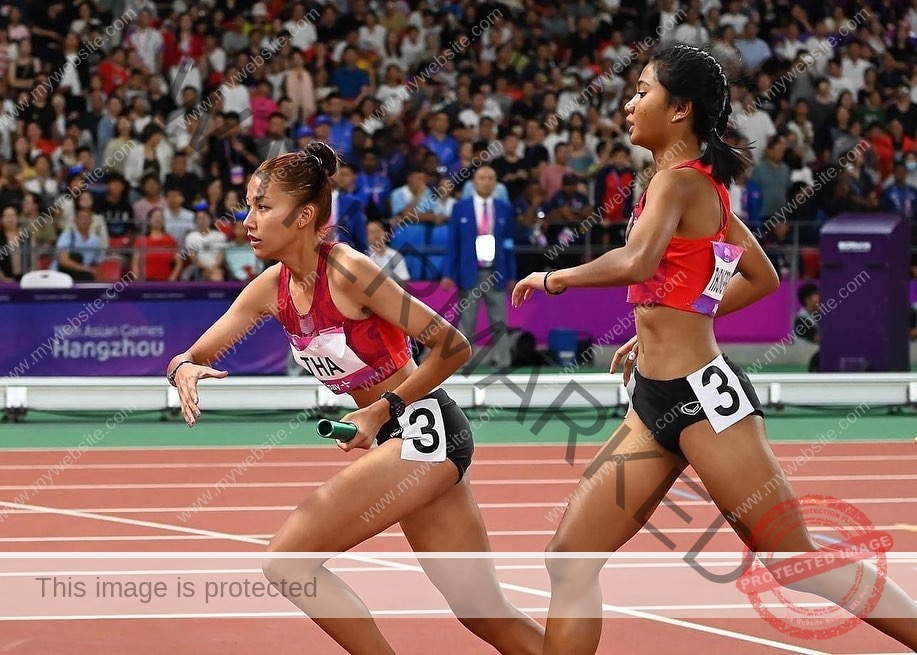
Running relay alongside more seasoned competitors is, for a development-age athlete, one of the most valuable forms of mentorship available in the sport. Baton exchanges, relay strategy, managing the pressure of representing your country on a lane alongside national team veterans — these experiences accelerate an athlete’s maturation in ways that individual results alone cannot.
In December 2025, Thailand hosted the 33rd Southeast Asian Games in Bangkok and Chonburi — the country’s first time hosting the Games since 2007. It was a landmark event for Thai sport, and the athletics programme was held at Suphachalasai Stadium, one of the country’s most historic tracks. The final day of athletics competition featured the 4×400 metre relay finals. Vietnam’s women took gold in 3:25.59; Thailand’s men won their relay in a strong 3:03.07. For the Thai women’s programme — and for athletes like Thongtae who are part of that squad’s development — a home SEA Games offered exposure and competitive opportunity that few international events can replicate.
What the Numbers Tell Us
At 18 and 19 years old, Thongtae’s times in the individual 400 metres are in the mid-to-upper 56-second range. To put that in context: the Thai national record in the women’s 400 metres — a mark that has stood as one of the country’s most challenging sprint benchmarks — sits significantly faster, but the gap between a developing teenager’s performances and a senior national record is expected and appropriate. The progression arc is what matters.
In Southeast Asia, the competitive range for senior women’s 400 metres at the SEA Games level typically runs from the low 52s (Vietnam’s Thi Ngoc Nguyen won the 2025 SEA Games title in 52.74) down through the upper 50s for athletes further back in the field. Thongtae’s current times place her in the development tier of that field — which is exactly where a 2006-born athlete should be in 2025.
For reference, Thai senior women have run in the 53-55 second range at the national level in the 400m. Closing the gap from the 56-second range to that tier is a significant but realistic target for a young athlete with several years of development ahead.
The Bigger Picture: Thai Women’s Sprinting in 2025
Angkana Thongtae is coming of age at an interesting time for Thai women’s track and field. While the men’s sprint programme has received most of the attention — thanks largely to Boonson’s stratospheric rise — the women’s programme has quietly been building depth.
Arisa Weruwanarak, one of Thailand’s most versatile women sprinters and quarter-milers, has been a key figure in the relay programme and provides a model of what sustained development in the Thai system can produce. Benny Nontanam has been a consistent SEA Games competitor. And now a new generation — including Thongtae and her relay squadmates like Montida Thongprachukaew (born 2007) — is coming through.
Thailand’s track and field infrastructure has invested heavily in regional and international competition exposure for young athletes. The Athletics Association of Thailand has been deliberate about sending youth and junior-age competitors to international meets — from the SEA Youth Athletics Championships to continental open meetings — with the understanding that accumulating international experience at a young age pays dividends later. Thongtae has been one of the beneficiaries of that philosophy.
Social Media and Public Profile
Angkana Thongtae maintains a low public profile that is typical of many development-stage Thai athletes, whose primary focus is competition and training rather than social media. Confirmed social media handles under her name have not been publicly documented through official sources at the time of writing. As she continues to develop and compete at higher levels of the sport, a more formal public presence will likely follow — as it has for other Thai athletics stars who gained visibility once they moved deeper into the senior ranks.
Looking Ahead
The next several years will define whether Angkana Thongtae becomes a fixture at the senior Asian level or reaches even further. The pathway is clear: continued improvement in the individual 400 metres, more appearances in relay configurations at increasingly senior competitions, and — if the times come — potential qualification for the Asian Athletics Championships, SEA Games, and World Athletics events as a senior competitor in her own right.
The 2026 season will be a particularly important one. The Asian U20 Athletics Championships will be held in Hong Kong, China — a championship for which Thongtae, born in 2006, remains age-eligible. The Asian U23 Athletics Championships will be held in Ordos, China. These are the competitions where the next tier of Thai athletics talent will have the chance to compete against Asia’s best within their age groups, earn points and rankings, and build the competitive résumés that lead to senior national team selection and, eventually, Olympic qualification cycles.
Thailand’s 2028 Los Angeles Olympic cycle will be one during which Thongtae — who will be 21 or 22 years old — will be at or approaching her athletic prime. That context gives everything she is doing now its weight.
Track and field, more than almost any sport, rewards patience. The athletes who look most impressive at 16 or 17 are not always the ones who are still competing at 25 or 28. But the ones who build their foundations carefully, gain international experience systematically, and stay healthy through the developmental years — those are the athletes who tend to still be competing, and competing well, when the biggest moments arrive.
By those measures, Angkana Thongtae is doing everything right.
Angkana Thongtae competes for Thailand in the women’s 400 metres and 4×400 metres relay. She is represented in the World Athletics database and competes under the auspices of the Athletics Association of Thailand. Her career statistics and results are maintained in the World Athletics athlete profile system.
