


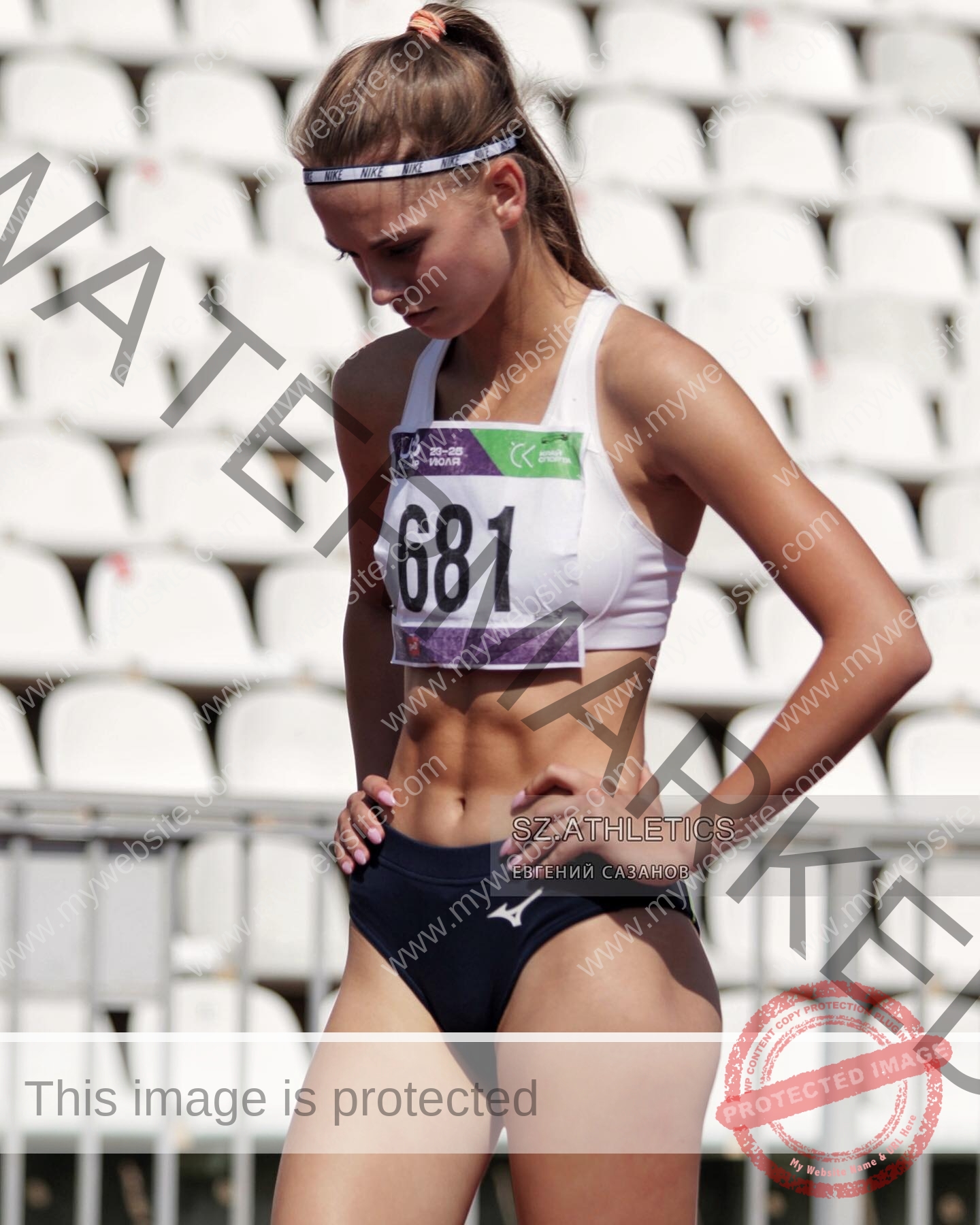
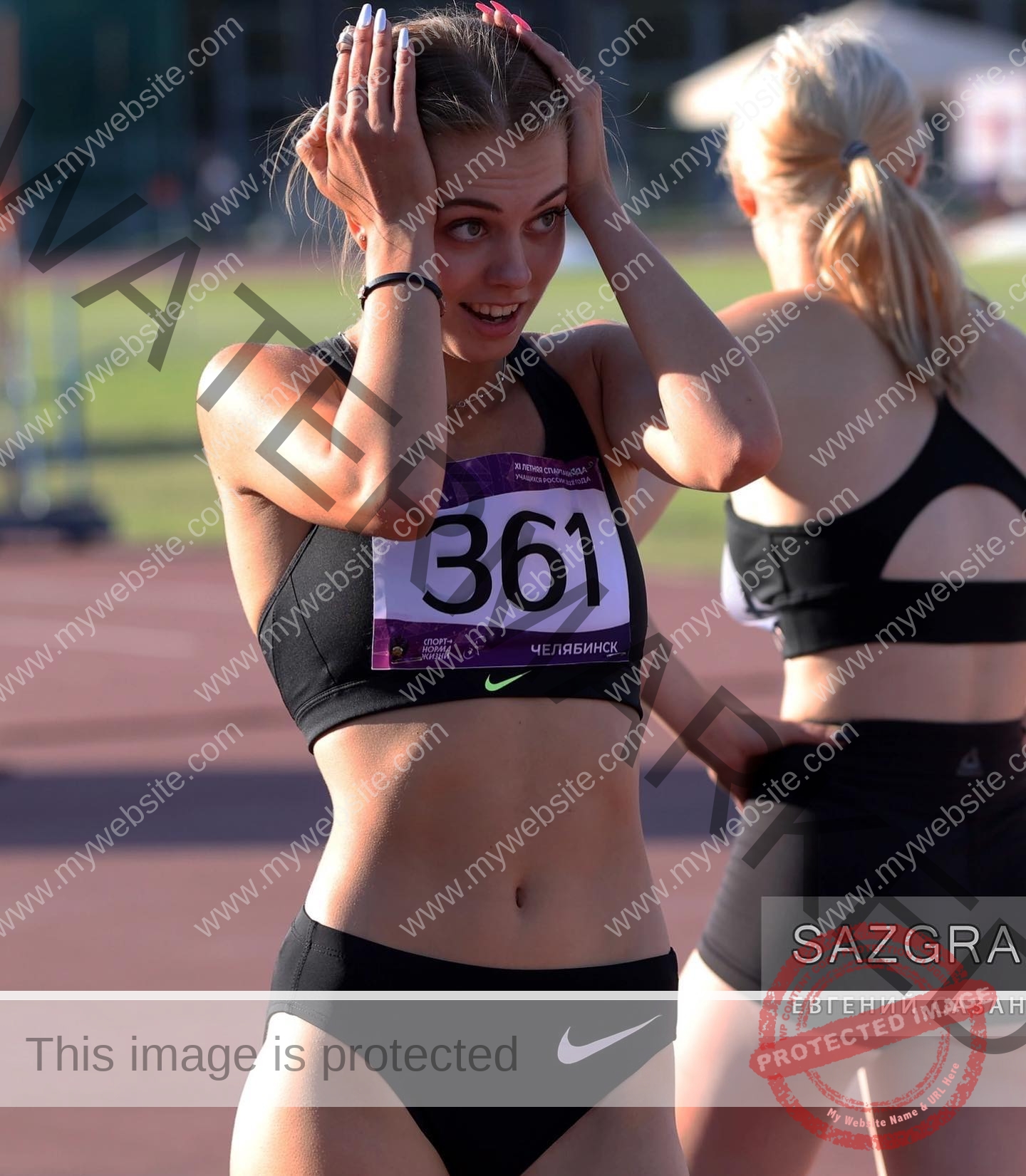
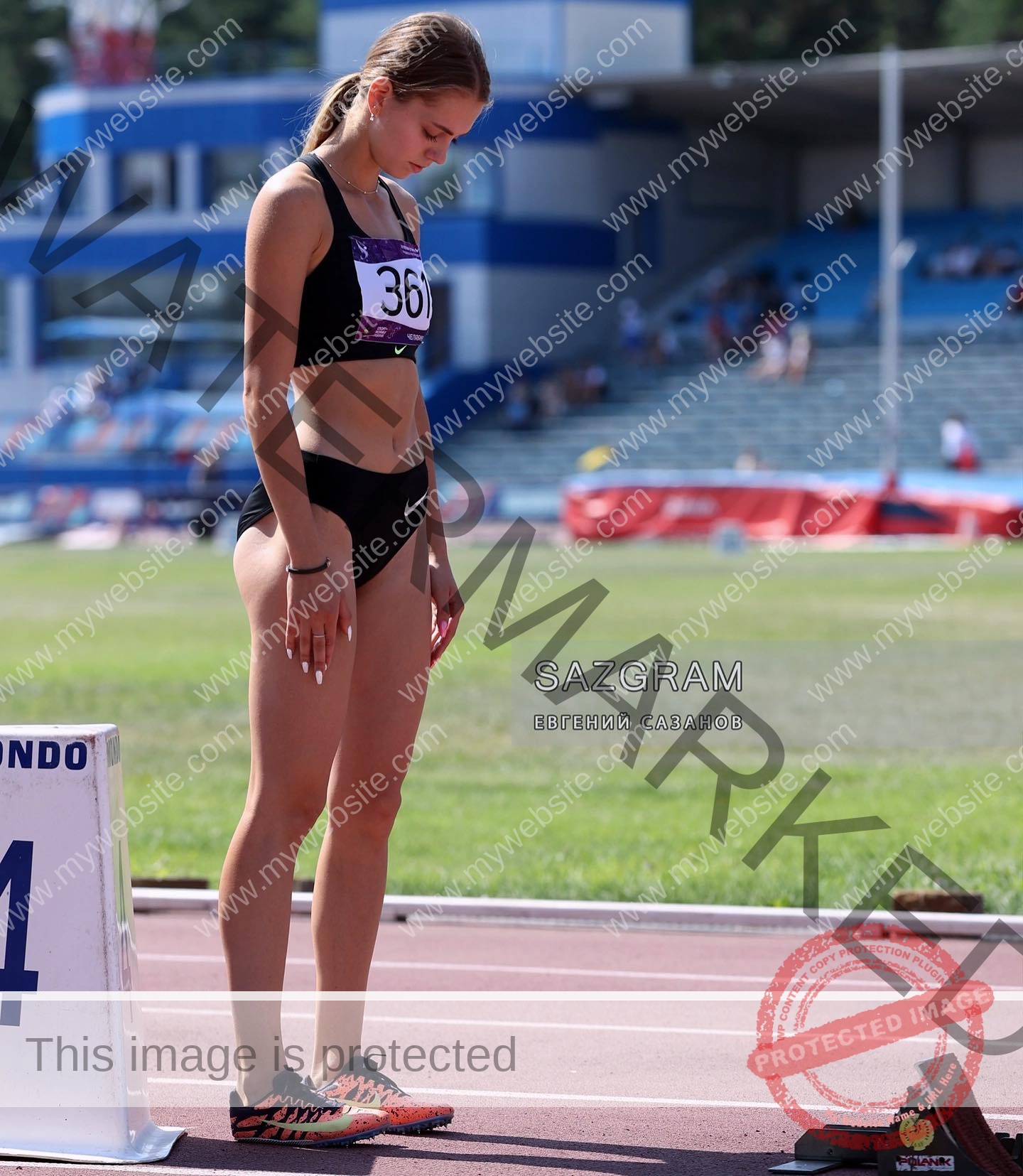
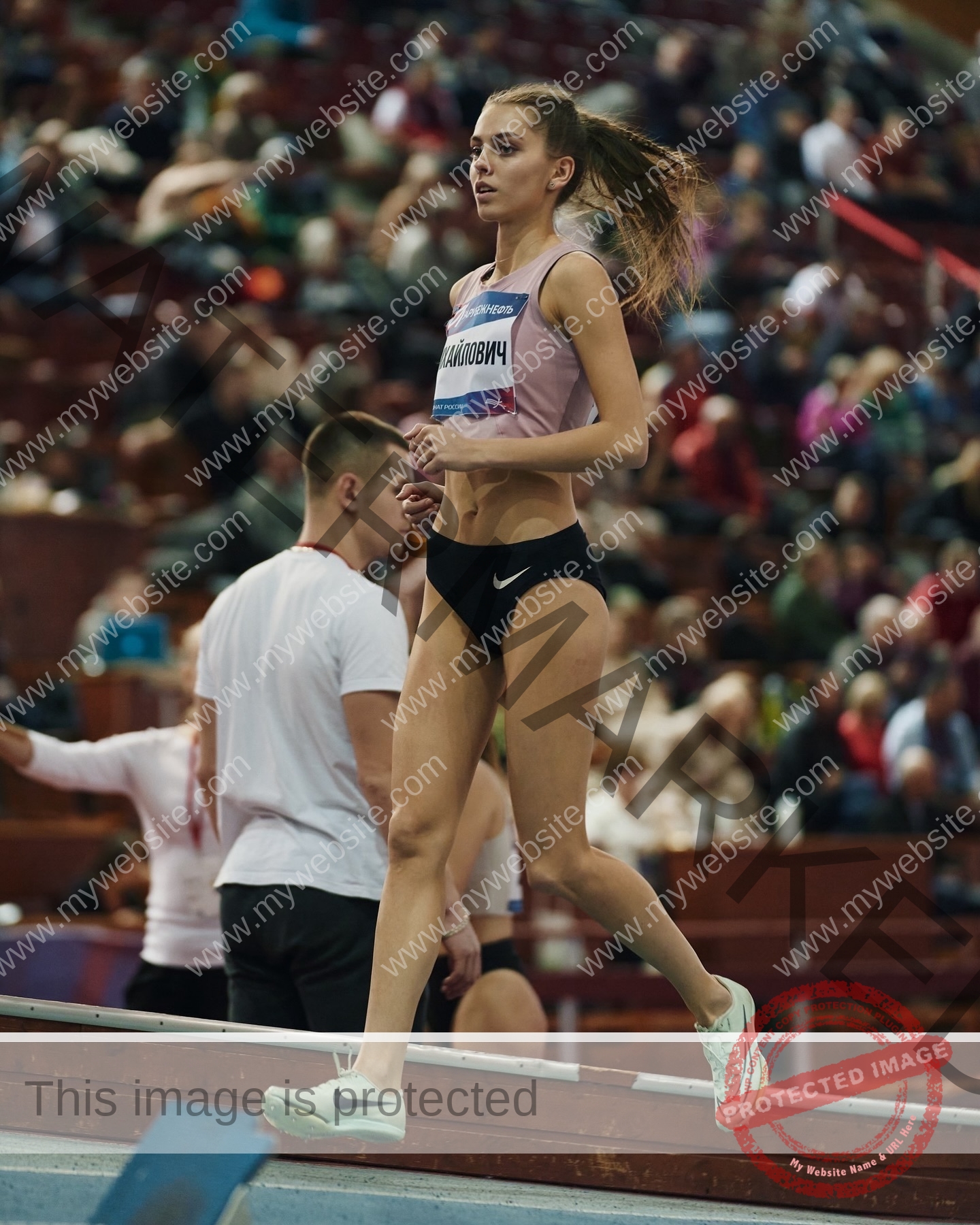
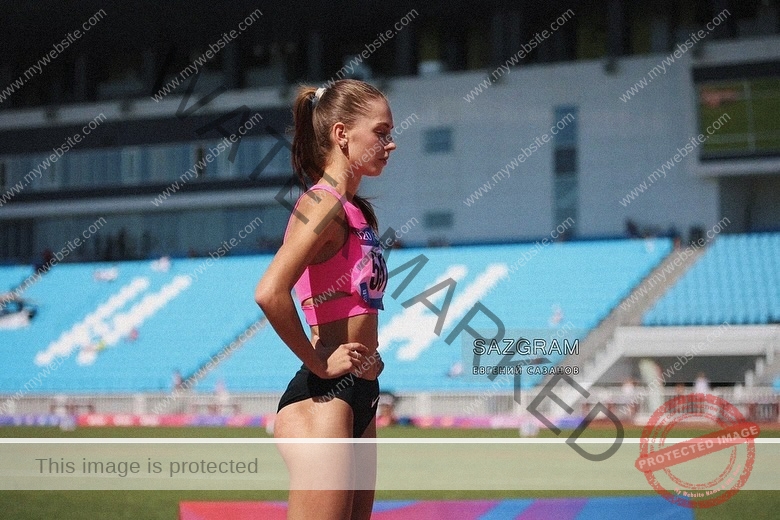
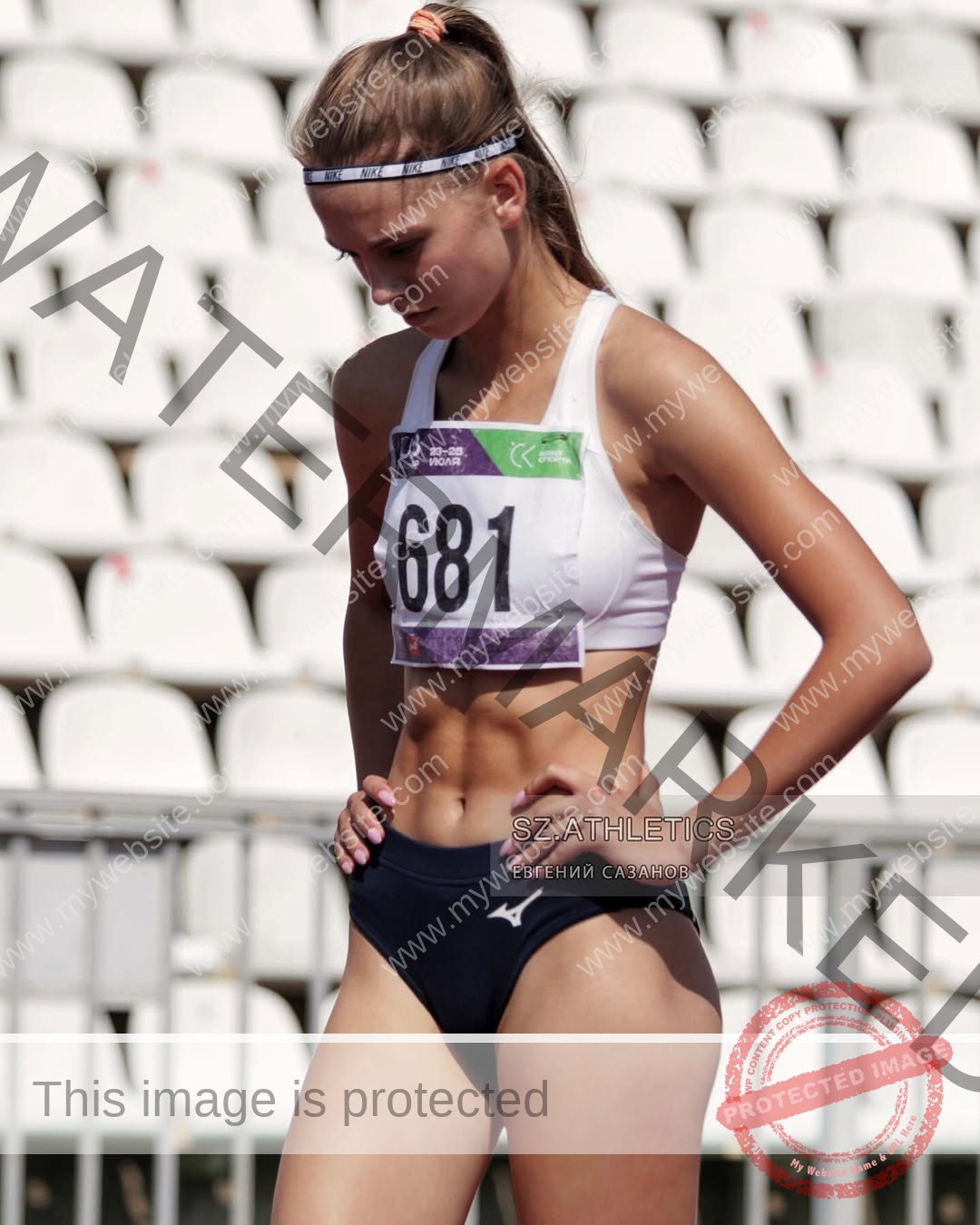

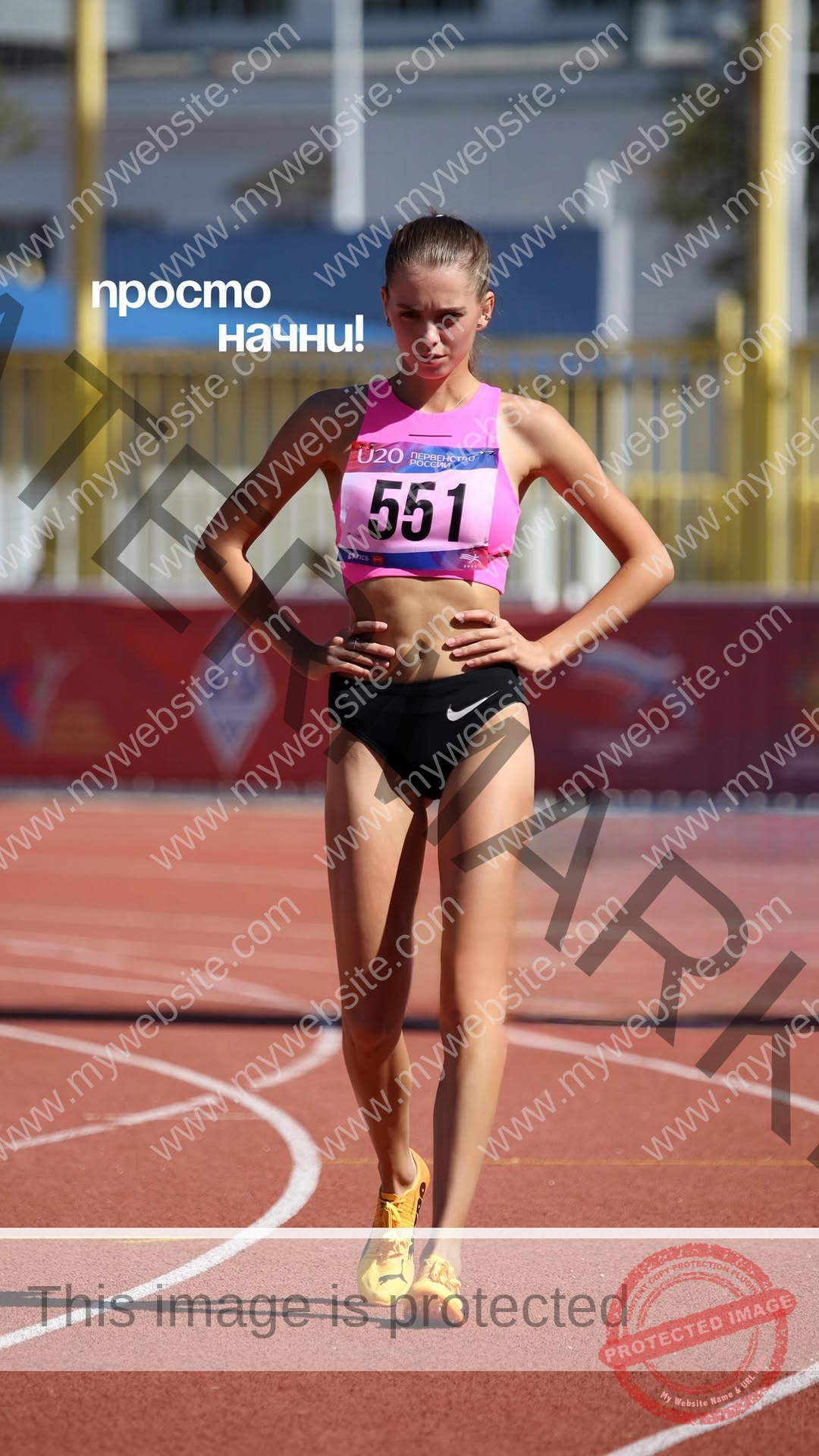
Alena Mikhaylovich: St. Petersburg’s Rising Sprint Force
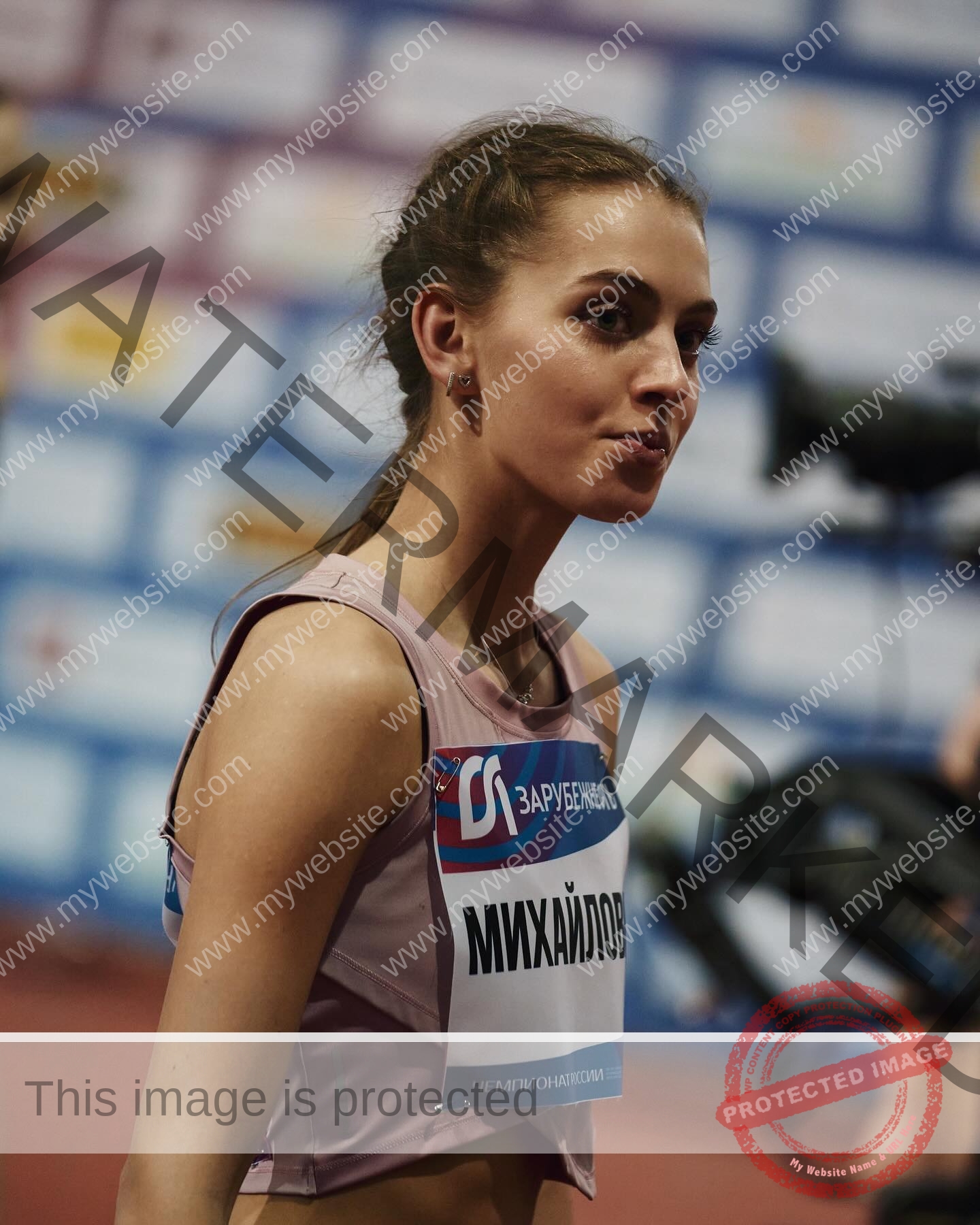
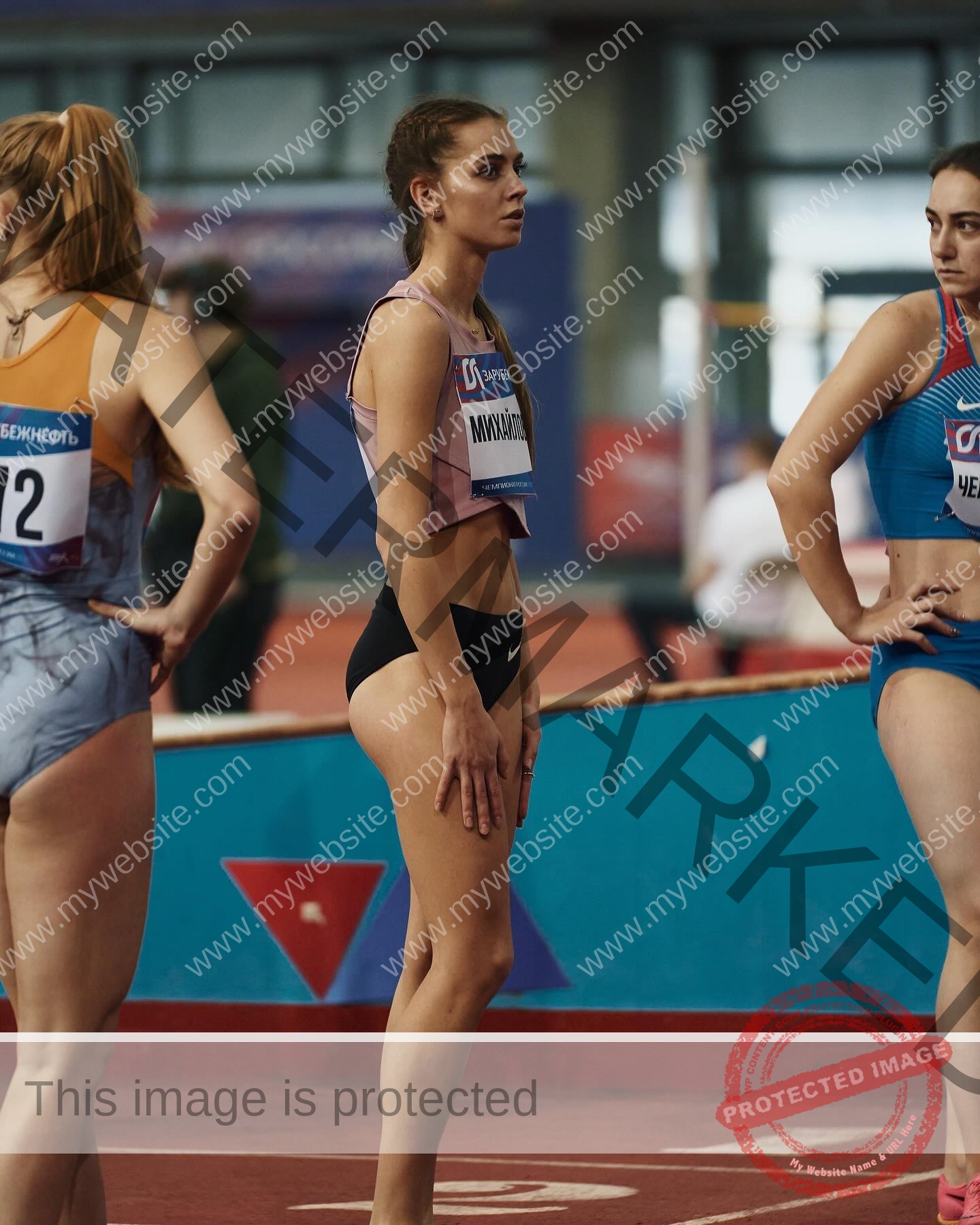
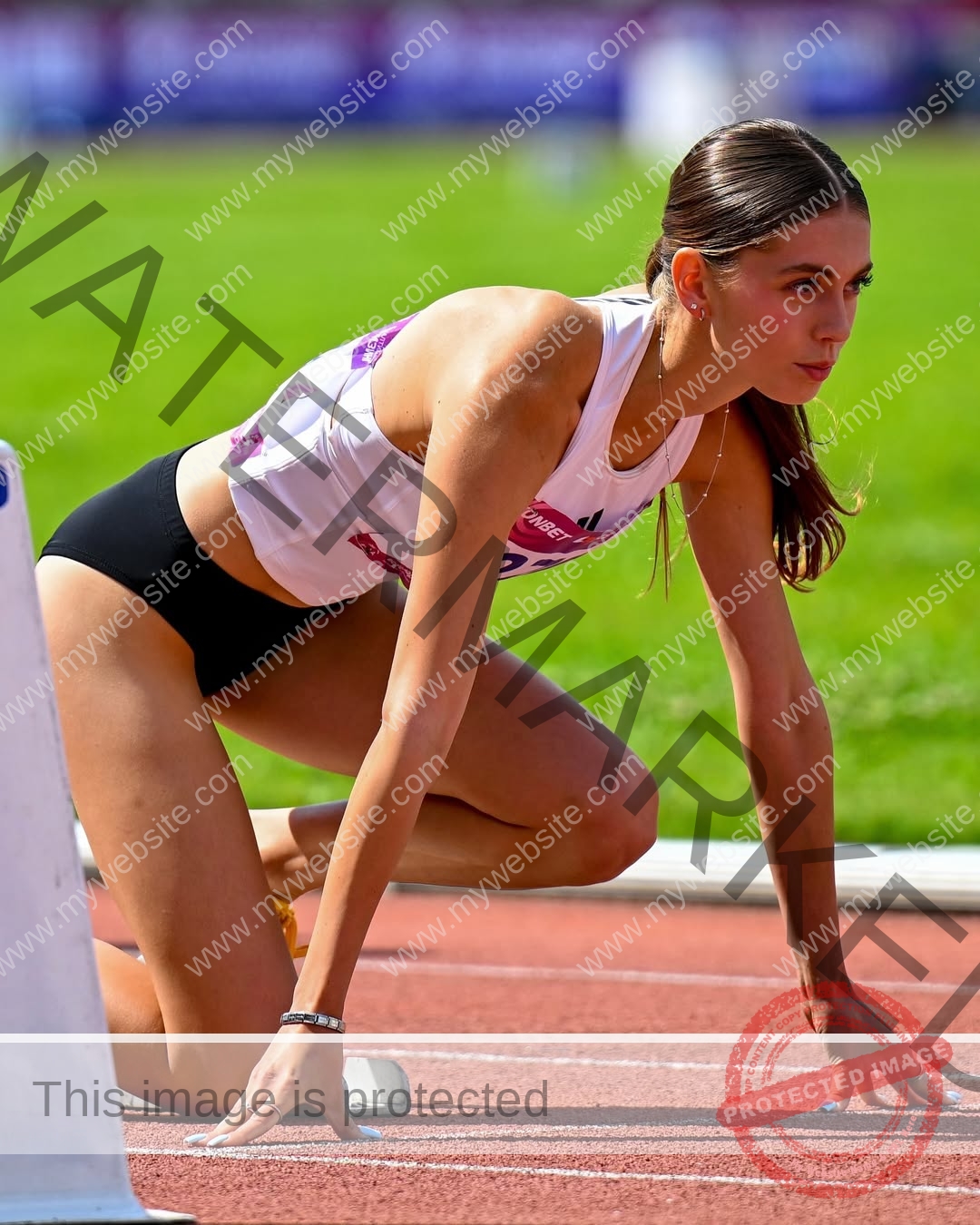
Alena Mikhaylovich is one of Russian athletics’ most promising young sprinters — a 20-year-old from St. Petersburg who has already collected two national championship titles, earned the prestigious Candidate Master of Sport designation, and made her mark as a key piece of one of Russia’s fastest regional relay squads. Though the global stage has been largely closed to Russian athletes in recent years due to ongoing international eligibility restrictions, Mikhaylovich has done everything right within the domestic system, building a résumé that positions her as a serious force in Russian sprint circles for years to come.
Early Life and Background
Alena Mikhaylovich was born on May 6, 2005, making her 20 years old as of early 2026. She is a native of St. Petersburg, Russia’s second-largest city and a metropolis with a long, proud athletic tradition. The city has produced numerous elite track and field performers over the decades, and the infrastructure supporting young sprinters there — from the SHOR youth sport schools to the world-class Lesgaft National University of Physical Culture, Sport, and Health — is among the best in the country.
Specific details about Mikhaylovich’s very earliest introduction to sprinting are not extensively documented in public sources, though the trajectory of her career follows a pattern familiar to elite Russian youth athletes: early identification of natural speed, enrollment in a specialized sport school, and systematic development under trained coaches. By the time she was competing at meaningful regional and national youth levels, she had already developed the technical foundation and competitive instincts that would carry her to national prominence.
Youth Career and Development
Mikhaylovich came up through the St. Petersburg athletics system, and the city’s fingerprints are visible throughout her career. Representing St. Petersburg in team and relay competitions has been a consistent thread across all her competitive seasons, and she competes under the institutional umbrella of what is one of Russia’s most historically productive regional athletics programs.
Her early competitive record reflects steady, disciplined progression. She was logging competitive times in the 60 meters and 100 meters from a young age, working through the Russian youth classification system — a tiered structure of sport ranks ranging from third-class all the way up to the elite titles of Master of Sport and Master of Sport of International Class. For young sprinters in Russia, moving through those ranks requires not just raw speed but consistent performance at sanctioned competitions with certified timing.
By the time she transitioned out of junior (U18) competition and into the U20 and U23 age groups, it was clear that Mikhaylovich was not merely a promising regional talent — she was tracking toward national-level results.
Emergence at the National Level: 2024 Breakthrough
The 2024 season was the clearest evidence yet that Mikhaylovich belonged in the conversation among Russia’s best young sprinters.
On July 12, 2024, she ran a personal best of 11.63 seconds in the 100 meters — a result that simultaneously represented her fastest time ever and satisfied the standard required to earn the title of Master of Sport of Russia, one of the most coveted designations in Russian domestic athletics. That performance came at a meet that also featured her in contention with the country’s best, and she finished third in the 100 meters at the national championship level, a result that would be notable for any sprinter at age 19 but was especially impressive given the depth of Russian women’s sprinting.
She followed that individual result with another standout performance running as part of the St. Petersburg 4×100 meter relay squad, where she helped her regional team clock 46.58 seconds — a race in which she ran alongside teammates Marina Voroshina, Alexandra Kapanova, and Varvara Abakhina. The relay team won the event, adding a gold medal to Mikhaylovich’s already strong championship haul.
In August 2024, she added a 200-meter personal best of 24.39 seconds, recorded on August 17, further demonstrating her capability across the full sprint range.
The indoor season bridging late 2023 and early 2024 was also productive. At the LFK CSKA facility in Moscow on February 23, 2024, she ran a 60-meter personal best of 7.57 seconds — her fastest ever over that indoor distance — and on February 24 at the same venue, she ran 24.93 seconds in the 200-meter short track (indoor 200m), adding versatility to her portfolio.
2025: National Champion and Master of Sport in the Relay
The 2025 season cemented Mikhaylovich’s status as a legitimate national-level figure in Russian sprinting, with two particularly significant markers of progress.
At the PSB Russian Athletics Championships in Kazan, August 7–10, 2025 — held at the historic Central Stadium that previously hosted the 2013 World Universiade and the 2024 BRICS Games — Mikhaylovich was part of the St. Petersburg 4×100 relay squad that won the national title with a time of 43.48 seconds, beating out Nizhny Novgorod Oblast (43.67) and Moscow (43.68) in one of the tightest relay finals in recent Russian championship history. That performance, logged by World Athletics on August 8, 2025, stands as her current personal best in the relay at 44.01 seconds (the World Athletics record reflects a different date/race combination from the same championship meet).
The national championship relay gold was not just a title — it was, for Mikhaylovich’s relay teammates, an opportunity to earn Master of Sport certification through the team result, underscoring just how significant such relay performances are within the Russian athletic classification system.
In February 2026, competing at the Russian U23 Indoor Championships in Volgograd (February 13–15), Mikhaylovich won a silver medal in the 60 meters with a time of 7.494 seconds — a result that, per reporting from her university, represented an outstanding performance in a race decided by hundredths of a second. The silver came narrowly behind the gold and further established her as one of the top U23 sprinters in the country.
The University Connection: Lesgaft National University
One of the distinctive threads running through Mikhaylovich’s story is her enrollment at the National State University of Physical Culture, Sport, and Health named after P.F. Lesgaft in St. Petersburg — universally known simply as the Lesgaft University (НГУ им. П.Ф. Лесгафта). This institution is Russia’s oldest and most prestigious sports university, with a lineage tracing back to the 19th century and a graduate list that includes some of the Soviet Union’s and Russia’s greatest athletic legends.
The Lesgaft kinesiology and coaching program is among the most respected in the country, training students not only as athletes but as future coaches and sports professionals. For Mikhaylovich, competing under the Lesgaft banner adds both prestige and a support structure: she has access to expert coaching, sports science resources, and high-level training partners — a combination that is clearly paying dividends in her results.
The university’s Athletics Department, which operates under the katedra (department) of Theory and Methodology of Athletics named after V.V. Ukhov, has celebrated Mikhaylovich’s results in official university communications, reflecting a genuine institutional pride in her performances.
Personal Bests and Statistics
Mikhaylovich’s official World Athletics profile (athlete code 14969745) reflects a compact but compelling set of personal bests across the sprint events:
| Event | Personal Best | Date | Venue |
|---|---|---|---|
| 100 Meters | 11.63 | July 12, 2024 | Russia |
| 60 Meters (indoor) | 7.57 | February 23, 2024 | LFK CSKA, Moscow |
| 200 Meters | 24.39 | August 17, 2024 | Russia |
| 200 Meters Short Track (indoor) | 24.93 | February 24, 2024 | LFK CSKA, Moscow |
| 4×100 Meter Relay | 44.01 | August 8, 2025 | Central Stadium, Kazan |
Her World Athletics score for the relay stands at 1135 — a number that sits in respectable territory for Russia’s domestic relay competition. Her 100-meter score of 1066 reflects a sprinter solidly in the national-competitive range. She currently holds a World Athletics ranking of approximately #960 in the women’s 100 meters globally — a figure that would almost certainly improve significantly if she were competing internationally, since the ranking system depends on participation in sanctioned international competitions, access she has been largely denied under Russia’s ongoing eligibility restrictions.
World Athletics recognizes Mikhaylovich with its “2x National Champion” badge — a reflection of her national championship victories and one of the more meaningful distinctions an athlete can carry on their official profile.
The Broader Context: Russian Athletics Under Restriction
No biography of a Russian track and field athlete competing in the 2020s can honestly omit the context in which that career is unfolding. Since Russia’s suspension from World Athletics — initially triggered by the state-sponsored doping revelations of 2015–2016 and then further complicated by Russia’s invasion of Ukraine in 2022 — Russian athletes have been largely excluded from international competition. The pathway that has existed for some Russian athletes to compete as Authorized Neutral Athletes (ANA) under strict conditions has been available only to those who can demonstrate they were not based in or supported by the Russian or Belarusian systems — a criteria that effectively excludes most domestically-based athletes.
For Mikhaylovich, born in 2005, this has meant that her entire competitive career — from her first youth races through her emergence as a national-level sprinter — has unfolded almost entirely within Russia’s domestic competition circuit. She has not had the opportunity to test herself against international fields at World Athletics events, European Championships, or World Indoor Championships, competitions where her times would be entirely competitive at the continental youth level.
This is a reality shared by an entire generation of young Russian athletes, and it makes performances like Mikhaylovich’s all the more notable: she has had to compete hard, stay motivated, and keep improving without the external benchmarks and opportunities that drive athletic development in most countries. That she has done so successfully, earning national titles and Master of Sport designations in her teens and early twenties, says something real about her competitive drive.
Social Media
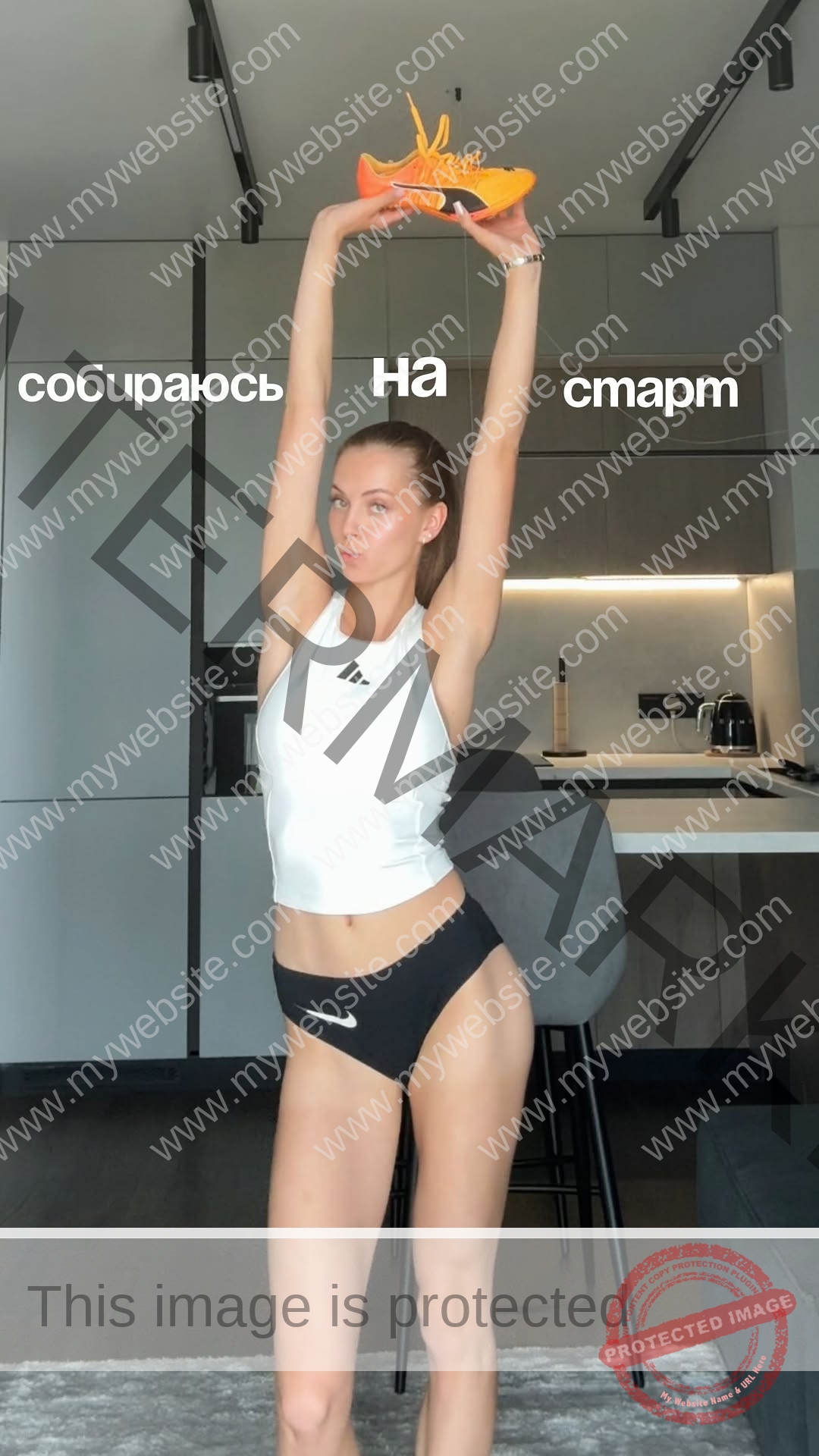
Mikhaylovich maintains a presence on TikTok under the handle @alen4onka, where she has posted content related to her training and athletic life. This platform, which is widely used among young Russian athletes, gives fans and followers a window into the day-to-day work that underlies her competition performances — training sessions, athletic drills, and glimpses of life as a professional-track athlete in St. Petersburg.
No major commercial sponsorships are publicly confirmed for Mikhaylovich at this stage, which is consistent with the situation of most Russian domestic athletes in the current climate. The combination of Russia’s international eligibility restrictions and the generally more modest commercial athletics ecosystem in Russia means that sponsorship opportunities of the kind enjoyed by internationally competing sprinters are largely unavailable. That picture could change considerably if and when Russian athletes are permitted to compete internationally again.
Looking Ahead
At just 20 years old, Alena Mikhaylovich is very much at the beginning of her competitive career, not the middle or end. Her trajectory over the past two years has been consistently upward — personal bests, national championship gold, climbing times — and there is every reason to expect that improvement will continue as she develops physically and gains further competitive experience.
The sprint events she competes in — 100 meters, 60 meters, 200 meters, and relay — are events where athletes typically peak in their mid-to-late twenties. For Mikhaylovich, the developmental years ahead are arguably the most important of her athletic life, and the foundation she is building now at Lesgaft University, under experienced coaching, within a strong regional program, is a sound one.
Within Russia, the 11.63-second range in the 100 meters puts her in contention at national championships. Pushing toward the 11.4–11.5 range — a realistic goal for a disciplined, developing sprinter with her current trajectory — would place her firmly in the top tier of Russian women’s sprinting. In the relay, where she has already helped St. Petersburg win a national title, there is room to build on that success as she becomes more experienced and technically refined in baton exchange situations.
Perhaps the most significant open question for Mikhaylovich’s career, as for all Russian athletes of her generation, is whether international competition will become available. Should Russia’s athletics eligibility situation be resolved — a process that World Athletics has indicated is possible with demonstrated compliance — sprinters like Mikhaylovich would have a great deal of accumulated domestic preparation to draw on when they finally step onto international tracks. The years of competing hard at home, with limited external motivation and limited access to global benchmarks, could prove to be an unusual kind of crucible — one that produces athletes with both strong fundamentals and a certain resilience forged by circumstance.
Alena Mikhaylovich has already earned enough at the domestic level to be taken seriously as a sprinter. The question now is simply how far that talent and dedication will carry her when the bigger stages become available.
Alena Mikhaylovich competes for St. Petersburg and trains at the National State University of Physical Culture, Sport, and Health named after P.F. Lesgaft, St. Petersburg. Her TikTok handle is @alen4onka. Her World Athletics athlete profile code is 14969745.
