
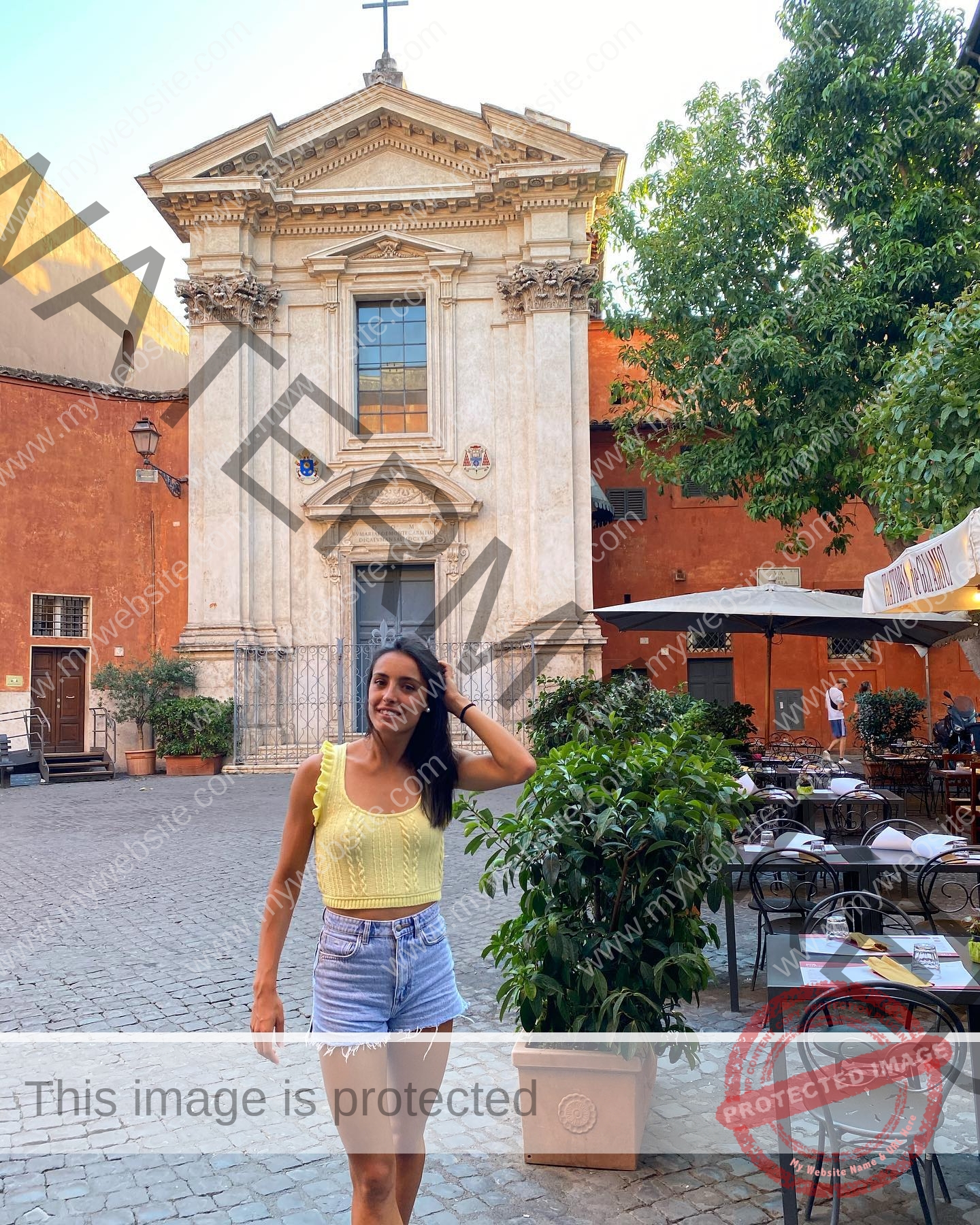



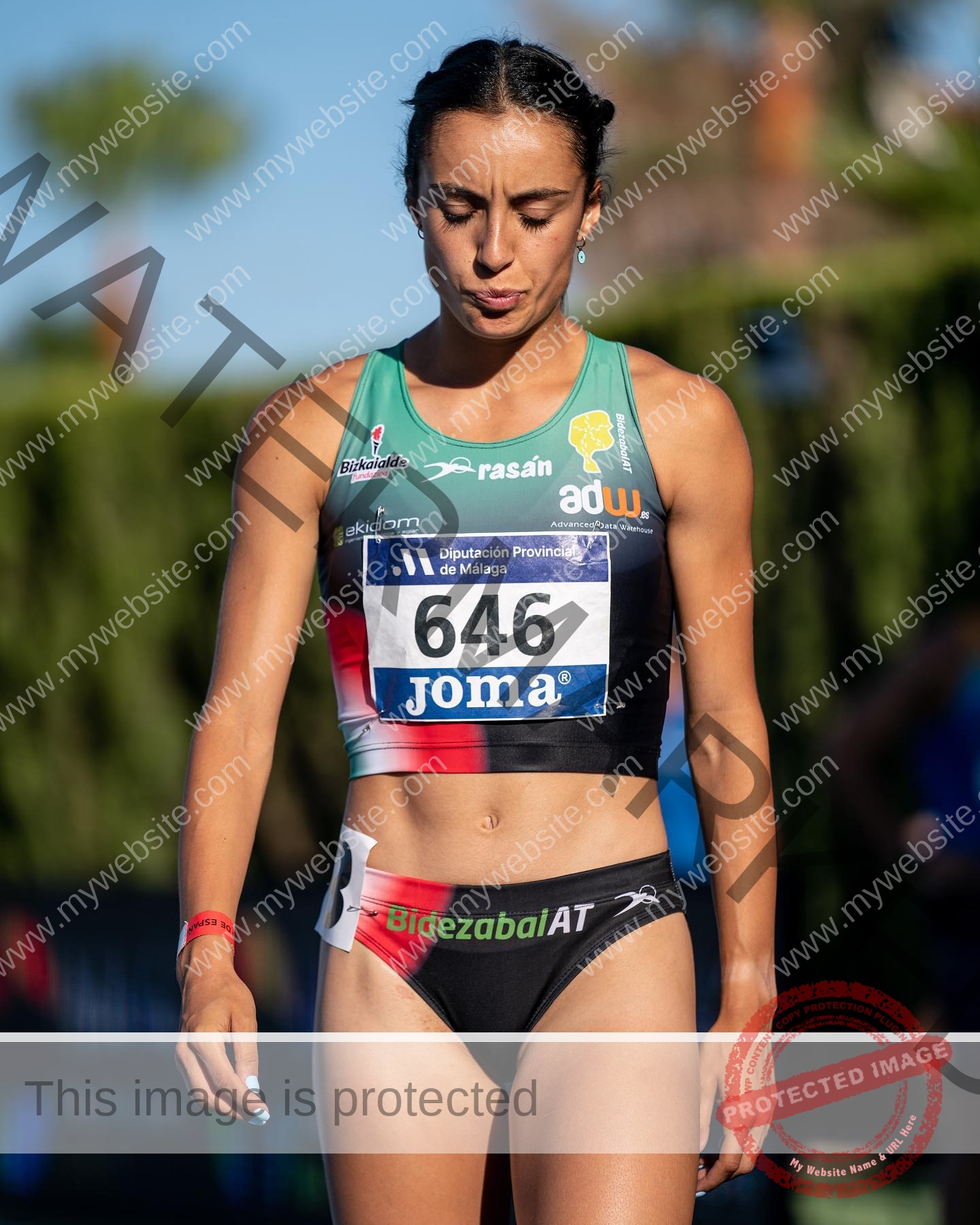
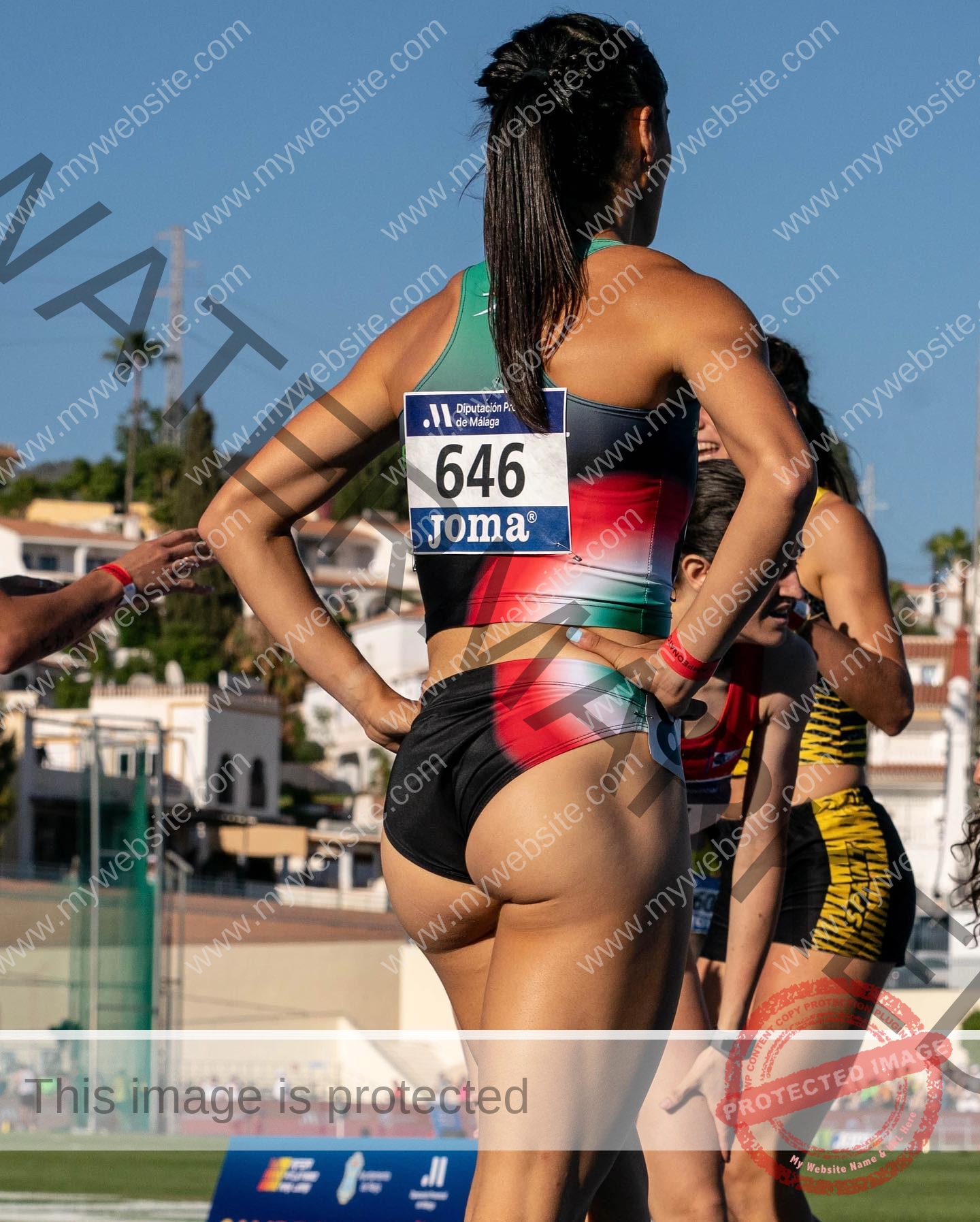
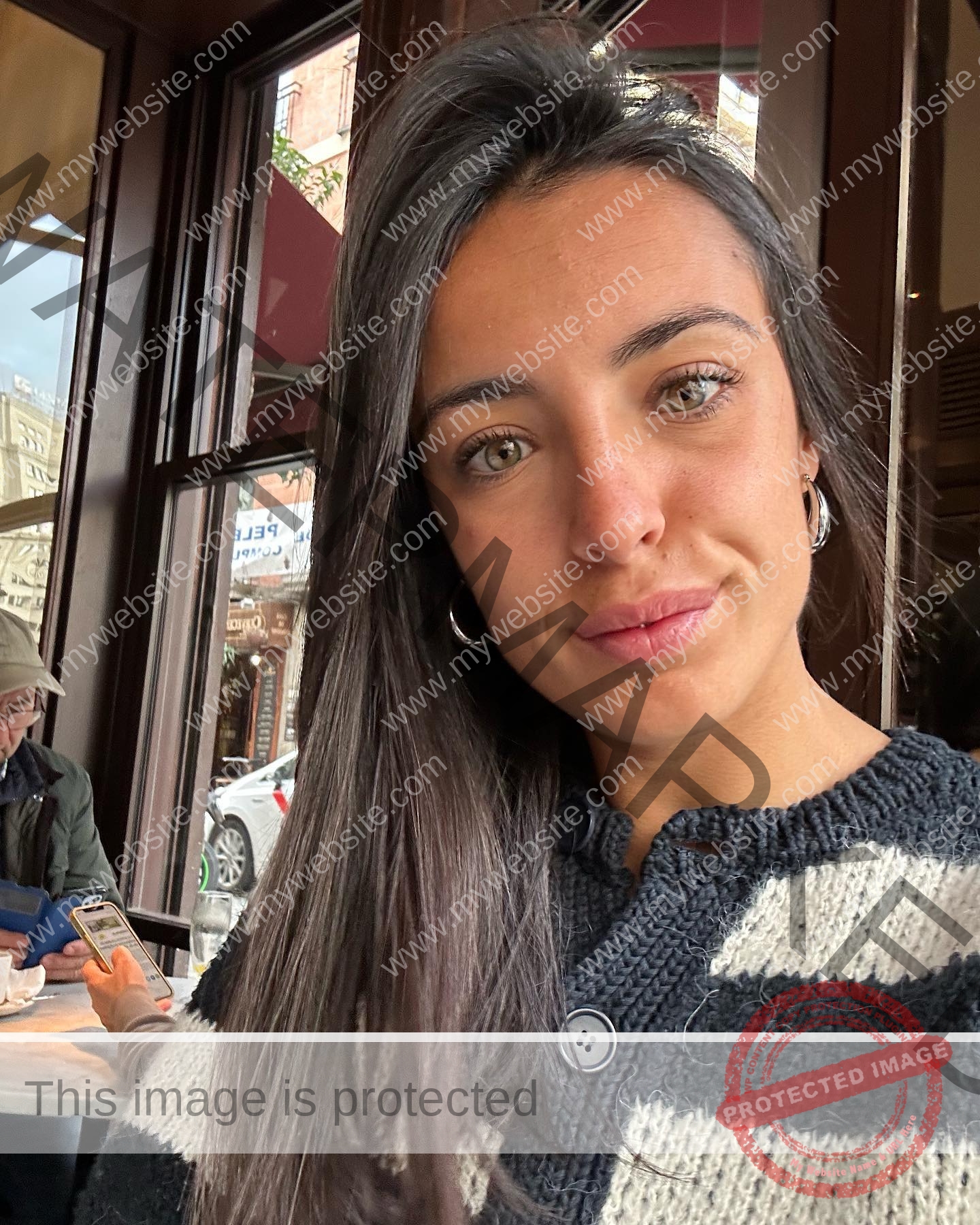

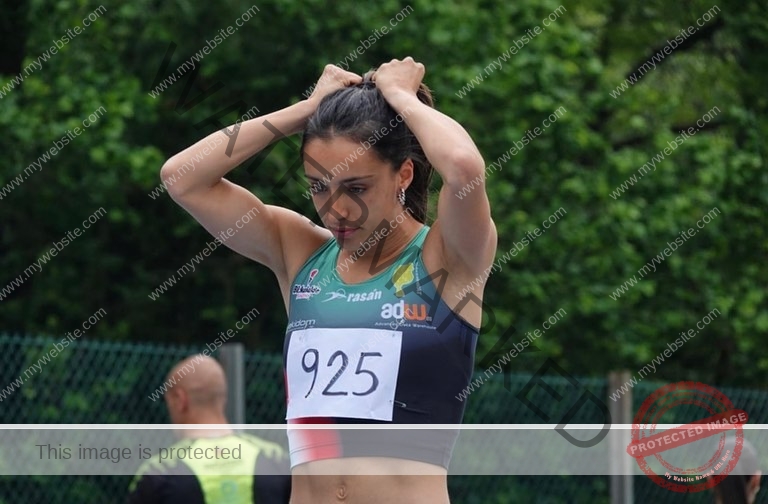

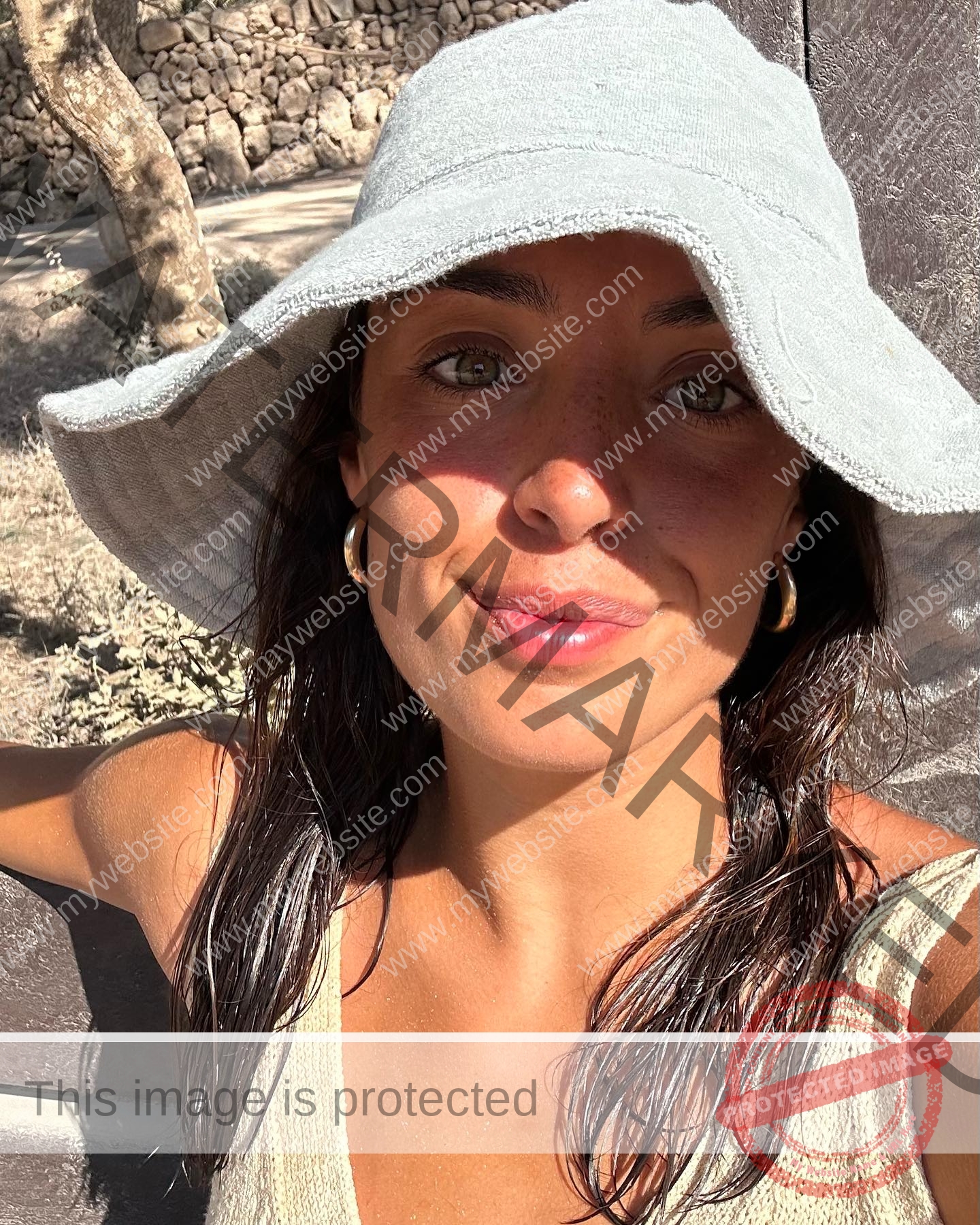
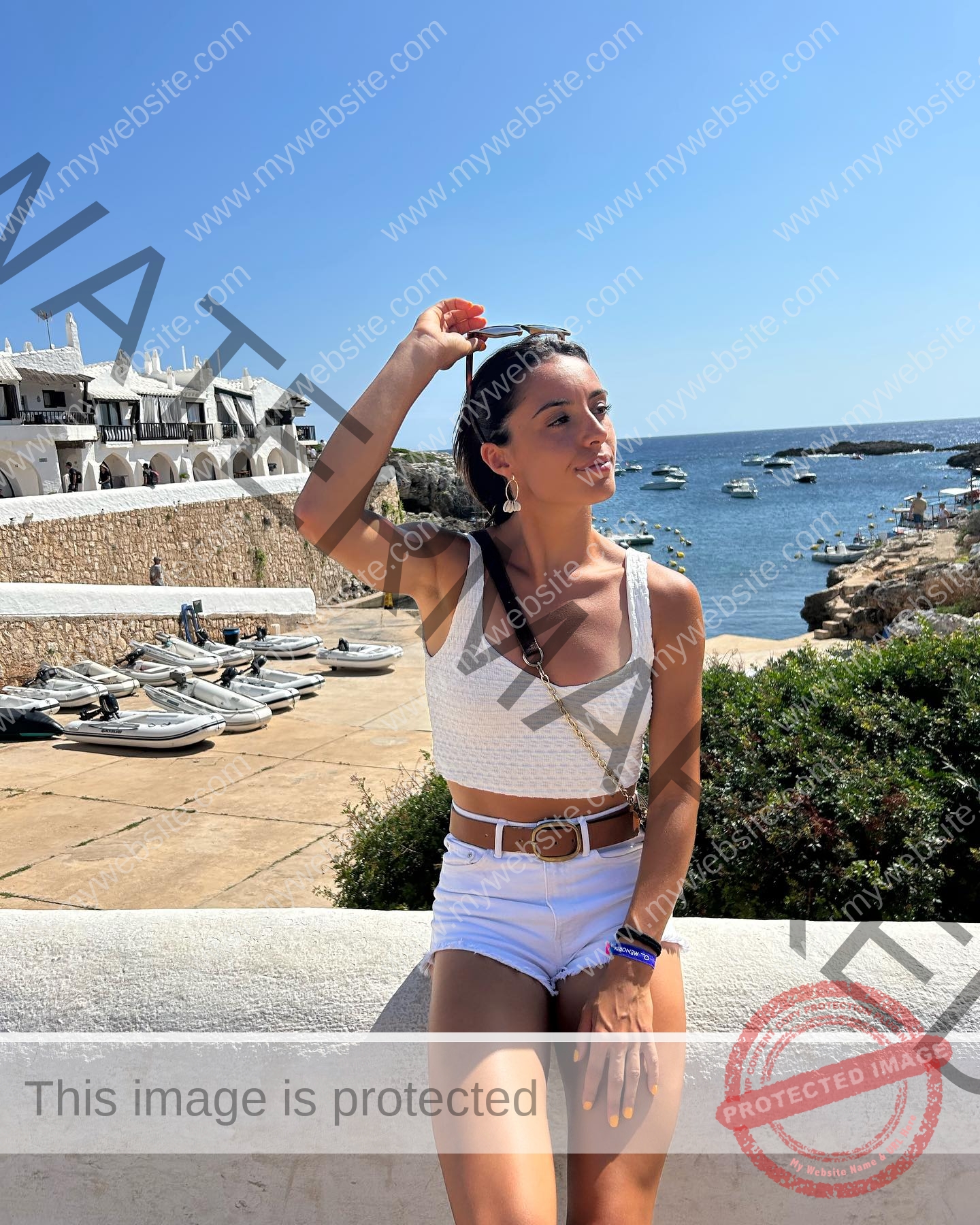
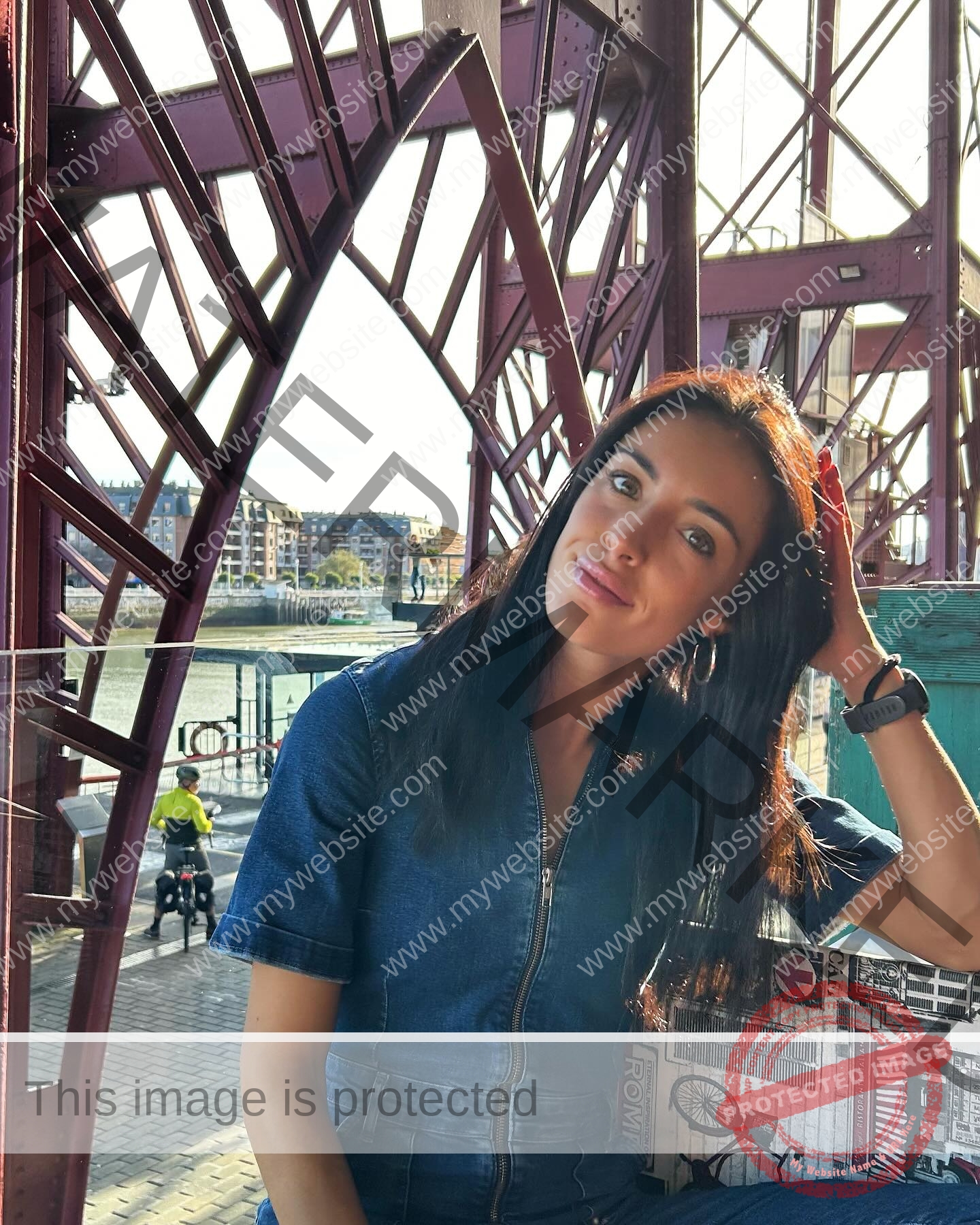
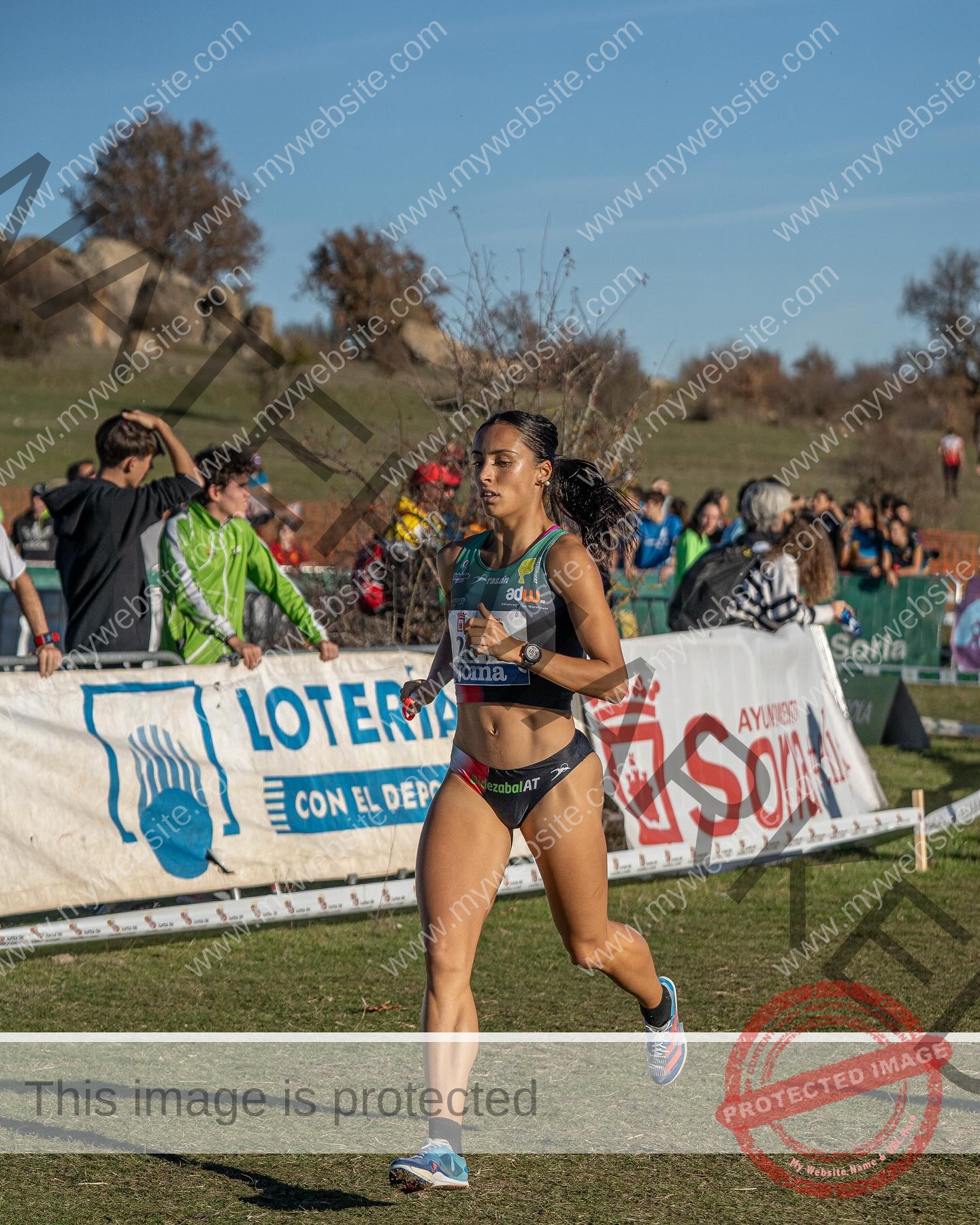
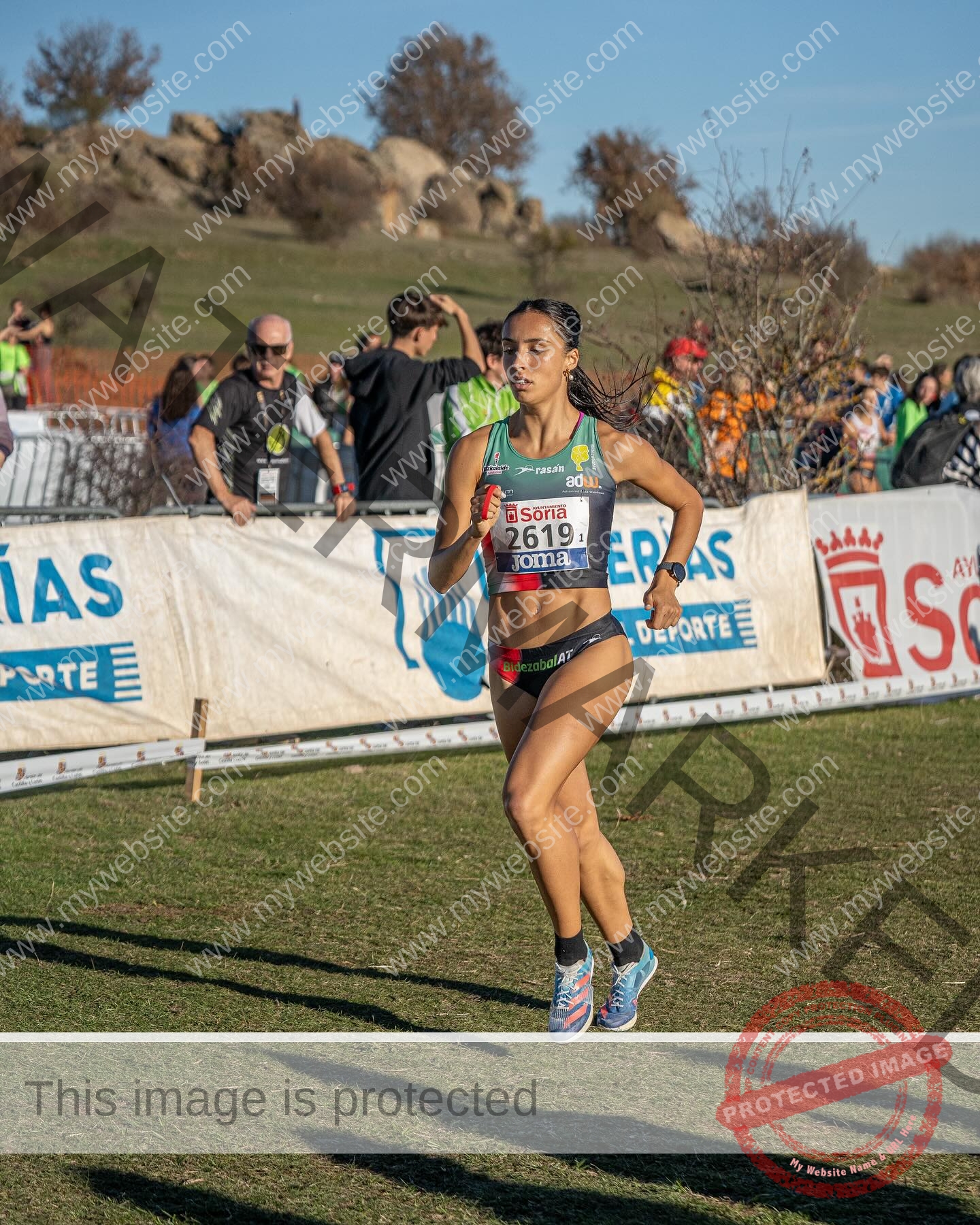

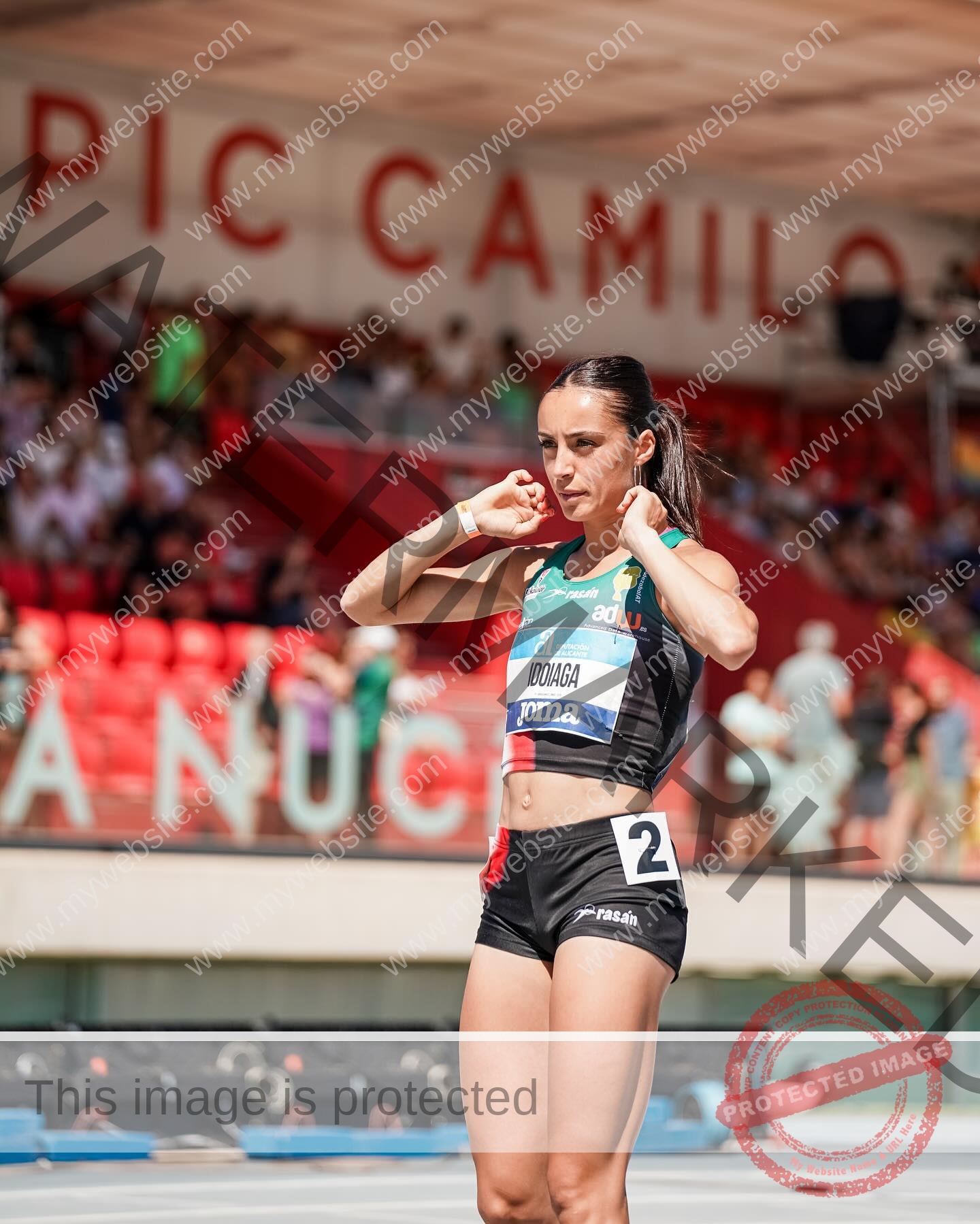
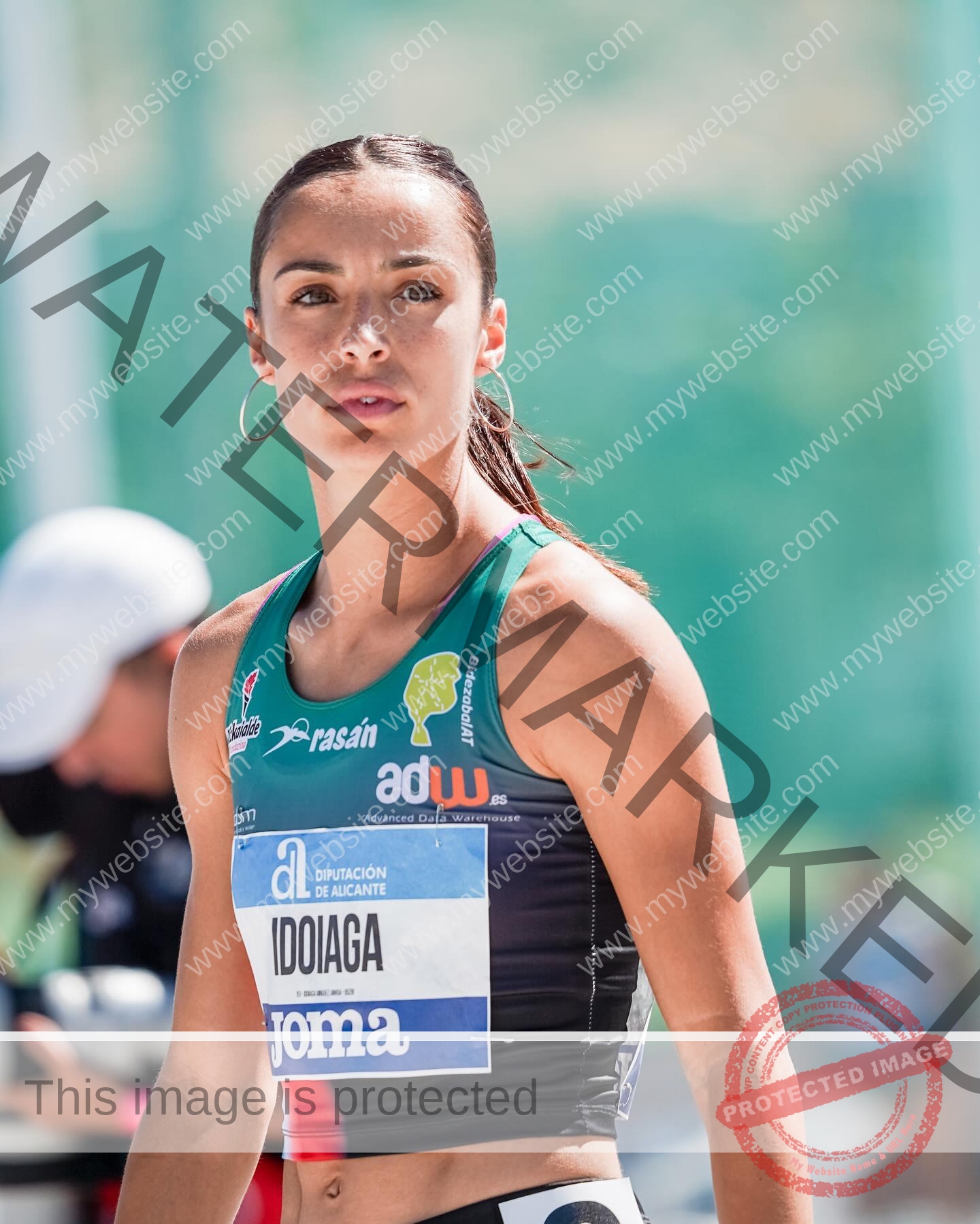
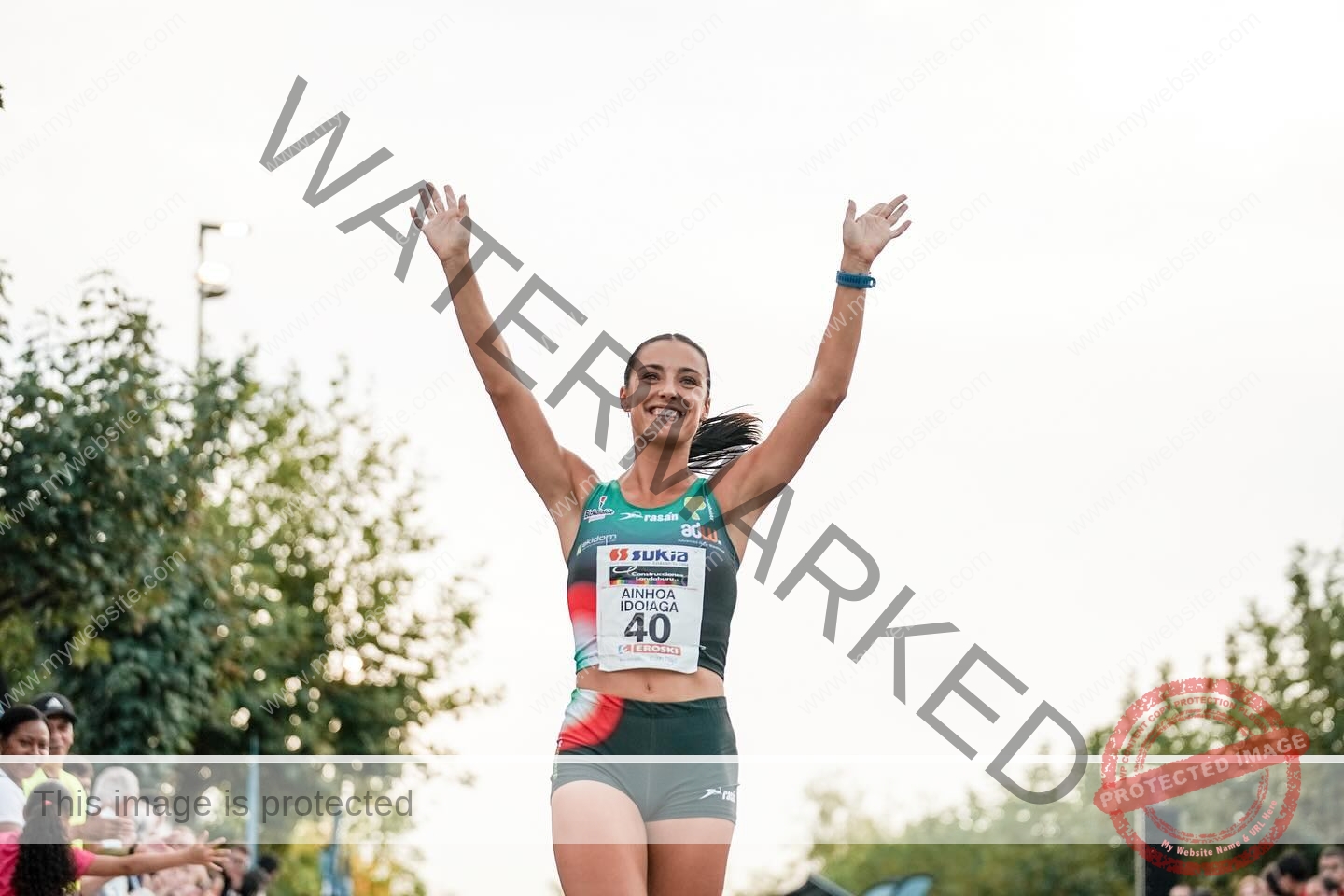
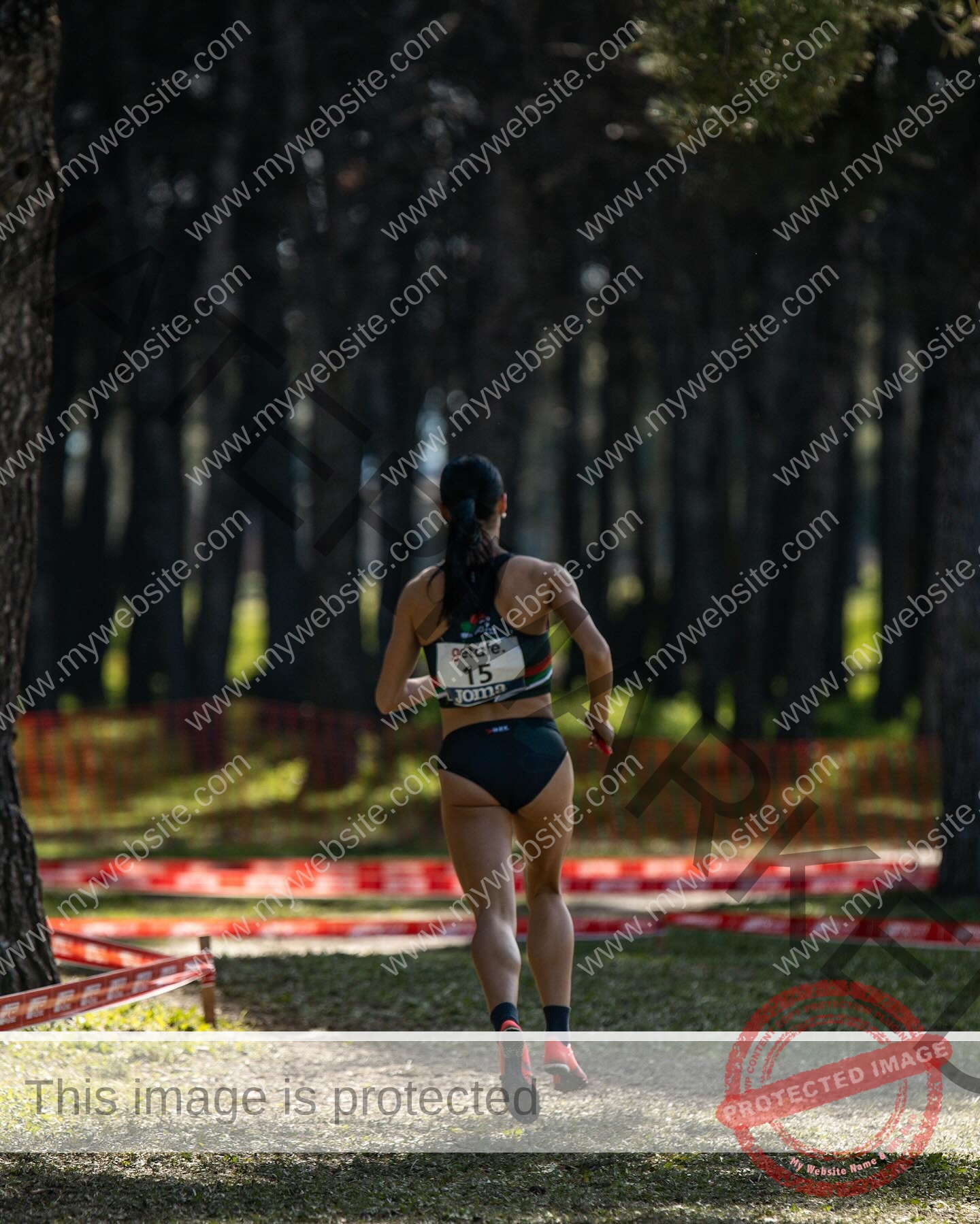
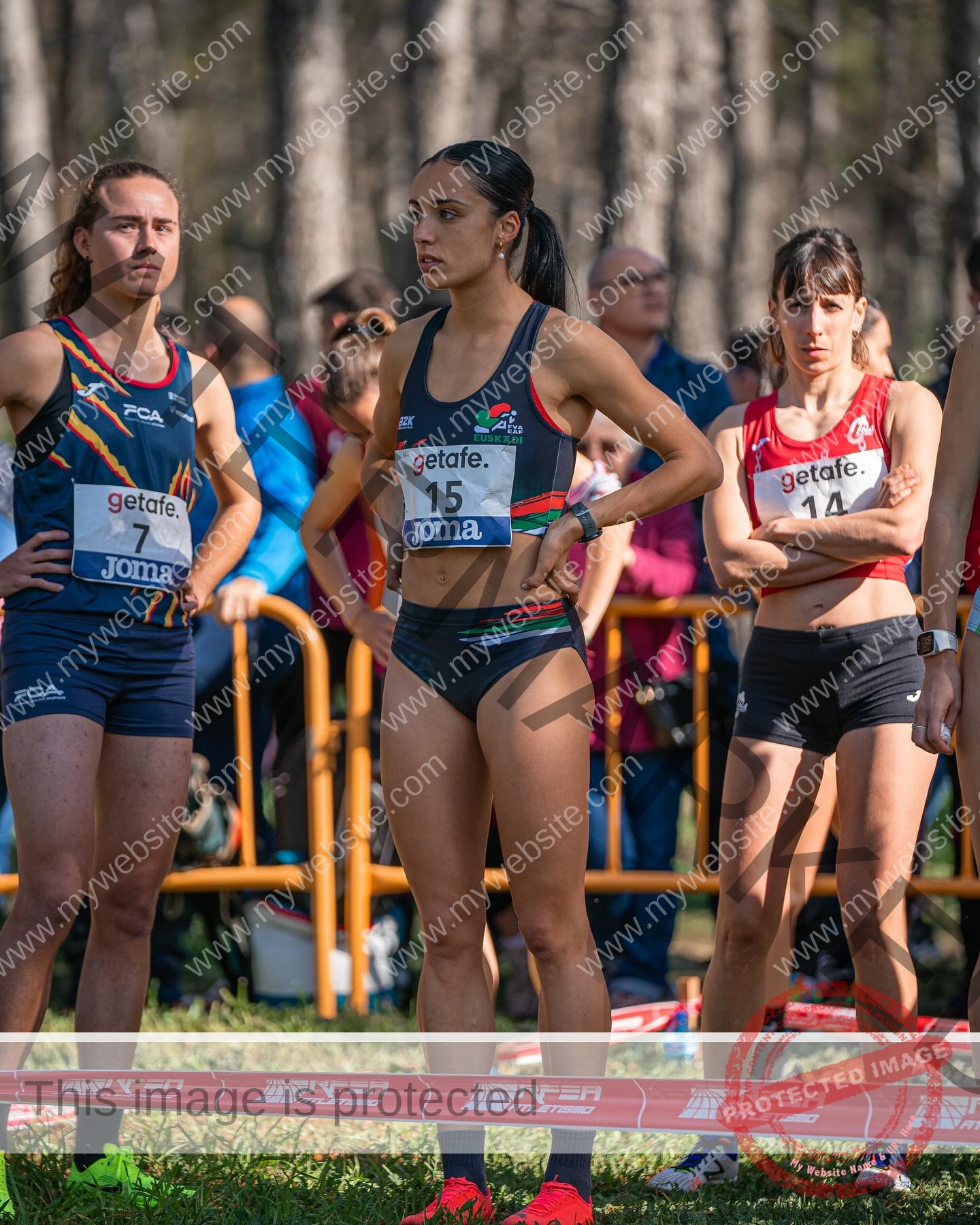
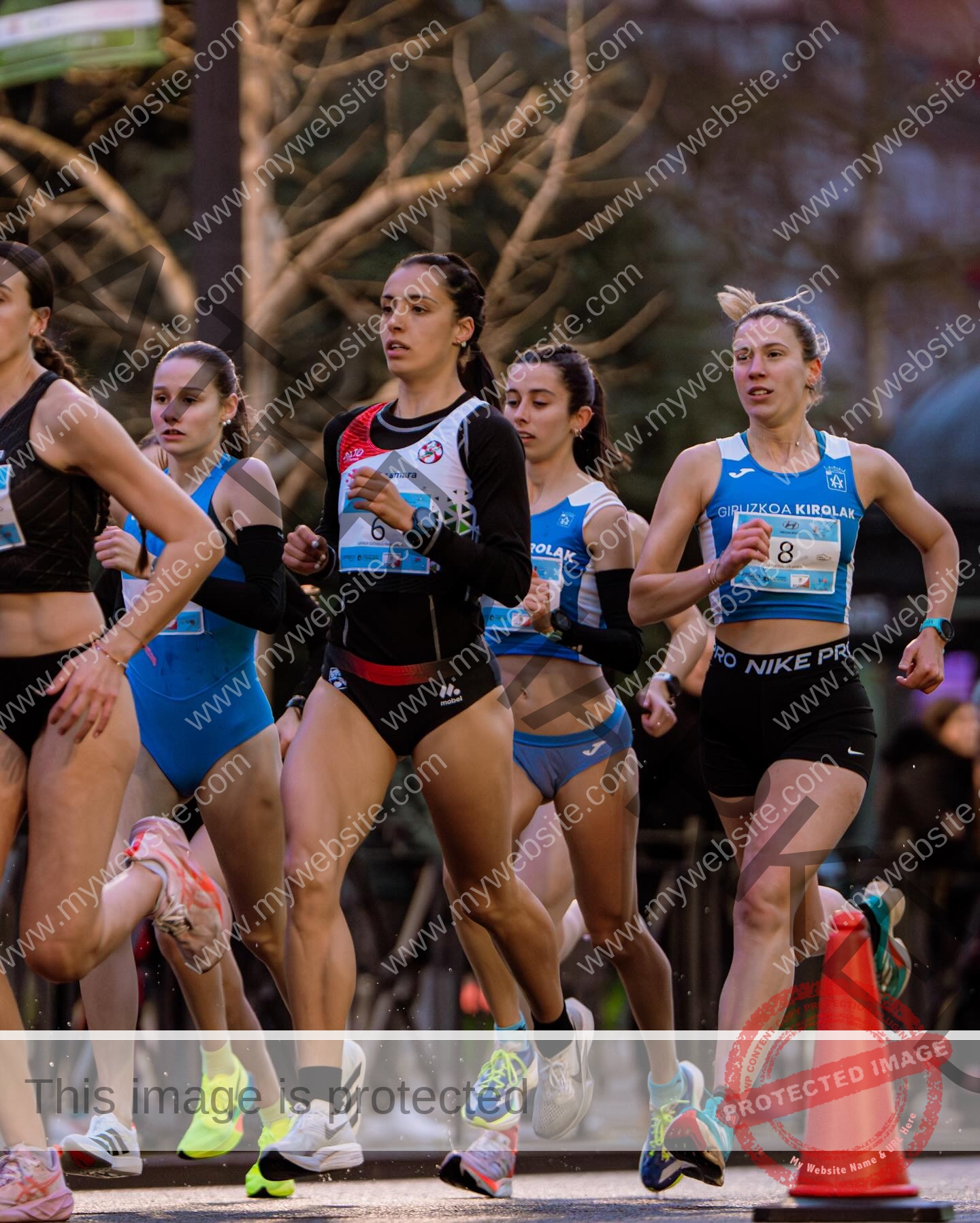



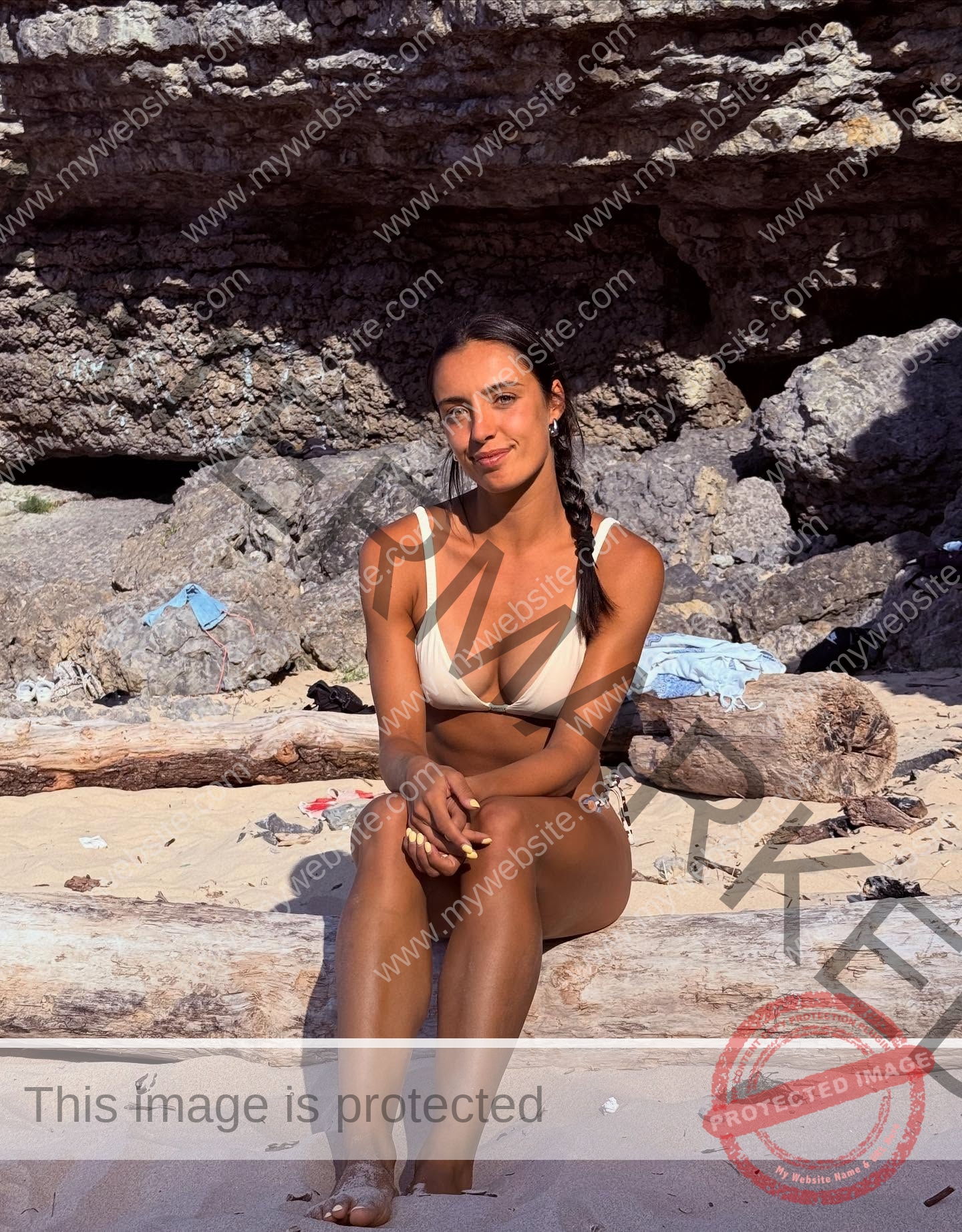
Ainhoa Idoiaga Mínguez: The Basque Competitor Who Found Her Distance
Born: 27 September 1998, Bizkaia, Basque Country, Spain
Nationality: Spanish
Events: 800 metres (primary), 400 metres, 400 metres hurdles, 4×400 metres relay
Club: Super Amara Bidasoa Atletiko Taldea (BAT), Irun/Hondarribia
World Athletics Code: 14702373
From the Basque Hills to the Track
There is something fitting about an athlete from the Basque Country finding her calling in the 800 metres. The region that produced generations of hard-running road racers and mountain runners has long nurtured a particular kind of competitive toughness — the kind that doesn’t buckle at the bell lap, that saves something for when it hurts most. Ainhoa Idoiaga Mínguez embodies that tradition.
Born on 27 September 1998 in Bizkaia — the westernmost of the three provinces of the Basque Autonomous Community — Ainhoa grew up in a sports-mad corner of Spain where Saturday mornings often mean cross-country races winding through riverside parks, and where athletics clubs are community pillars as much as sports organizations. She came of age in this world, joining the Super Amara Bidasoa Atletiko Taldea in the Txingudi Bay area of Gipuzkoa as a young competitor, developing within the club’s youth program.
What makes Ainhoa’s story particularly interesting is just how many different incarnations her athletics career has taken before settling into the middle-distance runner she is today. The journey from teenage pole vaulter to one of the better 800-metre specialists in the Basque Country is not a straight line — and that turns out to be one of the most compelling things about her.
A Versatile Youth: The Multi-Event Years
Ainhoa’s earliest documented competitive appearances — around 2014, when she would have been fifteen and competing in the cadet age category — show a young athlete trying on several different disciplines. At the 2014 Campeonato de Euskadi Juvenil y Junior, she appeared in the pole vault, clearing 2.70 metres. That’s not a throwaway effort; it placed her on a competition podium at a regional championship and hints at the kind of natural athleticism that makes coaches take notice.
At that same stage of development, she was also running — not yet the 800m or hurdles that would come to define her, but already showing the speed and endurance combination that would eventually point her toward the half-lap events. The Super Amara BAT youth program she was part of had an established track record of developing versatile young athletes, and Ainhoa appears to have been exactly the type of raw material those coaches most love to work with: fast, coachable, and willing to try things.
By 2015, she was appearing for BAT in the Liga Iberdrola Primera División competition — Spain’s top-level national club league — running 400 metres hurdles and contributing to relay squads. At sixteen or seventeen years old, competing in first-division club athletics is a meaningful step. The BAT women’s team during that period was pushing hard for promotion to the División de Honor (the highest club tier), and every point counted. Ainhoa contributed two second-place finishes in her events in one such key meet, still a teenager, going elbow-to-elbow with senior athletes from across Spain.
This period firmly established the pattern that would characterize her development: she was a points-scorer, a team contributor, someone whose versatility across sprint, hurdle, and middle-distance events made her genuinely valuable in the aggregate-scoring format of club athletics.
Finding a Home at Bidezabal: The Durango Years
At some point in the late 2010s — consistent with her academic timeline at the University of the Basque Country (UPV/EHU), where she pursued her studies — Ainhoa transferred her club affiliation to Bidezabal Atletismo Taldea, based in Durango in Bizkaia. The Bidezabal is one of the foundational athletics clubs in the Basque Country, founded in 1983 with the express goal of building a sporting community in the Durangaldea comarca. It had grown into one of the region’s most competitive women’s club programs, aspiring to reach the División de Honor, and it became the place where Ainhoa evolved into a genuine multi-event threat and, eventually, a dedicated 800m runner.
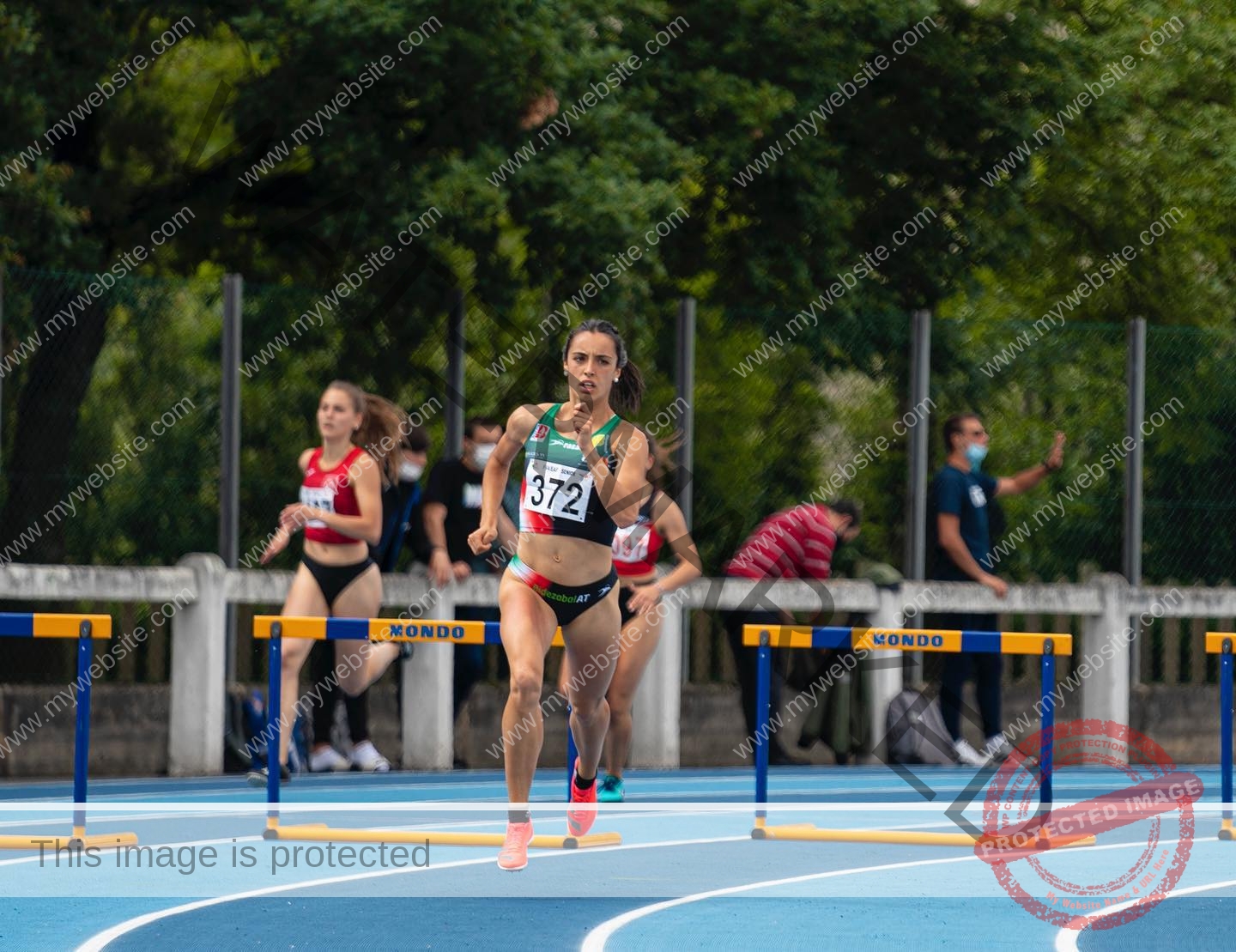
During her years with Bidezabal, she was a cornerstone of their women’s squad. Competition reports from their Liga Iberdrola appearances — in both Primera División and their División de Honor challenge campaigns — routinely listed her among the club’s most reliable individual point-scorers. She ran the 400 hurdles. She ran the 400 flat. She ran the 800. She ran relay legs. In a club competition format where a team needs a capable athlete in nearly every event, Ainhoa was the kind of athlete who showed up and competed hard regardless of which event her team needed her in.
A 2019 Liga Iberdrola Primera División meet in Durango’s Landako facility saw Bidezabal finish second in their quadrangular group, with Ainhoa running a 1:01.59 in the 400 hurdles — a very competitive mark at the national level. A 2023 campaign in Lleida had her winning the 400 hurdles outright and finishing second in the 200 metres in the same meet. Her personal best in the 400 hurdles stands at 1:01.74, set in Pamplona in June 2022 — a mark that ranks her solidly competitive within the Spanish national landscape.
What the Bidezabal years also gave her was experience at the grind of club athletics: traveling across Spain on weekends, competing in four-team group meets where every discipline matters, learning to maintain form across a long competitive season. It is the kind of education that doesn’t show up in any individual personal best time but absolutely shows in how an athlete handles the pressure of close, meaningful competition.
The Pivot to 800m and a World Athletics Profile
By the early 2020s, it was becoming clear that the 800 metres was where Ainhoa’s future lay. Her endurance base, her ability to run hard over extended distances, and her finishing kick — that quality that would later prompt a Spanish athletics analyst to write admiringly of how she “resuelve al sprint,” or resolved races with a sprint finish — all pointed in the same direction.
Her registration in the World Athletics database (code 14702373) captures her development as a dedicated 800m competitor, though her world profile also reflects the multi-event breadth of her background, listing 800m short track, 800m, 400m, and 400m hurdles among her disciplines. Her personal bests in the database are a fair summary of where she stands:
- 800 metres: 2:08.93 — set 22 June 2024 at the Altamira estadioa in Ordizia, Gipuzkoa
- 800 metres short track (200m indoor): 2:09.78 — set 1 February 2025 at the Velódromo de Anoeta, San Sebastián
- 400 metres: 56.10 — set 15 June 2024 at the Pista de Atletismo de Landako, Durango
- 400 metres hurdles: 1:01.74 — set 15 June 2022 in Pamplona
- 4×400 metres relay: 3:51.24 — set 26 April 2025 in Soria
The 2:08.93 for 800m is a meaningful benchmark. In the context of Spanish athletics, it places her among the competitive national field — not in the rarefied air occupied by Spain’s elite 800m specialists, but firmly within the range of athletes who qualify for national championships and push for finals. Nationally, she ranked among the top handful of 800m runners in the Basque Country heading into 2025, with only Irati Zurutuza ahead of her among Basque-licensed athletes on the year’s rankings.
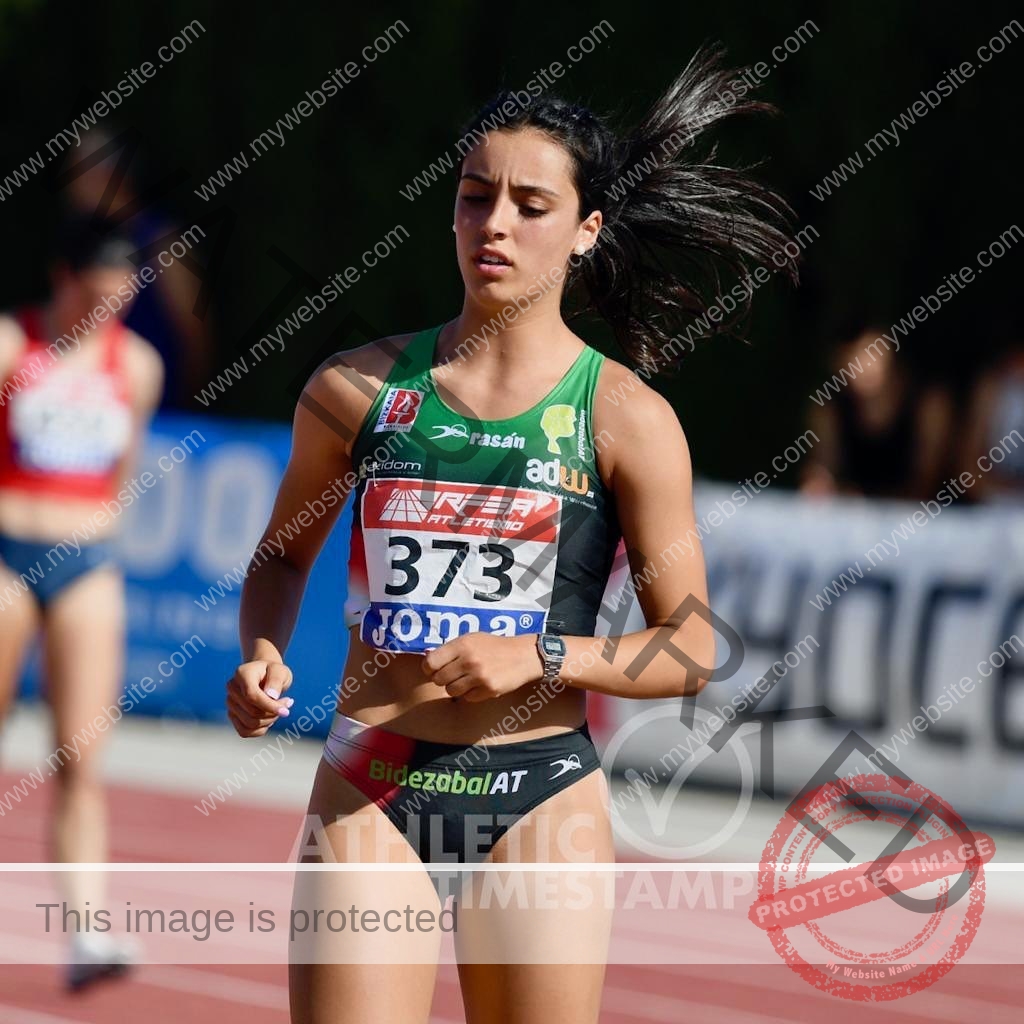
The 56.10 for 400m, achieved at Landako in June 2024, is also worth noting. That kind of flat 400m speed is a significant asset for an 800m runner — it suggests a genuine range and the kind of finishing pace that makes her dangerous in tactical races that come down to a kick.
Return to Super Amara BAT: The Breakthrough Moment
Sometime around the 2024 outdoor season, Ainhoa returned to the Super Amara Bidasoa Atletiko Taldea — the club where she had first competed as a young athlete — and the timing proved fortuitous. The BAT women’s program was in the midst of something genuinely historic: for the first time in the club’s history, its women’s team had qualified for the Copa Iberdrola (formally the Campeonato de España de Clubes, informally known as the Copa de la Reina), the top national club team competition with only eight teams competing from across all of Spain.
It is hard to overstate what a leap this represented for a club rooted in the Txingudi Bay area of the Basque-French border region. The Copa Iberdrola is where Spain’s most storied and well-funded athletics programs compete — clubs backed by major sponsors, drawing athletes from across the country and occasionally internationally. For Super Amara BAT to qualify by merit and compete on that stage was, as the club itself described it, a genuinely “historic” achievement.
Ainhoa was right in the middle of it. She served as the club’s designated 800m runner in Valencia, finishing sixth with a time of 2:11.69 — a competitive showing in a final where only the best in Spain were present. She also anchored the 4×400m relay squad, contributing alongside Alaine Aguerralde, Leire Martiarena and Alazne Garrido to a seventh-place team finish at 3:54.28. Sixth and seventh may sound like modest outcomes on paper, but in a field where eight clubs represent the absolute peak of Spanish women’s club athletics, those results reflect genuine national-level competitiveness.
The 2025 Indoor Season: Winning with Authority
If the Copa Iberdrola marked Ainhoa’s arrival at the highest level of club competition, the 2025 indoor season showed what she was capable of when allowed to run freely.
In January 2025, at the Campeonato de Euskadi Absoluto en Pista Cubierta — the Basque Country’s individual indoor championships, held at the Velódromo de Anoeta in San Sebastián — Ainhoa won the 800 metres title outright. The winning time was 2:13.56, and the manner of the victory impressed observers: she dominated the race, leading for much of it and winning with something to spare. Coverage noted that she ran “gran parte de la prueba sola” — a large portion of the race alone at the front, imposing her own tempo rather than waiting for a tactical late move. That is the mark of an athlete with real confidence in her own ability.
Two weeks later, on 1 February 2025 at the same Velódromo de Anoeta, she went even faster: 2:09.78 in the 800 metres short track, a personal best in the indoor/short track format. That time earned a World Athletics score of 1030 — a solid benchmark that reflects genuine national-level competitiveness.
At the Campeonato de España Absoluto de Pista Cubierta in Madrid in late February 2025 — the full national indoor championships — she competed in the 800m semifinal, finishing in 2:12.44 to place 20th overall. The national championships draw Spain’s very best, and reaching the semifinal stage at the country’s premier indoor meet is a meaningful achievement for an athlete continuing to develop at the elite domestic level.
Spring 2025: Club Competitions and Continuing Development
The 2025 outdoor season brought more strong performances. In April, she was part of the Super Amara BAT squad at the third encounter of the Liga Nacional de Clubes in Soria, named as the team’s 800m representative — a designation that confirmed her status as the club’s lead middle-distance competitor.
At the May 2025 Campeonato de Euskadi de Clubes de Primera División, held at Landako in Durango, Ainhoa won the 800m with a time of 2:19.54 — a result that, in the slower tactical tempo of club team competitions, represented another individual victory. She also ran the anchor leg of the winning 4×400m relay squad alongside Hai Duong, Nerea López and Alazne Etxebarria, the team finishing in 3:55.64. The club’s women’s team finished second overall behind Real Sociedad, continuing to establish itself as one of Euskadi’s top programs.
A summer analytical ranking of 2025 Basque and Navarrese 800m athletes placed her among only two athletes in the region to have broken 2:10 during the season — a small and exclusive group that underlines just how competitive she has become within the regional talent pool.
The Competitor on the Track: Racing Style and Character
Multiple race descriptions from Basque athletics observers paint a consistent picture of how Ainhoa competes. She is a racer who closes. In the January 2025 Campeonato de Euskadi de Pista Cubierta at Anoeta — a mixed competition drawing both Basque and Navarrese athletes — coverage noted how she “remató muy fuerte” (finished very strongly) to win a Final A that had been led by a Navarrese competitor for much of its duration. That pattern — patient in the early stages, decisive when the race opens up — is a classic 800m racing template, and she appears to have internalized it well.
The tactical side of her running matters in club competition, where the 800m is routinely run slowly until the final straight becomes a sprint. Her background as a 400m hurdler — a discipline that demands both raw speed and disciplined pace judgment — likely contributes to the kind of gear-shifting ability that makes her effective when 800m races devolve, as they often do in club meets, into pure sprint finishes.
Her versatility across events also continues to be an asset for her team. Even as a senior athlete, she regularly contributes relay legs, particularly in the 4×400m, adding to her club’s team total beyond her individual 800m specialty.
Club Context: The Super Amara BAT Story
Understanding Ainhoa’s career in 2024 and 2025 requires understanding the remarkable trajectory of the Super Amara Bidasoa Atletiko Taldea during this period. The club, based in Irun and Hondarribia in the Txingudi Bay area — the borderland where Spain and France meet at the mouth of the Bidasoa river — has been on a sustained rise through the tiers of Spanish club athletics.
The club is titled with a main sponsor, Super Amara, and operates as an athletics community hub for the border region, running everything from children’s school programs to senior elite squads. The women’s program’s ascent to the Copa Iberdrola represents a genuine landmark for an organization that prides itself on developing local talent within a regional identity rather than simply recruiting athletes from outside.
Ainhoa’s dual connection to the club — beginning her career there as a teenager and returning as a senior athlete — reflects that community-rootedness. She is part of what the club represents as much as she is a contributor to its competitive results.
The Copa Iberdrola qualification also came alongside the BAT men’s team achieving promotion to their own higher division, making 2024 a genuinely celebratory year across both programs. The women’s team, described by the club as “Batgirls,” competed against Spain’s most powerful clubs in Valencia with a blend of experience and young talent — and Ainhoa was among the experienced pillars.
Academic Life and the Basque Identity
Ainhoa Idoiaga Mínguez is a student at the Universidad del País Vasco / Euskal Herriko Unibertsitatea (UPV/EHU), the public university of the Basque Autonomous Community, with campuses spread across all three Basque provinces. That a competitive national-level track athlete is simultaneously pursuing a university education is not unusual in the Spanish athletics context — the country lacks the scholarship-funded collegiate athletics system of the United States, meaning most Spanish athletes at her level manage training and academic careers in parallel, without the institutional athletic infrastructure that American student-athletes take for granted.
This dual commitment speaks to the discipline that characterizes Ainhoa’s approach more broadly. Competing at national-level club athletics while keeping up with university study requires a high level of self-management and time discipline that extends well beyond what happens on the track.
Her Basque identity is also not a small thing. The Basque Country has its own distinct sports culture, its own athletics federation operating alongside the national RFEA, and a deep tradition of competitive running at all levels. Ainhoa operates within that culture, holding her license through the Bizkaia provincial federation, competing in Basque-specific championships, and representing both her club and, on occasion, the Basque collective in multi-athlete relay competition at the cross country championships.
Personal Bests Summary
| Event | Mark | Date | Location |
|---|---|---|---|
| 800m | 2:08.93 | 22 June 2024 | Ordizia, Gipuzkoa |
| 800m Short Track | 2:09.78 | 1 February 2025 | Velódromo de Anoeta, San Sebastián |
| 400m | 56.10 | 15 June 2024 | Landako, Durango |
| 400m Hurdles | 1:01.74 | 15 June 2022 | Pamplona |
| 4×400m Relay | 3:51.24 | 26 April 2025 | Soria |
Looking Forward
Ainhoa Idoiaga Mínguez turns 27 in September 2025. For middle-distance runners, that age sits squarely in what coaches often describe as the developmental peak of the event — old enough to have accumulated the aerobic base and competitive experience that the 800m rewards, young enough to still be improving. Her sub-2:09 personal best from 2024 represents a benchmark she will be looking to extend.
The trajectory of the past two seasons points in one direction. The Copa Iberdrola debut in February 2025, the Basque indoor title won with authority, the continued improvement in personal bests, the consistent role as a team leader for one of the Basque Country’s most ambitious women’s programs — all of it adds up to a picture of an athlete who has found her event, found her club, and found her competitive identity.
The Basque athletics scene she inhabits is richly competitive. The standard of 800m running in Euskadi and Navarra is high, with multiple athletes regularly clustering in the 2:07–2:10 range. For Ainhoa to stand among that group — as only the second-fastest Basque-licensed 800m runner in 2025 going into summer competition — is real achievement.
She continues to train and compete with the Super Amara BAT program, contributing to a women’s squad that has proven it can compete at Spain’s very highest club level. The Campeonato de España de Clubes, the Copa Iberdrola, the Liga Nacional — these are the stages where she’ll continue to test herself, adding to a competitive record that has already had more chapters than most athletic biographies twice its length.
For a kid who began her track career clearing the bar in the pole vault, the 800m turns out to have been a very good destination.
Social Media
Ainhoa Idoiaga maintains an active presence on ASKfm under the username @ainhoitaaaaaaaaa, where she has accumulated nearly 2,000 answered questions and an engaged following. Club news and race reports featuring her performances can be followed through the Super Amara Bidasoa Atletiko Taldea’s official social media channels, including their Instagram account at @BidasoaAtletikoTaldea and the club’s website at atletismobat.com.
Her World Athletics profile is publicly accessible and provides a regularly updated record of her competition results and progression.
Ainhoa Idoiaga Mínguez competes under World Athletics code 14702373. All performance data current as of the 2025 season.
